Nervous system - pathology exam
 Call Kai
 Learn
Learn Practice Test
 Spaced Repetition
 Match
Match Flashcards
 Knowt Play
1/21

Name | Mastery | Learn | Test | Matching | Spaced | Call with Kai | Chat |
|---|
No analytics yet
Send a link to your students to track their progress
22 Terms
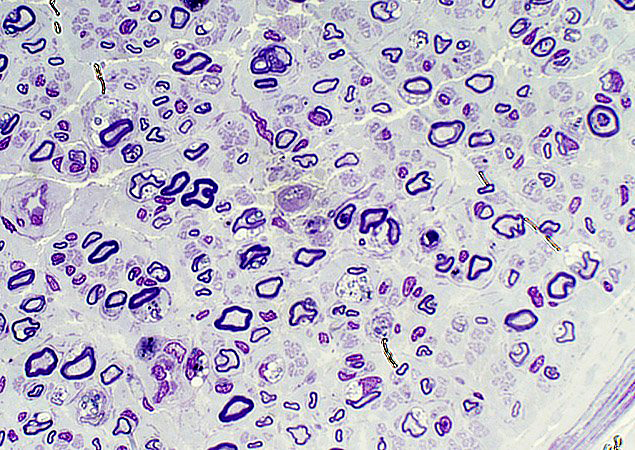
HYPOMYELINATION
Too little myelin is produced
The Myelin sheath is thinner than normal because Schwann cells (PNS) or Oligodendrocytes (CNS) cannot produce enough myelin
As a result, nerve impulses travel more slowly
DYSMYELINATION
Myelin is made, but it is formed incorrectly
Instead of wrapping neatly around the axon, the myelin becomes thin, irregular, or distorted, making nerve conduction inefficient

DEMYELINATION
Lost or destroyed after it has already formed
Without myelin, nerve signals become slow or may stop completely
VASOGENIC EDEMA
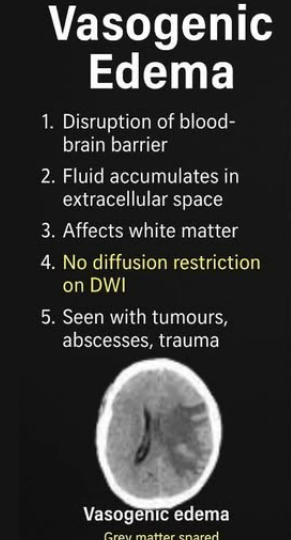
Most common type of cerebral edema in animals
It occurs when the blood-brain barrier (BBB) is damaged, allowing fluid, proteins, ions and other plasms components to leak from blood vessels into the extracellular space especially in the white matter

CYTOTOXIC EDEMA
The intracellular accumulation of fluid within brain cells; unlike vasogenic edema, where fluid accumulates
PARESTHESIA
An abnormal skin sensation, such as tingling, itching, or burning; usually caused by peripheral nerve damage
CAUDAL DISPLACEMENT
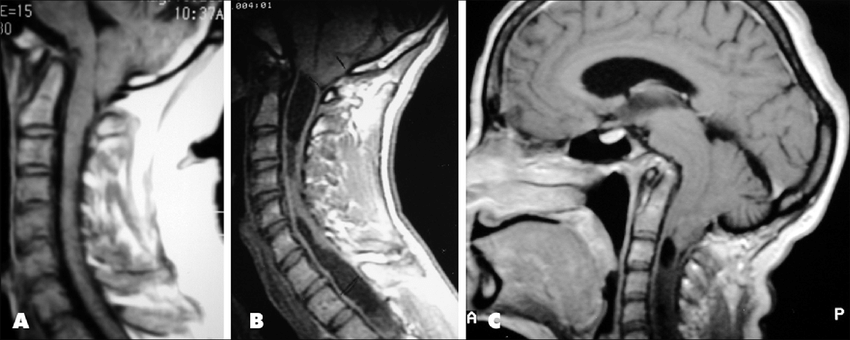
Forward or backward movement causes the brain to strike the inside of the skull, producing bruising (contusions)
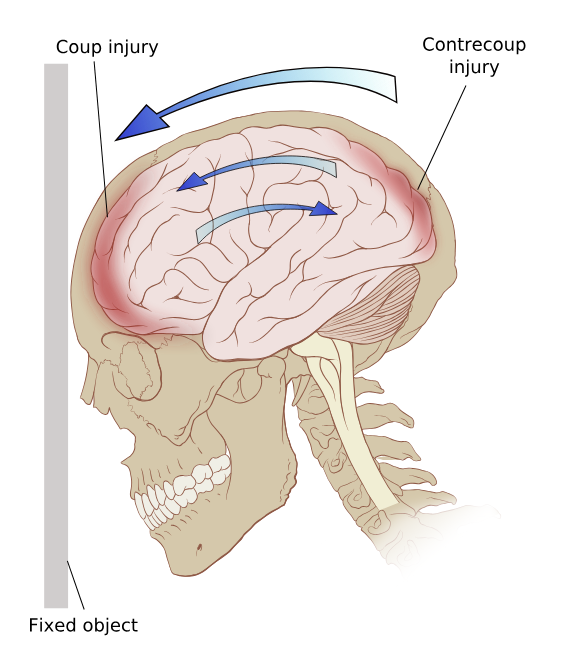
IMPACT (COUP)
Injury occurs at the site where the head is struck

REPERCUSSION (COUNTERCOUP)
The brain rebounds and strikes the opposite side of the skull, causing injury opposite to the impact site

LISSENCEPHALY
Developmental anomalies that result in part of or the entire cerebrum having smooth surfaces lacking normal gyri and sulci
Abnormal development of nerve cells in the brain before birth

RATHKE’S CLEFT CYSTS
Cystic lesions filled with clear fluid; which leads to panhypopituitarism (stunted growth, bilateral alopecia, come done, and skin hyperpigmentation)

HYDROCEPHALUS
Excessive accumulation of cerebrospinal fluid (CSF) within the brain’s ventricles
CONGENITAL HYDROCEPHALUS
ACQUIRED HYDROCEPHALUS
2 Types of hydrocephalus

CEREBELLAR HYPOPLASIA
Underdevelopment of the cerebellum due to the loss of developing nerve cells

DYSRAPHISM
Congenital failure in the fusion or formation of the primitive neural tube in the developing embryo
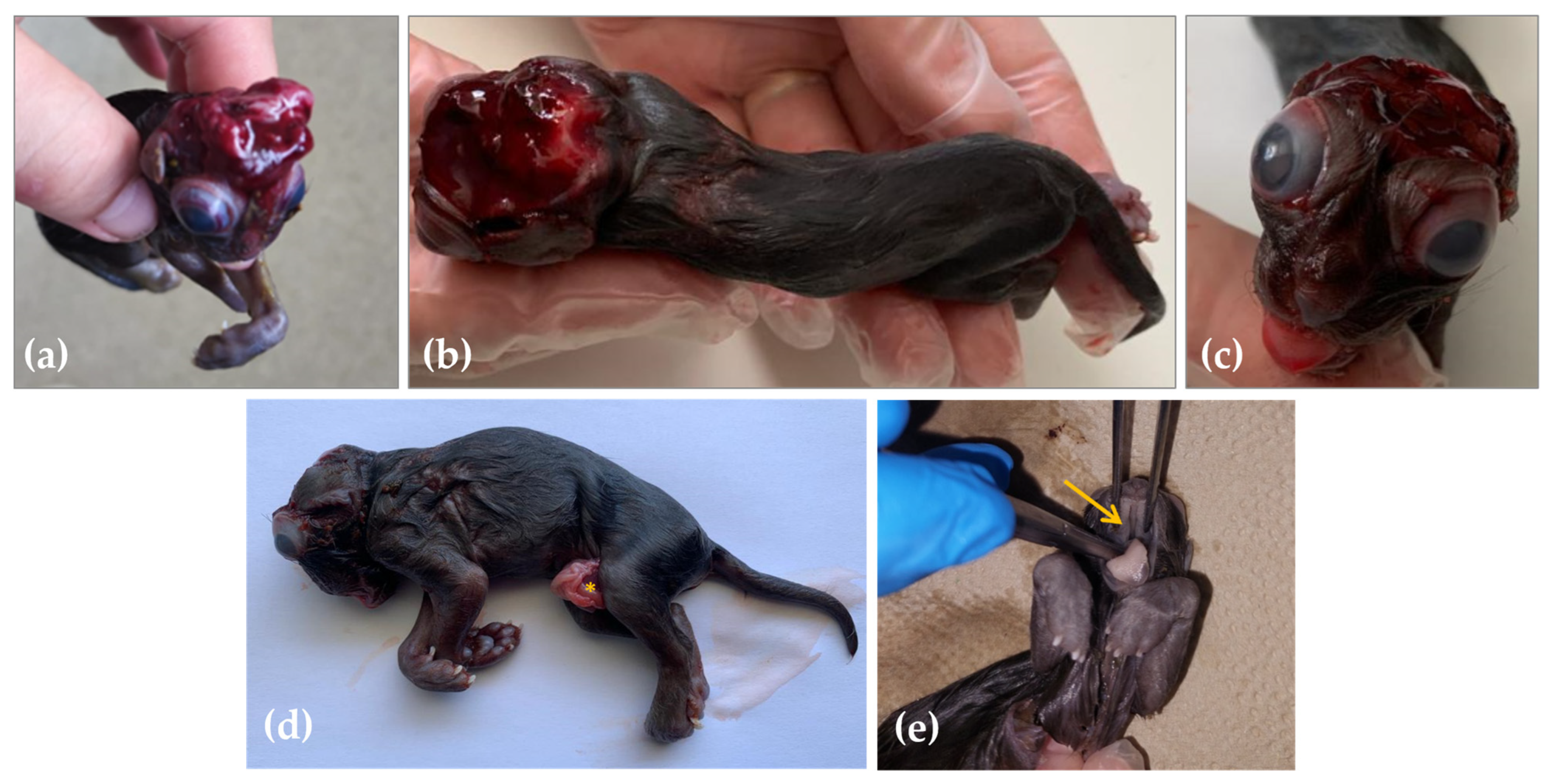
ANENCEPHALY
Congenital absence of most of the brain, especially the cerebral hemispheres
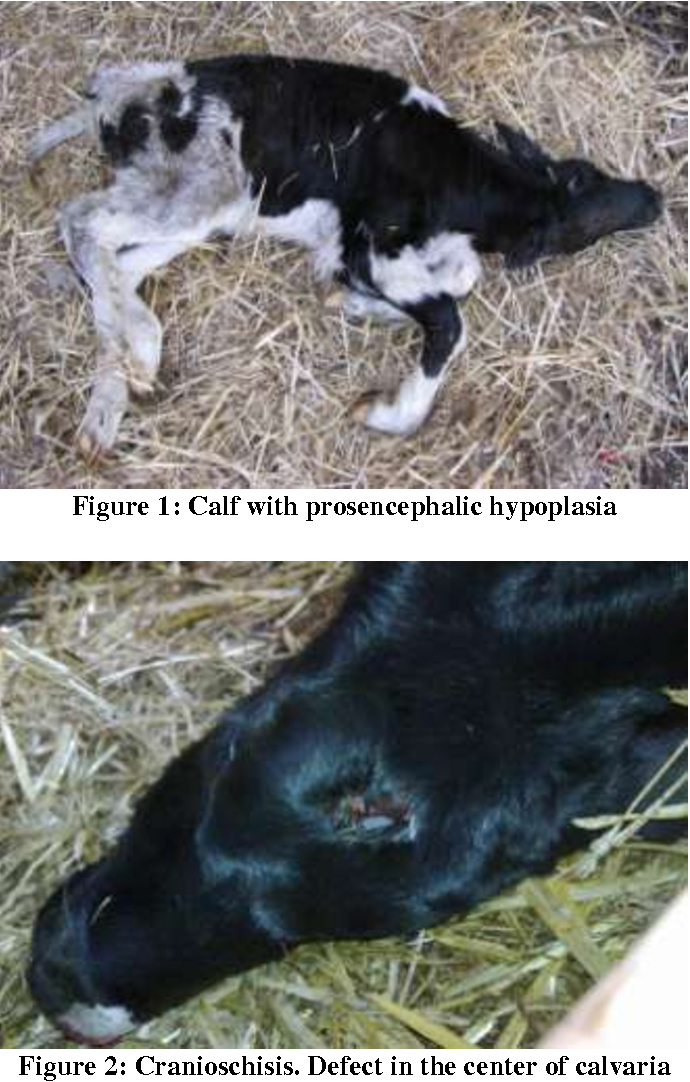
PROSENCEPHALIC HYPOPLASIA
Only the forebrain is absent

CRANIAL BIFIDUM
Congenital failure of the skull bones to fuse, leaving a midline cranial defect
This opening allows the meninges and /or brain tissue to protrude
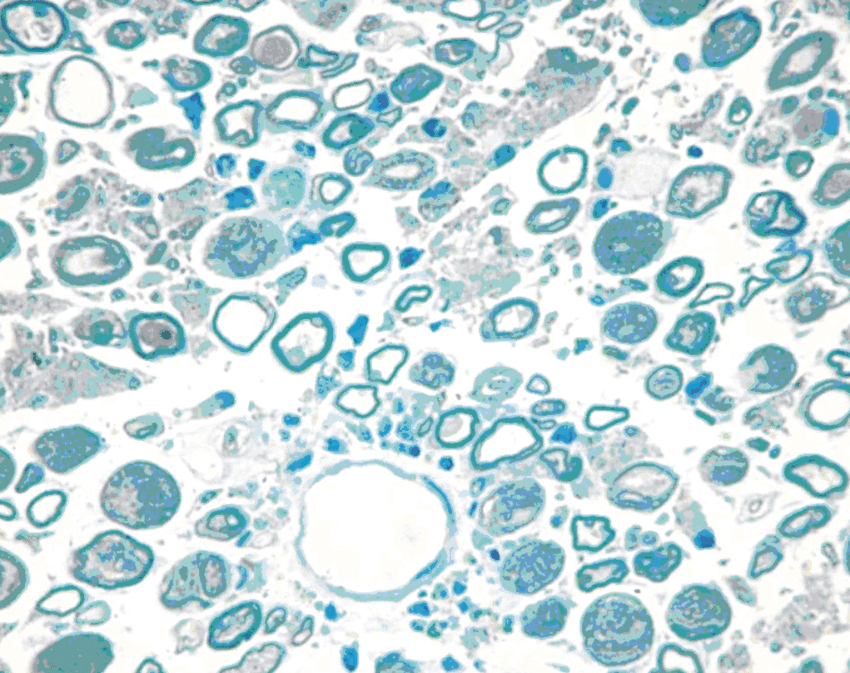
WALLERIAN DEGENERATION
The active breakdown of an axon and its myelin sheath following a cut or crush of a nerve fiber

LEUKOENCEPHALOMALACIA
Ingesting moldy corn feed contaminated with Fusarium moniliform a fatal neurologic disease in horses

SYRINGOMYELIA
A condition characterized by the formation of a cavity within the spinal cord

ACRAL MUTILATION SYDROME
A congenital sensory neuropathy characterized by loss of pain sensation (analgesia) and self-mutilation due to degeneration of sensory neurons