post-translational modifications
 Call Kai
 Learn
Learn Practice Test
 Spaced Repetition
 Match
Match Flashcards
 Knowt Play
1/28

Earn XP
Description and Tags
Name | Mastery | Learn | Test | Matching | Spaced | Call with Kai | Chat |
|---|
No analytics yet
Send a link to your students to track their progress
29 Terms
what do post-translational modifications do?
alter the properties of amino acids
alter structure and function of the protein produced
what are the common post-translational modifications?
receptor phosphorylation
acetylation
N- and O- glycosylation
ubiquitylation
proteolysis
what amino acids does receptor phosphorylation target?
serine (S)
threonine (T)
tyrosine (Y)
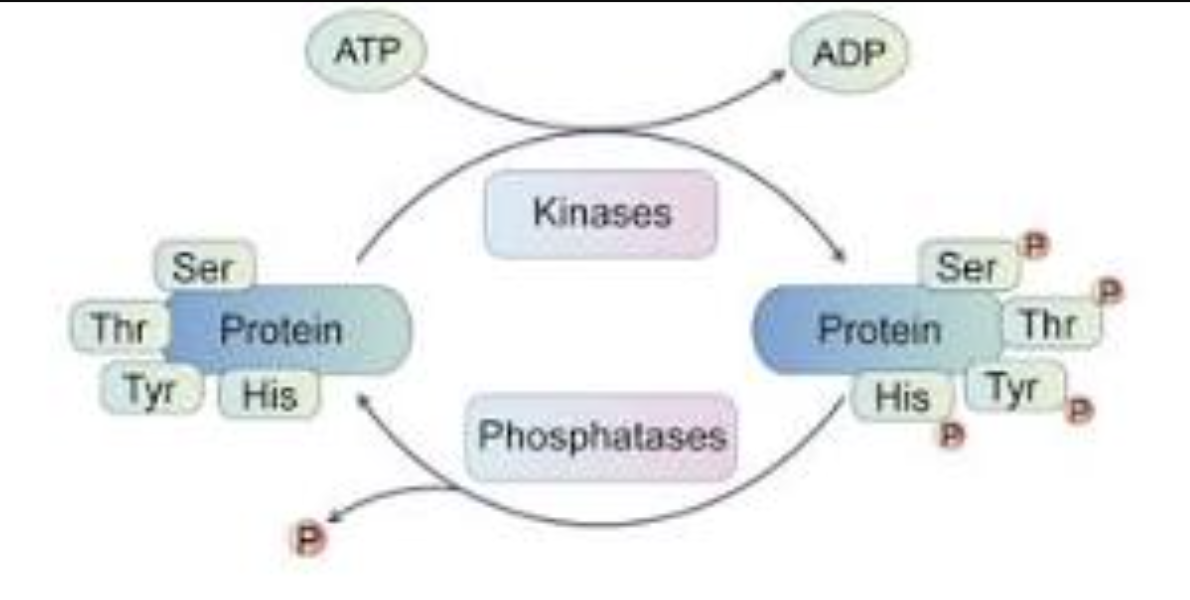
what is receptor phosphorylation?
receptor is phosphorylated
common in cell signalling e.g. insulin receptors
what are the impacts and effects of receptor phosphorylation
impacts how receptors interact with other molecules and respond to stimuli
what enzymes catalyse phosphorylation and dephosphorylation?
phosphorylation = kinase
dephosphorylation = phosphatase
diagram of receptor phosphorylation
what amino acids does acetylation target?
serine (S) threonine (T) lysine (K)
what is an example of acetylation
histone acetylation in DNA
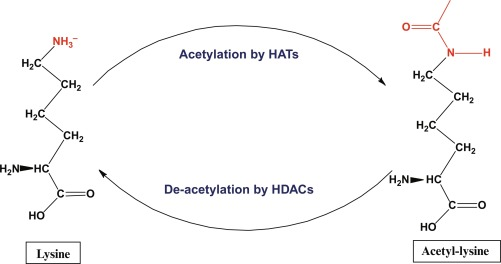
what happens in histone acetylation and what enzyme is used?
histones are positively charged and DNA is negatively charged so DNA wraps tightly around histones
acetylation adds a negative charge to histones, interaction between histone and DNA is weakened making chromatin more accessible
histone acetyl transferase transfers acetyl group (from acetyl CoA) to lysine residues on histones
histone deacetylase undoes it
diagram of histone acetylation
what amino acids does N- and O- glycosylation impact?
serine (S)
threonine (T)
asparagine (N)
example of N and O glycosylation
erythropoietin
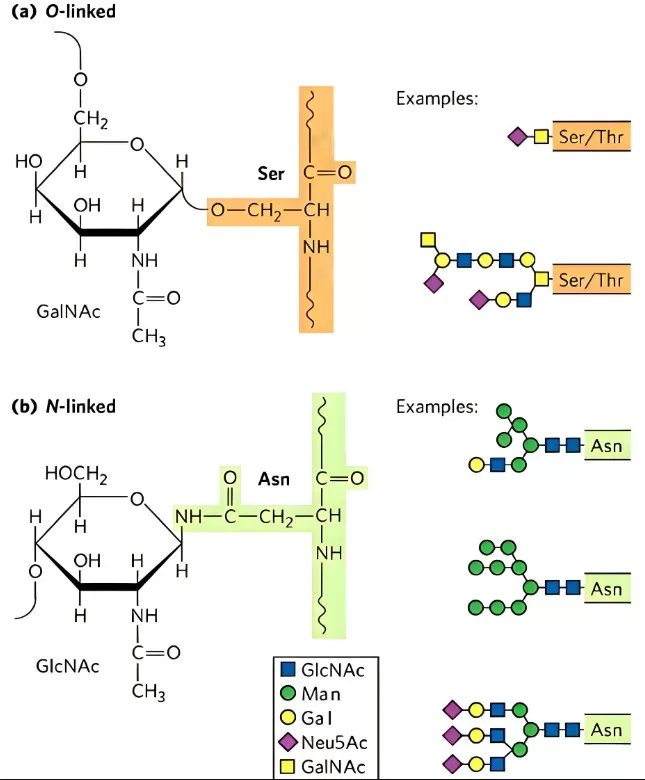
what happens in glycosylation
Glycosylation is the process of attaching sugar molecules (glycans) to proteins
polysaccharides are transferred to specific amino acid residues by glycosyltransferases
key role in regulation of protein function and cell adhesion
two most common types are N-linked and O-linked glycosylation
what impact does glycosylation have on erythropoietin?
provides stability and function
diagram of n and o glycosylation
what amino acids does ubiquitylation usually affect?
lysine (K)
what happens in ubiquitylation?
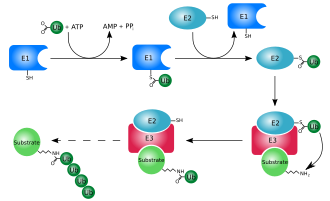
small, 76-amino-acid protein called ubiquitin is covalently attached to a target substrate
process dictates protein stability, cellular localization, and signaling pathways
Ubiquitination is an ATP-dependent cascade facilitated by three primary classes of enzymes: E1, E2, E3
what do E1, E2, and E3 do?
E1 (Ubiquitin-activating enzyme): Binds and activates ubiquitin before transferring it to the next enzyme.
E2 (Ubiquitin-conjugating enzyme): Receives the activated ubiquitin from E1.
E3 (Ubiquitin ligase): Recognizes specific target substrates and facilitates the final transfer of ubiquitin onto the protein
diagram of ubiquitylation
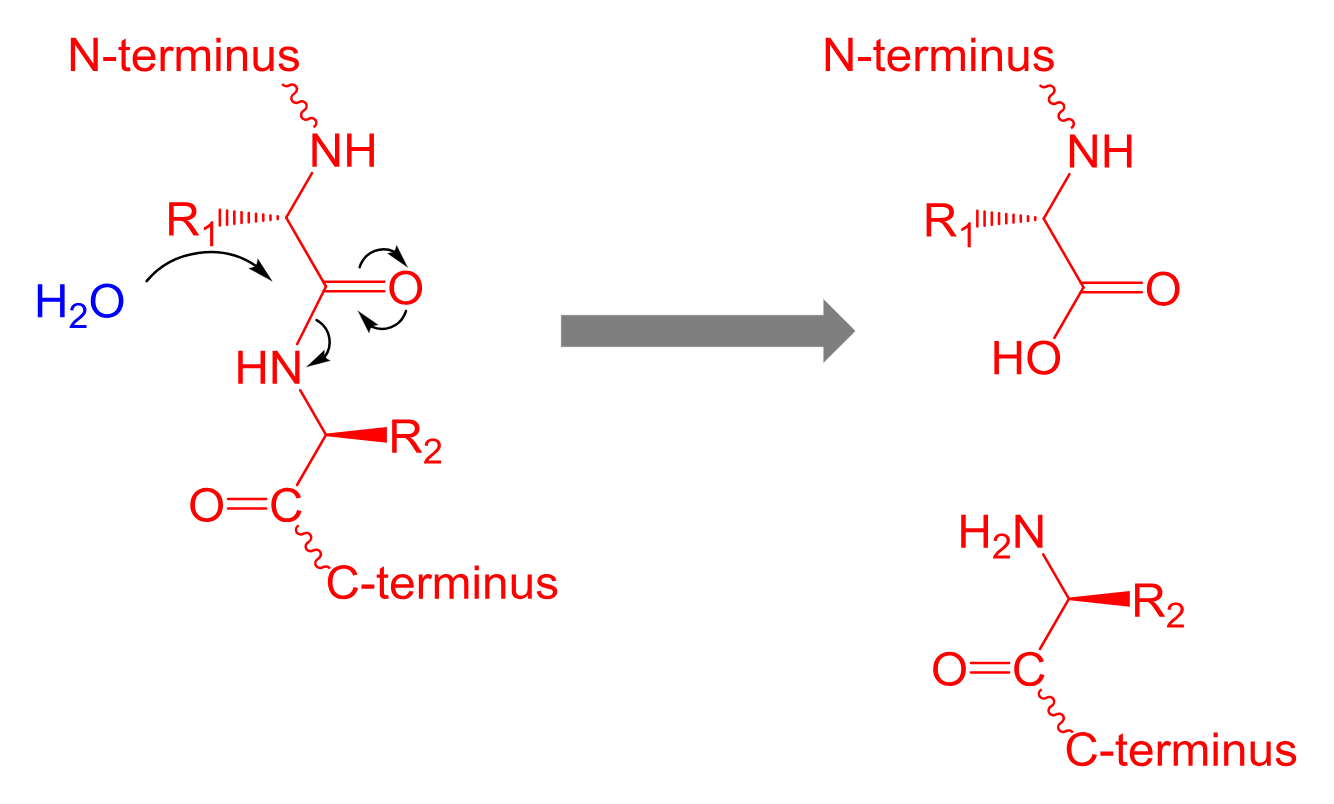
what is proteolysis?
the process of breaking down proteins into smaller polypeptides or amino acids by hydrolyzing their peptide bonds
proteases hydrolyse peptide bonds
irreversible change of structure and function
proteolysis diagram
what is an example of proteolysis?
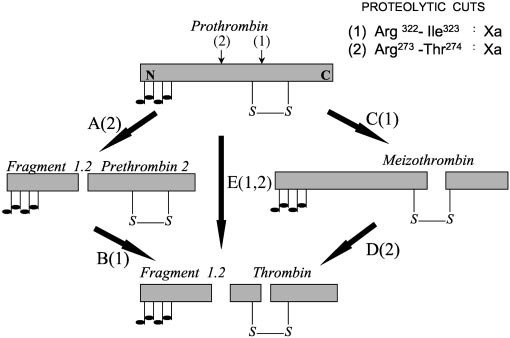
prothrombin —> thrombin
what happens to prothrombin in proteolysis and what enzymes are used?
prothrombin is cleaved at two sites to convert into active thrombin (coagulation cascade)
carried out by the prothrombinase complex
prothrombin proteolysis diagram
what is carboxylation and what is it used for?
addition of a carboxyl group (-COOH) to specific amino acids in a protein
used for activating proteins in blood clotting and bone development
what is an example of carboxylation?
most common type of carboxylation involves changing the amino acid glutamate (Glu) into gamma-carboxyglutamate (Gla)
prothrombin is rich in ɣ-carboxyglutamate (binds to Ca2+)
COLLAGEN AND HYDROXYPROLINE - an example of post-translational modification
collagen is a protein that forms fibrous structures (abundant in skin, blood vessel walls, teeth)
each collagen molecule consists of three polypeptide chains coiled together in triple helix
each polypeptide chain is made up of repeating Gly-X-Y sequences
X is often proline and Y is often hydroxyproline
how is hydroxyproline generated?
through post-translational modification of proline
carried out by the enzyme proline hydroxylase
requires vitamin C (ascorbic acid) for activity