thrist project: the solution
 Call Kai
 Learn
Learn Practice Test
 Spaced Repetition
 Match
Match Flashcards
 Knowt Play
1/13

There's no tags or description
Looks like no tags are added yet.
Name | Mastery | Learn | Test | Matching | Spaced | Call with Kai | Chat |
|---|
No analytics yet
Send a link to your students to track their progress
14 Terms
So as awful as the global water crisis is, the one good part about it is that we know the solution! It's giving people clean water for life in the form of fresh water wells. One freshwater well can mean the difference between being forced to drink water like this…

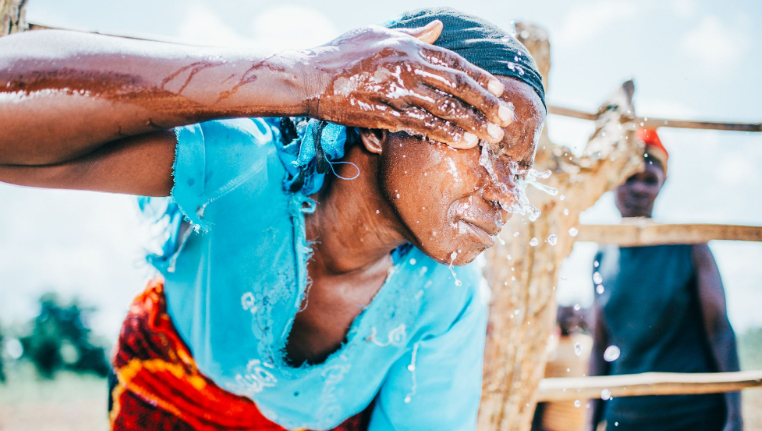
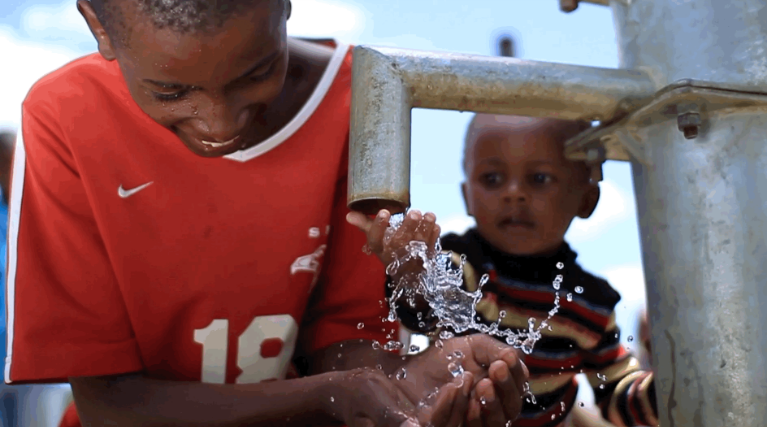
: …and having access to water like this…

THAT. That's the difference one well makes."
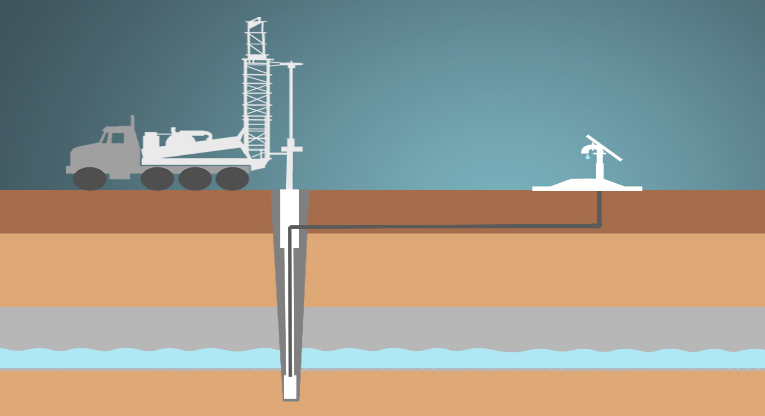
And we aren't doing anything revolutionary. All we're doing is going into communities, hiring local drillers with huge rigs, that are able to drill deep — 200 to 300 feet into the ground — tapping into existing water tables, and building fresh-water wells to draw up safe, protected, and reliable water for people.

When you bring safe water to a community, it’s amazing what happens:
disease rates can consistently drop upwards of 88%;

Child mortality rates can drop, consistently, by upwards of 90%.

Suddenly it means that kids who used to have to walk up to eight hours a day to collect contaminated water don’t have to anymore

they can take that time to go to school, to get an education and start breaking the cycle

it means that women who used to have to walk eight hours a day to fetch contaminated water don’t have to anymore;

they can take that time to start working and contribute financially to their households.
Water is the absolute, undeniable, most basic resource that plays a role in the need to end extreme poverty. It impacts literally every other development issue from education to agriculture to health to family life to the economy. Water seeps into every single aspect of community life and development. Water changes everything.

39:
I want to show you what that looks like through a story that genuinely moved me when I first read it
This is a photo of the water source that Tentele Primary School was relying on before we got there. Tentele is a K through 7 grade school in a rural part of Eswatini And this– this dirty, contaminated water– was what the kids, the teachers, everyone in that community were using for drinking, cooking, washing. Everything.
Because of the water shortage, their school had to cancel their agriculture class. They couldn’t irrigate the garden, so nothing would grow. And that matters a lot in Eswatini because not only is it an important part of their daily lives, it shows up in their national exams. Students were terrified they’d fail that section and not be able to move on to secondary school.
On top of that, 40-50 kids every single month were coming in sick with stomach aches from drinking contaminated water. Every single month.
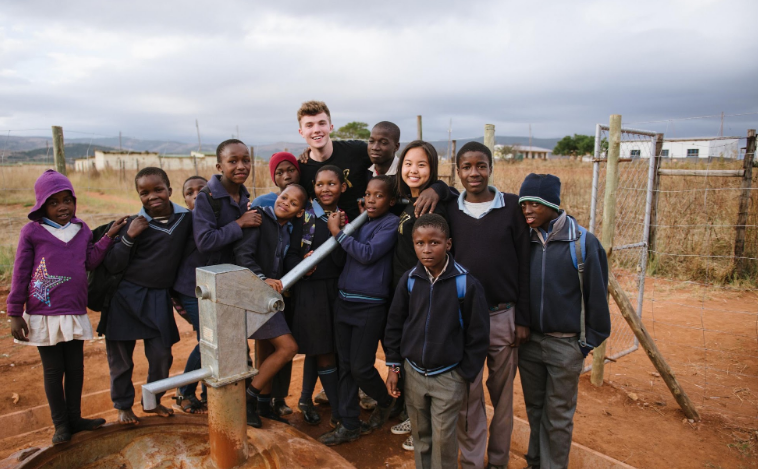
Thirst Project knew we had to step in. So, we built a brand new freshwater well at Tentele. When we went back to visit, the head of school told us the agriculture class had started back up. And in the 8 months since we built that well zero cases of waterborne illness were reported. Zero.
And all around Eswatini, kids are drinking clean water and going to school because of efforts from people like you.