Forensic and Clinical Psychology Vocabulary
 Call Kai
 Learn
Learn Practice Test
 Spaced Repetition
 Match
Match Flashcards
 Knowt Play
1/57

Earn XP
Description and Tags
Vocabulary terms and definitions covering psychological evaluation concepts, testing types, and forensic assessment terminology.
Name | Mastery | Learn | Test | Matching | Spaced | Call with Kai | Chat |
|---|
No analytics yet
Send a link to your students to track their progress
58 Terms
Archival Information
information obtained from outside sources such as mental health institutions, prisons, schools or physicians that is often used to verify psychological testing or firsthand reports in psychological evaluations.
Cognitive Distortions
a term used to describe faulty cognitions or thoughts often present in individuals with mental illness.
Correctional Psychology
a branch of clinical psychology that focuses on the application of clinical psychology to individuals incarcerated in jails and prisons.
Criminogenic needs
the goals that offenders have or the needs they fulfil when committing crimes.
Forensically relevant instruments
psychological measures that focus on clinical issues, which are more common in the legal system such as psychopathy or future violence, but that have not been designed specifically to be used in the legal system.
Forensic assessment instruments
psychological measures intended for use in forensic context.
Objective tests
a personality test in which an individual if asked a question and expected to respond in a structured and direct manner such as on a rating scale or a true false format. (ex. mmpi or mmpi-2)
Projective tests
a personality test that involves the presentation of ambiguous stimuli. ex. rorschach inkblot
Reliability
a scientific term related to consistency and stability of measurement.
Responsivity
the idea that any treatment should match the needs of the individual being treated and be specifically tailored to him or her in order to increase the likelihood of effectiveness.
Scope of practice
the parameters of professional expertise in which psychologists must practice.
Secondary gain
any external gain that someone derives from suffering from mental illness.
Semi-structured interviews
a type of interview that has a recommended format but does not need to be followed precisely.
Specialized forensic instruments
psychological measures directly relevant to a specific legal standard and the abilities that relate to the legal standard.
Structured interviews
a clinical interview in which the interviewer is required to ask specific questions and follow specific procedures.
Therapeutic assessment
a psychological assessment performed to assist in future therapy or improve a person's psychological functioning.
Unstructured interviews
a type of clinical interview in which the interviewer does not follow specific questions or format.
Validity
a scientific term related to accuracy of measurement.
State v. Driver (1921)
The first case where a psychologist testified as an expert witness on a SA case.
Jenkins v. United States (1962)
Psychologist’s testimony could be admitted to determine criminal responsibility (i.e., insanity)
Civil law
branch of the legal system that resolves non-criminal disputes
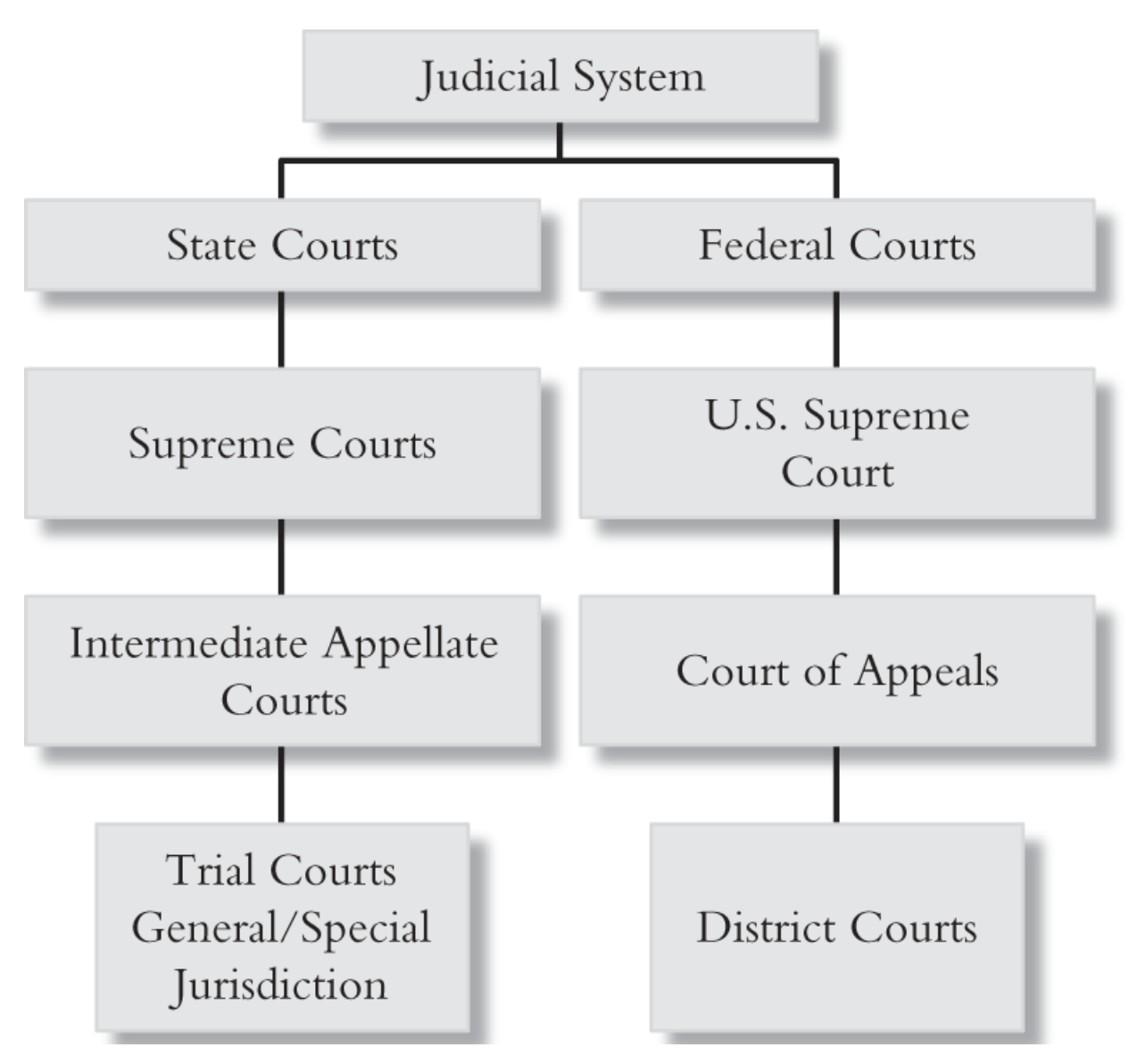
Court systems
State Courts
Trial courts, circuit courts, supreme courts
Federal Courts
District courts, circuit courts, appeals courts, and the United States Supreme Court
Statutory law v. case law
Therapeutic Jurisprudence
“the use of social science to study the extent to which a legal rule or practice promotes the psychological well-being of the people it effects” (Slobogin, 1996, p. 767)
Legal rules and actors can produce therapeutic or anti therapeutic consequences
conflict between law and society (Psychology vs. Law)
Psychology is grey while the law is black and white (strict).

How to become forensic psychologist:
Admission to graduate program
Doctorate or masters
Both have advantages and disadvantages
In most jurisdictions the title psychologist is reserved for those with a doctorate not a masters
Most people in forensic psychology get a doctorate in psychology
Models of training programs in psych field
Joint-Degree Programs
Earn both a degree in the law and in psychology
Specialty Programs
Receive specialized training in forensic psychology
General Programs
Offers broad training with minimal opportunity for specialization in forensic psychology
Levels of Forensic Psychology
Legally informed clinician
Educated in fundamental forensic ideas
Proficient clinician
Receives specialized training in forensic psychology
Specialist clinician
Integrated experience designed to train forensic psychologists
Forensic Psychology training
DeMatteo et al. (2009) proposed training in several specific areas at a minimum
Substantive Psychology
Research Design-Methodology & Statistics
Conducting Research
Legal Knowledge
Integrative Law-Psychology Knowledge
Ethics & Professional Issues
Clinical Forensic Training
Careers in Forensic Psychology
Correctional facilities
State hospitals
Law enforcement agencies
State and federal government agencies
Community mental health centers
Juvenile detention facilities
Private practice
Colleges and universities
Structure of the Legal system
circuit courts, allow for an appeals process, and a court that functions as the highest court in that state, normally the Supreme Court.
The United States federal system is set up similarly. There are entry-level trial courts called district courts, circuit courts similar to those in the state court system, various types of appeals courts, and the United States Supreme Court, which functions as the highest court of appeals in the nation.
circuit court
Courts that sit within a judicial circuit, i.e., an administrative division of a country's judiciary; or; A higher-level trial court,
civil law
branch of the legal system that resolves non criminal cases or disputes
the psychological specialty that provides continuing and comprehensive mental and behavioral health care
joint degree program
joint degree programs offers a unique opportunity to build a specialized niche while earning two degrees in a shortened amount of time.
Negligence
Negligence is the legal failure to use the level of care that a reasonably prudent person would exercise under the same circumstances
The injury would not have occurred without the defendant's negligence.
Post-traumatic stress disorder (PTSD) is a mental health condition that's caused by an extremely stressful or terrifying event. Symptoms may include flashbacks, nightmares, severe anxiety and uncontrollable thoughts about the event.
therapeutic jurisprudence
the use of social science to study the extent to which a legal rule or practice promotes the psychological and physical well-being of the people it affects
Jargon
specialized words used in legal system