Final- Neuroscience
 Call Kai
 Learn
Learn Practice Test
 Spaced Repetition
 Match
Match Flashcards
 Knowt Play
1/191

There's no tags or description
Looks like no tags are added yet.
Name | Mastery | Learn | Test | Matching | Spaced | Call with Kai | Chat |
|---|
No analytics yet
Send a link to your students to track their progress
192 Terms
Higher centers of motor control
involved in voluntary movements; long descending tracts that come from the cortex/brainstem (UMN->LMN)
Long descending tracts
UMN end on LMN; movement, posture, muscle tone, and reflexes are controlled by a balance of these; parallel pathways with overlapping complementary function
Motor cortex
located in the frontal lobe; premotor area/cortex->supplementary motor areas-> primary motor cortex (M1, main motor area); receives info from somatosensory areas, other frontal lobe areas, association areas, basal ganglia, cerebellum (ALL INFO SENT HERE FOR APPROPRIATE MOTOR RESPONSE)
premotor area/cortex
anterior to M1, located laterally; involved in motor planning, controls trunk and girdle muscles (shoulder/hips)
supplementary motor area/cortex
anterior to M1, located medially; involved in initiation of movement, orientation of eyes/head, planning bimanual/sequential movements, motor planning
primary motor cortex
in front of central gyrus (precentral gyrus); controls contralateral voluntary movements, especially fine movements of hands and face; somatotopic organization (homunculus)
somatotopic organization
same orientation as sensory; medial=LE, lateral=face, in between=UE
descending systems
split into dorsolateral system and ventromedial system; named for orientation in the spine
dorsolateral system
included tracts: lateral corticospinal, rubrospinal, corticobulbar; involved in limb flexion, fine movements (of the distal muscles), voluntary movements; originate from cortex/brainstem and descend to LATERAL ventral horn (for distal muscles)
ventromedial system
included tracts: anterior/ventral corticospinal, vestibulospinal (medial and lateral); involved in posture, gross limb movements, automatic movements (postural control), originate from brainstem/cortex and descend to MEDIAL ventral horn (for proximal muscles)
Lateral Corticospinal Tract functions
dorsolateral tract involved in voluntary control of distal muscles needed for precise movement and fractionation; suppress or inhibit reflex activity (UMN)
Lateral Corticospinal Tract pathway
one long neuron (dorsolateral tract) that originates at the motor area of the cortex-> descends through internal capsule/brainstem-> decussates at pyramids of medulla-> through lateral funiculus-> terminates at spinal cord interneurons or LMN
fractionation
ability to activate individual muscles independently of other muscles
Ventral/anterior corticospinal tract function
ventromedial tract that controls neck, shoulders, trunk muscles
ventral/anterior corticospinal tract pathway
originates in cortex motor areas-> descends ipsilaterally through internal capsule-> anterior funiculus of spinal cord. NO DECUSSATION HERE, but BILATERAL fibers exist (run along both sides with majority on the ipsilateral side for ipsilateral control)
corticobulbar tract function
dorsolateral tract same as lateral corticospinal tract function but in the face muscles
corticobulbar tract pathway
dorsolateral tract that originates in motor areas of the cortex-> projects to and terminates on cranial nerves of different brainstem areas (pons, medulla); some terminate contralaterally and some bilateral depending on area of the face controlled
brainstem in motor control
regulates postural equilibrium (vestibular) and act reflexively to stimuli in response to descending information (motor info) from cortex and cerebellum
vestibulospinal tract
has both medial and lateral portions in ventromedial system; involved in postural control; originates in the brainstem (vestibular nuclei)
reticulospinal tract
included in both medial and lateral systems; involved in postural control and gross motor movement; originates in the brainstem
rubrospinal tract function
dorsolateral tract that works closely with the lateral corticospinal tract to control distal muscles (upper limb flexors) and suppress/inhibit reflex activity
rubrospinal tract pathway
dorsolateral tract that originates at the red nucleus of the brainstem-> immediately decussates-> descends to LMN and spinal cord
Brainstem reflexes
concerned with posture, head alignment, body with respect to gravity; seen in developing infants but is integrated in adults, return of these reflexes suggests damage to brain/cortex (inhibitory info is not reaching the body)
integration
process by which reflex becomes inhibited by descending pathways
Asymmetrical tonic neck reflex (ATNR)
stimulus- head is rotated
response- arm is aBducted and extended on the same side of rotation and arm is aDducted and flexed at the elbow on the opposite side of the rotation
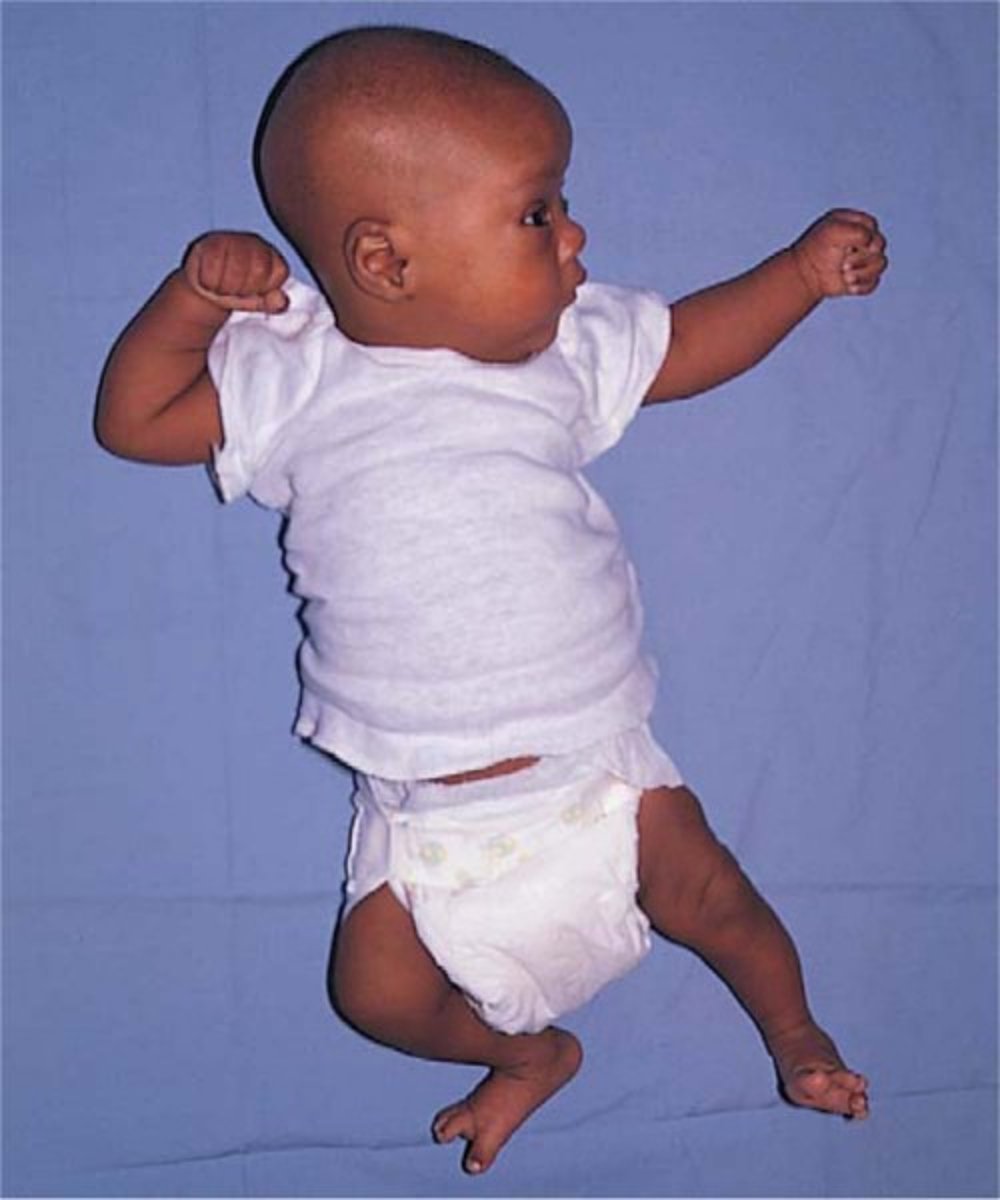
ATNR integration/persistence
should be integrated by six months in waking state; persistence of the reflex will impact hand eye coordination, ability to cross midline, bilateral integration (differentiated and integrated use of both sides of the body)
Symmetrical Tonic Neck Reflex (STNR)
stimulus: head flexion (1) or extension (2)
Response: 1. arms flex, legs extend
2. arms extend, legs flex (arms will follow head, legs will do the opposite)
STNR integration and persistence
should be integrated between 8 and 11 months; pertinence of the reflex will impact integration of lower and upper body, sitting posture, muscle tone, and hand eye coordination
Upper motor neuron lesions
P: lesion in cortex, brainstem, spinal cord area where descending tracts travel through
S: paresis/paralysis, inadequate recruitment of LMNs, loss of fractionation, atypical reflexes
Babinski reflex
Stimulus: sole of foot is stroked
Response: extension of big toe and toes fan out
typically present in infants but should be integrated by 2 years. persistence beyond this suggests damage to corticospinal tract
cerebral palsy
E: maternal infection, hypoxia, trauma, fetal stroke
P: atypical development of areas of brain responsible for movement (or damage to these areas)
S: difficulties with movement, posture, balance (symptoms become more apparent/more complex with growth) (muscle tone affectation points to where damage has occurred in brain)
often with co-occurring conditions (ID, seizures, vision impairment, S/L deficits)
P: variable, non-progressive
spastic cerebral palsy
characterized by spastic hypertonia; common contractures (body stiffness, toe walking, scissor walking); classified by body impact (hemiplegia, paraplegia, tetraplegia); damage to the cortex
hypotonic cerebral palsy
• Low muscle tone "floppy"
• Little/no ability to move
• Unknown damage site
dyskinetic cerebral palsy
fluctuating tone, characterized by involuntary movements (choreiform/jerky, athetoid/slow); potential damage to the basal ganglia
Mixed cerebral palsy
spastic in some areas and dyskinetic in other areas
ataxic cerebral palsy
no atypical muscle tone but incoordination and shakiness during voluntary movements
diplegia
lower extremities are more affected than upper extremities
scissor gait
seen in spastic CP; internal rotation of feet, legs walking on top of each other (hip adductors are tight)
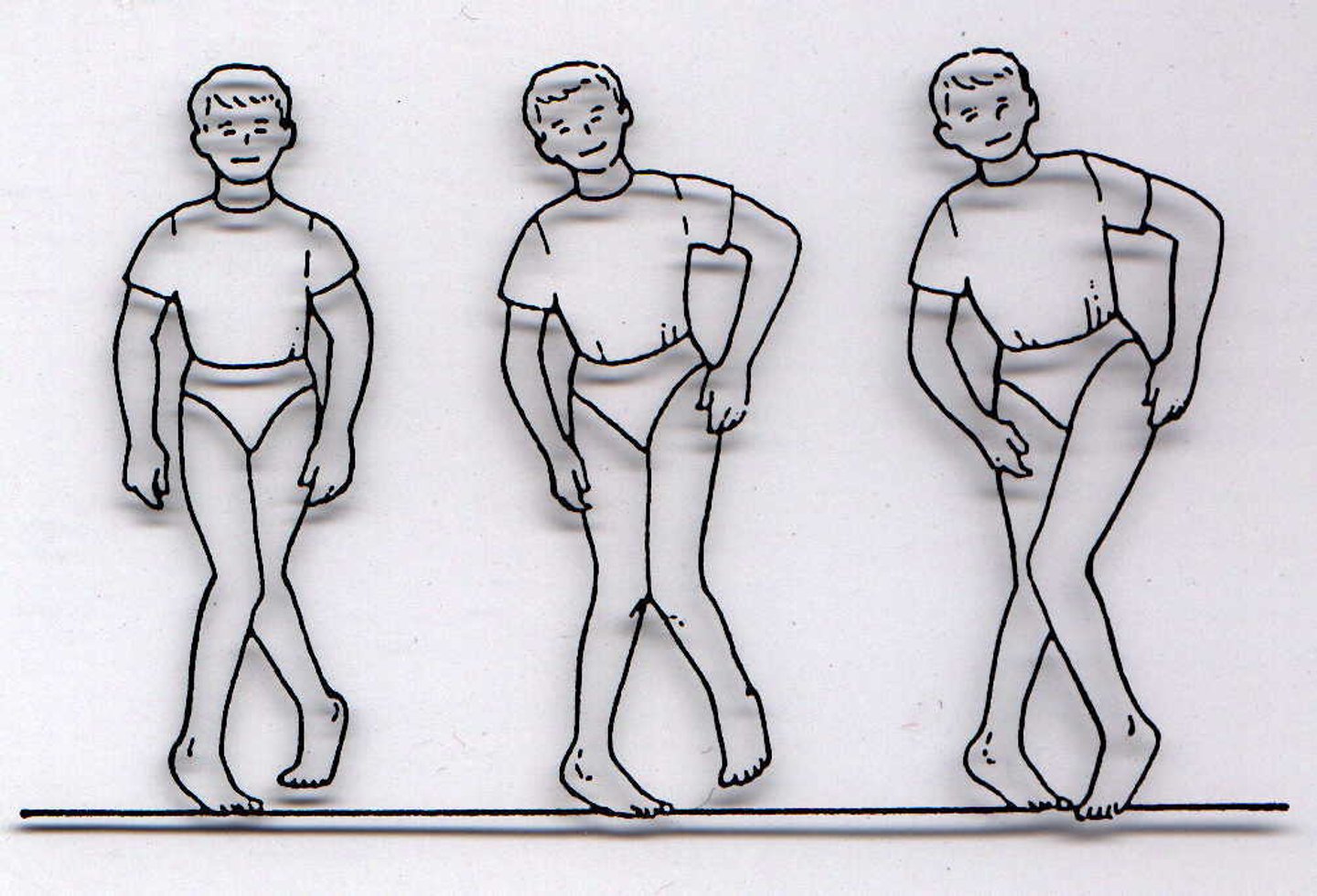
cerebral palsy treatment
physical therapy, OT, speech, drugs, surgery
Constraint-Induced therapy (CIT)
short term intense treatment (for CP) that involves constraint of non0involved are and intensive movement practice on involved arm; highly effective when used with other treatments
botox
possible pharmaceutical CP treatment, Botulinum toxin is injected to therapeutically relax the muscle and reduce muscle rigidity/spasticity
dorsal rhizotomy
possible surgical CP treatment; cuts overactive dorsal roots to reduce muscle tone by reducing input
baclofen
possible pharmaceutical CP treatment; muscle relaxant drug that reduces stiffness from spasticity
basal ganglia structures
caudate nucleus, putamen (striatum nucleus in yellow), globus pallidus, subthalamic nucleus, substantia niagra
Basal ganglia role
link between idea of movement and motor expression (regulates movement); controls movement from initiation to completion; regulates muscle contraction, force, sequencing; has no direct connection to the spinal cord
dyskinesia
motor disorder involving loss of voluntary control and regulation of movement (includes hyper/hypo variations)
hyperkinesia
increased movement, Huntington's disease
hypokinesia
decreased movement, Parkinson's disease
Huntington's Disease
E: hereditary neurodegenerative disease (50% chance of passing it on)
P: degeneration in many areas including cortex/striatum results in disinhibition of motor thalamus/PPN
S: involuntary, jerky movements (Chorea); dementia, cognitive problems (impulse control, memory, difficulty learning), personality changes (HYPERKINESIA)
P: fatal and progressive
Treatment with drugs, but heavy side effects
dementia
loss of intellectual capacity due to loss/damage to neurons
Parkinson's Disease
P: degeneration of nigrostriatal dopaminergic pathways (striatum and substantia niagra)-> death of dopamine producing cells in substantia niagra and GABA producing cells in PPN (pons structure)-> less dopamine/GABA
S: hypokinesia- decrease in ROM, lack of automatic movements, bradykinesia (slow movements); rigidity, gait impairments (shuffling/festinating gait), resting tremors, non-motor symptoms (psychosis, dementia, etc.)
P: variable but progressive
Treatments for Parkinsons
medication: drugs that replace dopamine (Ldopa) or act as dopamine agonist; surgery: deep brain stimulation, destructure surgery, neuronal transplantation; OT can help with adaptations and diet/exercise
Parkinson's disease on/off phenomenon
symptoms will suddenly appear with no warning even after high doses of medicine; happens because something blocked the absorption of medicine in the brain; dramatic change (the condition changes daily)
Dyskinetic Cerebral Palsy
P: damage to basal ganglia
S: atypical movements, posture, tone; involuntary sustained muscle contractions; chorea (jerky movements); athetosis (slow, writhing movements)
(card is on here twice)
cerebellum
coordinates skilled voluntary movements (compares actual output to intended movements and adjusts as necessary); controls equilibrium and muscle tone through connections with vestibular system; participates in motor learning; outputs are vital but there is no direct connection to the SC (other structures first)
Cerebellum dysfunction
ataxia (truncal, limb, gait); dysarthria (speech), nystagmus
ataxia types
truncal: postural instability
gait: unsteady, staggering gait
limb: uncoordinated limbs
Dysdiadochokinesia
product of limb ataxia; inability to perform rapidly alternate movements
dysmetria
product of limb ataxia; inability to accurately move an intended distance; checked with finger to finger/nose test; includes hypo (undershooting) and hyper (overshooting) components
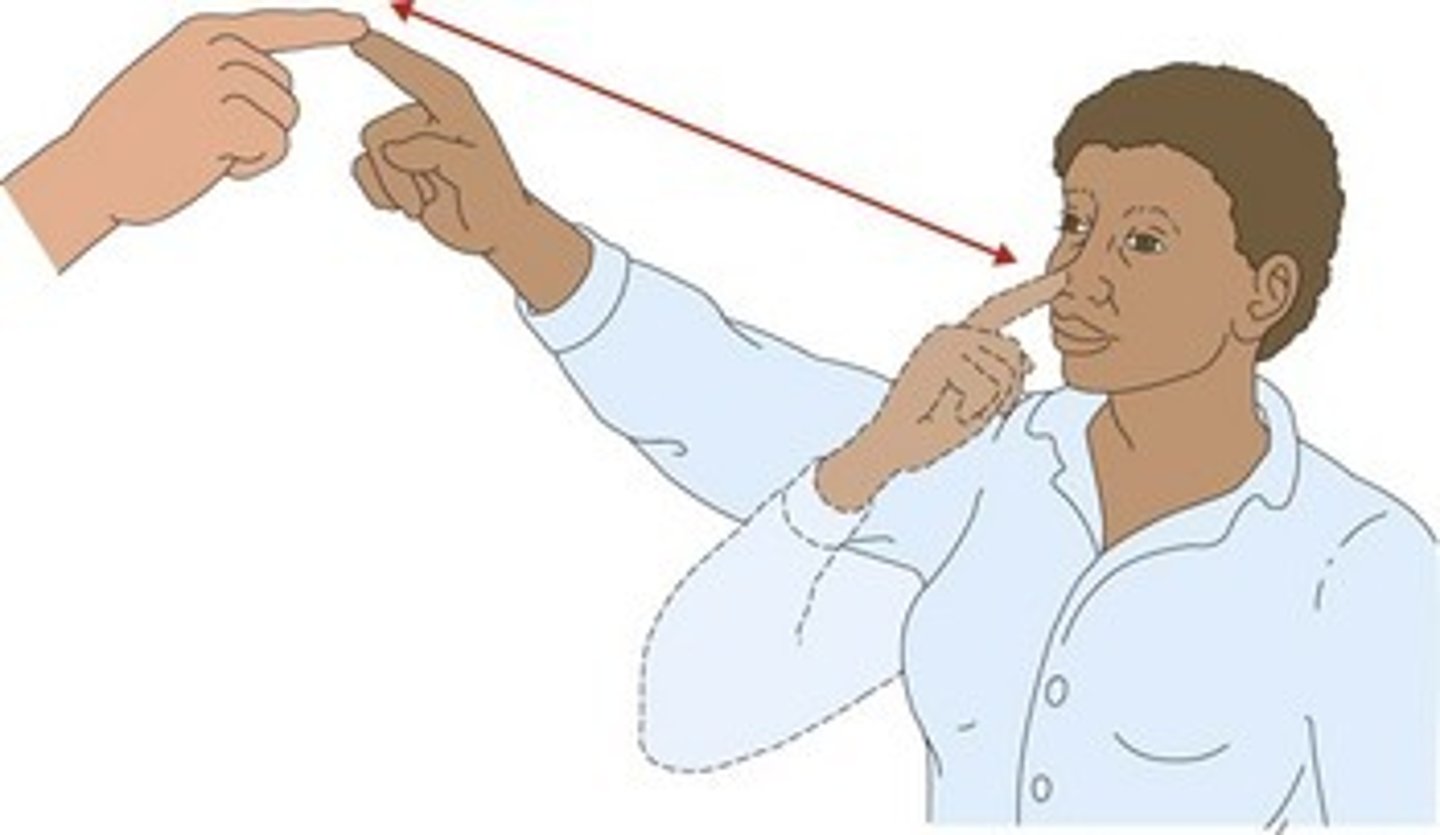
action tremor
product of limb ataxia; shaking of limb during voluntary movement
ataxic cerebral palsy
P: damage to cerebellum
S: low muscle tone, poor coordination, poor movements; walking/fine motor difficulties, shaky/unsteady movement
different levels of severity
card is on here twice
brain hemispheres
connected by the corpus callosum; left and right have different functions and structures (speech example); creativity depends on both sides
split brain patients
corpus callosotomy-> process of sectioning the corpus callosum first performed in 1940 to treat severe epilepsy (electrical signals could not flow between hemispheres)
speech and hemispheres
right hemisphere does not produce or comprehend speech so it sends signals across the corpus callosum for left hemisphere to pull all information together
language
use of complex abstract symbols to represent perception of world; handled by the lateral surface of the LEFT hemisphere
Wernicke's area
responsible for recognition and comprehension of language; temporal lobe
Broca's area
responsible for producing coherent speech; frontal lobe
arcuate fasciculus
pathway connecting Broca's and Wernicke's areas
language pathway
primary auditory cortex-> secondary auditory cortex-> Wernicke's area-> arcuate fasciculus-> Broca's area-> oral and throat cortex
alexia
lost/diminished ability to comprehend written language
agraphia
lost/diminished ability to produce written language
aphasia
disorder of language expression/comprehension
Wernicke's aphasia (receptive)
hearing is in tact but comprehension of word meanings is lost; often results in word salad production, meaningless words, paraphasia; often unaware the the impairment; often exists with other conditions (alexia, agraphia, sensory issues, contralateral homonymous hemianopia)
Broca's aphasia (expressive)
results from frontal lobe damage; difficulty expressing one's self using language; no comprehension difficulties but production of language; no language output, habitual phrase use, emotional speech, slow/deliberate speech, telegraphic speech; usual aware of errors and existence of the condition (frustration occurs); co-occurs with difficulty reading aloud, writing impairment, right side hemiplegia (frontal lobe damage)
conduction aphasia
results from damage to arcuate fasciculus; comprehension of written and spoken speech is intact; can range from substitution paraphasia to meaningless words in written and spoken language
global aphasia
results from extreme lesion to left lateral cerebrum; inability to use language in any form
right hemisphere language responsibilities
prosody, pragmatics (social cues, timing, influences), understanding metaphors/humor, inference
prosody
element of speech which includes linguistic functions such as intonation, stress, rhythm
Aprosodia
disorder of prosody caused by damage to Right Broca's area, Right Wernicke's area
Right Wernicke's area
interprets nonverbal signs from other people; damage will result in difficulty understanding nonverbal communication
Right Broca's area
provides instruction for producing nonverbal communication; emotional gestures, speech intonation; damage will result in difficulty producing nonverbal motor responses
perception
interpretation of sensation into meaningful forms; deficits mean that sensation is still intact; deficits are associated with right hemisphere damage
agnosia
inability to identify objects when using a specific sense even though the discriminative ability of that sense is in tact
astereognosis
inability to recognize objects by touch manipulation alone, despite intact discriminative somatic sensations (tactile agnosia)
visual agnosia
inability to visually recognize objects despite having intact vision
auditory agnosia
inability to auditorily recognize objects despite being able to hear
right lesion: interferes with interpretation of environmental sounds
left lesion: inability to understand speech (Wernicke's area)
Prosopagnosia
type of visual agnosia; face blindness; inability to visually identify people's faces; can describe facial features and interpret emotional facial expressions and can recognize objects
unilateral neglect
failure to report/respond to stimuli presented contralaterally to brain lesion (hemi-inattention); tendency to behave as one side of the body/space does not exist; personal/spatial
co-occurs with visual deficits (CHH) and anosognosia
implications for ADLs
test with line cancelation (bisection) test
anosognosia
lack of awareness/insight into condition; denial of symptom severity
visual perception
ability to interpret information from visible light
visuospatial perception
ability to perceive/react to size, distance, depth aspects of environment
schema
a mental representation of some aspect of the world; internal awareness of body and relationship of body parts to each other
form discrimination
ability to perceive differences among objects and positional aspects of objects; difficulty results in inability to distinguish between similar geometric shapes (square or rectangle? M or N? words like house, hose, horse)
figure ground
ability to differentiate foreground and background forms or objects
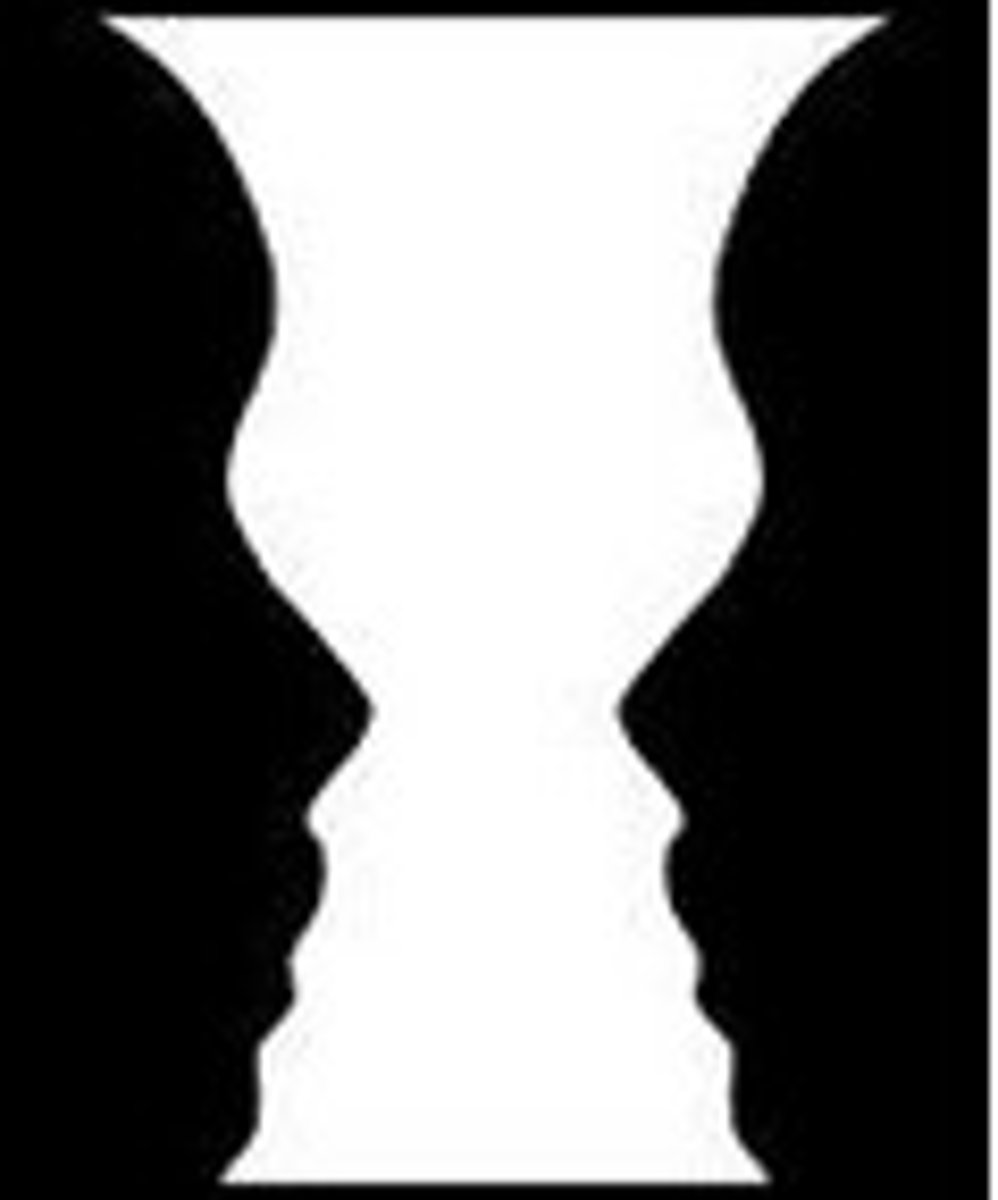
spatial relations
relating objects to each other or to self
topographical orientation
ability to determine location and route to location; difficulty results in topographical disorientation
tests of visual perceptual skills (TVPS)
visual discrimination, visual foreground, visual closure, visual spatial relations
apraxia
knowledge of how to perform skilled movements is lost; intact sensation, muscular strength, coordination, understanding
developmental dyspraxia
impairment in ability to plan or carry out skilled nonhabitual motor acts in correct sequence (not due to brain damage); congenital
constructional apraxia
difficulty drawing, building, assembling objects