Human Anatomy and Physiology: Skeletal Muscle Functions and Naming
 Call Kai
 Learn
Learn Practice Test
 Spaced Repetition
 Match
Match Flashcards
 Knowt Play
1/261

There's no tags or description
Looks like no tags are added yet.
Name | Mastery | Learn | Test | Matching | Spaced | Call with Kai | Chat |
|---|
No analytics yet
Send a link to your students to track their progress
262 Terms
What are the three types of muscle tissue?
Skeletal, cardiac, and smooth muscle.
What is the primary focus of Chapter 10 in Human Anatomy and Physiology?
The anatomy of skeletal muscles and their interactions to produce movement.
What is the role of a prime mover (agonist) in muscle action?
It has the major responsibility for producing a specific movement.
What does an antagonist muscle do?
It opposes or reverses a particular movement.
What is the function of synergist muscles?
They help prime movers by adding extra force to the same movement and reducing undesirable movements.
What is a fixator in the context of muscle action?
A type of synergist that immobilizes the bone or muscle's origin, providing a stable base for the prime mover.
What muscle action is produced by a muscle crossing on the anterior side of a joint?
Flexion.
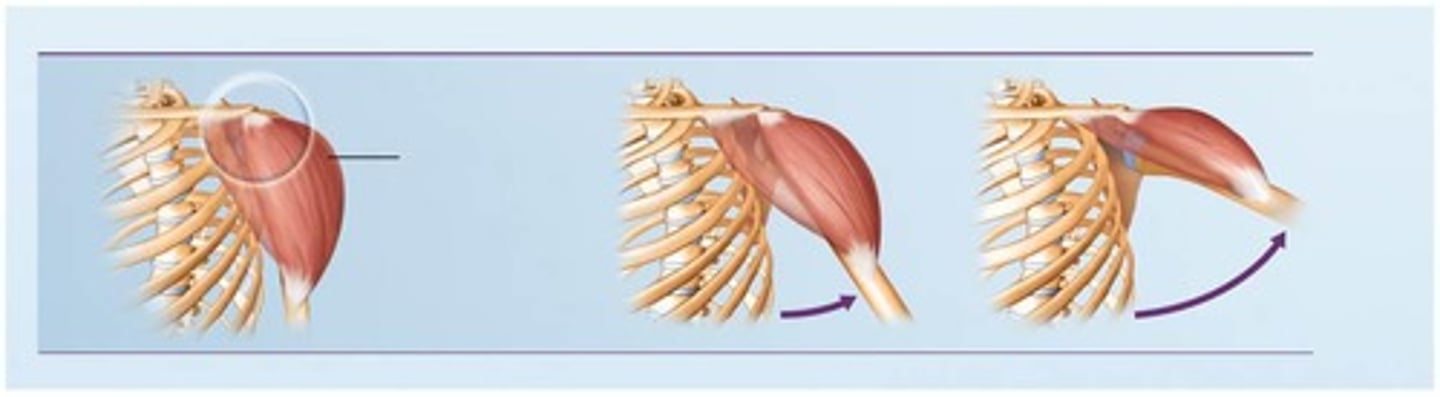
Which muscle is an example of a muscle that produces flexion at the shoulder joint?
Pectoralis major.
What muscle action is produced by a muscle crossing on the posterior side of a joint?
Extension.
Which muscle acts as an antagonist to the pectoralis major?
Latissimus dorsi.
What muscle action is produced by a muscle crossing on the lateral side of a joint?
Abduction.
Which muscle is an example of a muscle that produces abduction?
Deltoid.
What muscle action is produced by a muscle crossing on the medial side of a joint?
Adduction.
Which muscle acts as an antagonist to the deltoid?
Teres major.
What are the criteria for naming skeletal muscles based on location?
Muscles are named for the bone or body region with which they are associated.
What does the term 'deltoid' refer to in muscle naming?
It refers to a triangular shape.
What does the term 'maximus' indicate when naming a muscle?
It indicates the largest muscle.
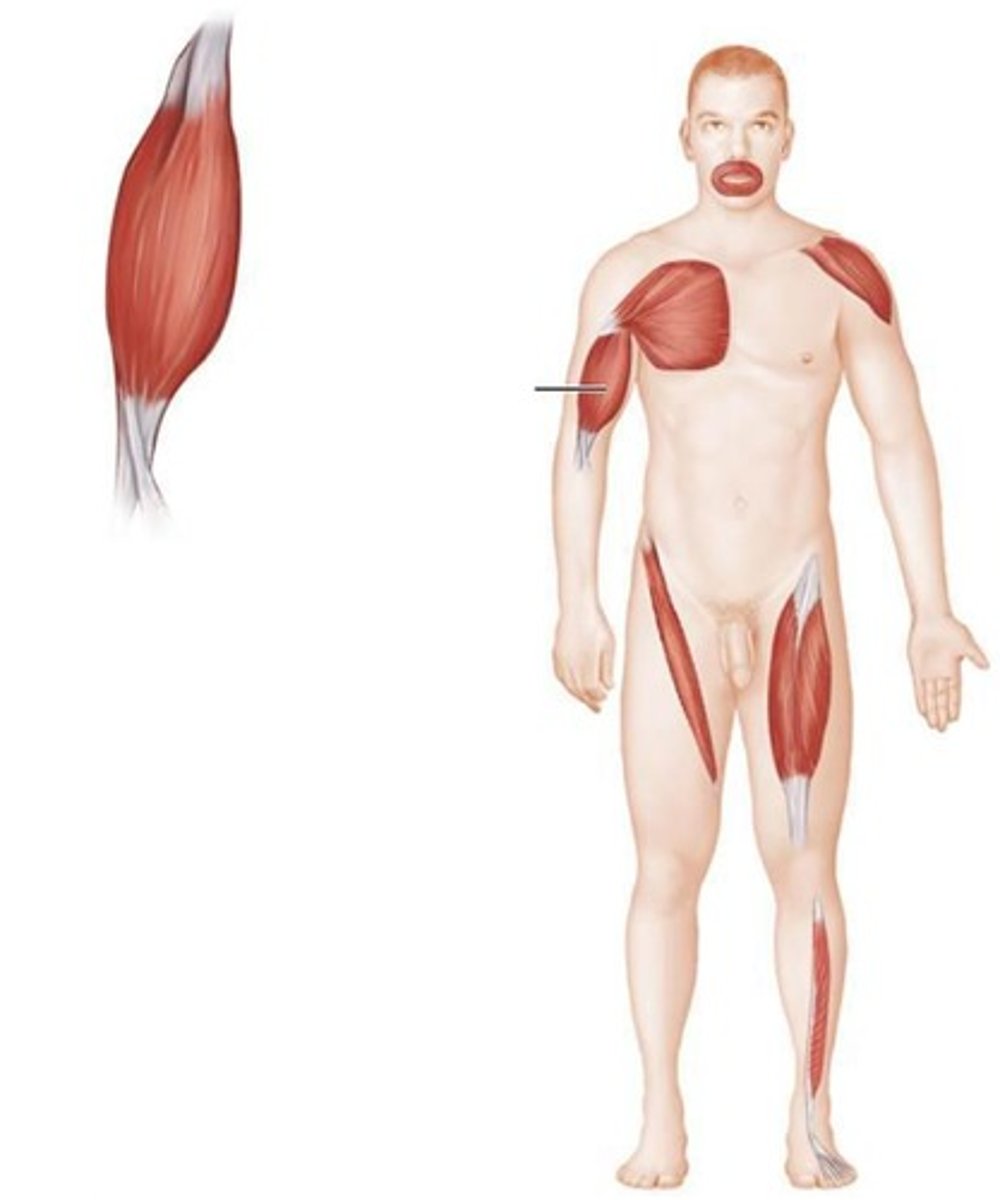
What does the term 'biceps' refer to in muscle naming?
It refers to a muscle with two origins.
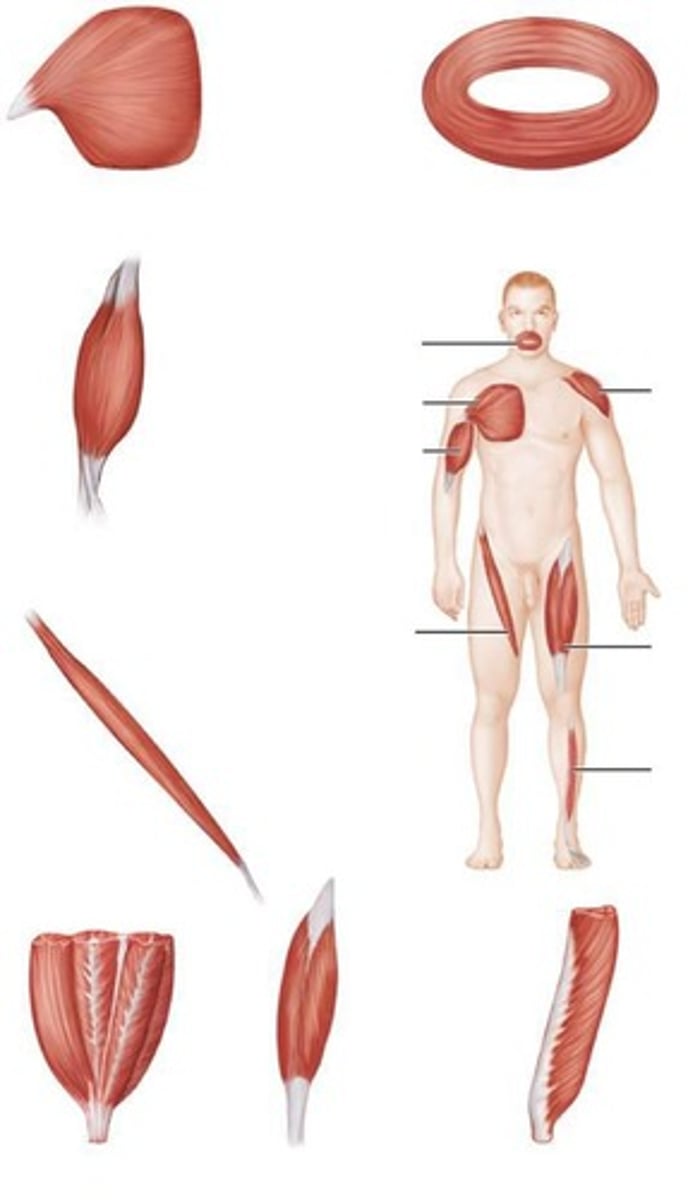
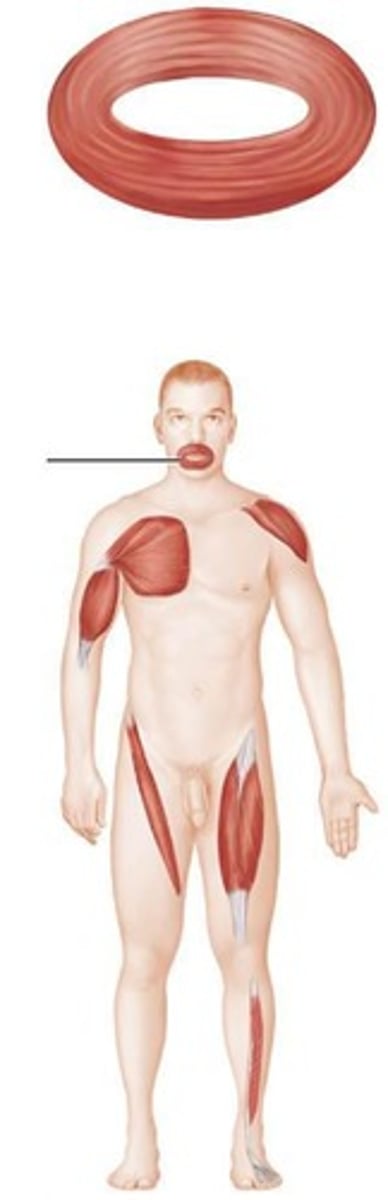
What are the four common patterns of fascicle arrangement in muscles?
Circular, convergent, parallel, and pennate.
What is a circular fascicle arrangement?
Fascicles arranged in concentric rings, such as the orbicularis oris.
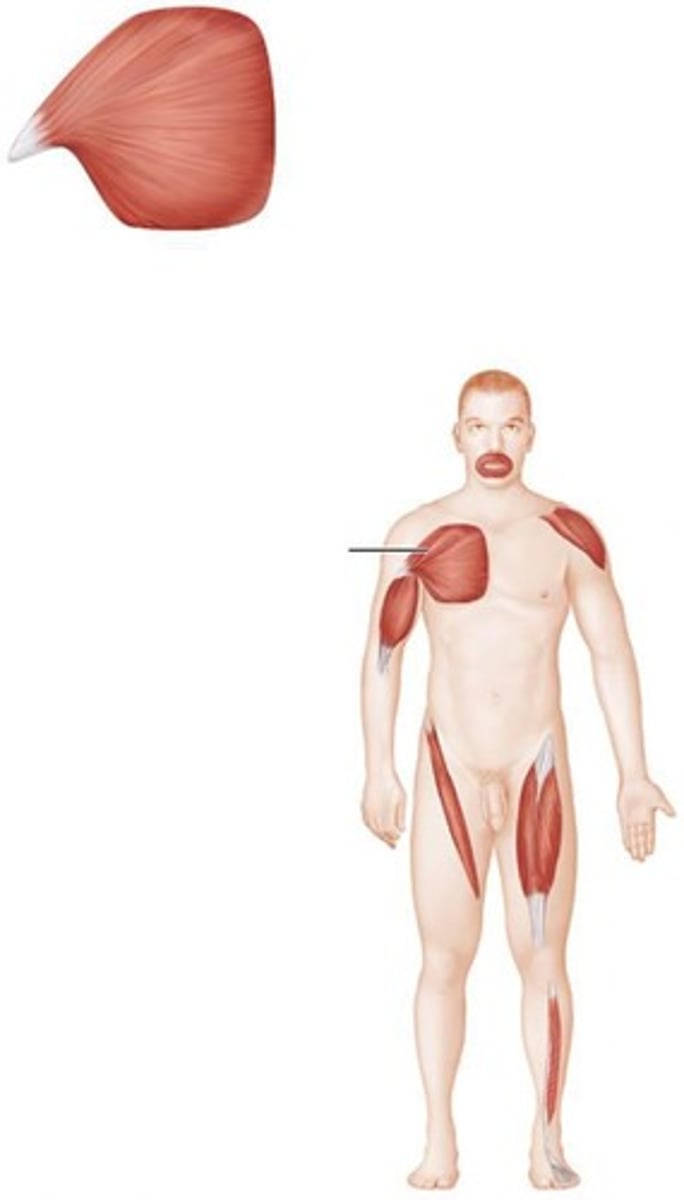
What is a convergent fascicle arrangement?
A broad origin where fascicles converge toward a single tendon insertion, like the pectoralis major.
What is a parallel fascicle arrangement?
Fascicles run parallel to the long axis of the muscle, such as the sartorius.
What is a fusiform fascicle arrangement?
Spindle-shaped muscles with parallel fibers, such as the biceps brachii.
What is the significance of muscle fiber direction in naming muscles?
It indicates the orientation of the muscle fibers, such as rectus (straight) or oblique (angled).
What is the importance of understanding muscle anatomy?
It improves body mechanics and helps avoid injuries.
What are the three forms of pennate fascicle arrangements?
Unipennate, bipennate, and multipennate.
What is a unipennate fascicle arrangement?
Fascicles attach only to one side of the tendon (example: extensor digitorum longus).
What is a bipennate fascicle arrangement?
Fascicles insert from opposite sides of the tendon (example: rectus femoris).
What is a multipennate fascicle arrangement?
Fascicles appear as feathers inserting into one tendon (example: deltoid).
What are the most common patterns of fascicle arrangements?
Circular, convergent, parallel, fusiform, and pennate.
How do fascicles affect a muscle's range of motion?
Fascicles determine the amount of movement when the muscle shortens.
How do fascicles influence a muscle's power?
Long fibers parallel to the long axis shorten more but are usually not powerful; power depends on the number of muscle fibers.
Which type of muscles have the most fibers and are powerful?
Bipennate and multipennate muscles.
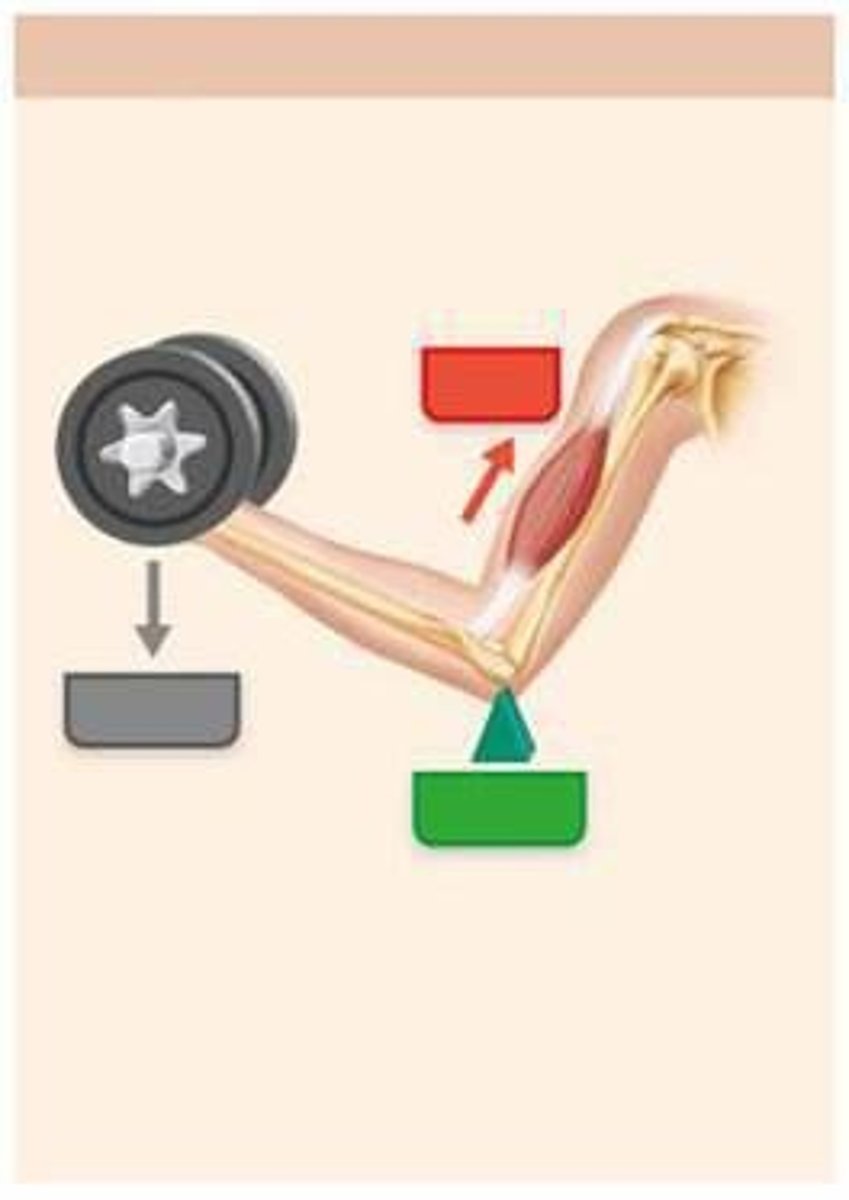
What are the components of a lever system?
Lever (bone), fulcrum (joint), effort (force supplied by muscle), and load (resistance).
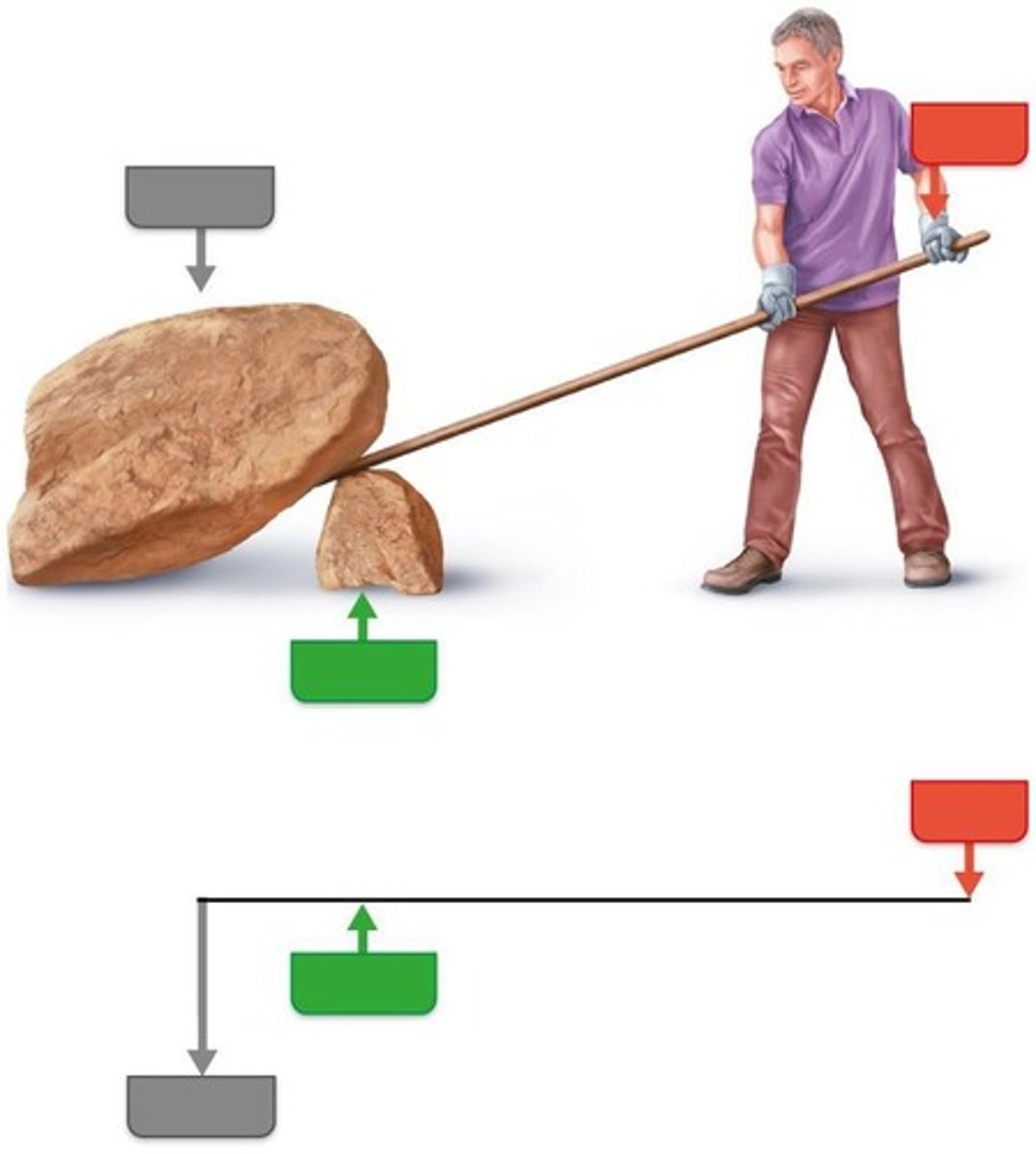
What is mechanical advantage in lever systems?
Occurs when the load is close to the fulcrum and the effort is far from it, allowing a small effort to move a large load.
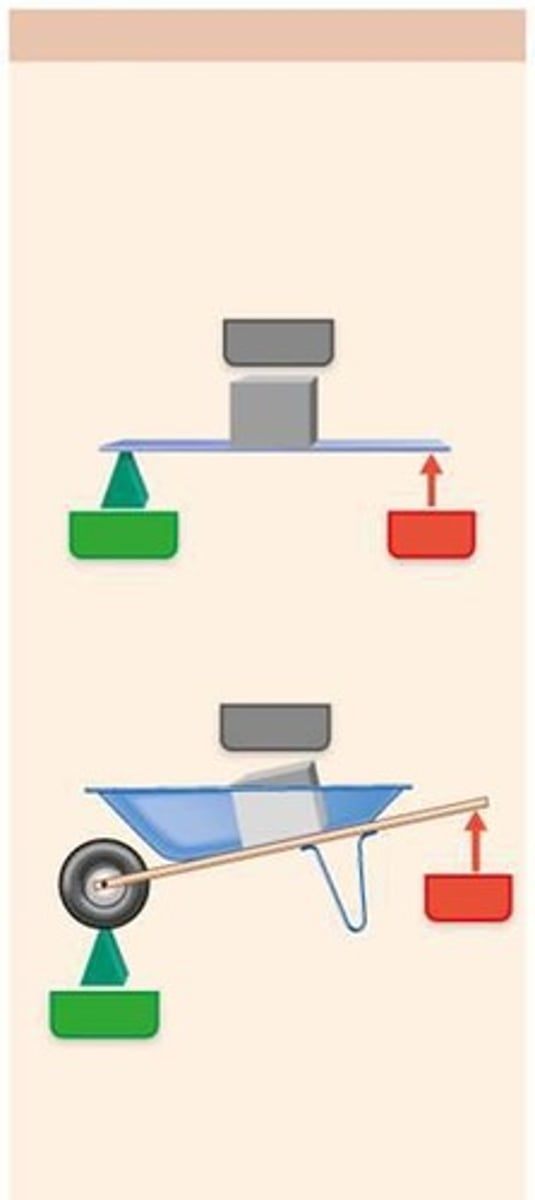
What is mechanical disadvantage in lever systems?
Occurs when the load is far from the fulcrum and the effort is close to it, allowing the load to be moved rapidly over a large distance.
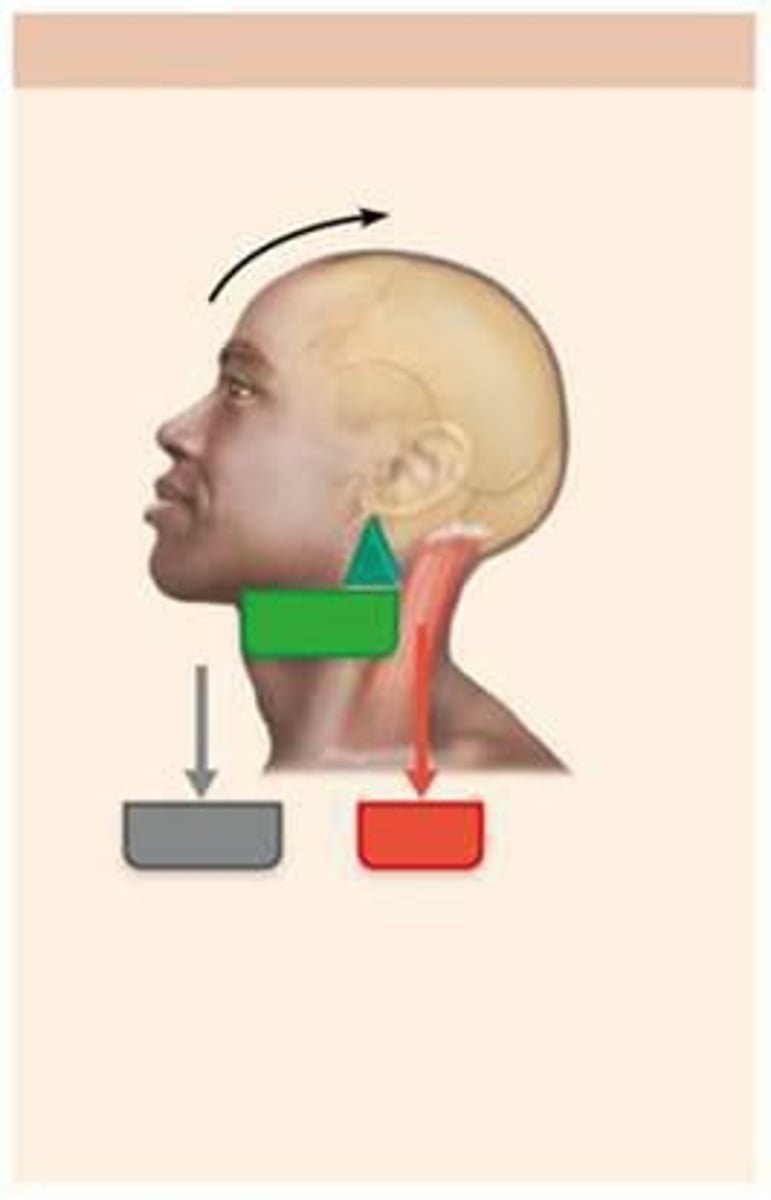
What is a first-class lever?
A lever where the fulcrum is between the load and the effort (example: seesaw).
How does a first-class lever function in the body?
It raises the head off the chest, with the posterior neck muscles providing the effort, the atlanto-occipital joint as the fulcrum, and the facial skeleton as the load.
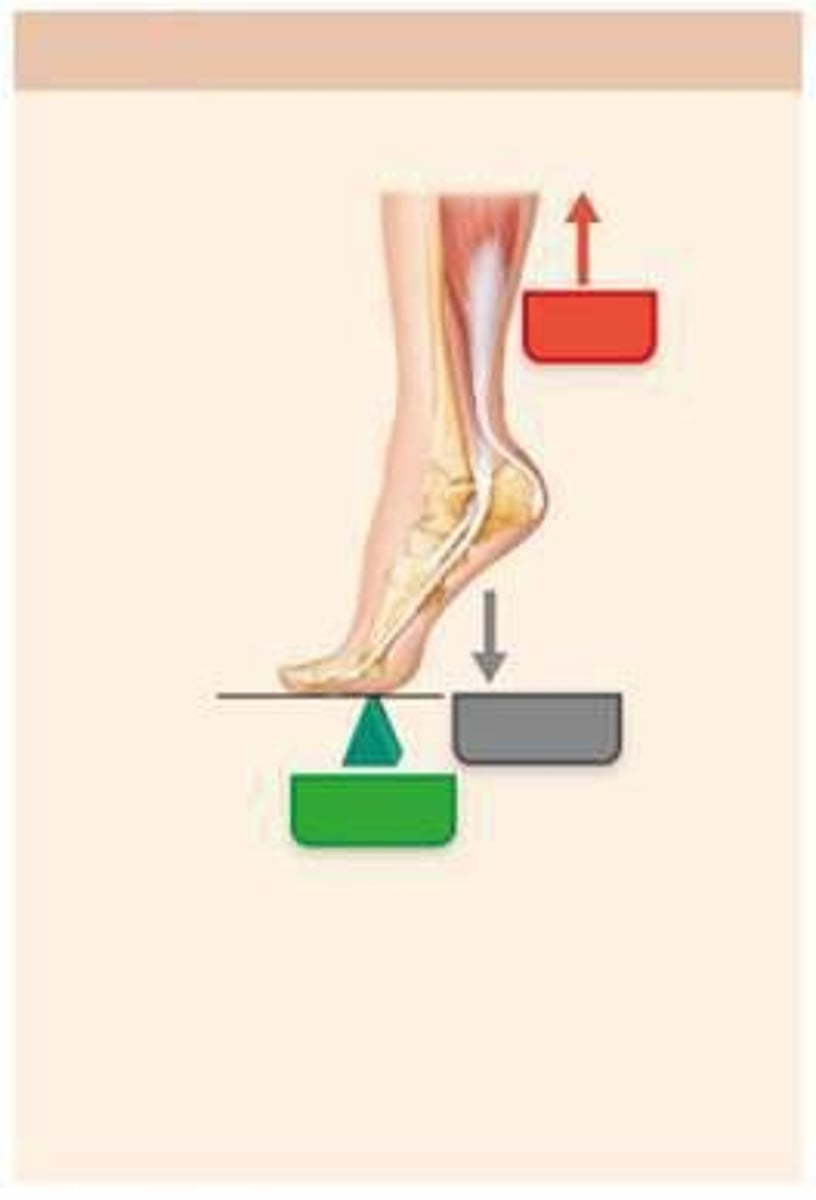
What is a second-class lever?
A lever where the load is between the fulcrum and the effort (example: wheelbarrow).
How does a second-class lever function in the body?
Exerted when standing on tip-toe, with calf muscles providing the effort, the joints of the ball of the foot as the fulcrum, and body weight as the load.
What is a third-class lever?
A lever where the effort is applied between the fulcrum and the load (example: tweezers).
How does a third-class lever function in the body?
Flexing the forearm by the biceps brachii muscle, with the effort on the proximal radius, the elbow joint as the fulcrum, and the hand as the load.
What is the trade-off of mechanical disadvantage in lever systems?
Force is lost, but speed and range of movement are gained.
What is the trade-off of mechanical advantage in lever systems?
Systems are slower but more stable, used where strength is a priority.
How many muscles are in the human body?
Over 600 muscles.
What information is included in muscle tables?
Description, origin and insertion, actions, and innervation.
What is the role of the fulcrum in a lever system?
It is the fixed point around which the lever moves.
What does the term 'effort' refer to in a lever system?
The force supplied by muscle contraction to move the resistance.
What does the term 'load' refer to in a lever system?
The resistance moved by the effort, including bone, tissues, and any added weight.
What is the significance of fascicle arrangement in muscle function?
It determines both the range of motion and the power of the muscle.
What is the relationship between muscle fiber length and power?
Longer fibers that are more parallel to the muscle's long axis shorten more but are typically less powerful.
What is the primary advantage of multipennate muscles?
They have the most fibers, allowing for greater power despite a limited range of motion.
What is the function of the Epicranius?
It is involved in raising eyebrows and wrinkling the forehead.
Which muscle is responsible for closing the eyelids?
Orbicularis oculi
What muscle is primarily responsible for chewing?
Masseter
What muscle is known as the 'smiling muscle'?
Zygomaticus major
Which muscle is located in the neck and divides it into anterior and posterior triangles?
Sternocleidomastoid
What is the role of the Temporalis muscle?
It assists in closing the jaw.
What muscle is responsible for the movement of the tongue?
Genioglossus
Which muscles are involved in swallowing and elevate the hyoid bone?
Suprahyoid muscles
What is the primary action of the Platysma?
It tenses the skin of the neck.
Which muscle is responsible for flexing the forearm?
Biceps brachii
What muscle is known for its role in extending the leg?
Rectus femoris
Which muscle group is known as the hamstrings?
Biceps femoris, Semitendinosus, Semimembranosus
What is the function of the Gastrocnemius?
It is involved in plantar flexion of the foot.
Which muscle is located in the forearm and assists in wrist flexion?
Flexor carpi radialis
What is the action of the Orbicularis oris?
It is responsible for puckering the lips.
What muscle is involved in lateral movement of the arm?
Deltoid
Which muscle is primarily responsible for the grinding movements of the jaw?
Pterygoids
What is the role of the Buccinator muscle?
It aids in chewing by keeping food between the teeth.
Which muscle is known for its role in extending the hip?
Gluteus maximus
What is the primary function of the Intercostals?
They assist in the mechanics of breathing.
Which muscle is responsible for abducting the thigh?
Tensor fascia lata
What is the action of the Tibialis anterior?
It dorsiflexes the foot.
What is the function of the External oblique?
It helps in trunk rotation and lateral flexion.
Which muscle is responsible for the movement of the shoulder blade?
Trapezius
What muscle is known as the 'pouting muscle'?
Mentalis
What is the function of the Soleus?
It assists in plantar flexion of the foot.
Which muscle is involved in the action of blinking?
Orbicularis oculi
What are the two functional groups of neck muscles?
Anterolateral neck muscles (move head) and intrinsic muscles of the back (extend trunk and maintain posture).
Which muscle divides the thoracic and abdominal cavities?
Diaphragm
What is the role of the external intercostal muscles?
They assist in inhalation by enlarging the rib cage.
What happens during expiration?
It is brought on by relaxation of inspiratory muscles and contraction of internal intercostals, decreasing the size of the rib cage.
Name the muscle that forms the floor of the mouth.
Mylohyoid
What is the function of the stylohyoid muscle?
It elevates the hyoid bone during swallowing.
Which muscle is responsible for the movement of the head and neck?
Sternocleidomastoid
What is the function of the digastric muscle?
It assists in lowering the mandible and elevating the hyoid bone.
What are the three constrictor muscles of the pharynx?
Superior, middle, and inferior pharyngeal constrictors.
Which muscle helps in elevating the soft palate during swallowing?
Levator veli palatini
What is the role of the omohyoid muscle?
It depresses the hyoid bone.
Which muscle is involved in the movement of the trunk?
Erector spinae
What is the function of the quadratus lumborum?
It stabilizes the pelvis and lumbar spine.
What muscle is primarily responsible for inhalation?
Diaphragm
What are the two phases of breathing?
Inspiration (inhaling) and expiration (exhaling).
What is the primary action of the internal intercostal muscles?
They assist in forced expiration.
What is the origin of the sternocleidomastoid muscle?
It originates from the manubrium of the sternum and the clavicle.
What muscle is cut in the diagrams of the neck and throat?
Platysma
What does the term 'median raphe' refer to?
A fibrous seam that runs along the midline of the mylohyoid muscle.
What is the insertion point of the sternocleidomastoid?
Mastoid process of the temporal bone.
Which muscle assists in chewing and swallowing?
Buccinator