(P1) atomic structure/periodic table
 Call Kai
 Learn
Learn Practice Test
 Spaced Repetition
 Match
Match Flashcards
 Knowt Play
1/37

There's no tags or description
Looks like no tags are added yet.
Name | Mastery | Learn | Test | Matching | Spaced | Call with Kai | Chat |
|---|
No analytics yet
Send a link to your students to track their progress
38 Terms
what is the top and bottom number on elements
mass number = top
atomic number = bottom
what is group 0,1 and 7 called
0- noble gases
1-alkali metals
7- halogens
where are the groups on the periodic table

whats a mixture
two or more substances not chemically joined together
methods which separate mixtures
filtration
evaporation
distillation
how does filtration work

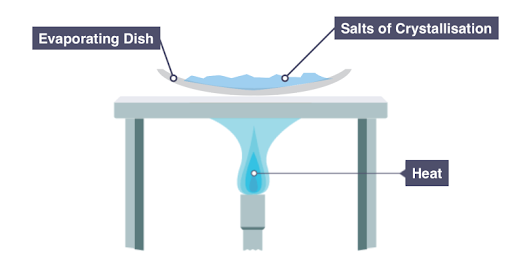
how does crystallisation work
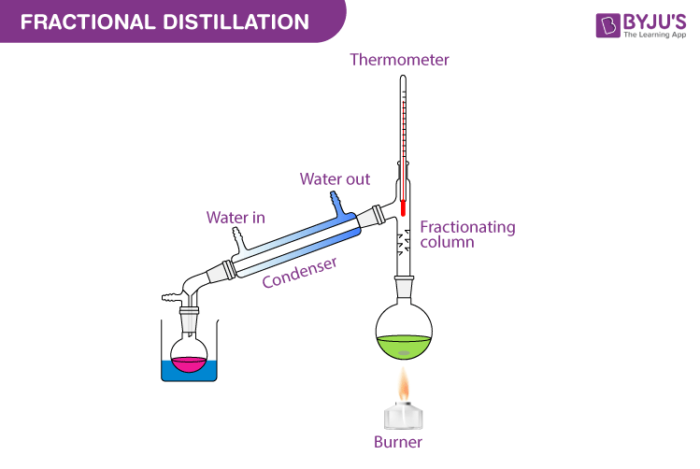
how does fractional distillation work
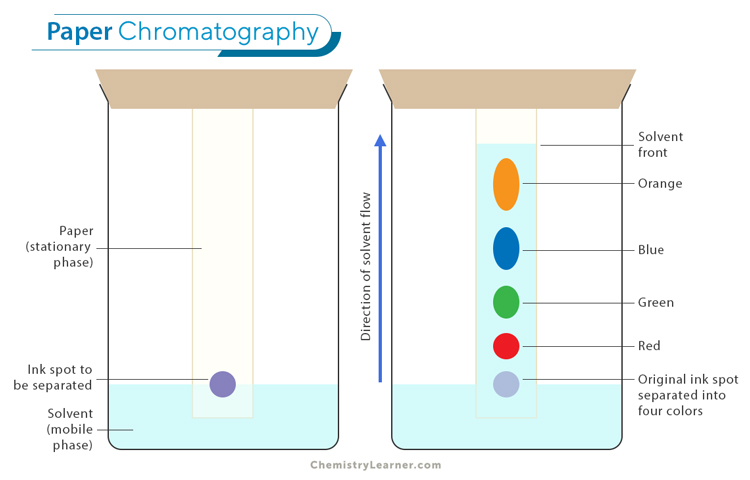
how paper chromatography works
timeline for atom discovery
dalton
jj thompson
rutherford
bohr

daltons atom model
SOLID SPHERE
atoms are solid spheres
no electrons
JJ thomsons atom model
PLUM PUDDING
discovered the electron
atoms are positive spheres with negative electrons within
atoms are divisible
rutherford’s experiment
ALPHA SCATTERING
fired alpha particles at gold foil
most went through—> atoms are mostly empty space
some deflected→ dense and positive nucleus
a few deflected—> nucleus holds most of mass
rutherford’s atom model
NUCLEAR MODEL
tiny nucleus containing positive charge
electrons move around the nucleus
Bohr’s discovery
ELECTRON SHELLS
electrons orbit in fixed energy shells—> explains spectral lines
Chadwick’s discovery
NEUTRON DISCOVERY
neutron is a neutral particle in the nucleus—> explains missing mass in atoms
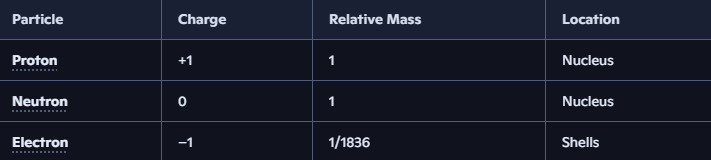
subatomic particles charge, relative mass + location
the _____ electrons are from the nucleus, the more energy it has
further away
how many electrons each shell can fill
first→ 2
second→ 8
third→ 8
why did Mendeleev have gaps in his periodic table
some elements did not fit the pattern of atomic weight
how Mendeleev arranged the periodic table
vertical columns based on their properties
why Mendeleevs table was never 100% accurate
isotopes were uknown in his time
which elements lose elcetroms and gain electrons
metals lose electrons to form +ions
non-metals gain to form -ions
which side of metals on the periodic table have little electrons to remove
left side
as you go down the groups of metals, what happens?
the outer shell electrons get further away from the nucleus (weakens their attraction)
which have more outer electrons, non-metals or metals
non-metals—> easier to gain electrons to obtain a full outer shell
metals bonding + characteristics
metallic bonding due to loss of electrons
good conductors
high melting/boiling point
can be bent/shaped
non metals bonding + characteristics
covalent from sharing outer electrons
bad conductor
low melting/boiling point
brittle
key rule about non-metals and metals properties
they’re inversely proportional
as you go down group 0 _____ increases
(HALOGENS)
melting/boiling point
what do group 1 elements form when reacted with water
(ALKLALI METALS)
alkaline solutions
group 1 properties
very soft
low melting points
VERY REACTIVE
as you go down group ____ the melting point decreases
group 1 (alkali metals)
what are the group 7 elements called + are
HALOGENS + non metals
what happens as you go down group 7
HALOGENS
melting/boiling point increases
what increases melting point
strong intermolecular forces as more energy is needed to overcome them
what elements are used in medicine and specifically what
transition metals are used in joint replacement
how are transition metals used in industrial usage
form coloured compounds in paints for houses
creating stained glass