Bio 252- Chapter 1 Study Guide
 Note
Note Call Kai
 Learn
Learn Practice Test
 Spaced Repetition
 Match
Match Flashcards
 Knowt Play
1/25

Name | Mastery | Learn | Test | Matching | Spaced | Call with Kai | Chat |
|---|
No analytics yet
Send a link to your students to track their progress
26 Terms
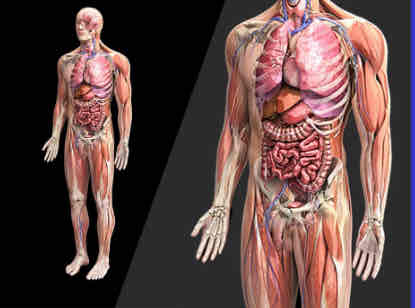
Anatomy
The study of the structures of living organisms.
Physiology
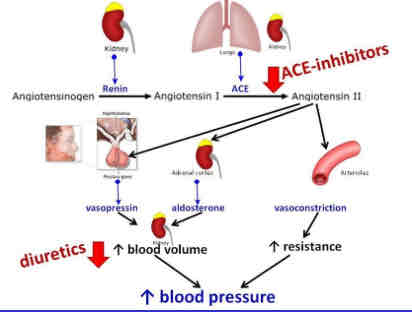
The study of how living organisms function.
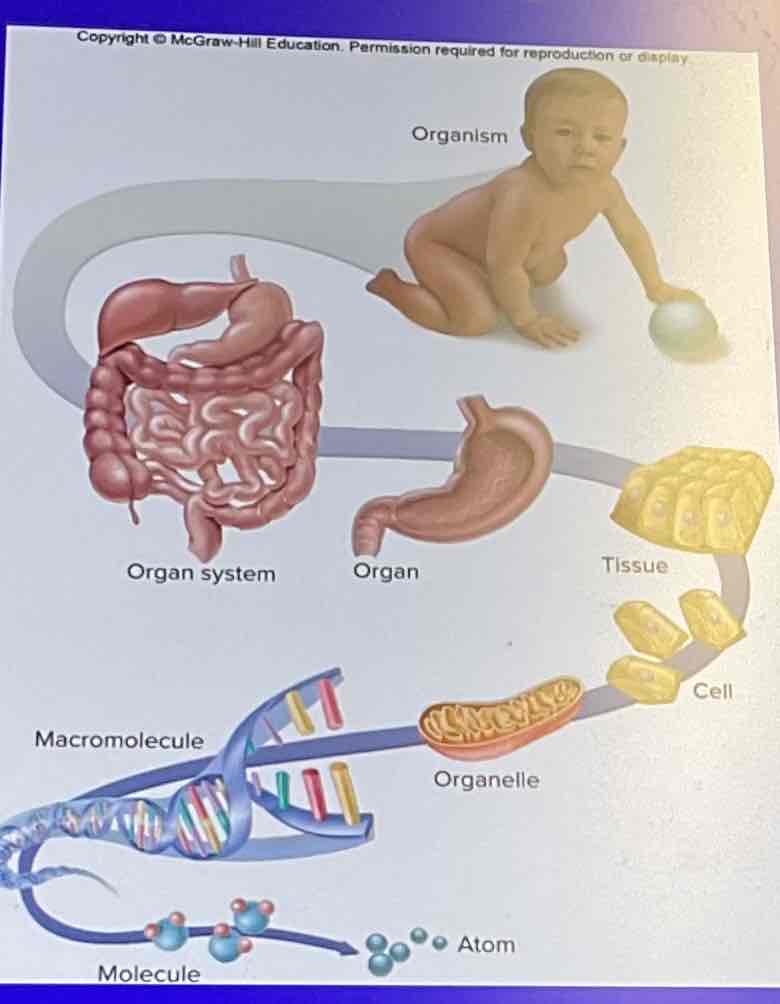
Define levels of human structure
The body has multiple levels of organization.
Relationship between form and function
The connection between the body's structure (anatomy) and its function (physiology) across multiple levels of organization.
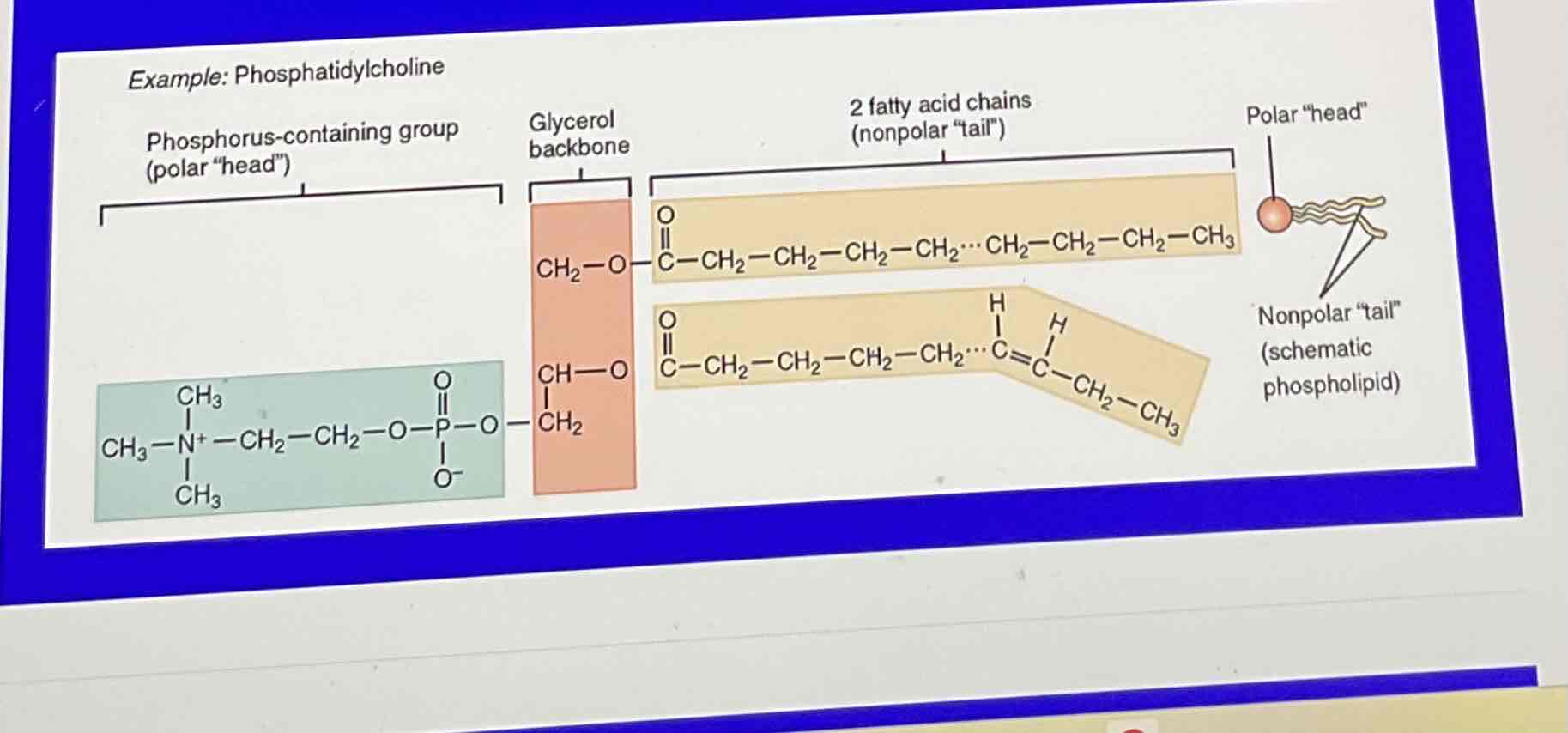
Chemical Level
The level where atoms combine to form molecules, which can be simple (like water) or complex (like carbohydrates, lipids, and proteins).
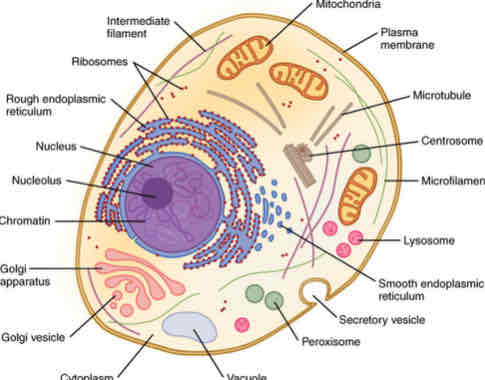
Organelle/Cellular Level
The level where molecules combine to form organelles, which are essential for the basic structure of cells, the fundamental units of life.
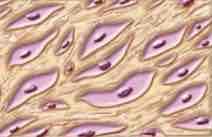
Tissue Level
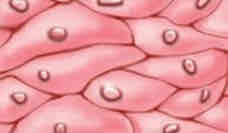
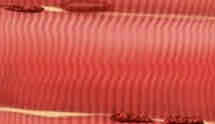
A group of similar cells and the material surrounding them; includes four primary types:Connective, Epithelial, Muscle, Nervous.
What tissue level is Connective Tissue?
What tissue level is Epithelial Tissue?
What tissue level is Muscle Tissue?
What tissue level is Nervous Tissue?
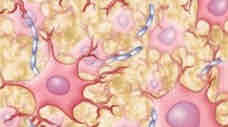
Organ Level
A structure composed of two or more types of tissue working together to perform specific functions.
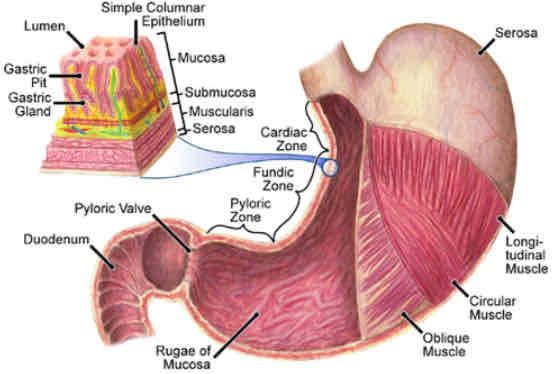
Organ Systems Level
A system consisting of two or more organs that collaborate for a common function; an organ can belong to multiple systems.
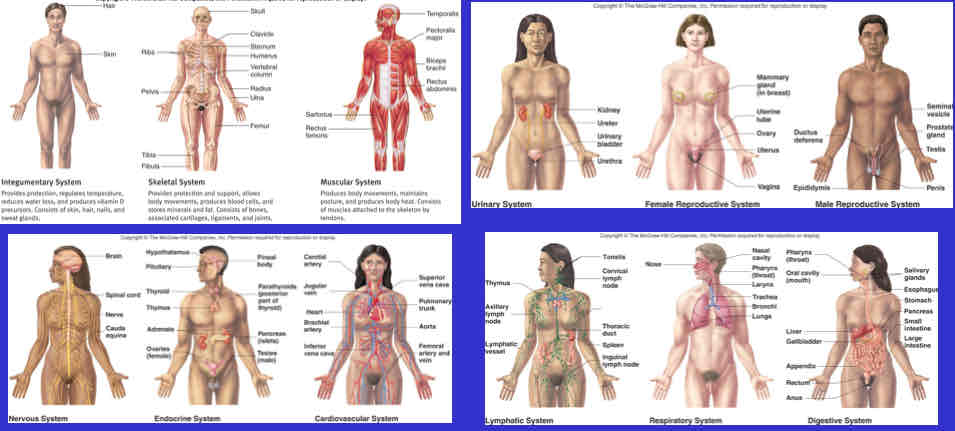
Organismal Level
The integration of structures and functions of organ systems to form a complete individual.
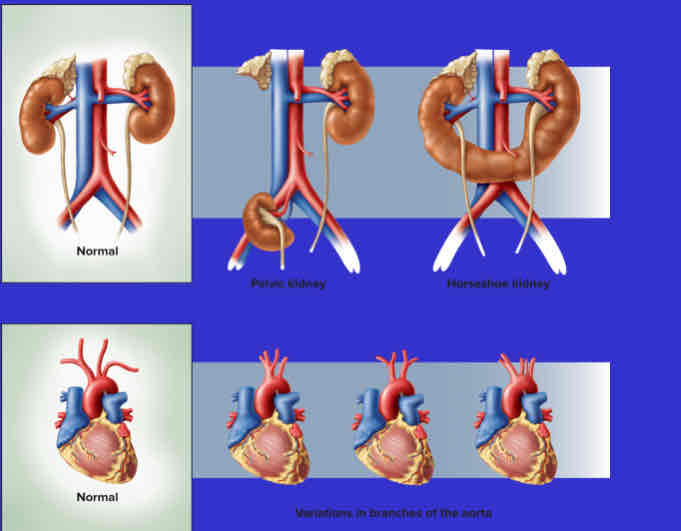
Anatomical variation
The concept that no two humans are exactly alike, with variations such as missing muscles or atypical vertebrae.
Situs Solitus (Deeper insight 1.2)
The standard arrangement of internal organs in most individuals, where specific organs are typically located on the left or right side.
Situs Inversus (Deeper insight 1.2)
A condition affecting about 1 in 8,000 people where the thoracic and abdominal organs are reversed, but usually without health issues.
Dextrocardia (Deeper insight 1.2)
A condition where only the heart is reversed to the right side, which can lead to serious medical issues if not accompanied by situs inversus.
Situs anomalies (Deeper insight 1.2)
Unusual organ placements, such as a kidney located unusually low or high in the body.
Homeostasis (Deeper insight 1.3)
The ability of the body to maintain stable internal conditions despite external changes, demonstrated in Charles Blagden's 1775 experiment.
Radiography (Deeper insight 1.5)
An imaging technique using X-rays to capture images of internal structures, useful in various medical fields but with potential risks.
Computed Tomography (CT) (Deeper insight 1.5)
An advanced X-ray technique that creates detailed cross-sectional images of the body, useful for identifying tumors and other conditions.
Magnetic Resonance Imaging (MRI) (Deeper insight 1.5)
An imaging method using magnets and radio waves to create detailed images of soft tissues, particularly the brain and spinal cord.
Functional MRI (fMRI) (Deeper insight 1.5)
A type of MRI that measures brain activity by detecting changes in blood flow, providing insights into brain function.
Positron Emission Tomography (PET) (Deeper insight 1.5)
An imaging technique that assesses tissue metabolism using a radiotracer, valuable for diagnosing various conditions.
Sonography (Ultrasound) (Deeper insight 1.5)
An imaging method using sound waves to produce images of internal organs, commonly used in obstetrics and cardiology.