BIOL203-Exam 2
 Call Kai
 Learn
Learn Practice Test
 Spaced Repetition
 Match
Match Flashcards
 Knowt Play
1/188

There's no tags or description
Looks like no tags are added yet.
Name | Mastery | Learn | Test | Matching | Spaced | Call with Kai |
|---|
No analytics yet
Send a link to your students to track their progress
189 Terms
increase in number of cells, not cell size
populations and colonies
What are the physical requirements for growth?
temperature
pH
osmotic pressure
What are the chemical requirements for growth?
carbon
nitrogen
sulfur
phosphorus
Trace elements
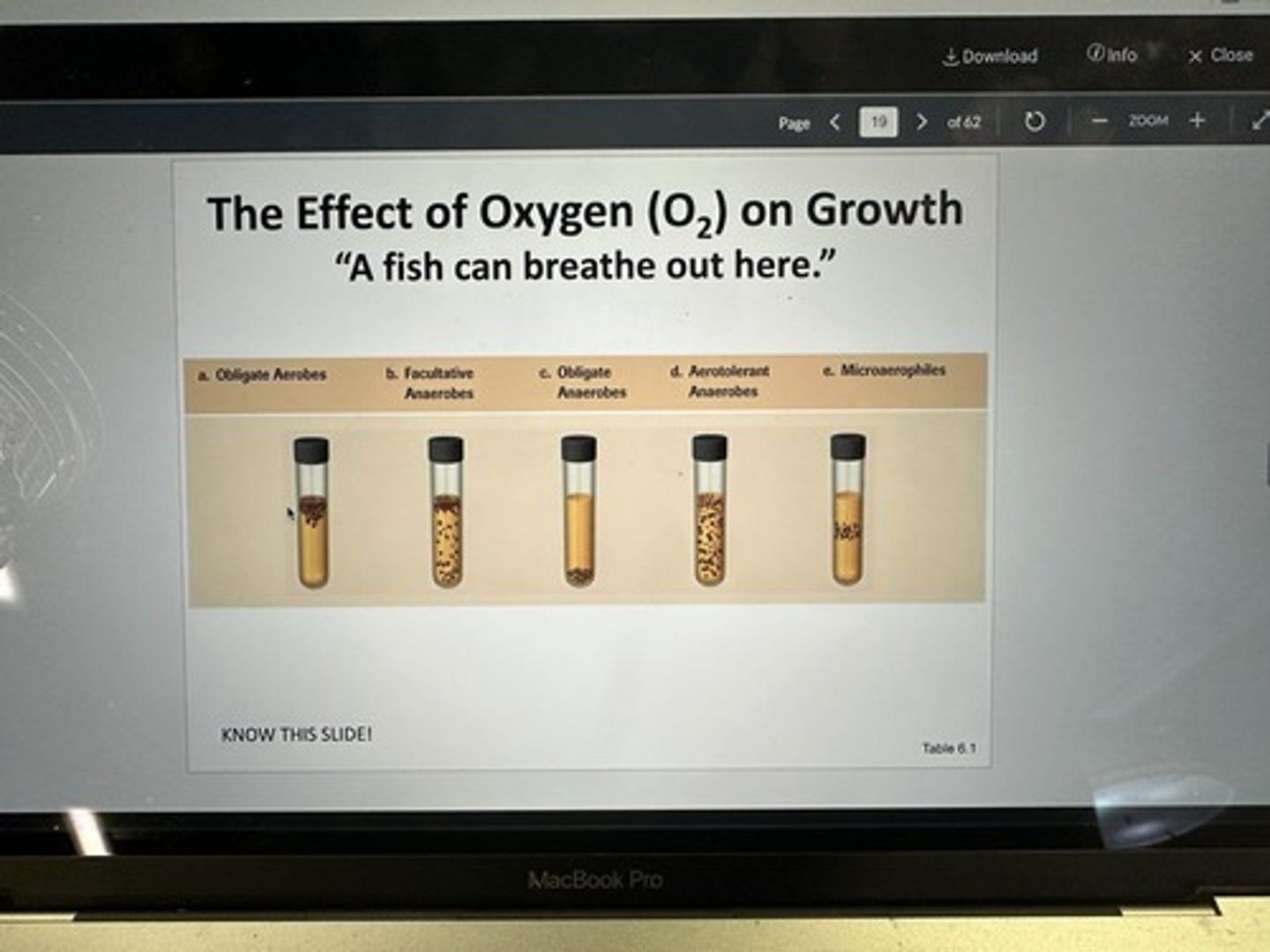
oxygen
organic growth factor
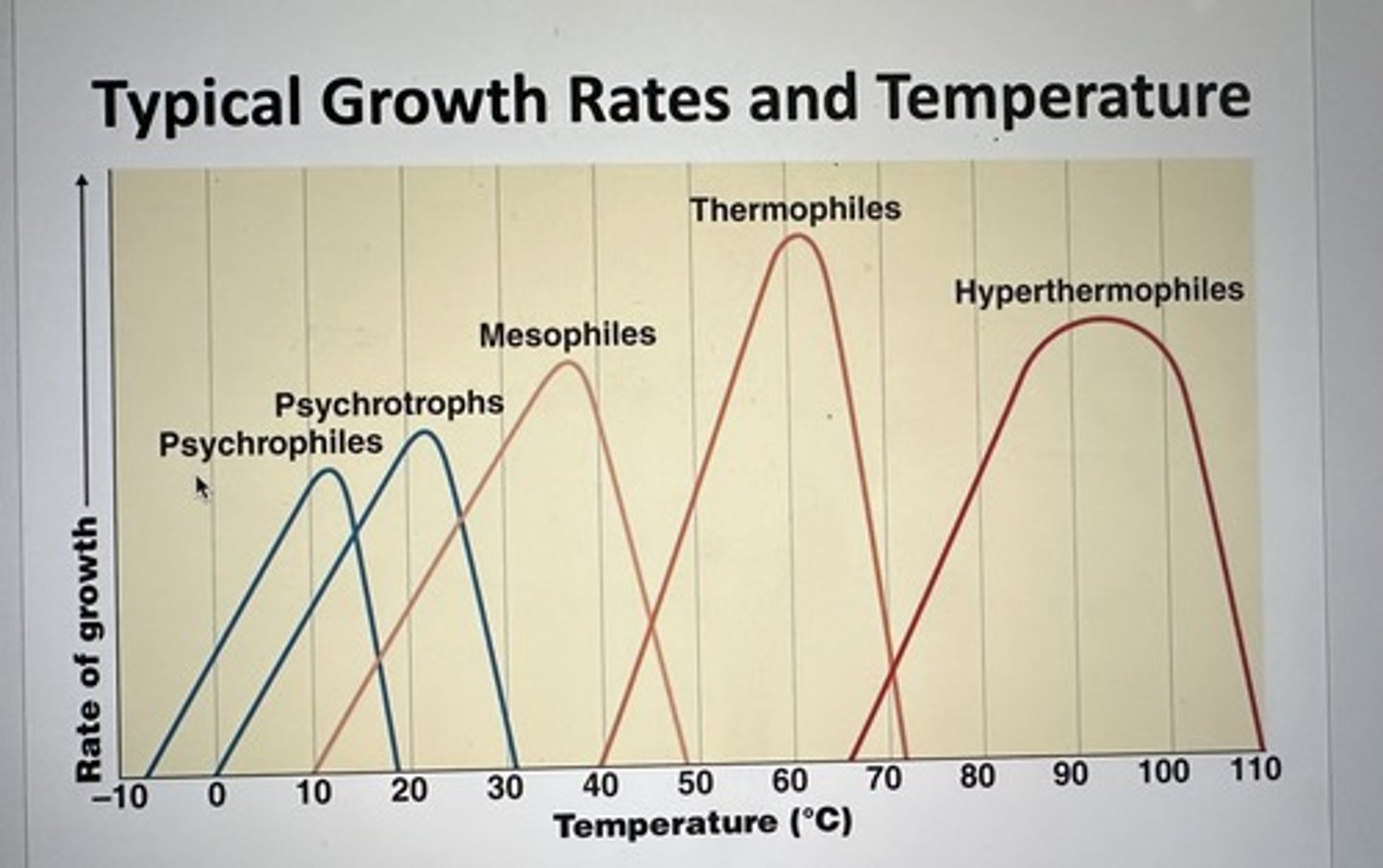
Psychrotrophs are also known as?
Cold-Loving Microbes
What is the temperature range in which pyschrotrophs grow in?
Grow between 0°C and 20-30°C
Most bacteria grow between pH of?
6.5 and 7.5
Molds and yeasts grow between pH of?
pH 5 and 6
Acidophiles grow in what type of environments
acidic environments
What is osmotic pressure?
The force caused by a solution passing through a semi permeable surface by osmosis
Hypertonic environments, or an increase insalt or sugar, cause
plasmolysis (loss of water from the cell)
Extreme or obligate halophiles (salt-loving)require
high osmotic pressure
Facultative halophiles tolerate high osmoticpressure; do not require
high salt concentration
Active transport requires ___ and ____
transporter protein
ATP
Group translocation requires ____ and ____
tranporter protein
PEP
PEP has the highest energy phosphate bond found in living organisms, and is involved in ____?
glycolysis
PEP group translocation was discovered by who and when?
The system was discovered by Saul Roseman in 1964
PEP group translocation is a method used by bacteria to take _____?
Glucose as a source on energy
PEP group translocation is known as a ________ system, that involves the enzymes of the _____________ and the ___________?
multi-component system
plasma membrane
cytoplasm
Carbon chemical requirements
Structural organic molecules, energy source- Chemoheterotrophs - use organic carbon sources• Heterotroph - an organism deriving its nutritional requirements from complex organic substances- Autotrophs ("self-nourishing") use CO2 as the carbon source
Nitrogen chemical requirements
In amino acids and proteins
-Most bacteria decompose protein
Some bacteria use NH4+ (ammonium) or NO3- (nitrate)
-A few bacteria use N2 in nitrogen fixation• Symbiotic relationship with legumes (i.e., lima beans, peas)
Sulfur chemical requirements
In amino acids, thiamine (vitamin B1), and biotin- Most bacteria decompose proteins- Some bacteria use SO42- (sulfates) or H2S(hydrogen sulfide)
Phosphorus chemical requirements
In DNA, RNA, ATP, and membranes- PO4-3 (phosphate) is a source of phosphorus
Trace elements chemical requirements
Inorganic elements required in small amount
Usually as enzyme cofactors (Mg++, Mn++)
KNOW THIS IMAGE
KNOW THIS IMAGE
What are the organic growth factors?/ how can you classify it?
Essential organic compounds that an organism is unable to synthesize
Organic compounds obtained from the environment
Vitamins (act as co-enzymes), amino acids,purines, and pyrimidines
What are the main points to know for biofilms
Microbial communities(not like on plates)
Form slime or hydrogels
Bacteria attracted by chemicals via quorum sensing
Process of cell-cell communication that allows bacteria to share information about cell density and adjust gene expression accordingly
Chemical communication
What do Biofilms share?
nutrients
T of F: Biofilms are sheltered from harmful factors
True
In biofilms microbes are approximately _________ more resistant to microbicides
1000X
What is Culture medium?
nutrients prepared for microbial growth
How can sterile be defined?
no living microbes present
What is Inoculum?
Introduction of microbes into medium or an environment
How can culture be defined ?
Microbes growing in/on culture medium
What is Agar?
Solid media on which bacteria grow
What are some characteristics of Agar?
Complex polysaccharide
Used as solidifying agent for culture media in petri plates, slants, and deeps
Generally not metabolized by microbes
Liquefies at 100°C
Solidifies at ~40°C
What is Chemically defined media?
exact chemical composition is known
What is Complex media?
Extracts and digests of yeasts, meat, or plants
Nutrient broth-
Nutrient agar
What are some Anaerobic Culture Methods?
Reducing media, anaerobic jar, anaerobic chamber
Reducing media:
Contain chemicals (thioglycolate or oxyrase) that combine with dissolved O2 and deplete the O2 in the medium
Heated to drive off O2
A reducing media is used to culture?
anaerobic organisms
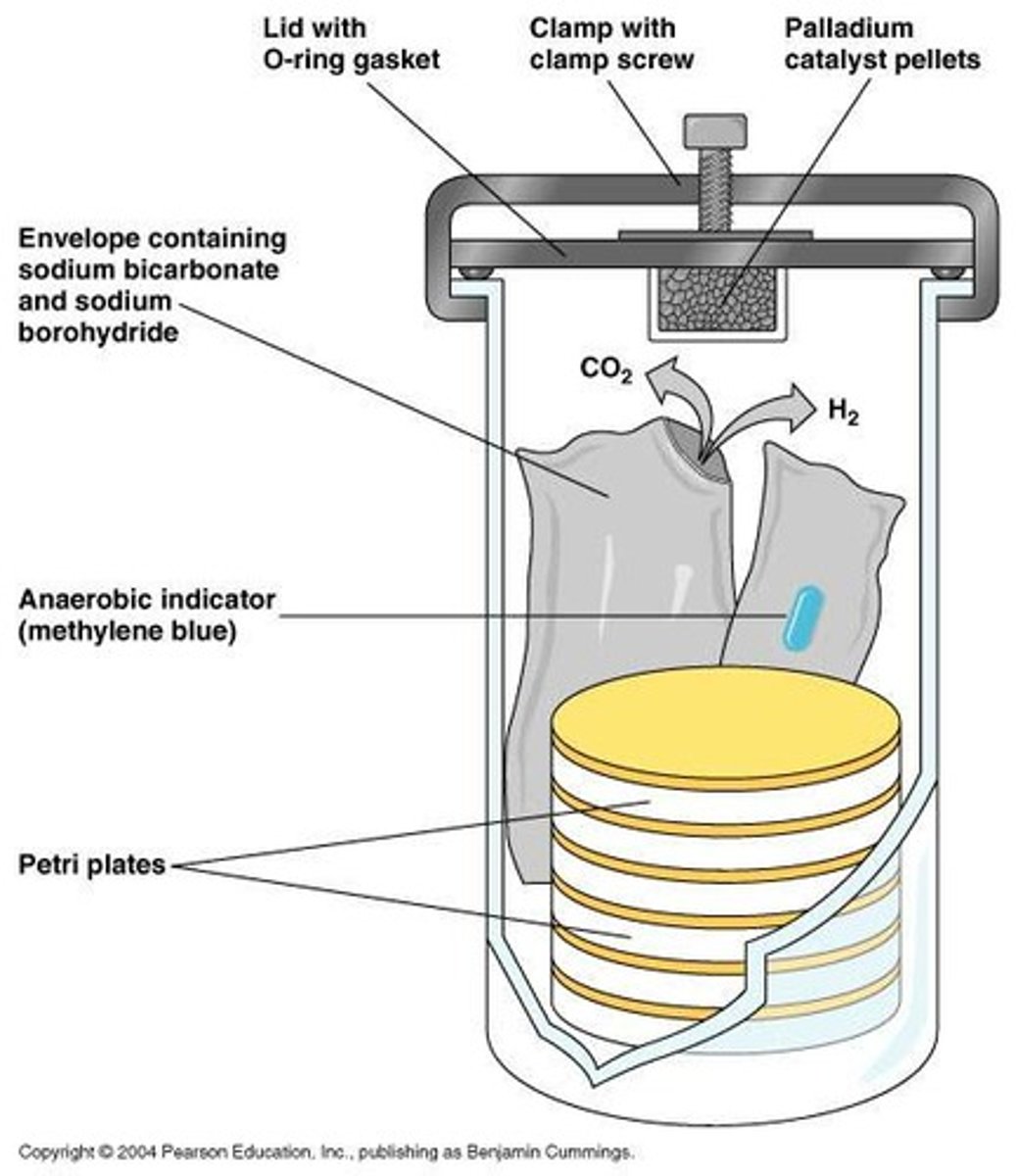
anaerobic jar
Used to create anaerobic, microaerophilic, CO2-enriched
conditions depending on specific needs of bacteria being cultivated
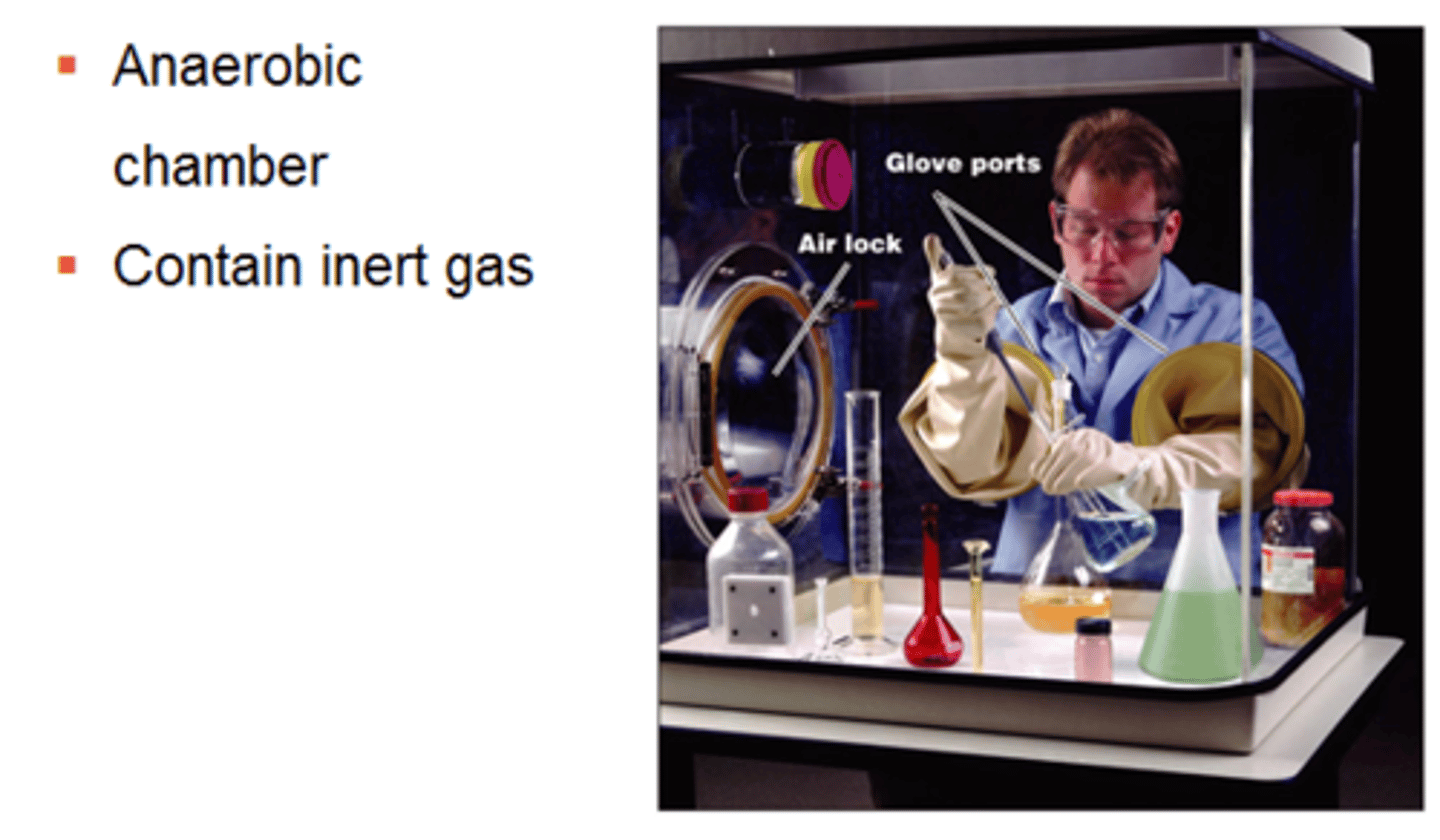
anaerobic chamber
An enclosed compartment maintained in an anaerobic environment; a special port is used to add or remove items
What are Capnophiles?
Microbes that require and survive high CO2 conditions
What are some examples of capnophiles
Examples:- Campylobacter species can cause intestinal disorders- Other capnophilic pathogens occur in the Gram-negative Aggregatibacter spp. found in the mouth(e.g., Aggregatibacter actinomycetemcomitans)• These are a cause of aggressive juvenile periodontitis
What are Biosafety Levels (BSLs)?
There are four biosafety levels. Each level has specific controls for containment of microbes and biological agents. The primary risks that determine levels of containment are infectivity, severity of disease, transmissibility, and the nature of the work conducted. Origin of the microbe, or the agent in question, and the route of exposure are also important.
What is the first level of biosafety?
BSL-1 - No special precautions• E. coli K-12
What is the second level of biosafety?
BSL-2 - Lab coat, gloves, eye protection• E. coli O157:H7, Salmonella spp.
What is the third level of biosafety?
BSL-3 - Biosafety cabinets to preventairborne transmission• M. tuberculosis, Y. pestis
What is the fourth level of biosafety?
BSL-4 - Sealed, negative pressure; exhaust air is filtered twice• Ebola virus
What is selective media?
Suppress unwanted microbes and encourage desired microbes (Mannitol Salt Agar)
What is differential media?
Differential medium makes it easy to distinguish colonies of different microbes
Enrichment culture encourages ?
growth of desired microbe
Obtaining Pure Cultures
A pure culture contains only one species or strain; genetically pure
What is a colony?
is a population of cells arising froma single cell or spore or from a group ofattached cells
What is a colony often called/referred to as?
often called a colony-forming unit (CFU)
The streak plate method is used to isolate?
pure cultures
Preserving Bacterial Cultures with Deep-freezing what must the temp be ?
-50° to -95°C
Preserving bacteria cultures with Lyophilization (freeze-drying), what must the temp reach/be at?
Frozen (-54°to -72°C) and dehydrated in a vacuum
how is reproduction in prokaryotes done/occurs
binary fission
What are some characteristics of reproduction in prokaryotes
Budding - a small initial outgrowth that enlarges and separates from "mother" cell•
"Chains" of conidiospores (actinomycetes)
Fragmentation of filaments Reproduction in Prokaryotes
How many steps are in binary fission?
4 steps
What are the four steps of binary fission?
1. Cell elongates and DNA is replicated
2. Cell wall and plasma membrane begin to constrict
3. Cross-wall forms, completely separating the two DNA copies
4. Cells separate
What are the steps of budding?
1: bud begins to form on parent cell
2: nucleus copies and divides. The bud receives a copy
3: bud now becomes a separate daughter cell
4:budding produces chains of cells
Generation time
As cells divide, the population increases exponentially• Numerically this is equal to two (because the cell divides into two) raised to the number of times the cell divided (generations)
2 number of generations
Dilution Factor is also known as
Df
Dilution factor=
= the volume of the amount to be diluted the same volume plus the diluent10-Fold Dilution = 1/1 + 9100-Fold Dilution = 1/1 + 991000-Fold Dilution = 1/1 + 999
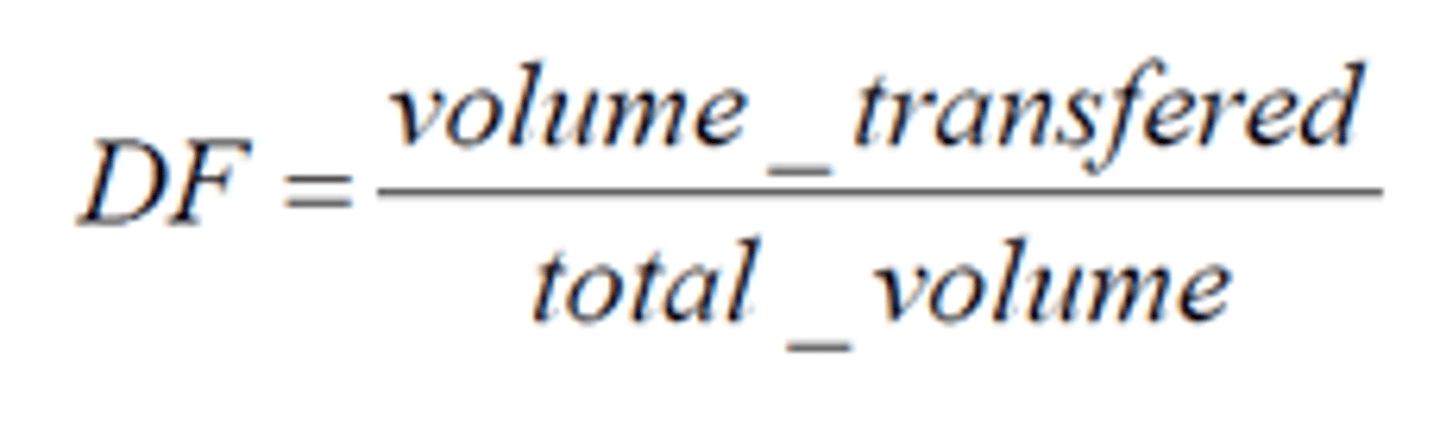
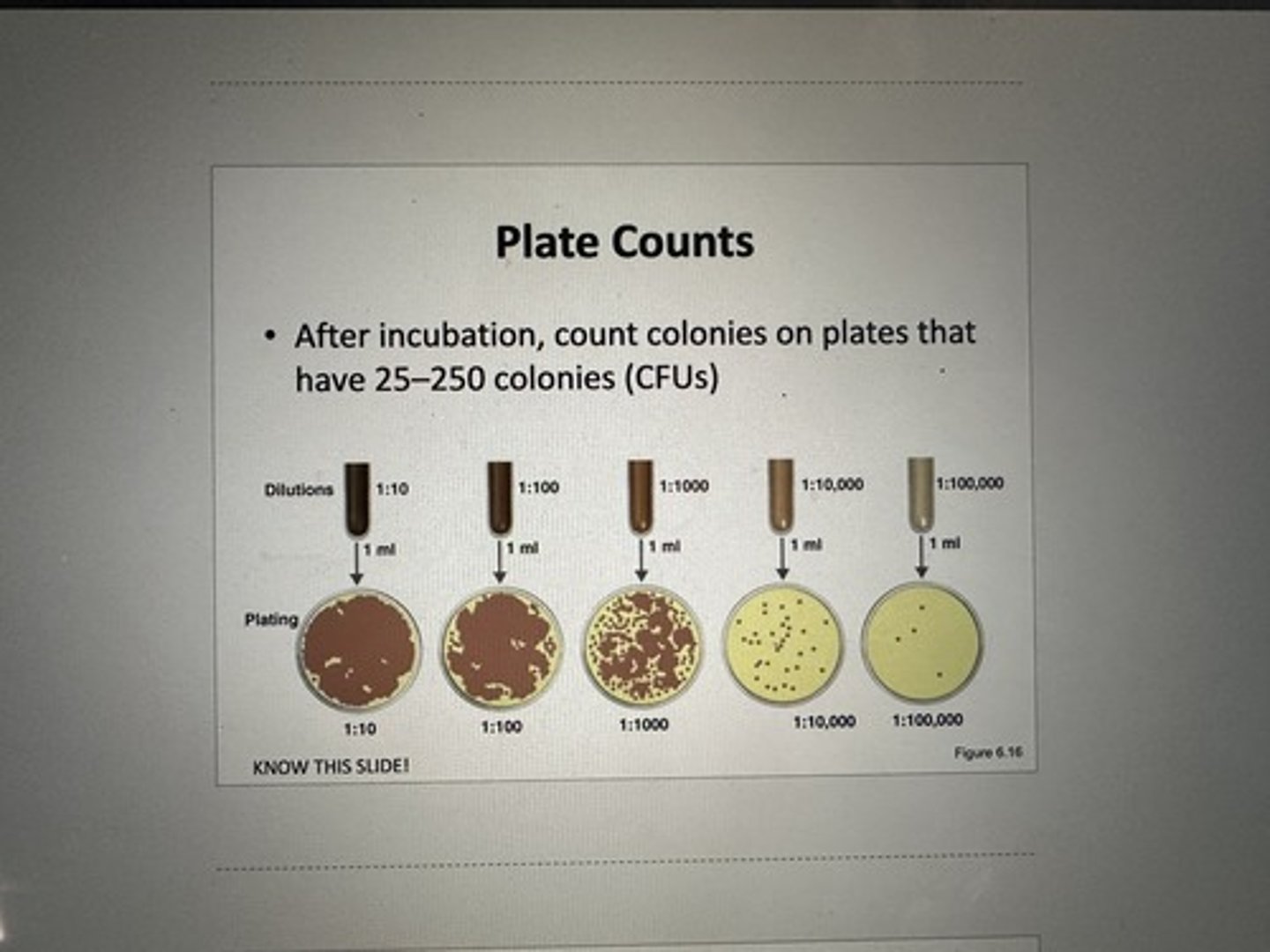
Plate Counts•: After incubation, count colonies on plates that have ___-_____ colonies (CFUs)
25-250 colonies
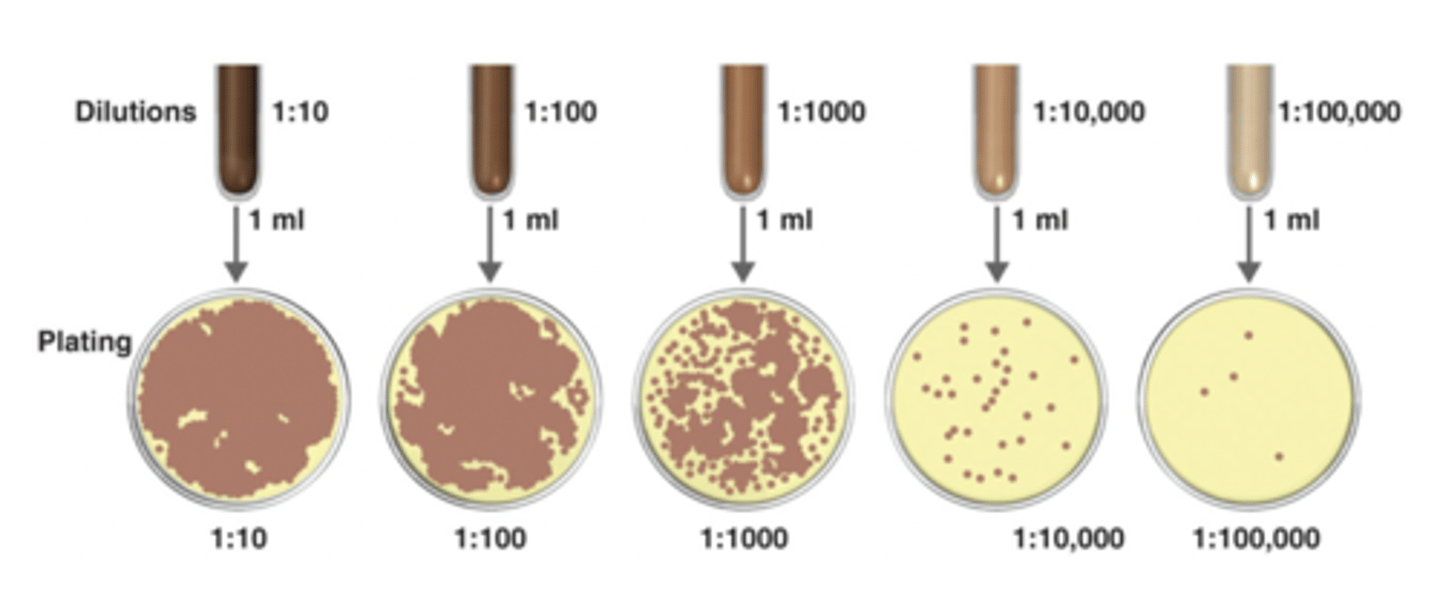
KNOW THIS IMAGE
Most Probable Number
A statistical method of measuring bacterial growth used when samples contain too few organisms to give reliable measures by the plate count method
Measuring microbial growth, direct methods
Plate counts
Filtration
MPN
Direct microscopic count
What are the indirect methods for measuring microbial growth?
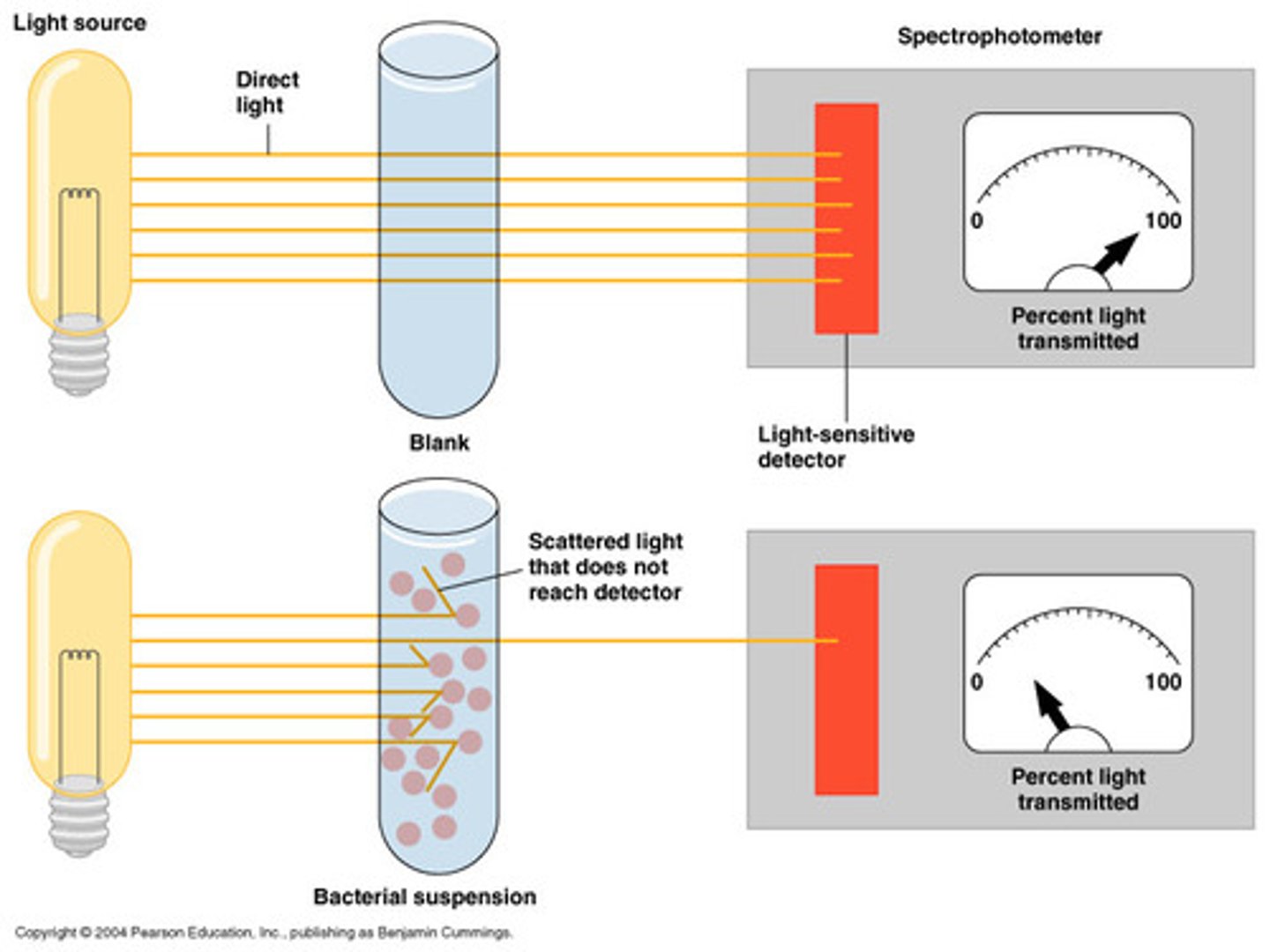
Turbidity
Metabolic activity (acidproduction)
Dry weight
Turbidity
A measure of how clear water is.
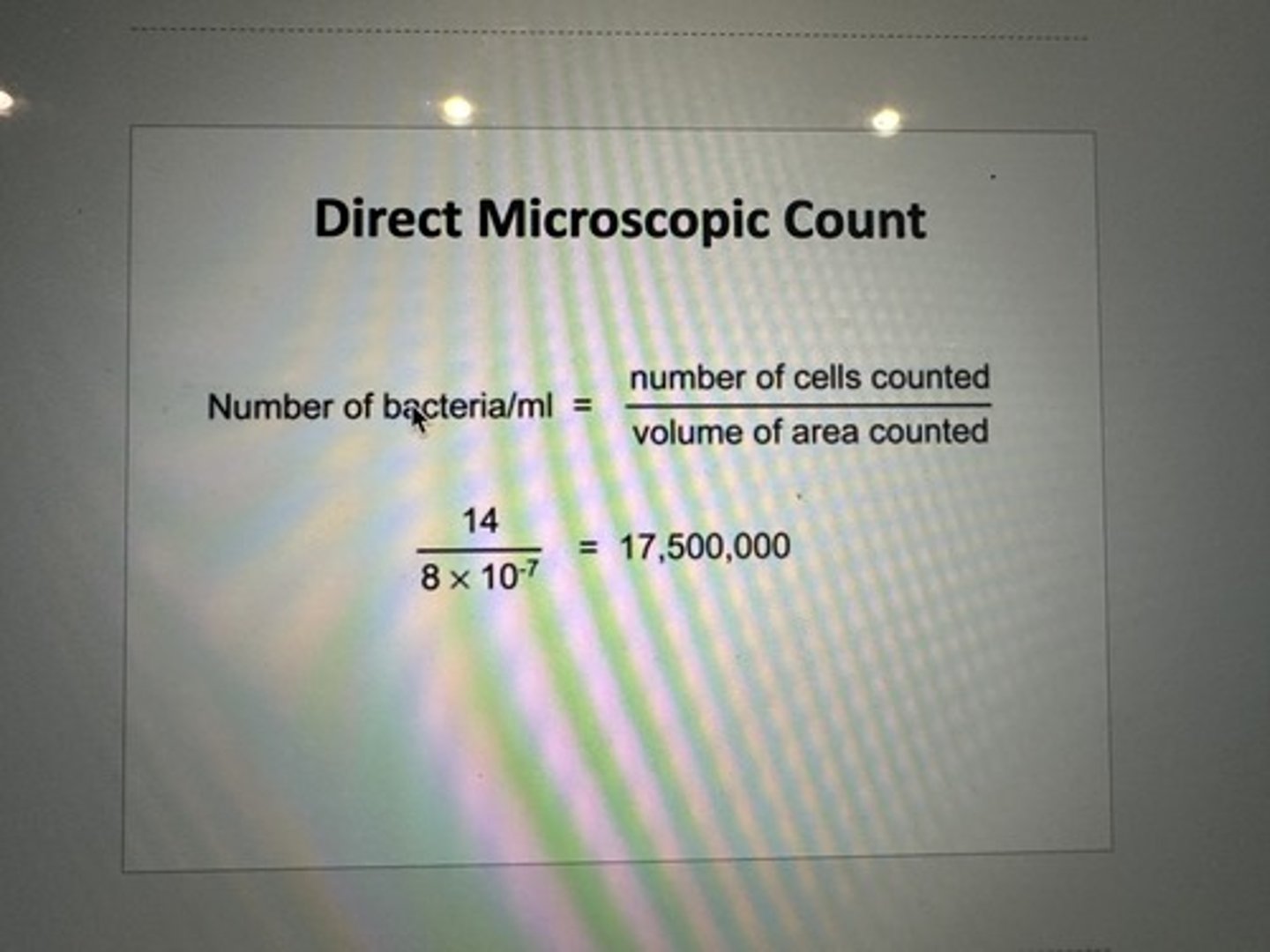
Direct Microscopic Count
Know the formula as seen in the picture
Sepsis refers to?
microbial contamination
Asepsis is the absence of?
significant contamination
Aseptic surgery(ical) techniques prevent microbial contamination of?
wounds
What is sterilization?
Process of removing all microbial life
Commercial sterilization: Enough heat to destroy ___?
C. botulinum endospores- "Botox" FDA Approved in 2002
What is Disinfection?
removing/ removal of pathogenic organisms
What is antisepsis?
Removing pathogens from living tissue
Removing microbes from a limited area is called
Degerming
Sanitization is a process by which
Lowering microbial counts on eating utensils to minimize the chance of disease
Biocide/germicide does what?
kills microbes
Bacteriostasis is what?
Inhibiting, not killing, microbes
The effectiveness of treatment depends on what?
1. Number of microbes
2. Environment
-organic matter (blood, feces) - influence the selection of an antimicrobial agent
Temperature - warmer temperatures are better• Biofilms
3. Time of exposure (consider temp-resistant or spores)
4. Microbial characteristics
If there is a greater number of microbes how might treatment be affected?
greater number means a longer treatment will be needed
T or F: Agar is a polysaccharide?
True
what are the actions of microbial control agents?
1. alteration of membrane permeability
2. damage to proteins
3. damage to nucleic acids
complex media is knowing what you add to it but it is not ____________________?
chemically defined (because it is so complex)
What are examples of a complex media?
nutrient broth and nutrient agar
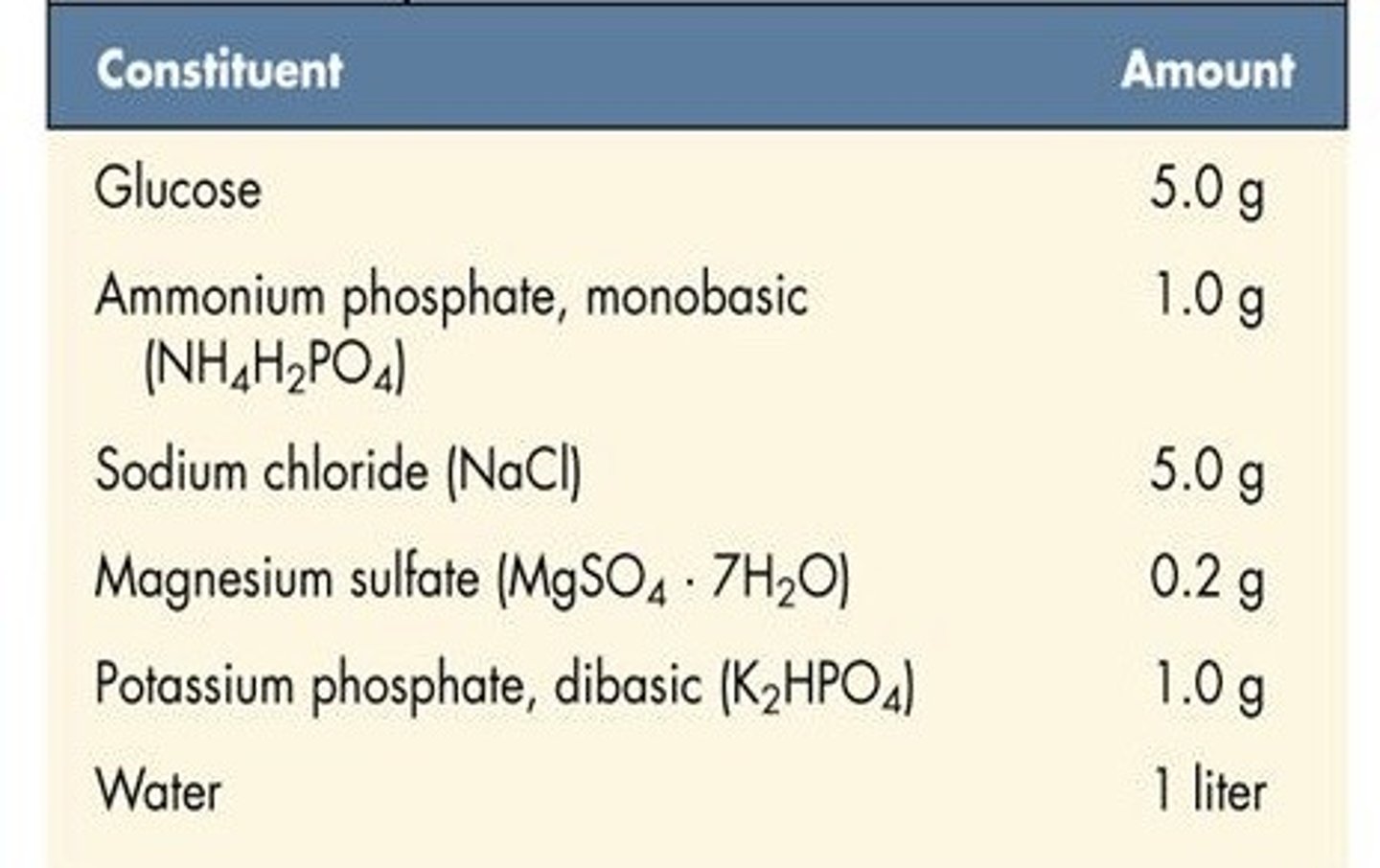
What is an example of chemically defined media?
glucose salt broth
if you are trying to grow bacteria that can be killed by oxygen what method can be used?
anaerobic culture method
Heating and boiling is used to
drive of oxygen
When we talk about microbial growth, we are really referring to?
the number of cells
Microorganisms are classified into _____ primary groups on the basis of their preferred range of temperature?
3
What are the groups that microorganisms are divided into based on their preferred range of temperature?
psychrophiles (cold-loving microbes)
mesophiles (moderate-temperature-loving microbes)
thermophiles (heat-loving microbes).
True or False: The minimum growth temperature is the lowest temperature at which the species will grow.
True
What is an example of BSL-4
ebola
What is the level at which microorganisms grow best at?
optimum growth temperature