Everything you need to memorise for Edexcel A Level Maths Pure

0.0(0)
Studied by 0 people
call kaiCall Kai
Locked
learnLearn
examPractice Test
spaced repetitionSpaced Repetition
heart puzzleMatch
flashcardsFlashcards
GameKnowt Play
Card Sorting

1/44

encourage image

There's no tags or description

Looks like no tags are added yet.

Last updated 4:37 PM on 6/29/26
Name
Mastery
Learn
Test
Matching
Spaced
Call with Kai
Chat

No analytics yet

Send a link to your students to track their progress

45 Terms

1
New cards

Index Laws

laws used in algebra involving numbers and letters to a power (index)
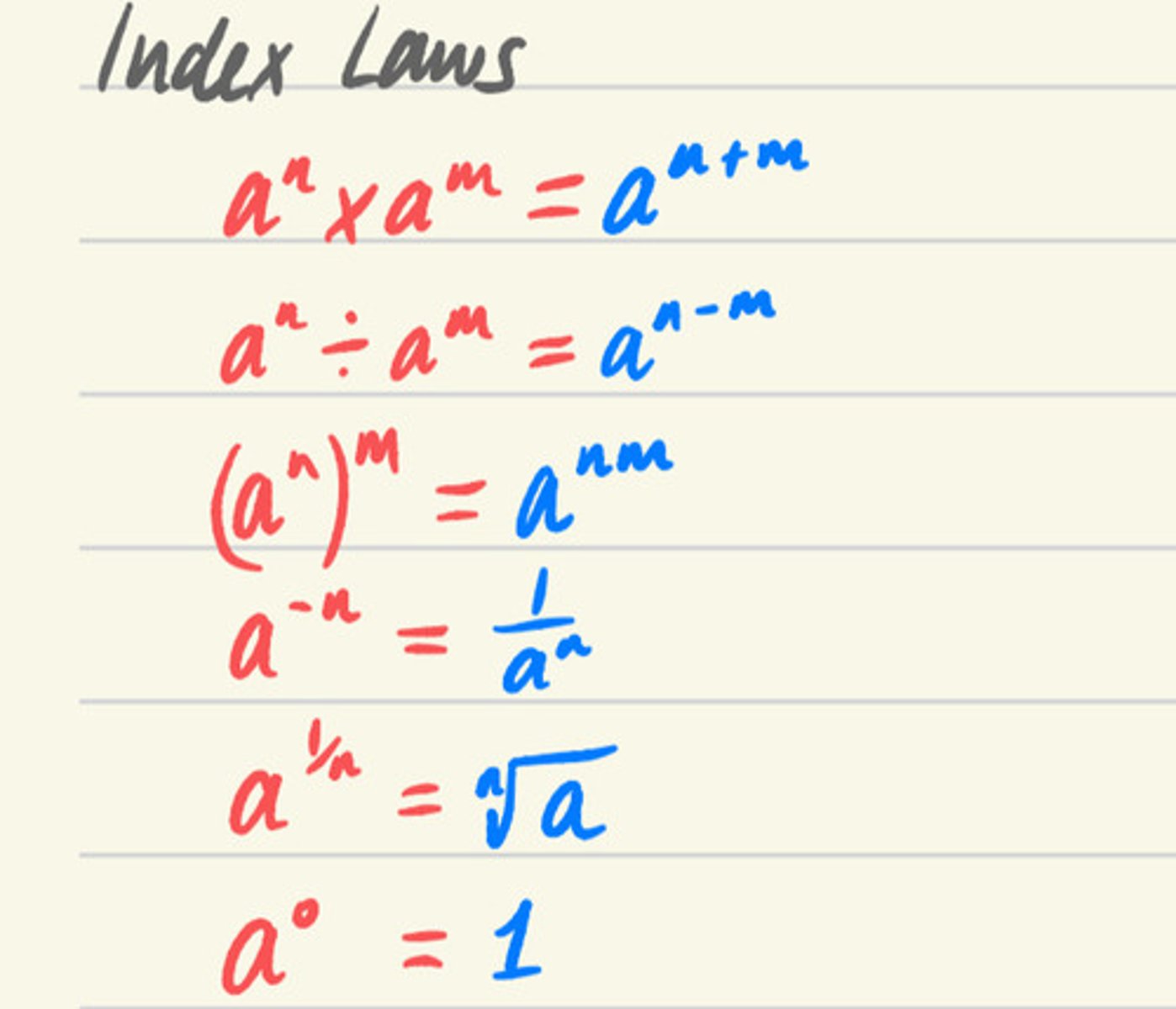
<p>laws used in algebra involving numbers and letters to a power (index)</p>
2
New cards

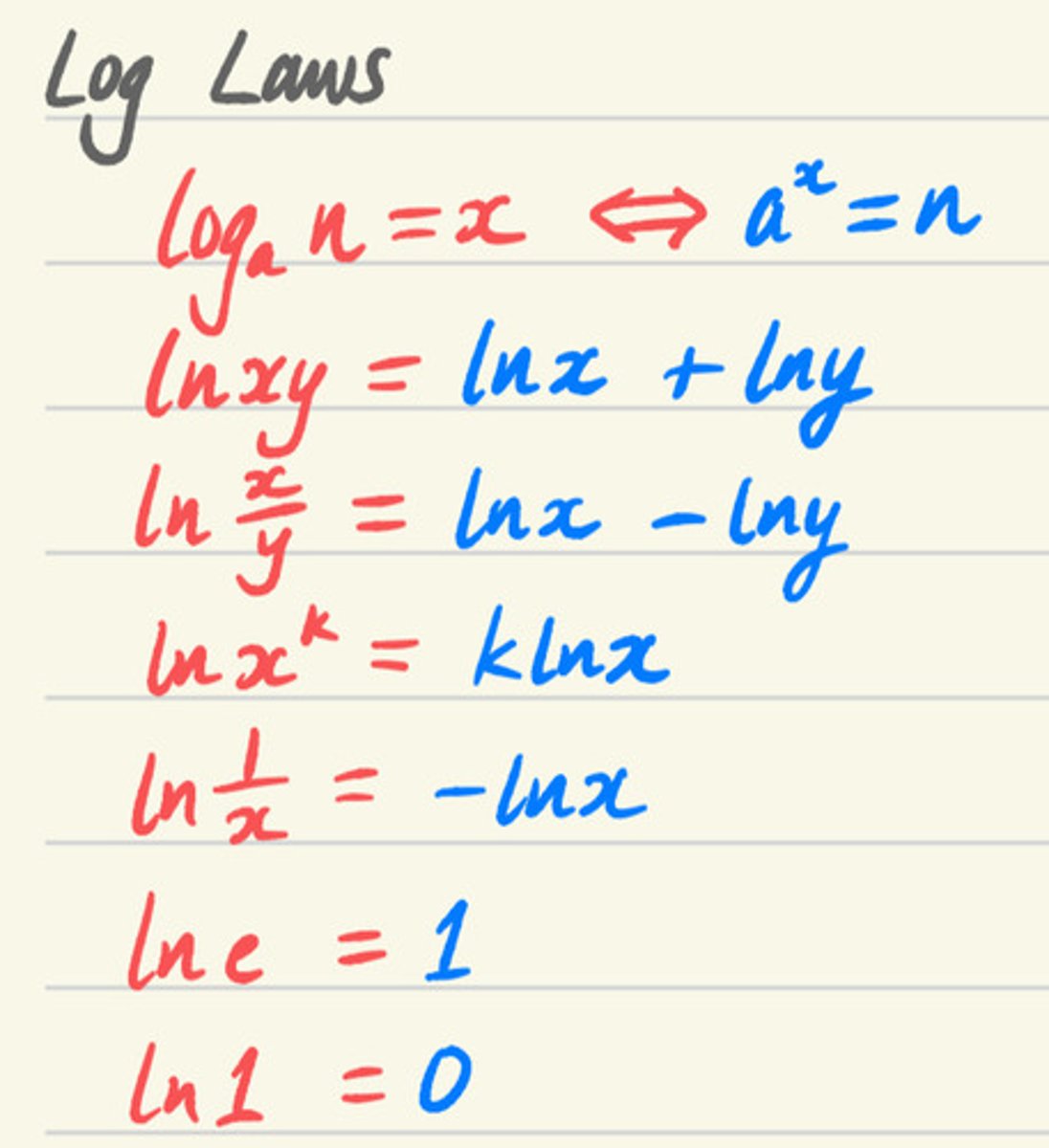
log laws

knowt flashcard image
3
New cards

Factor Theorem

A polynomial f(x) has a factor x - k if and only if f(k) = 0
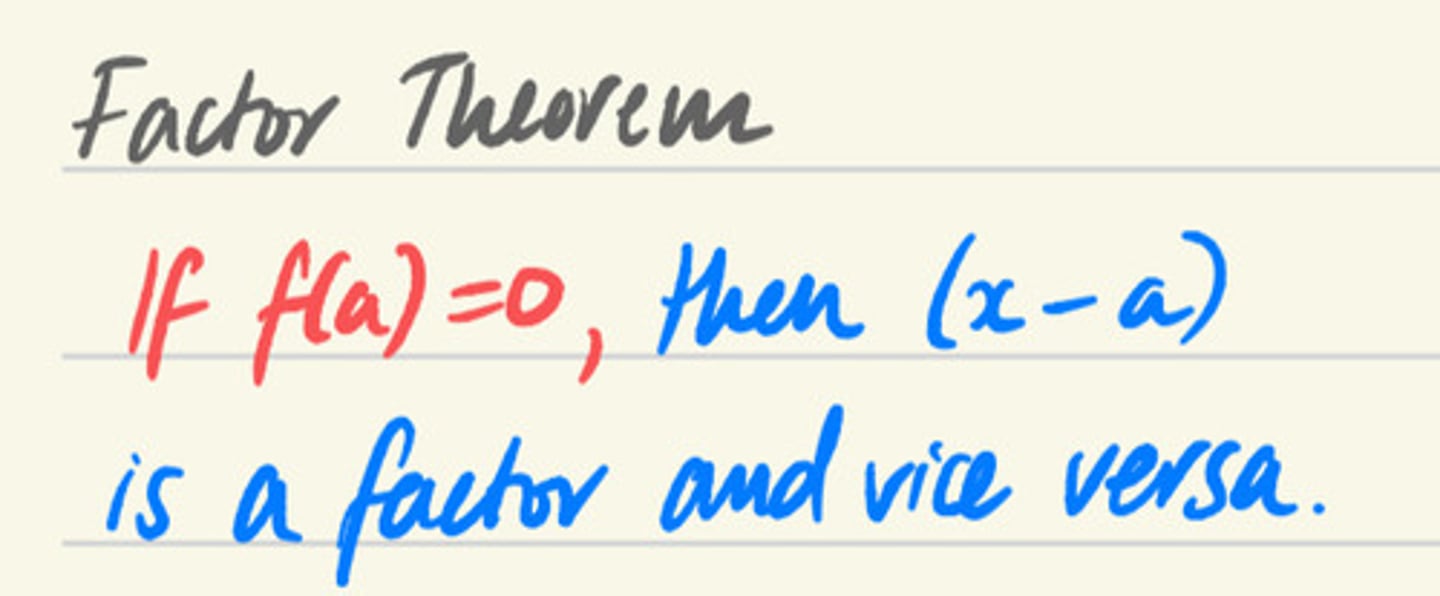
<p>A polynomial f(x) has a factor x - k if and only if f(k) = 0</p>
4
New cards

Inequalities

Algebraic statements that have ≠, <, >, ≤, or ≥ as their symbols of comparison.
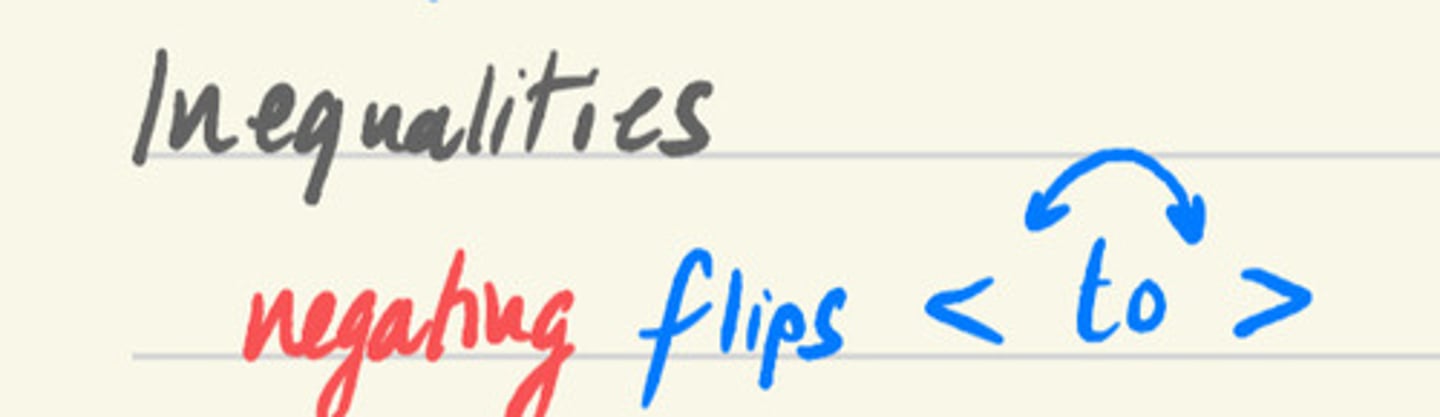
<p>Algebraic statements that have ≠, &lt;, &gt;, ≤, or ≥ as their symbols of comparison.</p>
5
New cards

Partial Fractions

Two or more fractions that add or subtract to result in a given rational expression.
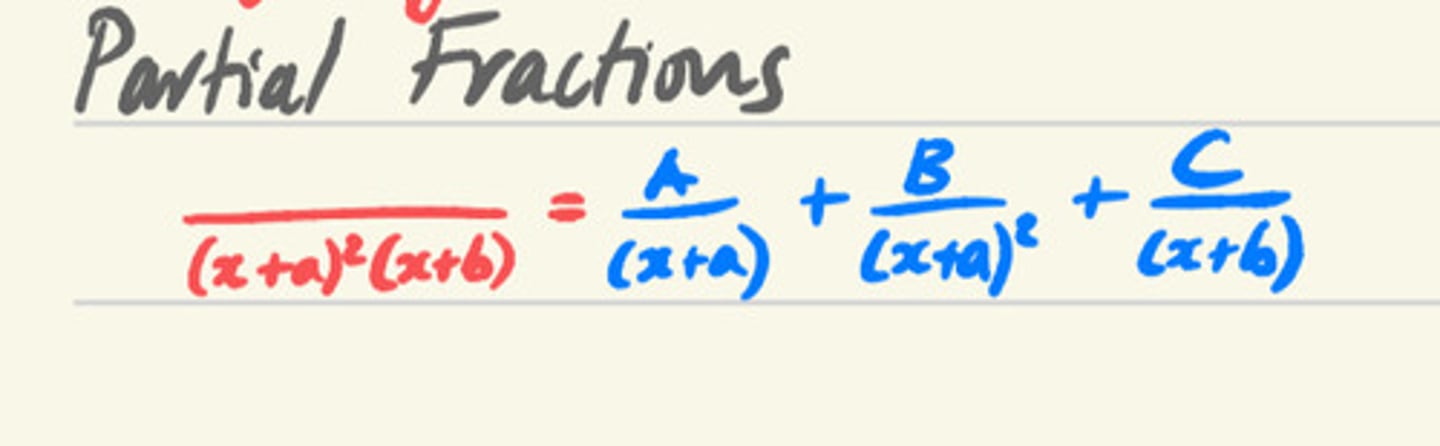
<p>Two or more fractions that add or subtract to result in a given rational expression.</p>
6
New cards

Triangle Geometry

A triangle is a three-sided polygon. It has three interior angles that add up to 180° (a + b + c = 180°). An exterior angle of a triangle is equal to the sum of the two interior angles that are opposite (d = b + c). The perimeter of a triangle is equal to the sum of the lengths of its three sides, the height of a triangle is equal to the length from the base to the opposite vertex (angle) and the area equals one-half triangle base x height: a = ½ base x height.
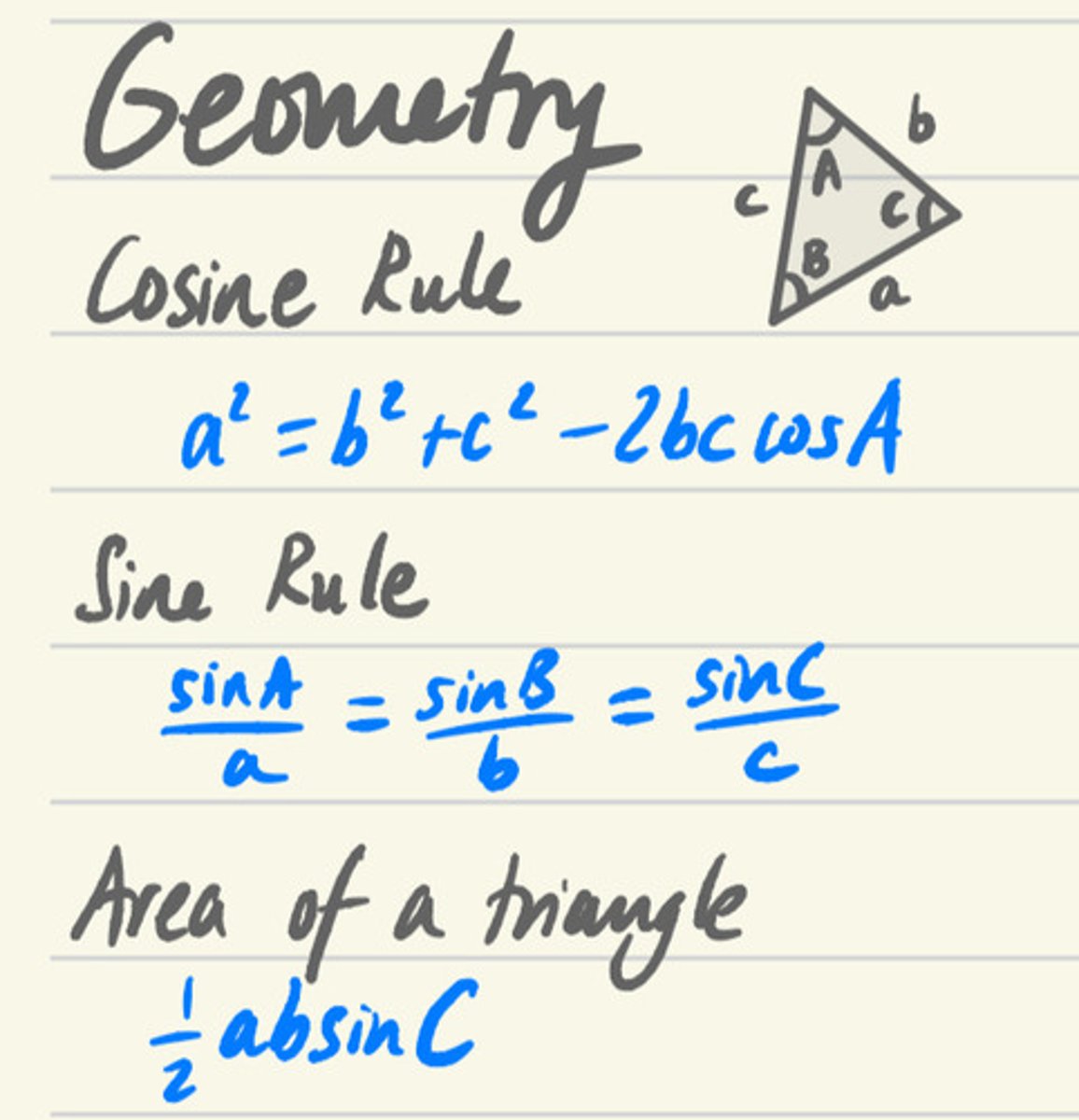
<p>A triangle is a three-sided polygon. It has three interior angles that add up to 180° (a + b + c = 180°). An exterior angle of a triangle is equal to the sum of the two interior angles that are opposite (d = b + c). The perimeter of a triangle is equal to the sum of the lengths of its three sides, the height of a triangle is equal to the length from the base to the opposite vertex (angle) and the area equals one-half triangle base x height: a = ½ base x height.</p>
7
New cards

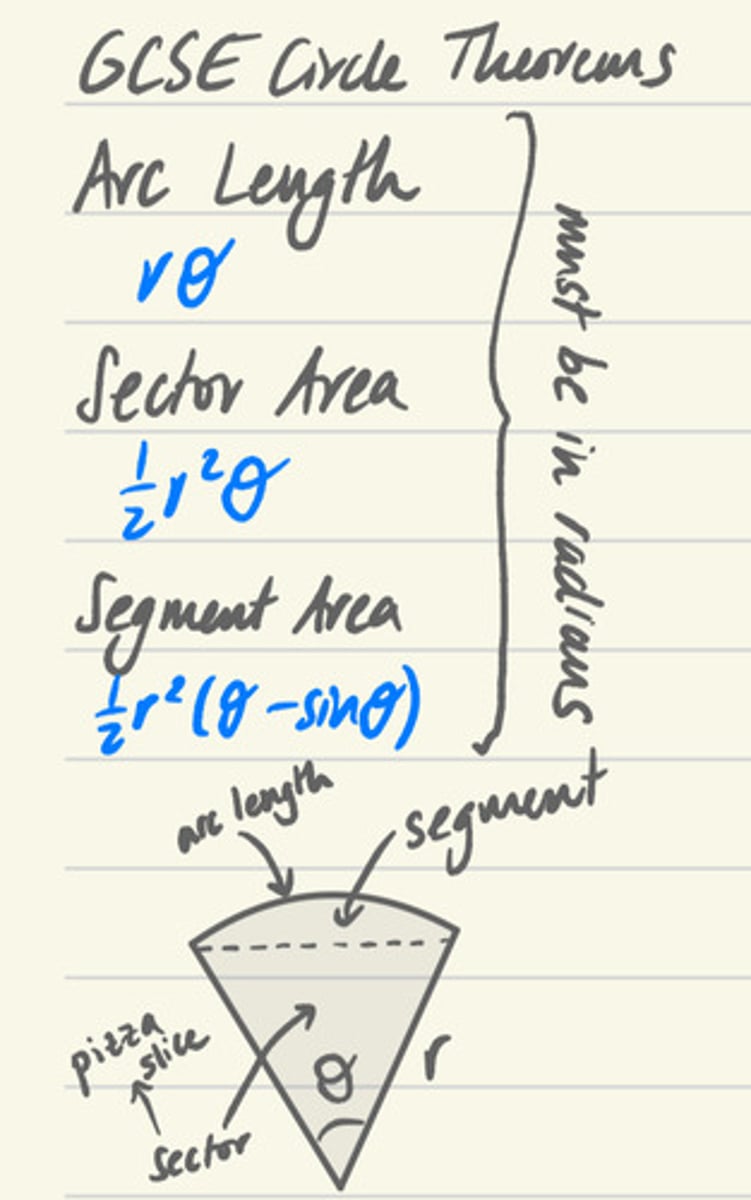
Circle theorems

knowt flashcard image
8
New cards

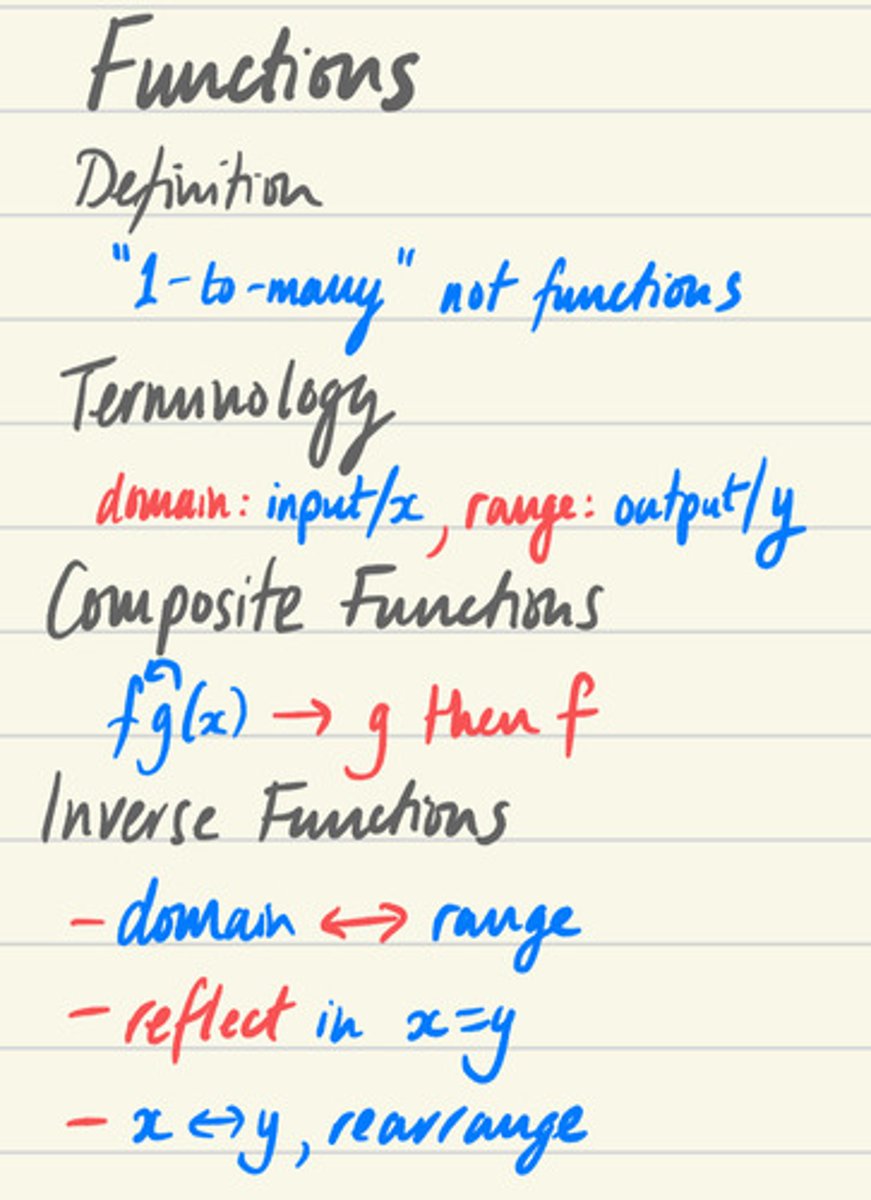
Functions

knowt flashcard image
9
New cards

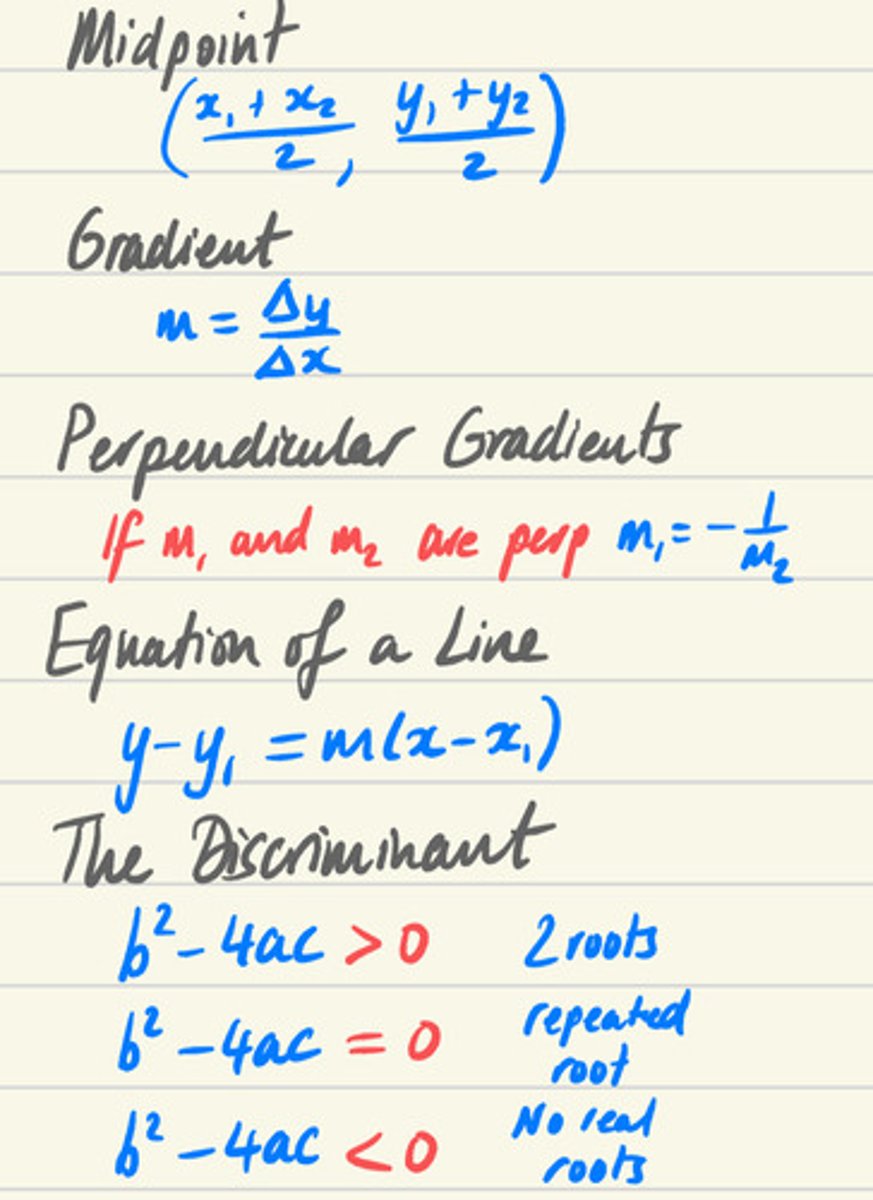
Simple linear equation rules

knowt flashcard image
10
New cards

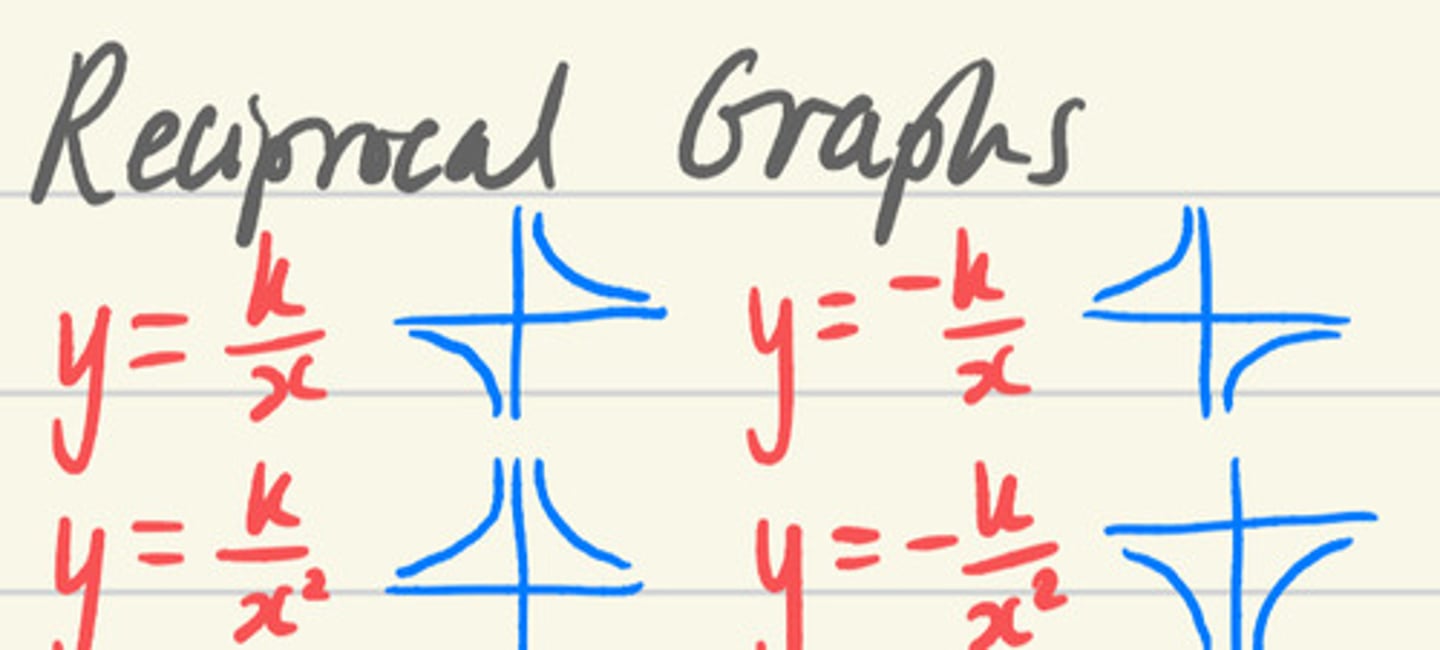
Reciprocal graphs

y=1/x

<p>y=1/x</p>
11
New cards

Equation of a circle

(x-h)²+(y-k)²=r²
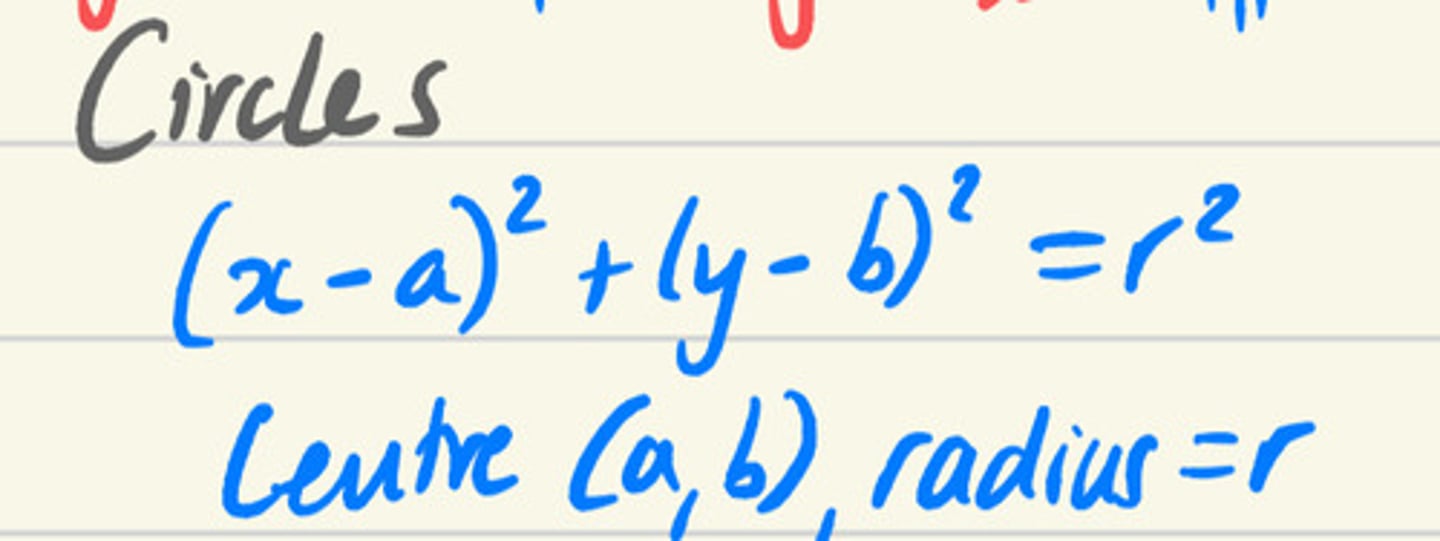
<p>(x-h)²+(y-k)²=r²</p>
12
New cards

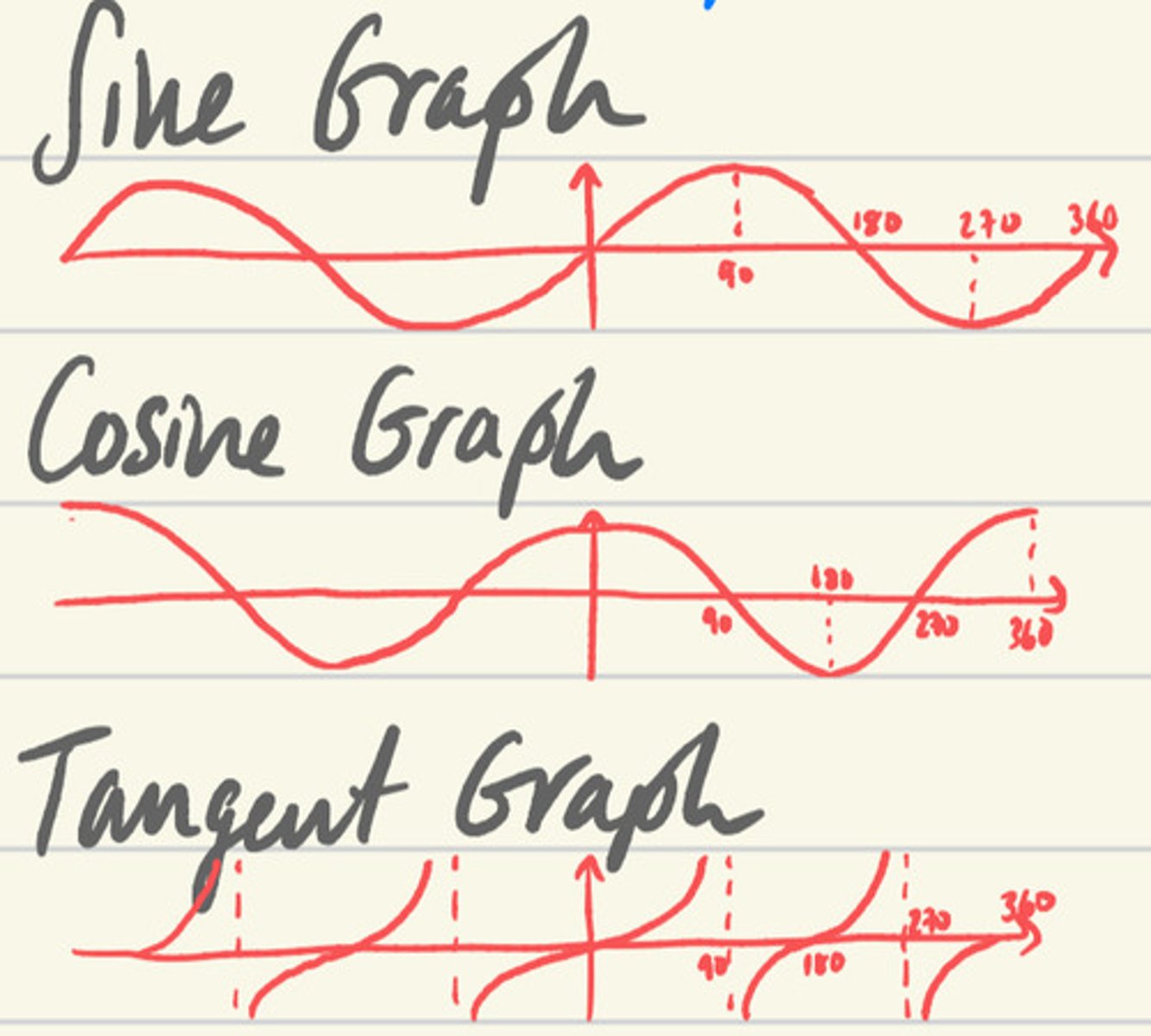
Trig graphs

knowt flashcard image
13
New cards

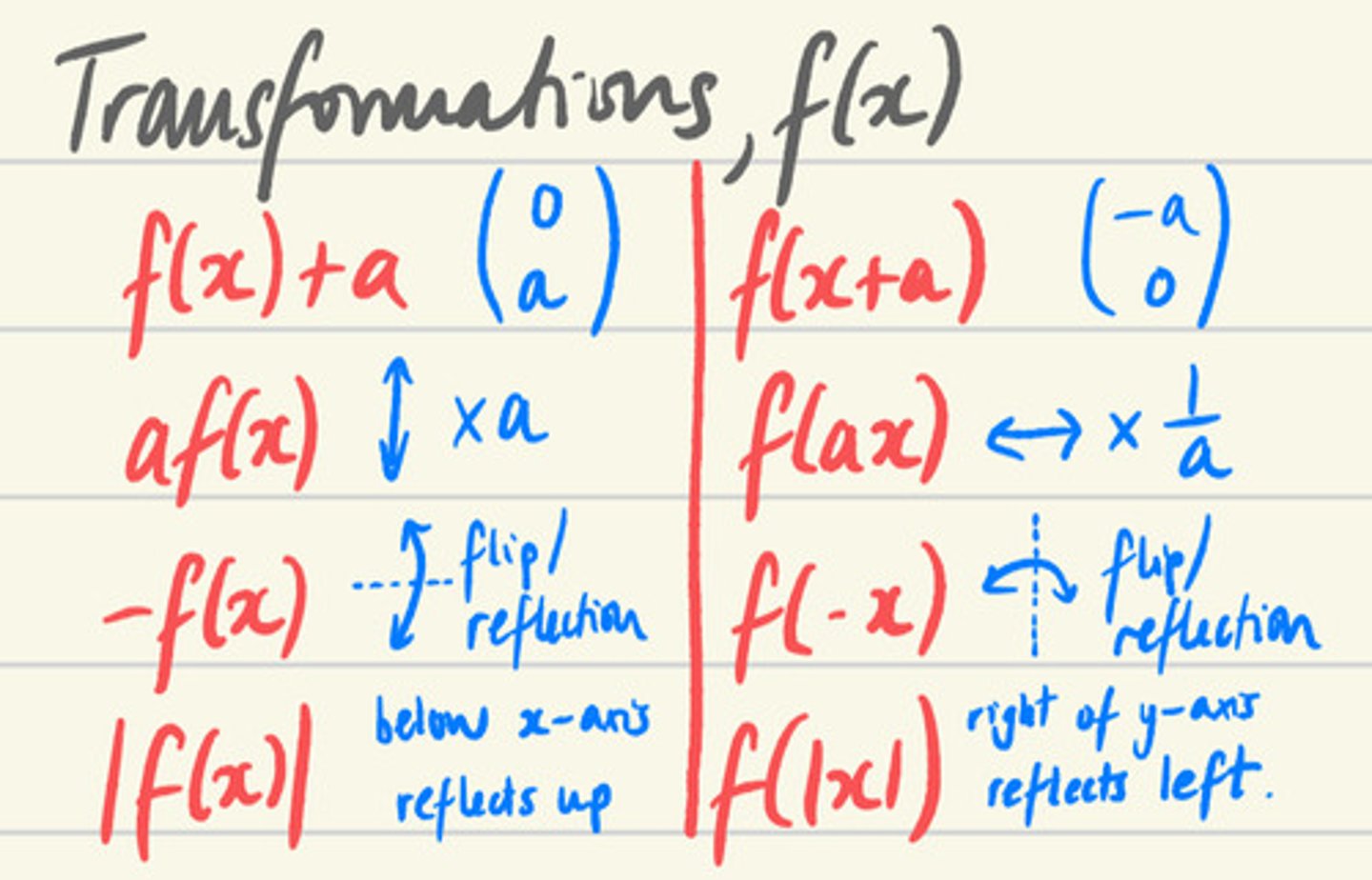
F(x) transformations

knowt flashcard image
14
New cards

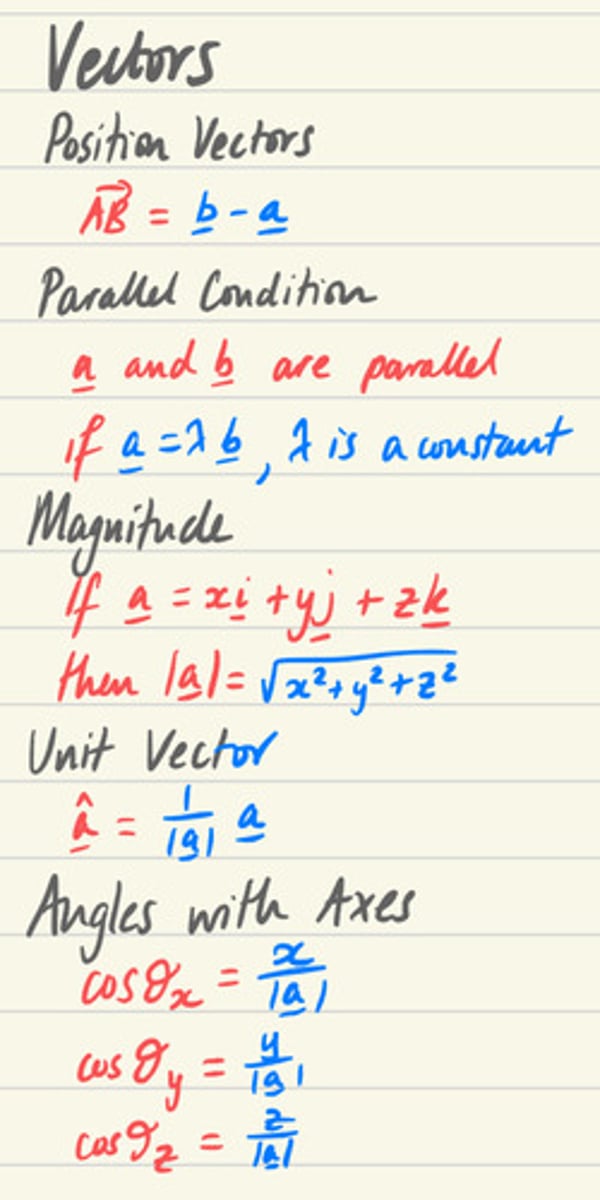
Vector Laws

knowt flashcard image
15
New cards

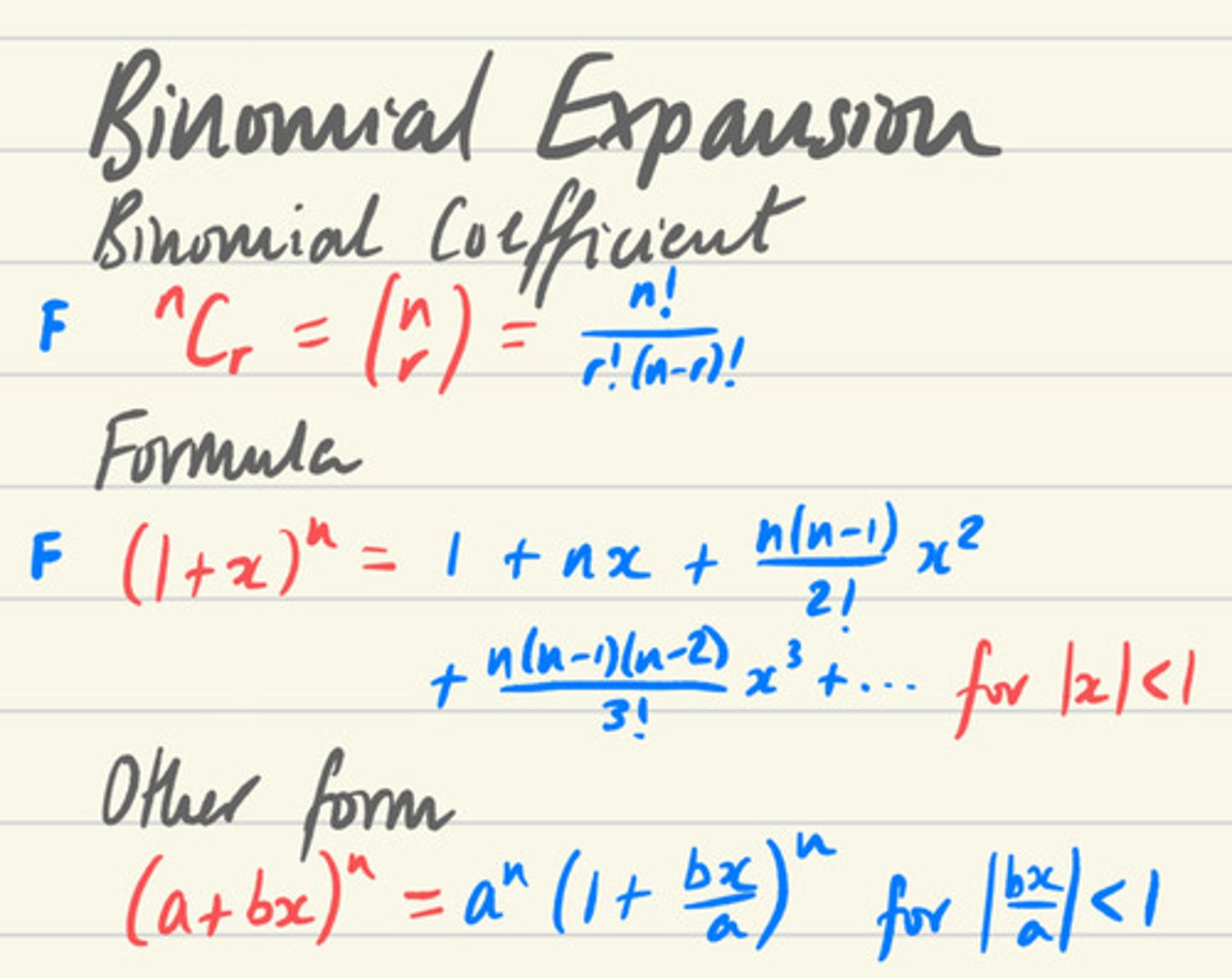
binomial expansion

knowt flashcard image
16
New cards

Arithmetic Series Formula

Sn=n/2(a1+an) or Sn=n/2(2a1+(n-1)d)
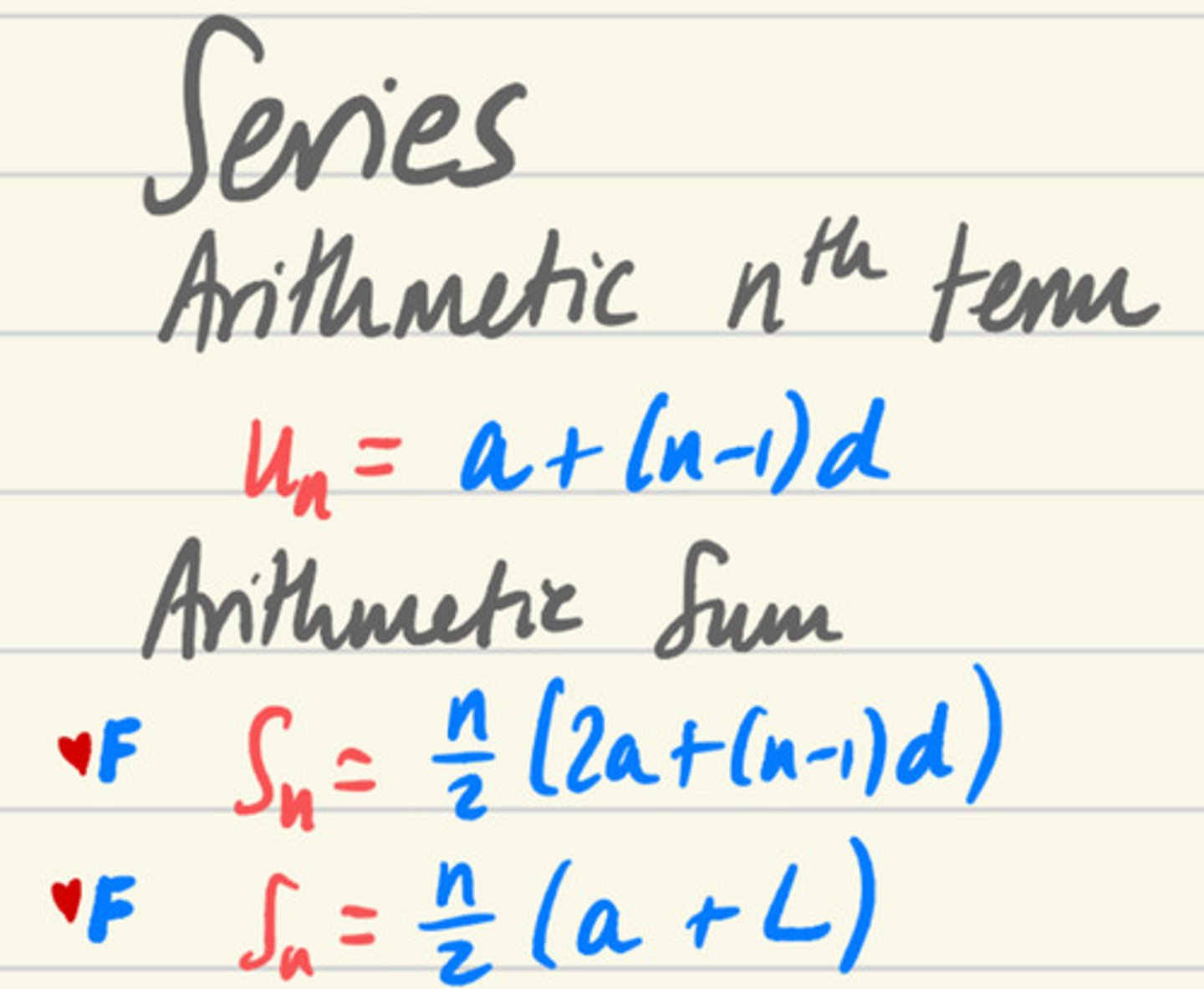
<p>Sn=n/2(a1+an) or Sn=n/2(2a1+(n-1)d)</p>
17
New cards

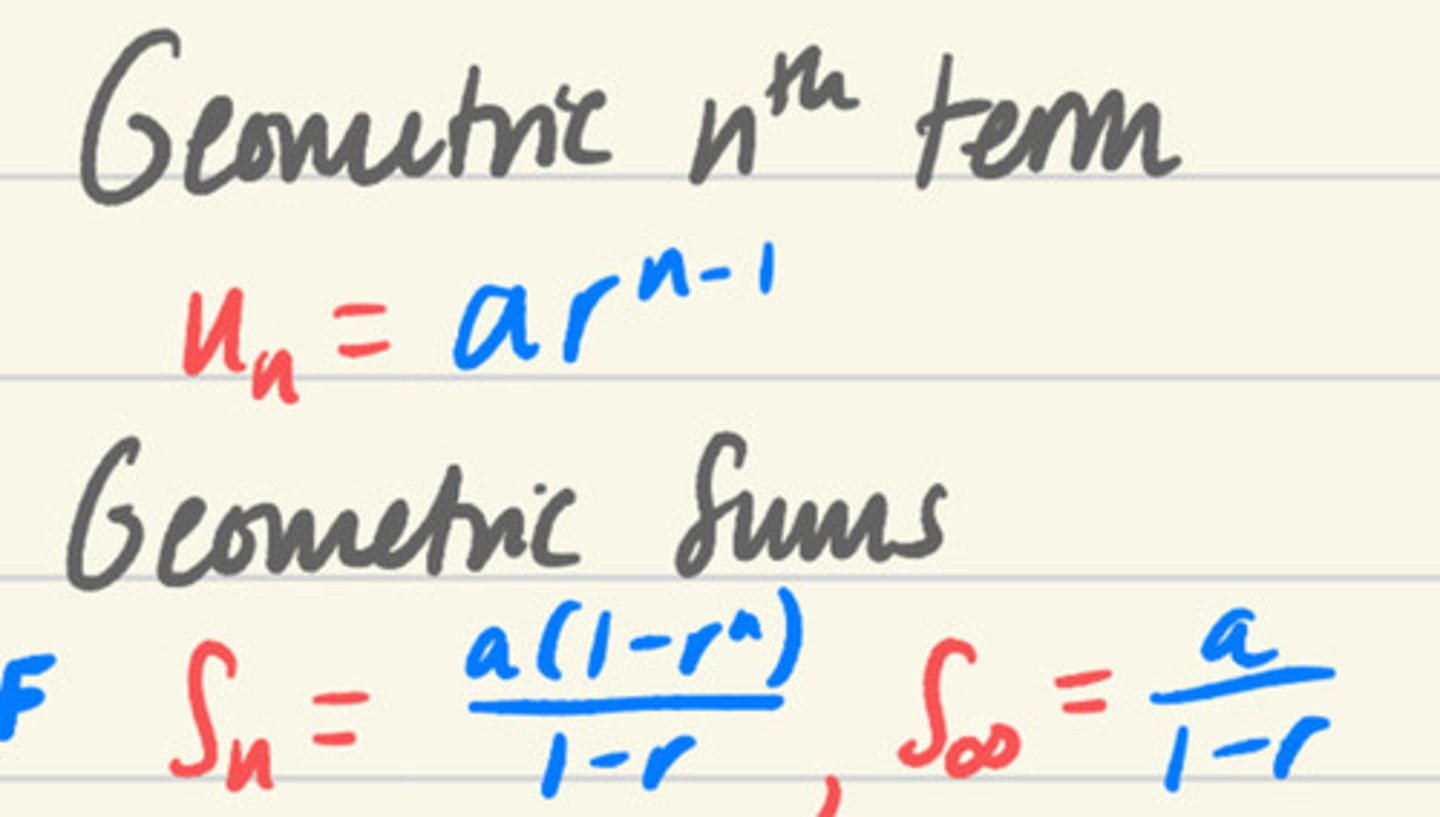
Geometric Series

knowt flashcard image
18
New cards

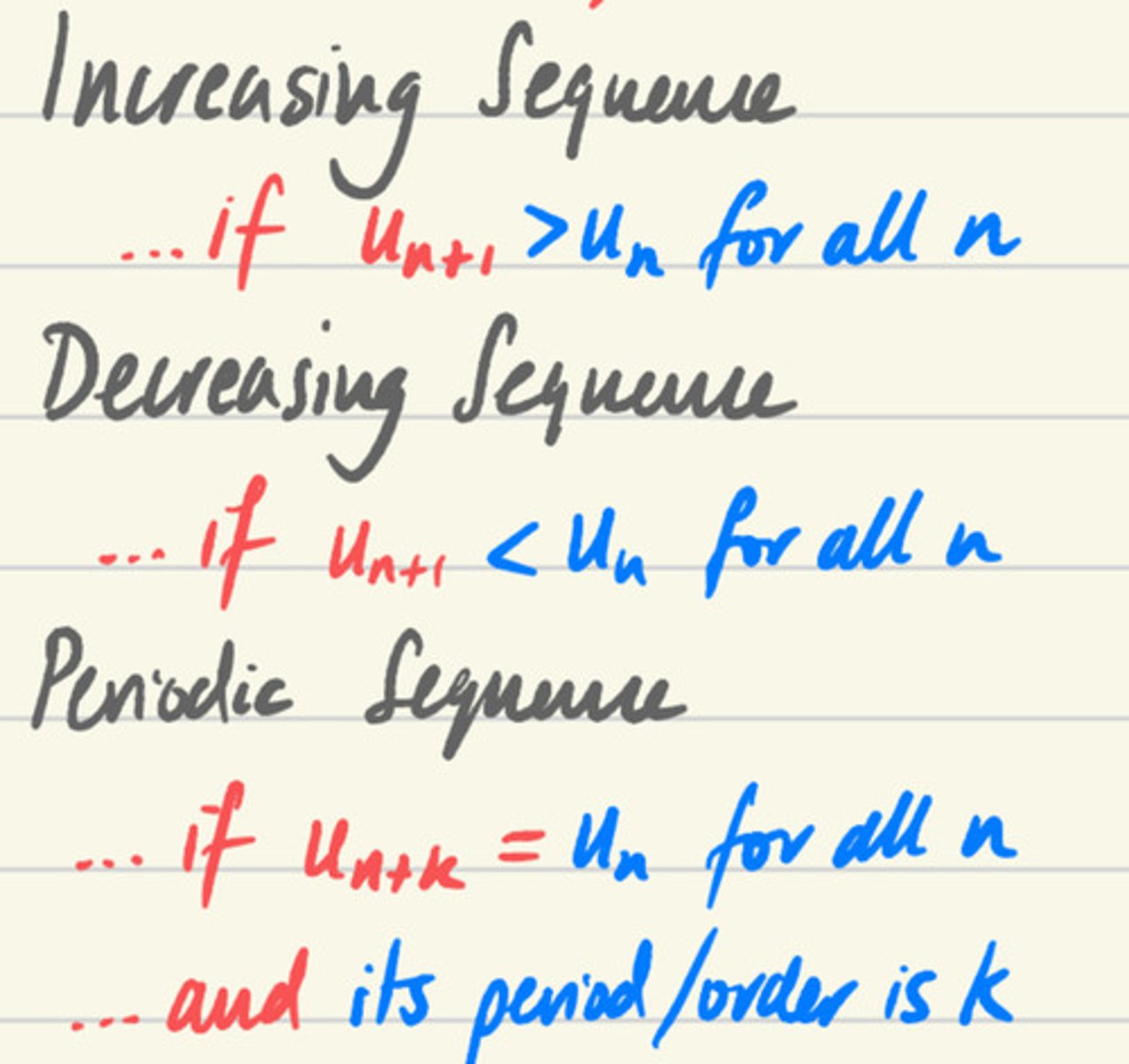
Other series sequences

knowt flashcard image
19
New cards

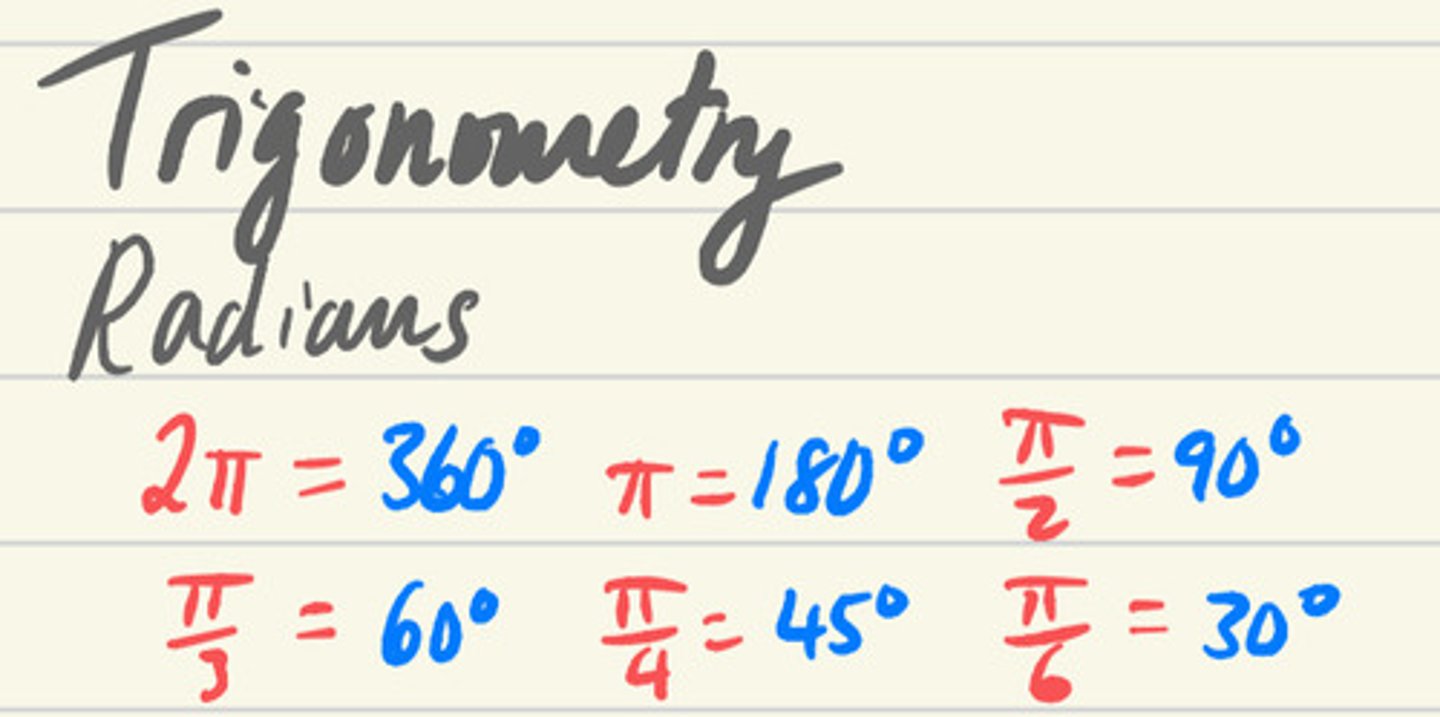
Radians conversions

knowt flashcard image
20
New cards

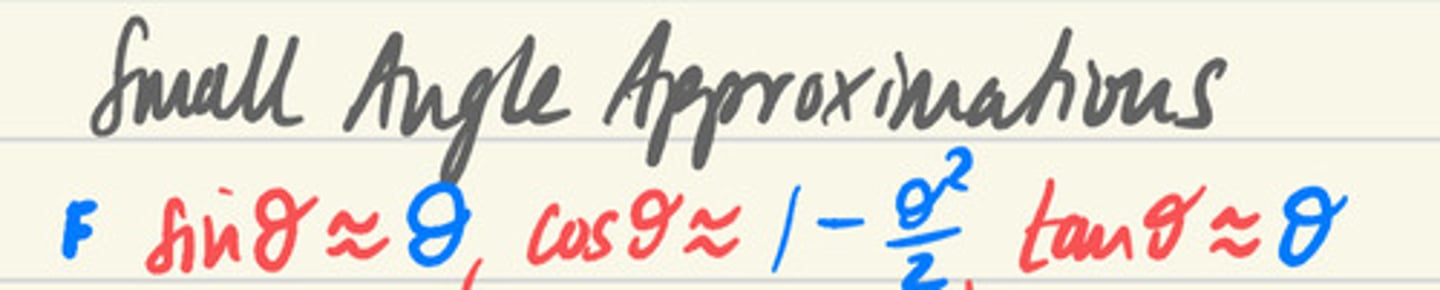
small angle approximation

knowt flashcard image
21
New cards

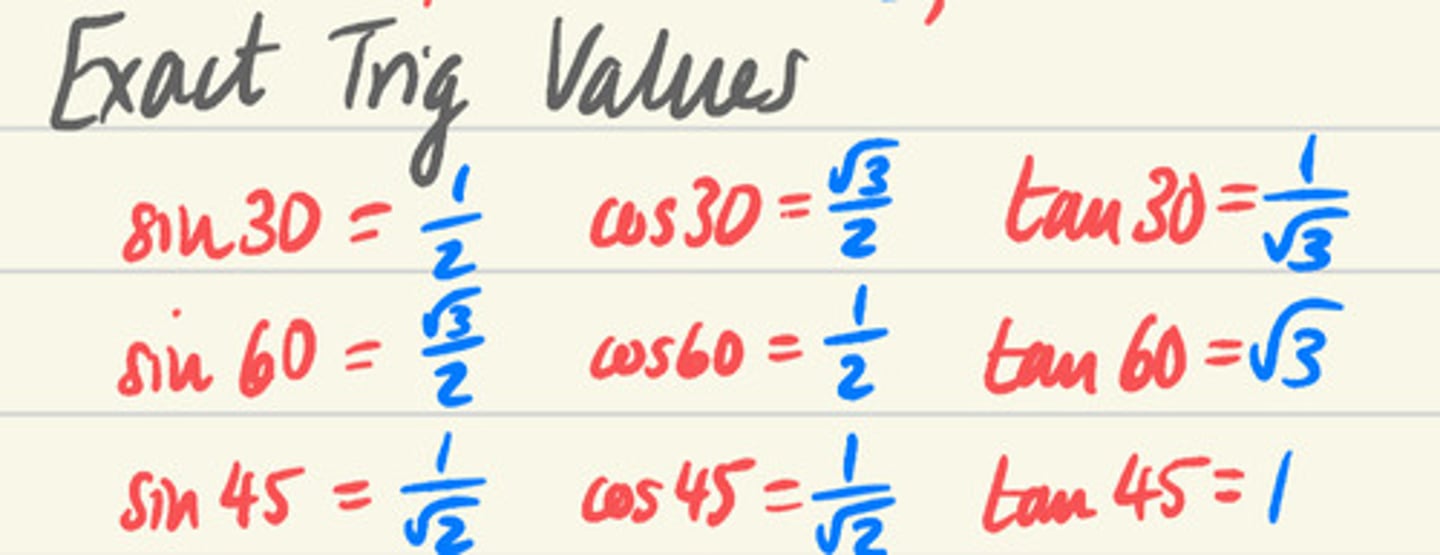
Exact Trig Values

knowt flashcard image
22
New cards

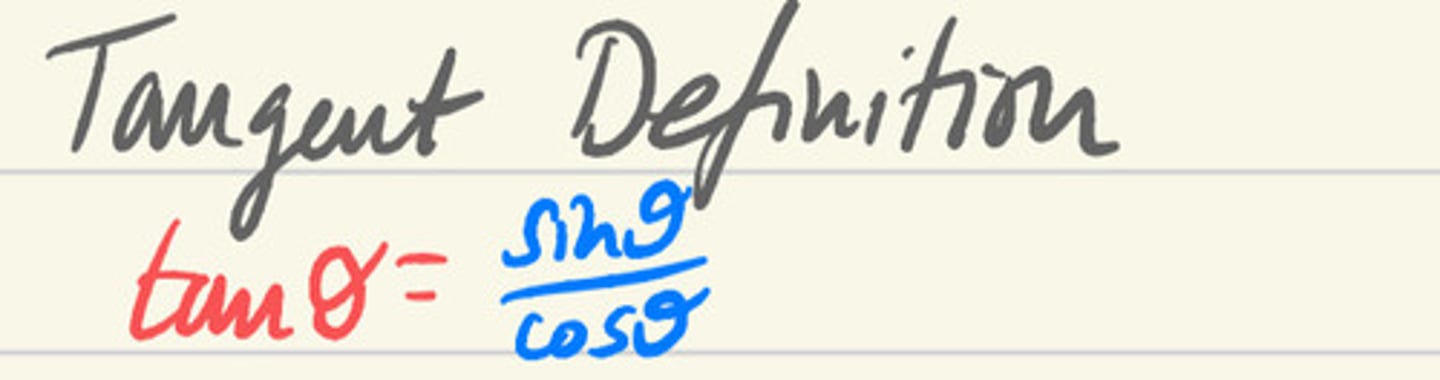
tangent definition

knowt flashcard image
23
New cards

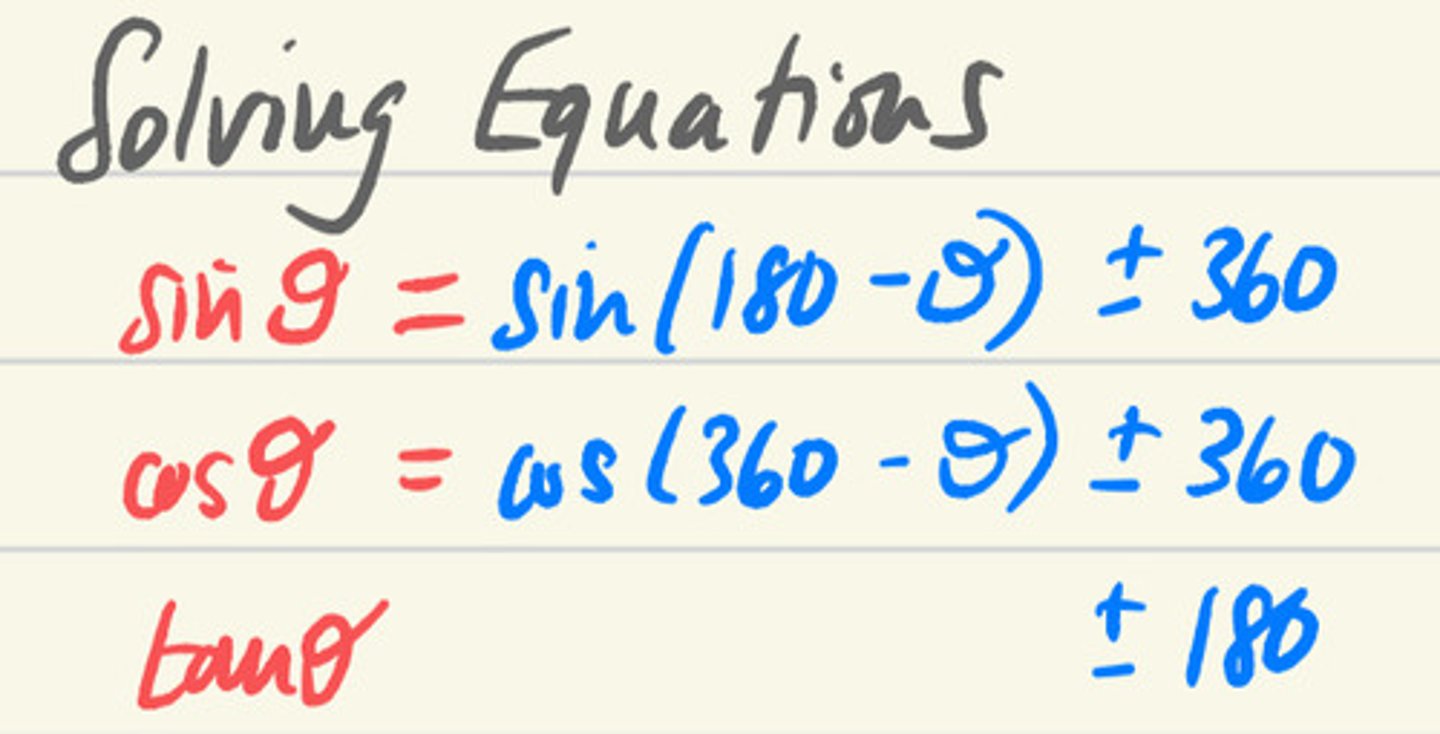
Solving trig equations

knowt flashcard image
24
New cards

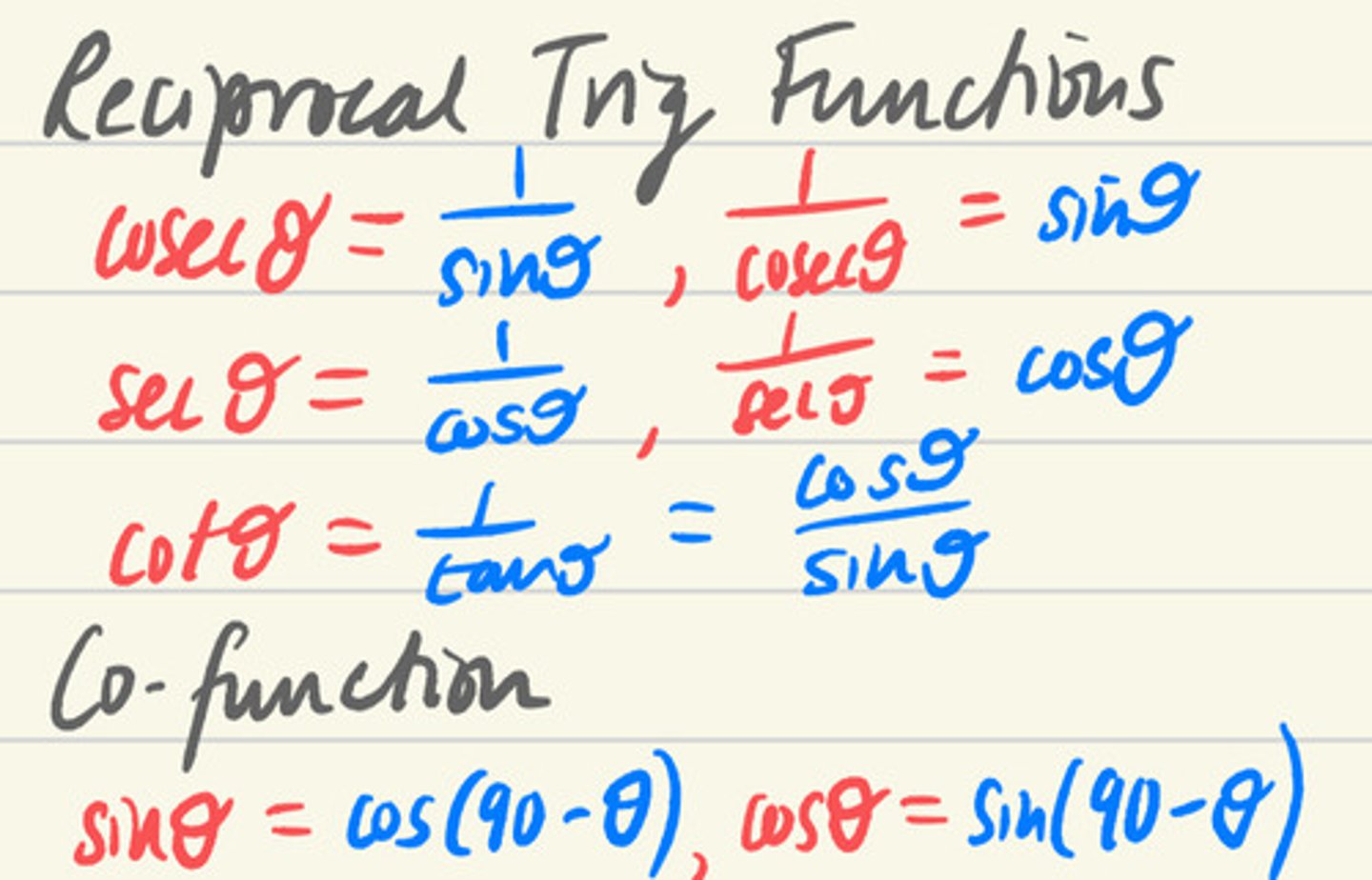
Trig Functions

knowt flashcard image
25
New cards

Pythagorean Identities

sin²∅ + cos²∅ = 1

tan²∅ + 1 = sec²∅

cot²∅ + 1 = cosec²∅
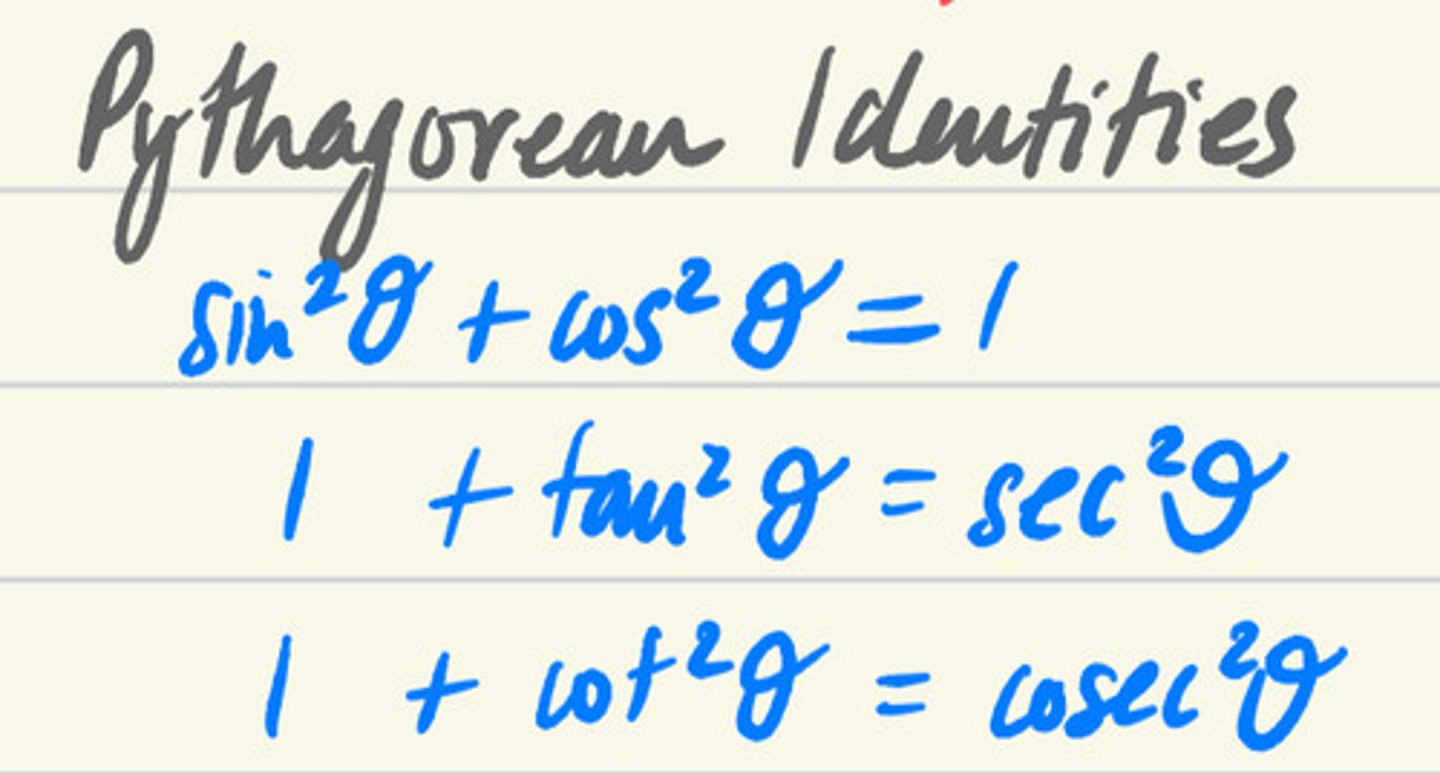
<p>sin²∅ + cos²∅ = 1</p><p>tan²∅ + 1 = sec²∅</p><p>cot²∅ + 1 = cosec²∅</p>
26
New cards

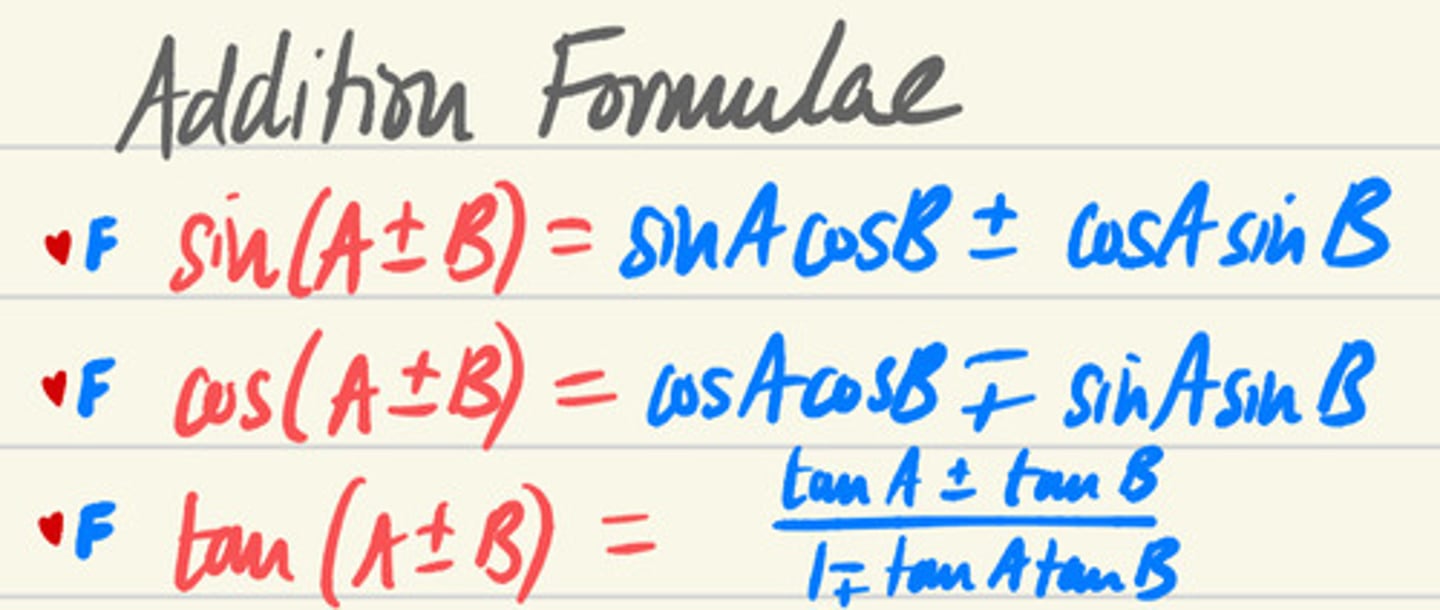
addition formula

knowt flashcard image
27
New cards

Double Angle Formulas

sin(2x)=2sin(x)cos(x)

cos(2x)=cos^2-sin^2

=1-2sin^2

=2cos^2-1

tan(2x)=2tanx/1-tan^2
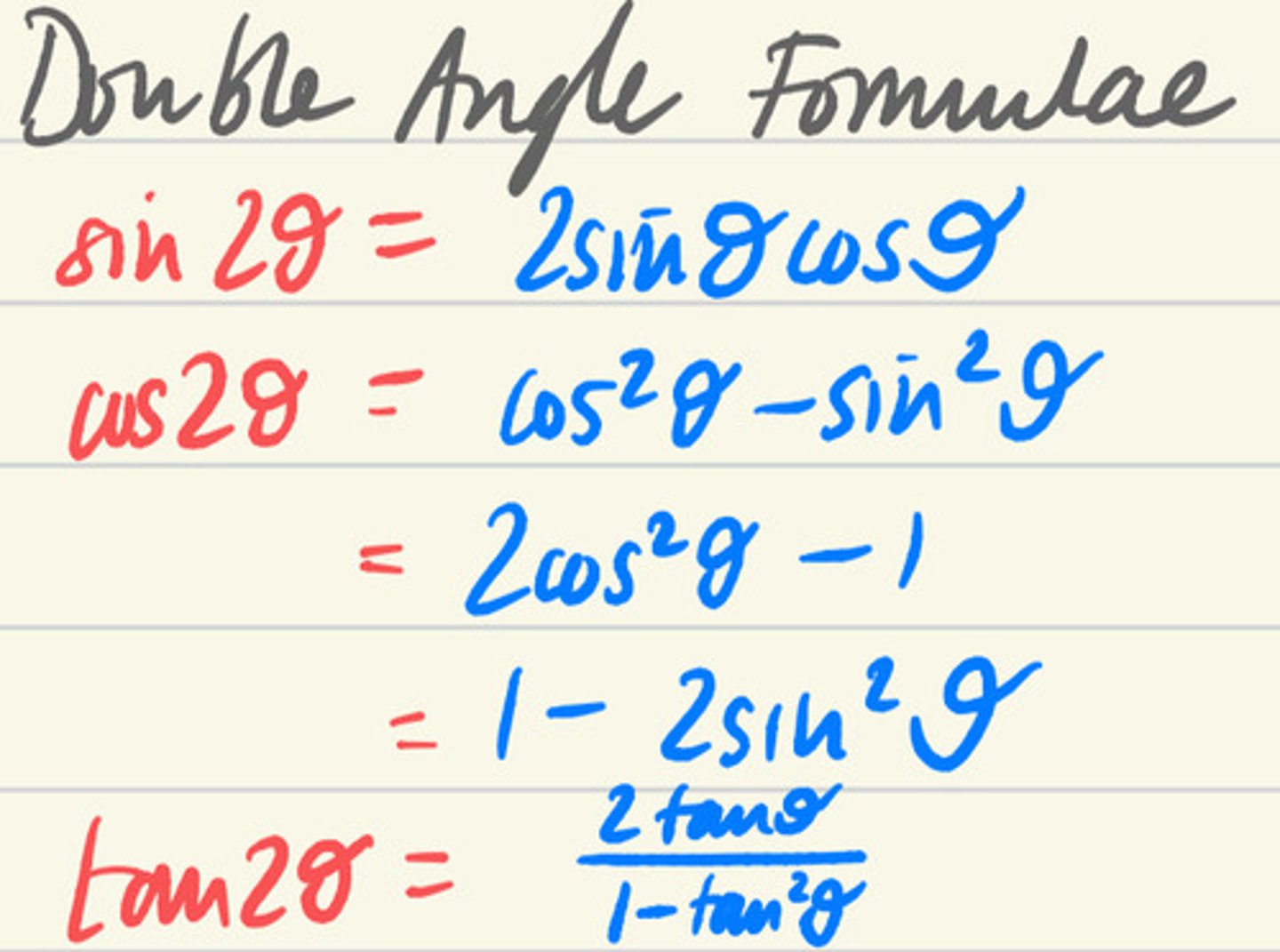
<p>sin(2x)=2sin(x)cos(x)</p><p>cos(2x)=cos^2-sin^2</p><p>=1-2sin^2</p><p>=2cos^2-1</p><p>tan(2x)=2tanx/1-tan^2</p>
28
New cards

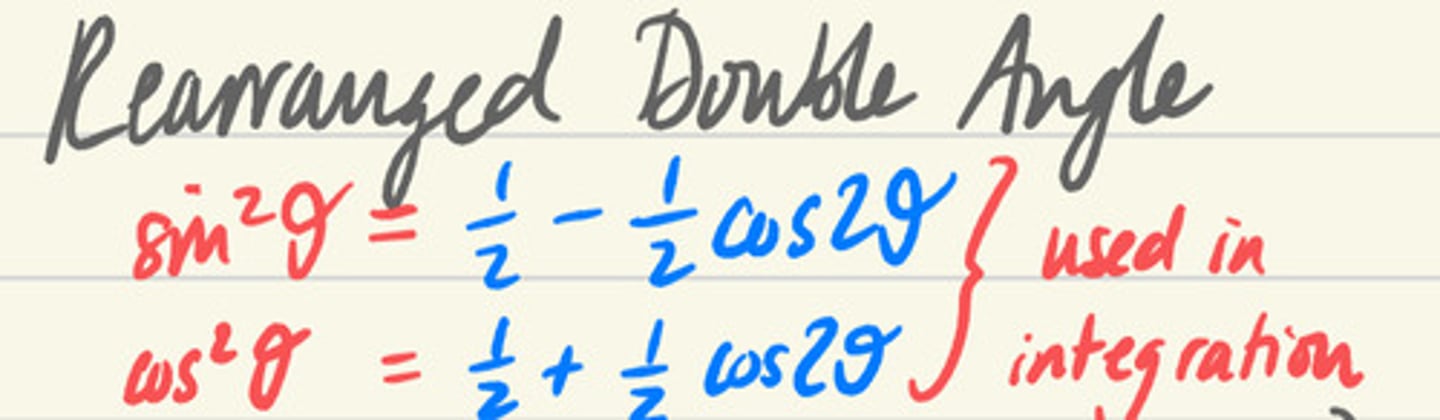
Rearranged double angle formula

knowt flashcard image
29
New cards

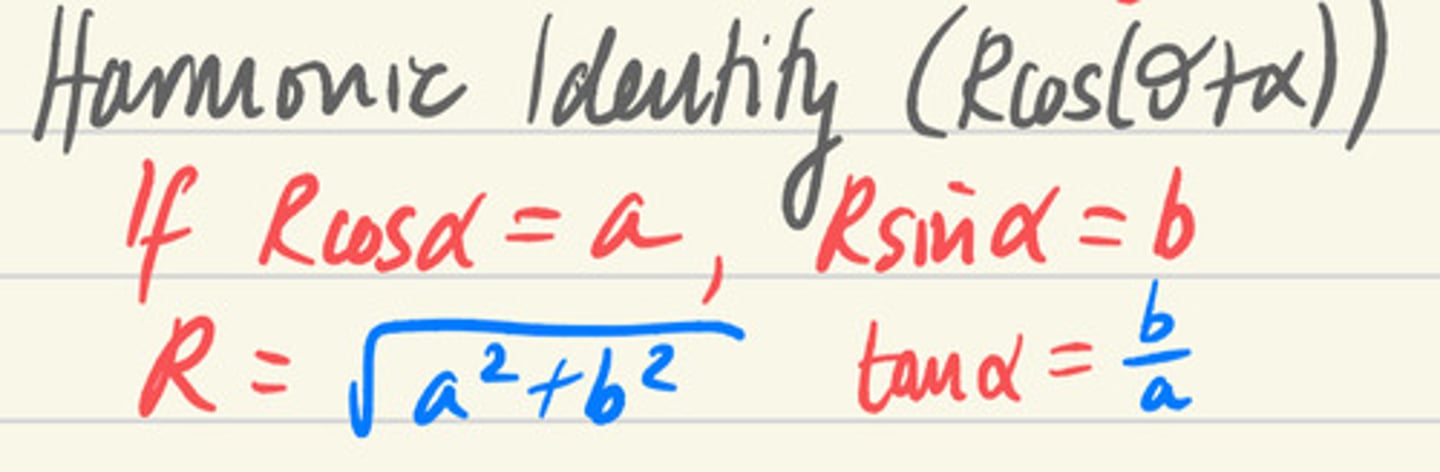
Harmonic identity

knowt flashcard image
30
New cards

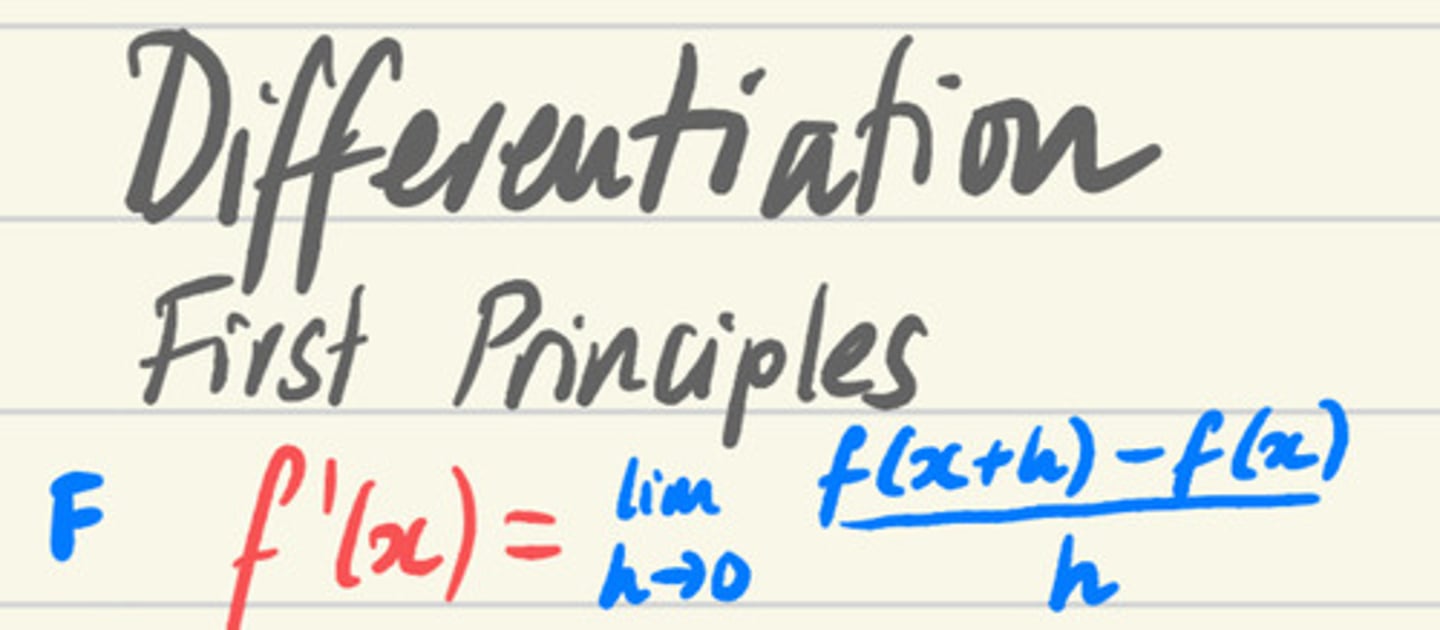
Differentiation by first principles

knowt flashcard image
31
New cards

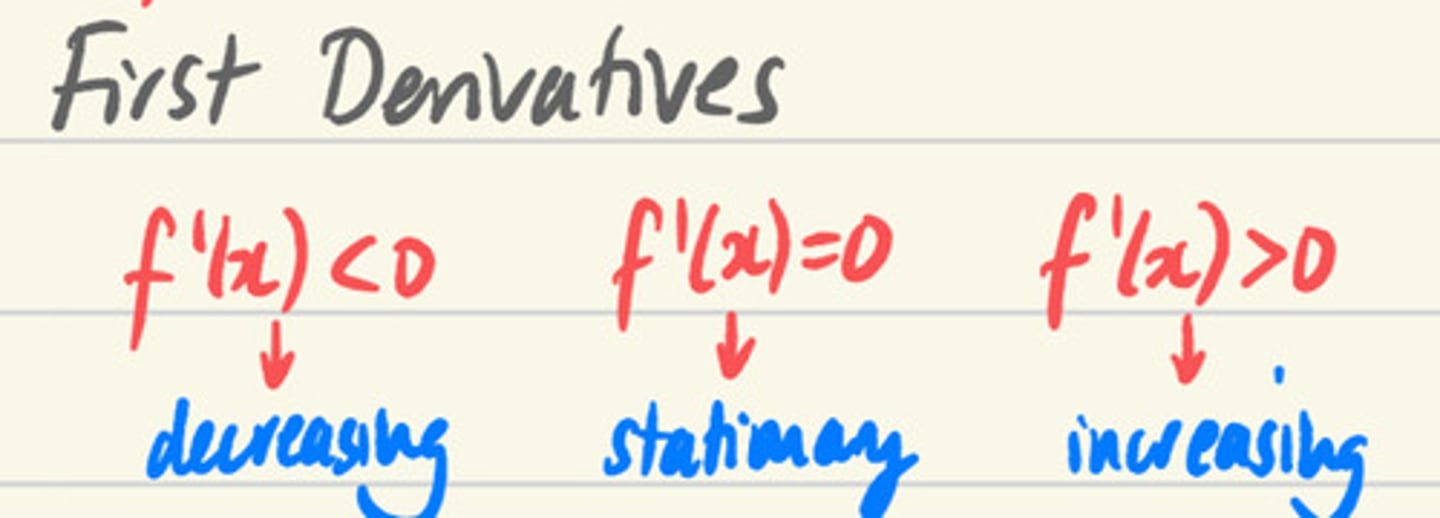
First derivatives

knowt flashcard image
32
New cards

Second derivatives

you differentiate then differentiate again.

Denoted by d^2y/dx^2 or f''(x).

pronounced: dee two y dee x squared.
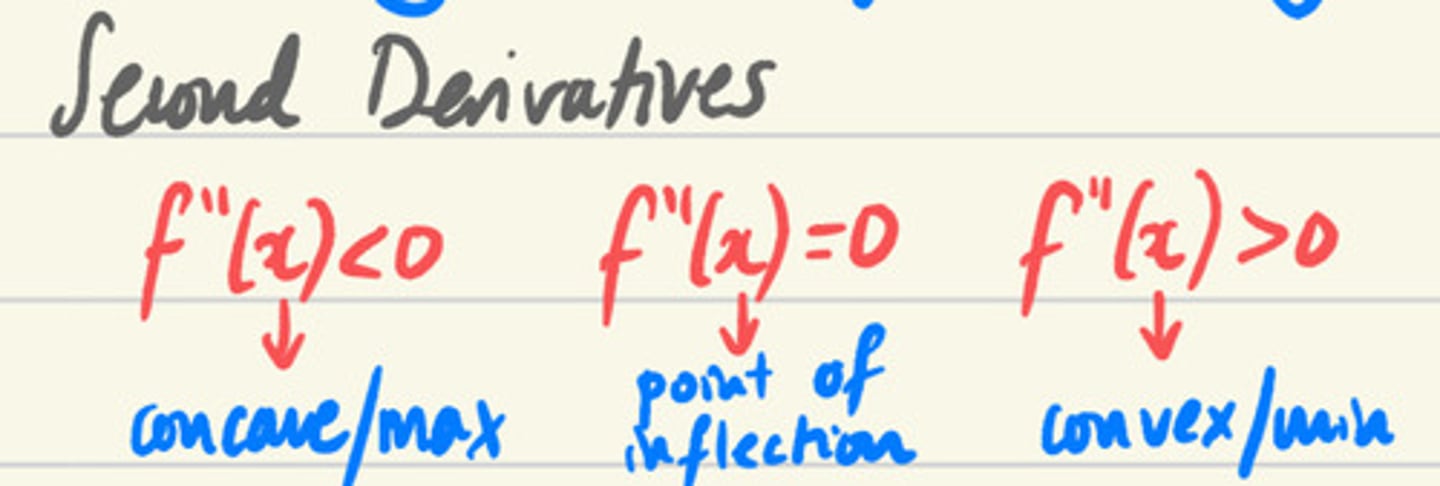
<p>you differentiate then differentiate again.</p><p>Denoted by d^2y/dx^2 or f''(x).</p><p>pronounced: dee two y dee x squared.</p>
33
New cards

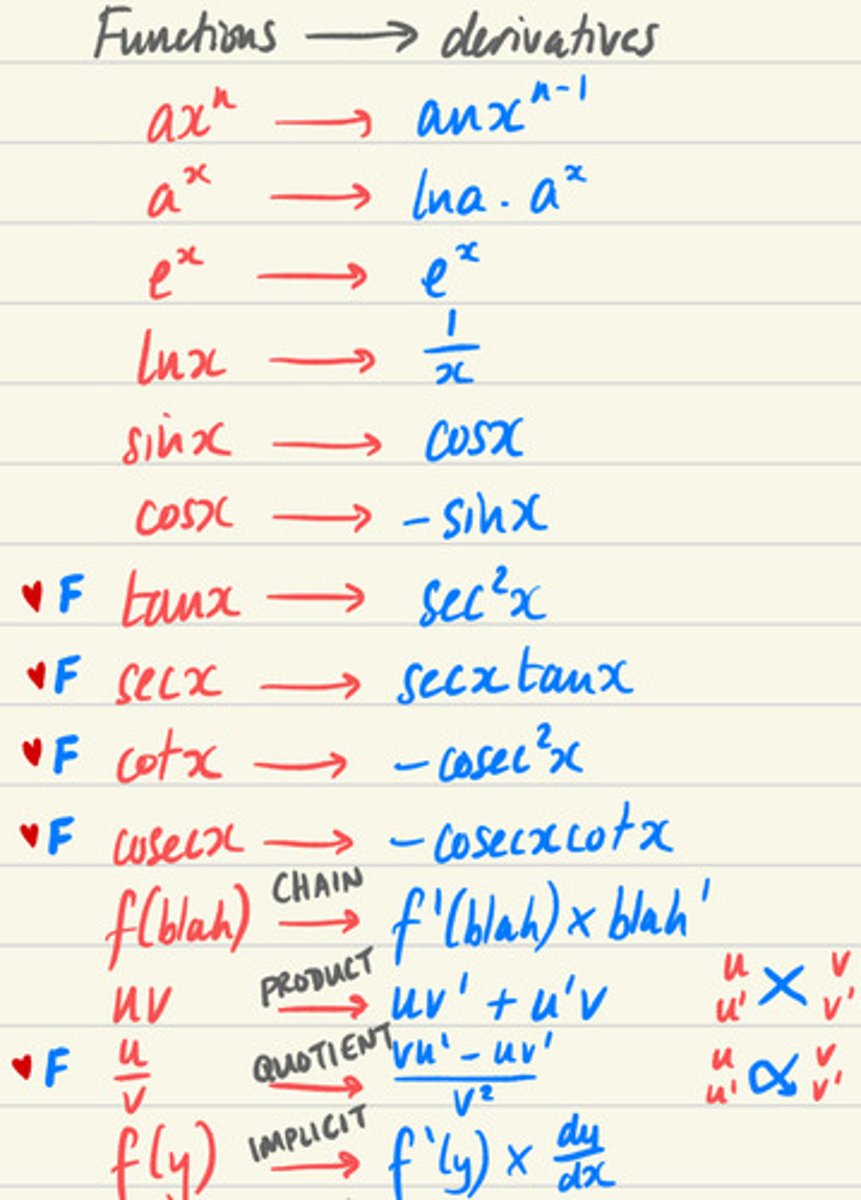
Functions and their derivatives

knowt flashcard image
34
New cards

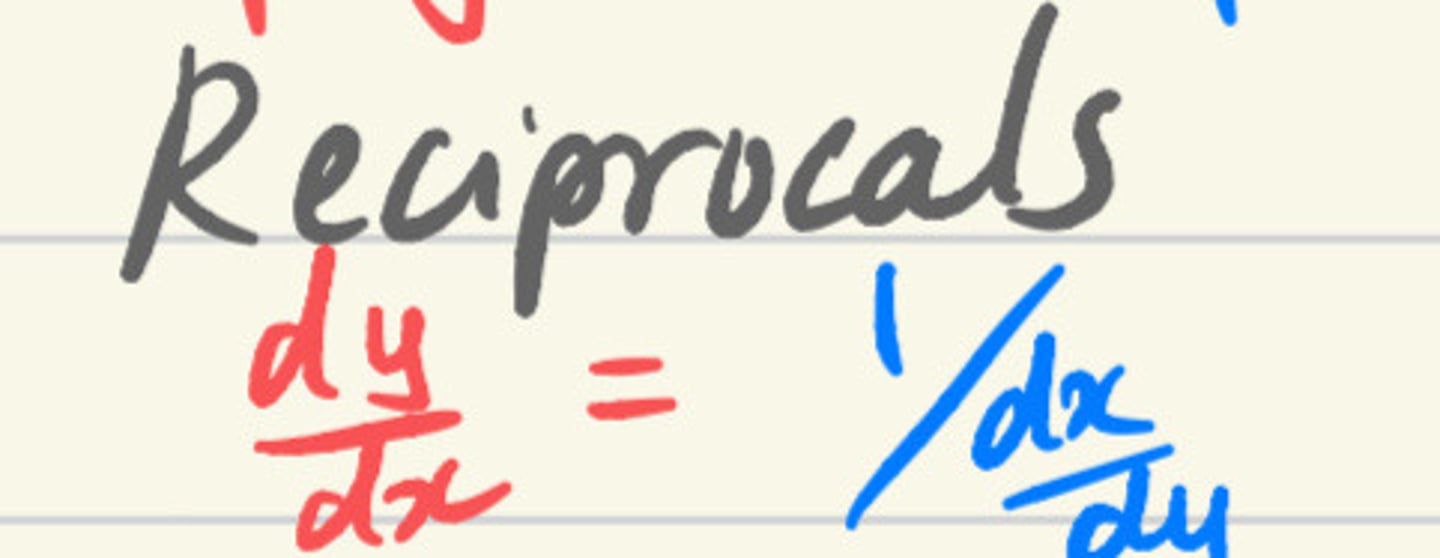
Reciprocal derivative

knowt flashcard image
35
New cards

Parametric Differentiation

(dy/dt)/(dx/dt)
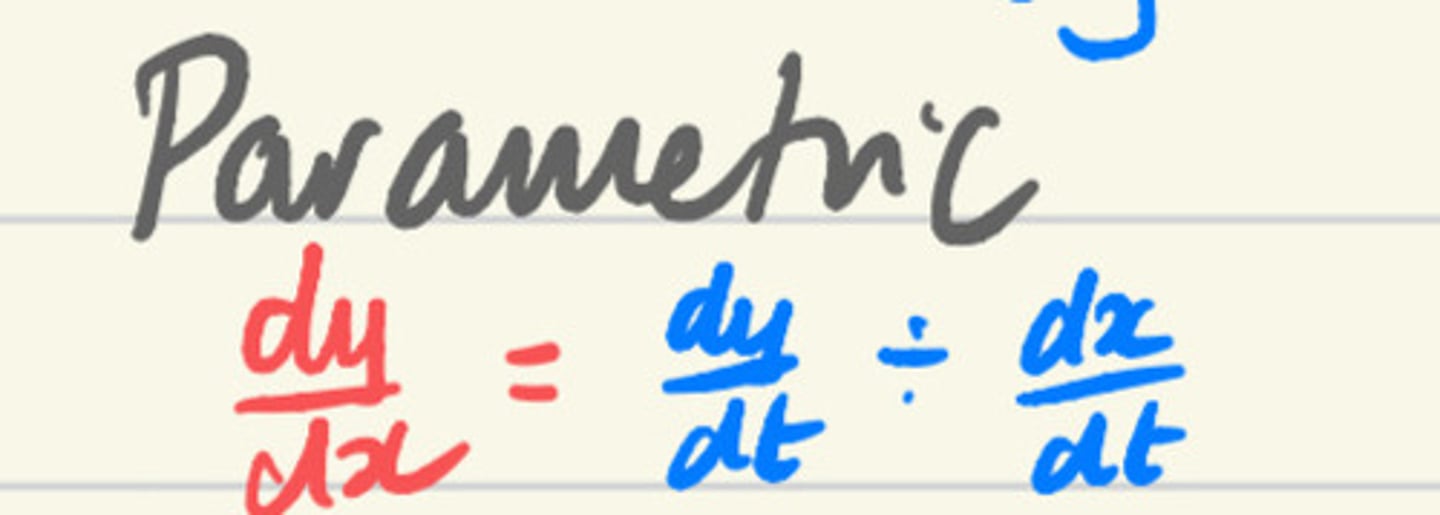
<p>(dy/dt)/(dx/dt)</p>
36
New cards

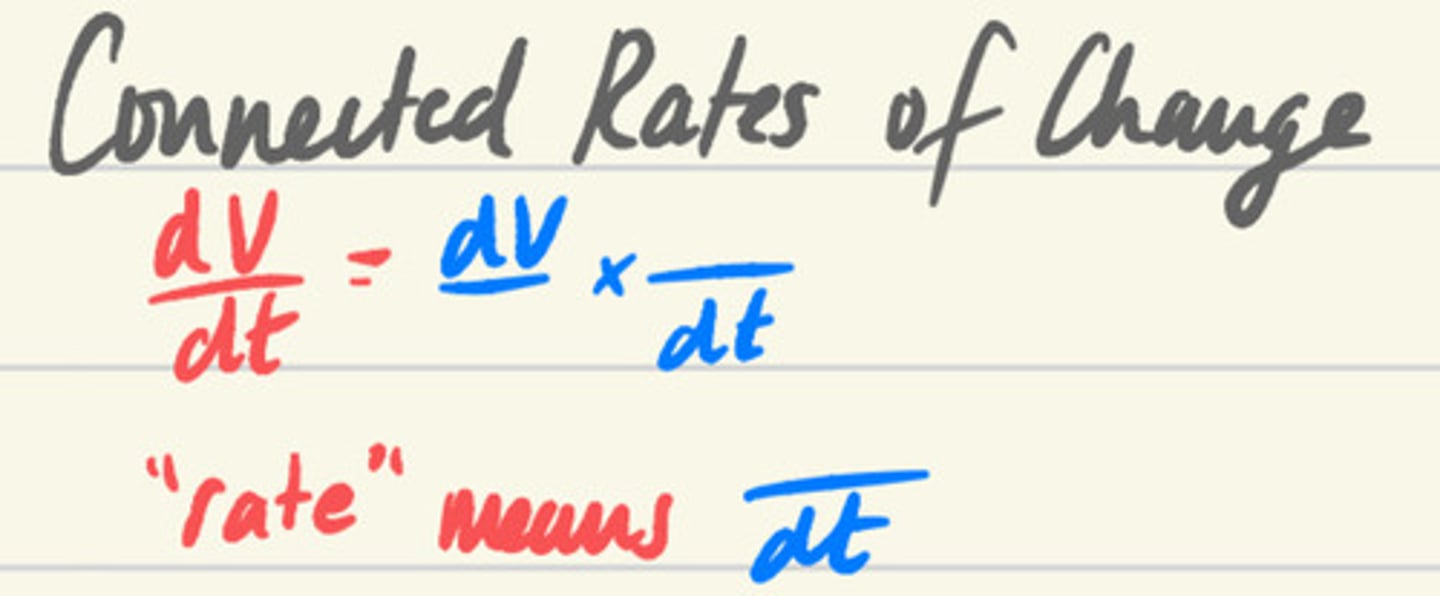
Connected rates of change

knowt flashcard image
37
New cards

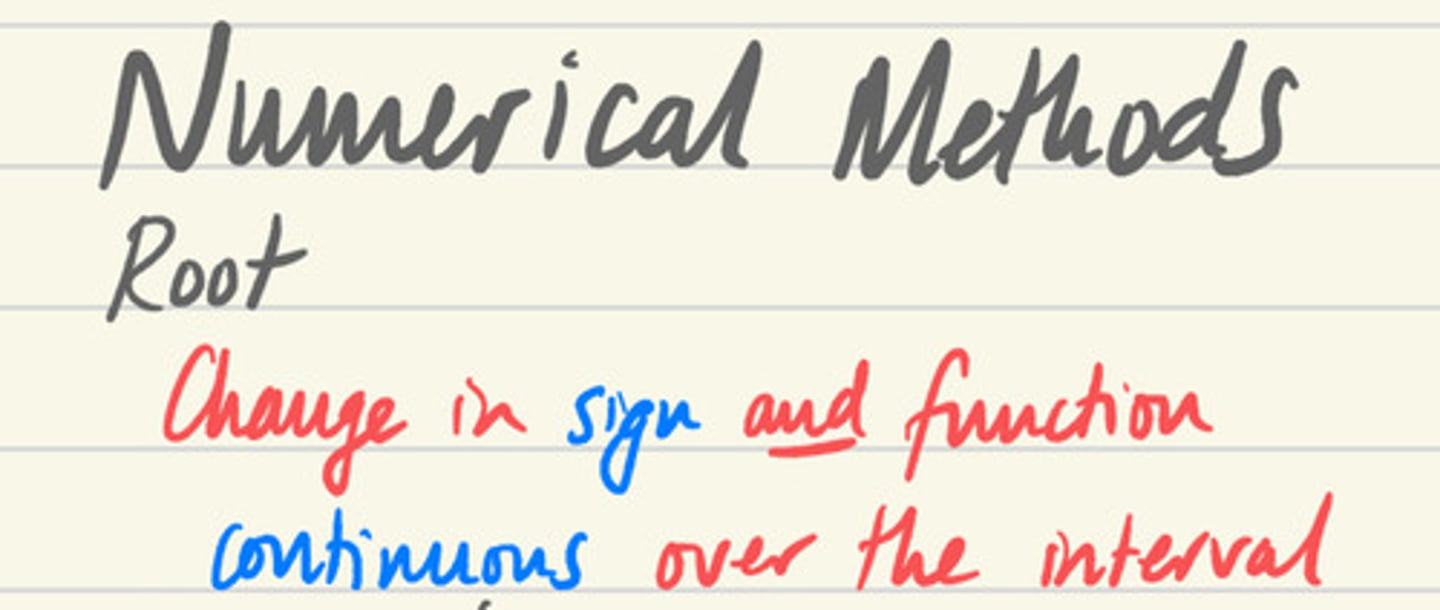
Numerical methods- roots

knowt flashcard image
38
New cards

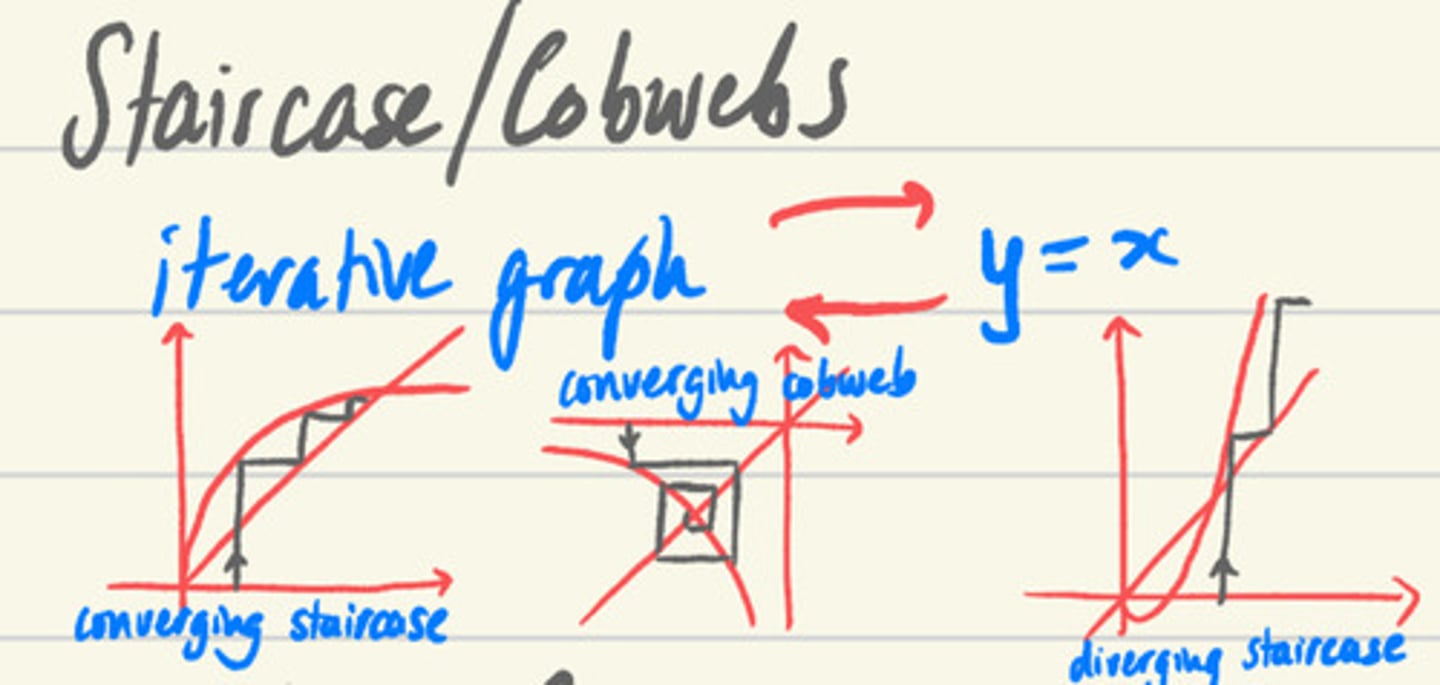
staircase/cobweb diagrams

knowt flashcard image
39
New cards

Newton Raphson formula

Xn+1 = Xn - f(Xn)/f'(Xn)
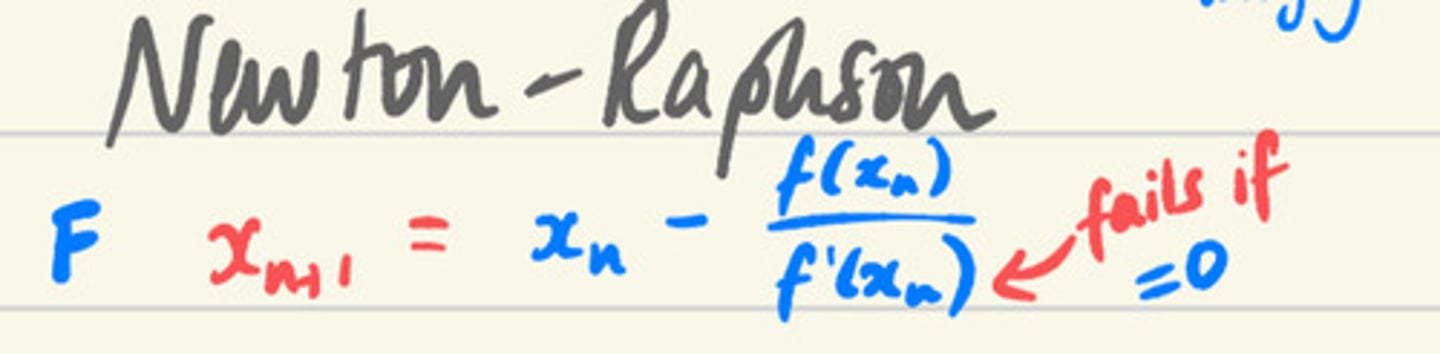
<p>Xn+1 = Xn - f(Xn)/f'(Xn)</p>
40
New cards

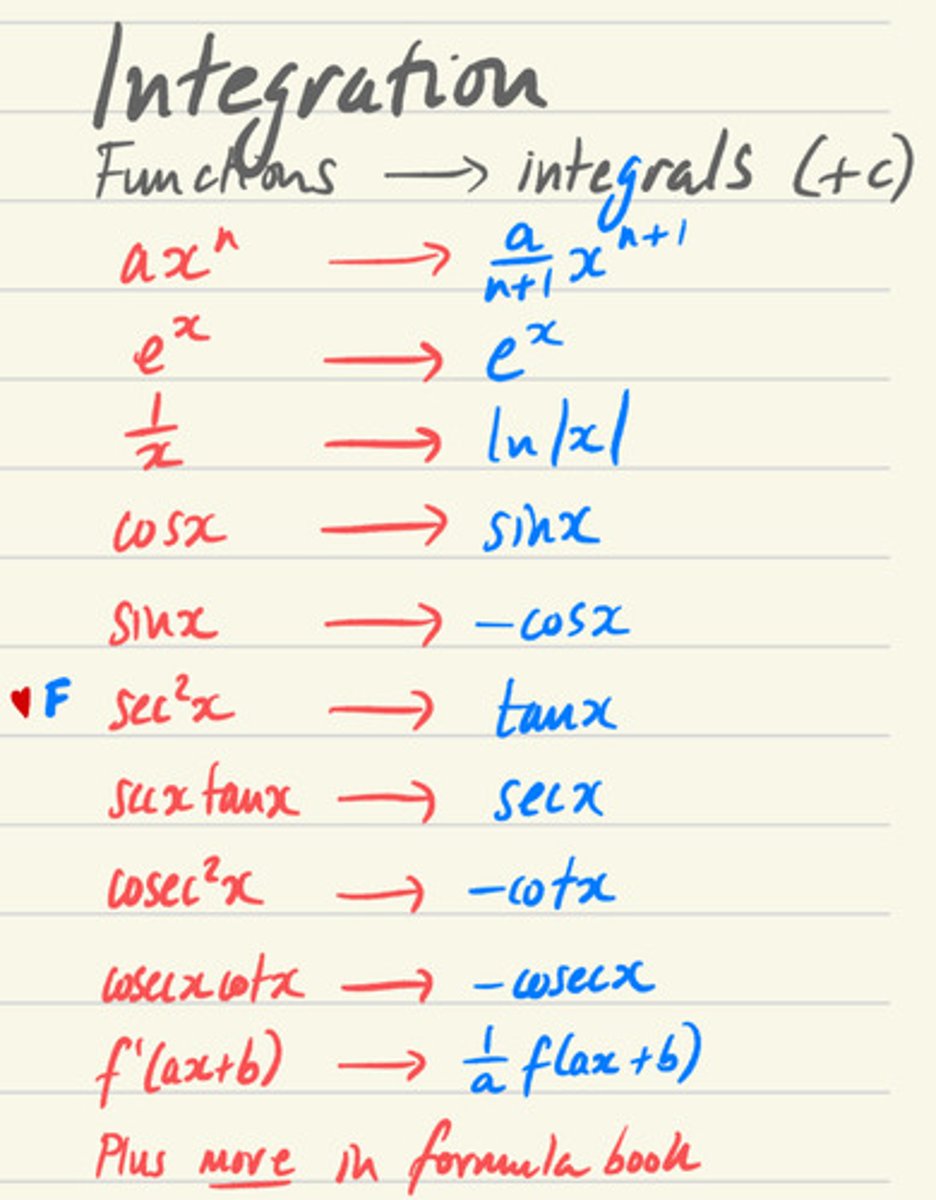
Integrals of functions

knowt flashcard image
41
New cards

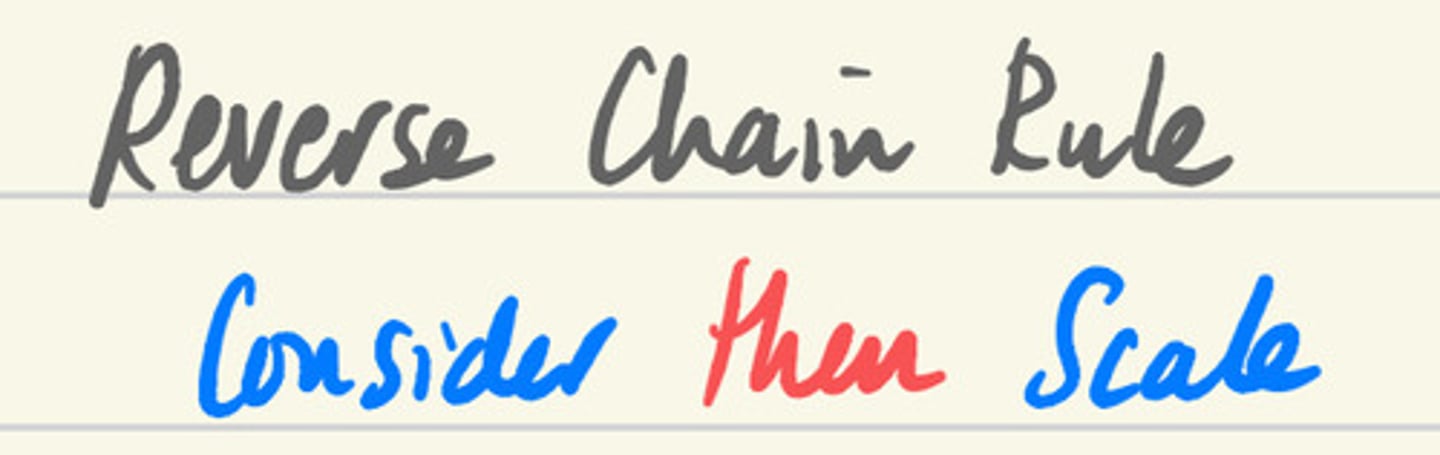
Reverse chain rule

knowt flashcard image
42
New cards

Integration by substitution

Like in chain rule of derivatives, using "u" finding "du", spotting it in the integral, replacing it and solving. After taking the integral, re-substitute "u"
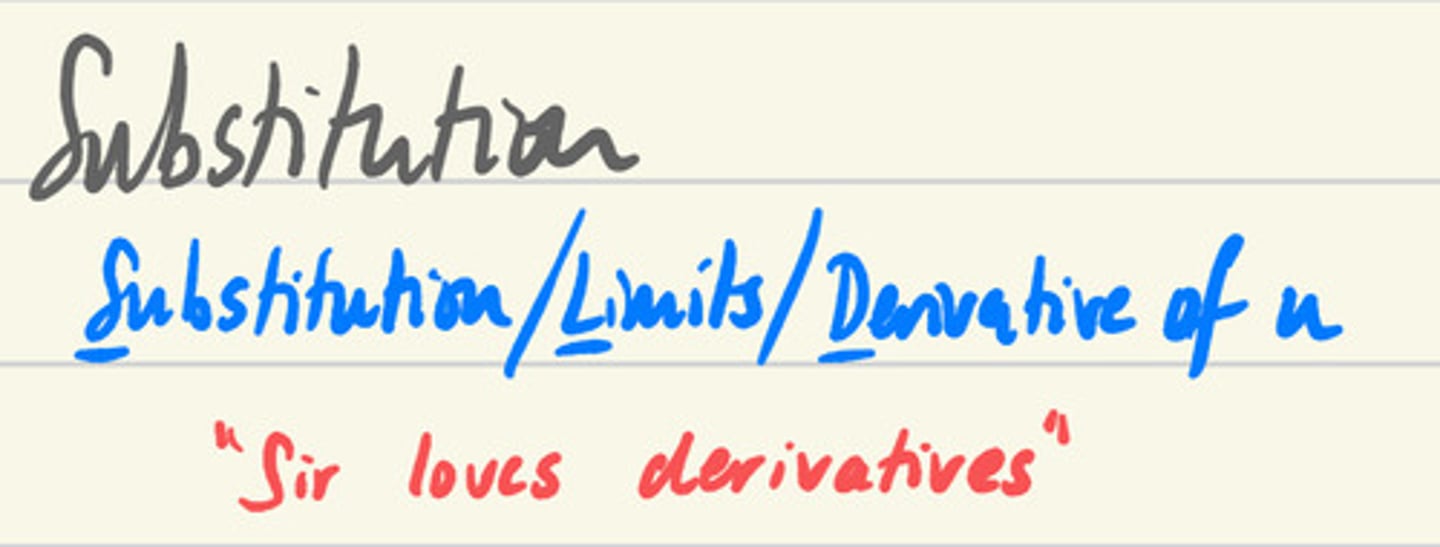
<p>Like in chain rule of derivatives, using "u" finding "du", spotting it in the integral, replacing it and solving. After taking the integral, re-substitute "u"</p>
43
New cards

Integration by parts

∫ u dv = uv - ∫ v du
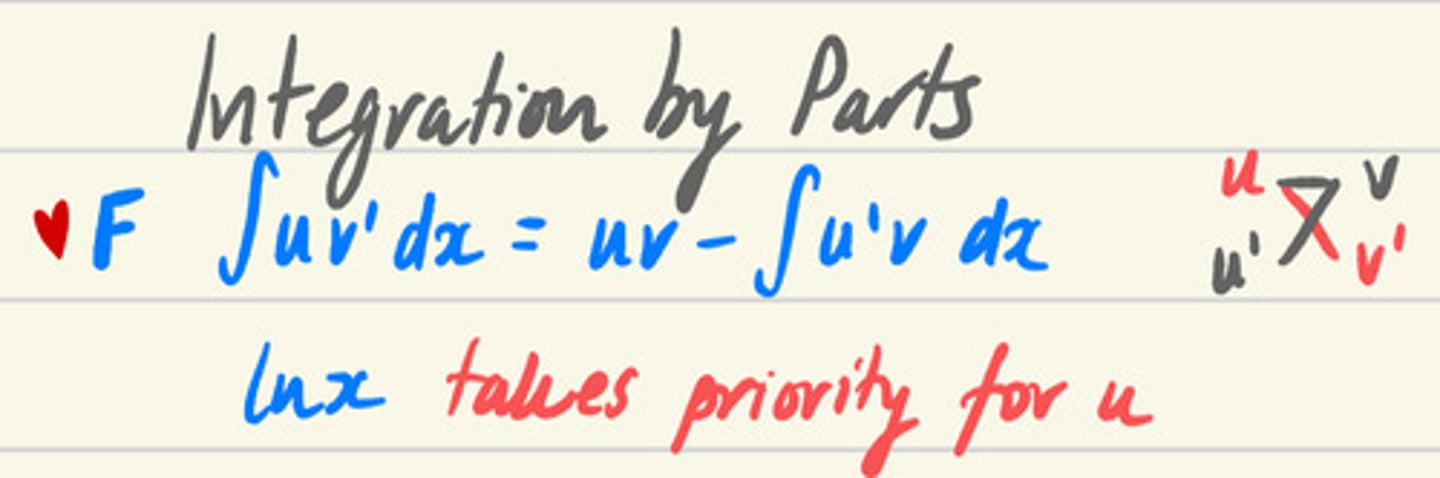
<p>∫ u dv = uv - ∫ v du</p>
44
New cards

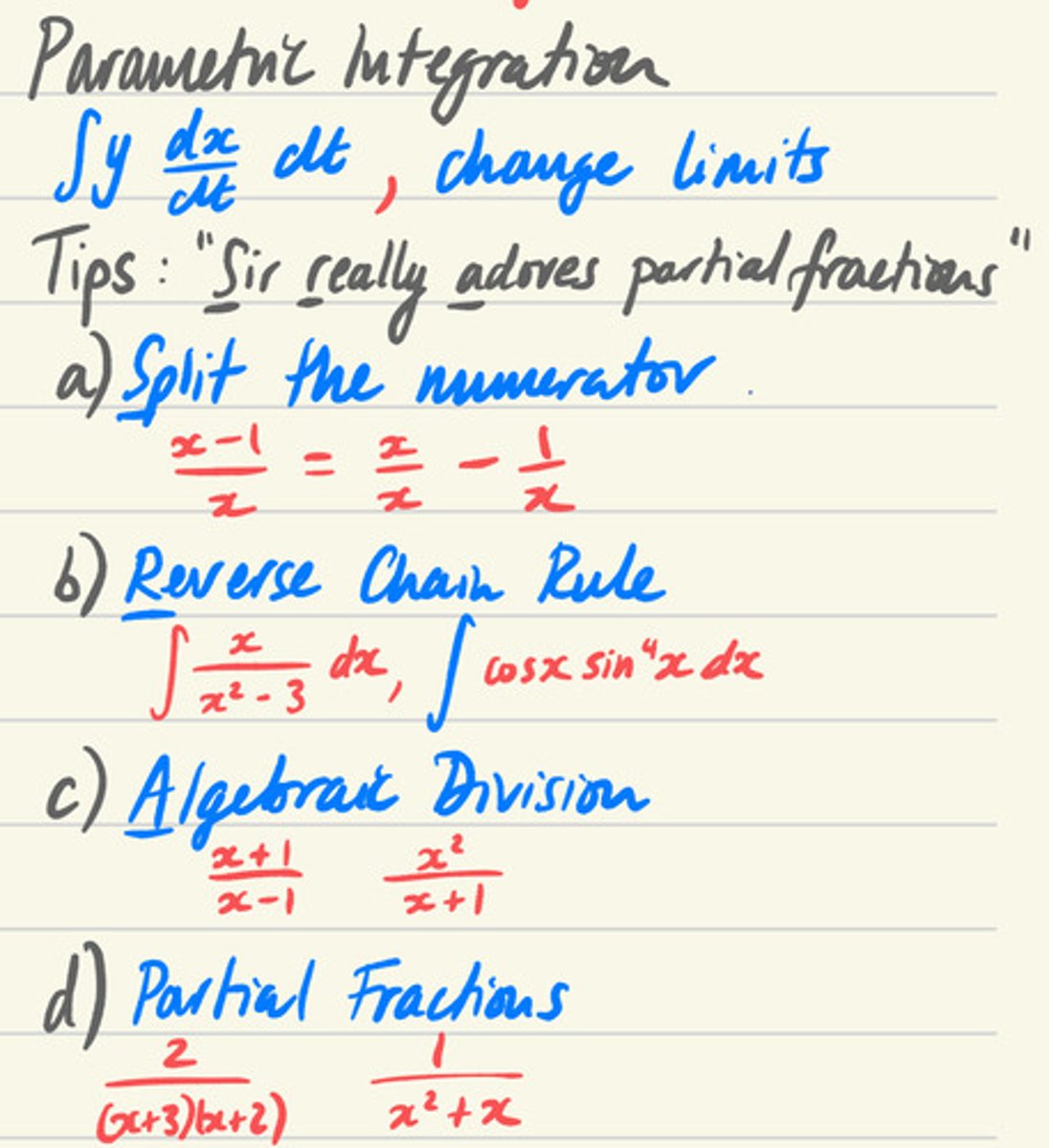
Parametric integration

knowt flashcard image
45
New cards

Trapezium rule

AREA = 0.5(Width of strips)(FirstHeight + 2(Σ Middle Heights) + FinalHeight)
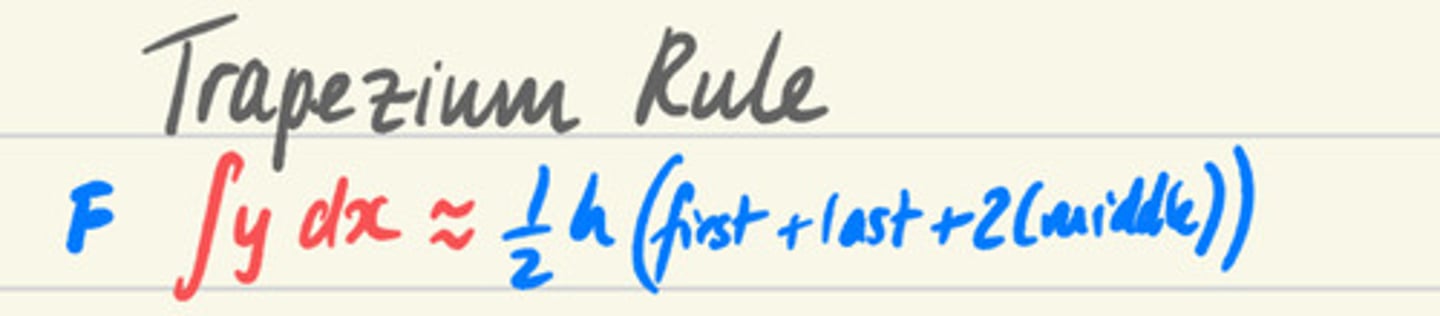
<p>AREA = 0.5(Width of strips)(FirstHeight + 2(Σ Middle Heights) + FinalHeight)</p>