psych notes before final
 Call Kai
 Learn
Learn Practice Test
 Spaced Repetition
 Match
Match Flashcards
 Knowt Play
1/33

There's no tags or description
Looks like no tags are added yet.
Name | Mastery | Learn | Test | Matching | Spaced | Call with Kai | Chat |
|---|
No analytics yet
Send a link to your students to track their progress
34 Terms
recognising symptoms
some ppl more perceptive to their body
most commonly noticed symptoms are physical
personality traits like neuroticism can increase symptom awareness and reporting
anxiety and depression influence how symptoms are experiences and noticed
genetics also contribute to differences in symptom sensitivity
factors contribute to recognising symptoms
stress and fatigue
mood
external and internal focus
cultural differences
prior experiences
stress and fatigue impact on recognising symptoms
high stress levels leads to heightened awareness of body, ppl can often percieve stress related changes as illness symptom
stress precipitates or aggravates symptom experience
symptoms may be real but perception and interpretation may be exagerated
mood affect on symptom recognition
ppl in positive moods report fewer symptoms than ppl in negative moods
internal vs external factors effect on recognition of symptom
individuals can be highly focused on their health or have lots of time to think abt health vs individual who is too busy to notice symptom (miss warning signs)
cultural differences effect on symptom recognition
taught to pay attention to different symptoms
ppl will ignore symptoms if they don’t expect them to happen
cultural variations in emotional response
prior experience related to symptom recognition
ppl who have experiences the symptom before or have family who have the symptom will recognise it faster
medical students disease
situational factors- learning abt disease may suddenly cause you to think you have it
interpreting symptoms
psychological process
shaped by cultural, social and psychological factors
prior experiences with illness and healthcare influence who symptoms are understood
socio demographic factors
expectations of illness shap what ppl believe symptoms mean
percieved seriousness influences whether ppl seek treatment or ignore symptoms
interpreting symptoms: sources of information
lay referral network- friends or family who offer symptom interpretation, can be helpful, may offer home remedies
the internet- online info seeking, tons of health related websites,
cyberchondria- excessive use of health sites, results in heightened anxiety
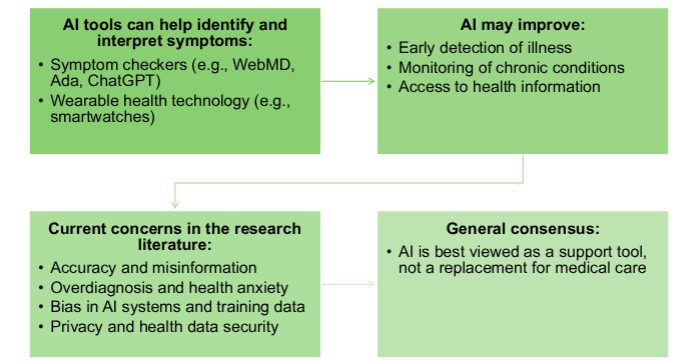
ai
artificial intelligence and interpreting symptoms
cognitive representations of health
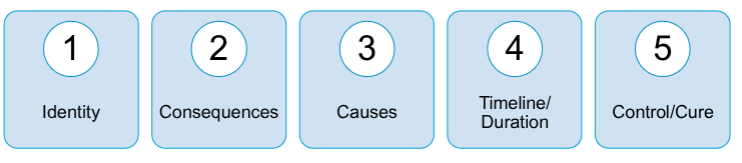
individuals hold beliefs abt how diseases work, these schemas influence how quickly they attach meaning and label an abnormal physical or mental change, these schemas develop early in life
5 core dimensions
what predicts the use of health services?
biological factors, psychological actors, social factors
biological predictors of health service use
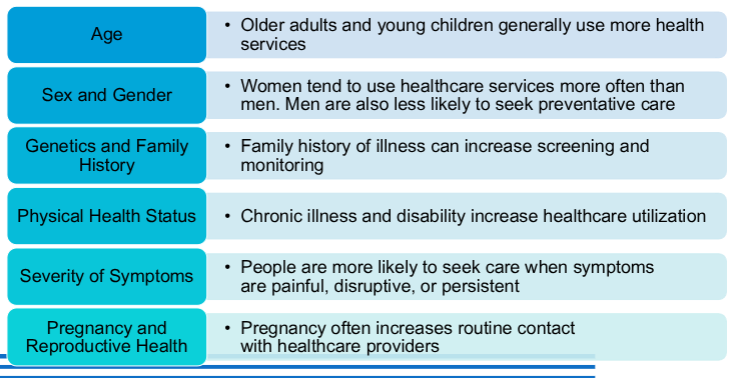
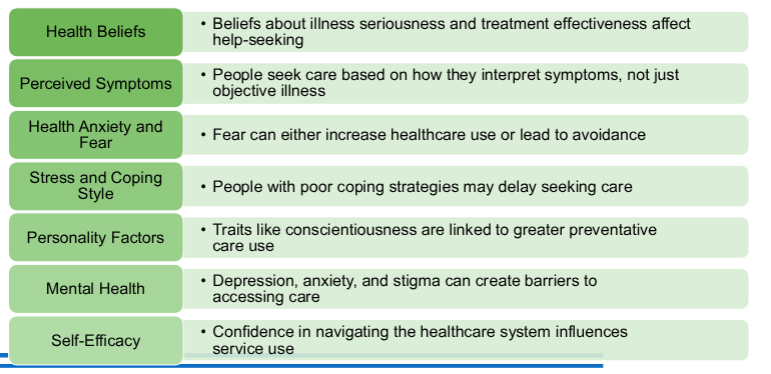
psychological predictors of health service use
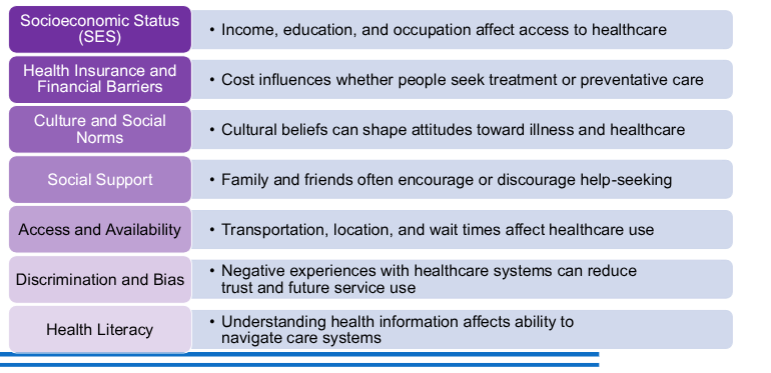
sociological predictors of health service use
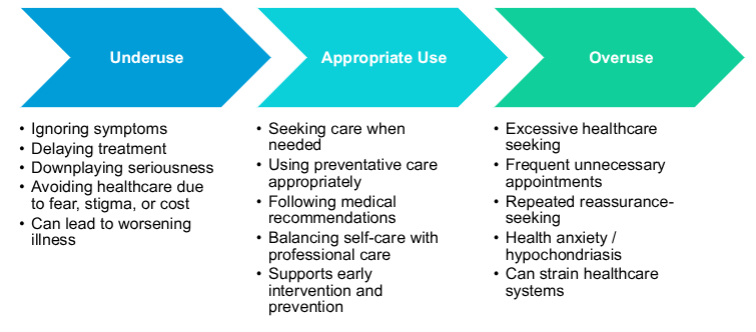
underuse and overuse of healthcare services
under use of health services- delay behavior
time btwn when person recognises symptom and when person obtains treatment
ex- in canada, wait times cause delay
delaying more common when symptoms do not hurt, do not change and aren’t incapacitating, often treatment is not sought when the symptoms do not provoke alarm
forms of delay behavior
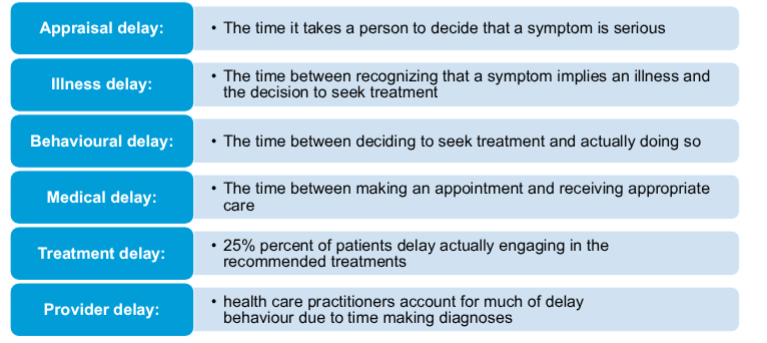
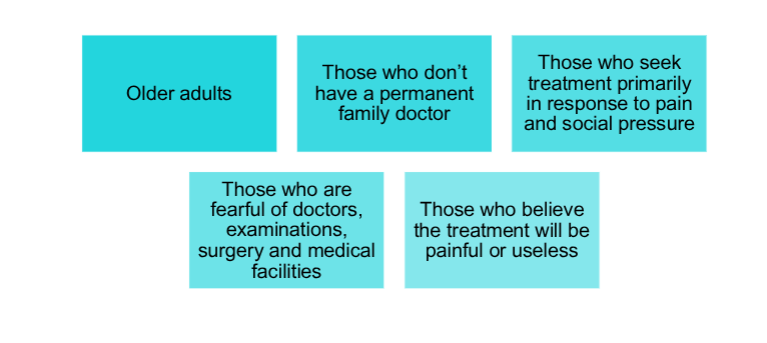
who often delays behavior
overuse of health services
many physician appointments are usually for psychological and not medical complaints
somaticizers- those who experience distress and conflict through bodily symptoms, (anxiety can cause digestive issues, sleep issues and SOB, depression can cause lack of apetite and difficulty sleeping)
sometimes individuals with ACTUAL health issues are often mis assumed that it is anxiety or depression
shortage of medical healthcare specialists (physical visits are covered but medical care specialists are not)
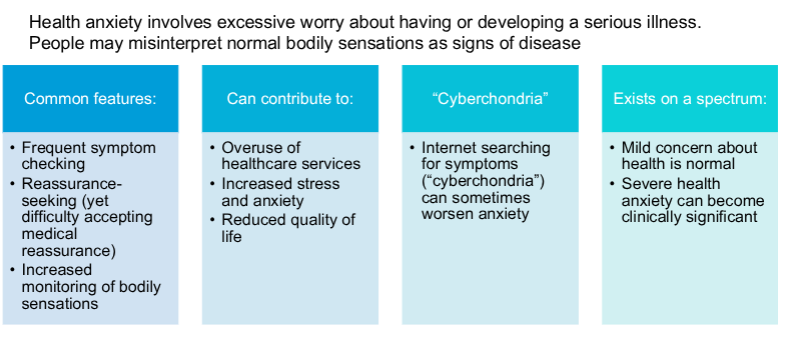
hypochondriac- pppl concerned about physical and mental health, they may consider minor symptoms as more serious and want to take care of their health- health anxiety
health anxiety types
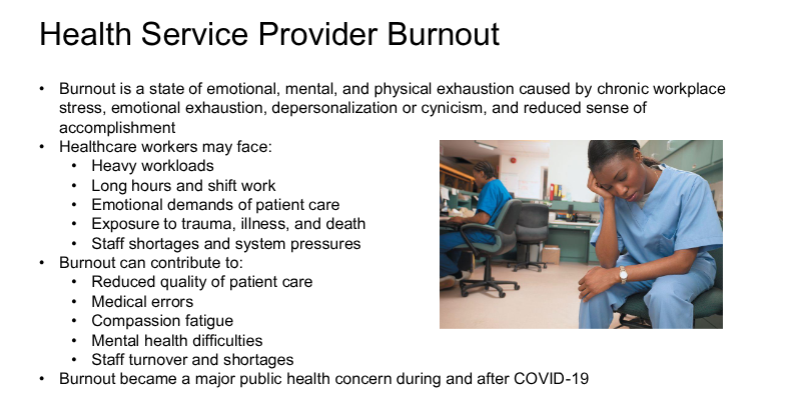
health service provider burnout