Restoration Study Guide for Midterm
 Call Kai
 Learn
Learn Practice Test
 Spaced Repetition
 Match
Match Flashcards
 Knowt Play
1/47

There's no tags or description
Looks like no tags are added yet.
Name | Mastery | Learn | Test | Matching | Spaced | Call with Kai | Chat |
|---|
No analytics yet
Send a link to your students to track their progress
48 Terms
Conceptual Model
shows the most important cause-and-effect relationships w/in an ecosystem and how drivers of change affect ecosystem
Identification of Conceptual Models
1) drivers/stressors (forces that change attributes)
2) ecological effects/attributes (outcomes)
Six Drivers of Ecological Change
1) Habitat conversion
2) Pollution
3) Overexploitation of species
4) Invasive Species
5) Climate Change
6) Natural Drivers
Six Ecological Effects
1) Population Declines ( small pops are more vulnerable)
2) Habitat fragmentation
3) Introduced Species (native genotypes are important)
4) Species interactions (rivet popping, Persian rug- unraveling tapestry)
5) Disturbance and Succession
6) Ecosystem Decline (trophic levels shift, ddd vs. reference community)
Why is Assessing Ecological Effects Hard?
1) ddd may be indirect to the community effected
2) Multiple stressors are hard to tease apart
3) Human-caused changes vs. natural changes
Levels of Diagnoses
1) Ecoregion
2) Landscape
3) Site Analysis (plants, species, interactions)
4) Species Analysis (mark, age structure)
Synoptic (Interactive) Assessment
How resilient an ecosystem is (genetics allow them to rebound)
Resilience
The ability of an ecosystem to recover on its own
Establishing Goals
S- specific
M- measurable
A- achievable
R- realistic
T- time-based
Novel Ecosystems
No reference community because they didn’t exist in the past (ex) rain gardens
Components of Restoration Plan
1) Problems addressed
2) What needs to be done
3) How will others know (signage and communication)
4) monitoring the change
5) supports (attracting donors and volunteers, granting agencies)
6) How will intentions and progress be communicated (report)
Overview of Planning Process
1) Conceptual model (how goals will be achieved, scope, info for future conditions, and how to address them)
2) Hypothetical scenarios to see which option of restoration is best
3) Implementation Plan
Vegetative Reproduction
not sexual (identical offspring), roots, rhizomes and stolons, leaves, thallus (mass of cells)
Sexual Reproduction
pollination (pollen delivered from stamen to stigma) through pollen tube, 2 sperm (one for fertilization, the other for making the fruit)
Plants can be Self-fertile plants (faculative-sometimes), (obligate- only), (separate flowers- do both), or Outcrossing Plants (sometimes or only)
Bird Plants
red, tubular for hummingbirds
Bee Plants
purple (UV), landing pad for clumsy flier
Butterfly Plants
lots of flowers together (sensitive to wind), semitubular
Moth Plants
bloom dusk and dawn, white (visible), smell strongly
Beetle Plants
strong, unpleasant smell, heat
Fly Plants
smell bad, early-season flowers, meat colored, heat
Bat Plants
open at night, open for bats to feed and hover OR provide perches
Small Mammal Flowers
long stem for climbing
Wind Plants
ton of pollen or propellers
Water Plants
Water tension sucks in the male flower to female
1) Sustainability/Fitting In
NA, died of chicken pox, smallpox, flu
2) Manifest Destiny
Europeans had a divine calling to take control, Doctrine of Discovery (improvement- make NA like Europeans, own land and cut down trees)
3) Preservation (John Muir)
want future generations to experience OG land, keep as is
4) Conservation (Aldo Leopold)
Management, (doing stuff), take care of it
5) Restoration 1988 Society for Ecological Restoration, William Jordan 3)
restoring damaged ecosystems, patch pieces of prairie together
6) Reconciliation Ecology (Michael Rosenzweig)
Win-win ecology
Restoration Ecology
coming alongside nature to help it, assisting the recovery of an ecosystem that has been damaged, degraded, and destroyed
Foundational Considerations in RE
A. What happened?
B. Who was affected?
C. What can be done?
D. What is the goal and success?
E. Who will do it?
6) planning, design, installation, maintenance
CW
coefficient of wetness,
-5 needs WET
+5 needs DRY
CC
Coefficient of Conservatism
0= grows everywhere
10= need an undisturbed particular habitat
Use middle range in RE (don’t take over but don’t die immediately)
Dominion Model
Triangle, humans on top
European approach
Indigenous Model
Humans are equal with animals, circle, Robin Kimmerer
Seva (Sanskrit)
Heart, we are here to help other species thrive, we are the only altruistic ones
Critical Zone
fragile skin on earth where life occurs, we are messing up the balance between critcal zone and not critical zone (chems, N, oil)
Why use rescued plants?
cheaper, save local genetics, moving important elements that didn’t exist back in (microbiomes)
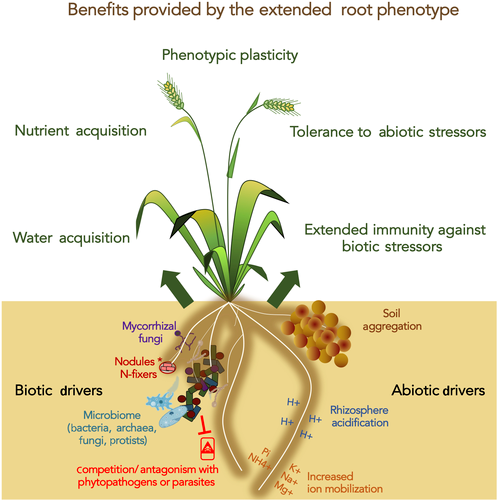
Rhizosphere
area around root tips that change chemical composition of soil, dead cells come off root cap (microbes) and attract bacteria, meristematic = cells keep dividing and keeps growing, produce mucilage (slime)
Assimilation and dissimilation
building uo of molecules to become more complex, vice versa
Dead Zone and Eutrophication
oxygen decreases because there are alot of decomposers eating dead algal blooms due to the high nutrients from the Mississippi river, this leads to a decrease in fish
Bioassay
Put soil in the greenhouse and see what grows and is there. If it’s too nutrient-rich, leave it and let it decrease (stockpiles). Sometimes poor soils are easier to restore than fertile ones (native plants vs. weeds)
Bioremediation
using living organisms to reduce the harm of toxins (South Field ex)
Wetlands and Wastewater
put sewage into wetlands and let them process it
Natural Recolonization
1) Remove barriers and just let it grow
2) Entrapment microsites, nurse plants, catalysts
Seed or transplant?
want control for end result?
$
availibilty of seeds nearby
area