Cells (and their organelles) and microscopes
 Call Kai
 Learn
Learn Practice Test
 Spaced Repetition
 Match
Match Flashcards
 Knowt Play
1/68

There's no tags or description
Looks like no tags are added yet.
Name | Mastery | Learn | Test | Matching | Spaced | Call with Kai | Chat |
|---|
No analytics yet
Send a link to your students to track their progress
69 Terms
Eukaryotic cells
Contain a nucleus and other organelles that are bound by membranes.
plant cell
contains a cell wall, chloroplast and large vacuole
prokaryotic cell
cell that does not have a nucleus or other membrane-bound organelles.
animal cell
does not have a cell wall or chloroplast and a small vacuole
Nucleus
A part of the cell containing DNA and RNA and responsible for growth and reproduction
DNA
deoxyribonucleic acid, a self-replicating material present in nearly all living organisms as the main constituent of chromosomes. It is the carrier of genetic information.
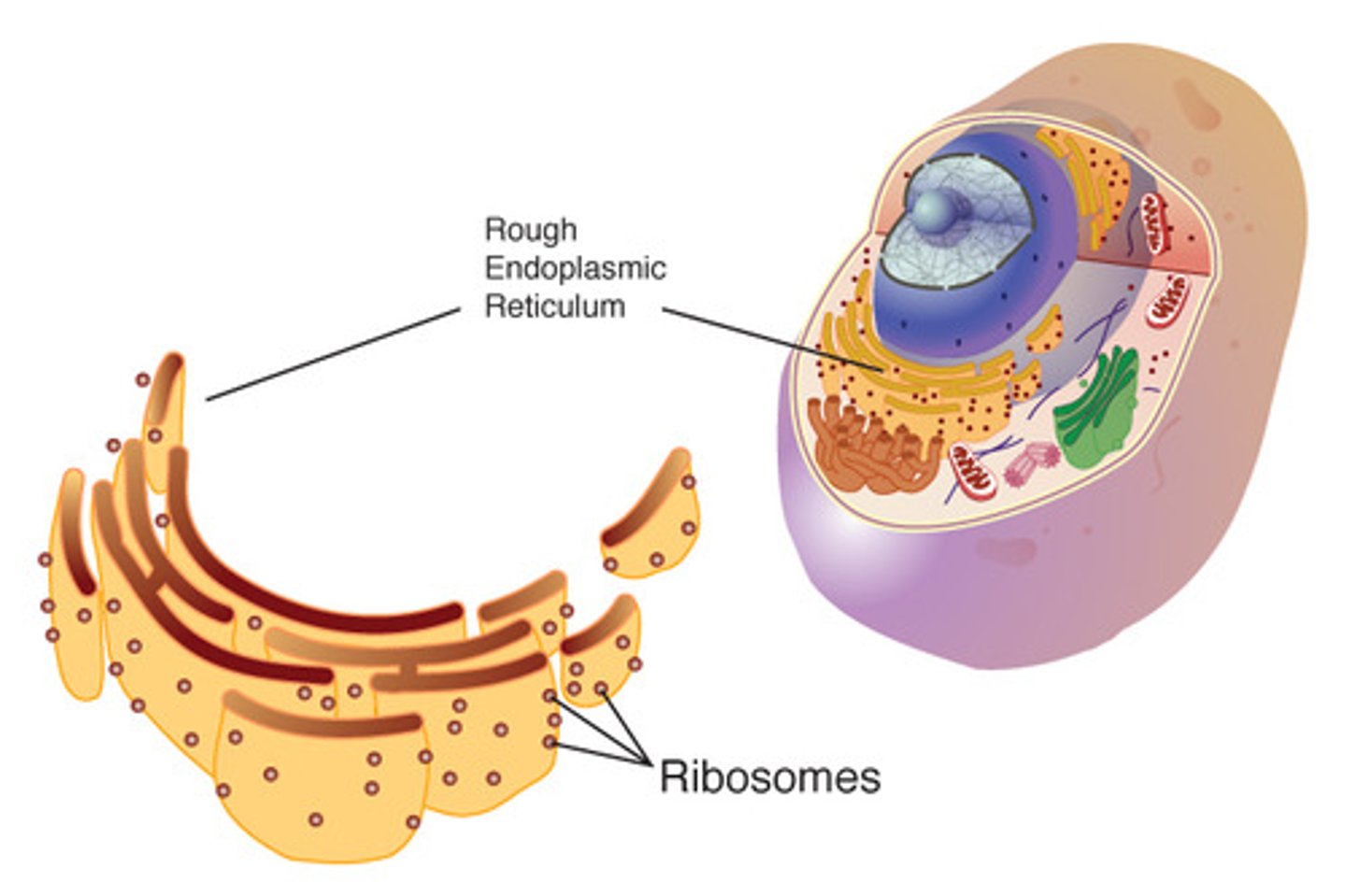
Rough Endoplasmic Reticulum
System of internal membranes within the cytoplasm. Membranes are rough due to the presence of ribosomes. functions in transport of substances such as proteins within the cytoplasm
Smooth Endoplasmic Reticulum
An endomembrane system where lipids are synthesized, calcium levels are regulated, and toxic substances are broken down.
Vacuoles
Stores food, water, wastes, and other materials
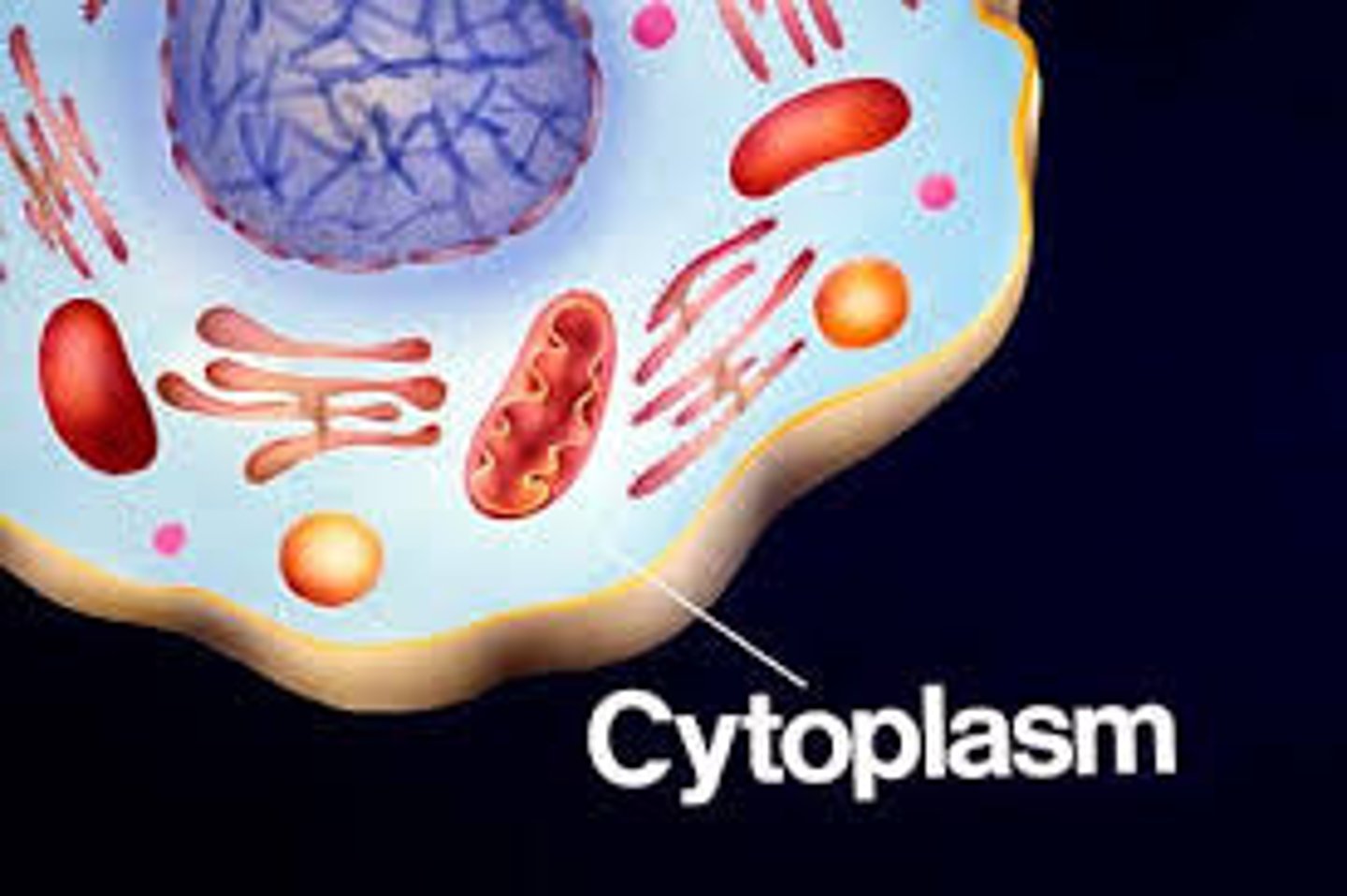
Cytoplasm
A jellylike fluid inside the cell in which the organelles are suspended
Mitochondria
Powerhouse of the cell, organelle that is the site of ATP (energy) production
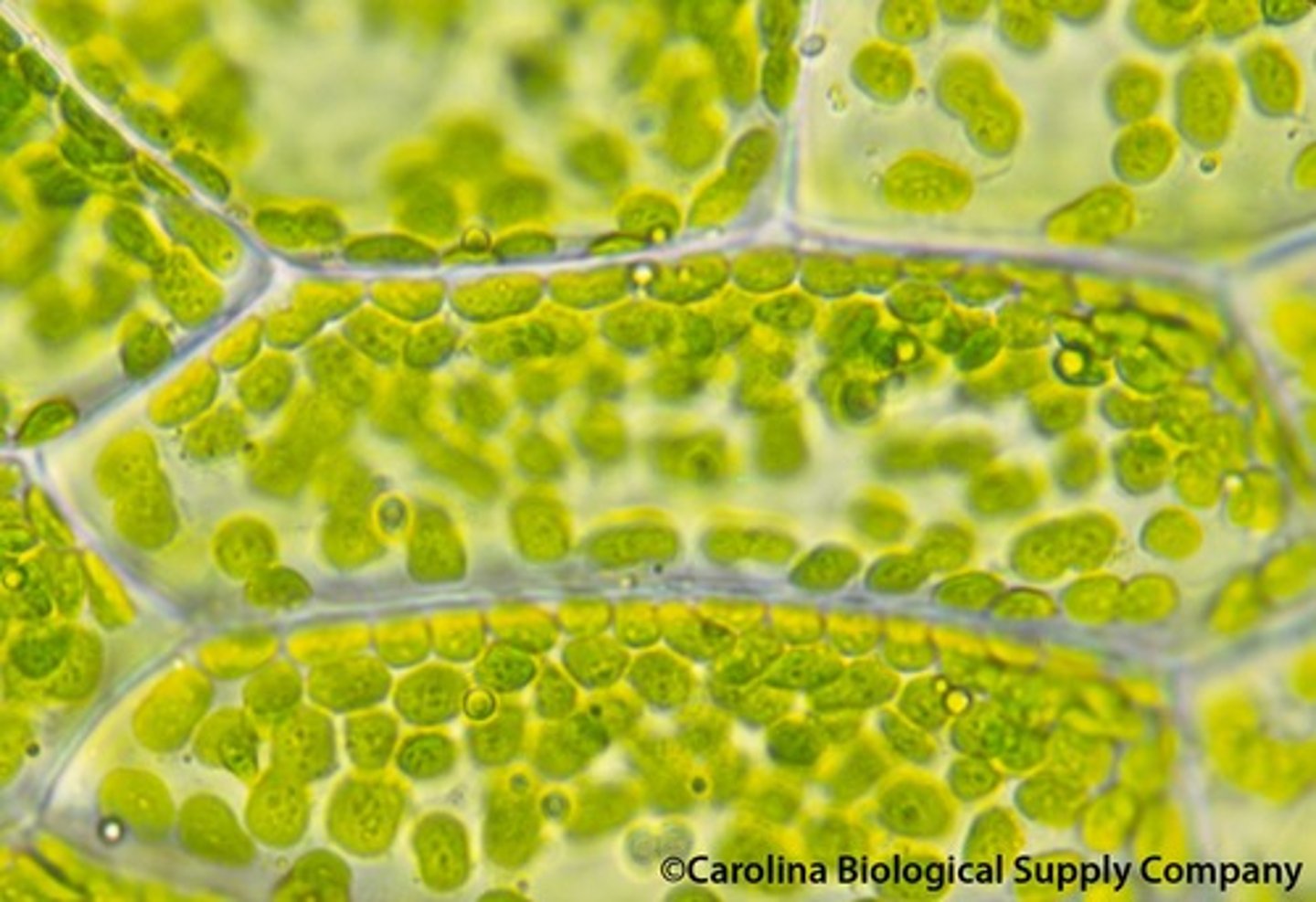
Chloroplast
organelle found in cells of plants and some other organisms that captures the energy from sunlight and converts it into chemical energy
Cell membrane (plasma membrane)
the semipermeable membrane surrounding the cytoplasm of a cell.
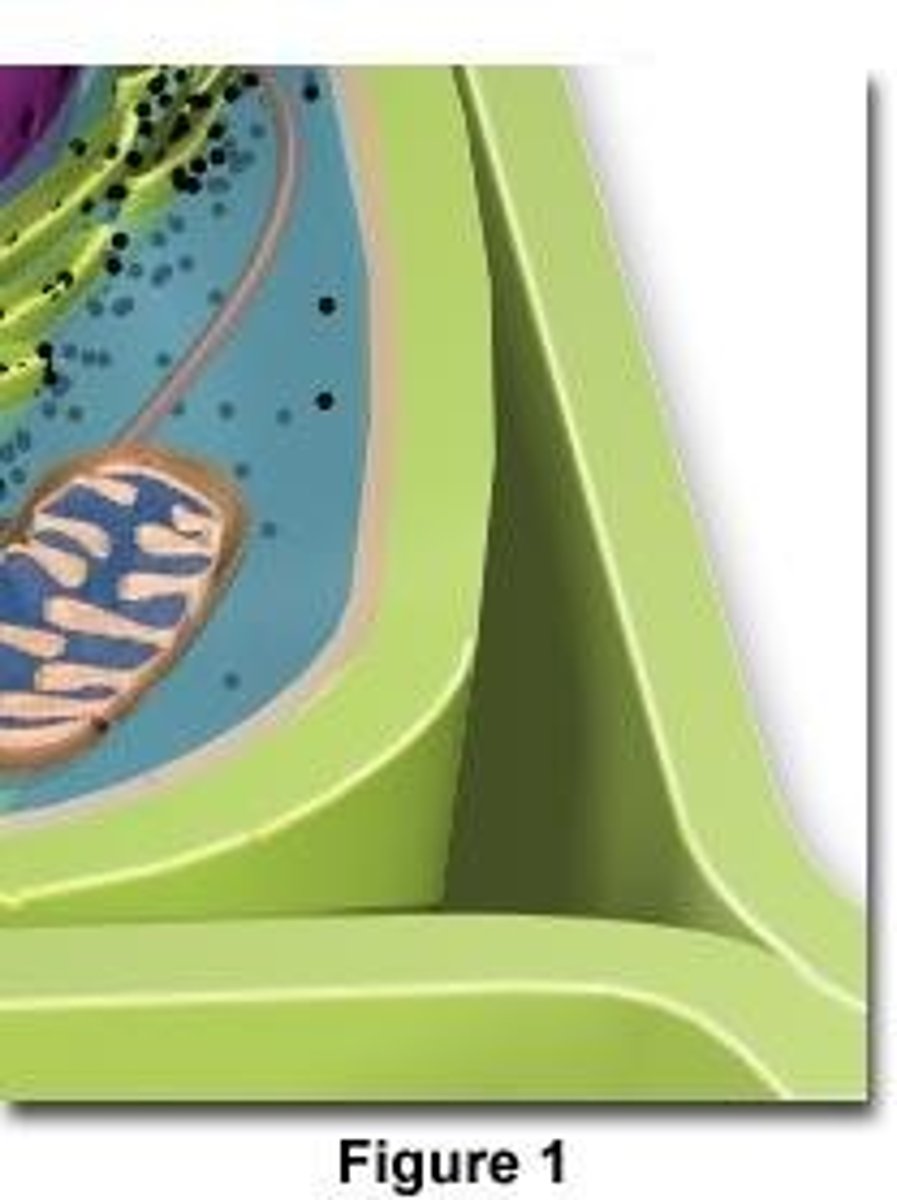
cell wall
A rigid layer of nonliving material that surrounds the cells of plants and some other organisms.
eu- (prefix)
good, normal
pro (prefix)
before
Nucleolus
Found inside the nucleus and produces ribosomes
Amoeba
A type of protist characterized by great flexibility and the presence of pseudopodia.
Euglena
Unicellular organism; moves using its flagella; asexual reproduction; have chloroplasts to absorb sunlight
Paramecium
a single-celled freshwater animal that has a characteristic slipperlike shape and is covered with cilia.
Volvox
a green, single-celled aquatic organism that forms minute, free-swimming spherical colonies.
Cell
The basic unit of structure and function in living things
Organelle
A tiny cell structure that carries out a specific function within the cell
-elle (suffix)
small
-cule (suffix)
small
Tissues
groups of similar cells that perform a specific function in an organism
Organ
group of tissues that work together to perform closely related functions
organ system
group of organs that work together to perform a specific function
Organism
An individual living thing
Biological Levels of Organization
cell, tissue, organ, organ system, organism
Chloro (prefix)
green
-plast (suffix)
organized living material
Gogli Apparatus
Modifies, sorts, packages and ships out proteins to where they are needed
Lysosomes
cell organelle filled with enzymes needed to break down certain materials in the cell
Centrioles
Cell organelle that aids in cell division in animal cells only
Cyt(o)- (prefix)
cell
-plasm (suffix)
growth, substance, formation
Chromosomes
threadlike structures made of DNA molecules that contain the genes
animal cell
does not have a cell wall or chloroplast and a small vacuole
plant cell
contains a cell wall, chloroplast and large vacuole
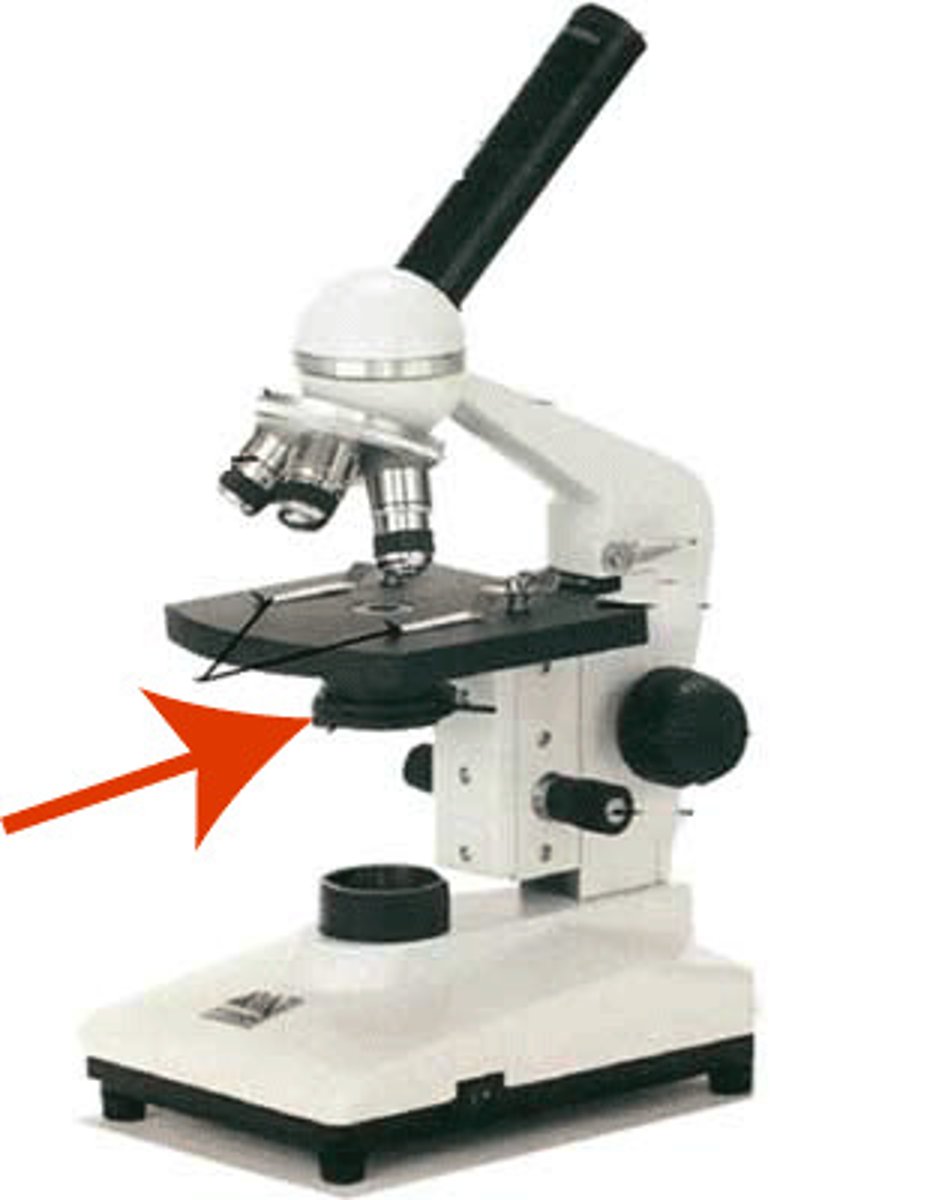
diaphragm
regulates/controls the amount of light
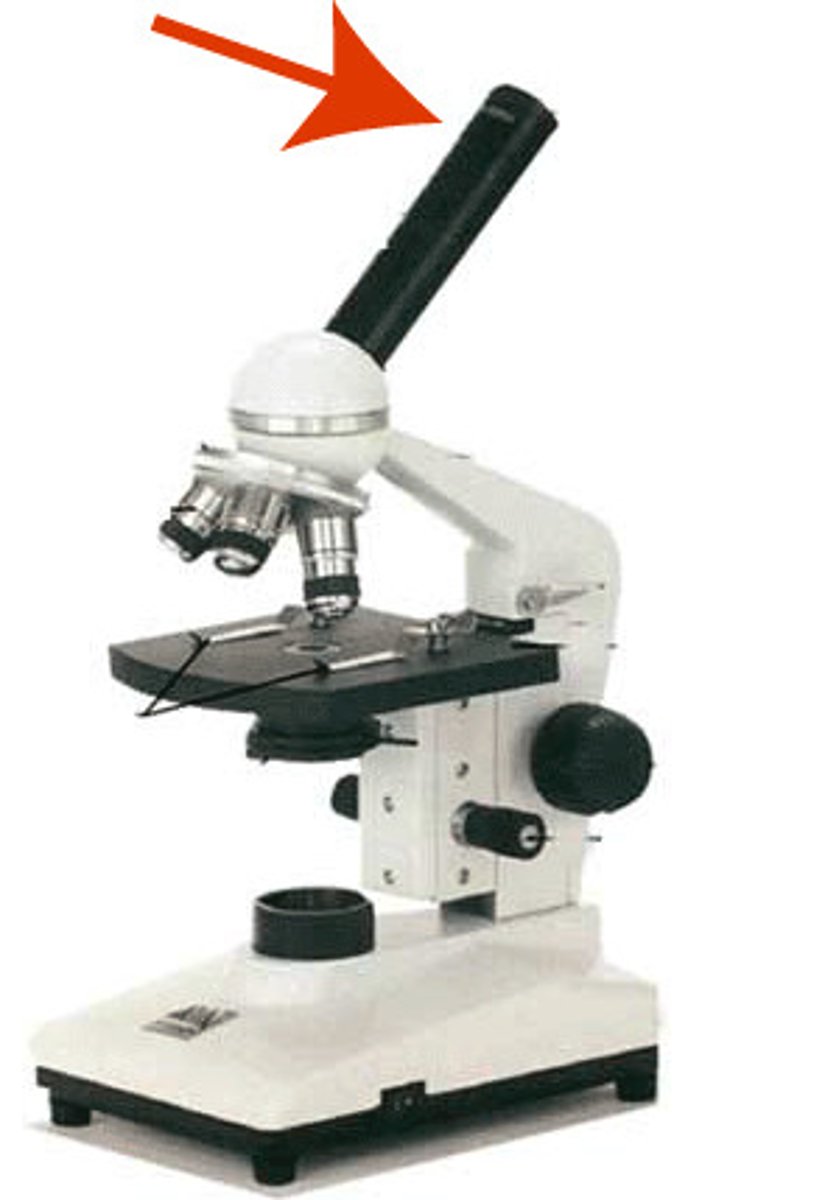
body tube
located between the eyepiece and the nosepiece, separates the lenses
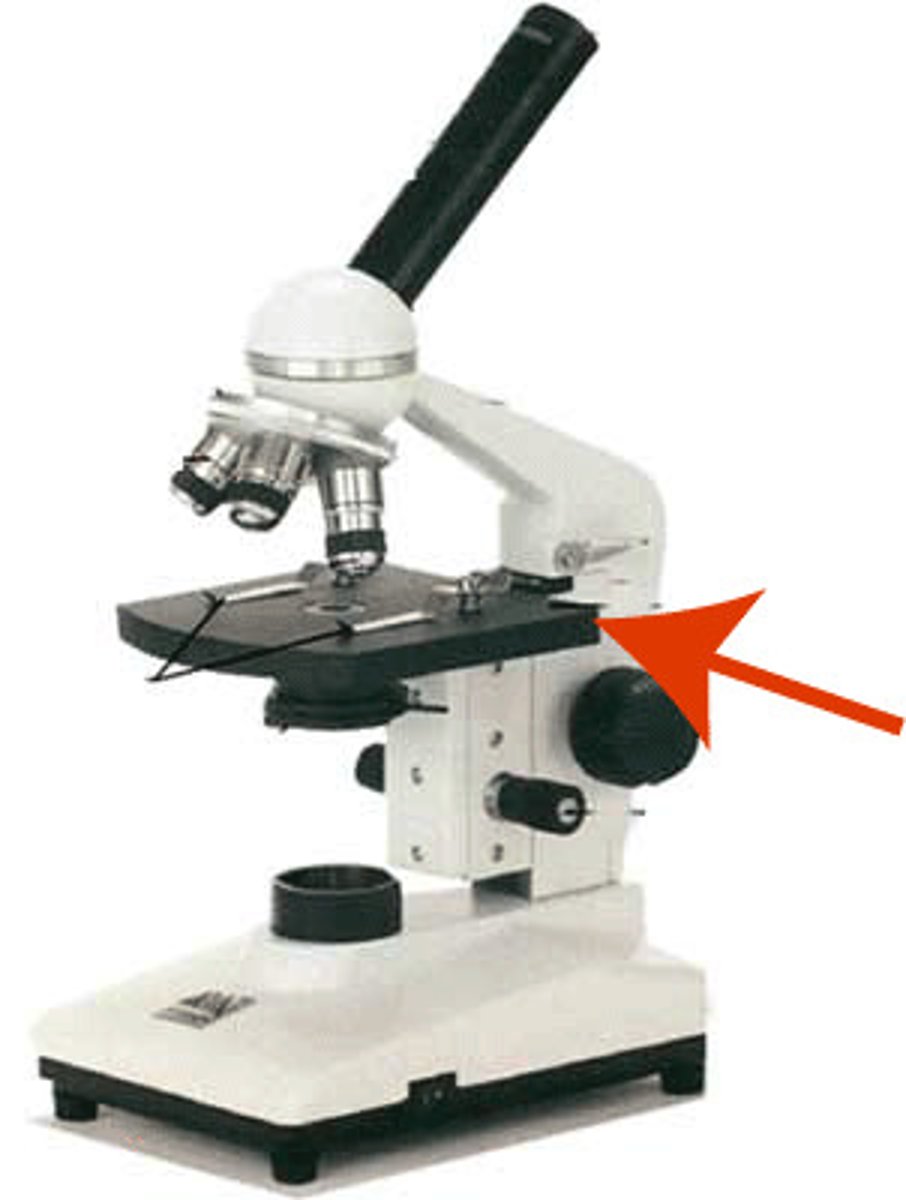
stage
Supports the slide being viewed
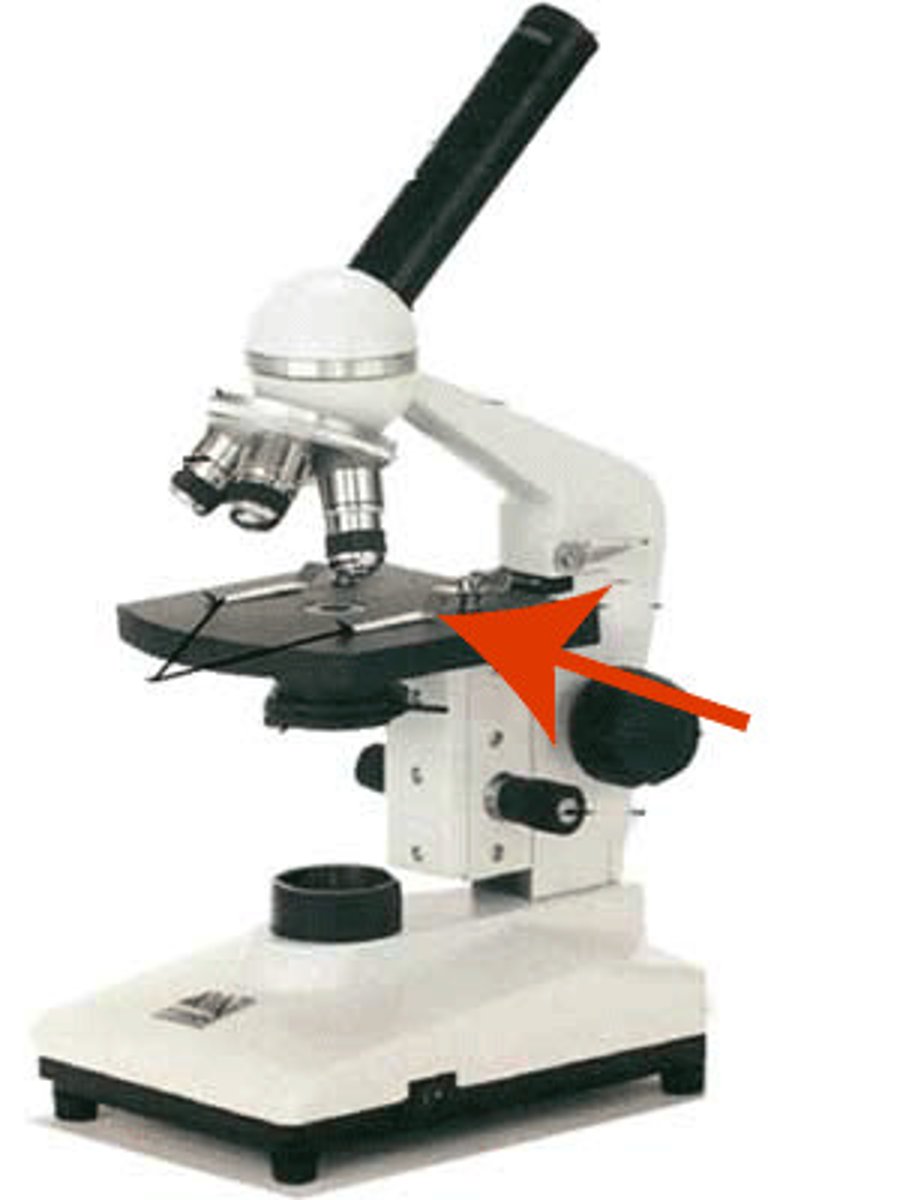
stage clips
hold the slide in place on the stage
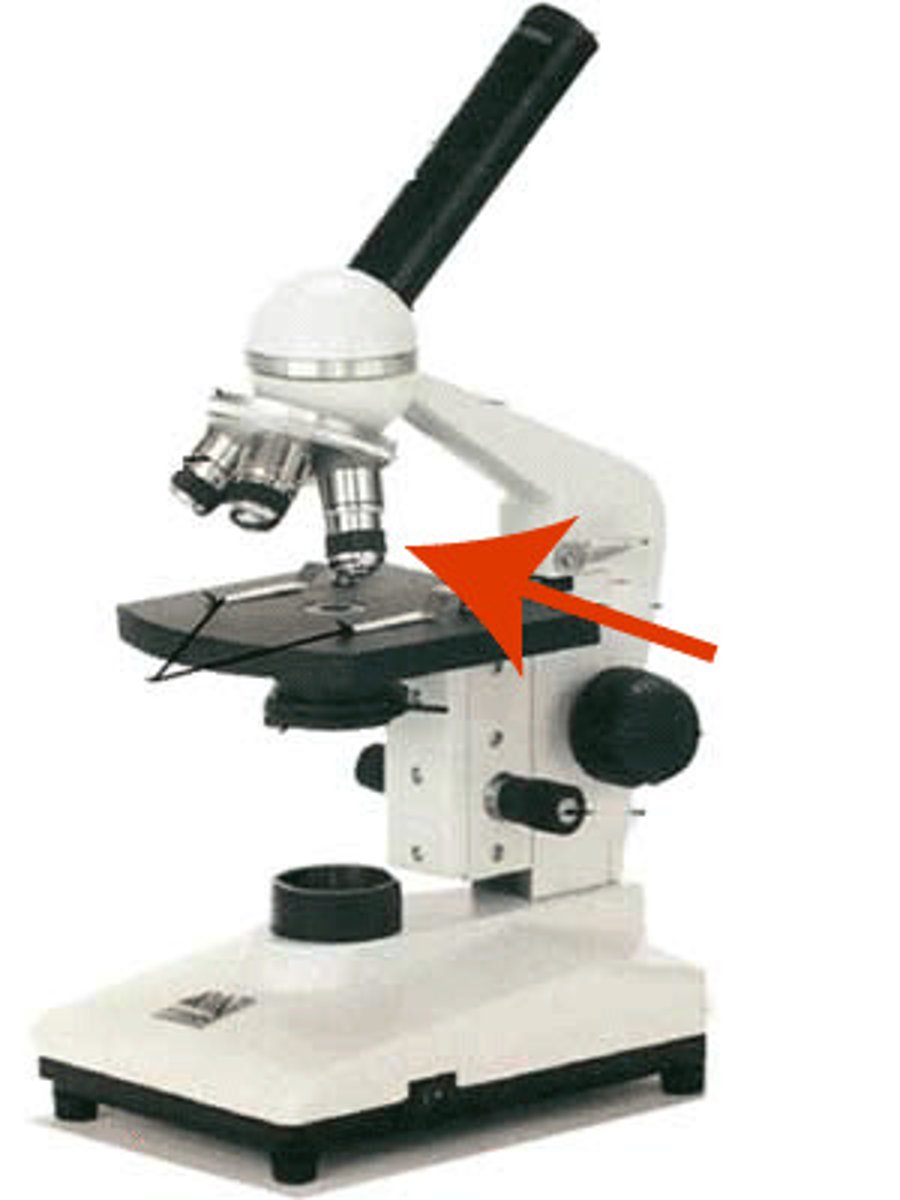
high power objective lens
Lens on the nosepiece, magnifies 40x
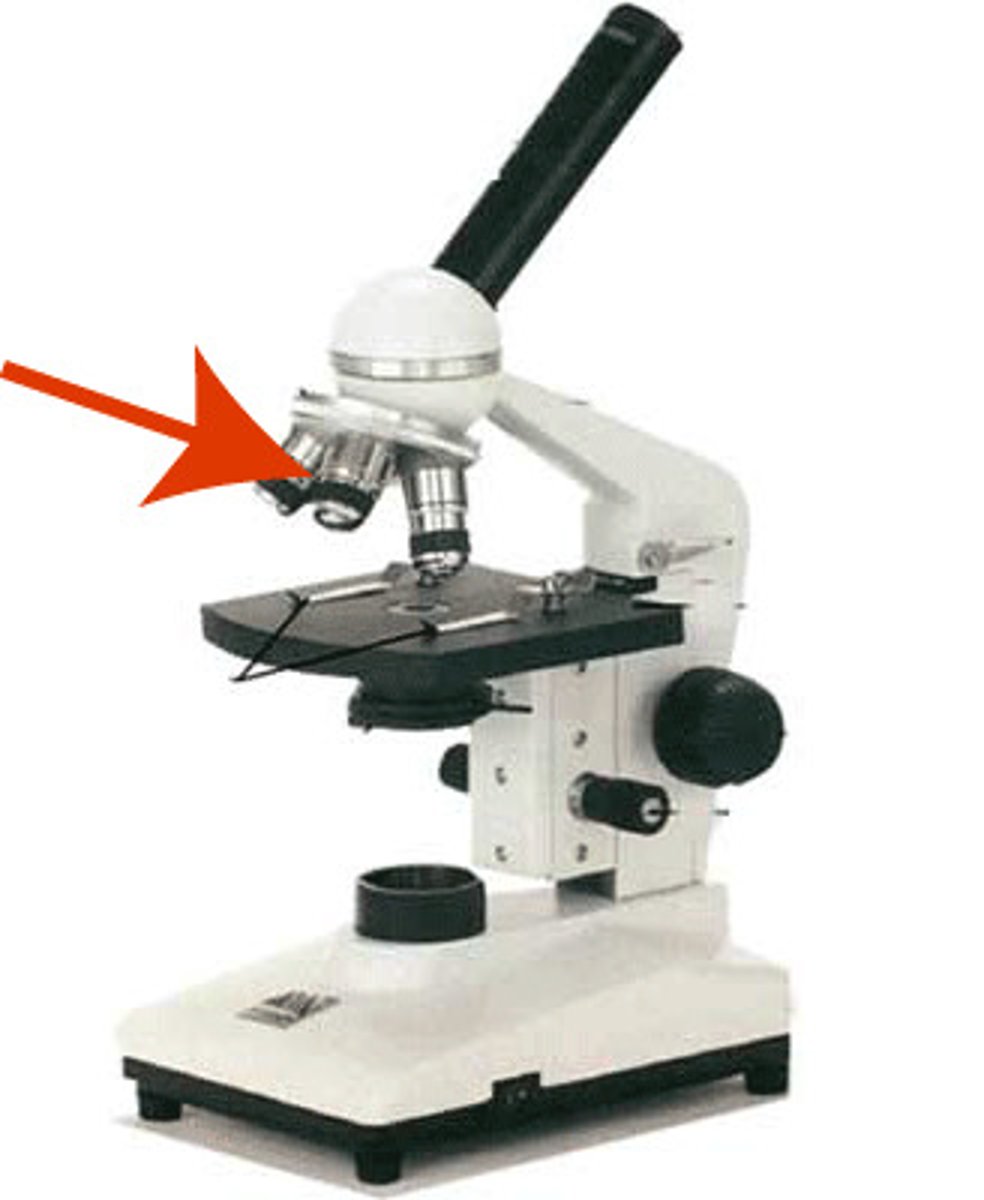
low power objective lens
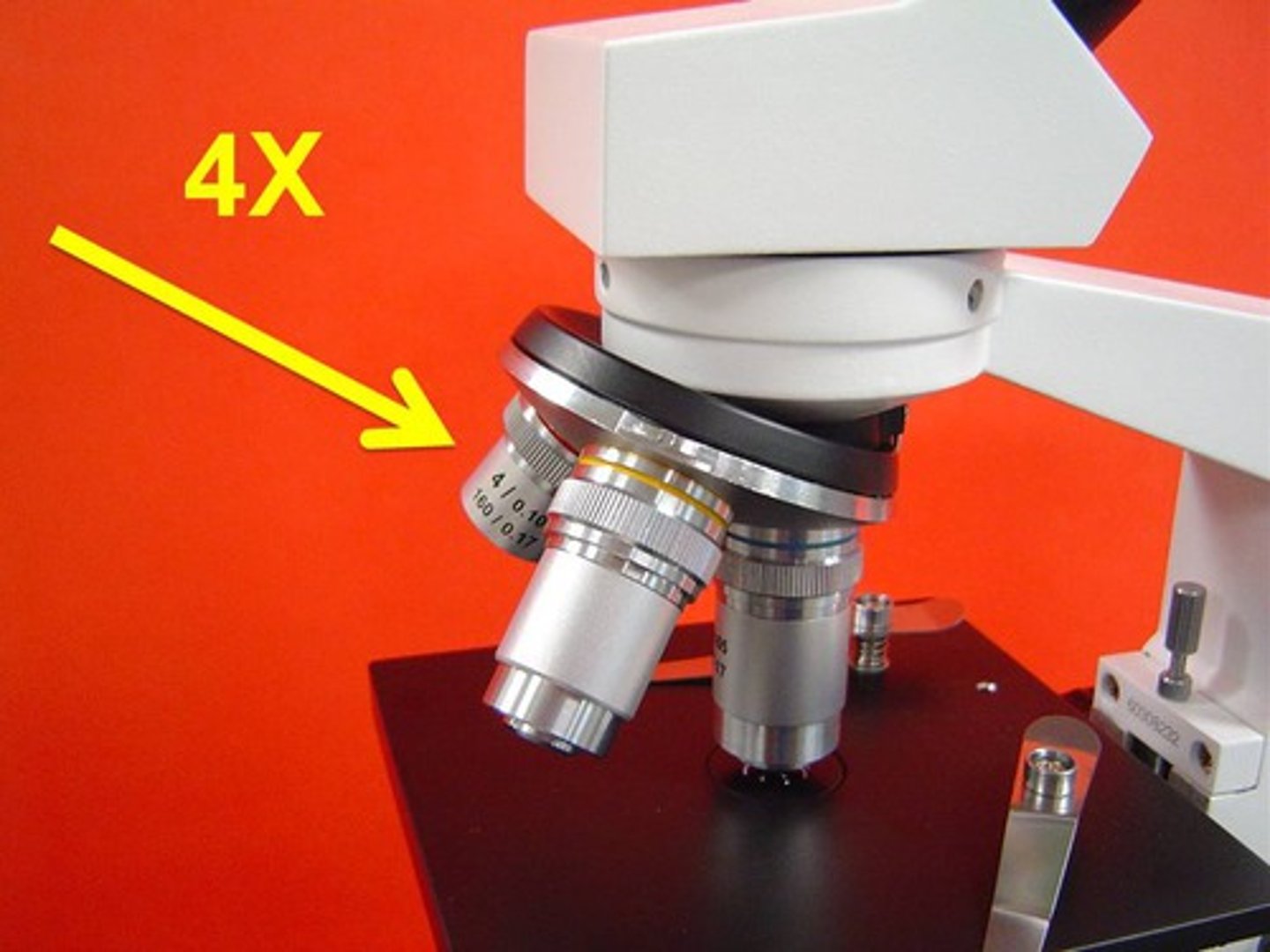
Lens on the nosepiece, magnifies 4x
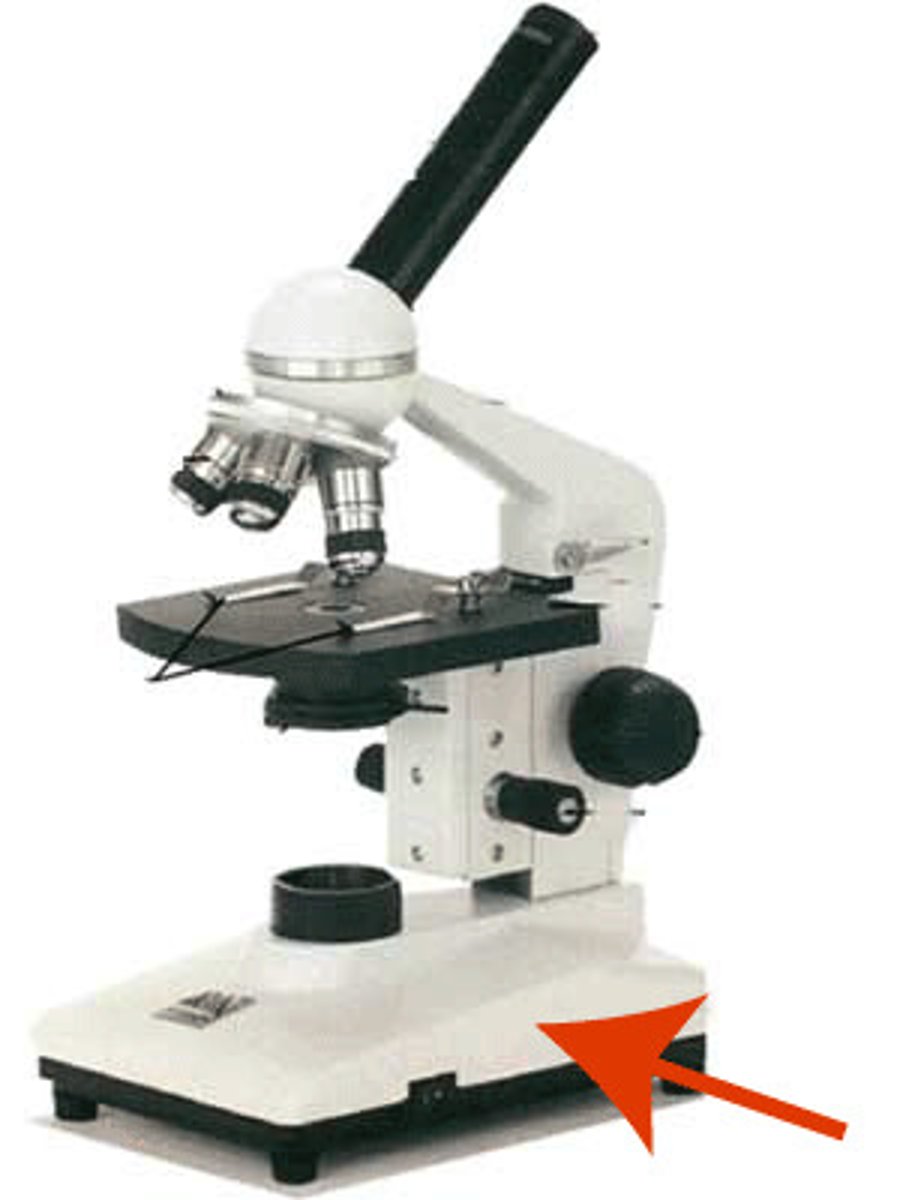
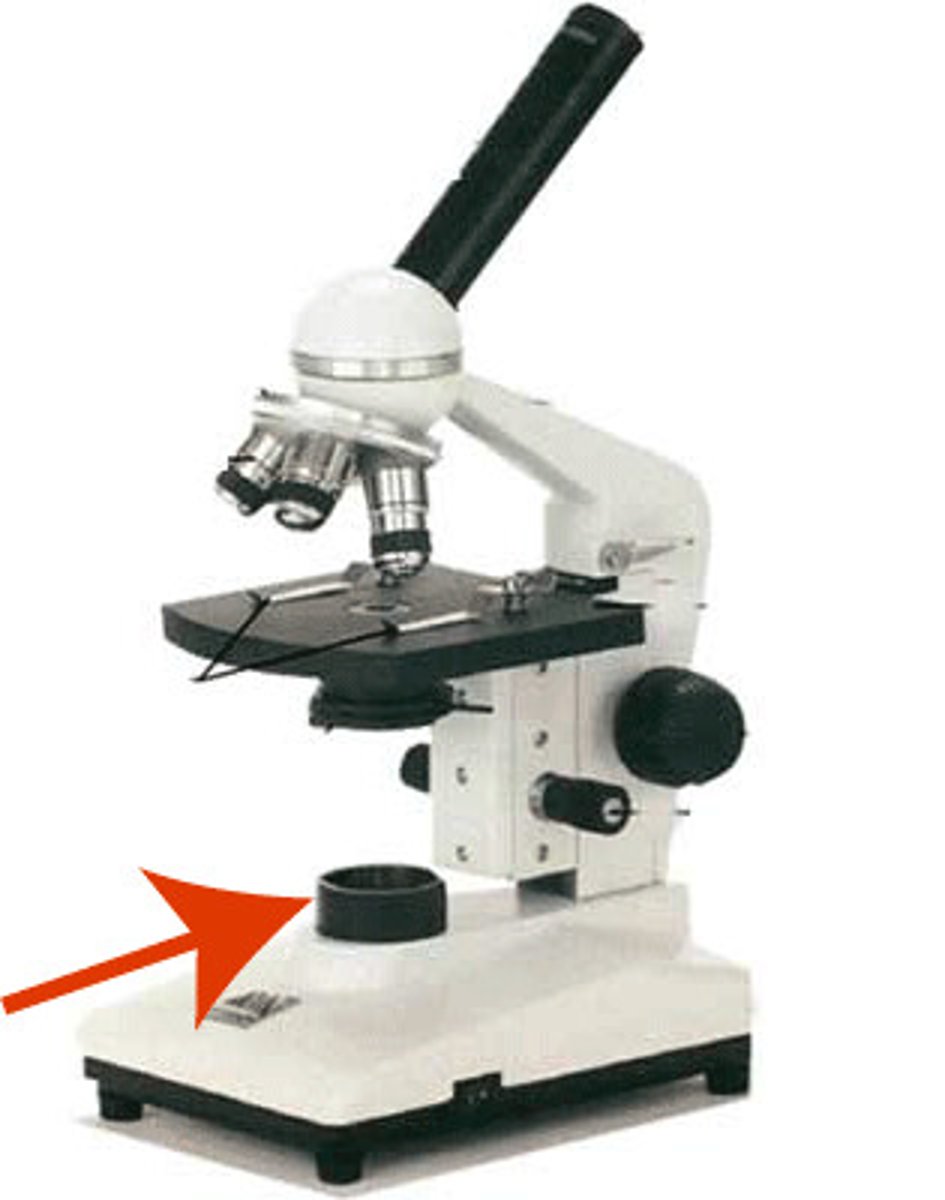
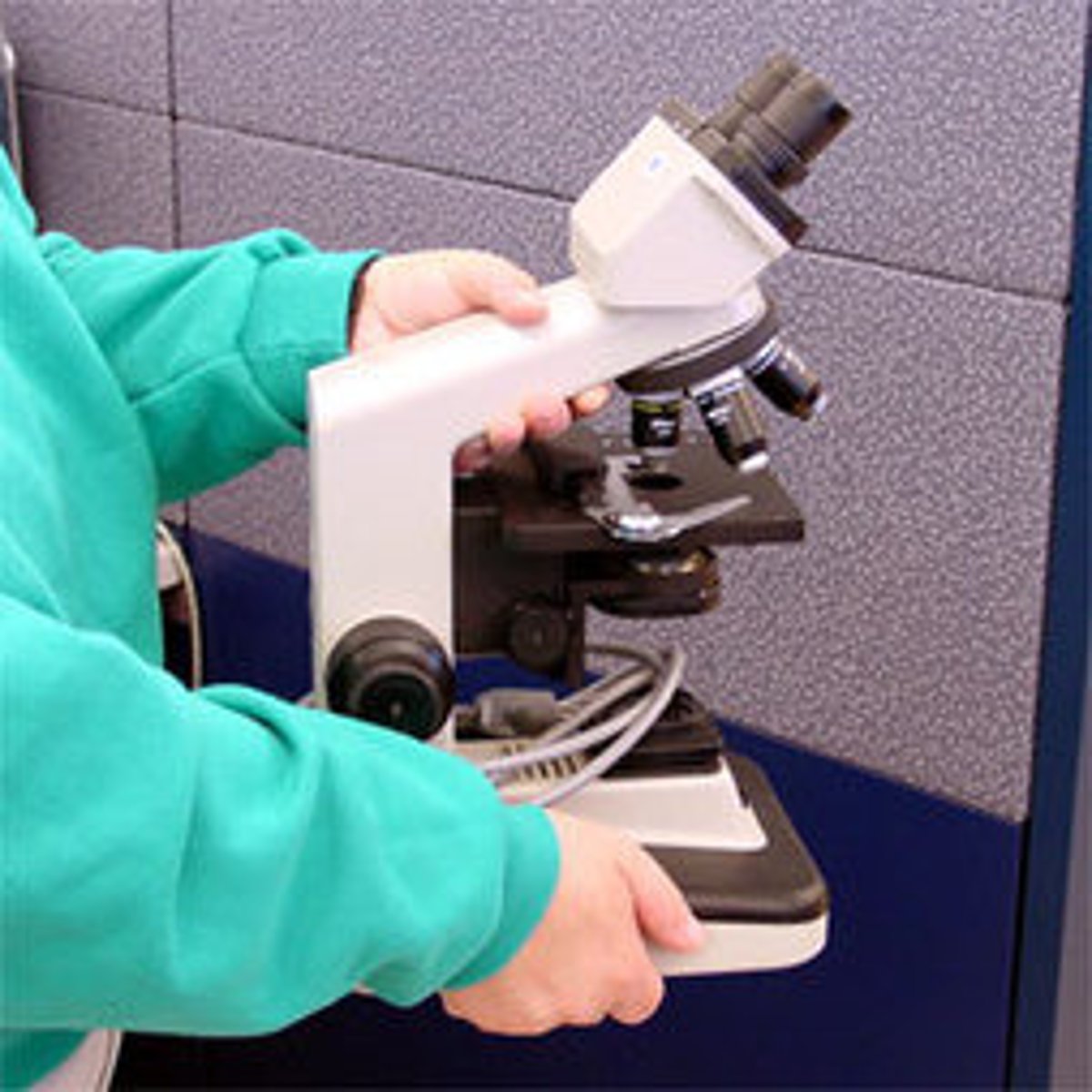
base
Supports the microscope
light source
gives us light to enable us to see the specimen on the slide
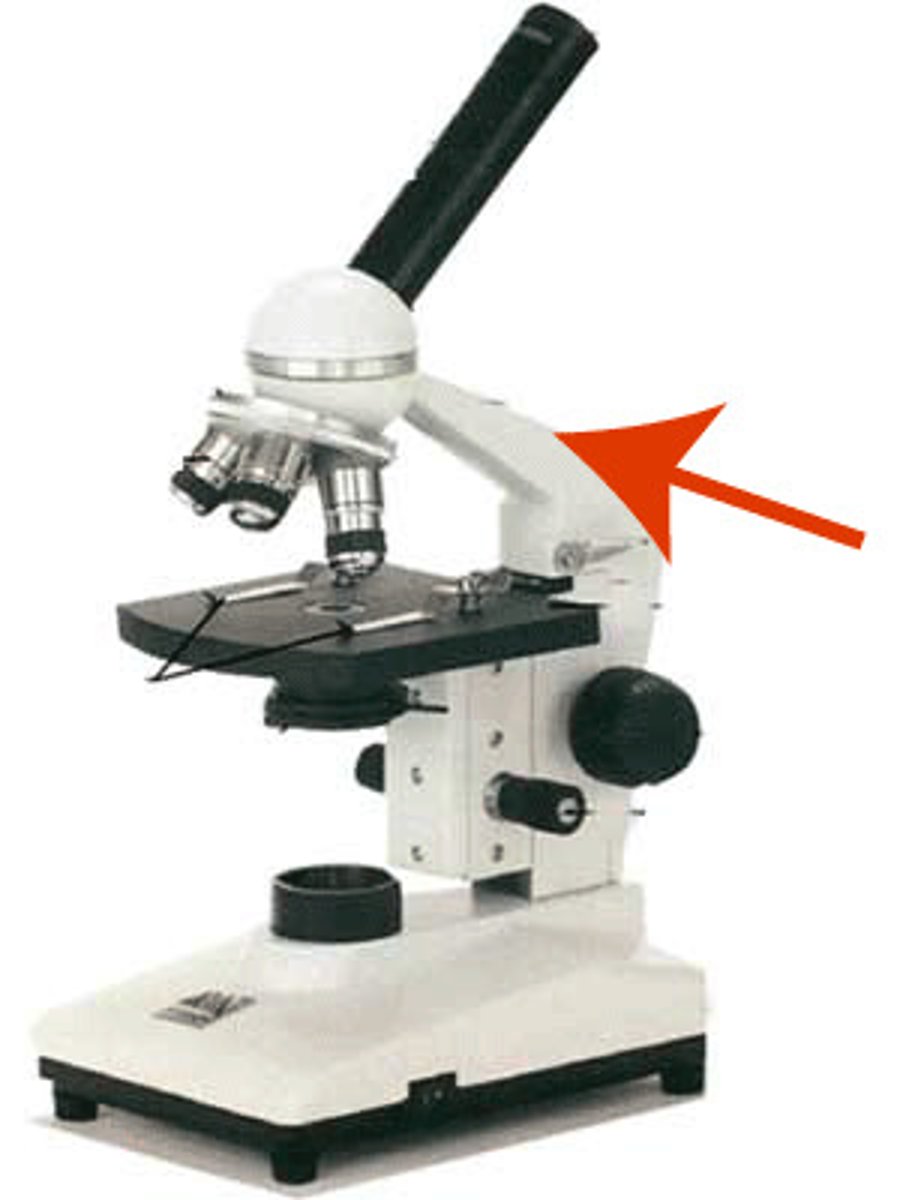
arm
Used to support the microscope when carried
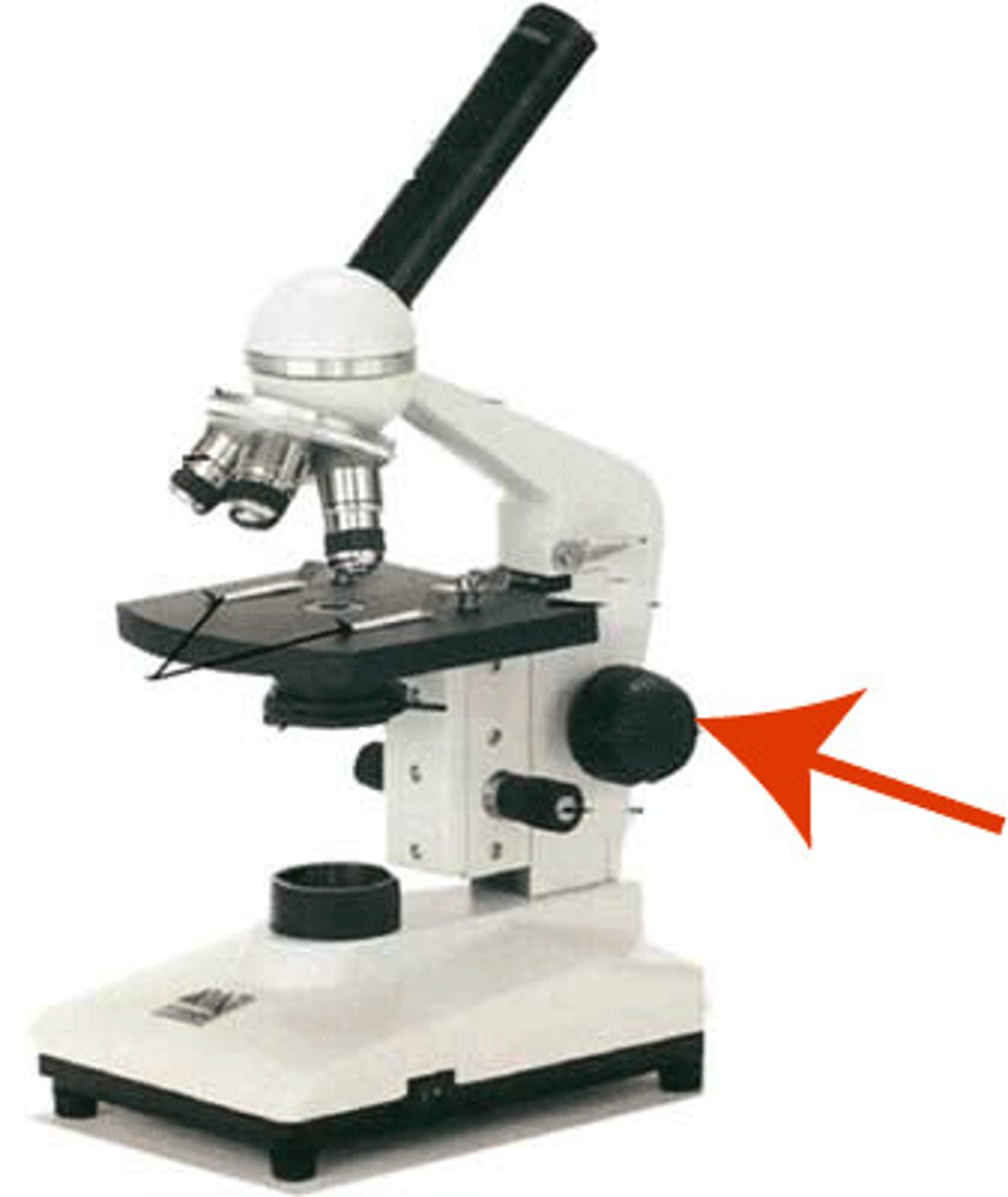
coarse adjustment knob
Moves the stage up and down for focusing
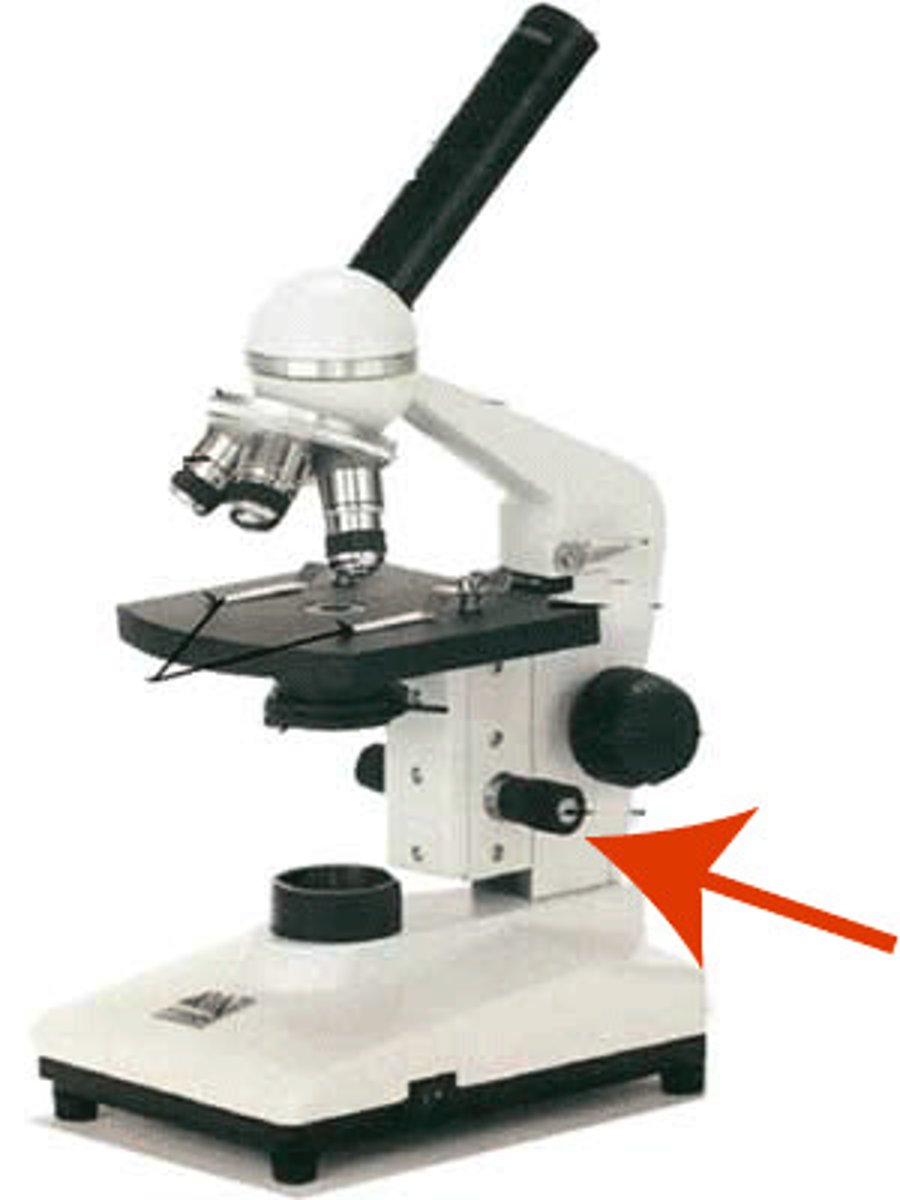
fine adjustment knob
Moves the stage slightly to sharpen the image
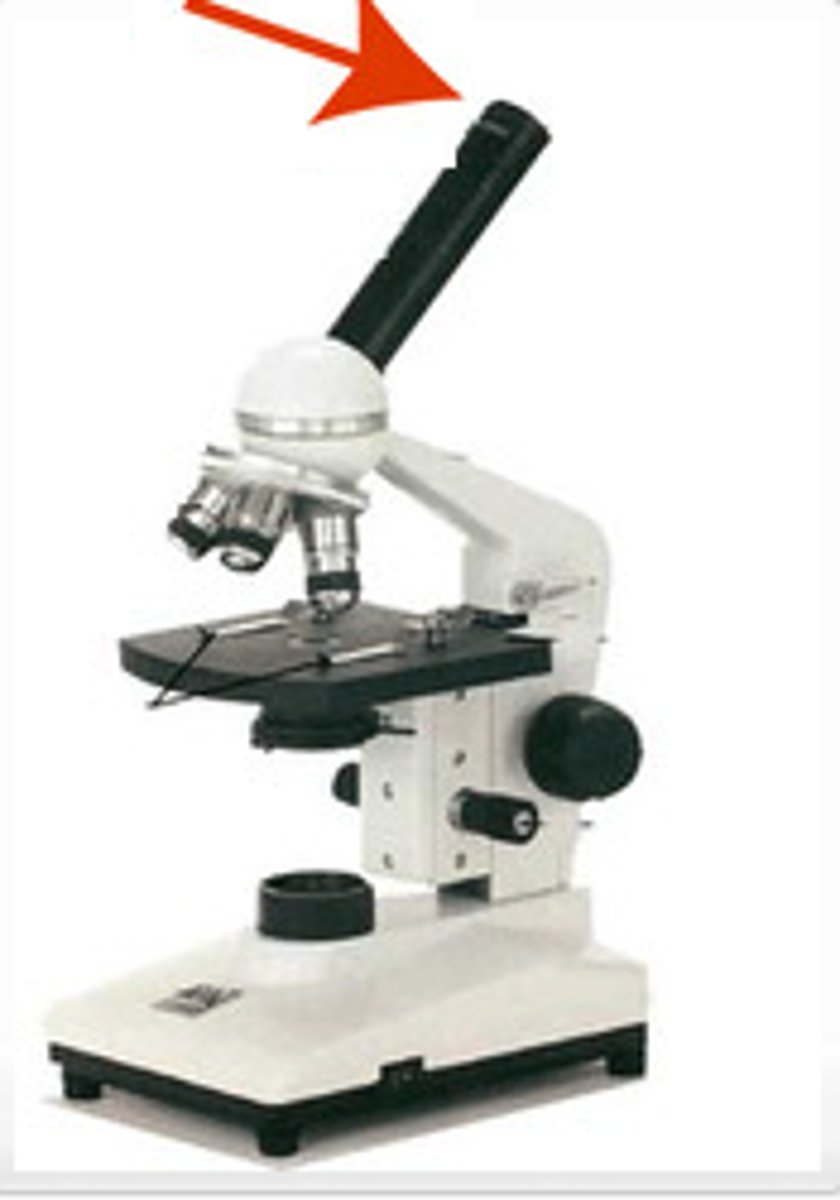
eyepiece
used to view an object under the microscope, has a magnifying power of 10x
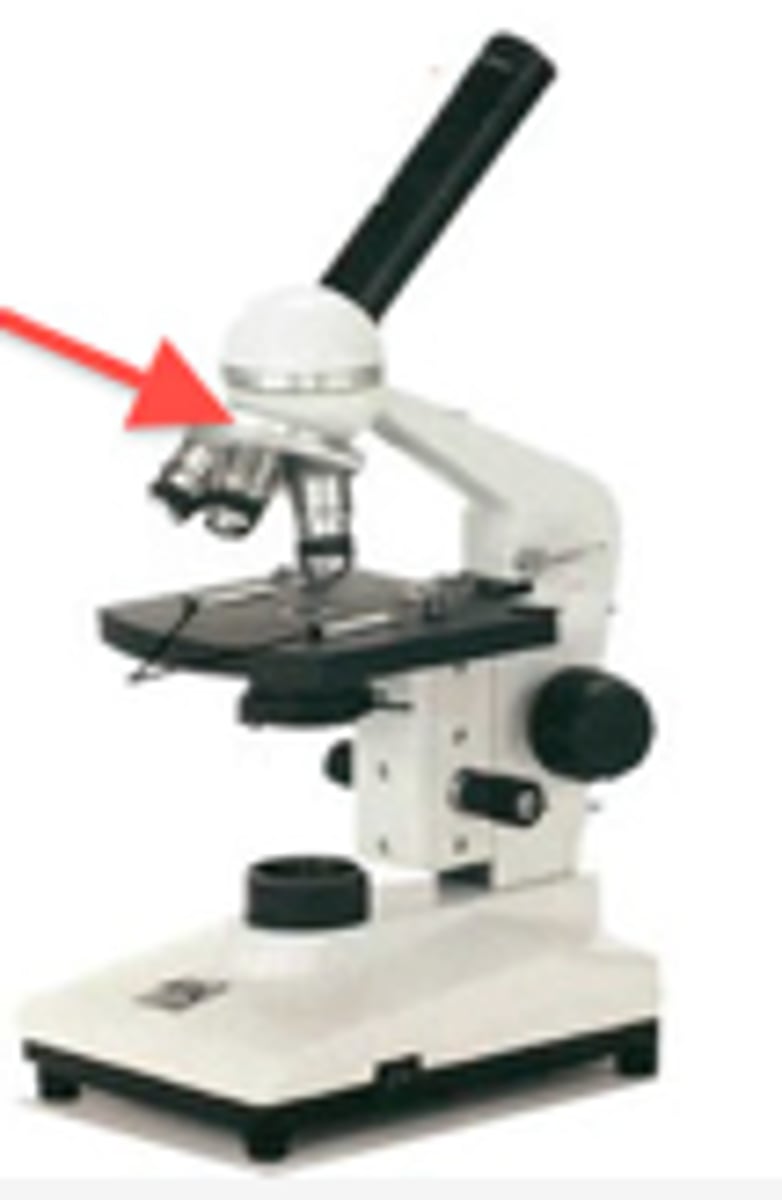
nosepiece
Holds and rotates the objective lenses
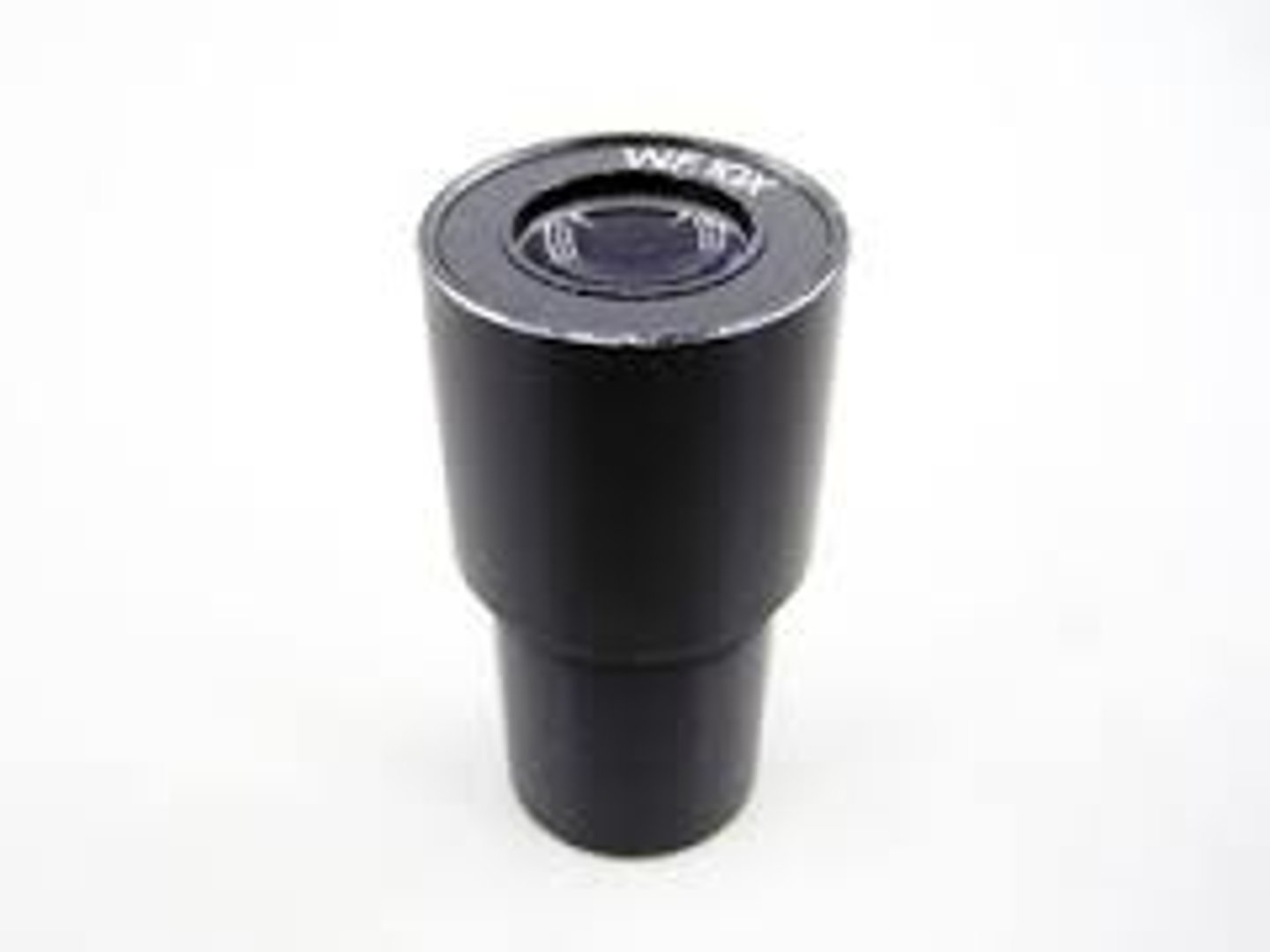
10x
Power of the eyepiece lens
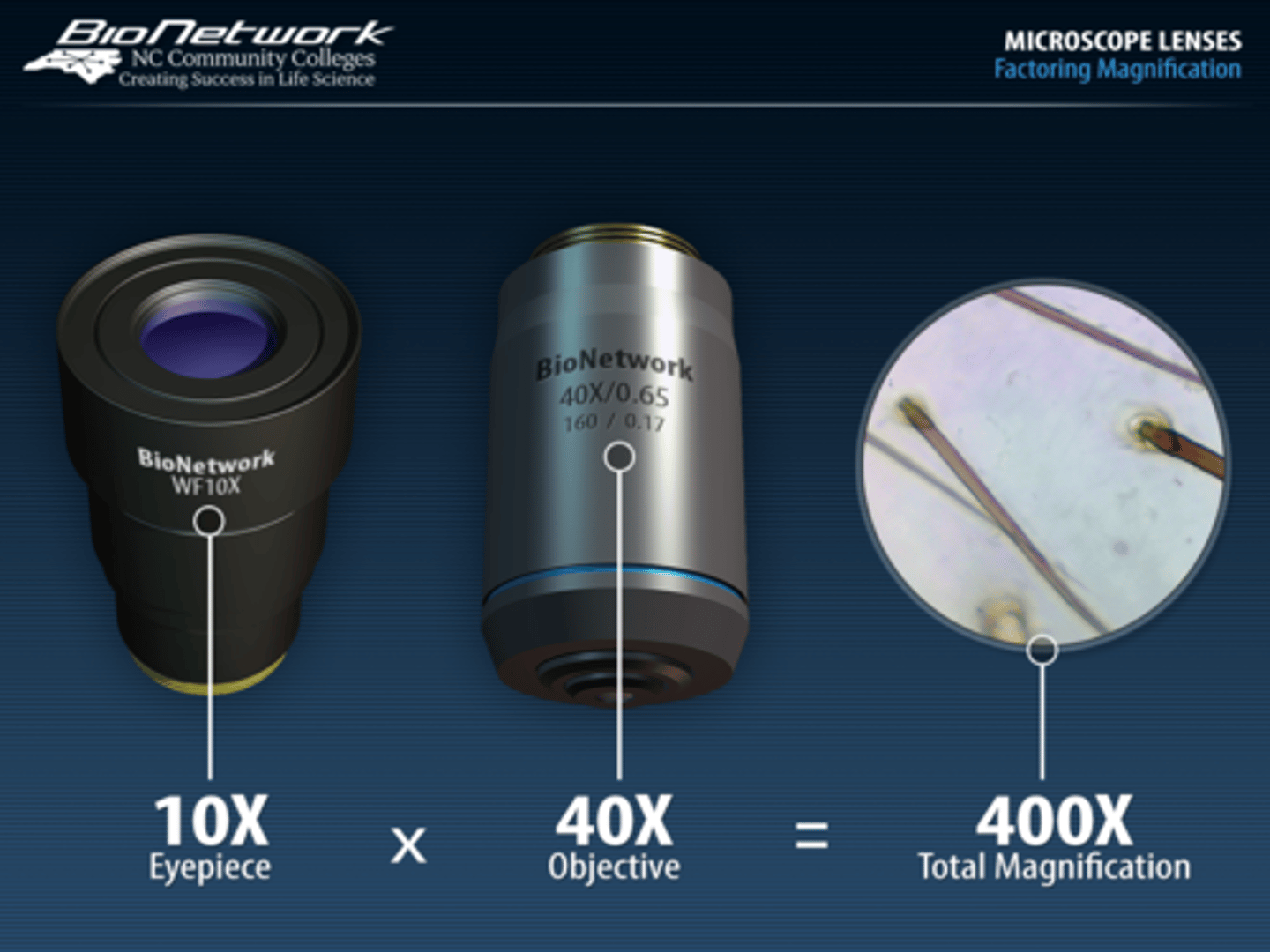
400x
Power of the microscope on high power
4x
Power of the low power objective lens
arm and base
You should carry the microscope by the ____ and the ____.
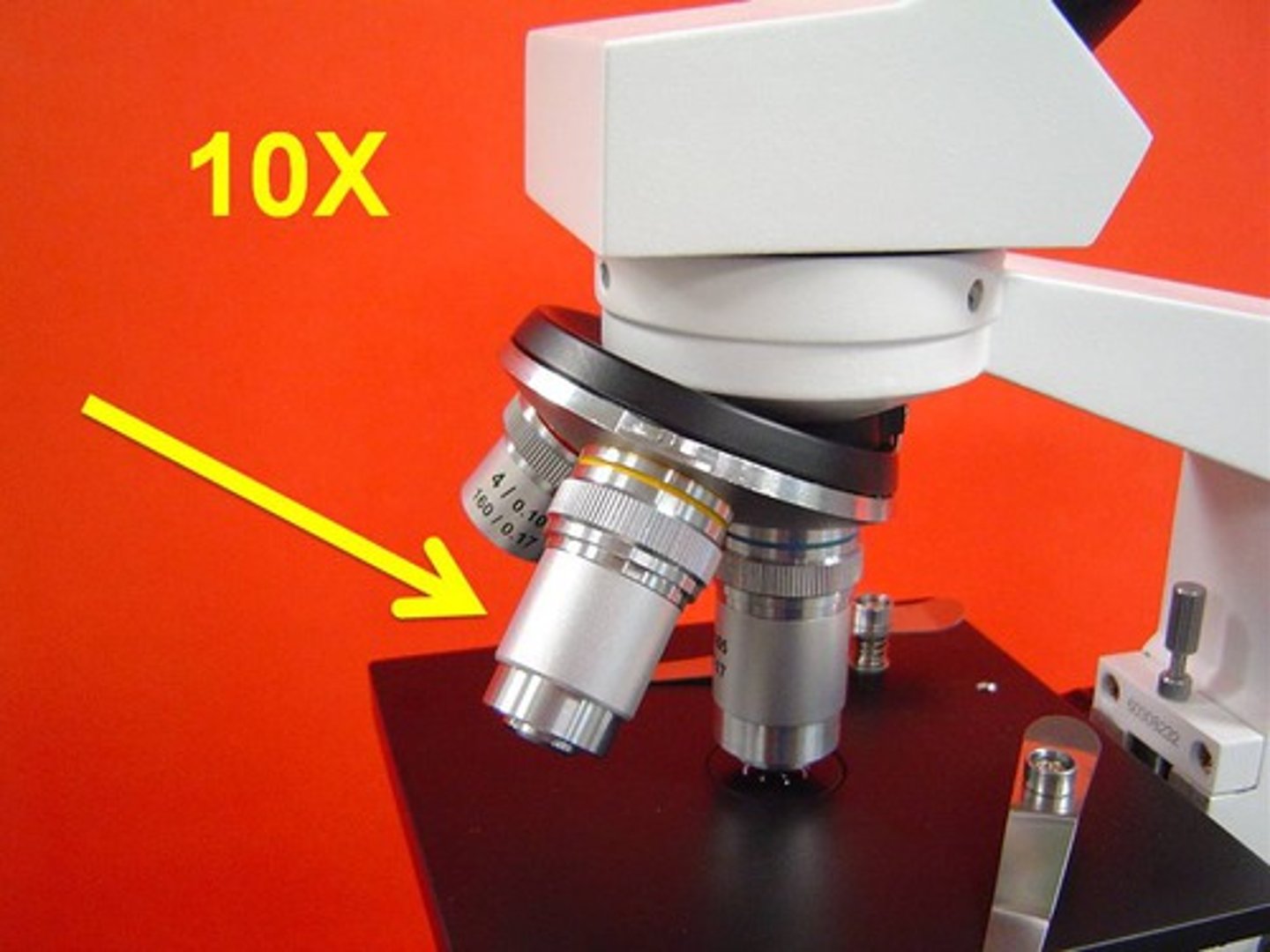
medium objective lens
Lens on the nosepiece, magnifies 10x
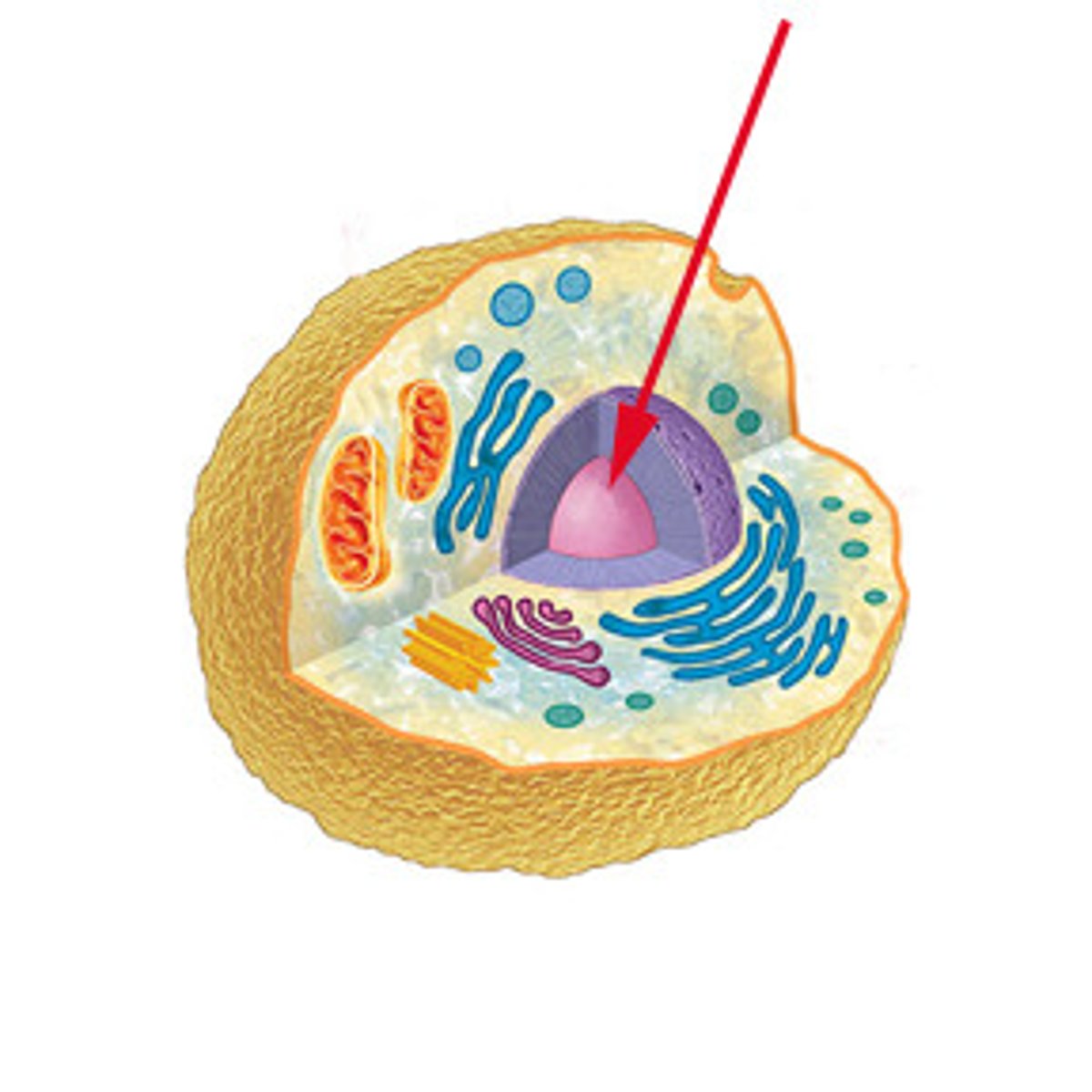
nucleus
Contains the cell's DNA and is the control centre of the cell
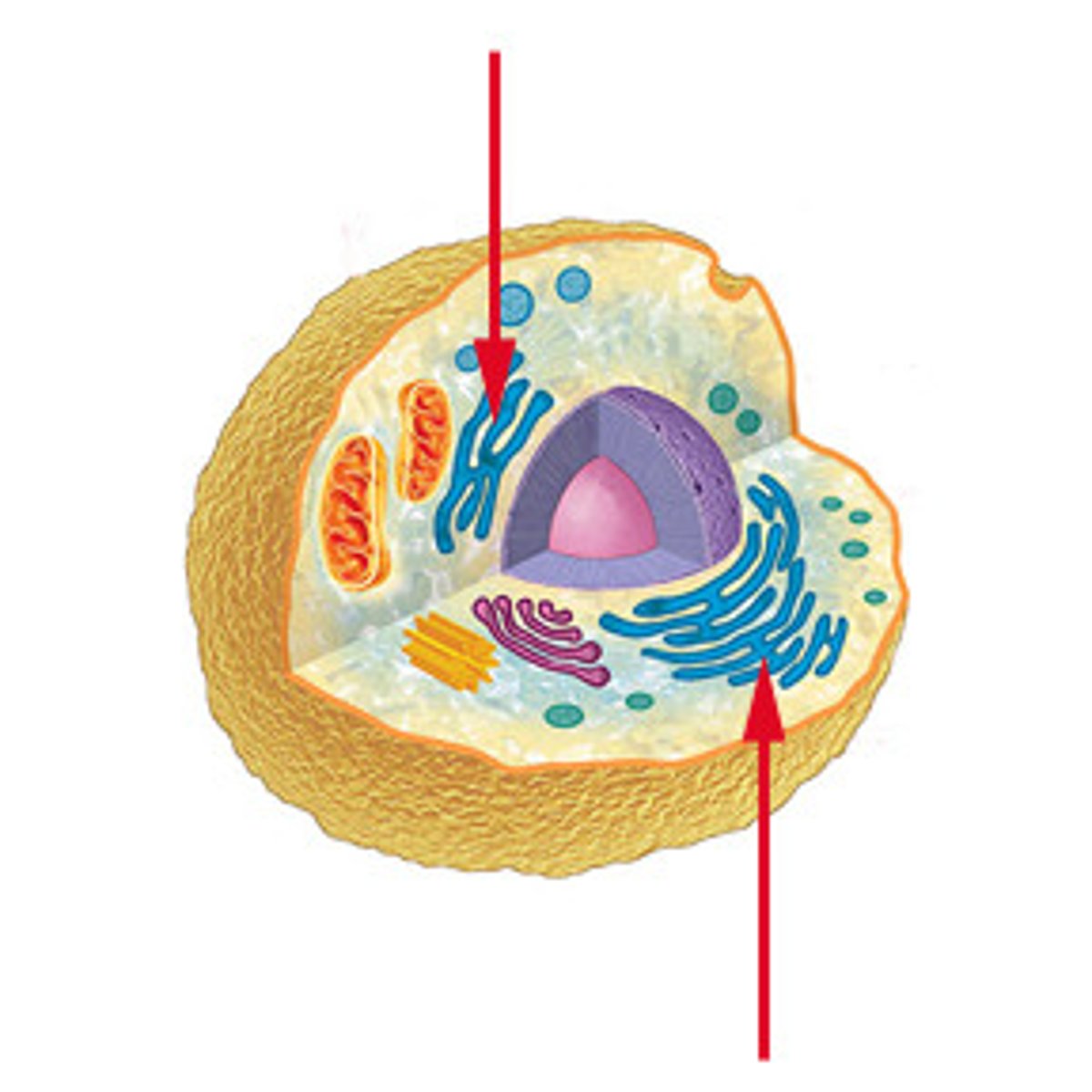
endoplasmic reticulum
Transports materials within cell; processes lipids (fats)
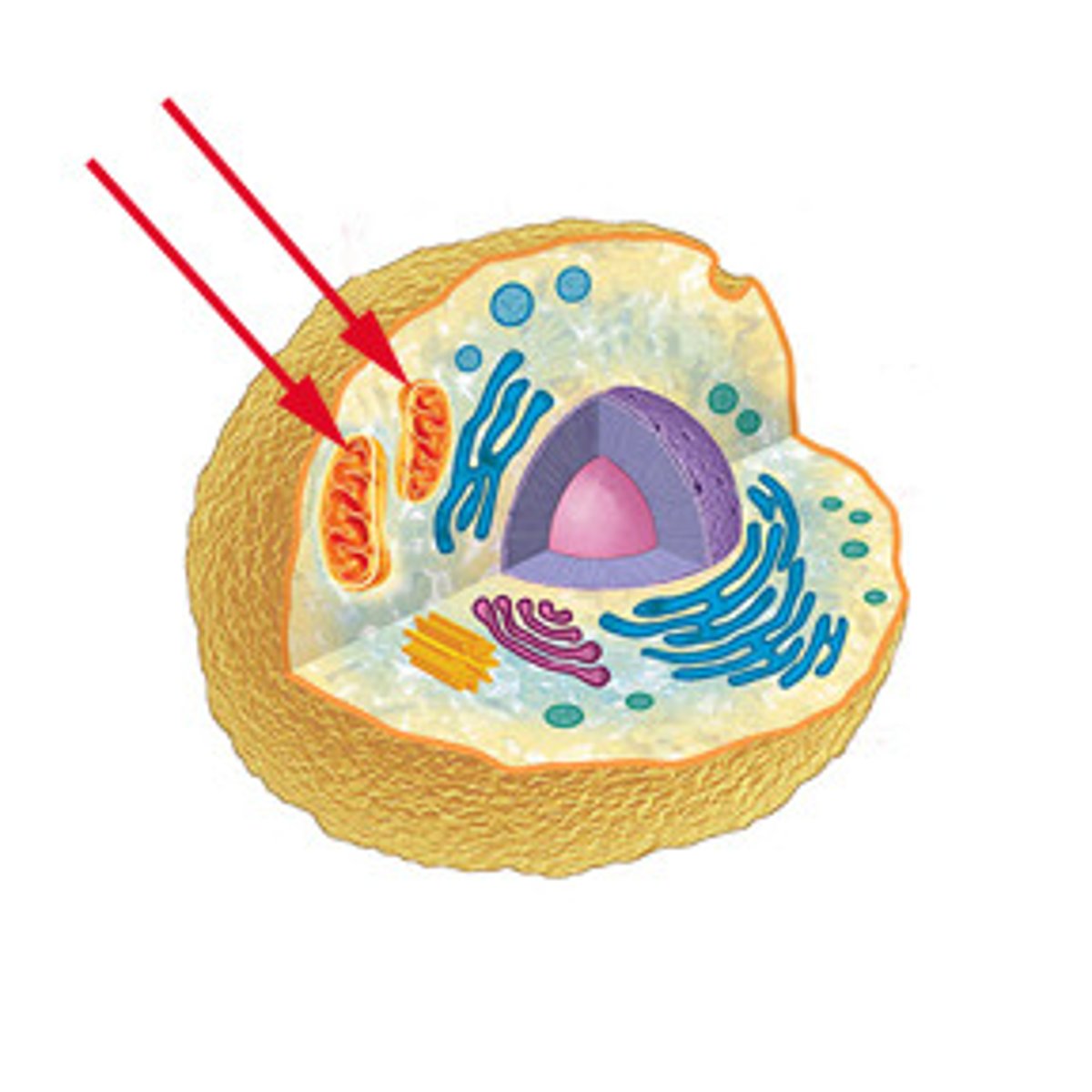
mitochondria
Breaks down food to release energy for the cell
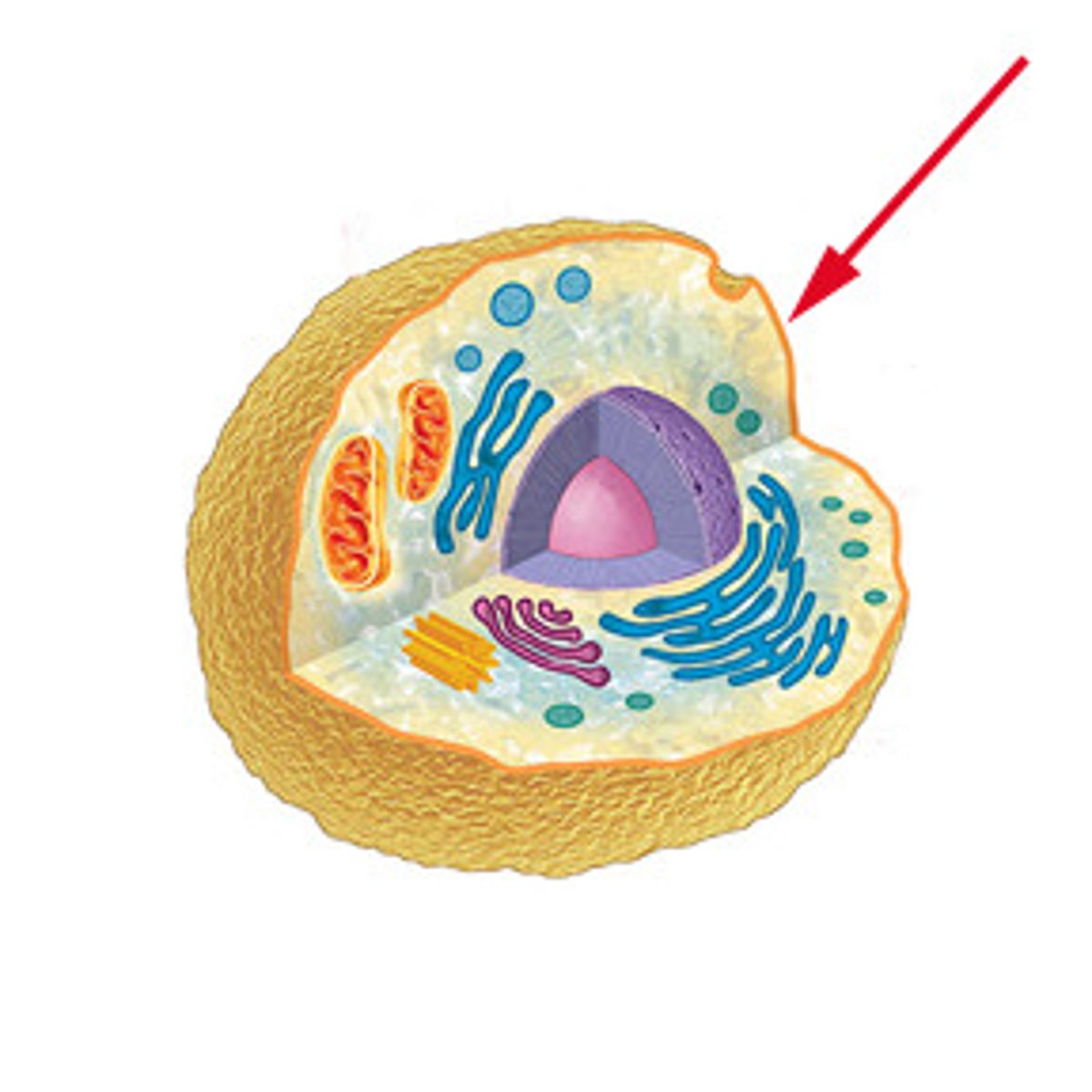
cell membrane
controls what goes in and out of the cell
ribosome
make proteins
cytoplasm
gel like environment which allows organelles to move about the cell
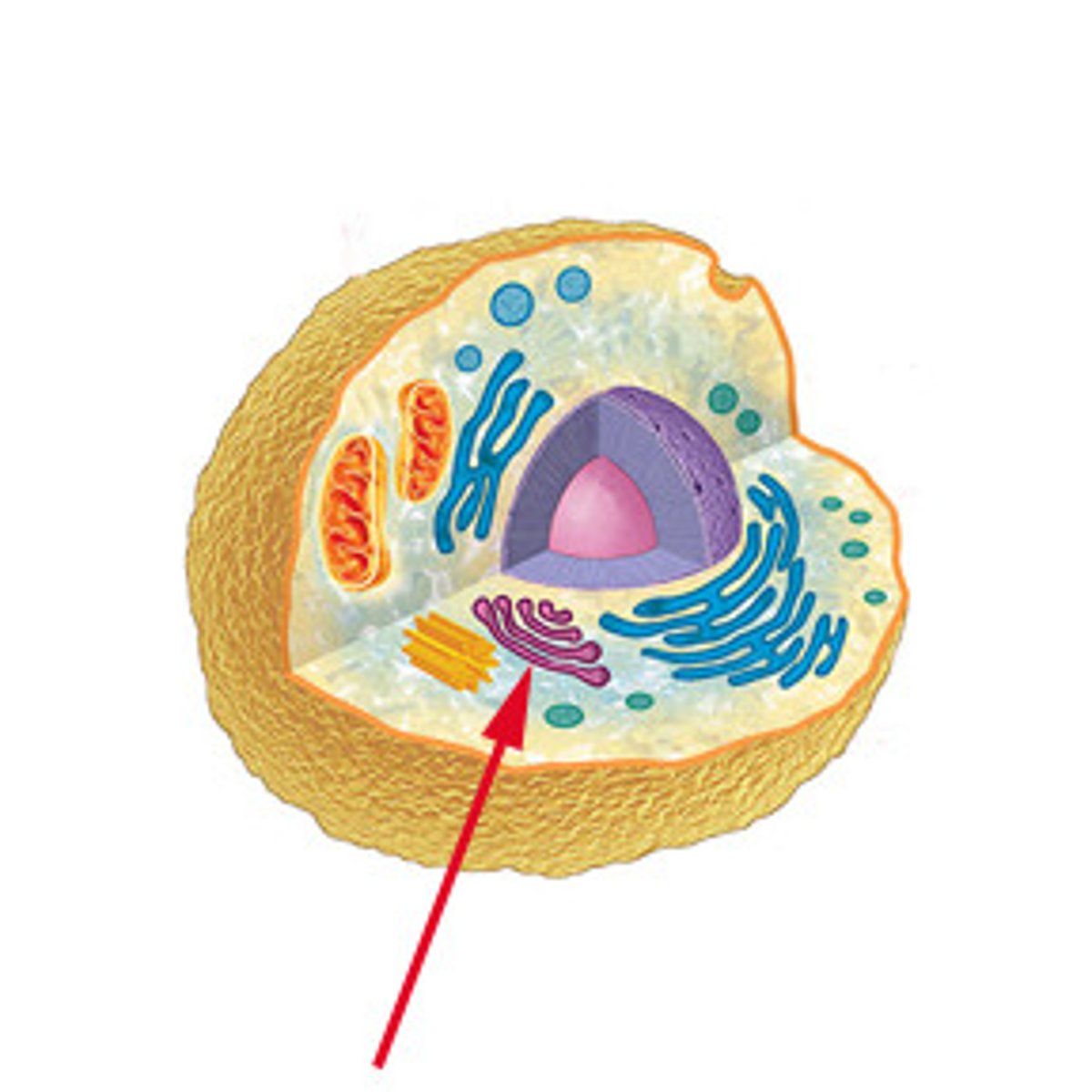
golgi body
packages and ships materials out of the cell
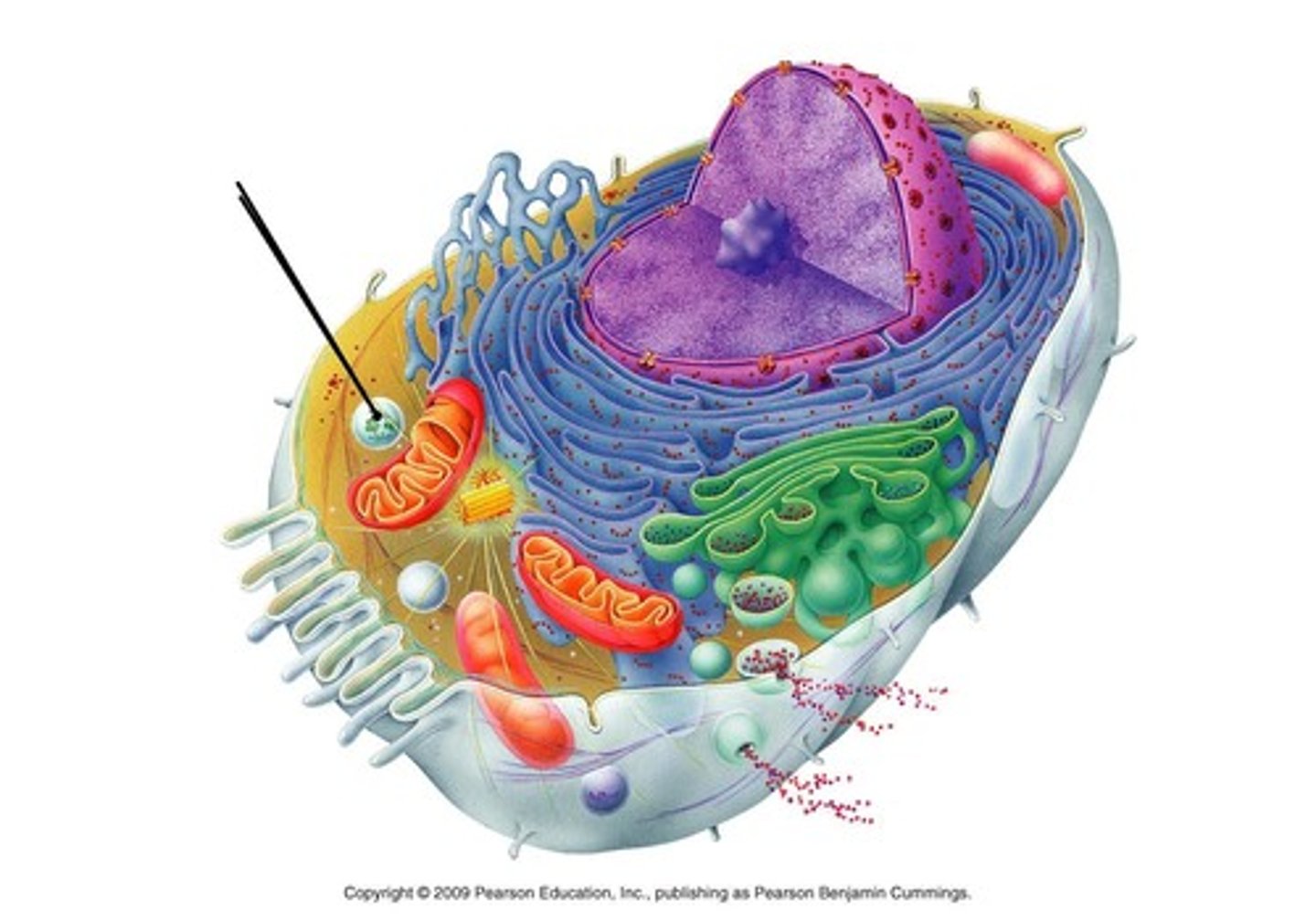
lysosome
cell’s “garbage disposal unit”
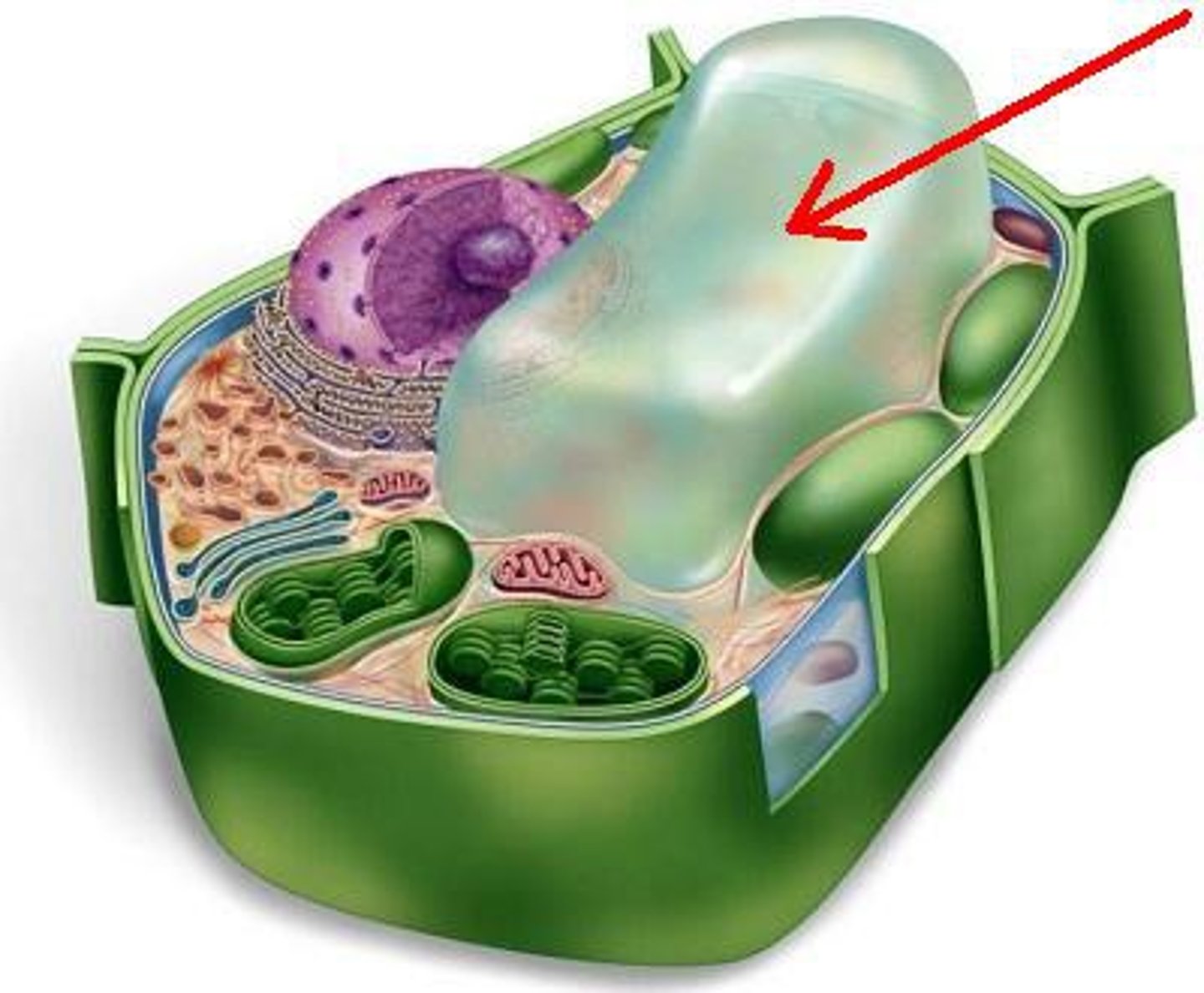
vacuole
stores water, waste and food
cell wall
provides structure and support for plant cells, surrounds the cell membrane
chloroplast
makes food for plant cells using sunlight