4 Lead + Defib. Pads + Basic Arrest Rhythms
 Call Kai
 Learn
Learn Practice Test
 Spaced Repetition
 Match
Match Flashcards
 Knowt Play
1/16

There's no tags or description
Looks like no tags are added yet.
Name | Mastery | Learn | Test | Matching | Spaced | Call with Kai | Chat |
|---|
No analytics yet
Send a link to your students to track their progress
17 Terms
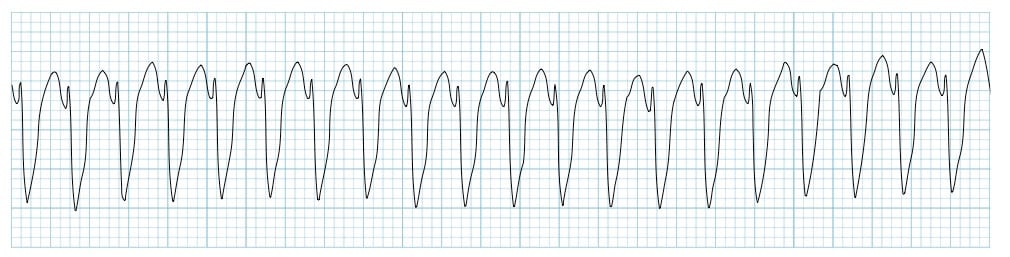
Which cardiac arrest rhythm is shown here?
ventricular tachycardia (v-tach)
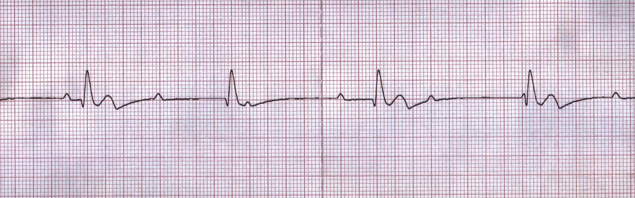
Which cardiac arrest rhythm is shown here?
pulseless electrical activity (PEA)
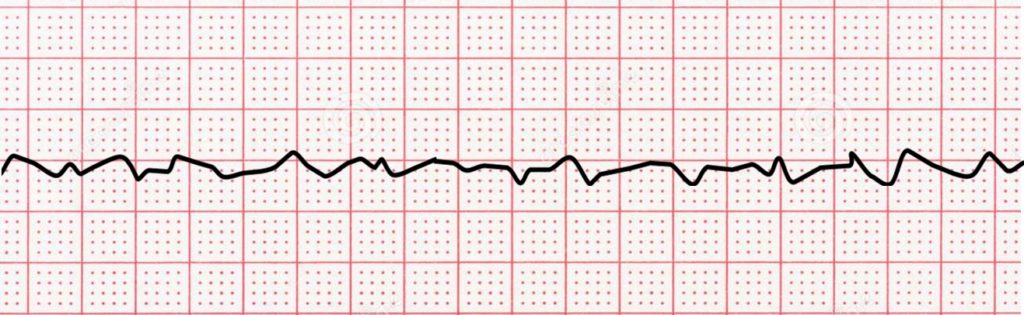
Which cardiac arrest rhythm is shown here?
ventricular fibrillation
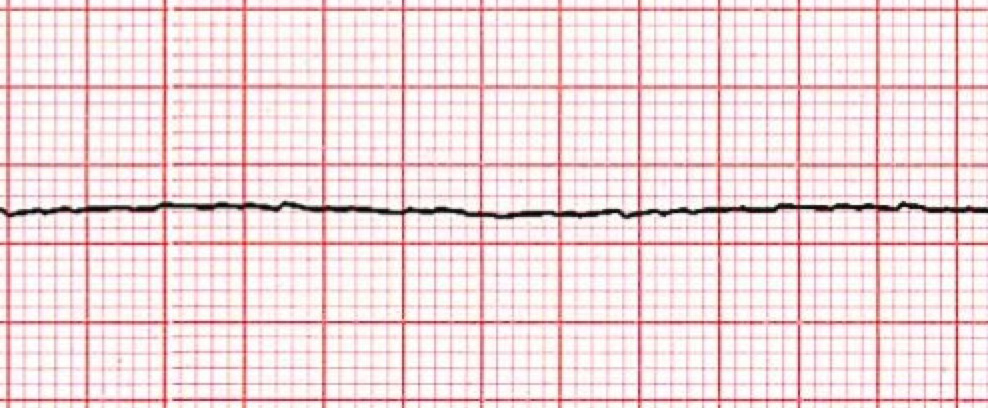
Which cardiac arrest rhythm is shown here?
asystole
Which types of cardiac arrest rhythms are not shockable?
asystole
PEA
Which types of cardiac arrest rhythms are shockable?
ventricular fibrillation
pulseless ventricular tachycardia
What interventions can we do for non-shockable rhythms?
CPR
address underlying causes
medications
What is ventricular fibrillation (v-fib)?
chaotic, irregular, disorganized electrical activity with no recognizable QRS complexes
What is pulseless ventricular tachycardia (pVT/v-tach)?
rapid, regular, wide-complex rhythm (>100-150 bpm) that does not produce a pulse
What is asystole?
total absence of ventricular electrical activity (flatline)
What is pulseless electrical activity (PEA)?
organized ECG rhythm (such as sinus bradycardia or tachycardia) present but patient has no palpable pulse
What is antero-lateral (AL) defibrillation pad placement?
lateral pad (usually has a ❤︎ on it) centered along 5th intercostal space mid-axillary line
anterior pad placed mid-clavicular line just below clavicle
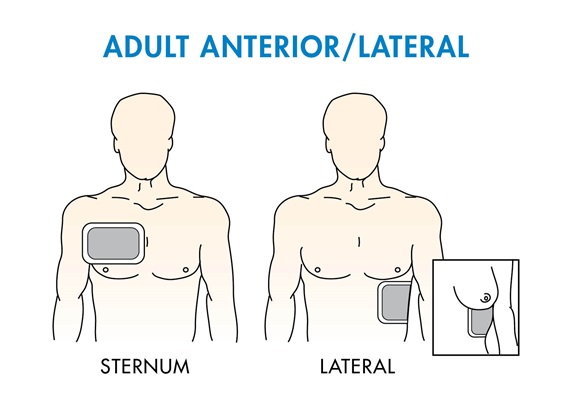
What is antero-posterior (AP) defibrillation pad placement?
lateral pad (usually has a ❤︎ on it) placed anterior → centered over apex area
posterior placed same horizontal level between spine + shoulder blade
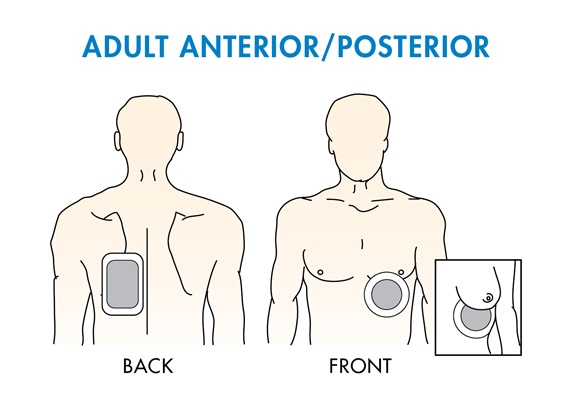
What is the helpful saying to remember the 4-lead ECG limb lead placement?
smoke over fire (black over red) = LA over LL
snow over grass (white over green) = RA over RL
Where should the 4-lead ECG limb leads be placed on the patient?
RA (white/snow) = right arm
RL (green/grass) = right leg
LA (black/smoke) = left arm
LL (red/fire) = left leg
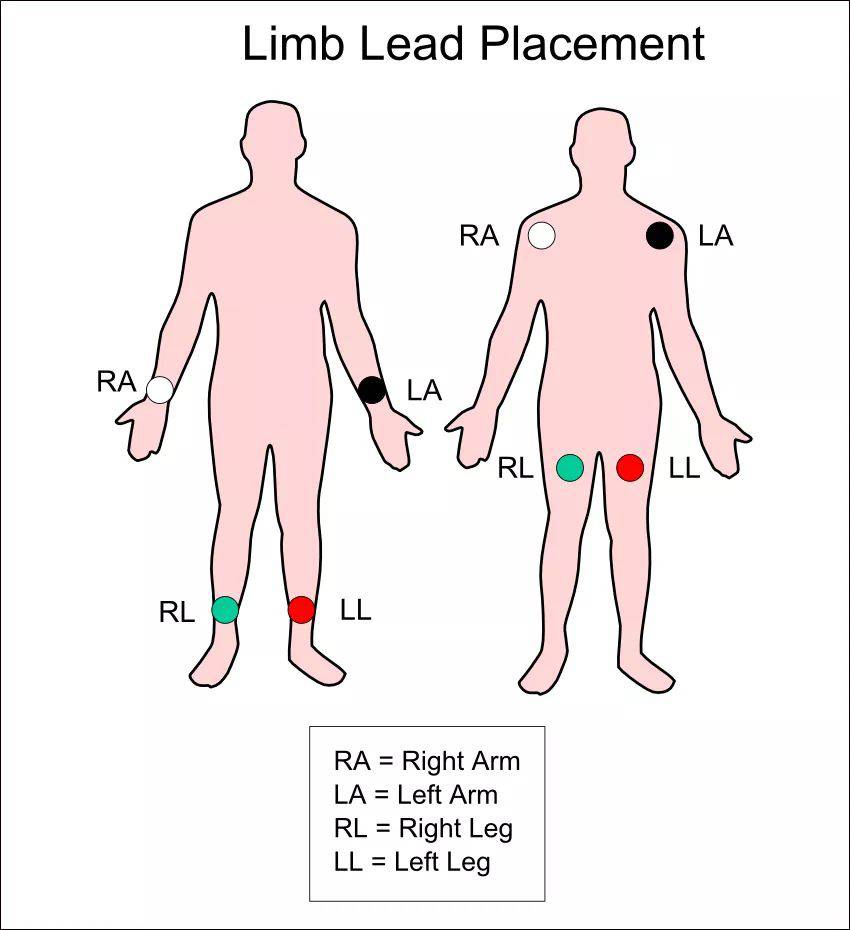
What should be considered if patient is shaking/moving excessively?
torso placement of pads → reduces motion artifact
What should be considered if patient has dry or excessively flaky skin?
rub skin with 2×2 gauze to optimize adherence