Fluid and Electrolyte Balance PPT
 Call Kai
 Learn
Learn Practice Test
 Spaced Repetition
 Match
Match Flashcards
 Knowt Play
1/60

There's no tags or description
Looks like no tags are added yet.
Name | Mastery | Learn | Test | Matching | Spaced | Call with Kai | Chat |
|---|
No analytics yet
Send a link to your students to track their progress
61 Terms
what is the main fluid component in our body
water
water is __% of out body weight
60
most of the water is in the ___
ICF
__________ contribute most to solute concentration of fluids
electrolytes (sodium, potassium, chloride, etc)
3 major aspects to control water balance
excretion from kidneys
ADH
thirst
3 components in the thirst center that increase water intake
osmoreceptors, dry mouth, blood volume decrease
osmoreceptors
receptors in the hypothalamus that detect ECF osmolality
Antidiuretic Hormone (ADH)
increases water reabsorption in the collecting ducts; controlled by plasma osmolality and blood volume
plasma osmolality increased, this is detected by __________ and ___ is released
osmoreceptors; ADH
______ is the most abundant cation in the ECF
sodium
sodium largely determines _________ of ECF
osmolality
stimulants of renin
low BP
sympathetic nerve innervation to JG cells
macula dense cells detecting low fluid delivery (includes low Na)
does RAAS conserve or deplete Na
conserve
atrial natriuretic peptide (ANP)
released upon stretch of the atria in the heart
increases Na excretion
atrial natriuretic peptide (ANP) causes what 4 things
increase in GFR and inhibits Na reabsorption
inhibits secretion
diminishes renin release
vasodilator (decreases BP)
renal sympathetic nerves
reduces renal Na excretion causing 3 things
decline in GFR → less Na filtered → less Na secreted
increases Na reabsorption in the tubules
stimulates renin release → increased Na reabsorption
hyponatremia
technically low blood sodium but generally reflects too much water content in plasma
hypernatremia
excess sodium in blood (hypertonic blood)
potassium is the most abundant ion in the ____ and a major determinate of volume there
ICF
_________ largely maintains K balance
kidneys
potassium is important for membrane potentials,,, low K in the plasma (hypokalemia) leads to what
hyperpolarization → reduced excitability → muscle weakness
potassium is important for membrane potentials,,, high K in the plasma (hyperkalemia) leads to what
depolarization → increased excitability
if the Na/K pump is inhibited what may result
hyperkalemia (too much K in the plasma) because the K is not getting pumped into the cells
__________ promotes K update by skeletal and liver cells, stimulates Na/K pumps, and can be administered with glucose to treat hyperkalemia
insulin
__% of calcium is free and __% of that filters through glomeruli
50; 50
most Ca is reabsorbed in ____
PCT
low ___ impairs Ca reabsorption
K
extracellular Ca binds to voltage gated sodium channels and does what
keeps the channels closed/less likely to open
hypocalcemia
low levels of Ca which allows more Na into cell
hypercalcemia
high levels of Ca which blocks enough Na from entering the cell
trousseau’s sign
carpopedal spasms following inflation of BP cuff results from hypocalcemia
factors influencing Ca balance
parathyroid hormone, vit D, cancers
lymphatic system
assists with immune function and extracellular fluid drainage in conjunction with the circulatory system
carries lymph through vessels and nodes to return it to the bloodstream
the lymphatic system returns _________ that leaked out of the vascular system back to ________
fluid; blood
if fluid does not return to blood then we lose blood volume
vessels carry lymph how
by contracting and relaxing via smooth muscle or contractile endothelial cells
lymph nodes
masses of bean shaped lymphatic tissue that store lymphocytes and macrophages to attack bacteria and viruses
lymph travels through the ______ and kills pathogens
nodes
organs that help with immune function that are considered lymphatic organs
thymus, spleen, bone marrow
fluid dynamics
lymphatic vessels pick up fluid from blood vessles
arteriole end has main HP pushing fluid out because HP here is greater than the interstitial fluid and venous fluid
venous ends also exert HP on fluid for circulation, but this is not driving the net pressure
lymphedema
accumulation of lymph leading to swelling
primary lymphedema
genetic
absent or malformed lymphatic tissues
no effective treatments but compression stockings and pumps can help manage
secondary lymphedema
several causes
function can resume if cause is removed
compression stockings and PT is helpful treatment
lymphomas
cancers beginning from lymphocytes within lymphatic system
hodgkins lymphoma
abnormal B lymphocyte (reed sternberg cell)
non-hodgkins lymphoma
90% of lymphomas (no reed sternberg cells present)
edema
widespread accumulation fo salt and water in interstitial spaces of the body
edema is mostly caused by what
changes in starling forces; retention of water and water by kidneys
causes of edema
increases capillary HP
decreased capillary OP
increased capillary permeability leading to loss of plasma proteins
obstruction of lymphatic flow
heart failure
reduced cardiac output and blood flow to tissues
heart failure and edema activate what
they activate RAAS to increase BP and sodium/water reabsorption
______ is common in ppl with chronic kidney disease
edema
pitting edema
skin leaves indentation when pressure is applied (more common in heart and kidney failure)
non-pitting edema
associated with conditions of the thyroid or lymphatic system
lymphedema
mxyedema
lipedema
mxyedema
associated with hypothyroidism (lack of thyroid hormone) leading to fluid buildup
lipedema
abnormal buildup of adipose tissue in arms and legs (more common in females)
deep vein thrombosis (DVT)
traveling clot blocking blood flow usually in lower extremities or pelvis
pathology of thrombus formation
endothelial/vessel injury, stasis (blood flow slows/stops), hypercoagulability (thick blood)
what can effect hypercoaguability
increase in number of prostaglandins and decrease in number of coagulants
_________ determines risk of developing DVT
Well’s Criteria
those with __________ are at a higher risk for DVT
chronic kidney disease
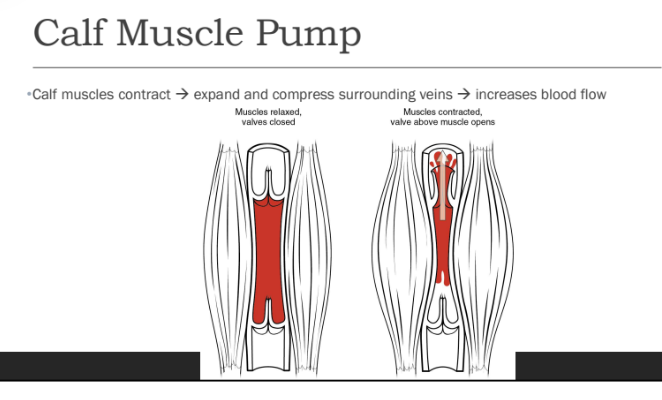
look at image
look at image