MCAT OChem
 Call Kai
 Learn
Learn Practice Test
 Spaced Repetition
 Match
Match Flashcards
 Knowt Play
1/153

There's no tags or description
Looks like no tags are added yet.
Name | Mastery | Learn | Test | Matching | Spaced | Call with Kai | Chat |
|---|
No analytics yet
Send a link to your students to track their progress
154 Terms
Double bond
Alkene
Triple bond
alkyne
Name for alcohol
hydroxyl group
Ending for alcohol
-ol
Having two alcohol groups
diol/ glycols
Two alcohols on the same carbon
geminal diol
Two alcohols on different carbons
vicinal diols
Ending for aldehyde
-al
Ending for ketone
-one
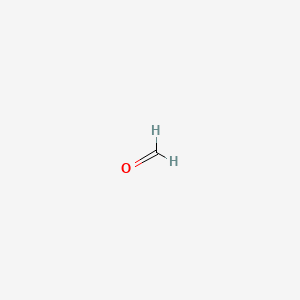
Common name and IUPAC name
formaldehyde and mathanal
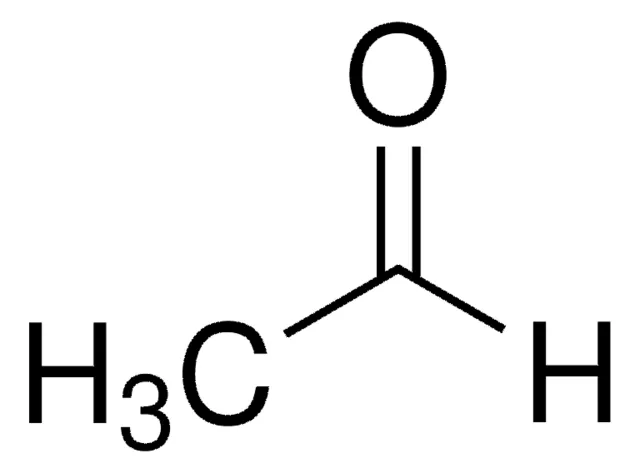
Common name and IUPAC
acetaldehyde and ethanal
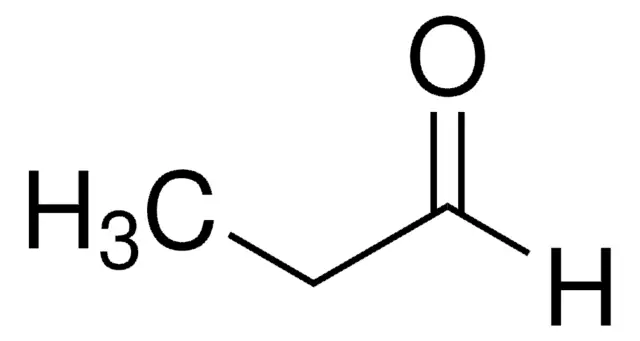
Common name and IUPAC
Propionaldehyde and propanal
Ketone ending
-one
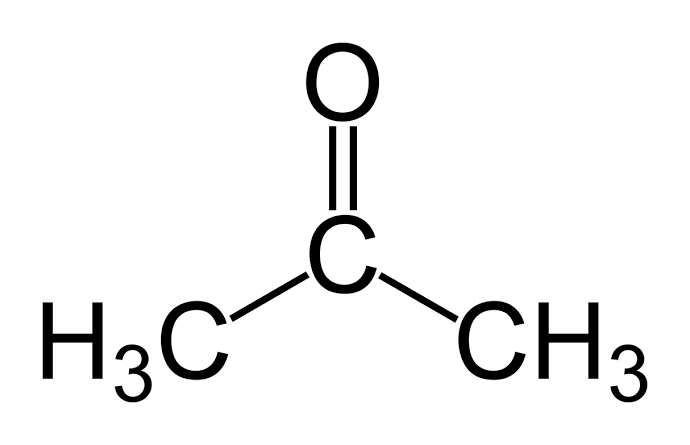
Common name and IUPAC
propanone and acetone
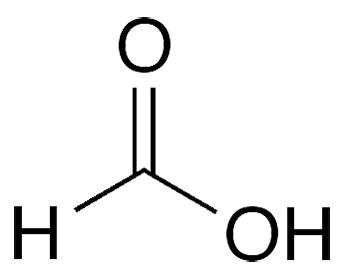
Common name and IUPAC
Formic acid and methanoic acid
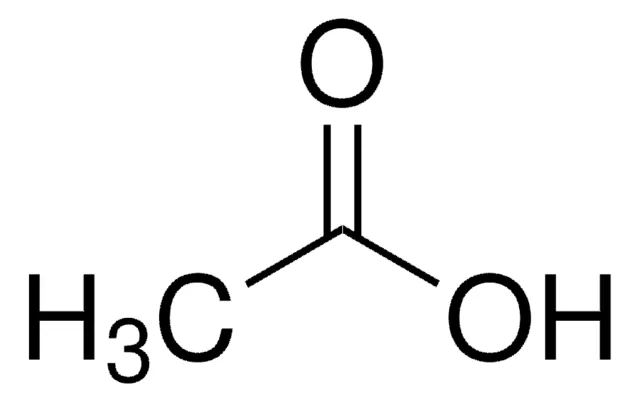
Common name and IUPAC
acetic acid and ethanoic acid
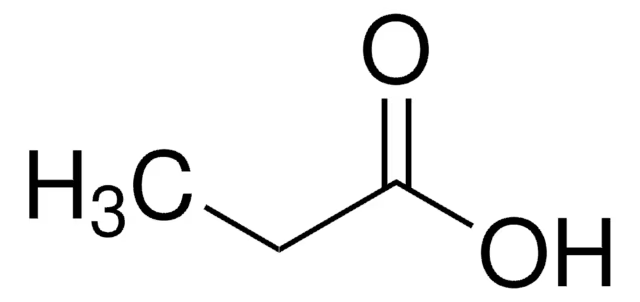
Common name and IUPAC
Propanoic acid
Constitutional isomers
Having the same molecular formula and weight
Confrontational isomers
The same molecule but a sigma bond is different
Gauche
The largest two groupd are 60 degrees apart (staggered)
Totally eclipsed
highest energy state the two methyl groups overlap
Torsional Strain
Cyclic molecule. Gauche and eclipsed interactions
Non-bonded strain and van der waals interactions
non-adjacent atoms and groups compete for the same place! (The molecule will try to pucker and change shape to combat this)
What position do bulky groups prefer?
Equatorial
Configuration isomer
Need to break a bond to change
Diastereomere
Not a mirror image. Superimposable
Chiral
Non-superimposable mirror image. NO internal plan of symmetry. Enantiomers
Achiral
Superimposable mirror images.
Enantiomers
Non-superimposable mirror images
Optically Active
Rotate plane-polarized light chiral molecule
Racemic mixture
Both + and - in equal concentration cancel each other out with no optic activity
Diastereomers and enantiomer magnetude
E = having an equal magnitude rotation in opposite direction. Diastereomers will be different
Meso
Molecule has chiral centers and a plane of symmetry that is internal. NOT optically active
Sigma bonds
head to head overlap or tail to tail
Pie bonds
side by side overlap. W/ node in the middle
Lewis Acid
Electron acceptor. Electrophile
Lewis base
Electron donor. Nucleophile
Acidic molecules pka
small
Basic molecules pka
large
Proton
In nucleus. Half of the atomic weight
Neutrons
No charge. The other half of the element’s mass
Electrons
moving through the space around the nucleus. Negative charge
Atomic mass
Sum of the protons and electrons
Atomic weight
What is listed on the periodic table. Average of the isotopes
Nucleophiles
Has lone pairs and pie bonds. Forms bonds to electrophiles. Negative charge
Polar protic
Nucleo increases going down the table. HAS hydrogen bonds
Polar Aprotic
Nucleo increases going up the table. Does NOT have hydrogen bonds
Strong Nucleophiles
HO-, RO-, CN-, N-3
Fair Nucleophiles
NH3, RCO2-
Weak Nucleophiles
H20, ROH, RCOOH
Electrophiles
Electron loving. Positive charge. Accepts the electron pair when forming new bonds.
Leaving Groups
Weak bases are good leaving groups. Effected by resonance and inductive effects.
SN2 will experience
An inversion and backside attack
Chemoselectivity
Preferential reaction of one functional group
Oxidation
Increase in oxidation sate. Loss of electrons. Increasing the number of bonds to oxygen or the heteroatom
Reduction
Decrease in oxidative state. Gain in electrons. Increasing the number of bonds to hydrogen
Oxidizing agent
Accepts electrons from another species. Reduces itself. Often metals with large number of oxygen atoms.
Reactivity of functional groups
Anhydrides → Carboxylic acid and esters → amides
the common names for alcohols
Adding alcohol to the alkyl group name
Phenols
Alcohols attached 2 aromatic rings
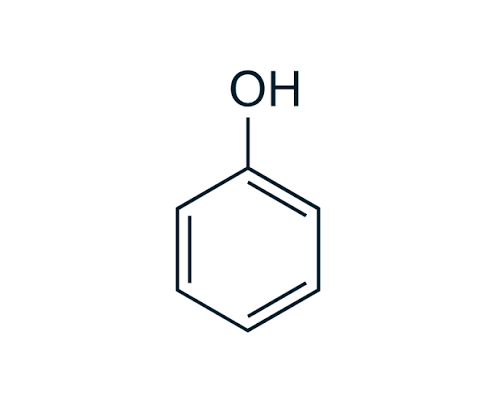
What is this structure
phenol

Sub location
Ortho

Sub location
Meta

Sub location
Para
Why do alcohols have higher boiling points?
They are capable of intermolecular bonding
PCC oxidizes primary alcohols into…
aldehydes
PCC oxidizes secondary alcohols into…
ketones
Jones oxidation
CrO3. Primary to carboxylic acid. Secondary to ketone.
Mesylate or tosylate
Makes the leaving group better!!!! Is a protecting group
Acetal/ Ketal
Are protecting groups involving OH
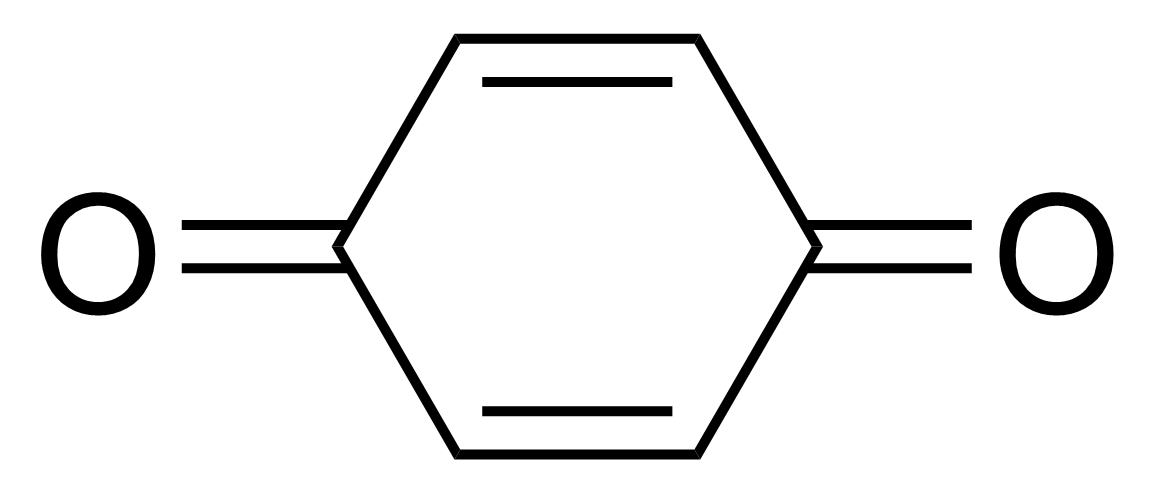
What is this structure
Quinone
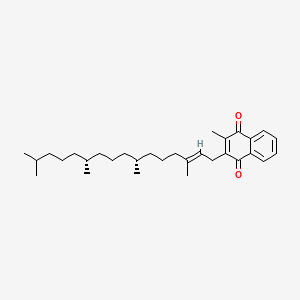
What is this structure
Phylloquinone
Carbonyl
Double bond between teh carbon and oxygen. CAN act as nucleophile or electrophile. Common. IN carboxylic acids/ esters/ amides/ anhydrides and others
Aldehydes/ Ketone
Volatile. Strong smelling.
Carbaldehyde
When an aldehyde is attached to ring
Oxo
When aldehydes and ketones act as substituents
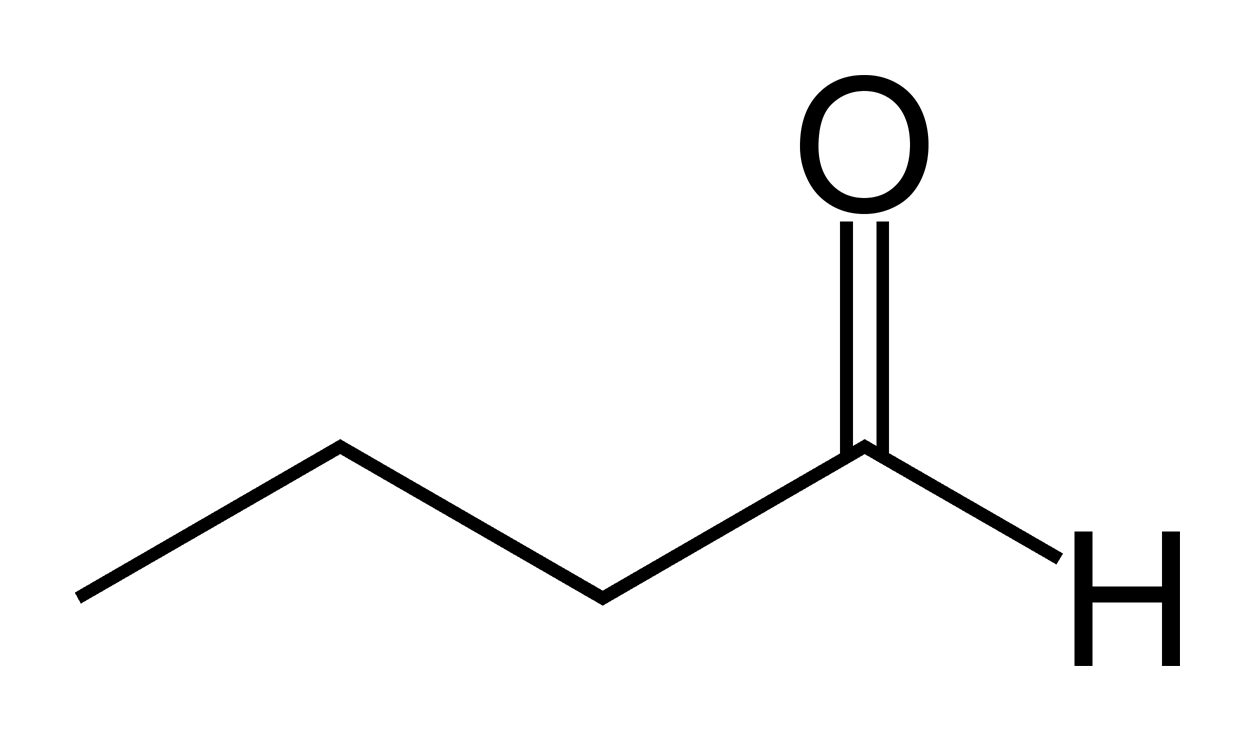
Common and IUPAC name
Butanal and Butyraldehyde

Common and IUPAC
Pentanal and Valeraldehyde
Common name for Ketones
Name the alkyl groups A - Z then use “Ketone”
Naming ketone as a substituent
Prefix = keto- and oxo-
Why are aldehydes more reactive to nucleophiles than ketones
Because of steric hinderance
Aldehydes and ketones will act as
an electrophile
How to form an Aldehyde
PCC and a primary alcohol
How to form a ketone
secondary alcohol and PCC. Chromium trioxide (CrO3). Sodium dichromate salt (Na2Cr2O7). Potassium dichromate salts (K2Cr2O7).
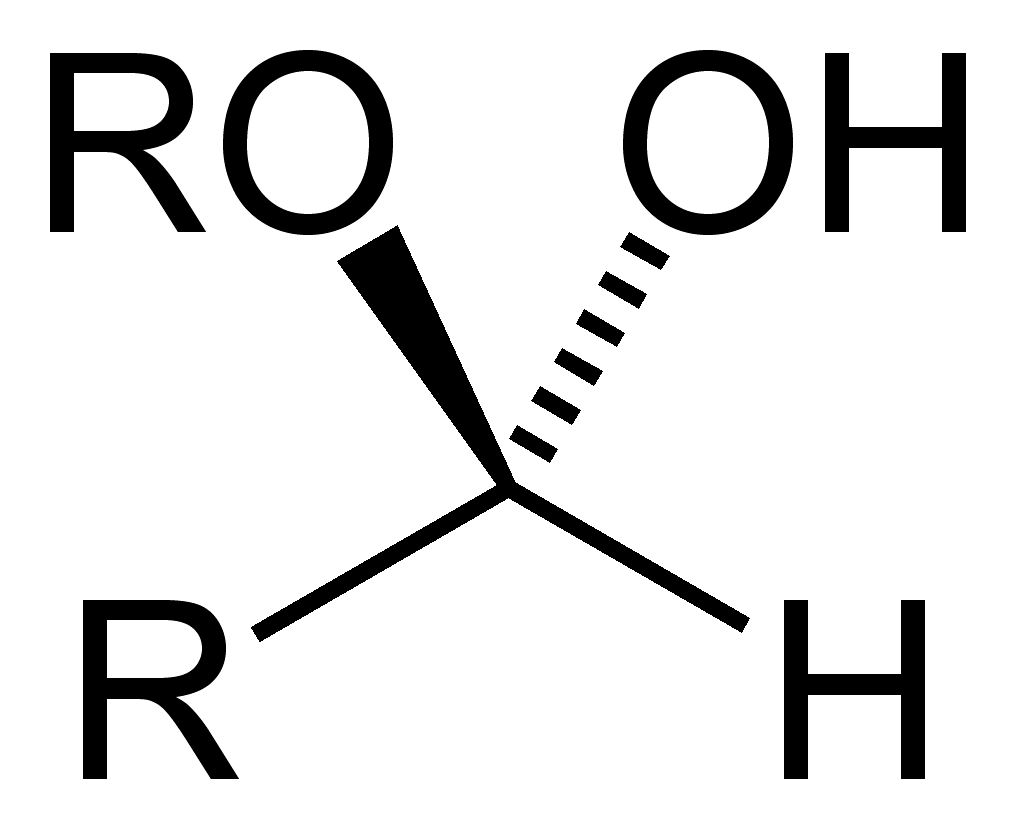
What is this structure
Hemiacetal/ hemiketal
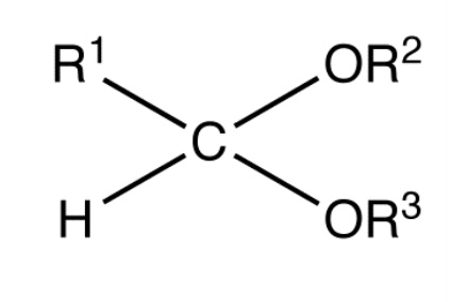
What is this structure
Actal
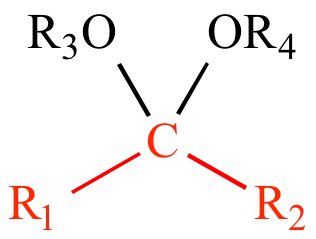
What is this structure
Ketal
Imine
NU. nitrogen with a double bond to the carbon.
Tuatomerization of an imine creates
emamine
Hydride Reagents
Reduction to make alcohols. Lithium aluminum hydride (LiAlH4). Sodium borohydride (NaBH4).
Enol
Carbon carbon double bond
Tautomers
the two isomers
Tautomer equalibrium
keto sided. Called tautomerization or enolization
α racemization
rapid conversion between keto/ enol
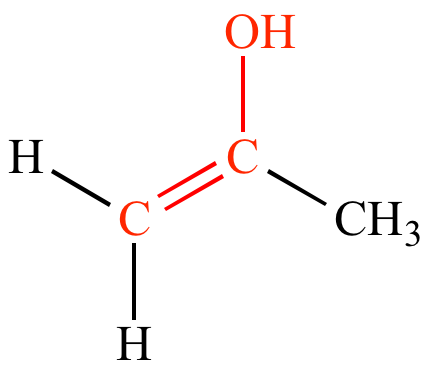
What is this structure?
Enol
Kinetically controlled product of tautomerization
rapid and not as stable. Double bond is to less substituted α-carbon.
Thermodynamically controlled product
Slower and more stable. Double bond is to the more substituted α-carbon.
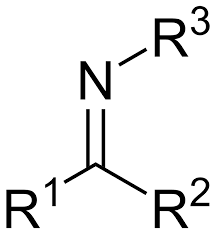
What is this structure
Imine
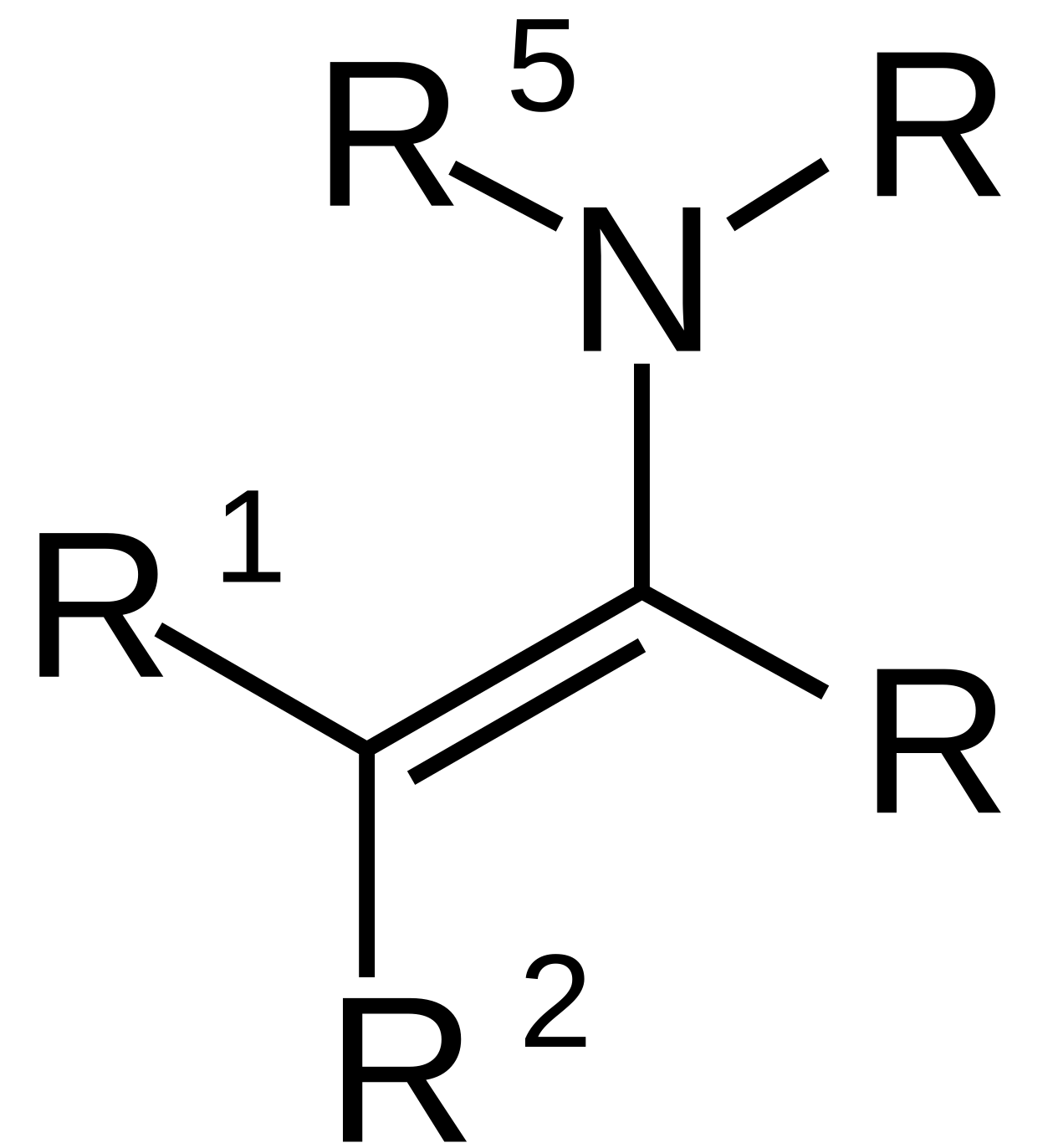
What is this structure
enamine