VET377 - the one with the bloods
 Call Kai
 Learn
Learn Practice Test
 Spaced Repetition
 Match
Match Flashcards
 Knowt Play
1/316

Earn XP
Description and Tags
Alimentary Tract
Name | Mastery | Learn | Test | Matching | Spaced | Call with Kai | Chat |
|---|
No analytics yet
Send a link to your students to track their progress
317 Terms
Common benign mass in cat oral cavity.
Pyogenic granuloma
What is most likely to yield a definitive diagnosis when investigating canine chronic inflammatory enteropathy (IBS)
Response to therapy
What is the most likely cause of regurgitation in an 8-week-old Irish setter puppy with a focal oesophageal stricture?
Persistent right aortic arch.
GDV risk factors in dogs
breed (large + giant breed)
deep chested dogs
once daily feeding
aerophagia
recent exercise after eating
Sequale for an animal that survived ruminal acidosis
liver abscessation from haematogenous spread of gram +ve bacteria
laminitis due to ischaemia of laminae
What are the mechanisms of D+?
Malassimilation e.g. EPI, villous atrophy due to viral infection
Hypersecretory e.g. enterotoxigenic E. coli
Exudative/inflammatory e.g. chronic inflammatory enteropathy, food allergy, Johne’s disease
Hypermotility e.g. intestinal parasites
Clinical signs of Haemonchus contortus infection
pallor
bottle jaw
sudden death
exercise intolerance
What is the cause of neurological signs in ruminal acidosis?
Thiamine deficiency
What is the main clinical sign seen in a herd of cows where sub acute ruminal acidosis is suspected?
Increased/decreased (cyclical) feed intake
What is the condition required to develop neonatal isoerythrolysis in cats?
Queen type B and kitten type A
What organ is primarily responsible for erythrocyte destruction?
Spleen
Which condition is characterised by decreased erythrocyte mass with normovolemia?
Post-haemorrhagic with compensation
How can you tell whether the anaemia is regenerative or non-regenerative?
An increase in the # + % of reticulocytes (reticulocytosis)
Won’t be able to tell until 48hrs post blood loss
How can you tell whether an anaemia is regenerative or non-regenerative in a horse?
Since don’t release reticulocytes → compare HCT
if regenerative, will increase
if non-regenerative, will decrease or stay same
How would you interpret HGB on a CBC?
refers to Hb inside RBC
How would you interpret HCT on a CBC
= haematocrit
% of blood represented by RBC
should ~ PCV
What measures on a CBC decrease with anaemia?
RBC, HGB, HCT
How would you interpret MCV on CBC?
= mean corpuscular volume
‘avg size of RBC’
normocytic = normal size
macrocytic = increased size
microcytic = reduced size
How would you interpret MCHC on CBC
= mean corpuscular Hb content
‘colour’
normochromic = normal color
hyperchromic = more red
hypochromic = pale RBC
What would result in a normocytic, normochromic anaemia?
pre-regenerative anaemia
non-regenerative anaemia
What would result in macrocytic, hypochromic anaemia
regenerative anaemia
increased cytoplasm dilutes Hb → reduced MCHC
younger cells = bigger → increased avg cell size
What would result in a microcytic, hypochromic anaemia
Fe deficiency
reduced Fe → reduced Hb synth → reduced colour
see leptocytes
What would result in a macrocytic, normochromic anaemia
FeLV
What is a monocyte?
A circulating macrophage
What is a stress leukogram?
Result of Glucorticoid (cortisol) response
LEMON
reduced diapedesis → more neutrophils circulating
increased mobilisation of marginating pools
immunosuppressive → reduced mobilisation of lymphocytes
inhib of eosinopoiesis
What does LEMON stand for?
less lymphocytes + eosinophils
more monocytes + neutrophils
acute inflammation without left shift
Release of marginal + storage pools
acute inflammation with regenerative left shift
release of marginal + storage pools
+ band neutrophils (neutrophil > band)
need to look under microscope to ID
acute inflammation with degenerative left shift
bands > normal neutrophils
consumed most of circulatory, marginating + storage pools
severe + mostly associated with sepsis
often leads to neutropenia
What can result in thrombocytosis?
inflammation
iron deficiency
How can a genetic mutation cause acute leukaemia?
It stops maturation with increased cell proliferation.
Which is a cause of appropriate secondary absolute erythrocytosis?
Chronic hypoxia
What is the difference between relative and absolute increases in HCT + RBC?
relative:
changes in RBC w/ respect to plasma
effect of haemoconcentration
e.g. due to loss of IV water (dehydration)
absolute:
due to increased erythropoeisis
primary = BM disorder
secondary = appropriate (hypoxia) or inappropriate production of EPO
Severity of anaemia classification (HCT/PCV)
>30 = mild
20-30 = moderate
<20 = severe
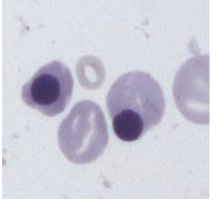
What is the name of the nucleated cell?
Metarubricyte
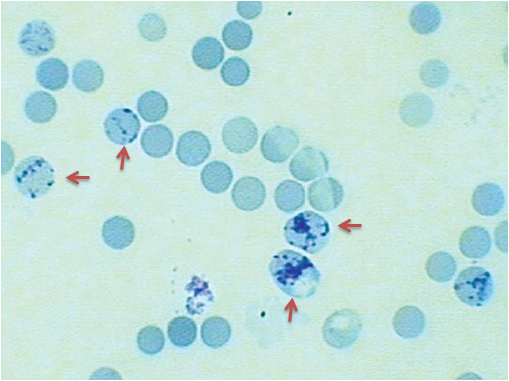
What cells are the arrows pointing to?
Reticulocytes
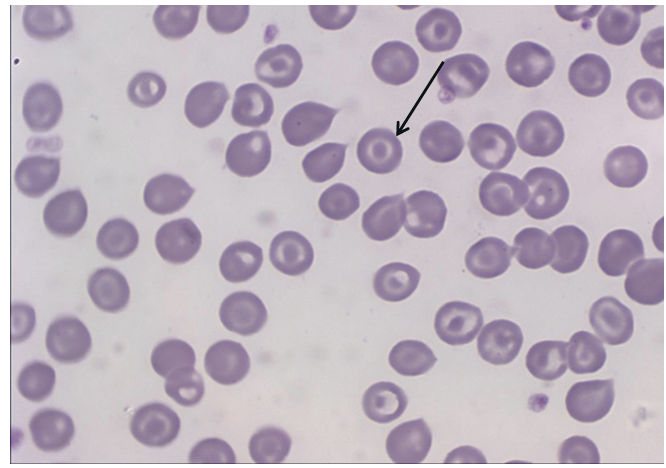
What cell is this arrow pointing to?
Codocyte
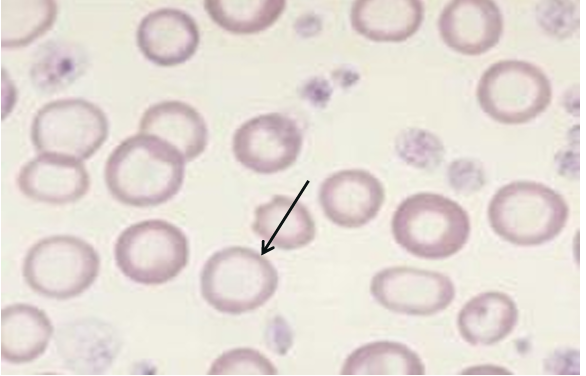
What cell is this arrow pointing to?
Leptocyte
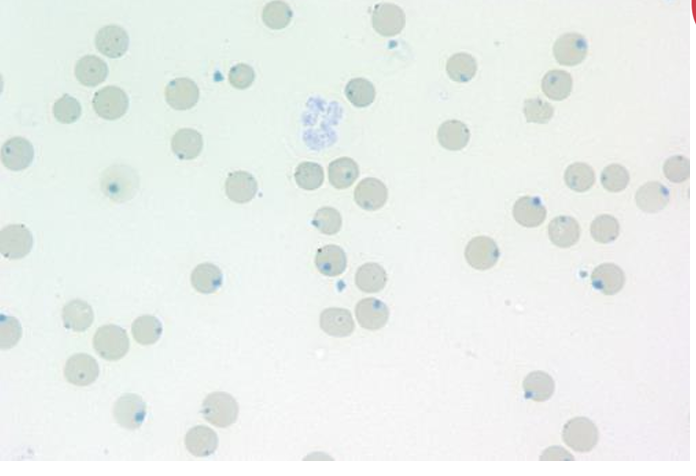
What abnormality can you see in this image?
Heinz bodies
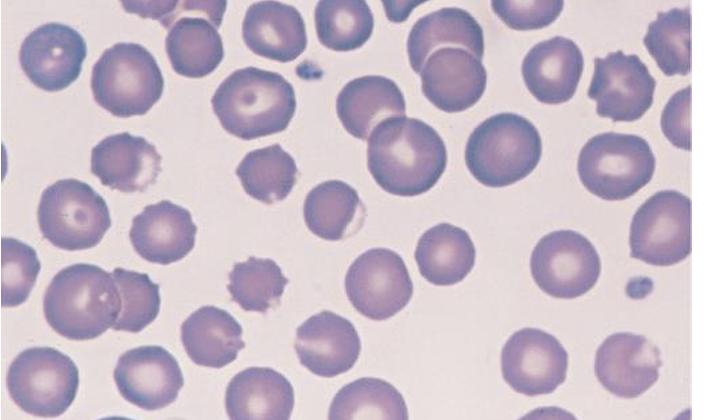
What abnormality can you see in this image?
Eccentrocytes

What is this?
Schistocyte
RBC fragment with pointed extremities

What is this?
Acanthocyte
pointed segments (diff to echinocyte)

What is this?
Echinocyte
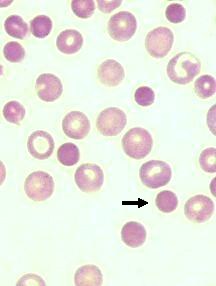
What is the arrow pointing to?
Spherocyte
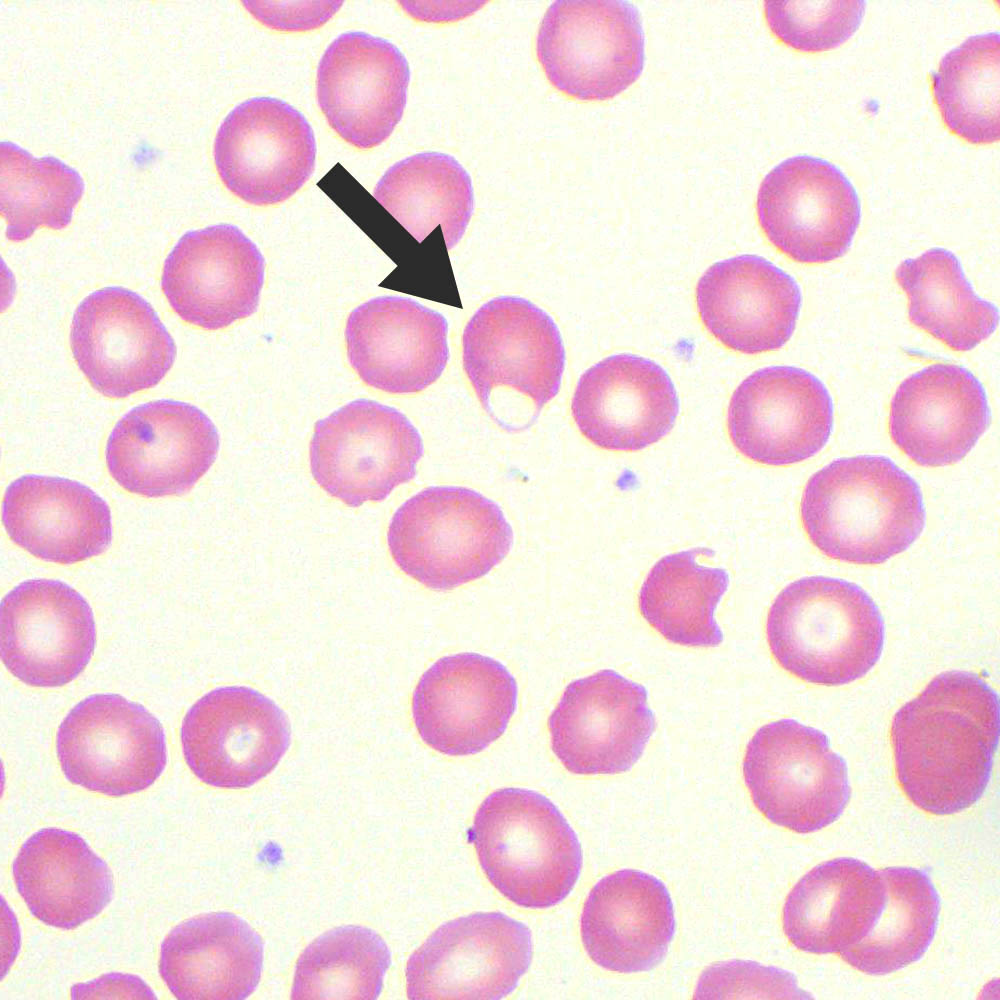
What is the arrow pointing to?
Keratocyte
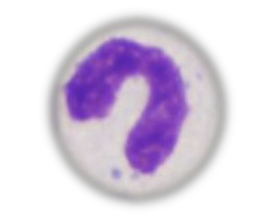
What is this?
Band neutrophil
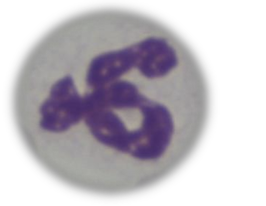
What is this?
Mature neutrophil
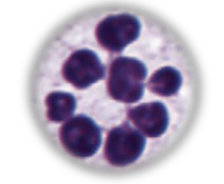
What is this?
Hypersegmented neutrophil
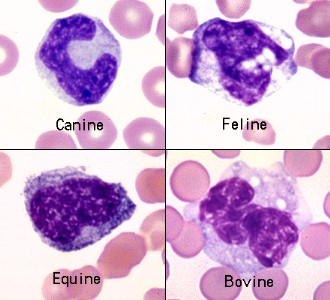
What are these?
Monocytes
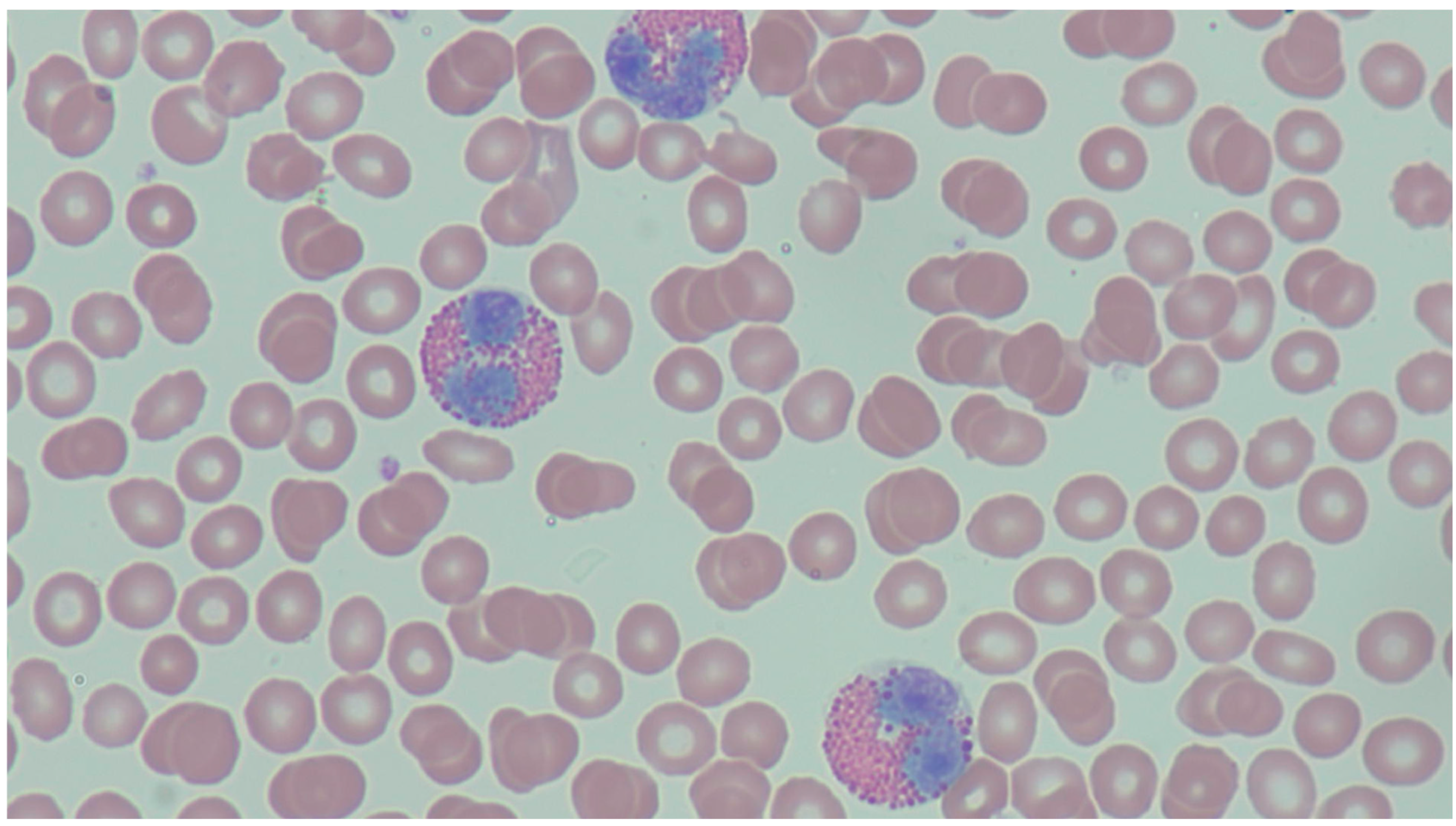
What are the big cells near the RBCs?
Eosinophils
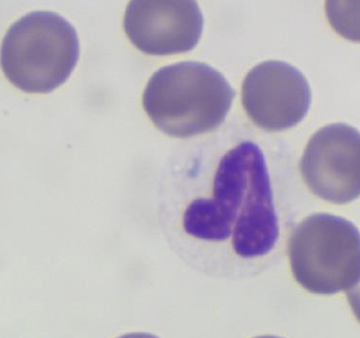
What toxic change has happened in this neutrophil?
Foamy vacuolation.
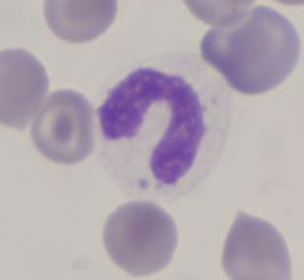
What toxic change has happened in this neutrophil?
Dohle bodies
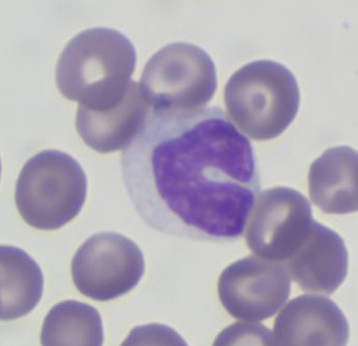
What toxic change has happened in this neutrophil?
Increased basophilia
The intracellular fluid compartment…
Constitutes 2/3 of total body water and has a high potassium concentration
Hyperkalaemia is most likely to result from ...
oliguria (reduced urine)
Hyperkalaemia could be treated with administration of ...
Insulin
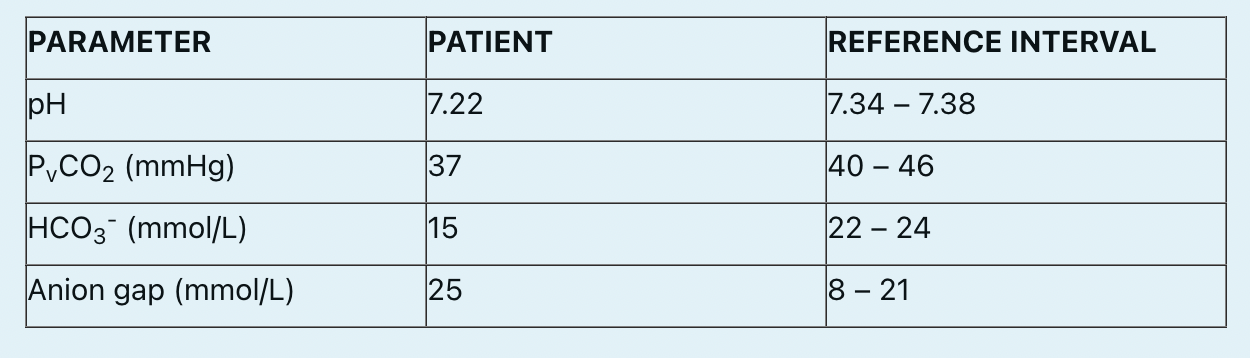
A blood gas panel is performed on a dog. This is most consistent with:
Ethylene glycol toxicity
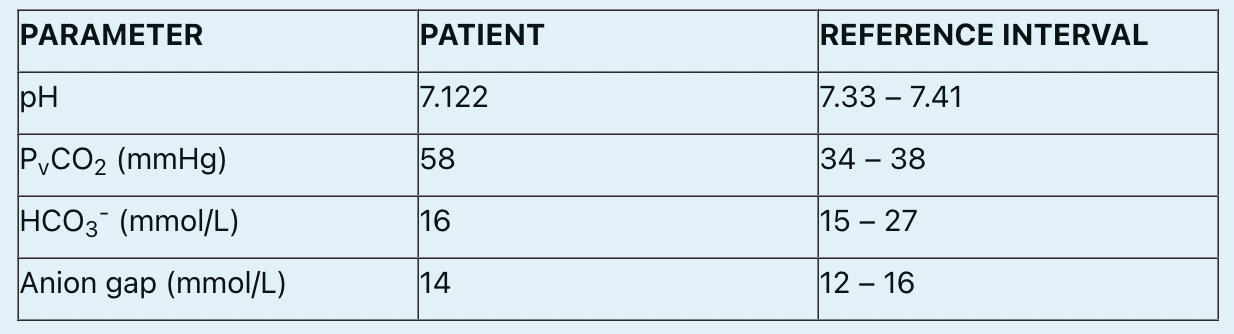
A blood gas panel is performed on a cat. This is most consistent with:
Airway obstruction
What is the formula for calculating the anion gap?
(Na + K) - (Cl + HCO3)
Aldosterone deficiency will result in:
Hypovolaemia, with subsequent antidiuretic hormone (ADH) secretion
Acute ingestion of a large volume of free water will result in:
Cerebral oedema
Appropriate compensation for a primary metabolic acidosis involves:
Hyperventilation
The most accurate measure of all ECF buffer systems is:
Base Excess
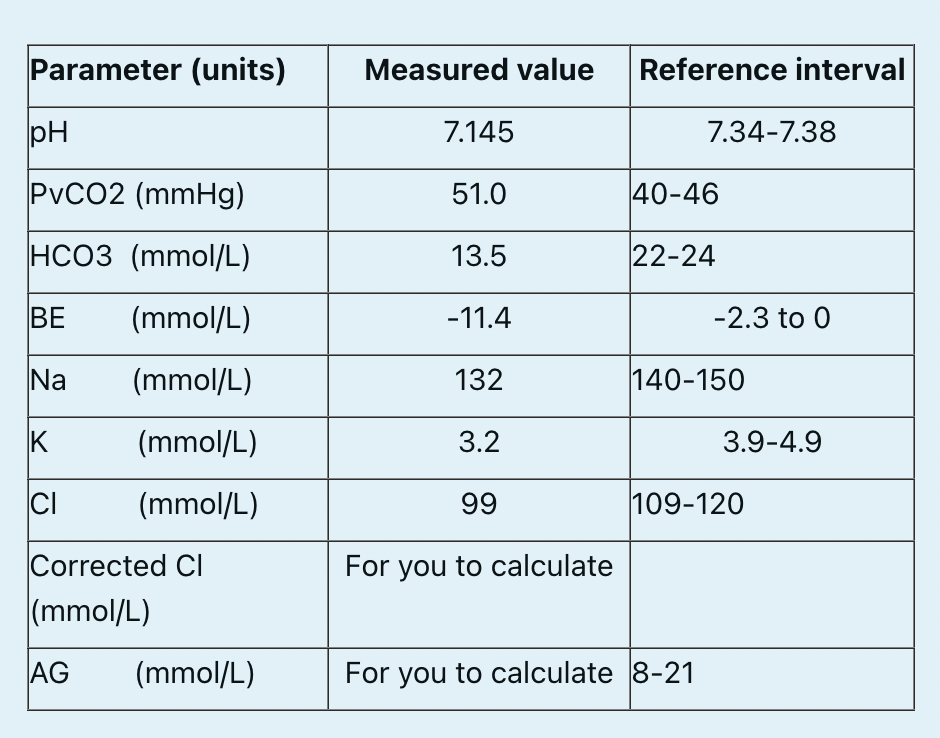
A 9 week old female intact Maltese cross presents for a 2-3 day history of severe vomiting and haemorrhagic diarrhoea (hematochezia). On presentation she is collapsed in shock. Select the pathophysiology that best explains the hyponatremia:
Nonosmotic ADH release due to hypovolaemia.
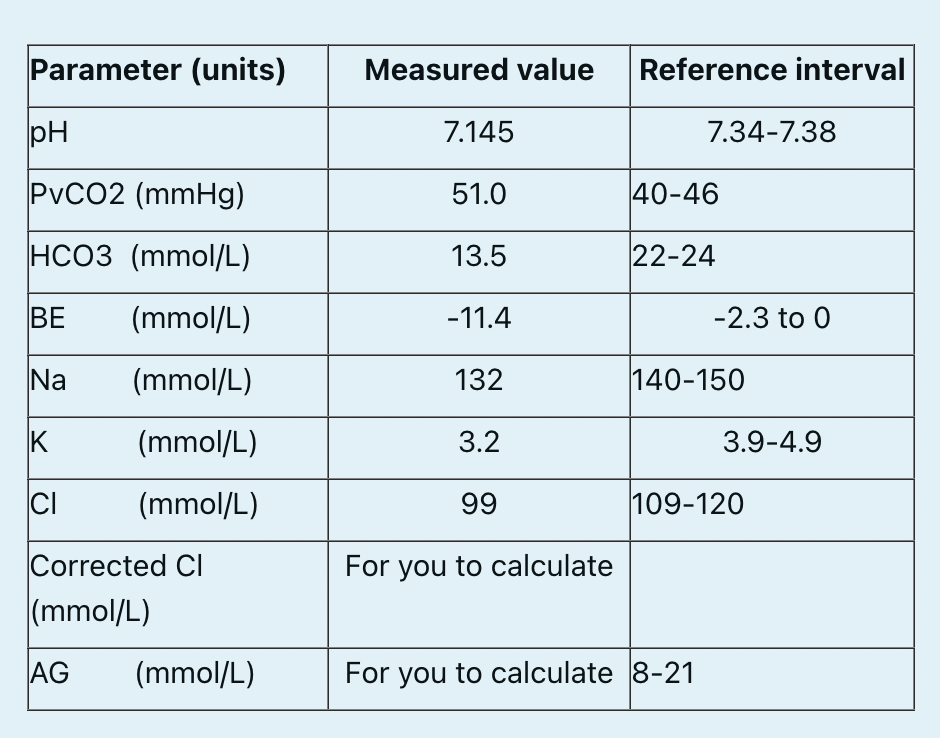
A 9 week old female intact Maltese cross presents for a 2-3 day history of severe vomiting and haemorrhagic diarrhoea (hematochezia). On presentation she is collapsed in shock. Select the most accurate description of the acid-base disorder:
Mixed disorder (primary metabolic acidosis (high AG) with primary respiratory acidosis
A 9 week old female intact Maltese cross presents for a 2-3 day history of severe vomiting and haemorrhagic diarrhoea (hematochezia). On presentation she is collapsed in shock. Select the most likely cause of the hypokalemia in this case:
Increased gastrointestinal losses with decreased intake.
Which of the following statements about thyroid hormone production is correct?
TRH stimulates the release of TSH from the pituitary.
What is the most common cause of primary hypothyroidism in dogs?
Lymphocytic thyroiditis.
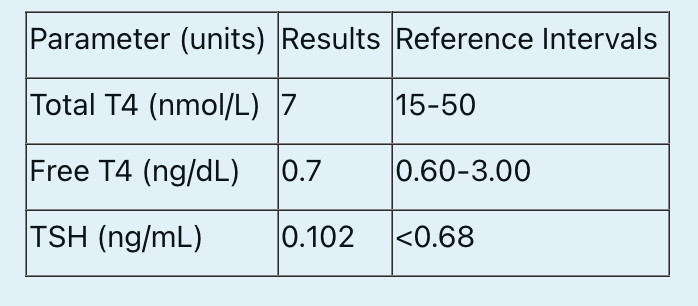
An 8-year-old Labrador Retriever presents with weight gain despite an unchanged appetite. A biochemical profile reveals hypercholesterolemia. What is the correct diagnosis?
Primary hypothyroidism.
What pathological condition can decrease the concentration of ionised calcium?
Metabolic alkalosis
What condition is commonly associated with non-thyroidal illness in dogs?
Hyperadrenocorticism.
Which test has the highest sensitivity for diagnosing canine hypothyroidism?
Total T4
What condition is most likely to be associated with an enlarged, pale-yellow liver?
Diabetes mellitus.
Clinical findings on physical exam for Cushing’s Disease (Hyperadrenocorticism)
alopecia
muscle atrophy
pot belly
cutaneous hyperpigmentation
thin skin
What is the pathophysiologic mechanism behind hypercalcaemia in malignancy?
PTH-rp secretion by neoplastic cells
What is hyperviscosity syndrome?
paraneoplastic syndrome
often secondary to multiple myeloma
visual disturbances, neurological signs, bleeding
What is Multiple Myeloma?
malignant neoplasia of plasma cells
oncontrolled prod. of IgG → hyperglobulinaemia → hyperviscosity syndrome
Clinical Signs of Multiple Myeloma
hyperviscosity syndrome
bone pain + lameness
increased ALP (from bone)
Which is the cell of origin for a cutaneous histiocytoma in the dog?
Langerhan’s cells
Which of the following is the most benign of the conditions within the histiocytic disease complex?
canine cutaneous histiocytoma complex
Humoral hypercalcaemia of malignancy can be diagnosed by measuring increased circulating concentrations of which hormone?
Parathyroid hormone-related protein
Which of the following peripheral lymph nodes may be palpable in a dog with lymphoma resulting in lymphadenomegaly, but not a normal dog?
Axillary
Which diagnostic test is used to determine if hyperglobulinaemia is monoclonal or polyclonal?
Serum protein electrophoresis
In which species are thymomas most common?
Goats
Which clinical signs result from hyperviscosity syndrome in multiple myeloma?
Neurologic abnormalities
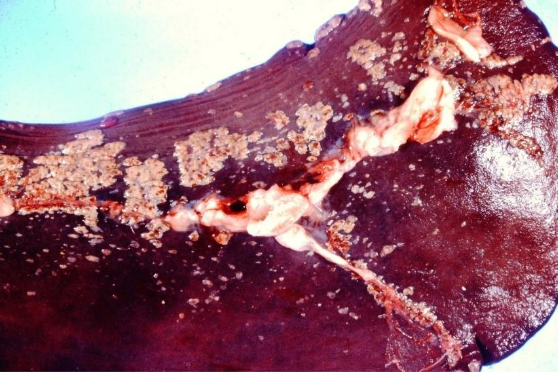
What is this?
Siderotic plaque (incidental aging change, may secondary to previous trauma or haemorrhage).
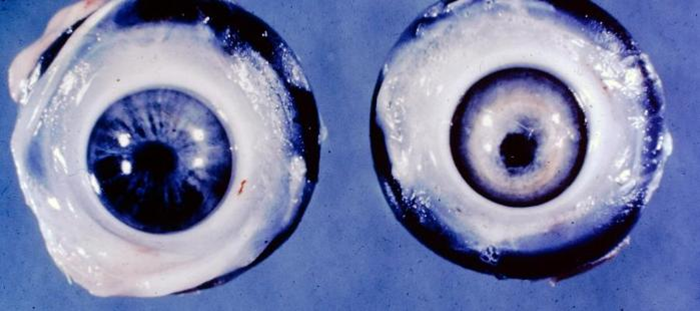
What is the most likely aetiological agent associated with the gross findings?
Marek’s Disease Virus
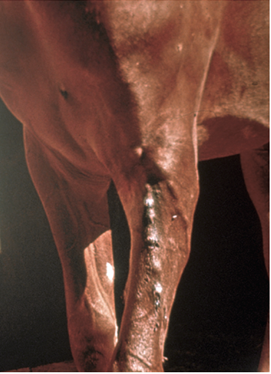
What is the likely aetiological agent?
Burkholderia mallei
An 8 year old female spayed Golden retriever presents for her annual vaccination. She has been clinically well. On physical examination she has enlarged prescapular, popliteal, and inguinal lymph nodes. Lymph node cytology confirms lymphoma. Bone marrow aspiration, and an ultrasound of her liver and spleen fail to detect any evidence of lymphoma in those organs.
Stage the lymphoma.
IIIa
What retrovirus can cause lymphoma in cattle?
Bovine Leukosis Virus
What retrovirus can cause lymphoma in cats?
FeLV
What retroviruses can cause lymphoma in birds?
Marek’s disease
Lymphoid Leukosis Virus
What is sarcopenia?
Loss of muscle mass.
What might it mean if only albumin is reduced?
Whole blood loss (haemorrhage)
What are the main differentials for a splenic mass?
haemangiosarcoma
nodular hyperplasia
haematoma
nodular lymphoma
What is azotaemia?
Increase in creatine ± urea
What is pre-renal azotaemia?
poor BF (perfusion) to kidneys → increase in creatinine and urea
What is the normal USG for a dog?
USG > 1.030
What is the normal USG for a cat?
USG > 1.035
What does it mean if the USG is below the reference interval?
the urine is less concentrated (dilute)