Fiber Challenge
 View linked note
 Call Kai
 Learn
Learn Practice Test
 Spaced Repetition
 Match
Match Flashcards
 Knowt Play
1/22

There's no tags or description
Looks like no tags are added yet.
Name | Mastery | Learn | Test | Matching | Spaced | Call with Kai | Chat |
|---|
No analytics yet
Send a link to your students to track their progress
23 Terms
The most common type of regenerated fiber, which is derived from cellulose and is mostly plant in origin, is rayon.
True or false?
True
Synthetic polymer fibers, which all originate with petroleum products, are cellulose-based fibers.
True or False?
False
Polyester has properties similar to nylon except it is easily broken down by light and concentrated acid.
True or False?
False
A disadvantage of manufactured fibers is that they can deteriorate in bright sunlight and melt at a lower temperature than natural fibers.
True or False?
True
Fibers are woven into textiles or fabrics.
True or False?
True
A small molecule that may bond to other monomers to become a polymer is a
monomer
When fibers are transferred directly from victim to suspect or suspect to victim, this is called:
direct transfer
The transfer of evidence such as a fiber from a source to a person, then to another person, is called:
secondary transfer
Two methods that can analyze fibers without damaging them are:
polarizing light microscopy and infrared spectroscopy
Fibers are classified as either
natural fibers or synthetic fibers.
Natural fibers come from
All of these choices.
Early collection of fibers in an investigation is critical. Within 24 hours, what percent of all fibers may have fallen from a victim or been lost from a crime scene? (Enter the number only to move on.)
95%
Natural plant fibers are produced from:
A.seeds
B. fruits
C. stems and leaves
D. All of these choices
D
One seed fiber is:
A. cotton
B. coir
C. hemp
D. jute
A
Fiberglass is a fiber form of:
A. proteins
B. glass
C. cellulose
D. polymers
B
Until the nineteenth century, only plant or animal fibers were used to make clothing and textiles. Half the fibers produced today are synthetic. They are categorized as:
regenerated fibers and synthetic fibers.
All plant fibers share the common polymer that is:
cellulose
The simplest weave pattern is the plain, or _______________________, weave. (byabt)
tabby
Fiber evidence is gathered with:
vacuums, tape, forceps, lint roller

What weave?
satin
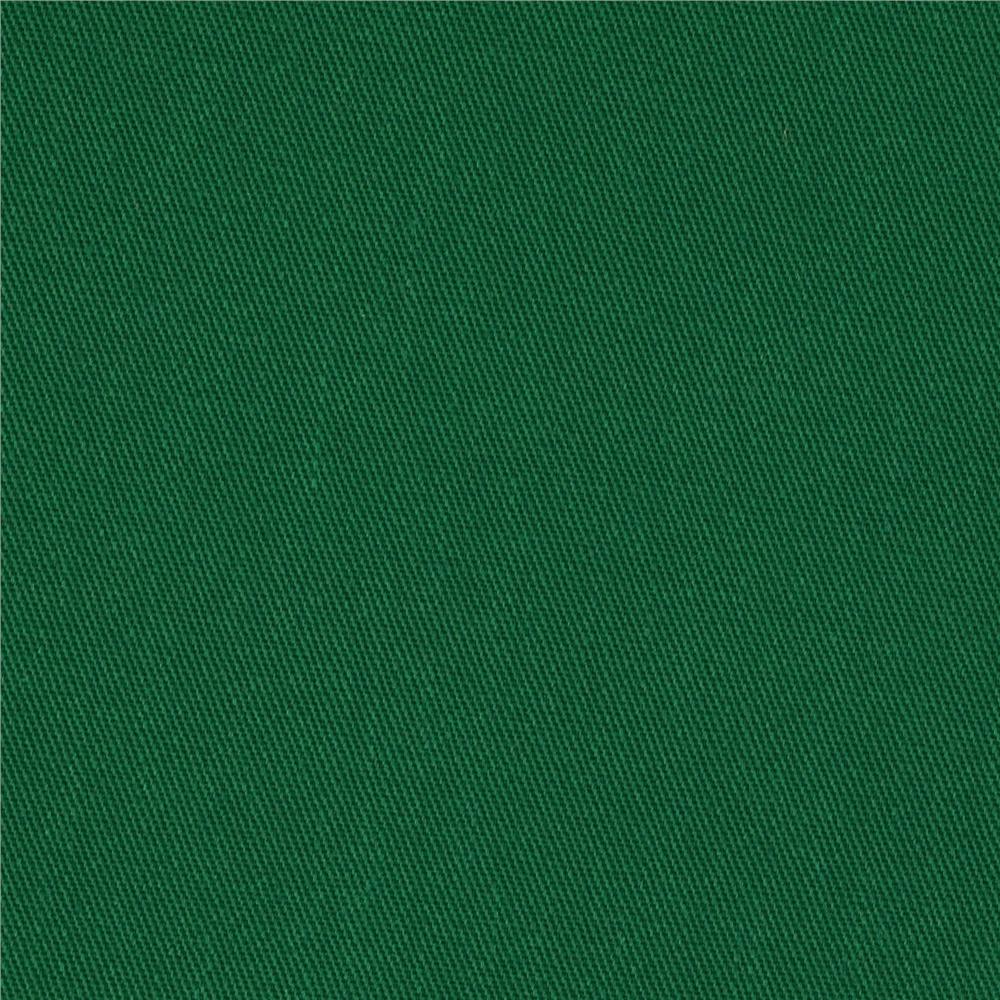
What weave?
twill
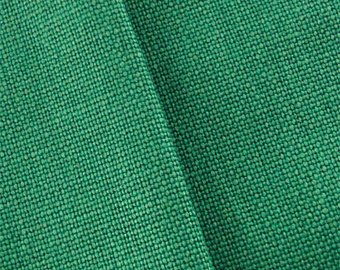
What weave?
plain
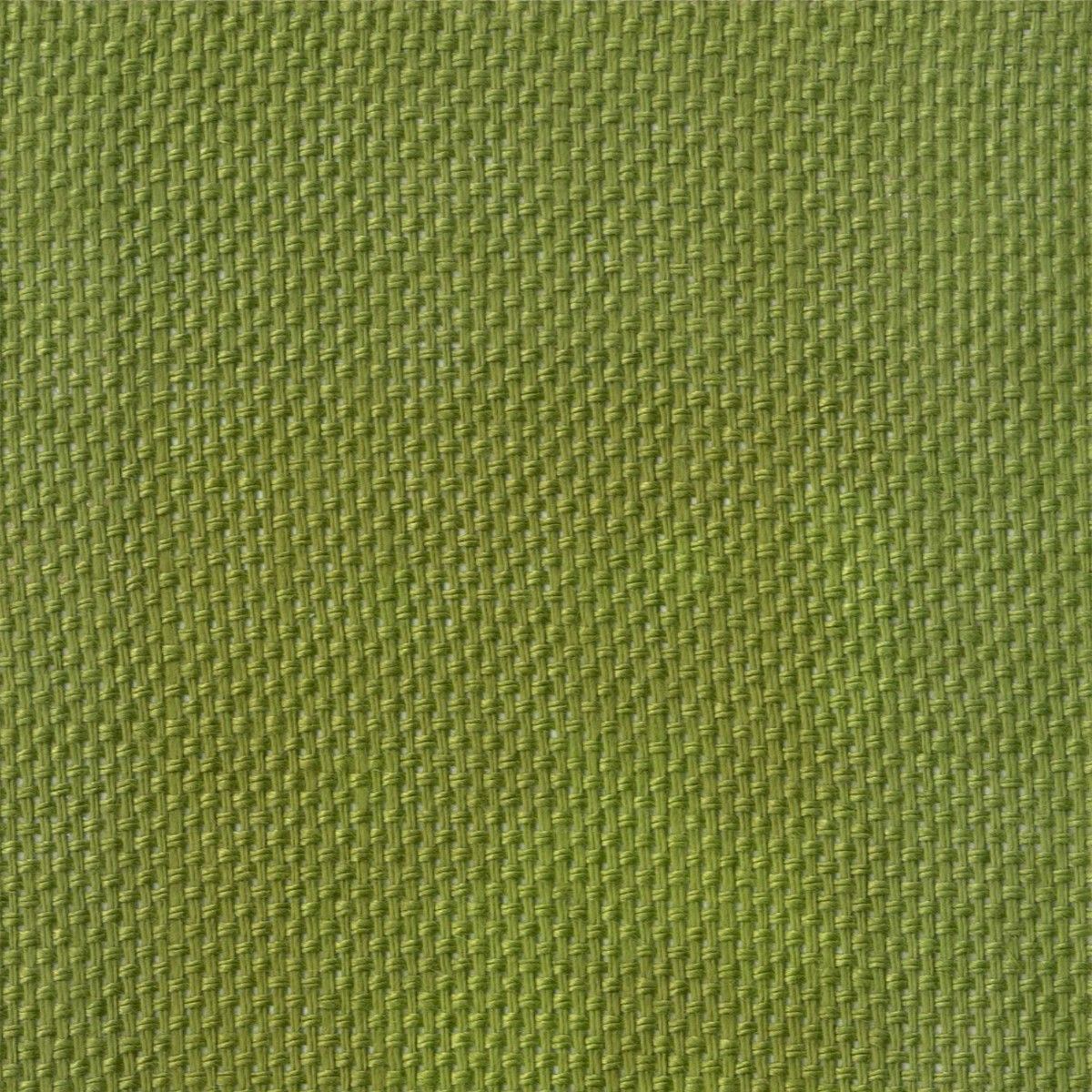
What weave?
basket