3: Genotype, Phenotype Patterns of Inheritance, Mutations
 Call Kai
 Learn
Learn Practice Test
 Spaced Repetition
 Match
Match Flashcards
 Knowt Play
1/116

There's no tags or description
Looks like no tags are added yet.
Name | Mastery | Learn | Test | Matching | Spaced | Call with Kai | Chat |
|---|
No analytics yet
Send a link to your students to track their progress
117 Terms
1 Case study - Genetic and/or Congenital Disorder Maria has juvenile cataracts, which shows an autosomal dominant inheritance. She marries James who is an unaffected carrier.
What is the probability of the disease occurring in their first child?
1/2. probability remains the same second child.
Maria has juvenile cataracts, which shows an autosomal dominant inheritance. She marries James who is an unaffected carrier.
What is the probability of the disease occurring in their first greatgrandchild?
1/2 x 1/2 x 1/2 + 1/8. probability in an offspring is 1/2. probability that that child will pass the disease onto offspring is also 1/2. grandchild 1/2 x 1/2. for great granchild 1/2 x 1/2 x 1/2.
Maria has juvenile cataracts, which shows an autosomal dominant inheritance. She marries James who is an unaffected carrier.
What is the probability of the disease occurring in all of their four children?
1/2 for each child. 1/2 x 1/2 x 1/2/ x 1/2 . therefore 1/16
Genetic and/or Congenital Disorder Romeo and Juliet have 3 children, one of whom as Tay-Sachs disease. TaySachs disease shows autosomal recessive inheritance. The husband's sister wishes to marry the wife's brother. What is the risk that the first child of this second couple will be affected with the disease (assume that the recessive allele is very rare in the population)? HINT: You may want to draw a pedigree to help you answer the question.
-assume both parents are heterozygous,
Since the disease is rare and did not occur in their relatives it is likely that the parents both came from marriages of a heterozygote and a normal homozygote (T/t x T/T). Therefore, each of their sibs has a probability of 1/2 of being a heterozygote (T/t); and so, there is a probability of 1/2 x 1/2 that both the husband's sister AND the wife's brother are heterozygote. Therefore, the chance of both sibs being heterozygous AND having an affected child is 1/2 x 1/2 x 1/4 = 1/16.
describe normal organisation of a lysosome
membrane bound vesicle filled with powerful hydrolytic enzymes
cellular basis of tay-sachs disease
failure to breakdown glycolipids leads to accumulation of gangliosides in nerve cells interfering with normal function
difference between oncogene and proto-onco gene
proto-onco gene normal gene involved in cell division, growth, differentiation. proto-oncogene can mutate to oncogene which cause cell to become a tumour cell
difference between excision repair and mismatch repair
mutations in mismatch repair enzymes commonly result in colorectal cancer whereas mutations in base excision repair result in xeroderma pigmentosum. mismatch repair is a post replication process to repair mismatched bases which exist bc of failure of proof reading.
excision repair: base excision and nucleotide excision repair. repair bases damaged by external agents. distinct w distinct enzymes. mismatch repair may result in fairly long patch of new DNA synthesis on repaired strand. nucleotide excision repair may just replace one base or short run of bases on repaired strand.
A double-stranded DNA molecule containing the segment that is shown below is exposed to nitrous acid, so that the base cytosine is changed to uracil. T A T A G T A A T A T C A T CT3.3 What will be the sequence of the strand synthesised complementary to the one in which the change has occurred during subsequent DNA replication?
newly synthesized strand: T A T A A T A
mutated strand: A T A T U A T
A double-stranded DNA molecule containing the segment that is shown below is exposed to nitrous acid, so that the base cytosine is changed to uracil. T A T A G T A A T A T C A T CT3.3 What will be the sequence of the strand synthesised complementary to the one in which the change has occurred during subsequent DNA replication? What will the base pairs at the next replication be?
new synth strand used as a template, next round of replication, double stranded DNA will be
T A T A A T A
A T A T T A T
transversion mutation
A point mutation in which a pyrimidine is substitued for a purine, or vice versa.
transition mutation
purine to purine or pyrimidine to pyrimidine
newly synthesized strand T A T A A T A
mutated strand A T A T U A T
transition or transversion
GC bp replaced by AT. so transition
cellular repair of apurinic states
insert of adenine residue opposite apurinic site.
The powerful carcinogen aflatoxin B1 generates apurinic sites (i.e. loss of purine residues) in DNA. Cellular repair mechanisms preferentially insert an adenine residue opposite an apurinic site. Illustrate this process, using a single base, on the stretch of double stranded DNA below, and indicate if it would lead to a transition or a transversion.
Any purine (G or A) could be lost; as an example, the A on the top strand has been lost below.
-double stranded DNA (dsDNA): GATC//CTAG
-dsDNA after exposure to aflatoxin B1: G*TC the purine A in the top strand is lost// CTAG
-dsDNA after cellular repair G*TC an A is placed opposite the gap// CAAG
-dsDNA after DNA replication GTTC replication places a complementary T opposite the A CAAG
- A-T bp replaced by TA bp so transversion
Consider and briefly describe for each what you expect the effect of a relatively small DNA mutation
position of mutation:
Within the coding region (ORF) of a gene
Gene expression:
Protein expression
1. silent mutation, missense mutation, nonsense mutation, frameshift mutation
2. not normally affected, mRNA made as normal
3. Silent: no effect on prt; missense: depending on AA replacemwnt; nonsense: truncated prt may affect prt function; frameshift: longer pr shorter prt with different AA severely affecting function
Consider and briefly describe for each what you expect the effect of a relatively small DNA mutation
position of mutation:
in promoter of a gene
Gene expression:
Protein expression
1. na
2. gene expression can be affected if mutation is in a regulatory sequence
3. effect on expression of gene affects prt expression
Consider and briefly describe for each what you expect the effect of a relatively small DNA mutation
position of mutation:
in an intergenic region (between 2 genes)
Gene expression:
Protein expression
1. na
2. no effect on gene expression as expected
3. no effect on prt expression as expected
Consider and briefly describe for each what you expect the effect of a relatively small DNA mutation
position of mutation:
in intron of a gene
Gene expression:
Protein expression
1. na
2. either no effect on gene expression or if mutation is in splice sites
3. either no effect on prt expression or if mutation is in splice sites
Consider and briefly describe for each what you expect the effect of a relatively small DNA mutation
position of mutation:
splice site of intron
Gene expression:
Protein expression
1.
2. may cause alternative splicing which can make diff mRNAs
3. diff mRNA can cause frame shift.
rare that a truncated prt produced. mRNA likely to be unstable, degraded, not translated
Consider and briefly describe for each what you expect the effect of a relatively small DNA mutation
position of mutation:
TATA box of a promoter
Gene expression:
Protein expression
2: may prevent transcription factors from binding therefore preventing gene expression. alternative transcription start sites may be used which may cause diff mRNA to be produced
3: no gene expression so no prt expression. alternative mRNA may lead to truncated prt. rare. normally mRNA unstable, degraded, not translated.
Consider and briefly describe for each what you expect the effect of a relatively small DNA mutation
position of mutation:
at polyadenylation of a gene
Gene expression:
Protein expression
2: may cause longer mRNAs or mRNA without polyA-tail makes mRNA unstable
3: if mRNA degraded quicker may effect amount of prt produced
Consider and briefly describe for each what you expect the effect of a relatively small DNA mutation
position of mutation:
transcription termination site of a gene:
Gene expression:
Protein expression
2: if polyadenylation site is still intact, unlikely tp have an effect on mRNA
3. no effect on prt expected
Consider and briefly describe for each what you expect the effect of a relatively small DNA mutation
position of mutation:
several Mb (mega base 10^6 base) upstream of a gene
Gene expression:
Protein expression
3: gene sequences include promoter sequences so mutation far upstream of a gene is unlikely to have an effect on gene expression.
3: no effect on prt expression expected
An extensive genetic test carried out on an unborn baby includes the DNA sequencing of an entire chromosome. The test reveals a frame shift mutation that leads to a premature stop codon in one the alleles of a gene of known function.
Explain in general terms what you expect to happen if the mutant allele is recessive to the wild type allele, and what if the mutant allele was dominant over the wild type allele.
if mutant allele is recessive to wild type the function that the wild type serves will remain undisturbed. so no overall effect
f mutant allele is dominant over wild type allele, the function the wild type allele serves in the cell would be disturbed. frameshift mutation led to premature stop, prt coded by this allele would be truncated and unlikely to work properly
Explain why a 'gain of function' mutation is more likely to produce a dominant trait than a recessive trait.
mutation causes mutant allele to gain new function within the cell, quite likely disturb cellular function of wild type allele or disturb another mechanism within the cell. show an effect straight away even when only one allele carries that mutation ie a dominant trait.
difference between missense and nonsense mutation
missense replaces one AA with another, nonsense changes a codon with an AA with a stop codon
insertion vs frameshift mutation
insertion whereby one or more nucleotides are added to nucleic acid sequence (added anywhere not necessarily ORF or gene),
frame shift where nucleotides other than 3 or multiples of 3 are added or removed from a nucleic acid sequence of an ORF which causes reading frame for translation to shift
Describe the difference between a direct and indirect genetic test?
direct:individual mutations are tested for
indirect: markers, genes closely linked to the mutation, are tested for
4 factors give large SA for SI
length of SI is 4-6m; folds of lining plicae circulares; folds covered in villi; microvilli on apical surface of entereocytes
5-fluorouracil (5-FU) is a major agent used in the treatment of colorectal cancer. It is an analogue of nucleotide precursors and thus prevents nucleotides being made. What would be the specific effects of this action on DNA replication?
5-flurouracil pyrimidine base containing a fluoride atom at 5 carbon position. uracil is pyrimidine base. converted to thymidine by enzyme action. 5-FU similar to uracil converted to 2 metabolites (FdUMP and FUTP) that inhibit activity of the enzyme thymidylate synthetase. the enzyme usually converts uracil to thymidine by adding methyl group at 5th carbon of the pyrimidine ring. 5-FU mimics natural base and functions to inhibit DNA synthesis. carbon group cannot be added bc of the flouride atom in the 5 position. normal dna synthesis fails. dUTP and FdUTP is incorpotated into RNA leading to faulty translation of RNA. synthesis of multiple forms of RNA (messenger, ribosomal, transfer and small nuclear RNAs) are blocked. therefore combined actions on DNA and RNA are cytotoxic to the rapidly dividing cancer cells.
Some anti-cancer therapies target DNA synthesis more directly and are incorporated into DNA. Name some of these agents and list the consequence of each one being incorporated
nucleotide analogues could cause chain termination and prevent nucleotides joining together. lead to incomplete DNA replication and prevent cell replication
nucleotide analogues
Compound that are structurally similar to normal nucleotides. These can be used during replication instead of normal nucleotides resulting in mutations and mismatched pairing
what chemotherapy agents block elongation or termination step of DNA replication
AraC, cisplatin, bischloroethyl initrosourea (BNCU)
what enzyme joins pieces of DNA together during termination of DNA replication
DNA ligase
mechanisms do cisplatin and DCNU do to prevent termination during termination of DNA replication
cisplatin is an organic complex of platinum that cross-links DNA. BCNU a dialkylating agent which forms interstrand crosslinks in DNA which prevents DNA replication and DNA transcription
hair loss and anaemia in DNA replication blockers
agents block cell replication in healthy cells too. hair and blood cells produced via replication of cells.
how do targetted cancer therapies differ from chemotherapies
-targetted therapies act on specific molecules targets that are associated with cancer whereas standard chemotherapies act on all rapidly dividing normal and cancer cells
-TT deliberately chosen/designed to interact with their targets whereas many standards chemotherapoes identified bc they kill cells
-TT cytostatic (block tumour cell proliferation) whereas chemo agents are cytotoxic
targeted cancer therapy targets
-prts present in cancer cells not in normal cells esp if involved in cell growth
-determine whether mutant prts are being produced to drive cell growth
-abnormalities in chromosomes present in cancer but not normal cells. eg fusion genes/ fusion prts.
targeted therapies types
small molecules can enter cells easily whereas monoclonal antibodies can't.
pts suitable for targeted therapy
pts have appropriate target eg fusion genes eg CML (chronic myeloid leukemic) with BCR-ABL gene.
-with pts whos cancer has specific gene mutation that codes for the target
- if cancer does not respond or if tumour is inoperable
limitations of targeted therapies
resistance:
-target itself mutates so therapy cannot interact with it
-tumour finds new pathway for cell growth
-use in combination
-target's structure/regulation of function difficult to develop treatment
side effects of TT
skin problems, blood clotting issues, high BP, GI perforation, diarrhoea, hepatitis, elevated liver enzymes.
what cancers TT
bladder, brain, variety of breast, cervical, dermatofibrosarcoma protuberans, endocrine and neuroendocrine tumours, endometrial cancer, esophagal cancer, head and neck, leukaemia
genetic inheritance for hereditary spherocytosis
autosomal dominant
Hereditary spherocytosis
RBC membrane defect in tethering proteins: spectrin/band 3.1/ankyrin,
Hemolytic anemia, jauncide, and splenomegaly often after URIs
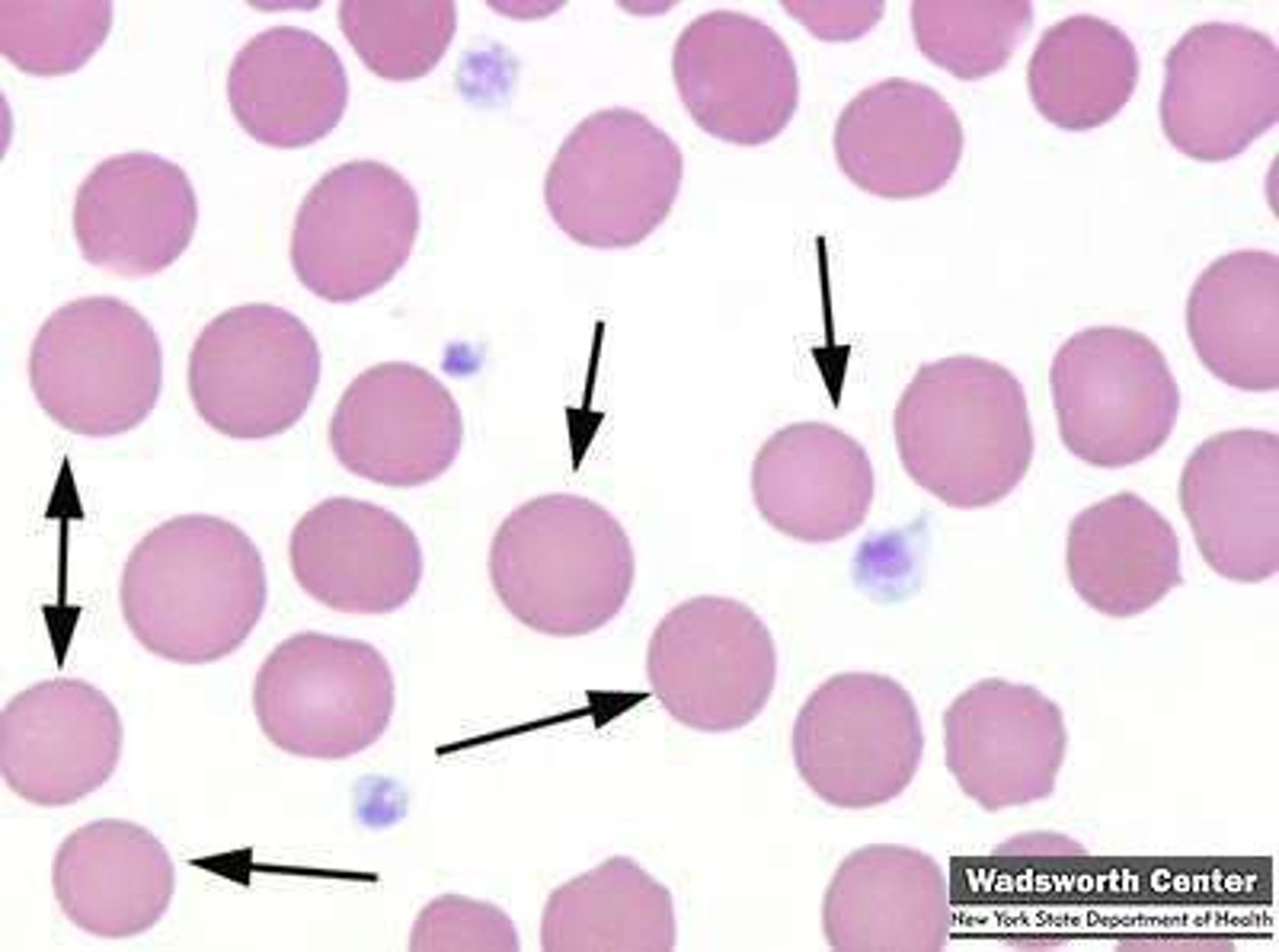
Hereditary spherocytosis symptoms
-Jaundice
-Gallstones
-spherical appearance RBC with central pallor
-Splenomegaly
-failure to thrive
-neonatal jaundice
-haemolytic crisis precipitated by infection
-inherited haemolytic anaemia
Co-dominance
A pattern of inheritance in which the phenotypic effect of two alleles in a heterozygous genotype express each phenotype of each allele fully and equally neither dominant or recessive. eg blood groups
Xavier is a nuclear engineer working at a power plant. He has to have regular medical tests to ensure he remains healthy. Why might this be the case and what might happen to his DNA over time?
he is at high risk of DNA mutations as he is regularly exposed to high levels of ionising radiation
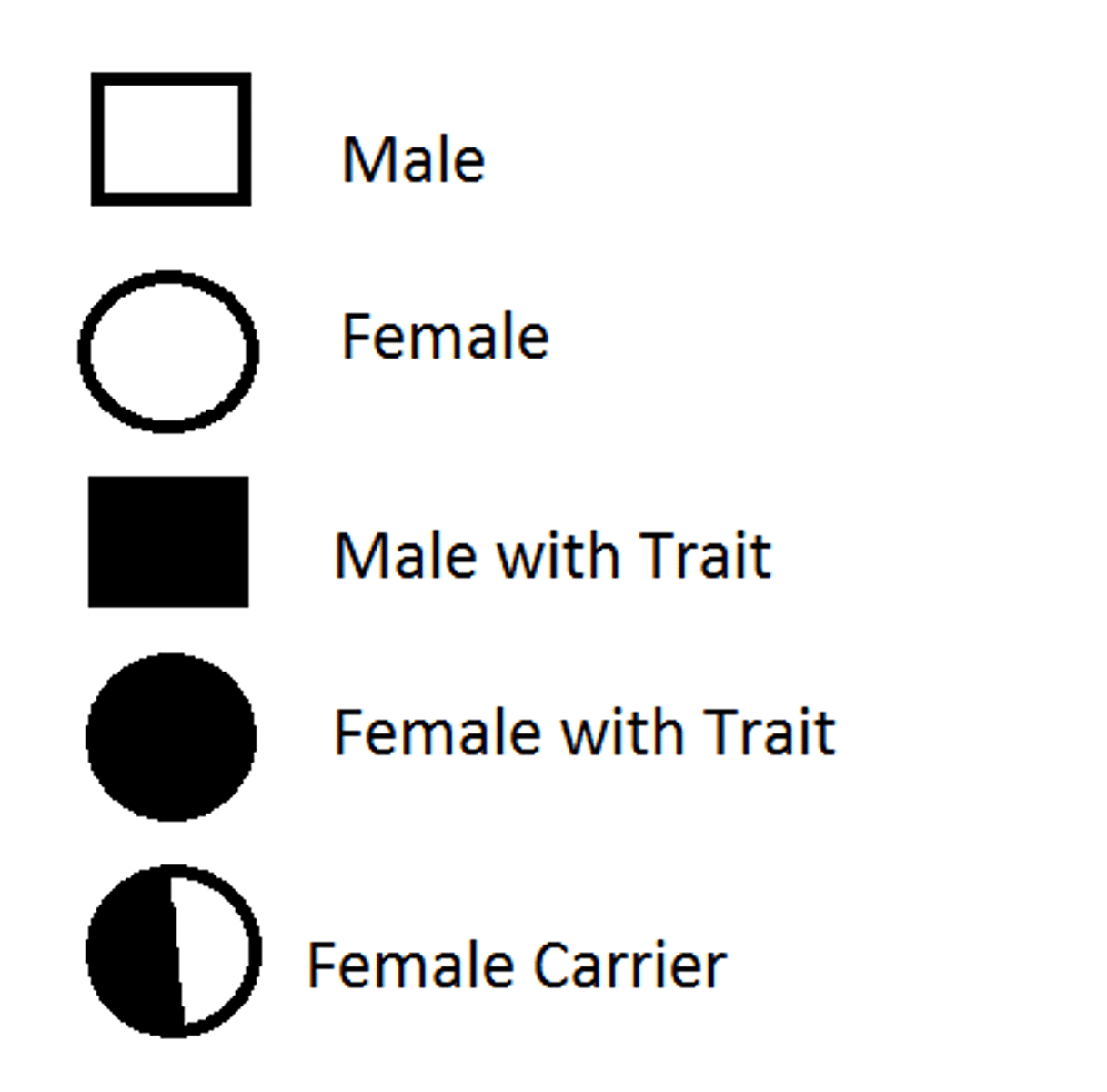
pedigree chart rules
mutant allele
a rare allele in the same population
synonymous point mutation
a neutral point mutation in which the substituted nitrogen base creates a triplet coded to produce the same amino acid as that of the original triplet
nonsynonymous mutation
mutation changes the AA it codes for
what does 17p12 stand for
chromosome 17 short arm at position 12
Charcot-Marie-Tooth disease
hereditary condition characterized by progressive degeneration of the muscles of the lower leg, specifically those associated with the fibula
CMT mutation
nonsense mutation
requirement for prt sorting
intrinsic signals, receptor to recognise intrinsic signals, translocation machinery, energy to transfer prts.
prt most likely to result in retention of misfolded prts in the ER
Chaperone prts
genotype
collection of genes expressed when information in genes used to make RNA protein. expression leads to observable traits leading to formation of phenotypes
environmental factors that effect genetics
radiation, mutagens, chemicals that affect cell growth, diet, lifestyle.
gene frequency diversity
differences in an individual or population
continuous trait
don't show a phenotypic ratio and can be influenced by more than one gene and multifactorial.
When the phenotype for a given trait can take on any value between two extremes. Eg. Height.
phenotypic ratio
the ratio of phenotypes produced by a cross
discrete trait
The existence of distinct phenotypes for a given trait controlled by a single gene.
genetic variation
mutations, meiosis: independent assortment; crossing over of chromosomes.
random assortment
maternal and paternal homologous chromosomes line up randomly, the chance distribution of chromosomes to daughter cells during meiosis
crossing over
when maternal and paternal homologous chromosomes line up. similar DNA sequences from maternal and paternal chromosomes flip-flop or cross over therefore resulting in shuffling of genetic information.
Prophase I, genetic variation
crossing over on specific loci in single cross over event between homologous sister chromatids.
metaphase I genetic variation
tetrads move to metaphase plate orientation of chromosomes is random. 2 possibilities for number of orientation on metaphase plate so 2n with n being number of chromosomes per set.
linked genes
genes on the same chromosome. do not show independent assortment at meiosis.
not linked genes
genes on different chromosomes
recombination frequency between two linked genes dependent on
distance between the genes. genes close together are tightly linked. genes far apart on the same chromosome almost behave like unlinked genes.
why do people who have red hair have freckles
genes encode freckles and red hair are close together so crossing over occurs as there is no distinction between the genes.
hemizygous
only one allele of a gene on X chromosome (males only)
dominant inheritence
dominant allele in heterozygote will determine the phenotype
recessive inheritence
non-dominant allele in a heterozygote is called recessive
medelian traits
traits caused by single genes
usefulness of finding genetic information
pts carrying genes could later in live develop into pathological disease
autosomal dominant inheritance
heterozygotes affected. males and females equally affected. rarely found in homogenous state. every affected individual has 50% chance of having affected offspring. every individual at least one affected parent. cannot skip a generation
autosomal recessive inheritance
heterozygotes unaffected. males and females equally affected. two heterozygotes 25% of having affected offspring. two homozygotes will have affected offspring only. can skip generations. 'come out of nowhere'. heterozygotes are carriers.
X-linked recessive
hemizygous males and homozygous females affected. more common in males. heterozygous female carrier has 50% chance of having affected sons. affected males cannot give traits to sons. every affected male will have carrier mother whereas every affected male will have affected father and carrier mother.
co-dominance
alleles of a gene expressed equally and neither dominant or recessive eg human blood groups
human blood groups
isoglutamin gene codes for glycoproteins on surface of RBC
allele A, B, O of isoglutamin gene
A dominant > O.
B dominant > O
A and B are not dominant over eachother.
complementation inheritance
phenotype produced by at least 2 genes. this is inherited in a recessive manner in the sense that you need at least two homologous alleles for each gene to produce the phenotype. eg albinism
SNP mutation
single base substitution most common. mostly c-t changes. transitions more common than transverse. causes a frame shift.
missense mutation
one amino acid substituted by another normally as a result of a single base change
nonsense mutation
amino acid changed to stop codon
silent mutation
single base substitution which does not substitute the amino acid. some may disrupt RNA splicing and cause heritable diseases.
conservative missense mutations
some substitutions are better tolerated than others occur when the mutated amino-acid has similar properties as the unmutated amino-acid. eg valine and alanine can be well tolerated in non critical regions of proteins
frame shift mutations
reading frame of mRNA altered in some way. insertions, deletions, splice site mutations. commonly result in splice site mutations.
3bp insertion
no frameshift so code is changed but not broken reading frame is not disrupted
1bp insertion
frameshift code is broken reading frame is disrupted
premature termination codon and nonsense mediated decay
gains or losses in base pairs that have caused a frameshift and disrupted the reading frame to create premature termination codon. mRNAs that contain PTC are degraded by 'nonsense mediated decay' and little to no protein is produced in a protective mechanism
mutation at intron splice site
skipping of the exon immediately adjacent to the mutation. if the exon that is skipped a multiple of 3, reading frame will be shifted. if exon skipped not multiple of 3 then mRNA will be shortened leading to frameshift and possibly PTC leading to NMD
mutations during DNA replication
tautomeric forms therefore altered base pairing. DNA strand slippage during replication.
tautomeric shift
4 bases in DNA undergo tautomeric shift whereby proton briefly changes position. they can cause C to pair with A and T to pair with G.
T base tautomeric form
DNA polymerase will recognise it as C base and G base inserted to new strand.
ways in which chemicals causing mutations
direct alteration of DNA bases or disruption of DNA base stacking
radiation causing mutations
produces ions during interaction with cellular molecules. eg solar, Xrays, nuclear power plant accidents, environmental sources.