Neuro Week 1: Gross Structures of Nervous System (CNS, PNS, Lobes)
 Call Kai
 Learn
Learn Practice Test
 Spaced Repetition
 Match
Match Flashcards
 Knowt Play
1/79

There's no tags or description
Looks like no tags are added yet.
Name | Mastery | Learn | Test | Matching | Spaced | Call with Kai | Chat |
|---|
No analytics yet
Send a link to your students to track their progress
80 Terms
This area of the nervous system includes the processing parts
Central Nervous System (CNS)
The environment provides info to this area of the nervous system and it can repair
What are the 2 subgroups?
Peripheral Nervous System (PNS)
Including cranial and spinal nerves
Positional term for anterior/cephalic
*Think towards nose
Rostral
Positional term for posterior, towards tail
Caudal
Positional term for inferior, basal
Ventral
Positional term for superior/towards ceiling
*Think like a shark fin
Dorsal
Positional term for opposite side
Contralateral
Ex. Stroke on one side of the brain affects the other side of the body
Positional term for same side
Ipsilateral
The axis positional terms are based on
Neuroaxis
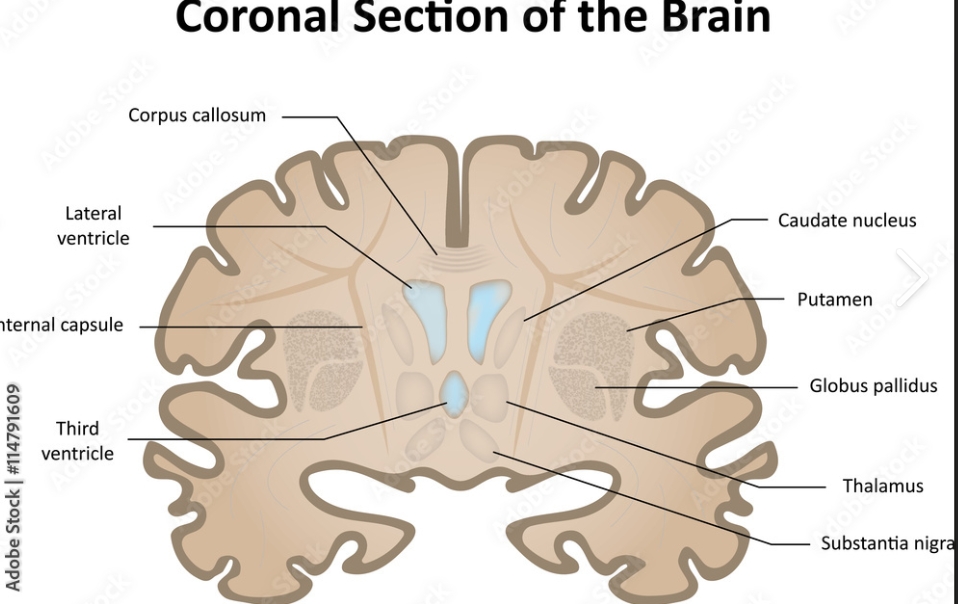
This plane cuts vertically, front and back
Think like a crown on your head
Coronal
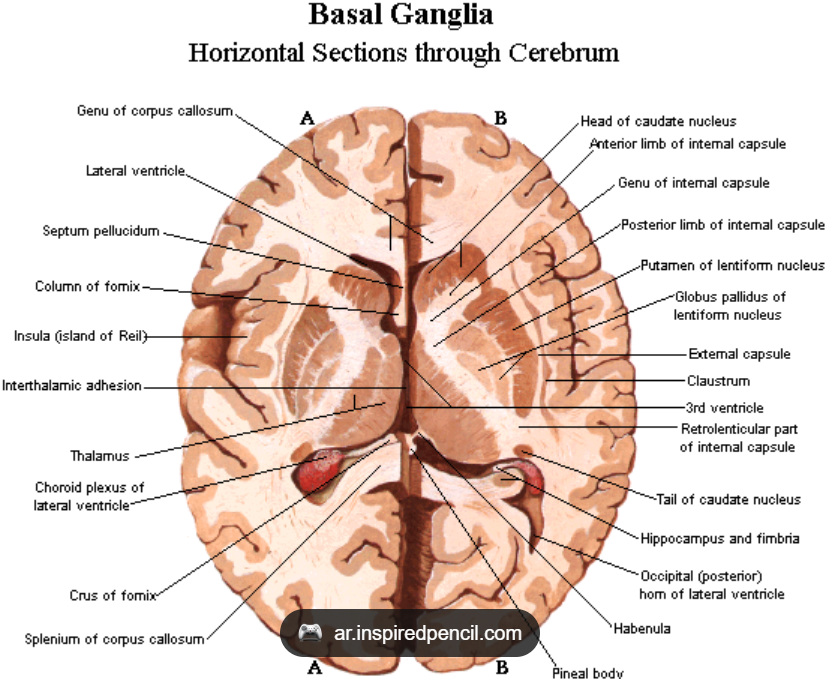
This plane cuts the brain into top and bottom
Horizontal
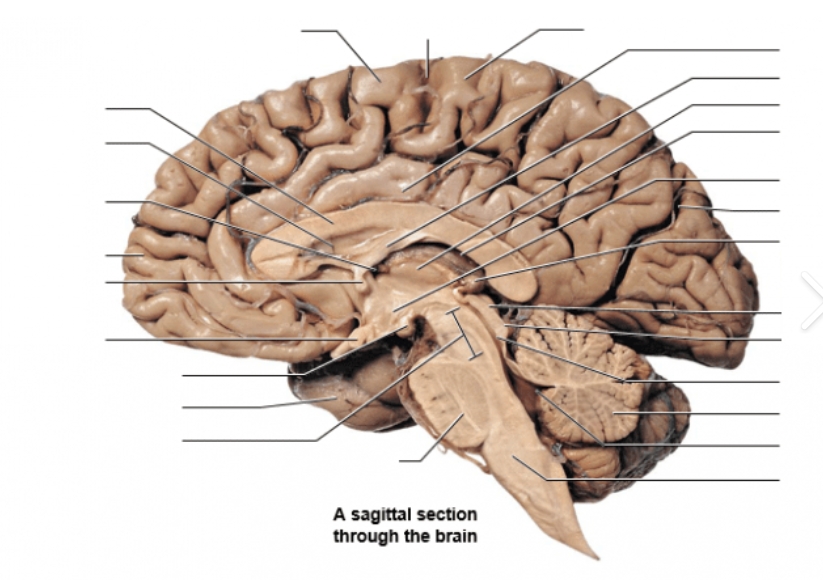
This plane cuts the brain into left and right sides
*Includes most popular cut
Sagittal
*Mid-sagittal cut
These are the cells of the brain
Specialized for what?
Do they get replaced?
Neurons
Specialized for information transmission/processing (electrical and chemical)
No they do not get replaced
What is it called when the brain moves back and fourth in your head in a car crash for example?
Cue contra cue
These cells provide structural and nutritional support
They are like mother neurons, involved in housekeeping (clean damaged neuron)
Create this major structure?
Support cells (glia)
Create myelin sheath
This type of communication is within neurons, sending info
Electrical
This type of communication is between neurons, includes neurotransmitters
Chemical
The neuron is a decision-making unit specifically at what structure?
Axonal hillock
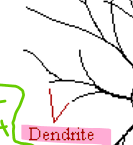
This component of the neuron receives information, sometimes from thousands of other neurons
*Think like branches
Dendrites
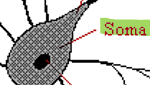
This structure of the neuron includes the nucleus, DNA, and is critical for the health of the rest of the neuron
Damage does not come back
Collection makes up ____ matter
Cell body (soma)
Grey matter
Typical information transmission from _____ to _____ neuron?
Dendrites —> Cell Body —> Axon ——> Axon terminals/terminal buttons
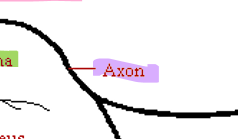
This structure of the neuron sends information/action potentials (2msec at each axon segment) along with integration/decision
Each neuron has one
A collection makes up ______ matter
Axon
Makes up white matter (myelin sheath)
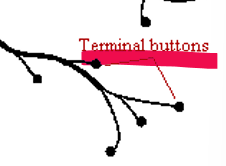
This structure of the neuron sends information and is involved with the release of neurotransmitters
Axonal terminals/terminal buttons
These types of neurons are afferent, input (bring in info), and sensory
Relating to all the senses (sight, taste, hearing, smell, touch)
Receptors
These types of neurons are responsible for internal processing, linkng sensation and ‘output”/’thinking’
Only in the brain and spinal cord (so not in animals like frogs)
Interneurons
These types of neurons are involved in output, efferent
Including muscles and organs, movement (brain —> muscle)
Motor neurons
The small space separating the neuron sending information from the receiving neuron
Synaptic cleft
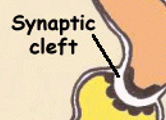
This is the term for the neuron sending information
*Relative to a synapse
Presynaptic
This is the term for the neuron receiving information
*Relative to a synapse
Postsynaptic
A collection of axons is known as what?
Nerve
2 components of the Peripheral Nervous System:
PNS carries this information including skeletal movement and sensation (sensory - pain, touch, temp)
PNS has this control over glands and organs (ex. panic attack, hyperventilate, high HR, sweat, digestive system stops)
Carries somatic information
Autonomic control
Afferent associated with what?
Efferent associated with what?
Sensory
Motor
A collection of axons makes up what in the CNS (also known as a fasciculus or column)
Makes up what in PNS?
Tract
Nerve
A collection of neuron cell bodies makes up what in the CNS
In PNS?
Nucleus
Ganglion (not many)
What is the CNS’s 2 major functions?
*Hint: one has to do with information and the other has to do with involuntary movements
Conduit for information flow from brain —> the rest of the body (and vice versa)
Bring information (descending, efferent/motor) from the brain to muscles, glands and organs
Bring information from sensory structures (ascending, afferent, sensory) on the skin, organs, and within muscles to the brain
Organizes reflexive movement independently of input from the brain via reflex arcs
These spinal cord sections are myelinated bundles of neuron fibers (axons) transmitting efferent and afferent information
Tracts (white matter)
This spinal cord section is cell bodies processing with efferent information in the ventral horn and afferent information in the dorsal horn
Gray matter
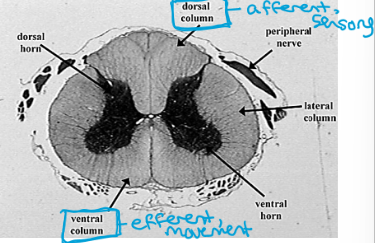
Efferent vs Afferent
To muscles, organs, or glands
From sensory structures
Sensory information
Motor information
Efferent
Afferent
Afferent
Efferent
In the CNS there are 3 general regions of the brain what are they (oldest/caudal to recently evolved/rostral)?
Hindbrain
Midbrain
Forebrain
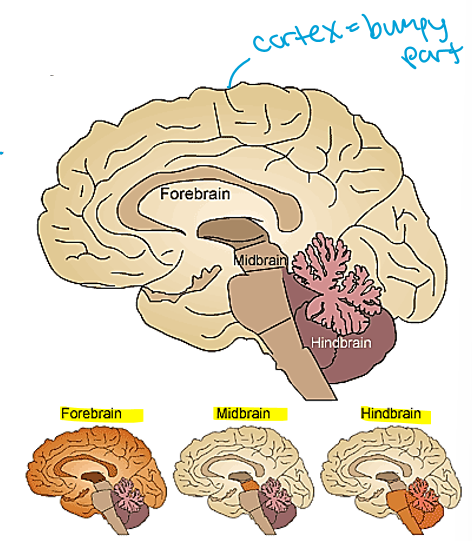
The hindbrain includes what 3 structures?
Medulla
Pons
Cerebellum
In the hindbrain, this area includes the nuclei for ‘vegetative funcitions’ (basic functions such as breathing and HR control), incluiding the vagus nerve
Medulla
In the hindbrain, this area includes movement structures, among others
Pons
In the hindbrain, this area involves coordination, balance, control of both fast and ballistic movements
Cerebellum
What are the 2 major sections of the midbrain?
3 subsections?
Tectum (dorsal)
Cerebral Peduncle
Tegmentum
Substantia nigra
Crus cerebri
In the midbrain, this structure includes the superior colliculus and inferior colliculus with visual and auditory reflexes
Like a roof
Tectum (dorsal)
This structure of the midbrain involves movement structures, among others
Anterior to tectum
Tegmentum
This is a “black substance” in the midbrain, damaged in Parkinsonism
Substantia Nigra
This connects the forebrain to the spinal cord
Includes what 3 structures?
Brainstem
Medulla, pons, midbrain
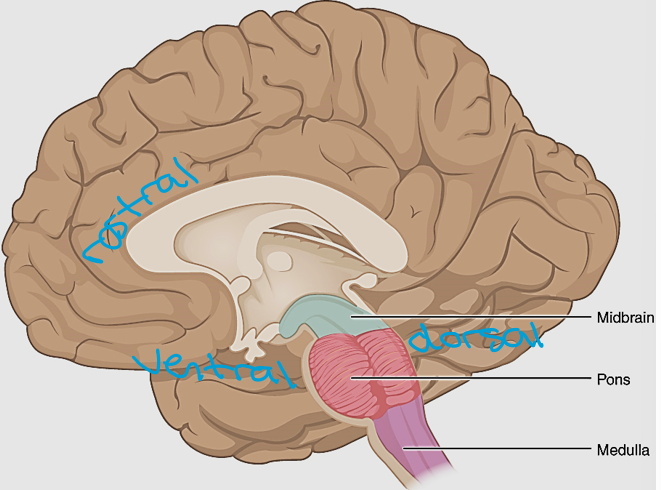
This area of the forebrain has 2 hemispheres connected via the corpus callosum (and other commissures)
With lateeralization of function
Cerebrum
This side of the cerebrum controls language and analytic/detail
Left
This side of the cerebrum controls synthetic/holistic functions (build up, big picture)
Right
The forebrain is further divided into what 2 sections (superficial and interior)?
Cortical (superficial, exterior, ‘cortex”)
Subcortical (interior, deep)
What are the 4 main subcortical structures of the forebrain?
Diencephalon
Basal ganglia
Limbic system
Corpus callosum
The diencephalon includes what 4 structures?
Hypothalamus (hormone release, ANS - organs + glands, motivated behaviors - sex, sleep, hunger drive)
Thalamus (relay nuclei)
Subthalamus
Epithalamus
This subcortical structure of the forebrain is usually in the PNS but is involved in movement control and memory (not factual, how to do things - like ride a bike)
Basal ganglia
This subcortical structure of the forebrain includes the hippocampal formation and amygdala involved in emotion and FACTUAL memory
Limbic system
This is the oldest cortex immediately surrounding the corpus callosum
It is part of the limbic system (emotion) and hippocampus (memory, navigation)
Cingulate gyrus/cortex
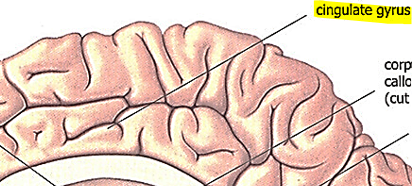
The newest surface of the cortex, prefrontal area
Neocortex
Hypothalamus and thalamus make up what structure of the forebrain?
Diencephlon
Cortical convolution known as “valleys”, very deep=”fissures”
“Hills?”
Sulcus
Gyrus
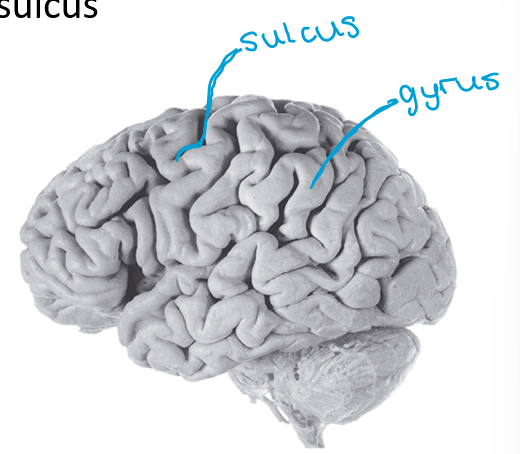
What are the 4 major sulci?
Median Longitudinal Fissure (aka sagittal fissure)
Lateral sulcus/fissure
Central sulcus
Parieto-occipital sulcus/fissure (seen in sagittal cut of brain)
*Pictures on slides
What divides the cortex into four lobes?
Sulci/fissures
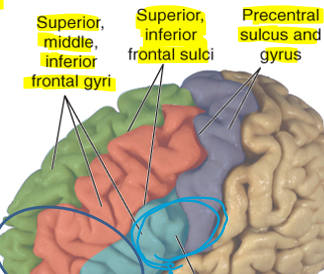
This gyrus and sulcus make up the primary motor cortex (contralateral muscle control)
Located rostral to the central sulcus
Pre-central gyrus and pre-central sulcus
These 3 gyri surround the longitudinal fissure
Superior frontal gyrus (posterior parts=motor)
Middle frontal gyrus (association cortex)
Inferior frontal gyrus
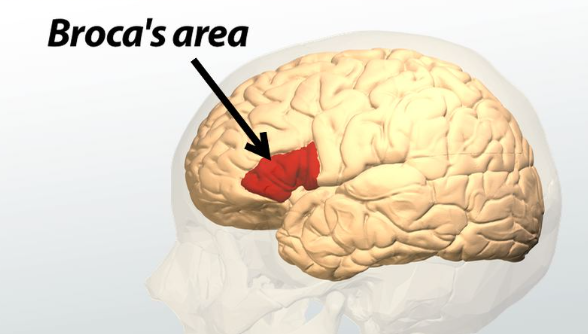
Located left posterior in the frontal lobe, controlling expressive speech (ability to speak)
Broca’s area
The prefrontal region of the frontal lobe (most anterior/rostral part) is something only humans have, it controls what 3 things?
Executive functions
Future planning
Advanced cognitive functions (consequences of behavior, can lead to anxiety)
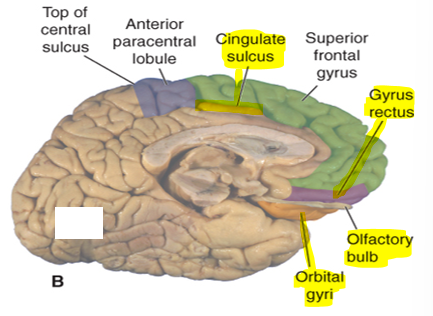
Medial to lateral in the frontal lobe on the inside of the sagittal cut is what (3)?
Gyrus rectus
Olfactory sulcus (with olfactory bulb)
Orbital gyrus (emotion, personality)
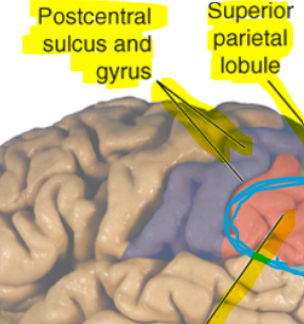
In the parietal lobe, this is the primary somatosensory cortex?
Post central gyrus
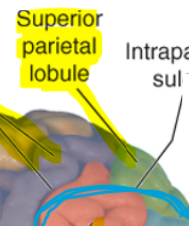
In the parietal lobe this is the somatosensory association cortex (spatial localization)?
Superior parietal lobule
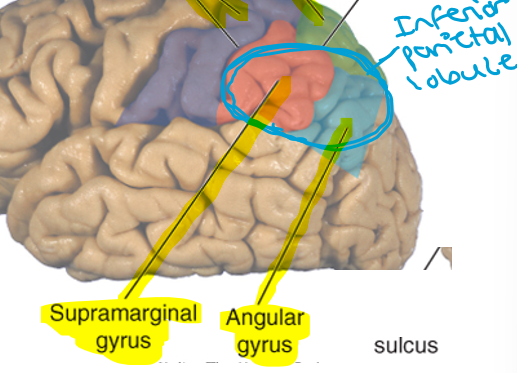
These 2 structures are a part of the inferior parietal lobule?
Involved with visual/auditory language integration
Supramarginal gyrus
Angular gyrus
In the parietal lobe (ventral/medial), posterior/caudal to the central sulcus is this lobule with the marginal sulcus and following it is this gyrus?
These are sites of what integration?
Paracentral Lobule followed by precuneus (gyrus)
Sit of multiple sensory integration
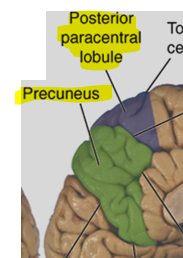
Forming the posterior border of the parietal lobe (seen only in midsagittal views)
Parietooccipital sulcus
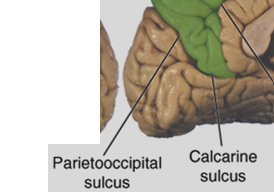
This sulcus forms the inferior/ventral border of the parietal lobe
Subparietal sulcus
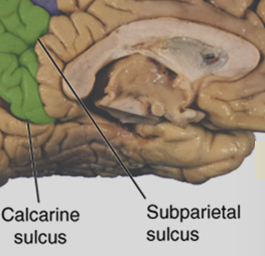
Somatosensory strip is more anterior or posterior to motor strip?
Anterior
In the temporal lobe (lateral aspect) there are these 3 gyri?
Superior temporal gyrus
Middle temporal gyrus
Inferior temporal gyrus
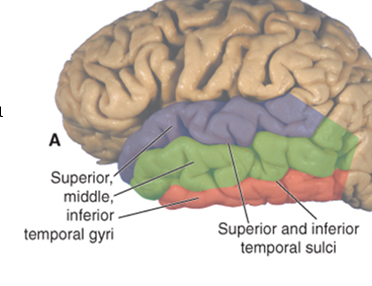
This gyrus is the primary auditory cortex of the temporal lobe
Superior temporal gyrus
The left posterior area of the temporal lobe is known as what and controls receptive speech?
Wernicke’s area
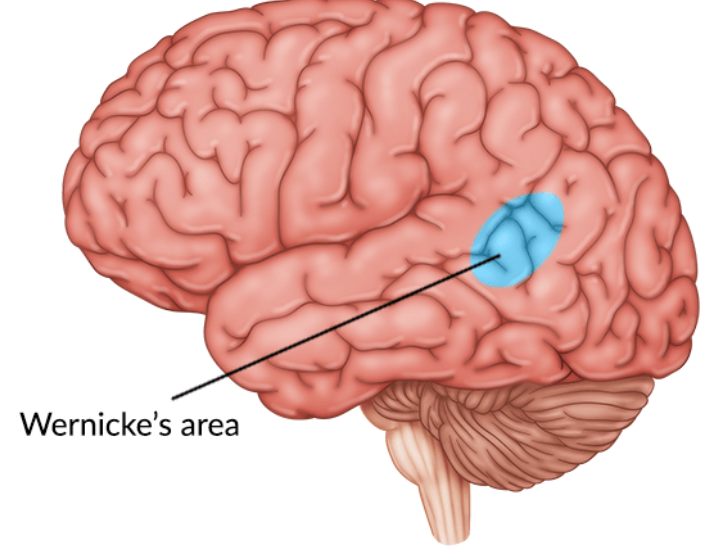
These gyri of the temporal lobe are known for visual object/form recognition and include inferotemporal visual areas
Middle and inferior temporal gyri
In the temporal lobe (looking ventral) moving medially from the inferior temporal gyrus are these 5 structures (lateral to medial)?
Functions (3)?
Occipitotemporal sulcus
Occipitotemporal gyrus
Collateral sulcus
Parahippocampal gyrus (most medial)
Uncus (anterior, medial to PHG, like a thumb)
Function in memory, learning, and emotion
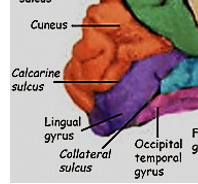
In the medial aspect (sagittal cut) of the occipital lobe you have what 4 structures (rostral to caudal)?
Cuneus
Calcarine sulcus/fissure
Lingual gyrus
Posterior part of occipitotemporal gyrus