M3 SYNTHETIC ANTIBACTERIAL AGENTS
 Call Kai
 Learn
Learn Practice Test
 Spaced Repetition
 Match
Match Flashcards
 Knowt Play
1/112

There's no tags or description
Looks like no tags are added yet.
Name | Mastery | Learn | Test | Matching | Spaced | Call with Kai | Chat |
|---|
No analytics yet
Send a link to your students to track their progress
113 Terms
Nalidixic Acid (NegGram)
treatment for urinary tract infections caused by G(-)
glucuronide and 7 carboxylic acid
Inactive metabolite of nalidixic acid
7-hydroxy metabolite
Active metabolite of nalidixic acid
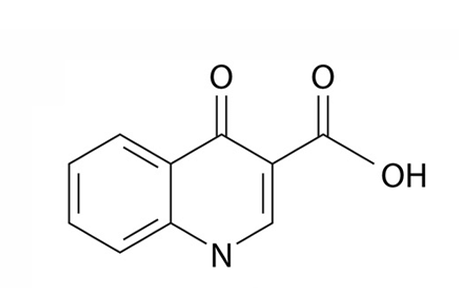
Quinolones
series of synthetic antibacterial agents patterned after nalidixic acid
Quinolones (Norfloxacin, Ciprofloxacin, Lomefloxacin)
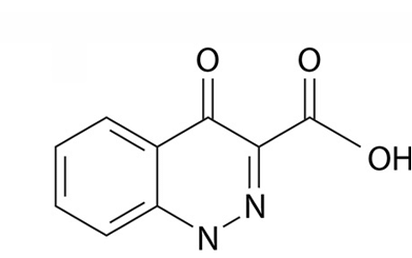
Cinnolines (Cinoxacin)
Naphthyridines (Nalidixic Acid, Enoxacin)
Isosteric heterocyclic groupings in this class include
Naphthyridines
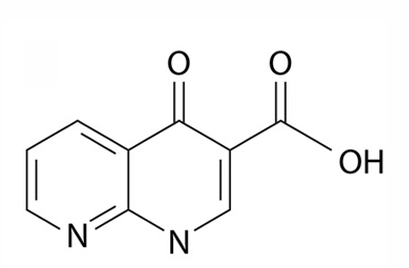
Quinolones
Cinnolines
Quinolones
confined to the treatment of urinary tract infections.
vertigo, anxiety confusion
Quinolones: Adverse Effects incidence of CNS effects
gamma-aminobutyric acid receptors (GABA)
Quinolones attributed to antagonism of ______
nausea, vomiting, diarrhea
Quinolones: Adverse Effects Gastrointestinal
Achilles Tendon Rupture
Tendinopathy AKA
Involved in binding to DNA Gyrase
Pos 2, 3, 4:
+ substituent – reduces activity
Pos 2:
Alkyl groups – essential for activity
Pos 1
Aryl groups
optimal potency with 2,4 difluorophenyl
Pos 5, 6, 7, 8:
position may be substituted with good effects
Pos 6 (Fluorine)
enhances antibacterial activity (inc cell penetration, DNA gyrase affinity)
Pos 7
+ piperazinyl and 3-aminopyrrolidinyl – enhances activity against P. aeruginosa
3-carboxylic acid group
Nalidixic Acid, Oxolinic Acid, Cinoxacin
FIRST gen fluoroquinolones
have moderate gram negative activity and minimal systemic distribution
FIRST gen fluoroquinolones list
Oxolinic acid
Nalidixic acid (NegGram, Wintomylon)
Cinoxacin (Cinobac)
Second gen fluoroquinolones
have expanded gram negative activity and atypical pathogen coverage, but limited gram-positive activity
Second gen fluoroquinolones list CLASS 1
Lomefloxacin (Maxaquin)
Enoxacin (Penetrex)
Norfloxacin (Noroxin)
Second gen fluoroquinolones list CLASS 2
Class II
Ofloxacin (Floxin, Floxin IV)
Ciprofloxacin (Cipro, Cipro IV)
THIRD gen fluoroquinolones
retain expanded gram-negative and atypical intracellular activity but have improved gram positive coverage
THIRD gen fluoroquinolones list
Levofloxacin (Levaquin)
Sparfloxacin (Zagam)*
Moxifloxacin (Avelox)
FOURTH gen fluoroquinolones
improve gram-positive coverage, maintain gram-negative coverage, and gain anaerobic coverage
FOURTH gen fluoroquinolones list
Gemifloxacin (Factive)
Gatifloxacin (Tequin)
Moxifloxacin (Avelox,Vigamox)
Clinafloxacin
Trovafloxacin (Trovan) (withdrawn)
Sitafloxacin
Cinoxacin
close congener (isostere) of oxolinic acid (no longer marketed in the United States) and has antibacterial properties similar to those of nalidixic and oxolinic acids
Norfloxacin
broad-spectrum activity against G(-) and G(+) aerobic bacteria
15%
Norfloxacin is ____ protein bound and is metabolized in the liver
800-mg
Norfloxacin single oral dose approved for treatment of uncomplicated gonorrhea
400-mg
Enoxacin dose for uncomplicated gonococcal urethritis and effective in chancroid
98%
Enoxacin Oral bioavailability approaches _______
CYP450
Enoxacin mediated liver metabolism.
70-80%
Ciprofloxacin Oral bioavailability approaches
• provide the best
distribution of the currently
marketed quinolones
• higher potency against most
G(-), including P. aeruginosa,
than other quinolones
Ciprofloxacin
First line treatment of bacterial gastroenteritis by G(-) bacilli
Ceftriaxone
Ciprofloxacin + ________ for disseminated gonorrhea
Doxycycline
Ciprofloxacin + ________ for gonococcal urethritis eradication
Ciprofloxacin
For post-exposure Inhalational anthrax
Ticarcillin sodium
Mezlocillin sodium
Aminophylline
Ciprofloxacin not be mixed with solutions of _____
Ofloxacin
• resembles ciprofloxacin in its antibacterial spectrum
and potency.
• widely distributed into most body fluids and tissues,
and with higher concentrations achieved in CSF
95-100%
Ofloxacin Oral bioavailability approaches _____
Ofloxacin
For treatment of chronic bronchitis and pneumonia by G(-) bacilli, pelvic inflammatory disease, gonococci and chlamydia
3S(–) isomer
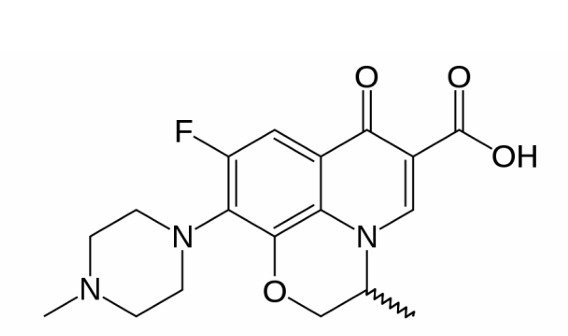
3R(+) isomer: Levofloxacin
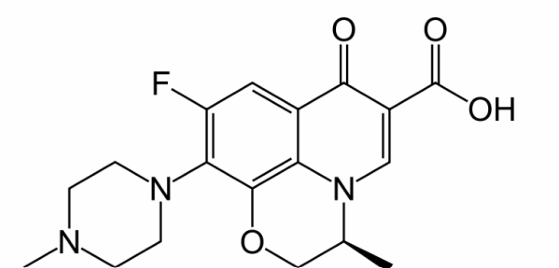
Lomefloxacin
Only quinolone for which once-daily oral dosing suffices. Highest incidence of photosensitivity.
95-98%
Lomefloxacin Oral bioavailability approaches
acute bacterial exacerbations of chronic bronchitis
Lomefloxacin Primary indications:
Sparfloxacin
Exhibits higher potency against gram positive bacteria, especially staphylococci and streptococci. More active against gram negative; chlamydia and anaerobe Bacteroides fragilis, permits once-a-day dosing for most indications.
Nitrofurans
first nitroheterocyclic compounds to be introduced into chemotherapy
5-position
Nitrofurans anti-microbial activity is present only when the nitro group is in the_____.
Nitrofurazone (Furacin)
Topical treatment of burns, especially when bacterial resistance to other agents may be a concern. Bactericidal against most bacteria commonly causing surface infections: S. aureus, Streptococcus spp., E. coli
Furazolidone
bactericidal activity against intestinal pathogens, active against the protozoan Giardia lamblia.
Nitrofurantoin
Treatment of UTI by E. coli, enterococci, S. aureus, Klebsiella, Enterobacter, and Proteus spp.
Methenamine (Urothropin, Uritone)
Activity of hexamethylenetetramine depends on the liberation of formaldehyde. Internal urinary antiseptic as treatment for chronic urinary tract infections.
Methenamine Mandelate (Mandelamine)
Very soluble in water and has the advantage of providing
its own acidity. Carry out a preliminary acidification of the urine for 24
36 hours before administration
Methenamine Hippurate
Readily absorbed after oral administration and is concentrated in the urinary bladder, where it exerts its antibacterial activity. Its activity is increased in acid urine.
Phenazopyridine Hydrochloride (Pyridium)
active in vitro against Staphylococci, Streptococci, Gonococci, and E. coli, it has no useful antibacterial activity in the urine.
Isoniazid
Isonicotinic acid hydrazide, isonicotinyl hydrazide, or INH. Inhibit the synthesis of mycolic acids high–molecular-weight, branched β-hydroxy fatty acids. mycobacterial catalase–peroxidase enzyme complex is required for the bioactivation of isoniazid
Ethionamide (Trecator SC)
Weak bacteriostatic activity in vitro but, because of its lipid solubility, is effective in vivo secondary drug treatment for tuberculosis for INH resistant forms
Pyrazinamide
First-line status in short-term tuberculosis treatment regimens because of its tuberculocidal activity and comparatively low short-term toxicity.
pyrazinoic acid
Bioactivation of pyrazinamide to ______ by an amidase present in mycobacteria
Ethambutol (Myambutol)
Active only against dividing mycobacteria rapidly absorbed after oral administration, and peak serum levels occur in about 2 hours. Bacteriostatic drug, interfering with the biosynthesis of arabinogalactan in the cell wall, halting multiplying bacilli
Aminosalicylic Acid
This agent was once quite popular, until significant resistance to the drug developed. It interferes with the incorporation of p aminobenzoic acid into folic acid
Clofazamine (Lamprene)
Exerts a slow bactericidal effect on M. leprae. Unknown mechanisms of antibacterial and anti inflammatory. But known to bind to nucleic acids and concentrate in reticuloendothelial tissue. It can also act as an electron acceptor and may interfere with electron transport processes
Rifamycins
group of chemically related antibiotics obtained from Streptomyces mediterranei
Rifampin (rifampicin, Rifadin, Rimactane)
Most active agent in clinical use for the treatment of tuberculosis. Only in combination with other antiTB due to rapid development of resistance
Rifabutin
prophylaxis of disseminated Mycobacterium Avium Complex in AIDS patients very lipophilic compound with a high affinity for tissues
Cycloserine (Seromycin)
from the fermentation beer of three different Streptomyces species
S. orchidaceus
S. garyphalus
S. lavendulus
Cycloserine (Seromycin) species.
Capreomycin
Isolated from Streptomyces capreolus, tuberculostatic drug inhibit protein synthesis by binding to the 70S ribosomal unit. Toxic effects: damage to cranial nerve and renal system.
Fritz Mietzsch and Joseph Klarer
Synthesized azo dyes with sulfonamides as potential antimicrobial agents
Gerard Domagk
Evaluated Mietzsch-Klarer dyes Prontosil
Sulfonamides
Are infrequently used as single agents. Drugs of choice for infections such as PCP, toxoplasmosis, nocardiosis, and other bacterial infections, they have been largely replaced by the fixed drug combination TMP–SMX
Sulfisoxazole
Sulfamethoxazole
Sulfadiazine
Sulfadoxin
Oral Absorbable Agents
Sulfasalazine (Salicylazosulfapyridine)
Oral Non-Absorbable Agents
Sodium Sulfacetamide
Mafenide Acetate
Topical Agents
Dapsone
used in the treatment of both lepromatous and tuberculoid types of leprosy often in combination with Clofazimine and Rifampin
+ Pyrimethamine for Malaria
+ Trimethoprim for PCP
Choice for dermatitis hepetiformis
Metronidazole (Flagyl, Protostat, Metro IV)
Tx of amebic dysentery, giardiasis, trichomoniasis active against all facultative anaerobe/ obligate aerobes, gram (+) bacilli, and cocci First line for C. difficile colitis infections
Diloxanide
Hydrolysis of the amide is required for the amebicidal effect. Furoate salt used in the treatment of asymptomatic carriers of E. histolytica
Iodoquinol (Yodoxin, Diodoquin, Dioquinol)
for acute and chronic intestinal amebiasis but is not effective in extraintestinal disease
Emetine
direct amebicidal action on various forms of E. histolytica protoplasmic poisons that inhibit protein synthesis in protozoal and mammalian cells by preventing protein elongation
Pentamidine Isethionate (NebuPent, Pentam 300)
Slow IV infusion or deep IM injection treatment of P. carinii pneumonia. Aerosol for prophylaxis against PCP in patients with HIV, with history of PCP, or low peripheral CD4 lymphocytes
Atovaquone (Mepron)
Antimetabolite for ubiquinone 6 interferes with the function of electron transport enzymes alternative to (TMP-SMX) for the treatment and prophylaxis of PCP
Eflornithine
treatment of meningoencephalitic stage of West African sleeping sickness, caused by Trypanosoma brucei gambiense Myelosuppresive drug causing anemia, leukopenia, thrombocytopenia
Nifurtimox (Lampit)
only agent clinically active against acute and chronic T. cruzi infections
Benznidazole (Radanil, Rochagan)
employed for the tx of Chagas disease A/E: peripheral neuropathy and bone marrow suppression
Melarsoprol (Mel B, Arsobal)
Treatment for later stages of African trypanosomiasis advantage of excellent penetration into the CNS and, therefore, is effective against meningoencephalitic.
Sodium Stibogluconate (Pentostam)
drug of choice for all forms of Leishmaniases. antileishmanial action of sodium stibogluconate requires its reduction to the trivalent form, which is believed to inhibit phosphofructokinase in the parasite
Suramin Sodium
high-molecular weight bisurea derivative containing six sulfonic acid groups as their sodium salts. effective in the tx and prophylaxis of Trypanosomiasis
Piperazine
Treatment of pinworm and roundworm infestations
Enterobius vermicularis
pinworm sn
Ascaris lumbricoides
roundworm
Piperazine
blocks the response of the ascaris muscle to acetylcholine, causing flaccid paralysis in the worm, which is dislodged from the intestinal wall and expelled in the feces.
Diethylcarbamazepine
For filariasis onchocerciasis, loiasis, ascariasis