HAAP unit 2 - anceint meditteranean. 3500 bce- 300 ce
 Call Kai
 Learn
Learn Practice Test
 Spaced Repetition
 Match
Match Flashcards
 Knowt Play
1/35

There's no tags or description
Looks like no tags are added yet.
Name | Mastery | Learn | Test | Matching | Spaced | Call with Kai | Chat |
|---|
No analytics yet
Send a link to your students to track their progress
36 Terms
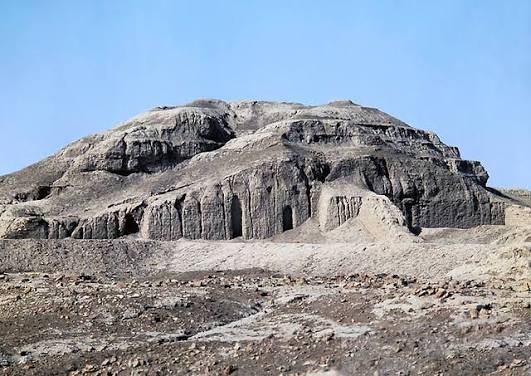
White Temple and its ziggurat
Uruk (Warka, Iraq). Sumerian. 3500–3000 B.C.E. Mud brick.
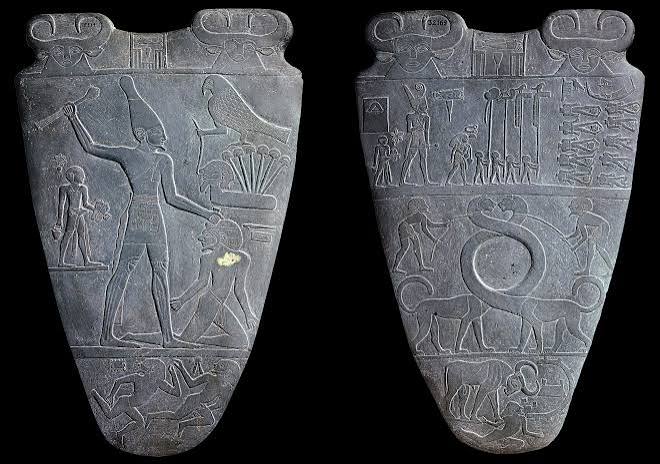
Palette of King Narmer
Predynastic Egypt. c. 3000–2920 B.C.E. Greywacke.
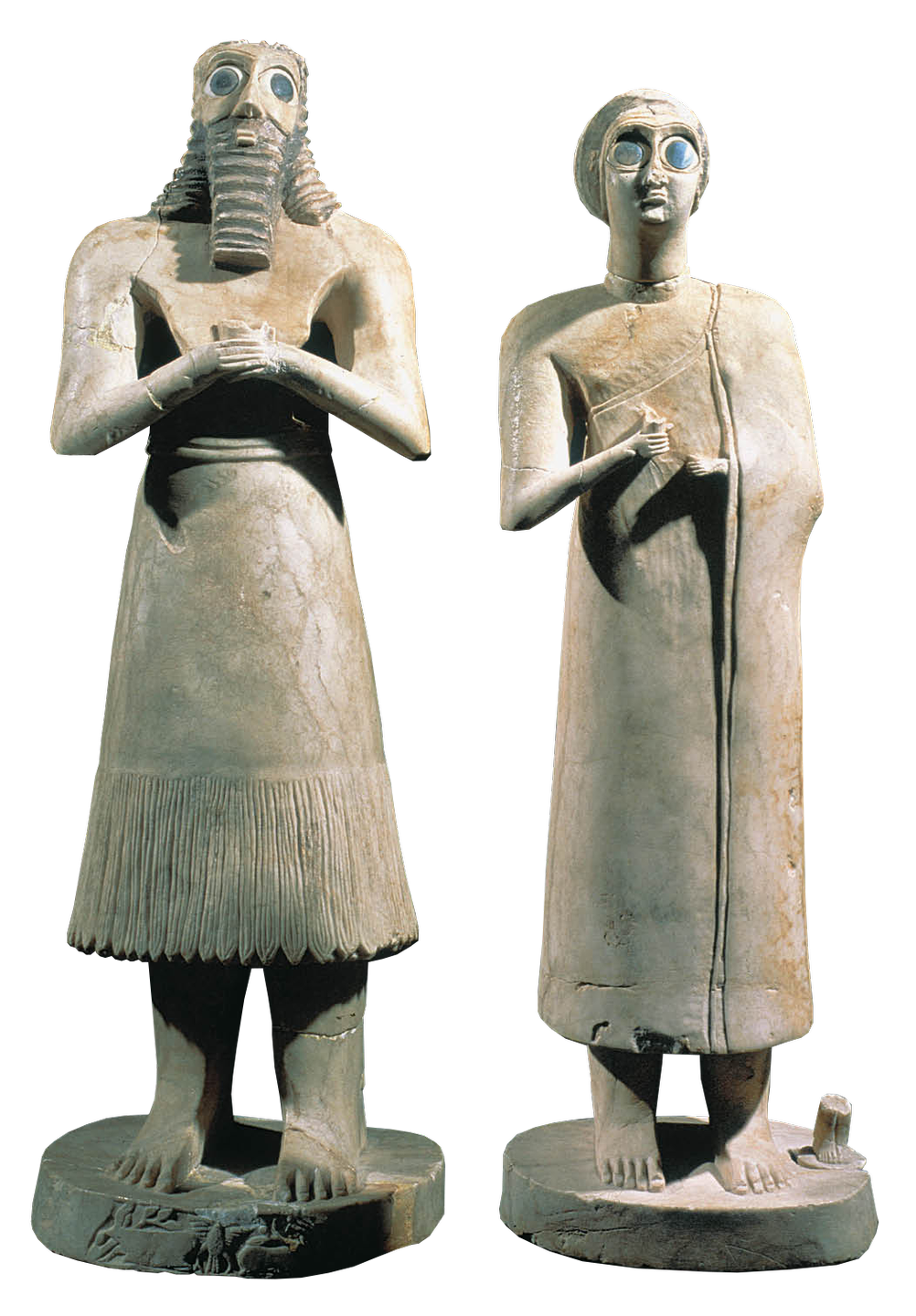
Statues of votive figures, Temple at Eshnunna (Tell Asmar, Iraq)
Sumerian. c. 2700 B.C.E. Gypsum.
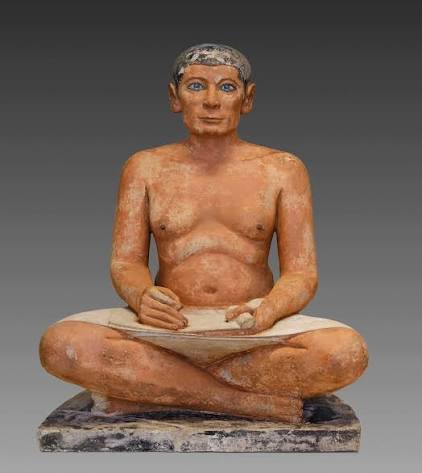
Seated scribe
Saqqara, Egypt. Old Kingdom, Fourth Dynasty. c. 2620–2500 B.C.E. Painted limestone.
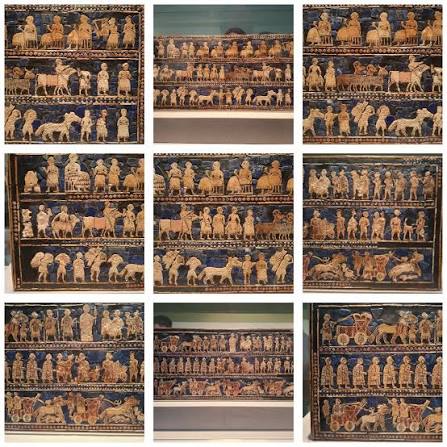
Standard of Ur
Modern Tell el-Muqayyar, Iraq. Sumerian. c. 2600–2400 B.C.E. Wood inlaid with shell, lapis lazuli, and red limestone.
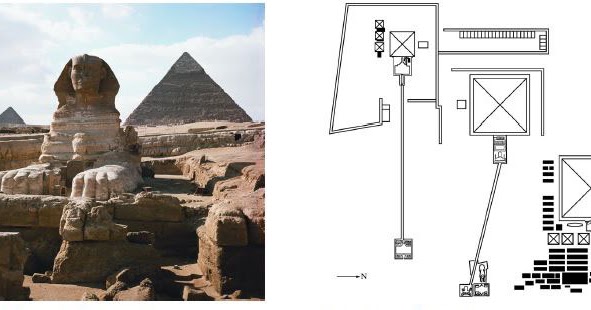
Great Pyramids & Sphinx
Giza, Egypt. Old Kingdom, Fourth Dynasty. c. 2550–2490 B.C.E. Limestone.
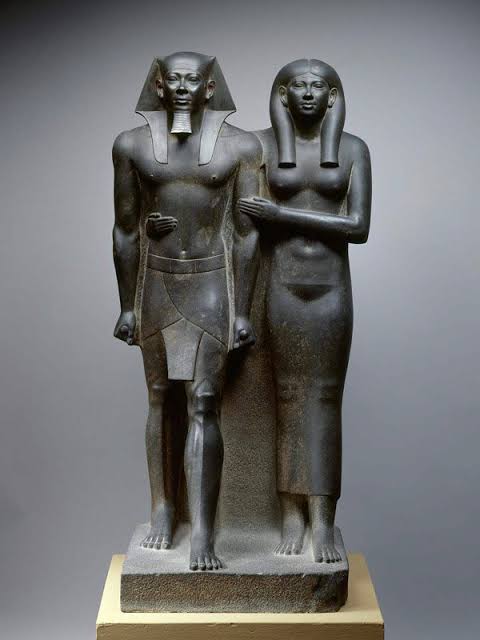
King Menkaura and queen
Old Kingdom, Fourth Dynasty. c. 2490–2472 B.C.E. Greywacke.
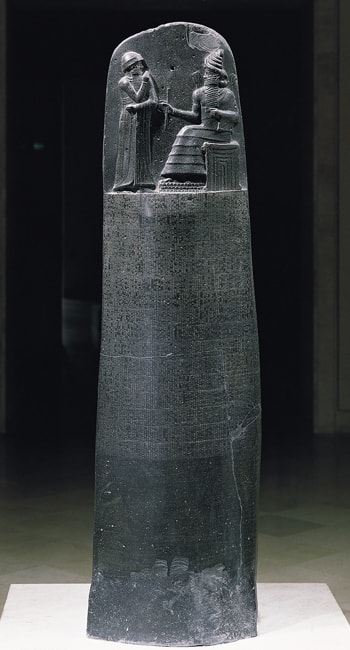
The Code of Hammurabi
Babylon. c. 1792–1750 B.C.E. Basalt.
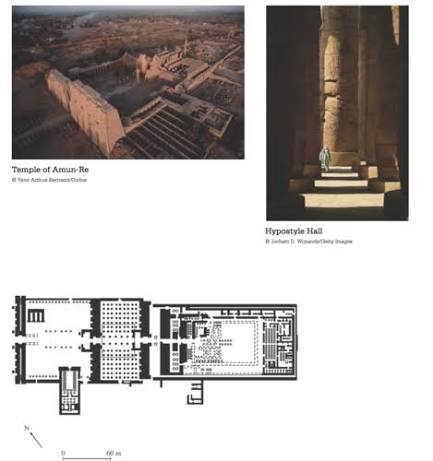
Temple of Amun-Re & Hypostyle Hall
Egypt. New Kingdom, 18th–19th Dynasties. 1550–1250 B.C.E. Sandstone and mud brick.
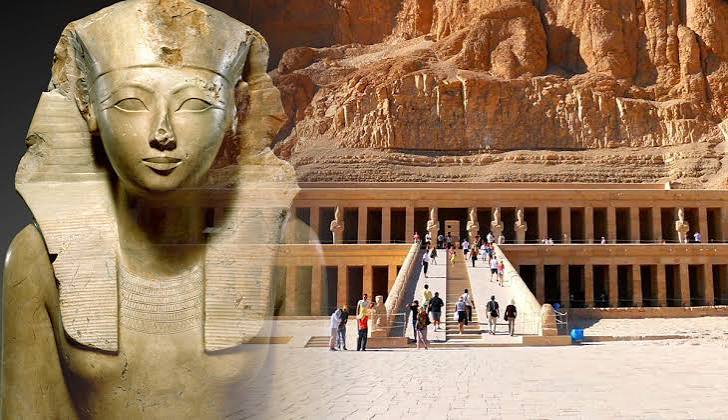
Mortuary temple of Hatshepsut
Egypt. New Kingdom, 18th Dynasty. 1473–1458 B.C.E. Sandstone.
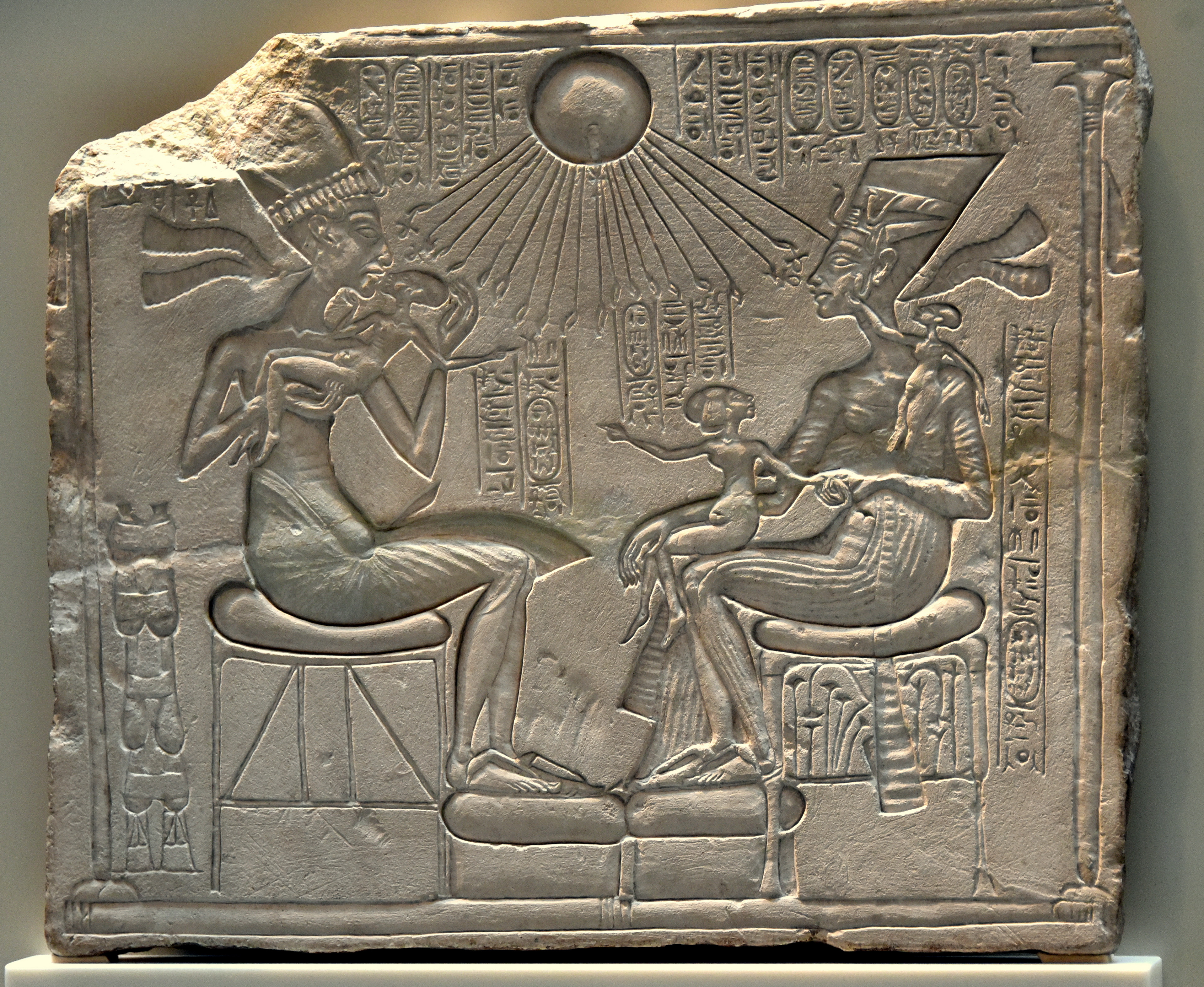
Akhenaton, Nefertiti, & 3 daughters
New Kingdom, 18th Dynasty. 1353–1335 B.C.E. Limestone.
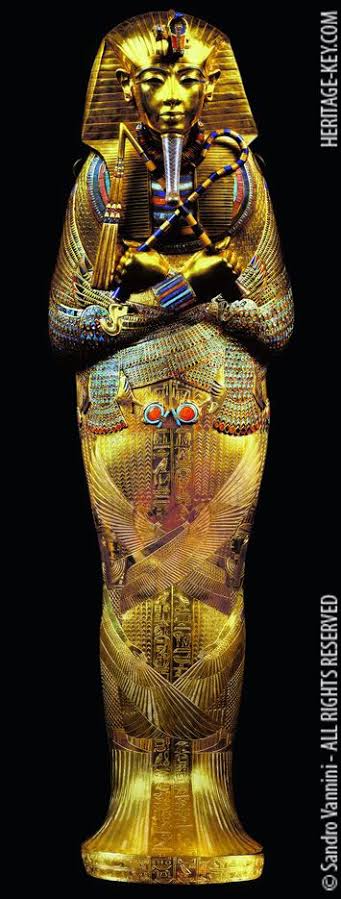
Tutankhamun's tomb, innermost coffin
New Kingdom, 18th Dynasty. 1323 B.C.E. Gold with gemstones.
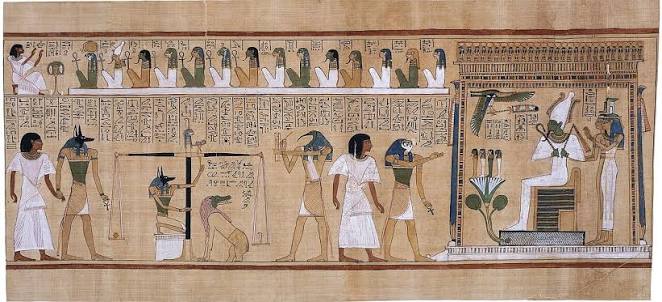
Last Judgment of Hu-Nefer
New Kingdom, 19th Dynasty. c. 1275 B.C.E. Painted papyrus.
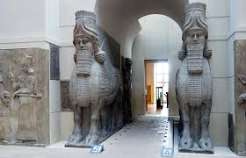
Lamassu from the citadel of Sargon II
Dur Sharrukin (Iraq). Neo-Assyrian. 720–705 B.C.E. Alabaster.
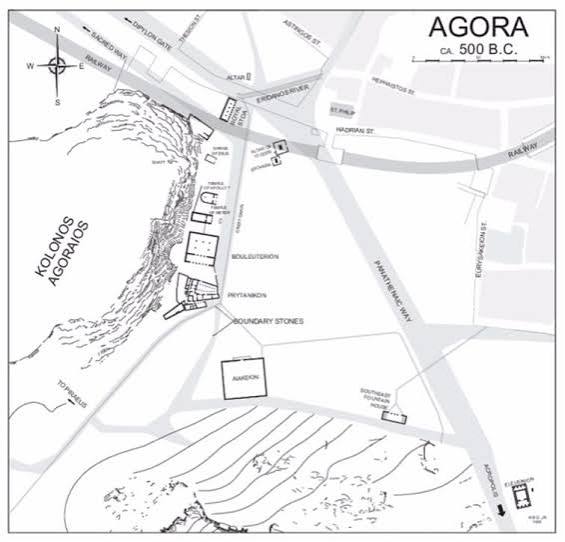
Athenian agora
Archaic through Hellenistic Greek. 600 B.C.E.–150 C.E. Plan.
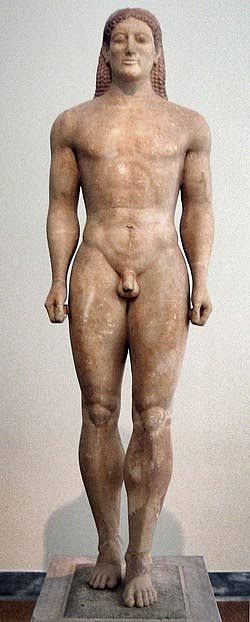
Anavysos Kouros
Archaic Greek. c. 530 B.C.E. Marble with remnants of paint.
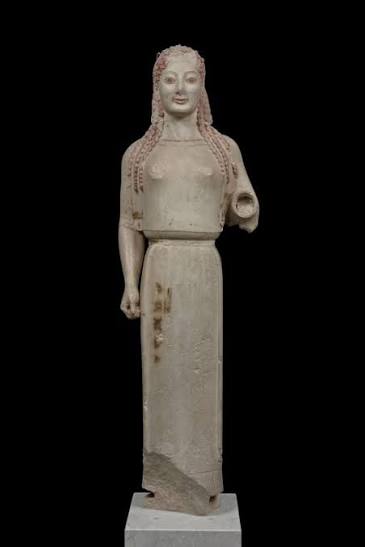
Peplos Kore
Archaic Greek. c. 530 B.C.E. Marble with painted details.
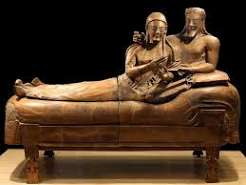
Sarcophagus of the Spouses
Etruscan. c. 520 B.C.E. Terra cotta.
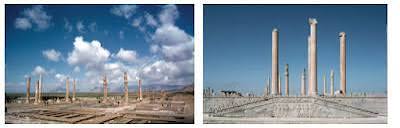
Audience Hall (Apadana) of Darius and Xerxes
Persepolis, Iran. Persian. c. 520–465 B.C.E. Limestone.
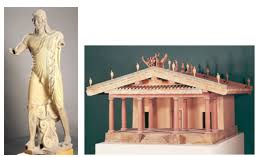
Temple of Minerva and sculpture of Apollo
Vulca. c. 510–500 B.C.E. Wood, mud brick, or tufa.
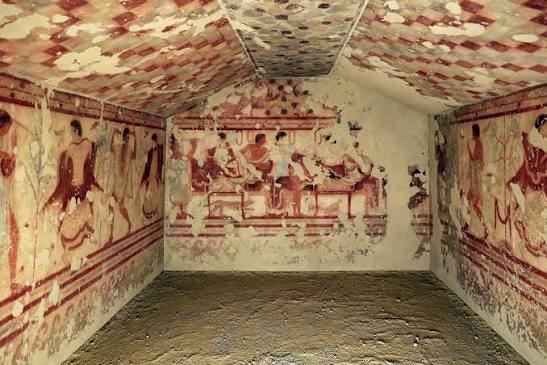
Tomb of the Triclinium
Tarquinia, Italy. Etruscan. c. 480–470 B.C.E. Tufa and fresco.
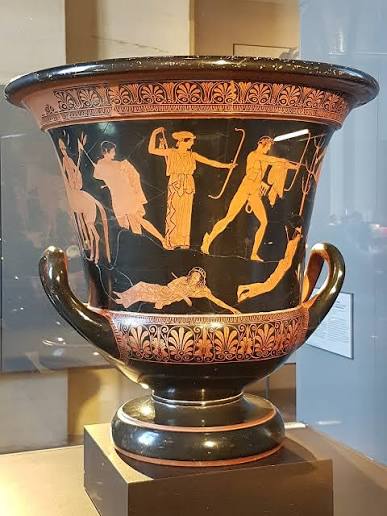
Niobides Krater
Niobid Painter. c. 460–450 B.C.E. Clay, red-figure technique with white highlights.
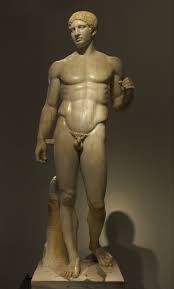
Doryphoros (Spear Bearer)
Polykleitos. c. 450–440 B.C.E. Roman marble copy of a Greek bronze original.
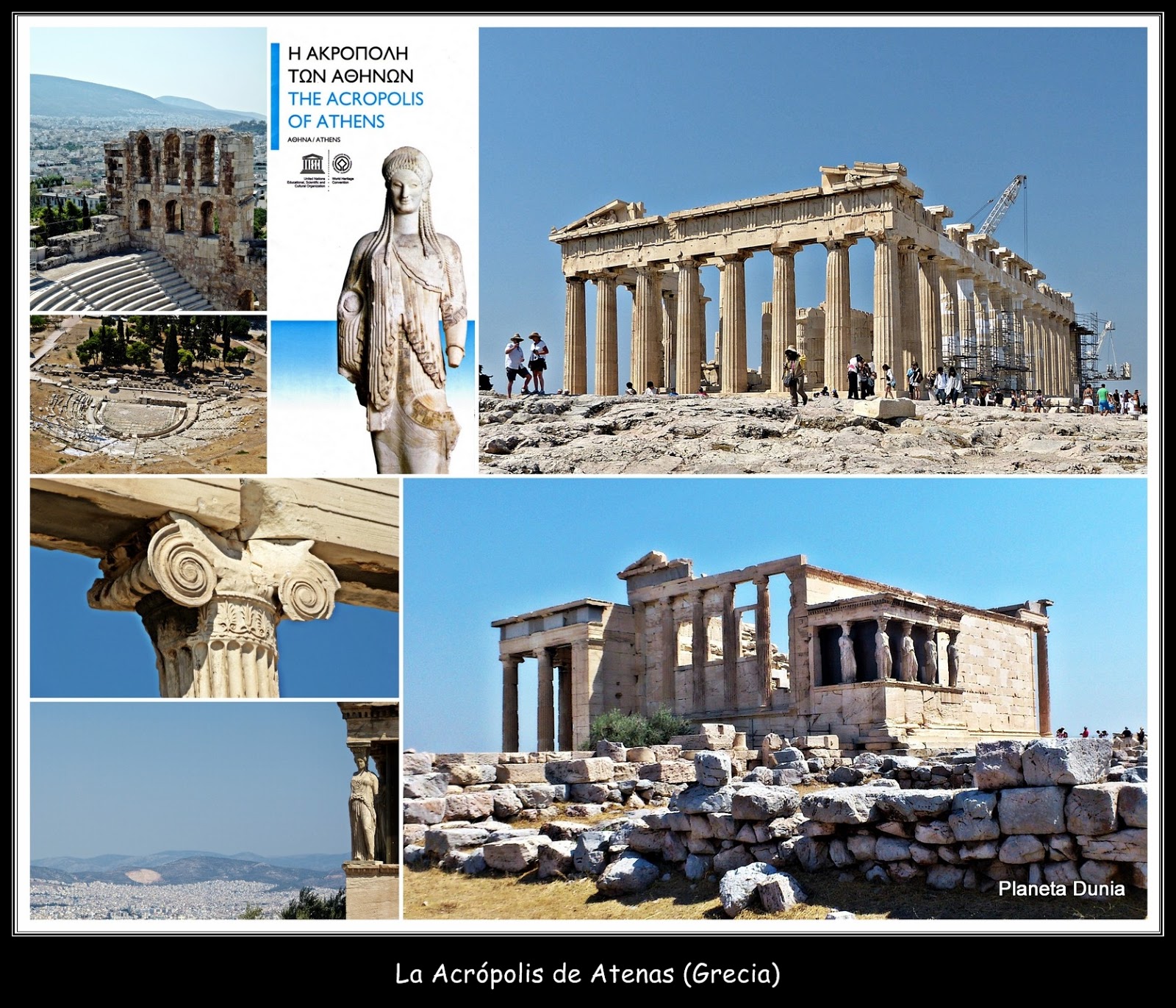
Acropolis
Athens, Greece. Iktinos and Kallikrates. c. 447–410 B.C.E. Marble.
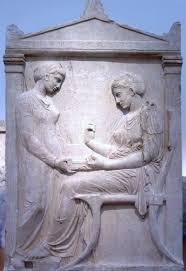
Grave stele of Hegeso
Attributed to Kallimachos. c. 410 B.C.E. Marble and paint.
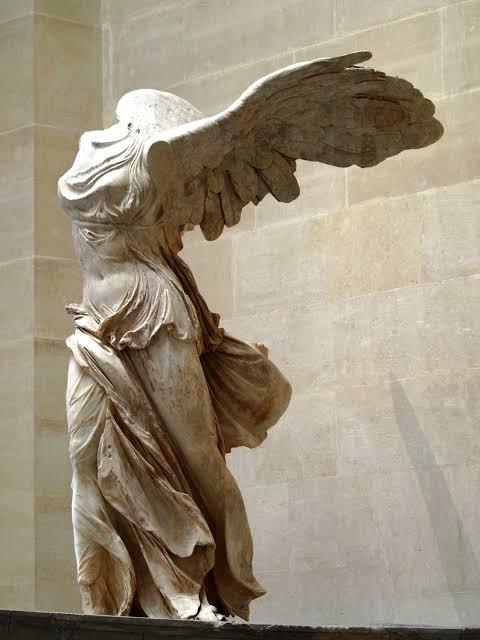
Winged Victory of Samothrace
Hellenistic Greek. c. 190 B.C.E. Marble.
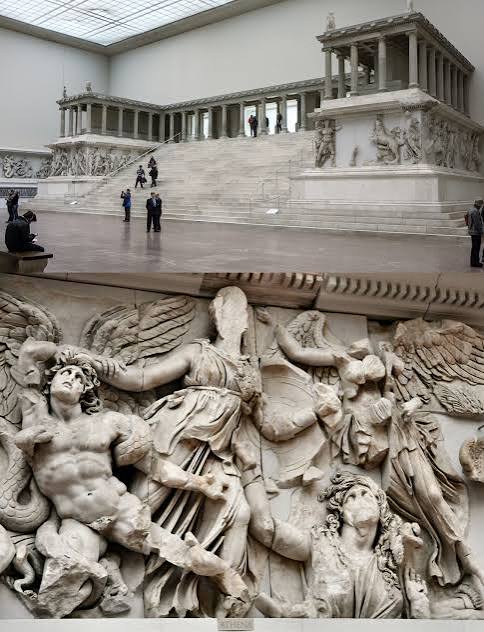
Great Altar of Zeus and Athena at Pergamon
Asia Minor. Hellenistic Greek. c. 175 B.C.E. Marble.
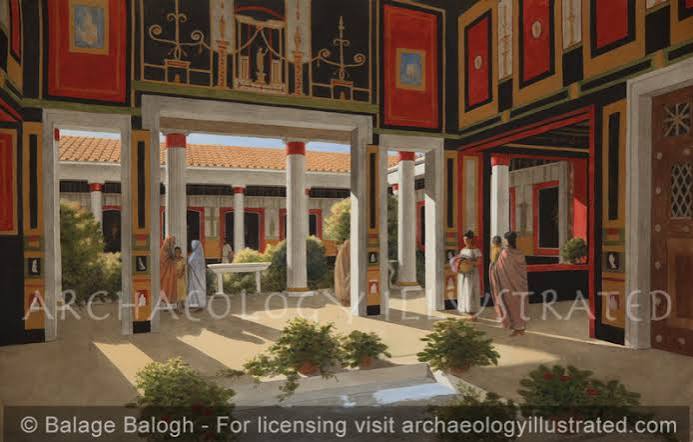
House of the Vettii
Pompeii, Italy. c. 2nd century B.C.E.; rebuilt c. 62–79 C.E. Cut stone and fresco.
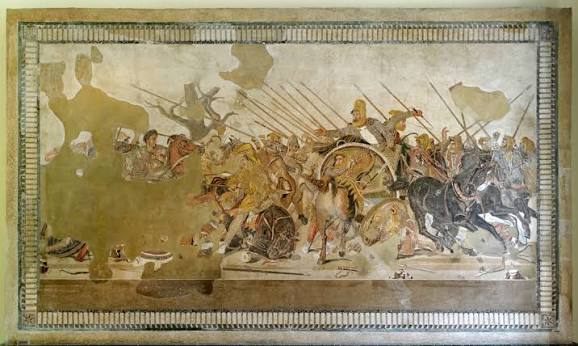
Alexander Mosaic
House of the Faun, Pompeii. Republican Roman. c. 100 B.C.E. Mosaic.
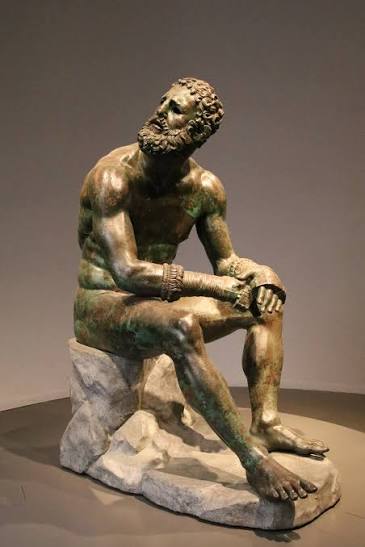
Seated Boxer
Hellenistic Greek. c. 100 B.C.E. Bronze.
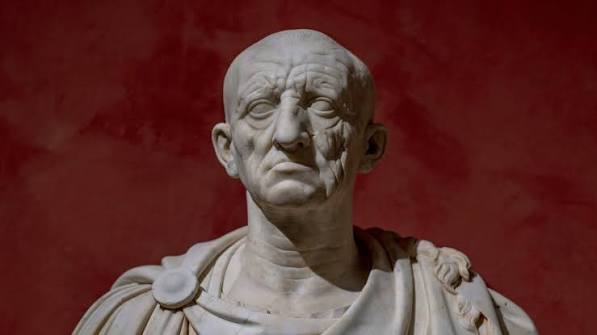
Head of a Roman patrician
Republican Roman. c. 75–50 B.C.E. Marble.
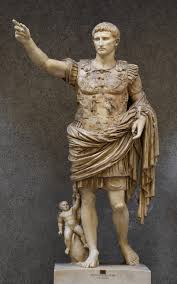
Augustus of Prima Porta
Imperial Roman. Early 1st century C.E. Marble.
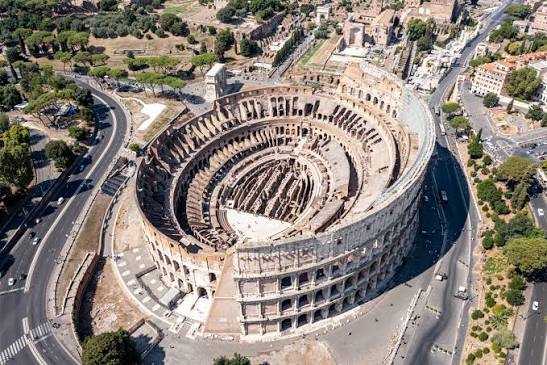
Colosseum (Flavian Amphitheater)
Rome, Italy. Imperial Roman. 70–80 C.E. Stone and concrete.
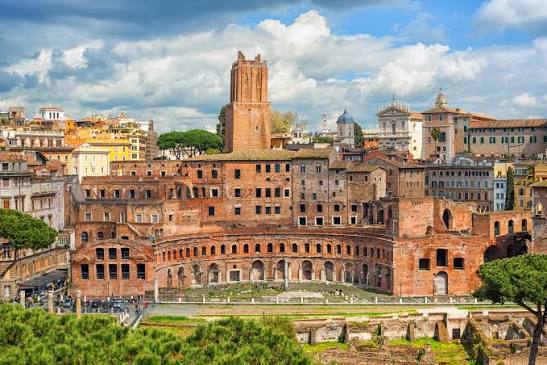
Forum of Trajan
Rome, Italy. Apollodorus of Damascus. 106–113 C.E. Brick, concrete, and marble.
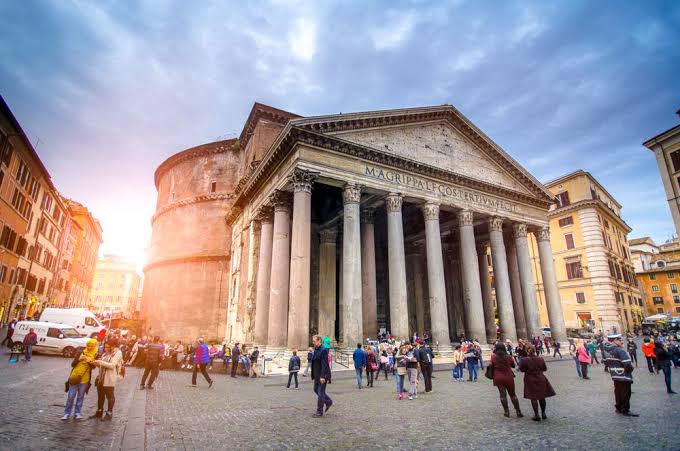
Pantheon
Imperial Roman. 118–125 C.E. Concrete with stone facing.
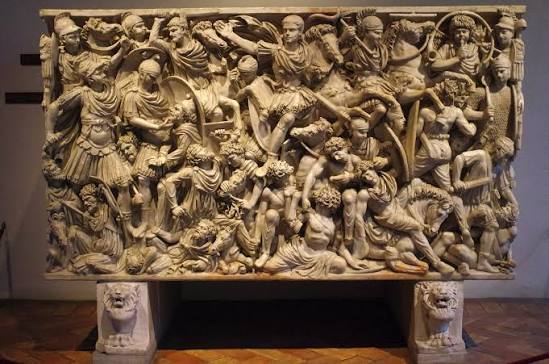
Ludovisi Battle Sarcophagus
Late Imperial Roman. c. 250 C.E. Marble