Human resources 2.1-2.3
 Call Kai
 Learn
Learn Practice Test
 Spaced Repetition
 Match
Match Flashcards
 Knowt Play
1/30

There's no tags or description
Looks like no tags are added yet.
Name | Mastery | Learn | Test | Matching | Spaced | Call with Kai | Chat |
|---|
No analytics yet
Send a link to your students to track their progress
31 Terms
human resource management
the strategic approach to the effective management of an organisation's workers so that they help the business gain a competative advantage.

human resource planning
is the process of analysing and forecasting the number of workers and the skills of those workers that will be required by the organisation to achieve the objectives
redundancy
occurs when a business no longer has any work for an employee so they end the job

outsourcing
sub contracting or contracting work. happens when a company cuts back on its operations to focus on core competancies

employee relations
maintaining positive relationships between management and employees is crucial. addressed by fostering communication, resolving conflicts and promoting well being
challenges in HRM
resistance to change, balancing cost, maintaining engagement
internal factors affecting HRP
organisational structure changes (delayering, growth,downsizing)
changes in strategy-products or tech that changes skills needed
coporate culture and leadership style
budget constraints
key facets of HRM
recruit, train, appraise, reward, retain
external factors affecting HRP
demographic change
labour mobility
immigration
gig economy
gig economy
refers to the labour market that is characterised by short-term flexible and freelance work instead of permanent jobs. offers flexibility but also presents challenges in managing and maintaining talent.
involves independant contractors, freelancers and temporary workers who take on gigs through platforms or direct contracts

delagation
process of assinging authority to subordinates while retaining ultimate responsibility for the task
span of control
refers to the number of subordinates directly reporting to a manager
having a wider span increases the number of relationships a manager must oversee making effectove delegation and employee capability even more important

hierachy
refer to the number of layers of management within an organisation

chain of command
is the formal line of authority through which instructions are passed in an organisation
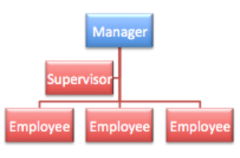
Bureacracy
refers to the formal rules, procedures and hierachal structures that govern an organisation

centralisation
means that decision-making is concentrated at top levels of an organisation. supports consistent decisions
decentralisation
distributes decision making authority to lower levels. speeds up responses to issues

delayering
involves removing layers of managemnet to create a flatter organisational structure. this shortens chain of command and reduces management cost while remaining managers face wider spans of control and heavier workloads
matrix structure
combines functional and divisional approaches to emphasize project or program teams to improve collaboration. yet can create conflicts, is most functional for cross functional work

flat charts
have fewer levels of authority and gives managers wider spans of control so communication moves quick yet yet there is less time for employees
tall charts
a tall structure has more hierachy levels and narrow spans of control. employees recieve closer supervision yet info passes through more layers
organisational structure
framework defining how tasks are divided, coordinated and supervised within the company
project organisations
structure where teams are temporarily formed to work on a specific project, disbanding once complete
shamrock organisation
model that divides the workforce into 3 distinct groups core, contract, peripheral.
combines permanant employees with external specialists to give the business flexibility when demand changes

scientific thinking
In management, it involves using data, analysis and a statistical approach to make decisions and compare alternatives. can reduce personal bias
intuitive thinking
relies on instincts, experience and a gut feeling to make decisions or using pattern recognition to reach a judgement without a formal full analysis.
autocratic leadership style
leadership style where the leader makes all the decisions with little or no input from employees. authority is centralised

paternalistic leadership style
a leadership style where the leader makes decisions in the best interest of employees. keeps final authority with the manager while giving attention to employee wellfare

democratic leadership style
leadership style where decision making is collaborative and employees actively participate in discussions.

Laissez faire leadership.
leadership style where employees are given maximum autonomy and the leadership provides minimal guidance.
can suit skilled self directed teams yet weak coordination can leave goals or responsibilities unclear

situational leadership style
a flexible leadership style where the leader adjusts their approach based on the situation and teams needs. asses context before deciding how much control or participation is suitable