A&P 1 - Anatomical Organization, Body Systems & Regions
 Call Kai
 Learn
Learn Practice Test
 Spaced Repetition
 Match
Match Flashcards
 Knowt Play
1/200

There's no tags or description
Looks like no tags are added yet.
Name | Mastery | Learn | Test | Matching | Spaced | Call with Kai | Chat |
|---|
No analytics yet
Send a link to your students to track their progress
201 Terms
What are the 9 levels of biological organization (in order)?
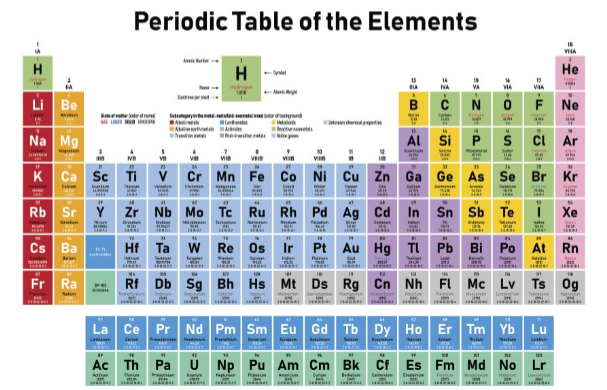
Atoms and Elements
Molecules and Compounds
Macromolecules
Organelles
Cells
Tissues
Organs
Organ System
Organism

what is an atom and what are some examples?
Just ONE; the basic building block of matter.
electron
proton
neutron
nucleus
what is an element?
Pure but many atoms.
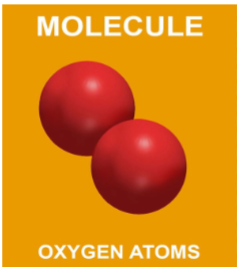
Molecules
Group of two or more of the SAME atoms chemically bonded together.
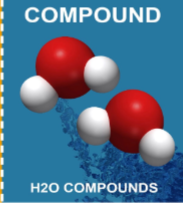
Compounds
a specific type of molecule made of two or more DIFFERENT elements.
What are the 4 major macromolecules?
Proteins, carbohydrates, lipids, and nucleic acids
What is the monomer (building block) of proteins?
Amino acids
What are the main functions of proteins?
Structure, enzymes, and transport
What are examples of proteins?
Hemoglobin and enzymes
What is the monomer of carbohydrates? what are they made of?
Monosaccharides (simple sugars)
State the main functions of carbohydrates.
Quick energy, structure
Which molecules make up lipids?
Glycerol and fatty acids
State the main functions of lipids.
Energy storage and insulation
Give examples of lipids.
Triglycerides, phospholipids
Nucleic acids are made of which monomers?
Nucleotides
Describe the main function of nucleic acids.
Store and transmit genetic information
Name the two main nucleic acids.
DNA and RNA
Organelles
Comprised of MANY macromolecules organized to make organized components within a cell.
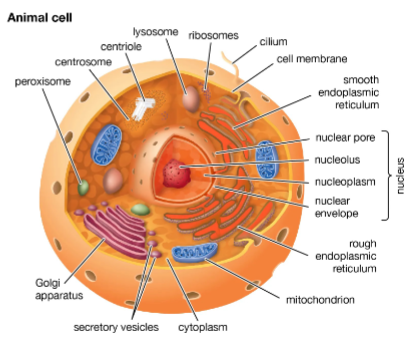
Cells
The single smallest UNIT OF LIFE. Contains various organelles.
Which organelle controls the cell and contains DNA?
Nucleus
Which structure surrounds the nucleus?
Nuclear envelope
Which openings allow materials to enter and leave the nucleus?
Nuclear pores
Which structure inside the nucleus makes ribosomes?
Nucleolus
Which organelles make proteins?
Ribosomes
Which organelle modifies, sorts, and packages proteins?
Golgi apparatus
Which organelle makes proteins for secretion or membranes?
Rough endoplasmic reticulum (Rough ER)
ribosomes = rough
Which organelle makes lipids and helps detoxify substances?
Smooth endoplasmic reticulum (Smooth ER)
no ribosomes
Which organelle produces most of the cell's ATP (energy)?
Mitochondria
Which organelle breaks down waste and old cell parts?
Lysosome
Which organelle breaks down fatty acids and harmful substances?
Peroxisome
Which structures help organize cell division?
Centrioles
Which structure organizes microtubules?
Centrosome
Which structures transport materials out of the cell?
Secretory vesicles
Which structure controls what enters and leaves the cell?
Cell membrane
Which fluid-like material fills the inside of the cell?
Cytoplasm
Which hair-like structure helps move the cell or move substances across its surface?
Cilium
Name the 4 basic functions all living things must perform.
Energy use, growth/repair, adaptation, reproduction
How do humans obtain and use energy?
Humans are heterotrophs; nutrients are used to produce ATP (energy).
Growth and repair allow the body to do what?
Grow, change, and repair damaged tissues.
Adaptation allows living things to do what?
Respond to environmental changes; responses may be temporary or permanent.
Why is reproduction important?
It ensures survival of the species, not the individual.
What is the study of cells called?
Cytology (“cyto” = cell)
Define tissue.
A group of similar cells + extracellular matrix that work together to perform a specific job.
Name the 4 types of tissue.
Epithelial, connective, muscle, nervous
Connective tissue
Supports, connects, and protects other tissues.
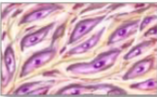
Epithelial tissue
Covers body surfaces, lines organs/cavities, and forms glands.
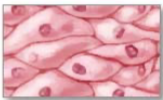
Muscle tissue
Contracts to produce movement.
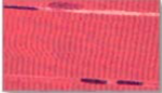
Nervous tissue
Sends electrical signals for communication and control.

what is histology?
The study of tissues.
Organ
a collection of tissues that structurally form a functional unit specialized to perform a particular function.
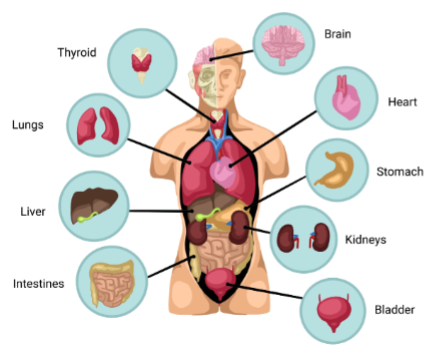
Organ System
a biological system consisting of a group of organs that work together to perform one or more bodily functions.
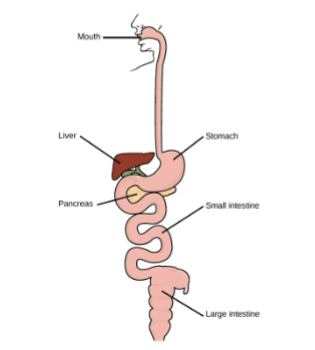
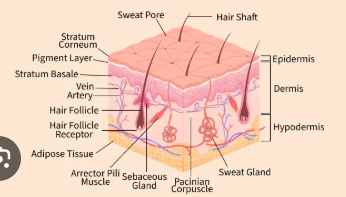
Integumentary system: major organs + function?
Organs: Skin, hair, nails, sweat/oil glands
Function: protection, defense, body temperature
Endocrine system: major organs + function?
Organs: Hormone-secreting glands (ex: thyroid)
Function: coordinates body functions
Reproductive system: major organs + function?
Organs: Ovaries/uterus or testes/penis + reproductive structures
Function: reproduction & fetal support (female).
Nervous system: major organs + function?
Organs: Brain, spinal cord, nerves
Function: detects and coordinates responses
Immune/Lymphatic system: major organs + function?
Organs: Lymphoid tissue, spleen, thymus, immune cells
Function: defense against pathogens & fluid balance
Cardiovascular system: major organs + function?
Organs: Heart, blood vessels, blood
Function: moves blood throughout the body
Respiratory system: major organs + function?
Organs: Nasal passages, trachea, lungs
Function: O₂/CO₂ exchange
Urinary system: major organs + function?
Organs: Kidneys, ureters, bladder, urethra
Function: filters blood & removes waste
Musculoskeletal system: major organs + function?
Organs: Bones, skeletal muscle, cartilage, tendons, ligaments
Function: movement, support/protection, blood cell formation
Digestive system: major organs + function?
Organs: Mouth, esophagus, stomach, liver, gallbladder, pancreas, intestines Function: breaks down food & absorbs nutrients
Define anatomical position.
Standing upright, facing forward, arms at sides, feet forward, palms facing forward.
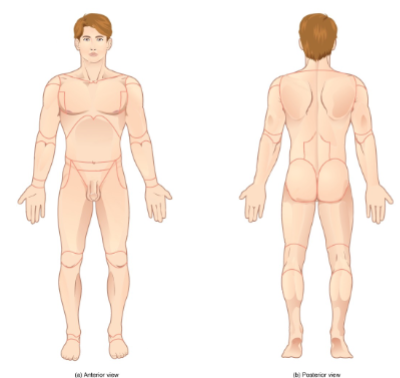
Identify the body position shown.
Anatomical position
otic
ear
cephalic
head
cranial
skull
frontal
forehead
facial
face
orbital/ocular
eye
buccal
cheek
nasal
nose
oral
mouth
mental
chin
cervical
neck
thoracic
chest
acromial
shoulder
dorsal
back
Transverse Section (horizontal)
Divides body into upper and lower sections.
Coronal Section (frontal)
Divides body into anterior and posterior sections.
Sagittal (“lateral”) Section
Divides body into left and right sections.
Midsagittal Section
Divides body into left and right sections at the midline.
Oblique Section
“oblique” means that something is not parallel or a right angle. An easy way to remember this is to remember “obliques are odd angles”.
Anterior (ventral)
Toward the front of the body
Posterior (dorsal)
Toward the back of the body
Medial
Toward the midline of the body
Lateral
Away from the midline; toward the side
Superior (cranial)
Toward the head / above
Inferior (caudal)
Toward the feet / below
Proximal
Closer to the trunk or point of attachment
Distal
Farther from the trunk or point of attachment
Superficial
Closer to the body surface
Deep
Farther from the body surface; more internal
The antecubital (front of elbow) region is _____ to the carpal (wrist) region.
Proximal
The patellar (kneecap) region is _____ to the femoral (thigh) region.
Distal
The patellar region is _____ to the tarsal (ankle) region.
Proximal
The nasal (nose) region is ___ to the buccal (cheek) regions.
Medial
The nasal region is ___ to the oral (mouth) region.
Superior
The popliteal (back of knee) region is ___ to the sural (calf) region.
Proximal
The popliteal region is ___ to the gluteal (buttock) region.
Distal
Which region is lateral to the sternal region and proximal to the brachial region?
Axillary (armpit)