DT A-level
 Call Kai
 Learn
Learn Practice Test
 Spaced Repetition
 Match
Match Flashcards
 Knowt Play
1/147

There's no tags or description
Looks like no tags are added yet.
Name | Mastery | Learn | Test | Matching | Spaced | Call with Kai | Chat |
|---|
No analytics yet
Send a link to your students to track their progress
148 Terms
Thermoplastic
Can be molded or formed when heated
Thermoset
having the property of becoming permanently hard and rigid when heated or cured
LDPE
Low density, low stiffness, good chemical resistance
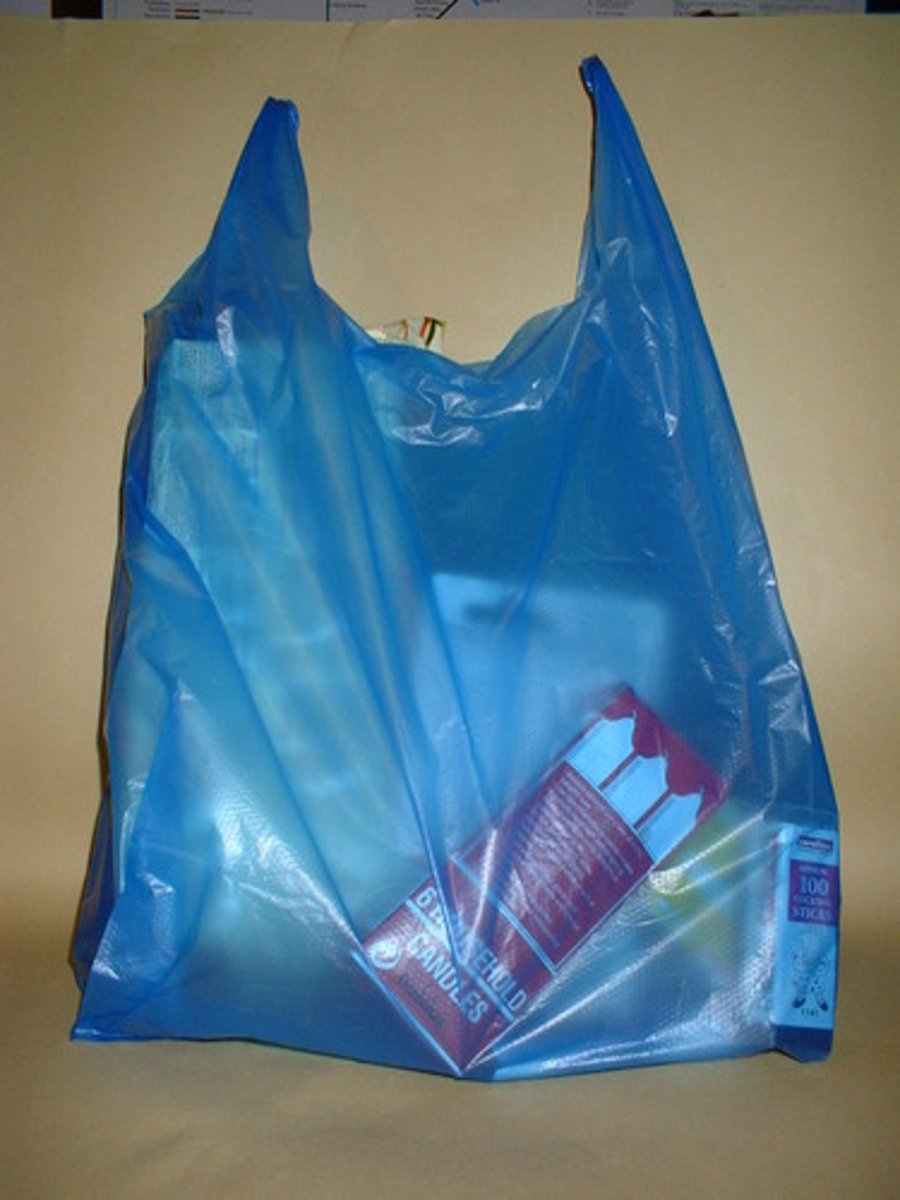
Detergent bottles, toys and carrier bags
Acrylic
Tough, hard, durable, easily machined.
used in light units, car light lenses, illuminated signs
HDPE
Good stiffness and chemical resistance.
Commonly used for milk containers and soft drink bottles; it may also be used for landfill liners.
PET
Moderate chemical resistance.
Blow moulding, electrical plugs and sockets
PVC
Good chemical resistance, weathering resistance, hard, tough, lightweight, can be coloured.
Flexible hoses
ABS
High impact strength, good toughness, scratch resistant, lightweight and durable.
Kitchen products, mobile phones, toys, cases
Epoxy resin
electrical insulator, hard, resists chemicals well, brittle unless reinforced.
Used for adhesives, bonding of other materials and encapsulation of electrical components
Urea formaldehyde
- rigid
- hard
- good strength
- brittle
- heat-resistant
- good electrical insulator
electrical fittings,adhesives
Polyester resin
Rigid, brittle, good chemical resistance.
Casting GRP
Rubber
Abrasion and tear resistant
Ferrous
Metals, including iron, that are utilized in the production of iron and steel.
Non-ferrous
Do not contain iron. They do not rust and are not magnetic however they are prone to corrosion
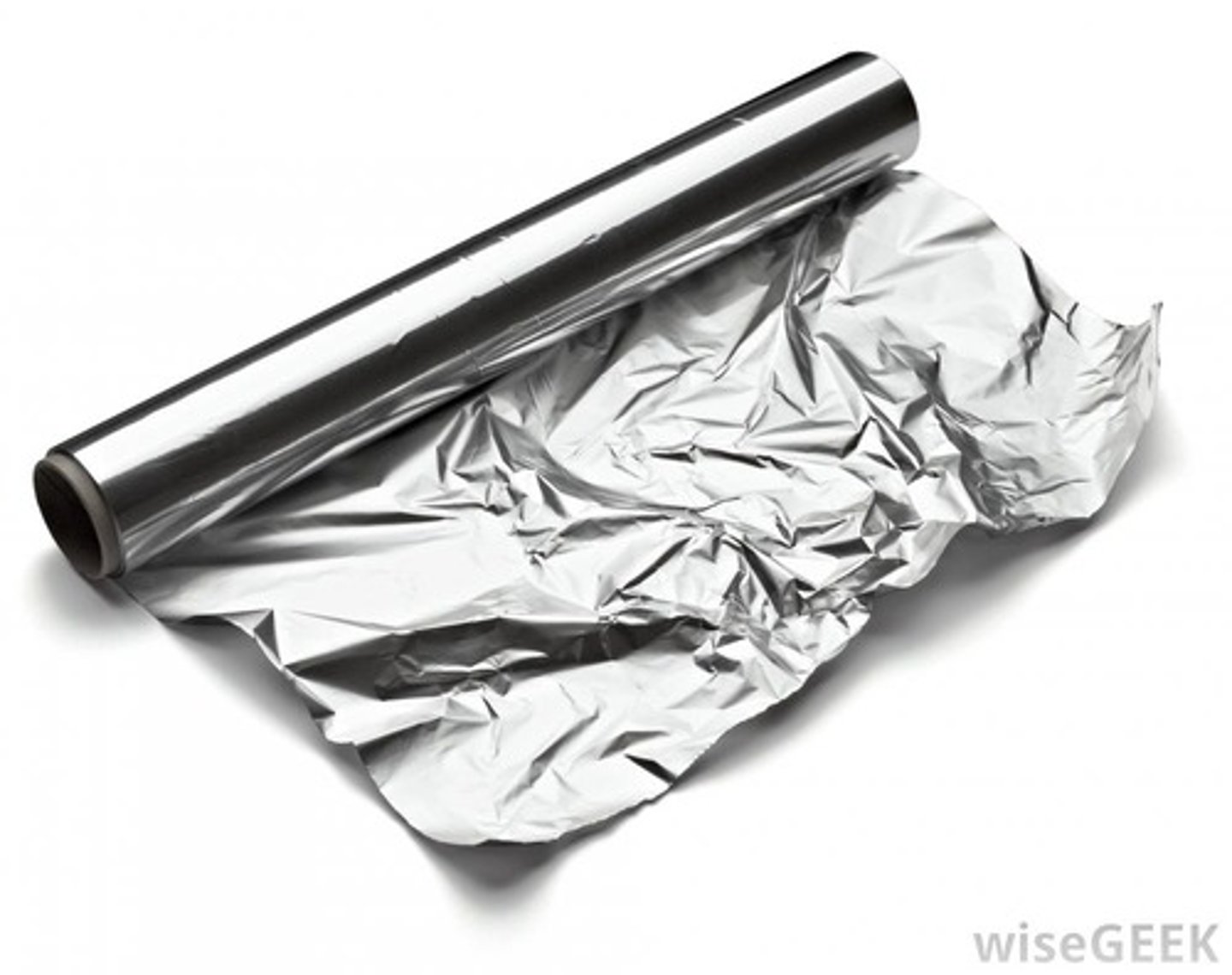
Aluminium
Kitchenware,
excellent electrical conductor
Copper
Electrical contacts, water pipe, electrical cables

Zinc
Galvanising, can be die casted to produce high detailed products e.g. locks
Tin
steel-plate coatings. food cans
Duralumin
Structural components for aircraft

Brass
Cast valves and taps. boat fittings and ornaments
stainless steel
Tough, wear and corrosion resistant.
Sinks, cutlery and sanitary-ware

Mild steel
Nuts, bolts, washers, car bodies

High carbon steel
Hand tools, scribers, dot punch, chisels
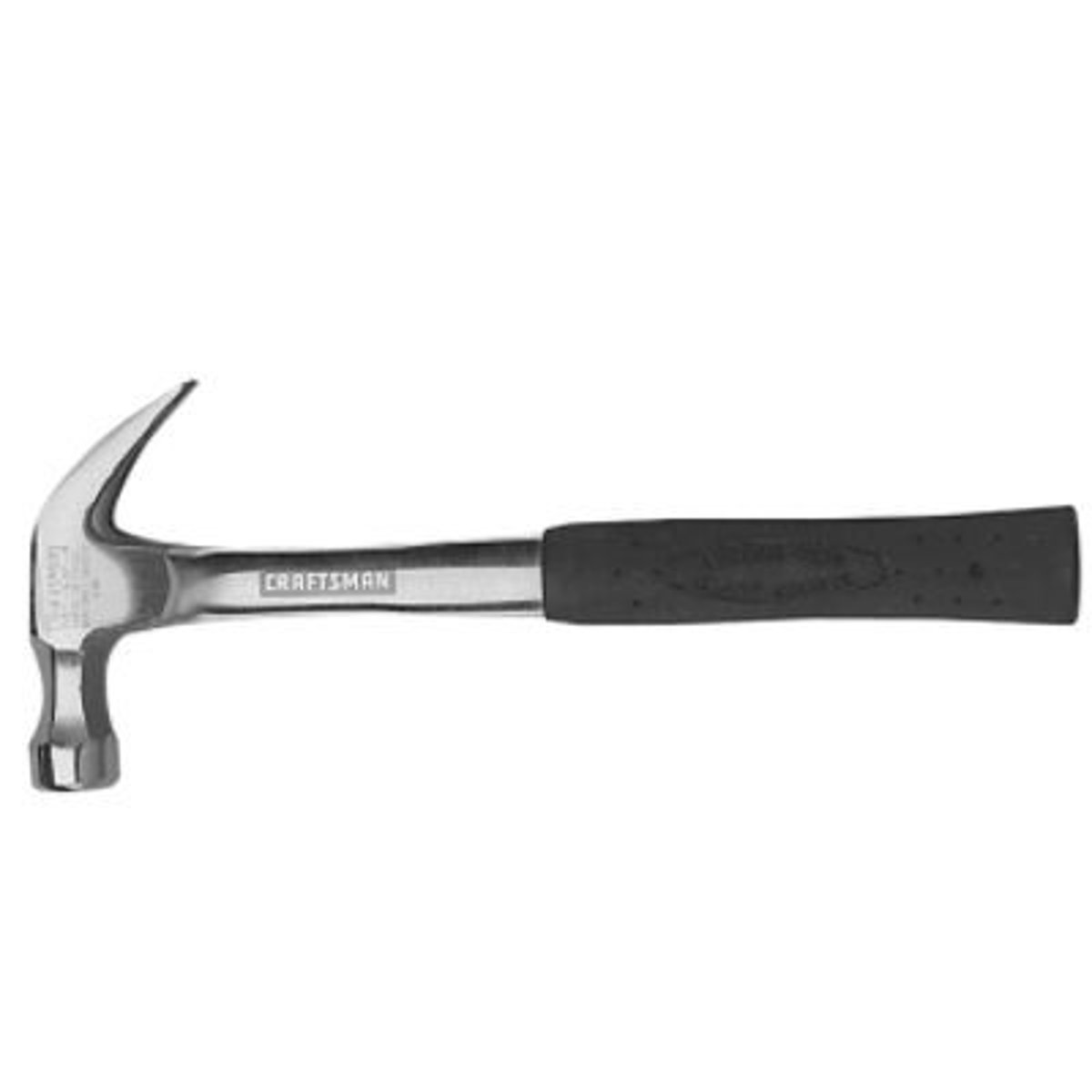
Medium carbon steel
Used in garden tools, springs. Strong and hard but less ductile, tough or malleable.

Cast iron
Machine parts, break disks, engines
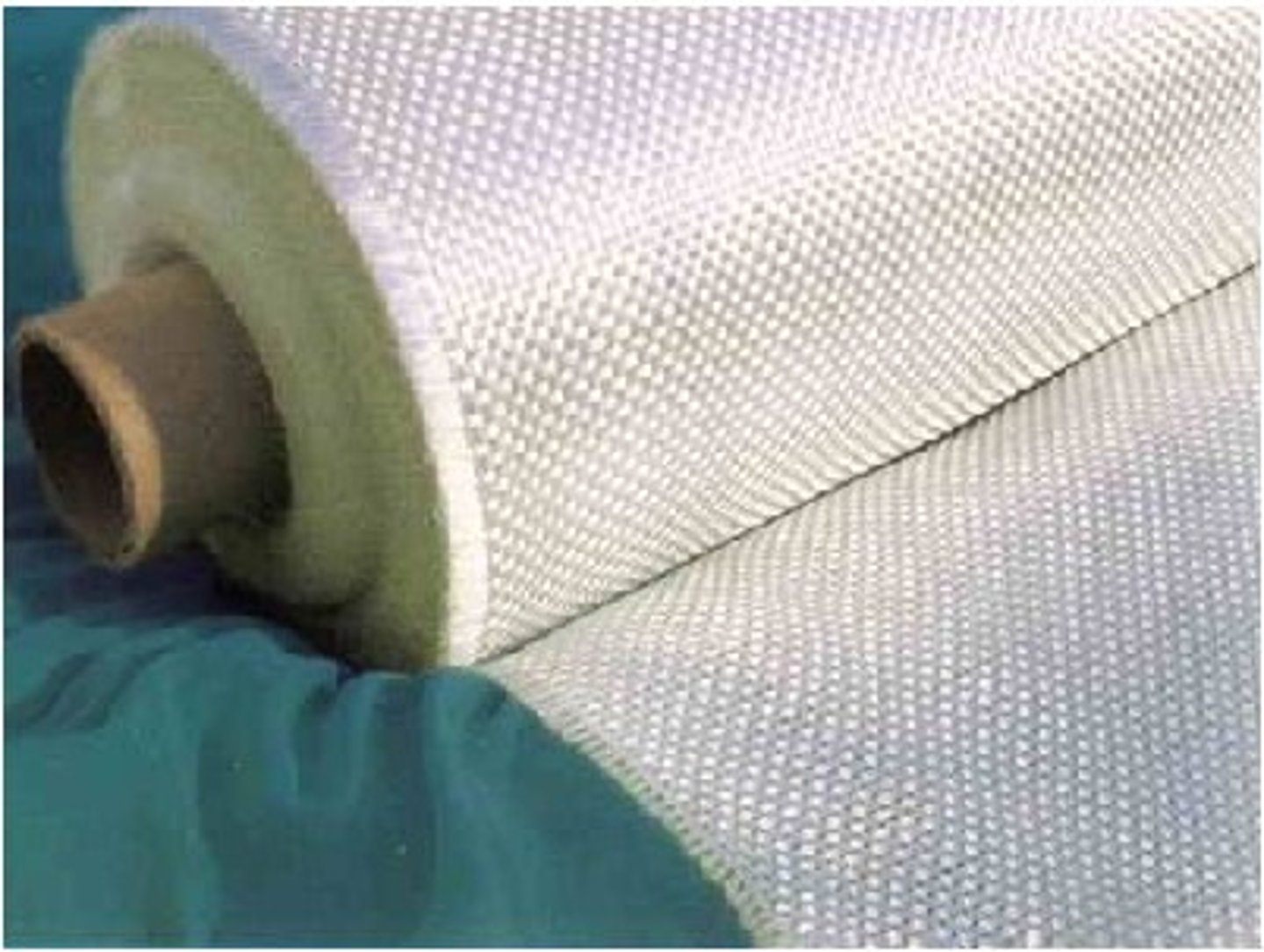
GRP
Glass spun to produce a fibre. Coated to aid bonding to resin. Laying up process
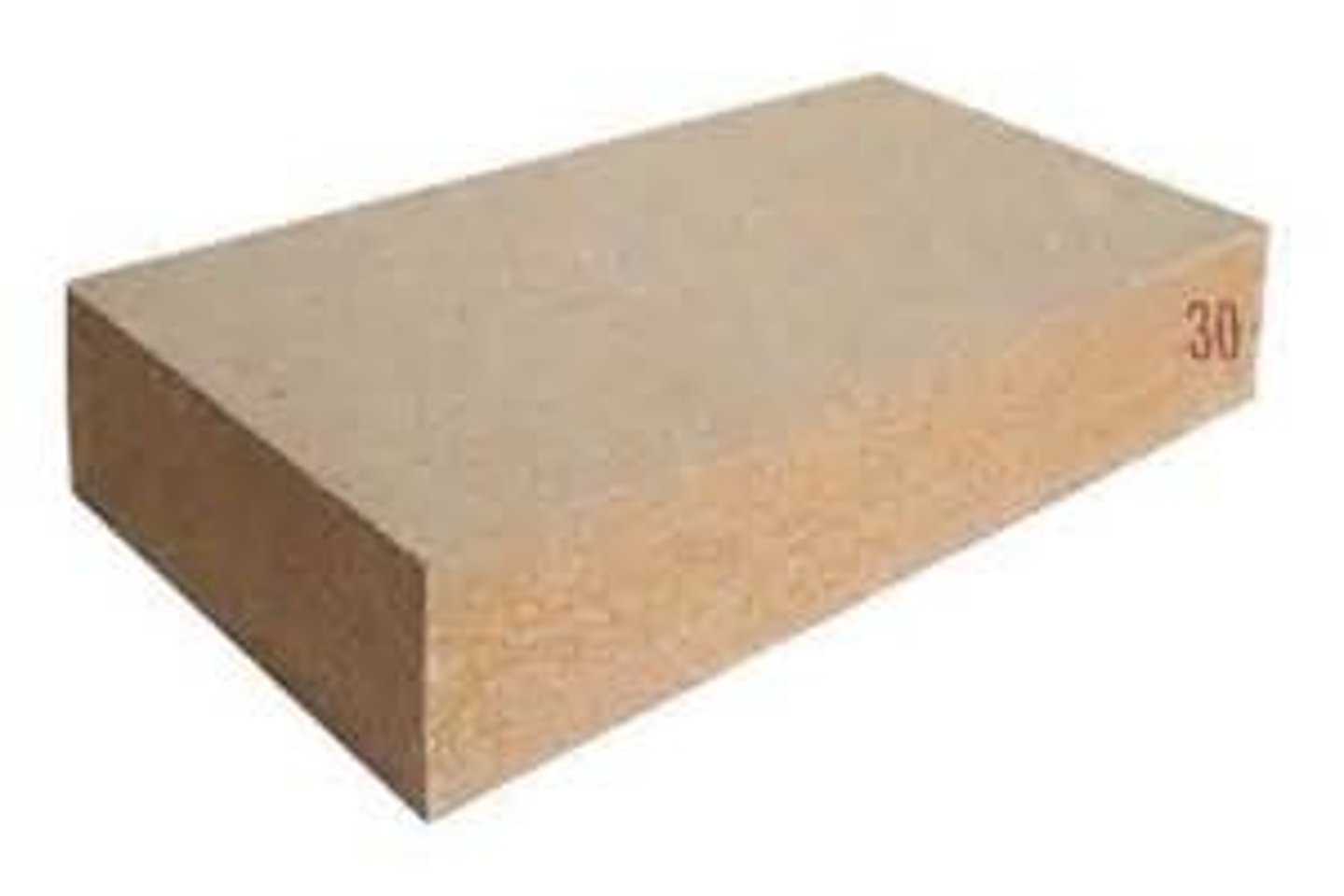
MDF
Base for veneers, furniture sides, pattern making for casting
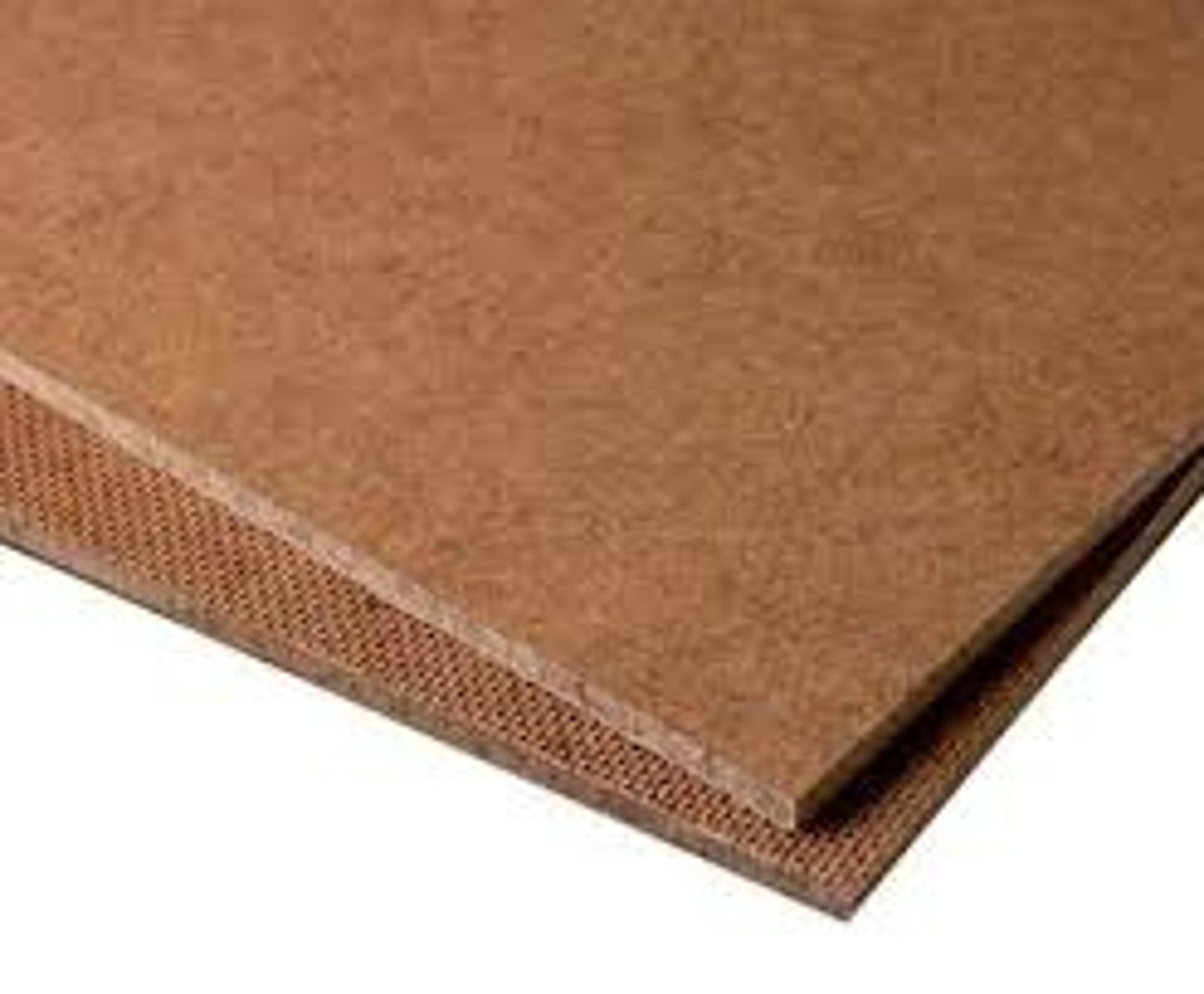
Hardboard
Backs of cupboards and drawers. Bottom of kitchen units
Chipboard
Knockdown furniture, kitchen cupboards and worktops; usually veneered or laminated for furniture; also used for flooring.
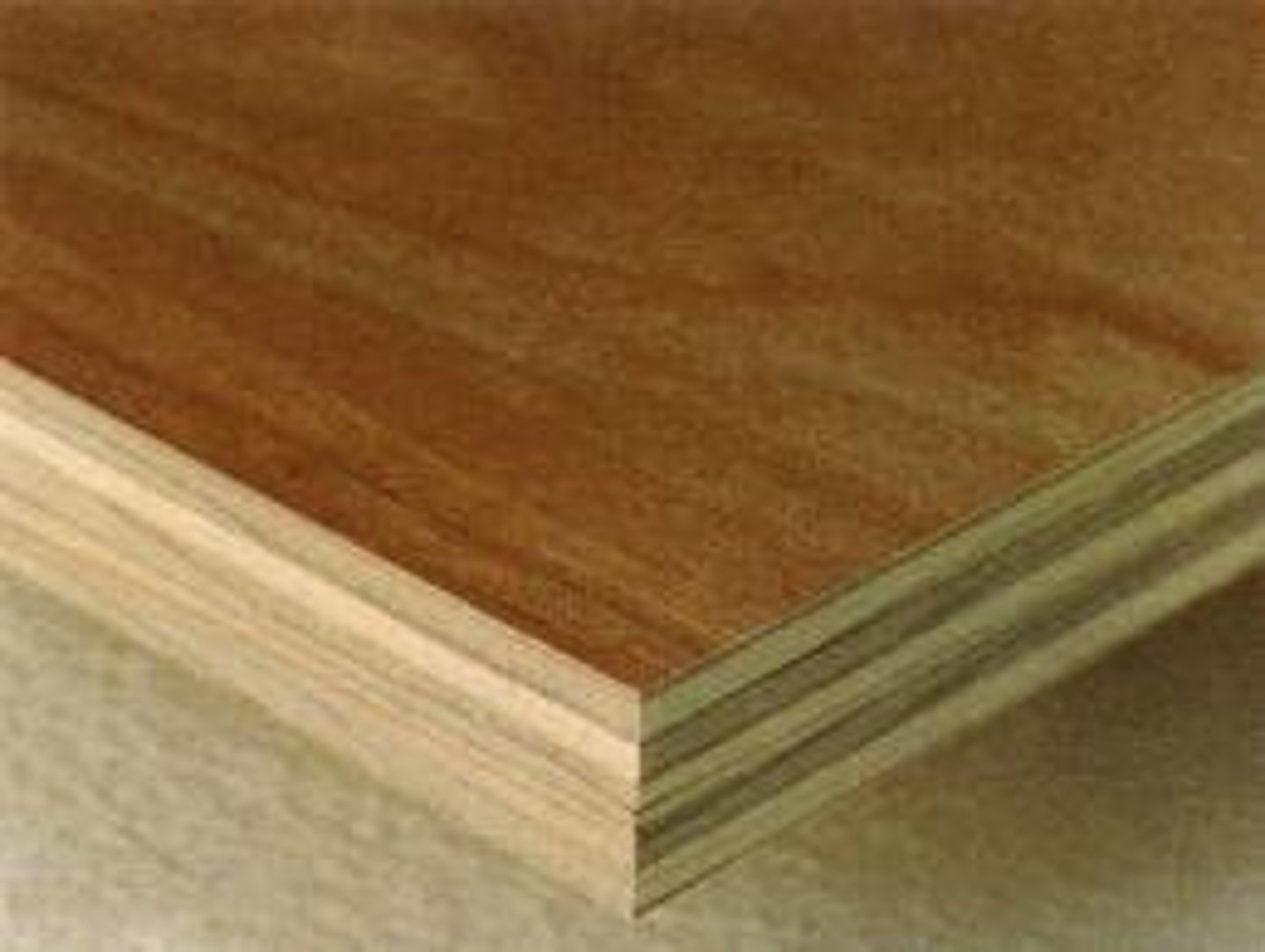
plywood
Thin sheets of wood glued together so that the grains are at right angles to one another; an odd number of sheets will be used so that the grain on the front and back will always run the same direction.
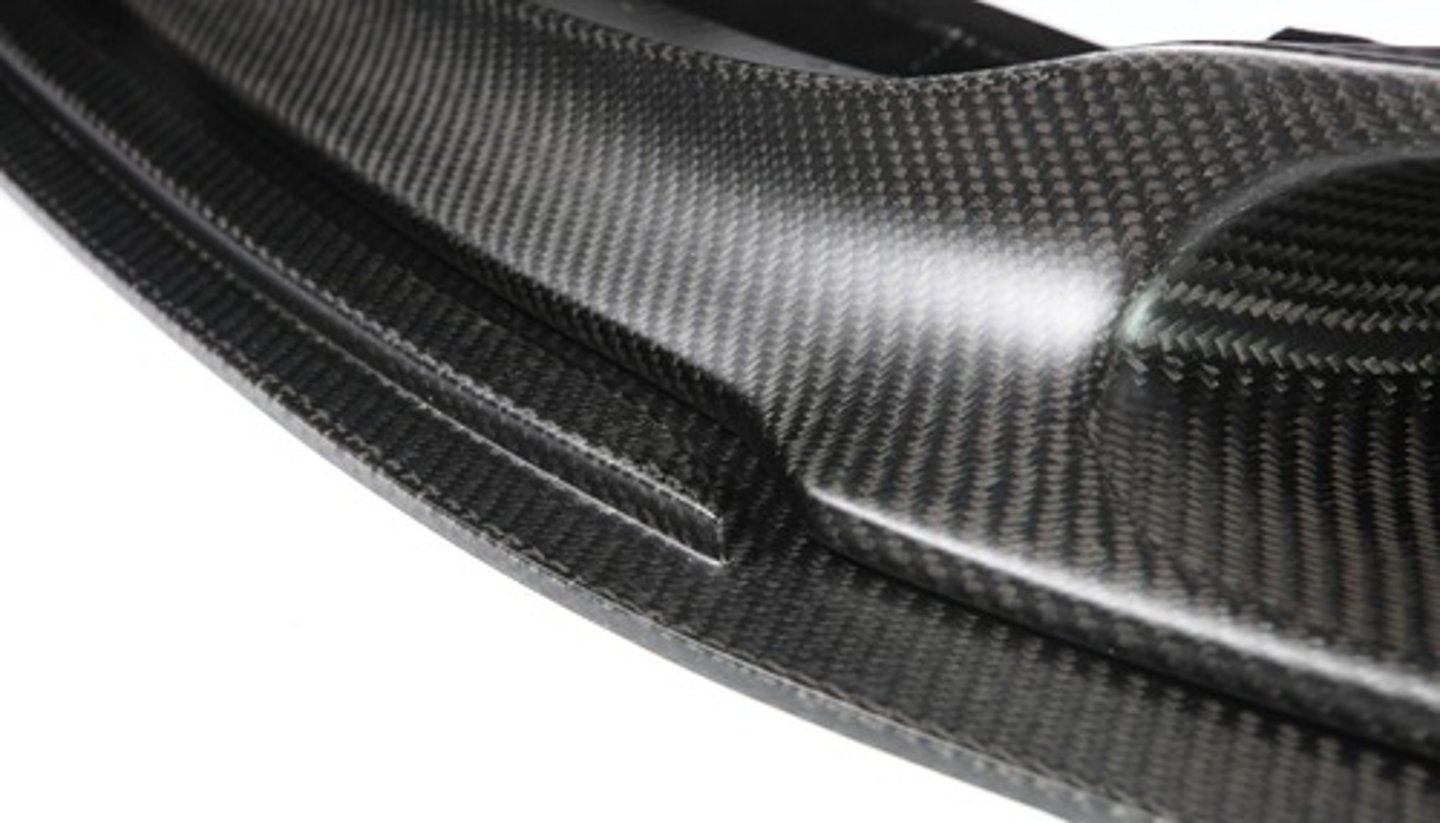
Carbon fibre
A woven fabric made of carbon fibres and then impregnated with a resin to bond it together
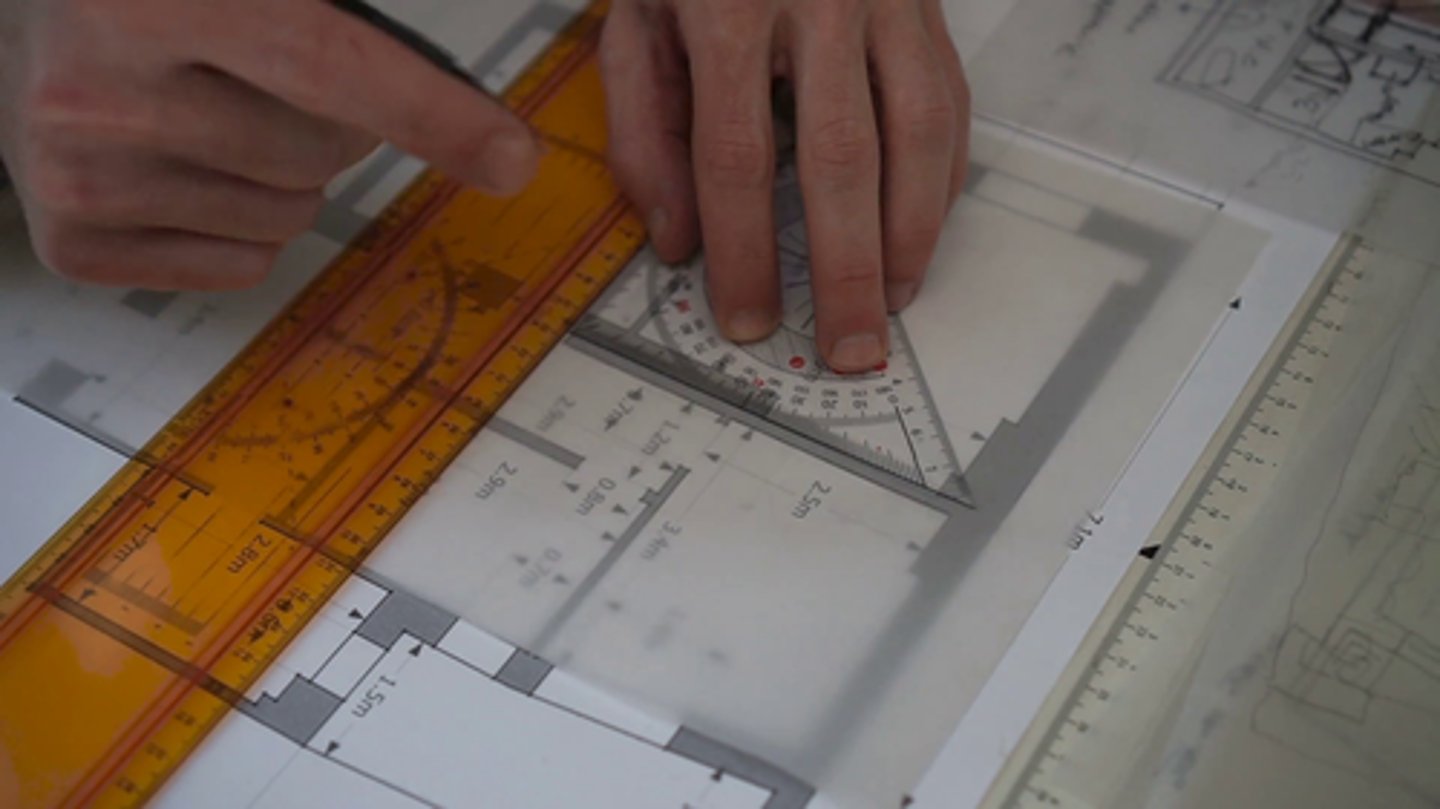
Layout paper
- lightweight, thin white paper
- used for initial ideas
- takes colour media well
- low cost
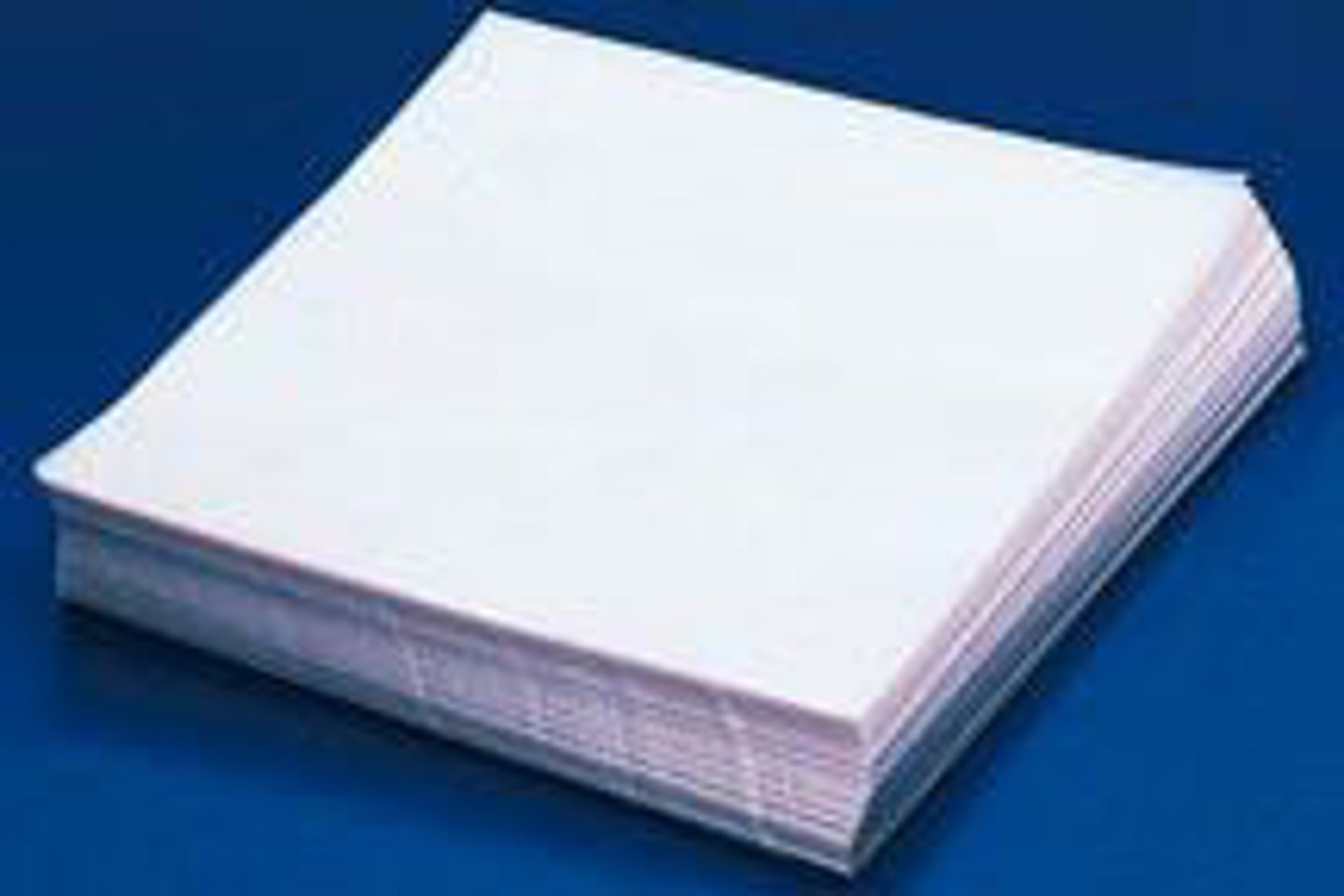
Copier paper
Bright white and many colours
Cartridge paper
paper with good quality surface and will take pencil, pens and markers
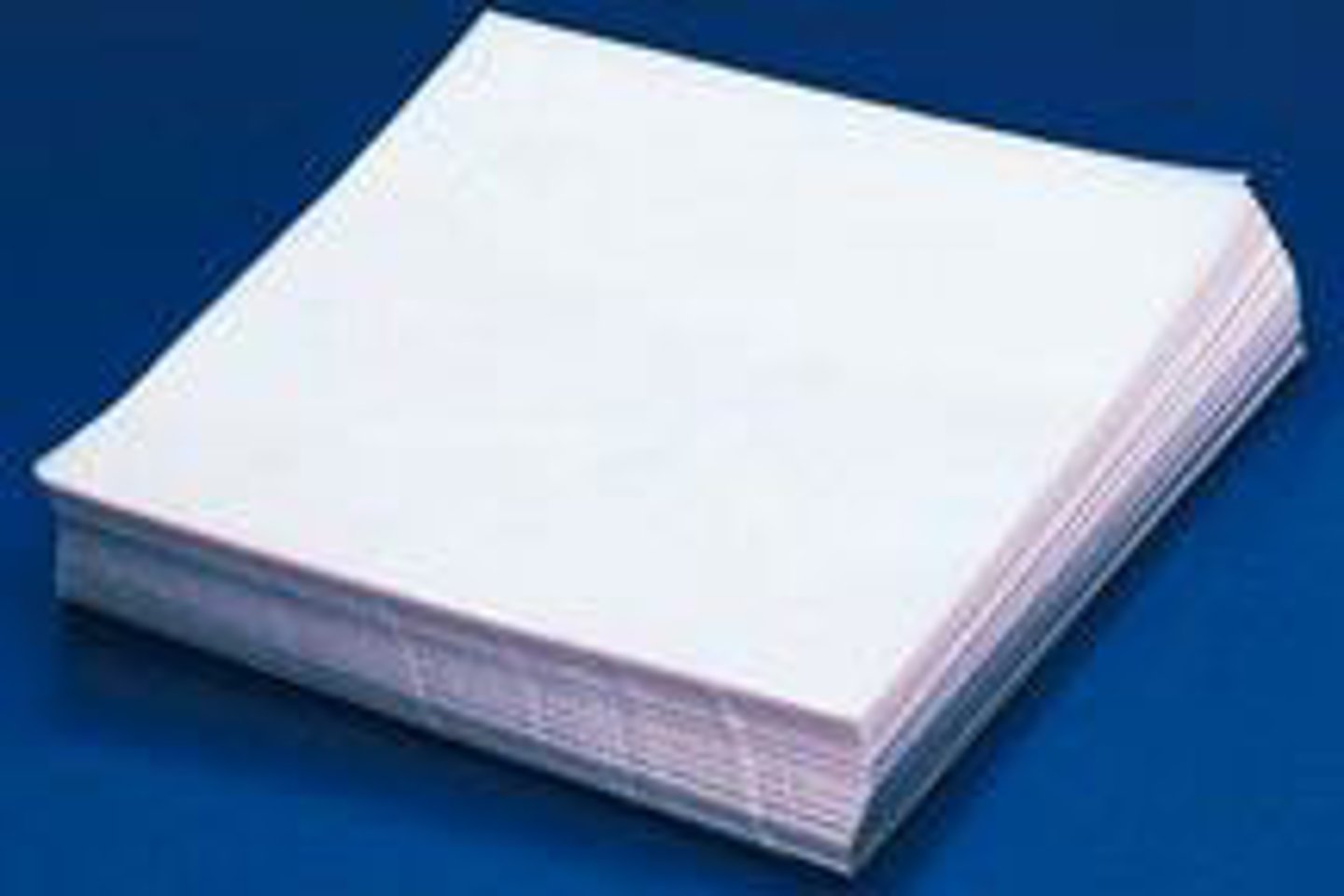
Bond paper
Durable, strong paper usually used for correspondence.
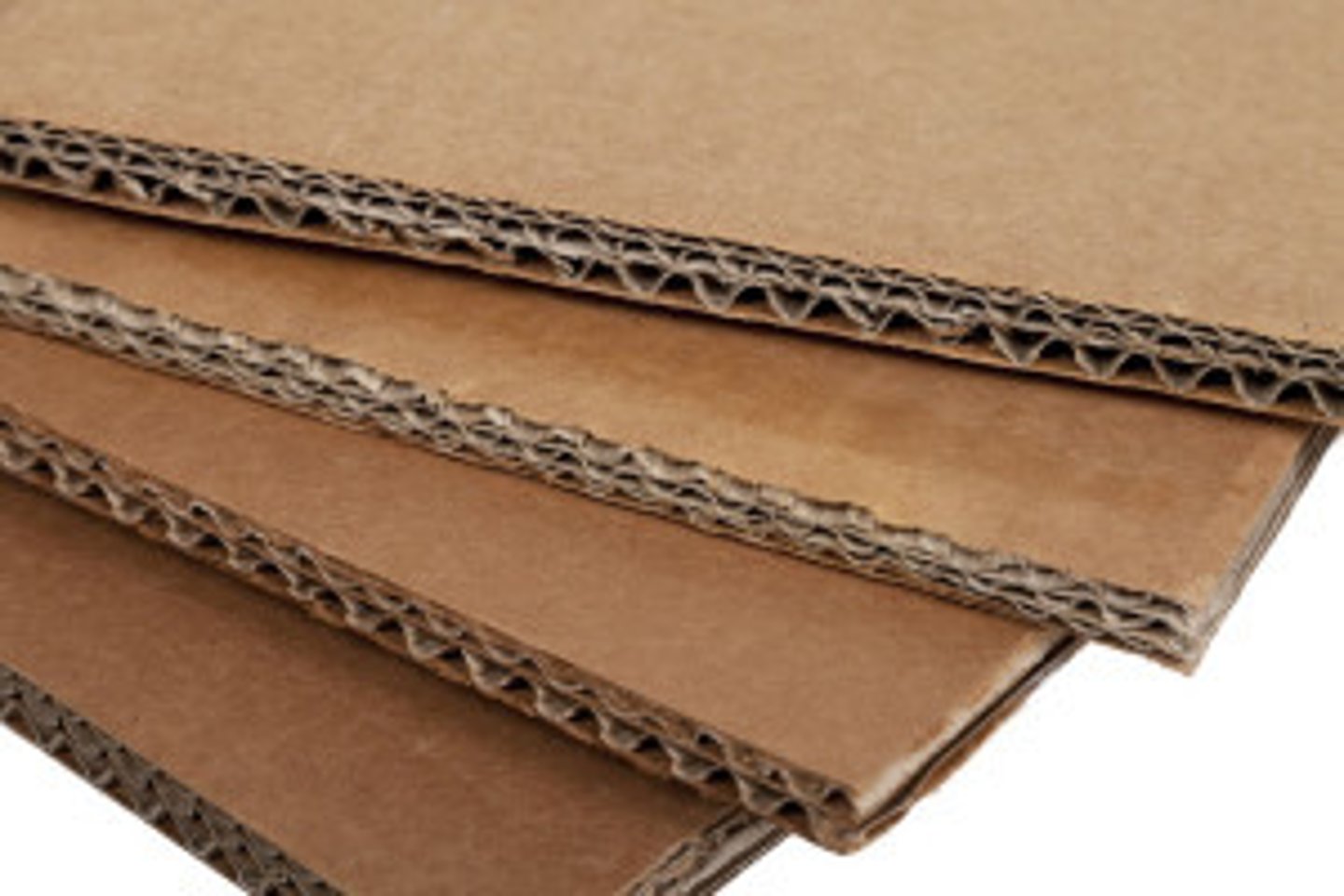
Corrugated board
Protective packaging
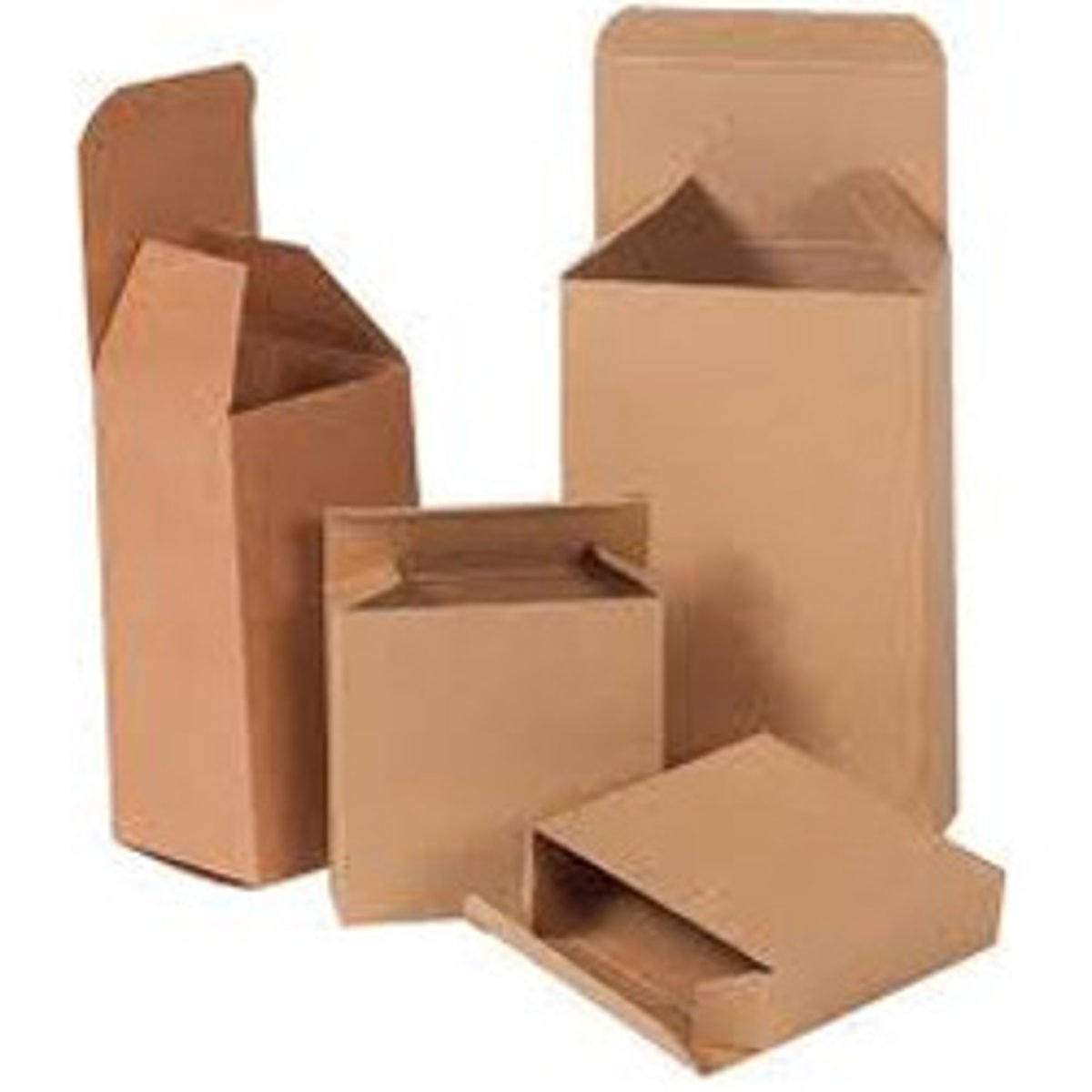
folding boxboard
whiter top layers with cream bottom layer used for toys and games (cartonboard)
Shape memory alloy
Alloy that 'remembers' its original shape and returns to it when heated.

Reactive glass
Unlike photochromic glass reactive glass required an outside stimulus such as an electric current.
Photo-chromatic materials
Changes colour in response to changes in light intensity
Quantum tunnelling composite
A flexible polymer which contains tiny metal particles.
It is normally an insulator but if it is squeezed it becomes a conductor.
Conductivity
The ability of an object to transfer heat or electricity to another object.
Strength
the ability to maintain shape under the application of force
Elasticity
Ability of a material to return to its original shape after being stretched or compressed.
Plasticity
The ability of a material to be changed in shape permanently.
malleability
the ability of a substance to be hammered or beaten into thin sheets
Ductility
the ability of a substance to be drawn, pulled, or extruded through a small opening to produce a wire
Hardness
The ability to withstand abrasive wear and indentation
Toughness
Ability to absorb energy, but not fracture
durability
the ability to withstand wear and tear
Biodegradability
Ability to breakdown from microorganisms
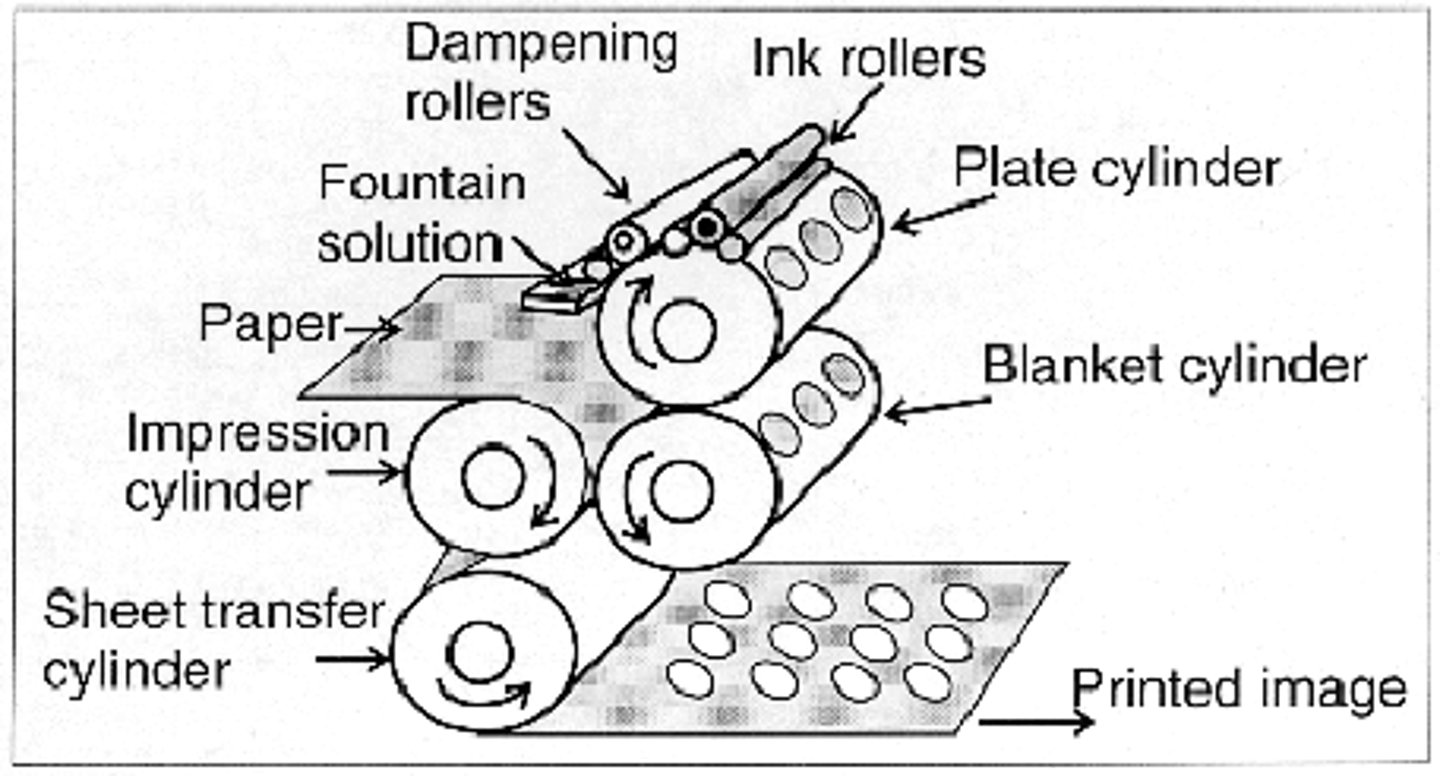
offset lithography
One station for each colour. Image etched onto cylinder
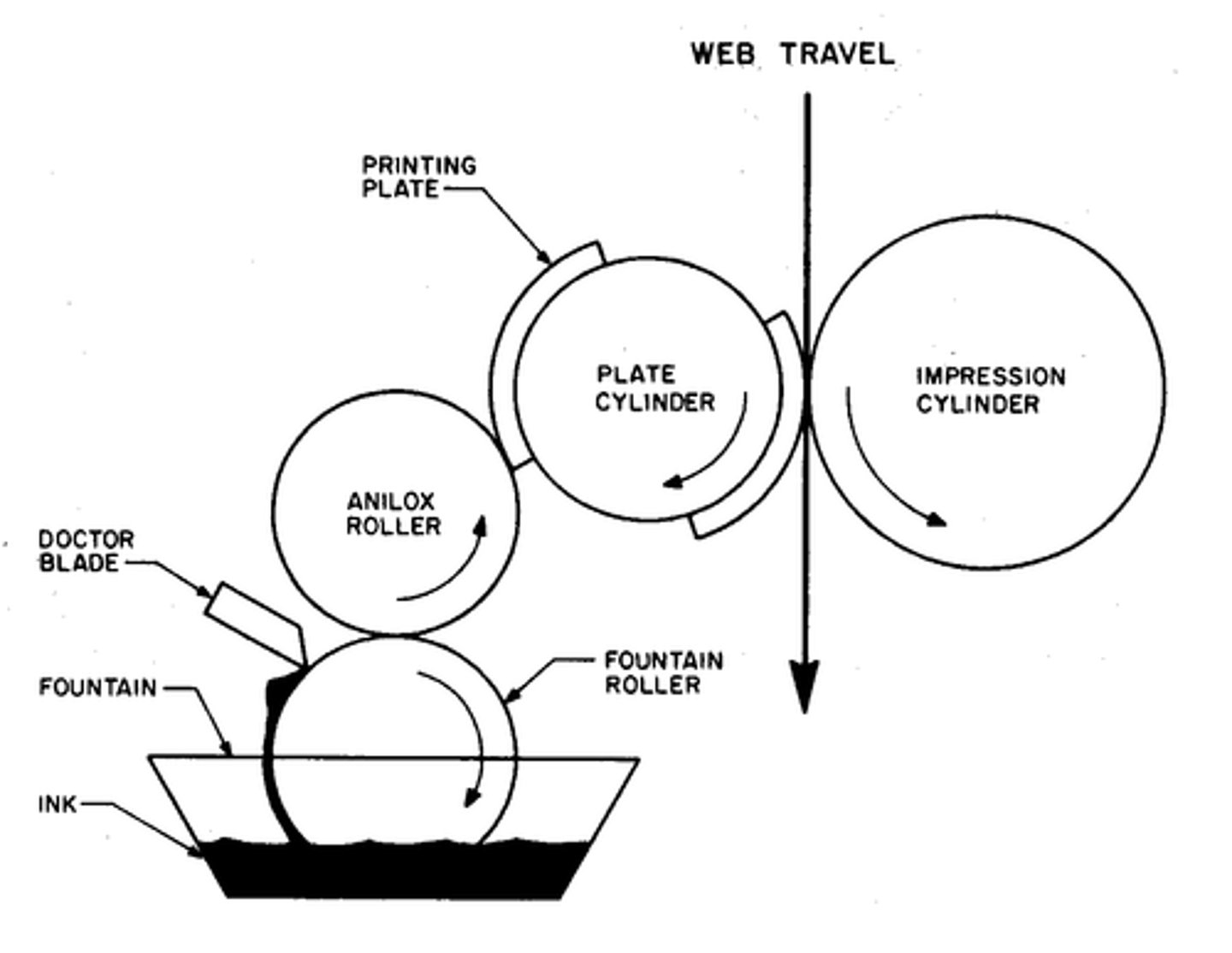
Flexography
a rotary relief printing method using rubber or plastic plates and fluid inks or dyes for printing on fabrics and impervious materials such as plastics, as well as on paper.
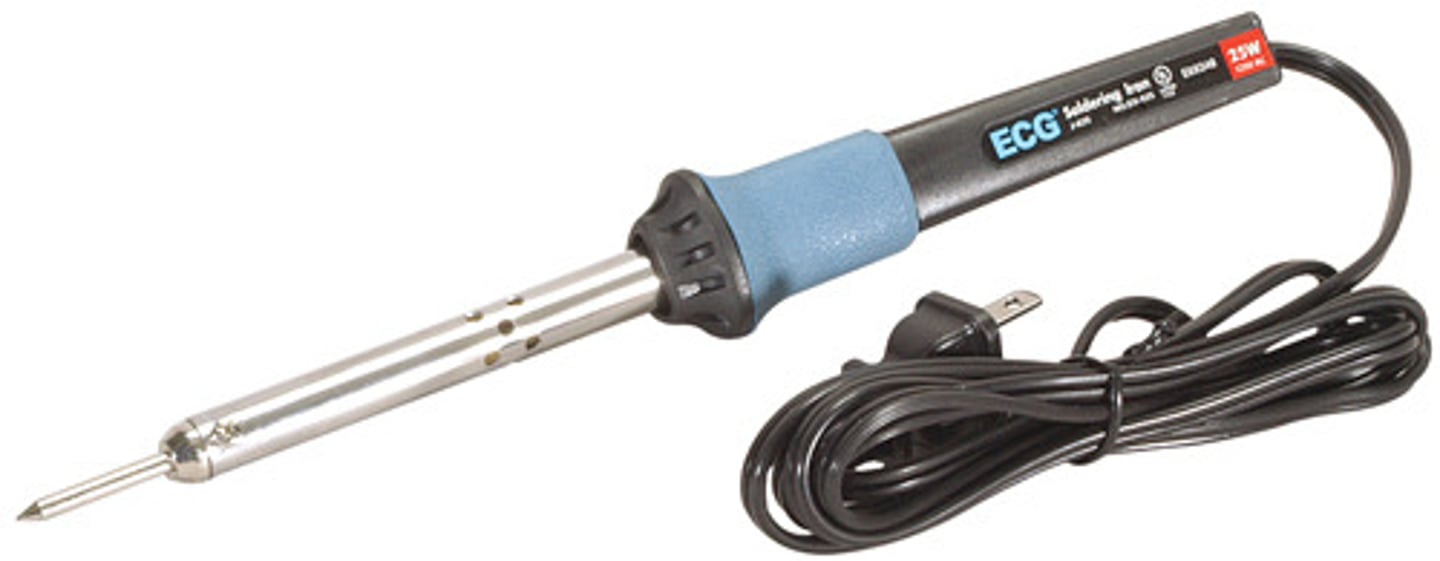
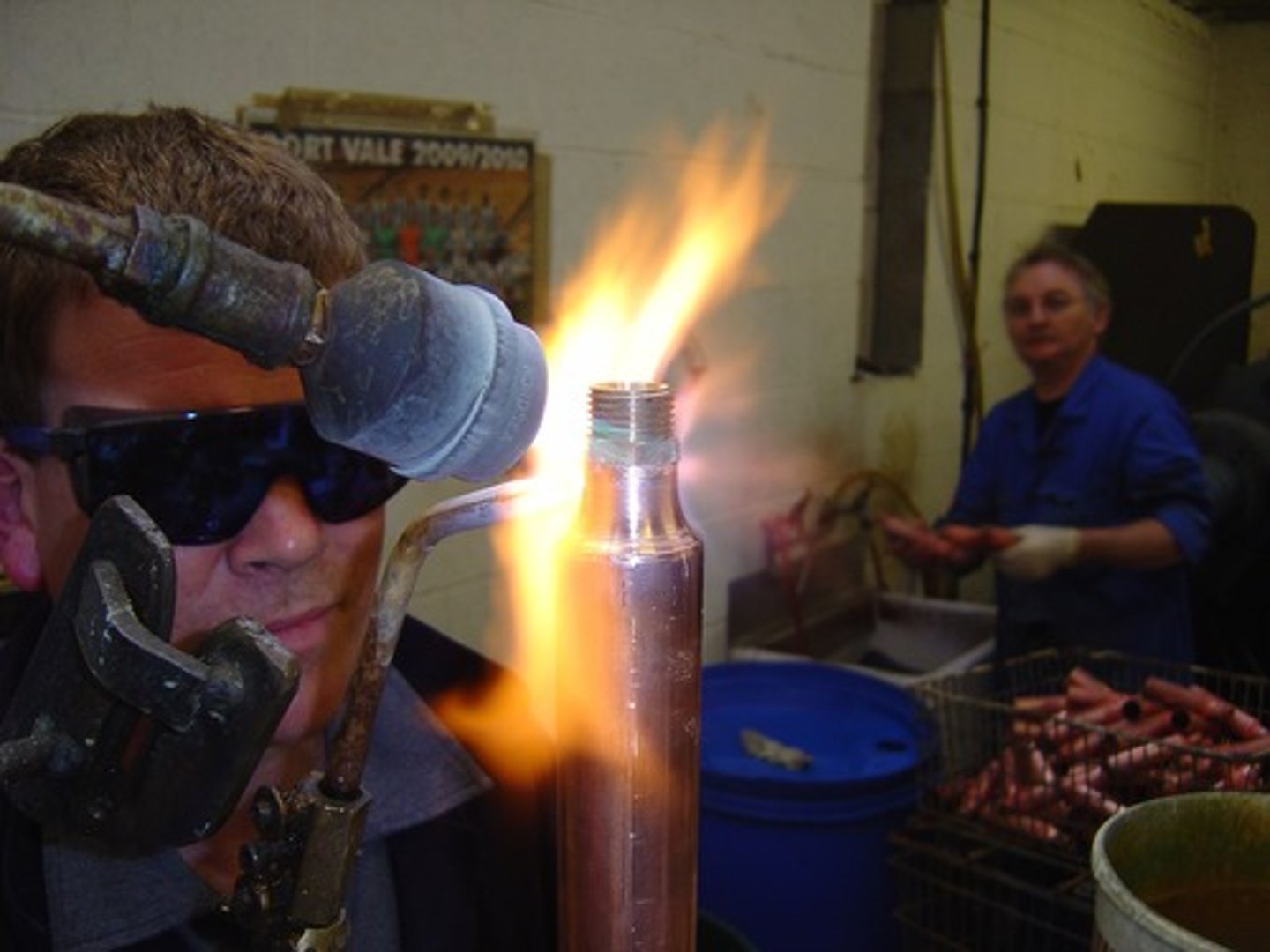
Soft soldering
Quick method of joining copper, brass and tinplate when little strength is required in the joint.
Filler rod, an alloy, melted by gas torch at relatively low temperature, used to bond metals together.
Joint should be cleaned using wire wool/emery (stronger joint).
Flux, chemical cleaner used to clean metal as heat is applied, prevents oxidisation, but corrosive.
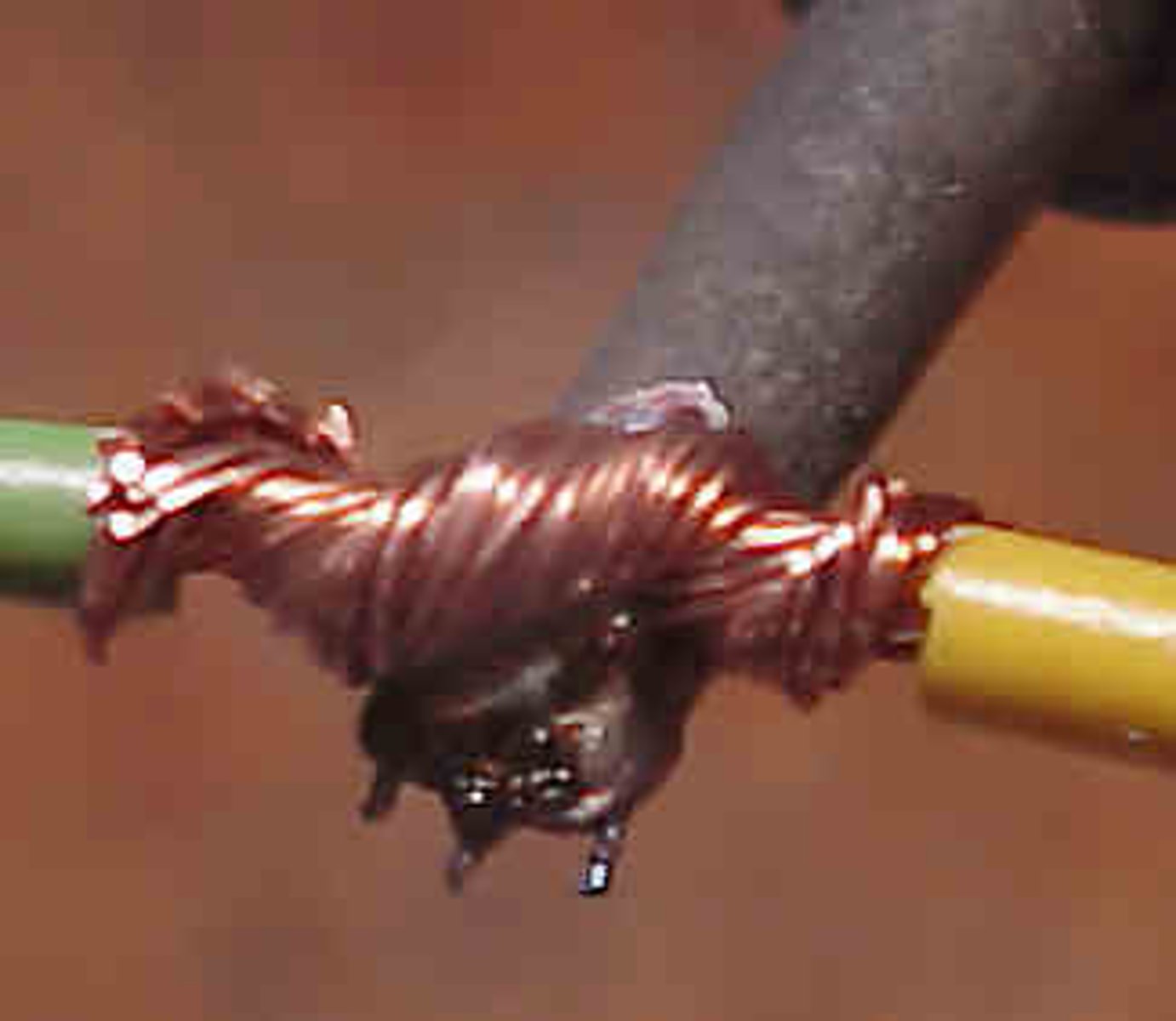
Hard soldering
Products requiring additional strength
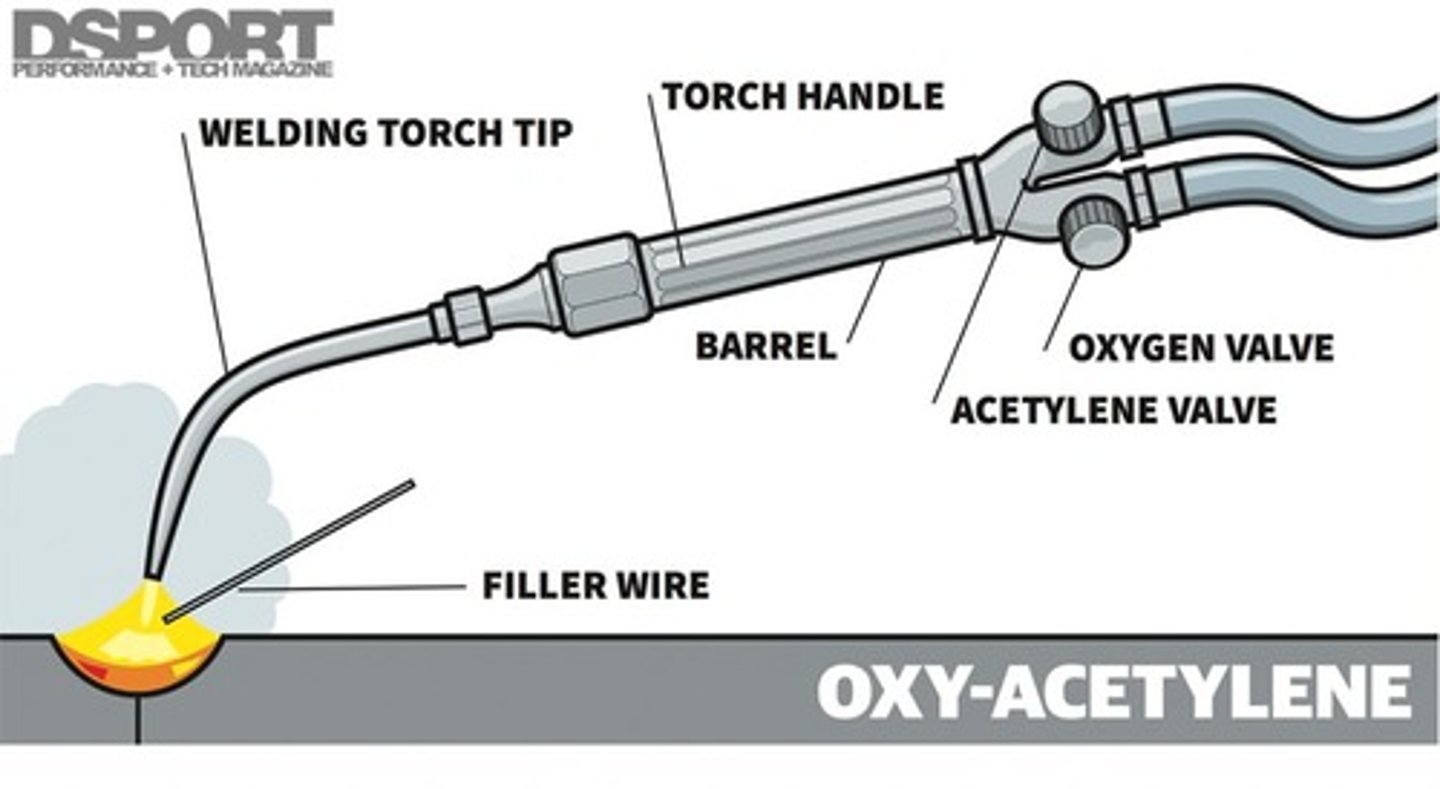
Oxy-acetylene welding
Uses a mixture of Oxygen and Acetylene to create a flame that will burn at temperatures of around 2500°C.
Brazing
the process of joining metal with a filler rod that melts at a temperature below the metal being joined
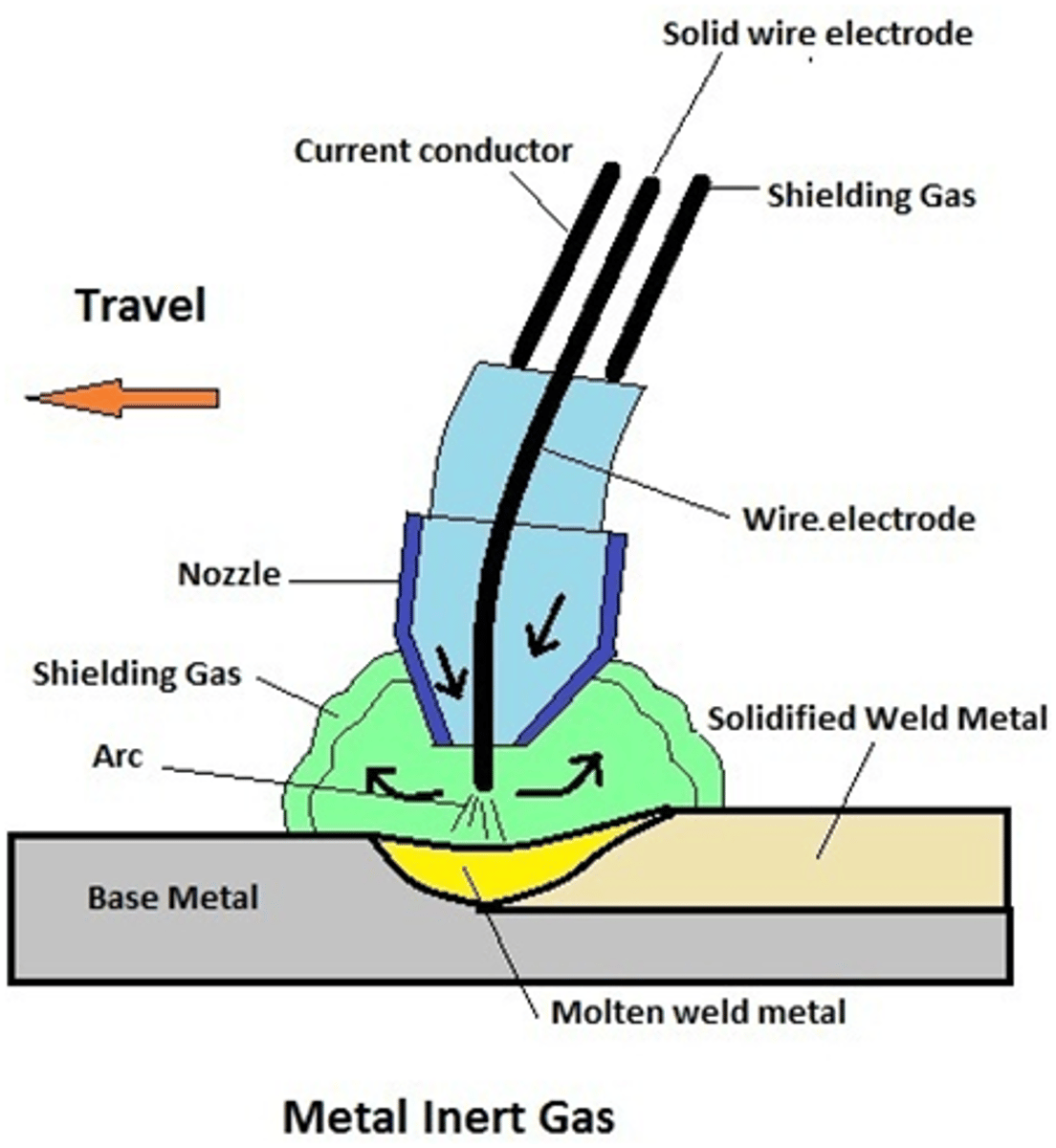
MIG welding
A subtype of GMAW that uses an inert gas or gas mixture for shielding. Typically used on aluminum and other non-ferrous metals.
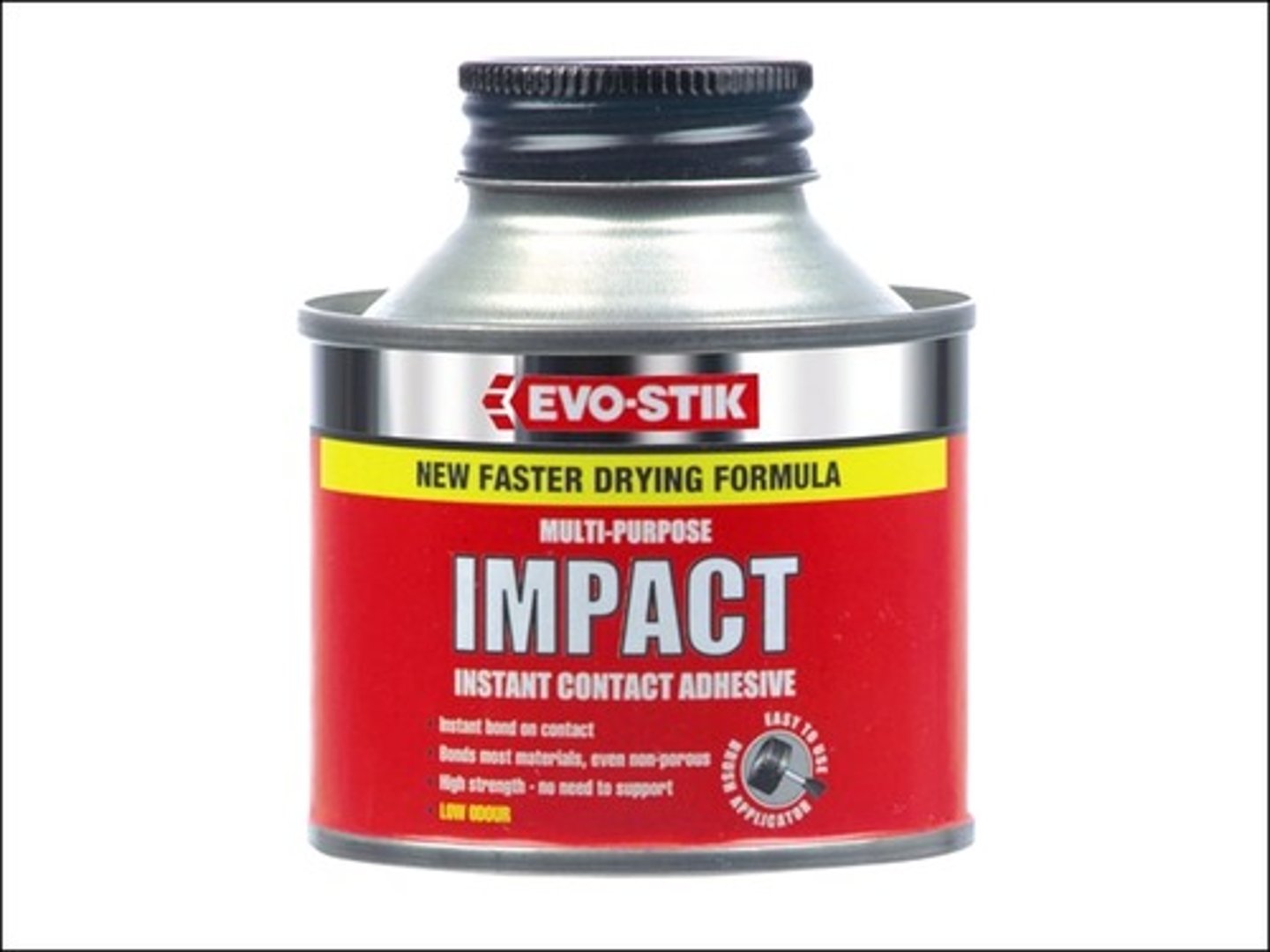
Contact adhesive
'Evostick', wood, metal, plastic adhesive, instant drying, waterproof, medium strength joint, liquid form, use spreader, thinly apply to both surfaces and left to 'touch dry', then pressed together
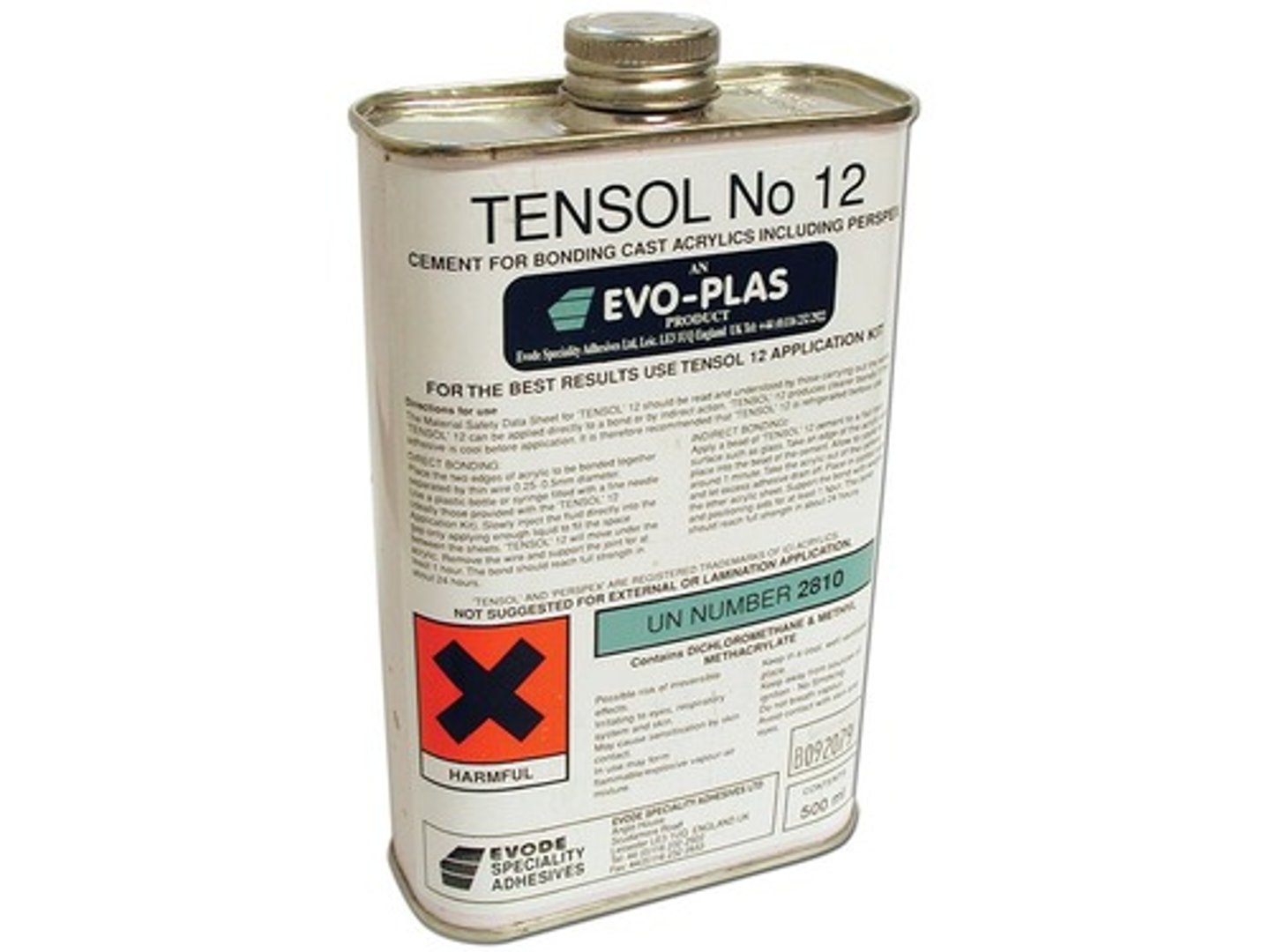
Acrylic cement
For the joining of acrylic and some other types of plastics. The adhesive "melts" the surface of the plastic and fuses it together.
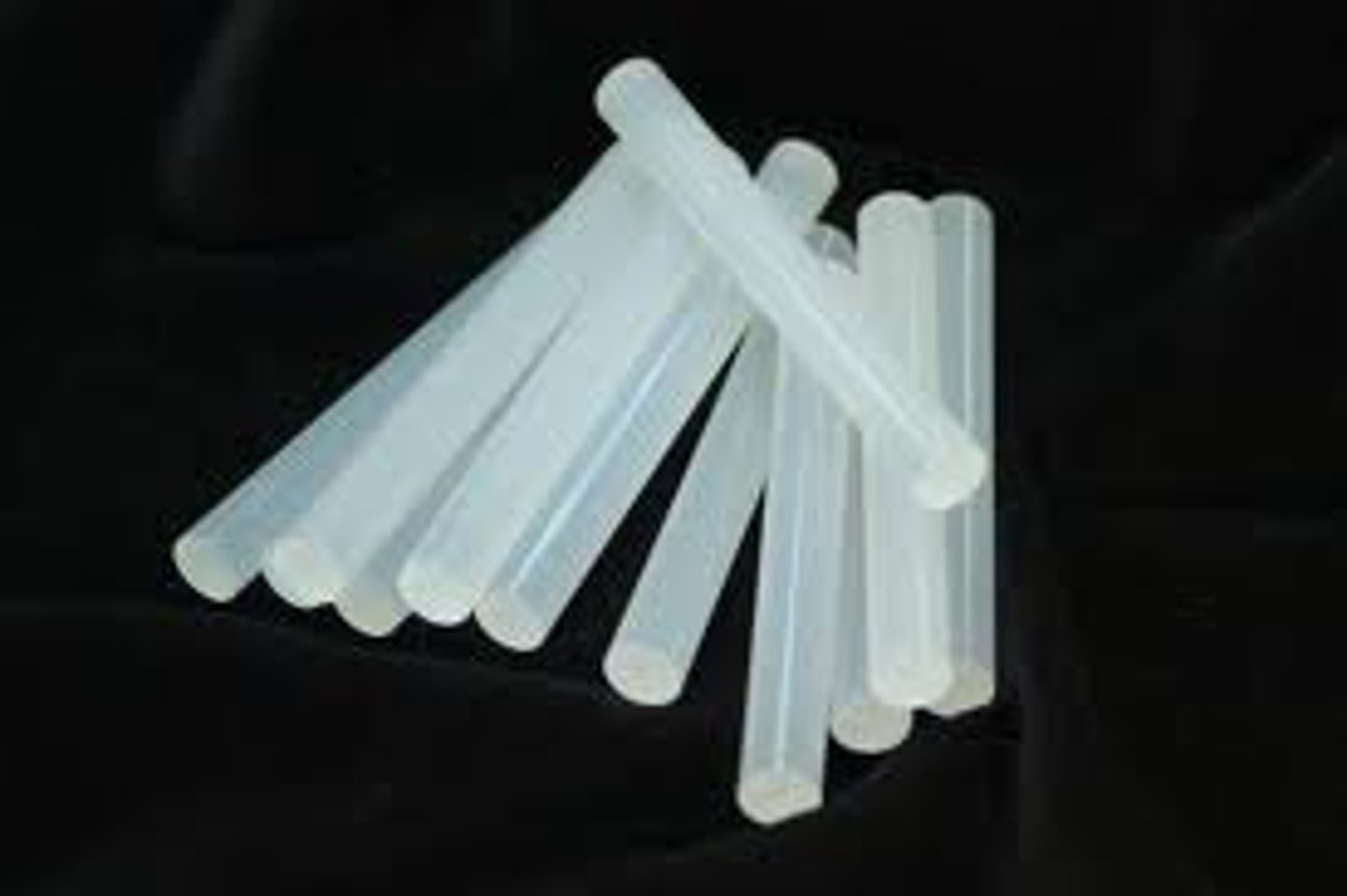
Hot glue sticks
Rapid bonding of papers and cards
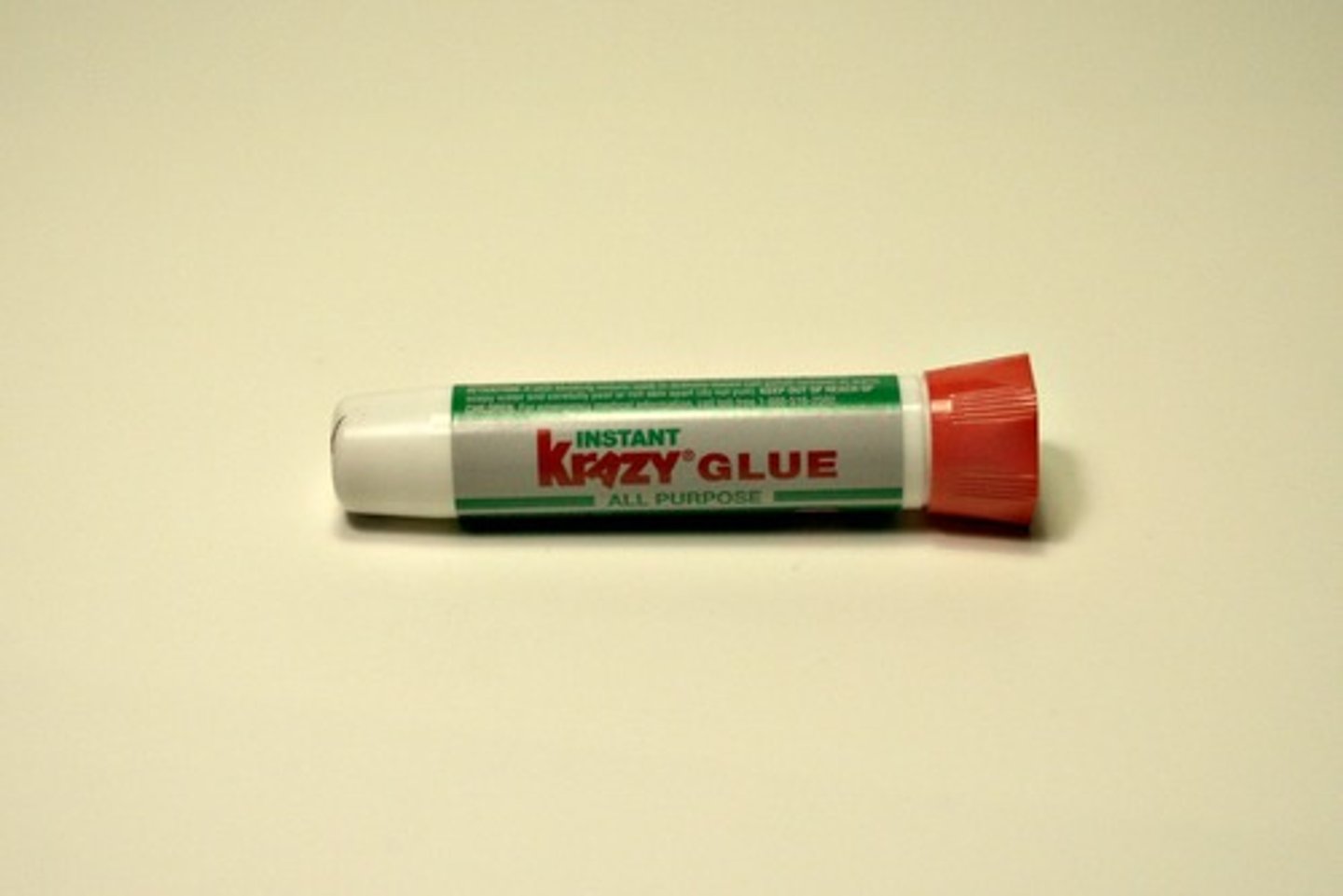
Super glue
Super glue is a waterproof medium strength adhesive that comes in a liquid form. It works on wood, plastic and metal
Polystyrene cement
High impact polystyrene not expanded- Strong bond that melts surfaces together, able to use a brush to apply and uses capillary action. - Relatively expensive, solvent-based harmful compounds (VOCs)
Electroplating
an electrolytic process in which a metal ion is reduced and a solid metal is deposited on a surface
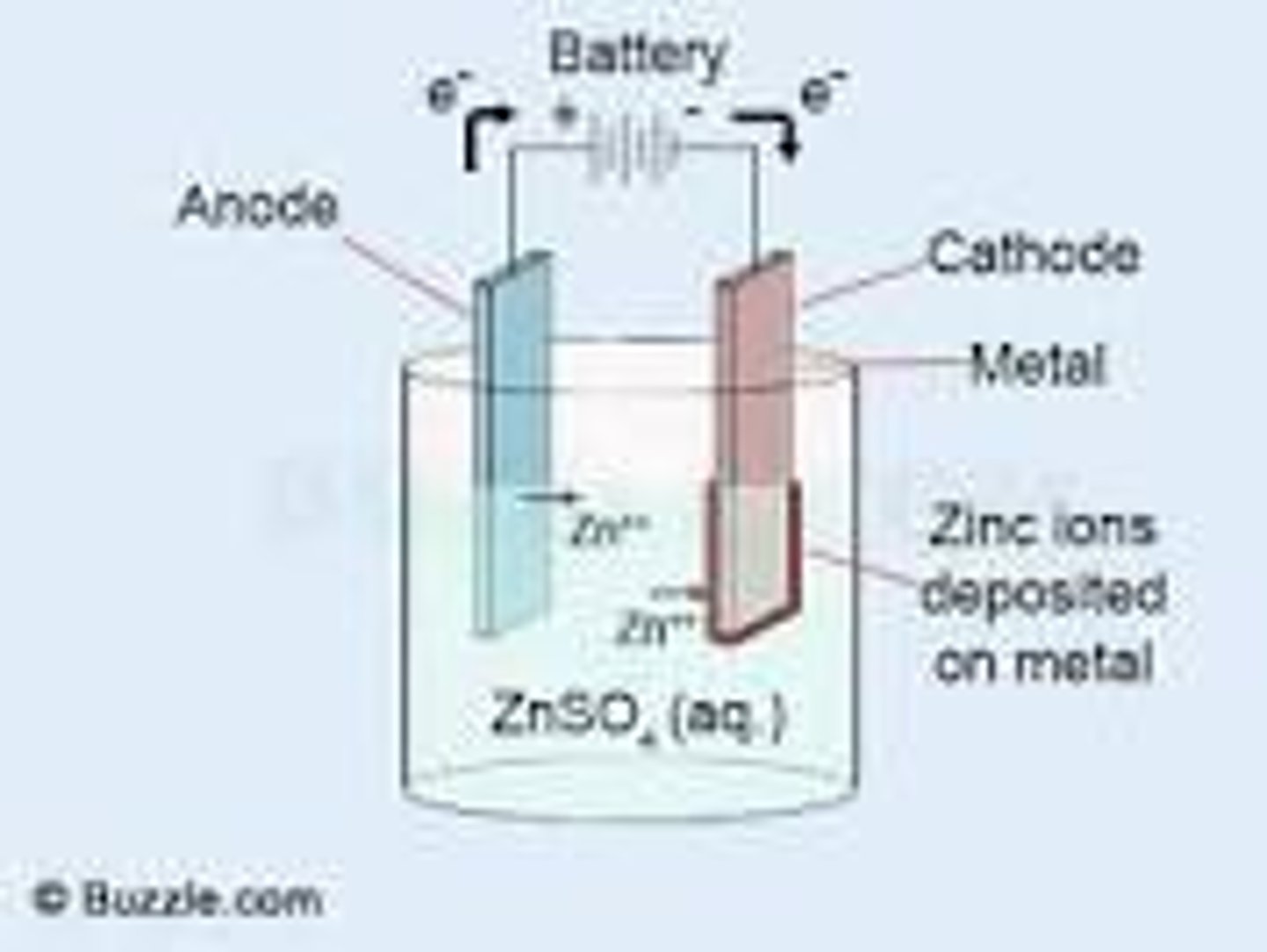
Anodising
Anodising is a process in which the normal thin layer of oxide on the surface of aluminium is artificially thickened to give it added protection from corrosion. It is done by making aluminium the anode in an electrolysis cell in which dilute sulphuric is electrolysed.
powder coating
Applying paints to a product that had been statically charged. Powder instead of paint. Powder has a positive charge and product has a negative charge. Product is baked in the oven. Harder and tougher finish
wood preservatives
used to forestall attack by decay,fungi or any harmful insects.
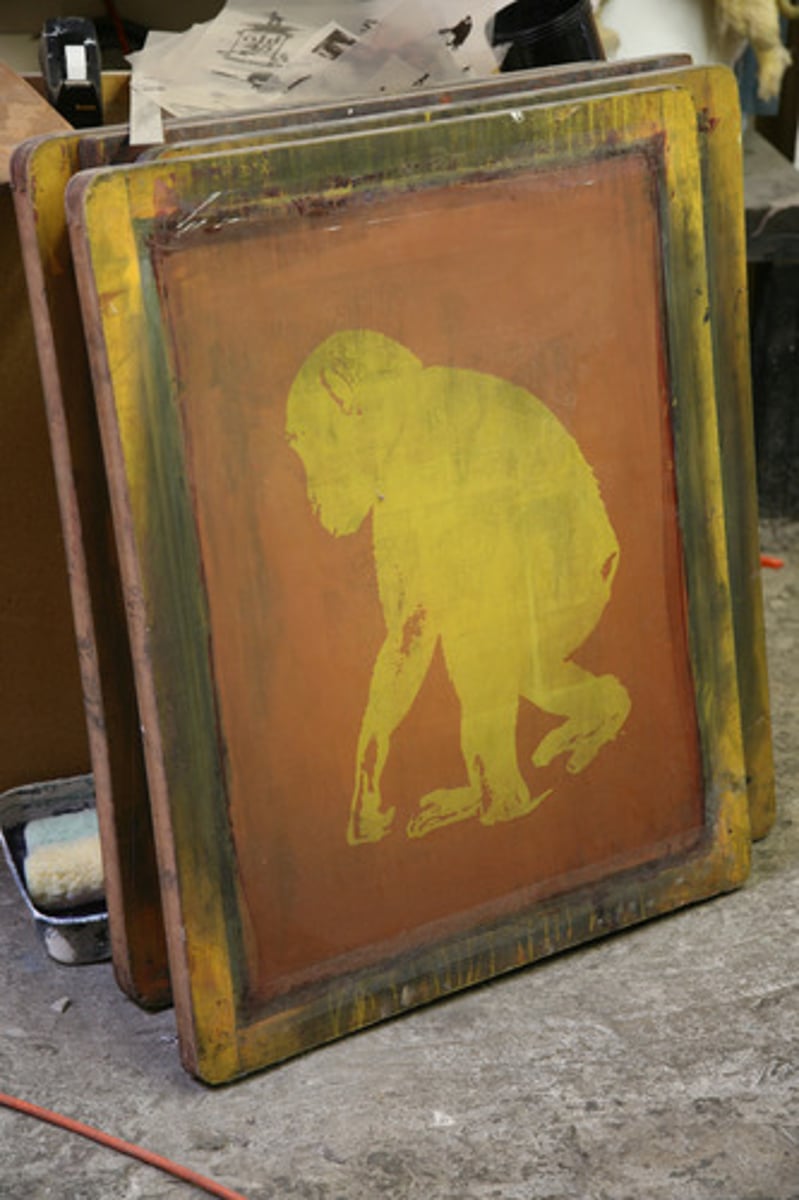
screen printing
force ink or metal onto (a surface) through a prepared screen of fine material so as to create a picture or pattern.
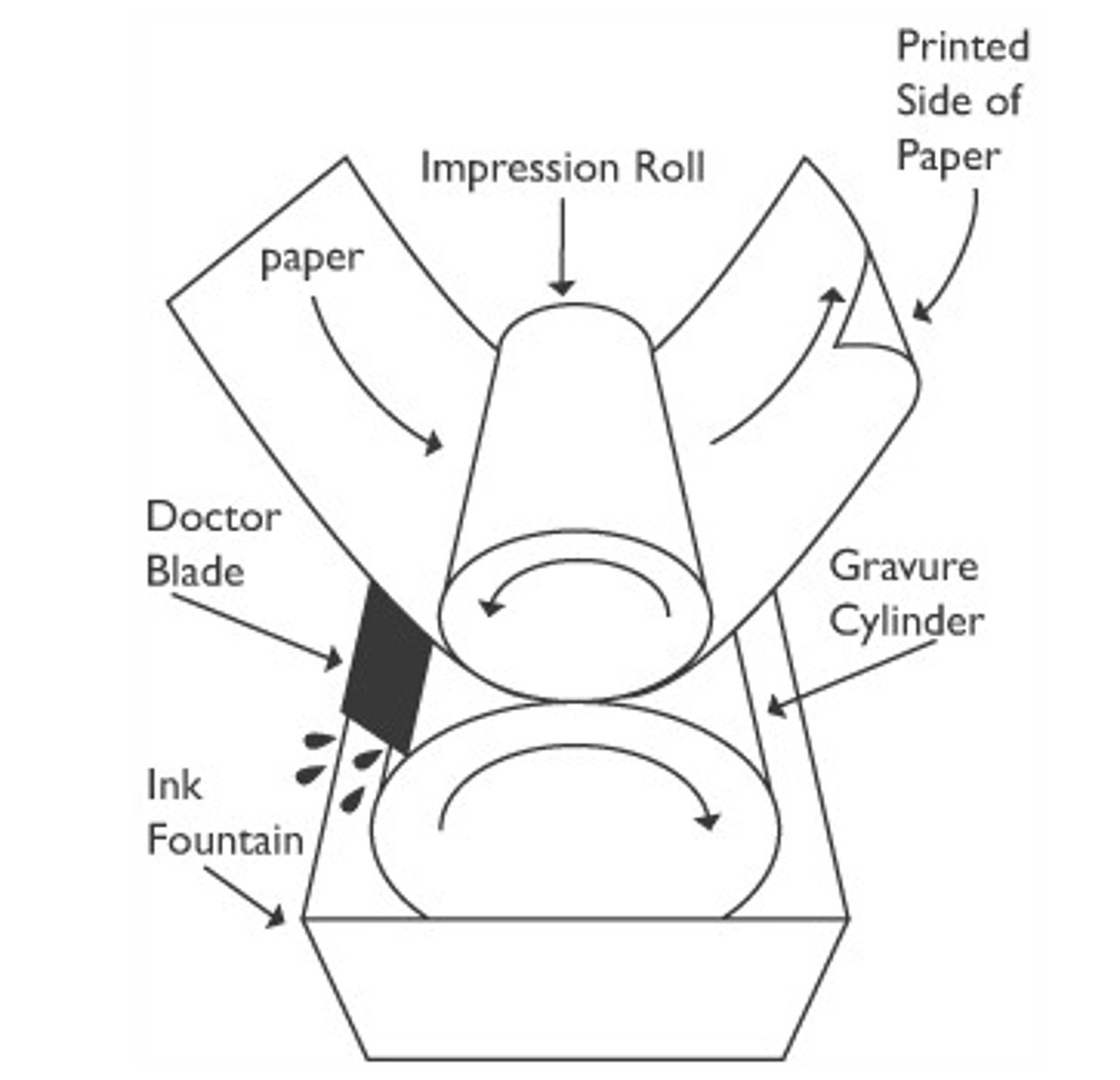
Gravure
the highest quality but most expensive print process used for detailed image using a brass plate.
A printing process in which the image is etched below the surface of the printing plate
Blow moulding
process for making hollow plastic forms by blowing air into heated thermoplastic
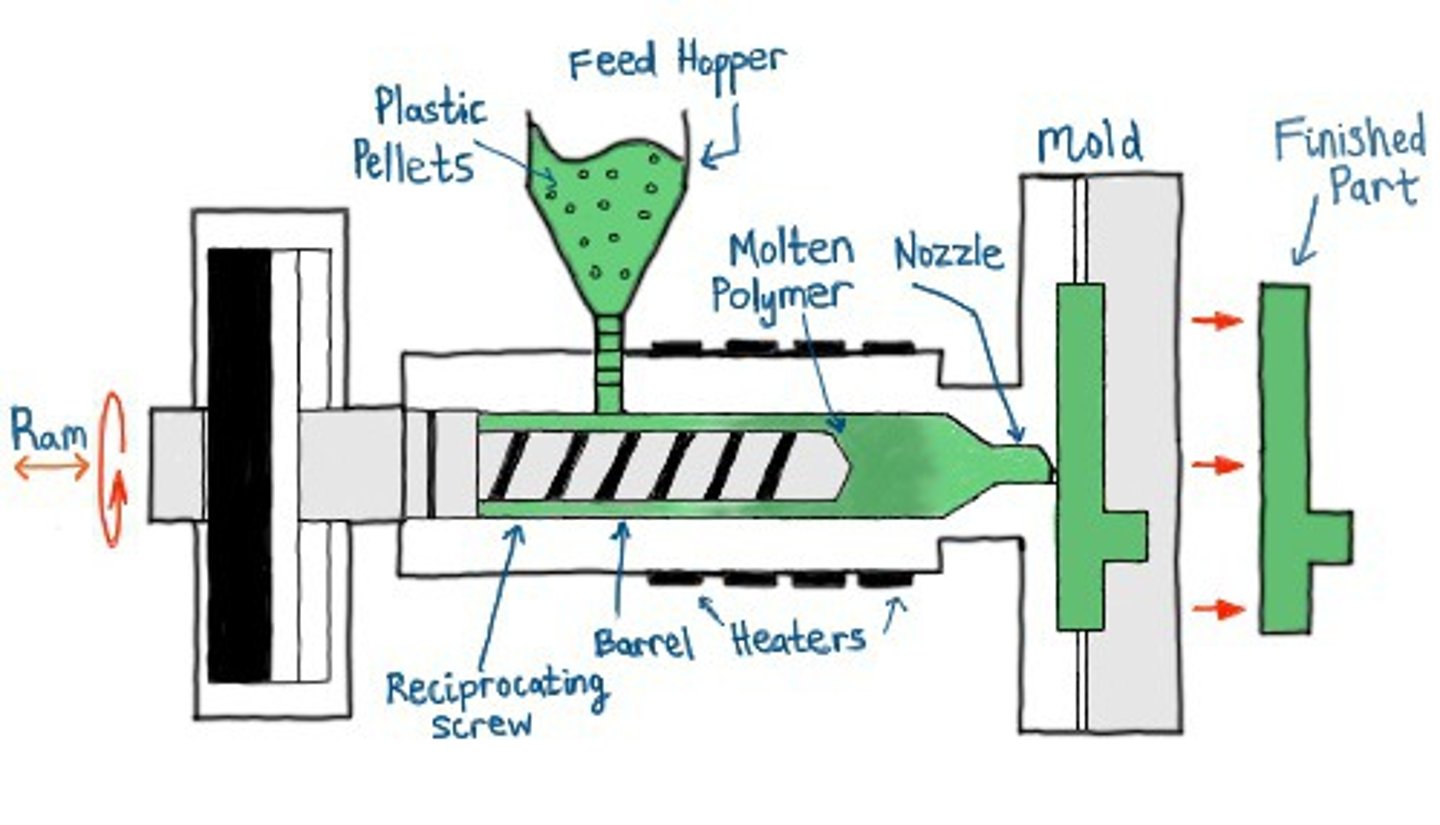
Injection Molding
A process during which plastic is heated in a machine and forced into a cavity by a screw or ram. The material solidifies and is then ejected.
Vacuum Forming
Process to heat a thermoplastic sheet until it softens and then force the hot and pliable material against the contours of a mold using vacuum pressure.
Extrusion
1. A manufacturing process that forces material through a shaped opening. 2. A modeling process that creates a three-dimensional form by defining a closed two-dimensional shape and a length.
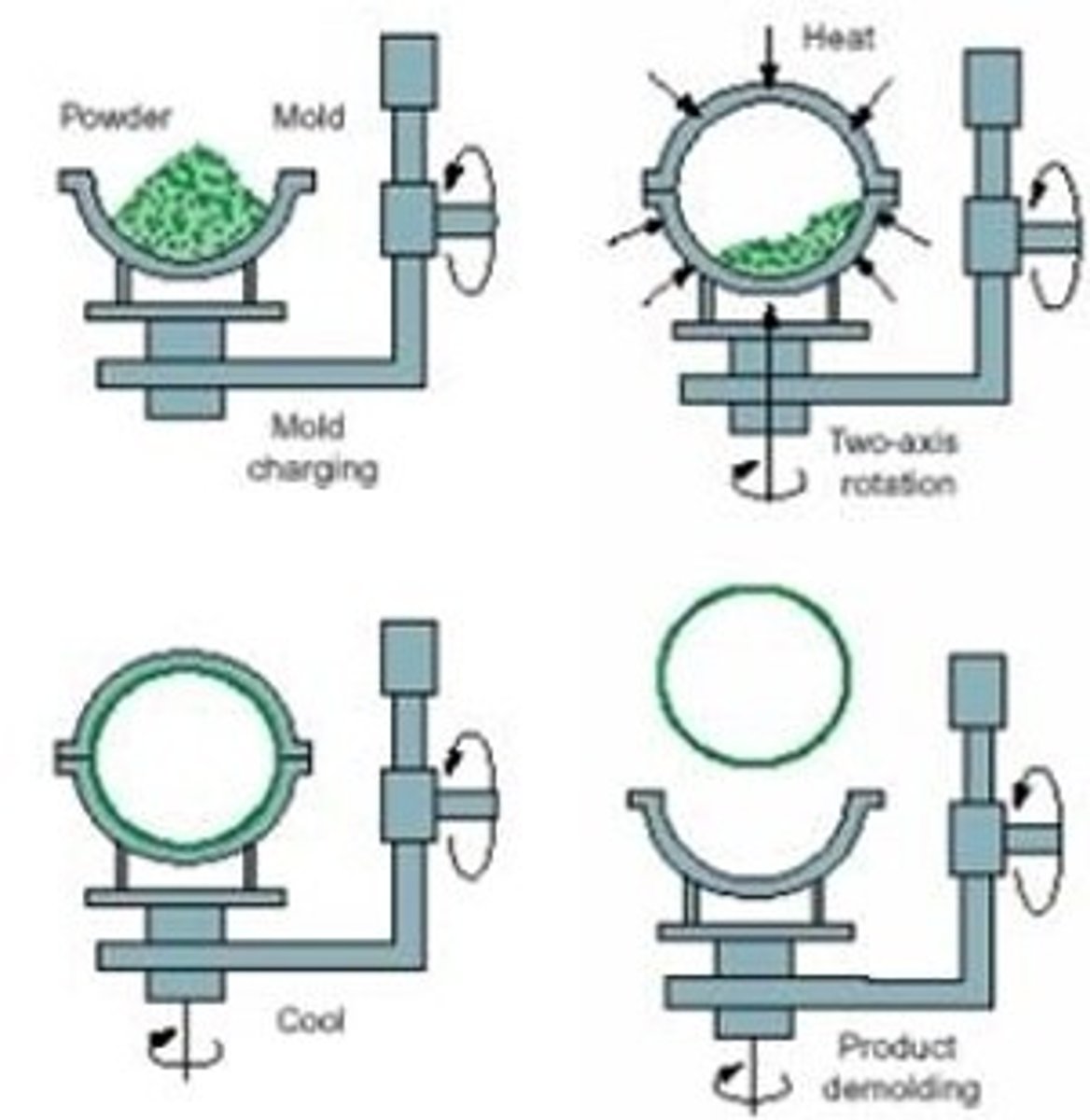
Rotational moulding
Advantages:
- easy to produce large products
- end product has no seams
- corners of the product are stress free
Disadvantages:
- lower volume production
- can be labour intensive when compared with injection moulding
- materials available are limited
Sand Casting
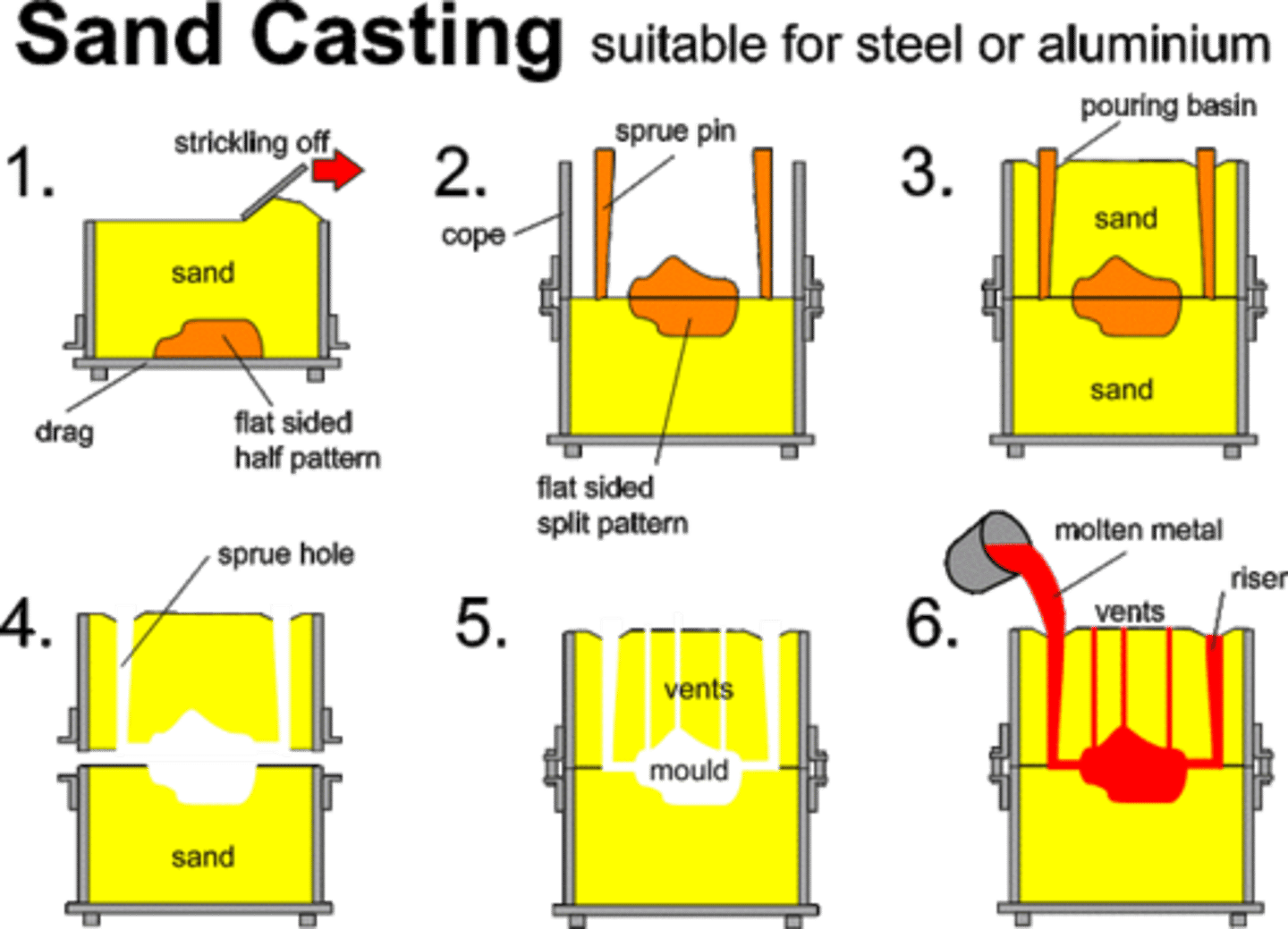
A process of pressing moist sand around a pattern to make a mould. The pattern is removed, leaving a cavity in the sand. The cavity is the mould that will be filled with liquid metal. The result will be a casting that is identical in shape to the original pattern.
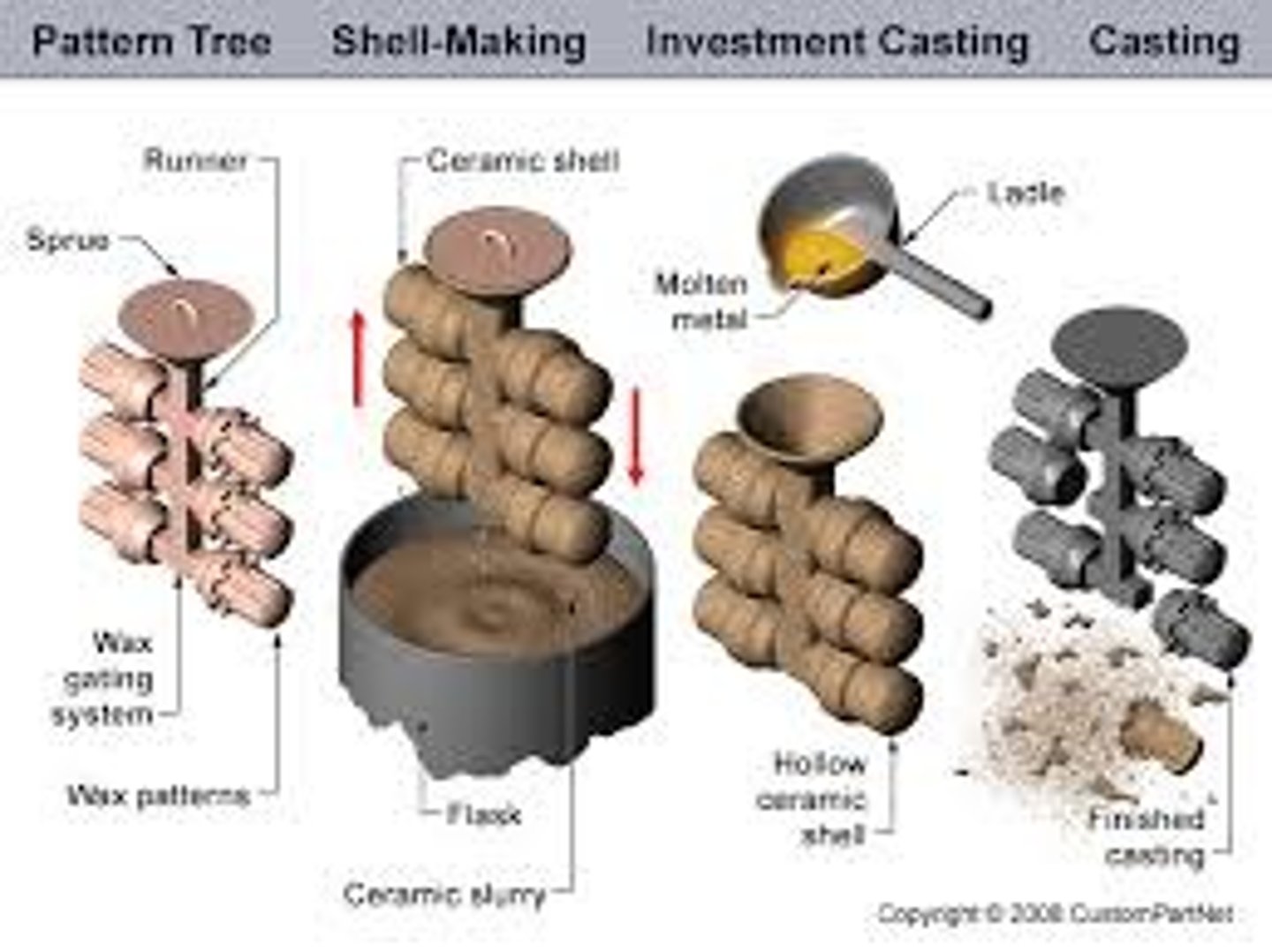
investment casting
a shape in wax is created, and then covered with plaster or ceramic material (investment). When investment has hardened, the wax is melted out, then molten metal is poured in
Die Casting
the process or product of forcing molten metal into a metallic mold under hydraulic pressure to give it a particular shape or form.
Turning process
A machine process in which a square or rectangular piece of raw material is spun in a circle in order for a stationary tool to remove material and make a round part.
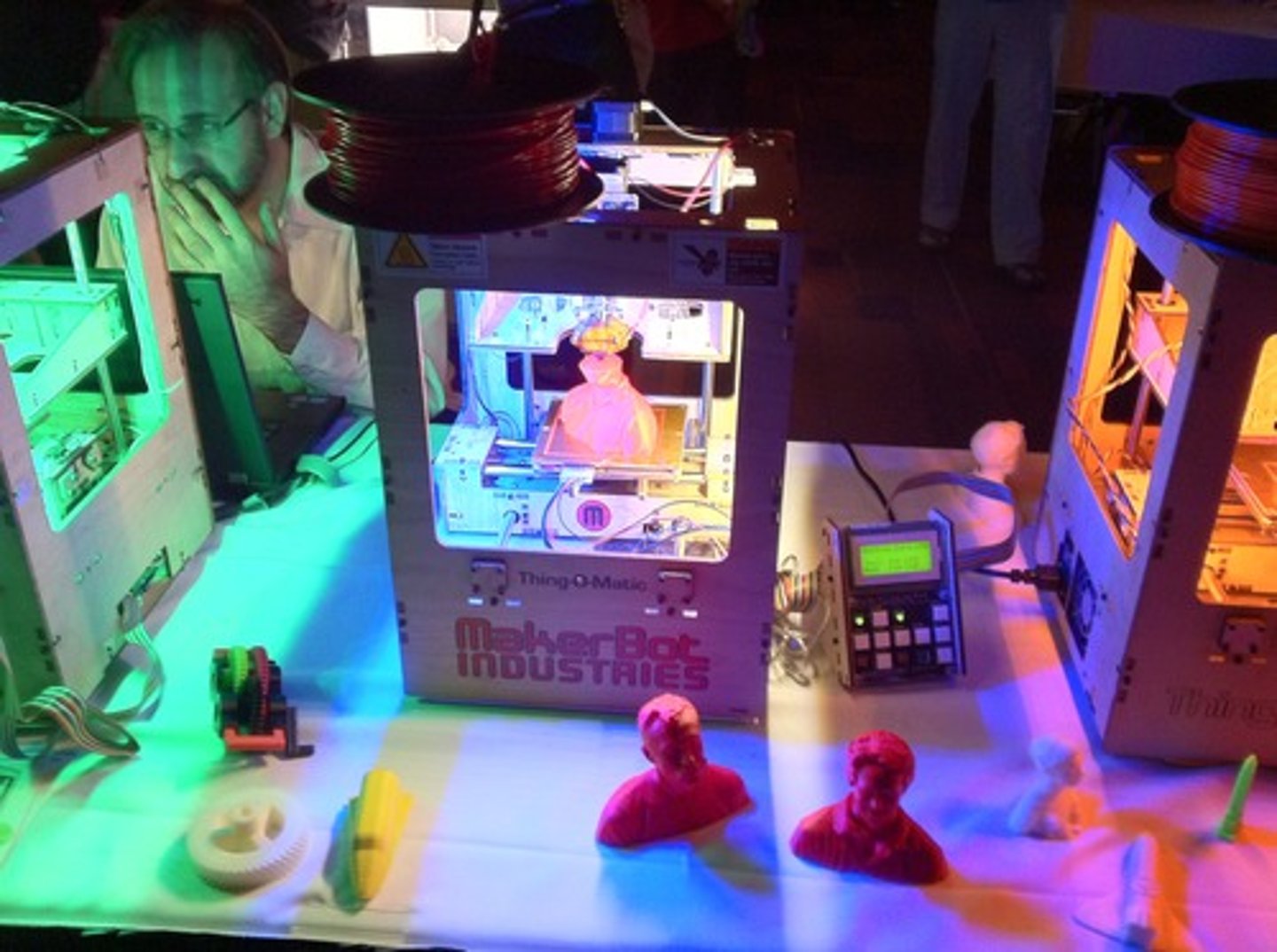
Rapid Prototyping
Allows designers to generate parts quickly, directly from 3D models, for mock-up and testing.
Art Deco
Art style of the 1920s and 1930s based on modern materials, machine age, primitive arts and repetitive geometric patterns.
Eileen Gray

Streamlining
Teardrop shape, futuristic design.
Raymond Loewy

Post Modernism
a late-20th-century style and concept in the arts, architecture, and criticism that represents a departure from modernism and has at its heart a general distrust of grand theories and ideologies as well as a problematical relationship with any notion of "art."
Philippe Starck

Arts and crafts
Movement that challenged industrialism, for they thought it ruined the craft and art of work.
Art Nouveau
a style of decorative art and architecture characterized by curving shapes abstracted from nature
mass production
production of goods in large numbers through the use of machinery and assembly lines
Batch production
a manufacturing operation that produces goods in large batches in standard lot sizes
One-off production
An individual (often craft-produced) article or a prototype for larger-scale production.
Marketing for children
'kids are growing older younger' - supermarkets
'Gotta catch them all' - Collecting sets
'Culture of cool' - wearing the right brands
technological obsolescence
the process of new technology making products based on old technology out of date
Modernism
Michine aesthetic. Technology and machine. De Stijl

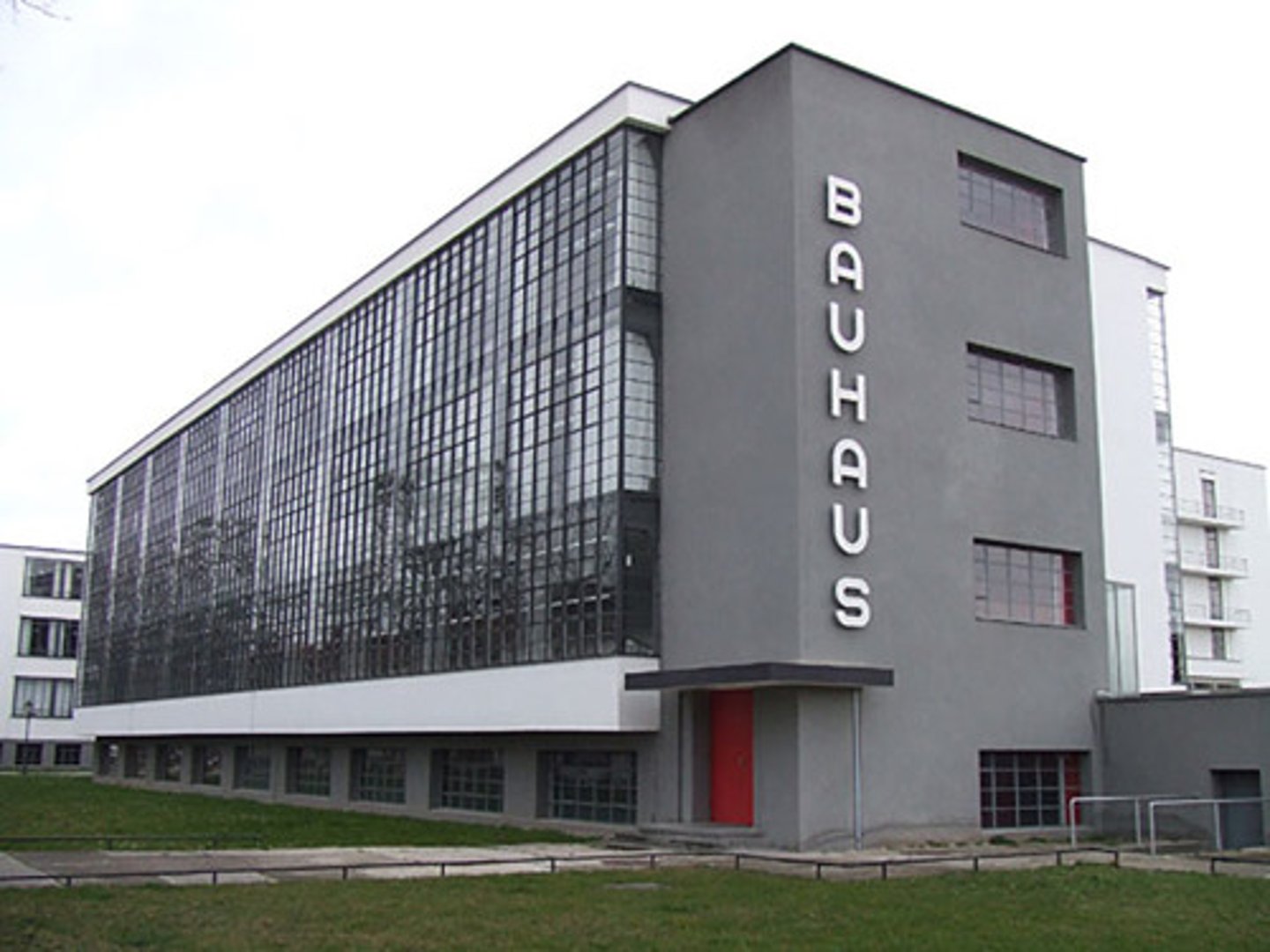
Bauhaus
Multi-disciplined base of art found in handcraft. Form follows function. Functional, but looks good. Products for a machine age. Everyday objects for everyday people.
Marcel Breuer
isometric drawing
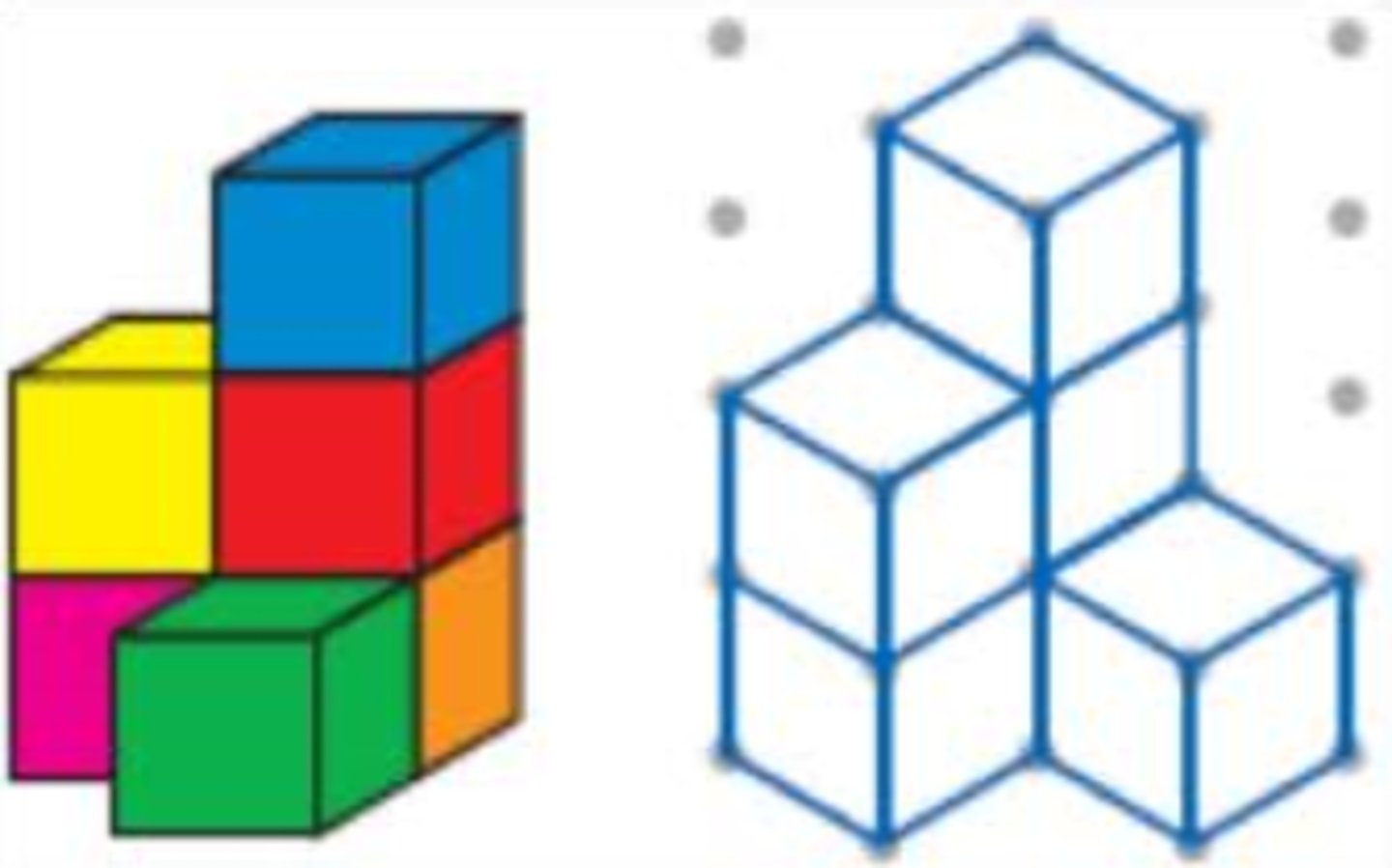
Ideal for sketching design ideas and illustrating product designs
2 point perspective
Widely used method for illustrating product designs, architecture and interior designs
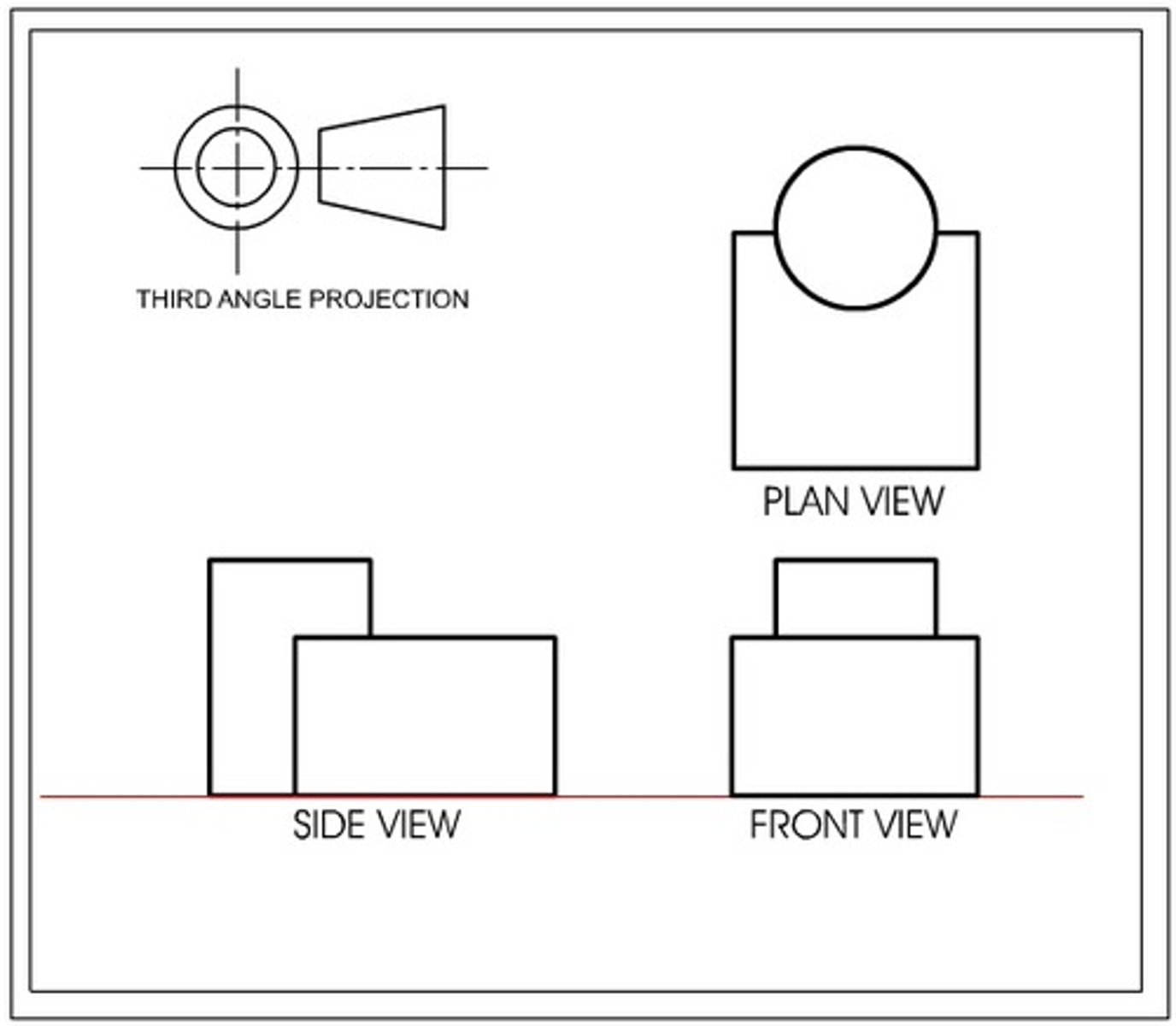
3rd angle orthographic projection
Engineering drawings, planning for models and prototypes
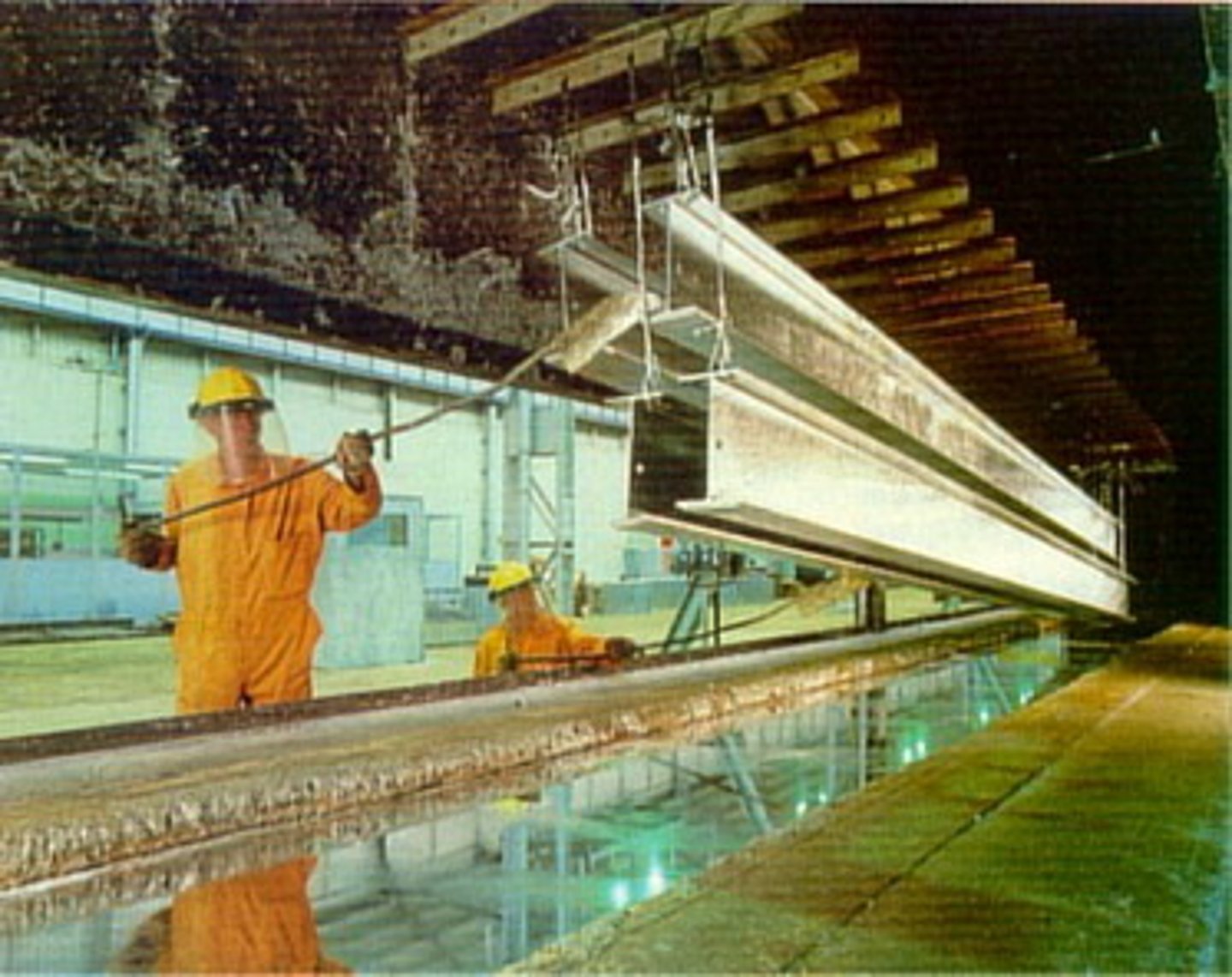
Galvanising
The protect of iron or steel by coating it with a layer of zinc
-Zinc will react first extending the time before steel/iron begins to rust
cathodic protection
a method in which an active metal, such as magnesium, is connected to steel to protect it from corrosion
Lamination
Covering the surface of a material with a thin sheet of another material typically for protection, preservation or aesthetic reasons.
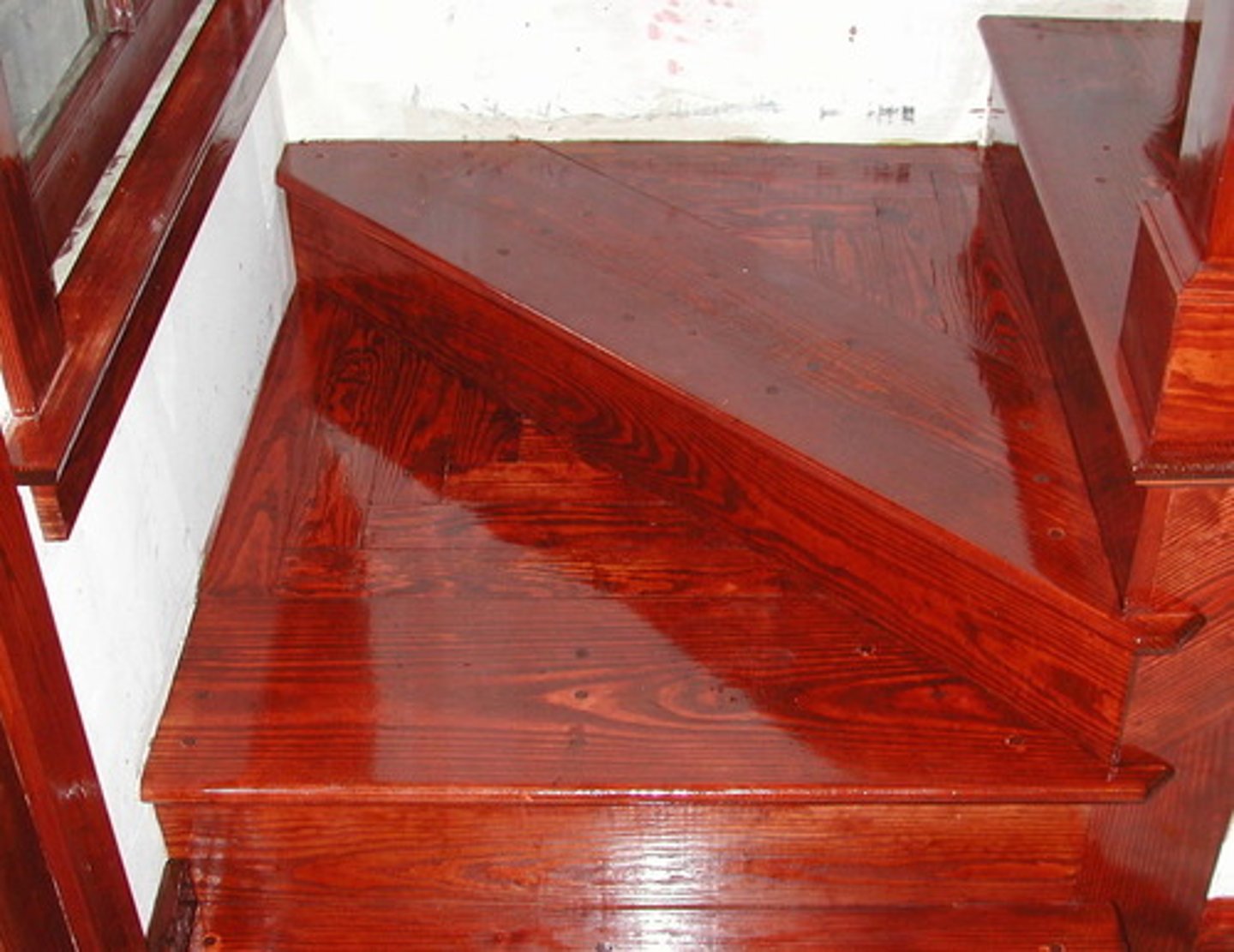
Varnishing
Applied to paper/board- High gloss finish
Fine varnish sprayed - surface paper- gloss fish- protect printing underneath
-Takes place after colour printing
-Oil/water based varnishing used - 2 hours dry
Speed up process-
UV Varnish used- dries straight away- exposed to UV light Allows printed materials move quickly- other finishing processes- provides ultimate gloss finish
Machine expensive purchase
Hot foil blocking
Used to produce true 'reflective metal' printing and other effects- impossible normal metallic inks
Enhances and adds value-printed materials
Process- transfer foil coating- paper/board- by means heated die
Roll of foil (polyester backing sheet) continuously fed over paper/board- heated die presses the foil onto its surface
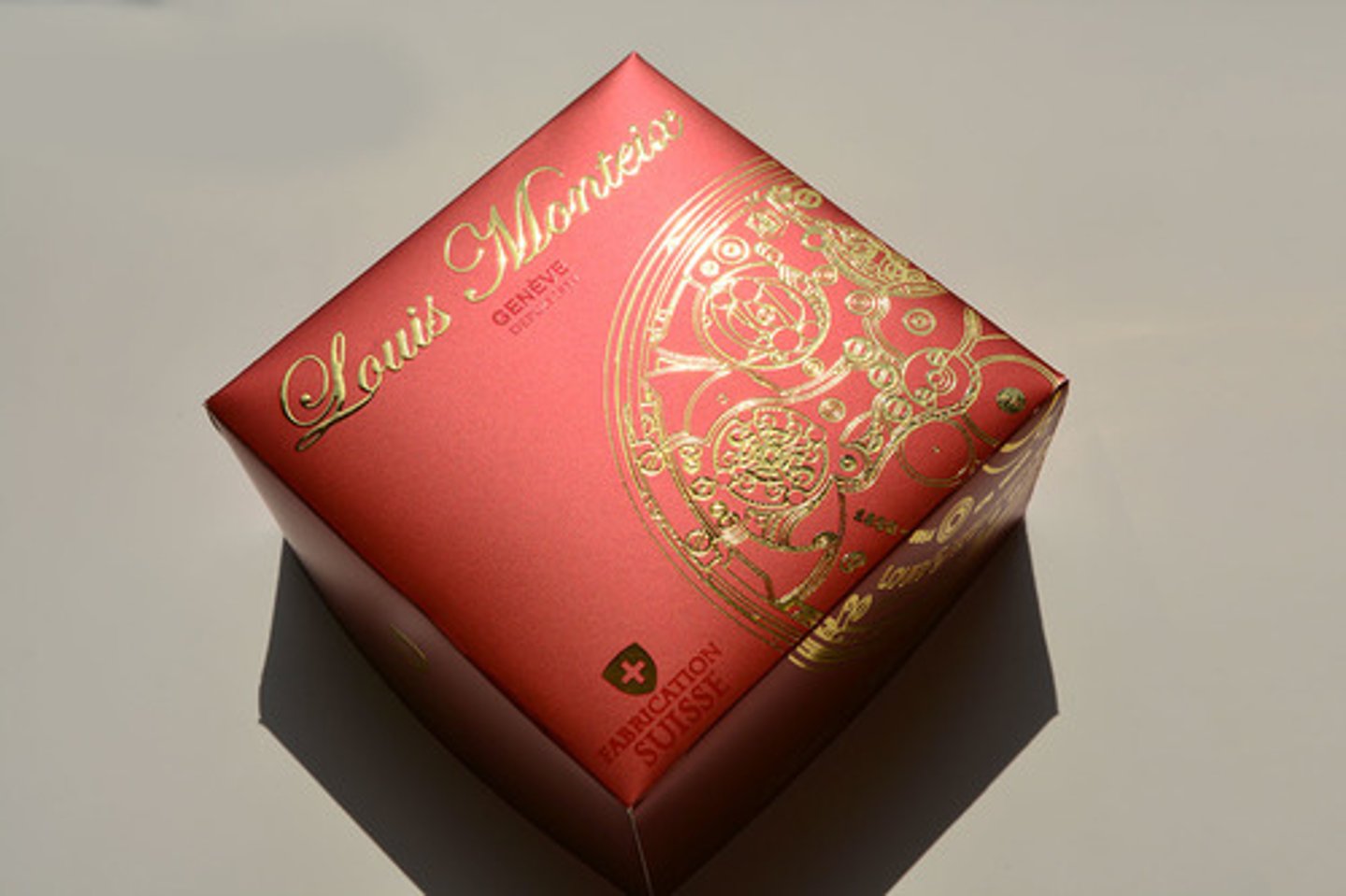
Embossing
a raised relief design on paper surface through pressure-raised to form image; with or without ink