TOP 20 DISEASES - DOG
 Call Kai
 Learn
Learn Practice Test
 Spaced Repetition
 Match
Match Flashcards
 Knowt Play
1/263

There's no tags or description
Looks like no tags are added yet.
Name | Mastery | Learn | Test | Matching | Spaced | Call with Kai | Chat |
|---|
No analytics yet
Send a link to your students to track their progress
264 Terms
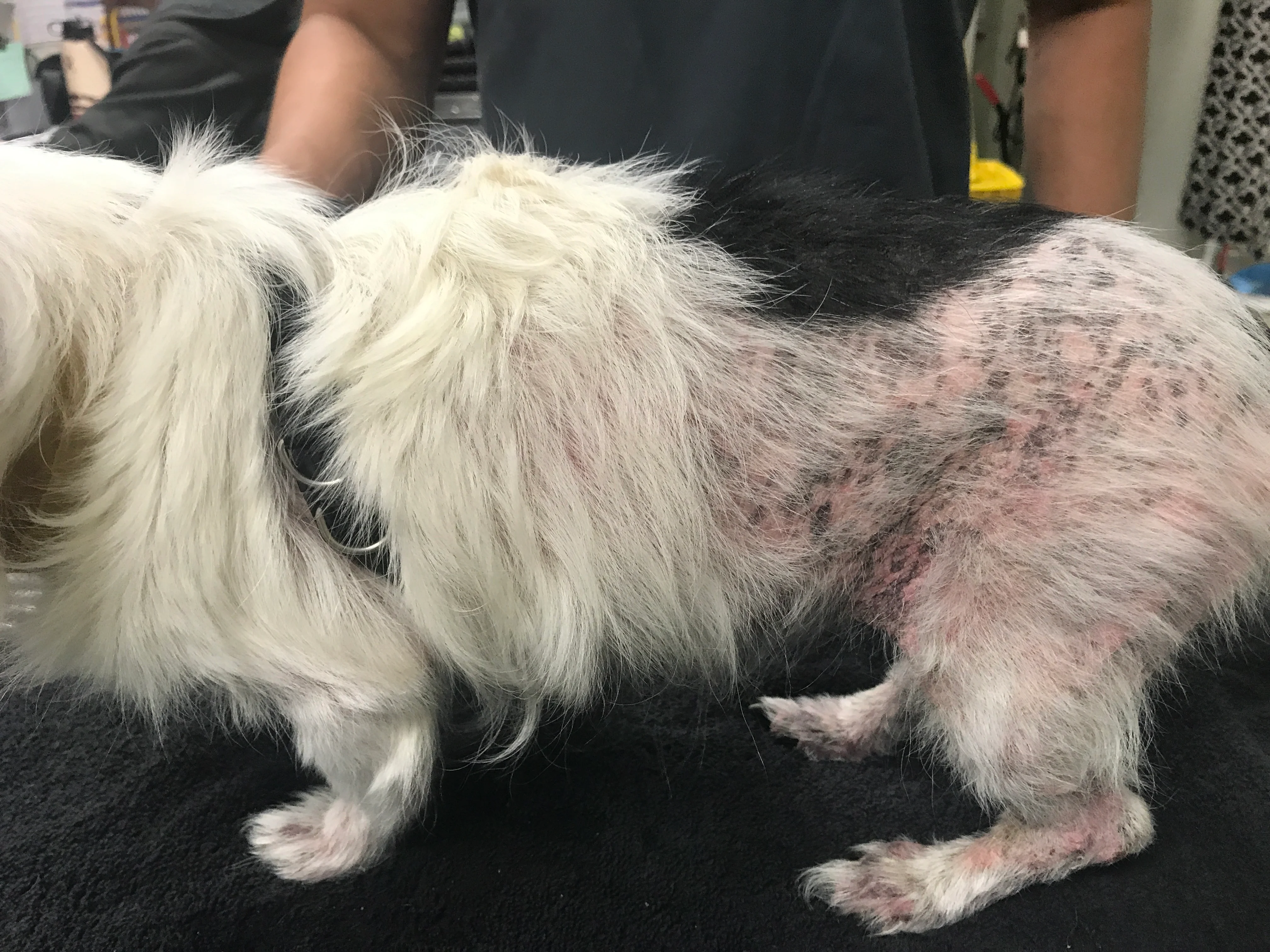
Flea allergy dermatitis (FAD)
A condition characterized by acute onset of moderate to severe pruritus, typically more common in warmer seasons but potentially present year-round.
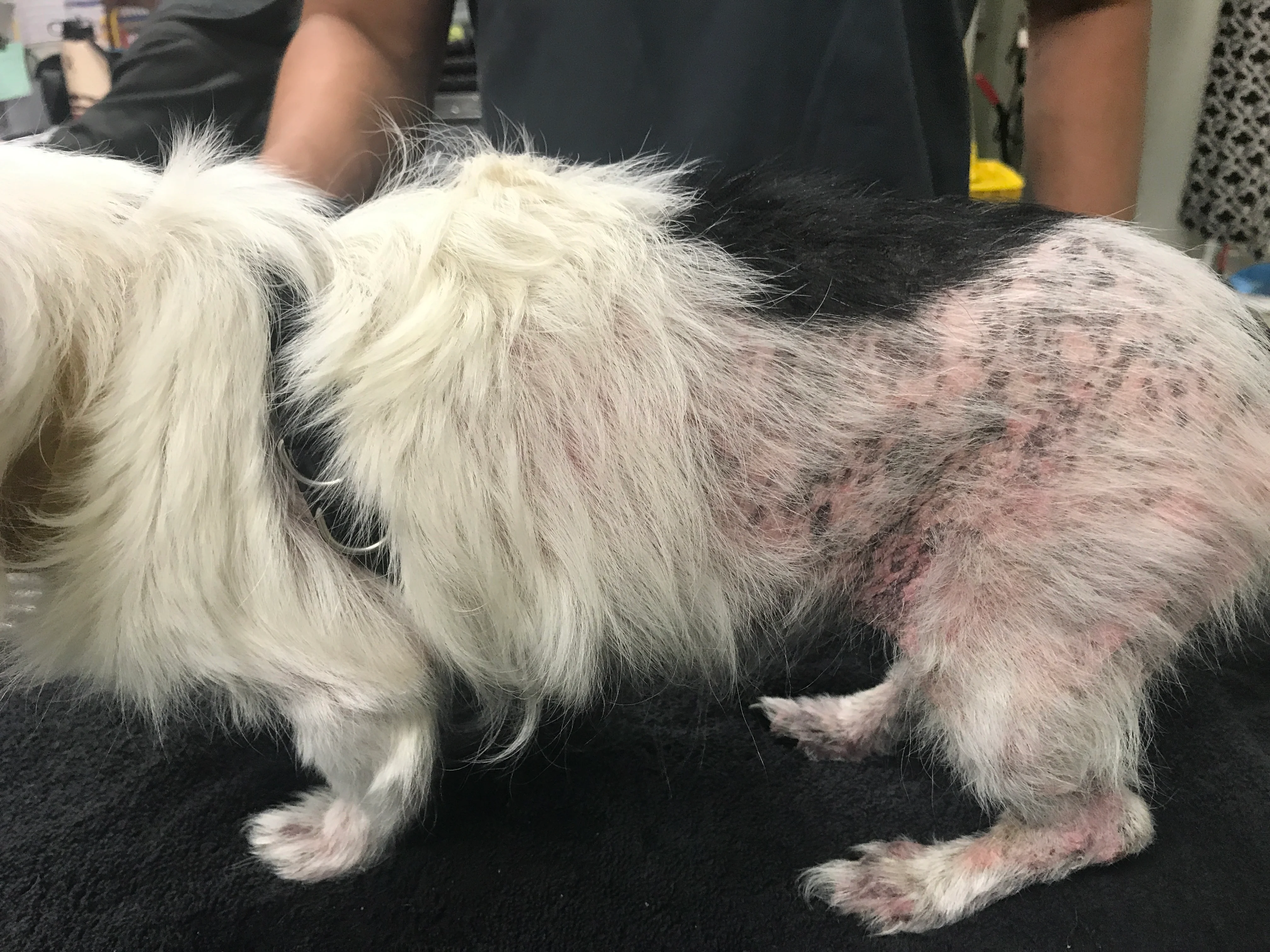
Classic case presentation (FAD)
Characterized by excessive self-grooming and hair loss, particularly on the rear half of the body, with or without visible live fleas.

Flea comb
A diagnostic tool used to find live fleas or flea dirt during history and physical exams.
Flea eradication response
A diagnostic method for FAD where a positive response to treatment confirms the condition.
Tapering dose of corticosteroids
An acute treatment used to manage pruritus in dogs suffering from Flea allergy dermatitis.

Flea adulticide
A topical or oral medication used in both acute and chronic treatment phases to kill adult fleas.
Lufenuron
An oral monthly flea development inhibitor used as part of chronic management for FAD.
Environmental control
Chronic management strategy involving frequent vacuuming and the removal of outdoor organic debris.
Prognosis for FAD
The expected outcome is good, provided the patient receives long-term management.
Evidence of fleas in dogs
According to the notes, 15% of dogs do not have evidence of fleas or flea dirt despite having FAD.
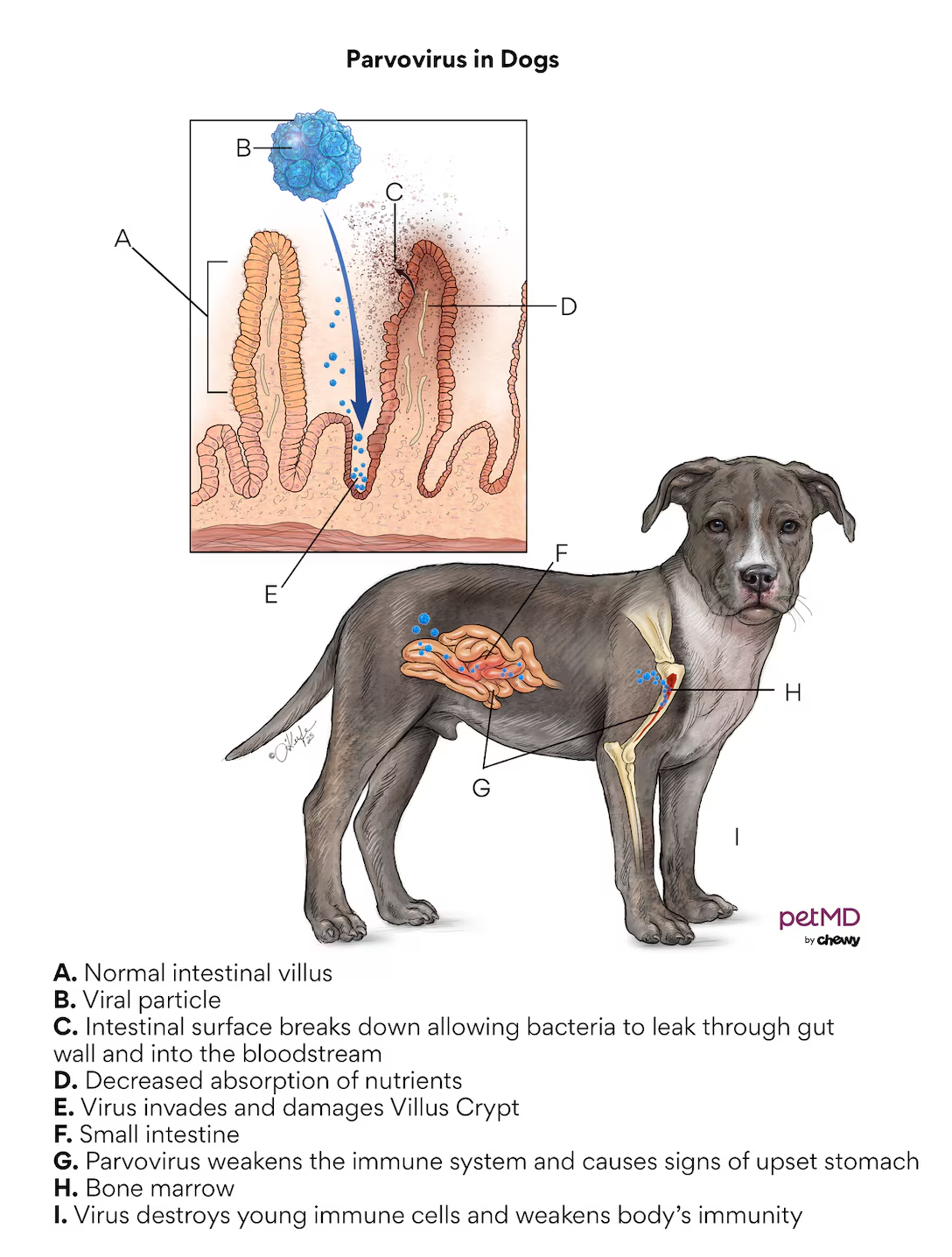
Parvoviral enteritis classic patient
Puppies less than 8 months and unvaccinated adults.
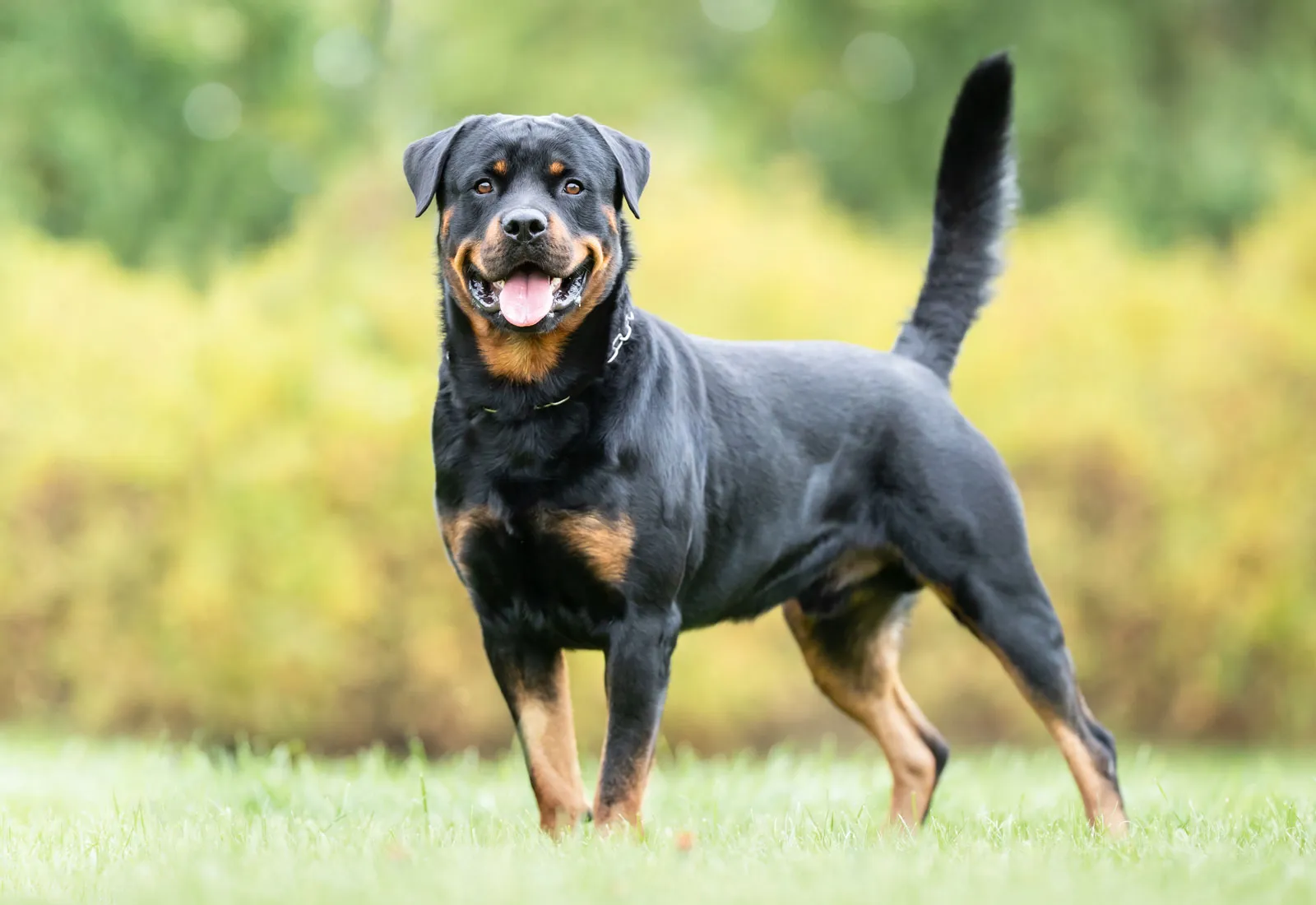
CPV breed predisposition
Doberman, Rottweiler, pit bull, German shepherd, and Dachshund.
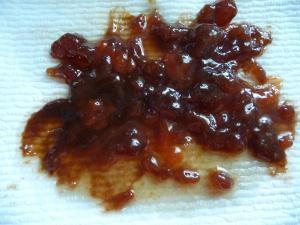
CPV clinical signs
Vomiting
hemorrhagic diarrhea
lethargy
inappetence.

CPV etiology
Nonenveloped, single-stranded DNA virus.
Fecal ELISA test
The diagnostic test for parvovirus which can yield false positives 5−15 days after vaccination.
CPV hematologic findings
Leukopenia and neutropenia.
CPV biochemical abnormalities
Hypoalbuminemia, hypoglycemia, hypokalemia, and pre-renal azotemia.
Broad-spectrum bactericidal antibiotics for CPV
Ampicillin, cephalosporin, and Unasyn.
CPV anti-nausea therapy
Metoclopramide, ondansetron, and maropitant.
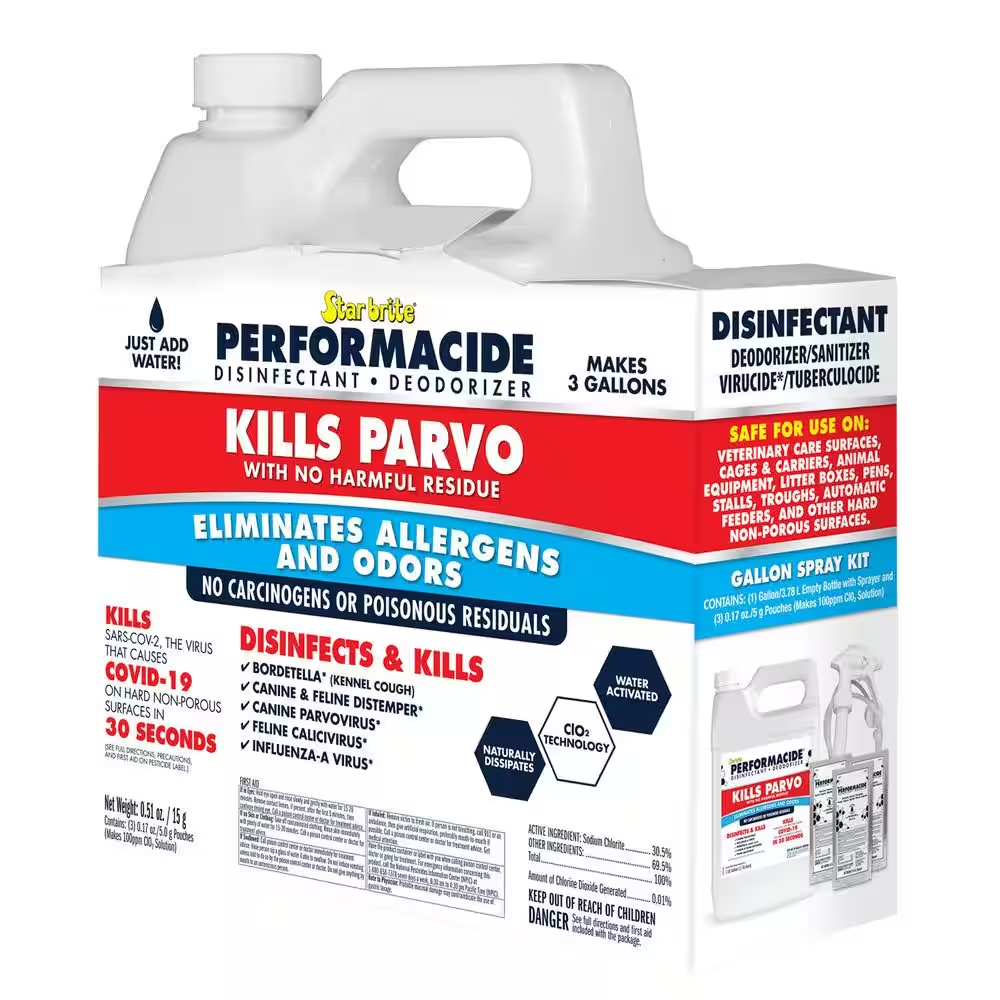
1:32 bleach solution
The specific concentration used to kill the very resistant parvovirus after the area is cleaned.

CPV-2b and CPV-2c
The most common parvovirus strain in the US and the strain that is becoming more common, respectively.
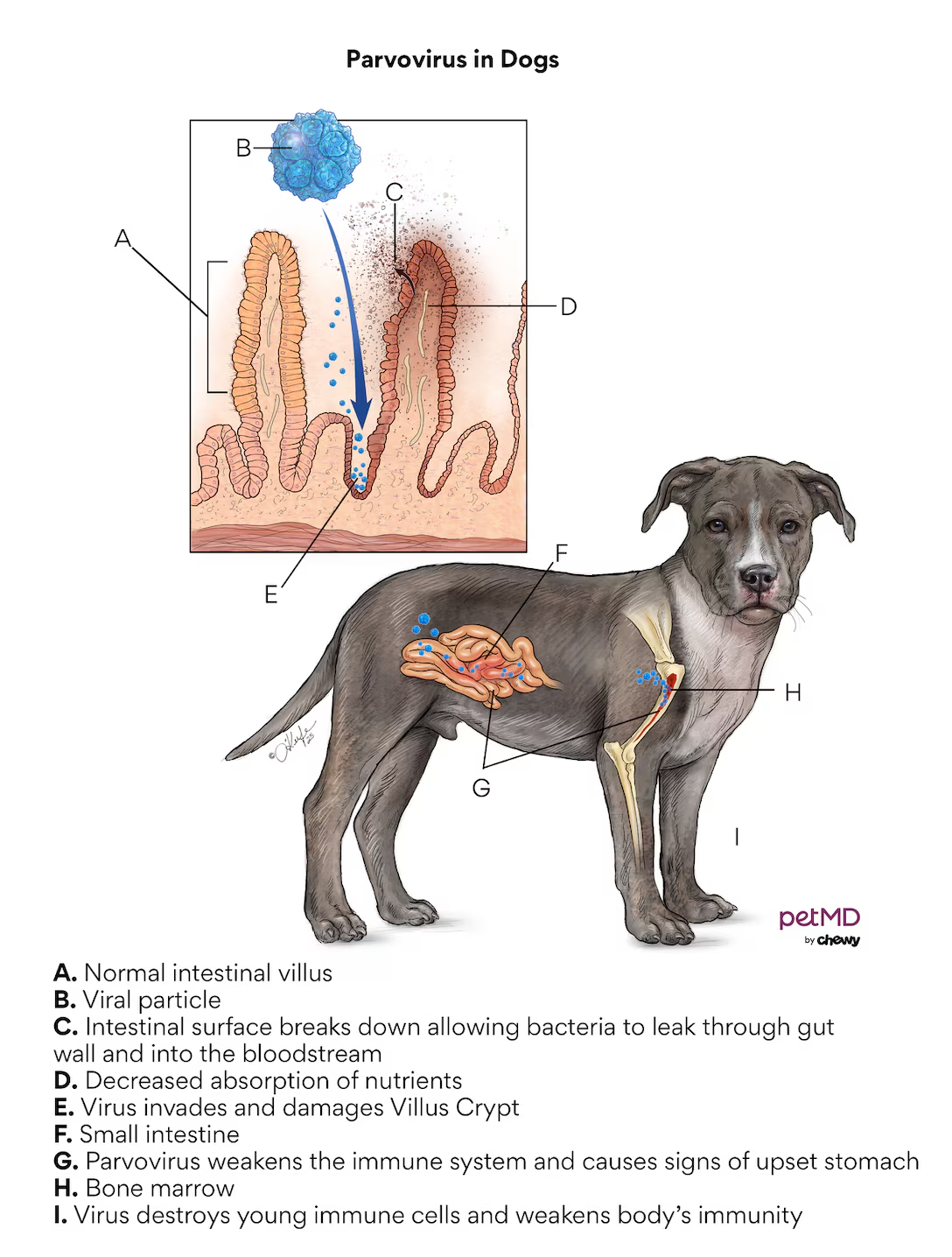
CPV target tissues
Small intestinal crypt cells, lymphopoietic tissue, and bone marrow.
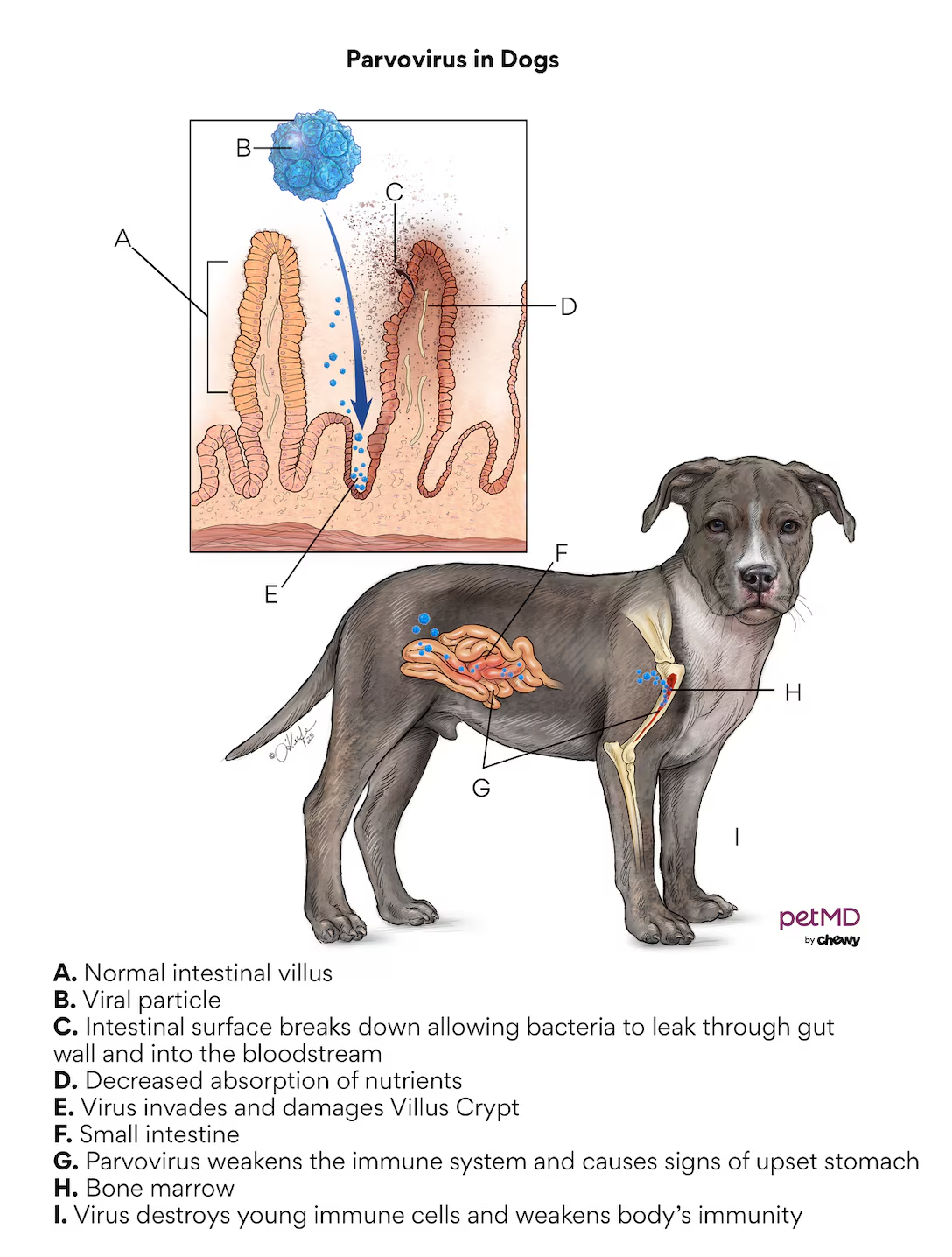
Small intestinal villous blunting
The pathological change caused by the virus attacking the small intestinal crypt cells.

Colloidal support
Treatment such as hetastarch or albumin used if needed for parvoviral enteritis patients.
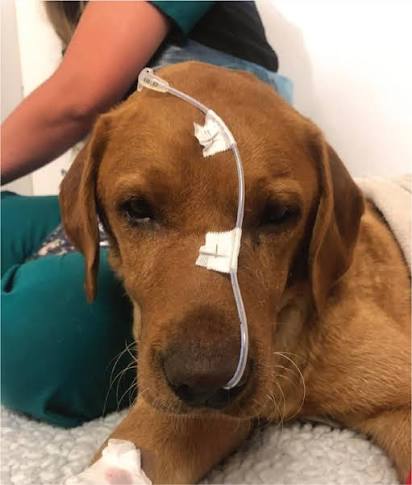
Trickle enteral feeding
The method of nutritional support started once vomiting is controlled.
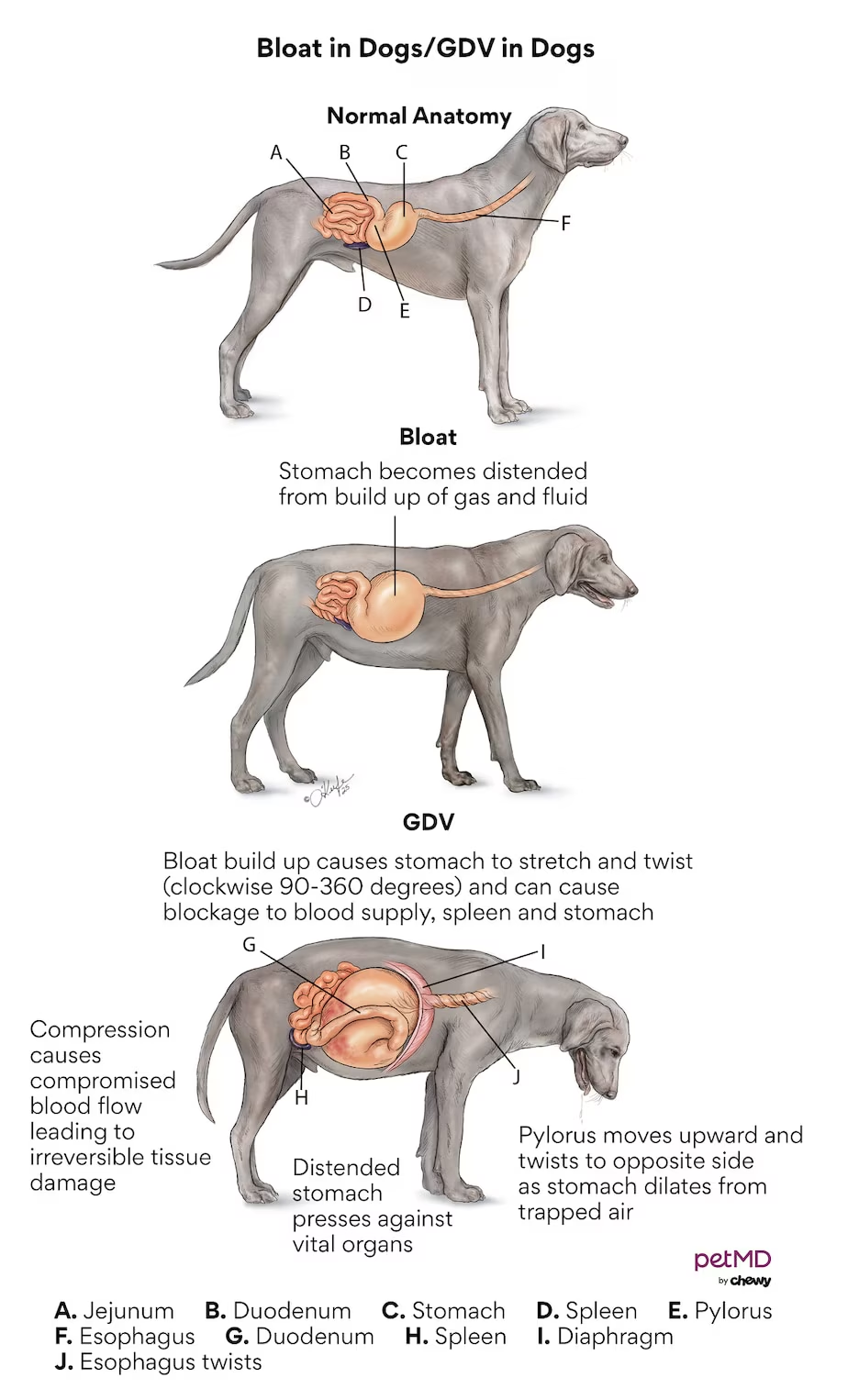
Gastric dilation/volvulus (GDV)
A condition characterized by
abdominal distention
unproductive retching
ptyalism
potential collapse, typically seen in older, giant, or large breed dogs with deep chest cavities.
Classic GDV Patient Profile
Older, giant or large breed dog with a narrow and deep chest cavity.
Ptyalism
Drooling, often observed as a clinical sign of discomfort or nausea in GDV cases.
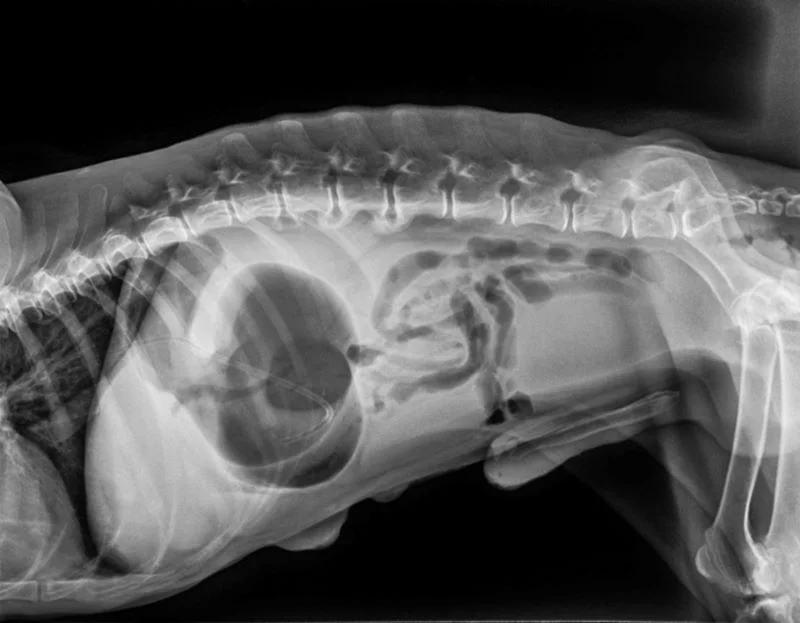
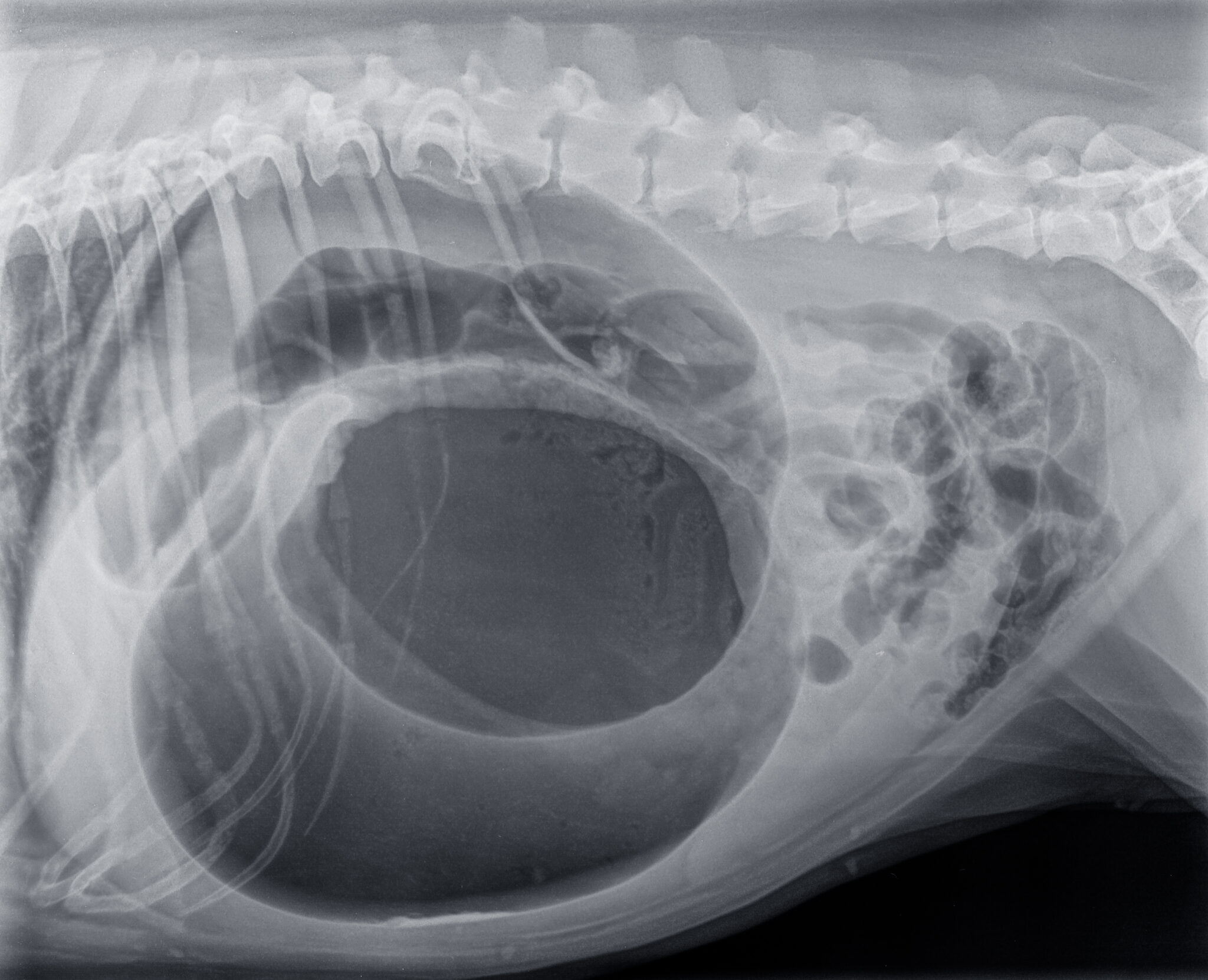
"Double bubble" or "smurf hat"
The characteristic radiographic appearance of a gas-distended pylorus positioned cranial to the fundus in a dog with GDV.
Right lateral abdominal radiograph
The specific radiographic view used to diagnose Gastric dilation/volvulus (GDV).
Dorsoventral (DV) view
The radiographic view used if necessary for GDV diagnosis to avoid aspiration, preferred over the ventro-dorsal (VD) view.

GDV Laboratory Findings
Common findings including
hemoconcentration
increased lactate levels
potentially disseminated intravascular coagulation (DIC).
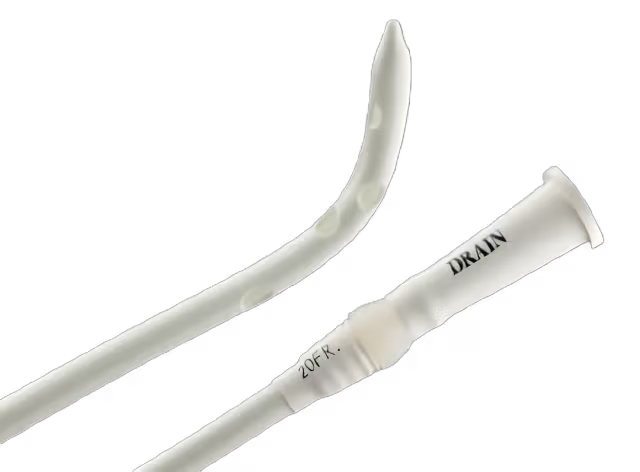
Initial GDV Treatment Steps
Administration of IV fluids with large bore catheters (started before radiographs), decompression, and pain management with opioids.

GDV Decompression Methods
Techniques including trocarization or passing an orogastric tube to relieve gas pressure in the stomach.
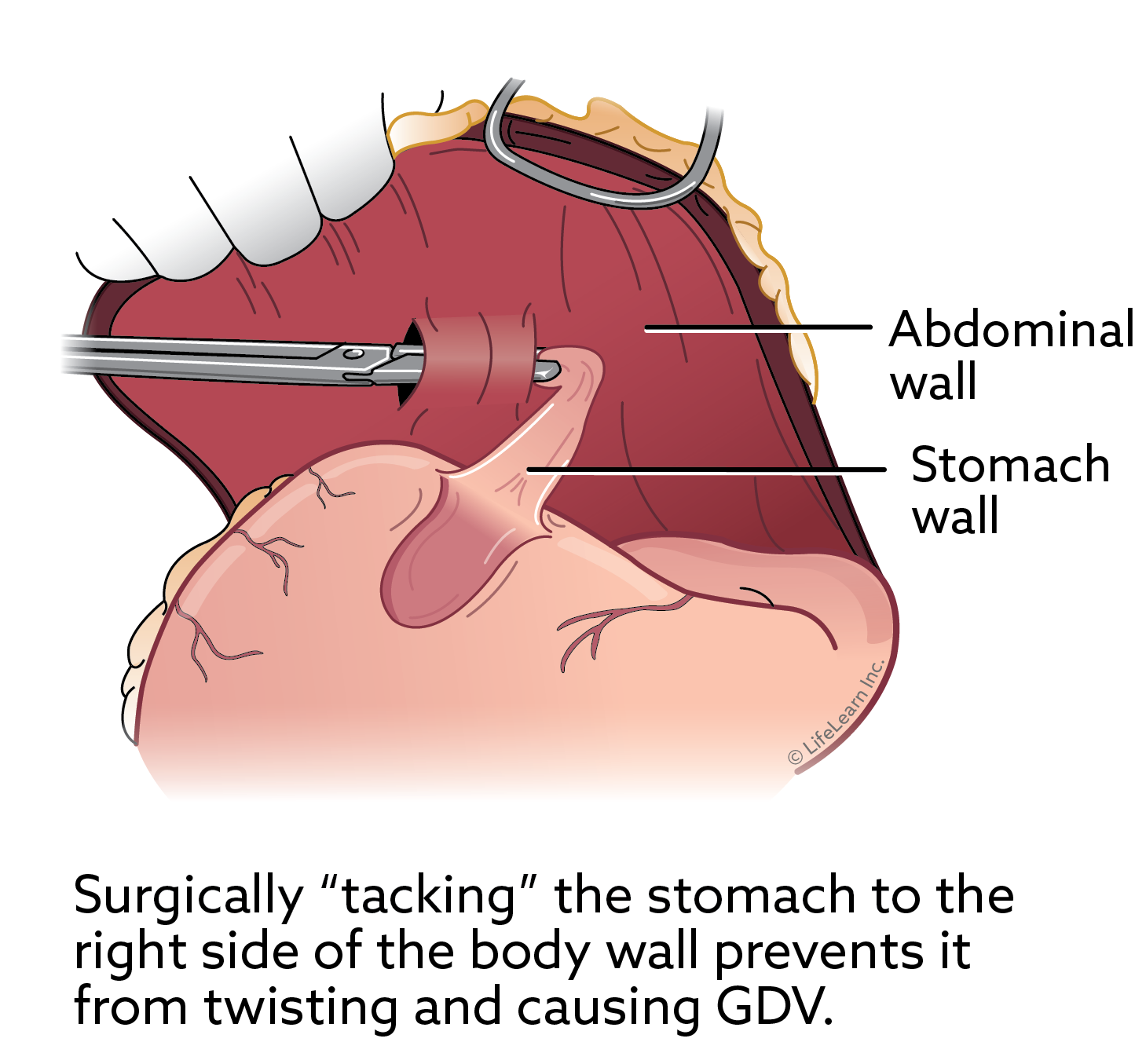
Gastropexy
A surgical procedure performed during GDV treatment to secure the stomach and prevent recurrence of volvulus.
Post-operative Ventricular Arrhythmias
The most common cardiac abnormality to monitor and treat following GDV surgery.
Gastric Necrosis
One of the primary factors associated with a poorer prognosis in GDV patients.
Pre-op Lactate Level (Prognosis)
A level greater than 6mmol/L is associated with a poorer prognosis.
Time lag (GDV Prognosis)
A duration of greater than 5-hr from the onset of symptoms to evaluation is associated with a poorer prognosis.
Hypothyroidism (Classic Case)
Typically involves a mid- to large-sized middle-aged dog exhibiting
weight gain
lethargy
weakness
alopecia
cold intolerance.
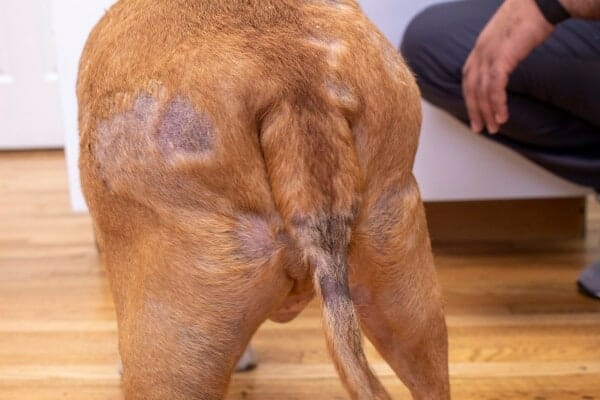
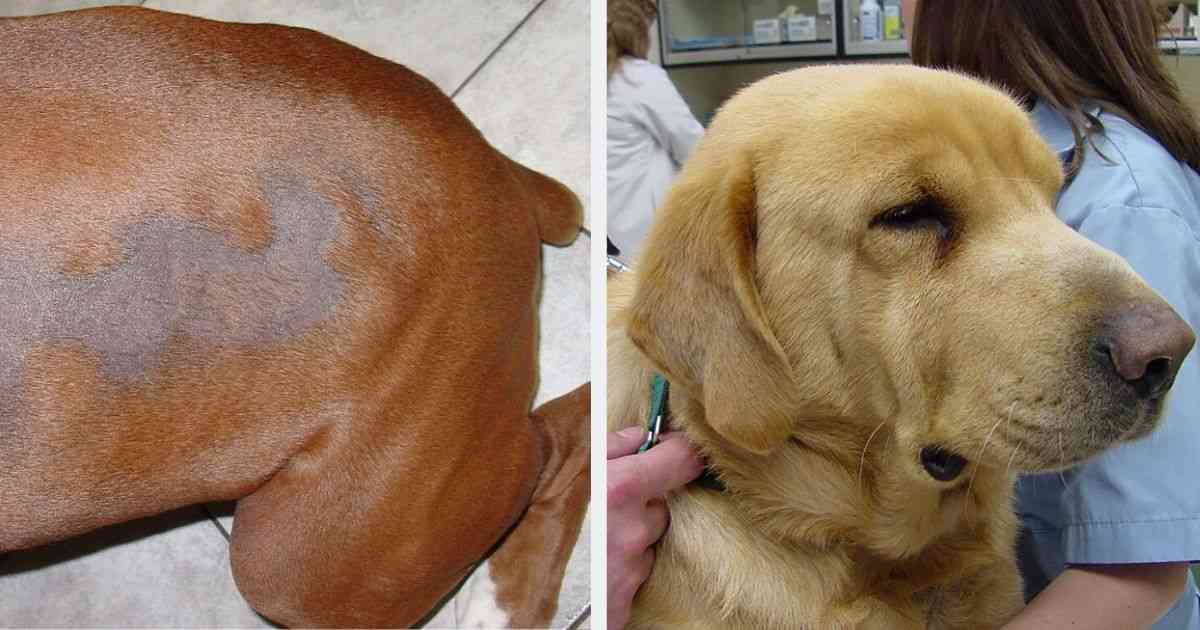
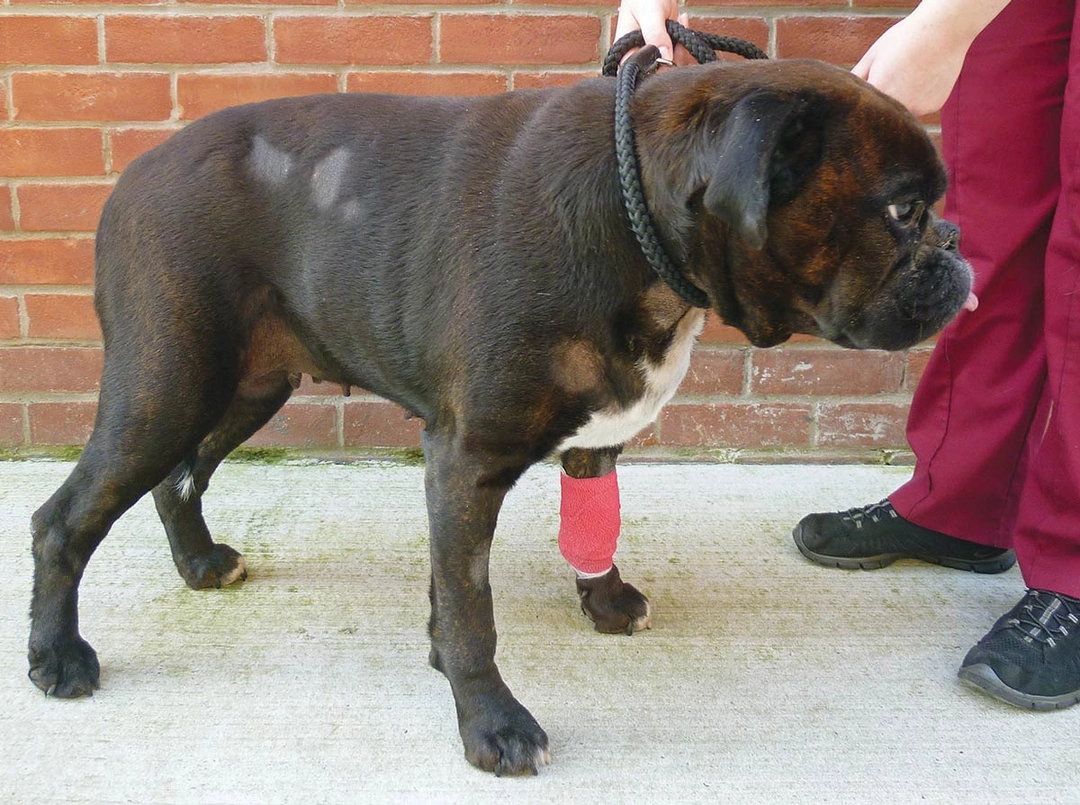
Hypothyroid Alopecia Patterns
Includes characteristic
'rat tail'
thin hair
truncal symmetrical hair loss.
Neurologic signs of Hypothyroidism
Uncommon manifestations including
facial paralysis
vestibular signs
stridor resulting from laryngeal paralysis.

Myxedema coma
A rare, severe state of hypothyroidism characterized by non-pitting facial edema, stupor, coma, hypothermia, and bradycardia.
Hypothyroidism Hematology findings
Mild non-regenerative anemia.
Hypothyroidism Lipid profile
Hyperlipidemia, specifically elevations in both cholesterol and triglycerides.
Total T4 (TT4) diagnostic value
Typically low in hypothyroidism, though it may be low-normal if autoantibodies are present.
Free T4 by equilibrium dialysis
A test measuring metabolically available T4;
a low result confirms hypothyroidism and rules out euthyroid sick syndrome.
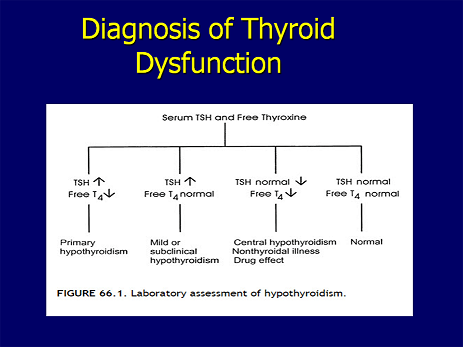
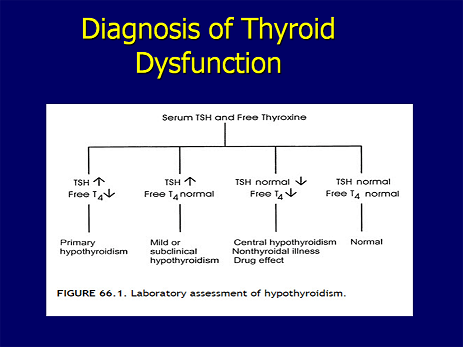
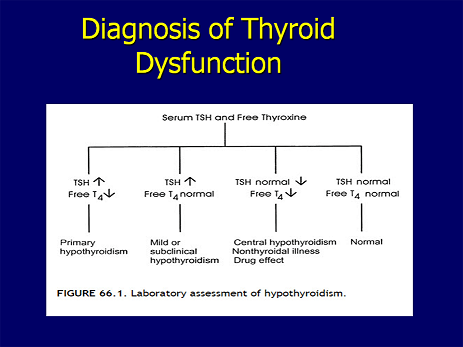
TSH (Thyroid Stimulating Hormone) levels
Levels are typically normal to increased in hypothyroid patients.
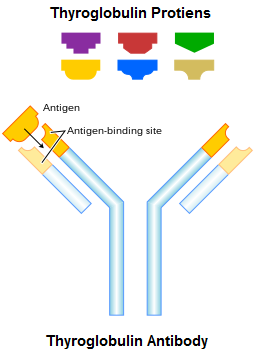
Serum thyroglobulin autoantibodies
Increased levels of these are indicative of lymphocytic thyroiditis.
Levothyroxine sodium
The oral T4 medication used for the treatment of hypothyroidism.
IV T4
The treatment route for T4 administration in cases of myxedema coma.
Euthyroid sick syndrome
A condition where other disease processes cause lower T4 levels in a patient that does not have primary hypothyroidism.

Cataracts
A condition characterized by a cloudy white pupil and decreased vision; often associated with diabetes mellitus and treatable via surgery.
Cherry eye
A smooth, moist, reddish-pink mass at the medial canthus involving the prolapsed 3rd eyelid gland, typically seen in dogs less than 2yr old.

Uveitis
Inflammation of the uveal tract characterized by
conjunctival hyperemia
photophobia
aqueous flare
an intraocular pressure (IOP) less than 10mmHg.
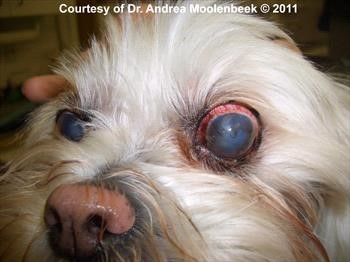
Glaucoma
An ocular condition characterized by
buphthalmos ("big blue eye")
visual impairment
an intraocular pressure (IOP) greater than 30mmHg.
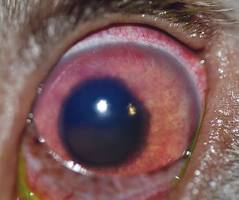
Aqueous flare
The cloudiness of the aqueous humor that is a clinical sign of uveitis.

Buphthalmos
The enlargement of the eye, often referred to as "big blue eye" in cases of glaucoma.
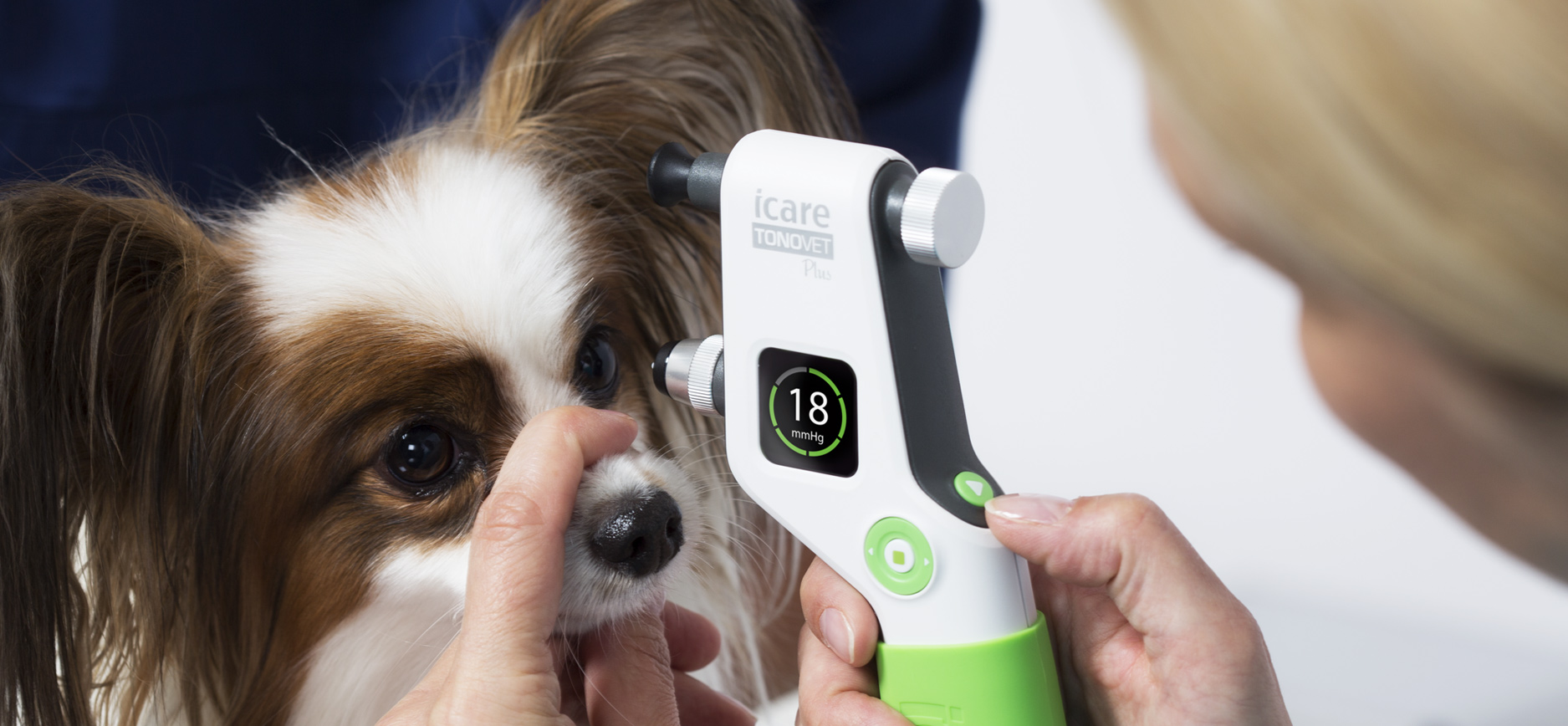
Tonometry
A diagnostic test used to measure intraocular pressure (IOP) to differentiate between uveitis and glaucoma.
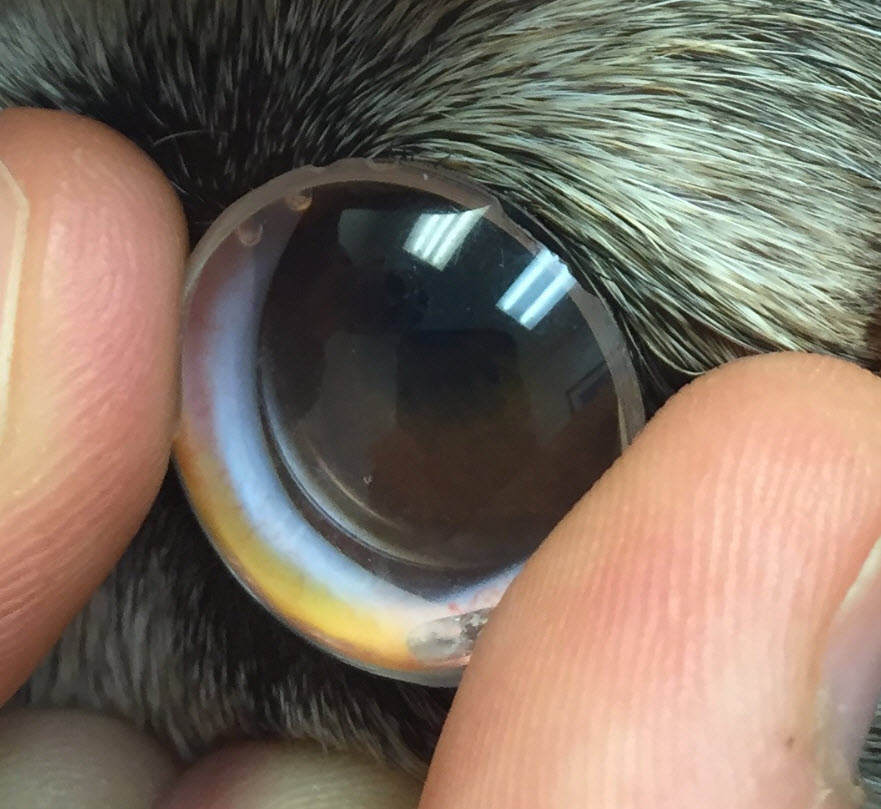
Gonioscopy
A diagnostic procedure used in glaucoma cases for the visualization of the iridocorneal angle.

Electroretinography (ERG)
A diagnostic tool used during the evaluation of cataracts to assess retinal function.
Topical atropine
A medication used in the treatment of uveitis specifically to decrease the pain associated with iridocyclospasm.
Carbonic anhydrase inhibitor
A type of topical or systemic medication used to decrease intraocular pressure (IOP) and pain in acute glaucoma.
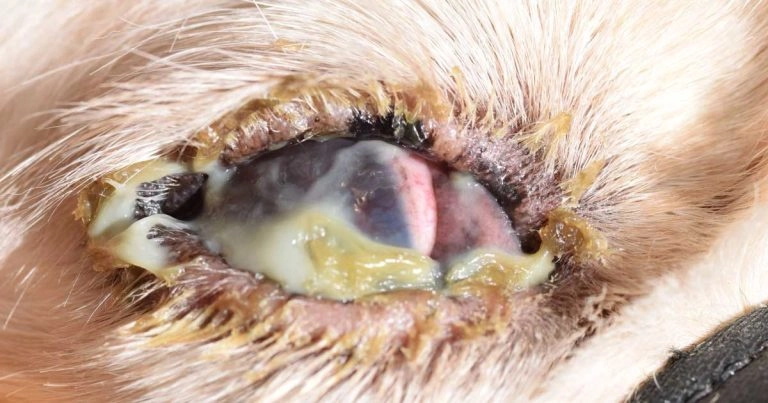
Keratoconjunctivitis sicca
A condition with a high risk of lifelong development if a cherry eye (3rd eyelid gland) is removed instead of surgically replaced.
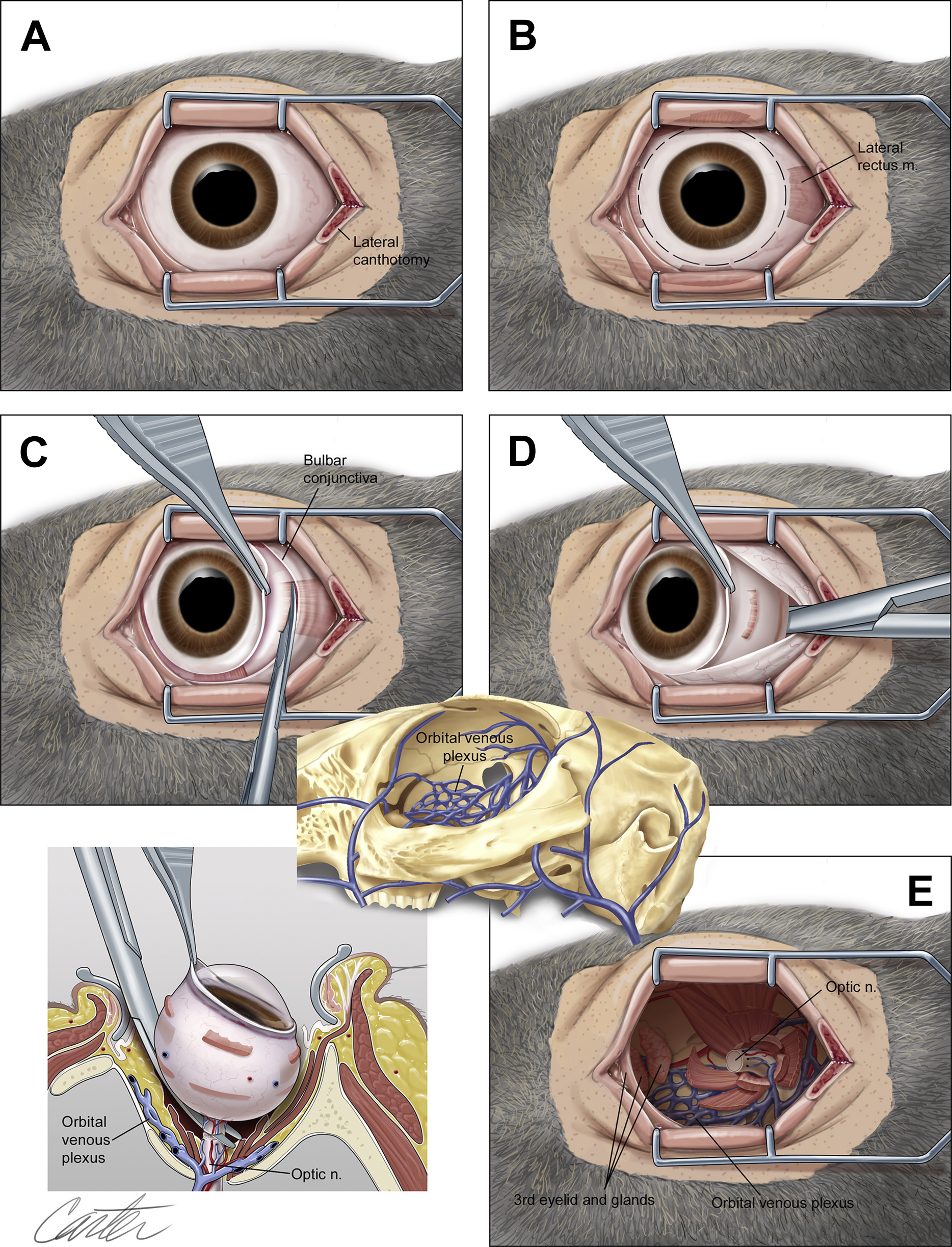
Enucleation
The surgical removal of the eye, which may be a necessary treatment for chronic glaucoma, even if the eye is blind, to address pain.
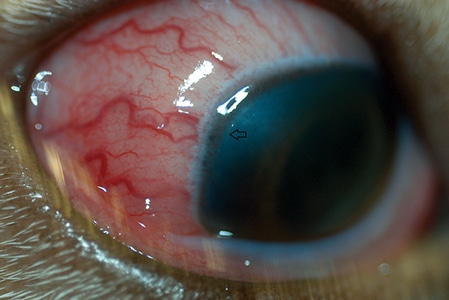
Episcleral vessels
Blood vessels that become tortuous in presentation as a sign of glaucoma.
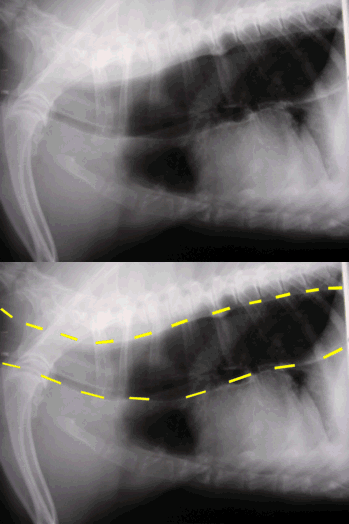
Megaesophagus
A condition characterized by an air-filled, dilated esophagus as seen on thoracic radiographs, resulting in symptoms like regurgitation, coughing, and weight loss.
Regurgitation
The passive expulsion of undigested food or water; distinguished from vomiting by the nature of the contents.
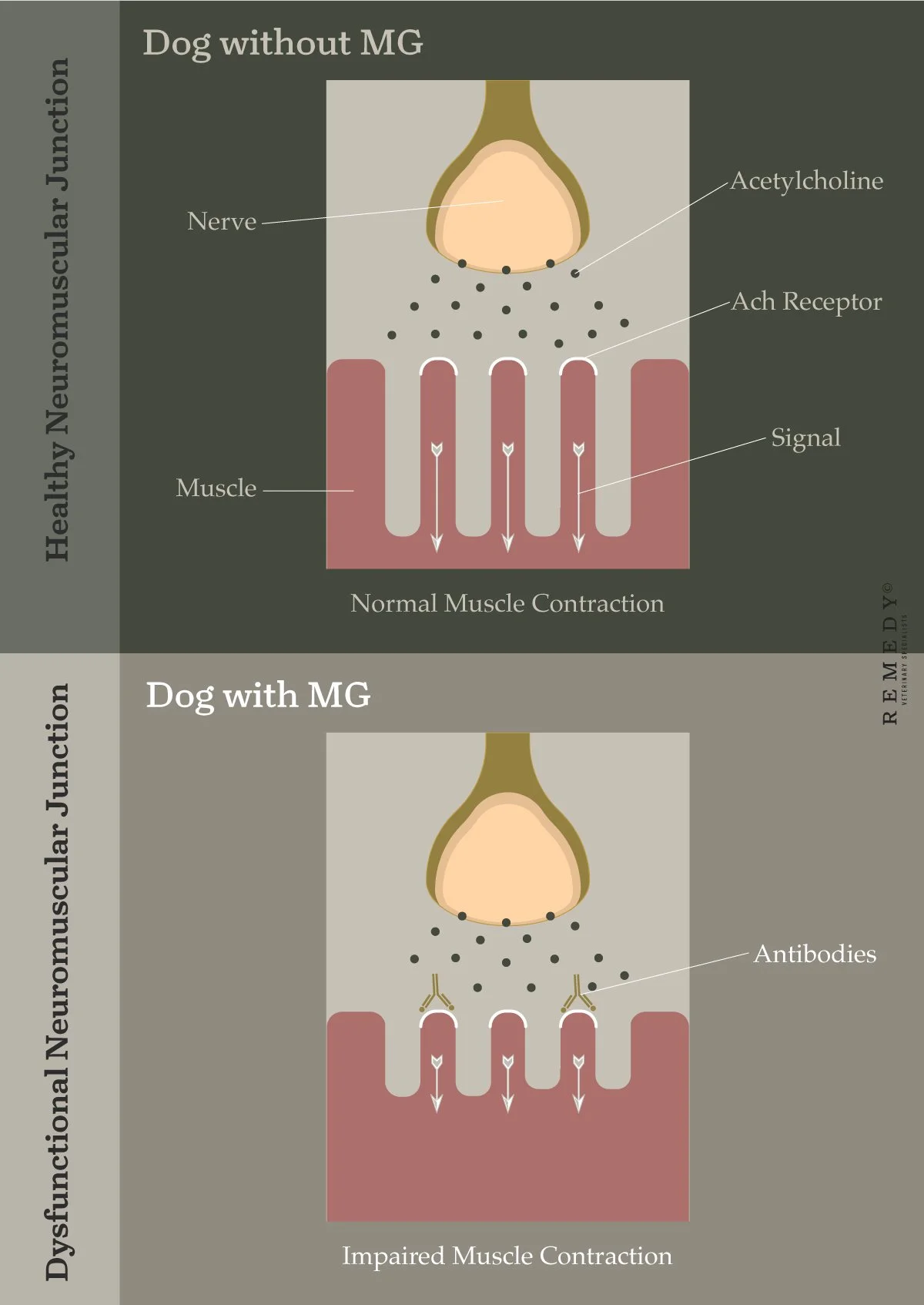
Acetylcholine receptor antibody test
A specific diagnostic test used to identify myasthenia gravis as an underlying cause of megaesophagus.

ACTH stimulation test
A diagnostic test performed to rule out Addison's disease in patients presenting with megaesophagus.
Free T4 level
A blood test used to screen for hypothyroidism as a possible systemic cause of esophageal dilation.
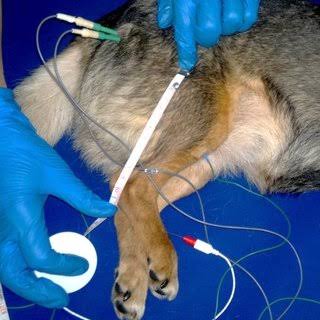
EMG/nerve conduction
Diagnostic imaging/testing used to evaluate for underlying polymyopathy or polyneuropathy.
Cisapride
A GI motility medication that aids in gastric emptying to reduce esophageal reflux, although it does not affect the motility of the esophagus itself.
Proton pump inhibitors
A class of gastric acid reducers, including pantoprazole and omeprazole, used to help decrease acid reflux in megaesophagus patients.
H2 receptor blockers
A class of medications, such as famotidine and ranitidine, used as gastric acid reducers to manage esophageal reflux.
German shepherd, miniature schnauzer, and fox terrier
Dog breeds with a recognized congenital predilection for megaesophagus that may experience spontaneous improvement.
Vascular ring anomaly
A condition that must be ruled out in puppies presenting with signs of megaesophagus.
Ketamine and xylazine
Drugs that are known to potentially cause temporary megaesophagus.
Aspiration pneumonia
A frequent secondary complication of megaesophagus, best visualized on VD thoracic radiographs, and the most common cause of death for affected animals.
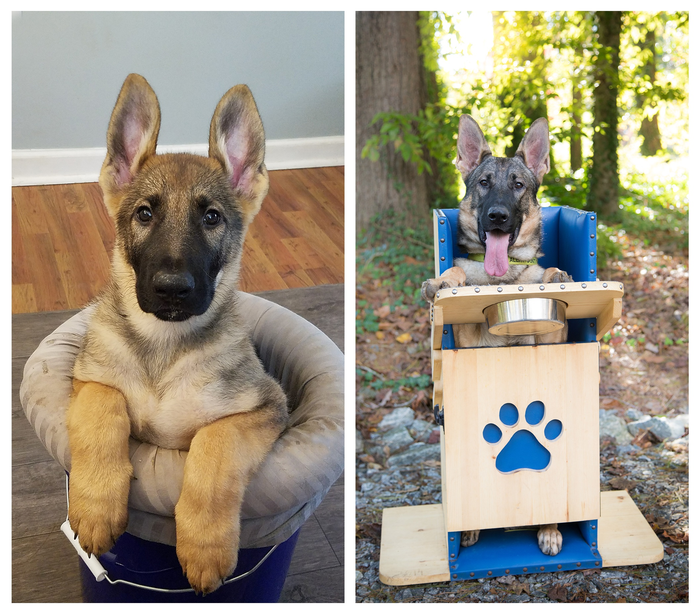
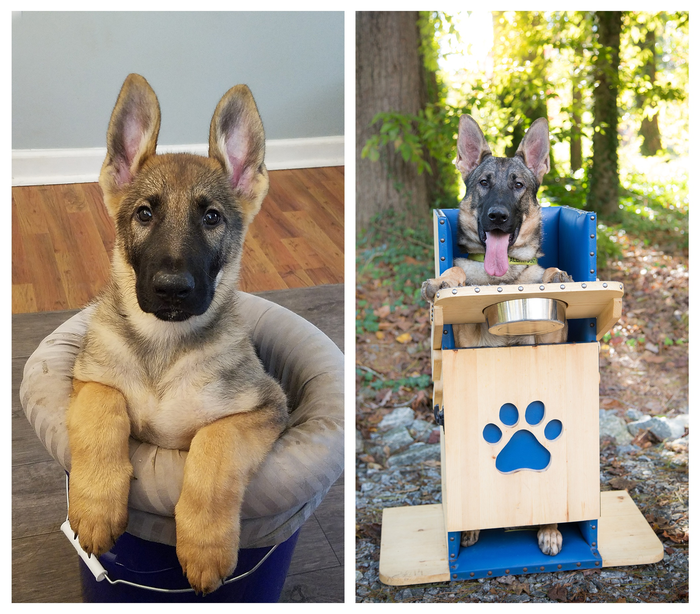
Bailey Chair
A specialized device used to maintain a dog in an upright position during and after feeding to manage megaesophagus.

Pancreatitis Clinical Presentation
An acute, chronic, or subclinical condition characterized by a history of dietary indiscretion, a high-fat diet, or blunt abdominal trauma.
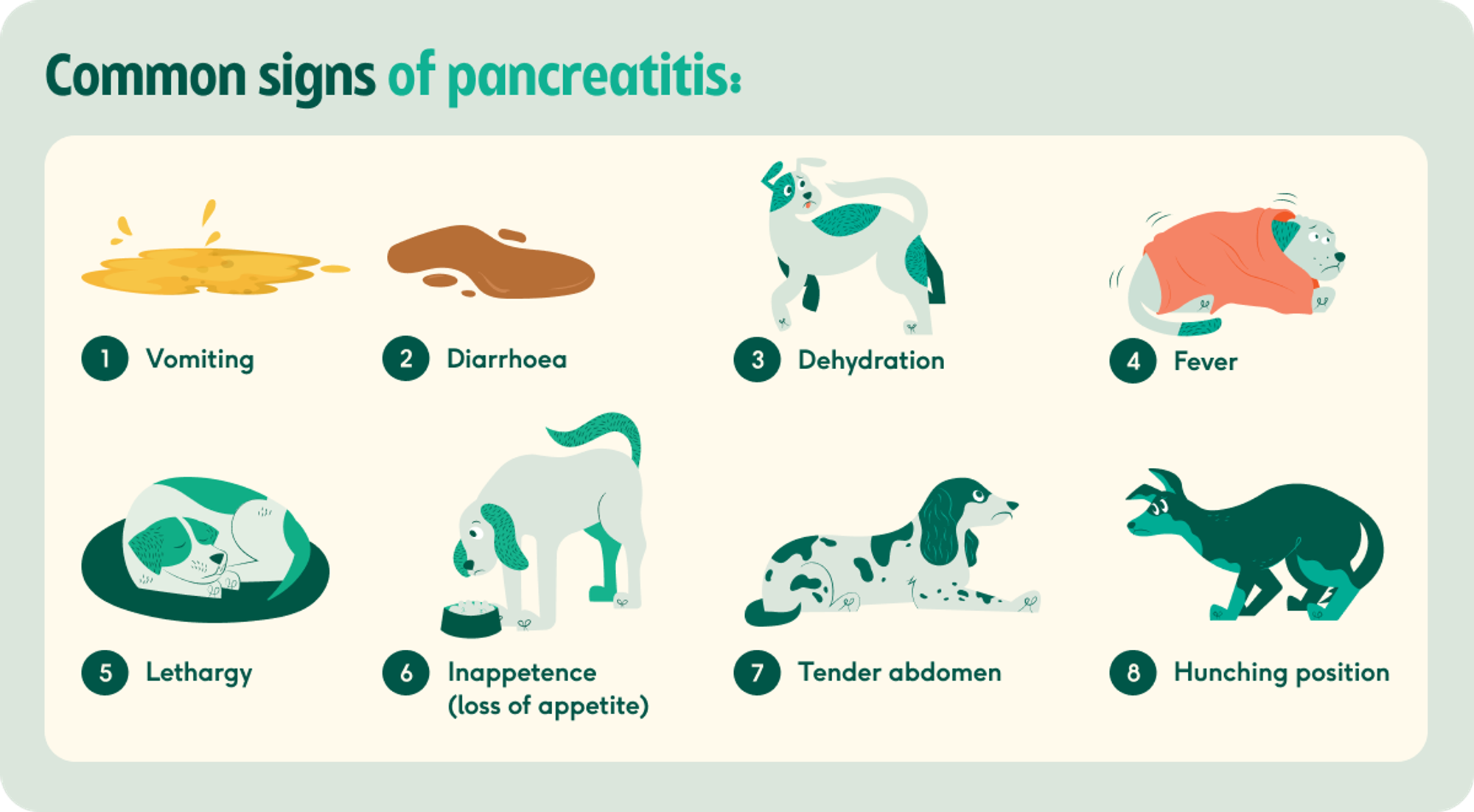
Pancreatitis Symptoms
Clinical signs include
vomiting
anorexia
diarrhea
abdominal pain
weakness
dehydration.
Drug-Induced Pancreatitis Risk Factors
A medication history involving
KBr
azathioprine
L-asparaginase
phenobarbital
thiazide diuretics.

Miniature schnauzers
The breed of dog that is overrepresented in cases of pancreatitis.

SNAP canine pancreatic lipase (cPL)
A very sensitive patient-side test used in the diagnosis of pancreatitis.
Canine pancreatic lipase immunoreactivity (Spec cPLI)
A test used to confirm a positive SNAP cPL that is highly sensitive and specific for both acute and chronic pancreatitis.
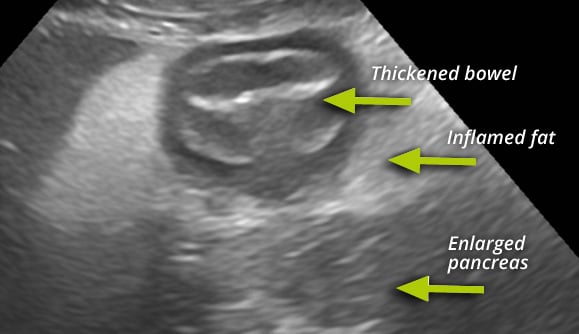
Ultrasonographic signs of pancreatitis
Enlarged hypoechoic pancreas
hyperechoic peripancreatic fat
fluid around the pancreas.
Lipase and amylase diagnostic value
A 4-5X elevation is suggestive only, with approximately 50% sensitivity and specificity.
Pancreatitis Pain Management
Treatment involves medications such as opioids or lidocaine CRI.
Anti-nausea medications
Maropitant (Cerenia), ondansetron, and dolasetron.
Nutritional support for pancreatitis
Enteral nutritional support using an ultra-low-fat diet, provided there is no intractable vomiting.
Systemic complications affecting prognosis
Factors associated with a worse prognosis include
multiple organ failure
acidosis
hypocalcemia
peritonitis
DIC.
Corticosteroids in pancreatitis
Medications that are no longer considered a cause of pancreatitis and are not contraindicated in its treatment.
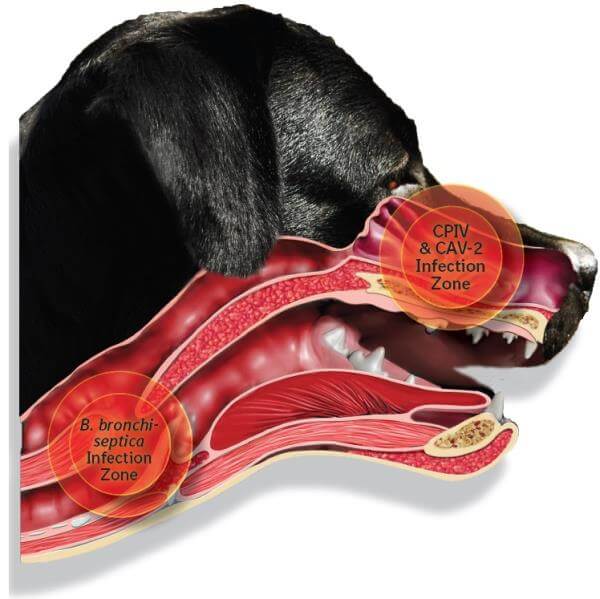
Infectious tracheobronchitis
The formal medical term for Kennel cough, characterized by a highly contagious respiratory disease.

Classic clinical sign of Kennel cough
An acute-onset non-productive cough that may end in a retch, typically following exposure to a large number of other animals.
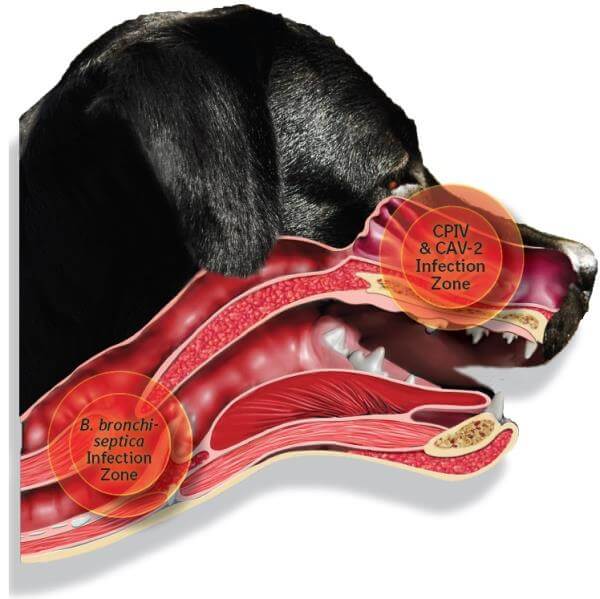
CPIV
Canine parainfluenza virus, one of the viral etiologies of infectious tracheobronchitis.
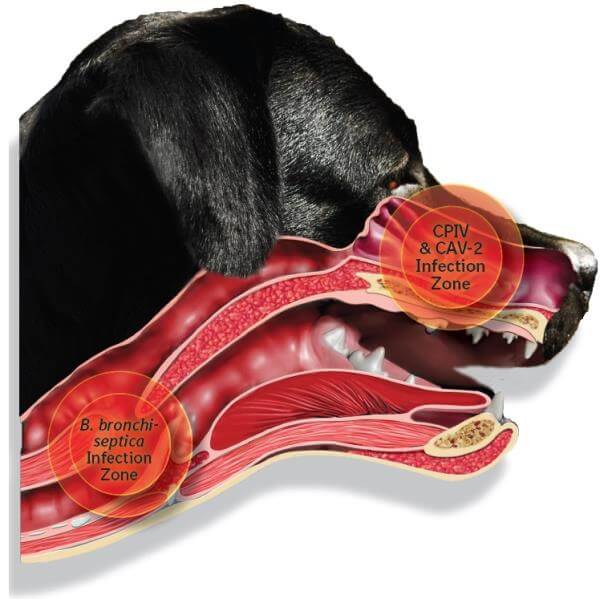
CAV-2
Canine adenovirus 2, a virus involved in the multi-etiology of Kennel cough.
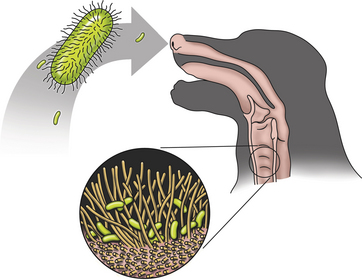
Bordetella bronchiseptica
A primary bacterial pathogen in Kennel cough that can be identified via bacterial culture or PCR from swabs or airway washes.
Diagnostic imaging findings
Thoracic radiography may show signs of pneumonia if the Kennel cough infection is severe.
Hydrocodone and Butorphanol
Cough suppressants used to manage a persistent dry cough in uncomplicated cases of Kennel cough.