Eukaryotic Cell
 Call Kai
 Learn
Learn Practice Test
 Spaced Repetition
 Match
Match Flashcards
 Knowt Play
1/31

There's no tags or description
Looks like no tags are added yet.
Name | Mastery | Learn | Test | Matching | Spaced | Call with Kai | Chat |
|---|
No analytics yet
Send a link to your students to track their progress
32 Terms
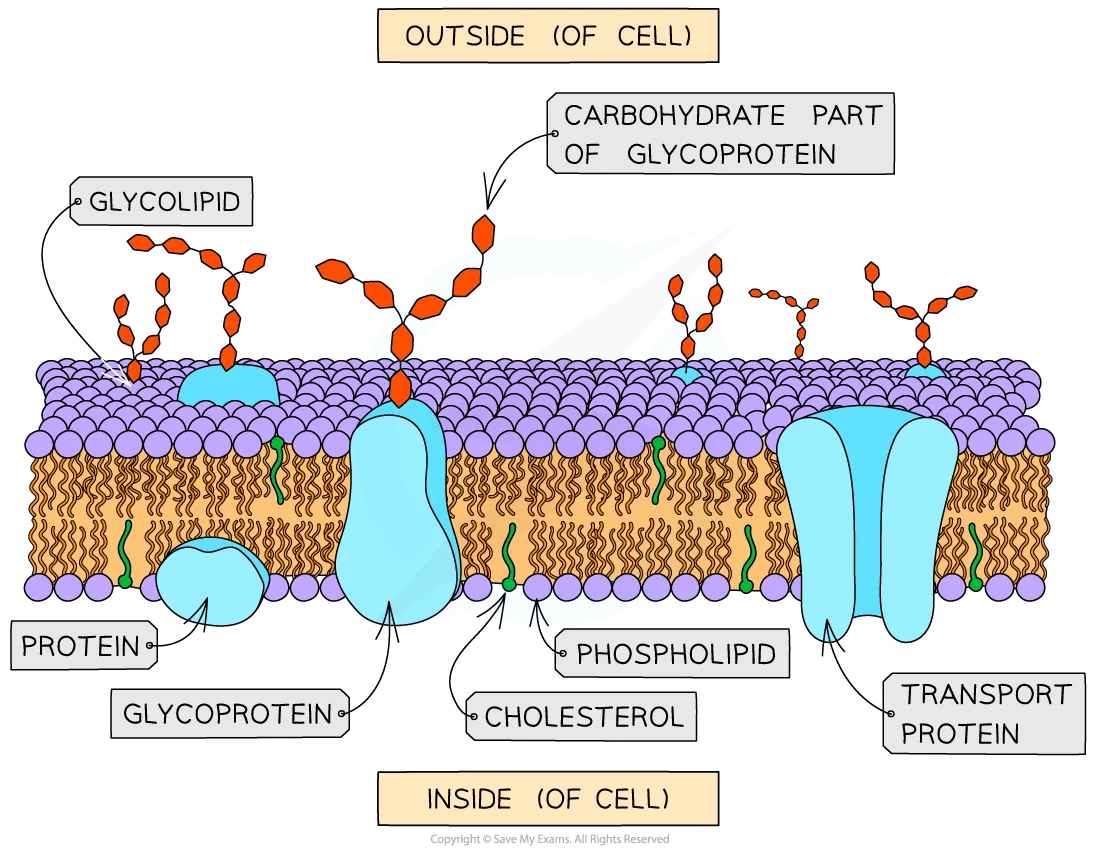
Cell-surface (Plasma Membrane): Description (2)
The membrane found on the surface of animal cells and just inside the cell wall of other cells
It’s made mainly of lipids and protein
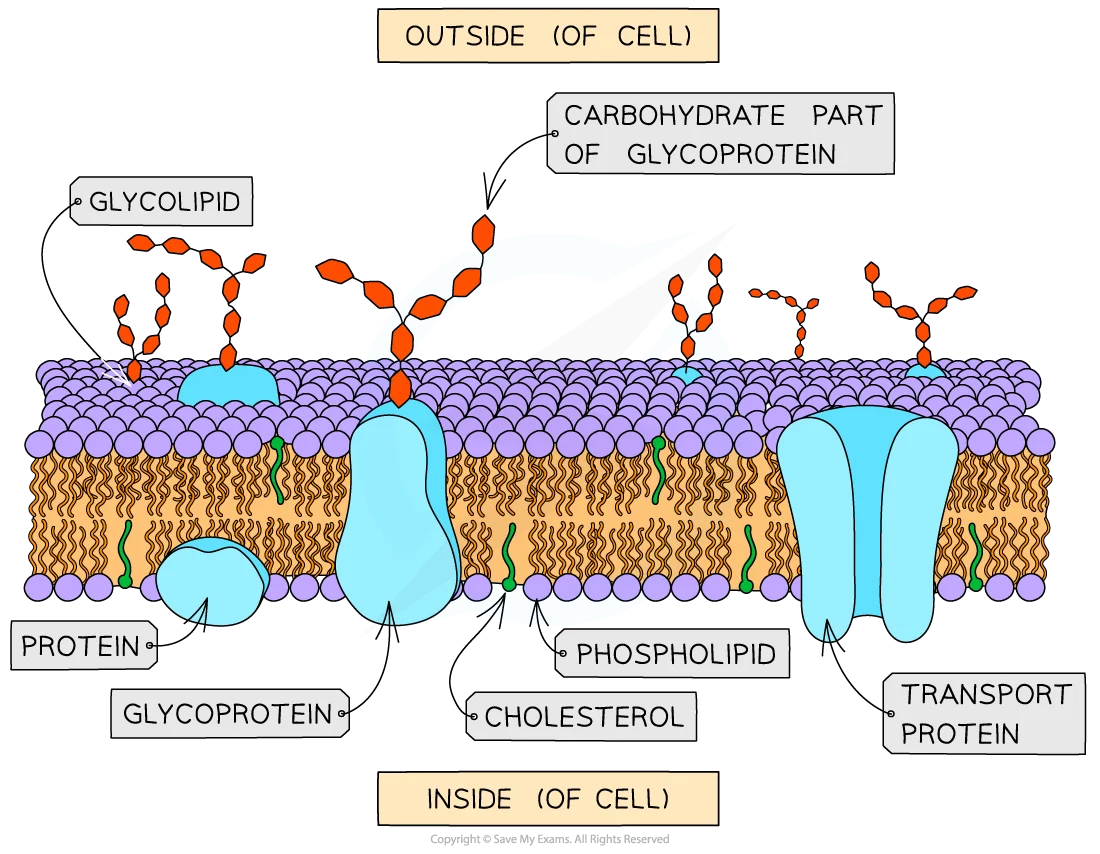
Cell-surface (Plasma Membrane): Function (2)
Regulates the movement of substances into and out of the cell
It also has receptor molecules on it, which allow it to respond to chemicals like hormones
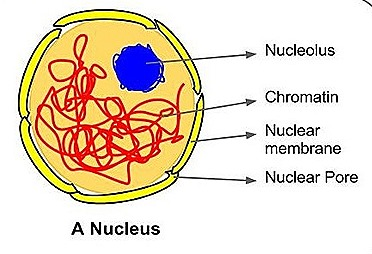
Nucleus: Description (2)
A large organelle surrounded by a nuclear envelope (double membrane) which contains many pores
The nucleus contains chromosomes (which are made from protein-bound linear DNA) called a nucleolus
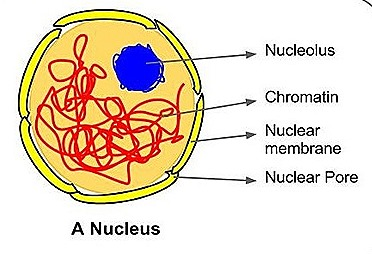
Nucleus: Function (4)
Controls the cell’s activites (by controlling the transcription of DNA)
DNA contains instructions to make proteins
The pores allow susbtances to move between the nucleus and the cytoplasm
The nucleolus makes ribosomes
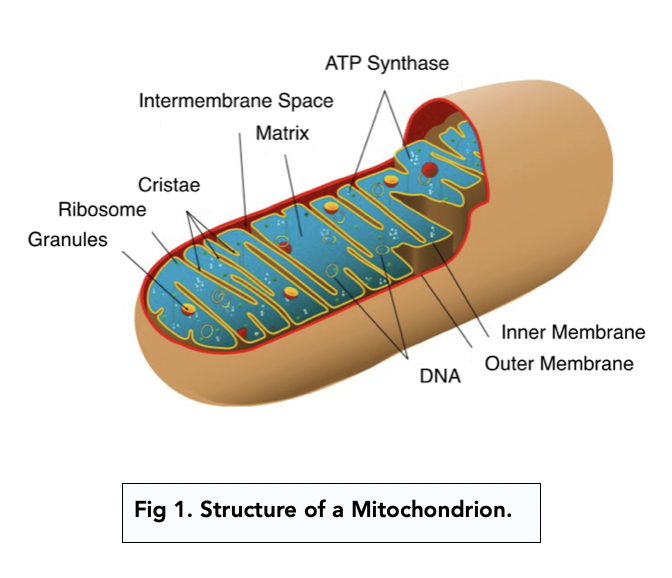
Mitochondrion - Structure (3)
Usually oval-shaped
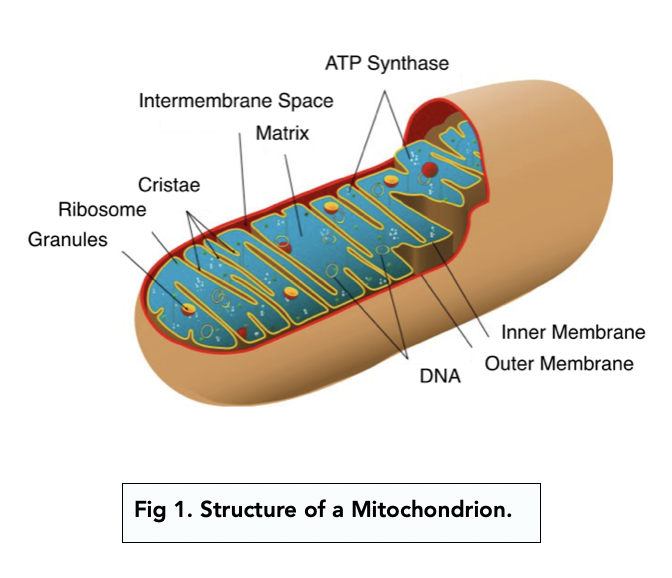
They have a double membrane - the inner one is folded to form structures called cristae
Inside is the matrix, which contains enzymes involved in respiration
Mitochondrion: Function (2)
The site of aerobic respiration where ATP is produced
They’re found in large numbers in cells that are very active and require a lot of energy
Chloroplast: Description (4)
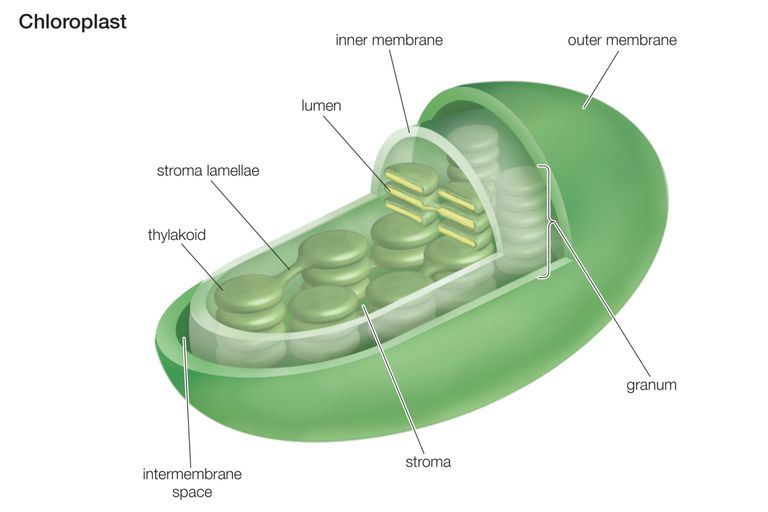
A small, flattened structure found in plant and algal cells
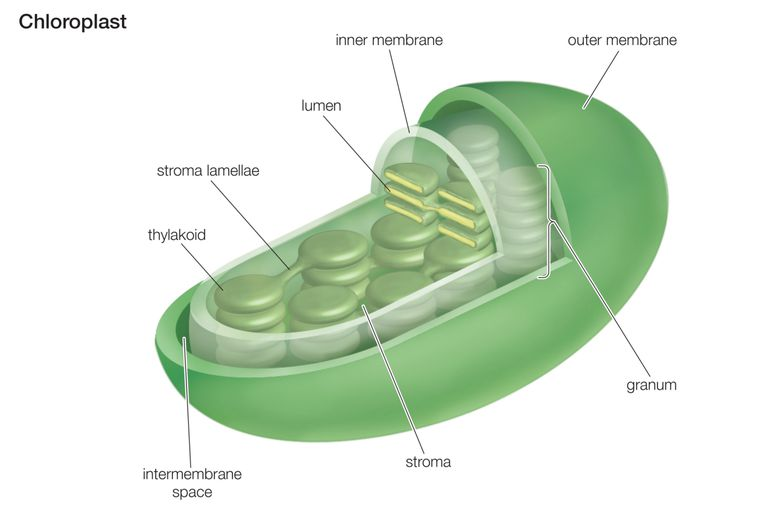
Its surrounded by a double membrane, and also has membranes inside called thylakoid membranes
These membranes are stacked up in some parts of the chloroplast to form grana
Grana are linked together by lamella - thin, flat pieces of thylakoid membrane
Chlorplast: Function (2)
The site of photosynthesis
Some parts of photosynthesis happen in the grana, and other parts happen in the stroma (a thick fluid found in chlorplasts)
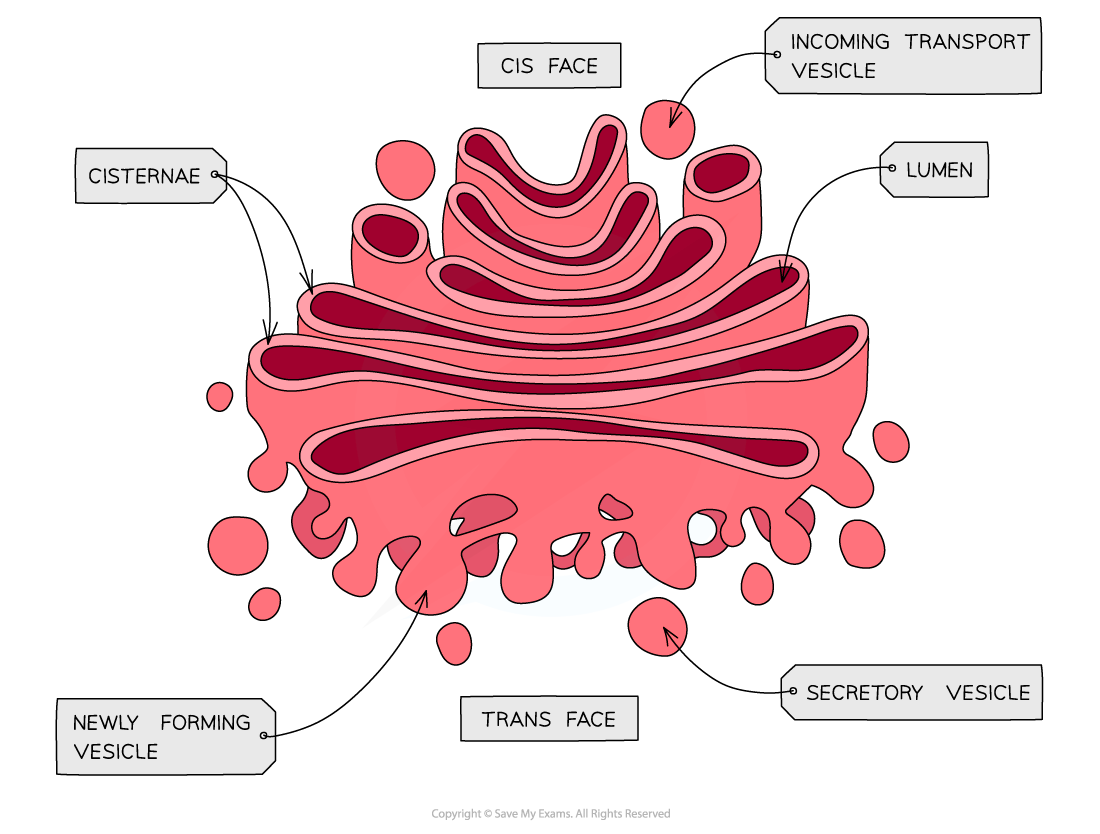
Golgi apparatus: Description (2)
A group of fluid-filled, membrane-bound flattened sacs
Vesicles are often seen at the edges of the sacs
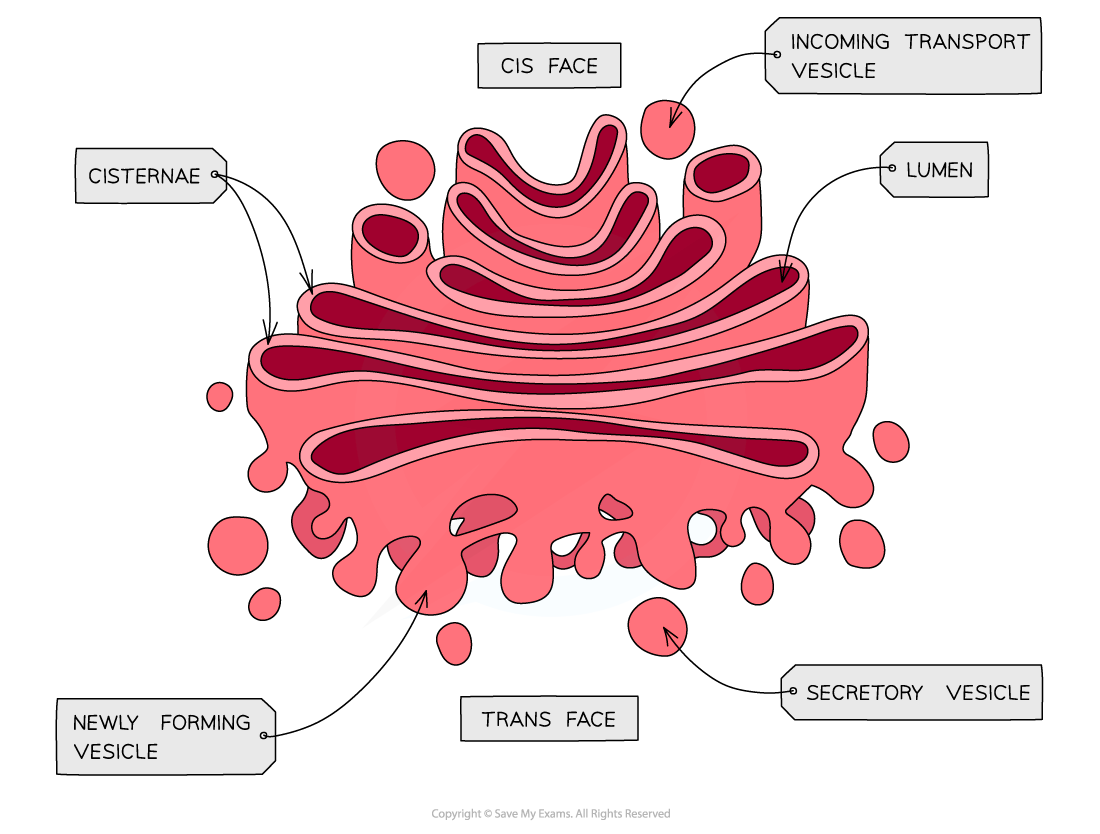
Golgi apparatus: Function (2)
It modifies, processes and packages new lipids and proteins
It also makes lysosomes
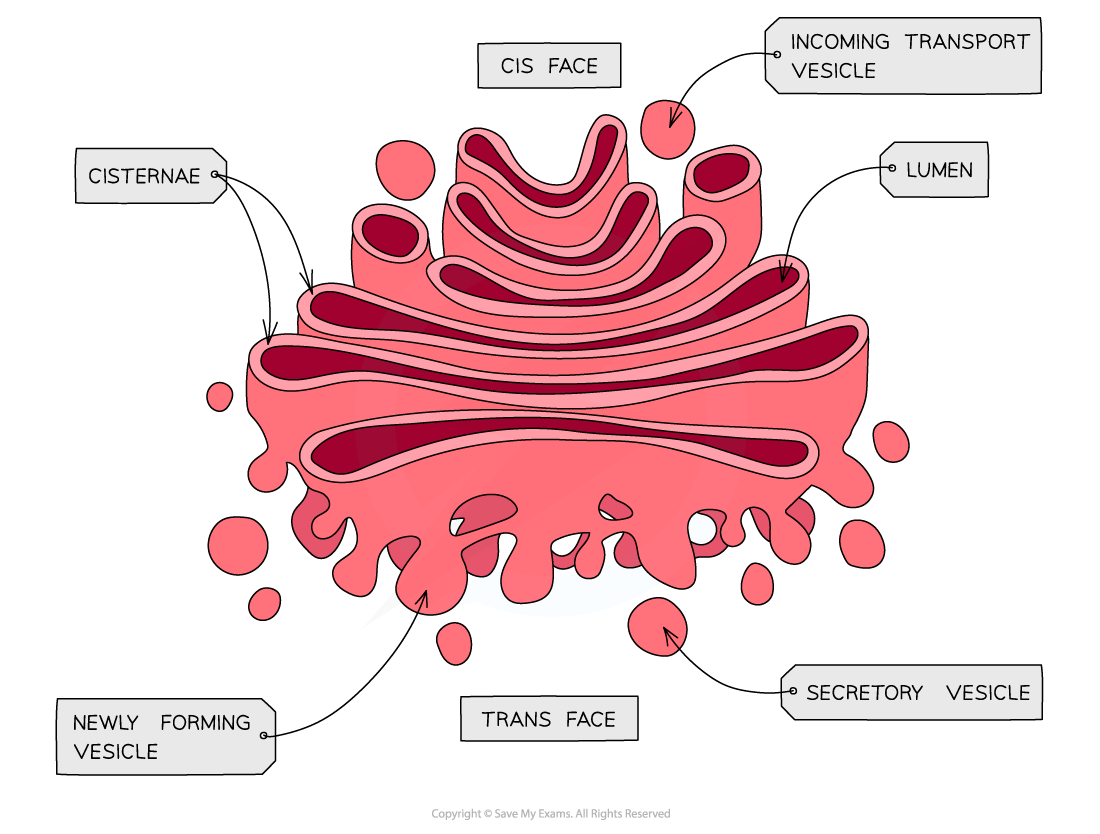
Golgi vesicle: Description (2)
A small fluid-filled sac in the cytoplasm, surrounded by a membrane
Produced by the Golgi apparatus
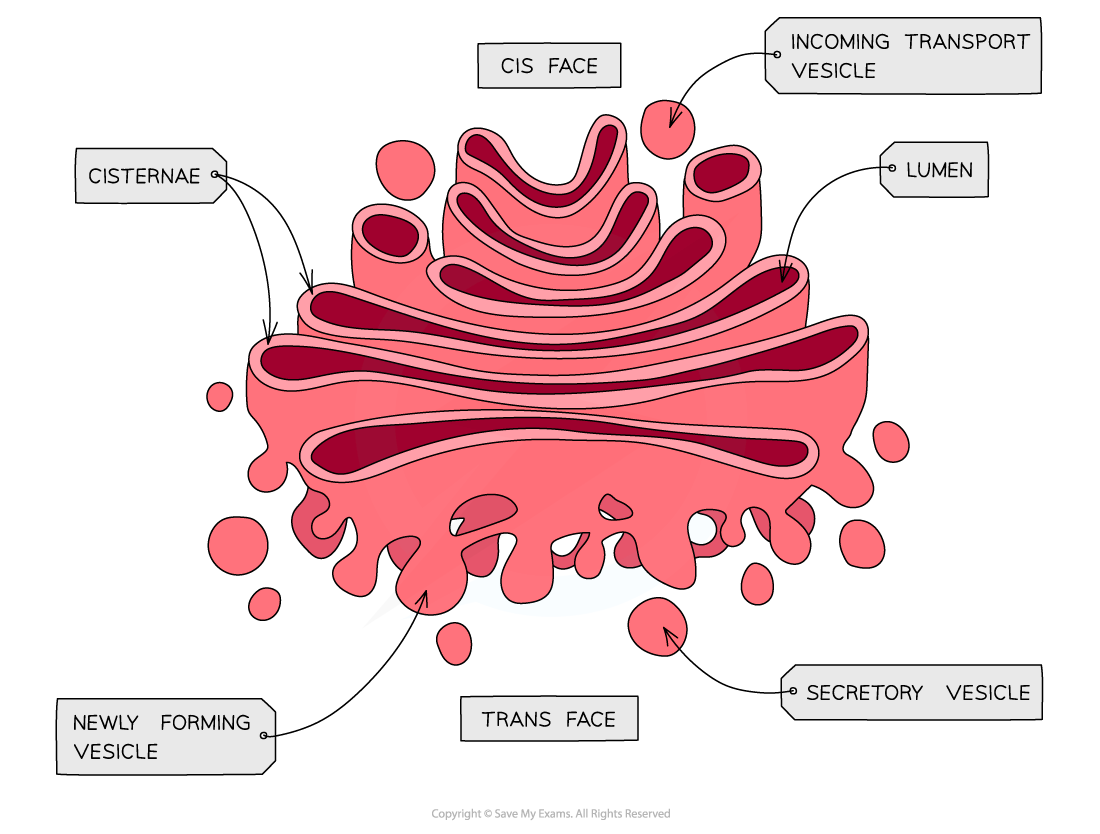
Golgi vesicle: Function (2)
Stores lipids and proteins made by the Golgi apparatus
Transports them out of the cell (via the cell-surface membrane)
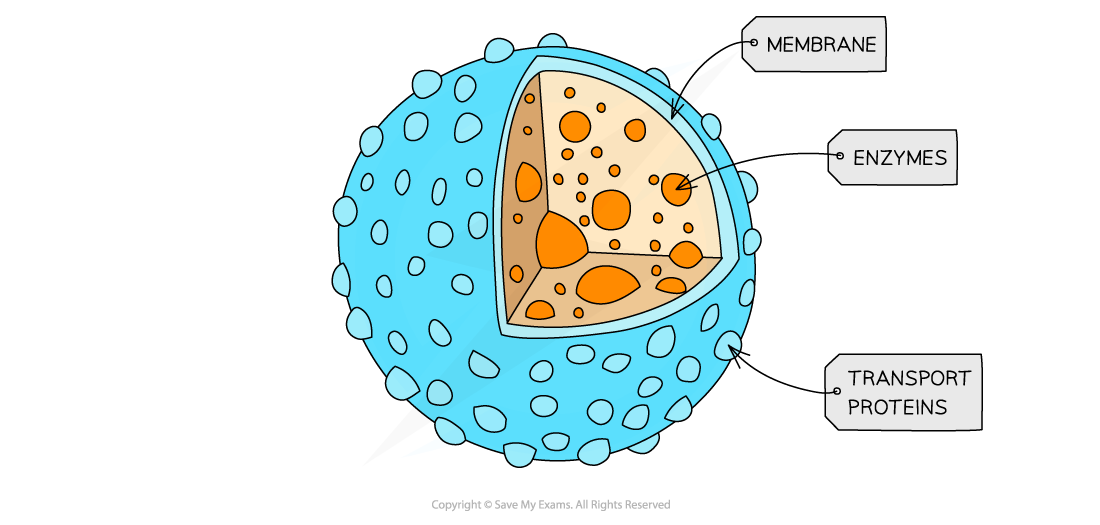
Lysosome: Description (2)
A round organelle surrounded by a membrane, with no clear internal structure
It’s specialised form of a Golgi vesicle
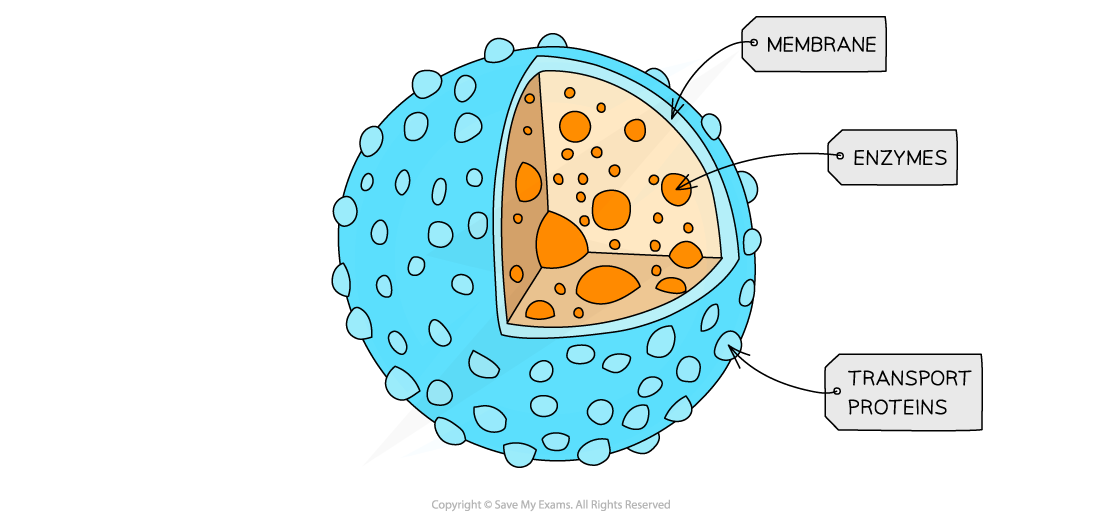
Lysosome: Function (3)
Contains digestive enzymes called lyzozymes (hydrolytic enzymes)
These are kept seperate from the cytoplasm by the surrounding membranes
They can be used to break down pathogens ingested by phagocytes or to break down worn out components of the cell
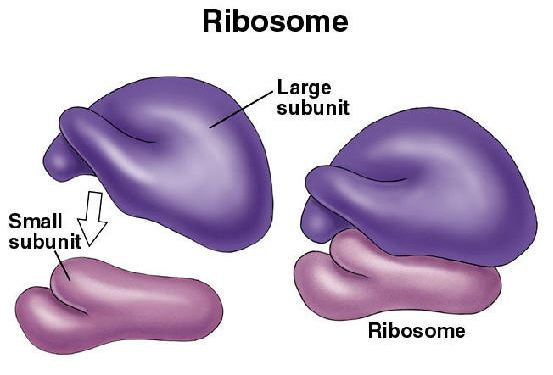
Ribosome: Description (3)
A very small organelle that either floats free in the cytoplasm or is attached to the rough endoplasmic reticulum
It’s made up of proteins and RNA
It’s not surrounded by a membrane
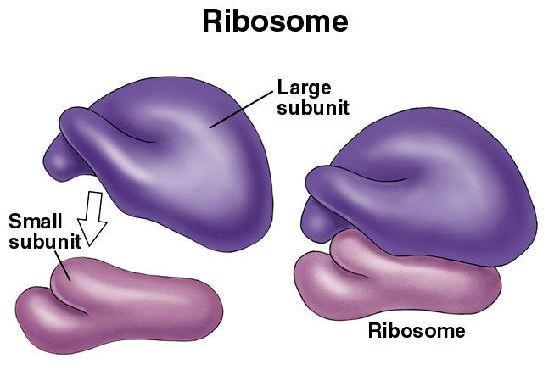
Ribosome: Function
The site where proteins are made
What does each ribosome unit contain?
Ribosomal RNA and protein
What are the two types of ribosomes (2)
80s - found in eukaryotes
70s - found in prokaryotes, mitochondria and chloroplasts
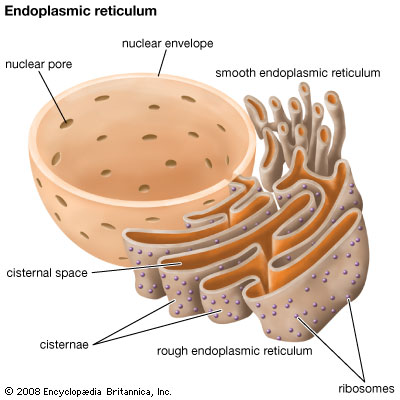
Rough Endoplasmic Reticulum (RER): Description (2)
A system of membranes enclosing a fluid-filled space
The surface is covered with ribosomes
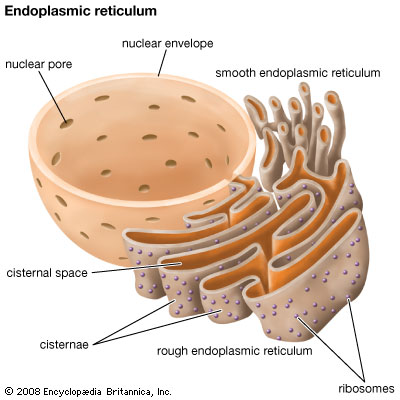
Rough Endoplasmic Reticulum (RER): Function
Folds and processes proteins that have been made at the ribosomes
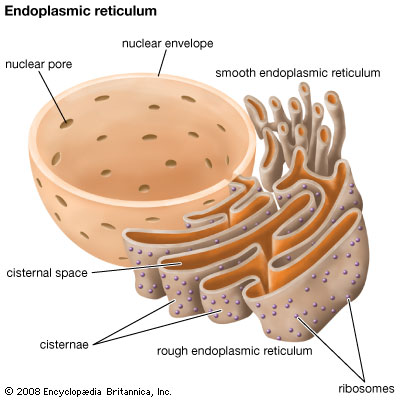
Smooth Endoplasmic Reticulum (SER): Description
Similar to rough endoplasmic reticulum, but with no ribosomes
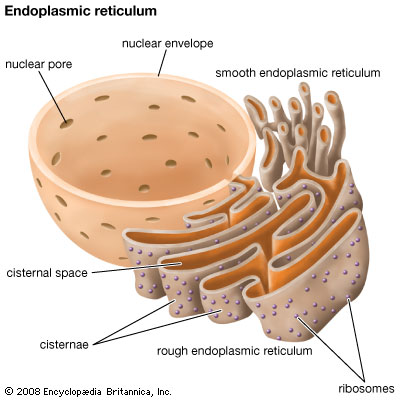
Smooth Endoplasmic Reticulum (SER): Function
Synthesises and processes lipids
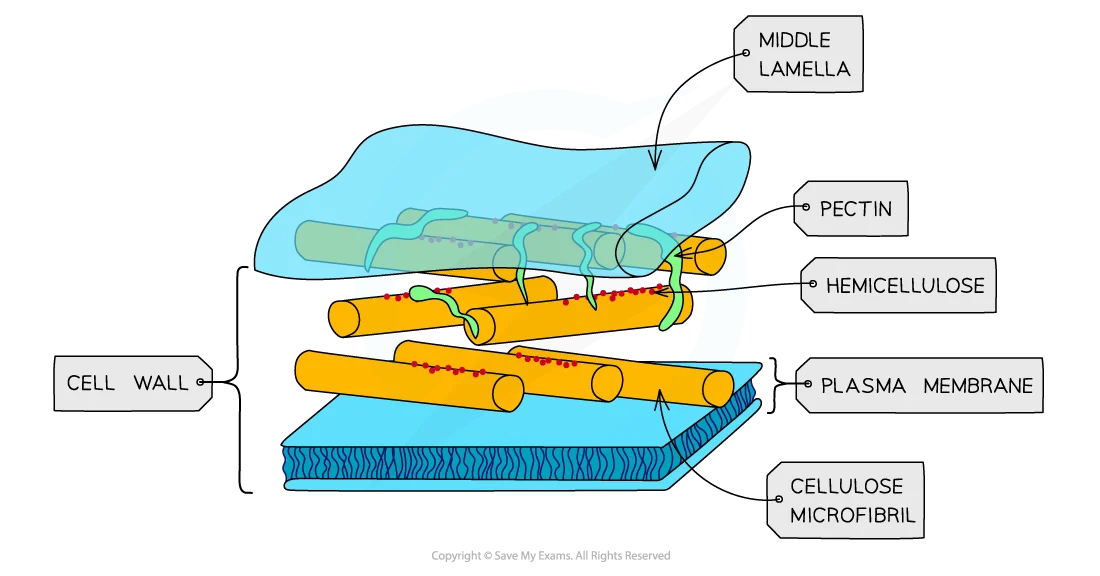
Cell Wall: Description (3)
A rigid structure that surrounds cells in plants, algae and fungi
In plants and algae its made mainly of the carbohydrate cellulose
In fungi its made of chitin
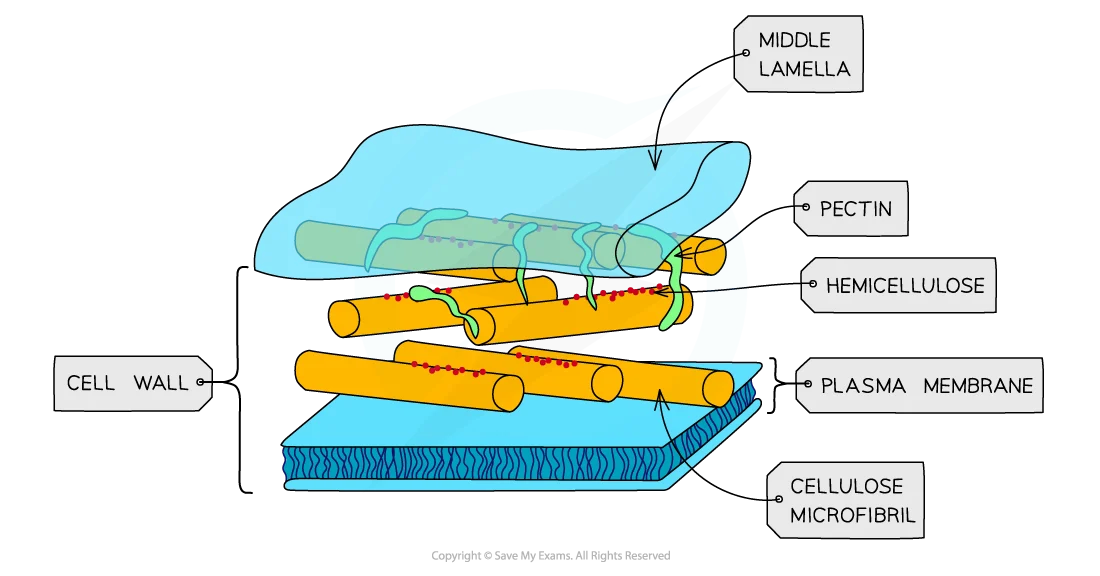
Cell Wall: Function
Supports cells and prevents them from changing shape
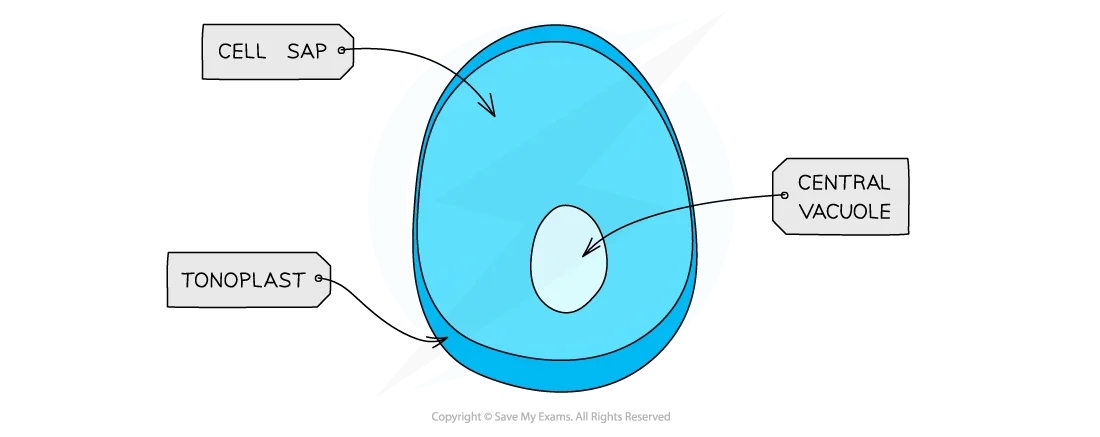
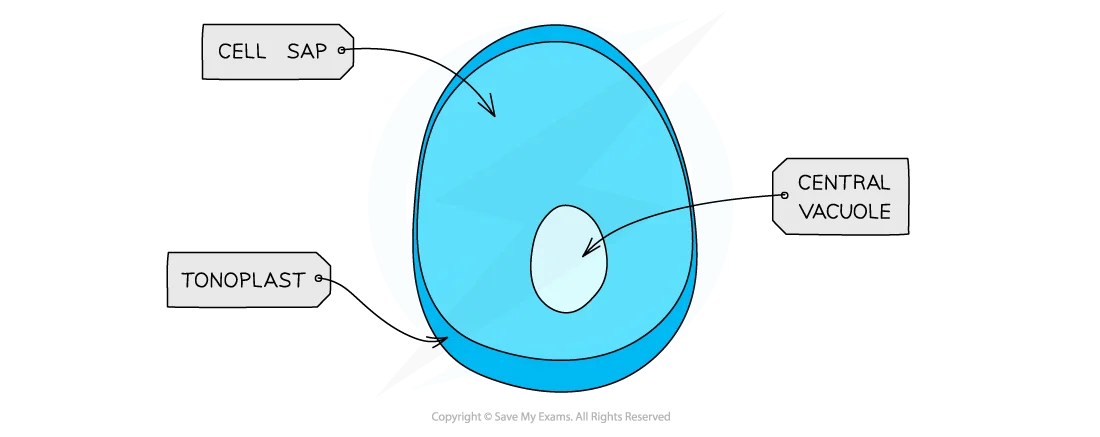
Cell Vacuole: Description (3)
A single membrane-bound organelle found in the cytoplasm of plant cells
It contains cell sap - a weak solution of mineral salts, sugars, amino acids, wastes and some pigment
The surrounding membrane is called the tonoplast
Cell Vacuole: Function (4)
Support herbaceous plants, and herbaceous parts of woody plants, by making cells turgid
Sugars and amino acids may act as a temporary food source
Pigments may colour petals to attract pollinating insects
Also involved in the isolation of unwanted chemicals inside the cell

What is the cell wall made of?
Many polysaccharides, including cellulose

What is the middle lamela?
The thin layer which marks the boundary between adjacent cell walls and cements them together
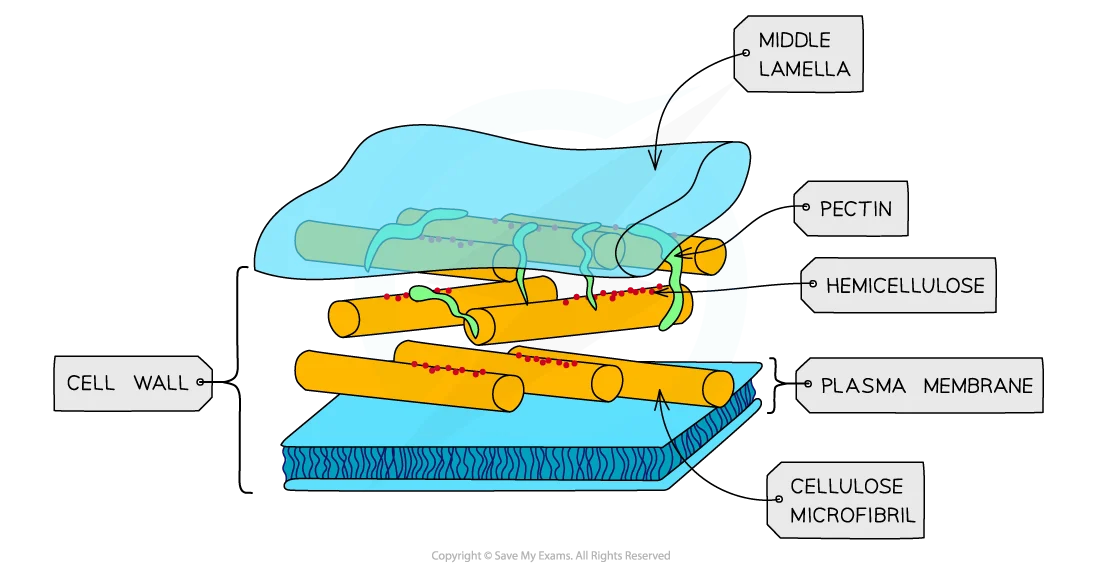
What are the functions of the cell wall? (3)
Provides mechanical strength - prevents the cell from bursting under the pressure created by osmotic entry of water
Gives mechanical strength to the whole plant
Allows water to pass along it which contributes to water movement through the plant

What are plasmodesmata? (3)
Microscopic channels that cross the cell walls of plant cell and some algae
They link their cytoplasms
This is for direct transport and communication

What are the cell walls of fungi made of? (3)
A mixture of nitrogen-containing polysaccharide called chitin
A polysaccharide called glycan
Glycoproteins

What are algae cell walls made of? (3)
Cellulose
Glycoproteins
A mixture of both