Music Theory Unit 1
 Call Kai
 Learn
Learn Practice Test
 Spaced Repetition
 Match
Match Flashcards
1/23

Earn XP
Description and Tags
This set of flashcards covers essential vocabulary and definitions related to music theory in the context of band instruction.
Name | Mastery | Learn | Test | Matching | Spaced | Call with Kai | Chat |
|---|

24 Terms
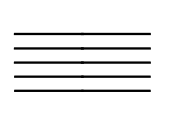
Staff
Five lines and four spaces upon which music is written.
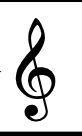
Treble Clef
A symbol that designates the second line of the staff as G, indicating higher pitches.
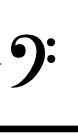
Bass Clef
A symbol that designates the fourth line of the staff as F, indicating lower pitches.
Note Head
The round part of a note that indicates which note to play.
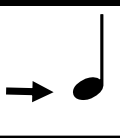
Stem
A thin vertical line connecting to the note head.
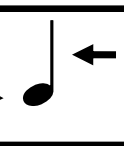
Measure
The space between two bar lines, dividing the music into groups of beats.
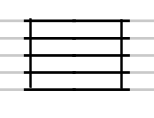
Bar Line
A vertical line placed on a staff to divide the music into measures.
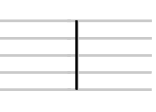
Double Bar Line
Two bar lines close together marking the end of a section.
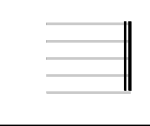
Final Bar Line
Two bar lines (the second is thicker) that mark the end of the song.
Whole Note
A note with the duration of 4 beats.

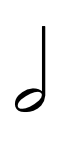
Half Note
A note with the duration of 2 beats.
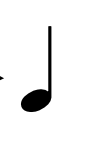
Quarter Note
A note with the duration of 1 beat.
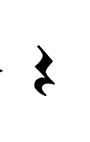
Quarter Rest
A rest with the duration of 1 beat.
Half Rest
A rest with the duration of 2 beats.

Whole Rest
A rest with the duration of 4 beats.
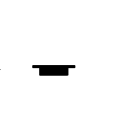
Eighth Note
A note with the duration of half a beat (1/8 of a whole note).
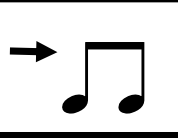
Ledger Line
A small line placed above or below the staff to extend the range of notation.
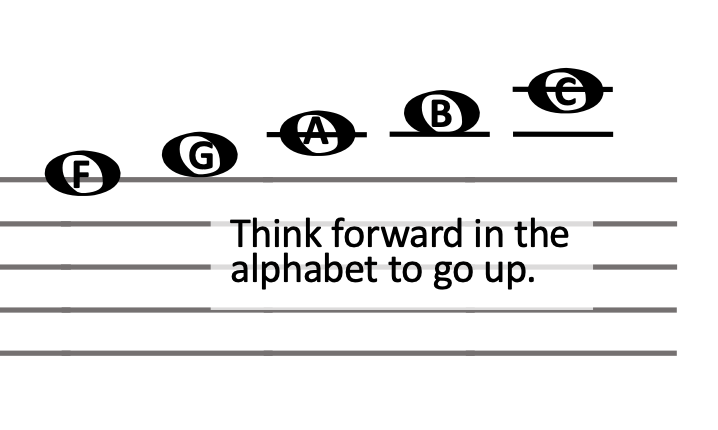
Flags
A wavy line extending from the top of a note's stem.
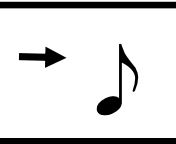
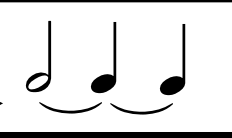
Ties
A curved line connecting two notes of the same pitch, extending the note's value.
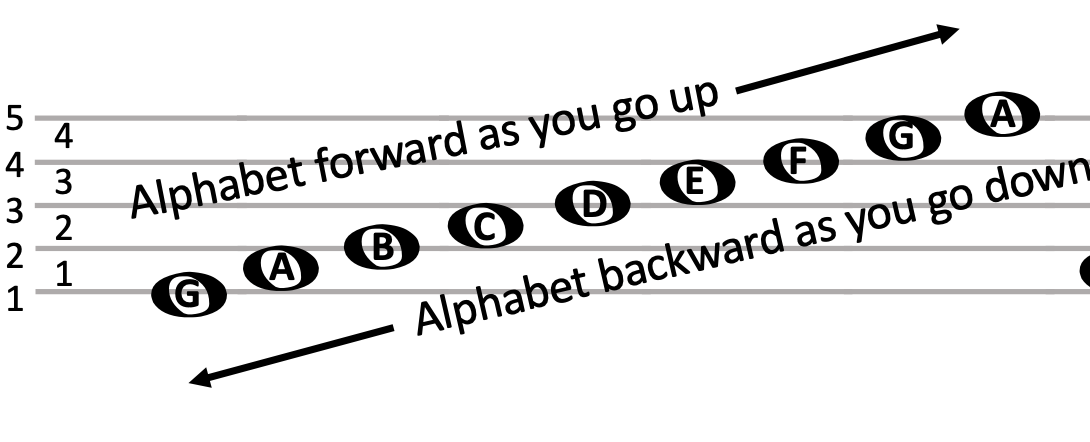
Musical Alphabet
The sequence of notes: A, B, C, D, E, F, G.
Names of Spaces (Treble Clef)
F A C E, spells the word 'face'.
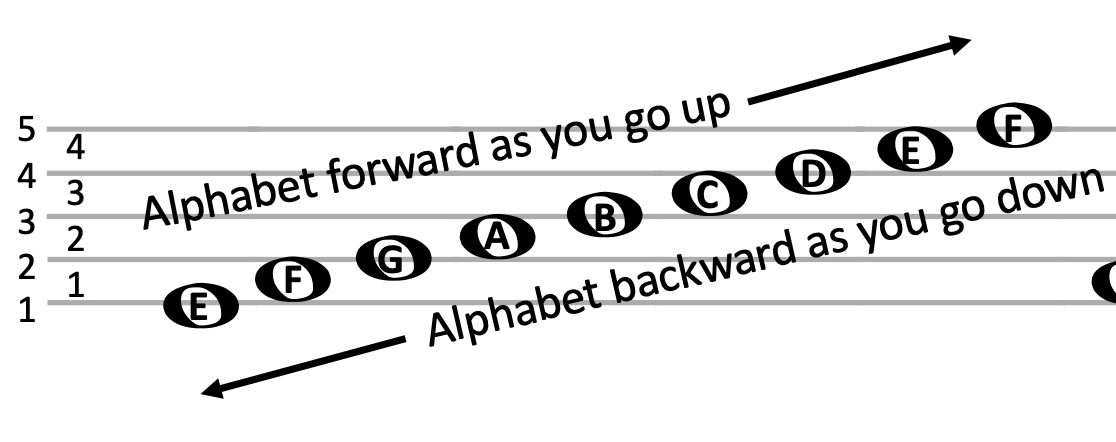
Names of Lines (Treble Clef)
E G B D F, acronyms like 'Every Good Boy Does Fine'.
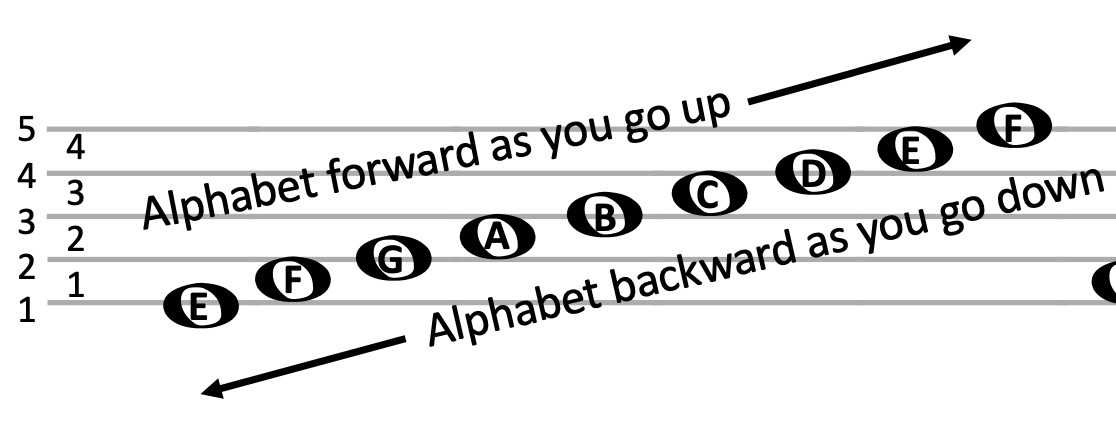
Names of Spaces (Bass Clef)
A C E G, acronym 'All Cows Eat Grass'.
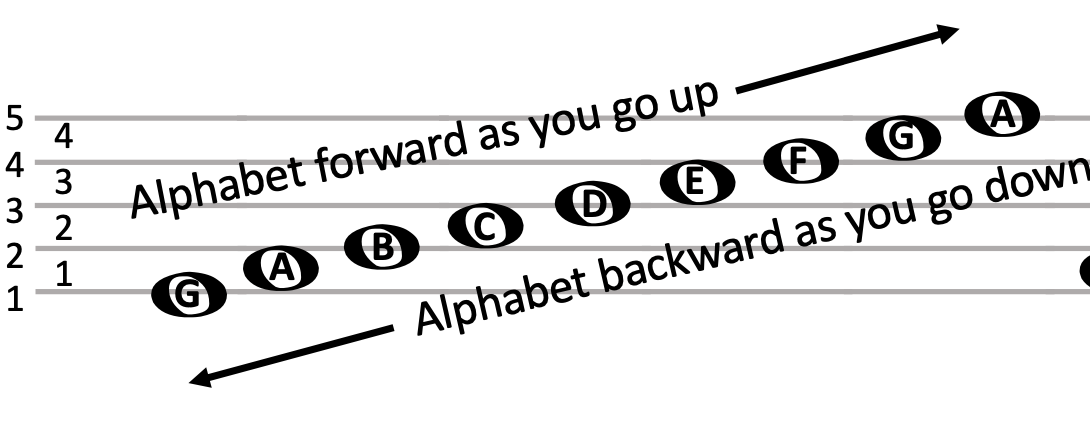
Names of Lines (Bass Clef)
G B D F A, acronym 'Ground Balls Don't Fly Away'.