DRAM110
2.0(1)
Studied by 1 person Call Kai
 Learn
Learn Practice Test
 Spaced Repetition
 Match
Match Flashcards
 Knowt Play
Card Sorting
1/162

Earn XP
Description and Tags
Last updated 4:49 PM on 12/12/22
Name | Mastery | Learn | Test | Matching | Spaced | Call with Kai | Chat |
|---|
No analytics yet
Send a link to your students to track their progress
163 Terms
1
New cards
What does it mean to "Don't saddle a dead horse"?
Don't fasten the wire rope on the wrong side, aka don't put the saddle on the dead side (short) of the cable, put it on the live end (long). If it's the other way around, the wire rope can break the live end, which is used to carry weights.
2
New cards
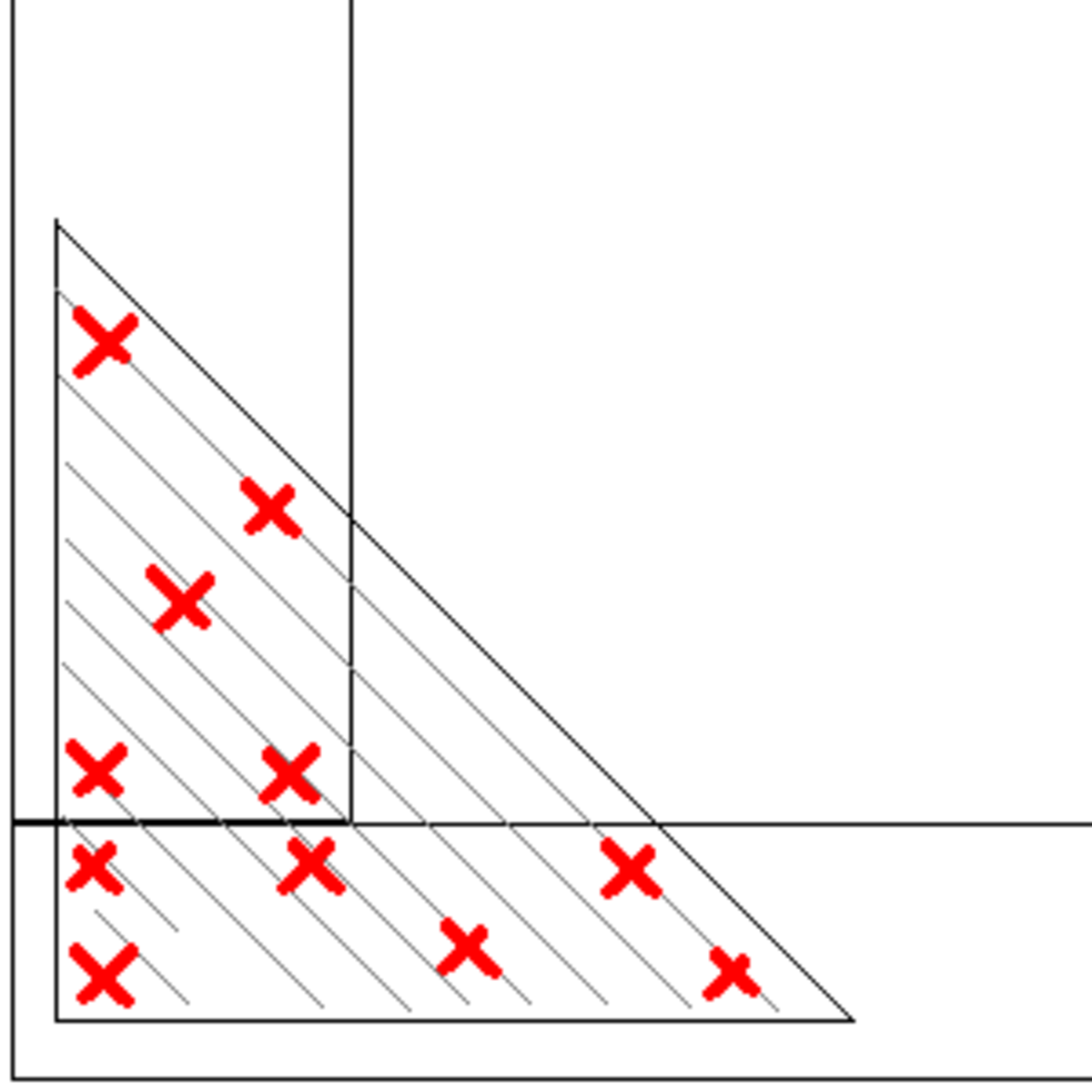
Corner Blocks on Theatre Flats
3
New cards
How does a fly system work?
- The counterweight rigging system allows a technician to move a significant amount of weight with not much effort
- Each line set is controlled by a long rope (purchase) that attaches to the arbour (where the weight is stored to counterbalance the objects attached), as the arbour moves up or down, the baton moves the other way.
- Each line set is controlled by a long rope (purchase) that attaches to the arbour (where the weight is stored to counterbalance the objects attached), as the arbour moves up or down, the baton moves the other way.
4
New cards
What's the difference between a TV flat and a Theatre flat?
Theatre flat: Soft covered, Flats with a frame that places the width of the lumber parallel to the face. Has corner block, rail, stile, toggle, keystone, floor jack
TV flat: Hard covered, a frame that is perpendicular to the paint surface (1x2)
TV flat: Hard covered, a frame that is perpendicular to the paint surface (1x2)
5
New cards
Producer
Overall manager, initiates the production - the
money – raises or provides finances – hires creative personal
– writer, director, composer, designer choreographer –
performers (in consultation with the director) – accountants,
legal representation-publicist, marketing team. Is ultimately
responsible for the business end of mounting a production
and is the final decision maker.
money – raises or provides finances – hires creative personal
– writer, director, composer, designer choreographer –
performers (in consultation with the director) – accountants,
legal representation-publicist, marketing team. Is ultimately
responsible for the business end of mounting a production
and is the final decision maker.
6
New cards
Board of Directors
An elected or appointed group
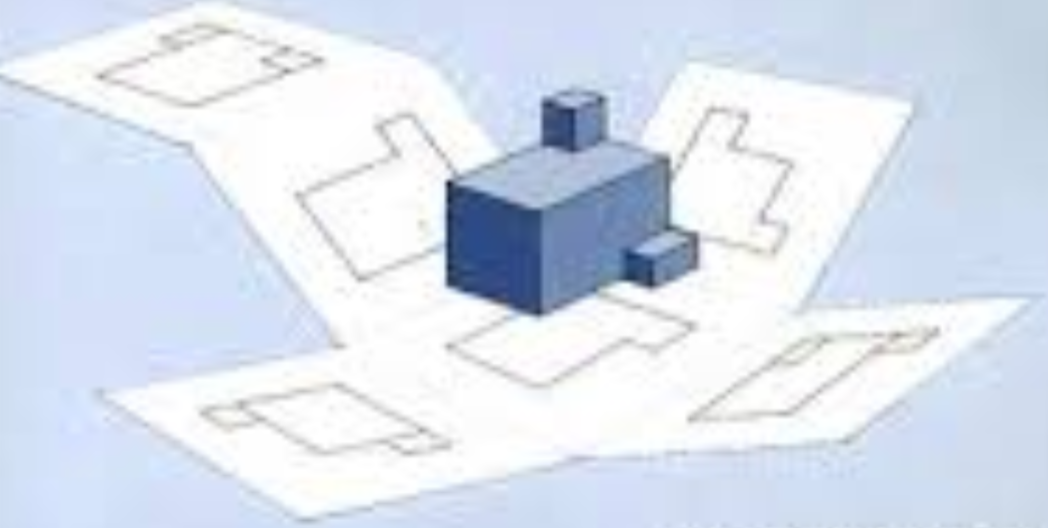
responsible for overseeing the activities of the
theatre often assuming financial and legal liability
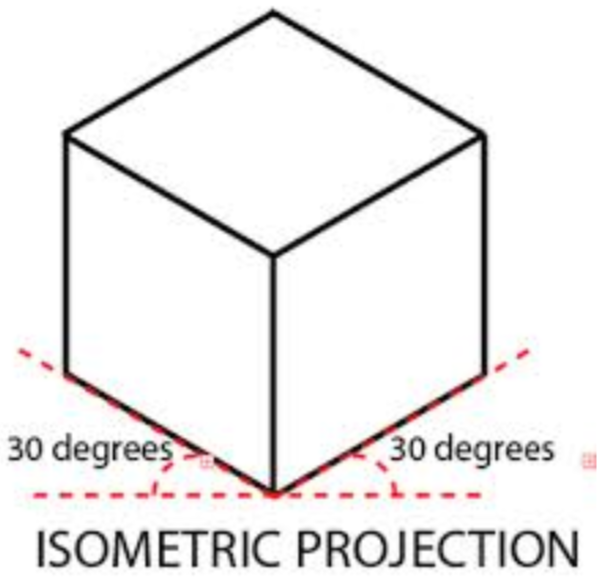
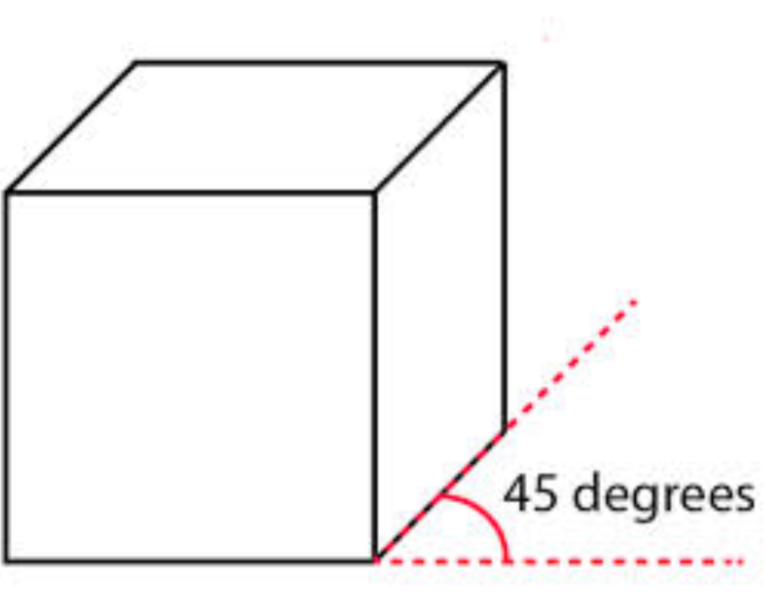
depending on the organizational structure.
responsible for overseeing the activities of the
theatre often assuming financial and legal liability
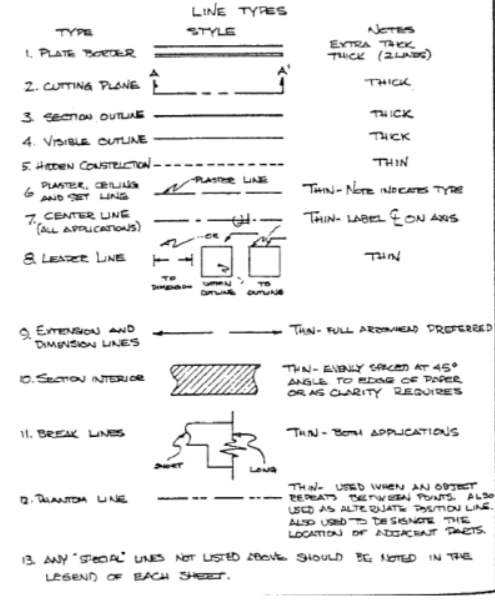
depending on the organizational structure.
7
New cards
Artistic Director
Has overall artistic control of theatre–
production choices – artistic vision – often functions as
the primary director. Plans season - hires directors -
assumes some producer duties (fundraising representing
the theatre in the media.) Etc. Works closely with the
general manager.
production choices – artistic vision – often functions as
the primary director. Plans season - hires directors -
assumes some producer duties (fundraising representing
the theatre in the media.) Etc. Works closely with the
general manager.
8
New cards
General Manager
Oversees the theatre company’s
day-to-day administration , finances and personal.
Overseas overall long-term strategic plan.
day-to-day administration , finances and personal.
Overseas overall long-term strategic plan.
9
New cards
Playwright
Writes the dramatic literature to be
performed by actors.
A craftsman of plays like Euripides, Sophocles,
Aristophanes, Aeschylus, Moliere, Shakespeare,
Ben Johnson, Ibsen, Chekov, Ionesco, Shaw,
Mamet, Shepard.
performed by actors.
A craftsman of plays like Euripides, Sophocles,
Aristophanes, Aeschylus, Moliere, Shakespeare,
Ben Johnson, Ibsen, Chekov, Ionesco, Shaw,
Mamet, Shepard.
10
New cards
Director
Is the primary visionary deciding the artistic
concept and interpretation of the play and its staging.
Collaborates with creative team to realize her vision,
actors, designers, (costume, set lighting, sound)
choreographers, (dance, combat), and playwrights of
new pieces.
concept and interpretation of the play and its staging.
Collaborates with creative team to realize her vision,
actors, designers, (costume, set lighting, sound)
choreographers, (dance, combat), and playwrights of
new pieces.
11
New cards
Dramaturge
Assists the company with the research and
development of new work. They work closely with the
director and playwright to help transition the script to
live action on stage. The dramaturge is a person with a
strong knowledge of directing, literature and theatre
history. They often providing historical and cultural
context for the developing work.
development of new work. They work closely with the
director and playwright to help transition the script to
live action on stage. The dramaturge is a person with a
strong knowledge of directing, literature and theatre
history. They often providing historical and cultural
context for the developing work.
12
New cards
Choreographers
Choreograph movement in their
discipline, (dance, combat, intimacy) and train actors to
execute the choreography. They work closely with the
director. Voice specialists help actors master speech.
Articulate locution, inflection and accents for the stage.
discipline, (dance, combat, intimacy) and train actors to
execute the choreography. They work closely with the
director. Voice specialists help actors master speech.
Articulate locution, inflection and accents for the stage.
13
New cards
Music Director
Interprets, conducts and may develop
the musical score for the production during rehearsals
and performances. Will coach and direct actors singing
onstage. Works closely with the Director.
the musical score for the production during rehearsals
and performances. Will coach and direct actors singing
onstage. Works closely with the Director.
14
New cards
Production Manager
Coordinates logistics, budgets of subcategories;
Set, costumes, lighting, sound, projection, automation,
pyro, stage management.
In film the PM hires the key positions, and manages the
overall departmental operating budgets.
Set, costumes, lighting, sound, projection, automation,
pyro, stage management.
In film the PM hires the key positions, and manages the
overall departmental operating budgets.
15
New cards
Stage Manager
Develops and manages rehearsal
schedules for actors and other personal. Organizes
rehearsal logistics, records blocking and director’s
notes. Manages the production during the run. Calls
the cues. Ensures the director’s artistic vision and
choices are realized. This is a very key position in
theatre, and is often the highest paid production
position due to the level of responsibility.
schedules for actors and other personal. Organizes
rehearsal logistics, records blocking and director’s
notes. Manages the production during the run. Calls
the cues. Ensures the director’s artistic vision and
choices are realized. This is a very key position in
theatre, and is often the highest paid production
position due to the level of responsibility.
16
New cards
House Manager
Oversees management of audience
during production run. Resolves box office issues and
major audience issues. Manages ushers and seating
capacity.
during production run. Resolves box office issues and
major audience issues. Manages ushers and seating
capacity.
17
New cards
Technical Director
Oversees and coordinates all
departments. Is responsible for the daily technical
operations of a theatre.
departments. Is responsible for the daily technical
operations of a theatre.
18
New cards
Stage Carpenter
Supervises all activities on a roadhouse
stage (TCU) and is responsible for all maintenance and
service issues. They administrate stage personal, mitigate
union issues, do billing, prepare and modify the stage for
an upcoming event.
stage (TCU) and is responsible for all maintenance and
service issues. They administrate stage personal, mitigate
union issues, do billing, prepare and modify the stage for
an upcoming event.
19
New cards
Riggers
Safely elevate and secure equipment over the
stage and audience space in the performance venue.
stage and audience space in the performance venue.
20
New cards
Stage Crew
Carps, electrics, audio techs, props, follow
spot operators, fly men, riggers, dresser’s. They provide
set up support and execute running crew duties
associated with the production. They report to the heads
of their departments and execute cues upon verbal
command by stage management, departmental
supervisors or a learned written track.
spot operators, fly men, riggers, dresser’s. They provide
set up support and execute running crew duties
associated with the production. They report to the heads
of their departments and execute cues upon verbal
command by stage management, departmental
supervisors or a learned written track.
21
New cards
Set Designer
Research, design and supervise the visual
and structural aspects of theatrical sets and scenery.
Generates drafting, paint renderings and model of the set
design. They work closely with all production
departments.
and structural aspects of theatrical sets and scenery.
Generates drafting, paint renderings and model of the set
design. They work closely with all production
departments.
22
New cards
Head Scenic Painter
Is responsible for completion of all
scenic painting related to the production. Supervises
paint crew, and runs and maintains paint shop and
equipment. This is another very important, but often
under respected position.
scenic painting related to the production. Supervises
paint crew, and runs and maintains paint shop and
equipment. This is another very important, but often
under respected position.
23
New cards
Head Carpenter
Interprets drafting, drawings and models
generated by the set designer. Engineers and realizes the
build of all set related items, flats, risers, ramps, doors,
windows and, specialty set pieces. Costs show and
manages the set construction budget. Runs the scene shop
and construction crew. Only carpenters trained as riggers
may rig items overhead.
generated by the set designer. Engineers and realizes the
build of all set related items, flats, risers, ramps, doors,
windows and, specialty set pieces. Costs show and
manages the set construction budget. Runs the scene shop
and construction crew. Only carpenters trained as riggers
may rig items overhead.
24
New cards
Costume Designer
Research, design and supervise the
construction of all theatrical costumes for the production.
construction of all theatrical costumes for the production.
25
New cards
Head of Wardrobe
is responsible for the management
of all costumes, wigs and accessories. Also for sourcing,
buying, making, fitting, dressing, maintenance, care and
cleaning of all costumes. The Head of Wardrobe
supervises the running crew on a theatrical production.
of all costumes, wigs and accessories. Also for sourcing,
buying, making, fitting, dressing, maintenance, care and
cleaning of all costumes. The Head of Wardrobe
supervises the running crew on a theatrical production.
26
New cards
Cutter
Interprets and creates designed costumes.
Creates patterns, determines yardage, cuts material, fits
and alters costumes, directs stichers. The Cutter is an
expert in costume construction, and tailoring techniques.
Creates patterns, determines yardage, cuts material, fits
and alters costumes, directs stichers. The Cutter is an
expert in costume construction, and tailoring techniques.
27
New cards
Stitchers
Assemble and alter designed costumes. Have
excellent machine and hand sewing skills.
excellent machine and hand sewing skills.
28
New cards
Dressers
assist actors with costume changes during the
performance.
performance.
29
New cards
Lighting Designer
Creates the lighting effects for a
production to enhance the mood and atmosphere while
keeping in mind practical visibility and safety. The LD will
supervise the hang, focus and cuing of lights for the
show.
production to enhance the mood and atmosphere while
keeping in mind practical visibility and safety. The LD will
supervise the hang, focus and cuing of lights for the
show.
30
New cards
Head Electrician
Is responsible for lighting related
activities in the theatre. They maintain and manage the
lighting inventory. The Head LX receives the lighting plot
from the LD and translates the design into the lighting
seen by the audience. They supervise the lighting crew,
who hang, cable and focus the lights.
activities in the theatre. They maintain and manage the
lighting inventory. The Head LX receives the lighting plot
from the LD and translates the design into the lighting
seen by the audience. They supervise the lighting crew,
who hang, cable and focus the lights.
31
New cards
Electricians
Hang, focus, color, cable, clean and
maintain lighting gear under the direction of the head
electrician. During performances they may be
responsible for cues related to anything electrical.
Paging cable, changing gels. Plugging and unplugging
moving set pieces. Running fog machines and follow
spots.
maintain lighting gear under the direction of the head
electrician. During performances they may be
responsible for cues related to anything electrical.
Paging cable, changing gels. Plugging and unplugging
moving set pieces. Running fog machines and follow
spots.
32
New cards
Projection Designer
Creates projection effects and
video to enhance the artistic needs of the production.
video to enhance the artistic needs of the production.
33
New cards
Projection Crew
Sets up and operates projection
equipment under the supervision of the projection
designer.
equipment under the supervision of the projection
designer.
34
New cards
Sound Designer
Creates a soundscape – music and sound
effects required in the play to enhance the atmosphere
and provide environmental support.
effects required in the play to enhance the atmosphere
and provide environmental support.
35
New cards
Sound Crew
Are responsible for the set up of all audio
related devices. (Audio desks, speaker’s backline) They
assist performers onstage and mic actors.
related devices. (Audio desks, speaker’s backline) They
assist performers onstage and mic actors.
36
New cards
Head Sound Engineer
Is responsible for all audio related
needs of the theatre. Mixing live events, supervising audio
crew, maintaining equipment and managing the budget.
needs of the theatre. Mixing live events, supervising audio
crew, maintaining equipment and managing the budget.
37
New cards
Actors
The most important part of the production
38
New cards
Entertainment Industry Organizations
Negotiate wage agreements and working
conditions, on behalf of their members.
conditions, on behalf of their members.
39
New cards
IATSE (1893)
International Alliance of Theatrical
Stage Employees, Moving Picture Technicians, Artists
and Allied Crafts of the United States and Canada. –
Represents technicians working in all forms of live
theatre, film, and production shops supporting the
industry. IATSE Local 300 Saskatoon.
Stage Employees, Moving Picture Technicians, Artists
and Allied Crafts of the United States and Canada. –
Represents technicians working in all forms of live
theatre, film, and production shops supporting the
industry. IATSE Local 300 Saskatoon.
40
New cards
CAEA (1955)
Canadian Actors Equity Association –
Represents live performing artists in Canada. Actors,
dancer, opera singers, as well as theatre directors, dance
choreographers, fight directors, and stage managers.
Represents live performing artists in Canada. Actors,
dancer, opera singers, as well as theatre directors, dance
choreographers, fight directors, and stage managers.
41
New cards
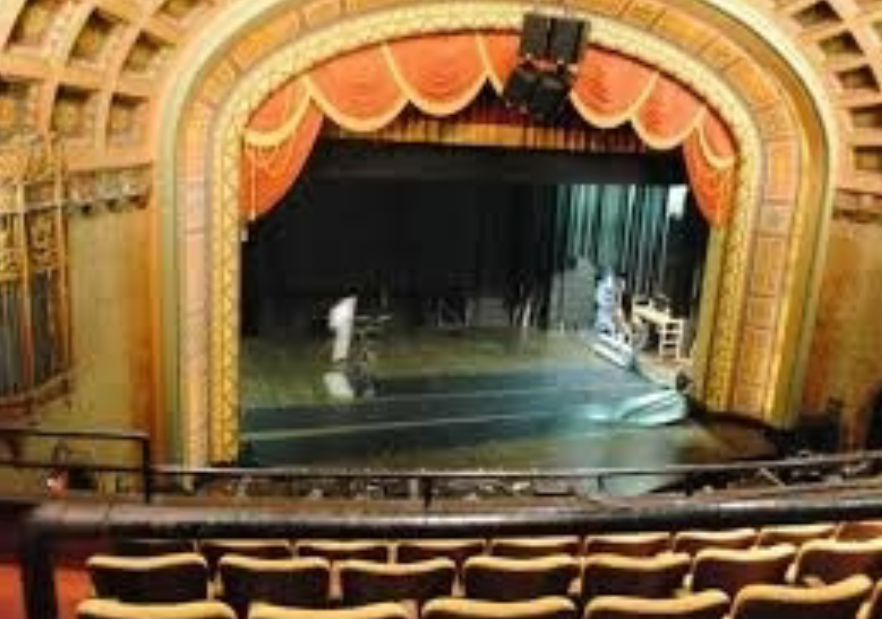
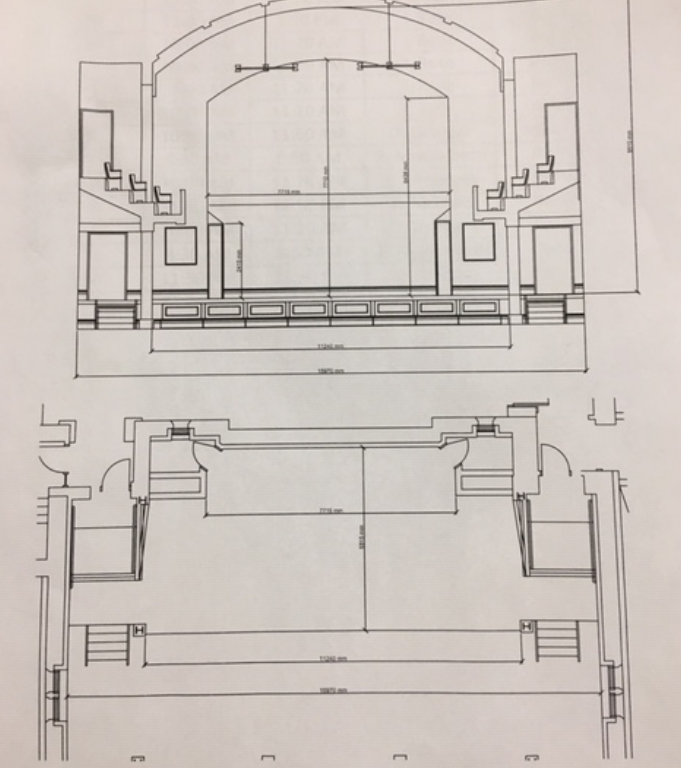
Procenium Arch
Typical arch used in theatre. Used to separate the stage from the auditorium through which the action of a play is viewed
42
New cards
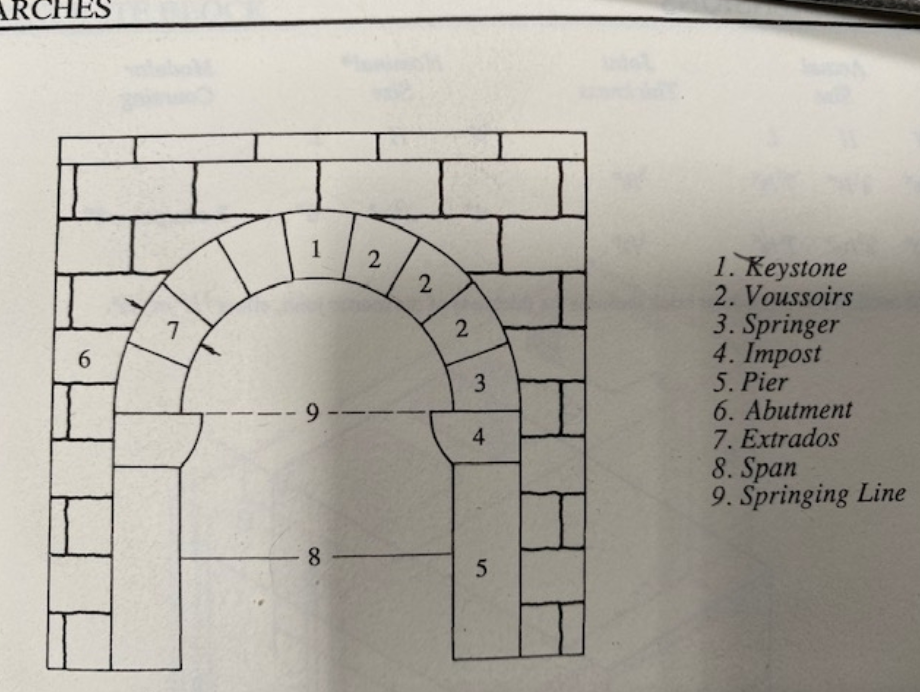
Arch block placement
The most important is #1, the keystone. Located at the very apex of arch. It’s the last piece put into place during the construction of the stone arch since it basically locks all the other pieces into place, thereby allowing the arch to bear the weight of the stones. Because the keystone is located at the top of the arch, it experiences the least amount of stress out of any of the stones, yet it’s also the stone piece that the arch depends on in order to be self-supporting.
43
New cards
Types of arches
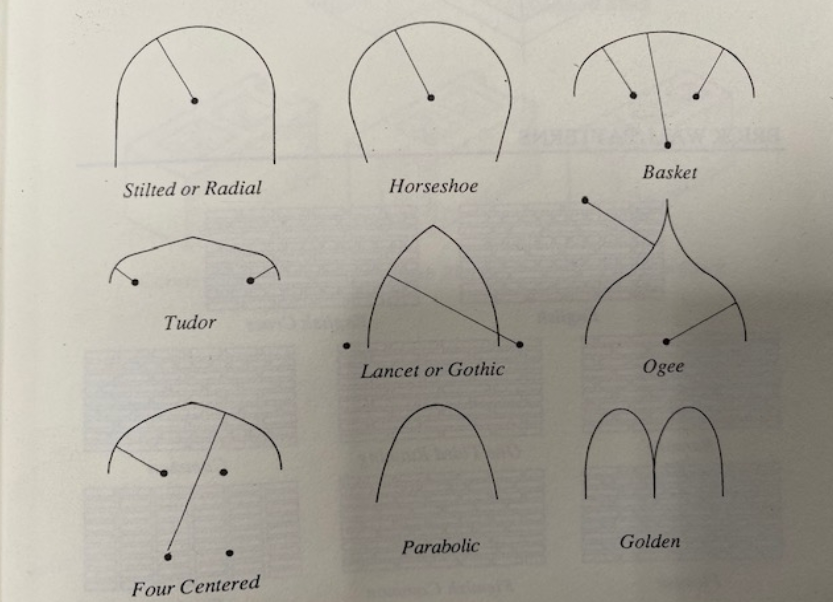
44
New cards
Colour
- is the mental interpretation of the visible spectrum
of light either transmitted through a transparent
medium (theatre light) or absorbed and reflected
off a surface (paint).
- Is the light wavelengths our eye receives and our
brain processes from a generated or reflected
source.
of light either transmitted through a transparent
medium (theatre light) or absorbed and reflected
off a surface (paint).
- Is the light wavelengths our eye receives and our
brain processes from a generated or reflected
source.
45
New cards

Colour wheel
Warm colors are on the right side of the
wheel and cold colors are on the left
Primary: Red, Yellow, Blue
Secondary: Orange, Green, Purple
Tertiary: The mixing of primary and secondary colours
wheel and cold colors are on the left
Primary: Red, Yellow, Blue
Secondary: Orange, Green, Purple
Tertiary: The mixing of primary and secondary colours
46
New cards
Hue
spectral name of the color pigment (red, blue, green, yellow etc.)
47
New cards
Tonal value
lightness or darkness Adding white means to tint. Adding black means to shade.
48
New cards
Intensity
saturation or chroma
(bright deep color vs dull and washed out.)
(bright deep color vs dull and washed out.)
49
New cards
Black
Black can be mixed by combining all primaries
• In a ratio of 4 blue 2 red 1 yellow
• Black absorbs all the light and reflects none
• In a ratio of 4 blue 2 red 1 yellow
• Black absorbs all the light and reflects none
50
New cards
Subtractive mixing
Mixing paint pigments in this manner is called subtractive mixing.
• Paint subtracts (absorbs) all the colors of white light except what is reflected back.
• Eg red hue absorbs (subtracts) every other color and reflects back red
• Paint subtracts (absorbs) all the colors of white light except what is reflected back.
• Eg red hue absorbs (subtracts) every other color and reflects back red
51
New cards
Additive Mixing in Stage Light
When the three primaries of light are mixed together the result is white. Mixing is additive when you are moving toward white.
• In a RGB system such as a tv or LED light fixture different amounts of each are added together to create different colors because the primaries are generated by the light source rather than being reflected.
• Light color mixing can be subtractive also by beginning with a white light source and placing a colored gel in front of it. All colors except for the color of the gel are absorbed (subtracted) so only the color of the gel is allowed through.
• In a RGB system such as a tv or LED light fixture different amounts of each are added together to create different colors because the primaries are generated by the light source rather than being reflected.
• Light color mixing can be subtractive also by beginning with a white light source and placing a colored gel in front of it. All colors except for the color of the gel are absorbed (subtracted) so only the color of the gel is allowed through.
52
New cards
Common Scenic Materials
- Lumber Products
-Metals
-Synthetics
-Fabrics
-Metals
-Synthetics
-Fabrics
53
New cards
Lumber Products (WOOD)
Hardwoods come from deciduous trees.
( leaves that fall seasonally) elm, mahogany, oak,
maple, ash, etc
May be very hard like oak or very soft like balsa
Softwoods come from conifers.
Pine, spruce, cedar, fir (fir is very hard)
( leaves that fall seasonally) elm, mahogany, oak,
maple, ash, etc
May be very hard like oak or very soft like balsa
Softwoods come from conifers.
Pine, spruce, cedar, fir (fir is very hard)
54
New cards
Metals
Mild Steel (ferrous iron bearing) is strong yet
workable and readily welded together.
Available in a variety of thickness.
-flat, round and square
-box steel
-angle iron
-sheeting
workable and readily welded together.
Available in a variety of thickness.
-flat, round and square
-box steel
-angle iron
-sheeting
55
New cards
Rear elevation
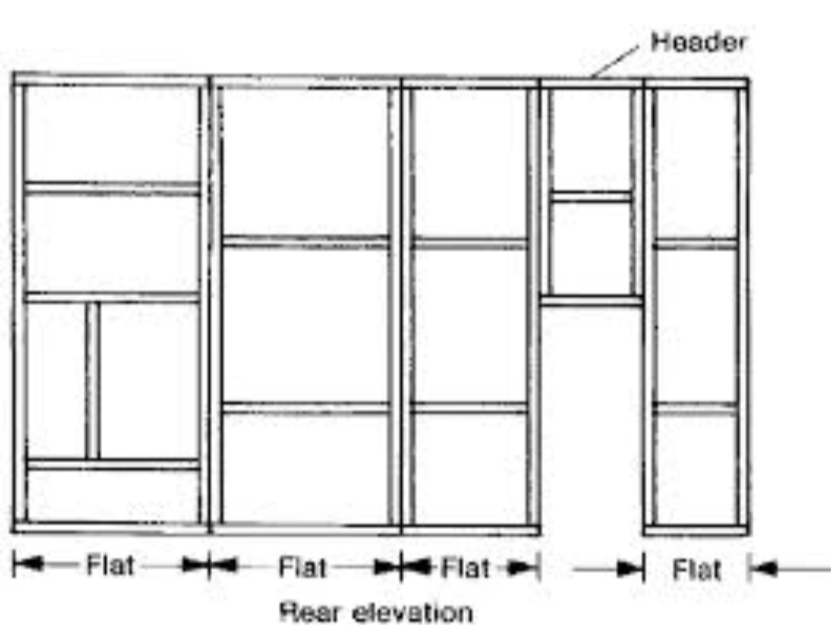
56
New cards
Drafting tools
• 1. A flat, smooth work surface.
• 2. Media on which the drawing will be done. (i.e. Vellum)
• 3. Tape to hold down the media on the work surface.
• 4. Pencils to draw the various required lines.
• 5. A T square or combination of straight edges (like triangles) that
permit drawing vertical, horizontal and oblique lines.
• 6. Drawing instruments for producing arcs and circles. (i.e. Compass)
• 7. Architect’s scale ruler for determining sizes.
• 8. Plastic eraser for removing mistakes
• 9. Erasing shield.
• 2. Media on which the drawing will be done. (i.e. Vellum)
• 3. Tape to hold down the media on the work surface.
• 4. Pencils to draw the various required lines.
• 5. A T square or combination of straight edges (like triangles) that
permit drawing vertical, horizontal and oblique lines.
• 6. Drawing instruments for producing arcs and circles. (i.e. Compass)
• 7. Architect’s scale ruler for determining sizes.
• 8. Plastic eraser for removing mistakes
• 9. Erasing shield.
57
New cards
Why we need drafting
• To show the shape and size of the objects
• To show the internal structure
• To show fastening details of component parts
• To identify the specific construction materials
• To show show the finish details of the surface
• To provide details of complex aspects of the design.
• To show their position on stage
• Through the drafting process problems are identified before the build
• Drafting allows the designer to work on many projects at the same time.
• To show the internal structure
• To show fastening details of component parts
• To identify the specific construction materials
• To show show the finish details of the surface
• To provide details of complex aspects of the design.
• To show their position on stage
• Through the drafting process problems are identified before the build
• Drafting allows the designer to work on many projects at the same time.
58
New cards
Orthographic Projection
• This concept is basic to all drafting.
• It is a way of representing a three dimensional
object in two dimensions.
• Imagine a box made of paper unfolded.
• Now imagine something in the box also
unfolded graphically
• Each side gives critical information about
each face of the box or object.
• It is a way of representing a three dimensional
object in two dimensions.
• Imagine a box made of paper unfolded.
• Now imagine something in the box also
unfolded graphically
• Each side gives critical information about
each face of the box or object.
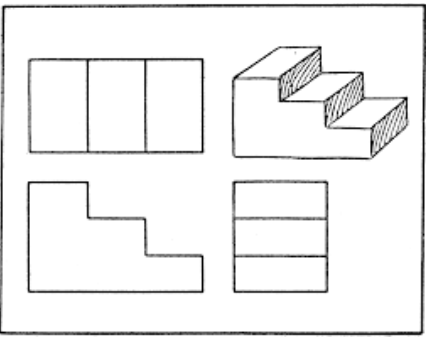
59
New cards
Shape in the box
60
New cards
Pictorial projection
• Give a more recognizable visual understanding
of the object (more 3D)
The two most common are the isometric
projection and the oblique projection
of the object (more 3D)
The two most common are the isometric
projection and the oblique projection
61
New cards
Isometric projection
62
New cards
Oblique projection
63
New cards
Line Types
Plate Border prevents placement of valuable information to close to the edge of the sheet where it may be lost during reproduction
• Plaster line extends parallel to back edge of the proscenium arch. An important reference line.
• Section Outline, medium line showing section detail
• Cutting plane lines are used to show location of cutting planes for sectional views.
• Visible outline is medium weight continuous line for visible objects.
• Hidden lines (broken dash lines) are not directly visible from presented view.
• Centre line is a broken line with C overlapping L an important reference line.
• Leader line continuous thin line leading from a note or dimension, terminated by an arrowhead touching the object.
• Dimension line is a fine solid line terminated by arrowheads or slashes. Line nearest obj. should be ½” from obj. all other parallel dimensions should be 3/8 inches apart.
• Extension line is a fine solid line extending from a point on the drawing to which a dimension refers. Dimension line meets extension line at rt. angles except in rare cases. A gap of 1/16” should be left between the extension line and the object. Should extend 1/16” beyond dimension line.
• Plaster line extends parallel to back edge of the proscenium arch. An important reference line.
• Section Outline, medium line showing section detail
• Cutting plane lines are used to show location of cutting planes for sectional views.
• Visible outline is medium weight continuous line for visible objects.
• Hidden lines (broken dash lines) are not directly visible from presented view.
• Centre line is a broken line with C overlapping L an important reference line.
• Leader line continuous thin line leading from a note or dimension, terminated by an arrowhead touching the object.
• Dimension line is a fine solid line terminated by arrowheads or slashes. Line nearest obj. should be ½” from obj. all other parallel dimensions should be 3/8 inches apart.
• Extension line is a fine solid line extending from a point on the drawing to which a dimension refers. Dimension line meets extension line at rt. angles except in rare cases. A gap of 1/16” should be left between the extension line and the object. Should extend 1/16” beyond dimension line.
64
New cards
Lines
Lines are differentiated by weight (thickness) and
style
• Lines are essentially thick or thin, broken or
unbroken.
• Thick .9 Med .5 Thin .3
style
• Lines are essentially thick or thin, broken or
unbroken.
• Thick .9 Med .5 Thin .3
65
New cards
Ground Plan
• Ground plan or floor plan is a plan view or top
view of the theatre space.
• All scenic elements are positioned on the
ground plan relative to the centre line of the
stage and plaster line. All elements walls,
stairs, risers, set pieces are positioned relative
to each other.
view of the theatre space.
• All scenic elements are positioned on the
ground plan relative to the centre line of the
stage and plaster line. All elements walls,
stairs, risers, set pieces are positioned relative
to each other.
66
New cards
Notation
Your intention is to convey as much information as possible. So the carpenter doesn’t have to guess.
• Notes allow you to write specific information you as the designer /draftsperson have already figured out.
• Material choices, fastening techniques, assembly procedures desired finished.
• Notes save time and avoid confusion
• Notes must be brief and concise, Lettered horizontally, in a position its clear what view they are for (not between views), not in crowded places. Usually put on last.
• General notes go above title block. Or central under unit they apply.
• Notes allow you to write specific information you as the designer /draftsperson have already figured out.
• Material choices, fastening techniques, assembly procedures desired finished.
• Notes save time and avoid confusion
• Notes must be brief and concise, Lettered horizontally, in a position its clear what view they are for (not between views), not in crowded places. Usually put on last.
• General notes go above title block. Or central under unit they apply.
67
New cards
Title Block
Same location on all project drawings
• Usually lower right-hand corner
• Should include:
- Name of producing org/theatre
- Name of production
- Drawing title
- Drawing number
- Scale
- Date
- Designer/drafter
- Director
• Usually lower right-hand corner
• Should include:
- Name of producing org/theatre
- Name of production
- Drawing title
- Drawing number
- Scale
- Date
- Designer/drafter
- Director
68
New cards
Additives
Pigment + binder = paint
Other dditivies:
• Surfactants – lowers surface tension between
liquids promoting mixing.
• Defoamers – lowers bubbling during mixing
• Preservatives – extends viability latex paint
will rot after opened if not used.
• Fungicides – prevents fungus growth
Other dditivies:
• Surfactants – lowers surface tension between
liquids promoting mixing.
• Defoamers – lowers bubbling during mixing
• Preservatives – extends viability latex paint
will rot after opened if not used.
• Fungicides – prevents fungus growth
69
New cards
Components of paint cans
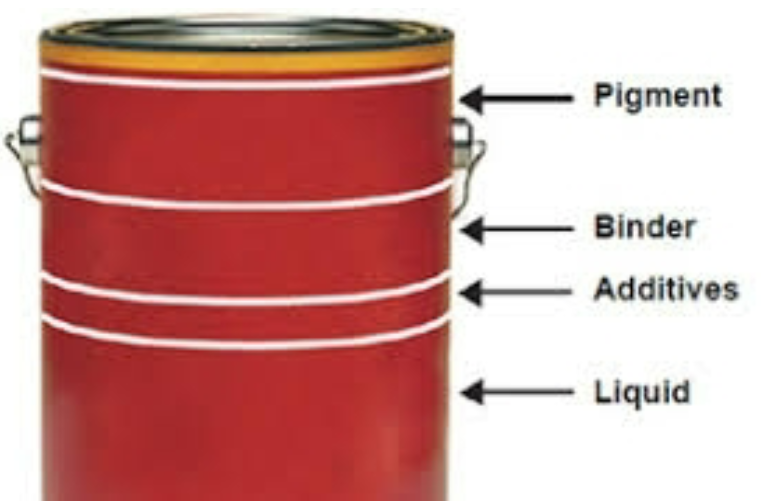
70
New cards
Colour mixing strategies
Colour Mixing Strategies
Accurate colour mixing is influenced by
1. Adjacent Colors
- soln. Isolate colours from each other with
white paper.
- Dry paint with a hairdryer.
2. Lighting mix under the same light source as
the intender viewing situation
Accurate colour mixing is influenced by
1. Adjacent Colors
- soln. Isolate colours from each other with
white paper.
- Dry paint with a hairdryer.
2. Lighting mix under the same light source as
the intender viewing situation
71
New cards
Colour wheel rules
• Hold the wheel with yellow at the top.
• Adding white will lighten and wash out the color.
• Adding the next color up will brighten
• Adding white and the next color up will lighten
and brighten.
• Adding the next color down will darken
• Adding the opposite color will give the shadow
color (making it duller)
• Adding white will lighten and wash out the color.
• Adding the next color up will brighten
• Adding white and the next color up will lighten
and brighten.
• Adding the next color down will darken
• Adding the opposite color will give the shadow
color (making it duller)
72
New cards
Pigment
Organic material or Inorganic minerals give the
color
• Inorganic – mineral based copper, manganese, cobalt, iron, cadium, chromium, lead, zinc....
White – titanium dioxide
Red - iron oxide
Yellow – Cadium sulfide
Blue – Cobalt aluminate
color
• Inorganic – mineral based copper, manganese, cobalt, iron, cadium, chromium, lead, zinc....
White – titanium dioxide
Red - iron oxide
Yellow – Cadium sulfide
Blue – Cobalt aluminate
73
New cards
Poisons
• Many paint ingredients are toxic and must be
handled with care.
In Victorian times arsenic, lead and radium were
components of paint, makeup, wallpaper and
clothing dyes, causing great suffering and needless
death.
Swedish chemist Carl Wilhelm Sheeles developed a
Yellow green pigment of copper arsenite in 1775.
Used in fabric dyes, candles and wallpaper and children's toys.
Painters would lick the paint brush to help with precision
handled with care.
In Victorian times arsenic, lead and radium were
components of paint, makeup, wallpaper and
clothing dyes, causing great suffering and needless
death.
Swedish chemist Carl Wilhelm Sheeles developed a
Yellow green pigment of copper arsenite in 1775.
Used in fabric dyes, candles and wallpaper and children's toys.
Painters would lick the paint brush to help with precision
74
New cards
Medium (vehicle)
• Fluid carrying the pigment and binder
• Solvent is the vehicle
- Water based is now the most common
alcohol–shellac)
• Hydrocarbon solvents for oils (mineral spirits,
turpentine
• Laquer thinner,
• acrylic enamel reducer.
• Reduce viscosity for better flow during application
• Medium evaporates leaving pigment and binder
• Solvent is the vehicle
- Water based is now the most common
alcohol–shellac)
• Hydrocarbon solvents for oils (mineral spirits,
turpentine
• Laquer thinner,
• acrylic enamel reducer.
• Reduce viscosity for better flow during application
• Medium evaporates leaving pigment and binder
75
New cards
Binder (resin)
• The glue that sticks the pigment to the surface once the vehicle has evaporated.
• Natural organic peroid paints – egg yolk tempera
• Oil – linseed oil
• Modern paint
• Acrylic Polymers / polyvinyl acetate (latex)
• Alkyd (resiliant gloss paint chemical based )
• Epoxy (industrial coatings, concrete )
• Binder is usually colorless as to not affect the pigment
• Natural organic peroid paints – egg yolk tempera
• Oil – linseed oil
• Modern paint
• Acrylic Polymers / polyvinyl acetate (latex)
• Alkyd (resiliant gloss paint chemical based )
• Epoxy (industrial coatings, concrete )
• Binder is usually colorless as to not affect the pigment
76
New cards
Latex paint (emulsion)
• Generic name for paint containing synthetic
polymers Latex is a plant based material found
in nature. (contain protien, alkaloids, starches,
sugars, oils tannins resins and gums.
• Most common paint used in film and theatre
• Readily available water based house paint
• Acrylic and polyvinyl acetate and water
• Fast drying time less toxic componants than
oils. (hydrocarbon based)
polymers Latex is a plant based material found
in nature. (contain protien, alkaloids, starches,
sugars, oils tannins resins and gums.
• Most common paint used in film and theatre
• Readily available water based house paint
• Acrylic and polyvinyl acetate and water
• Fast drying time less toxic componants than
oils. (hydrocarbon based)
77
New cards
Water colours
• Pigment is held in water soluable binder
usually Natural arabic gum. May contain
additives to enhance viscosity and durability.
• known for its translucent delicacy
usually Natural arabic gum. May contain
additives to enhance viscosity and durability.
• known for its translucent delicacy
78
New cards
Apron
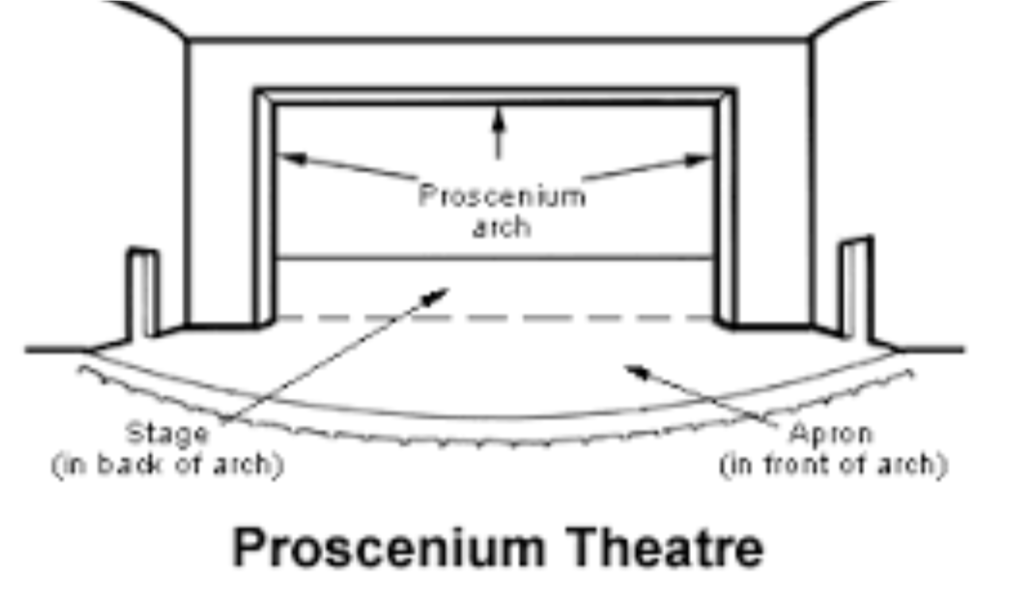
79
New cards
Auger bit
NOT used for metal
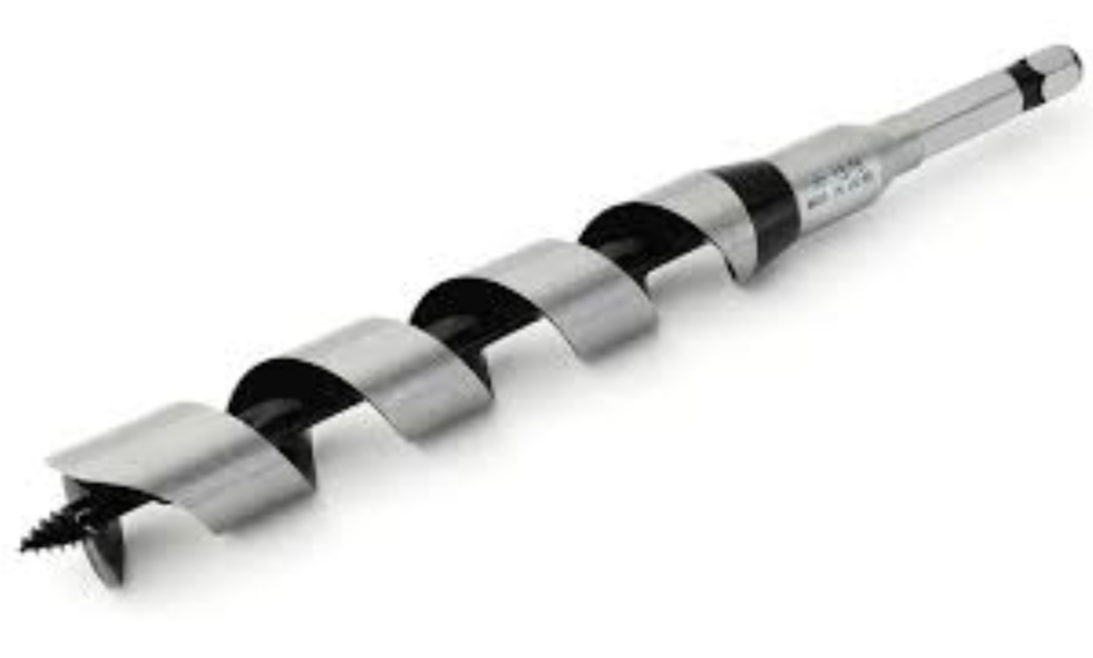
80
New cards
Awl
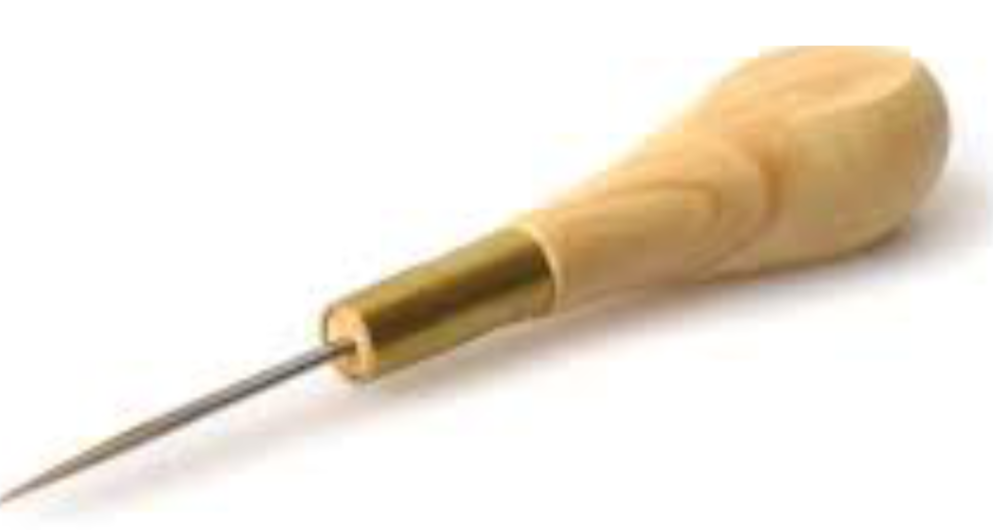
81
New cards
Band saw
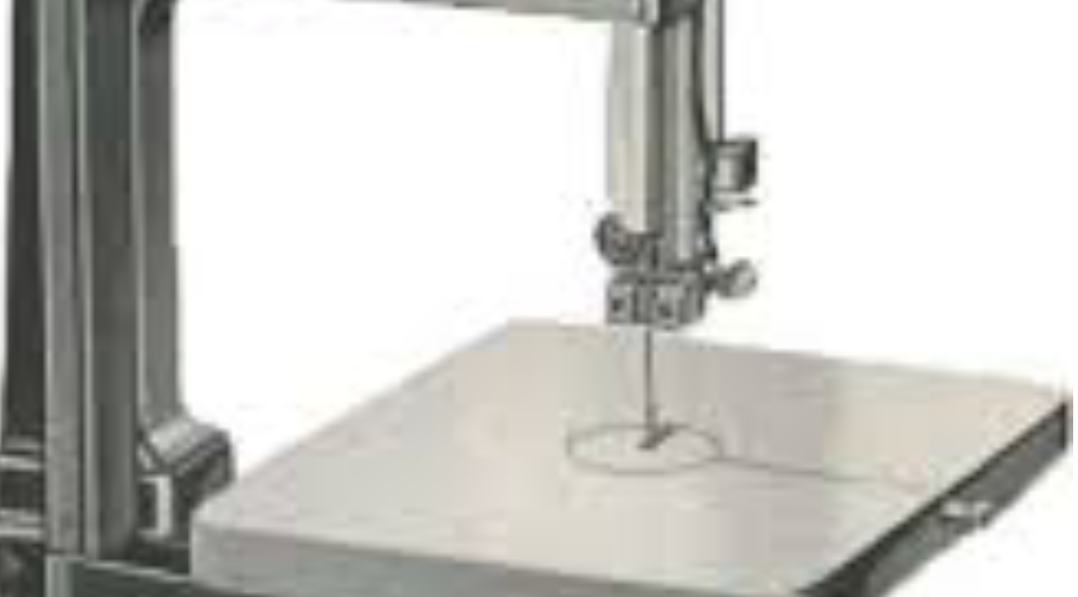
Good to use to make irregular shapes
82
New cards
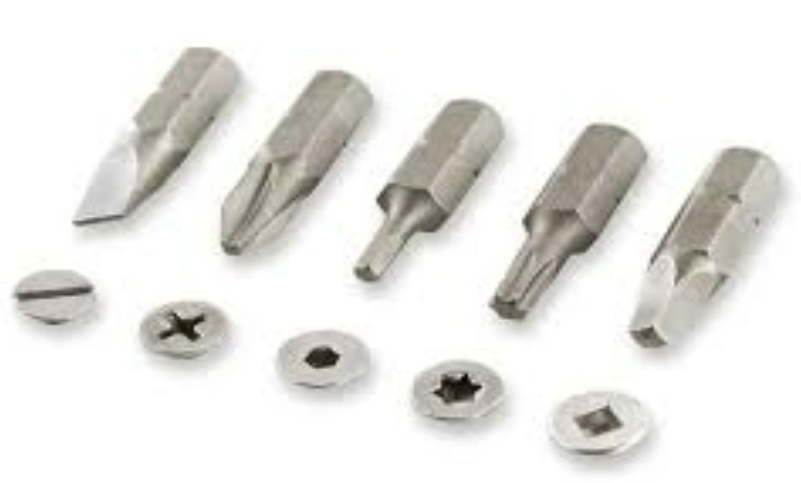
Screwdriver tips
83
New cards
Mitre joint
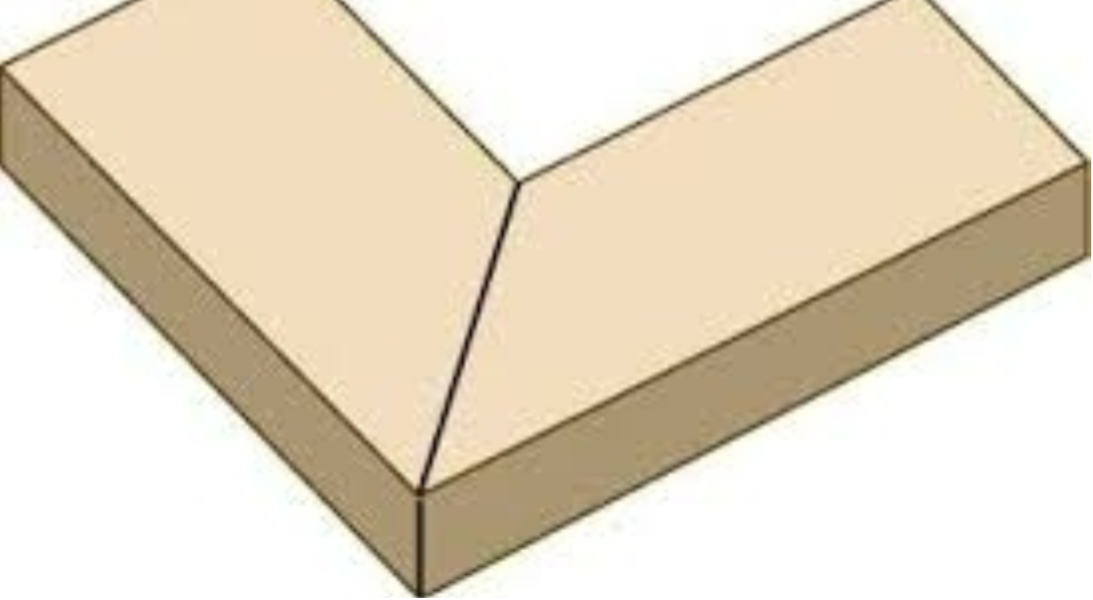
Joint made by joining two parts cut at a 45 degree angle in the corner, to make a 90 degree corner
84
New cards
Bight
Loop of rope

85
New cards
Book
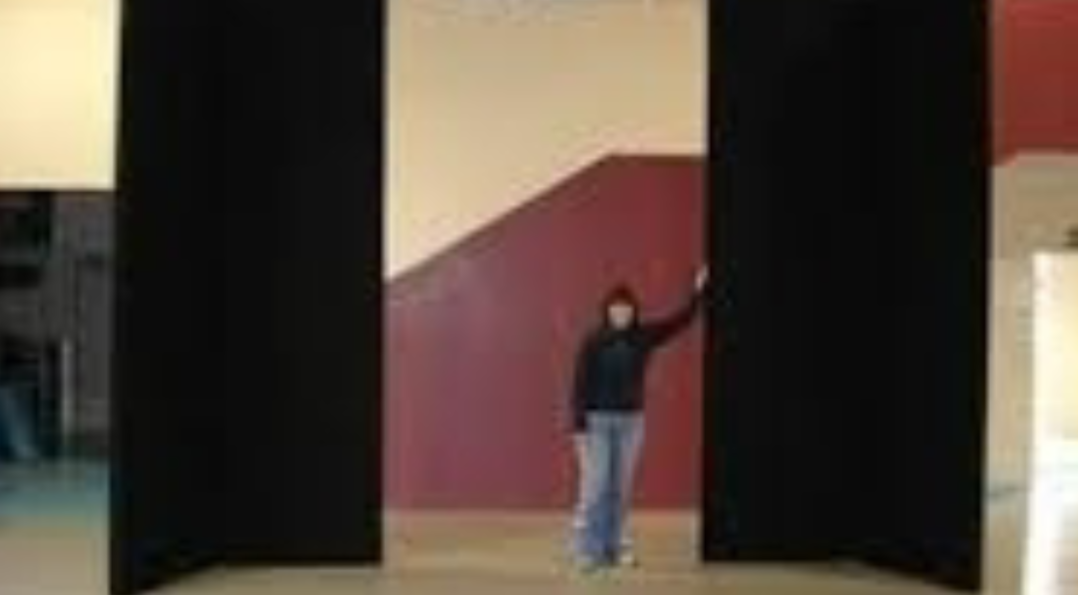
Two-fold piece of scenery
86
New cards
Border/Teaser
A horizontal masking that is lowered to reduce the height of the opening
87
New cards
Brad nail
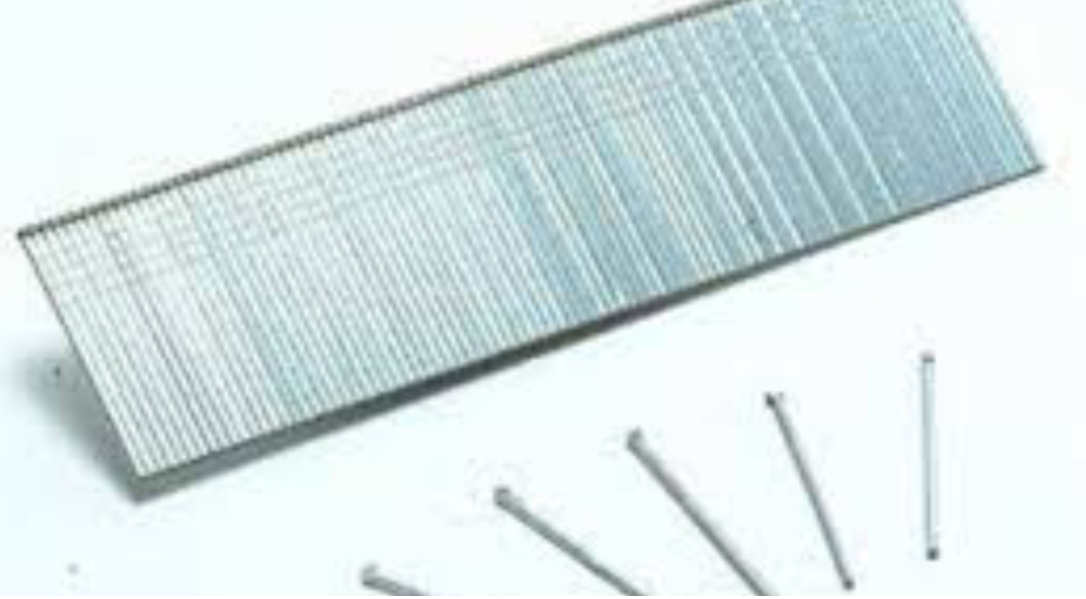
88
New cards
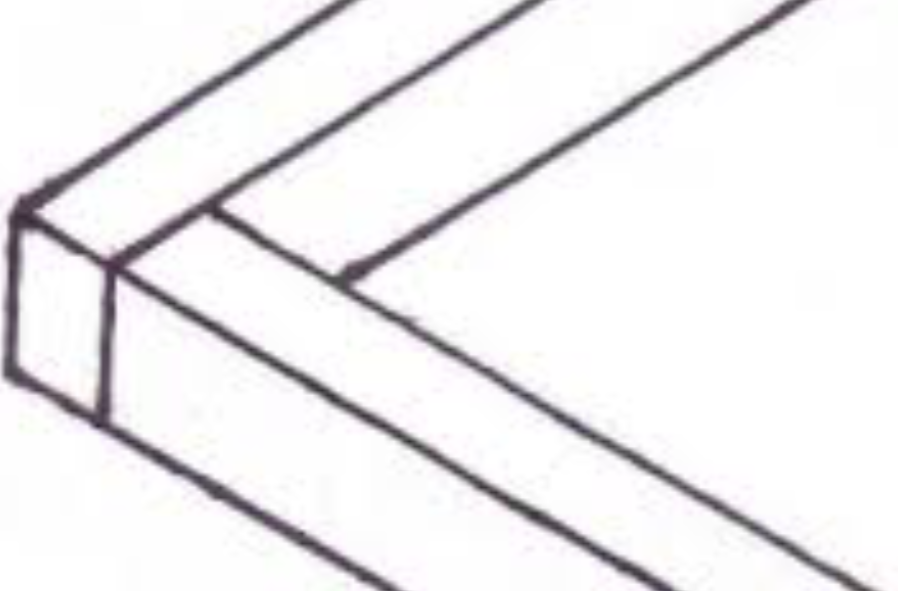
Butt joint
A butt joint is a type of wood joint used to connect two pieces of wood to each other at a corner (typically 90 degrees)
89
New cards
Canvas
Canvas is a plain-woven fabric typically made out of cotton and, to a lesser extent, linen. Canvas fabric is known for being durable, sturdy, and heavy duty. By blending cotton with synthetic fibers, canvas can become water resistant or even waterproof

90
New cards
Ceiling plate
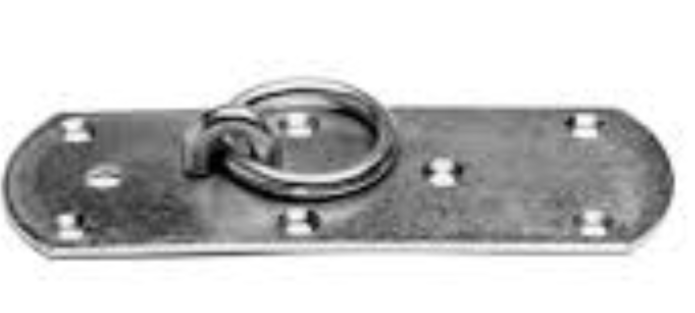
91
New cards
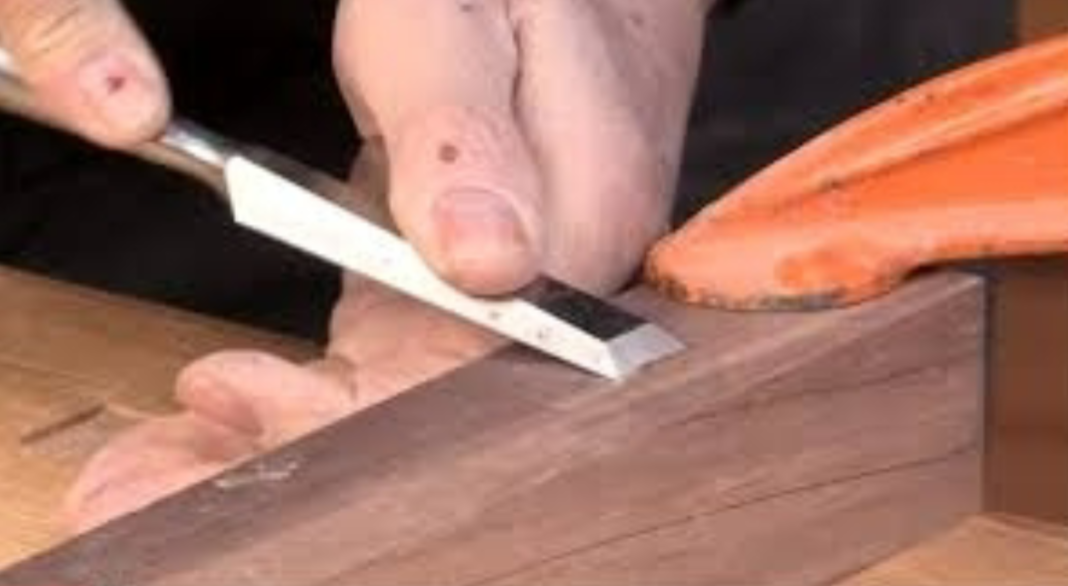
Chisel
a long-bladed hand tool with a bevelled cutting edge and a plain handle that is struck with a hammer or mallet, used to cut or shape wood, stone, metal, or other hard materials.
92
New cards
Chuck
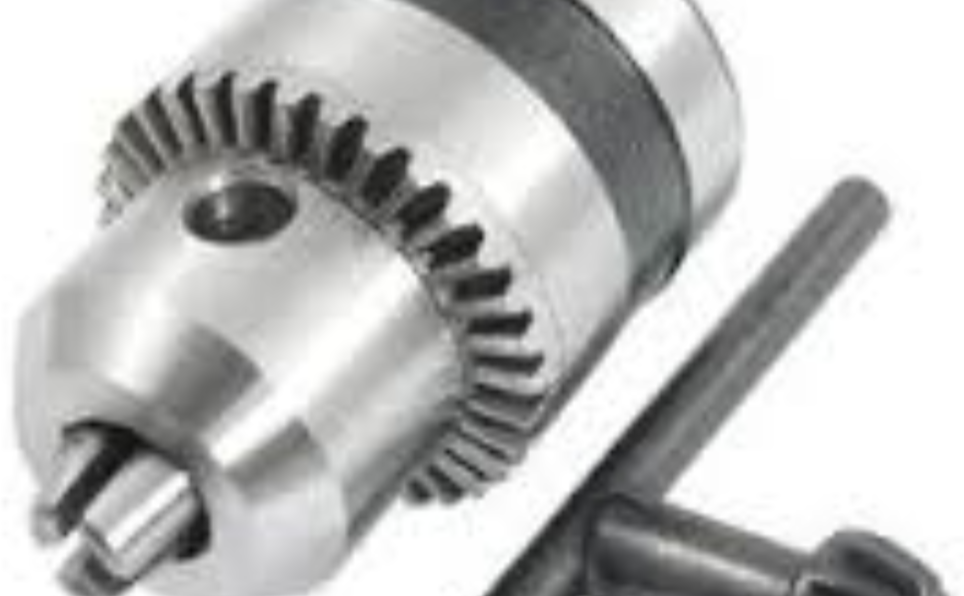
A chuck is a specialized type of clamp used to hold an object with radial symmetry, especially a cylinder
93
New cards
Circular saw
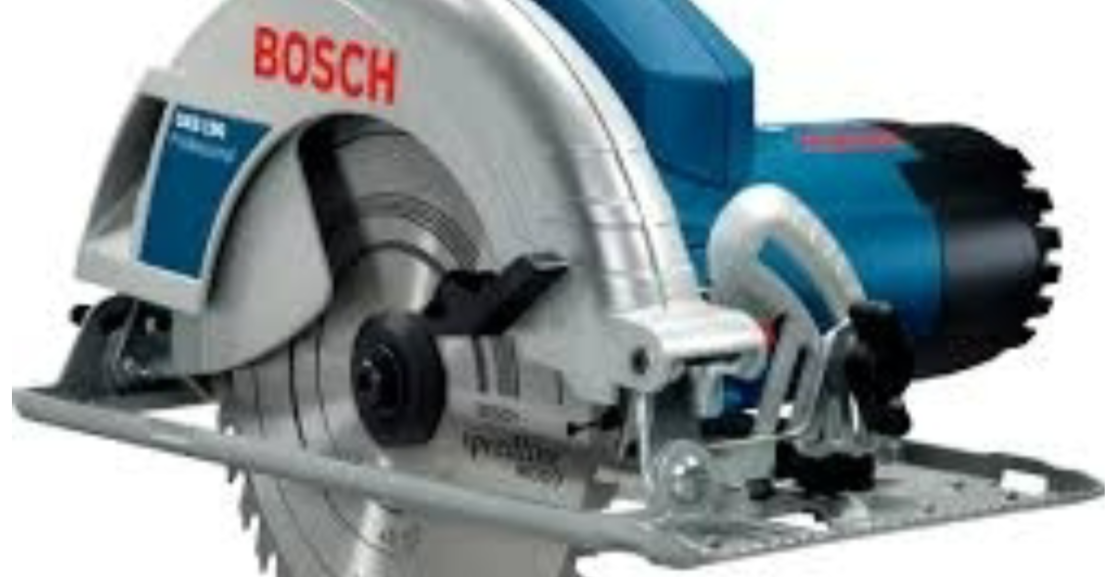
A circular saw is a round metal disc with a sharp edge which is used for cutting wood and other materials
94
New cards
Crescent wrench
95
New cards
Cut drop
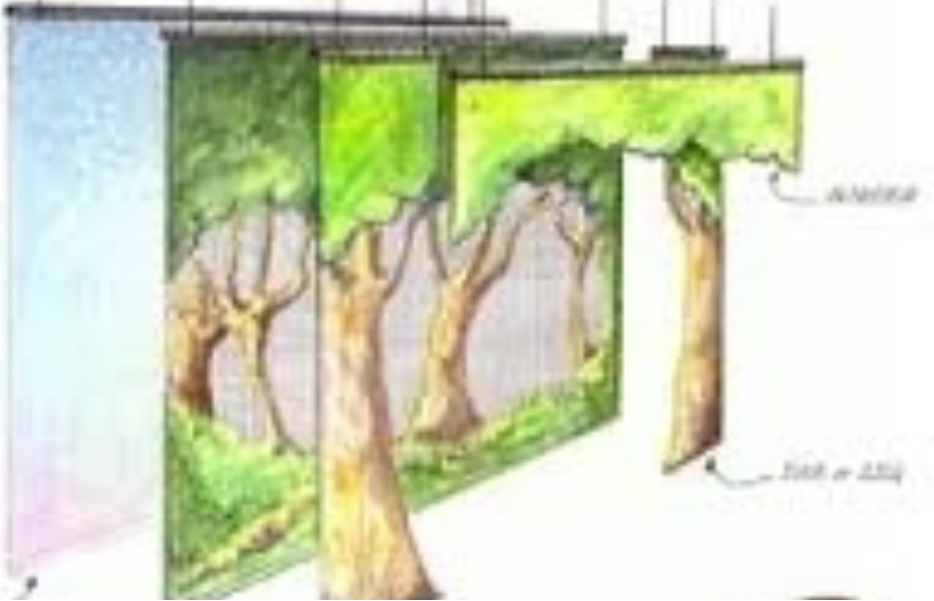
A cut drop is often backed with bobbinet or sharkstooth scrim fabric for strength. When the net is dyed to match the background it becomes nearly invisible
96
New cards
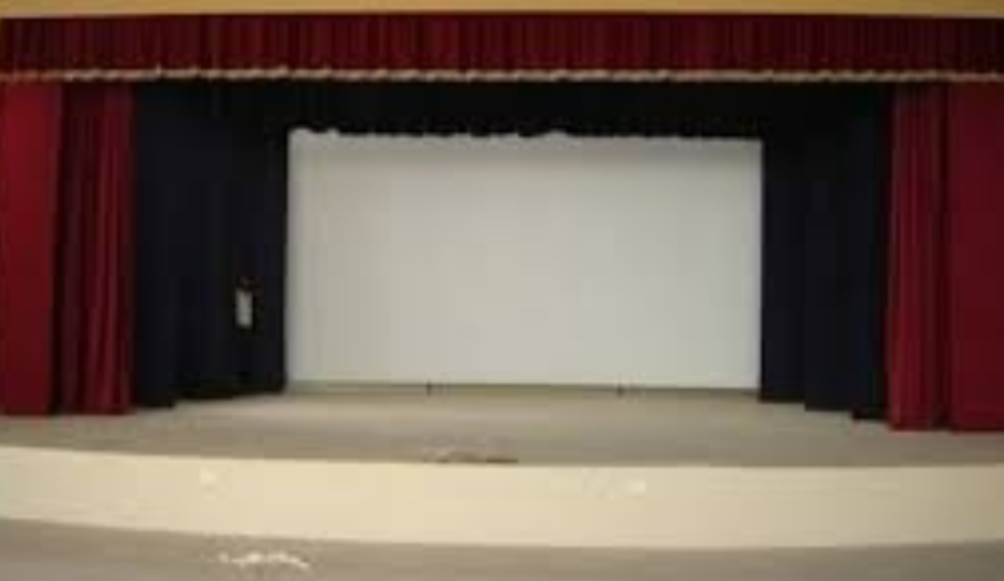
Cyclorama
background device employed to cover the back and sometimes the sides of the stage and used with special lighting to create the illusion of sky, open space, or great distance at the rear of the stage setting.
97
New cards
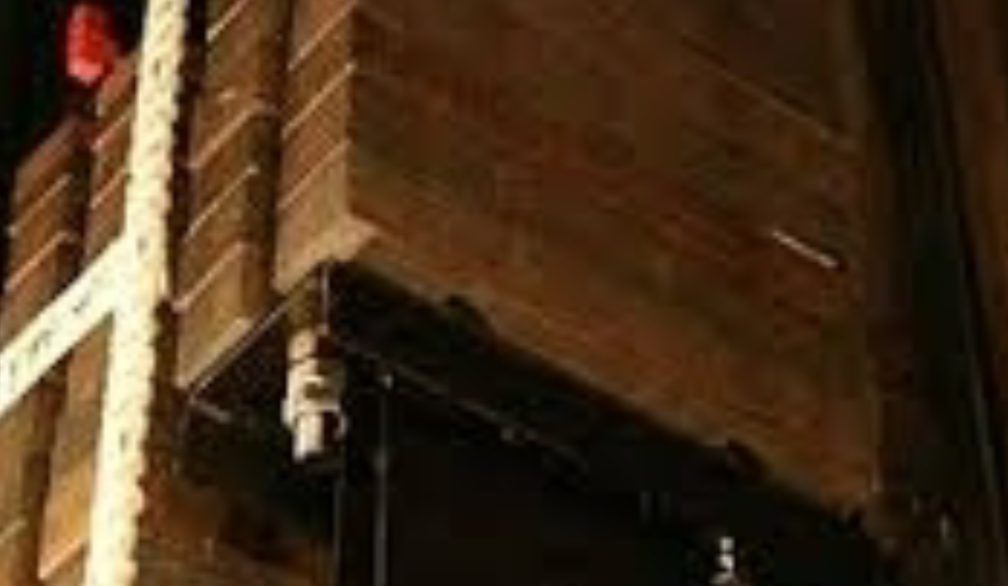
Counterweights
an equivalent weight or force, used for fly system
98
New cards
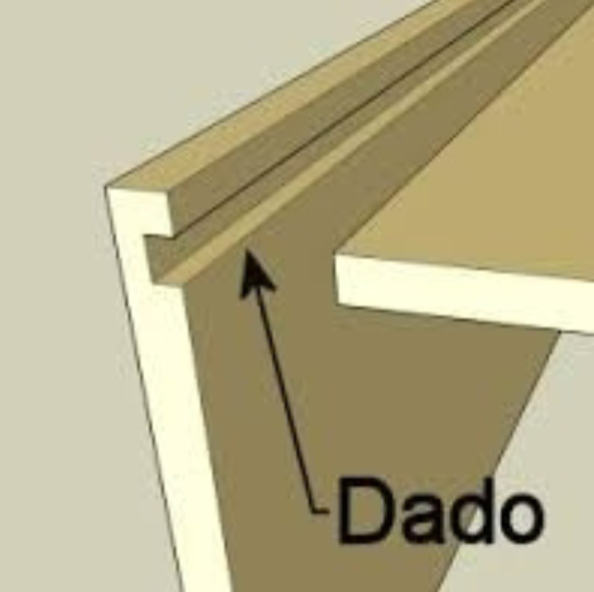
Dado joints
A dado falls within the center of the material, consisting of a slot with a bottom and two shoulders.
99
New cards
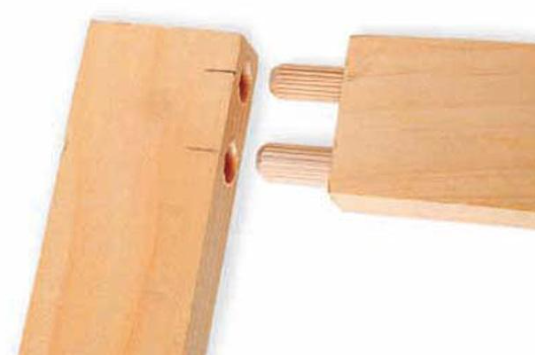
Dowel joint
type of joint used to connect two pieces of wood by drilling dowel holes in each piece and using a wooden peg (the dowel) to attach them.
100
New cards
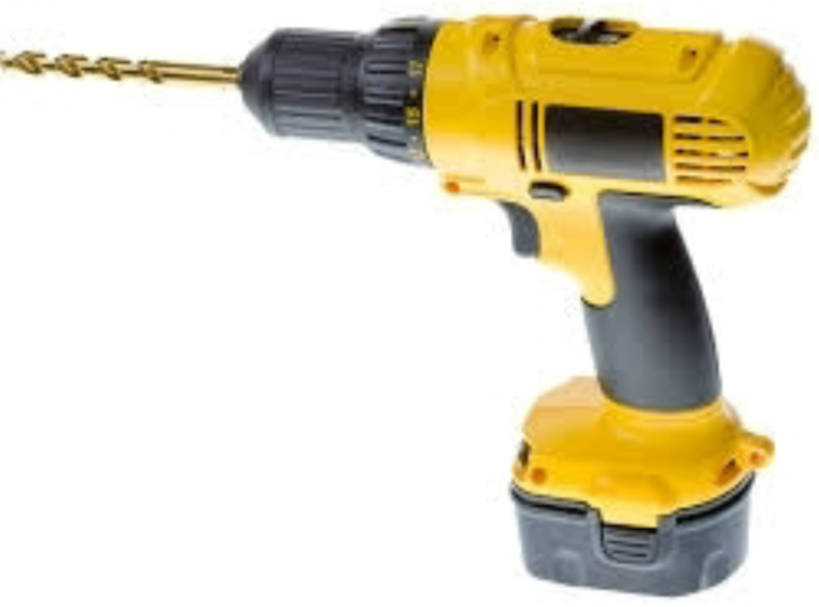
Drill
a hand tool, power tool, or machine with a rotating cutting tip or reciprocating hammer or chisel, used for making holes.