Module 2.2 - Elimination, Bowel, and Urination
 Call Kai
 Learn
Learn Practice Test
 Spaced Repetition
 Match
Match Flashcards
 Knowt Play
1/8

There's no tags or description
Looks like no tags are added yet.
Name | Mastery | Learn | Test | Matching | Spaced | Call with Kai | Chat |
|---|
No analytics yet
Send a link to your students to track their progress
9 Terms
GI Tract
Mouth
Esophagus
Stomach
Small Intestine
Large Intestine
Anus and Rectum
Process of Defecation
Distension relaxes the internal anal sphincter and signals an awareness of the need to defecate.
Defecation - the external sphincter relaxes and abdominal muscles contract to force the stool out.
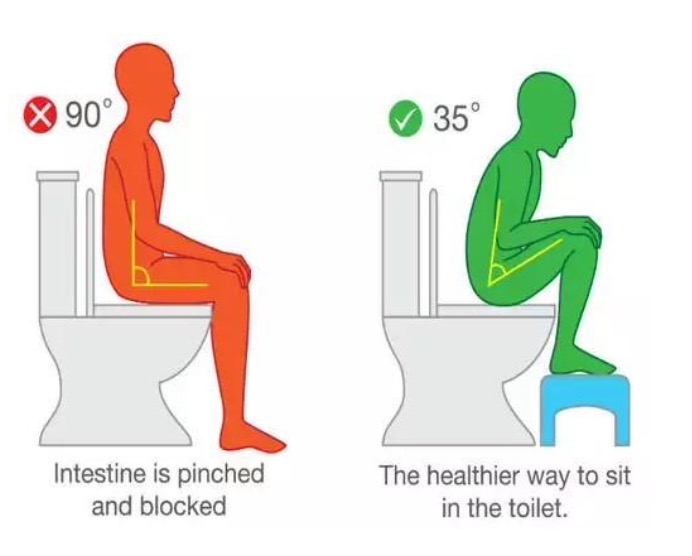
Most effective position:
Knees higher than hips.
Lean forward and put elbows on your knees.
Bulge out your abdomen and straighten your spine.
Factors Affecting Bowel Elimination
Diet
Fluid intake
Physical activity
Peronal bowel elimination habits
Privacy
Age-related changes
IBD and IBS
Infections, illness, surgery, and anaesthesia
Medications affecting elimination
Stool Sample Collection
Collected to find and diagnose the cause of GI ilnness.
Screening for occult blood and identification of parasites and bacteria.
Do not mix with urine.
May need to be taken to the lab immediately or refrigerated.
Label with patient identifiers and seal.
Types of Ostomies
Ileostomy
Entire large intestine removed. Illeum of small bowel brought through the abdominal wall to the surface of the skin.
Ascending Colostomy
Done for right-sided tumors.
Descending Colostomy
Done for left-sided tumors.
Trasnverse (Double-Barrel) Colostomy
Often used in emergencies such as intestinal obstruction or perforation. There are two stomas; the proximal one drains feces, the distal one drains mucus.
Signmoid Colostomy
Done for rectal tumors.
Ostomy Assessment
Assess Stoma:
Colour
Edema
Bleeding
Sutures (dissolvable)
Assess and protect peristomal skin.
Characteristics and amount of effluent.
Ostomy Complications
Retraction
Peristomal hernia
Prolapse
Necrosis
Peristomal skin issues
Routine Urinalysis Normal Values
No
Glucose
Ketones
Bacteria
Casts
Little
Protein (or none)
WBCs
Catheter Care
Perineal hygiene at least twice daily after a bowel movement or with a buildup of secretions at the insertion site.
Soap and water/skin cleansers reduce microorganisms around the urethra and maintain skin health and comfort.
Start at the urethral meatus (clean to dirty). Assess urethral meatus and surrounding tissue for inflammation, swelling, and discharge.
Accidental advancement of the catheter upward into the bladder during cleaning risks introducing bacteria into the bladder.