Unit 3 Geography Vocabulary
 Call Kai
 Learn
Learn Practice Test
 Spaced Repetition
 Match
Match Flashcards
 Knowt Play
1/53

There's no tags or description
Looks like no tags are added yet.
Name | Mastery | Learn | Test | Matching | Spaced | Call with Kai | Chat |
|---|
No analytics yet
Send a link to your students to track their progress
54 Terms
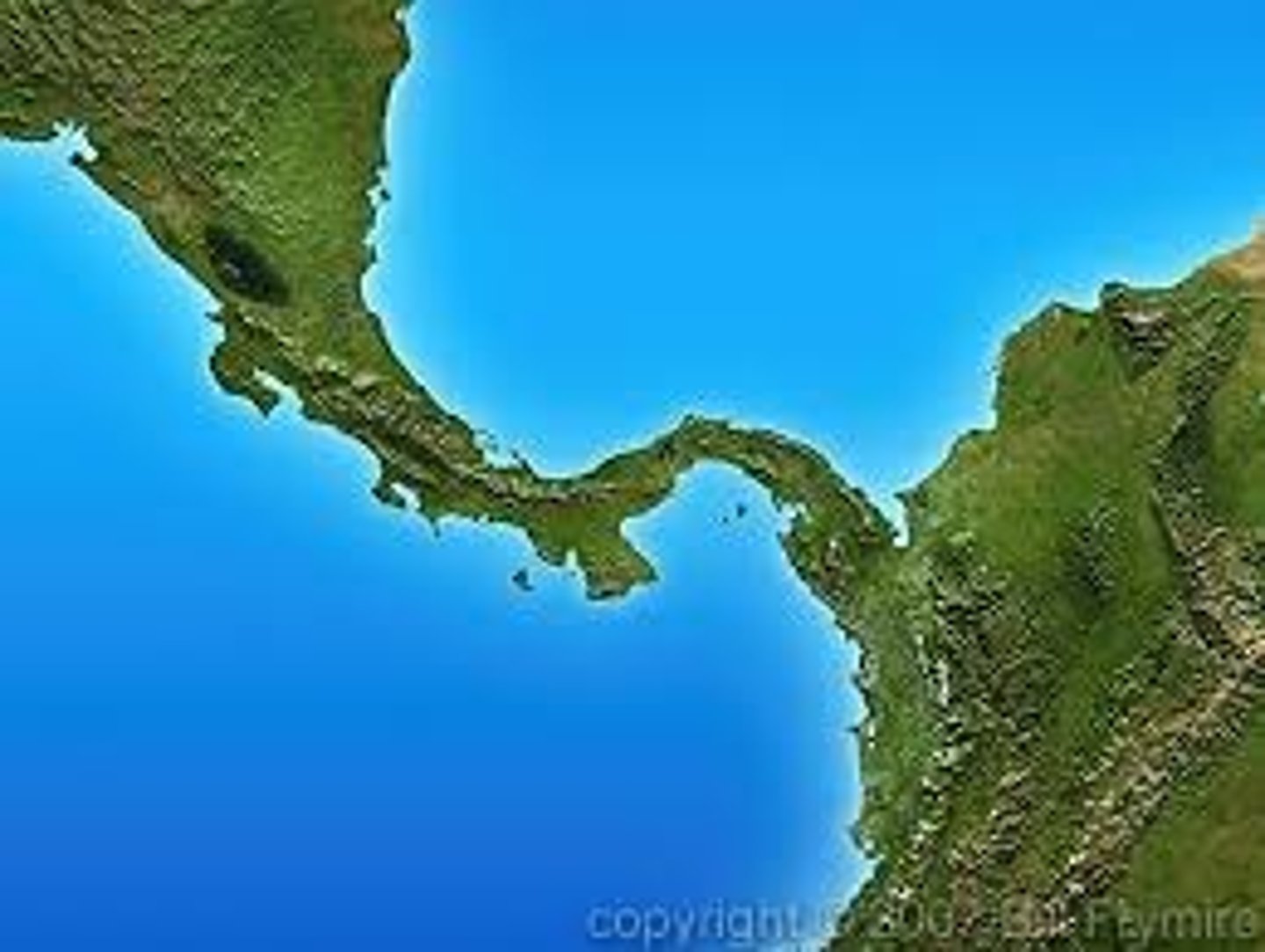
Isthmus
A narrow strip of land connecting two larger land areas and separating two bodies of water.
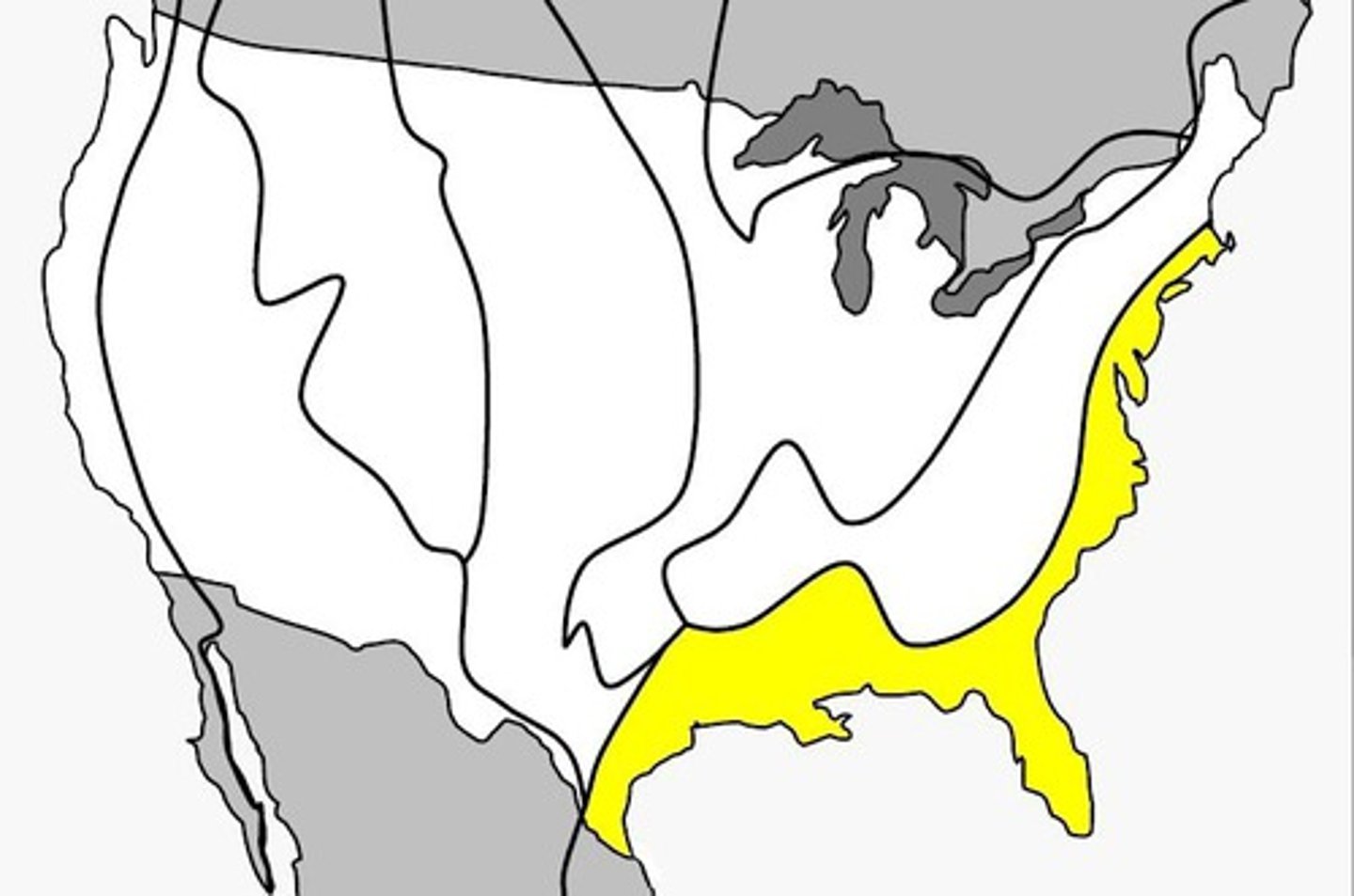
Coastal plain
A flat or gently sloping area of land located next to the ocean or sea.
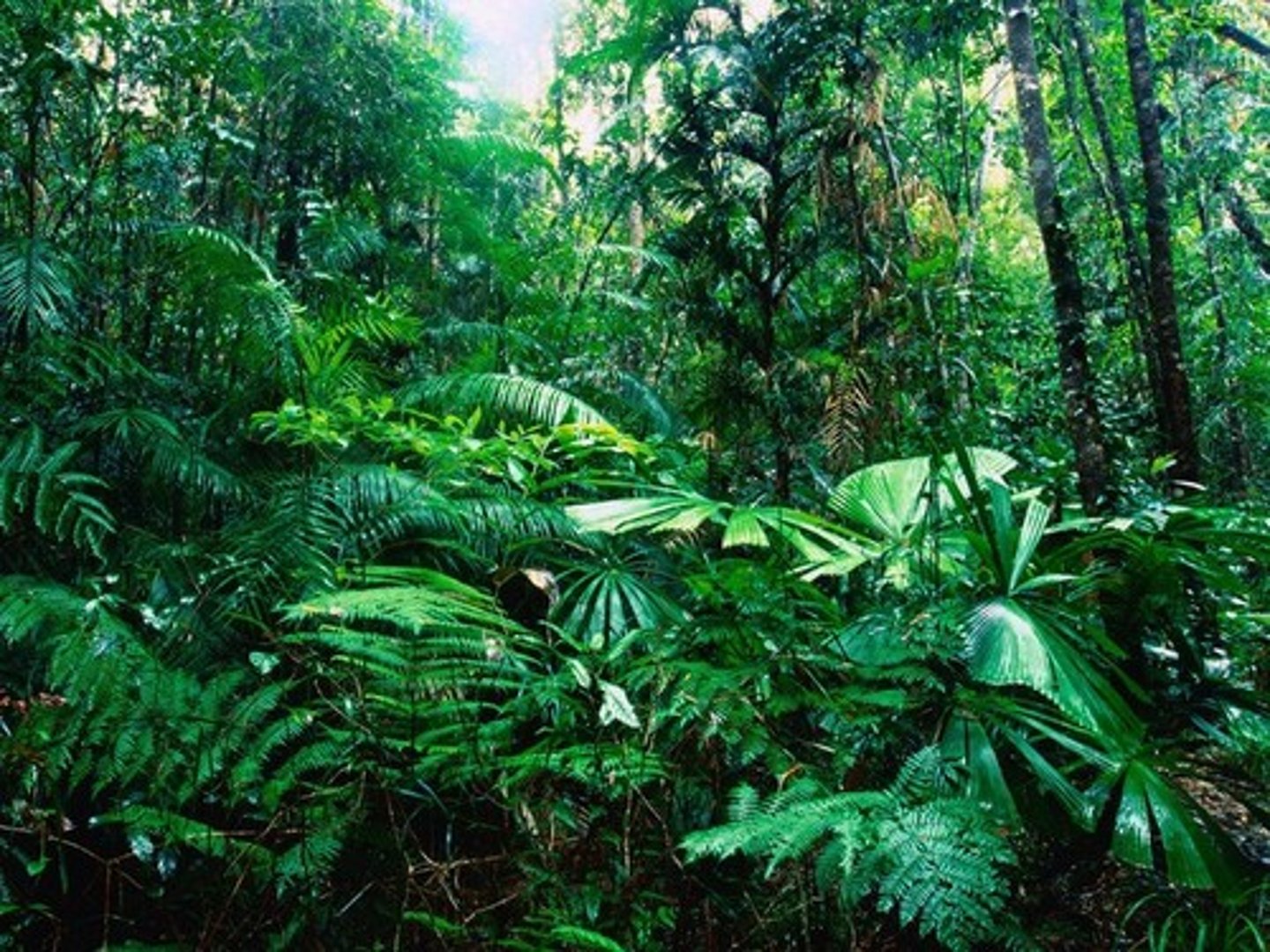
Rainforest
A forest that receives heavy rainfall and is home to many different plants and animals.
Archipelago
A group or chain of islands located close together.
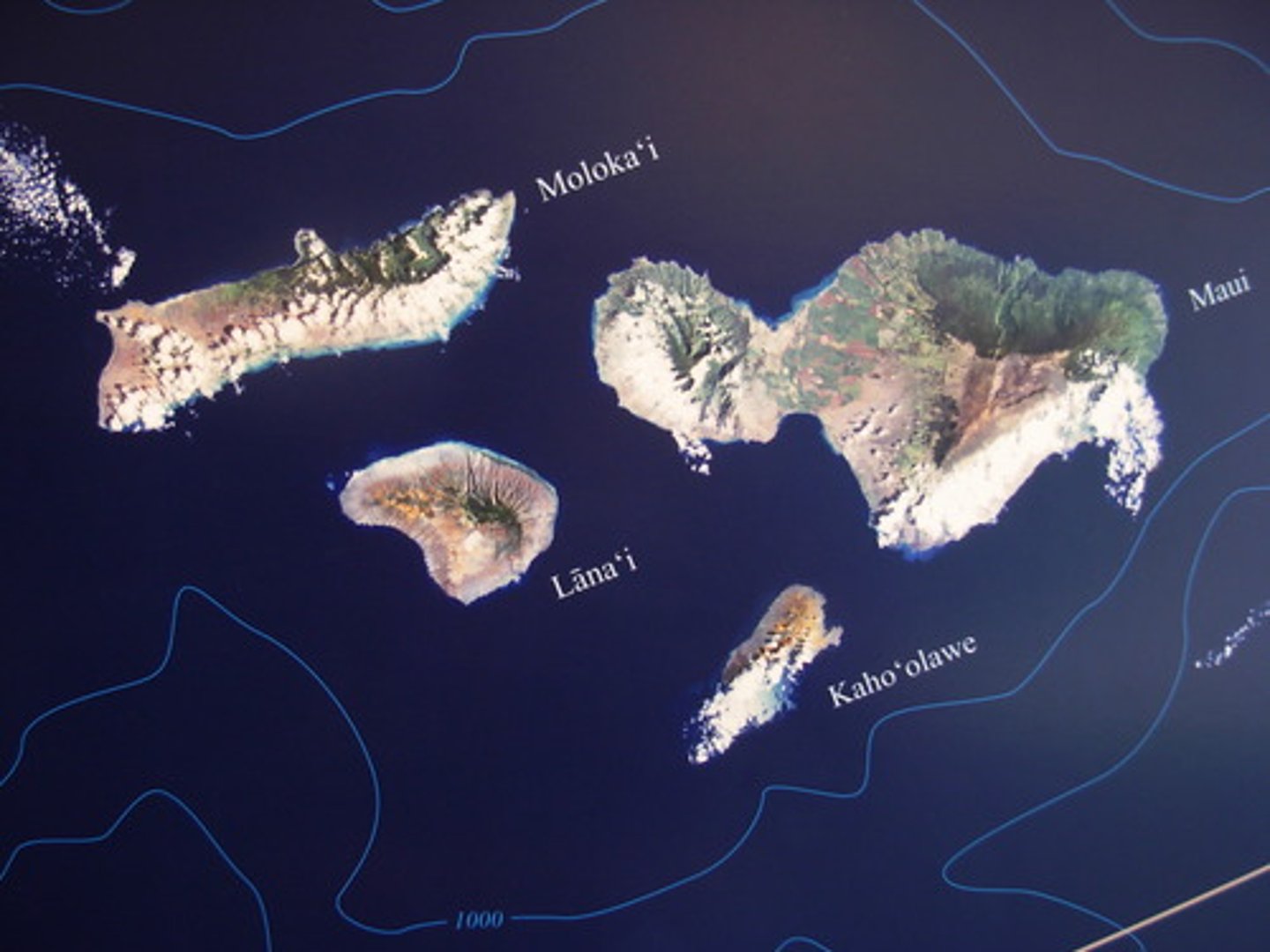
Tectonic plate
A large section of Earth's crust that slowly moves and can cause earthquakes, volcanoes, and mountain building.
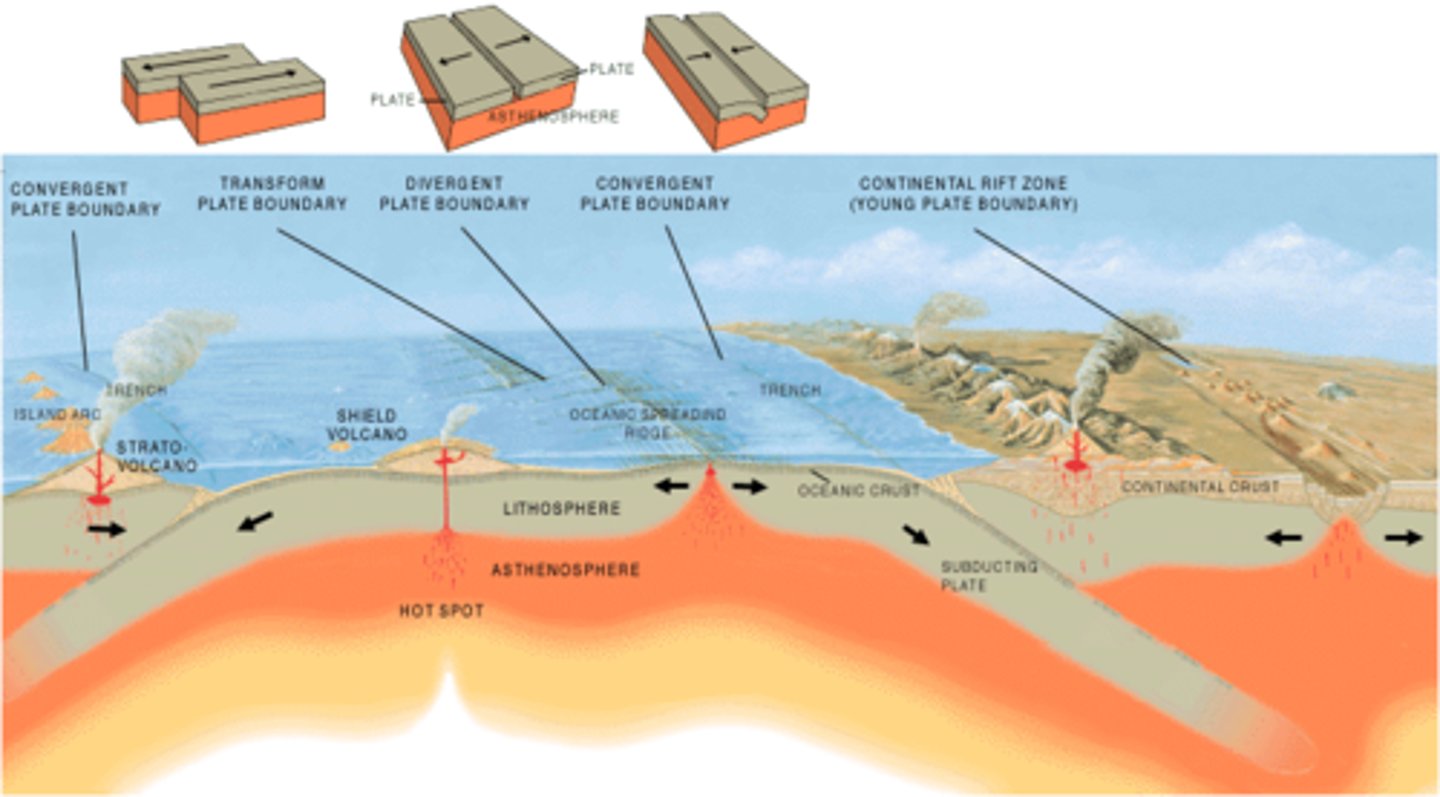
Seismic
Related to earthquakes or the movement of Earth's crust.
Ecosystem
A community of living things and their physical environment interacting together.
Deforestation
The clearing or cutting down of forests, often for farming, building, or logging.
Fertile
Having rich soil that is good for growing crops.
Tourism
The travel industry supporting local economies through visits for recreation, culture, or nature.
Canopy
The upper layer of trees in a forest where many animals and plants live.
Extinction
The complete disappearance of a species when no individuals remain alive.
Poacher
A person who illegally hunts or captures wild animals.
Critical (geographic meaning)
Extremely important to the environment, economy, or location of a place.
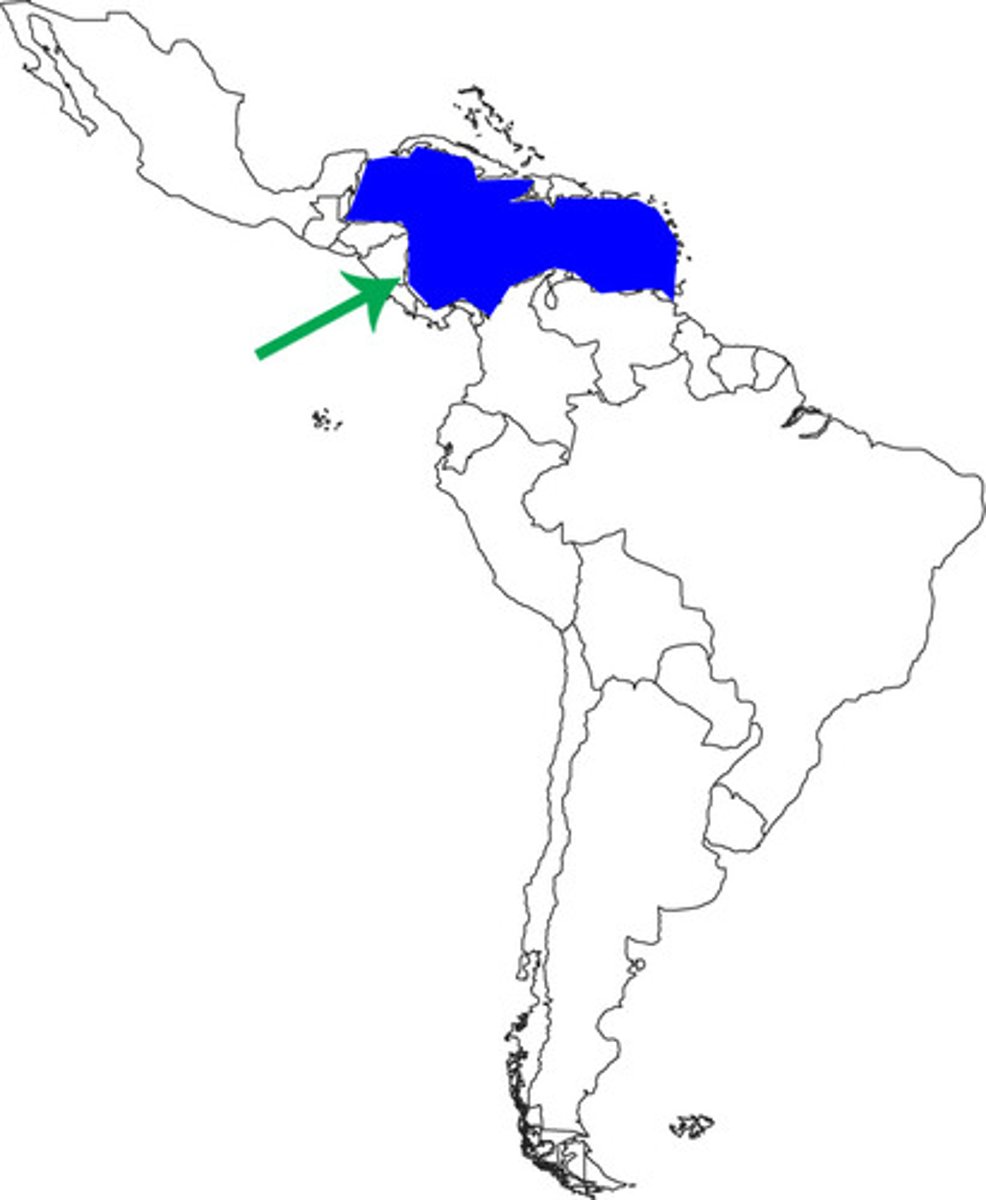
Caribbean Sea
A large sea bordered by the Caribbean islands, Central America, and northern South America.
Cash crop
A crop grown primarily for sale for profit rather than for the farmer to eat.
Scarcity
A shortage of natural resources or goods compared with people's needs or wants.
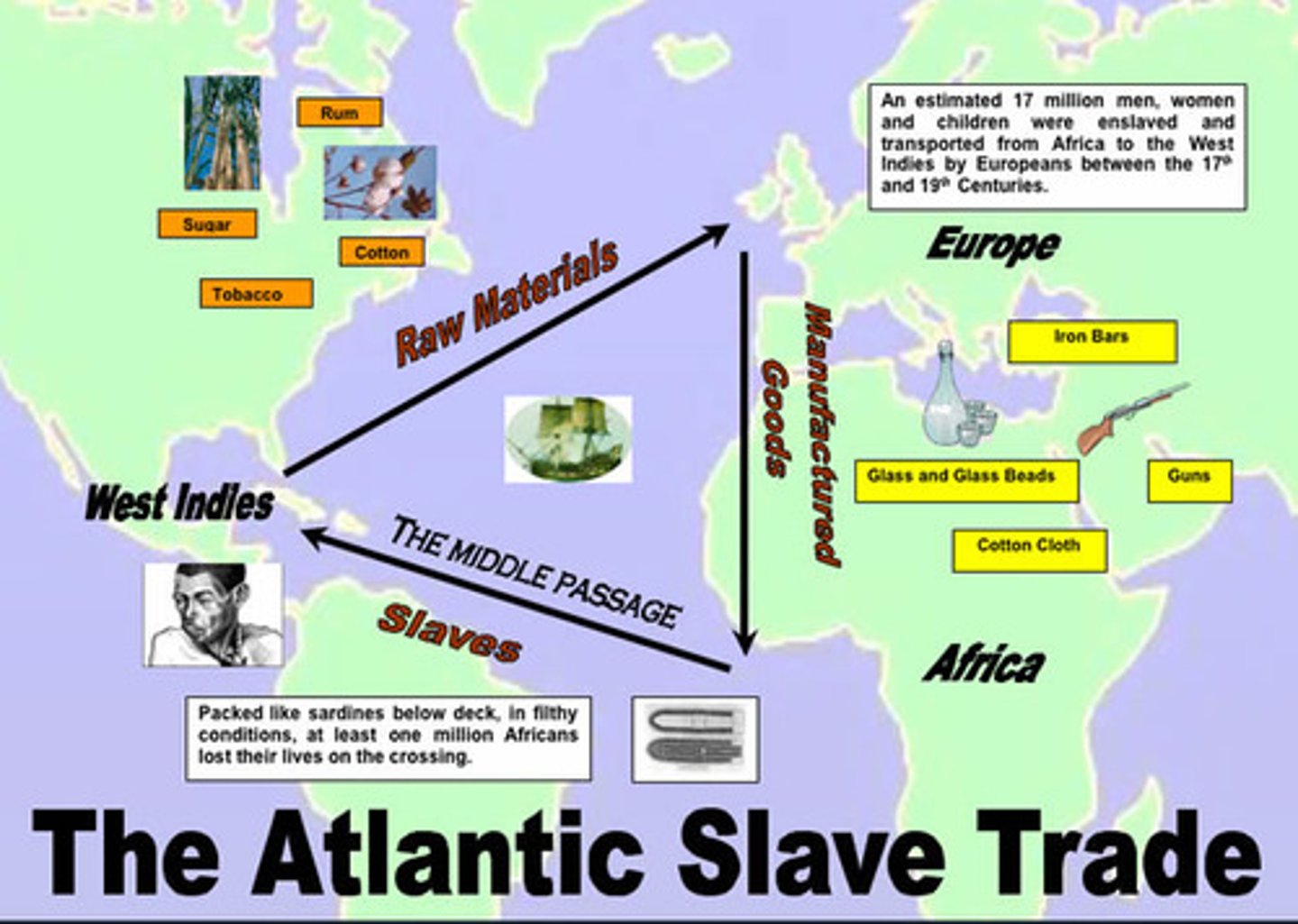
Triangular Trade
A trade network connecting Europe, Africa, and the Americas during the colonial period.
Multitude
A very large number of people, places, or things.
Staple
A basic food or product that people consume regularly.
Viceroy
A ruler who governed a colony on behalf of a king or queen.
Province
A large administrative region or division within a country.
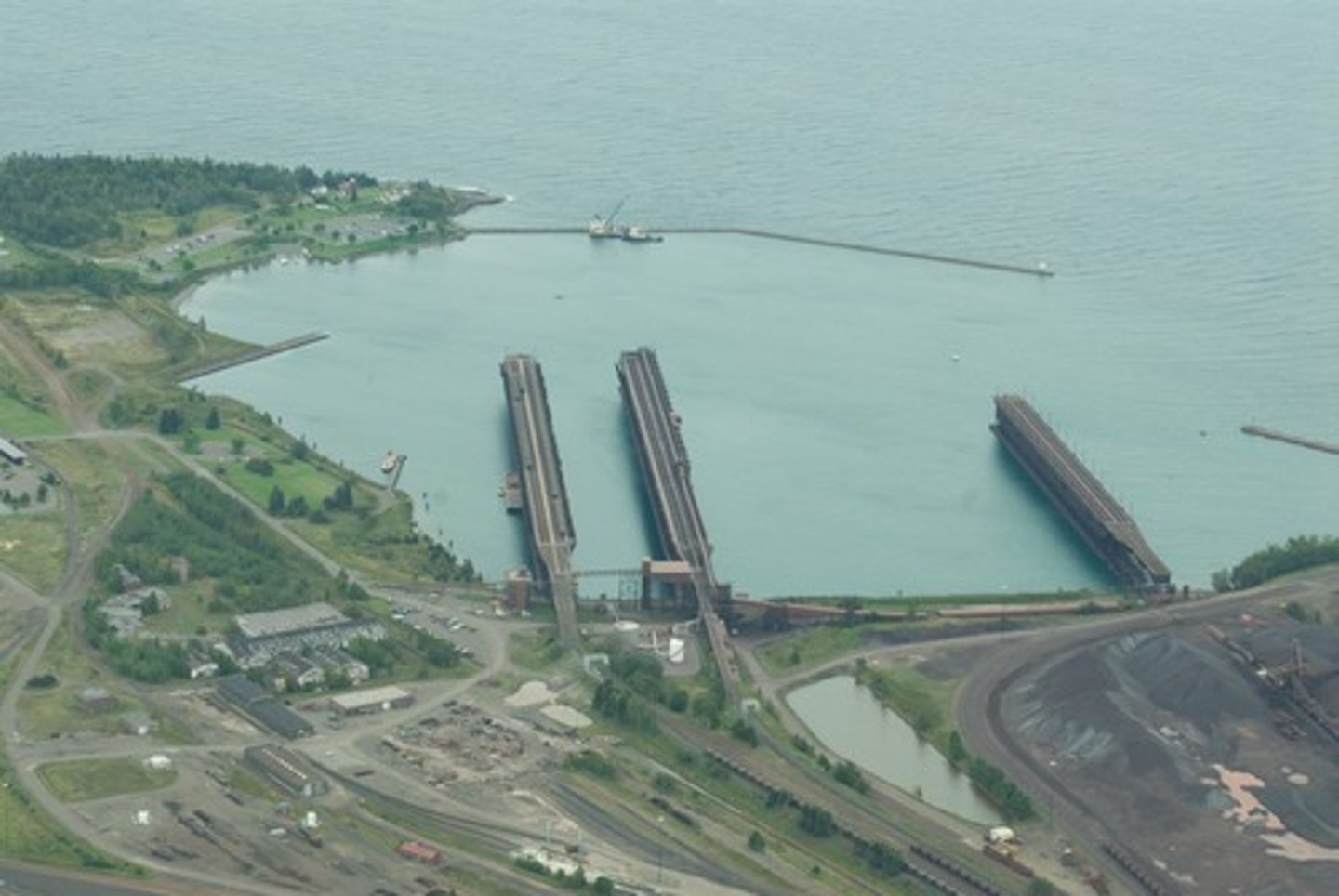
Harbor
A sheltered area of water where ships can safely anchor or dock.
Dictator
A ruler with complete control over a country, often without free elections.
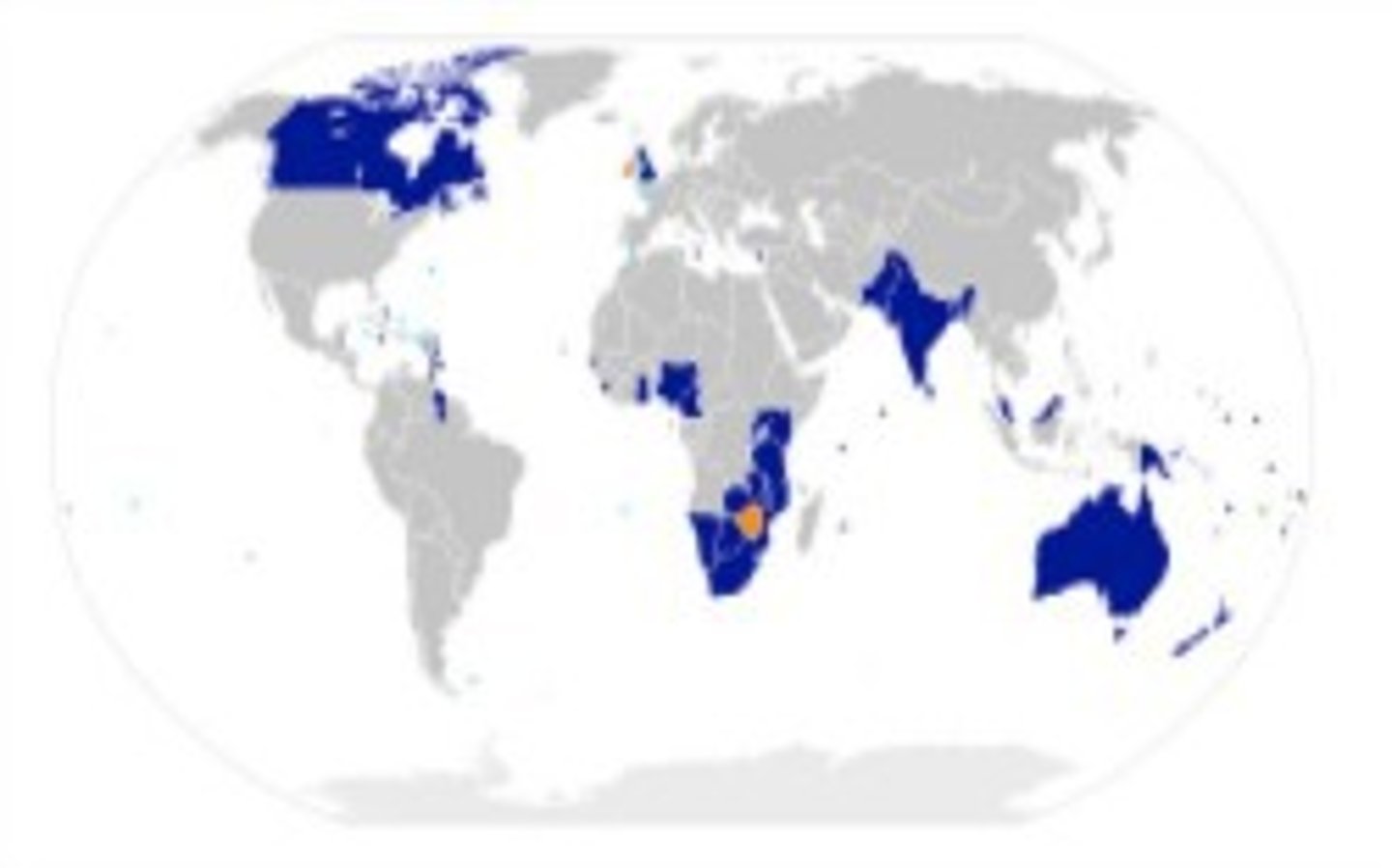
Commonwealth
A group of self-governing states or territories connected by shared history or government.
Exploit (geographic meaning)
To use natural resources or land, often for economic gain without environmental protection.
Columbian Exchange
The exchange of plants, animals, diseases, people, and ideas after 1492.
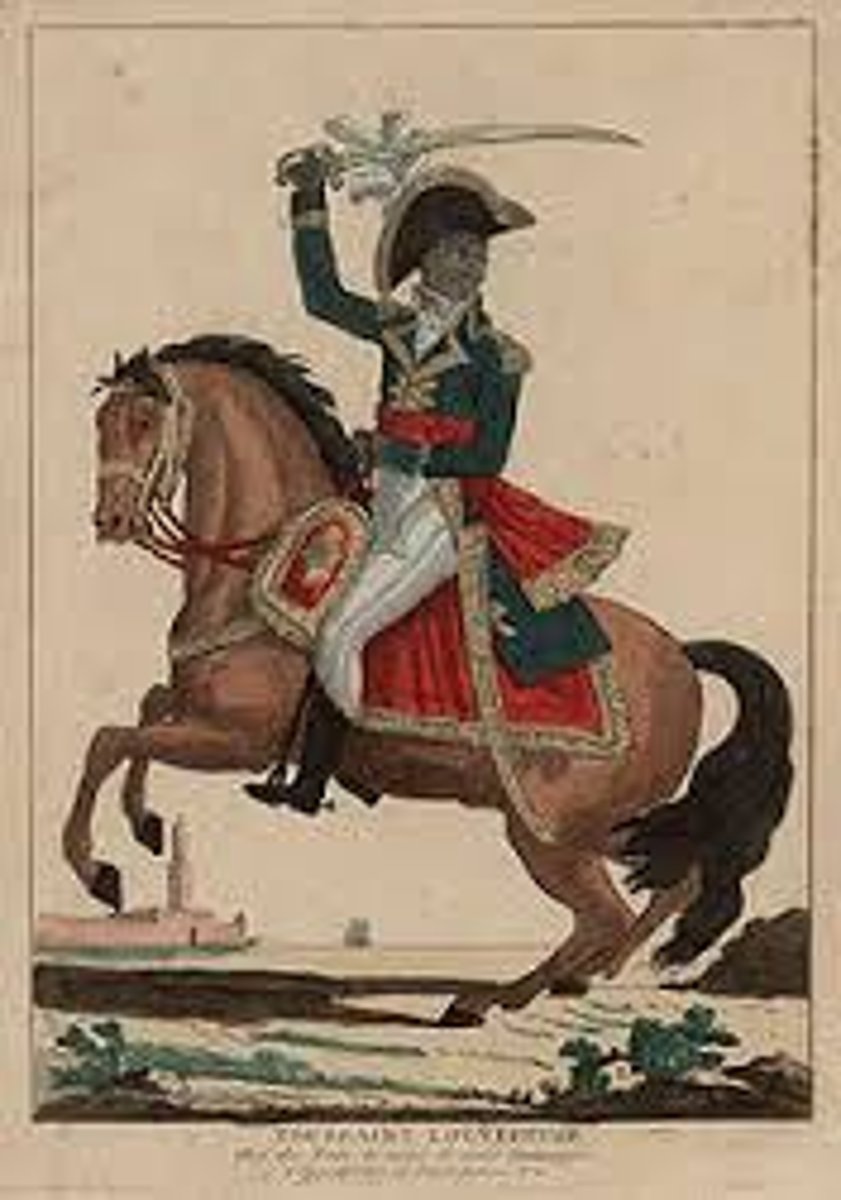
Toussaint L'Ouverture
The leader of the Haitian Revolution who helped Haiti gain independence from France.
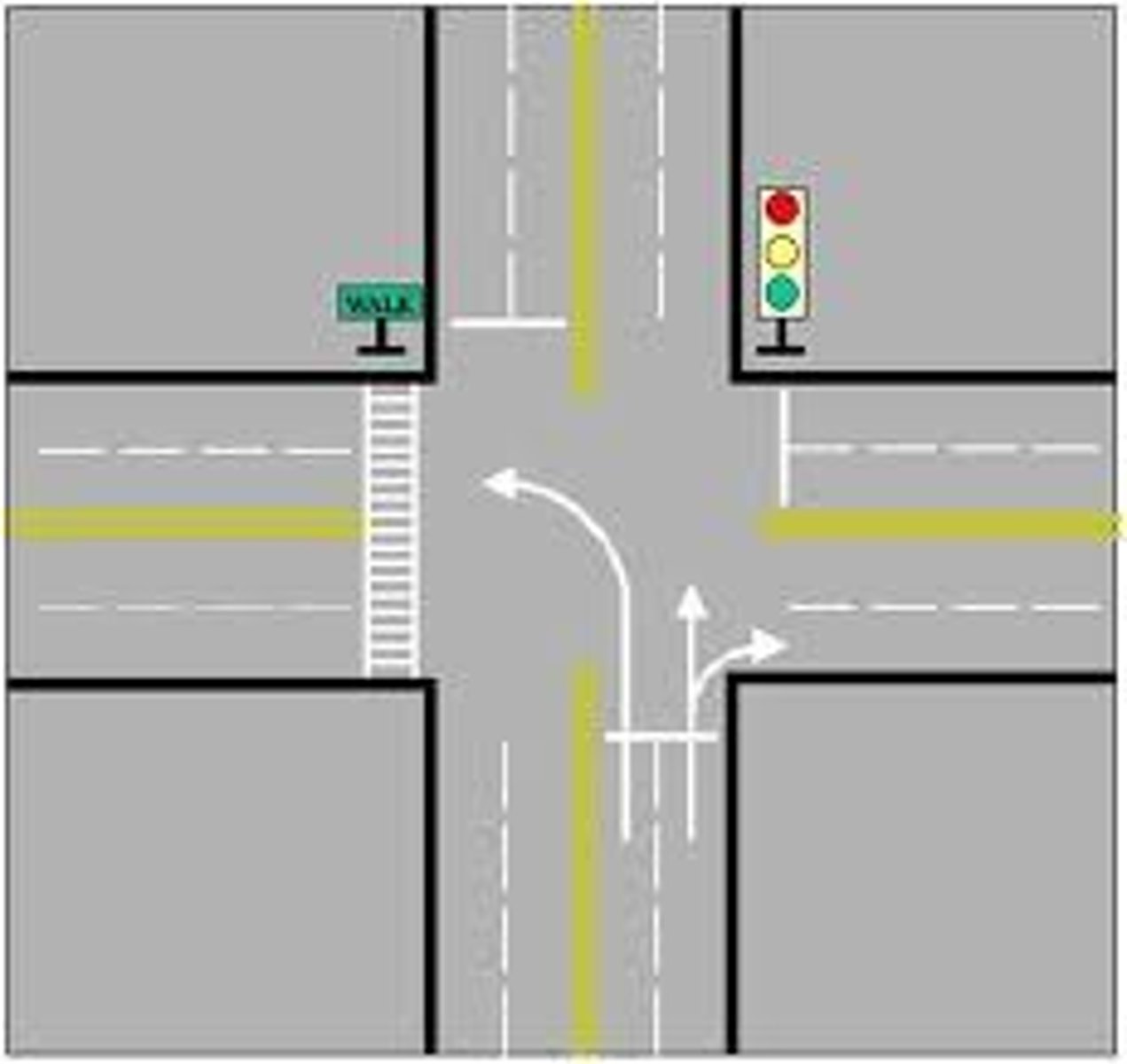
Intersection
A place where roads, trade routes, waterways, or regions meet.
Fuse
To join or combine different cultures, ideas, or features into a single whole.
Canal
A human-made waterway built to allow ships to travel between bodies of water.
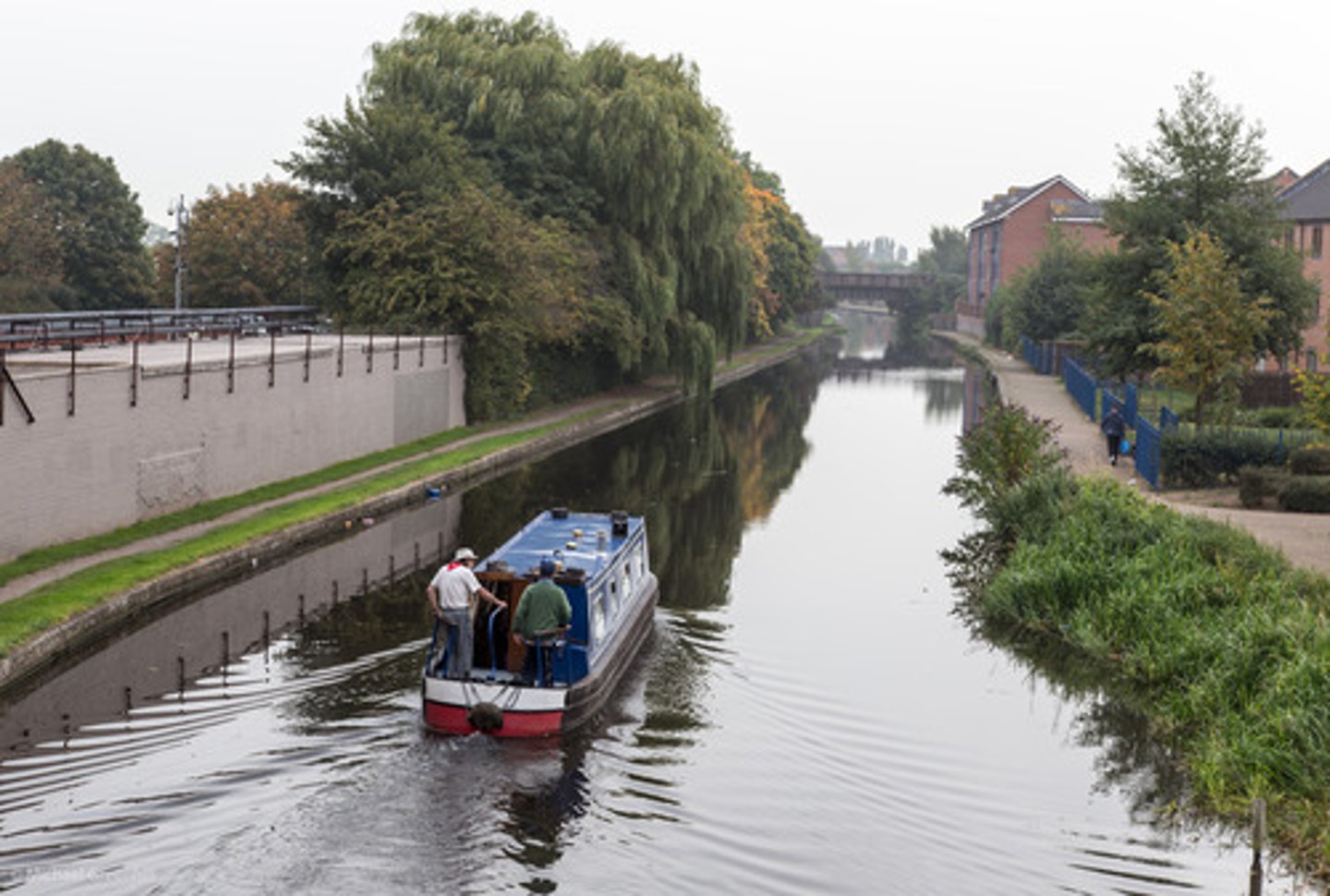
Terrain
The physical features of the land, such as mountains, hills, valleys, or plains.
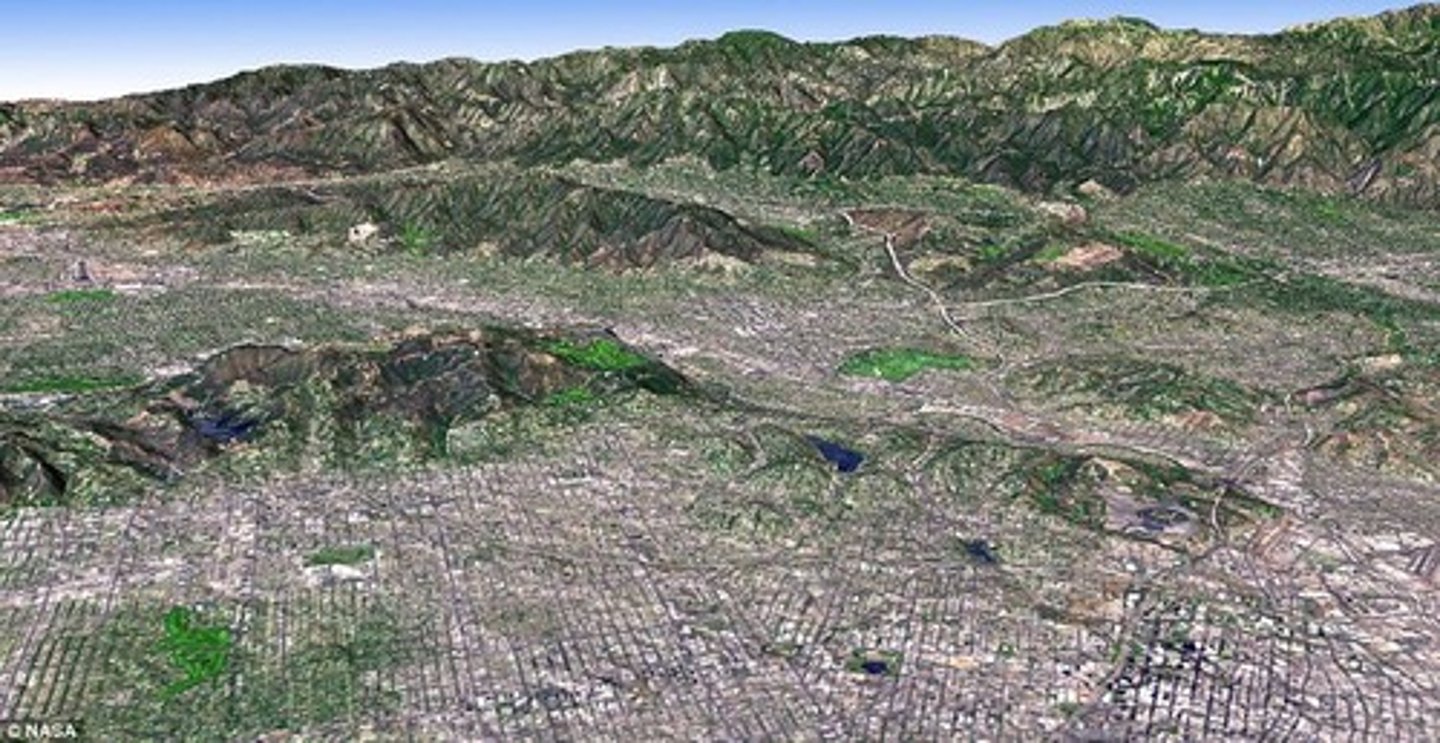
Taíno
The Indigenous people who lived in much of the Caribbean before Europeans arrived.
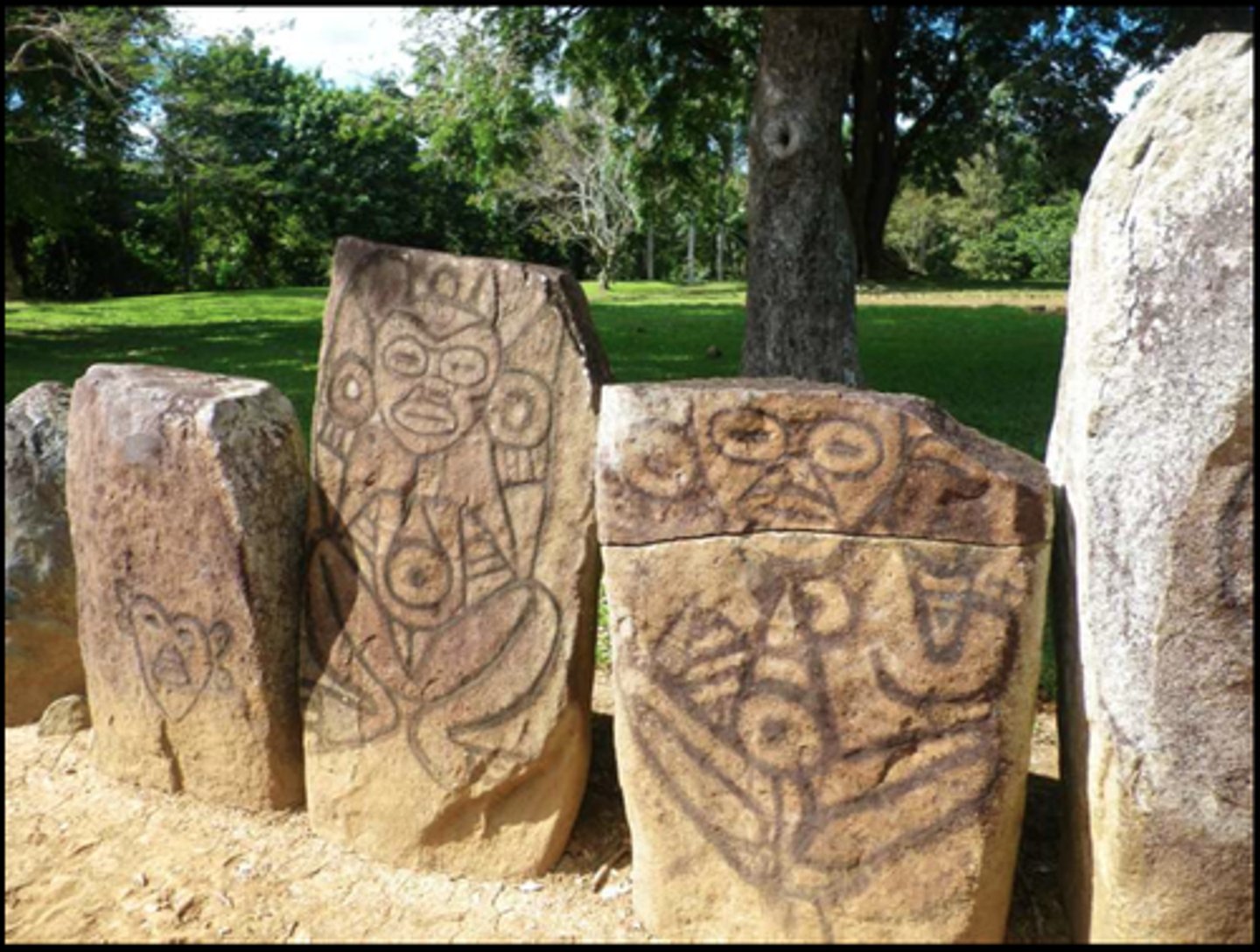
Calypso
A style of music that originated in the Caribbean, especially Trinidad and Tobago.
Lock (geographic meaning)
A chamber in a canal that raises or lowers ships between different water levels.
Distinct (geographic meaning)
Clearly different from other places because of its physical or cultural features.
Eliminate (geographic meaning)
To completely remove or significantly reduce something, such as a disease or habitat.
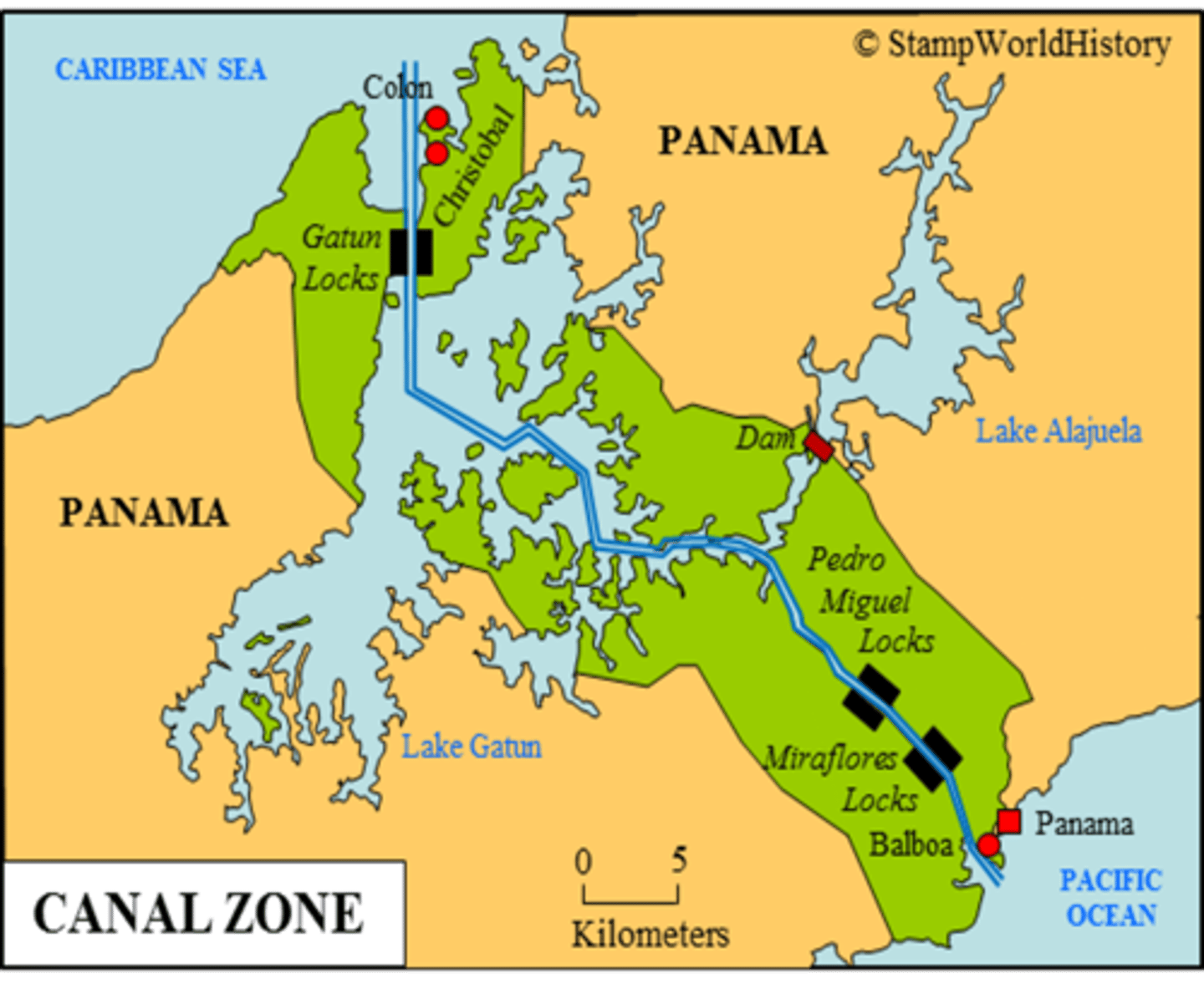
Panama Canal Zone
The area surrounding the Panama Canal controlled by the United States (1904-1999).
Infrastructure
The basic systems that support a country, including roads, bridges, and utilities.
Reserve
Land that is protected to conserve wildlife, forests, or other natural resources.
Policy
A plan or set of rules created by a government or organization.
Marketing
The process of promoting and selling goods or services to consumers.
Standard of living
The overall quality of life, including income, housing, healthcare, and education.
Food security
Having reliable access to enough safe and nutritious food.
Global warming
The long-term increase in Earth's average temperature, mainly caused by greenhouse gases.
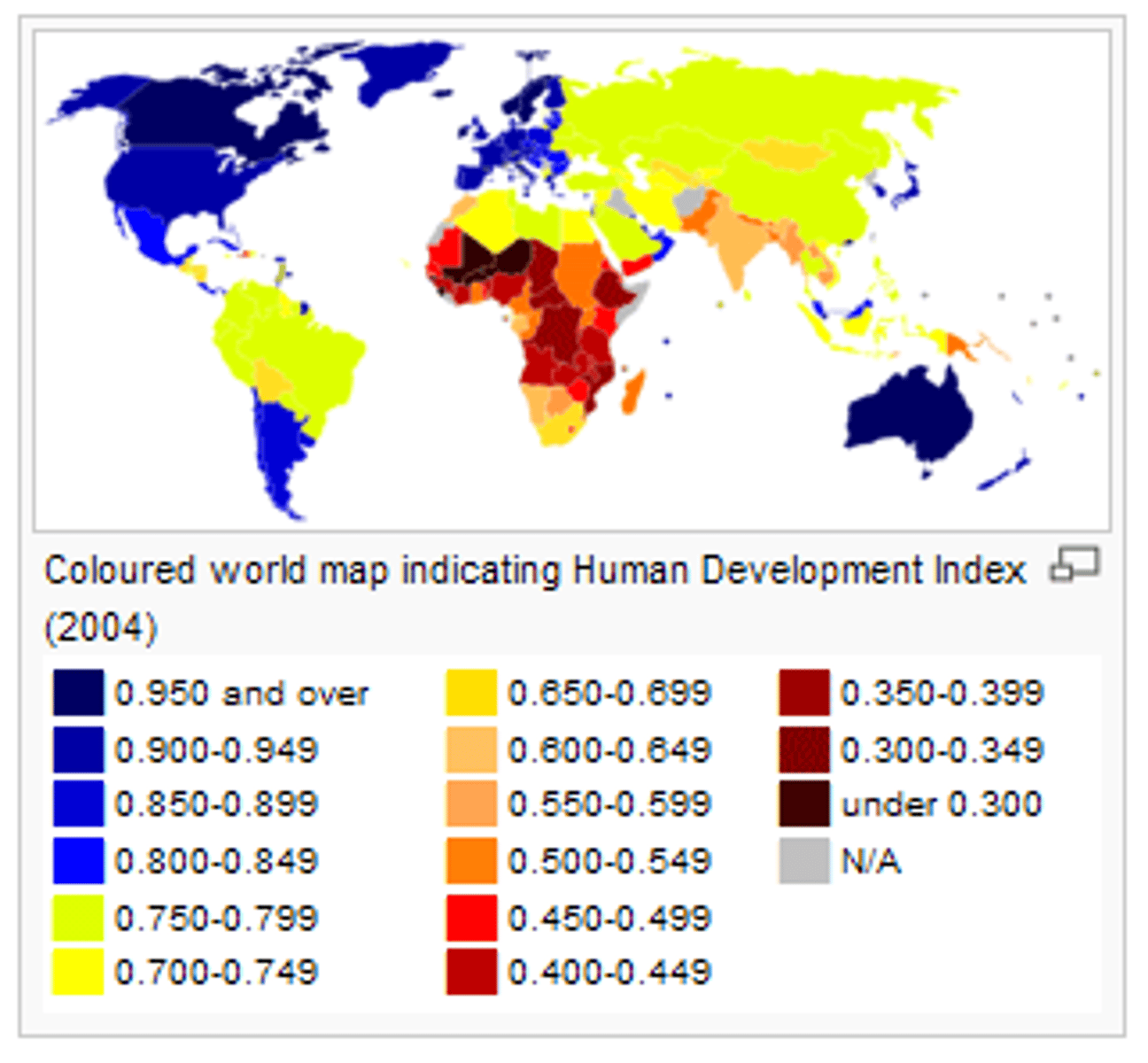
Human Development Index (HDI)
A measure that compares countries based on life expectancy, education, and income.
Malnutrition
Poor health caused by not getting enough nutrients or the right food.
Surplus (geographic meaning)
An amount of a resource or product that exceeds what is needed.
Migrate
To move from one place or country to another to live or work.

Remittance
Money that people working abroad send back to their families.
Habitat
The natural environment where a plant or animal lives.
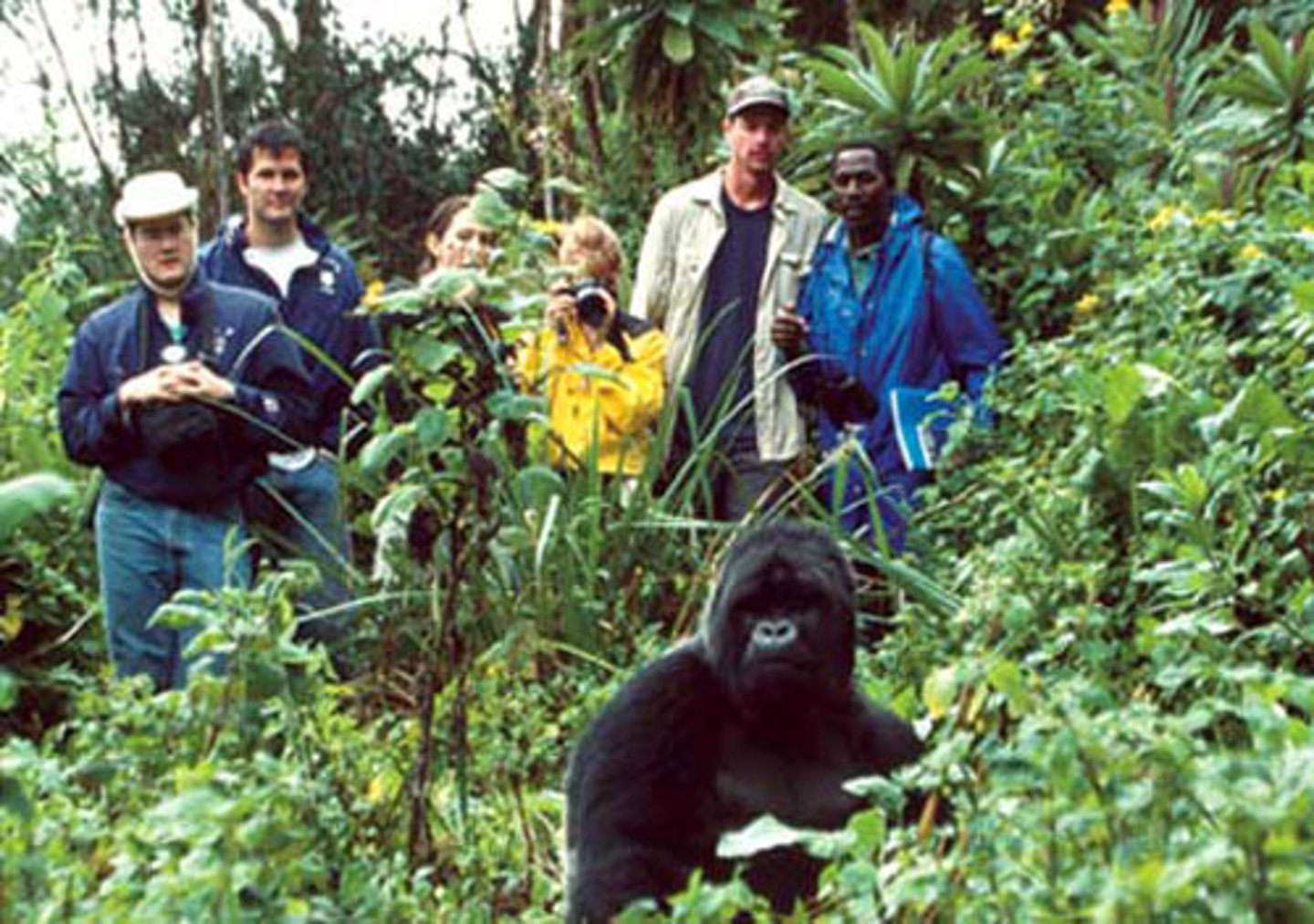
Ecotourism
Responsible travel to natural areas that protects the environment and benefits locals.
Displace (geographic meaning)
To force people or wildlife to move from their homes or natural habitats.
Port-au-Prince
The capital and largest city of Haiti, located on the Gulf of Gonâve.