ACT Math
 Call Kai
 Learn
Learn Practice Test
 Spaced Repetition
 Match
Match Flashcards
 Knowt Play
1/49

There's no tags or description
Looks like no tags are added yet.
Name | Mastery | Learn | Test | Matching | Spaced | Call with Kai | Chat |
|---|
No analytics yet
Send a link to your students to track their progress
50 Terms
Mutually exclusive events
A∩B = ∅; For example, rolling an even and odd number at the same time cannot happen
Complement events
Outcomes not in an event (keyword: NOT)
Compound Events (A AND B)
P(A∩B) = P(A) * P(B)
Compound Events (A OR B)
P(A∪B) = P(A) + P(B) - P(A and B)
Conditional Probability
Likelihood of an event occurring given that another event has already happened
Independent events: P(A | B) = P(A)
Dependent events: P(A | B) ≠ P(A)

Arithmetic sequence equation

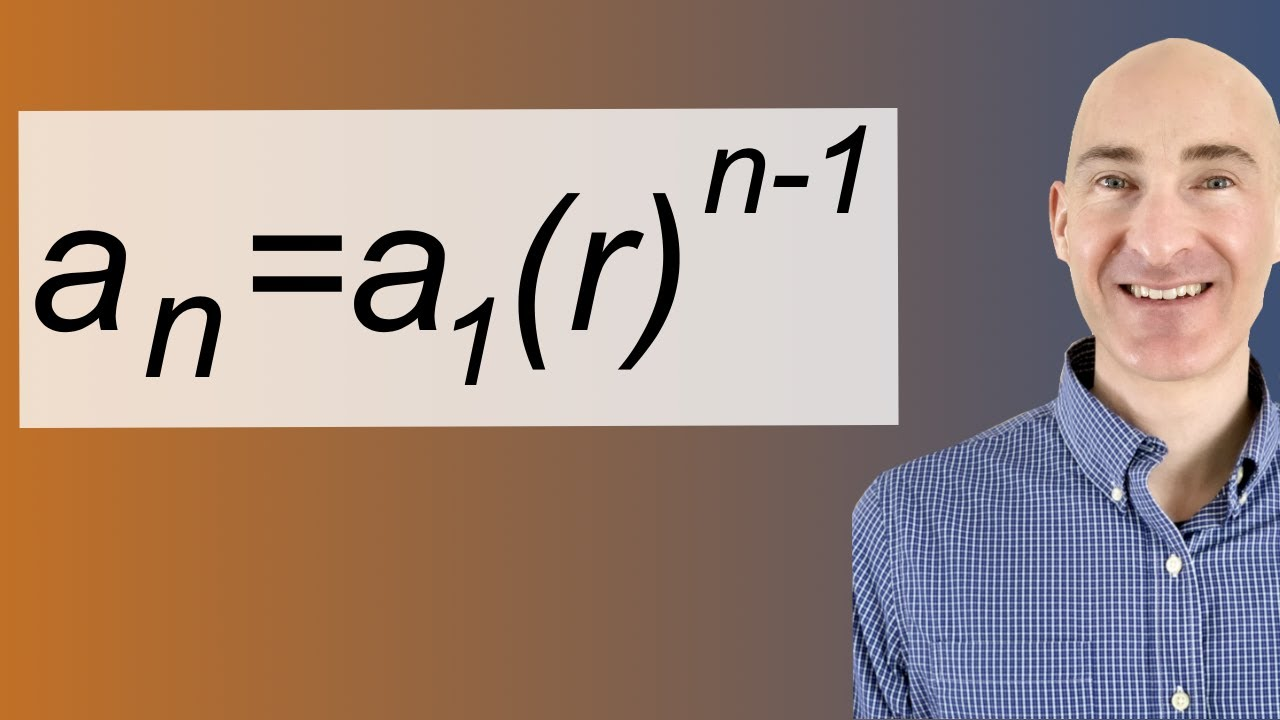
Geometric sequence equation
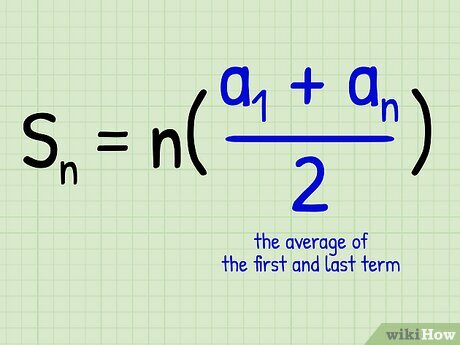
Sum of arithmetic sequence
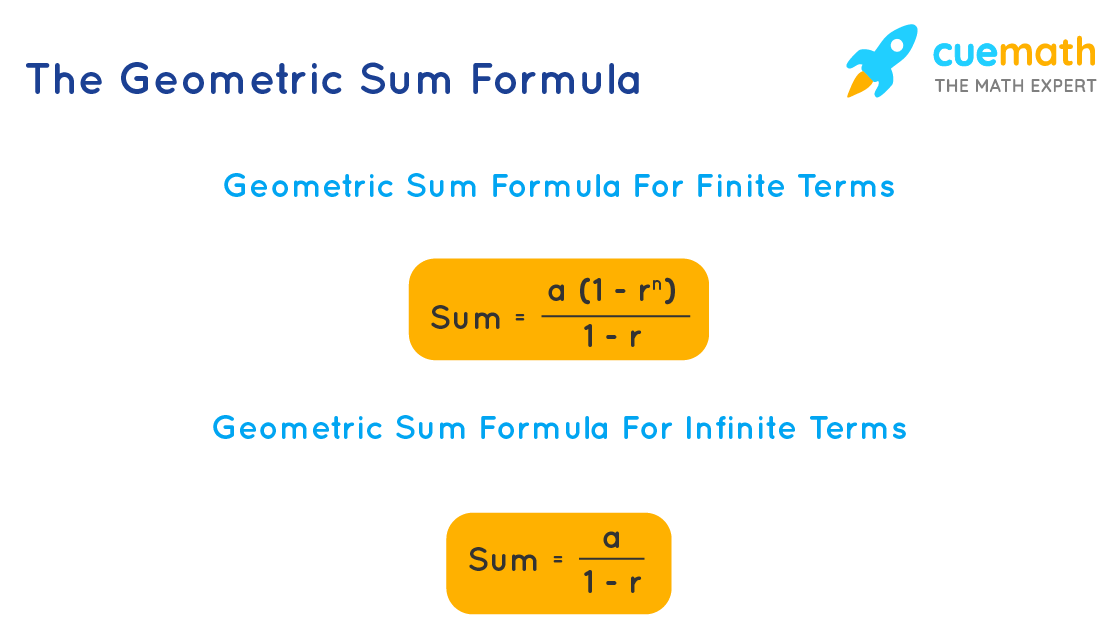
Sum of geometric sequence
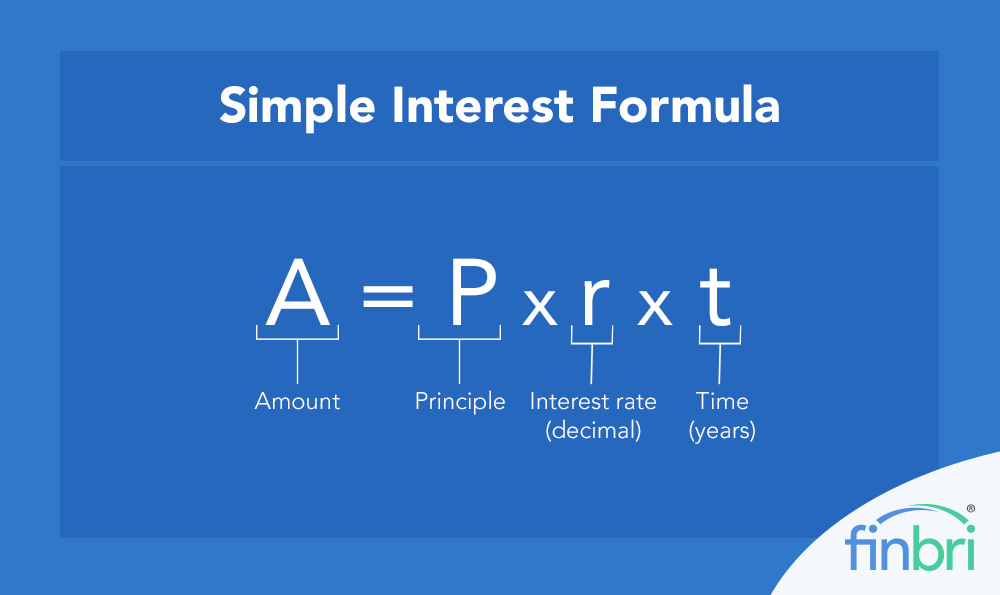
Simple interest
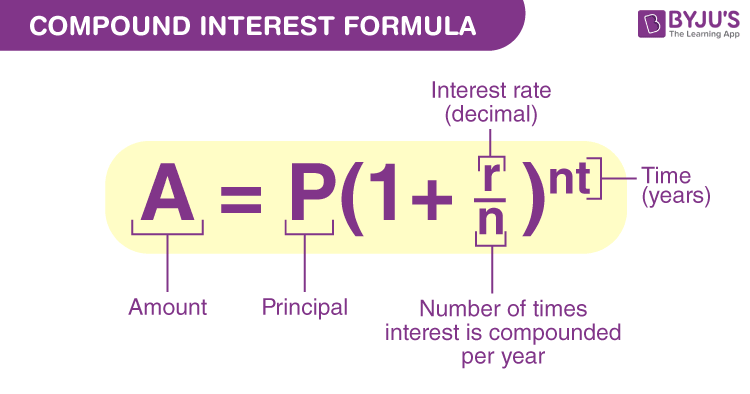
Compound interest formula
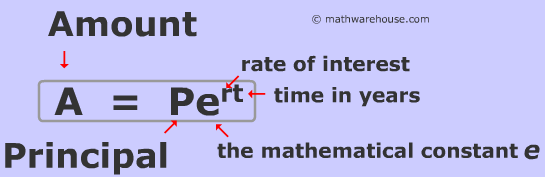
Continuous compound interest formula
Equation of circle

Equation of ellipse
2a = width, 2b = height; major axis is the longer one

Log properties

Box and whisker plot

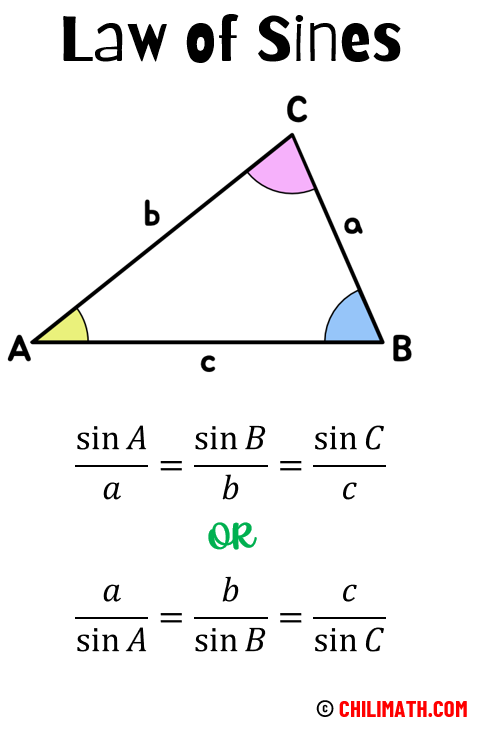
Law of sines
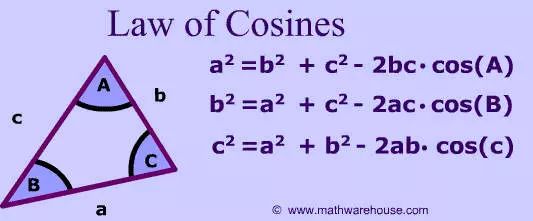
Law of cosines
When to use: SSS, SAS
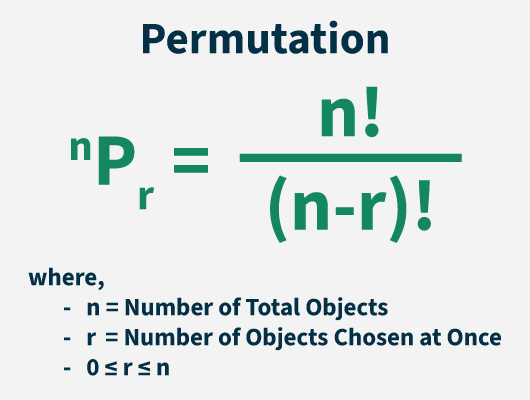
Permutation
Order matters
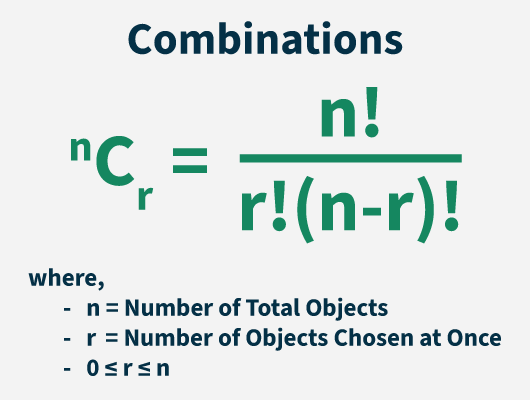
Combination
Order doesn’t matter
Fundamental counting principle
if one event can occur in m ways and a second event can occur in n ways, then the two events can occur in m × n ways; this rule applies to tasks in a sequence, too
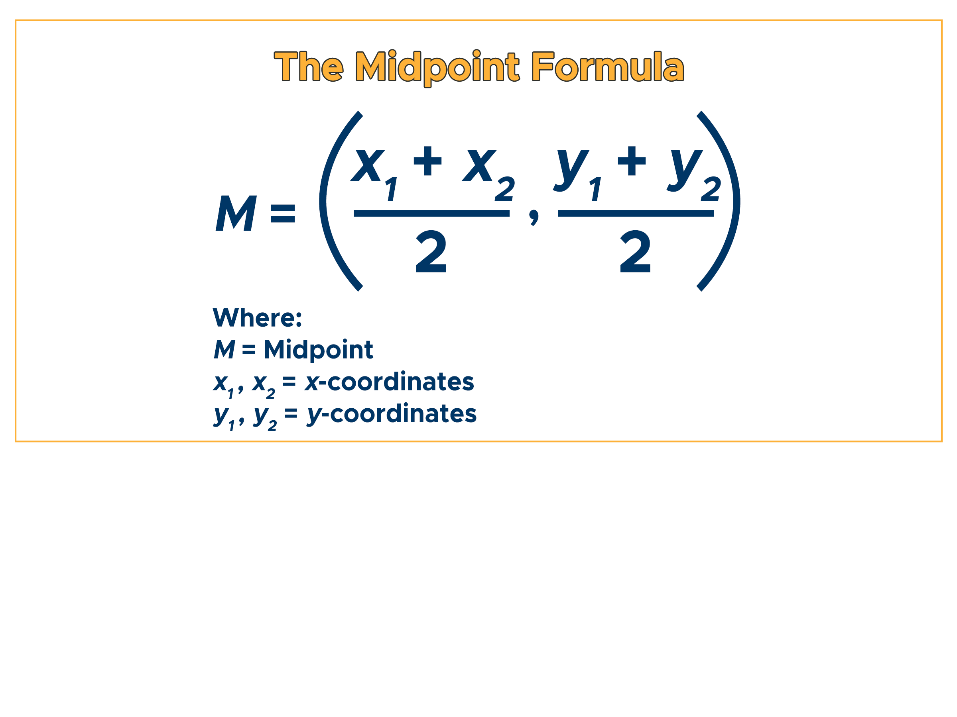
Midpoint formula
average of two points
Slope formula

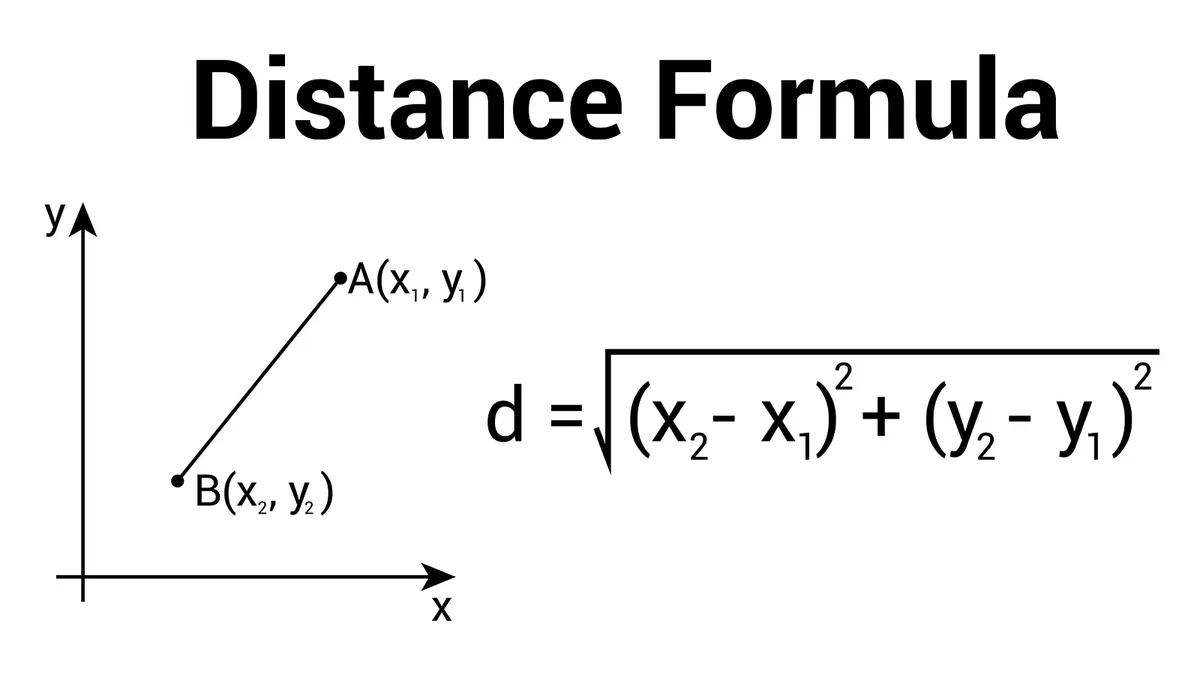
Distance formula
pythag
Similar vs Congruent
Similar shapes have the same angles and form but may vary in size
Congruent shapes are identical in size and shape
Interior angles of a polygon

Unit circle

Multiplying matrices
# of columns in first matrix has to equal # of rows in second matrix
Function transformations

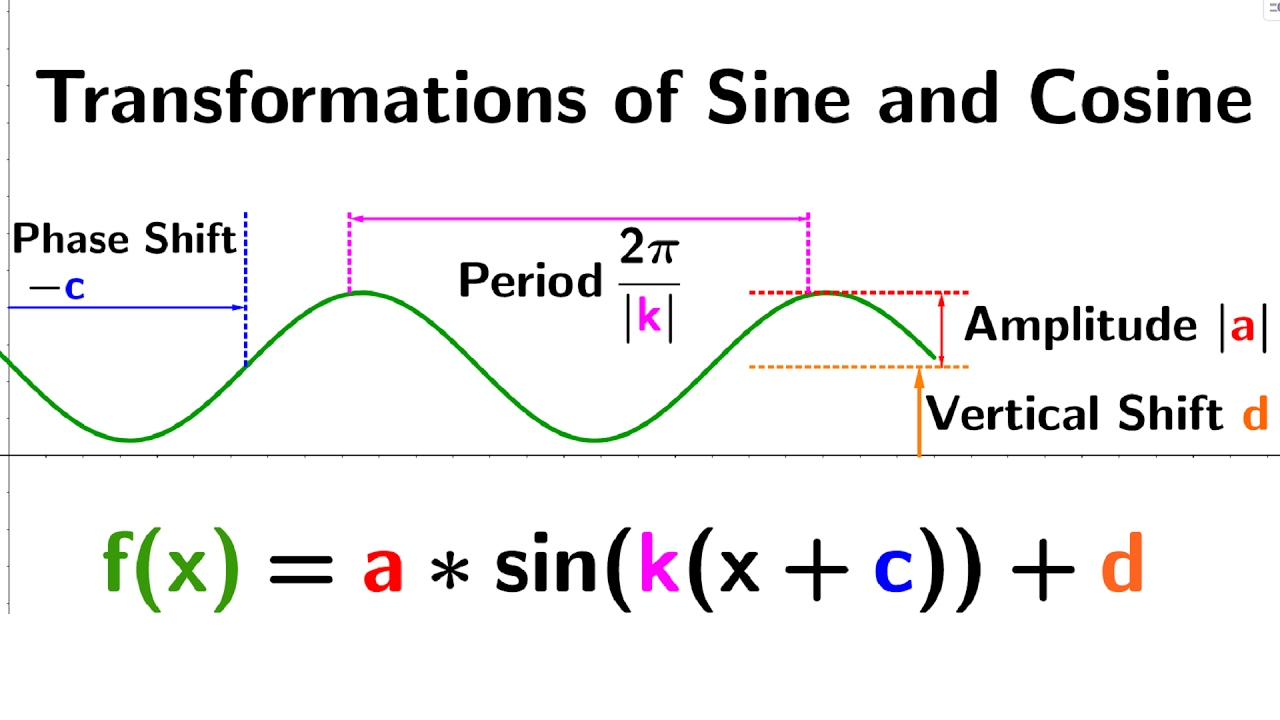
Trig function transformations
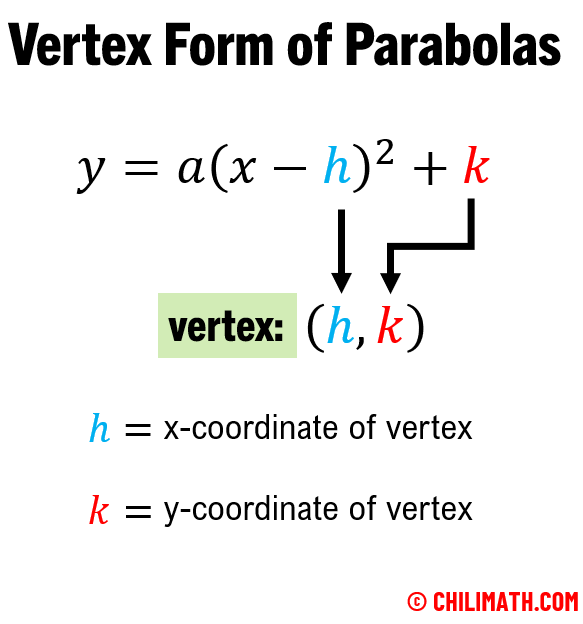
Finding the vertex of a parabola

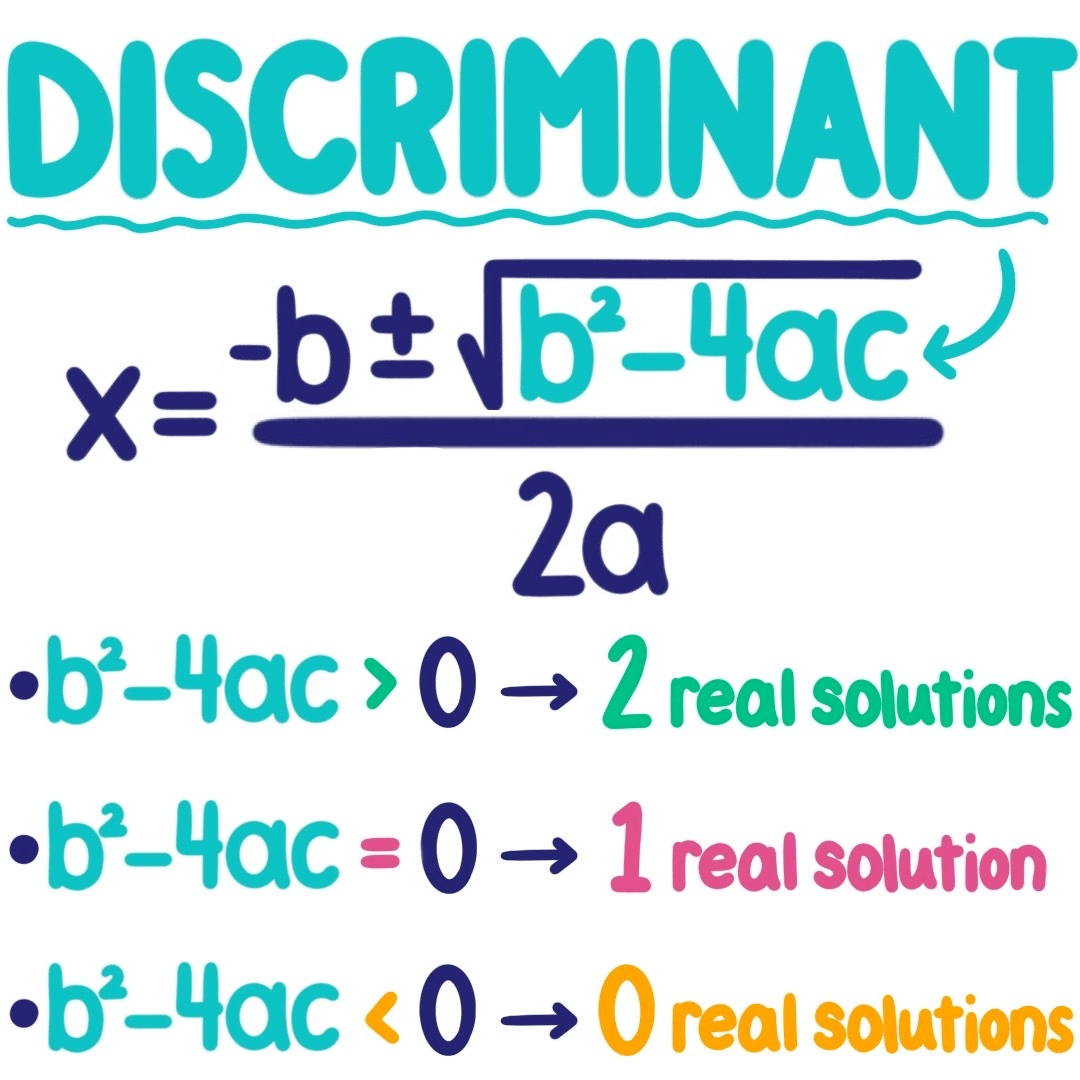
Quadratic formula + discriminant rules
By 0 real solutions, they mean 2 complex roots
Vertex form
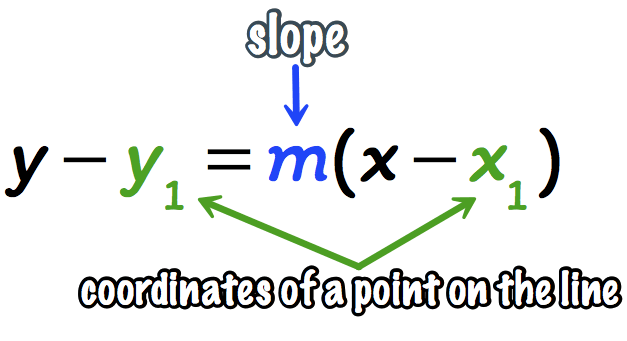
Point slope form
Odds in favor
Number of successes : Number of failures
Special right triangles

Finding triangle similarity
AA: two pairs of corresponding angles are equal (third angle must also be too)
SAS: two pairs of corresponding sides are proportional and their included angles are equal (the angle is formed by those two sides)
SSS: if two triangles have proportional sides
Volume of cylinder

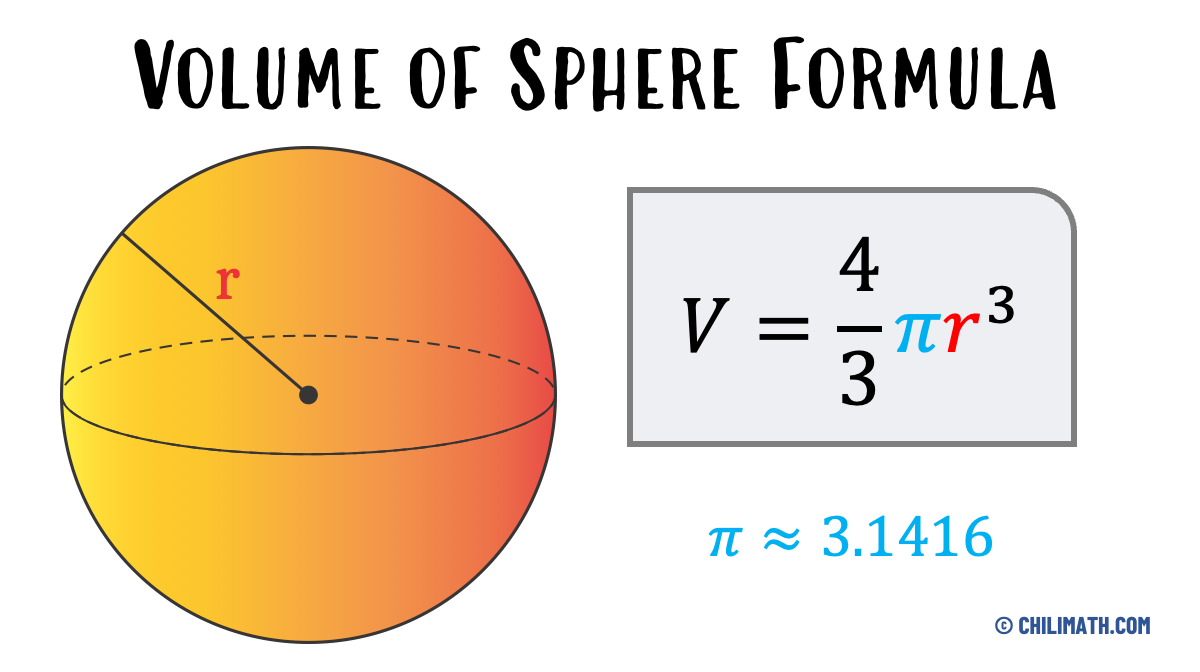
Volume of sphere formula
Volume of cone formula

Trapezoid area formula
average of two base lengths

Expected value
weighted average
Bayes’ theorem
Bayes’ theorem is almost like an inverse of conditional probability:
Conditional probability tells you "How likely is this evidence if my hypothesis is true?"
Bayes’ theorem tells you "Now that I've observed this evidence, how likely is my hypothesis?" It provides a way to update the probability of a hypothesis based on new evidence
You usually have to solve for the denominator

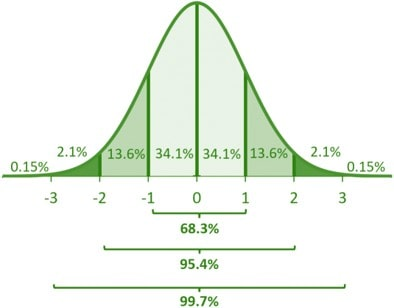
Empirical Rule
68-95-99.7 (for normal/bell distribution)
68% of all values fall within 1 standard deviation of the mean
95% of all values fall within 2 standard deviations of the mean
99.7% of all values fall within 3 standard deviations of the mean
Rational function: holes
Happens when numerator and denominator have a common factor.
Example: both have (x - 4) → x = 4 is a hole
Rational functions: horizontal asymptotes
Compare highest powers
Denom degree > Num degree → y = 0
Denom degree = Num degree → y = ratio of leading coefficients
Num degree > denom degree → no horizontal asymptotes
Cylinder surface area

Tangent line of circles
Slope is perpendicular to the radius that touches the point

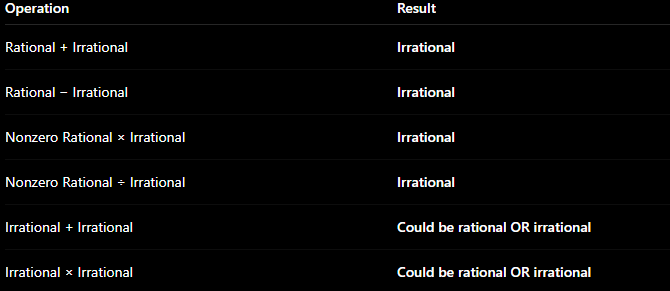
Rational number properties
Rational numbers (+, -, *, /) another rational number = rational number
Irrational number properties
Cannot be written as a fraction of two integers