Chem Lab (Safety Orientation)
 Studied by 1 person
 Call Kai
 Learn
Learn Practice Test
 Spaced Repetition
 Match
Match Flashcards
 Knowt Play
1/38

There's no tags or description
Looks like no tags are added yet.
Name | Mastery | Learn | Test | Matching | Spaced |
|---|
No study sessions yet.
39 Terms
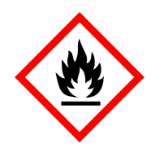
Flammable
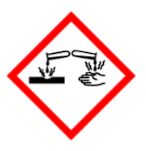
Corrosive
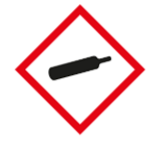
Gas Cylinder
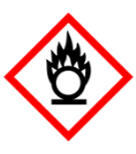
Oxidizing
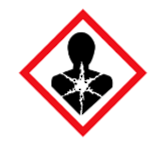
Health Hazard
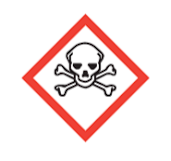
Toxic
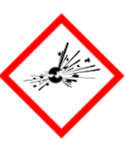
Explosive
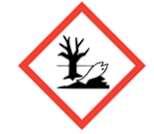
Harmful to Environment
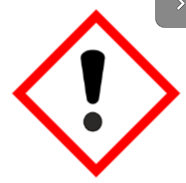
Harmful/Irritant
Lab Procedures
Fire Safety
First Aid
Personal Protective Equipment
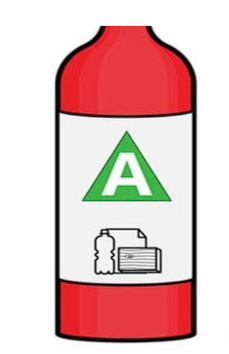
Type A
Extinguishers for ordinary combustibles such as
cloth, wood, rubber, paper, and plastics
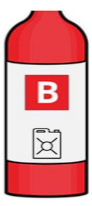
Type B
Extinguishers for flammable materials such as
gasoline, grease, and oil.
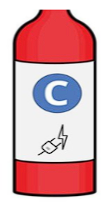
Type C
Extinguishers for electrical fires

Type ABC
Extinguishers for all three types of fire
The procedure for operating a fire extinguisher is ____
PASS
What does P mean in PASS?
P - Pull the pin
What does A mean in PASS?
A - Aim at the base of the fire
What does the first S mean in PASS?
S - Squeeze the handle
What does the last S mean in PASS?
S - Sweep from side to side

Fire Blanket
These are used to put out smaller fires before
they have a chance to become large fires
Steps for effectively using a fire blanket
Identify a Small Fire: Recognize when a fire is manageable and can be addressed with a fire blanket.
Access the Fire Blanket: Open the bottom of the container to get the fire blanket.
Wrap the Blanket: Carefully wrap the blanket around the object on fire or around the person whose clothes are burning.
Cut-Off Oxygen Supply: Ensure the blanket fully covers the flames to suffocate the fire by cutting off its oxygen supply.
Monitor the Situation: After using the fire blanket, stay alert for any resurgence of flames and seek assistance if needed.
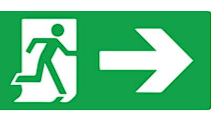
What is this symbol?
Fire Exit
Emergency Exit Guide
Follow Evacuation Signs: Evacuate the building immediately and use illuminated signs to guide your way.
Do Not Use Elevators: Always take stairs during a fire evacuation.
Gather at Assembly Point: Meet at the designated safe area. Do not re-enter the building until the Campus Fire Marshal gives the “all-clear” signal.
First Aid for minor cuts and burns
Minor cuts and scrapes from broken glass or minor burns from chemicals or heat need to be treated, no matter how small they seem.
Wash the area with plenty of water and tell your instructor
To help prevent injuries from broken glass, always use the broom and dust pan to clean up broken glass.
Dispose of any glass in the glass garbage.
First Aid for eyes
Eye wash fountains are used to wash the eye if a chemical or other object gets into the eye. Delaying treatment may cause permanent damage to the eye. You may need to ask another person to help you to the fountain.
Steps to operate an Eyewash Station
Follow these steps to use the eye wash fountain:
Push the lever to make the water flow.
Flush your eyes for at least 15 minutes.
Keep your eyes open and rotate your eyeballs in all directions.
Seek medical attention immediately.
First Aid for Chemical Spills on a Person
Safety showers are essential for emergencies involving large chemical spills on a person or if clothing catches fire. Immediate action is important, as delays can result in severe skin damage. If needed, request assistance from someone to help you reach the shower.
Steps to operate a Safety Shower
Pull the Lever: Activate the shower by pulling the lever to start the water flow.
Flush Your Body: Rinse your body thoroughly for at least 15 minutes.
Remove Affected Items: Take off any clothing, jewelry, and shoes that have come into contact with the chemical. All students should exit the lab, and someone of the same gender will assist you while the curtains are closed for privacy.
Seek Medical Attention: Get medical help immediately after using the shower.
(Note: Clean clothing will be provided to you afterward)
Personal Protective Equipment For Eye Protection
Safety Glasses (Must be worn at all times in the Lab)
Are contact lenses allowed in the Chemistry Lab?
False
Are open-toed footwear allowed in the Chemistry Lab?
False
PPE Clothing
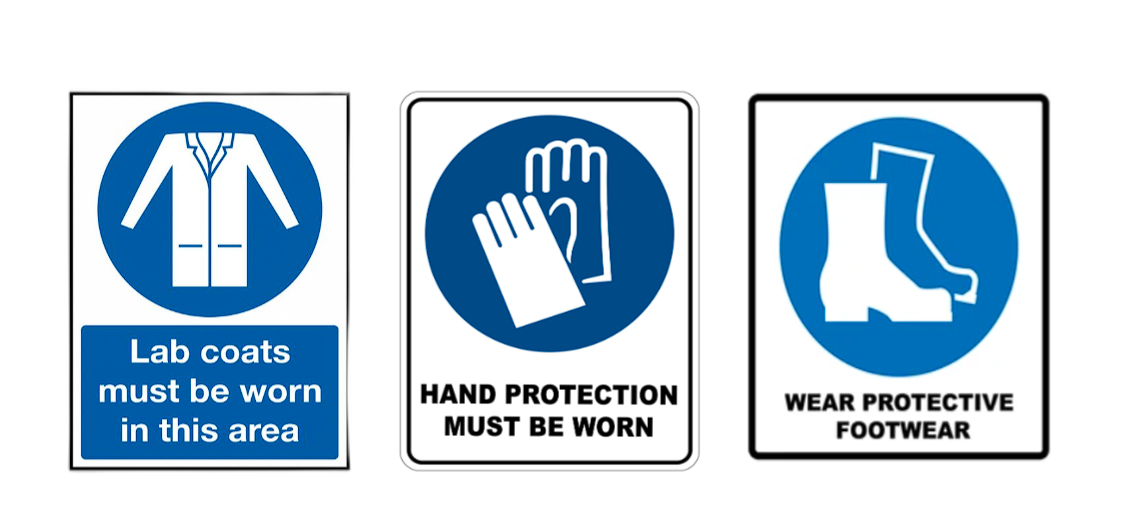
The use of mobile phones are strictly prohibited in the lab
True
These are identified as ___________________
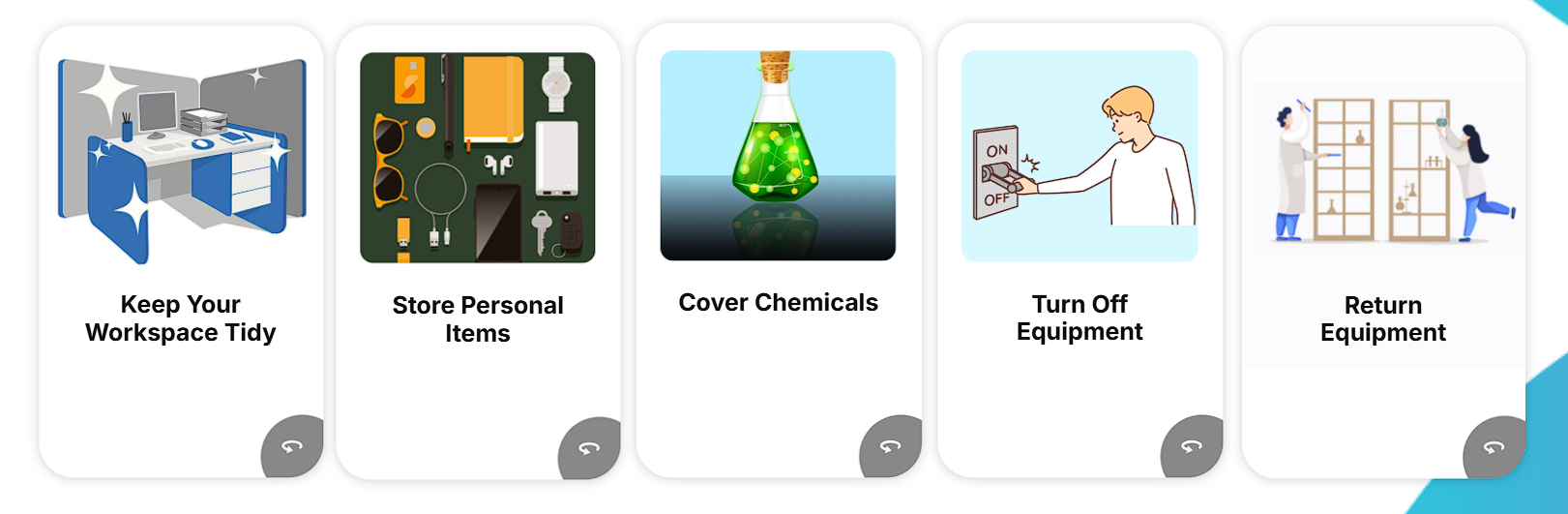
Lab Safe Behaviors and Habits
Keeping your workspace messy is a must in the lab
False
Purses, bags, books, and papers must be put on the side bench
True
Always put the covers back on chemicals when not in use
True
Equipment should not be switched off when not in use
False
Put equipment and clean glasswarea back in their original places.
True