Roundsworms
 Call Kai
 Learn
Learn Practice Test
 Spaced Repetition
 Match
Match Flashcards
 Knowt Play
 Podcast
1/19

Earn XP
Description and Tags
Practice vocabulary flashcards covering the classification, transmission, diagnosis, and treatment of roundworms in small animals, including zoonotic implications.
Name | Mastery | Learn | Test | Matching | Spaced | Call with Kai | Chat |
|---|
No analytics yet
Send a link to your students to track their progress
20 Terms
Nematodes
The classification group to which roundworms belong.
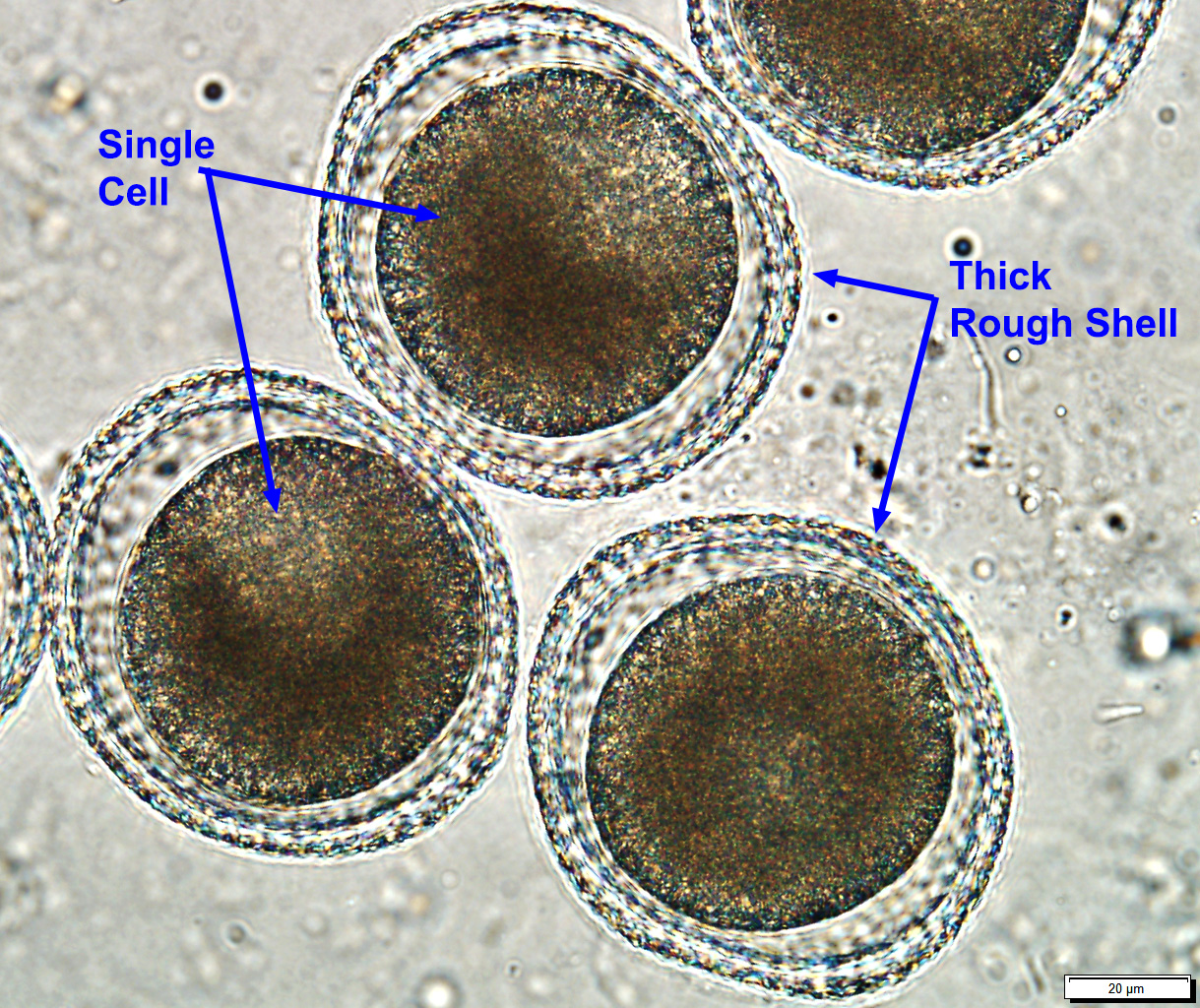
Toxocara canis
The most common species of roundworm found in dogs.
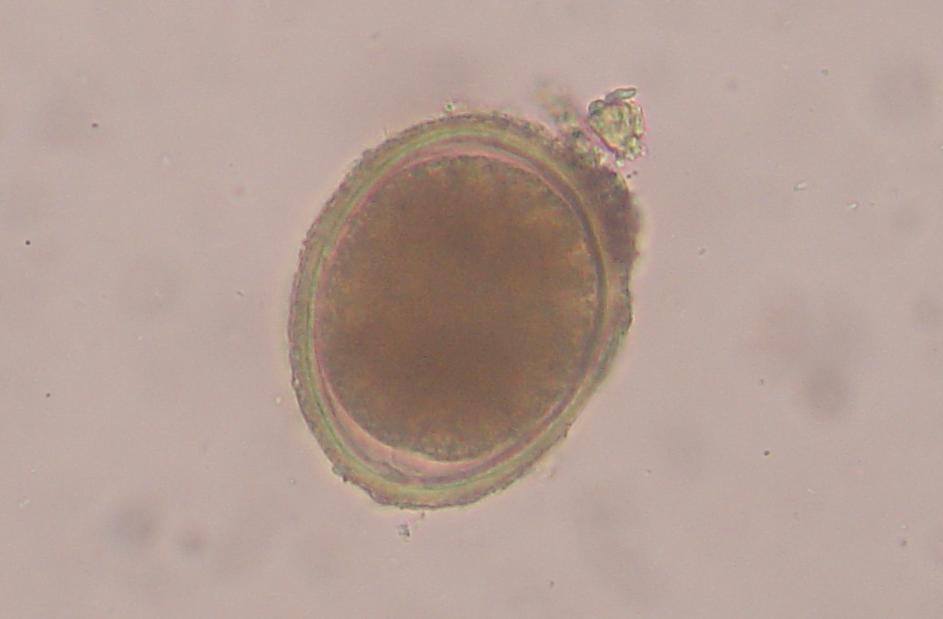
Toxocara cati
The most common species of roundworm found in cats.
Toxascaris leonina
A species of roundworm that can be zoonotic to humans.
Peritenic host
A host where a parasite can be infected but does not mature; it must be transmitted to another host, typically by a cat or dog ingesting a small mammal.
Horizontal transmission
Transmission occurring through fecal contamination ingestion or indirectly through a peritenic host.
Vertical transmission
Transmission of parasites from the female (queen or bitch) to the offspring (kittens or puppies).
Transplacental transmission
The primary vertical transmission route for roundworms occurring in dogs only, triggered by decreased immunity near parturition.
Transmammary transmission
The primary vertical transmission route for roundworms in cats, though it also occurs in dogs.
Lung migration
The process where larvae migrate from the intestine to the lungs to be coughed up and swallowed; this does not occur when roundworms are ingested via a peritenic host.
Pneumonitis
A potential respiratory complication from roundworm lung migration, typically seen in younger patients.
Pot belly
A classic clinical appearance in puppies with high roundworm burdens.
Fecal float
The primary diagnostic test used for roundworms, which identifies single-celled, spherical eggs.
Fecal ELISA
A sensitive diagnostic test used to detect roundworms when a fecal float result is negative.
Pyrantel
A common treatment for puppies and kittens started at 2 weeks of age and repeated every 2 weeks until 12 weeks old.
Fenbendazole
A treatment option for roundworms that can be administered to breeding dogs starting at 40 days of gestation.
Visceral larval migrans
A zoonotic condition in humans caused by the migration of roundworm larvae through internal organs after ingesting contaminated feces.
Ocular larval migrans
A zoonotic condition where roundworm larvae migrate to the human eye, which can be a serious issue especially in children.
Companion Animal Parasite Council (CAPC)
A referenced group that provides guidelines and information on animal parasites.
Spot on Selamectin
A treatment option for roundworms that can be administered to breeding Queens