L5-Genitourinary and Renal Disorders
 Call Kai
 Learn
Learn Practice Test
 Spaced Repetition
 Match
Match Flashcards
 Knowt Play
1/92

There's no tags or description
Looks like no tags are added yet.
Name | Mastery | Learn | Test | Matching | Spaced | Call with Kai | Chat |
|---|
No analytics yet
Send a link to your students to track their progress
93 Terms
What is the primary function of the kidneys?
Maintain composition + volume of body fluids through:
Reabsorption
Secretion
Excretion
Where does filtration occur in the kidney?
Nephron
What 3 humoral substances do the kidneys produce?
Renin
Erythropoietin (EPO)
Calcitriol (vitamin D)
What does renin do?
BP/fluid regulation
What does erythropoietin (EPO) do?
stimulates RBC production
What does calicitriol (vitamin D) do?
calcium/bone regulation
What can kidney failure in children lead to?
HTN
anemia
bone/growth problems
Define polyruria, oliguria, and anuria
Polyuria = ↑ urine
Oliguria = ↓ urine
Anuria = no urine
Define hematuria
blood in urine
What is proteinuria?
Protein in urine
What is azotemia?
Nitrogenous waste in the blood
What should NOT normally be present on urinalysis?
Blood, protein, glucose, WBCs, ketones
What is the normal urine specific gravity range in this lecture?
1.005–1.025
Ideal: 1.010
What is cystitis?
Bladder infection (lower urinary tract infection)
What are the S/S of cystitis?
fever, irritability, poor feeding, vomiting, dysuria, urine odor/color changes, hematuria, abdominal pain
What is pyelonephritis?
kidney infection (upper urinary tract infection)
What findings distinguish pyelonephritis from a lower UTI?
fever, back/flank pain, CVA tenderness, nausea/vomiting, child appears sick
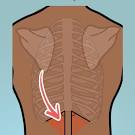
What is CVA (Costovertebral angle) tenderness associated with?
Pyelonephritis
How can UTIs be prevented in children?
Adequate fluids
Void frequently
Avoid bubble baths
Cotton underwear
What is the most important host factor influencing UTI occurrence?
Urinary stasis
What UA finding would be expected with a UTI?
Pyuria = WBCs in urine
What is vesicoureteral reflux (VUR)?
Retrograde flow of urine from the bladder into the ureters
Why does VUR increase UTI risk?
Urine flows backward toward the kidneys, increasing infection risk.
What infection is associated with APSGN?
Group A beta Streptococcus
What causes kidney damage in APSGN?
Immune complexes deposit in the glomeruli → inflammation + damage → filtration becomes impaired → RBCs and protein leak into urine
What are the S/S of APSGN?
oliguria, hematuria, tea-colored urine, periorbital edema, hypertension, fatigue, feels sick, anorexia
What does the urine look like with APSGN and why>
Smoky/tea-colored → RBCs are leaking through the damaged glomerulus
What labs are associated with APSGN?
Hematuria
Proteinuria
↑ urine specific gravity
↑ BUN/Cr
↑ ASO titer
↓ C3
What does the ASO titer help identify in APSGN?
recent streptococcal infection
What are serious complications of APSGN?
Hypertensive encephalopathy
Cardiac decompensation
Pulmonary edema
What diet is associated with APSGN?
Low Na + low K
- May restrict protein if severe.
What medications can treat HTN with APSGN?
ACE inhibitors: captopril, enalapril
ARBs: valsartan, losartan
What is the most common nephrotic syndrome in children?
Minimal Change Nephrotic Syndrome
Who commonly develops minimal change nephrotic syndrome?
Male, preschool childrren, often after a viral URI
What are the FOUR classic findings of nephrotic syndrome?
Massive proteinuria
Hypoalbuminemia
Hyperlipidemia
Edema
What is the major urine finding in nephrotic syndrome?
Massive proteinuria
Why does nephrotic syndrome cause hypoalbuminemia?
Albumin is lost in the urine.
How does nephrotic syndrome cause edema?
Glomerular injury → protein leaks into urine → blood albumin decreases → fluid doesn’t stay in bloodstream as effectively → fluid moves into tissues → edema
Protein loss → ↓ albumin → fluid moves into tissues → edema
Where can edema occur with nephrotic syndrome?
Generalized, facial, and periorbital
What medications are used for nephrotic syndrome?
High-dose corticosteroids
Immunosuppressants
Diuretics
What nursing intervention is especially important with nephrotic syndrome?
Strict I&O
Tea-colored urine + HTN + periorbital edema after strep = ?
APSGN
Massive proteinuria + hypoalbuminemia + hyperlipidemia + generalized edema = ?
Nephrotic syndrome
What's the easiest way to distinguish APSGN from nephrotic syndrome?
APSGN = BLOOD + BP
Nephrotic = PROTEIN + PUFFINESS
What happens to ADH in diabetes insipidus (DI)?
↓ ADH / undersecretion
What are the classic manifestations of DI?
Polyuria
Polydipsia
Enuresis
Why does DI cause polyuria?
↓ ADH → kidneys don't retain enough water → ↑ urine
What medication is used diagnose DI?
Desmopressin (DDAVP)
What happens to ADH in SIADH?
↑ ADH / oversecretion
What is the classic SIADH lab pattern?
↓ serum Na⁺
↓ serum osmolality
↑ urine osmolality
Why is serum sodium low in SIADH?
Excess ADH → retain water → sodium becomes diluted
ADH can retain water independently of sodium, which is why excess ADH can cause hyponatremia.
What neurologic manifestations can occur with SIADH?
Confusion → seizures → stupor
Why can SIADH cause seizures?
Water retention → hyponatremia → brain cell swelling → seizures
What nursing care does the lecture emphasize for DI/SIADH?
Daily weights
Strict I&O
Fluid/diet restrictions
What is the ADH memory trick for DI vs SIADH?
DI = ↓ ADH → DRY → lots of urine
SIADH = ↑ ADH → SOAKED → retain water
A child is diagnosed with hemolytic uremic syndrome (HUS). Which three findings make up the classic triad?
Acute renal failure
Thrombocytopenia
Hemolytic anemia
What infection is associated with diarrhea-positive HUS?
Shiga toxin-producing E. coli → diarrhea
A child with HUS has decreased urine output. Which component of the HUS triad explains this finding?
Acute renal failure — kidney dysfunction causes decreased urine output and fluid/electrolyte problems.
A nurse assesses a child with HUS and notes petechiae and purpura. Which laboratory abnormality is most likely responsible?
Thrombocytopenia (decreased platelets).
A child with HUS appears pale. Which component of the triad explains this assessment finding?
Hemolytic anemia — destruction of red blood cells causes anemia and pallor.
Which assessment findings should the nurse associate with thrombocytopenia in a child with HUS?
Petechiae, purpura, and bleeding.
A child with HUS has a low hemoglobin level. What is the underlying cause?
Hemolysis (red blood cell destruction).
What are the 3 categories of AKI?
Pre-renal, intrinsic, post-renal
What is pre-renal AKI?
↓ renal perfusion
What can cause pre-renal AKI in children?
Dehydration from diarrhea or persistent vomiting
What is intrinsic AKI?
Damage to the glomeruli, tubules, or renal vasculature
What is post-renal AKI?
Urinary obstruction
Define the numerical range for oliguria in pediatric AKI?
<1 mL/kg/hr
What are manifestations of AKI?
Oliguria, Edema, HTN, Heart failure/arrhythmias, Seizures, Pulmonary edema
What is the classic AKI lab pattern?
↑ BUN
↑ Creatinine
↑ K⁺
↓ Na⁺
↓ Ca²⁺
Metabolic acidosis
Why is hyperkalemia dangerous in AKI?
Renal failure → can't eliminate K⁺ → hyperkalemia → cardiac dysrhythmias
What diet is used for AKI in the lecture?
High carb/fat + low protein, Na, and K
AKI vs CKD
AKI = sudden, whereas CKD = slow, progressive nephron destruction
What major problems result from CKD?
waste retention, water/Na retention, hyperkalemia, acidosis, calcium/phosphorus disturbances, anemia, growth disturbance
Why does CKD cause anemia?
Kidney dysfunction → problems with EPO production → ↓ RBC production
What medication treats anemia in CKD?
Erythropoietin (EPO)
What treats growth disturbance in pediatric CKD?
Human growth hormone
What treatments are listed for osteodystrophy in CKD?
Calcium carbonate + vitamin D
What treatment is listed for acidosis in CKD?
sodium bicarbonate / calcium carbonate
What clinical manifestations are associated with CKD?
Low energy
Growth disturbance
Pallor
Pruritus
What are the characteristics of Hemodialysis?
o Requires vascular access and dialysis machine
o 3x/week for 4-6 hrs
o Major advantage: rapid correction of fluid/electrolyte abnormalities
What are the characteristics of peritoneal dialysis?
o Uses the abdominal/peritoneal cavity as a semipermeable membrane
o Warmed dialysis solution enters abdomen by gravity → dwells → is removed
o Can be managed at home
What is phimosis?
Narrowing of foreskin opening
What is a hydrocele?
Fluid in the scrotum
What is cryptorchidism?
Undescended testicle(s)
What is hypospadias?
Urethral opening below/behind the glans
What is epispadias?
Failure of the urethra to close properly
What is bladder exstrophy?
Bladder protrudes/extrudes through the abdominal wall
What GU defect is commonly paired with bladder exstrophy?
Epispadias
What is obstructive uropathy?
Structural/functional abnormality that obstructs normal urine flow
What is hydronephrosis?
Dilation of the renal pelvis from backed-up urine
What happens when urine flow is obstructed?
Urine backs up → renal pelvis dilates → hydronephrosis
How is obstructive uropathy treated?
Surgical removal or bypass of obstruction