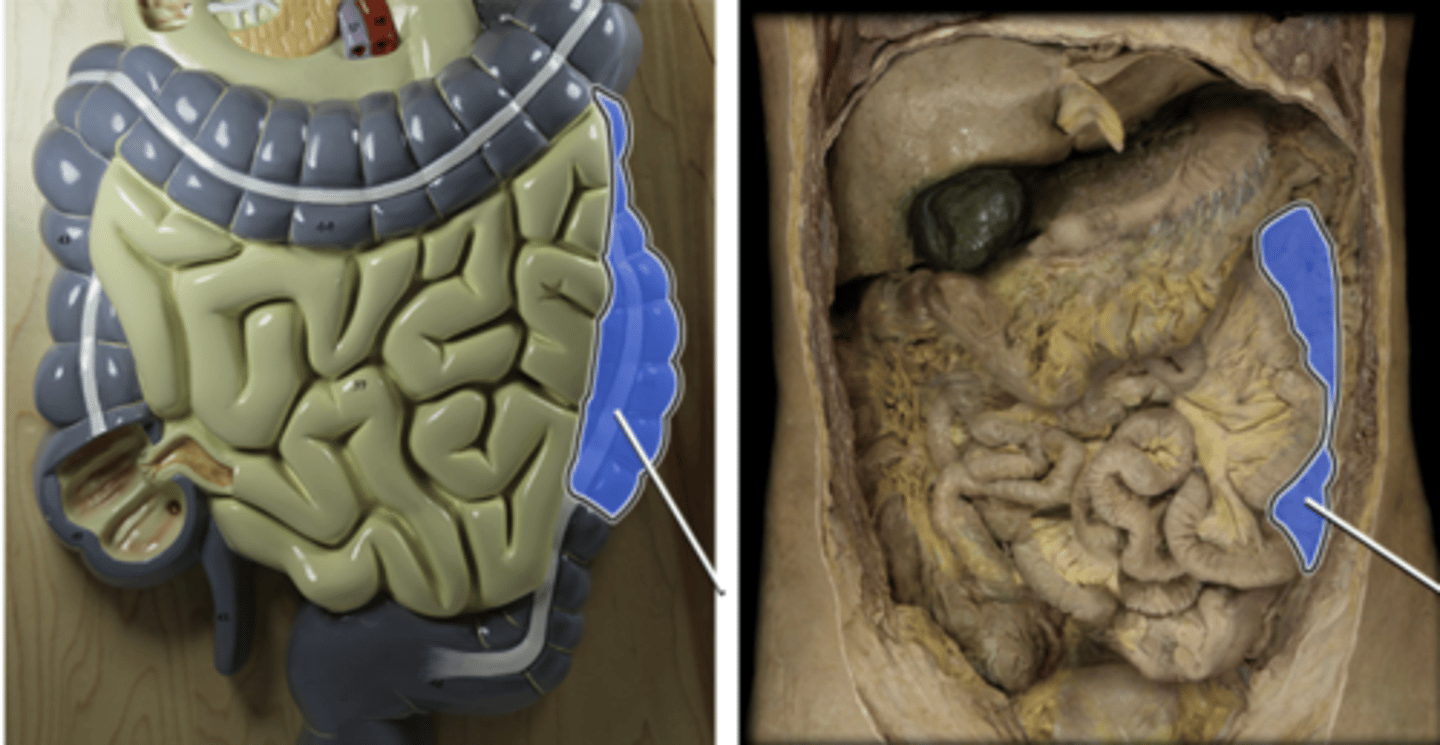
KAAP 310 practical 3
 Call Kai
 Learn
Learn Practice Test
 Spaced Repetition
 Match
Match Flashcards
 Knowt Play
1/108

There's no tags or description
Looks like no tags are added yet.
Name | Mastery | Learn | Test | Matching | Spaced | Call with Kai | Chat |
|---|
No analytics yet
Send a link to your students to track their progress
109 Terms
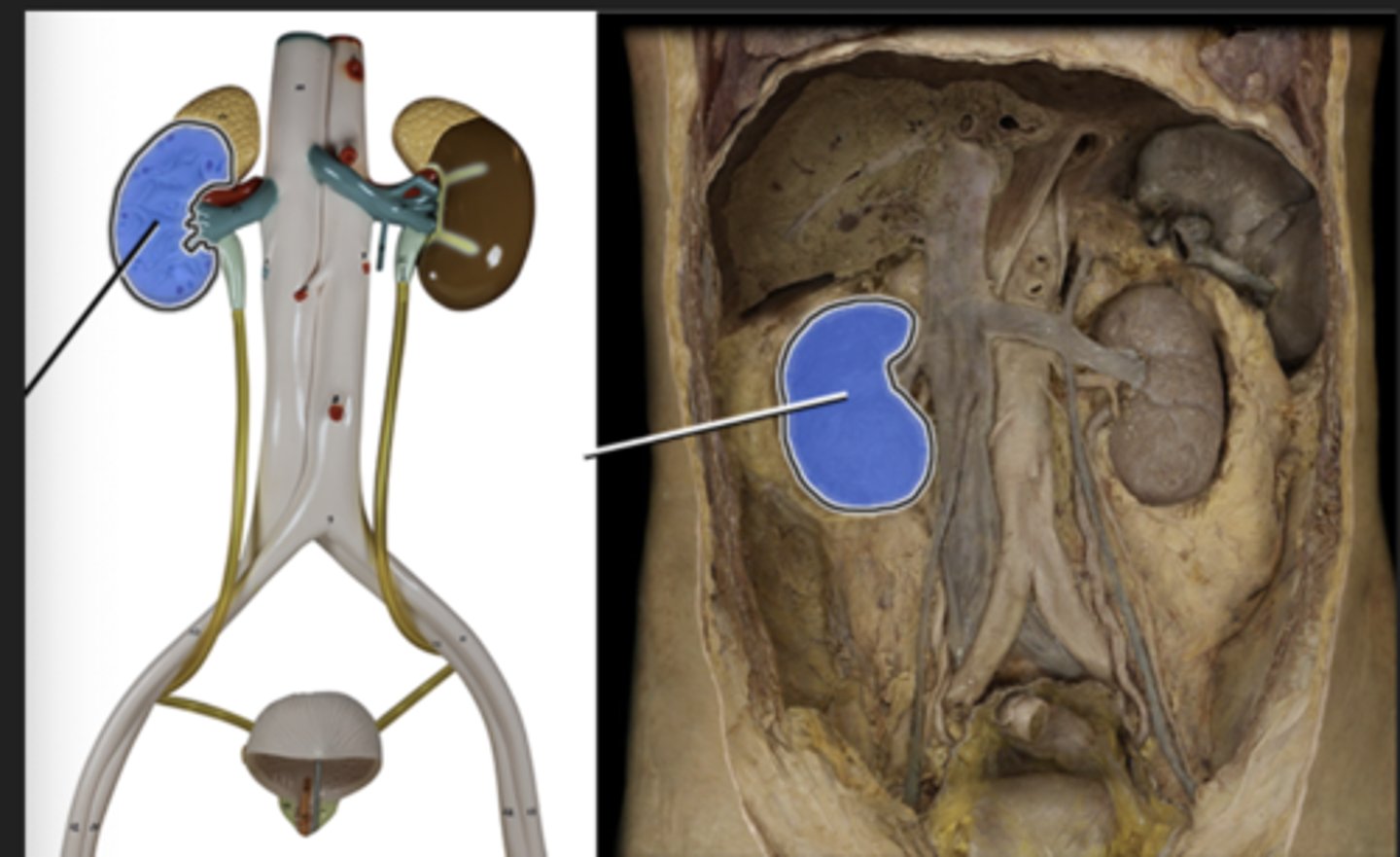
Right Kidney
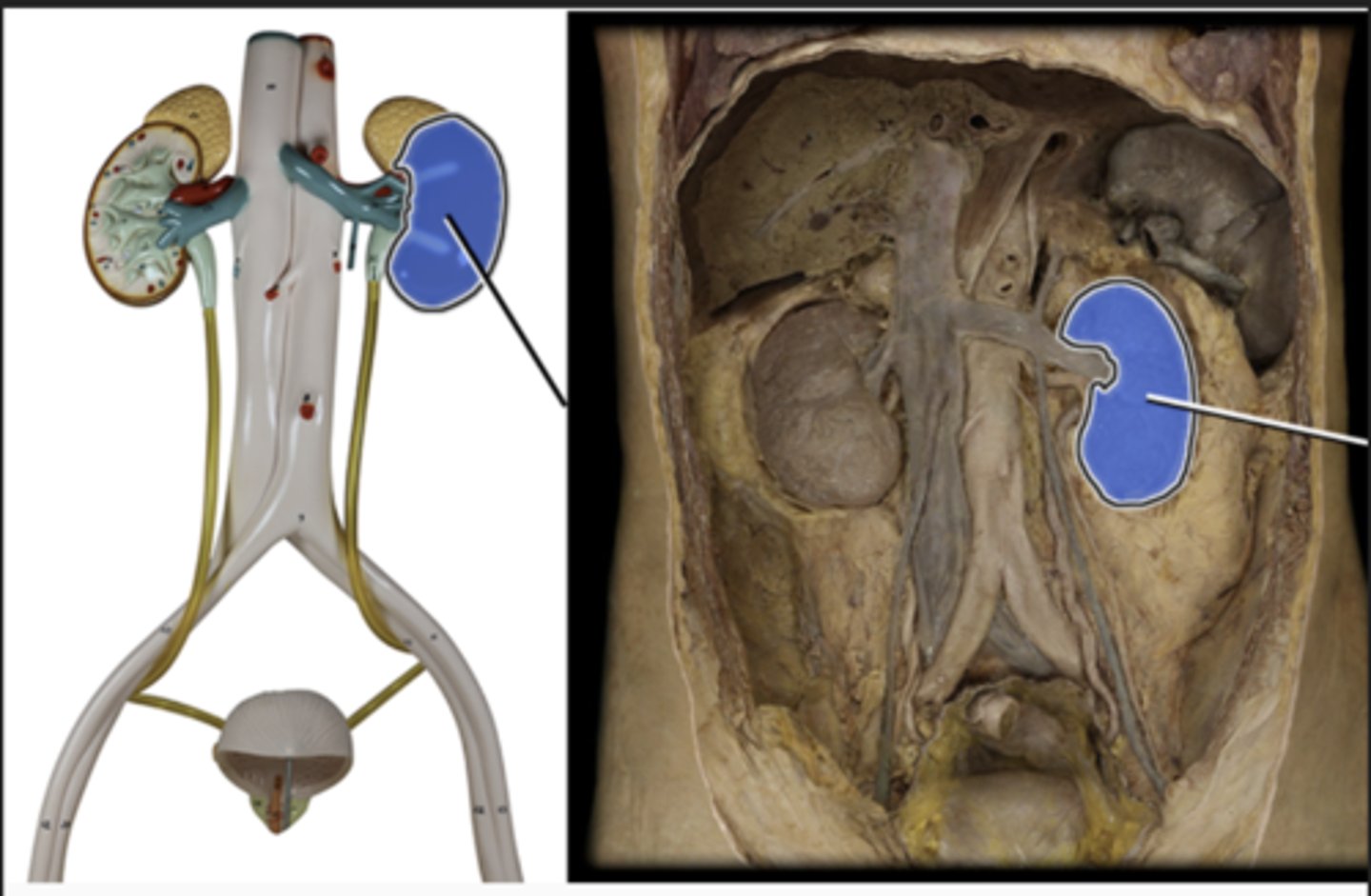
Left Kidney
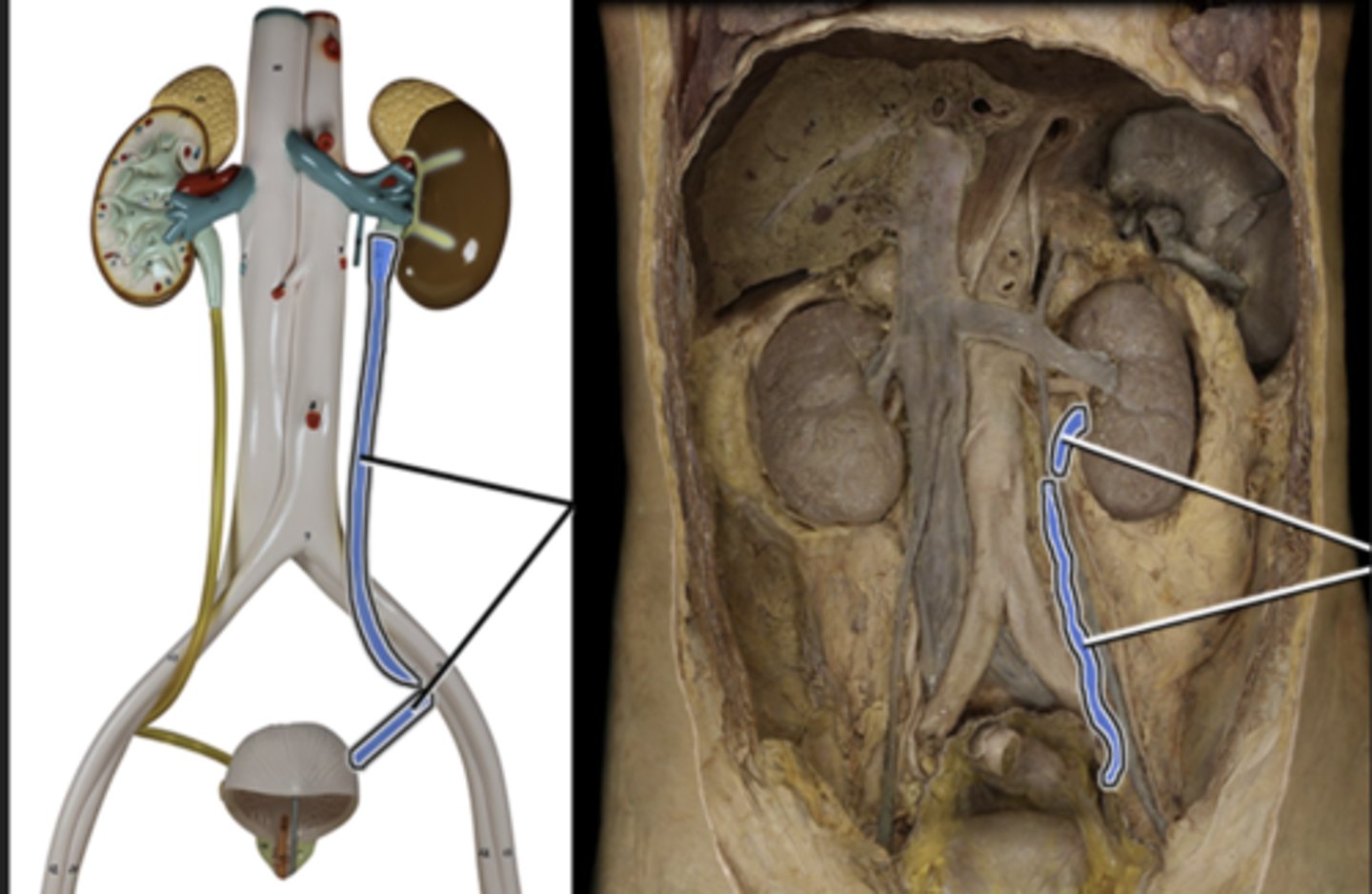
Left Ureter
Right Ureter
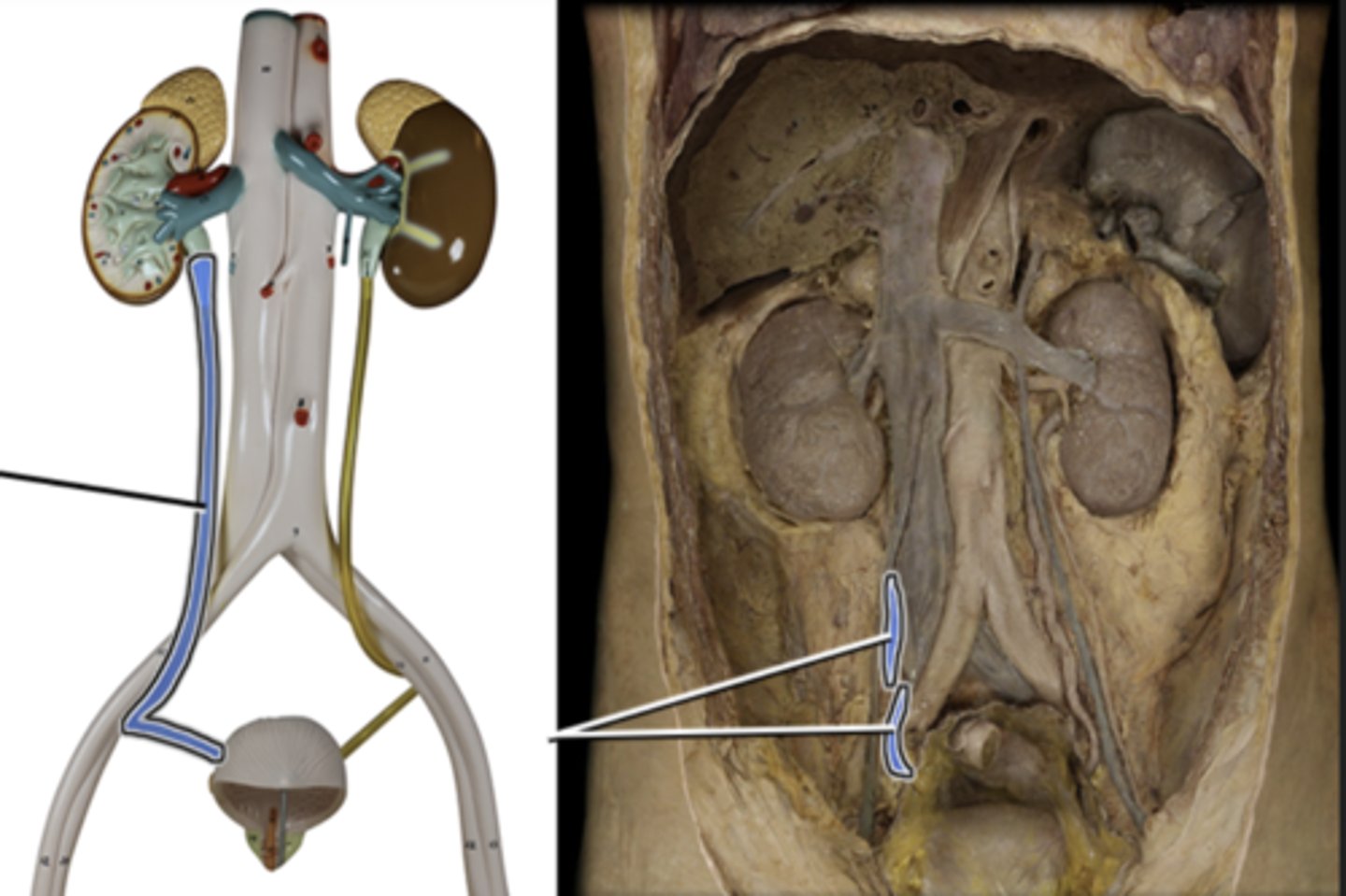
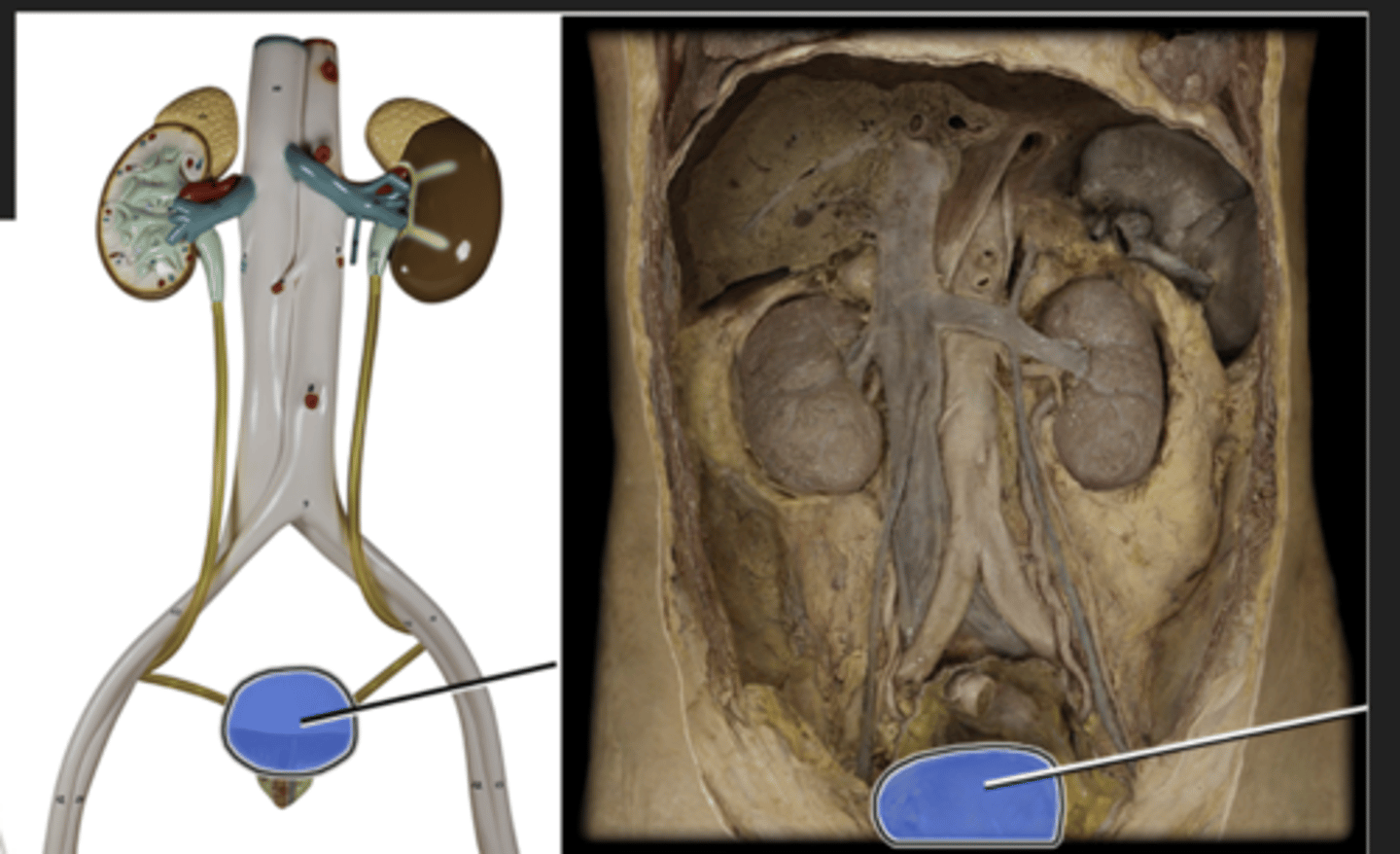
Urinary Bladder
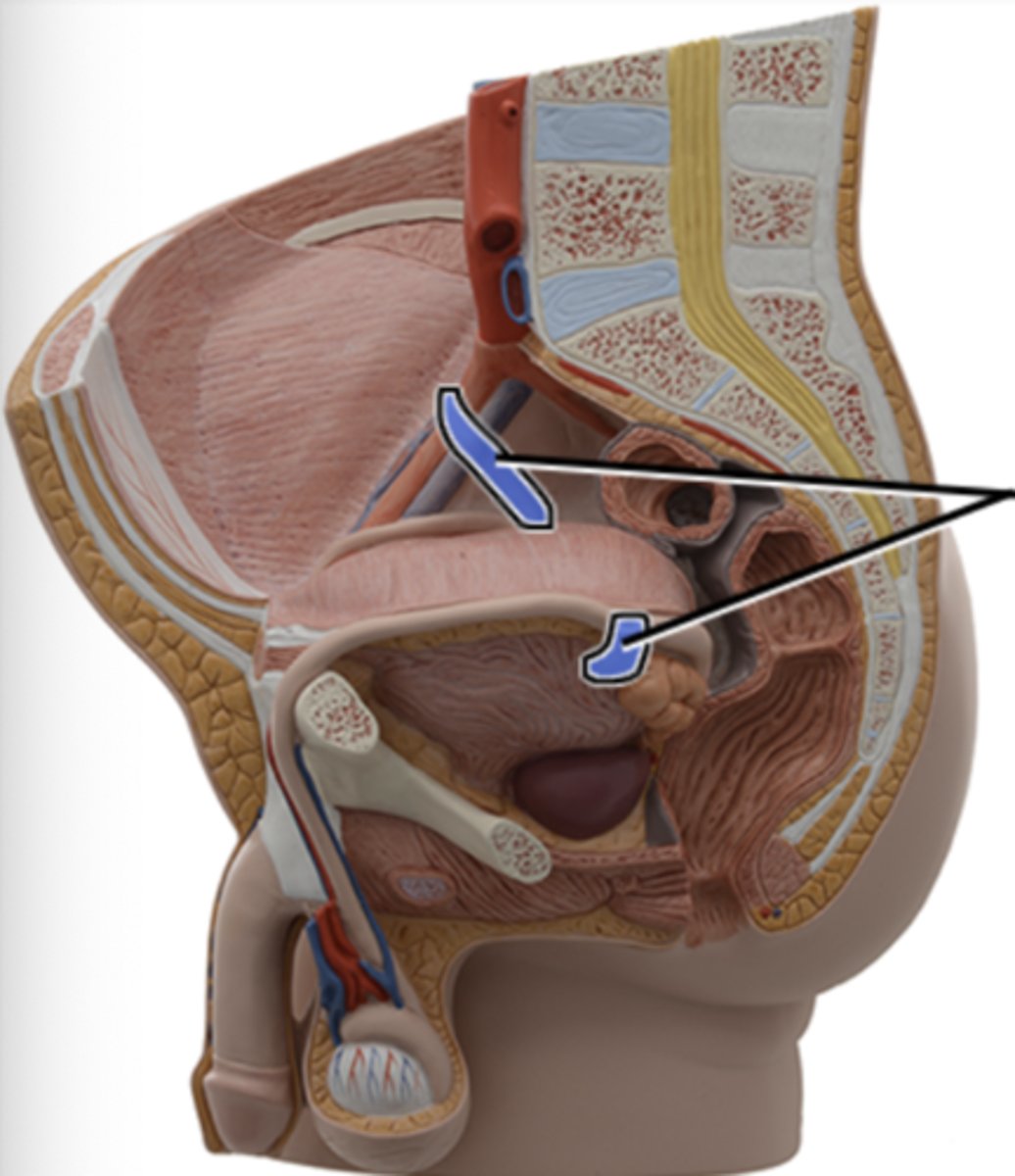
male ureter
Male Bladder
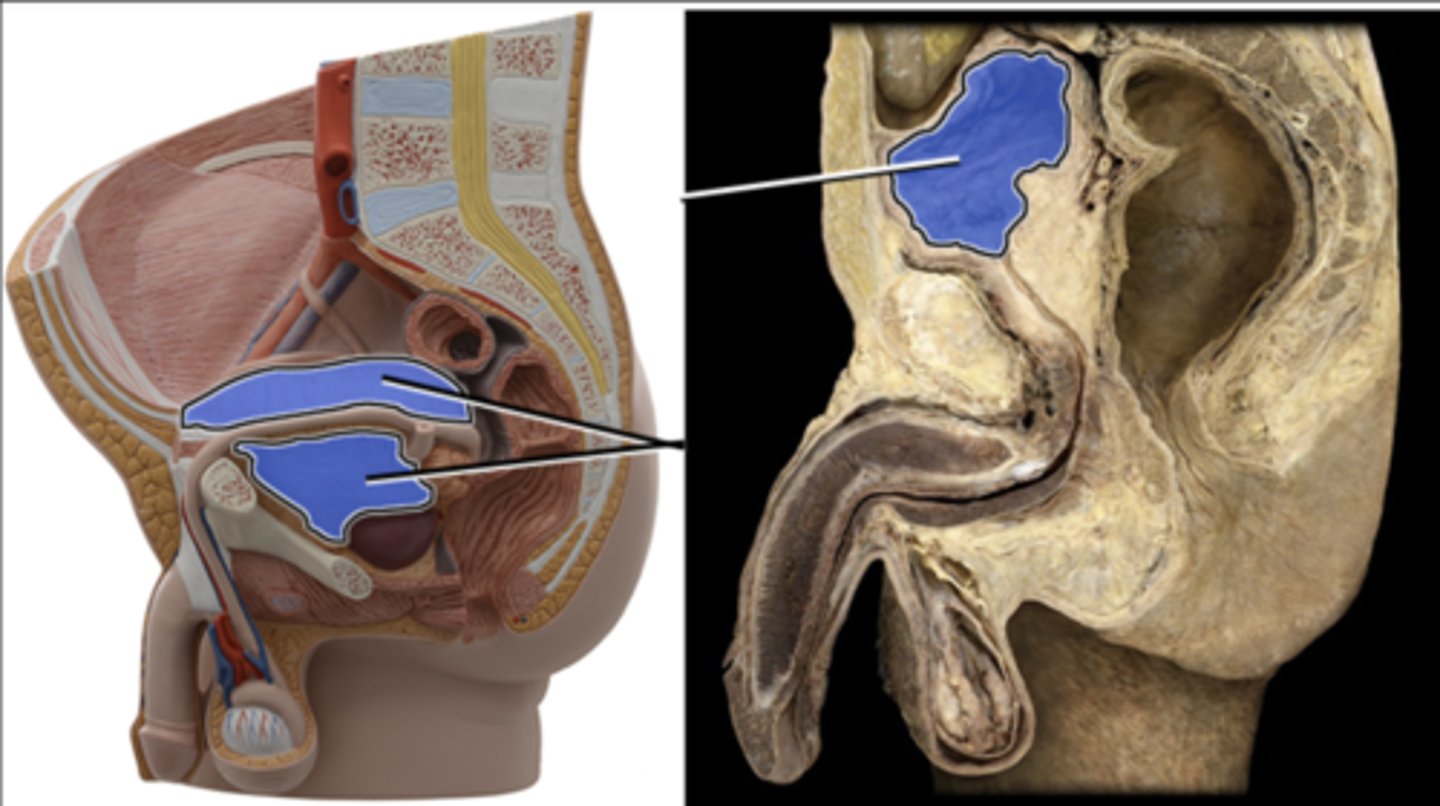
Male Detrusor Muscle
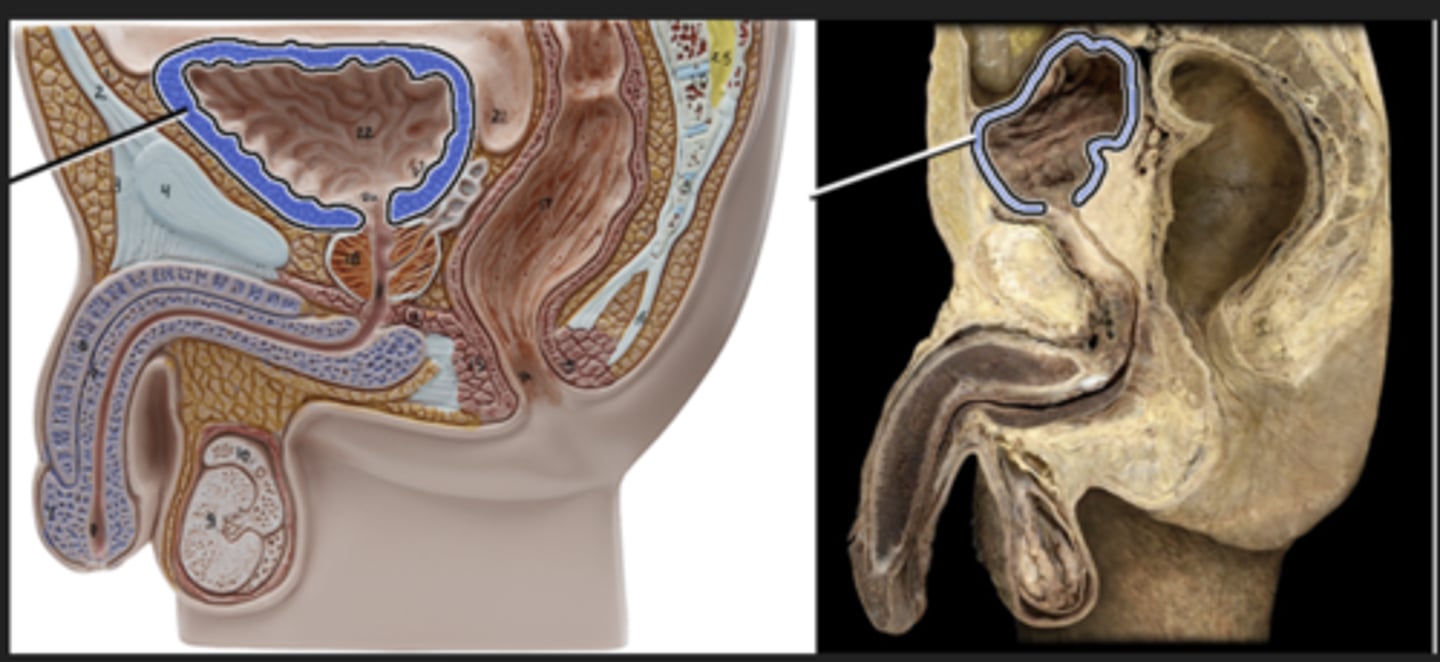
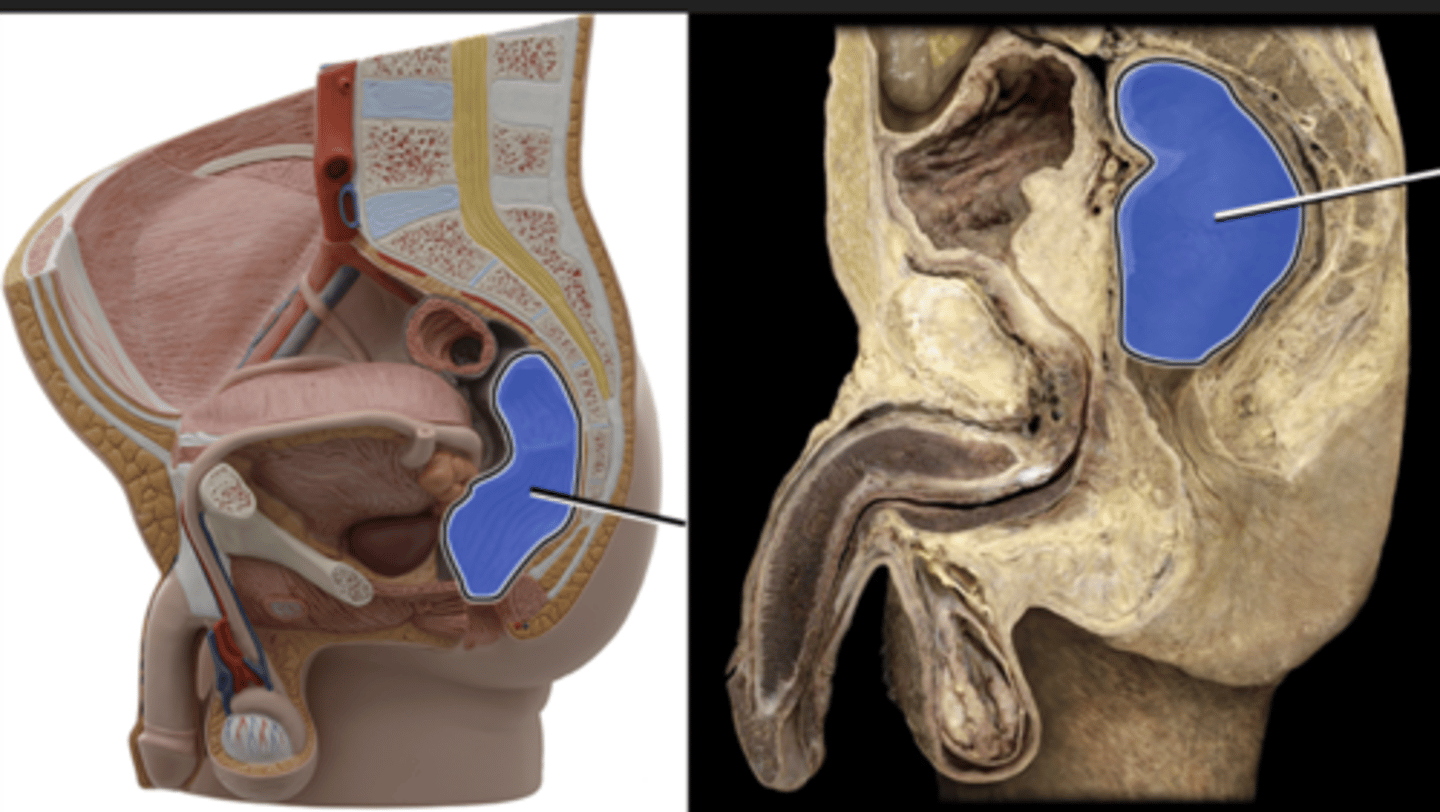
Male Rectum
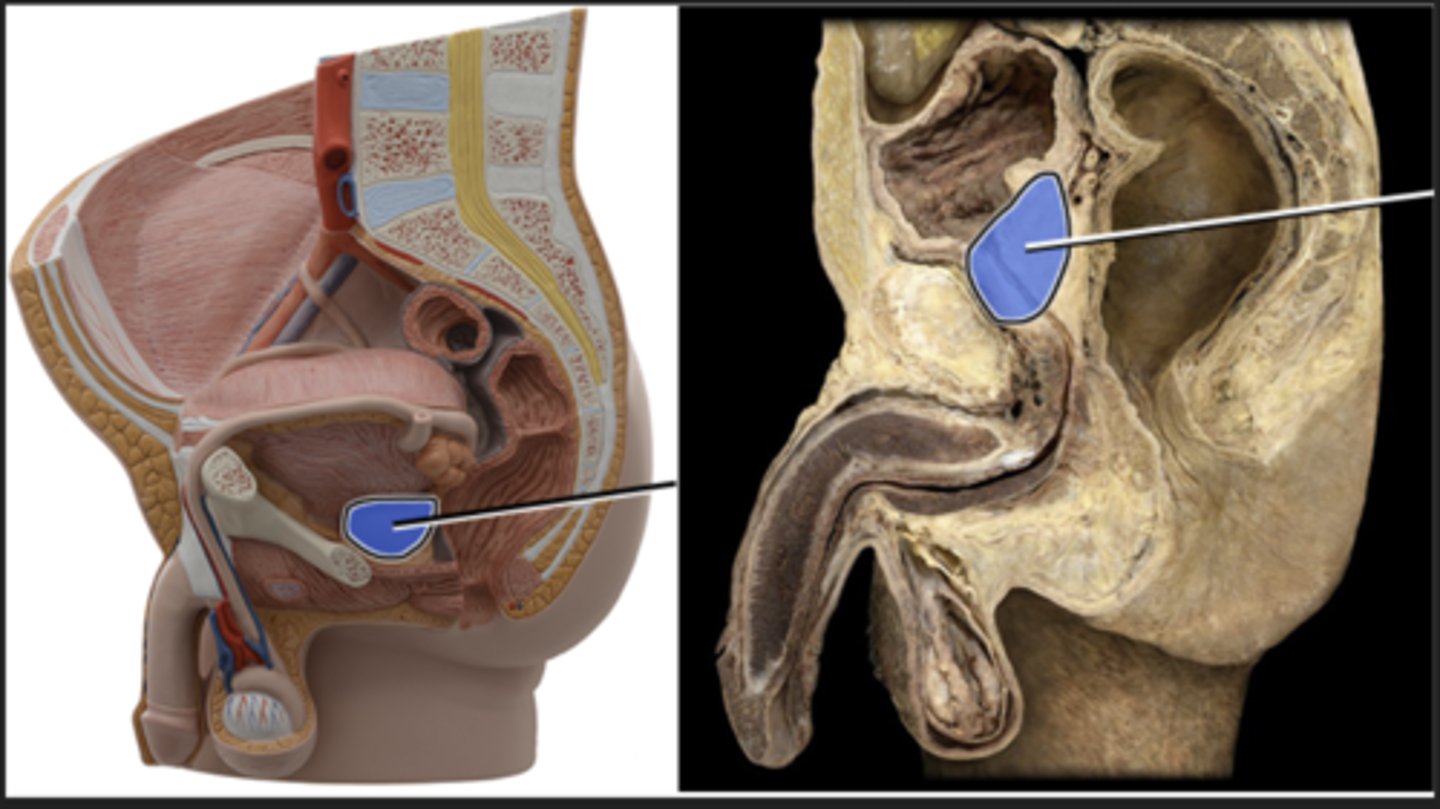
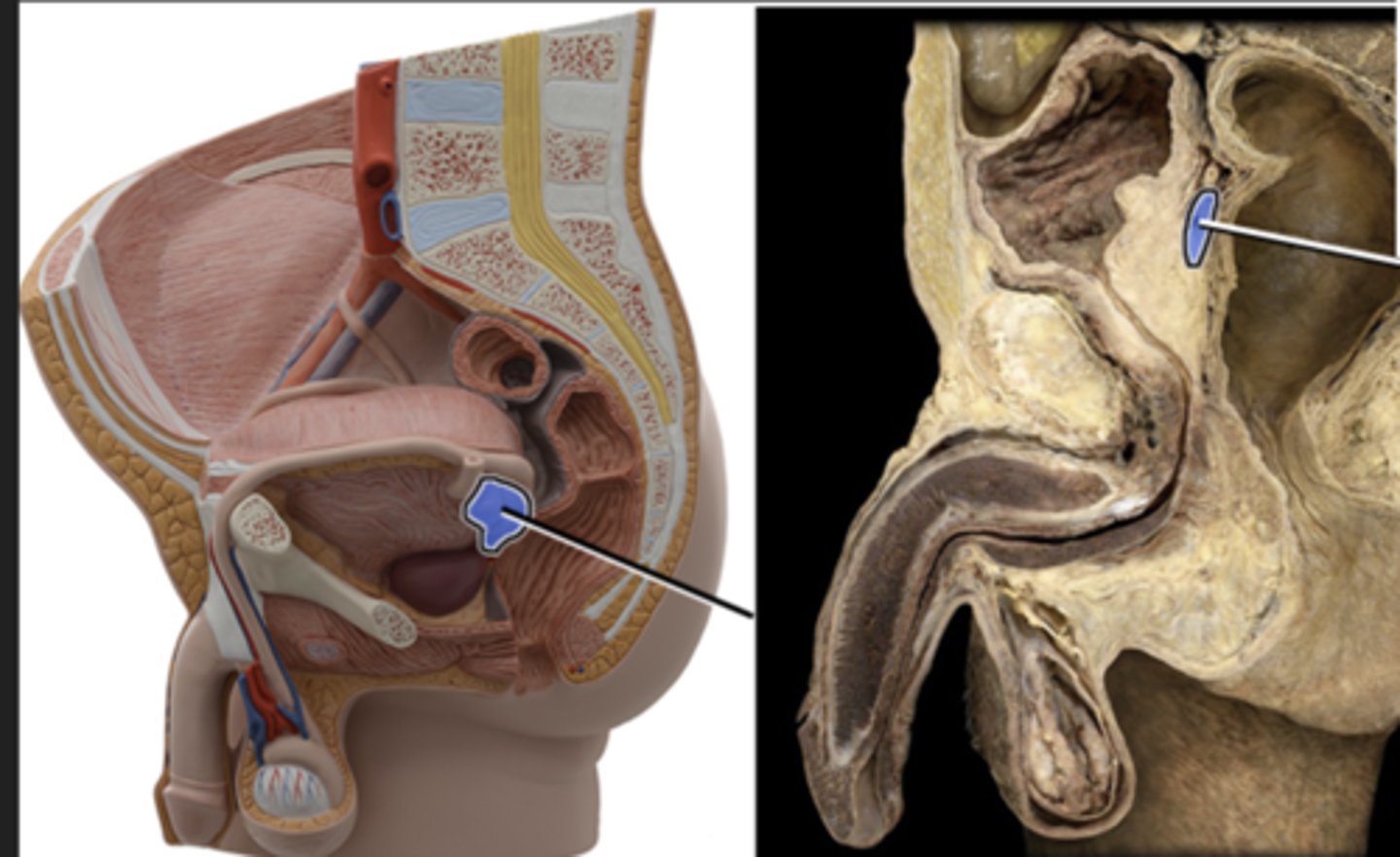
Prostate Gland
Prostatic Urethra
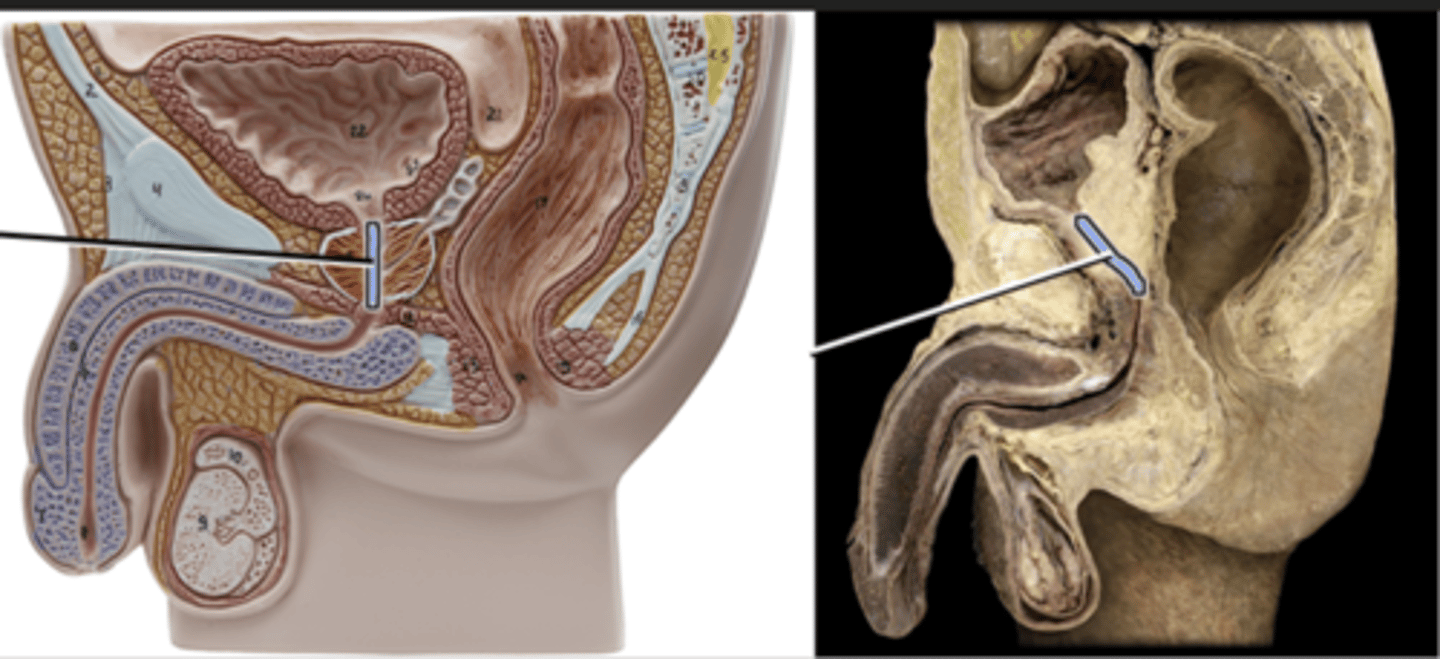
Membranous Urethra
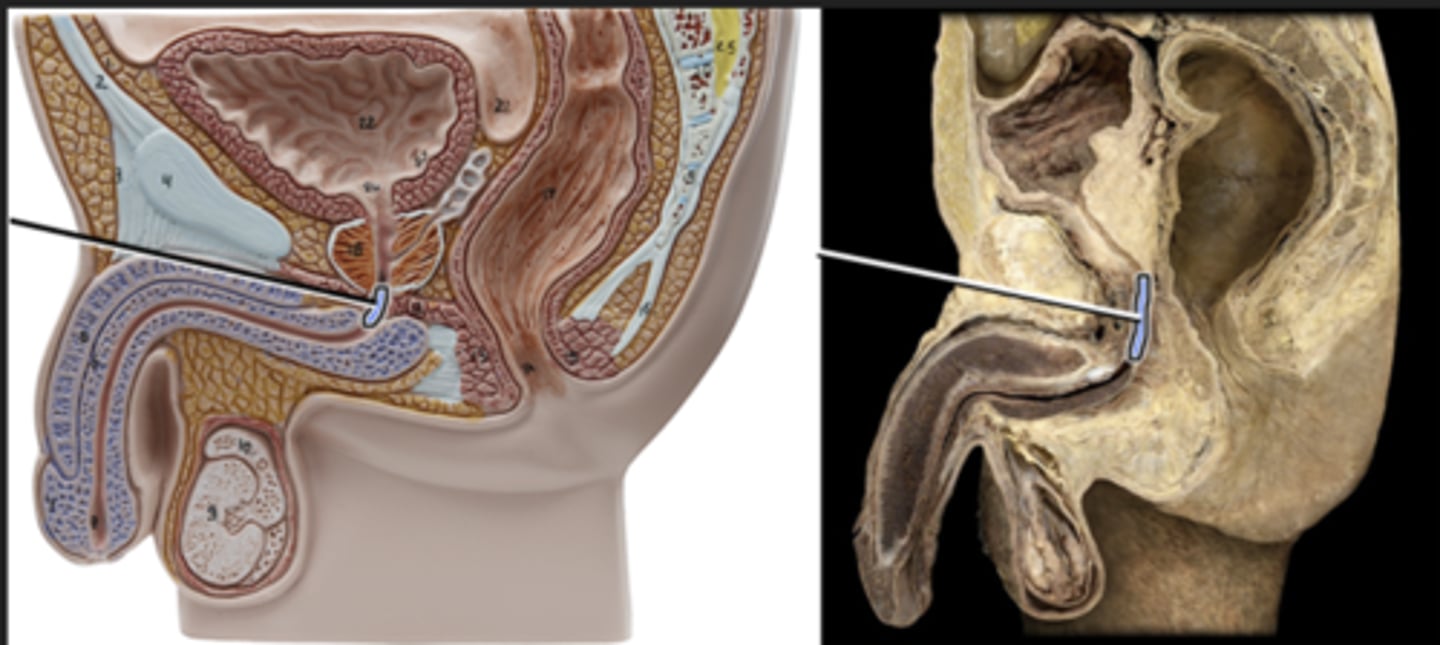
Spongy (Penile) Urethra
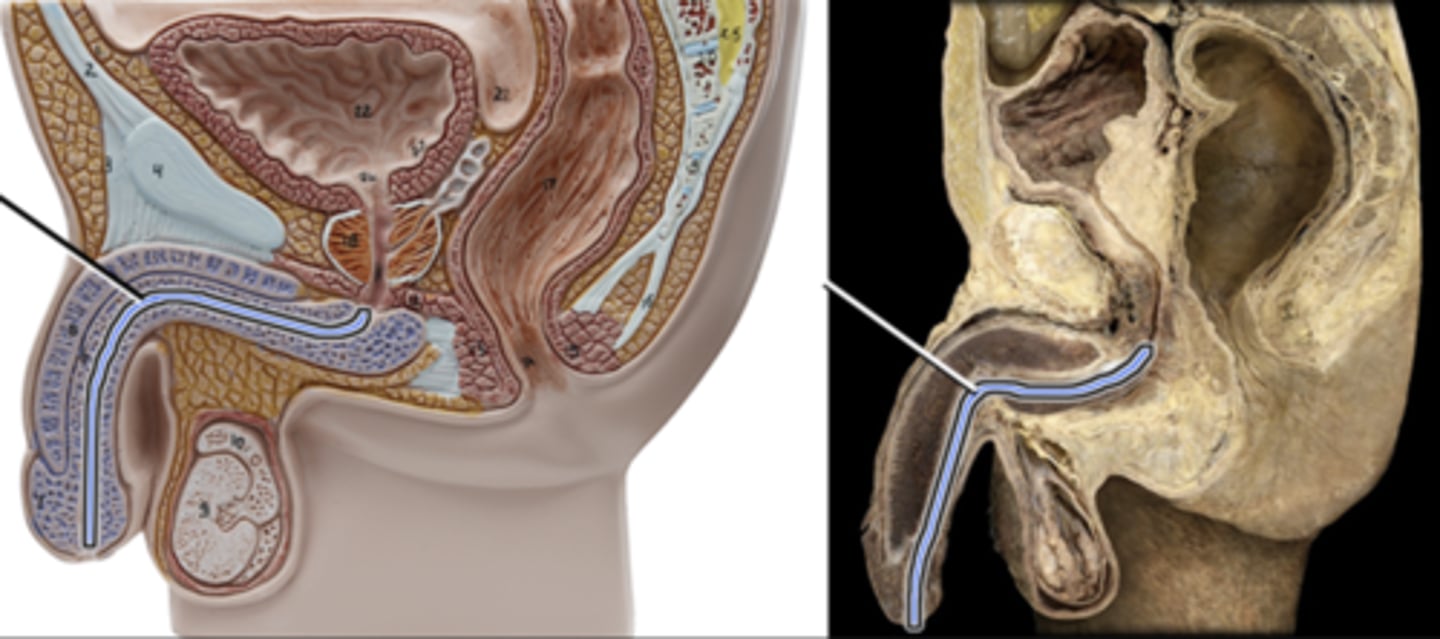
Penis
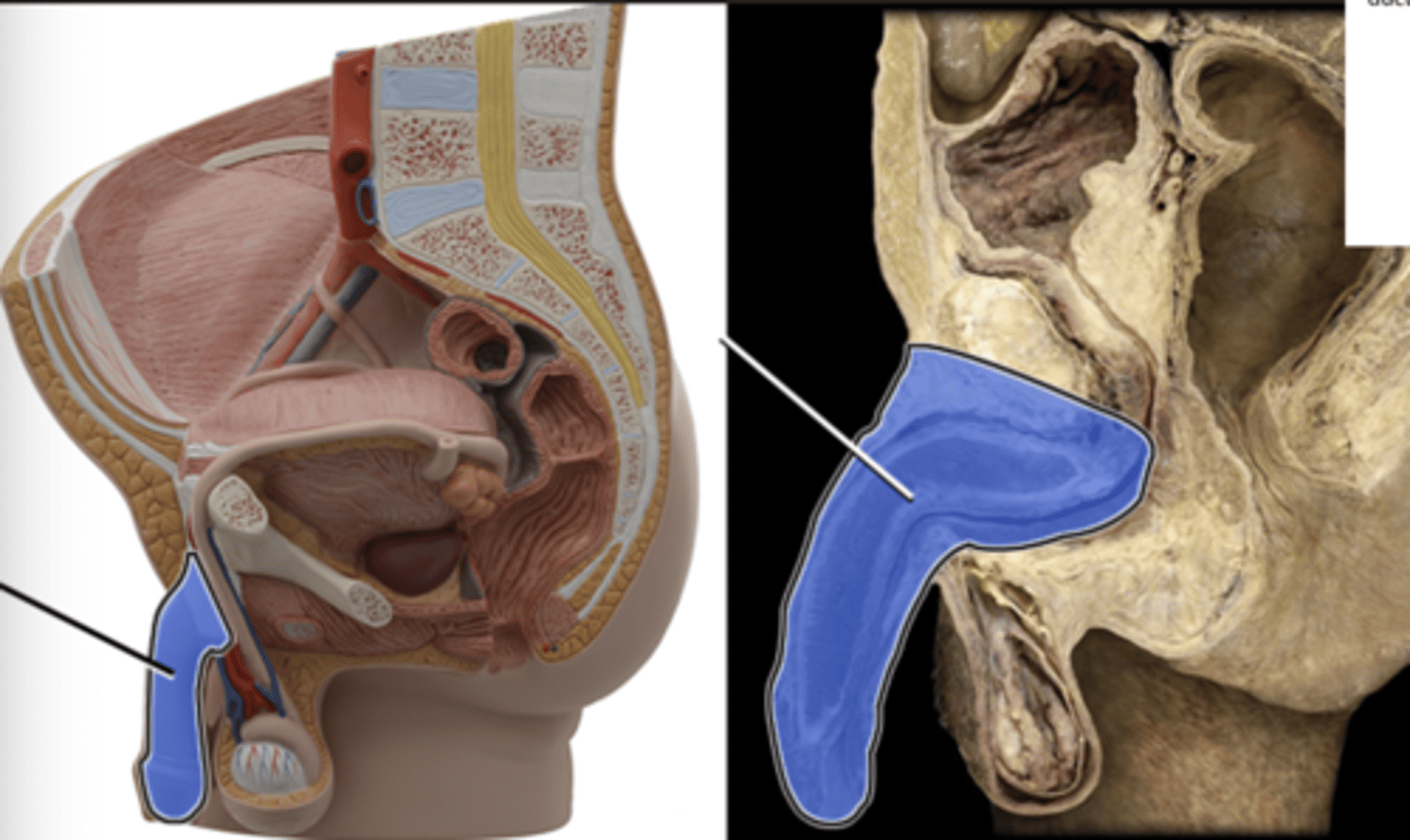
Glans Penis
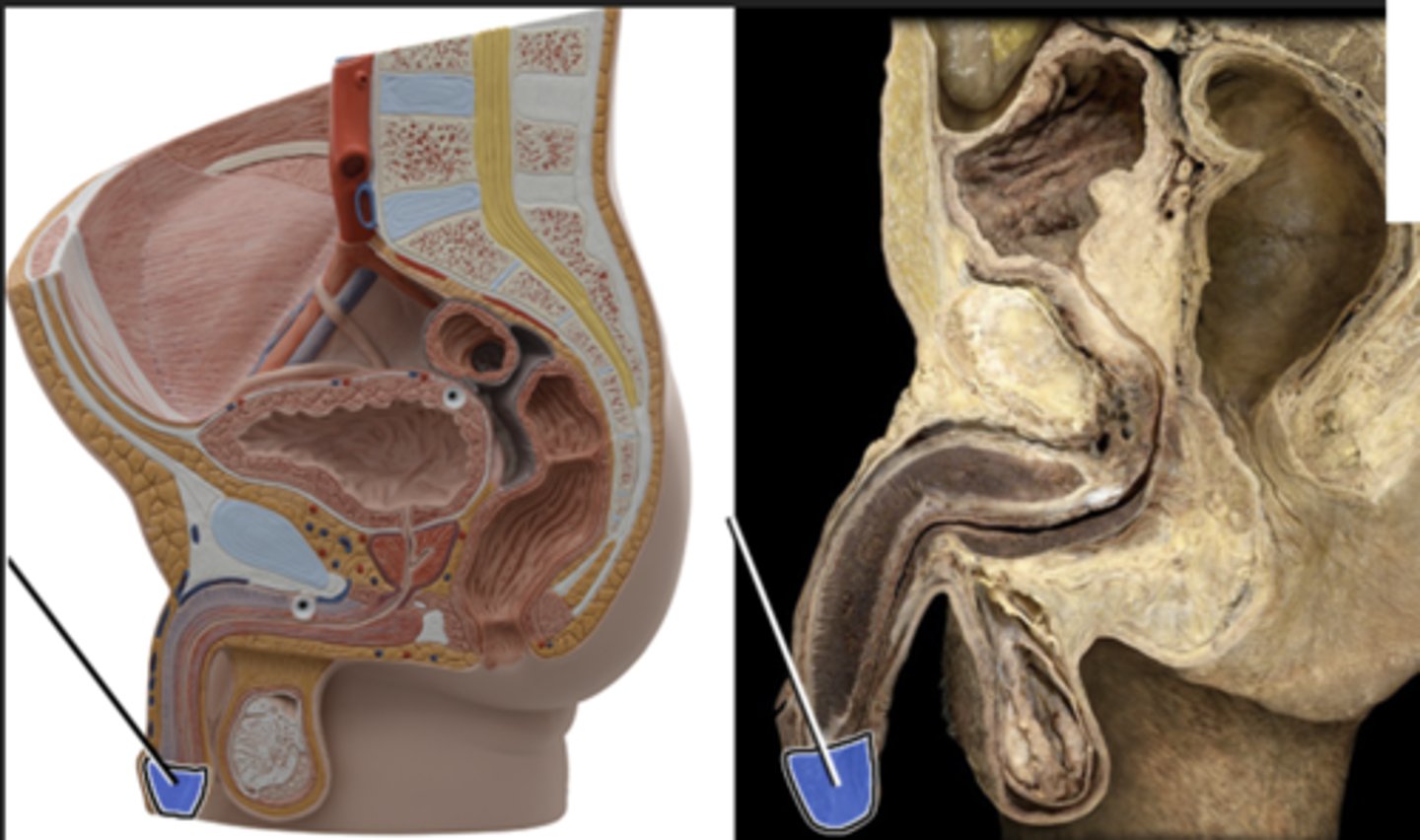
Bulb of Penis
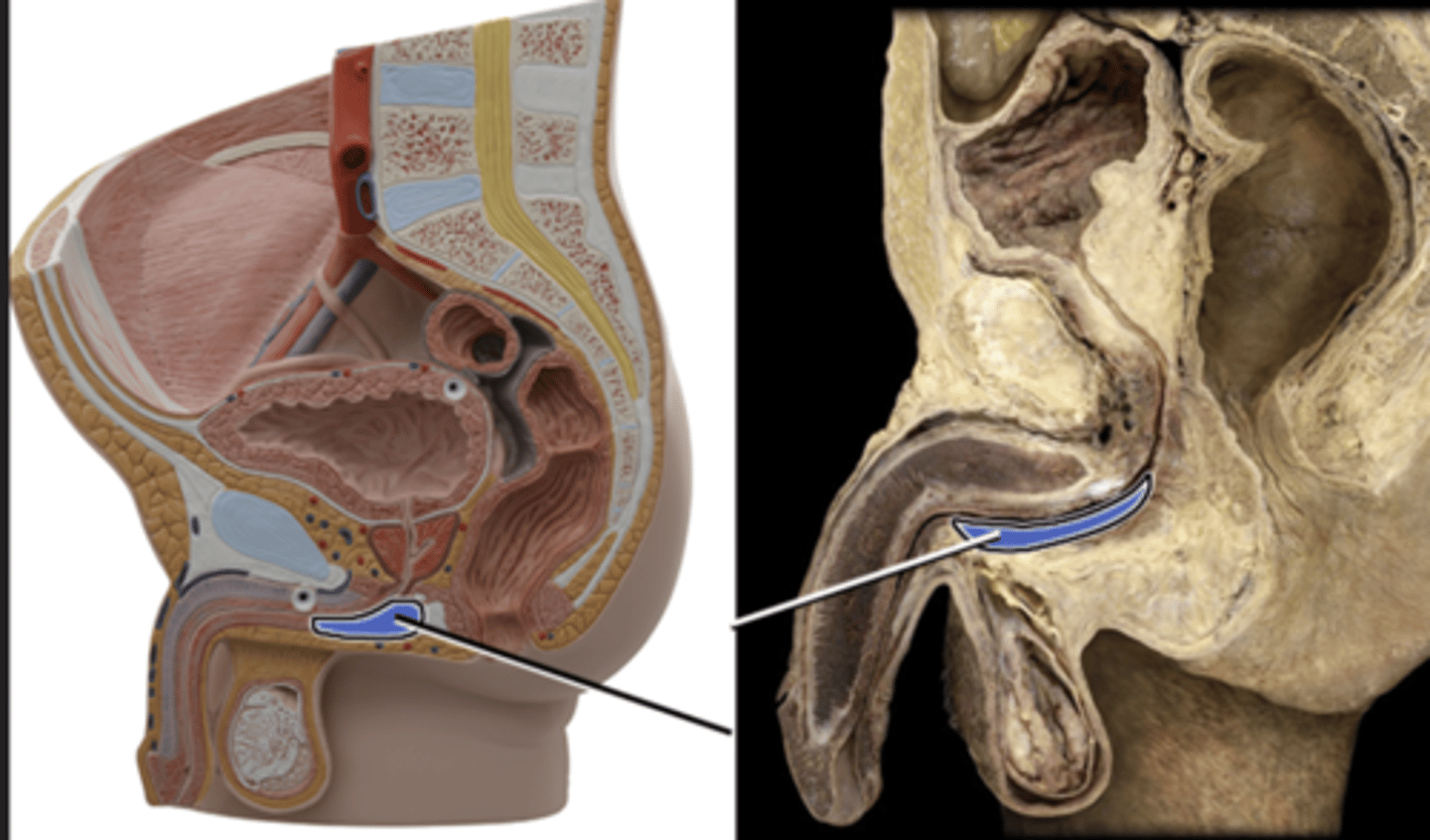
Crus of Penis
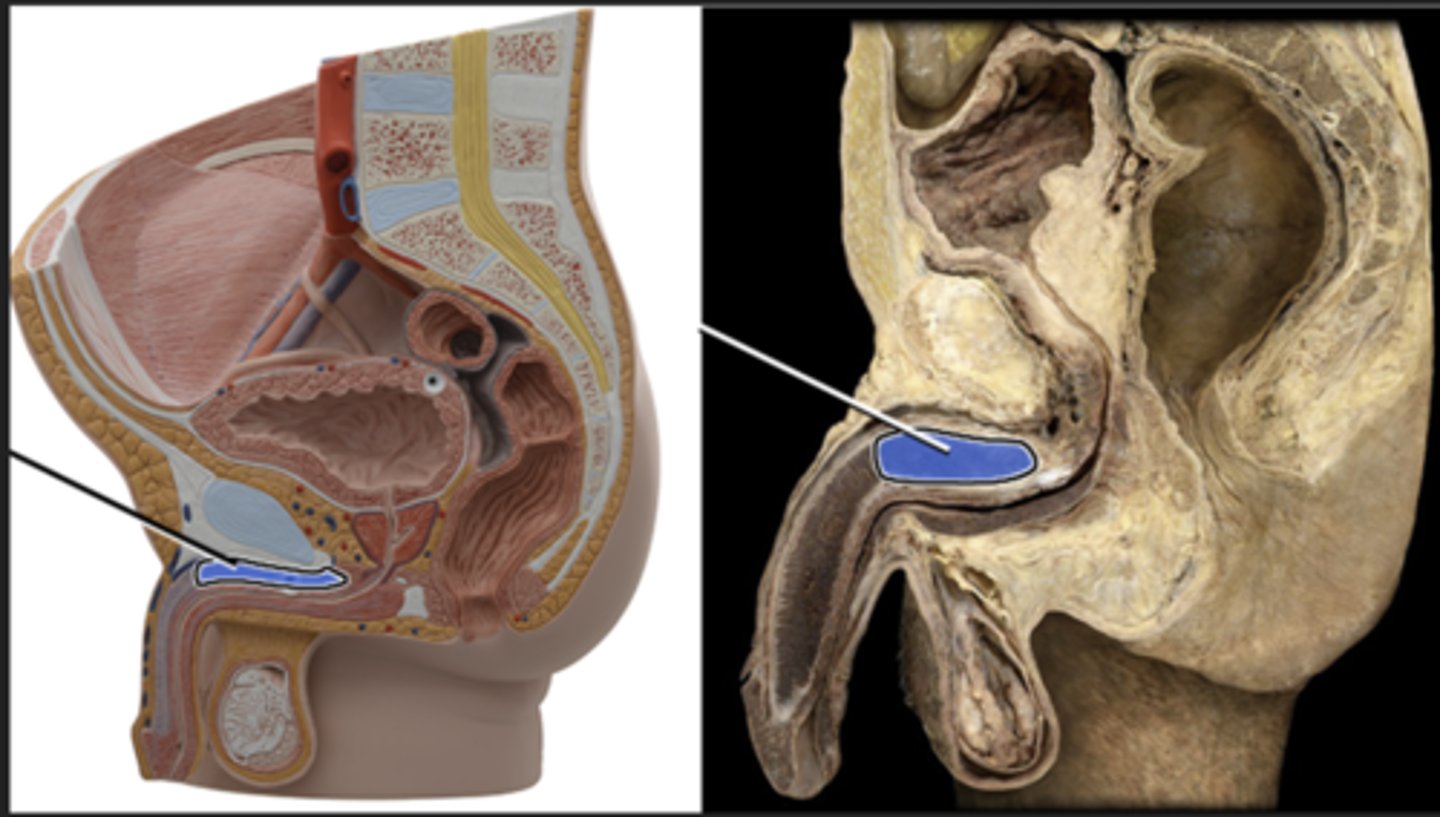
Corpus Cavernosum
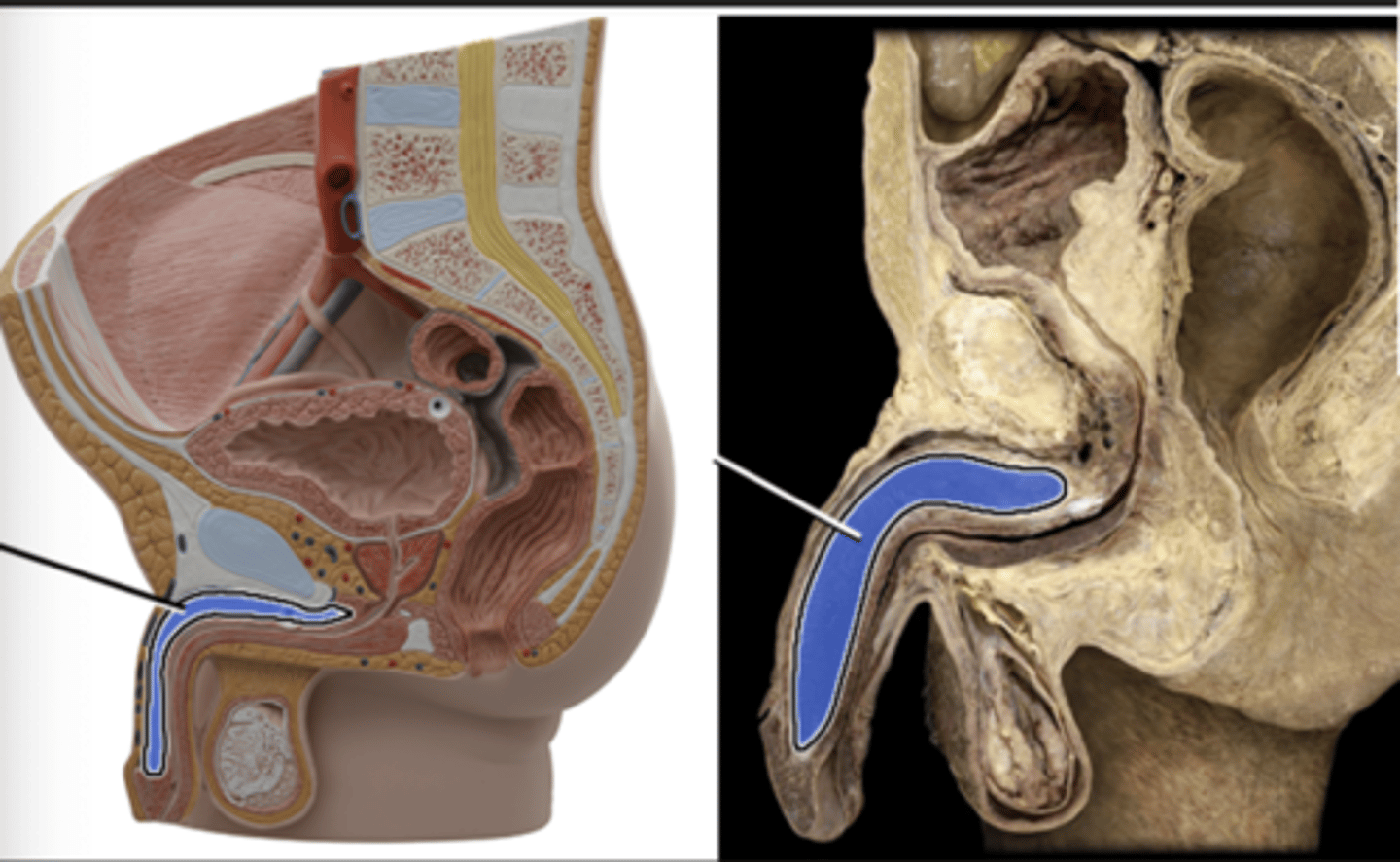
Corpus Spongyosum
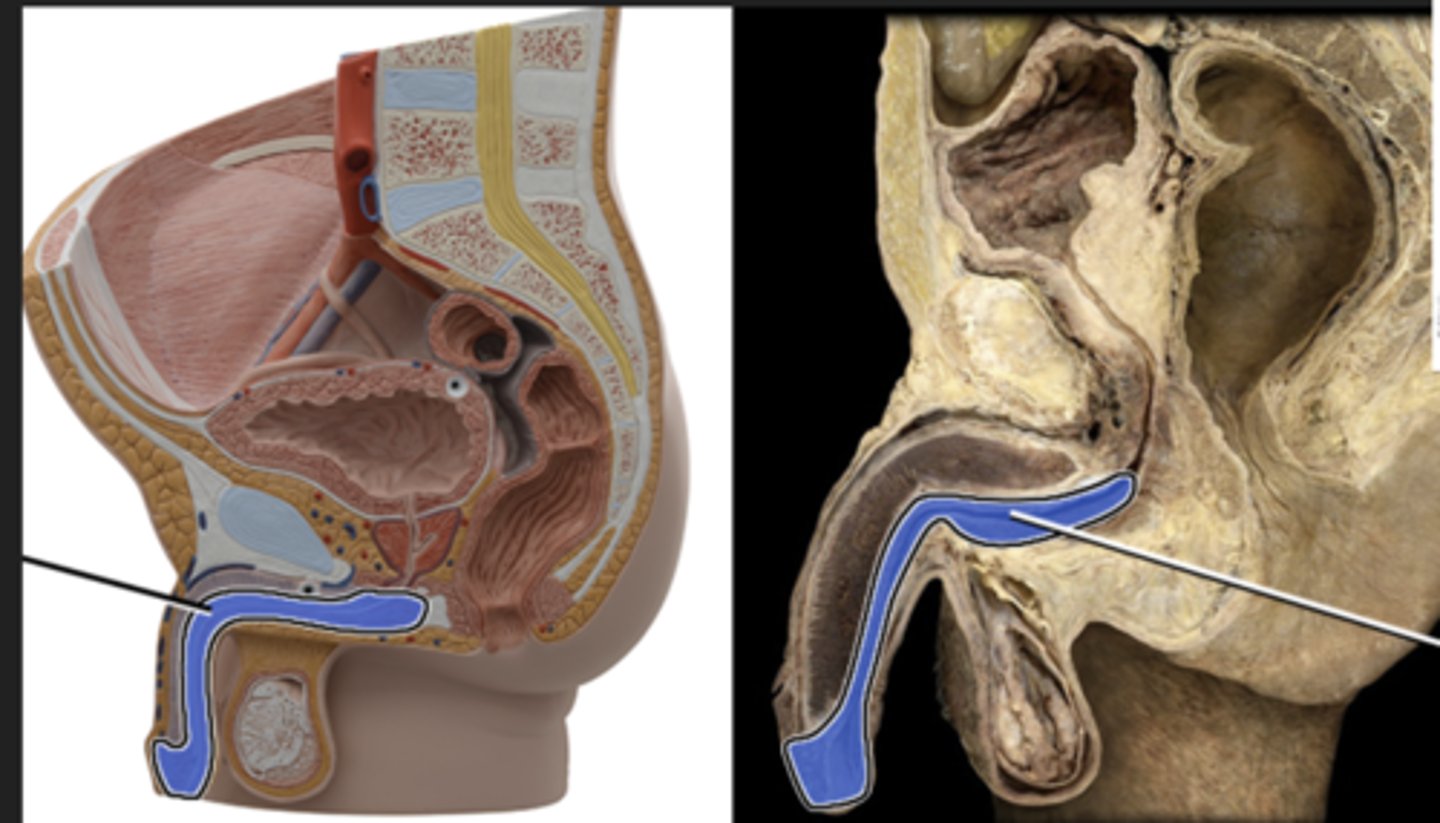
Seminial Glands
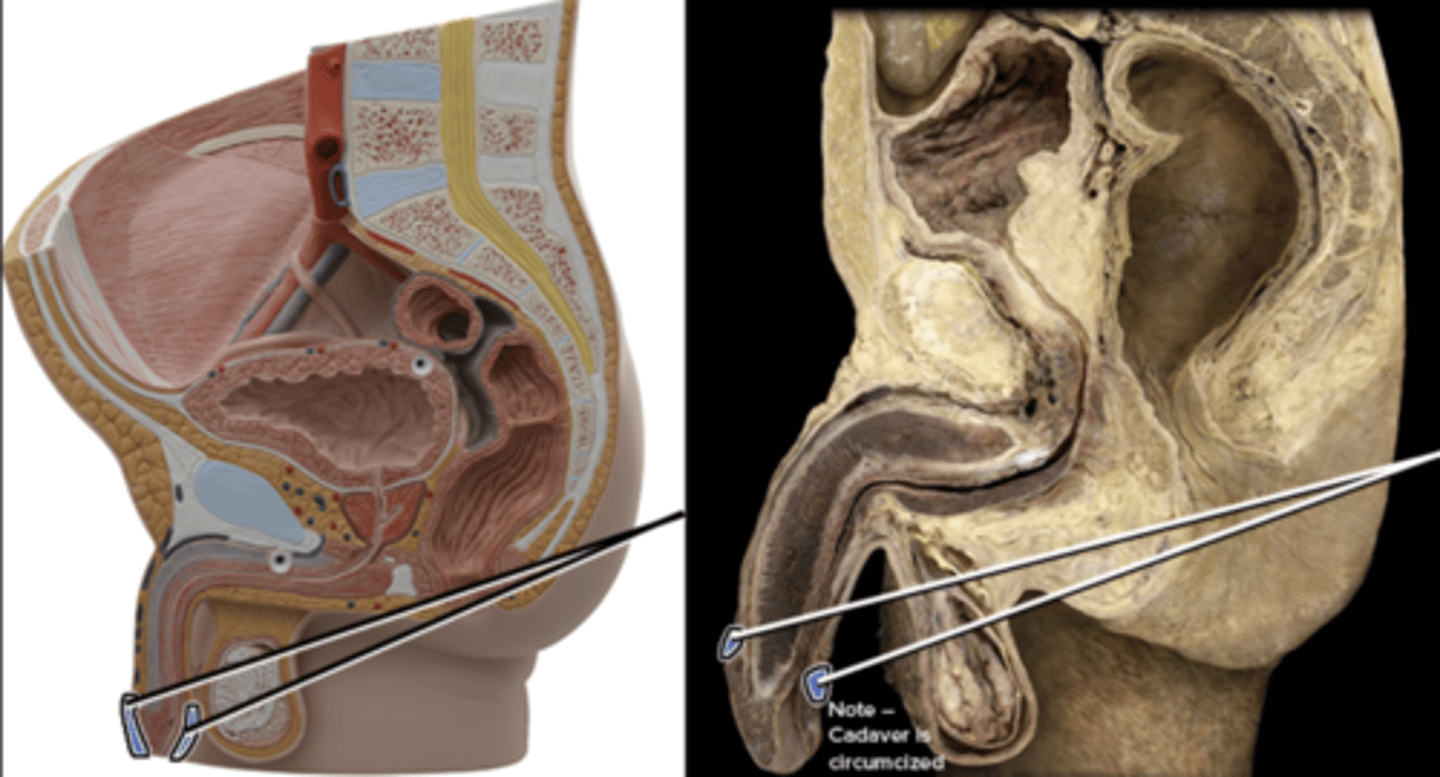
Prepuce
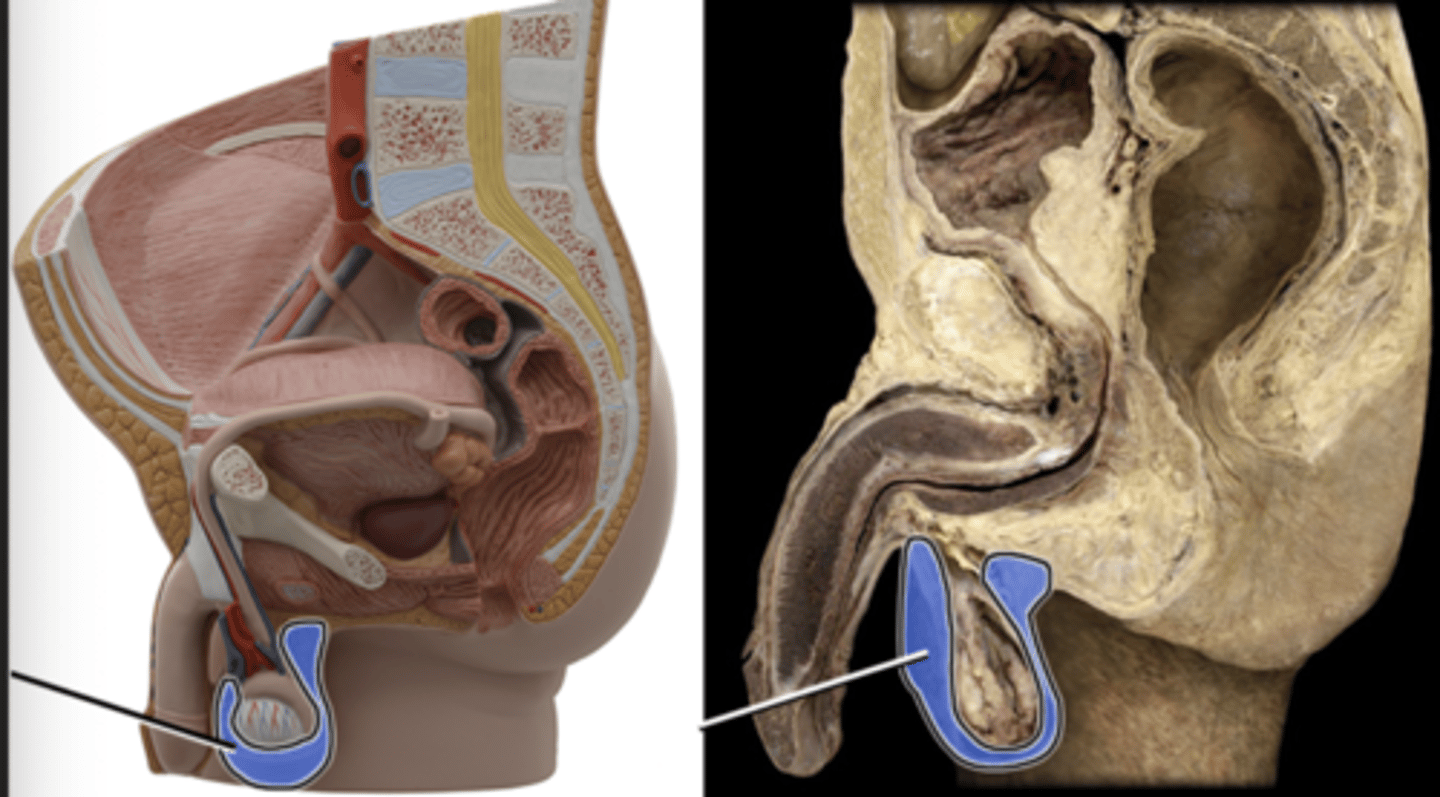
Scrotum
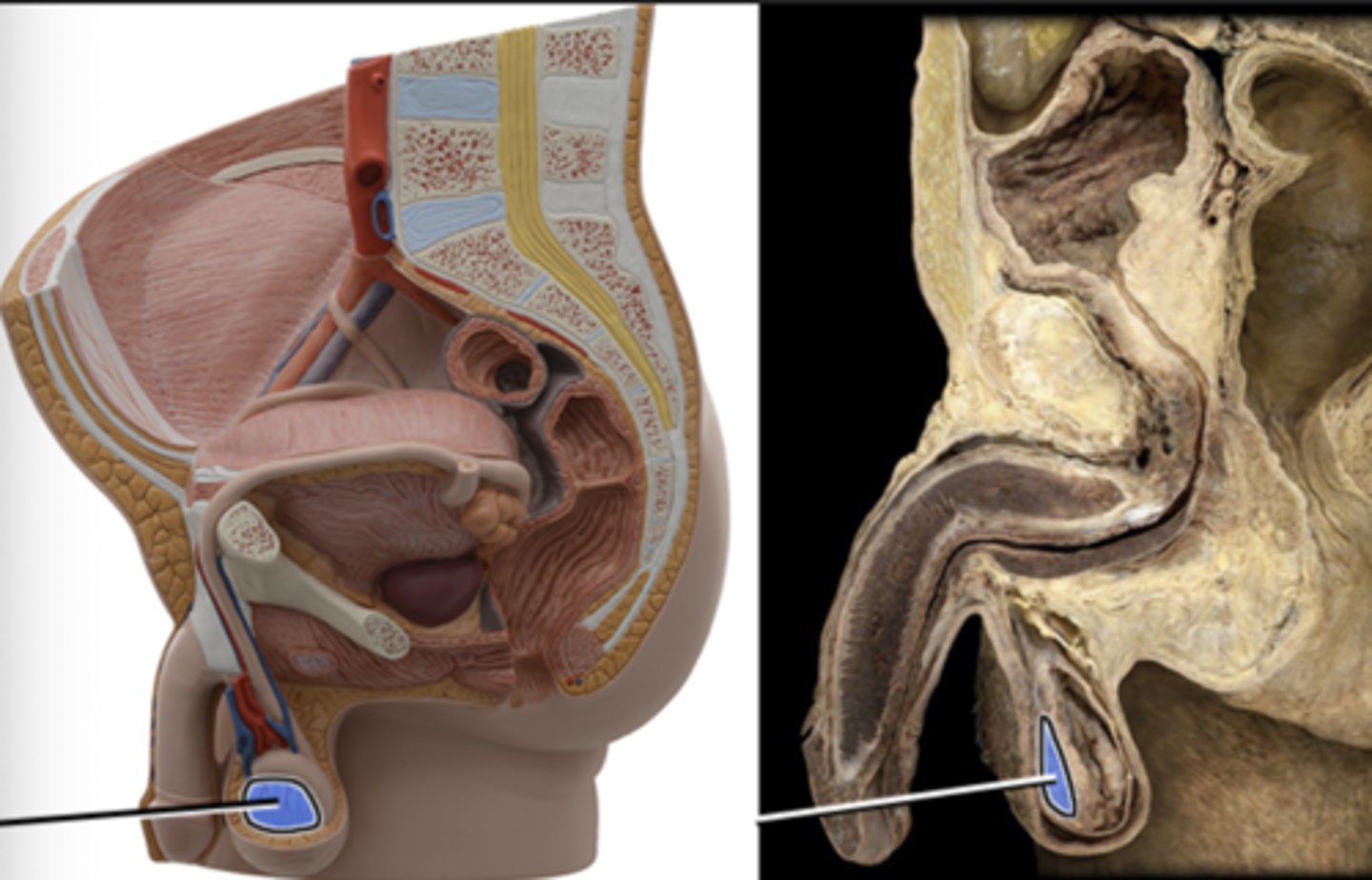
Testes
Epididymis
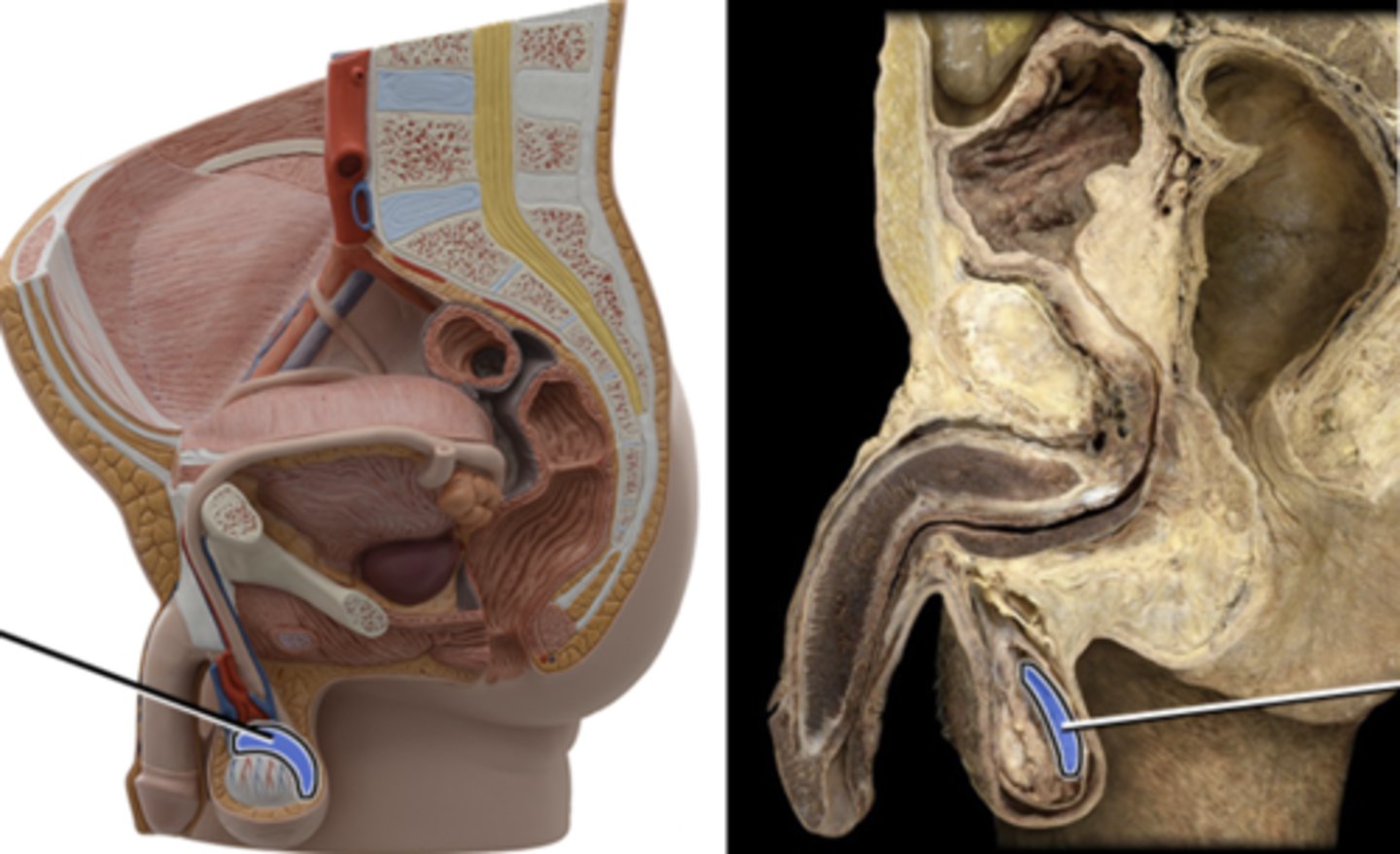
Duct (vas) Deferens
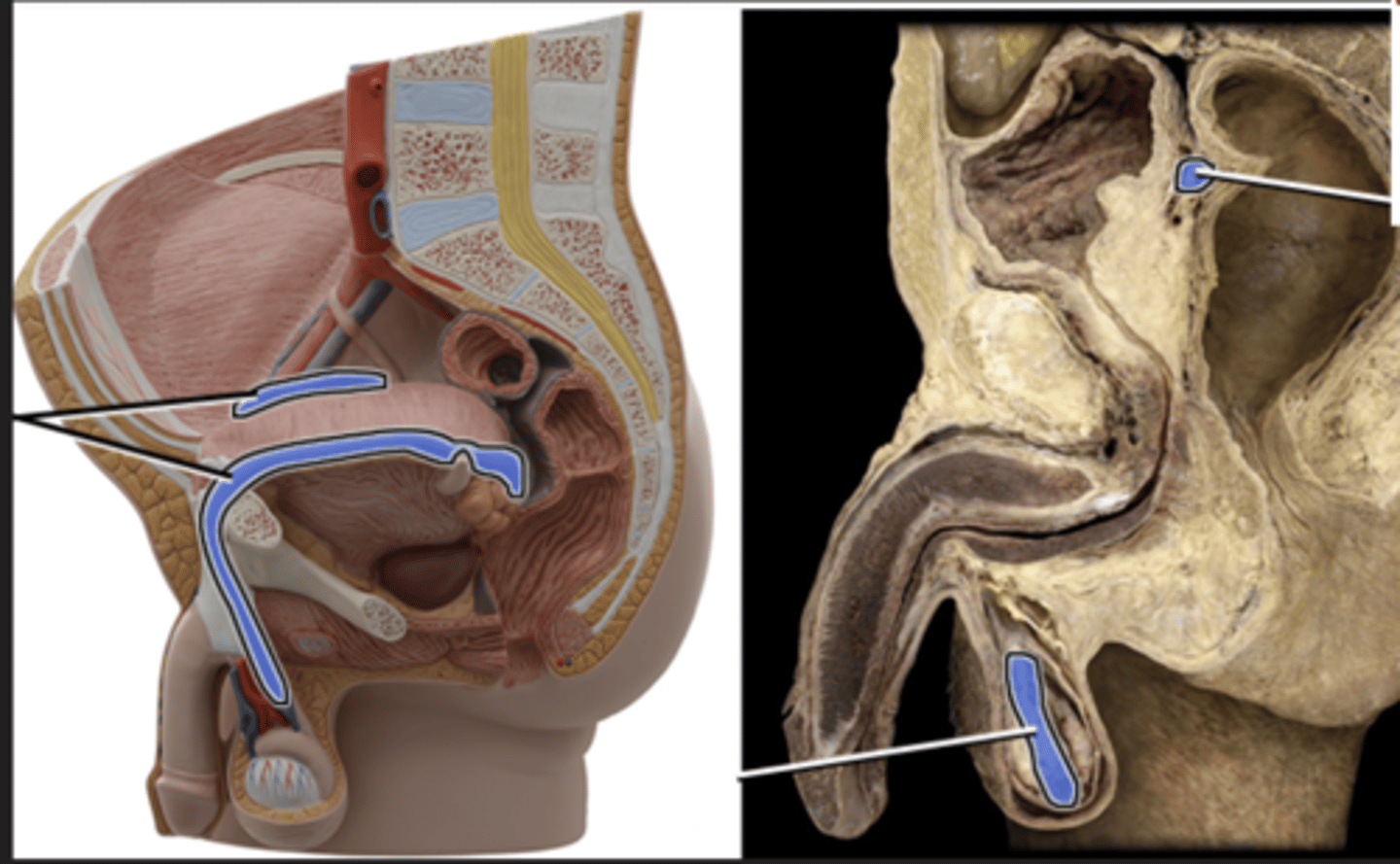
Female Ureter
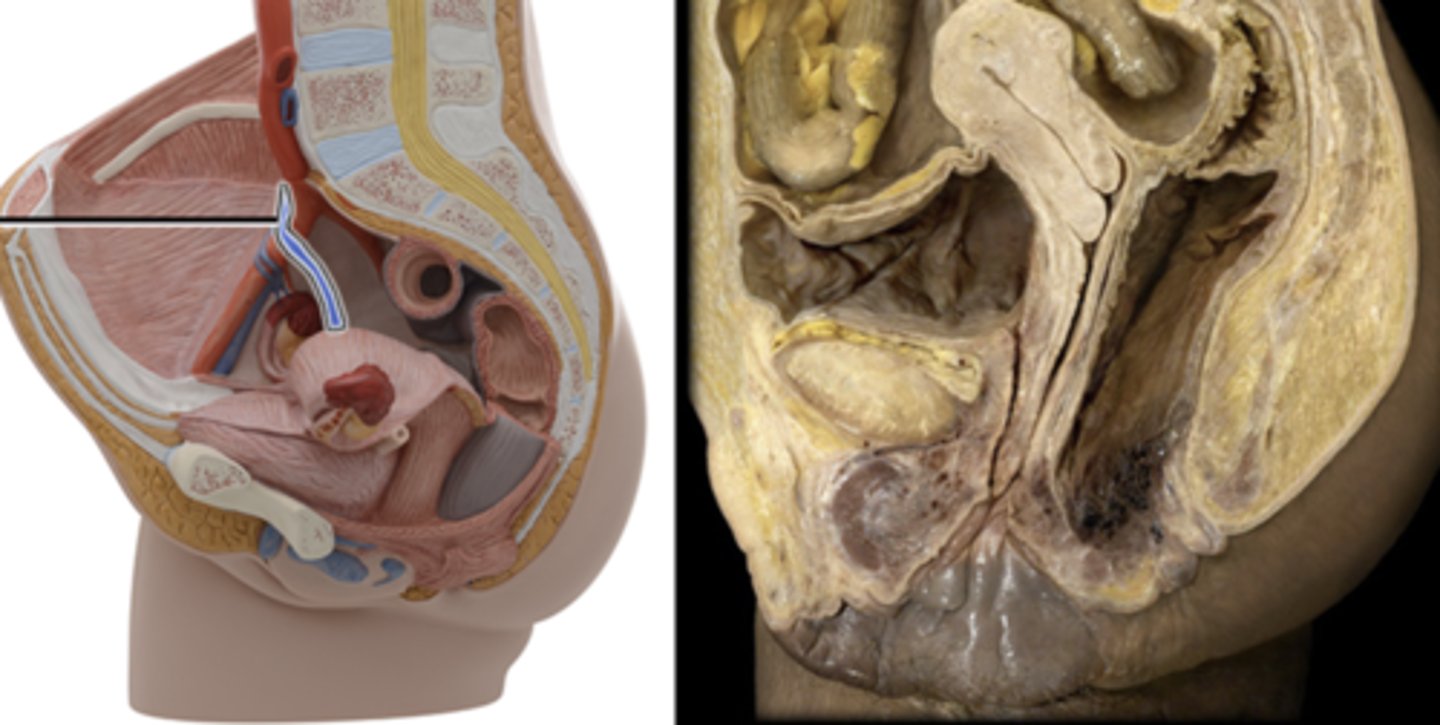
Female Urinary Bladder
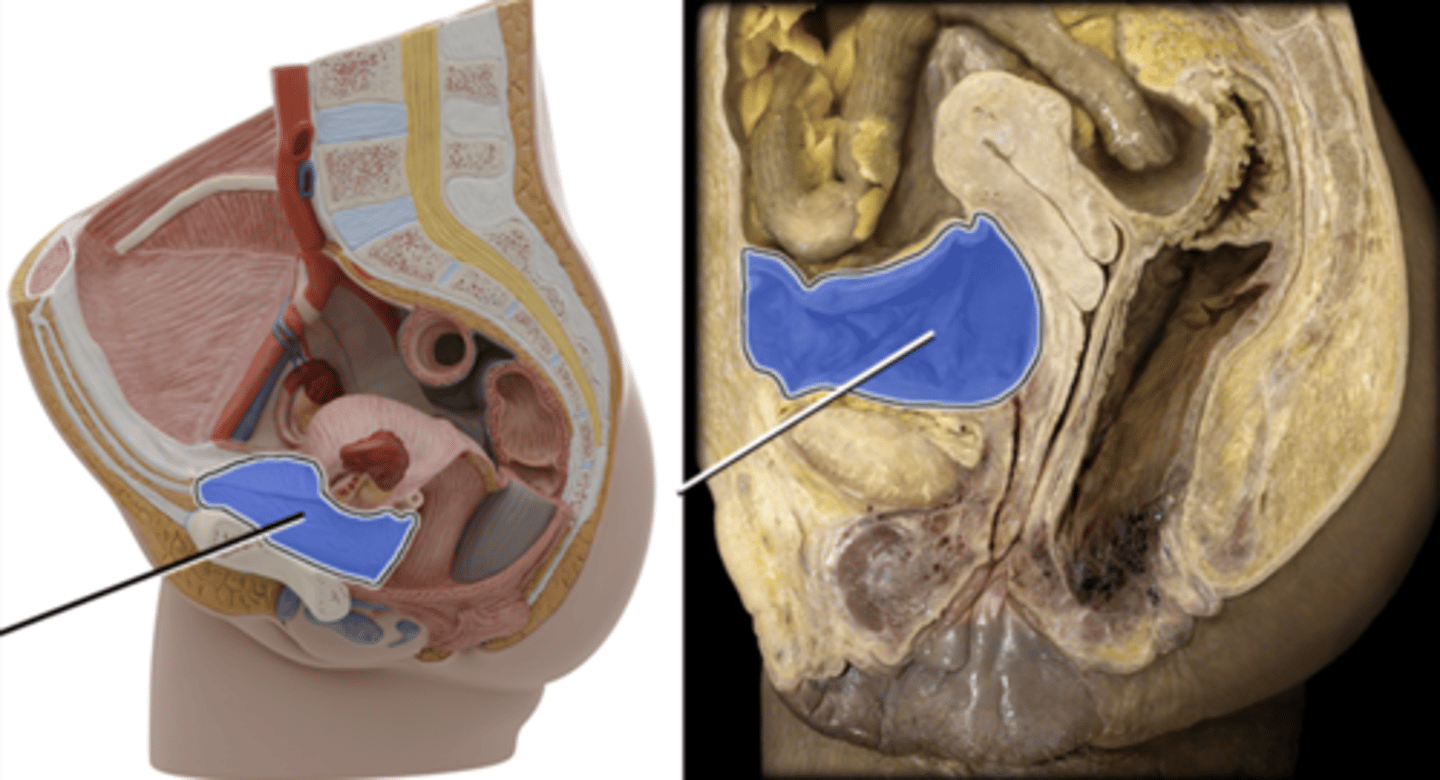
Female Detrusor Muscle
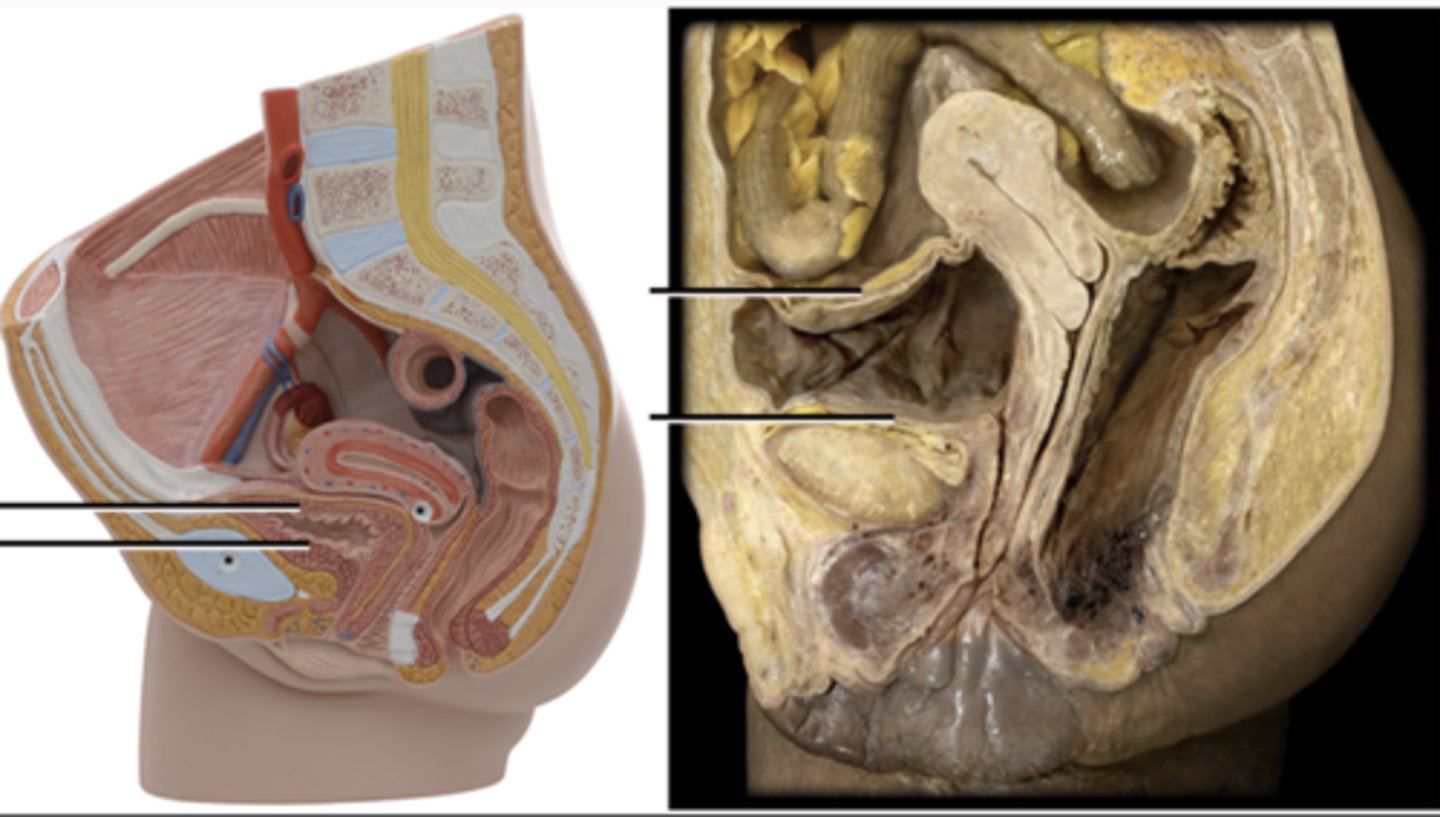
Female Urethra
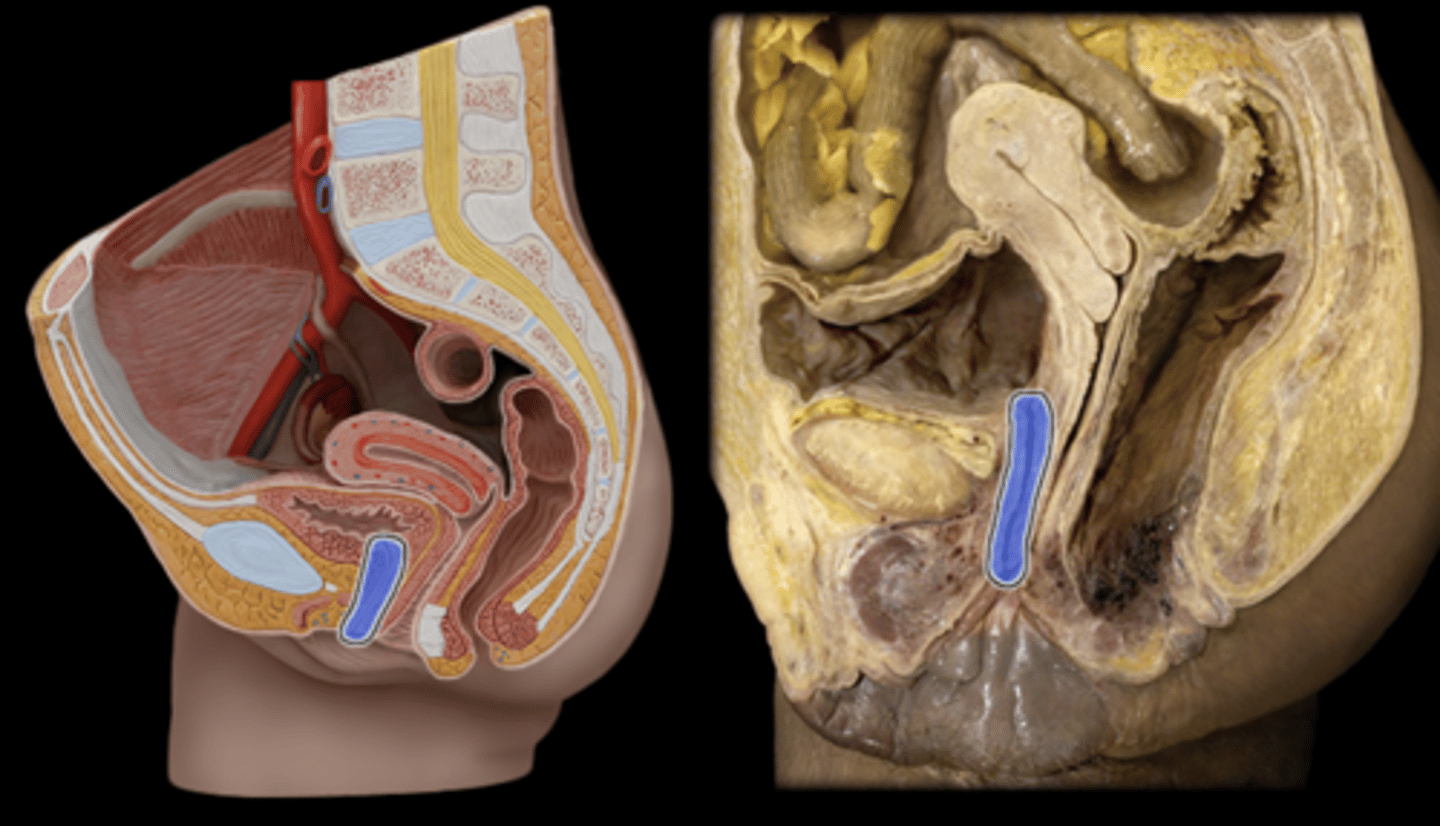
Female Rectum
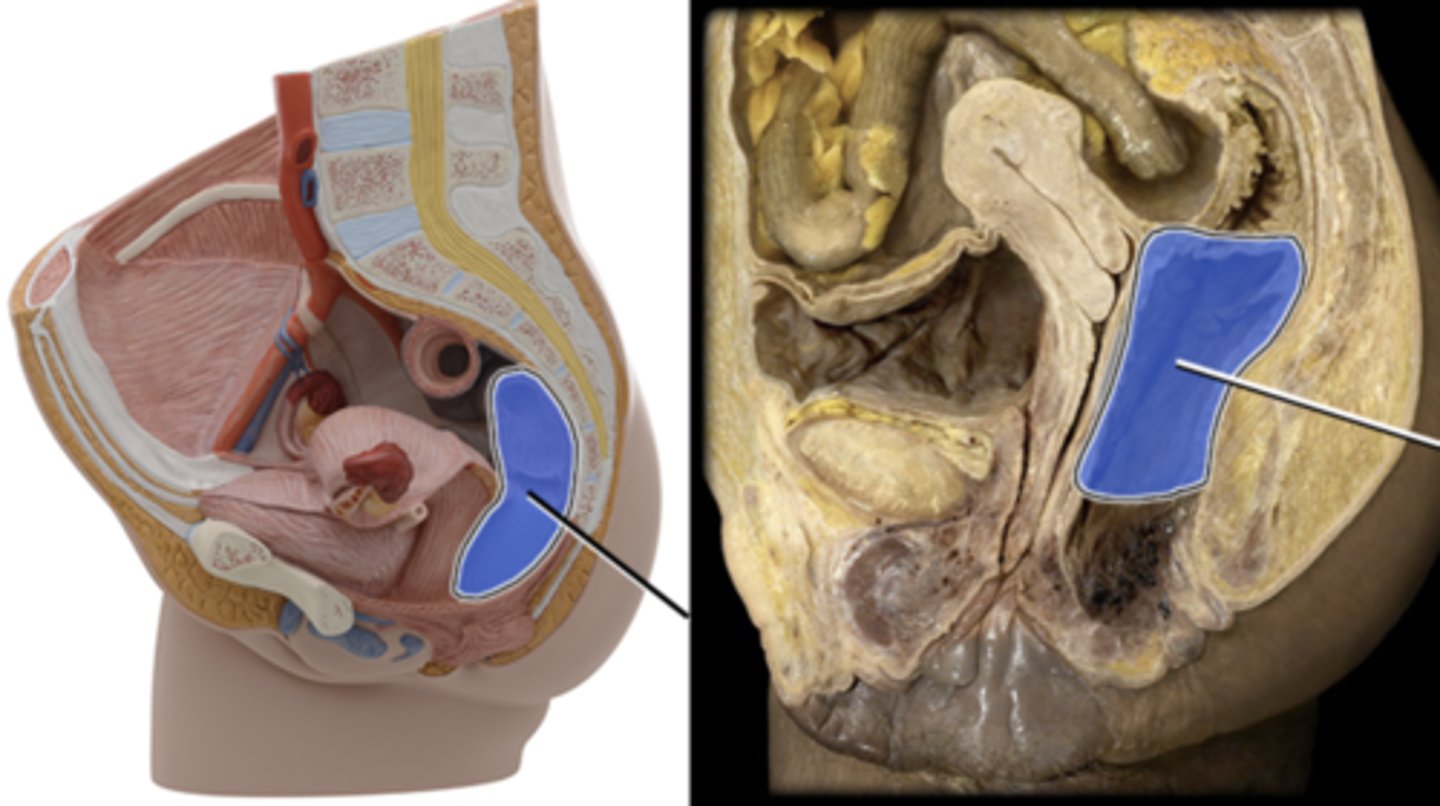
Vagina
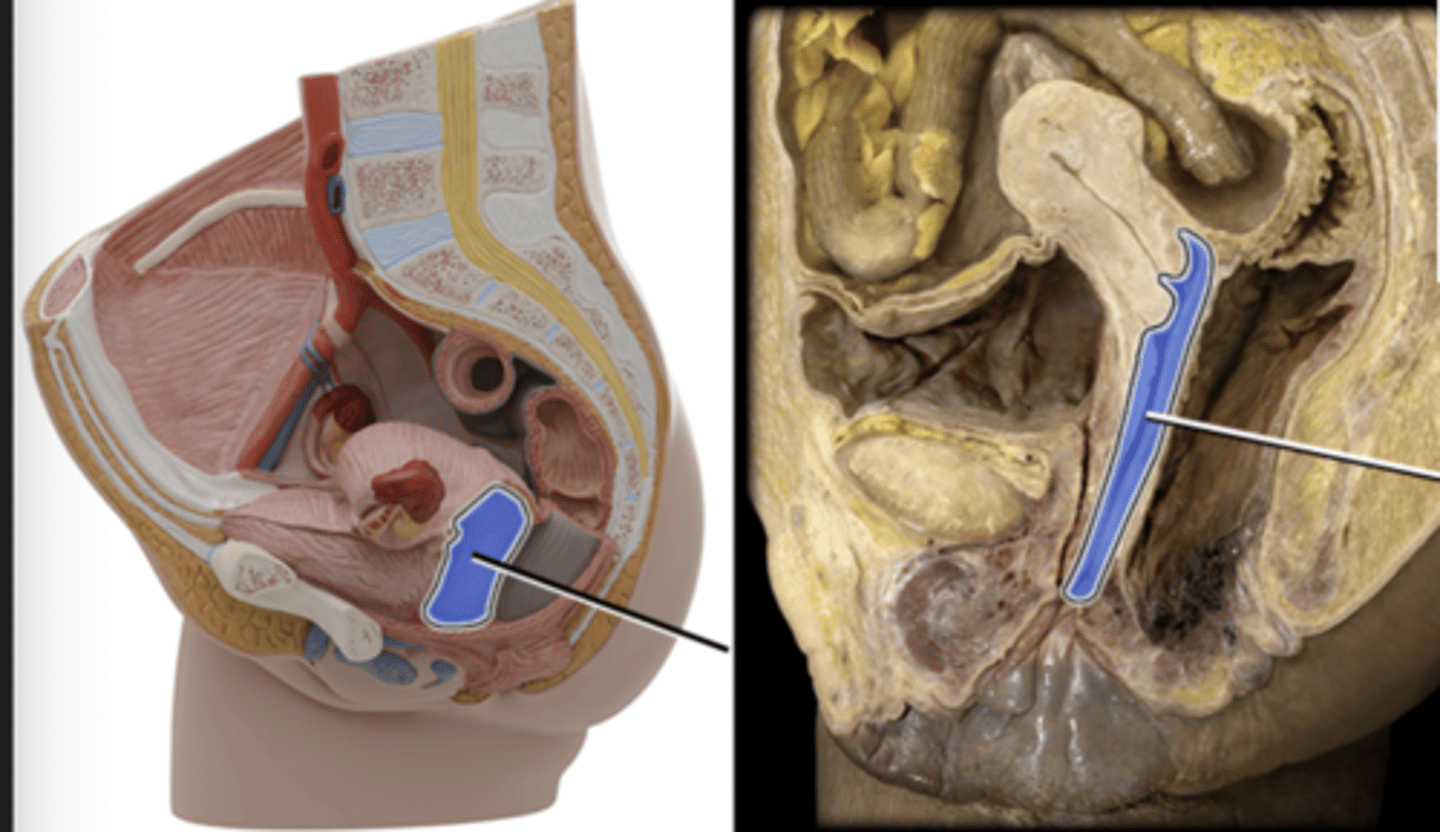
Female Uterus
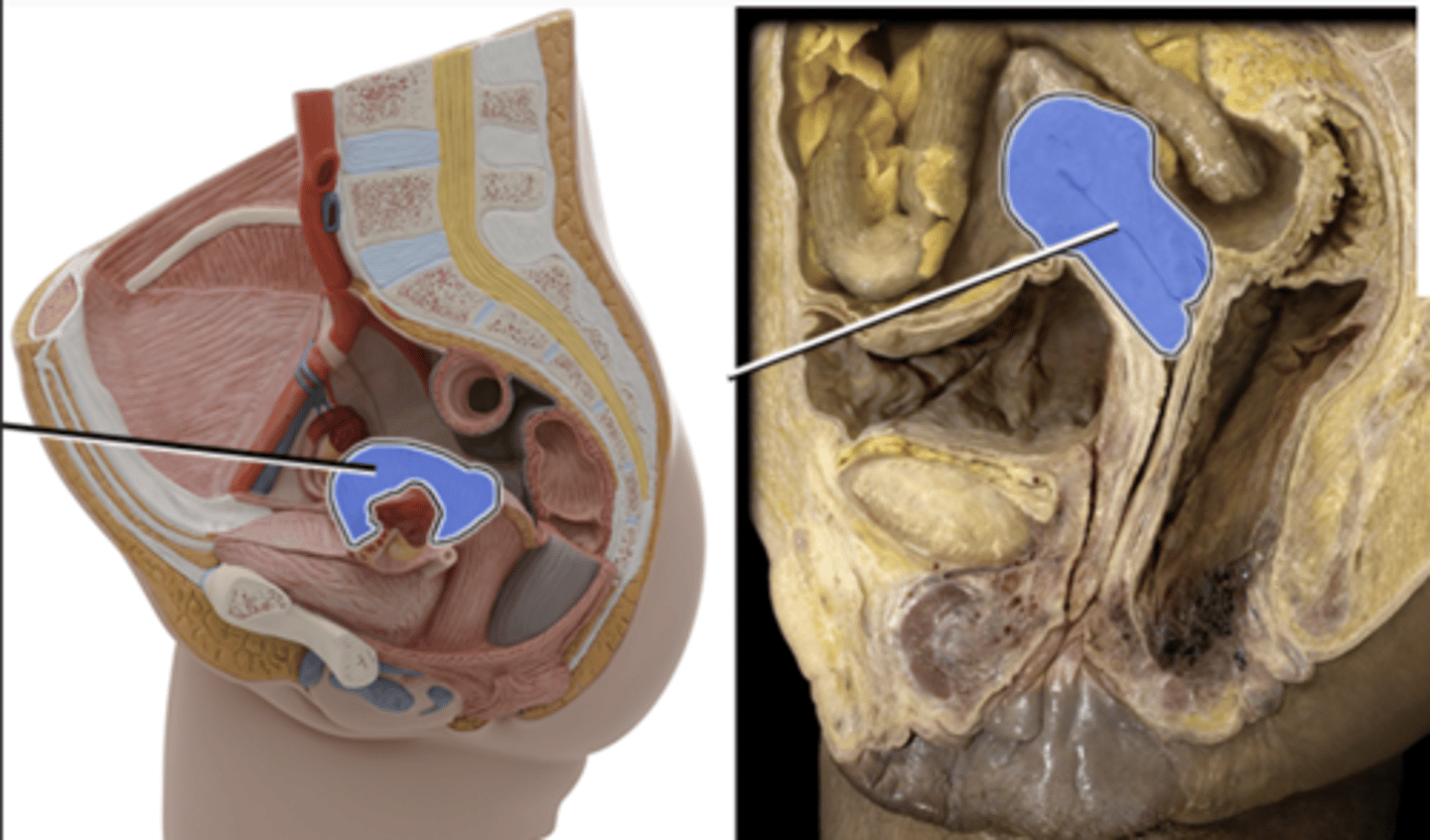
Fundus of Uterus
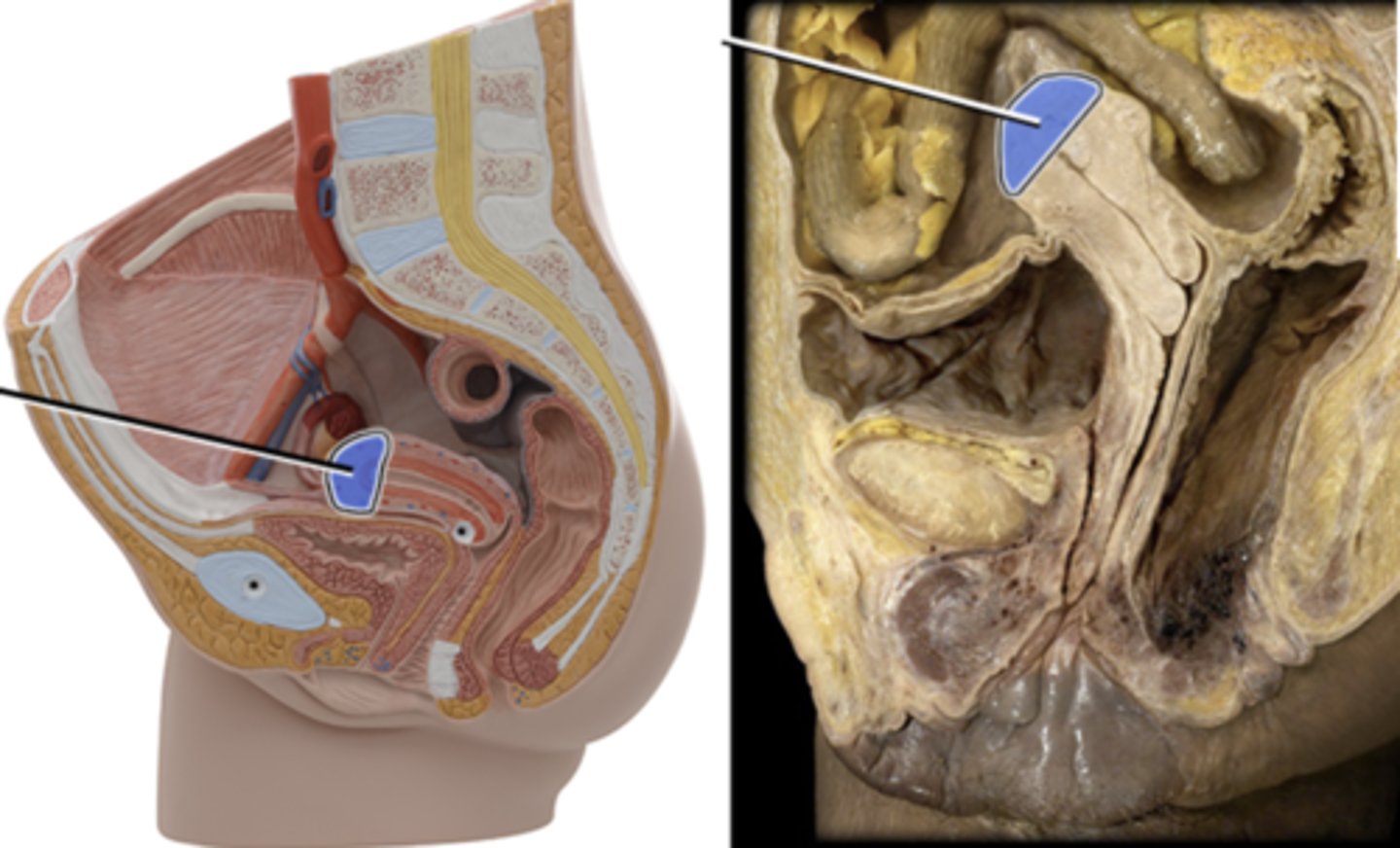
Body of Uterus
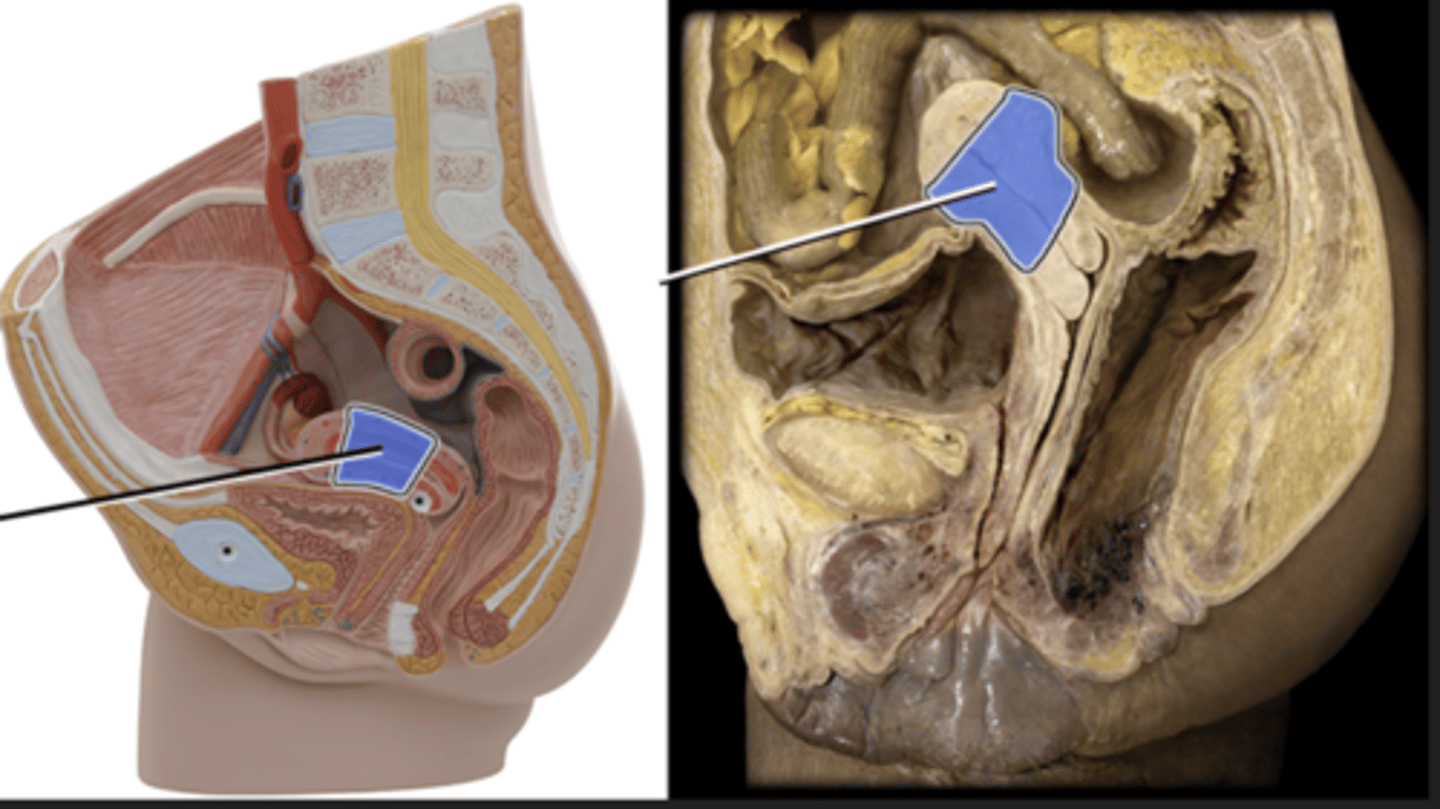
Cervix of Uterus
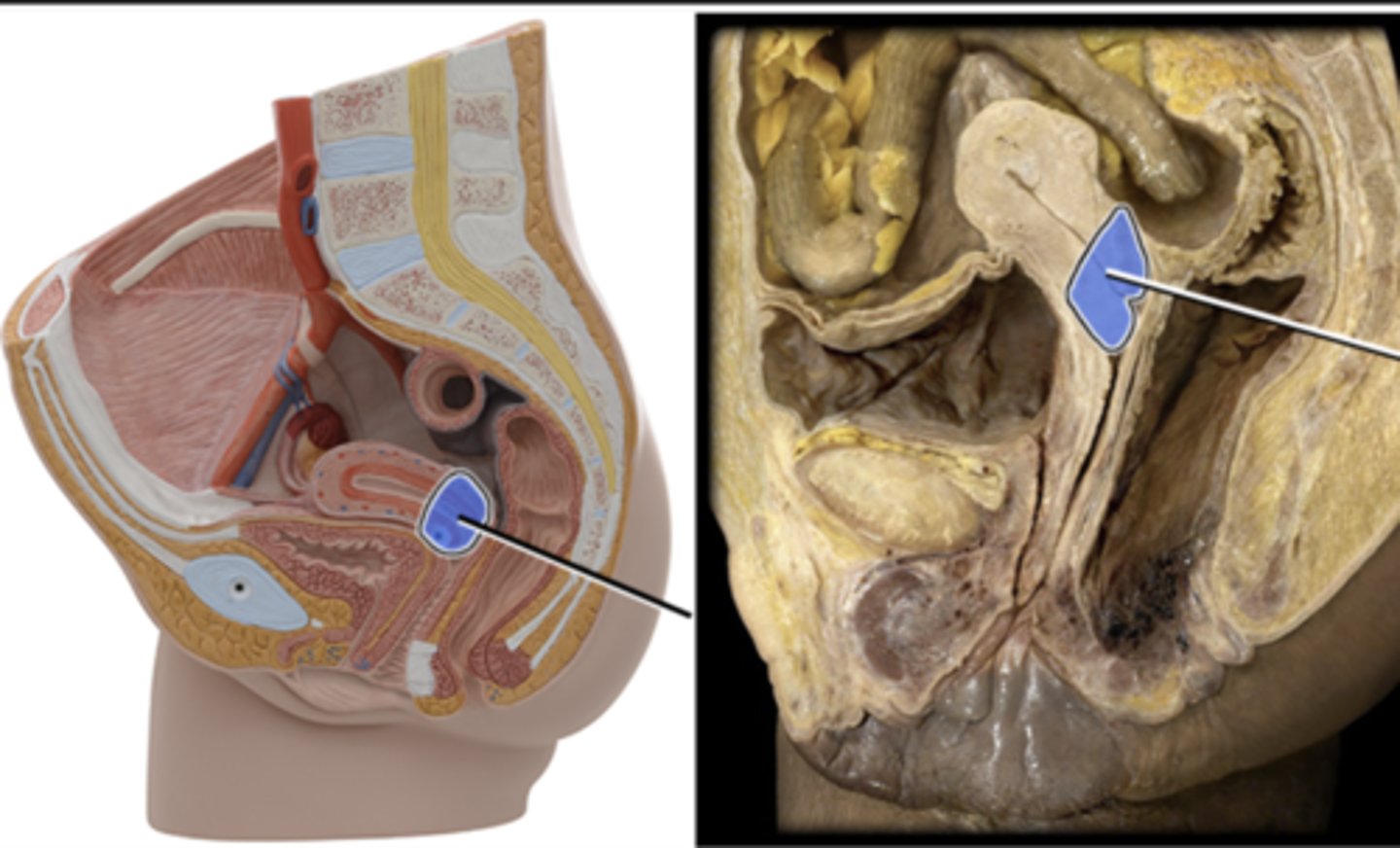
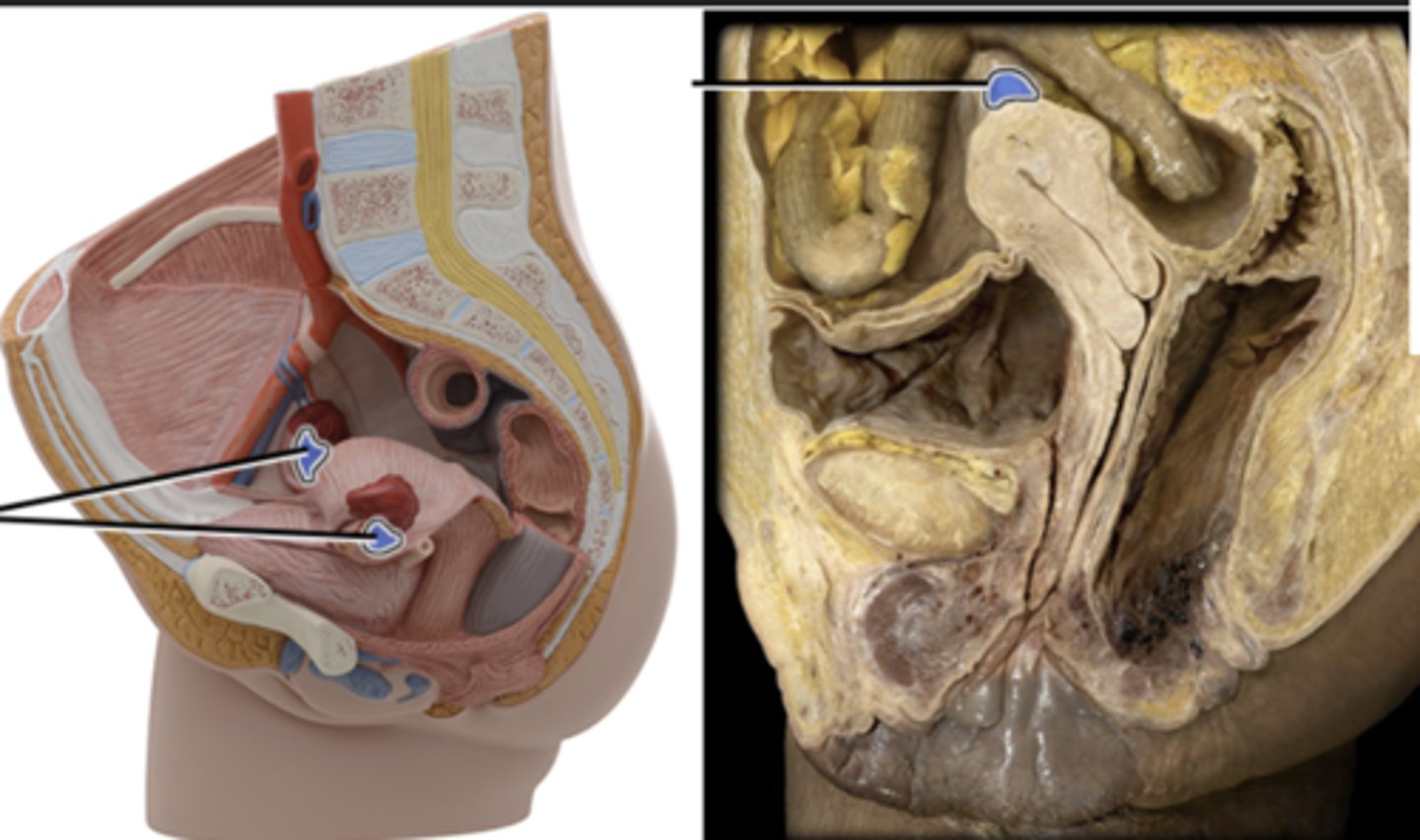
Olvaries
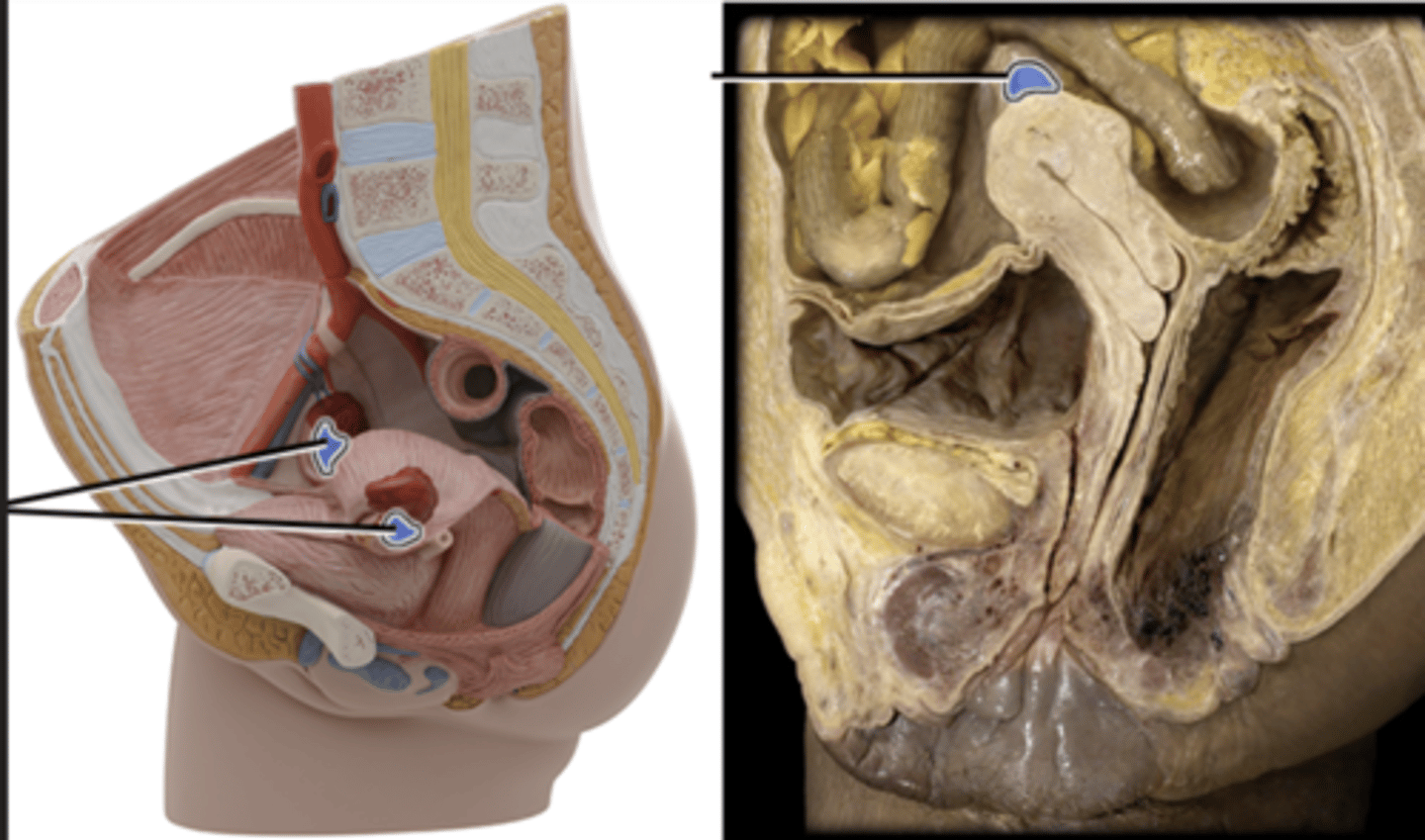
Fimbriae
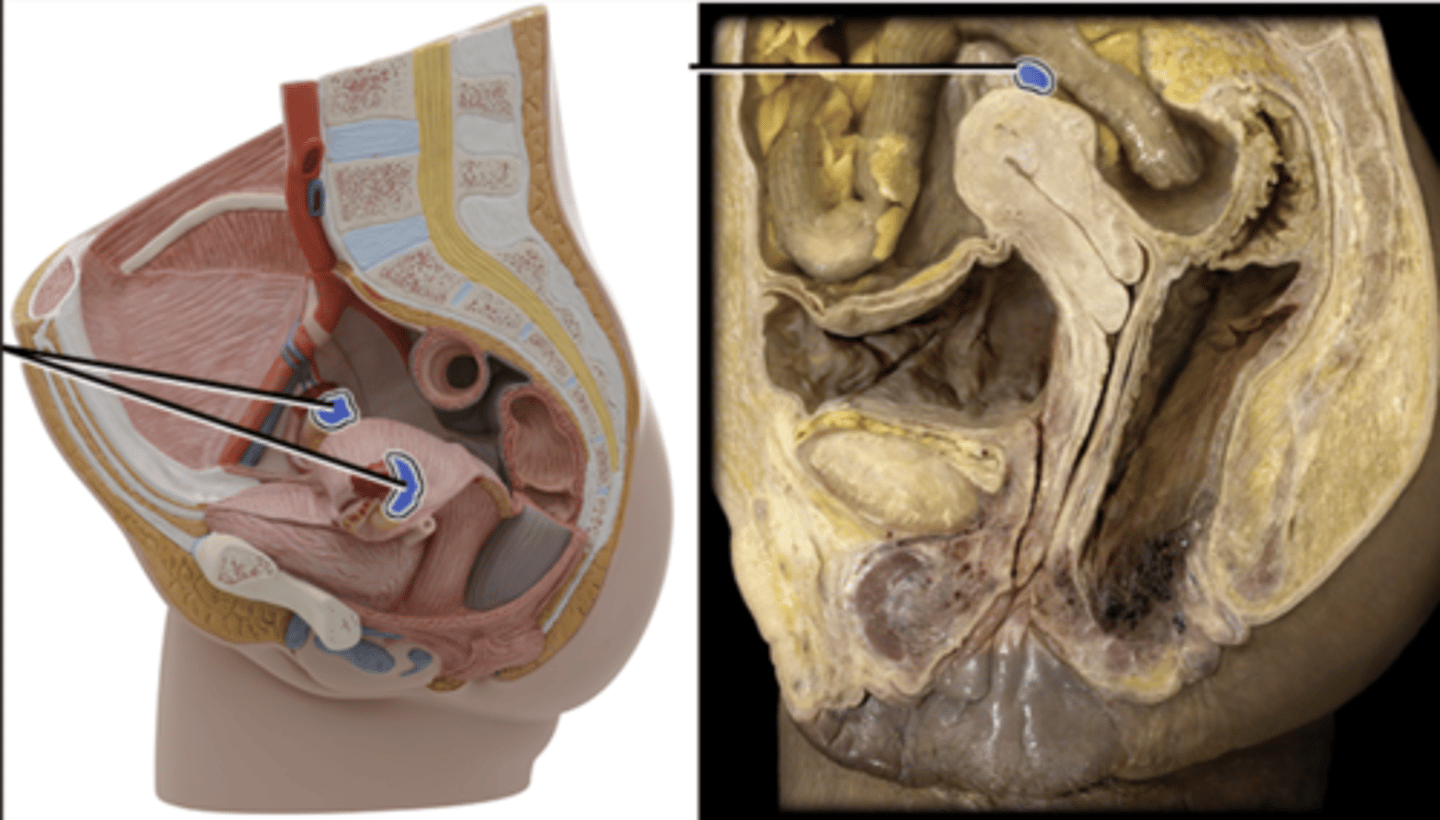
Fallopian Tubes
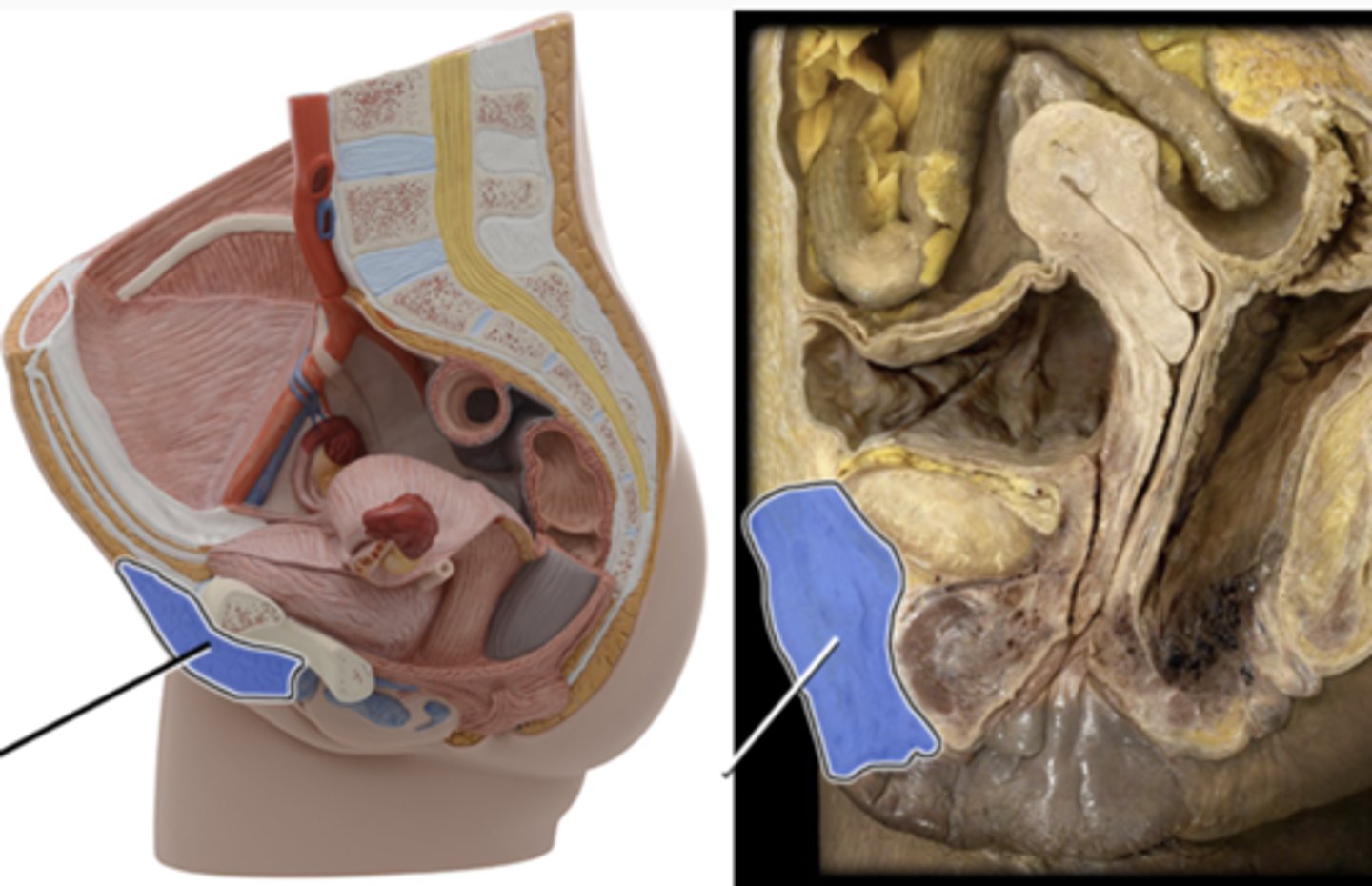
Mons Pubis
Labium Majus
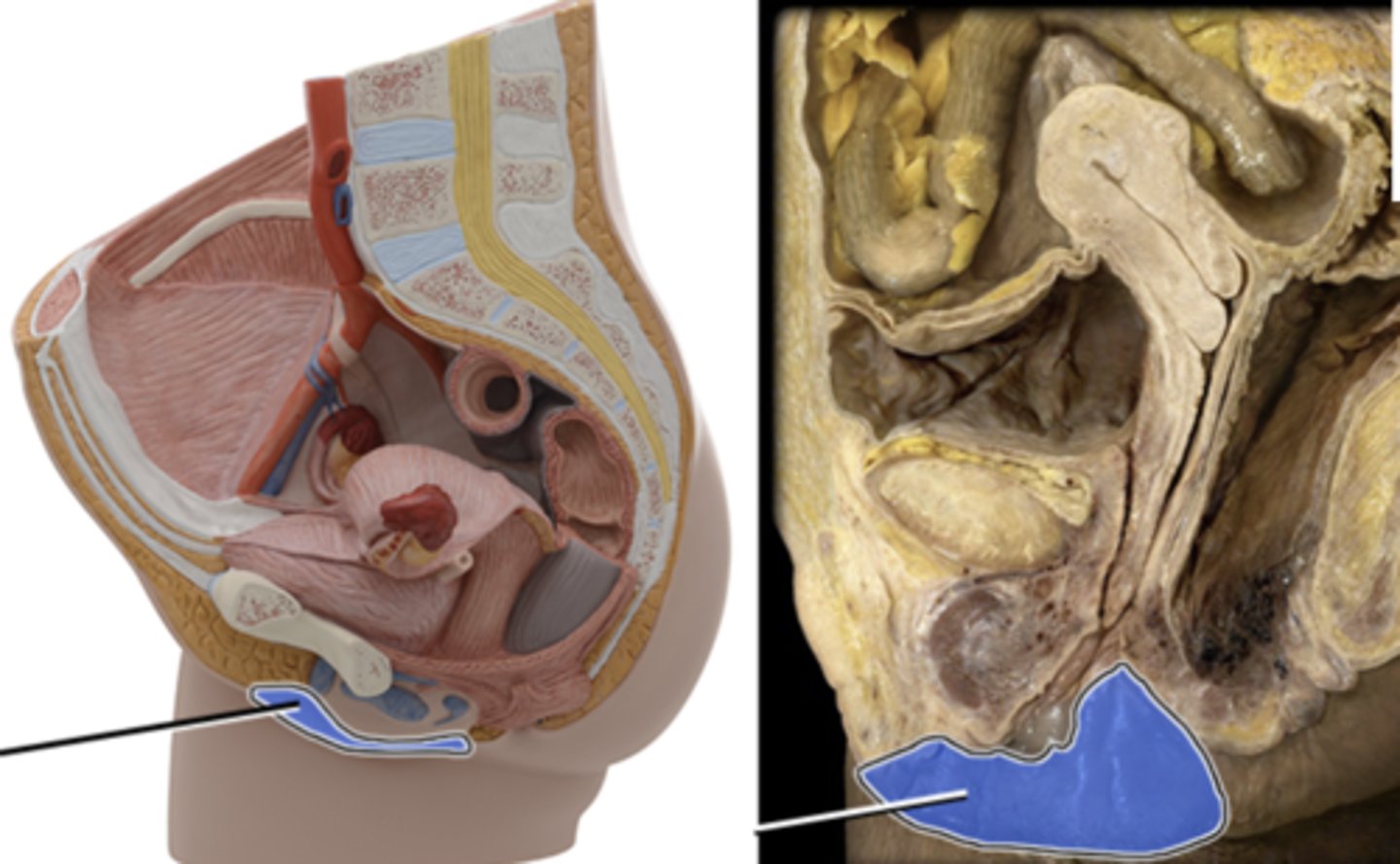
Labium Minus
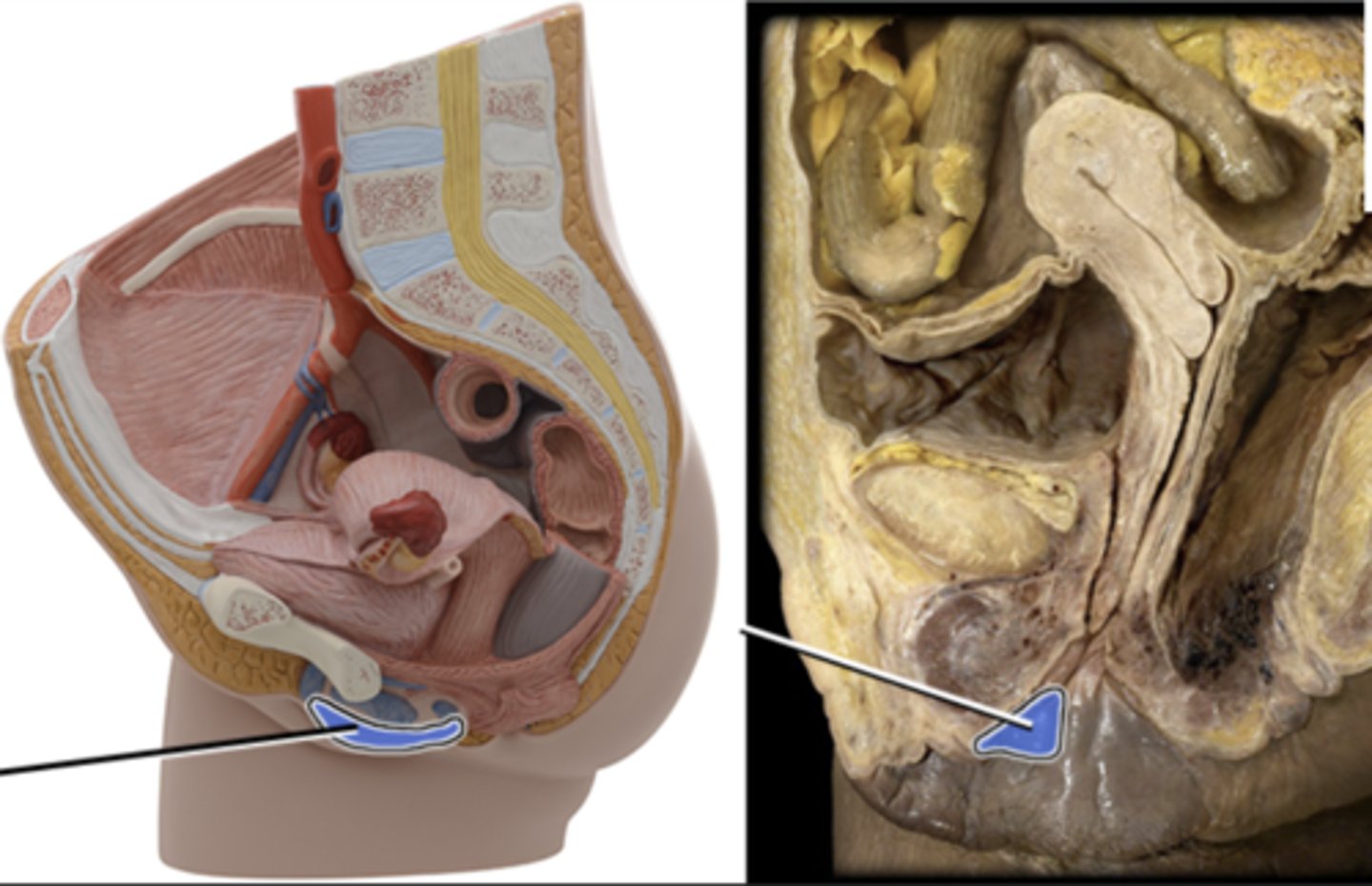
Clitoris
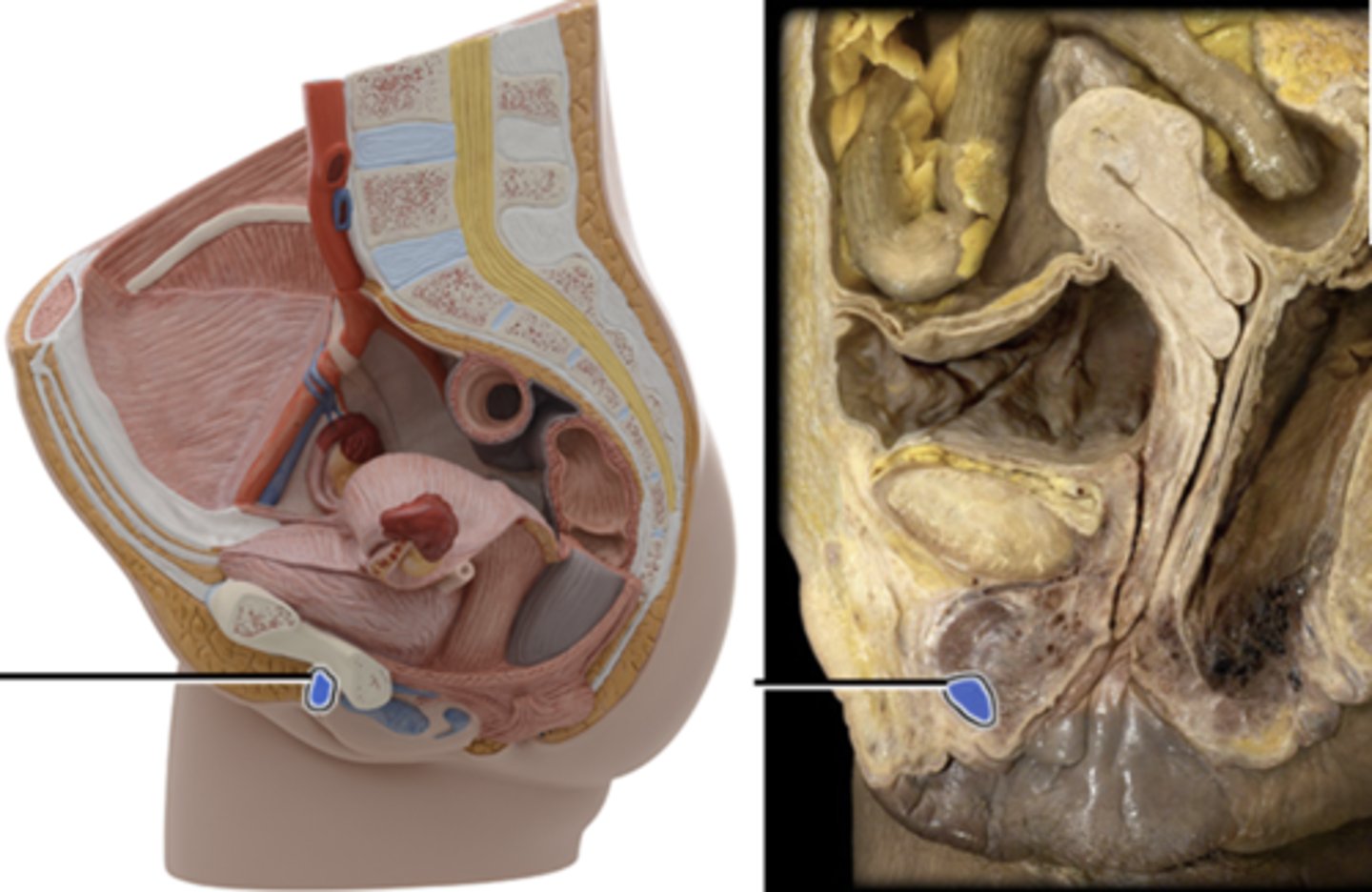
Glans of Clitoris
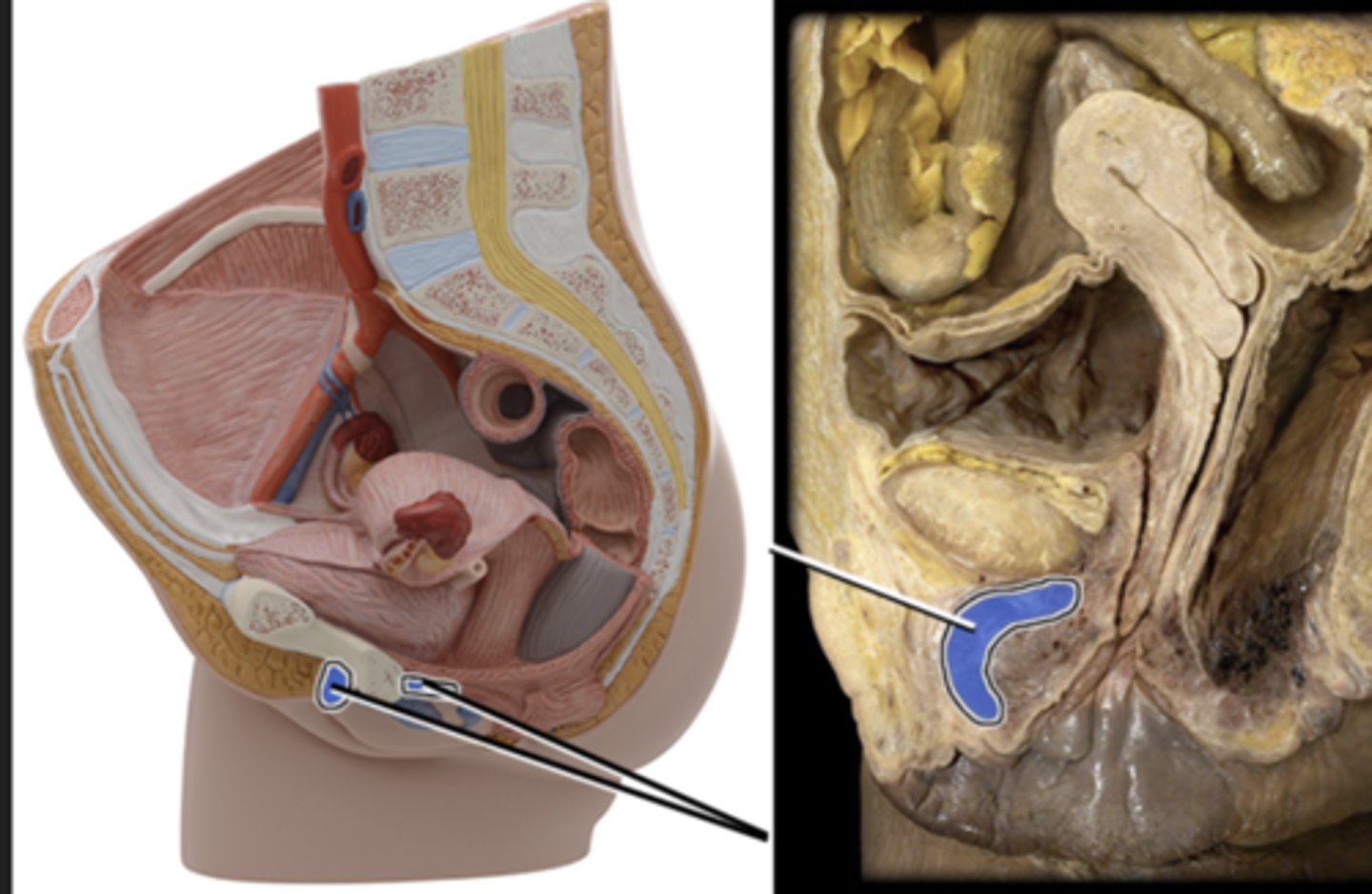
Bulb of Vestibule
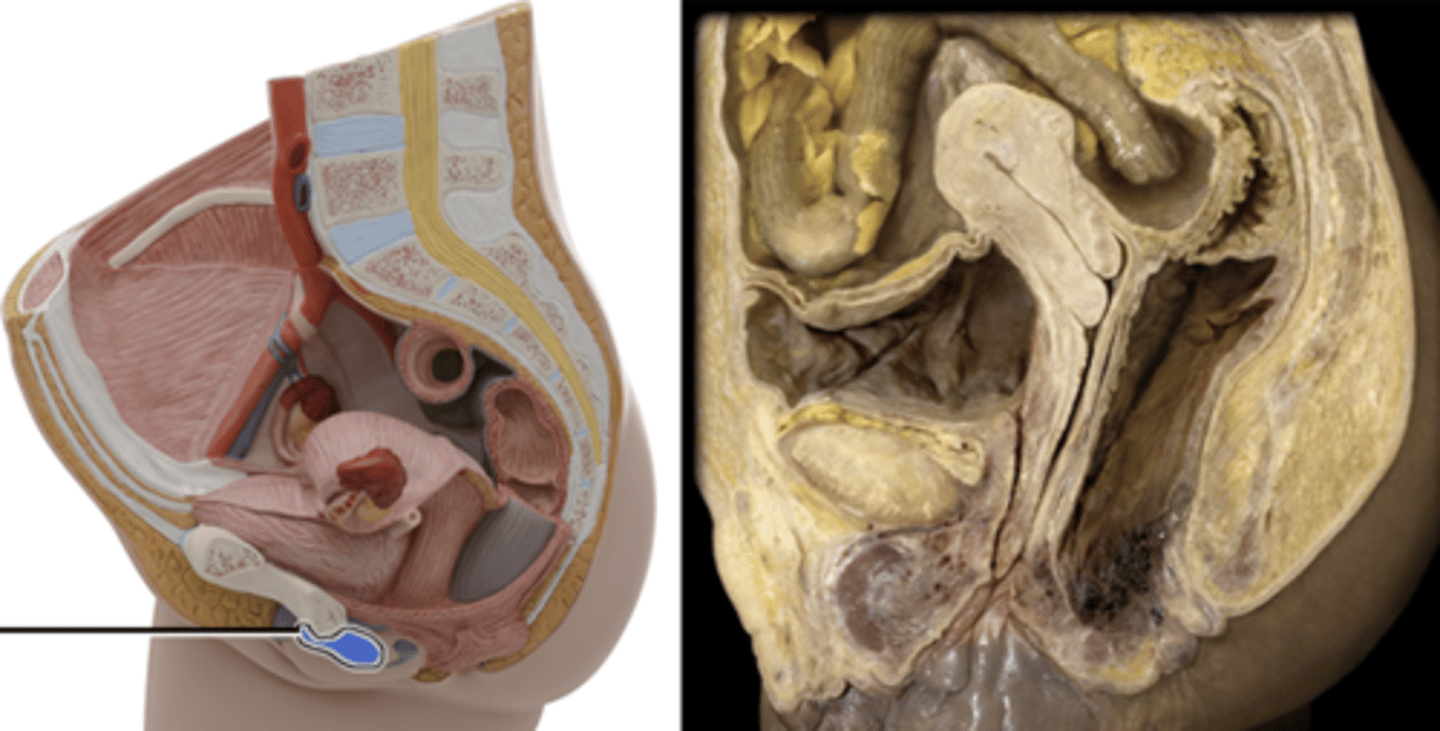
Ovary
Urethra
Clitoris
Labia minora
Vestibular bulb
Labia majora
what belongs to only female
Testis
Urethra
Penis
Urethral surface of penis
Corpus spongiosum
Scrotum
what belongs only to the male
very pale yellow to a straw/amber color
Normal Urine Color
excessive fluid intake or may be a sign of diabetes
Pale Yellow
high level of vitamins, especially Vitamin B.
Bright Yellow
Foods (i.e. beets) or blood in urine
Pink to Red tint
certain bacterial infections or presence of bile pigments
Olive Green
heavy metal poisoning
Brown to Black Tones
excessive levels of white blood cells, fats, protein, or other mineral salts. Possible bacterial infection
Clarity: Cloudiness
4.5 - 7.5
Normal pH
indicate bacterial infection
High pH
diabetes
Low pH
Normal: little to no protein
Presence:
A little protein – stress, dehydration
Persistent presence of protein may indicate kidney damage
Proteins: Normal to have? What does presence mean?
Normal: Not found in urine
Presence: Diabetes, stress, eating a lot of carbs
Glucose: Normal to have? What does presence mean?
Normal: None
Presence: Diabetes, strenuous exercise, alcoholism, pregnancy
Ketones: Normal to have? What does presence mean?
Normal: None
Presence: Extreme physical activity, certain medications, liver or kidney damage, infection or damage in the urinary tract, a condition causing excessive red blood cell destruction, and kidney stones.
Blood/Hemoglobin: Normal to have? What does presence mean?
Normal: None
Presence: Liver problems, too many RBCs being broken down, cirrhosis, gall stones causing bile blockage, types of anemia, or traumatic injury to the liver or gall bladder.
Bilirubin: Normal to have? What does presence mean?
Normal: None
Presence: typically a sign of urinary tract infection
Nitrites: Normal to have? What does presence mean?
Normal: 1.005 – 1.030
Compares mass of urine sample to the mass of pure water
Can vary due to level of hydration, kidney function, etc.
Specific Gravity: What is considered normal range? What effects it?
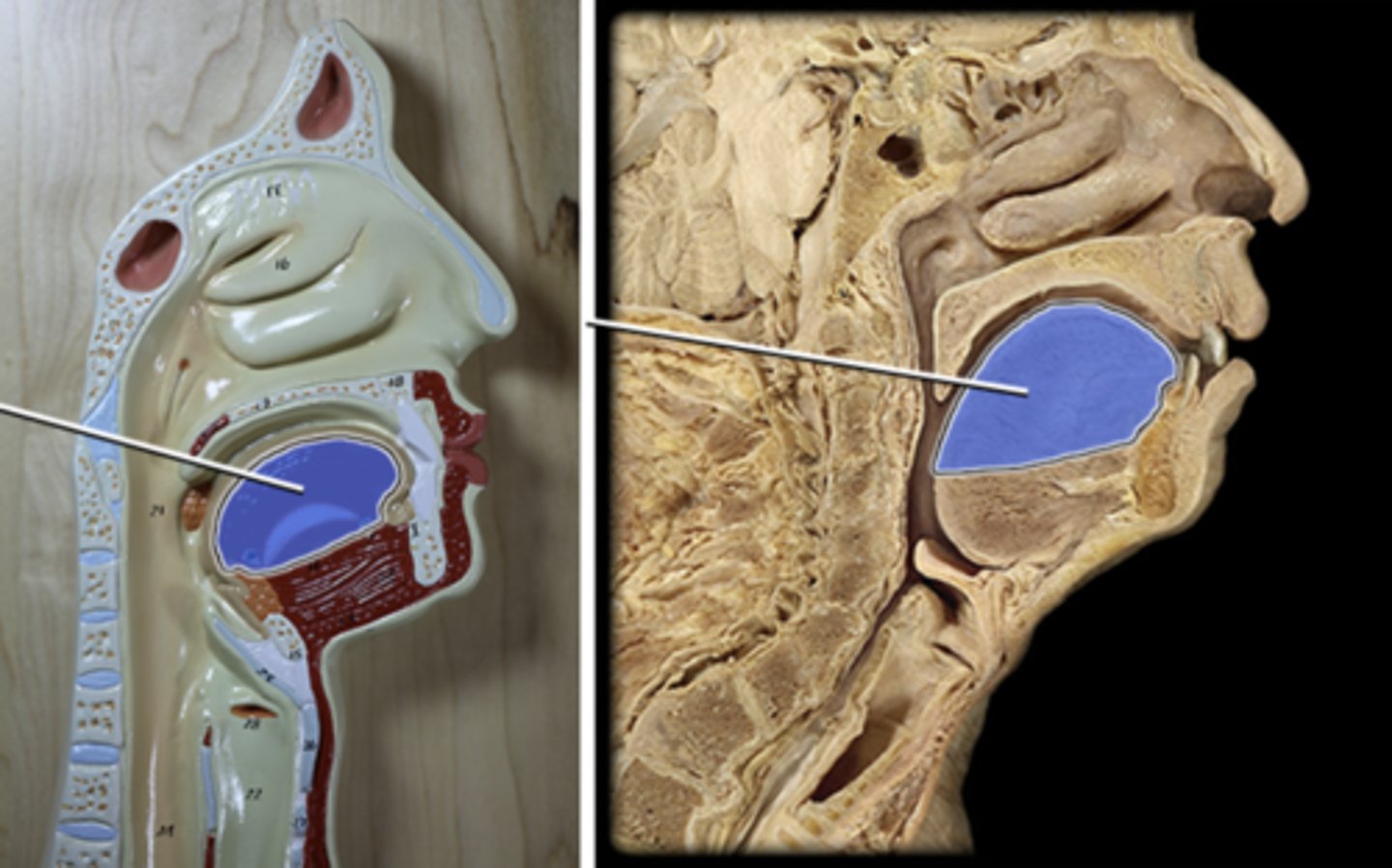
Oral Cavity
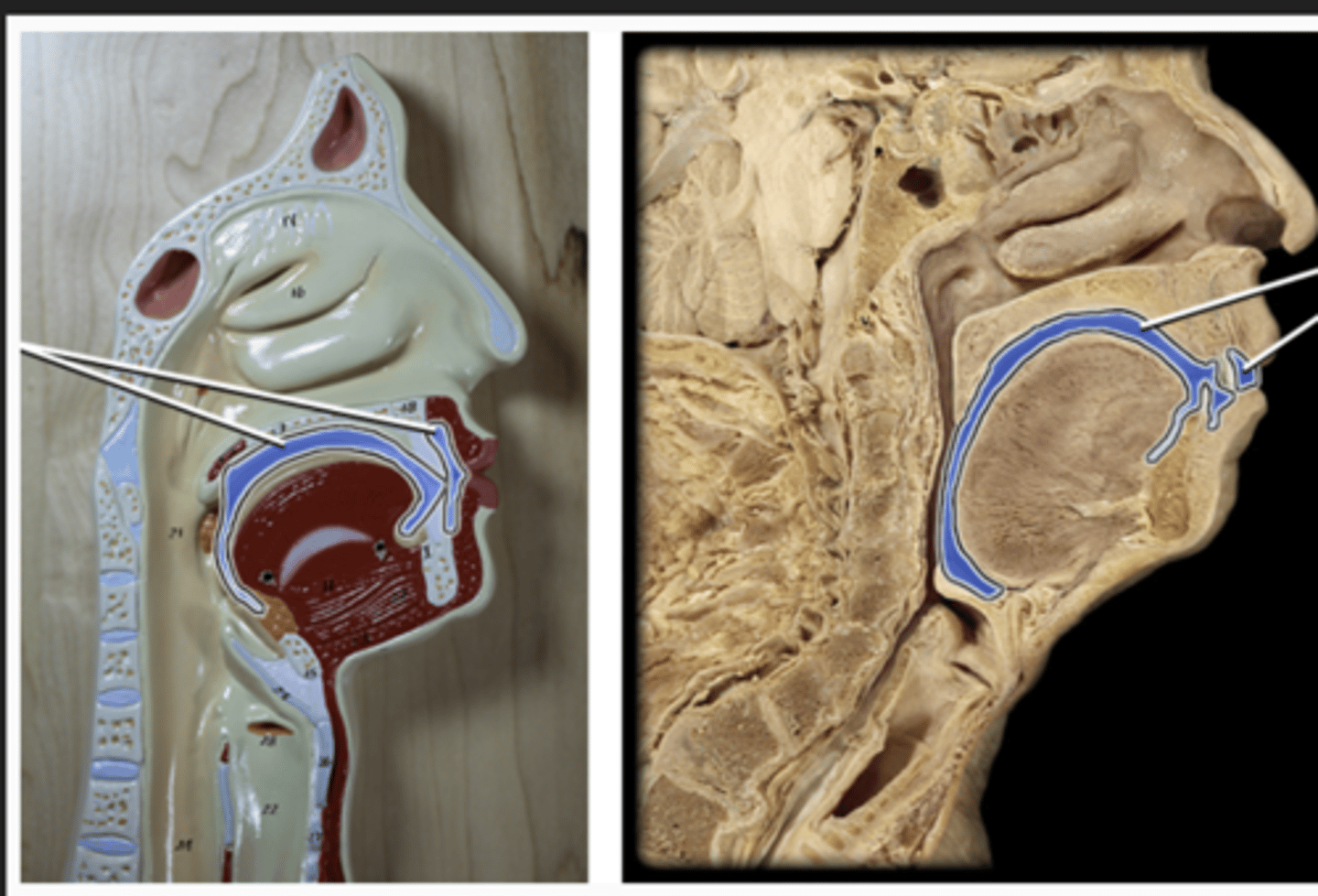
hard palate
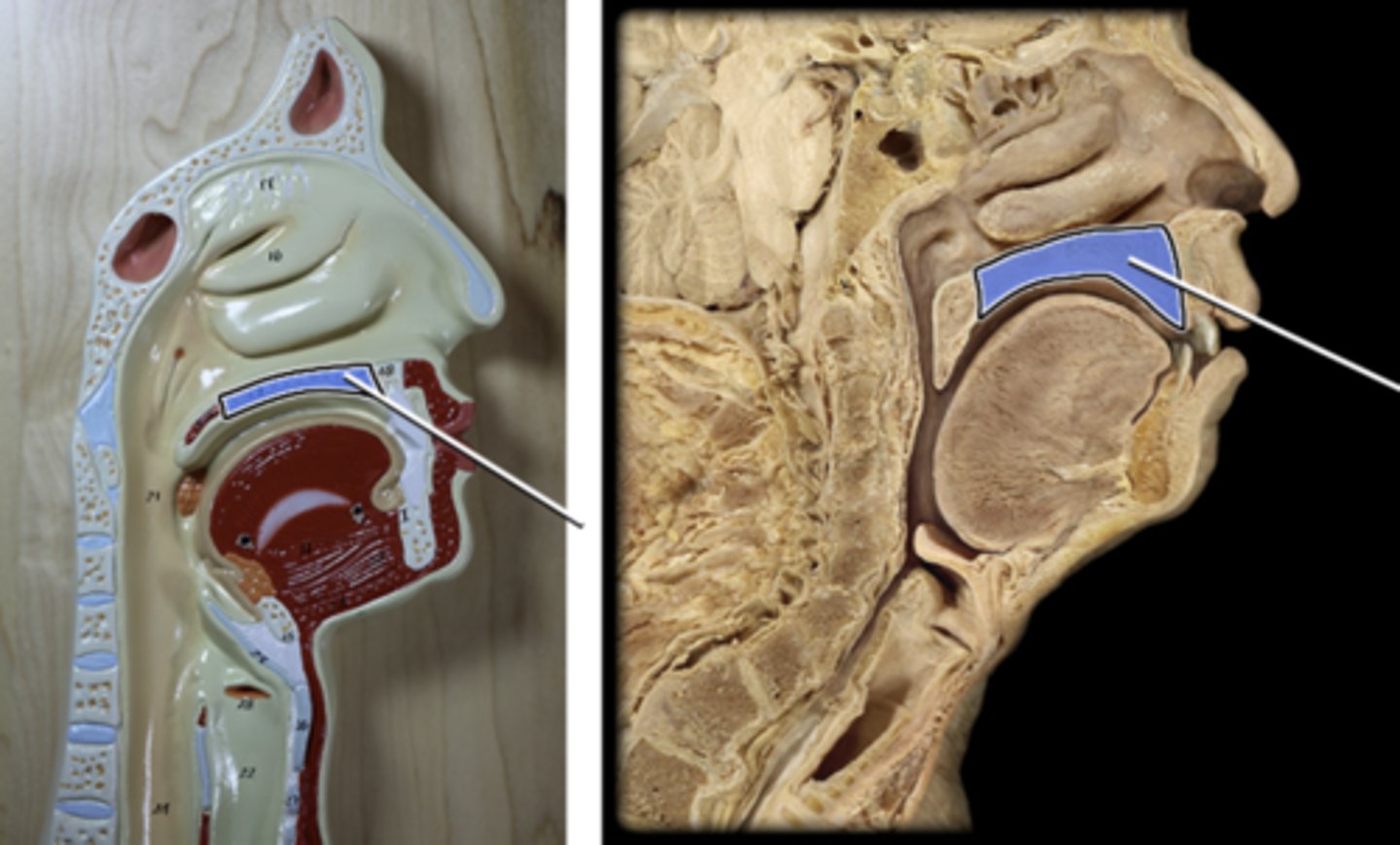
soft palate
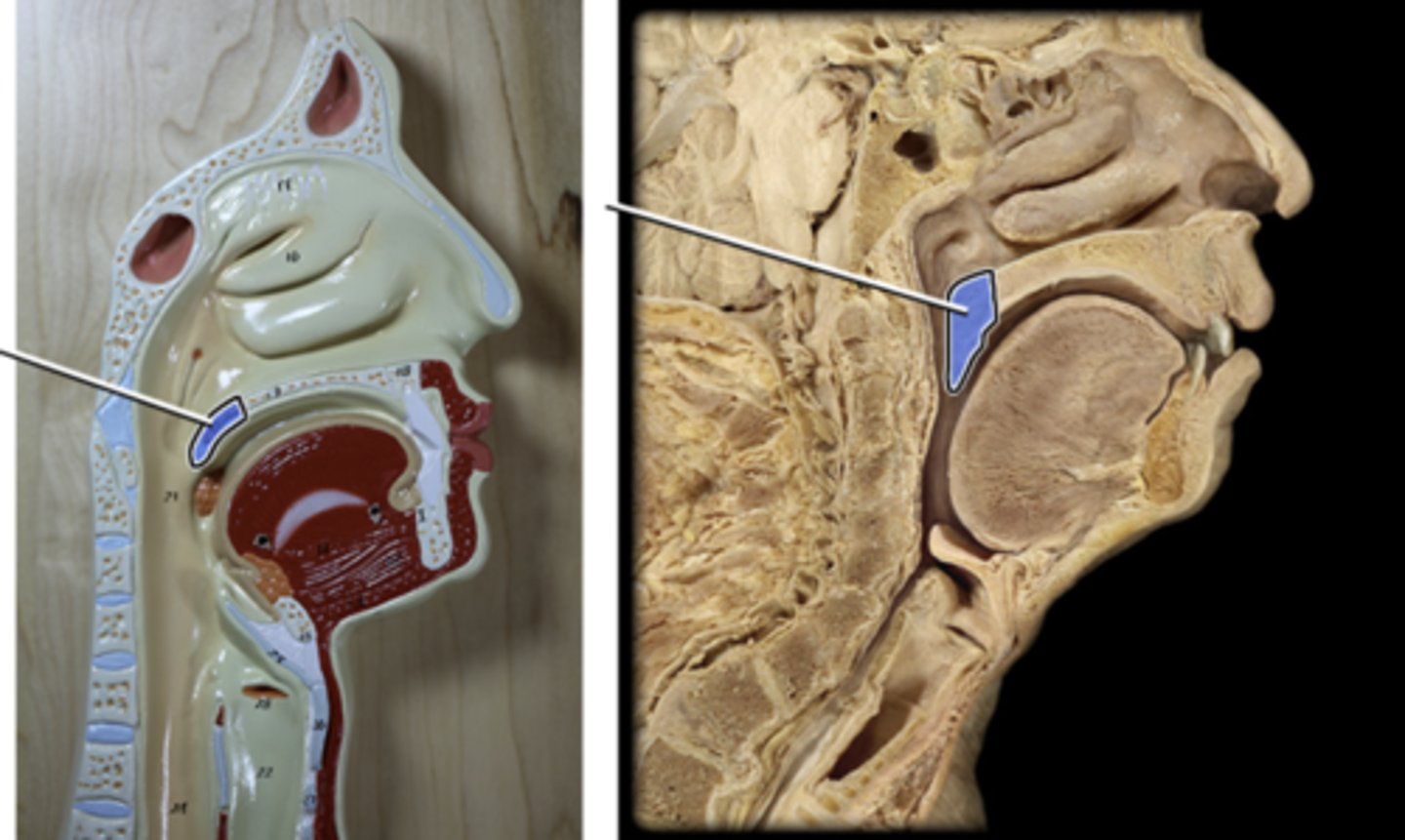
uvula
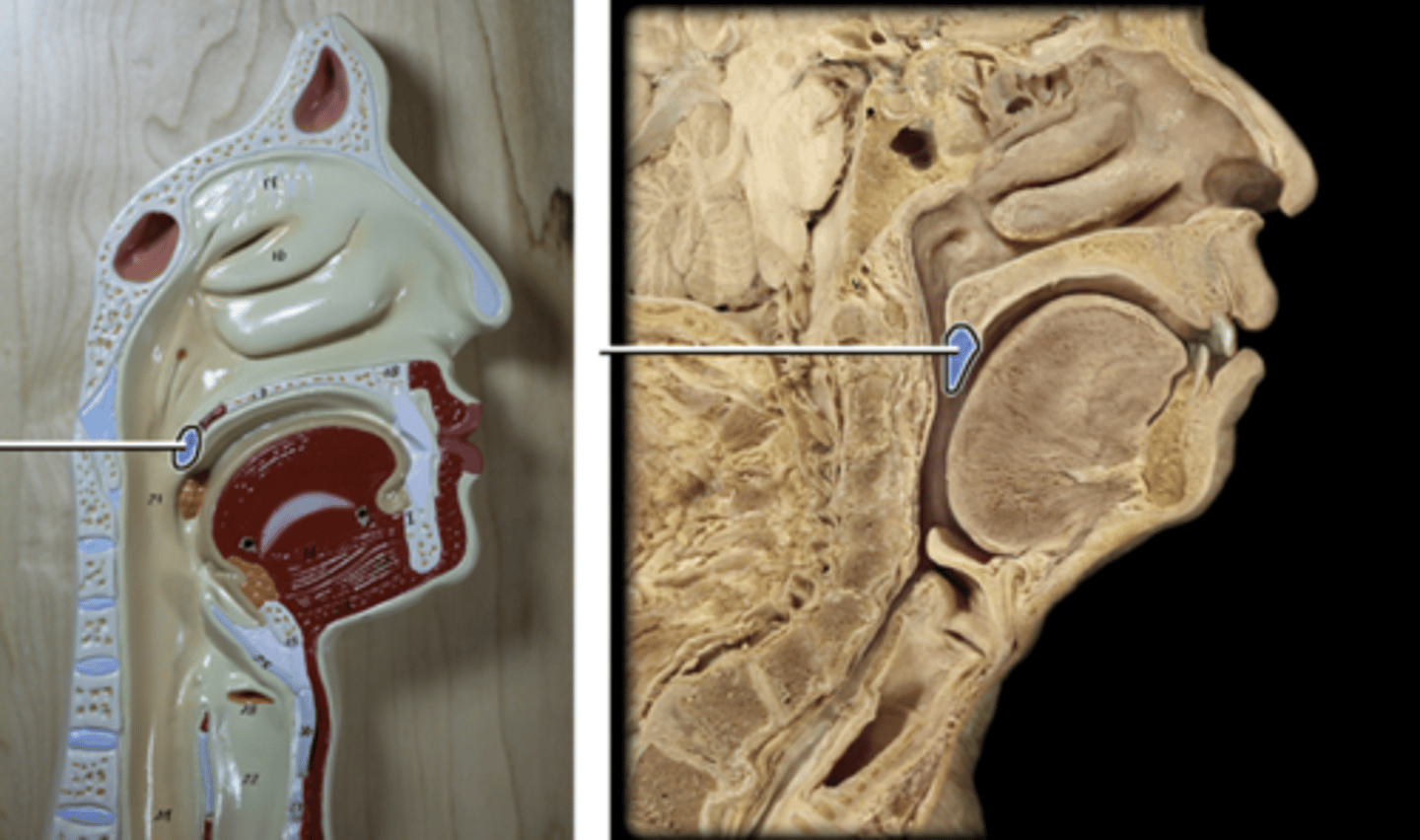
body of tongue
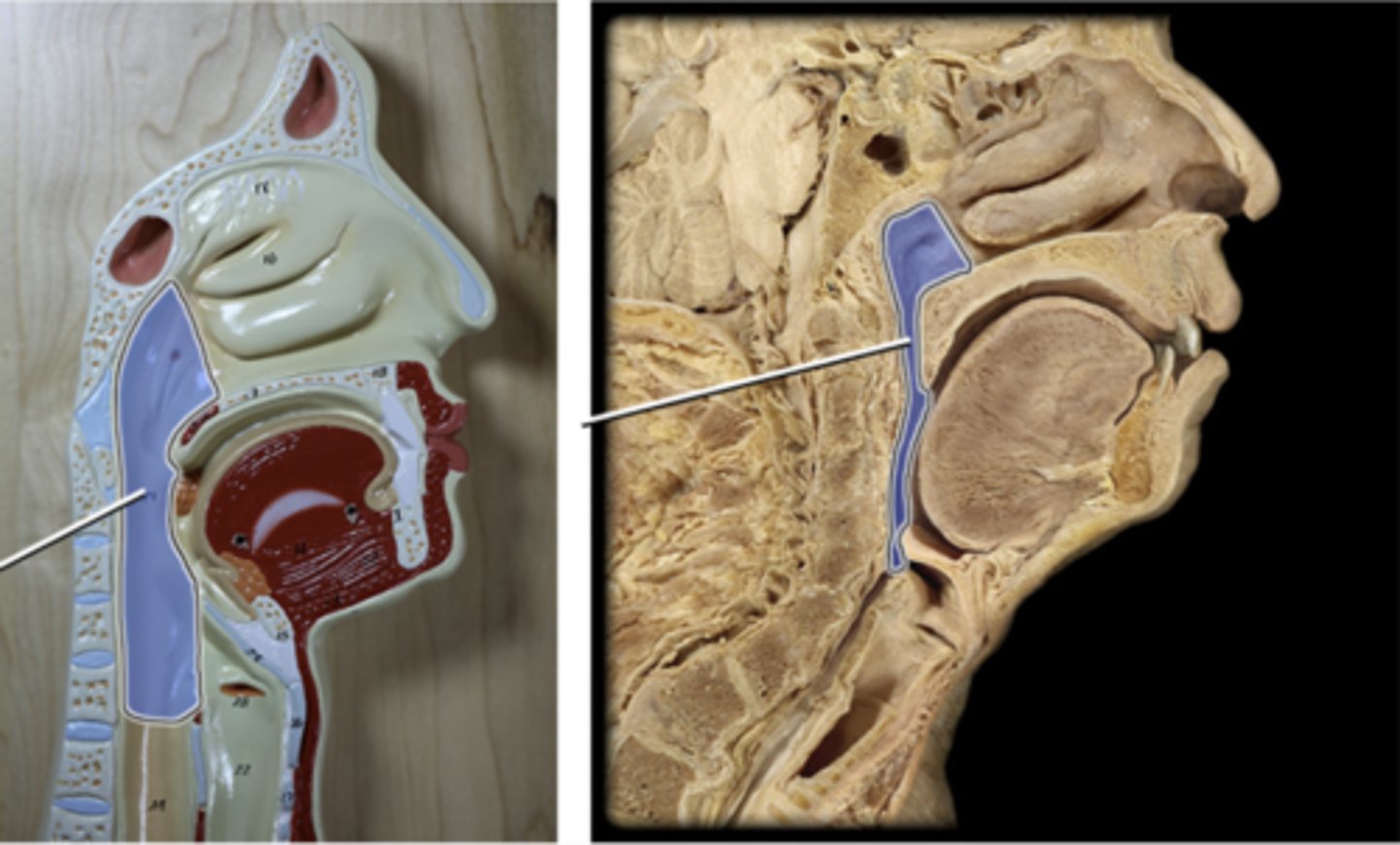
pharynx
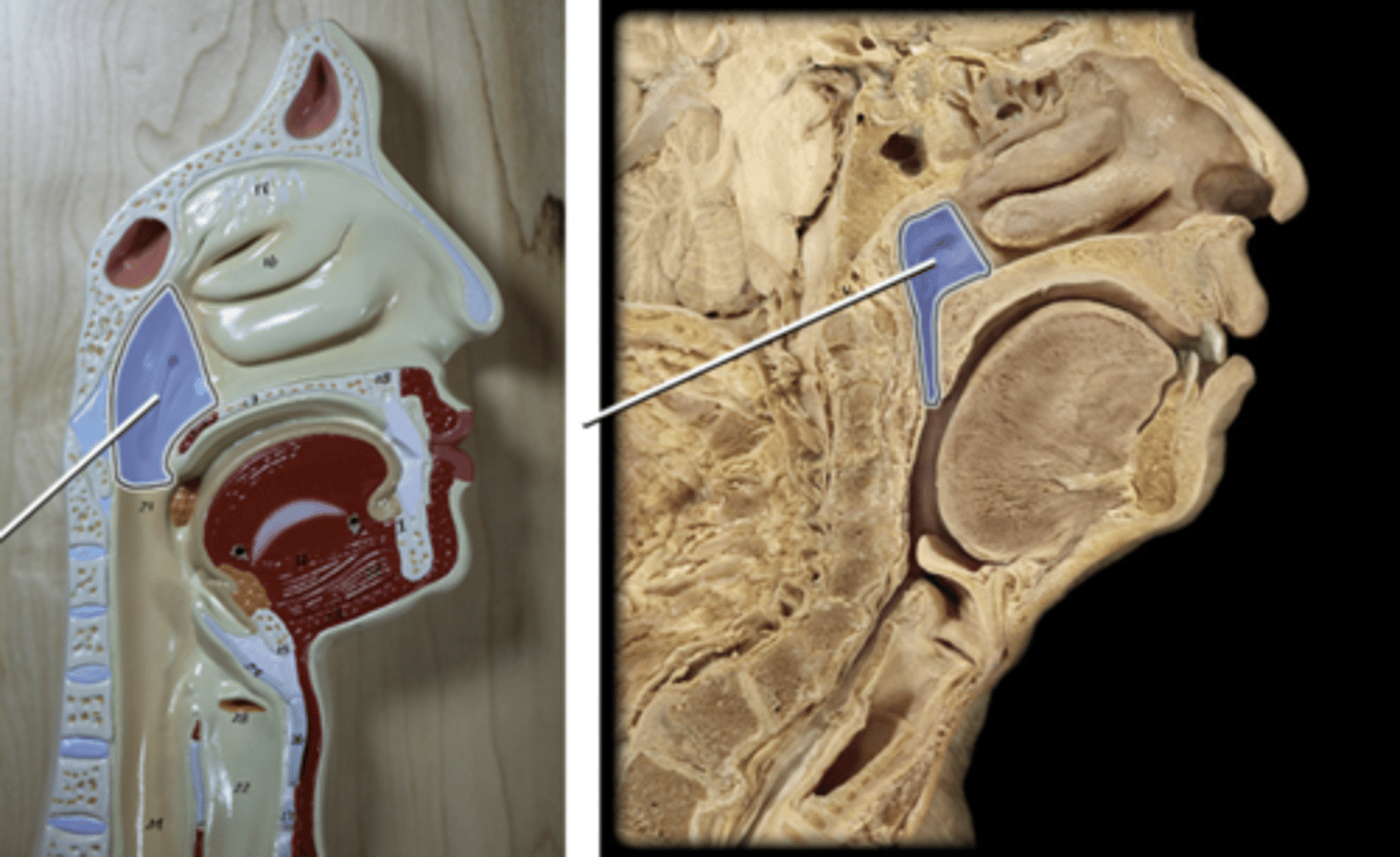
nasopharynx
oropharynx
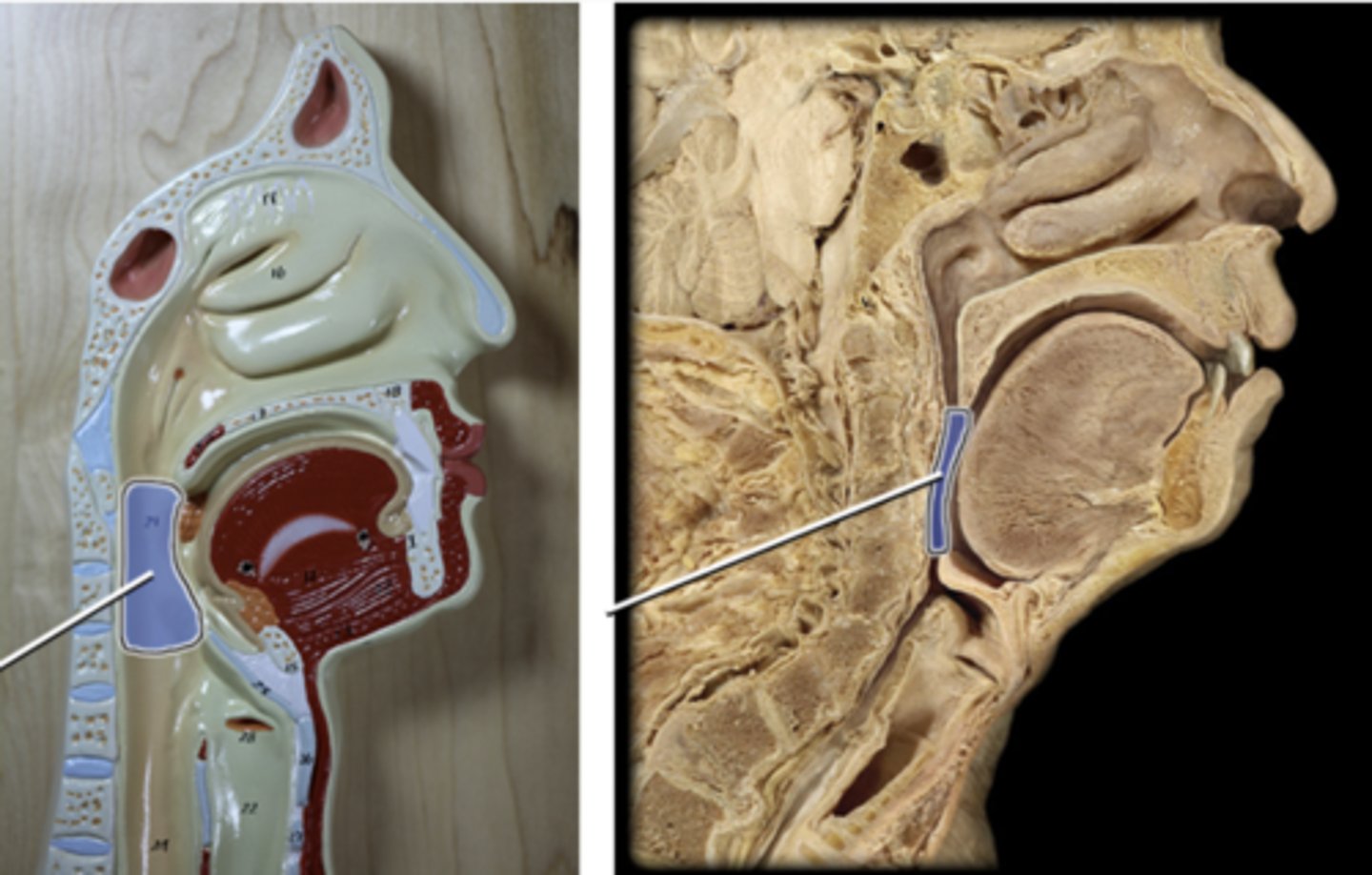
laryngopharynx
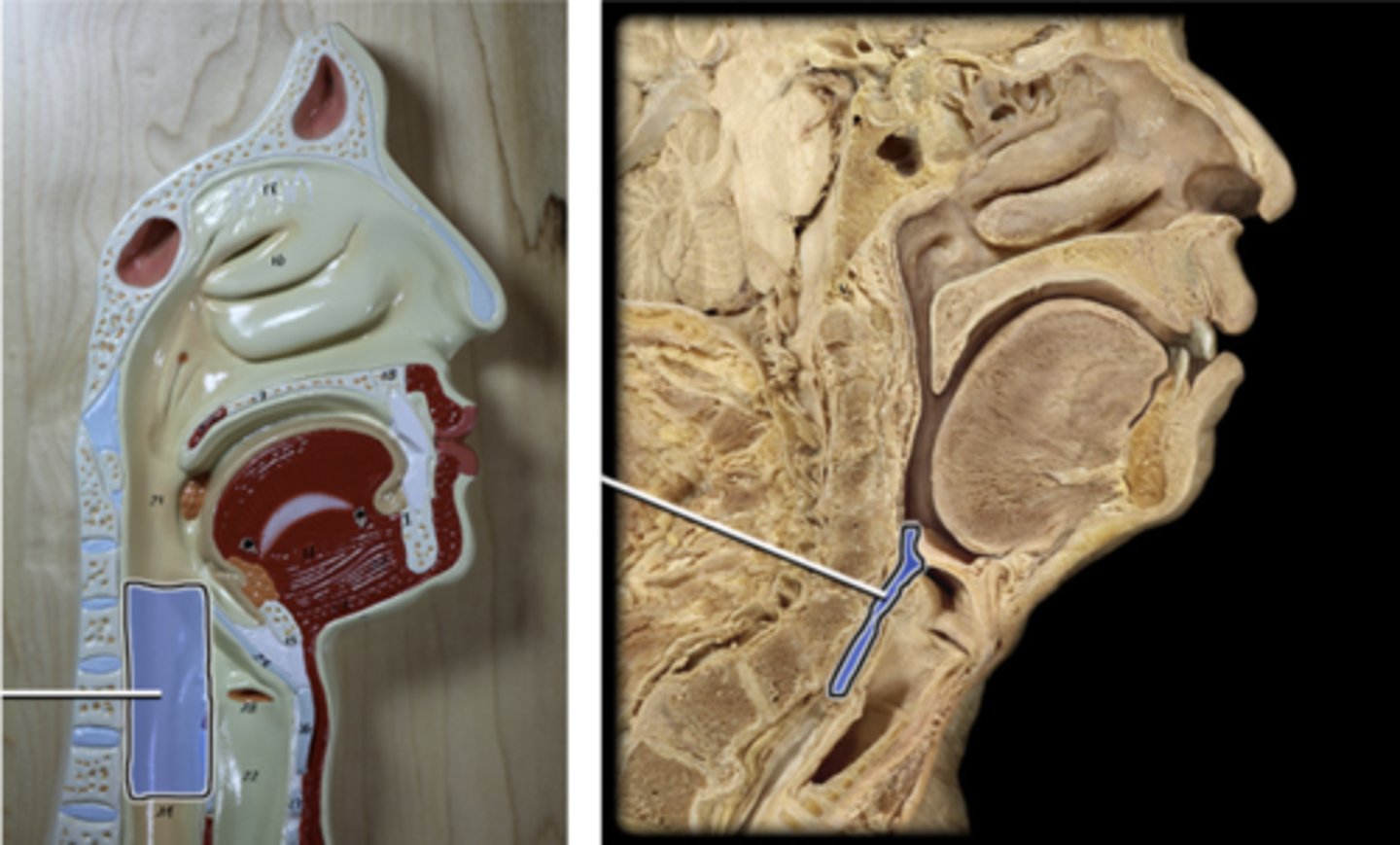
epiglottis
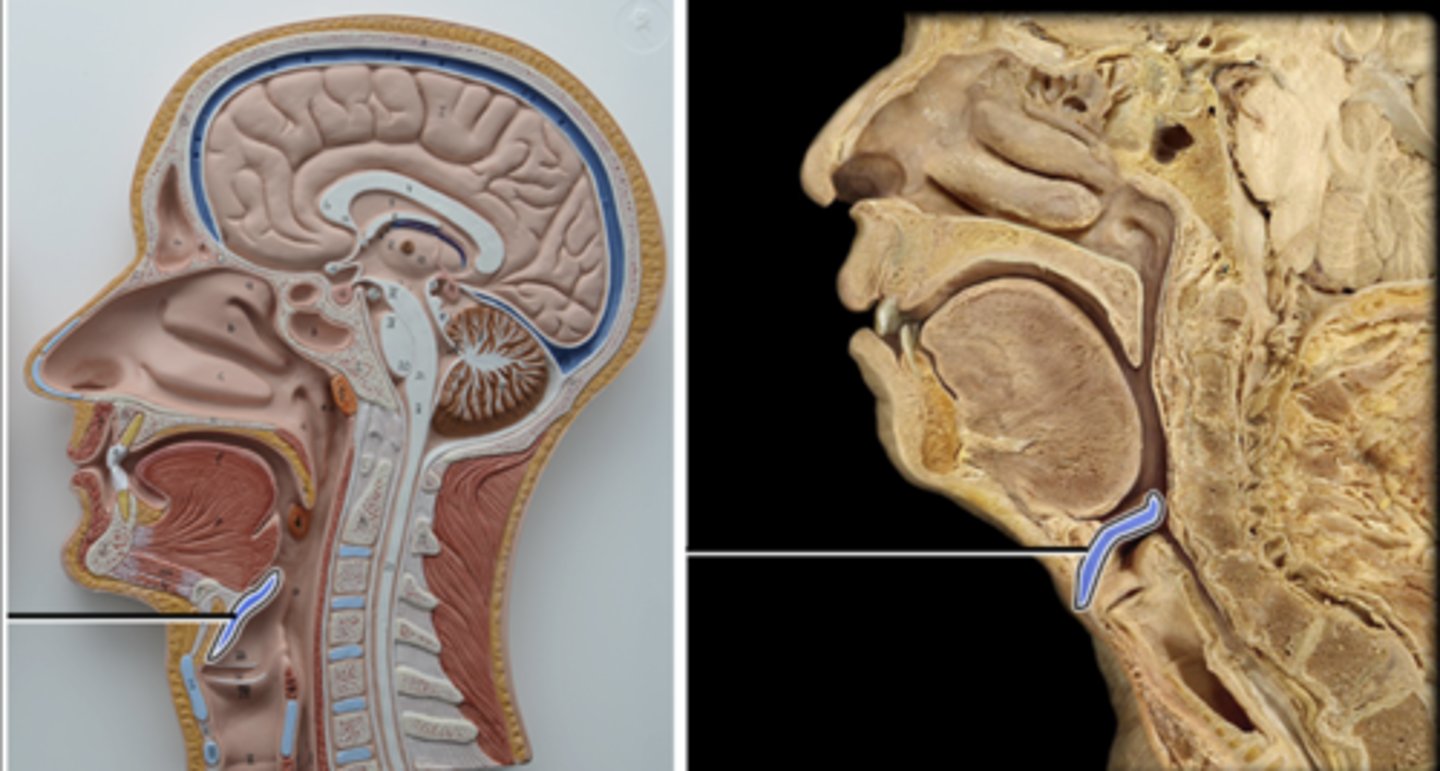
esophagus
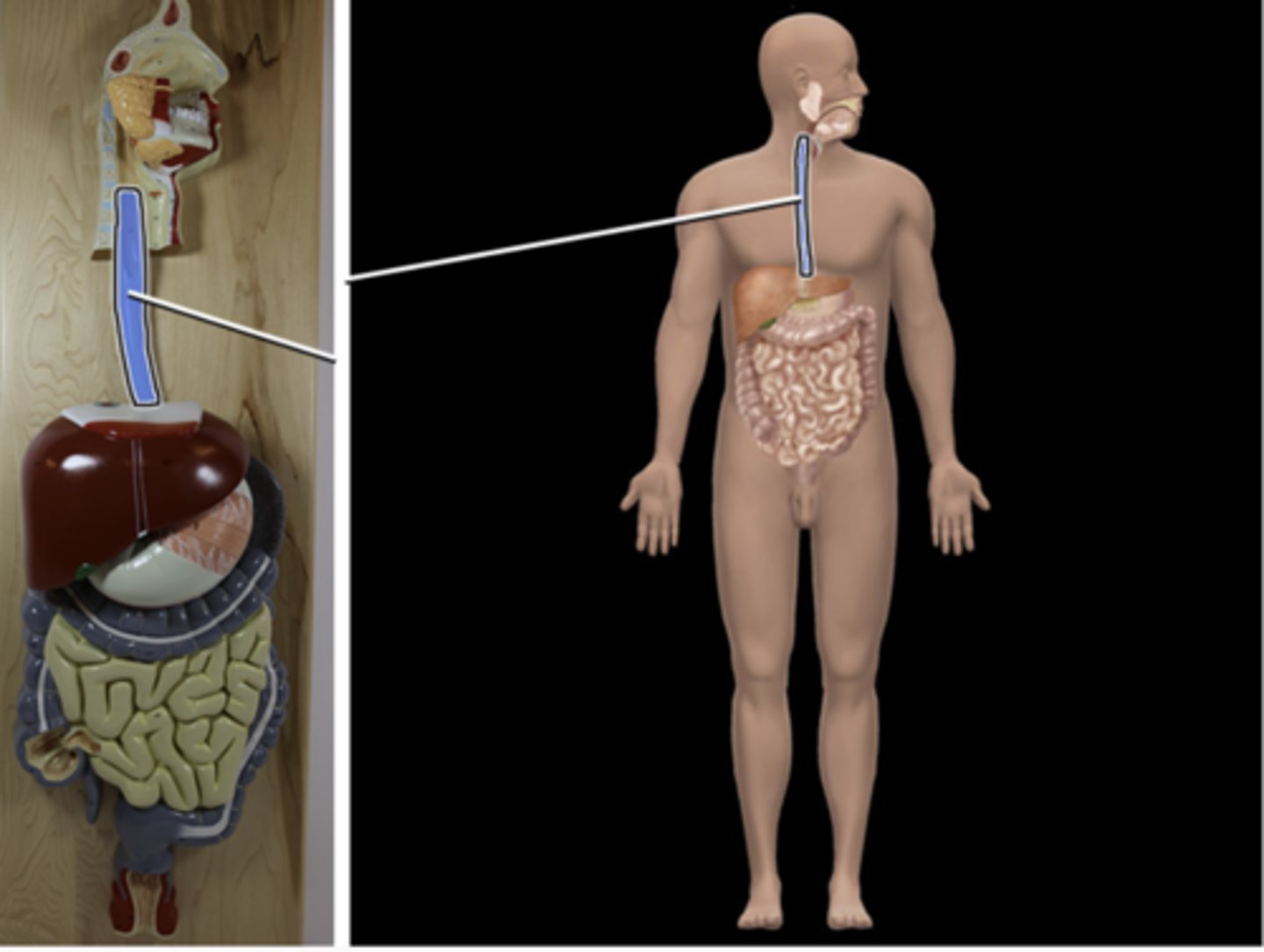
stomach
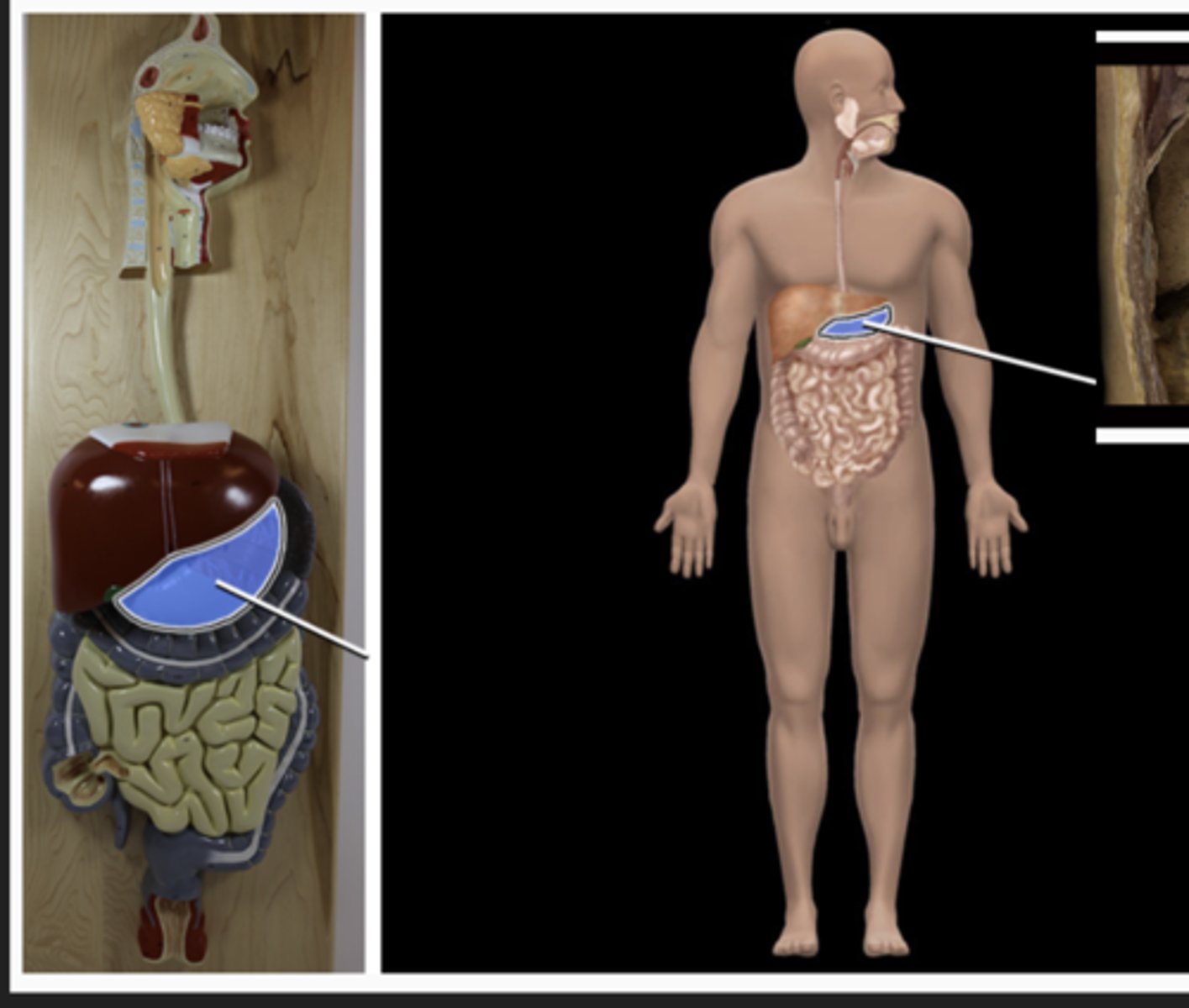
greater curvature of stomach
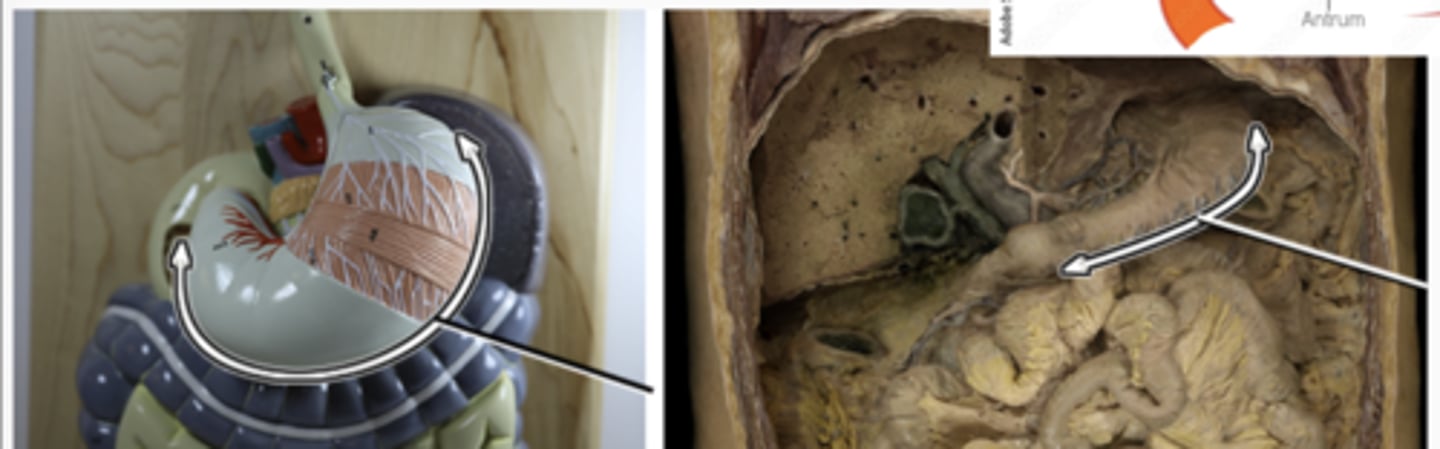
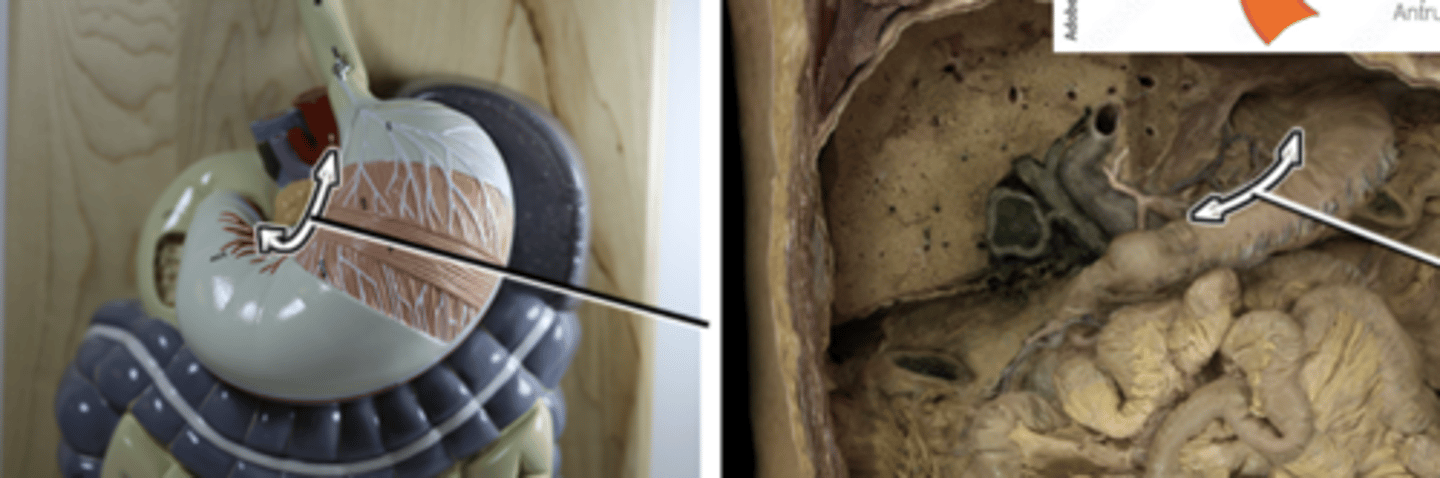
lower curvature of the stomach
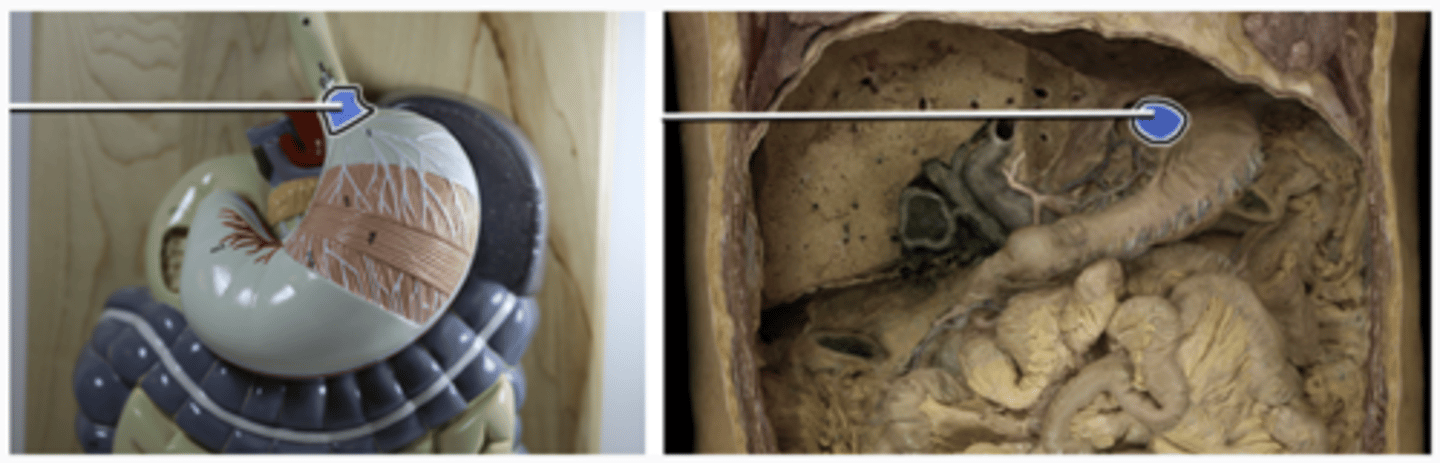
cardia of stomach
fundus of stomach
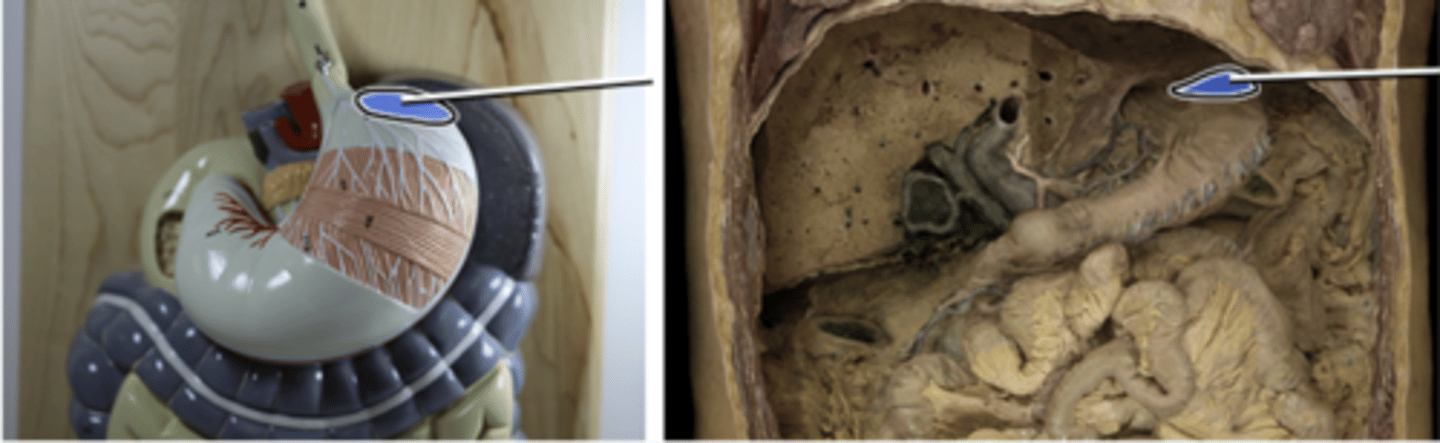
body of the stomach
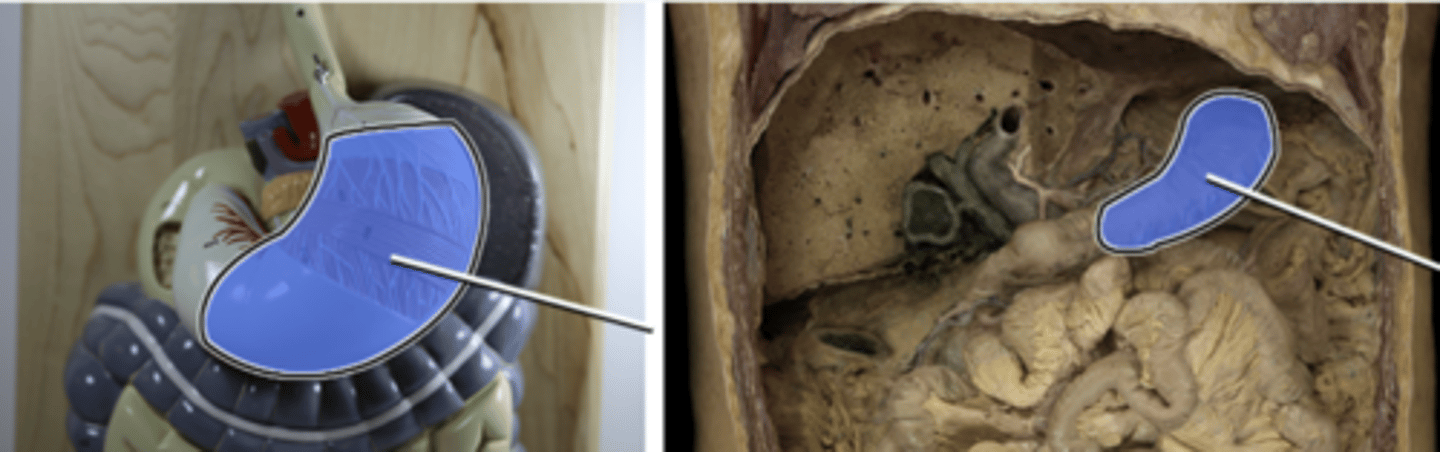
pylorus
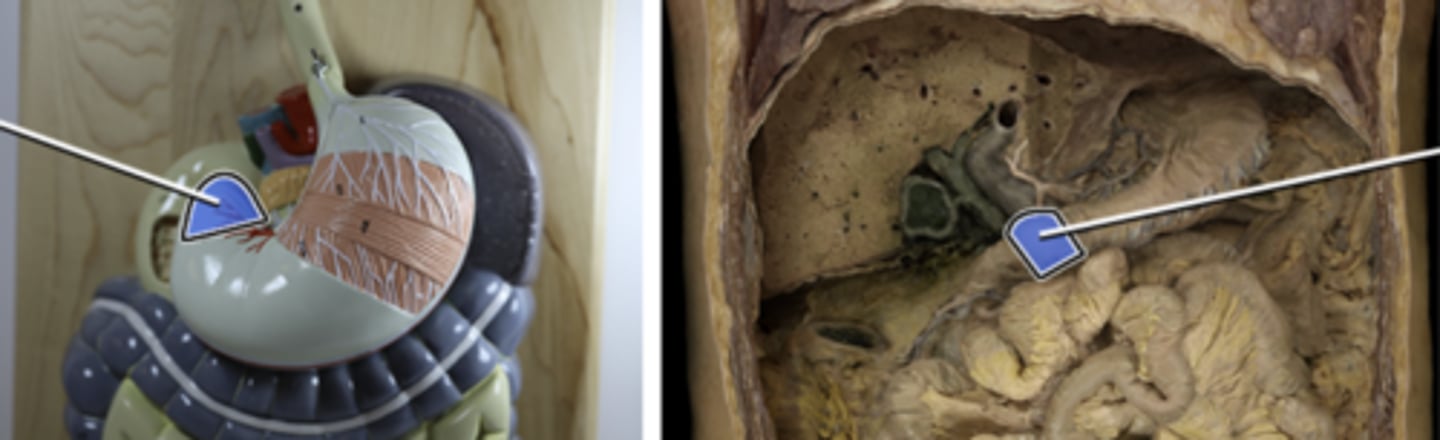
pyloric sphincter
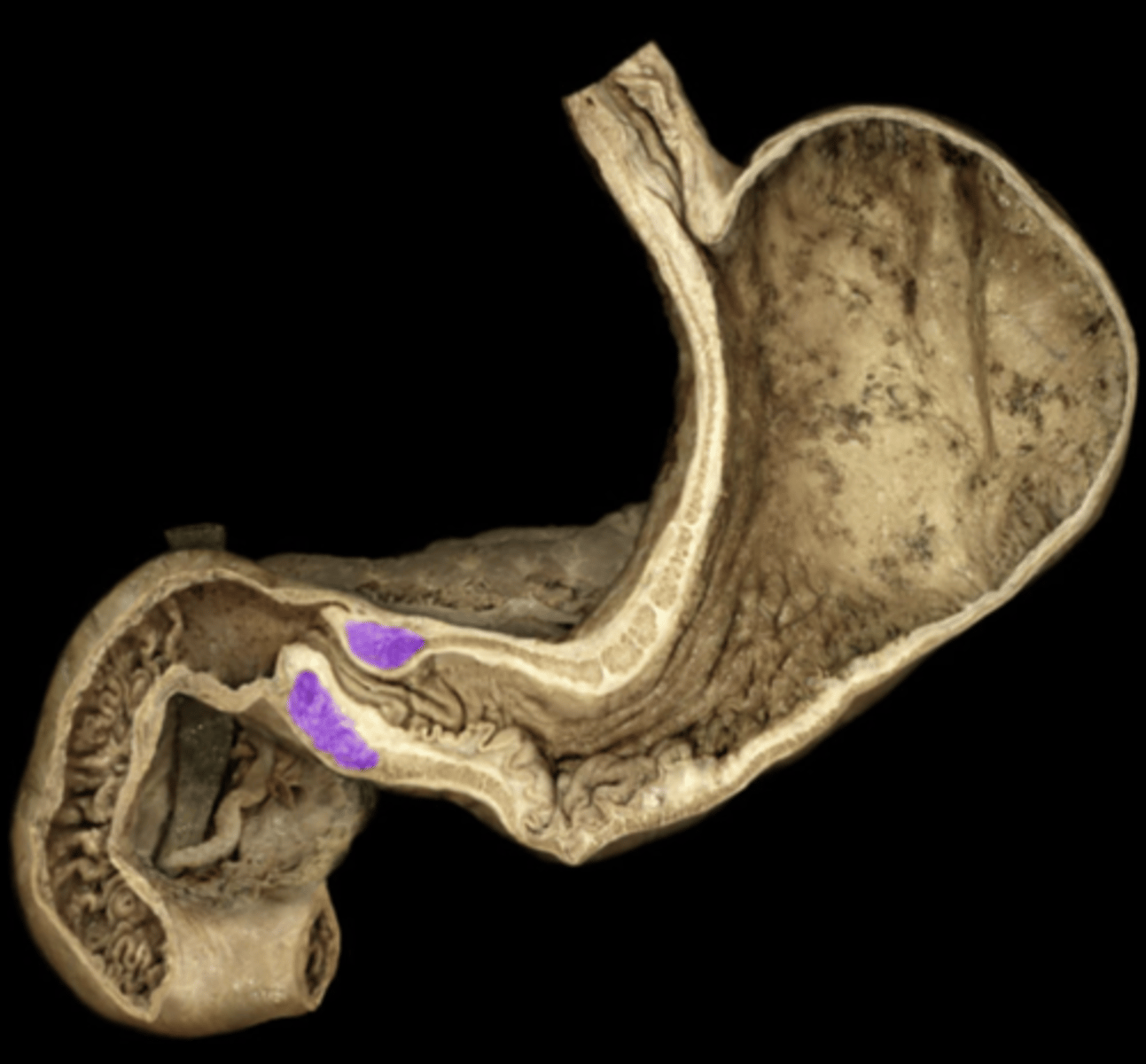
gastric folds
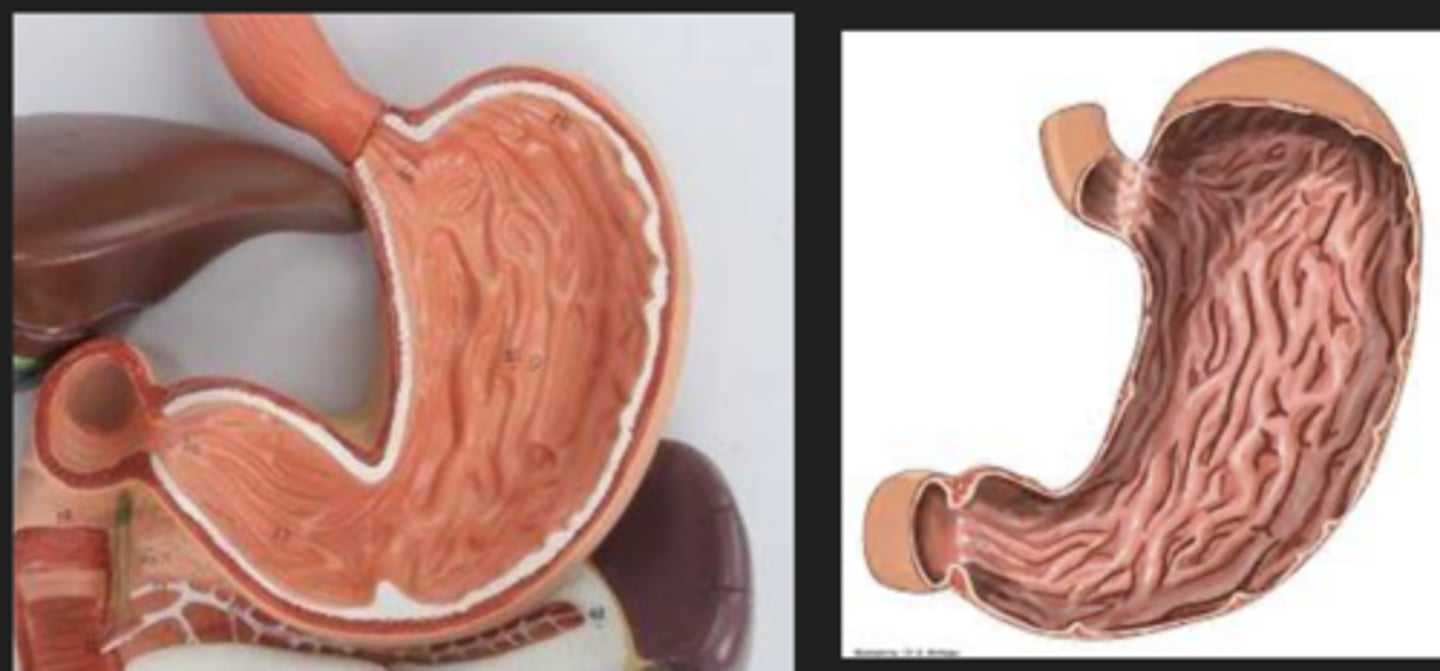
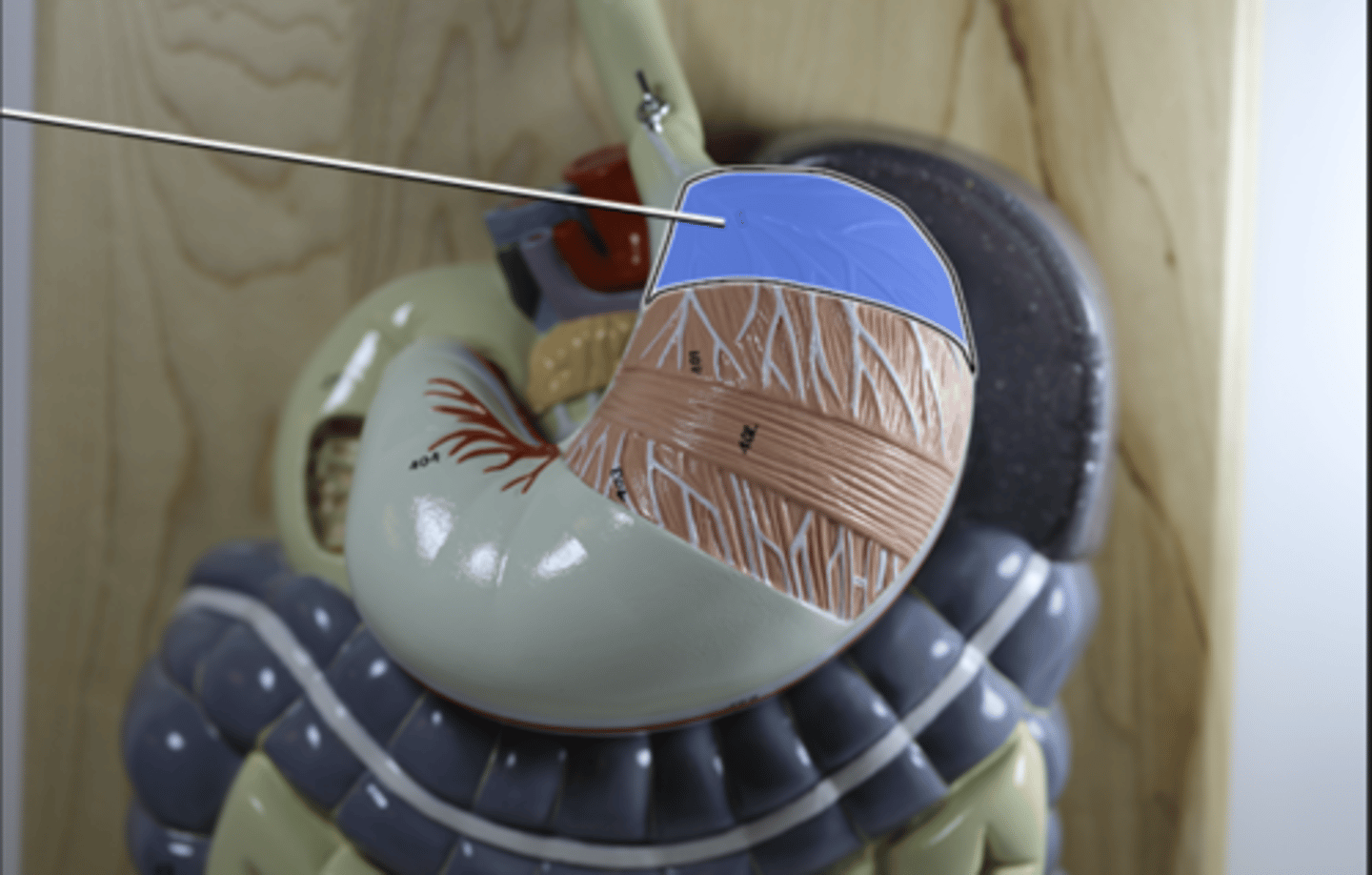
serosa
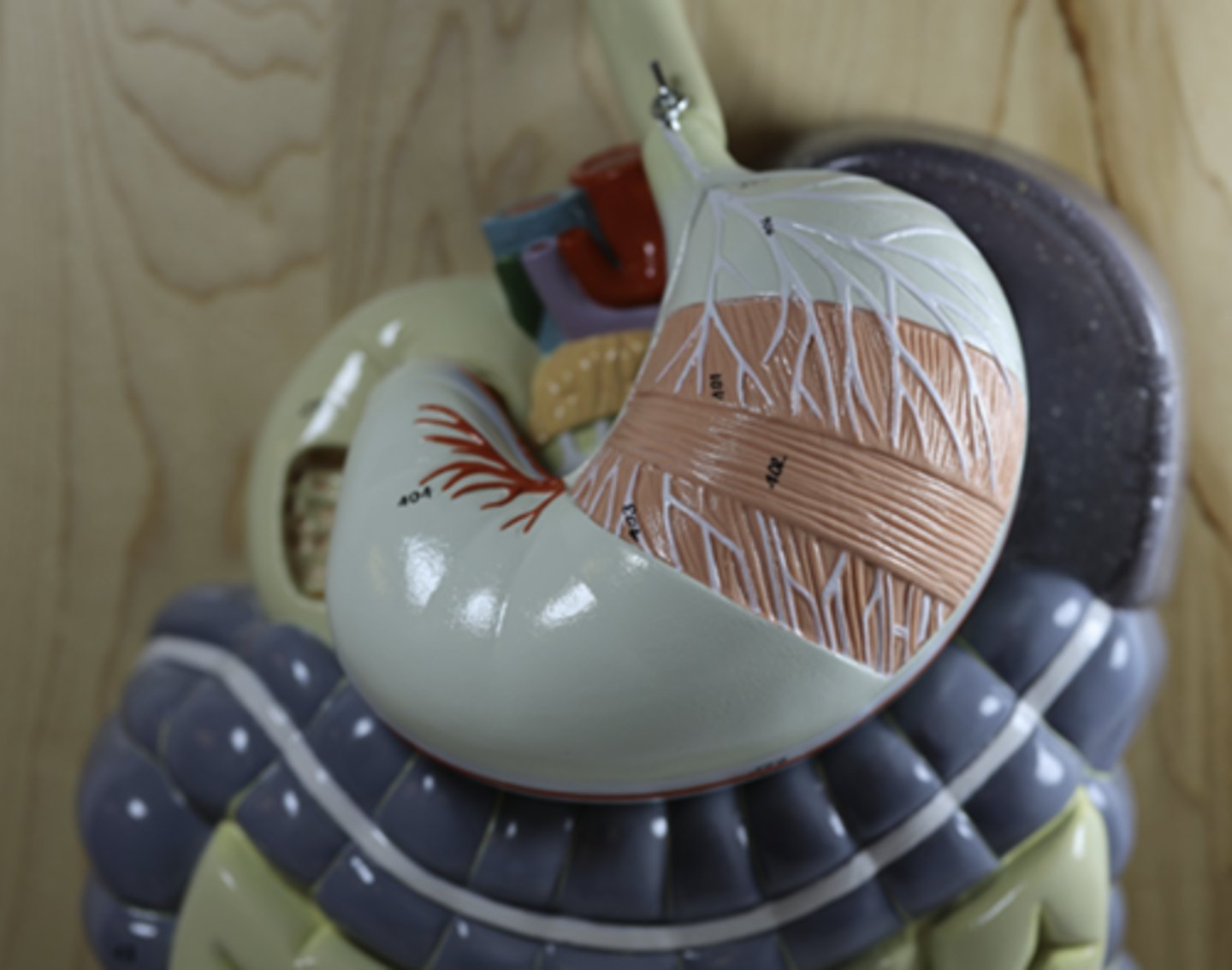
oblique muscle layer
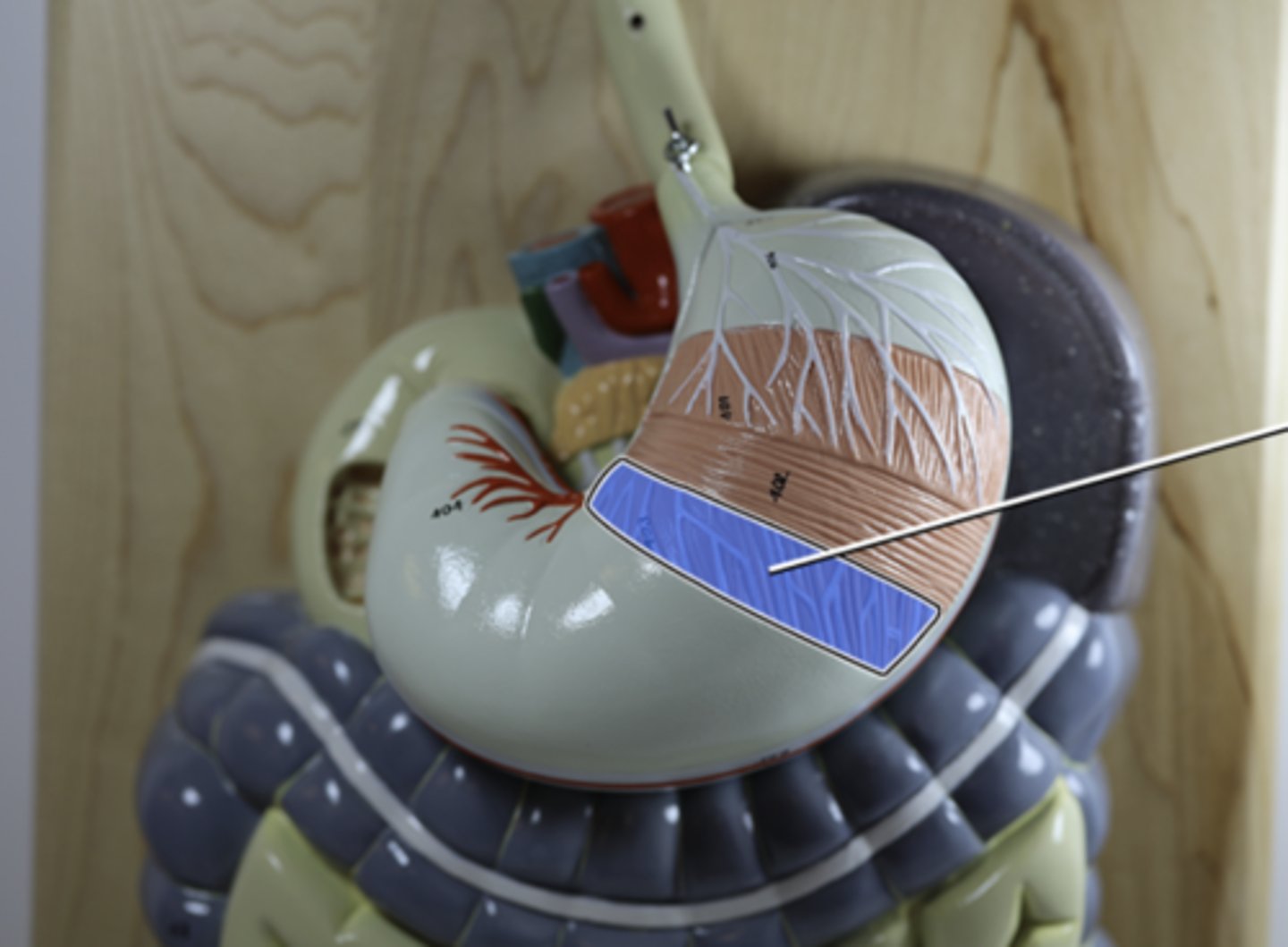
circular muscle layer
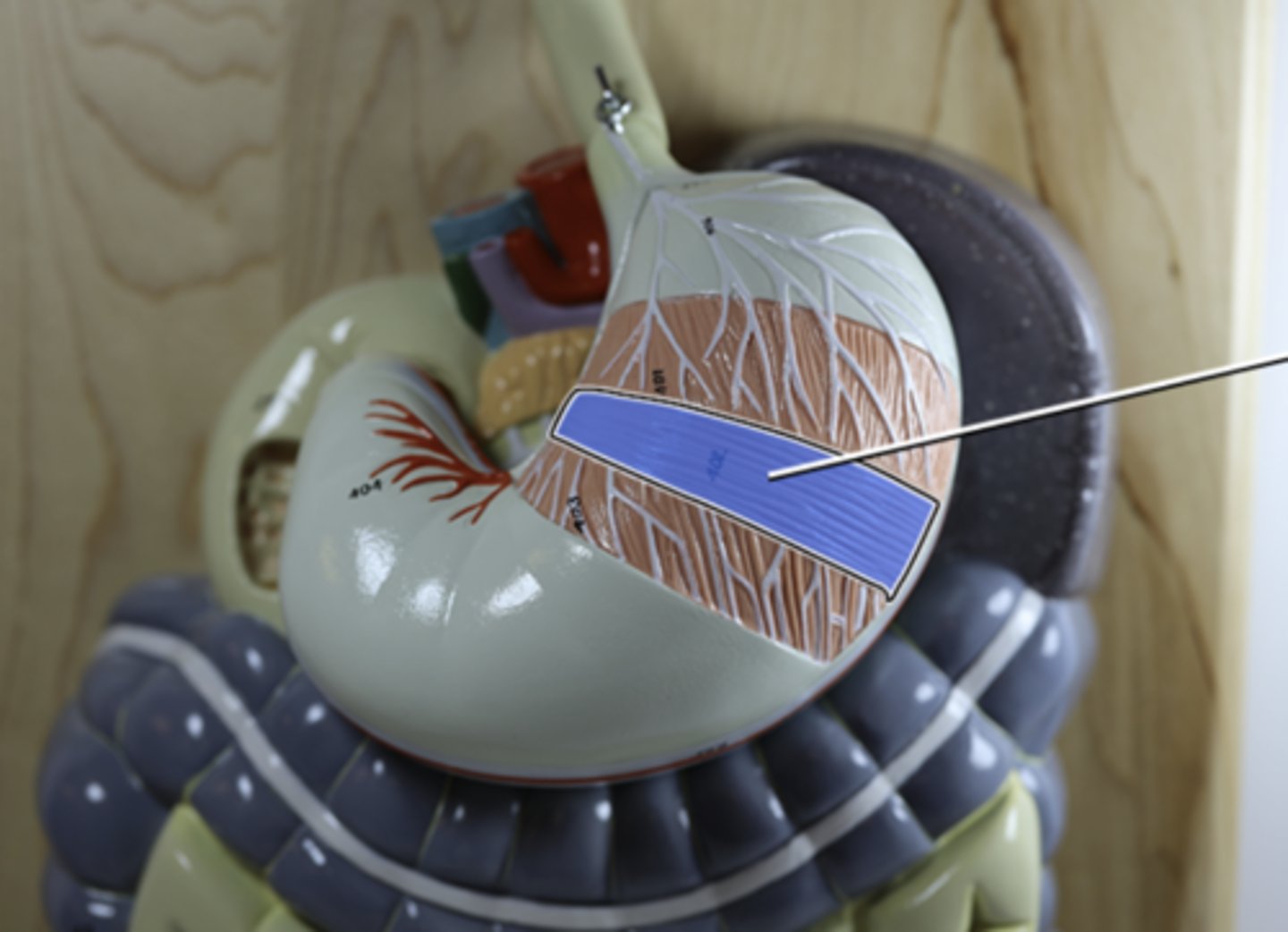
longitudinal muscle layer
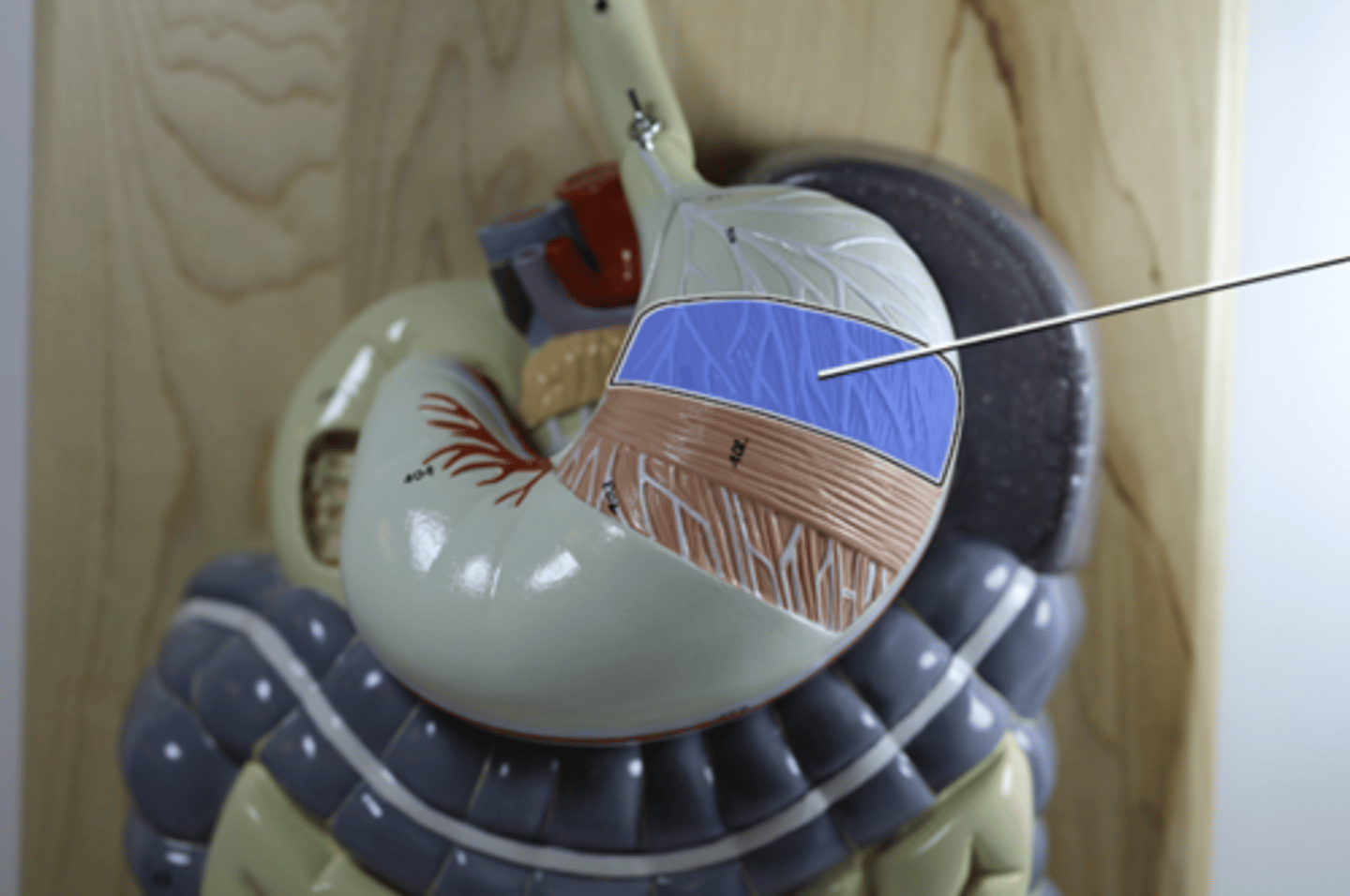
submucosa
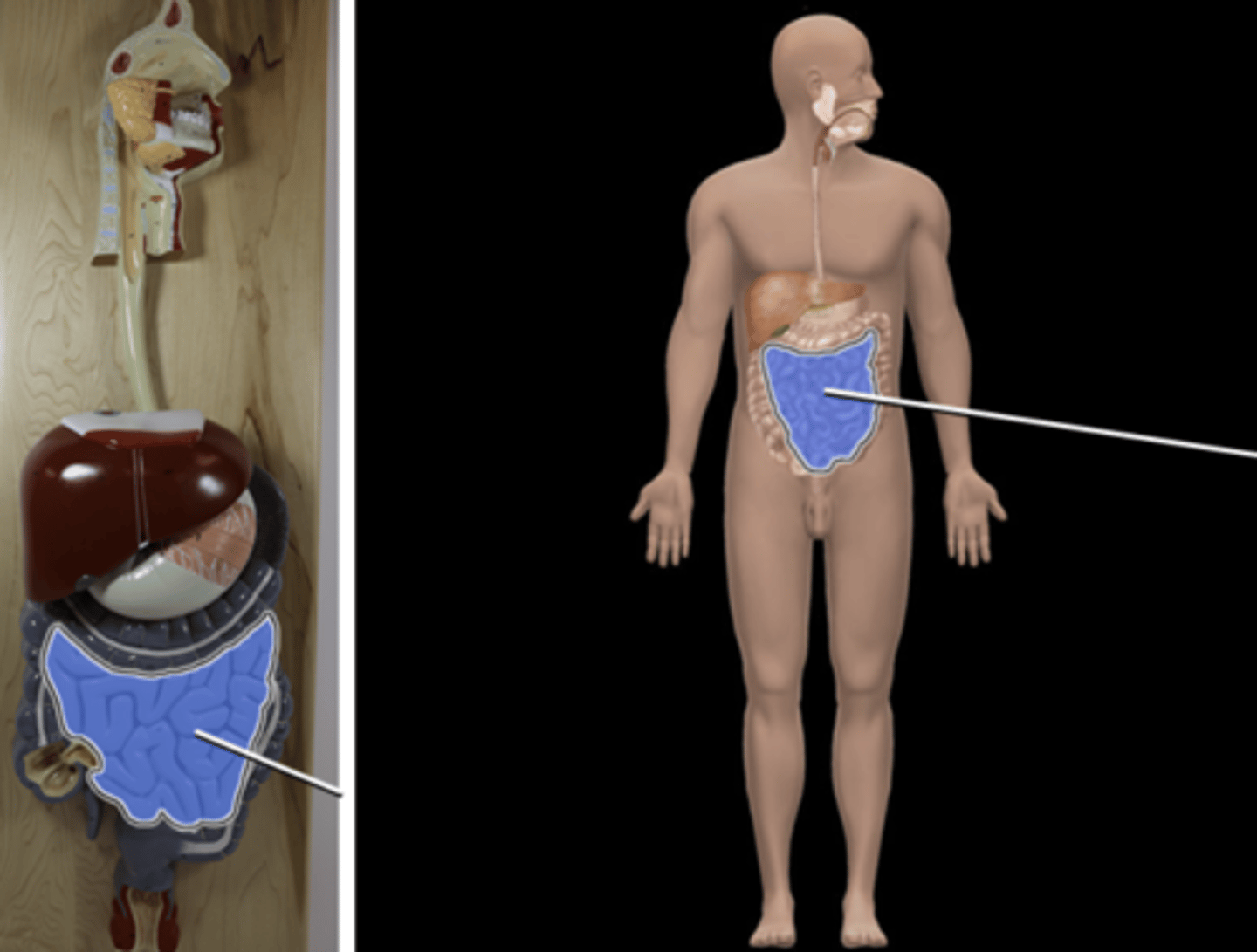
small intestine
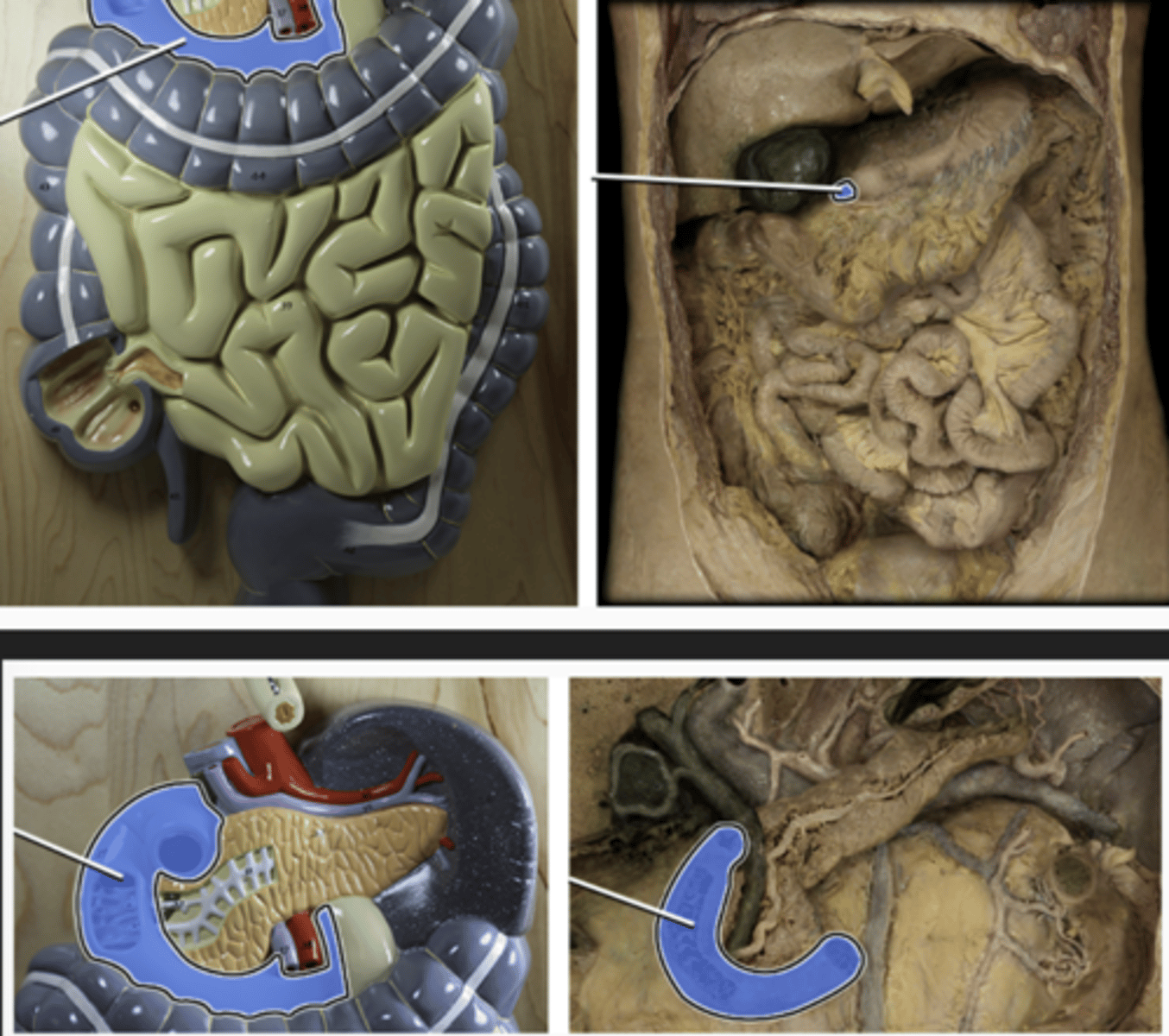
duodenum
jejunum
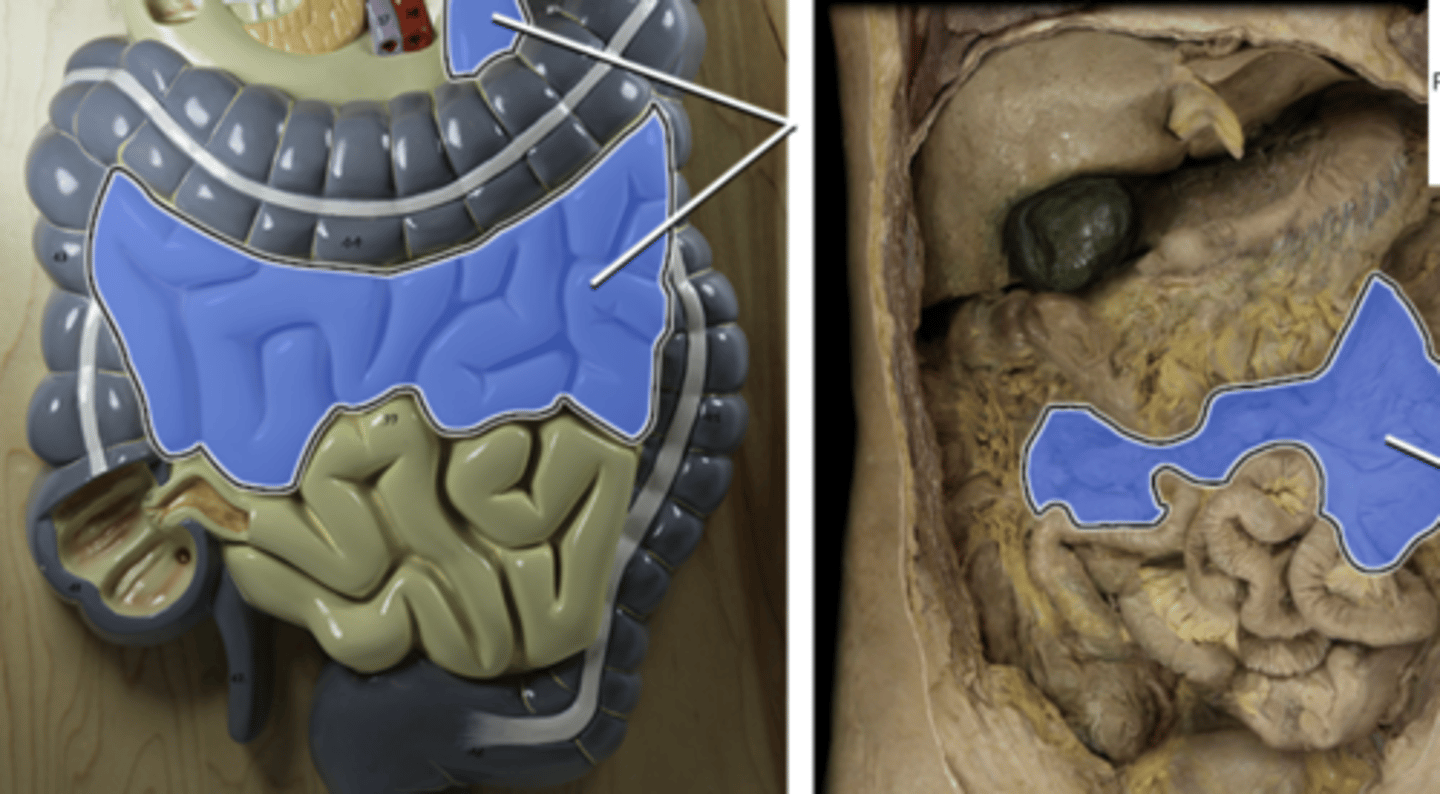
ileum
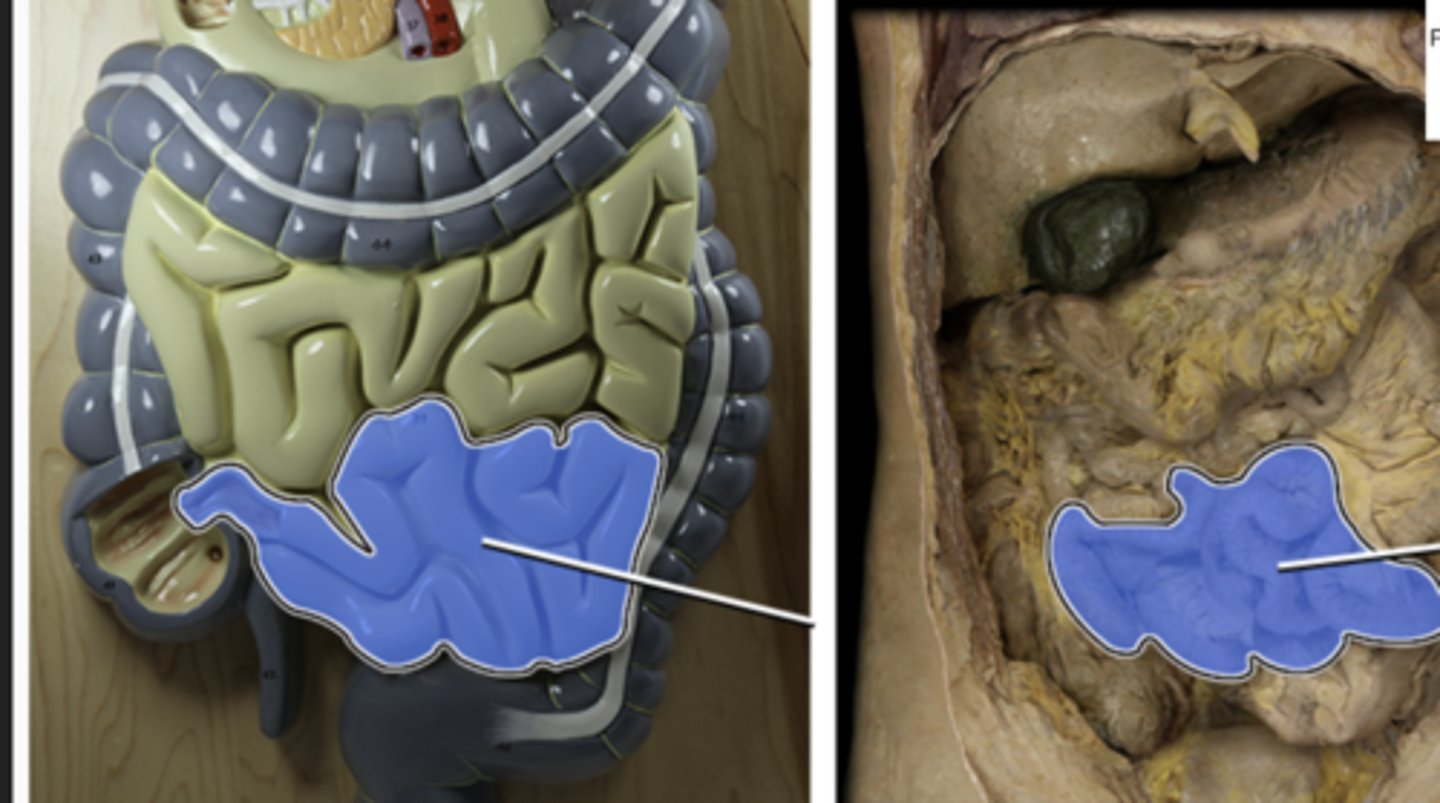
ileocecal junction
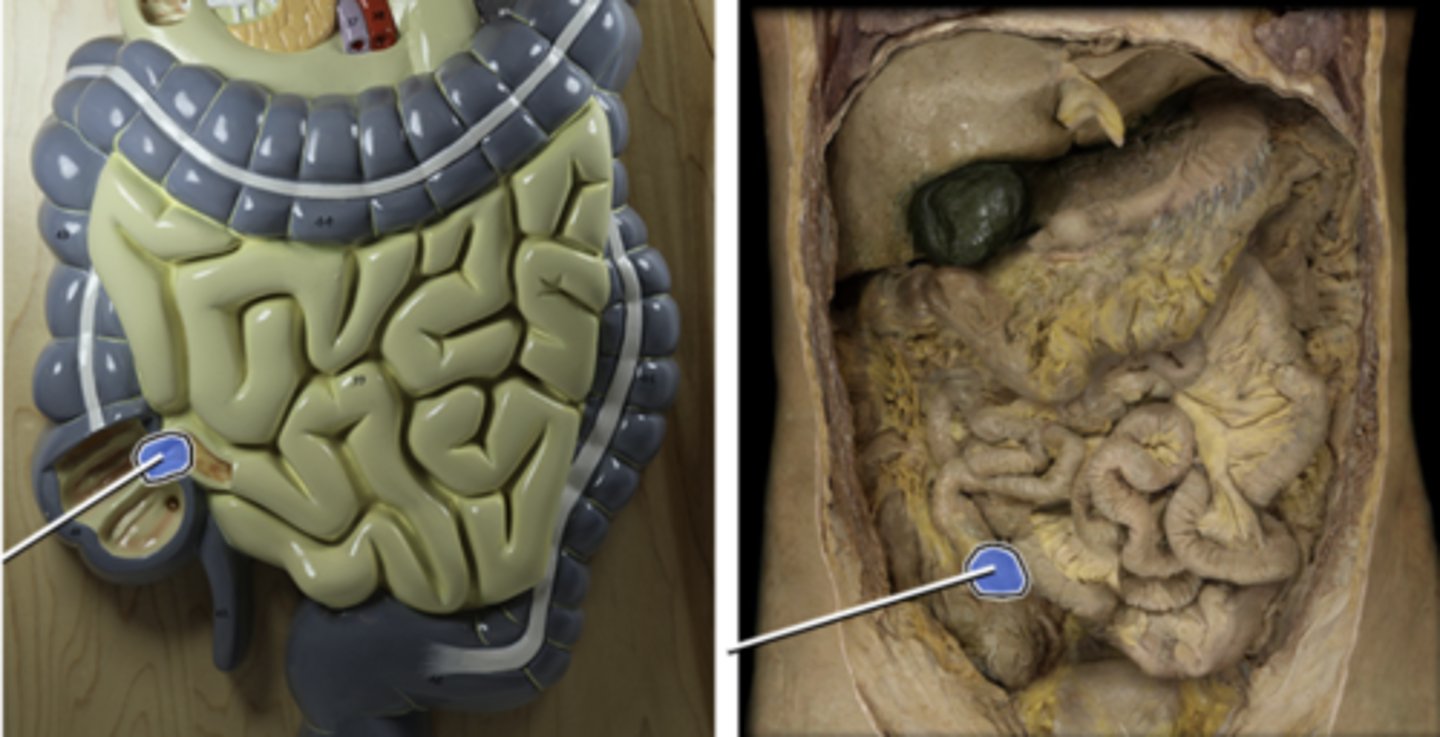
large intestine
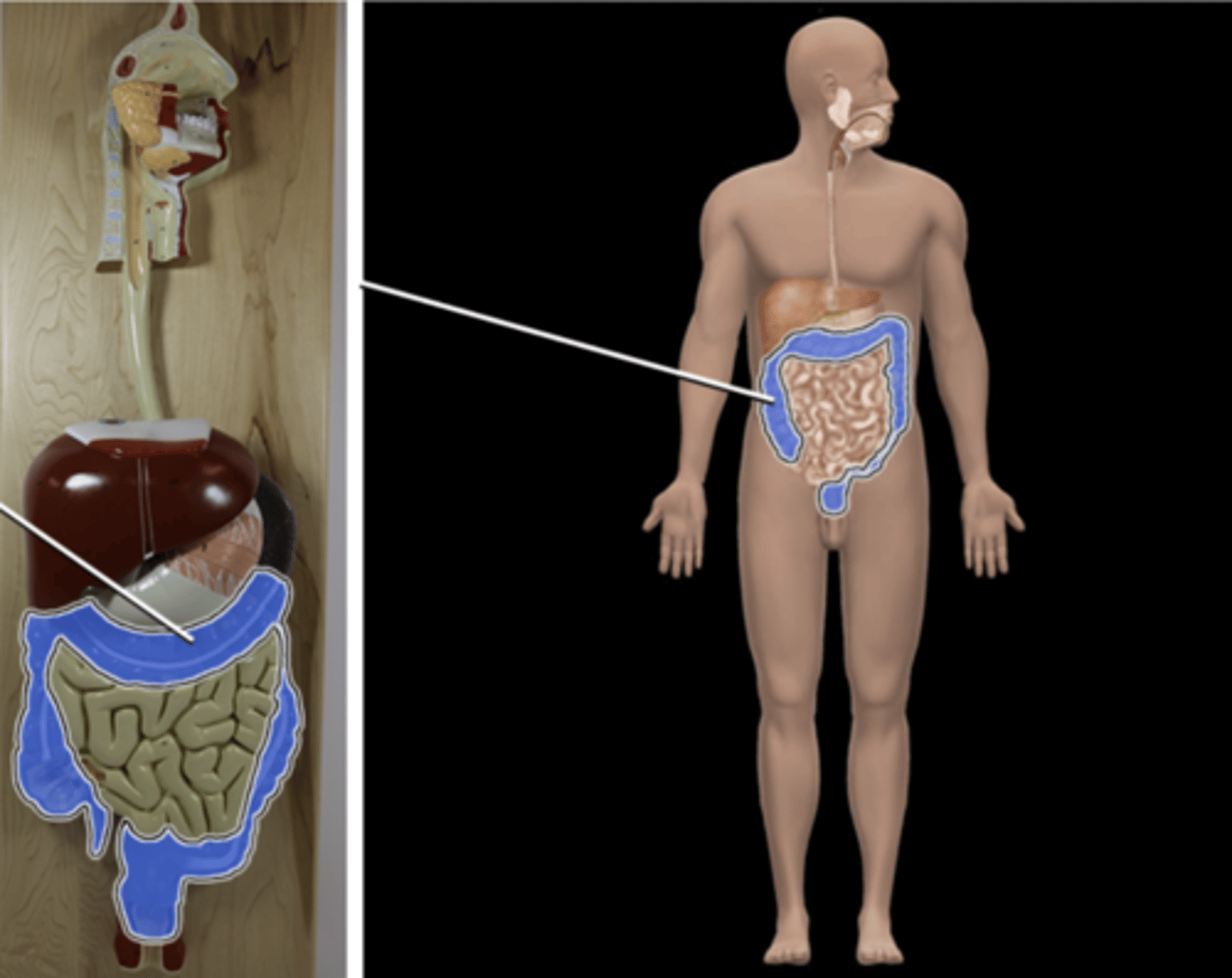
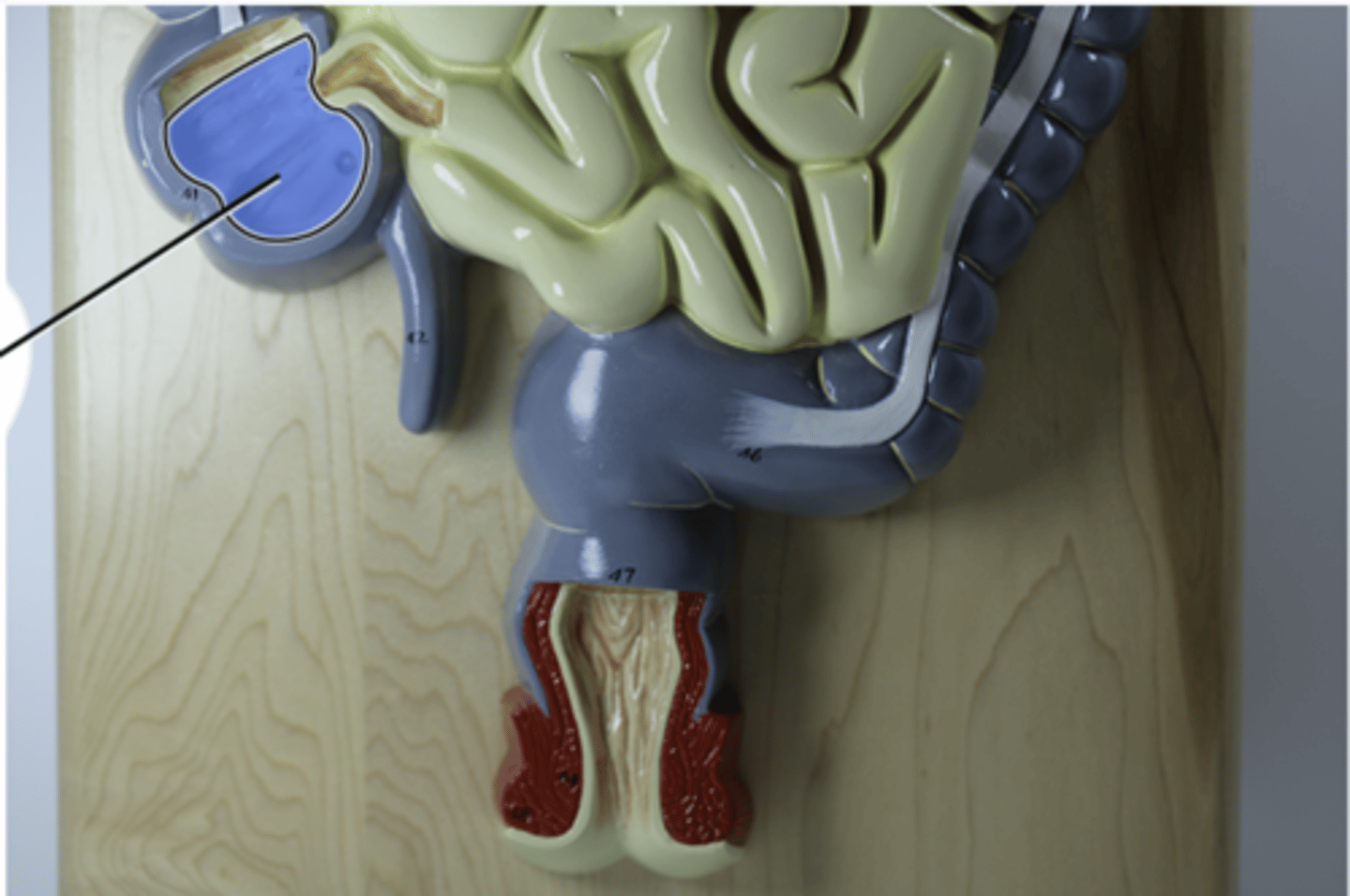
cecum
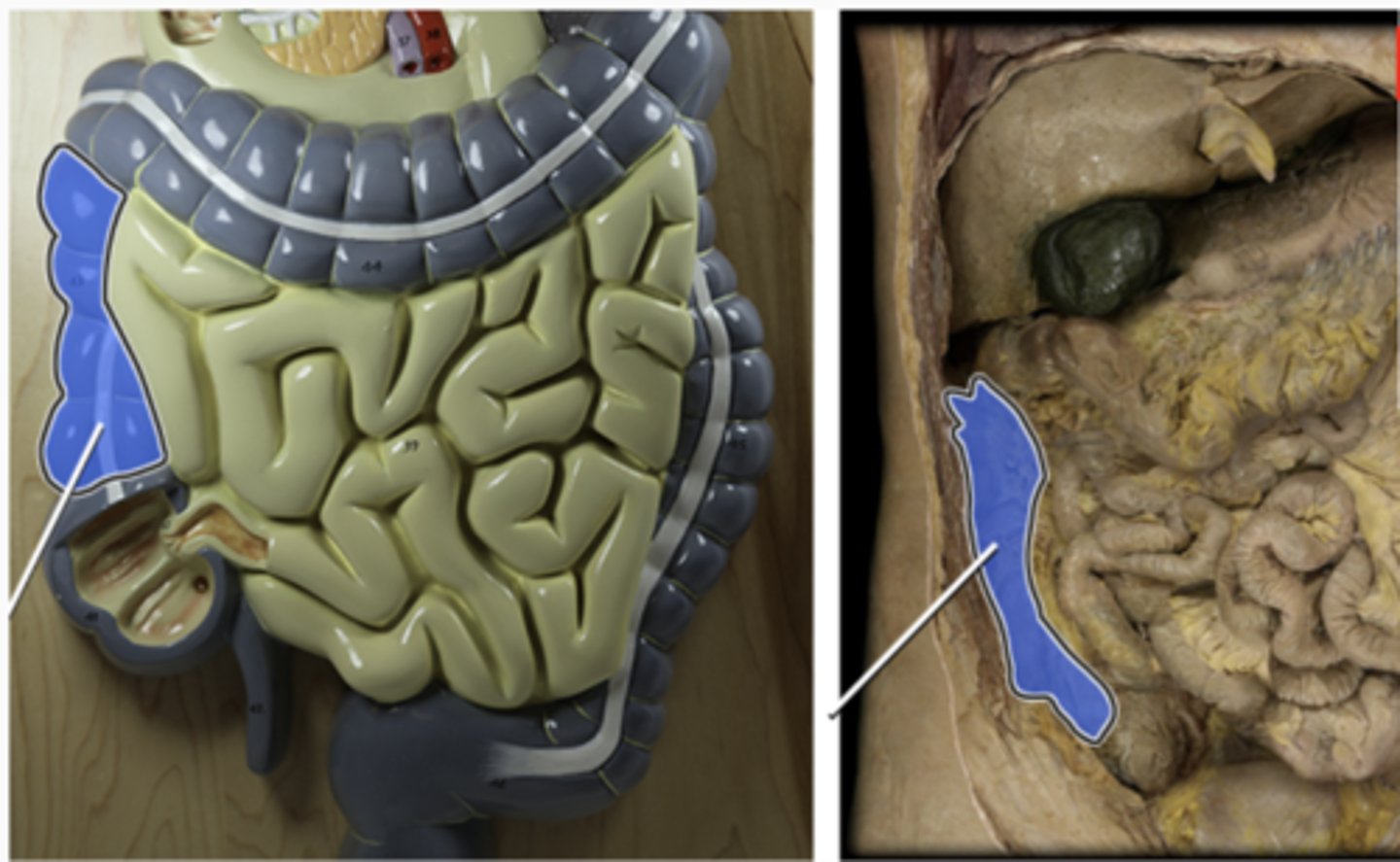
ascending colon
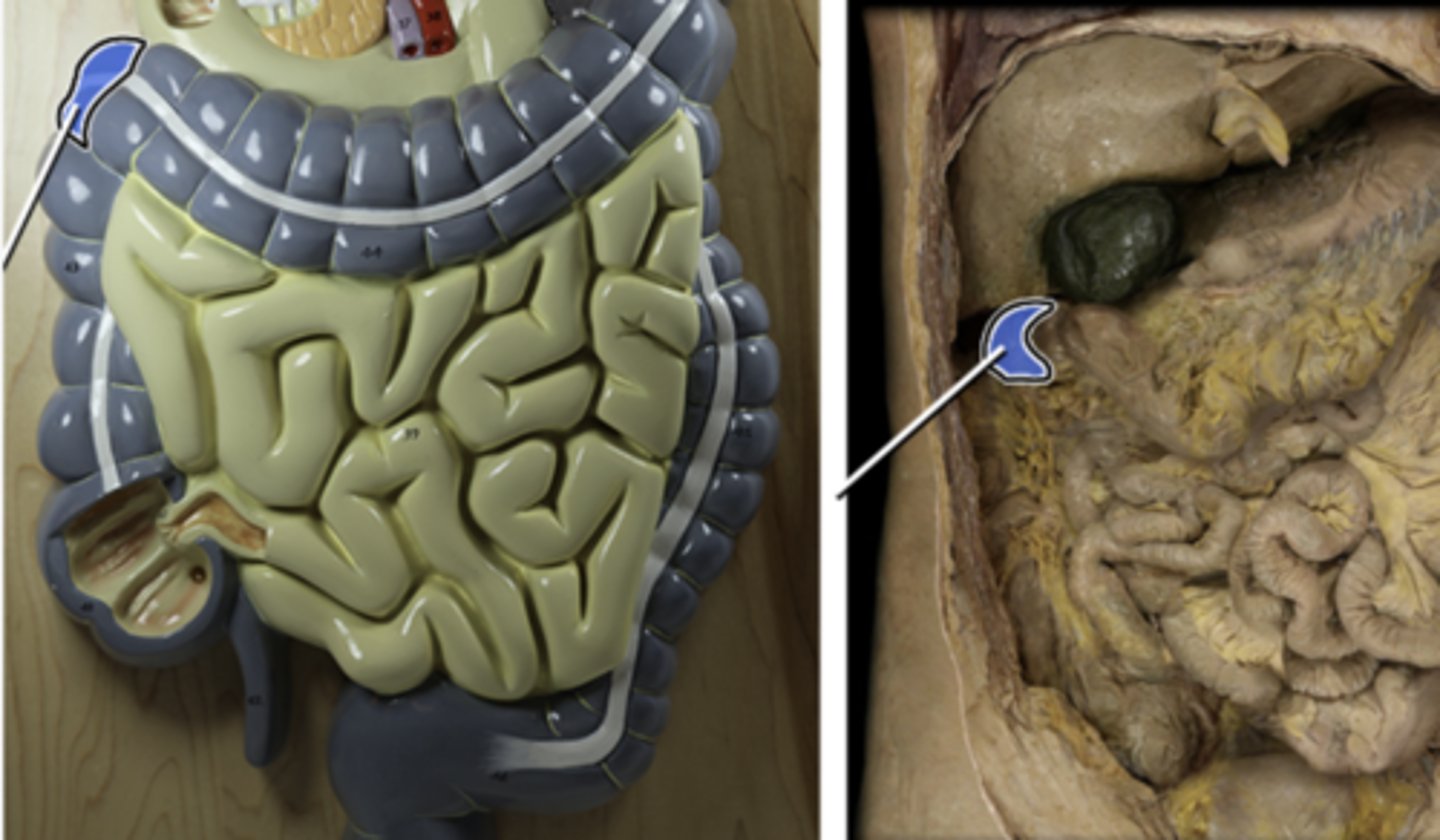
right colic flexure
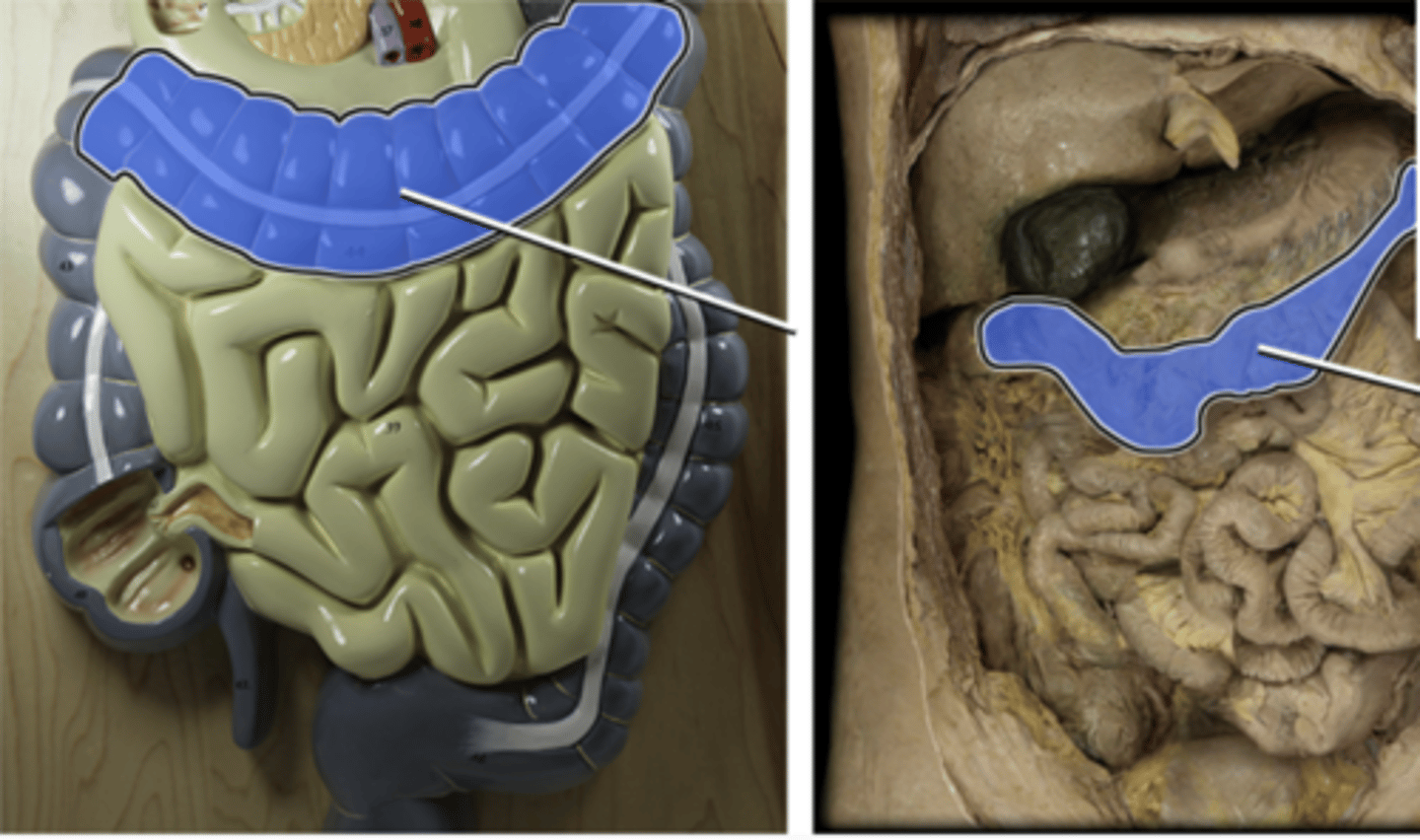
transverse colon
left colic flexure
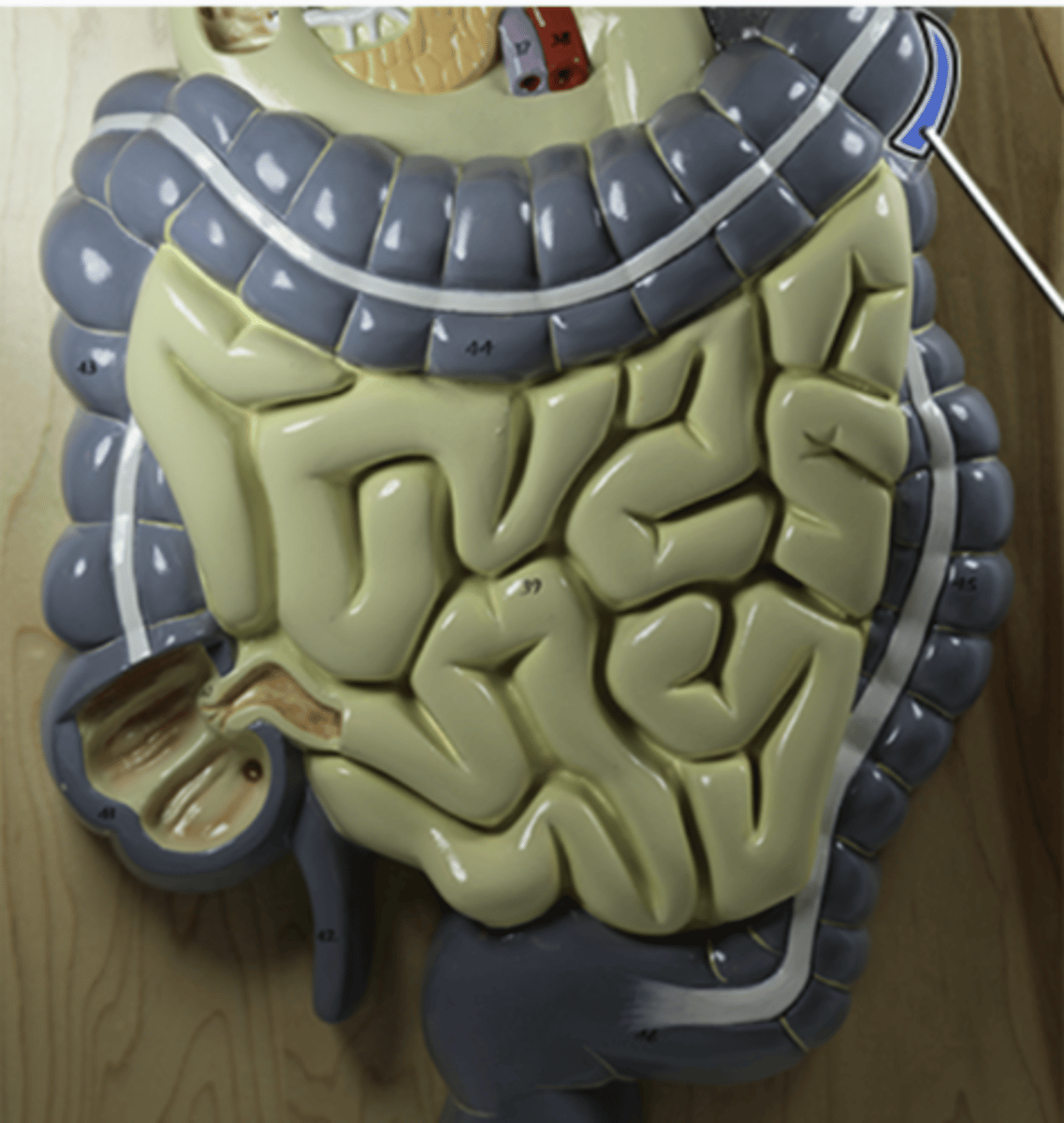
descending colon