(1) France: Political History and Notable Political and Military Figures
 Call Kai
 Learn
Learn Practice Test
 Spaced Repetition
 Match
Match Flashcards
 Knowt Play
1/114

Earn XP
Description and Tags
Sources: DK Chronicle, AP World
Name | Mastery | Learn | Test | Matching | Spaced | Call with Kai | Chat |
|---|
No analytics yet
Send a link to your students to track their progress
115 Terms
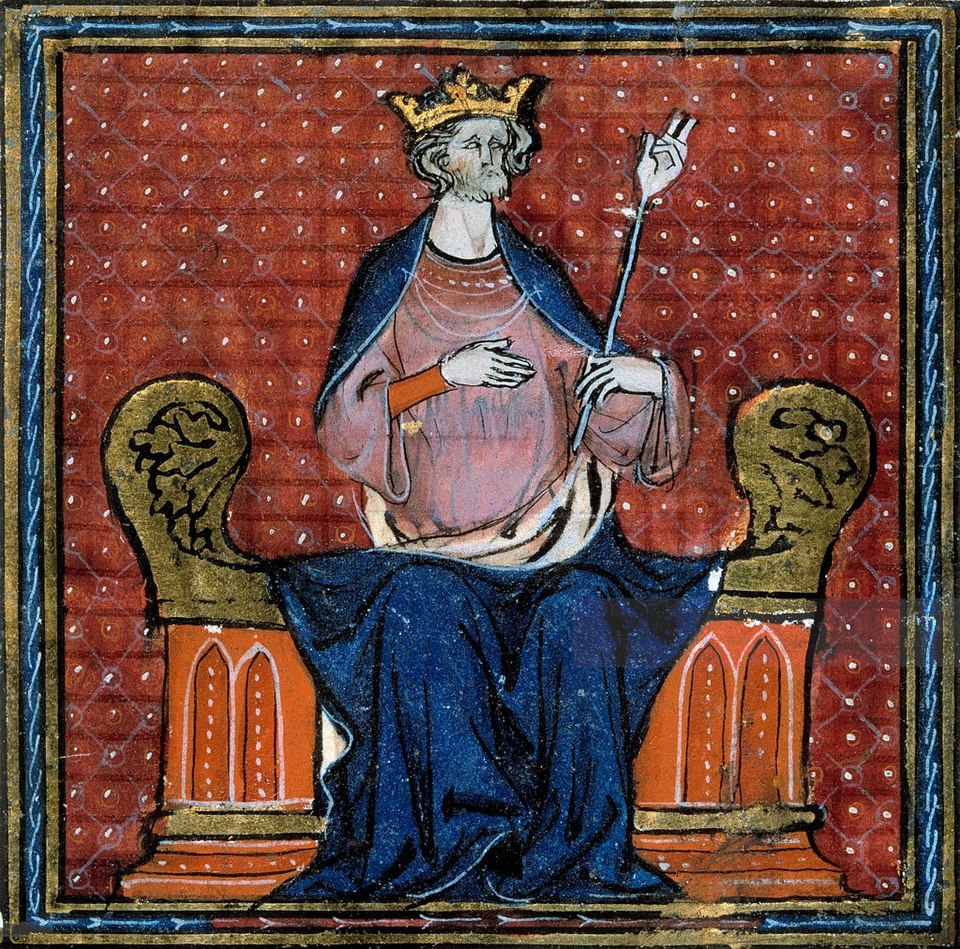
987 - 996 - Hugh Capet (All Facts)
First (French) King and Founder of (pre-Napoleonic modern-day) France (French Monarchy)
He was the first ruler of France to definitively break with the German language and Frankish culture, and was thus the first ruler of (pre-Napoleonic modern-day) France
He was the most powerful of French lords, and was crowned King of France, bringing a new dynasty to power (which would last until the reign of Napoleon Bonaparte)
He and his namesake dynasty replaced the preceding Carolingian (and Merovingian, before that) dynasty (his dynasty lasted until the reign of Napoleon Bonaparte) and succeeding Louis V “The Do-Nothing” upon that ruler’s death
Upon his assumption to the throne, Duke Charles of Lotharingia (Lorraine) threatened to dispute the namesake’s coronation, claiming right of descent belonged to him
From Paris, he sought the support of wealthy landowning bishops in the quest for his kingship
Despite his recent triumph, he still did not create unity in France, which was divided into numerous effectively independent principalities
However, he did establish the dynasty or hereditary male line that would come to politically rule France (as we know it today), and thus was the first King of France in this respect
He thus reasserted royal authority over the nobility, pope, and emperor
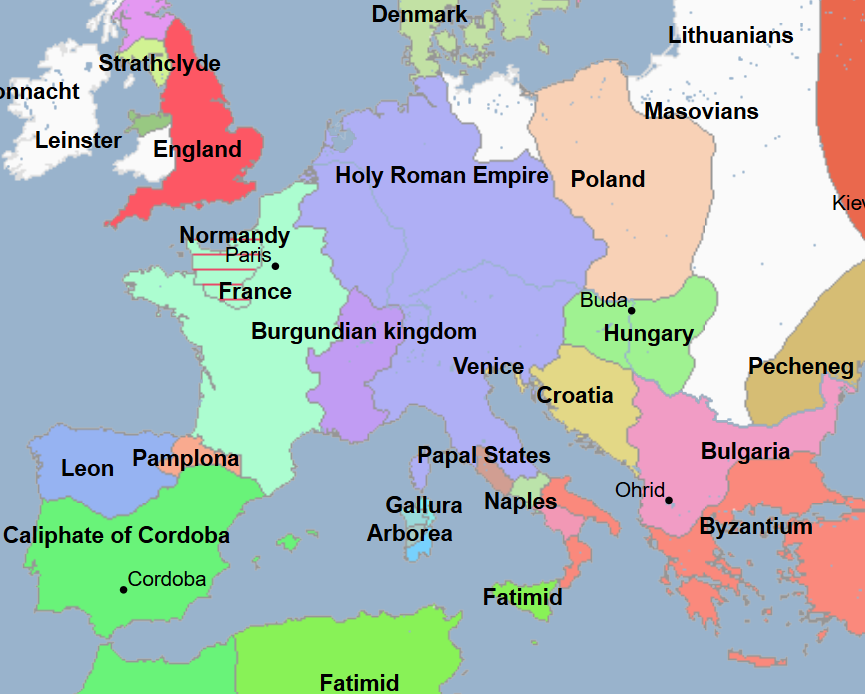
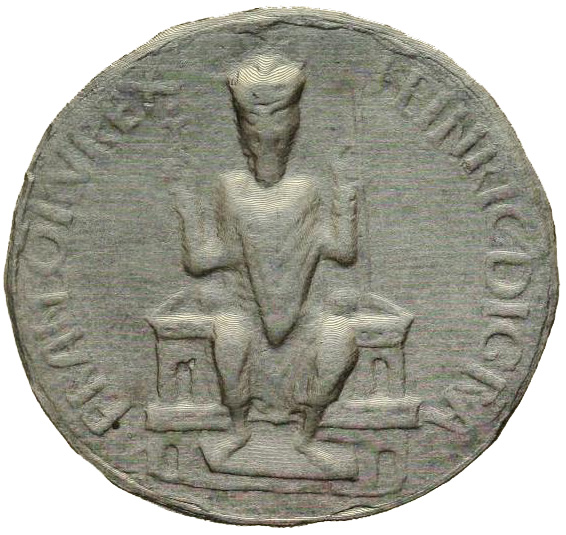
1031 - 1060 - Henry (All Facts)
3rd King of France
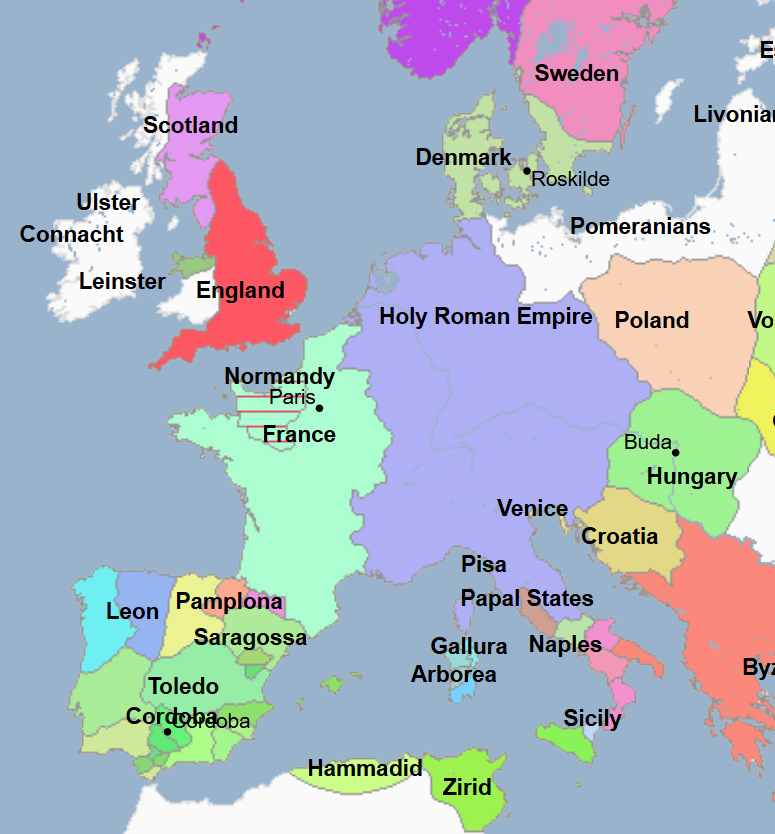
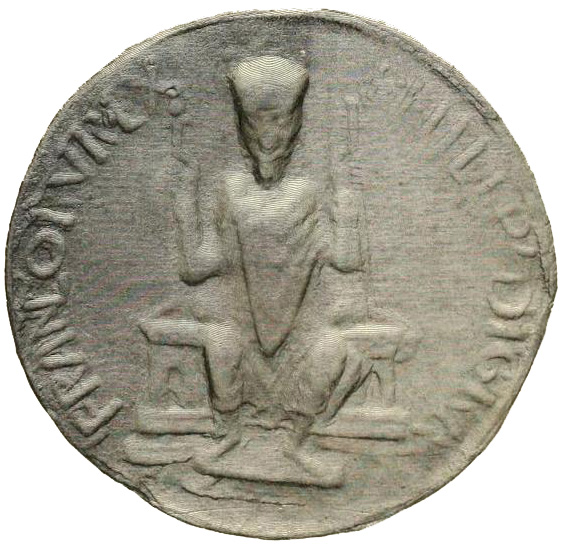
1060 - 1108 - Philip (All Facts)
4th King of France
He was nicknamed “The Amorous”
He was the son of his predecessor
He was placed under the guardianship of Baldwin V, the Count of Flanders at the time
Under his reign, there was a succession dispute concerning the counts of Flanders
When Baldwin VI died, his widow Richilda ruled on behalf of his son as regent
However, her rule was opposed by Robert the Frisian, the son of Baldwin V, the predecessor of Baldwin VI
Robert the Frisian defeated Arnulf III (backed by Richilda) in the Battle of Cassel
The namesake king recognized Robert the Frisian as the new count of Flanders upon his victory
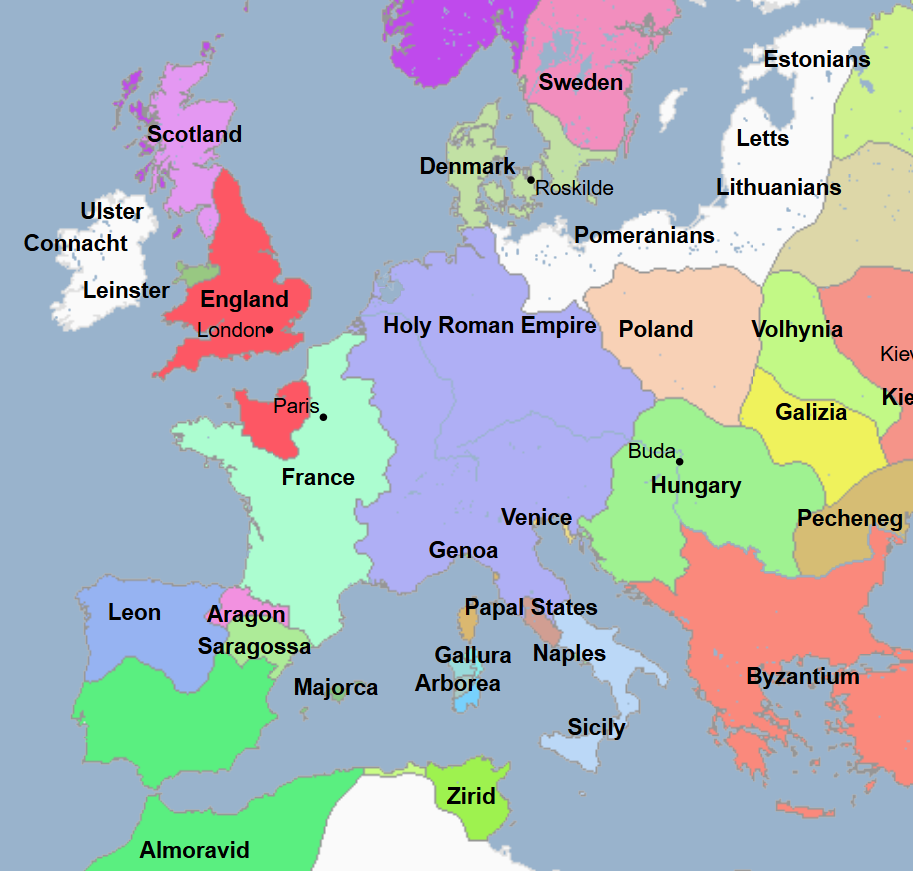
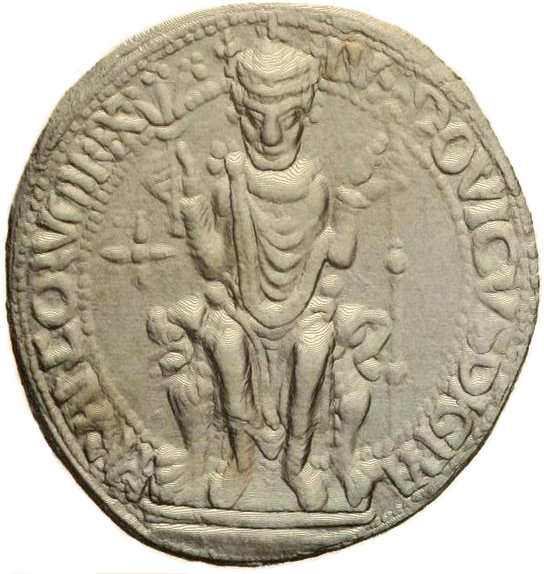
1108 - 1137 - Louis VI (All Facts)
5th King of France
He was nicknamed “The Fat”
During his reign, he
Granted urban charters to many French towns
Under his reign, Under his reign, there was a succession dispute concerning the counts of Flanders
When Charles “The Good” was murdered as the childless count of Flanders, the namesake king attempted to impose William Clito, son of Robert Curthose of Normandy, but was overruled by the towns who elected Thierry of Alsace
When William Clito died in a civil war, the namesake king agreed to the accession of Thierry of Alsace as count of Flanders
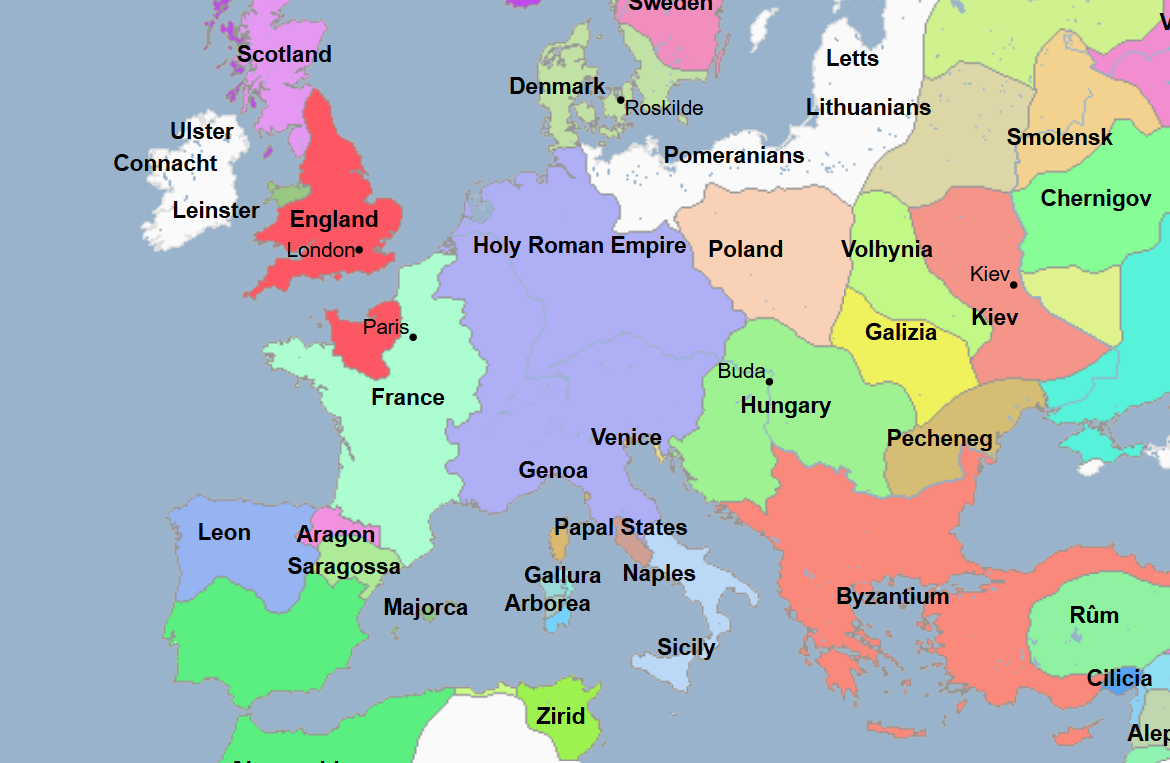
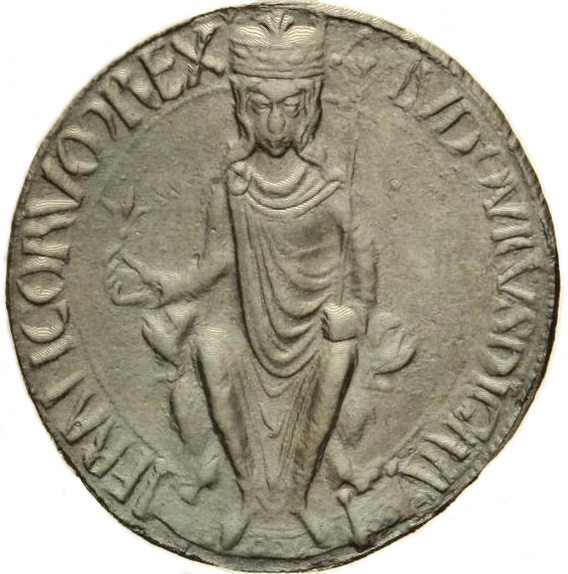
1137 - 1180 - Louis VII (All Facts)
6th King of France
He secured the dissolution of his marriage with Eleanor of Aquitaine on the grounds of their consanguinity, so Eleanor of Aquitaine married Henry of Anjou after
He led the Christian Crusaders in the Second Crusade along with King Conrad III of Germany
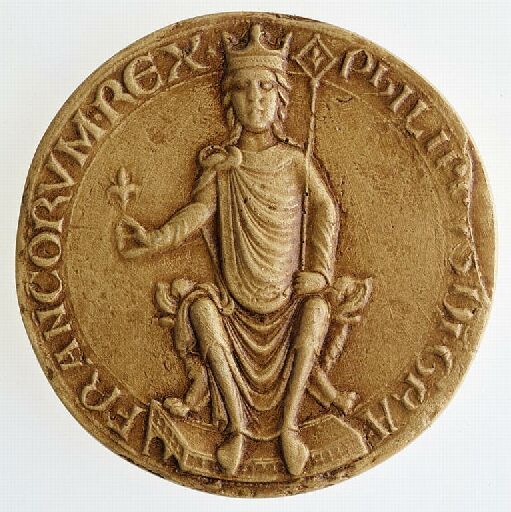
1180 - 1223 - Philip II / Philip Augustus (All Facts)
7th King of France
He was the first king of France to develop a real bureaucracy
He led the French forces during the Third Crusade in which he
Helped assemble the troops for the Third Crusade along with Frederick Barbarossa of the Holy Roman Empire and Henry II of England
Eventually fell ill and abandoned the crusade to return to France
During his reign, he seized the Vexin, part of the English territory in France
He and his forces were eventually defeated by Richard Lionheart and his English forces in the Battle of Freteval, in which they lost the previously regained French territory of England
He confiscated the fiefs of England within French territory including Aquitaine, Anjou, and Poitou from King John of England and granted them to King John of England’s nephew Arthur of Brittany
As a result, he and his forces were defeated by John of England and his forces in the Battle of Mirabeau
He took the duchy of Normandy from John of England
He and his forces fully conquered Anjou
During his reign, English barons opened negotiations with him and his son / successor for support against their king John who had annulled the Magna Carta which would have given them more rights and privileges, and thus he and his son / successor resolve to invade England as a result
1162 - 1192 - Hugh of Burgundy (All Facts)
Led the French Army in the Third Crusade after the death of Philip II / Philip Augustus
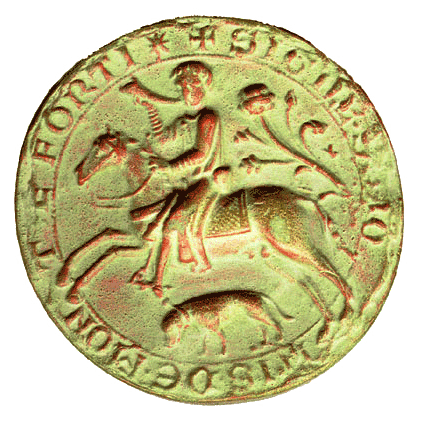
1175 - 1218 - Simon de Montfort (All Facts)
French Knight and Nobleman
Before his military campaigns, he was an obscure and minor noble from northern France
He eventually became Pope Innocent III’s supreme commander
He sacked and massacred thousands, including Catholics, in the Massacre of Beziers, during the Cathar Crusade
French southerners claimed he had perverted the crusade against the Cathars for his own gain
Many of the lands he seized in his sweep for heretics in the dioceses of Carcassonne and Albi technically came within King Peter’s fief
He defeated Raymond VI of Toulouse and Peter II of Aragon in the Battle of Muret
This left him in unchallenged control of southern France
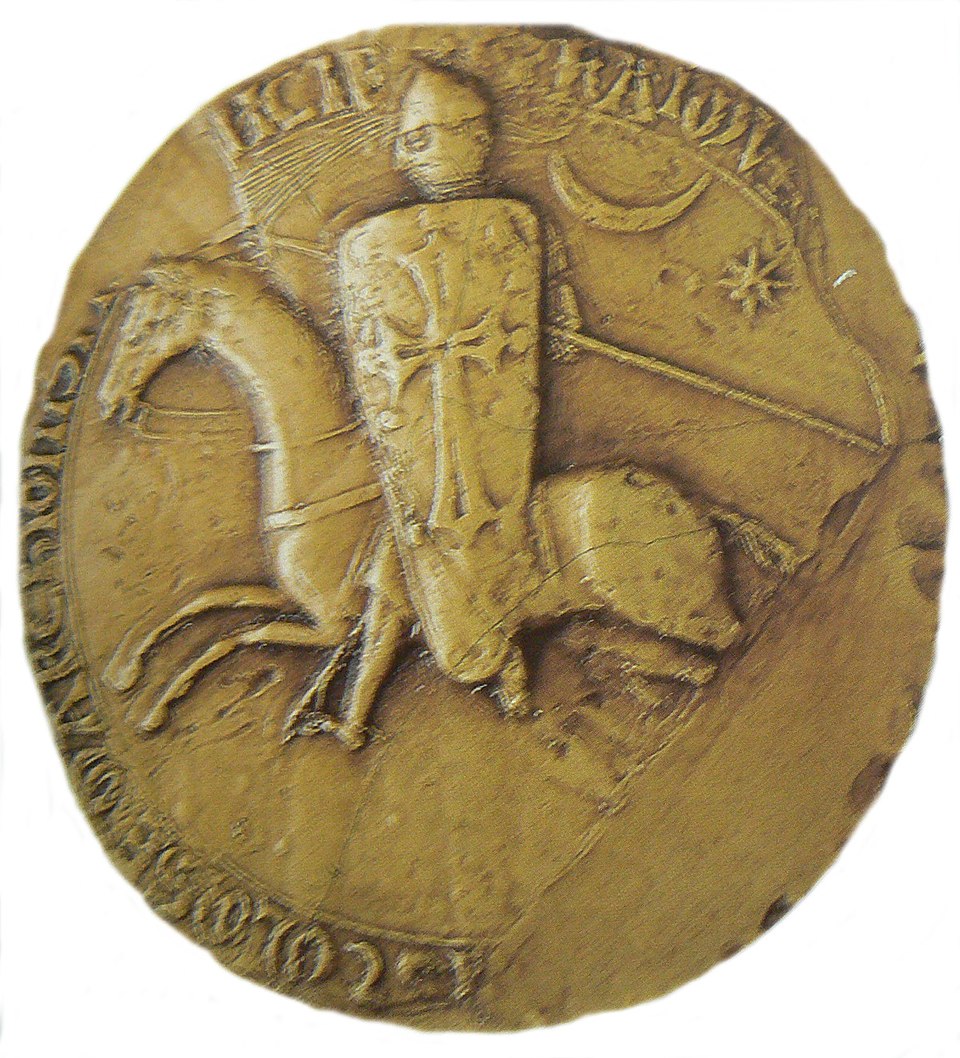
1194 - 1222 - Raymond VI (All Facts)
Count of Toulouse
His conflicts with Pope Innocent III over the Pope’s tolerance of the Cathars led to his excommunication and the beginning of the Cathar Crusade
A vassal of his had killed Pierre de Castelnau, a Frenchman who was sent by Pope Innocent III to wipe out the Cathar heresy in Languedoc in modern-day southern France
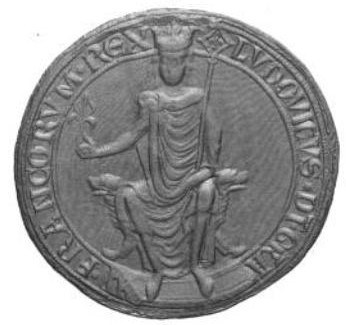
1223 - 1226 - Louis VIII (All Facts)
8th King of France
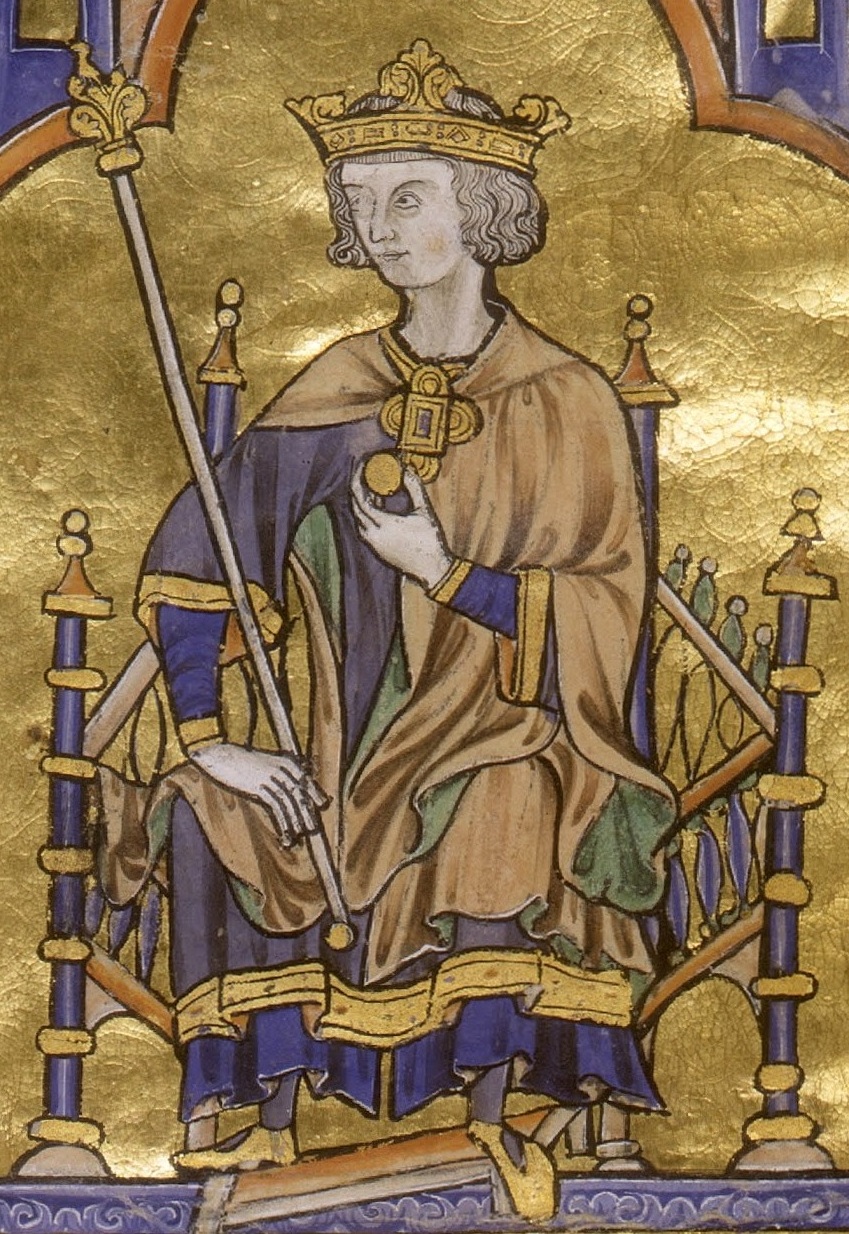
1226 - 1270 - Louis IX (All Facts)
9th King of France
His mother Queen Blanche of Castile ruled as regent until he was old enough to rule on his own
She served as his trusted advisor until her death
He left on a crusade and disembarked in Egypt in which he took Damietta before advancing onto Cairo
He and his forces were defeated and he was taken prisoner in the Battle of Mansurah
He was later freed, having walked to freedom after handing over the keys of the city of Damietta and a record ransom of one million dinars to Turanshah and the Ayyubid Sultanate
He sent the Franciscan William of Rubruck to Mongke Khan of Mongolia to conclude an anti-Muslim alliance
Under his reign,
The Sainte-Chapelle was constructed and completed
It served as the namesake king’s palace chapel and housed the “Crown of Thorns” relic
During his reign,
He annulled the Provisions of Oxford after he had arbitrated the dispute between Henry III of England and the English barons
He signed the Treaty of Paris / Treaty of Abbeville with King Henry III of England
In it, he gave the Agenais, Saintonge, and parts of Quercy, Limousin, and Perigord to King Henry III of England
In return, he received all claims to the Plantagenet fiefs of Normandy, Anjou, Touraine, Maine, and Poitou from King Henry III of England
This treaty marked a turning point in European politics; leading to new political dynamics, cultural exchanges, and social changes
On his way to the Eighth Crusade, he died at Tunis
Some say on the way to his Ninth and Final Crusade, he died
He was considered the most powerful and respect monarch in Europe at the time
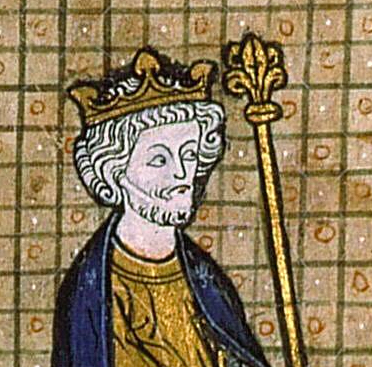
1270 - 1285 - Philip III (All Facts)
10th King of France
He was nicknamed “The Bold”
He inherited Poitou, the Auvergne, and the county of Toulouse
Under his reign,
Northern and Southern France were unified
He died and was succeeded by his son and namesake successor
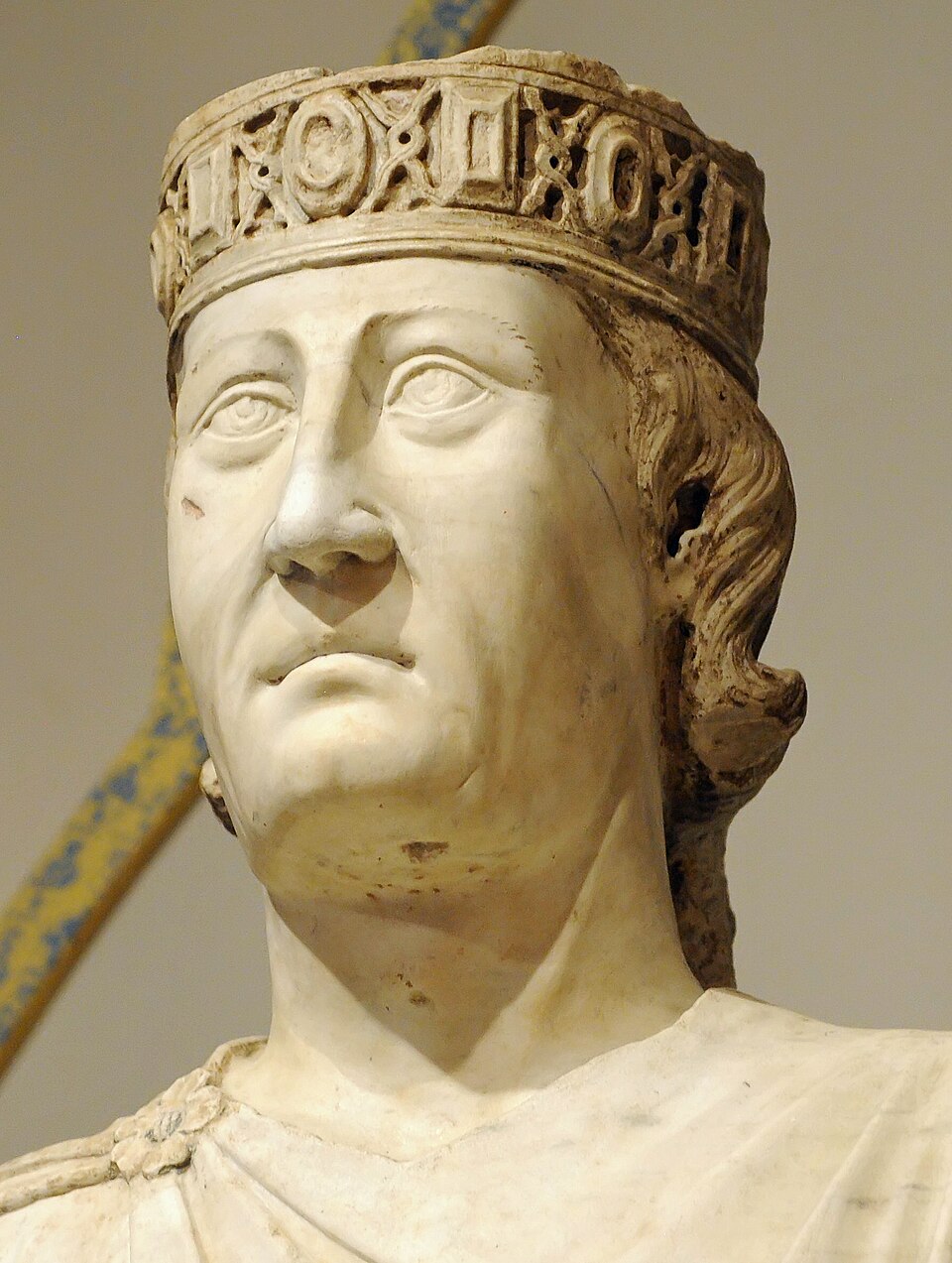
1246 - 1285 - Charles of Anjou (All Facts)
Count of Anjou, Maine, and Provence
He
was the younger brother of King Louis IX of France
subjugated Piedmont
was groomed by Pope Urban IV for the role of papal champion against Holy Roman influence in Italy
was elected Senator for life by the Romans
He and his forces defeated and killed his namesake predecessor and his forces in the Battle of Benevento
He was then invested with the crown of Sicily by Pope Clement IV
From there, he entered the Kingdom of Naples
He founded his namesake dynasty in Sicily, of which he was the sole ruler; but which derives from the Capetian Dynasty of France
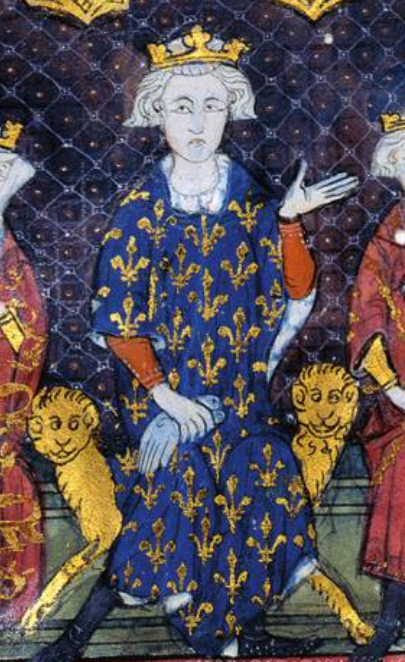
1285 - 1314 - Philip IV (All Facts)
11th King of France
He was nicknamed “The Fair” (based on his looks)
His challenging of the papacy and attack on Pope Boniface VIII ultimately contributed to the Papacy’s decision to move from Rome to Avignon
Under his reign,
The Estates General convened for the first time
He called the first Estates General meeting to appeal for national support over a conflict over papal authority
The Parlement of Paris was established
The Papacy moved from Rome in Italy to Avignon in France
Beginning under the namesake’s reign, French influence over the papacy marked the beginning of the decline in the papacy’s temporal power
During his reign,
The Jews were expelled / banished from France and he confiscated their property in order to seize their wealth
He replenished the empty royal coffers by arresting all the Jews and seizing their money
During his reign,
He and his forces fought in the Gascon War against King Edward I and his English forces, which ended with the retainment of Gascony by the English
He signed the Treaty of Paris with Edward I, ending the Gascon War
He ordered Guillaume de Nogaret and Nogaret’s band of mercenaries to attack Pope Boniface VIII and his palace in the hill town of Anagni in Rome
He did this because he had arrested the bishop of Palmiers and Pope Boniface VIII threatened to excommunicate him as a result
During his reign,
He took refuge for three days in the Paris temple when the mob was howling for his blood after repeated devaluations
He ordered his officers to arrest members of the Order of the Knights Templar throughout France, a carefully coordinated operation that came as a complete shock to the people, and accused them of sodomy and other vile practices
In reality, most considered him doing this to justify crushing the Order of the Knights Templar for financial and political reasons in order to seize the riches of the Order of the Knights Templar
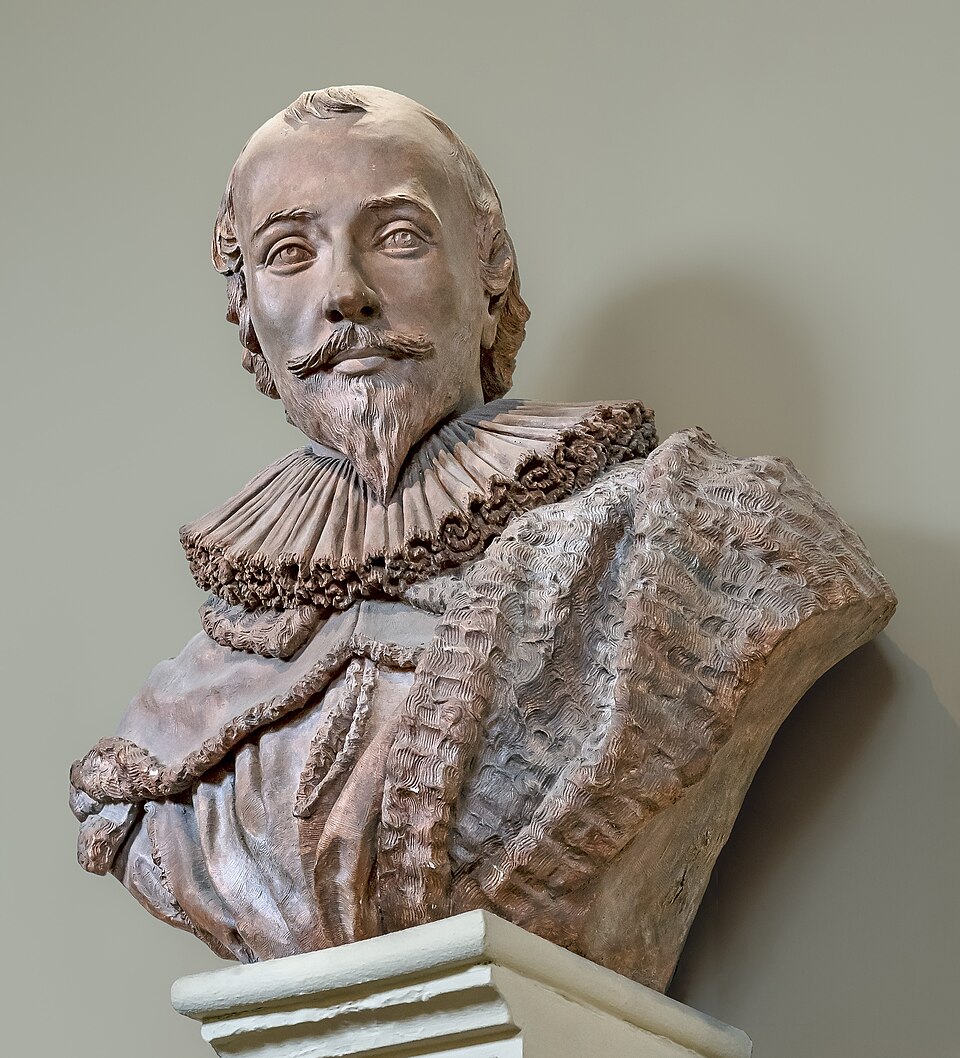
1311 - 1313 - Guillaume de Nogaret (All Facts)
French Statesman and Minister and “Keeper of the Seal” of Philip IV of France
He led a band of mercenaries, 300 on horse and 1,000+ on foot to attack the palace of Pope Boniface VIII in the hill town of Anagni near Rome upon which he declared a truce with the pope and had him consider a demand that he renounce the papacy and hand over all treasure, but the pope refused
Thus, he and his attackers broke through, finding Pope Boniface VIII seated on his throne, clutching the papal cross
While one of his co-attackers Sciarra Colonna insisted on killing the pope, the namesake insisted on taking him to France as a prisoner
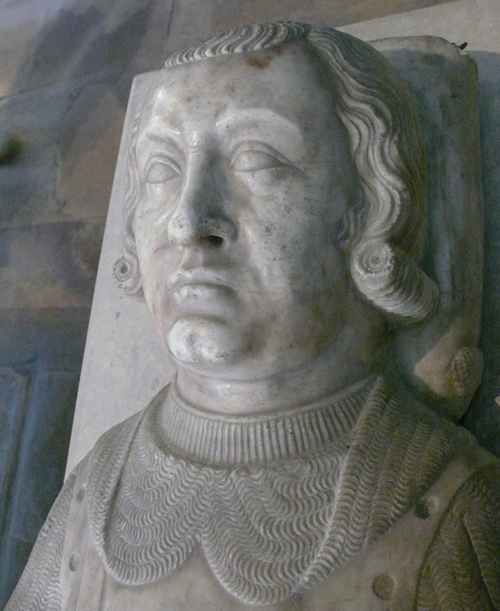
1284 - 1325 - Charles, Count of Valois (All Facts)
Founder of the Capetian House of Valois, which ruled France until 1589
He was the fourth son of King Philip III of France
He and his French troops, called in by the pope, connive at the return of the extreme Guelph faction known as the “Blacks” involved in a power struggle with the moderate Guelph “Whites” in Florence, in the “Whites” fled
He invaded the Kingdom of Sicily with papal backing, in which he agreed to terms with King Frederick III of Sicily, thus ending the War of the Sicilian Vespers
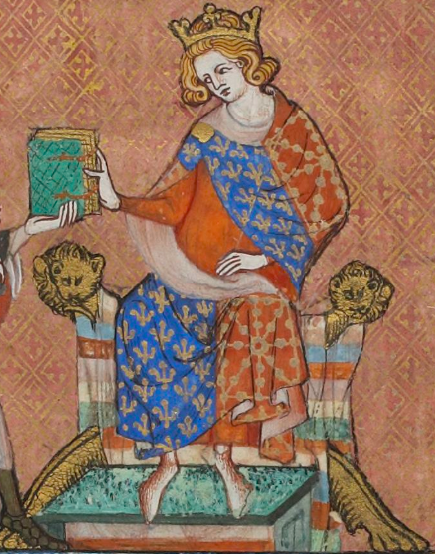
1314 - 1316 - Louis X (All Facts)
12th King of France
He was nicknamed “The Quarreler” and "The Headstrong”
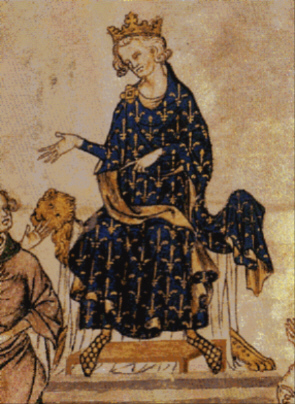
1328 - 1350 - Philip VI (All Facts)
16th King of France and First King and Founder of the House of Valois
He was nicknamed “The Fortunate”
He and the royalist forces of the count of Flanders suppressed the Flemish artisan and peasant rebels in the Battle of Cassel during the Flemish Revolt
He supported King David II (The Bruce) of Scotland against the English during the Second Scottish War for Independence
During his reign,
King Edward III of England declared war on him and his kingdom of France, which essentially initiated the Hundred Years’ War against England
King Edward III of England claimed the French throne to be his, despite the namesake’s clear succession to the French throne, from the House of Valois, thus prompting the conflict, which initially was fought over that succession crisis
He made the Truce of Esplechin with King Edward III of England during the Hundred Years’ War
He was prompted to do this because he was unable to further pay his troops
He supported Charles de Blois, the duke’s stepfather to succeed the duke of Brittany after the duke’s death against the nomination of John de Montfort, the half-brother of the duke, by King Edward III of England, prompting the War of the Breton Succession during the Hundred Years’ War
King Edward III of England invaded and conquered and took Normandy from him and the French, via the Crecy Campaign and Battle of Crecy, in which the French forces under his rule were defeated by King Edward III and his English forces
He and his forces were defeated by King Edward III and his English forces in the Battle of Crecy and Crecy Campaign during the Hundred Years’ War
1340s - 1350s - Jean de Vienne (All Facts)
Governor of the port city of Calais who offered to surrender if King Edward III of England would spare their lives
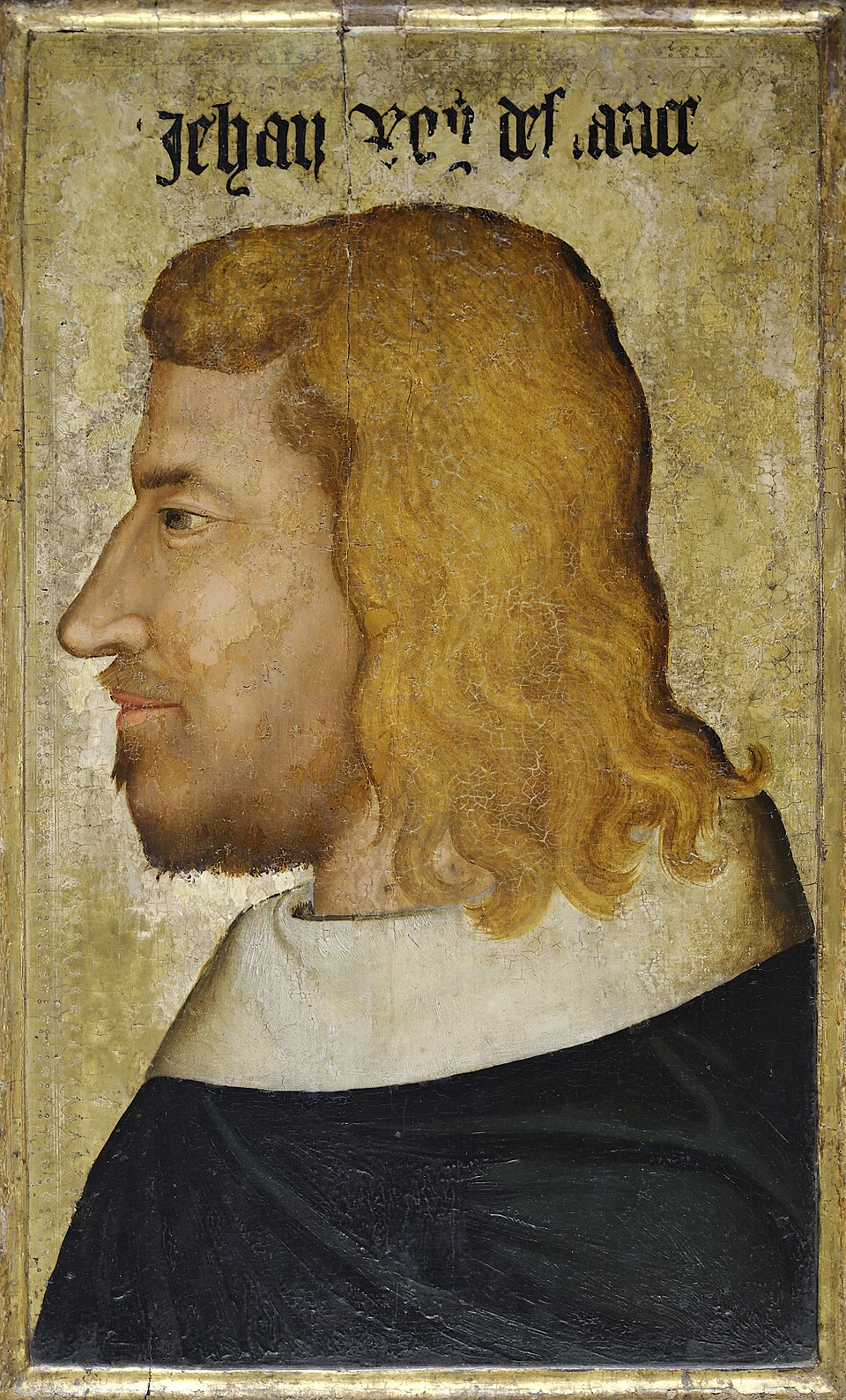
1350 - 1364 - John II (All Facts)
17th King of France and 2nd King of the House of Valois
He was nicknamed “The Good”
During his reign,
He instituted the “Order of the Star,” the French equivalent / imitation of England’s “Order of the Garter”
Under his reign,
The Jacquerie Revolt occurred
Under his reign,
Edward the Black Prince of England, son of King Edward III of England, conducted a devastating raid in Languedoc in France during the Hundred Years’ War
Edward the Black Prince of England, son of King Edward III of England, organized a great expedition in which he launched a series of raids across Limousin and Berry in southwestern France during the Hundred Years’ War, which he did in order to take advantage of the unrest throughout the French realm at the time
During his reign,
He and his French forces were defeated by Edward the Black Prince and his English forces in the Battle of Poitiers during the Hundred Years’ War
After the namesake had surrendered to him, however, in a true act of chivalry, a tradition highly cultivated in England during that time, Edward the Black Prince of England invited the namesake to a banquet where Edward the Black Prince humbled himself by refusing to sit at the same table as the namesake and left with him and his captured booty for London after the banquet
During his reign,
He signed the First Treaty of London with King Edward III of England, in which the namesake was to be held by him until
A ransom of 4M ecus was paid by the French to King Edward III of England, who would then release the namesake
Extensive French territories were ceded to King Edward III and the Kingdom of England
This Treaty triggered the Jacquerie Revolt
He signed the Treaty of Bretigny, in which the namesake was released by King Edward III of England, allowing him to return to France
However, when he learned that his son Louis of Anjou, whom he had previously agreed to deliver to the English as a hostage, had escaped from the English, he kept his word of honor and went back to London as a prisoner under King Edward III of England
When his son, Louis of Anjou, who was a hostage in his place after the namesake’s defeat and capture by Edward the Black Prince and his English forces in the Battle of Poitiers, escaped, the namesake returned to captivity in England to uphold his word, hence his nickname “The Good”
He died in captivity at the Tower of London upon which he returned
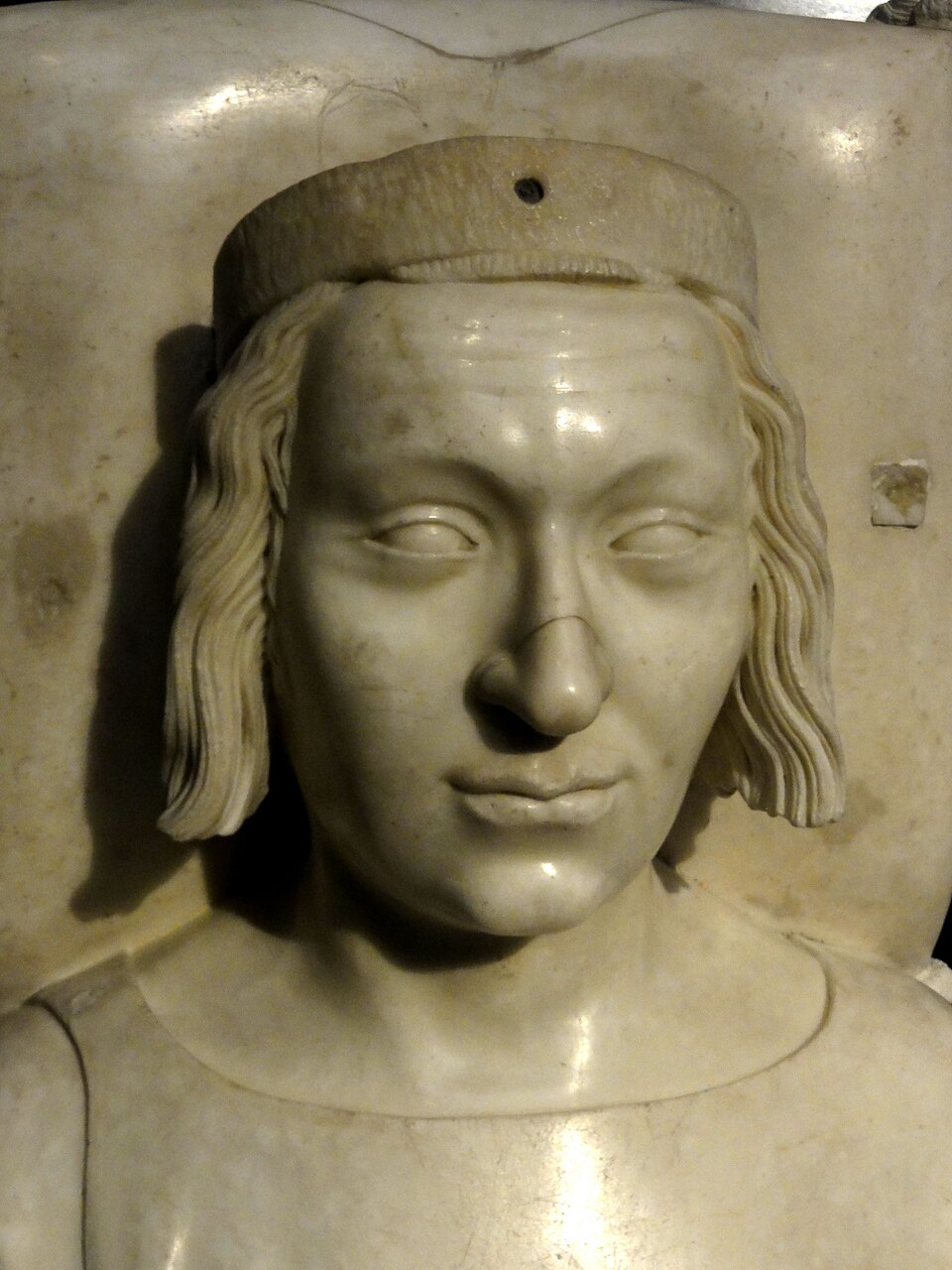
1364 - 1380 - Charles V (All Facts)
18th King of France and 3rd King of the House of Valois
He was nicknamed “The Wise”
He denounced the treachery of John IV de Montfort of Brittany and confiscated his duchy
Under his reign,
The Treaty of Guerande was passed
1360 - 1391 - Merigot Marches (All Facts)
French English-Routier mercenary who operated in the south of France during the reign of King Charles VI of France, ostensibly in the names of the English king and the counts of Armagnac and Foix
He was tried in Paris and claimed (after being tortured) that he had sworn loyalty to England despite being French
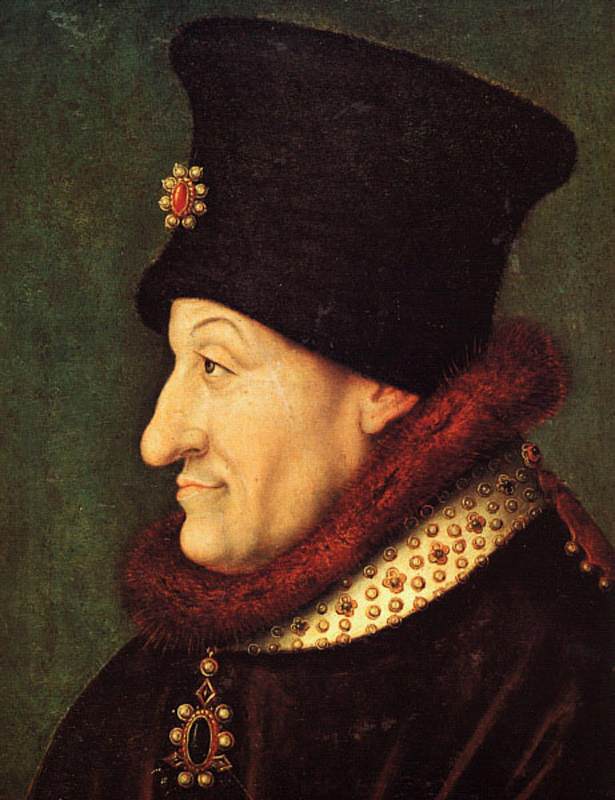
1363 - 1404 - Philip II (All Facts)
Duke of Burgundy
He was nicknamed “The Bold”
He was the brother of and ruled under King Charles V of France
He became Count of Flanders, inheriting Flanders as well as Antwerp, Artois, and Malines
He had his daughter married to Louis de Male
He worked to establish Flanders’ independence from France, but came into increasing conflict with the English, who were expelled from Flanders under his reign
The native population of Flanders, who had no share in the bonanza of trade taking place, experienced hardship as a result of the intermittent warfare between Flanders, France, and England during the Hundred Years’ War
He renewed the Hanseatic League’s trading privileges, ending on the embargo on its trade with Flemish towns
1336 - 1407 - Olivier de Clisson (All Facts)
Led the French nobility and suppressed the Flemish Revolt during the reign of King Charles VI of France
He and his forces defeated Philip van Artevelde and his rebels in the Battle of Roosebeke during the Revolt of Ghent
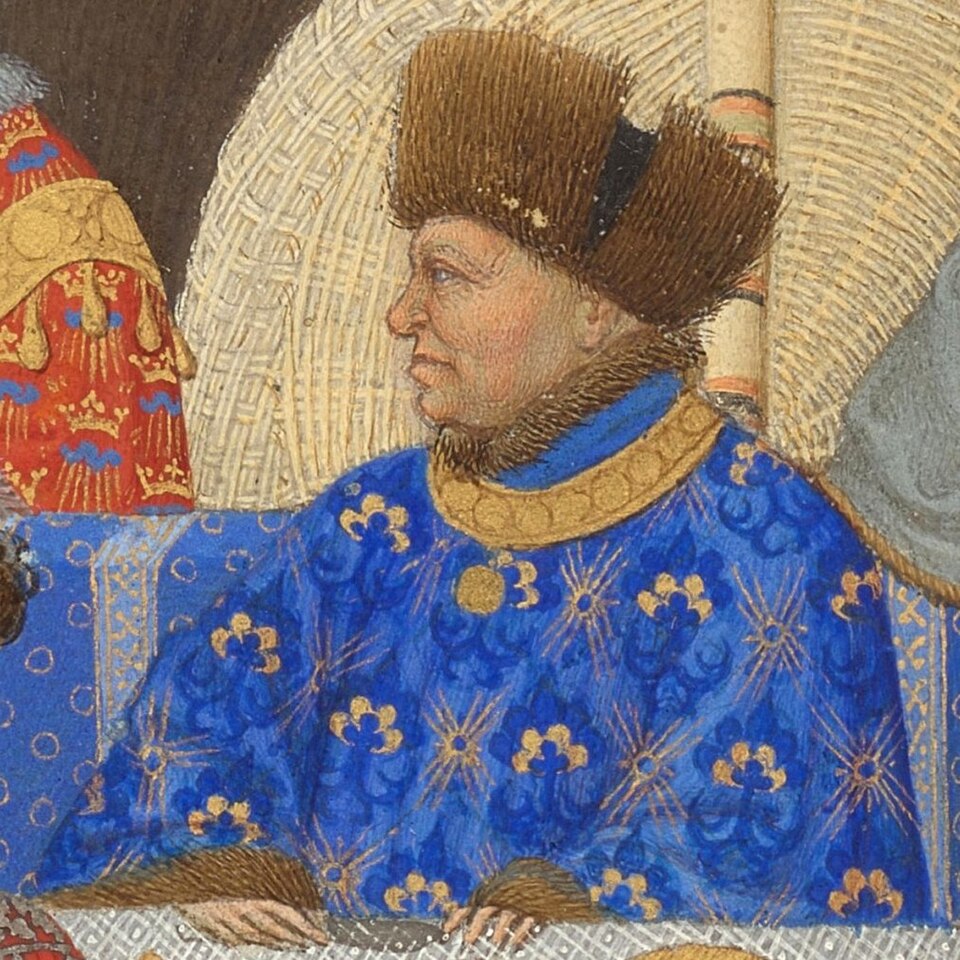
1340 - 1416 - John of Berry (All Facts)
He was the Duke of Berry and Auvergne and Count of Poitiers and Montpensier
He was brothers with King Charles V of France
He was a collector of important illuminated manuscripts and other works of art commissioned by him including the “Tres Riches Heures” and “Tres Belles Heures”
His personal motto was “the time will come” or “Le temps Venra”
He commissioned the construction of twelve elegant castles
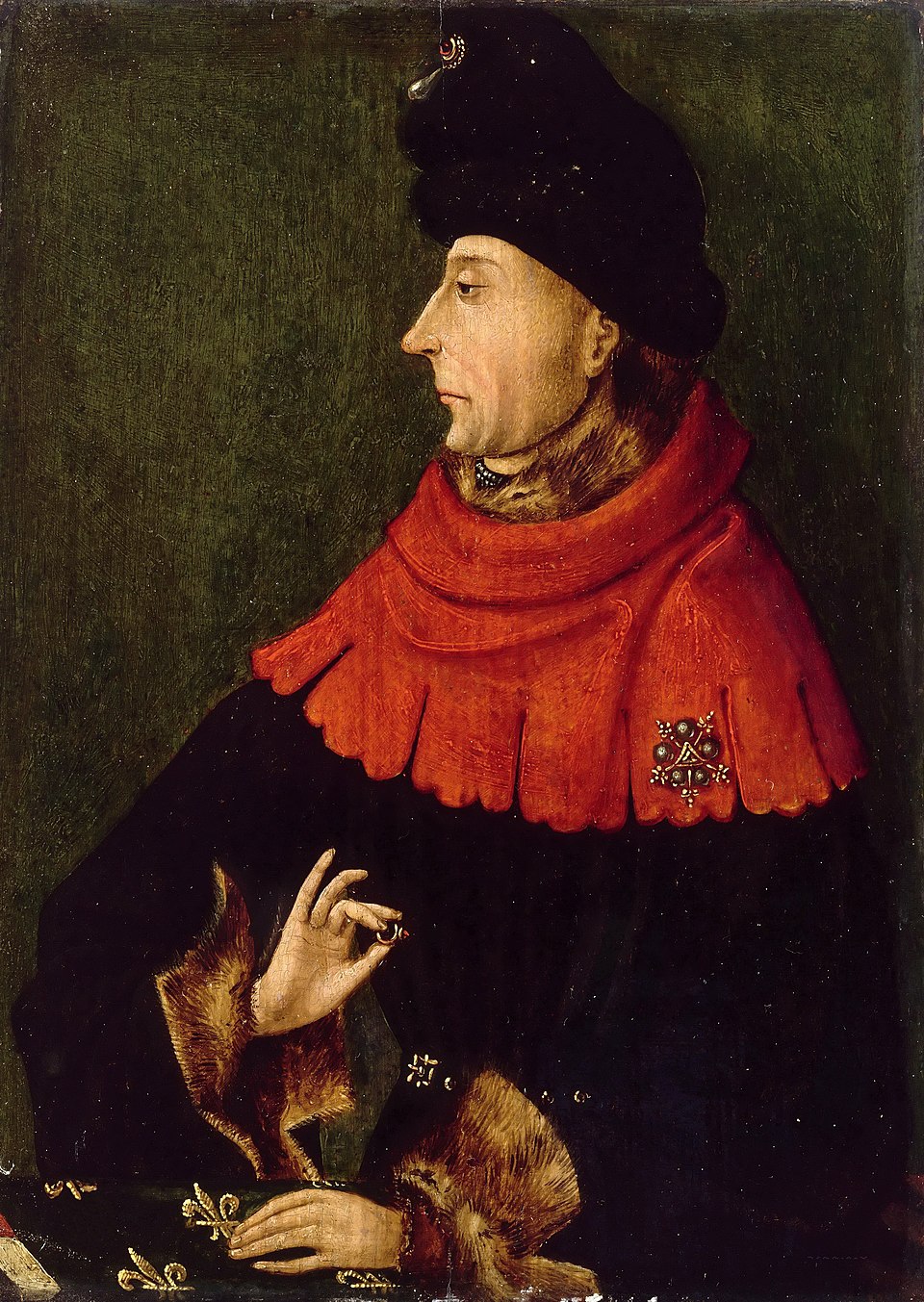
1404 - 1419 - John (All Facts)
Duke of Burgundy
He was nicknamed “The Fearless”
He was an ally of the English
He ruled under King Charles VI of France
He had Louis, the Duke of Orleans, murdered
He had done this to compete for the French throne given that King Charles VI of France was preventing from governing due to the madness that had overtaken him
A deadly struggle thus broke out over the French throne between him and Louis
His supporters were known as the Burgundian Party and Louis’s supporters were known as the Armagnac Party and a civil war ensued
He managed to raise the people of Paris and impose a Burgundian Party reform called the “Cabochien ordinance”
However, this utopian measure was overturned by the Armagnac Party as soon as they seized control of Paris
He allied with the English and seized control of the French government in the name of the French Queen Isabel of Bavaria
Upon doing so, the dauphin (eldest son of King Charles VI) Charles (soon to be Charles VII) escaped and set up his base to Bourges, where took the title of regent
After a bad-tempered meeting with the dauphin Charles, he was murdered by supporters of the dauphin Charles on the bridge of Montereau and succeeded by his son
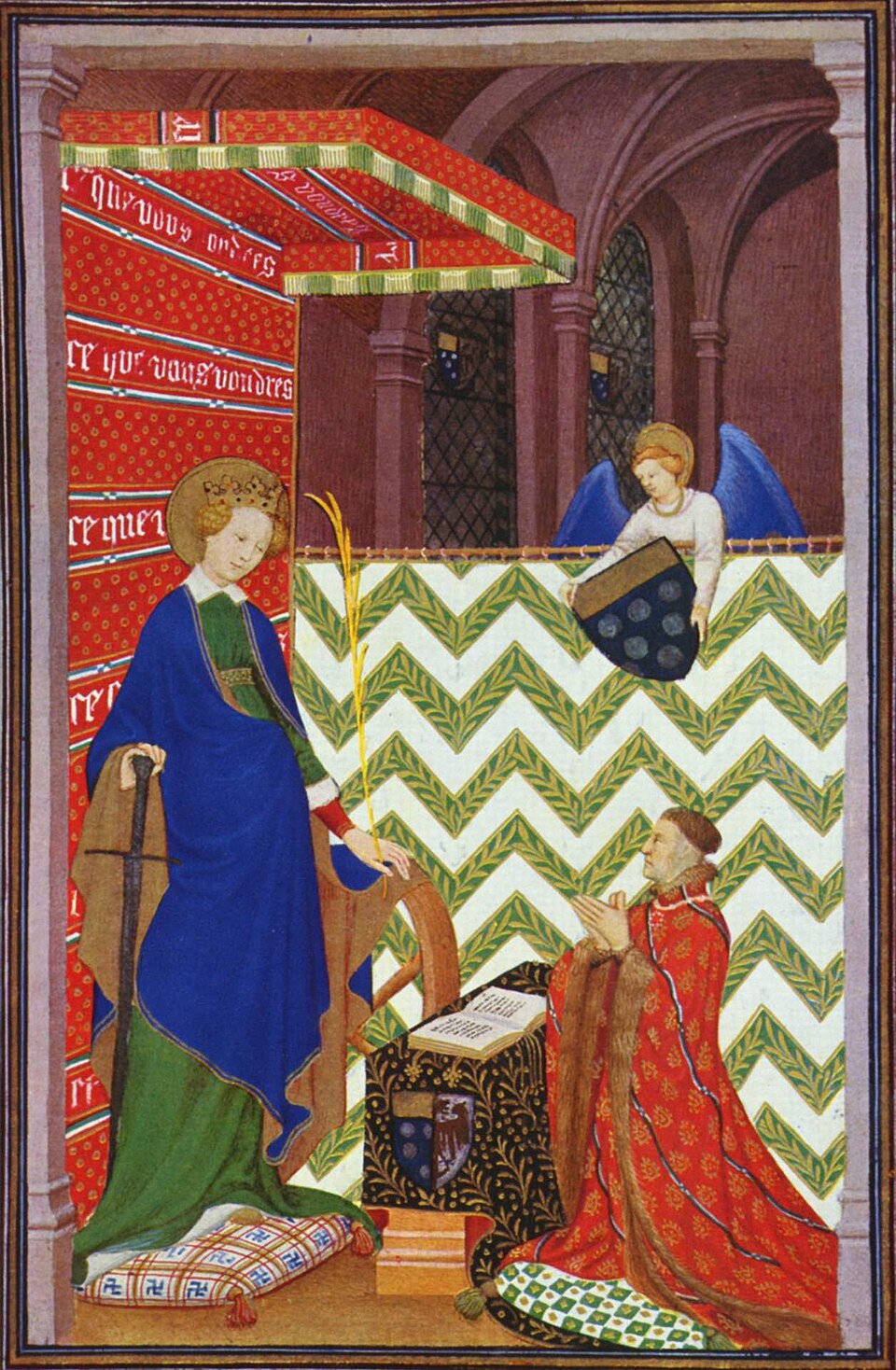
1366 - 1421 - Jean II Le Maingre Boucicaut (All Facts)
French Knight and Military Leader and Marshal of France during the reign of King Charles VI of France
With western troops, he helped hold Constantinople of the Byzantine Empire against the Ottoman Empire
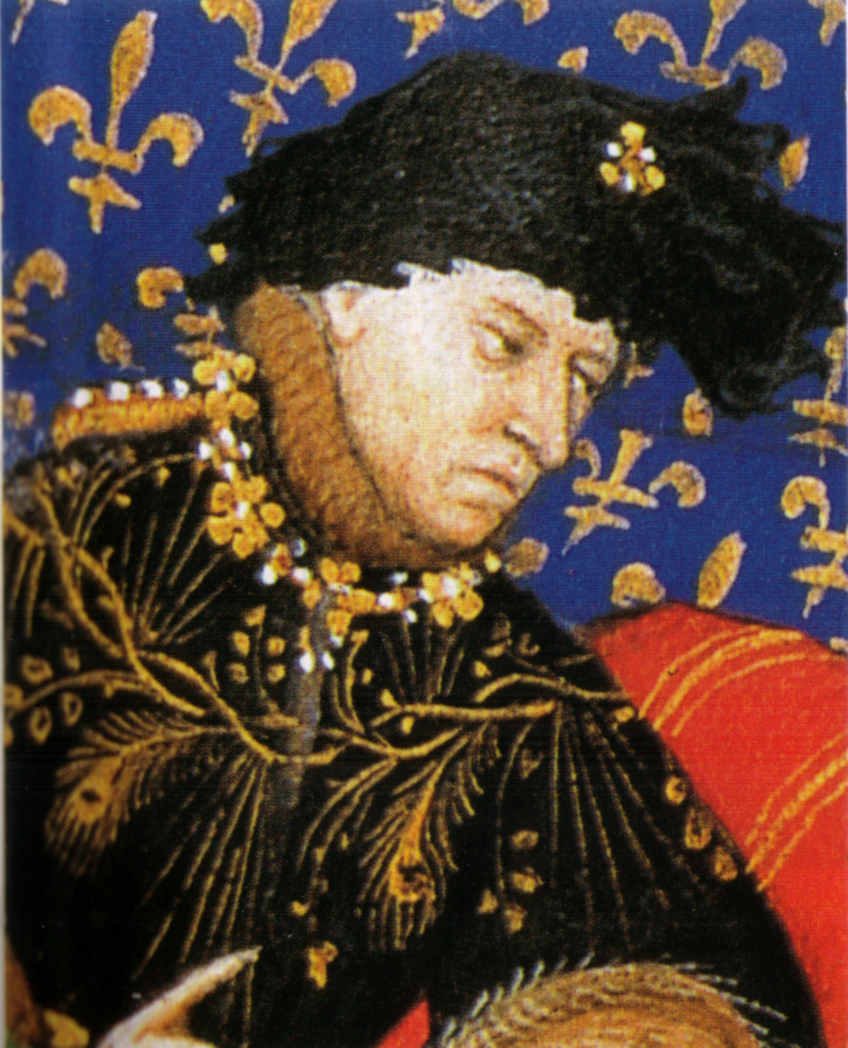
1380 - 1422 - Charles VI (All Facts)
19th King of France and 4th King of the House of Valois
He was nicknamed “The Mad”
He was nicknamed so because he suffered serious attacks of madness throughout his reign
He supported the anti-pope (Benedict XIII) at the beginning of his reign
He does not accept Henry of Langerstein’s arguments regarding ending the Western Schism and forces him to leave France
He was eventually persuaded by the University of Paris to withdraw his obedience to the anti-pope (Benedict XIII), depriving the pope of much of his income
He was appealed to for help by Louis de Male, count of Flanders, during the Flemish Revolt
During his reign,
He and his forces defeated Philip van Artevelde and his rebels in the Battle of Roosebeke during the Revolt of Ghent
During his reign,
He issued a decree of general expulsion of Jews from France, citing gradual complaints made about them by Christians over time
Under his reign,
The armies of English Routiers and French Echorcheurs, or “Free Companies,” terrorized France
With an improved treasury, however, there was no way in which he could mount a royal expedition to clear France of these armies
Even so, most local people preferred to pay their ransom to the freebooters and stay quiet rather than complain and face punishment for the crime of paying it
He pardoned many of the English Routiers and French Echorcheurs, or “Free Companies,” many of which were bought for cash
Under his reign,
The French were defeated by King Henry V and the English in the Battle of Agincourt during the Hundred Years’ War
When he died, the dauphin assumed the title of “king of France” as his successor
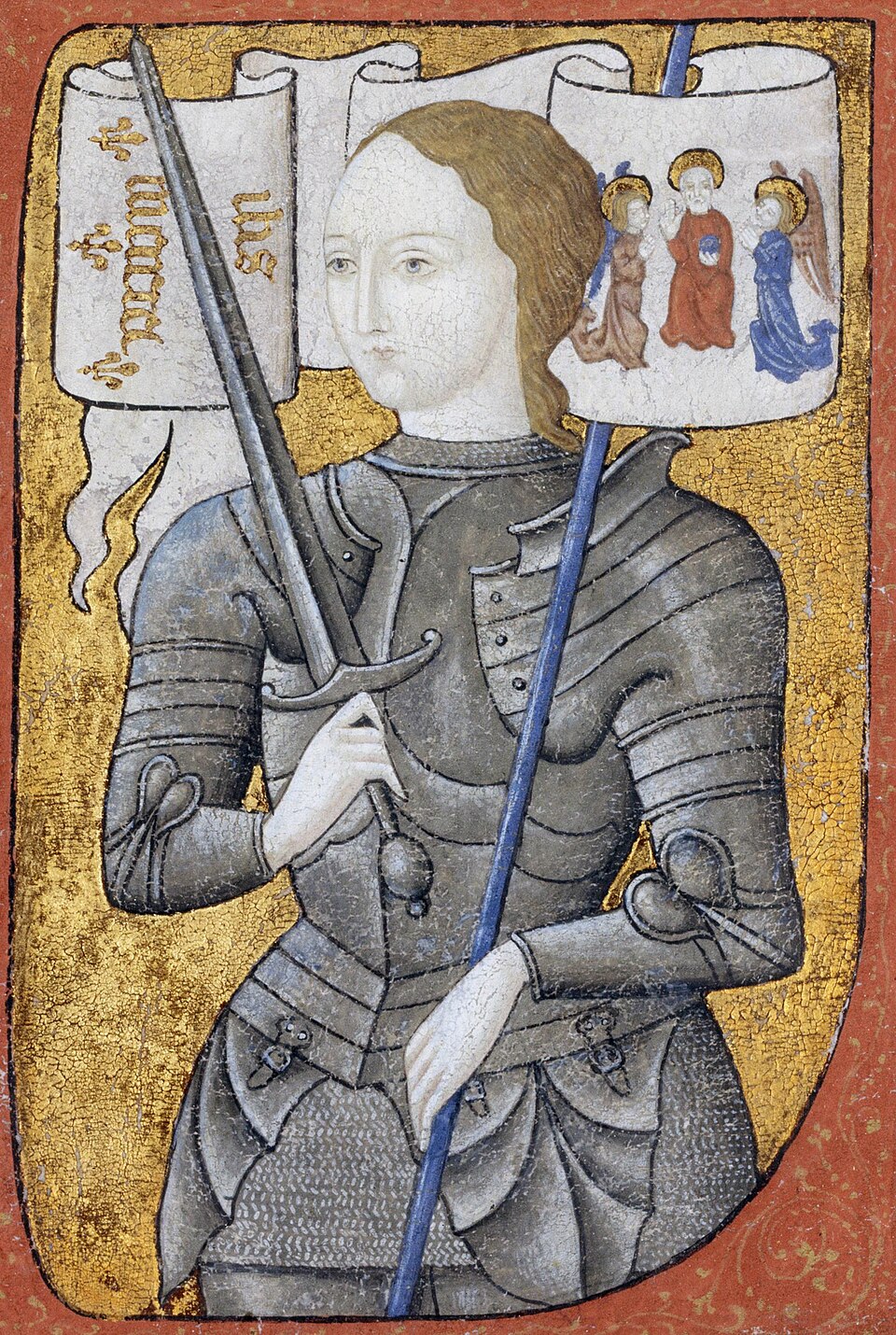
1412 - 1431 - St. Joan of Arc (All Facts)
French Military Leader and “Savior of France”
Voices had told her that it was the will of heaven that the English should be thrown out of France and that she was in some way to be instrumental in their eviction
She insisted that Charles VII be appointed King of France to the point where she told the dauphin that he must be anointed with holy oil at Rheims and that after that the English would not be able to stand against him
She succeeded in reaching the dauphin near Tours and convinced him of her devoutness and sincerity
She and her French forces defeated the Earl of Salisbury Thomas Montagu and his English forces in the Siege of Orleans during the Hundred Years’ War
She and her army were elated, ecstatic, and crusading as they had forsworn swearing and harlots and attended Mass at which they vowed to follow her “voices”
In a full suit of armor, this young peasant girl prayed as her victorious army celebrated their defeat of the besieging English
This proved to be the turning point in the Hundred Years’ War, in which the French began to win more victories and regain territories they lost to England
In this battle, the English army of 5K had initially sought to established a foothold on the Loire River and open up Anjou to occupation
However, they clearly failed to reckon with a revitalized, well-disciplined French army, spiritually transformed by the namesake’s voices of conviction
She was proclaimed the heroine of Orleans and many saw her as an inspired leader, a saint, and/or a mascot of the French people at the time
She inspired a new French national unity in support of Charles VII
She proceeded to play a major role in the attempted recapture of Paris from the Burgundian Party (allied with the English)
She initially made a triumphant entry into Paris
However, she was wounded and eventually after fighting other minor engagements she was taken prisoner by them and sold her to the duke of Bedford for 10K gold crowns
Then, an English escort took her to Rouen, where she faced the hostile questioning of Bishop Cauchon, a Burgundian (also allied with the English), who conducted a secret trial of her according to the rites of the Inquisition
When confronted by Bishop Cauchon and the English-allied Burgundian Party, she conducted her own defense and stressed her purity and devotion to France, but to no avail
The English-allied Burgundian bishops sentenced her to life imprisonment
When she continued to wear men’s clothes (possibly because that was all she was given while in prison), this was taken as evidence of her relapse and she was condemned to the stake
She was tried and convicted as a witch, due to her having cross-dressed
She spent over a year of suffering from inquisition, torture, and imprisonment
When taken to the stake in the market square of Rouen in France she was once again condemned and executed by being burnt to death
She asked for a cross to be held before her to see through the flames
Her last word was “Jesus”
Even in her own time, most did not doubt that this was a politically motivated trial and execution by the English-allied Burgundians fighting off the French-allied Armagnacs during the Armagnac-Burgundian Civil War
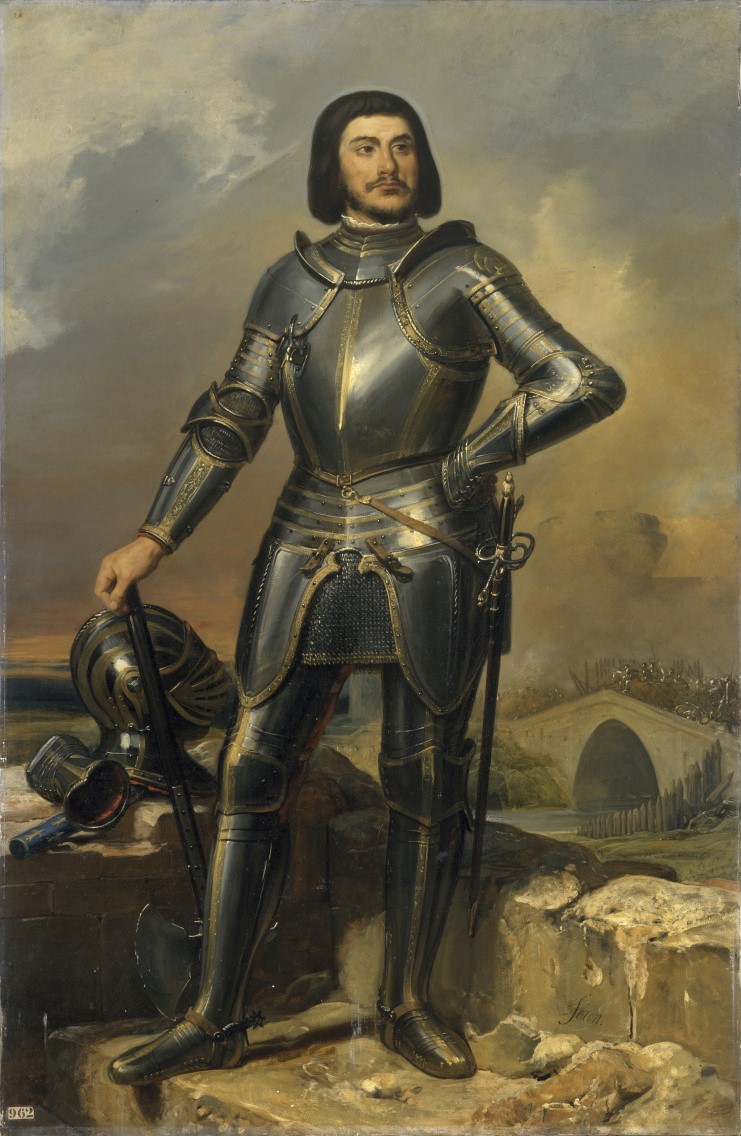
1405 - 1440 - Gilles de Laval / Gilles de Rais (All Facts)
French Knight and Lord
He was one of France’s most respected and beloved knights in his day
He was supposedly a man of unassailable piety, a friend to beggars and patron of the arts, having appeared to embody the chivalric ideal
He was a “Marshal of France” during the Hundred Years’ War
He was a commander of St. Joan of Arc’s troops who boasted a 200-strong retinue
He was an illusion - an embodiment of chivalry on the outside and a depravation of humanity on the inside
He was a Satanist who experimented in alchemy and black magic
He claimed to model himself upon Caligula, the most perverse and cruel of Rome’s emperors
He was condemned for the murder and/or rape of 200+ children as well as for sodomy, heresy, apostasy, sacrilege, and violation of clerical immunity
Some of these children were abducted and some were sold, often for a dress or a loaf of bread, by impoverished parents
Once entrapped by him, they were sodomized and slowly tortured to death
It is said that he took pleasure in watching his victims’ agonizing to their slow death
Throughout his trial, he professed devout Christianity
When he confessed, he claimed to see his impending execution as God’s fitting punishment
He was thus executed at Nantes, where he was garroted (strangled by wire) and burnt with two of his accomplices
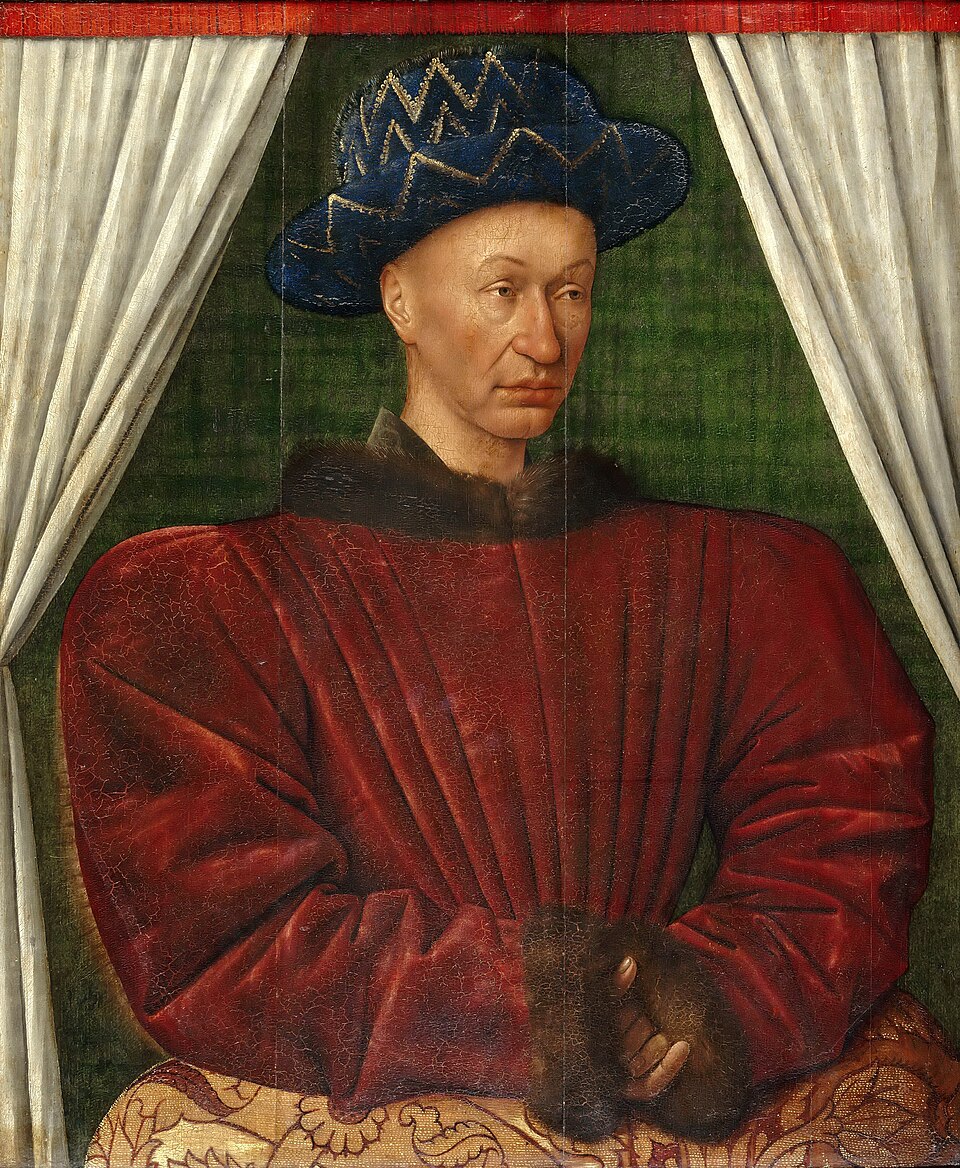
1422 - 1461 - Charles VII (All Facts)
20th King of France and 5th King of the House of Valois
He was nicknamed “The Victorious”
As dauphin, he
escaped from Paris once John, Duke of Burgundy, allied with the English and seized control of the French government there
setup his base at Bourges, where he took the title of regent
had reconsolidated his power after his supporters murdered John, Duke of Burgundy on the bridge at Montereau
On the death of his namesake predecessor, he, as dauphin, assumed the title “King of France” although at that point only had control over Touraine, the Orleanais, Berry, Auvergne, and Dauphine
He was not officially crowned King of France (at Rheims) until 7 years into his reign
Under his reign, The French defeated the English in the Battle of Castillon, thus ending, and being victorious in the Hundred Years’ War
He promulgated the “Pragmatic Sanction of Bourges,” which limited papal authority over French bishops and gave the king a say in the appointment of prelates
He created a French standing army free from feudal obligations
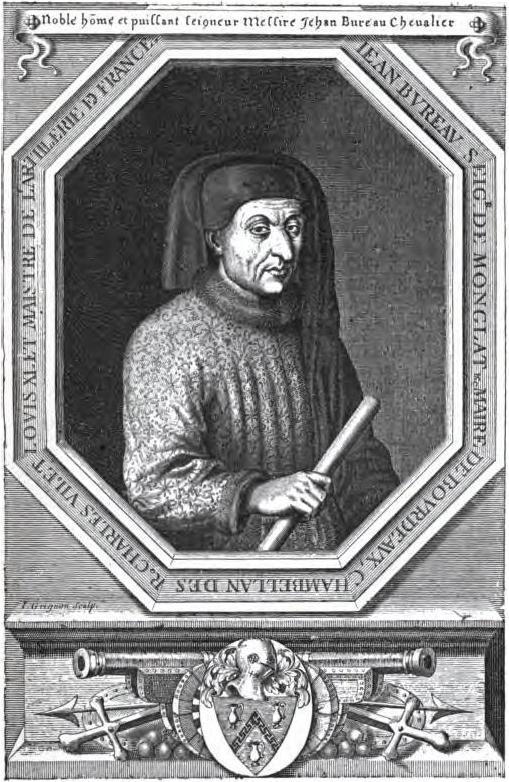
1390 - 1463 - Jean Bureau (All Facts)
French artillery Commander
He and his French forces defeated John Talbot and his English forces in the Battle of Castillon, ending the Hundred Years’ War
He succeeded in drawing his enemy, John Talbot, and his forces, between the namesake’s artillery and the Dordogne River during the Battle of Castillon
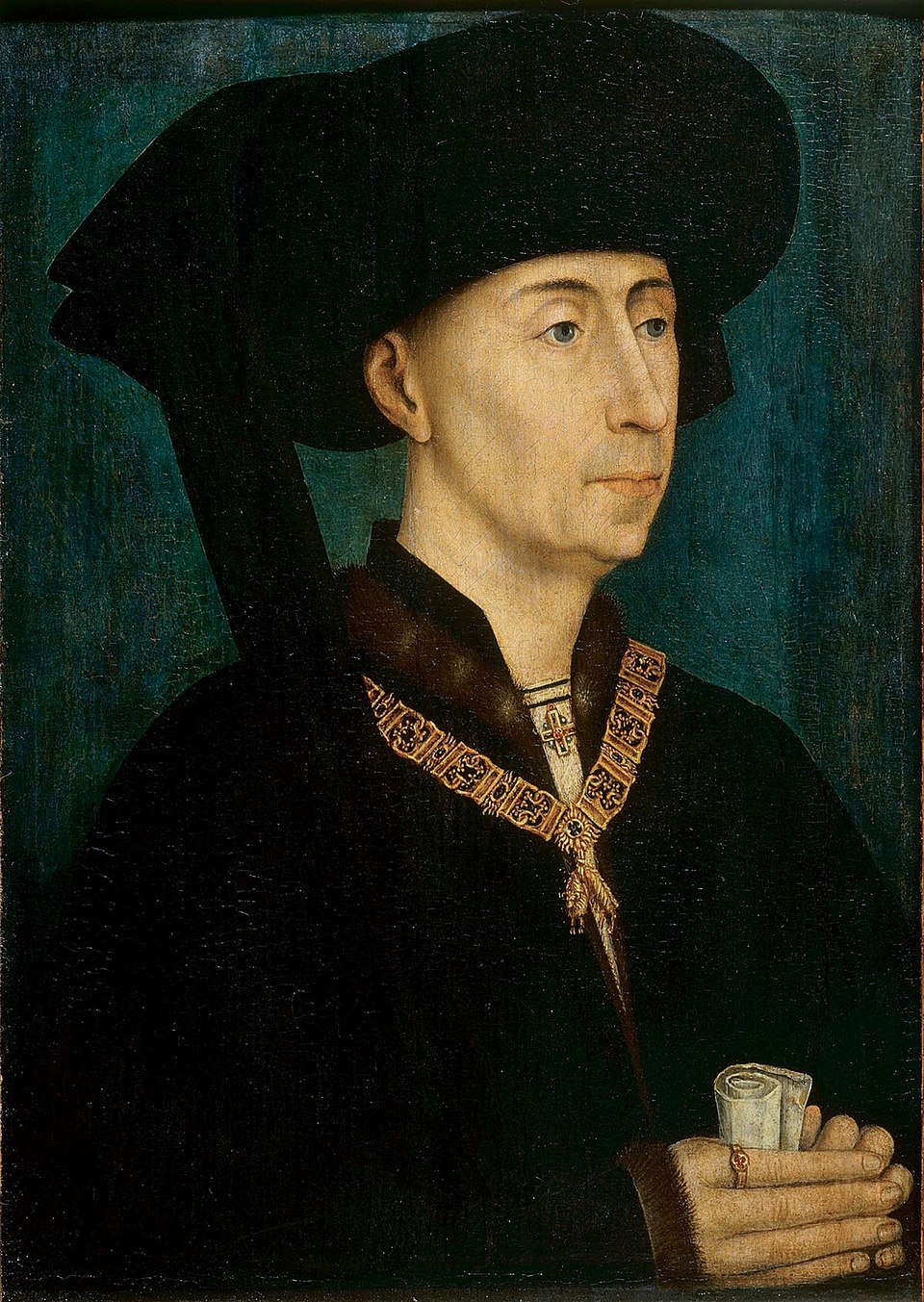
1419 - 1467 - Philip III (All Facts)
Duke of Burgundy
He was nicknamed “The Good”
He was the son of his predecessor
He was allied with France, having ruled under the reign of King Charles VII of France
He signed a Treaty of Troyes, a perpetual peace with King Henry V of England in which
They brought France and England under one crown, following King Henry V of England’s victory in the Battle of Agincourt
He agreed that King Henry V of England could marry Catherine of Valois, the daughter of King Charles VI of France at the time
He believed the agreement would bring “perpetual peace” between the two kingdoms despite the customs and kingdoms being completely separate, the union of the two crowns was to be personal
He and King Henry V of England failed to tackle the question of succession as no woman could succeed to the French throne
Despite this treaty, King Henry V of England continued to conquer France bit by bit until he fell ill and struggled on for three months until he was too weak to ride his horse
He signed the Treaty of Arras, in which
He ultimately broke off the Burgundian Party’s alliance with the English, thus ending the Armagnac-Burgundian Civil War in France
However, it led to the expulsion of the English from France
He established the “Order of the Golden Fleece”
He was the patron of all woodcarvers, metalworkers, and artists like Jan Van Eyck
He took the “vow of the pheasant” at a grand feast, by which he swore to fight the Ottoman Turks
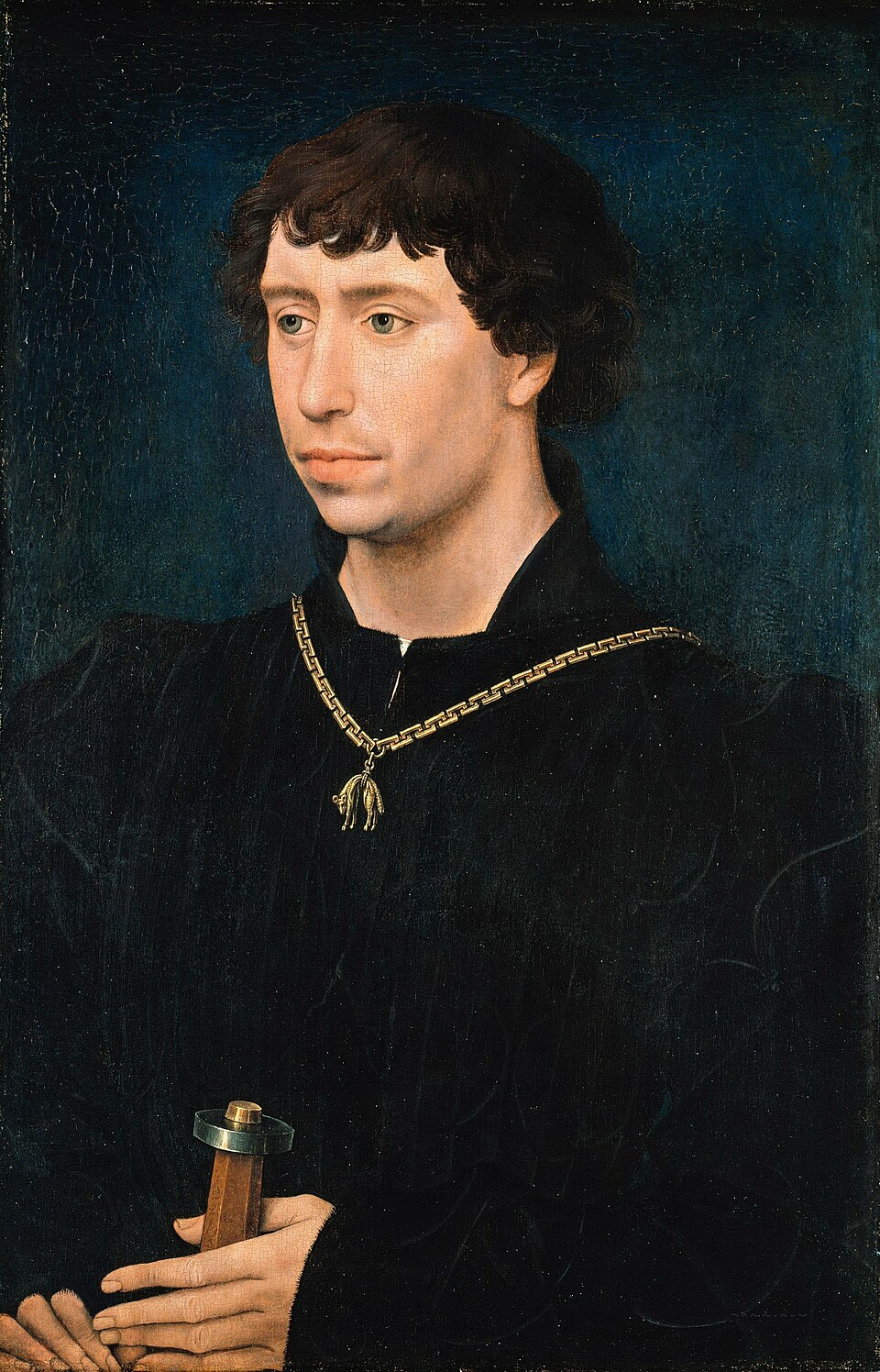
1467 - 1477 - Charles Martin (All Facts)
Final Duke of Burgundy
He was nicknamed “The Bold”
Turbulent duke who wanted to be a king, a general, and a conqueror and who failed in all three ambitions
He was a ruthless commander who modelled himself on Julius Caesar and other great Roman conquerors
He competed with King Louis XI of France for the French throne
He triggered the “War of the Public Weal” against King Louis XI, which forced the king to make concessions to the people that were in his favor
Under his reign, Louis XI declared war on Burgundy and occupied the towns of Picardy
In a bid to acquire the title “King of the Romans,” he arranged to meet with Holy Roman Emperor Frederick III at Trier, but the emperor gave him the slip and made fun of him; making the namesake the laughing stock of Europe
He seized Lorraine in response to the Swiss and French seizing the district of Vaud
When he died, King Louis XI of France invaded Burgundy, France-Comte, and Artois
He and his forces were defeated by Rene II and his French forces in the Battle of Morat during the Burgundian Wars
He and his forces were defeated by Rene II and his French forces in the Battle of Nancy, ending the Burgundian Wars
After the battle, his body was found naked on a frozen pond, half eaten by wolves, and his skull cloven by a Swiss battle-axe; having been completely unrecognizable and identifiable only by the scars on his body
After his death, the dukedom of Burgundy collapsed and effectively ended
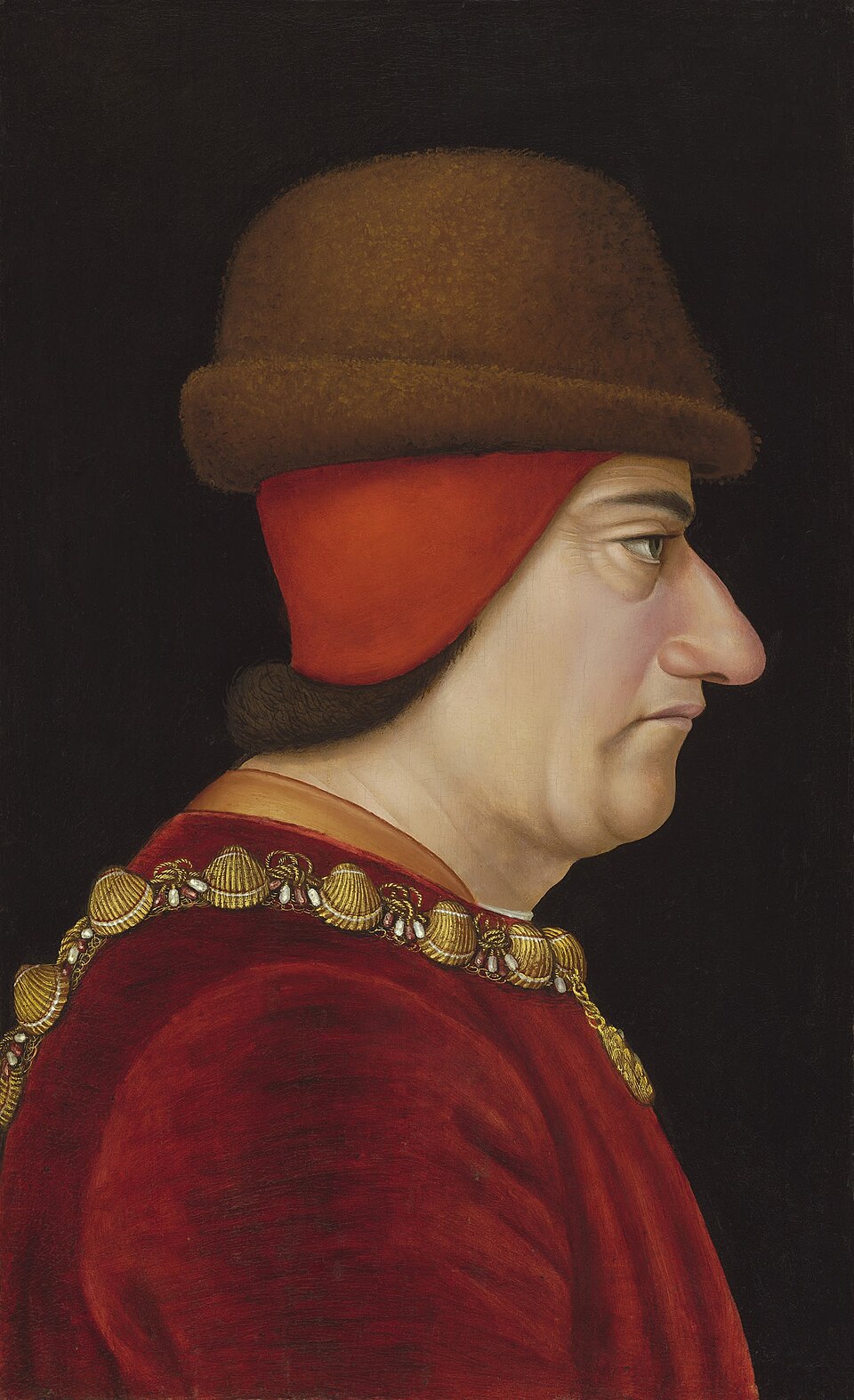
1461 - 1483 - Louis XI (All Facts)
21st King of France and 6th King of the House of Valois
He was nicknamed “The Prudent”
He aided French unification by ending provincial and urban privileges
He signed an agreement with the league of the “Public Weal,” an anti-royalist alliance of the Houses of Brittany, Bourbon, Burgundy, and Armagnac which ended the “War of the Public Weal” fought against him during his reign that was prompted by the efforts of Charles Martin
He declared war on Charles Martin, the Duke of Burgundy, thus initiating the Burgundian Wars
He thus first occupied the towns of Picardy
He then ratified the “Perpetual Peace,” signed by the Habsburgs and the Swiss
He thus made an alliance with the Swiss
He and the Swiss then opened a military campaign against Charles Martin and Burgundy, having seized the district of Vaud
In response, Charles Martin seized Lorraine
Upon Charles Martin of Burgundy’s death, the namesake and his French forces invaded Burgundy, Franche-Comte, and Artois
However, the namesake’s incursions into Burgundian territories were eventually halted by Maximilian of Austria
Eventually, Burgundy was reunited with France, incorporated into it, under his reign, and thus ended as an independent dukedom
He signed the Treaty of Picquigny with King Edward IV of England
He did so after having already bought off King Edward IV of England
He gained Cerdagne and Roussillon from King John of Aragon
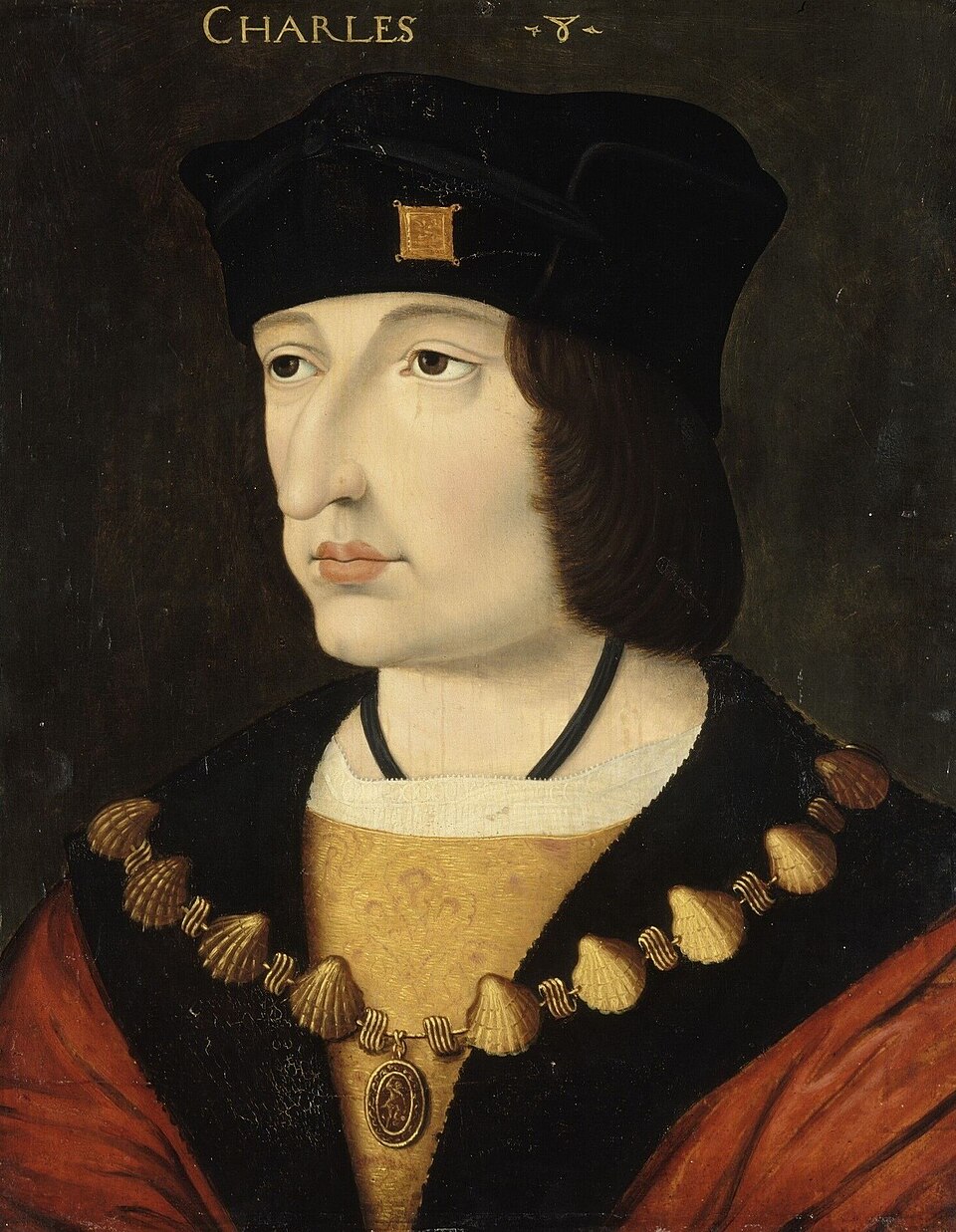
1483 - 1498 - Charles VIII (All Facts)
22nd King of France and 7th King of the House of Valois
He was nicknamed “The Affable”
On the death of his predecessor, he was placed under the guardianship of his elder sister, Anne de Beaujeu
Under his reign,
The French occupied the Duchy of Brittany, and he annulled Anne of Brittany’s marriage to the Holy Roman Emperor Maximilian of Austria, thus effectively ending the independence of the Duchy of Brittany
He made an alliance with Ludovico Sforza and the Republic of Milan which they sought in part to prevent France from exercising a claim to Milan via marriage (of Anne of Brittany, who had ties to Milan)
During his reign,
He signed the Peace of Etaples with Henry VII of England, having learned that the English King was preparing for war against France, in which he
Agreed to pay the money due to England in the previous Treaty of Picquigny
Promised not to aid anyone who rebelled against Henry VII of England’s rule
He signed the Treaty of Barcelona with Ferdinand of Aragon, in which he
Returned Cerdagne and Roussillon as they were previously pledged by John of Aragon to Louis XI
He initiated the Italian Wars
He initially entered Rome with the Pope Alexander VI’s consent
He invaded and seized Naples (Italy), where his army failed to besiege the city but infected Naples and every country it passed through on the way with the “French Pox” disease
He had dreamed of conquering the Kingdom of Naples
After much dallying and womanizing, he crossed the Alps and made his way south
His entourage included 50K archers, crossbowmen, and other footsoldiers, 36 huge cannons, and several hundred prostitutes; as well as his own baggage train of bedchamber, chapel, chamberlains, cooks, valets, ushers-at-arms, musicians, jesters, jousters, and acrobats
After much socializing along the route, he arrived at a castle near Naples where he sent heralds forward demanding its surrender only for them to return without ears or noses
In response, he brought his big guns into play, massacring the key city of Naples as it fell
After his attempted invasion of Naples (Italy); the Pope, the Holy Roman Emperor, Spain, Milan, and Venice established a holy league against him in response in order to protect Naples (Italy) from foreign domination, thus igniting the Italian Wars
He and his forces were defeated by the Italian-Swiss alliance in the Battle of Fornovo during the First Italian War during the Italian Wars
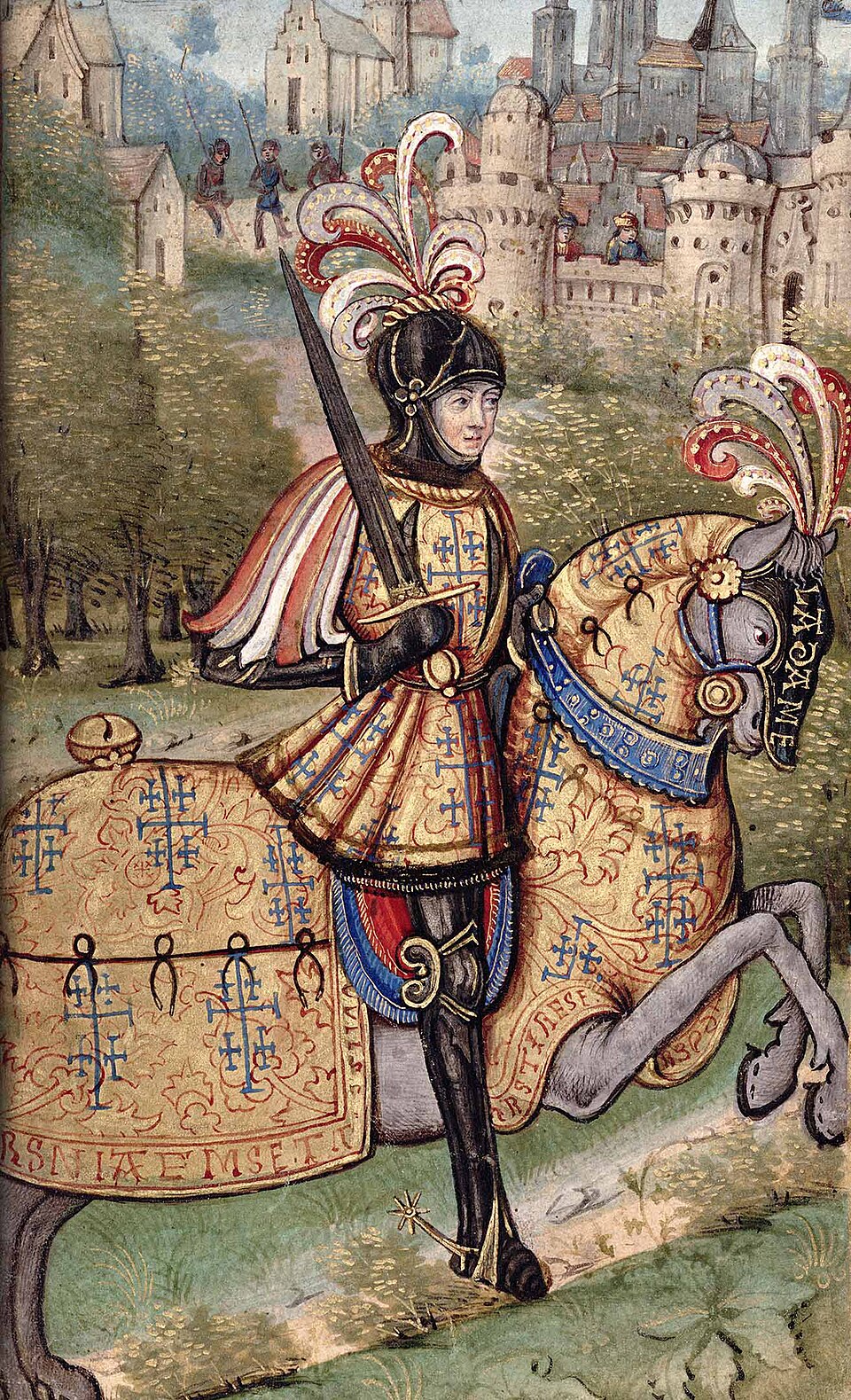
1473 - 1508 - Rene II (All Facts)
Duke of Lorraine
He and his forces defeated Charles Martin and his Burgundian forces in the Battle of Morat during the Burgundian Wars
He and his forces defeated Charles Martin and his Burgundian forces in the Battle of Nancy ending the Burgundian Wars and effectively ending the dukedom of Burgundy
Encouraged by his defeats, he reoccupied Nancy and called for Swiss and French help against Burgundy
When the army arrived while Charles Martin was besieging Lorraine, Martin lost his life and his army to the namesake duke
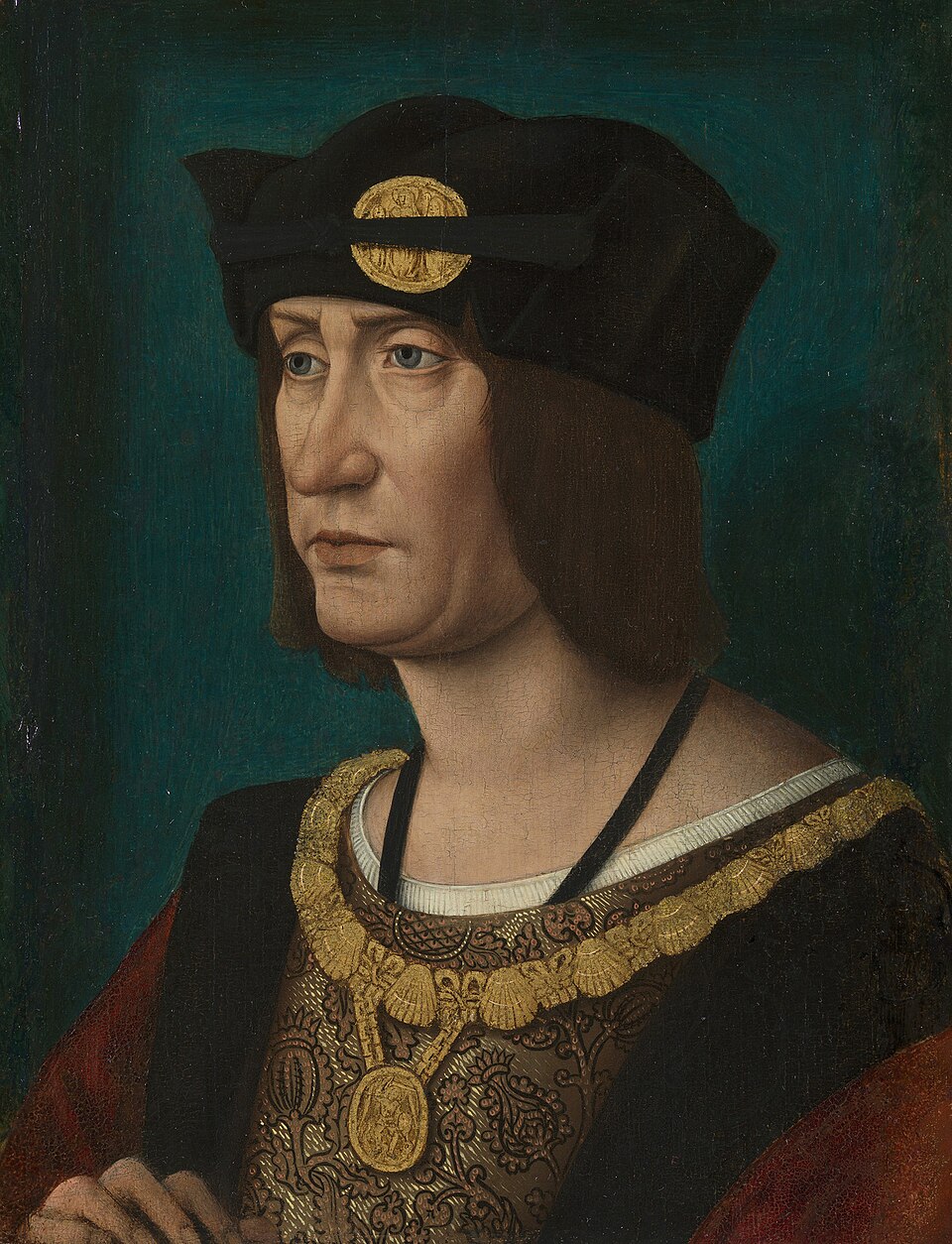
1498 - 1515 - Louis XII (All Facts)
23rd King of France and 8th King of the House of Valois and King of the House of Orleans
He repudiated Jeanne of France and married Anne of Brittany instead
He later married Mary Tudor, the younger sister of King Henry VIII of England
During his reign,
He and the Valois (France) defeated the Habsburgs (Spain) in the Second Italian War
He claimed that he had the right of succession to the Duchy of Milan, and was supported by the Papacy, Venice, Florence, and Switzerland
He seized and conquered the Duchy of Milan, with the help of the mercenary Gian Giacomo Trivulzio and his forces
He and his forces defeated Ludovico Sforza and his Italian (Milanese) forces during the Second Italian War
During his reign,
He and the Valois (France) were defeated by the Habsburgs (Spain) in the Third Italian War
He and the Valois (France) were defeated by the Habsburgs (Spain and the Holy Roman Empire) in the Fourth Italian War
He and the Valois (France) defeated the Republic of Venice in the Battle of Agnadello during the Fourth Italian War
He supposedly summoned a schismatic council at Pisa whose goal was to depose the “Warrior Pope” Julius II
In so doing, he lost France’s ally of Maximilian and alliance with the Holy Roman Empire
The resolutions passed at this council were declared null and void by the Fifth Council of the Lateran
France defeated Spain and the League of Cambrai / Holy League in the Battle of Ravenna during the Fourth Italian War
He was forced to negotiate with Pope Leo X following his failure of the campaigns of the Third and Fourth Italian Wars
Under his reign,
Genoa revolted against and defeated France
During his reign,
He imposed a tax on the “New Christians,” the newly converted Jews from the Iberian peninsula
He died and was succeeded by his nephew
1440 - 1518 - Gian Giacomo Trivulzio (All Facts)
Italian (Milanese) Mercenary and General under King Louis XII of France
He and the French forces of King Louis XII seized and conquered of the Duchy of Milan during the Second Italian War

1476 - 1524 - Pierre Terrail (All Facts)
He was the Chevalier de Bayard during the reign of King Louis XII and King Francis
He was known throughout Europe as an exemplar of chivalry and honor
He was known in his day as the “fearless and blameless knight”
He appeared to many as an incarnation of King Arthur’s Camelot
He was a saintly figure
He scorned money and material comforts
He would never abuse a conquered enemy
He was shot in the back by a Spanish arquebusier during a battle between his French troops and the Holy Roman forces during the Fifth Italian War / Four Years’ War
He refused to leave the field, and was captured and died in enemy hands
His tragic death was widely mourned
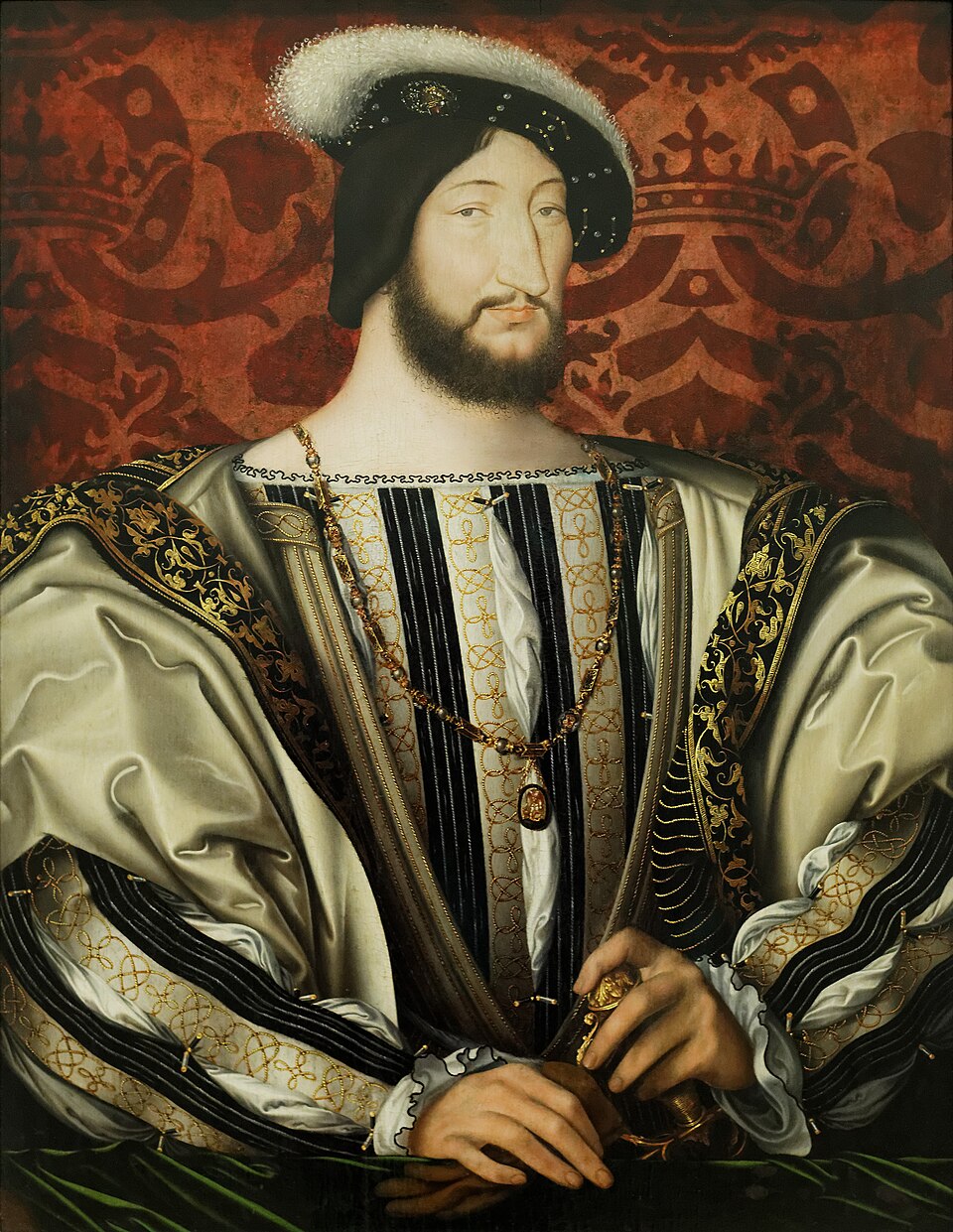
1515 - 1547 - Francis (All Facts)
24th King of France and 9th King of the House of Valois
He was bold, dissolute, talented, and unscrupulous - typical of the Renaissance monarchs
Nobody could deny his personal heroism on the battlefield, where he spent much of his time
He was at one point a candidate to be Holy Roman Emperor, but he did not get the position
During his reign,
He was determined to continue to prosecute Italy over France’s claims to Italy
He visited and met with King Henry VIII of England in the “Field of the Cloth of Gold” in which he displayed his opulence
There, he not only conducted affairs of state with his English counterpart but wrestled him and won
He formed an alliance with Sultan Suleiman “the Magnificent” and the Ottoman Empire against Charles V and the Holy Roman Empire
He then signed a trade treaty with the Ottoman Turks
His alliance with the Ottoman Turks was
dubbed the “impious alliance” by Holy Roman Emperor Charles V
very unpopular, even amongst his allies and the French themselves (who saw French Christian slaves of the Turks firsthand)
very difficult to maintain as a result
During his reign,
He formed an alliance with King John Zapolyai and the Kingdom of Hungary, signing a peace treaty with him
He formed an alliance with Bavaria, Saxony, and Hesse against (the Habsburg) King Ferdinand of Hungary, Bohemia, and Croatia
He issued the Edict of Union with Brittany, officially incorporating it into France
He formed an alliance with the Protestant princes against Charles V and the Holy Roman Empire at Augsburg (in Germany)
He formed an alliance with Portugal against (Habsburg) Spain, via the Treaty of Friendship and Alliance in Lyons
He and the Valois (France) fought against the Habsburgs (Spain and the Holy Roman Empire) in the Eighth Italian War, which ended in a stalemate
He formed an alliance with Gian Luigi Fieschi to overthrow the doge of Genoa, who supported Holy Roman Emperor Charles V following the Eighth Italian War
During his reign,
Paris became the capital of France
He issued the Ordinance of Villers-Cotterêts, which
ordered all legal decisions and documents to be drawn up thereafter in French, not Latin
instructed all priests to keep a record of all baptisms and deaths in France
ended paralyzing strikes of the printing industry in Paris and Lyons
He persecuted Protestants in France
He ordered the French Waldensian (Protestant) village of Merindol to be punished for heresy and sedition by Jean Meynier, culminating in the Merindol Massacre
This massacre, and his general persecutory policies, left sad marks on his reign
Under his reign,
French cod-fisherman in Newfoundland had been harassing English sailors, a complaint from them which was sent to King Henry VIII of England
He commissioned Giovanni da Verrazzano to find a northwestern route to the Indies
He commissioned Jacques Cartier to explore Canada (North America), in which the explorer was sent on at least three expeditions
The Ottomans fought against the Venetians with French military aid
He was called on for help by the rebels in Ghent in Flanders revolting against Holy Roman Emperor Charles V after they had refused to pay taxes to finance the Emperor’s war with France
The French lost Nice to the Holy Roman Empire (and later, the Ottoman Turks)
He was a patron of Francois Rabelais and other artists, like Benvenuto Cellini and Leonardo Da Vinci, both of whom worked at his court
Leonardo da Vinci was his last patron and was at his court as an honored guest for two years
He had built some of the finest chateaux on the Loire River
He died a disappointed man despite his brilliance, and was succeeded by his son
When news of King Henry VIII’s death reached him at a ball two months before his own death, he laughed, but when he remembered King Henry VIII had told him “we are both mortal” he grew more serious, only to develop a fever late that night that from which he never recovered

1515 - 1547 - Francis (Foreign Policy)
He led France in the
Fourth Italian War / War of the League of Cambrai
He and his forces (Valois) were defeated by Holy Roman Emperor Charles V and his forces (Habsburgs) and Switzerland
He and his French forces defeated Cardinal Matthias Schiner and his Swiss forces in the Battle of Marignano
He initially tried to bribe the Swiss to avoid fighting them, but that approach failed and cemented the legacy of French kings as bad at bribing
He thus planned to fight against the Swiss carefully knowing he was forced to fight
He negotiated treaties with England, Austria, and Venice
He assembled an army of 40K French artilleryman and German light infantry
He and his forces crossed the Alps and drove the Swiss back into Lombardy, where he tried but failed to set up a last-ditch negotiation with the Swiss at Gallarate where he demanded the recognition of French claims to Lombardy and Milan and the withdrawal of the Swiss from Italy
This occurred despite his predecessor having been defeated in the same war by the Habsburgs (Spain and the Holy Roman Empire) and Switzerland
Fifth Italian War / Four Years’ War
He and his forces (Valois) were defeated by Holy Roman Emperor Charles V and his forces (Habsburgs)
He and his forces (Valois) were defeated by the Habsburgs in the Battle of Pavia
Sixth Italian War / War of the League of Cognac
He and his forces (Valois) were defeated by Holy Roman Emperor Charles V and his forces (Habsburgs)
He had Louise of Savoy sign the Treaty of Cambrai / Ladies Peace / “Pax de Daimes” on his behalf
Seventh Italian War
He and his forces (Valois) fought against Holy Roman Emperor Charles V and his forces (Habsburgs), which ended in a stalemate
He and and his forces initially attempted to seize Piedmont in Italy
In response, Charles V and his forces invaded Provence, in pursuit of the namesake’s army
Charles V and his forces, however, were no match for Anne de Montmorency, who, under the namesake’s reign, ingeniously applied scorched-earth tactics on the Holy Roman forces in order to get them to retreat from the French
Eighth Italian War
He and his forces (Valois) fought against Holy Roman Emperor Charles V and his forces (Habsburgs), which ended in a stalemate
He
signed the Treaty of Fribourg with Cardinal Matthias Schiner and Switzerland, ending French-Swiss conflict in the Fourth Italian War / War of the League of Cambrai
signed the Treaty of Madrid with Holy Roman Emperor Charles V
This was a humiliating peace treaty
In it, he pardoned Charles of Bourbon for his acts of disloyalty to France
Once he was released, as per the agreements of the treaty, however, he declared its terms null and void
signed the Treaty of Westminster with King Henry VIII of England
This formed an alliance against Charles V and the Holy Roman Empire
However, King Henry VIII eventually turned against him and allied with Charles V and the Holy Roman Empire
signed the Treaty of Crepy with Holy Roman Emperor Charles V
In all, his two defeats in the Fifth and Sixth Italian Wars and two stalemates in the Seventh and Eighth Italian Wars with (the Habsburg) Charles V of the Holy Roman Empire and Spain led to
France not having supremacy in Europe
France having to relinquish (concede) claims to Naples, Flanders, Artois, and Boulogne to the Holy Roman Empire (and Boulogne to England)
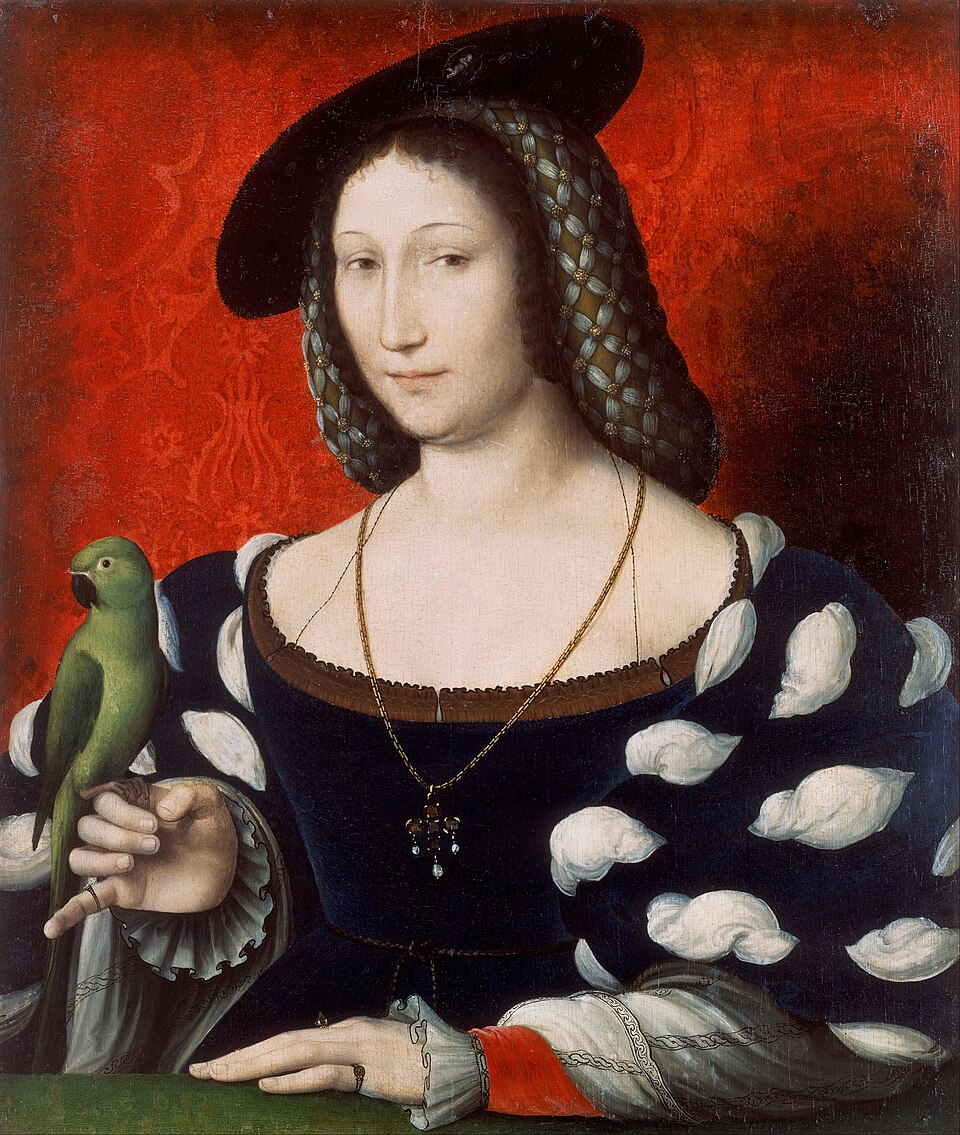
1527 - 1549 - Margaret of Navarre (All Facts)
Queen of the namesake kingdom, she was the sister of King Francis
She initially lost her first husband, the duke of Alencon
She remarried to Henry d’Albret, making her the Queen of the namesake kingdom
She was responsible for the celebrated intellectual and cultural court and salons of her day in France
She established a brilliant intellectual court at Agen, at the Chateau de Nerac
Her court was home to writers including
Francois Rabelais
Etienne Dolet
Clement Marot
Under her influence, Chateau de Nerac became an important center of French reformism
1488 - 1525 - Guillaume Gouffier, Seigneur de Bonivet (All Facts)
Attendee of King Francis of France during the Field of the Cloth of Gold summit meeting with King Henry VIII of England
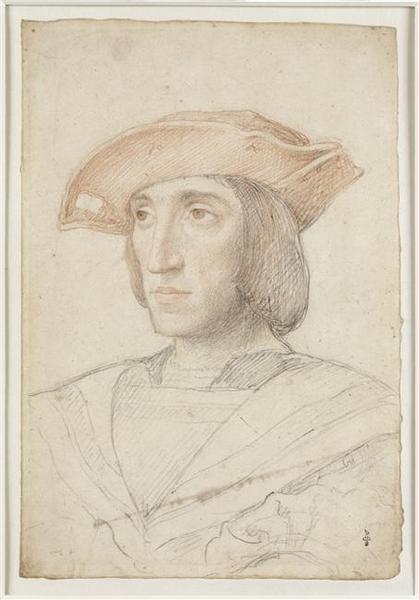
1490 - 1527 - Charles of Bourbon (All Facts)
French rebel of the House of Valois (in France) who led his forces against France and helped the Habsburgs (Spain and the Holy Roman Empire) invade Provence under the direction of Holy Roman Emperor Charles V
He was pardoned by King Francis of France via the 1526 Treaty of Madrid
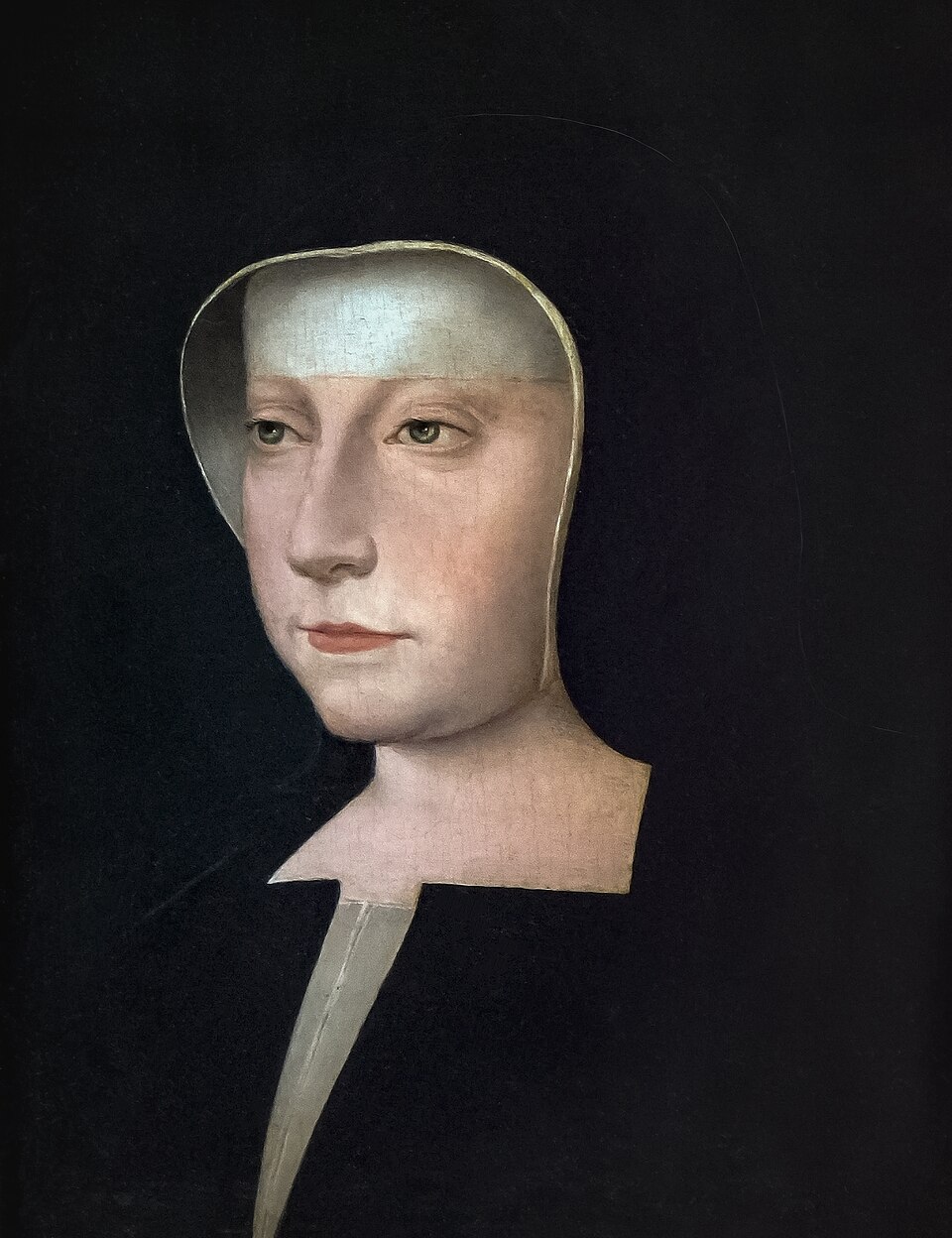
1515 - 1529 - Louise of Savoy (All Facts)
French Regent and Noblewoman during the reign of King Francis
She was the mother of King Francis and Margaret of Navarre
She signed the Treaty of Cambrai / Ladies Peace / “Pax de Daimes,” which ended the Sixth Italian War / War of the League of Cognac; having represented King Francis
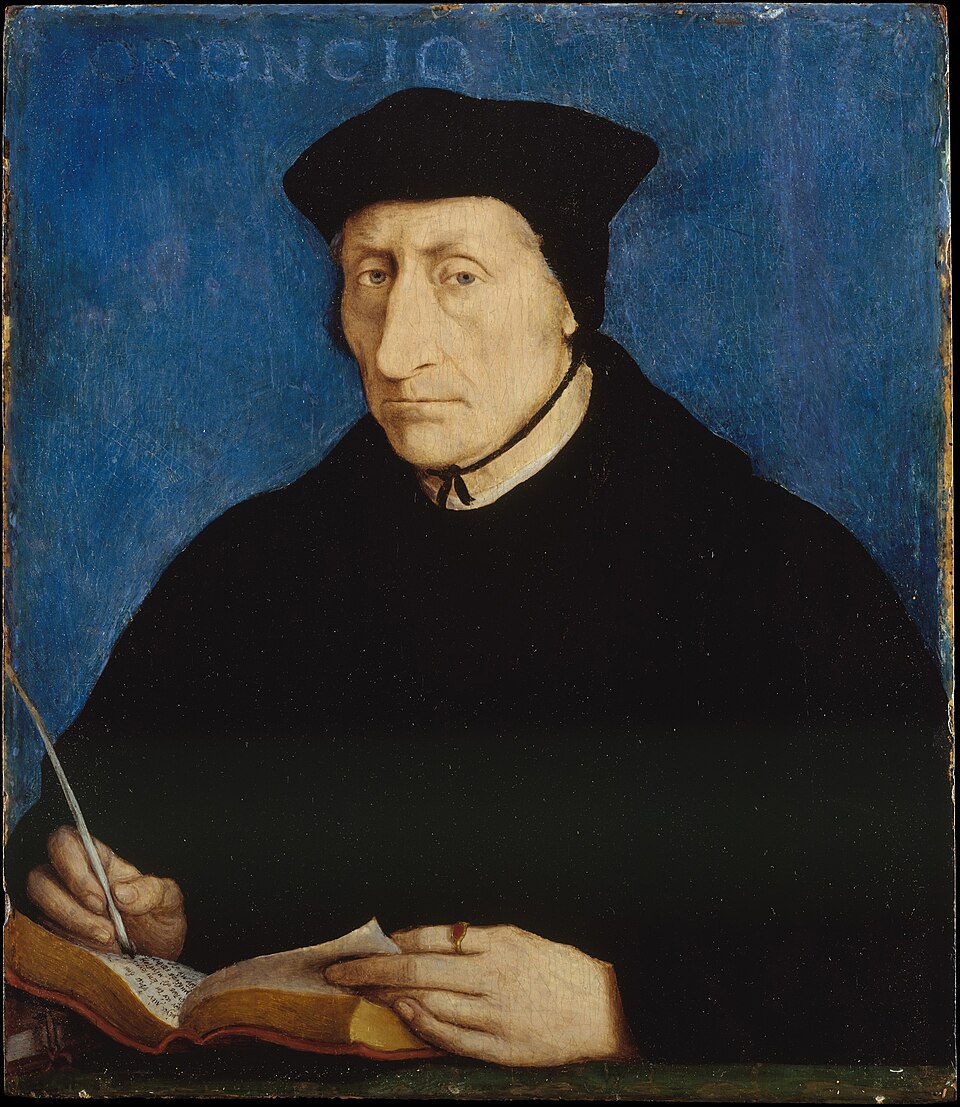
1467 - 1540 - Guillaume Bude (All Facts)
French Humanist Polymath
His vast learning encompassed languages (including Greek), mathematics, natural sciences, history, and theology
He founded the College of the Three Languages
He founded the Library of Fontainebleau
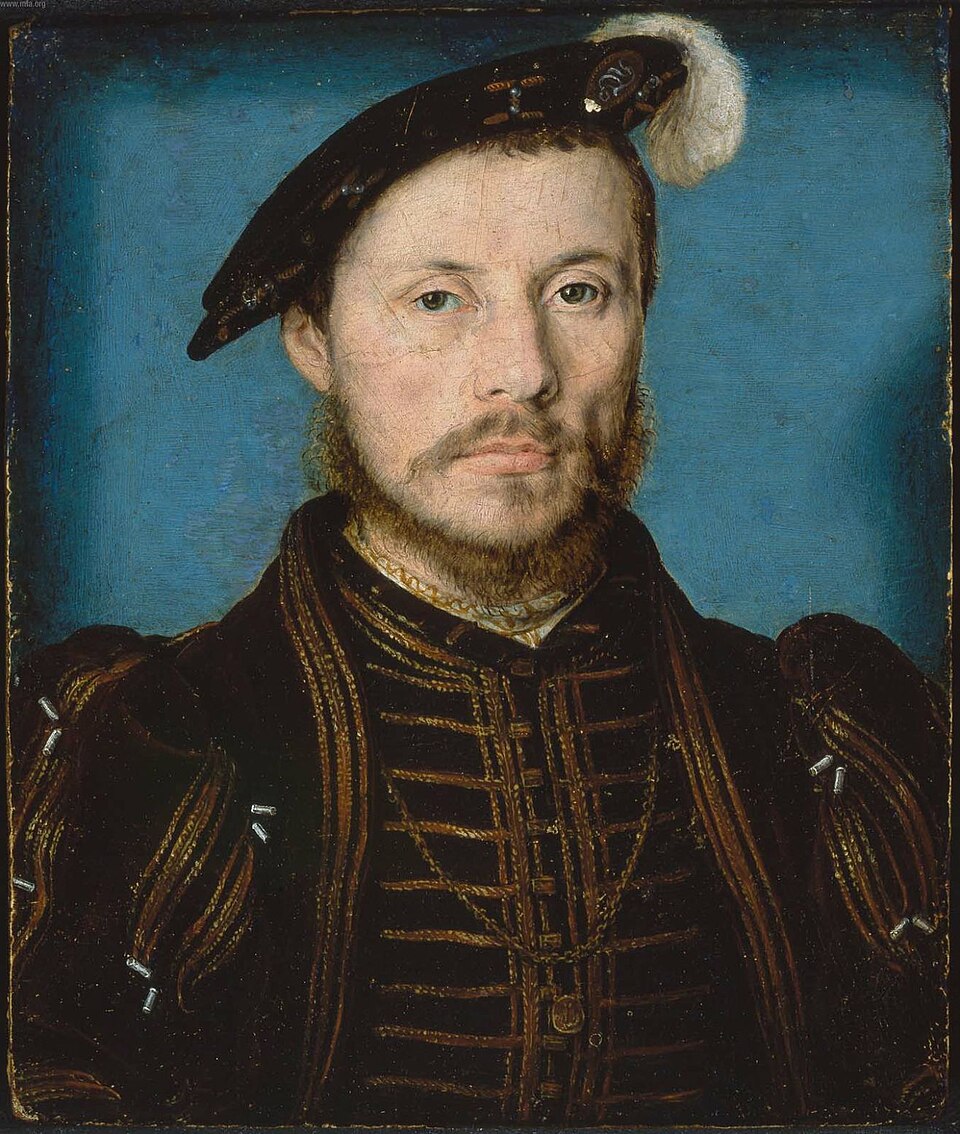
1493 - 1567 - Anne de Montmorency (All Facts)
French Governor and Statesman, having served under the reigns of King Louis XII, King Francis, King Henry II, King Francis II, and King Charles IX
He was one of France’s highest nobles and for some time, the Constable of France
He and his forces defeated Holy Roman Emperor Charles V and his forces during the Seventh Italian War, having ingeniously applied scorched-earth tactics against the Holy Roman Empire
He died in the Battle of St. Denis, where he and his French Catholic Royalist forces defeated Louis de Bourbon and his French Huguenot forces during the Second French War of Religion
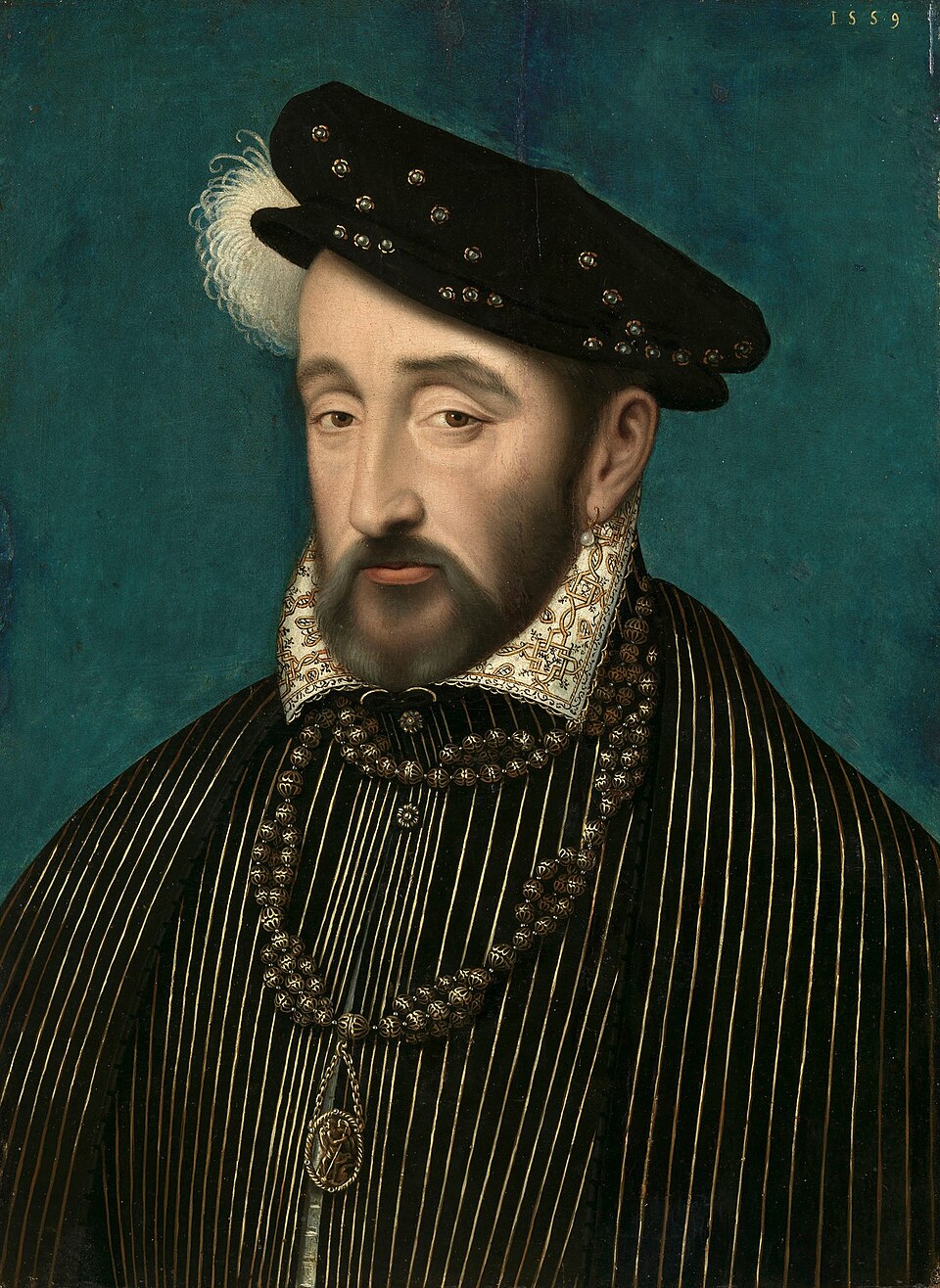
1547 - 1559 - Henry II (All Facts)
25th King of France and 10th King of the House of Valois
He married Catherine de Medici
He had a lifelong mistress named Diane de Poitiers
During his reign,
He and the Valois (France) were defeated by the Habsburgs (Spain and the Holy Roman Empire) in the Ninth Italian War
he successfully waged war against Charles V and the Holy Roman Empire, where he oversaw a 35K-strong French army march into Germany, catching the prematurely-aged Charles V by surprise and occupying the three bishoprics of Metz, Verdun, and Toul as a result, which he had annexed
He signed the Treaty of Chambord with Maurice of Saxony of the Holy Roman Empire against Holy Roman Emperor Charles V
He signed the Truce of Vaucelles with Charles V of Spain and the Holy Roman Empire
He signed the Treaty of Chateau-Cambresis with Spain and England, ending the Ninth Italian War and Italian Wars altogether
Under his reign,
The Valois (France) were defeated by the Habsburgs (Spain and the Holy Roman Empire) in the Battle of Marciano during the Ninth Italian War
The Valois (France) were defeated by Cosimo de Medici and the Habsburgs (Holy Roman Empire) in the Siege of Siena during the Ninth Italian War
The Valois (France) were defeated by Emanuele Philibert and the Habsburgs (Spain) in the Battle of St. Quentin during the Ninth Italian War
France attacked Spain’s settlement of Havana in Cuba
The French, with the help of an armed escort, recovered St. John’s fishery, captured by the Basque two years prior
He found it impossible to both repay borrowed money and pay interest on their debts to Antwerp in the Netherlands as a result of his war debts
He died in agony ten days after he was so terribly wounded at a jousting tournament by Gabriel de Montgomery, the tournament of which was held to celebrate
the Treaty of Chateau-Cambresis
the marriage of his daughter Elizabeth to King Philip II of Spain, stabilizing the treaty
His death was a story of foolhardiness
Although tired by several passages of arms he insisted on breaking another lance before retiring and asked Gabriel de Montgomery to oppose him in the lists
de Montgomery begged to be excused and the queen told the namesake that he was too tired to joust again but the namesake was adamant
When the two men put on their helmets and galloped down the lists and clashed, Montgomery neglected to drop his broken lance and killed the namesake King
His sick 15-year old son succeeded him
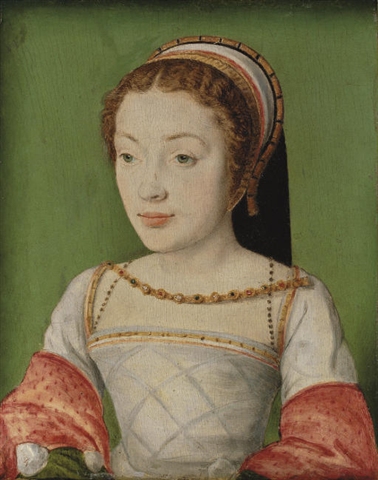
1534 - 1559 - Renee d’Este (All Facts)
French Duchess of Ferrara in Italy
She was the daughter of King Louis XII of France
She married the Duke of Ferrara, Ercole D’Este II
She was famous for being a supporter of John Calvin and the Protestant Reformation in France
However, he support grew too embarrassing even for the liberal court of France
Her own husband had her imprisoned for heresy as a result

1500 - 1560 - Jean-François Roberval (All Facts)
French Nobleman and Adventurer
First Lieutenant-General (Governor) of Canada (New France)
He was appointed to the position by King Francis of France after Jacques Cartier had found the settlement and returned to France
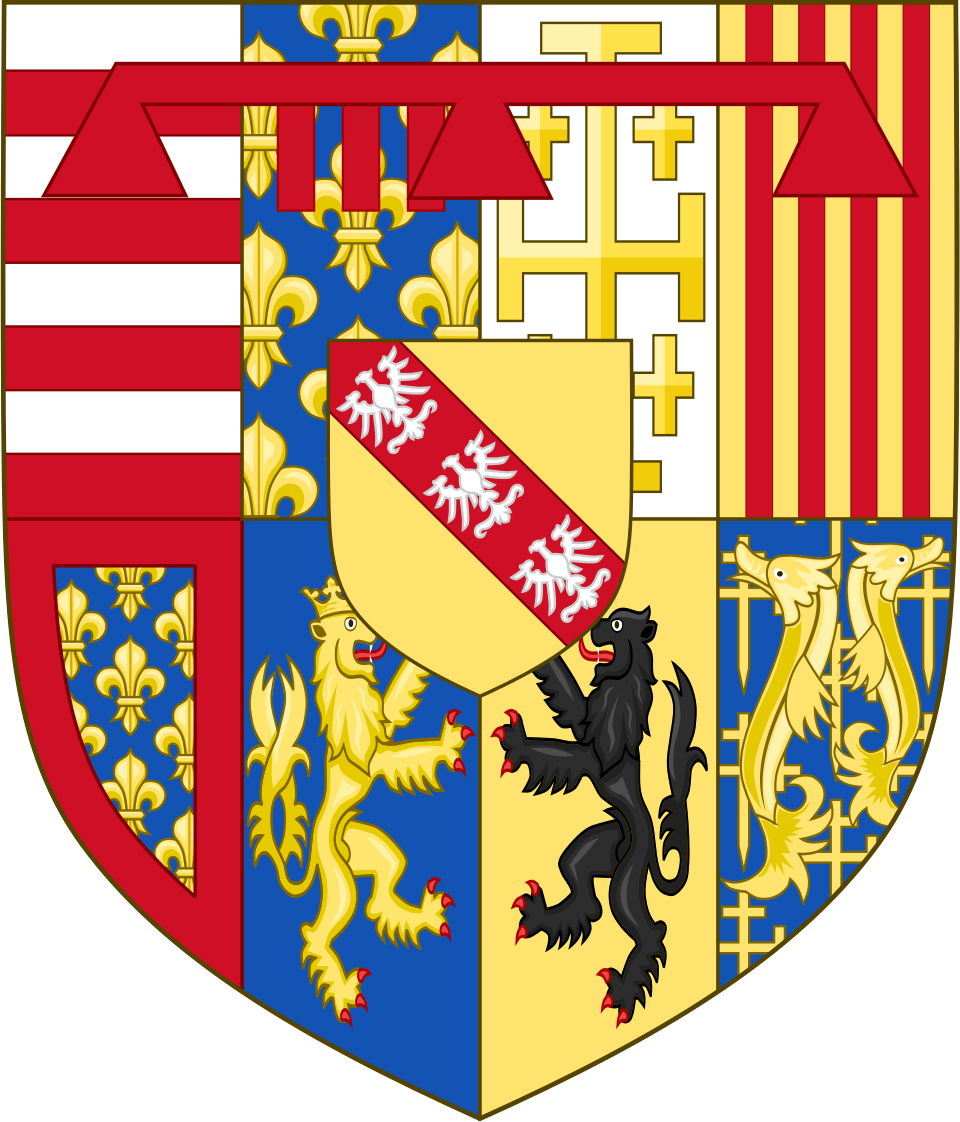
1528 - 1688 - House of Guise (All Facts)
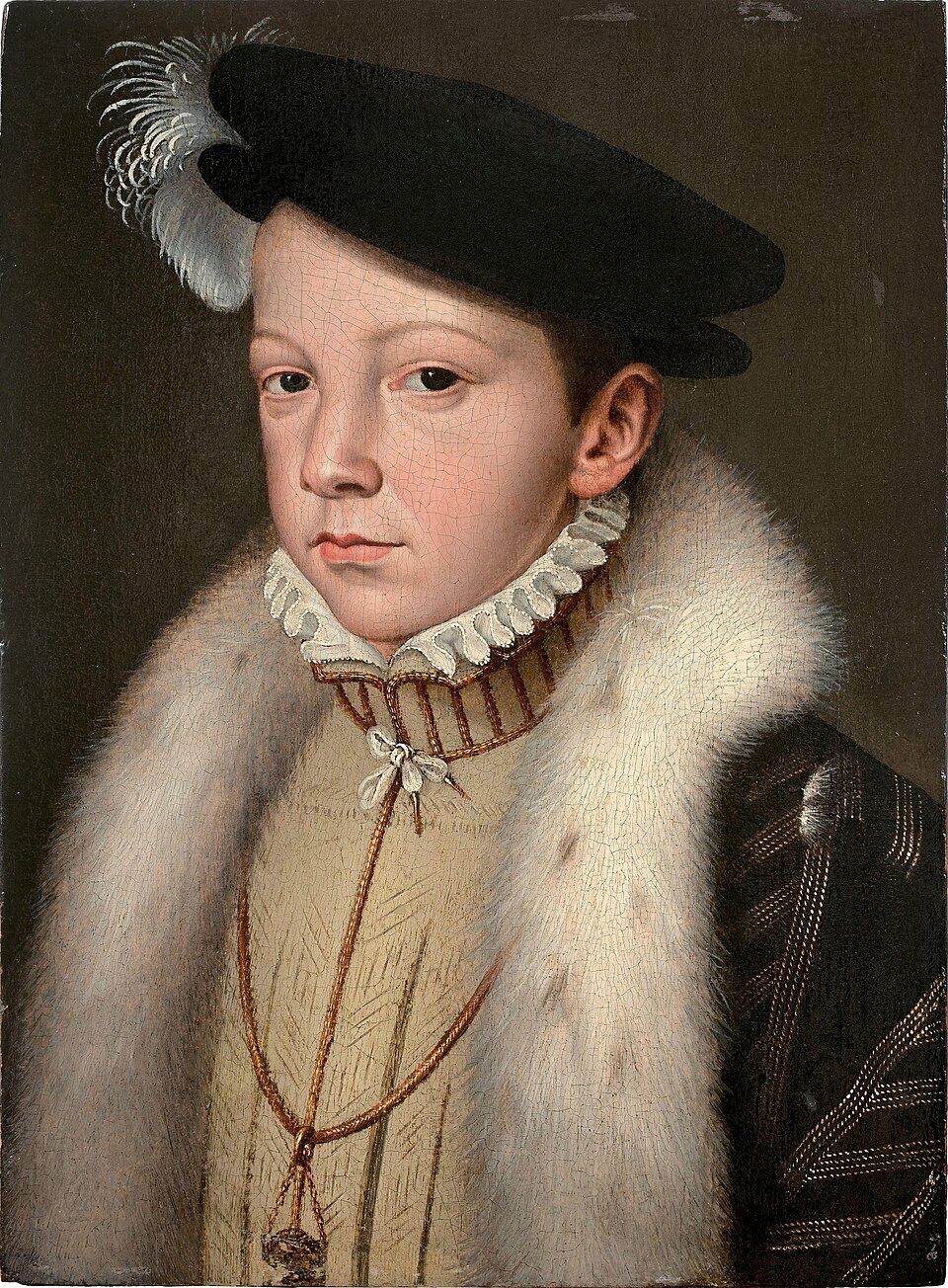
1559 - 1560 - Francis II (All Facts)
26th King of France and 11th King of the House of Valois
Queen Mary of Scotland (of the House of Stuart) was betrothed to him as a dauphin, and he thus served as King (consort) of Scotland; he eventually married her when he came of age
He was only 15 and sick upon his assumption to the throne
His reign was characterized by being under the control of the ultra-Catholic Guise faction led by his wife Mary of Scotland’s uncles, Francois, duke of Guise; and the cardinal of Lorraine
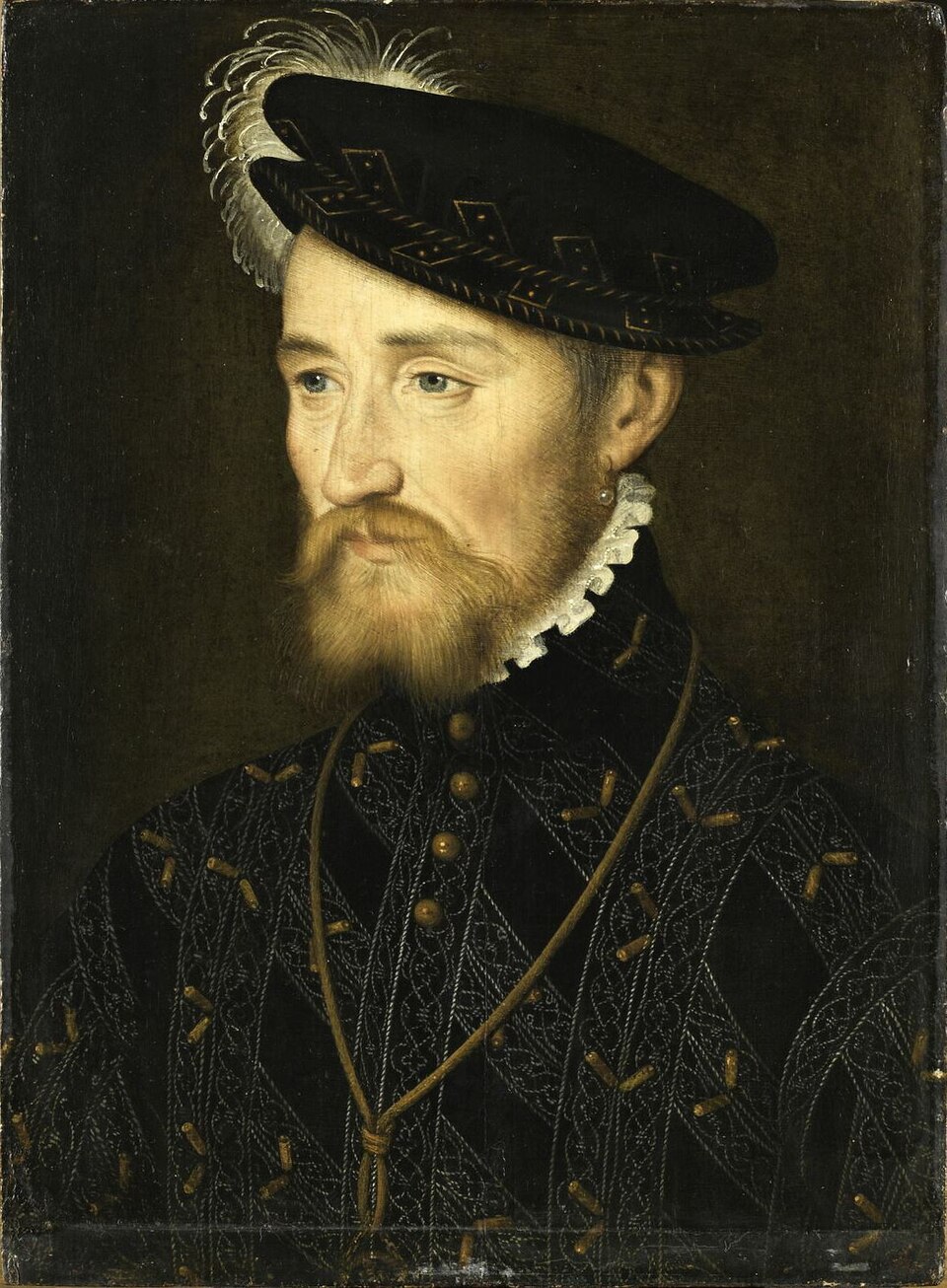
1550 - 1563 - Francois de Lorraine (All Facts)
Duke of Guise under King Henry II, King Francis II, and King Charles IX
He launched an unsuccessful expedition to exercise his rights to the Kingdom of Naples
During the Anglo-French War and Ninth Italian War,
He and his French forces defeated the English in the Siege of Calais, taking the town from the English
He and his French forces defeated Charles V and his Holy Roman forces, retaking the town of Metz from the Habsburgs
He and his French forces defeated the Habsburgs in the Siege of Thionville, taking the town from the Habsburgs
Catholic Leader of the First French War of Religion
He ordered the Massacre of Vassy, which directly triggered the French Wars of Religion
He was assassinated by a Huguenot gentleman, ending the First French War of Religion
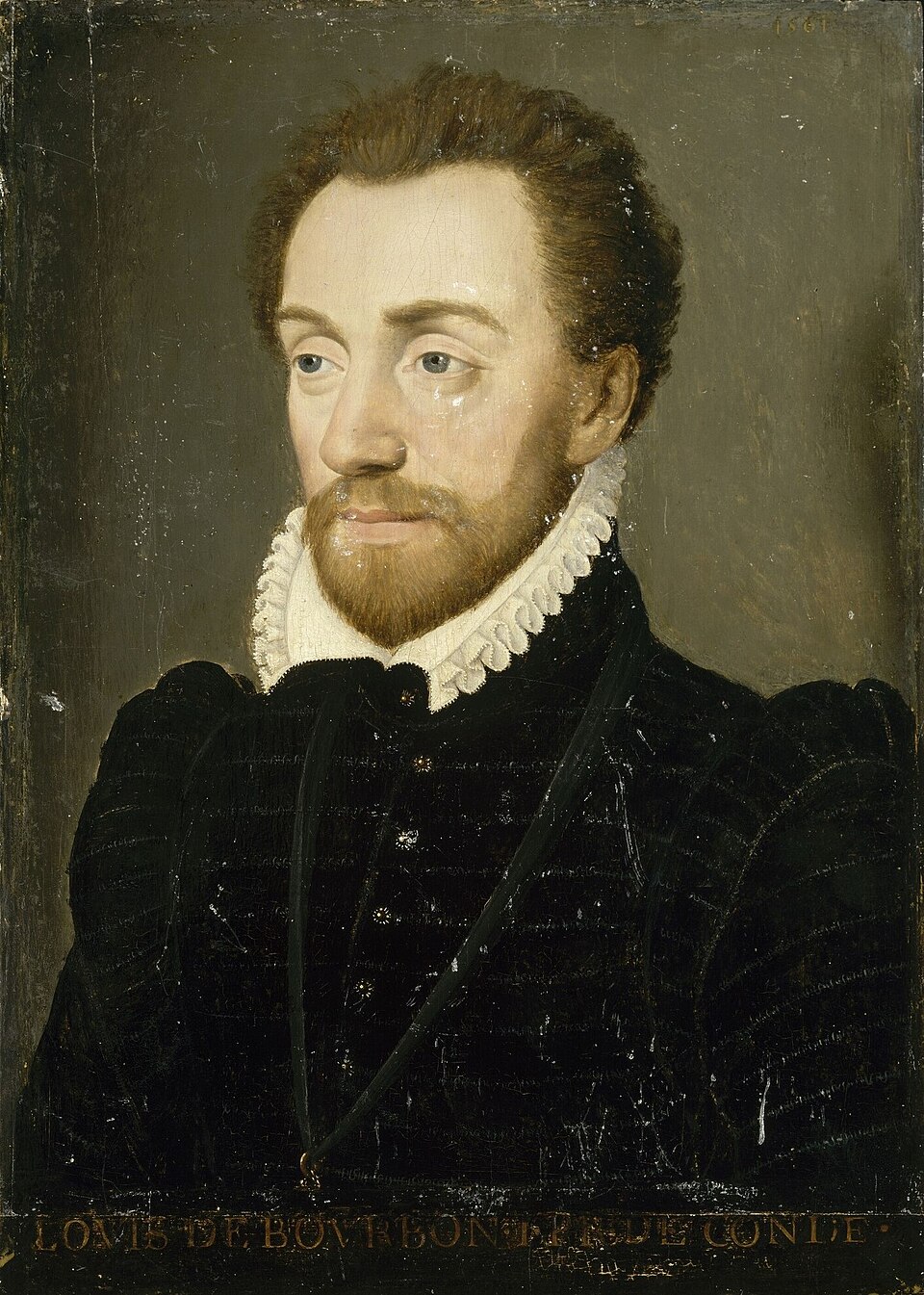
1546 - 1569 - Louis de Bourbon (All Facts)
Duke of Conde under King Henry II, King Francis II, and King Charles IX
French Huguenot Leader and General
He led the Amboise Conspiracy against King Francis II was imprisoned for it as a result
He signed the Treaty of Hampton Court with Queen Elizabeth of England in order to gain English (military) support against the French Catholics in the First French War of Religion
He led the Huguenots in the Second French War of Religion
He and his forces were defeated by the French Catholic Royalists in the Battle of Jarnac during the Second French War of Religion
He was murdered while crossing the Charente River by the Catholic army of King Charles IX’s brother, the duke of Anjou
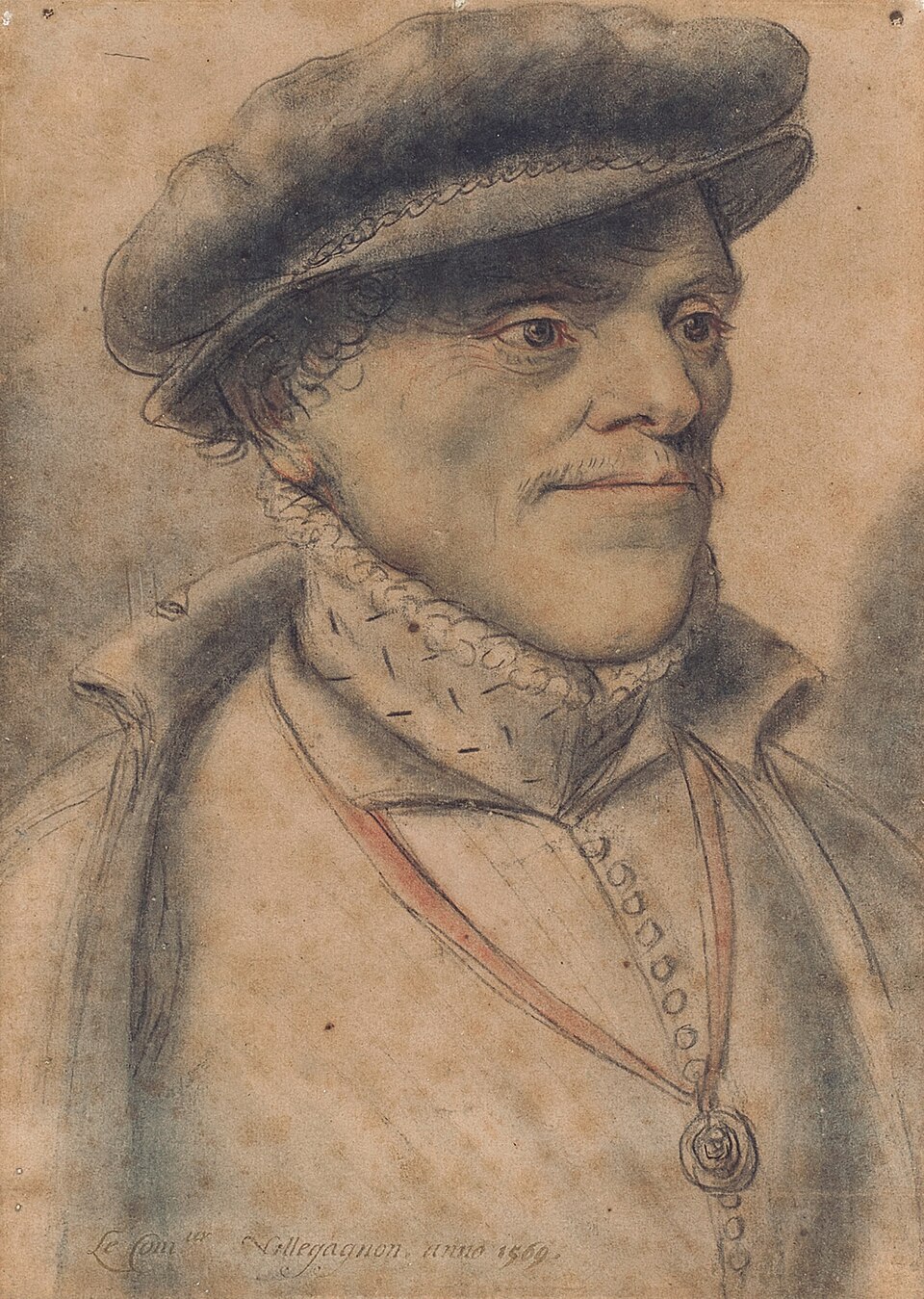
1510 - 1571 - Nicolas Durand de Villegagnon (All Facts)
He founded the French colony of Rio de Janeiro (in modern-day Brazil)
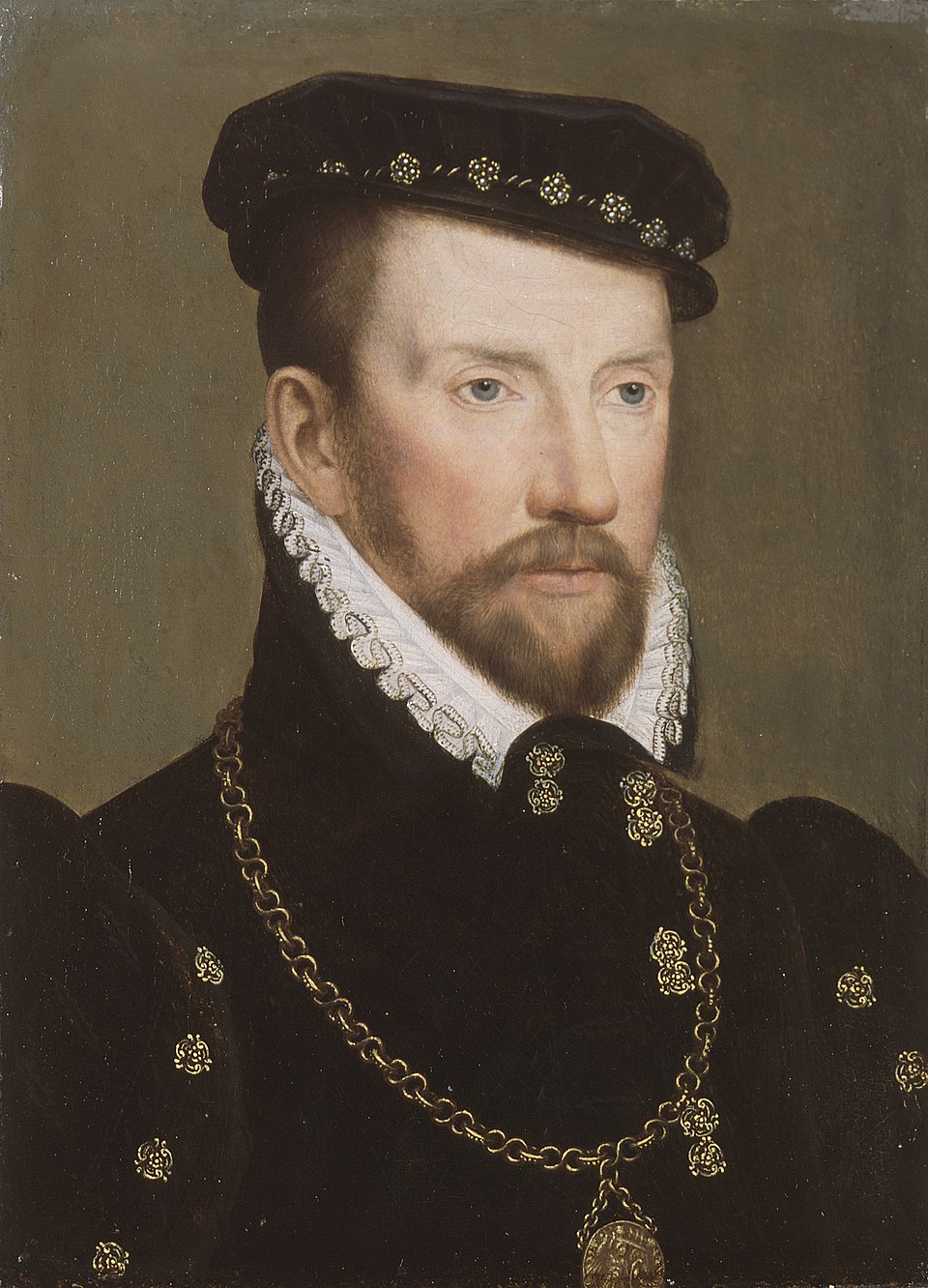
1519 - 1572 - Gaspard de Coligny (All Facts)
Huguenot Leader of the First French War of Religion and some of the other French Wars of Religion
He and his forces were defeated by Francois de Lorraine, the duke of Guise, and his forces, in the First French War of Religion
He influenced King Charles IX
Catherine de Medici conspired with Henry of Guise
Upon the beginning of the Fourth French War of Religion, he died, having been disembowled and tossed out of his bedroom window by a group of Catholics while he was still alive
He avoided an assassination attempt two days prior but sustained injuries
His name was at the top of the list drawn up by Catherine de Medici of who needed to be killed
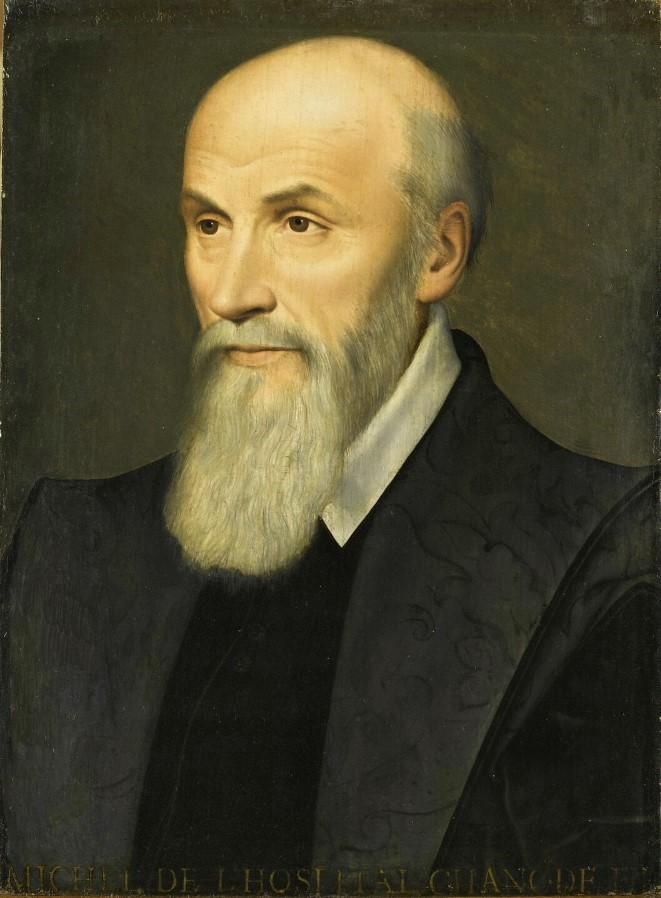
1506 - 1573 - Michel de l'Hôpital (All Facts)
(Catholic) Chancellor of France under King Francis II and King Charles IX (Catherine de Medici)
French Catholic Statesmen who supported a policy of religious toleration towards the Huguenots
He granted Huguenots a degree of freedom to worship, which served to enrage the fiercely Catholic artisans in Paris and other towns
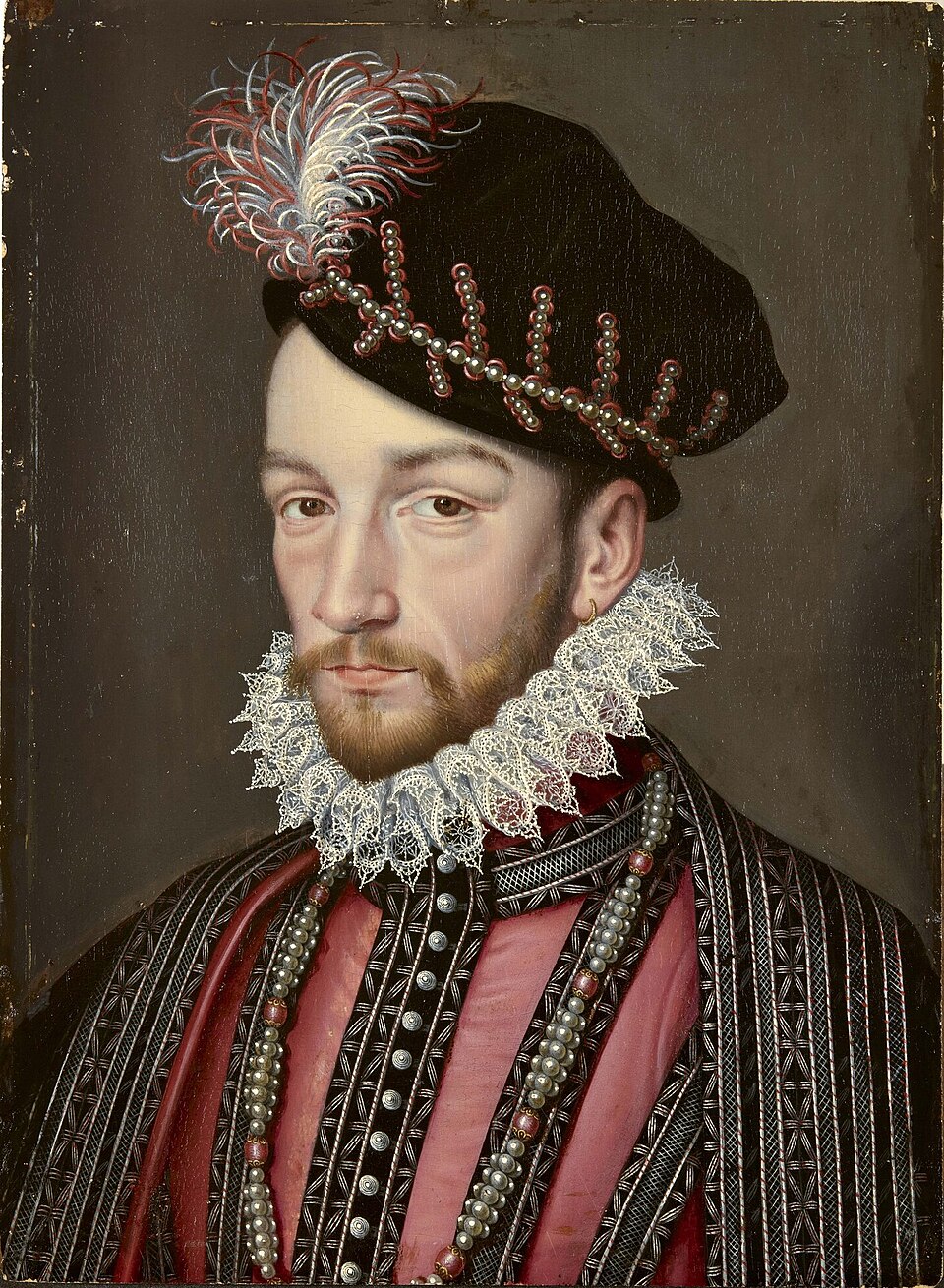
1560 - 1574 - Charles IX (All Facts)
27th King of France and 12th King of the House of Valois
He assumed the throne at the age of 10 and thus his mother Catherine de Medici served as regent
Gaspard de Coligny had much influence over him and when the attempt on de Coligny’s life failed, the namesake swore vengeance on the assassins, namely Catherine de Medici and Henri, duke of Guise
As a Catholic, his sister, Margaret of Valois, was married to the Huguenot Henry III of Navarre, something many Huguenots in France went to celebrate in Paris and for which many were slaughtered afterwards in during the St. Bartholomew’s Day Massacre
During his reign,
He signed the Treaty of St. Germain
This ended the Third French War of Religion
It also gave the Huguenots a large measure of religious toleration as well as the security of garrison towns
He issued the Edict of Boulogne
This ended the Fourth French War of Religion
It severely limited Huguenot rights for the first time
Under his reign,
France adopted January 1st as the start of the year, in accordance with the Julian Calendar
He died and was succeeded by his brother
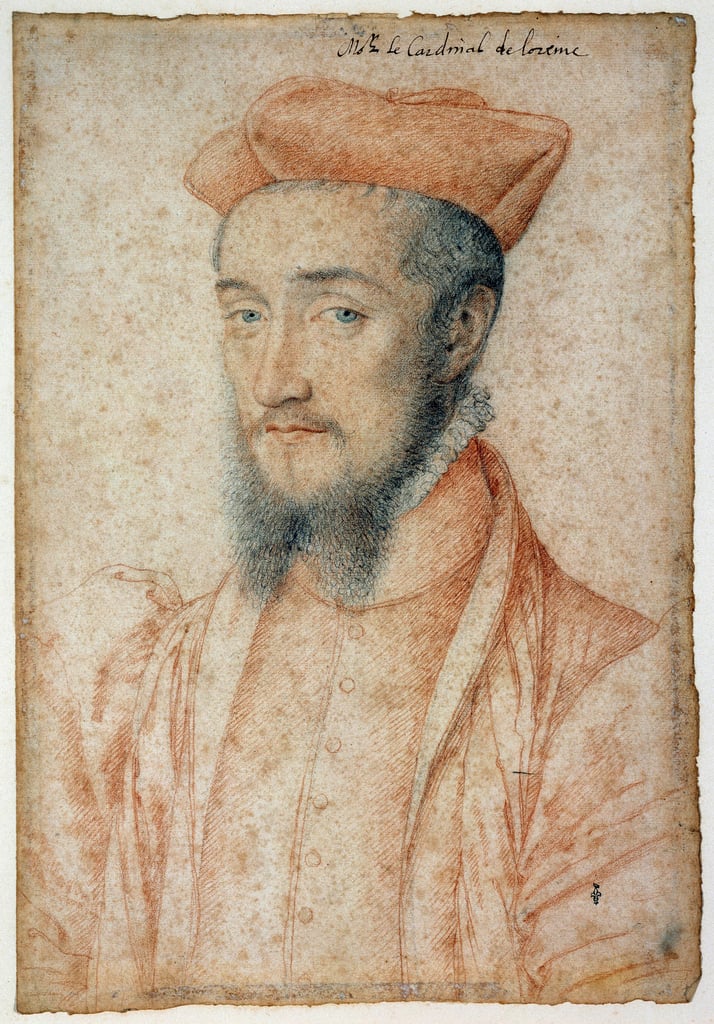
1538 - 1574 - Charles (All Facts)
(Catholic) Cardinal of Lorraine
Part of the Guise faction
Protector of Francois Rabelais
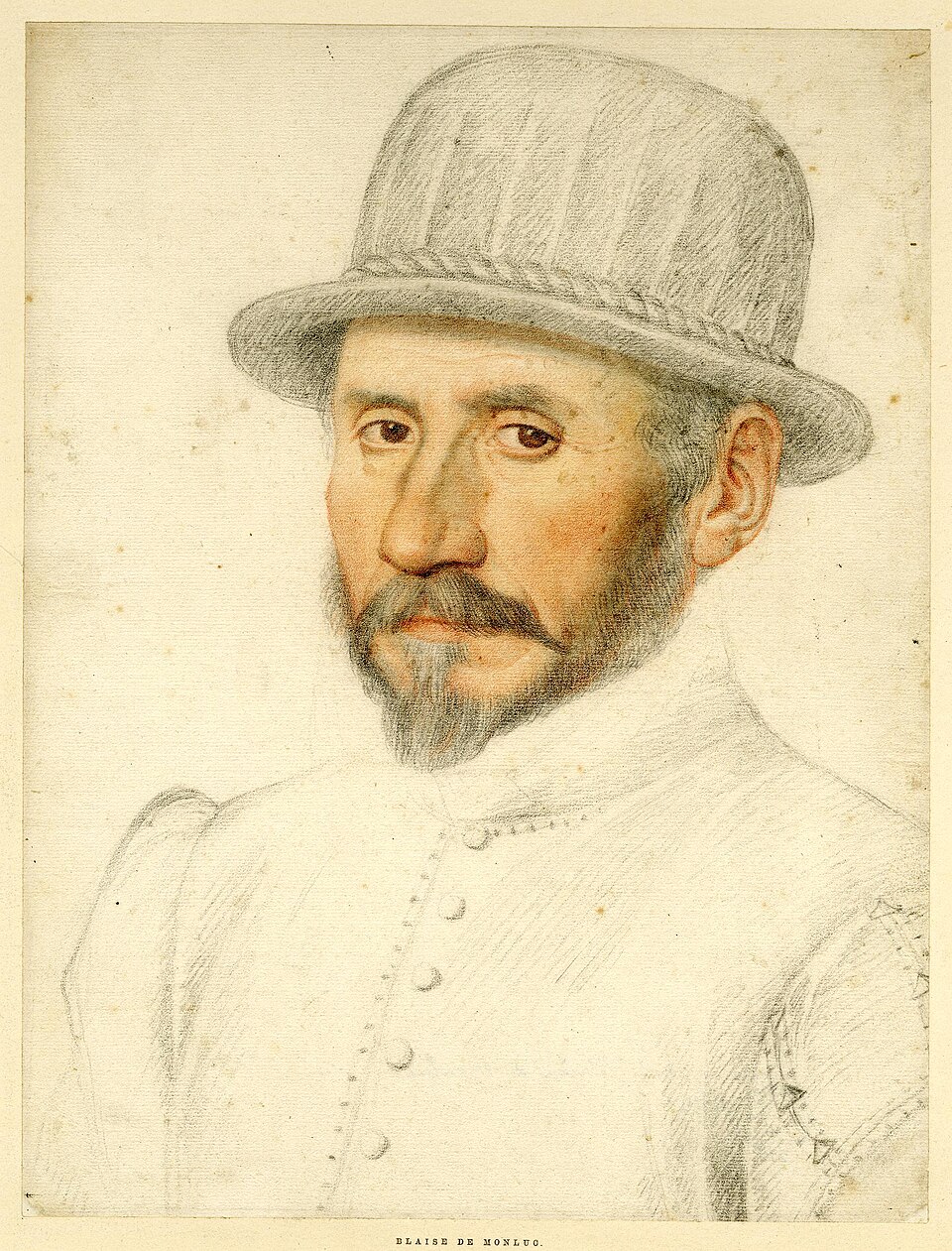
1500 - 1577 - Blaise de Montluc (All Facts)
French Governor of Aquitaine, Professional Soldier, and Nobleman
He held lifelong loyalty to the Catholic Guise faction
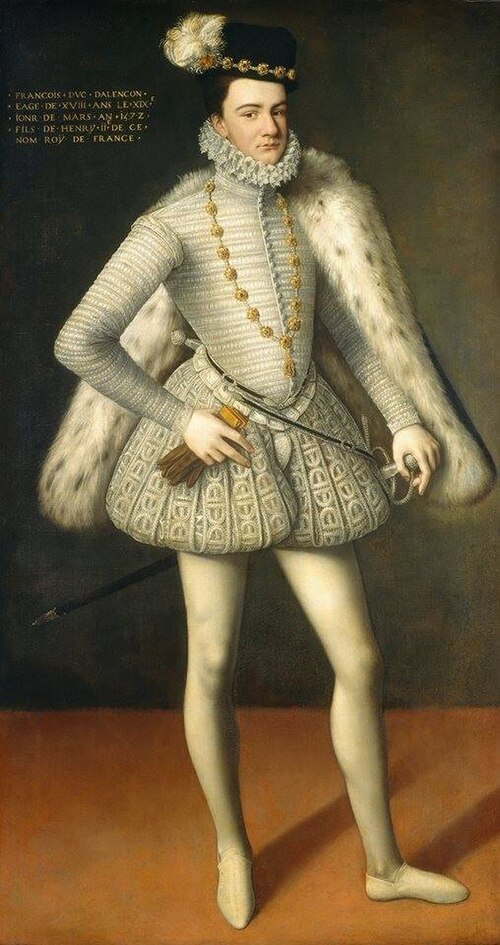
1555 - 1584 - Francis of Anjou (All Facts)
Duke of Alencon during the reign of King Charles IX
He conspired to kidnap his brother, King Charles IX, but was betrayed by his fellow conspirators
He was the youngest son of Catherine de Medici
Duke of Alencon during the reign of King Henry III
He formed an alliance against his brother, King Henry III, with the Bourbon King Henry IV (of Navarre)
He organized this alliance, which became known as the “Malcontents”
He signed the Treaty of Fleix, which ended the Seventh French War of Religion, and maintained the previous balance between Catholics and Huguenots
He tried to regain Antwerp in the Netherlands for the Huguenots (Calvinists) after being named king of the Netherlands by William of Orange
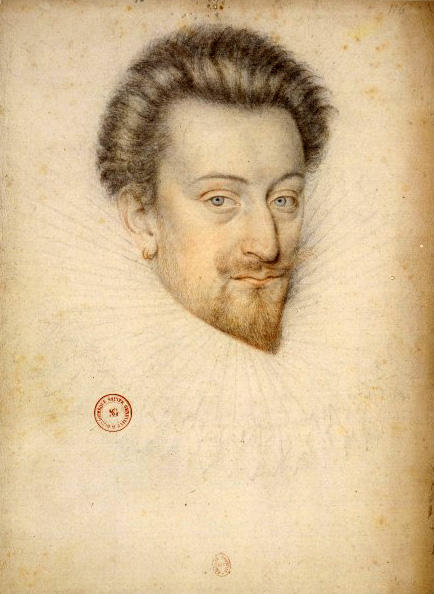
1560 - 1587 - Anne de Joyeuse (All Facts)
Duke of Joyeuse
He and his forces were defeated by King Henry IV of Navarre and his Huguenot forces in the Battle of Coutras during the Eighth French War of Religion / War of the Three Henrys
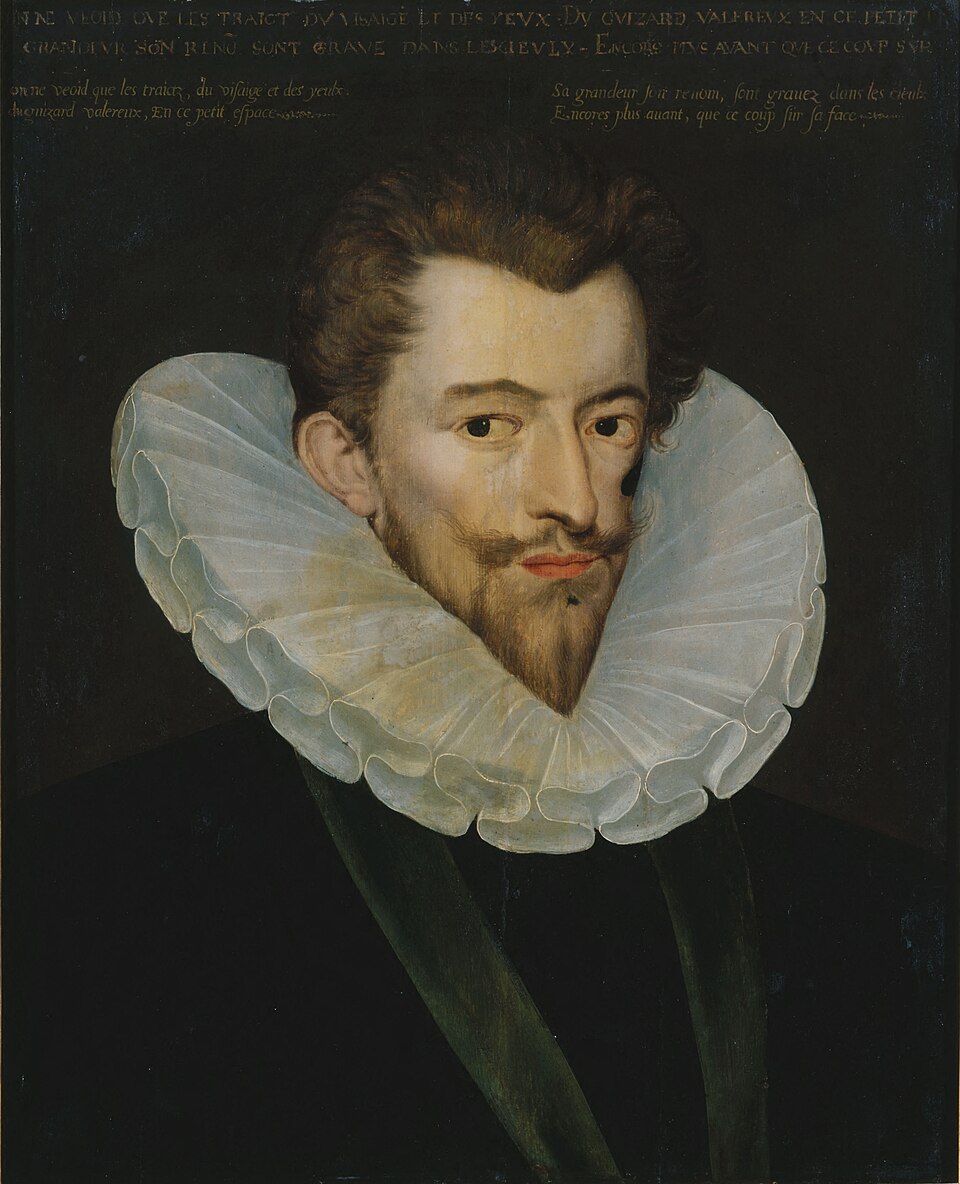
1563 - 1588 - Henri of Guise (All Facts)
(Catholic) Duke of Guise (succeeding his father Francois de Lorraine)
He was nicknamed, “The Scarred”
He conspired with Catherine de Medici to have Gaspard de Coligny removed from power, but their assassination of de Coligny failed
He and his Catholic forces defeated the Huguenots in the Battle of Dormans during the Fifth French War of Religion
He formed the “Catholic League of France” in Paris in reaction to King Henry III’s acceptance of the Peace of Chastenoy, which ended the Fifth French War of Religion and granted religious freedom to the Huguenots
For his work in forming it, he was considered the “idol of the back streets of Paris”
He committed the league to the restoration of religious uniformity
He made demands on King Henry III that were a danger to royal authority
King Philip II of Spain agreed to give financial support to his holy league in order to help French Catholics defend themselves against the Huguenots
He reformed the “Catholic League of France” in order to not allow King Henry IV of Navarre (duke of Bourbon) to become its leader since it had previously disbanded prior to that point
He staked a claim to the French throne following the death of Francis, duke of Anjou and Alencon, triggering the Eighth French War of Religion
He was one of the “Three Henrys” in the “War of the Three Henrys,” supported by the Catholic League and King Philip II of Spain
He forced the Swiss and German troops who attempted to link up with King Henry IV of Navarre’s army at Vimory and Auneau to retreat
He triumphantly entered Paris, forcing King Henry III to flee from Paris
He and his brother were assassinated at Blois on the orders of King Henry III
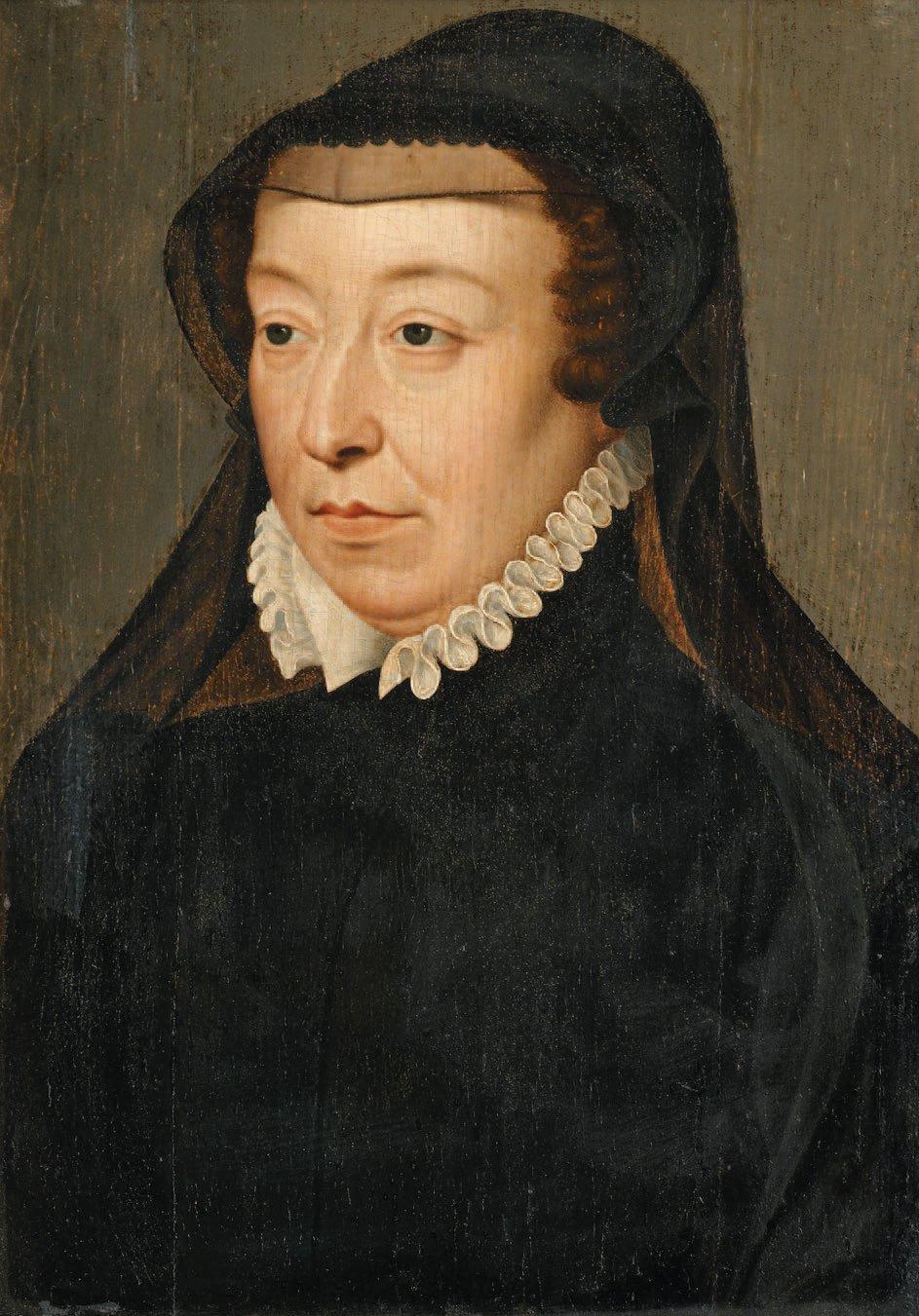
1560 - 1589 - Catherine de Medici (All Facts)
(Catholic) Regent of France during the reign of King Charles IX
She was born in Florence
She was married to King Henry II and was his widow upon his death
She was virtually ignored by her late husband who was under the influence of Diane de Poitiers
She exerted little influence over her son and predecessor King Francis II
Her position put her in equally great power and great danger
She was passionately determined to preserve the French monarchy for her sons
She was a woman to be reckoned with given her descent from the namesake powerful Florentine family of pope on her father’s side and from a noble French family on her mother’s side
She dominated French politics during the reigns of King Charles IX and King Henry III
She was mother to Kings Francis II, Charles IX, and Henry III
She organized the Colloquy of Poissy in an attempt to have French Catholics and Huguenots reconcile their political differences, but little to reconciliation took place
This reflected her initial priority to gain time to allow a cooling of the religious passions between the Catholics and Huguenots that were slowly tearing France apart
After her seizure of power, she stopped the persecution of the Huguenots and restored their leaders to influence at court
She issued the
Edict of July / First Edict of St. Germain
Edict of January / Edict of St. Germain
French (Catholic) Parliament’s refusal to recognize or register these edicts precipitated the French Wars of Religion
Peace of Amboise
This ended the First French War of Religion
She had overseen France during the First French War of Religion
Peace of Longjumeau
This ended the Second French War of Religion
This effectively reimposed the previous Peace of Amboise
She had unchallenged control of French Catholic forces following the assassination of Francois de Lorraine, the duke of Guise and Catholic leader of the First French War of Religion; but, while she believed that France was a Catholic country, she was not a zealot
She conspired with Henri, duke of Guise, to have Gaspard de Coligny removed from power, fearing that he was pushing King Charles IX into war with (Catholic) Spain
Their assassination attempt failed
Upon the failure of her assassination attempt, in order to save herself, she convinced King Charles IX that the Huguenots were about to rebel against him and begged him to authorize the killing of their leaders by the Guise faction
She made a list of those that needed to be killed, and de Coligny was at the top of the list
She remained a formidable influence even after the death of King Charles IX, during the reign of King Henry III
She brutally suppressed the Mardi Uprising during the Eighth French War of Religion / War of the Three Henrys
She died at Blois
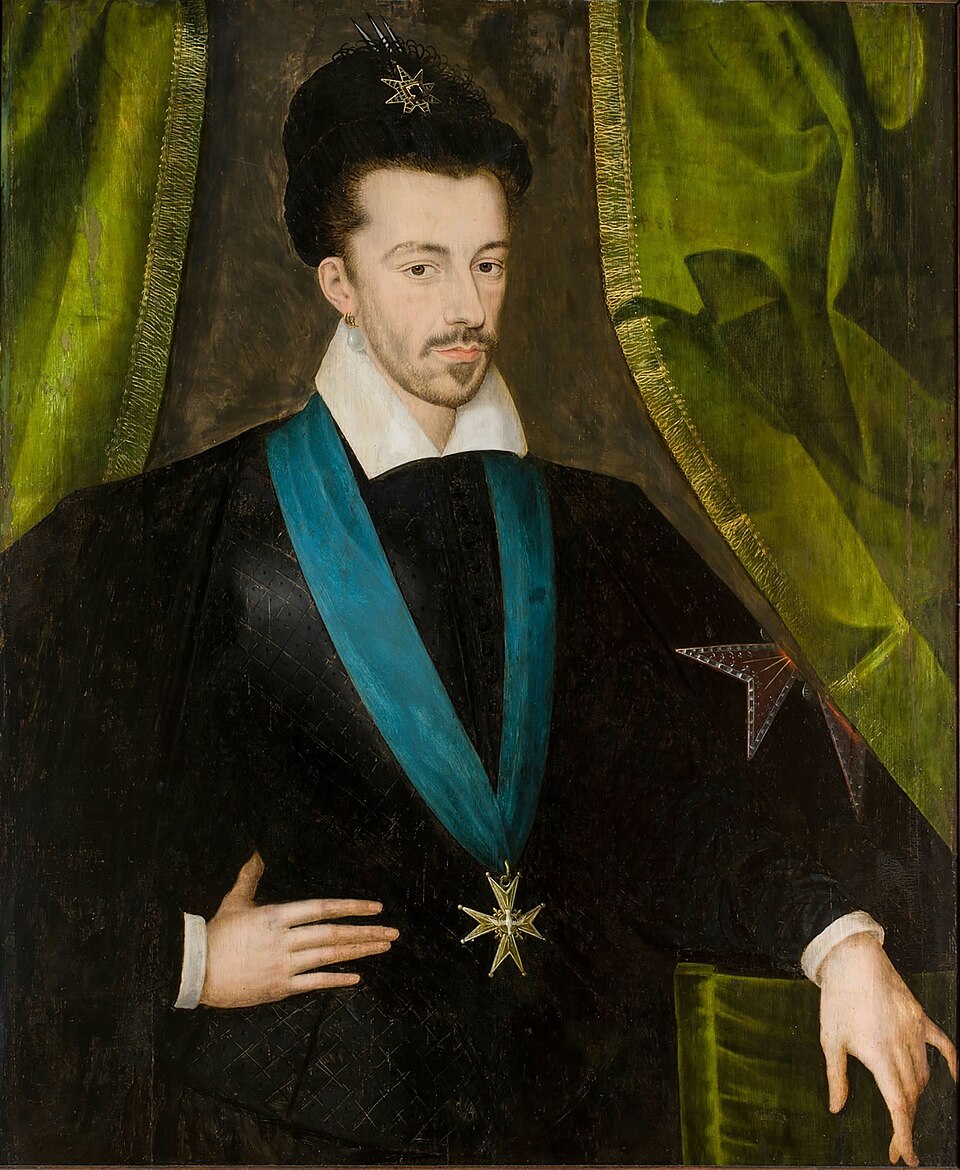
1574 - 1589 - Henry III (All Facts)
28th King of France and 13th and Final King of the House of Valois
He was a foppish young man obsessed with the idea of death
Prior to his reign, he was elected king of Poland
He was Catholic
During his reign,
He was forced to accept the humiliating Peace of Chastenoy
This ended the Fifth French War of Religion
This once again gave religious freedom to Huguenots
He refused to negotiate a marriage to Queen Elizabeth of England, on religious grounds
He helped to instigate the St. Bartholomew Day’s Massacre
He tried to curb the power of the “Catholic League of France” by taking over its leadership and declaring his hostility to the Huguenots
Under his reign,
Following the namesake’s acceptance of the Peace of Chastenoy, French Catholics formed a holy league, organized under Guise leadership
He was one of the “Three Henrys” in the “War of the Three Henrys,” supported by the French Catholic Royalists and Politiques
He was forced to flee from Paris after Henri of Guise’s triumphant entry into Paris
He was foiled by the citizens of Paris in his armed attempt to expel Henri of Guise after he had entered Paris, having defied the king’s orders
He ordered Henri of Guise and his brother Cardinal of Louise to be assassinated at Blois
He formed an alliance with King Henry IV of Navarre to defeat Henri of Guise and his “Catholic League”
He intended to kill Henri of Guise and planned another massacre, of Catholics, having hired eight hangmen
He ordered the assassination of Henri of Guise and his brother, the cardinal of Guise
He was reconciled after sensitive negotiations with King Henry IV of Navarre
He was stabbed to death by Jacques Clement, a fanatical Dominican monk
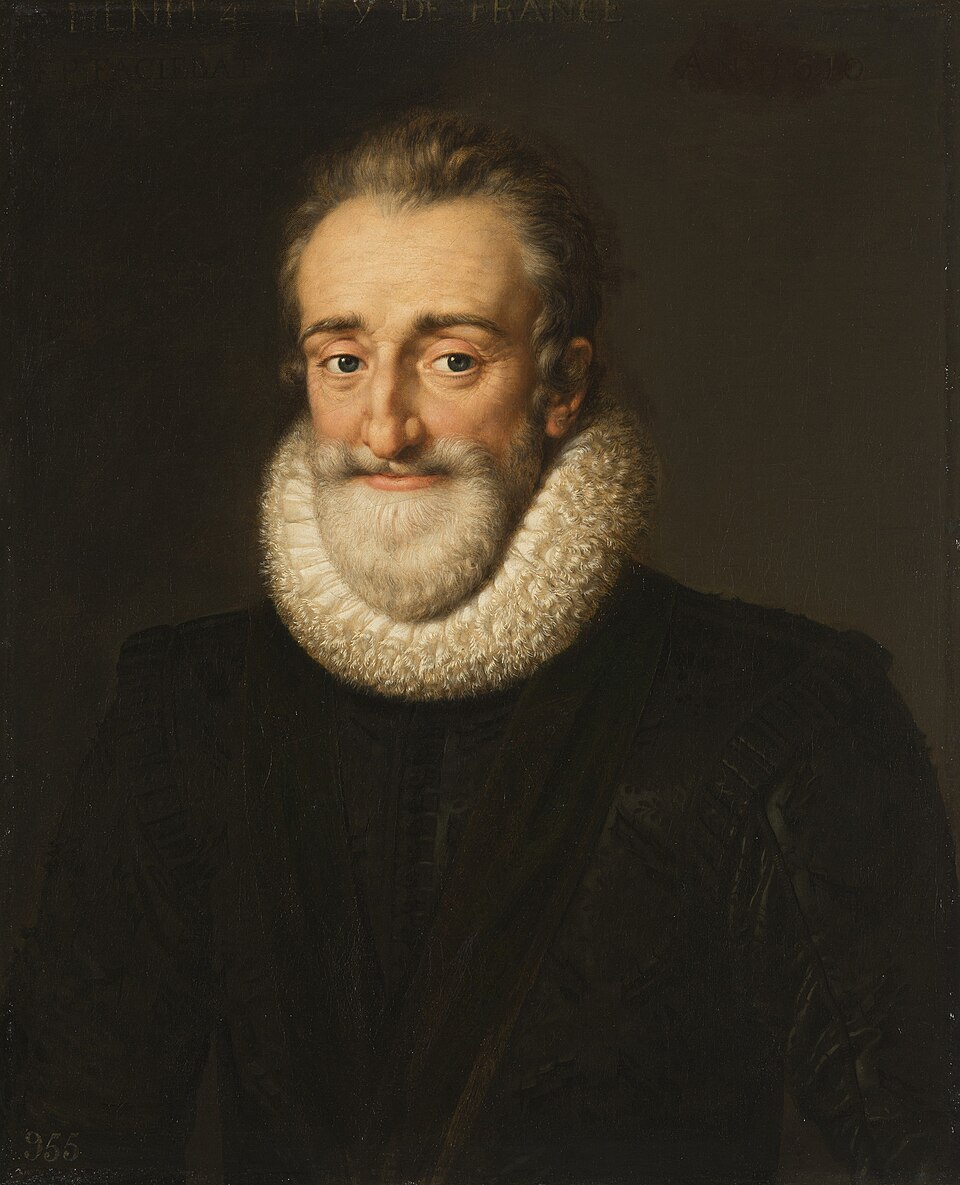
1553 - 1589 - Henry IV (Before Reign)
Prior to his reign, he
married King Charles IX’s sister Margaret, which was celebrated by Huguenots in Paris
was King of Navarre, and known as the namesake “of Navarre”
was Duke of Bourbon
was reconciled after sensitive negotiations with King Henry III (of France)
was a Huguenot leader, whose prominence replaced that of the assassinated Gaspard de Coligny
was spared but he was arrested in the aftermath of the St. Bartholomew’s Day Massacre, and was forced to publicly renounce his Protestant faith
was deprived of his rights to the French crown during the Eighth French War of Religion by Pope Sixtus V
and his Huguenot forces defeated Anne de Joyeuse and his Catholic forces in the Battle of Coutras during the Eighth French War of Religion
consolidated his power by putting the ageing cardinal of Bourbon, the Catholic League’s candidate for the throne of France, in custody
and his Huguenot forces defeated Charles de Lorraine and the Catholic League forces in the Battles of Arques during the Eighth French War of Religion / War of the Three Henrys
and his Huguenot forces defeated Charles de Lorraine and the Catholic League forces in the Battles of Ivry
He was one of the “Three Henrys” in the “War of the Three Henrys,” supported by Queen Elizabeth of England and the German Protestant Princes
He formed an alliance with King Henry III to defeat Henri of Guise and his “Catholic League”
1567 - 1589 - Jacques Clement (All Facts)
Fanatical French Dominican Monk who stabbed King Henry III to death
This was during the Eighth French War of Religion / War of the Three Henrys
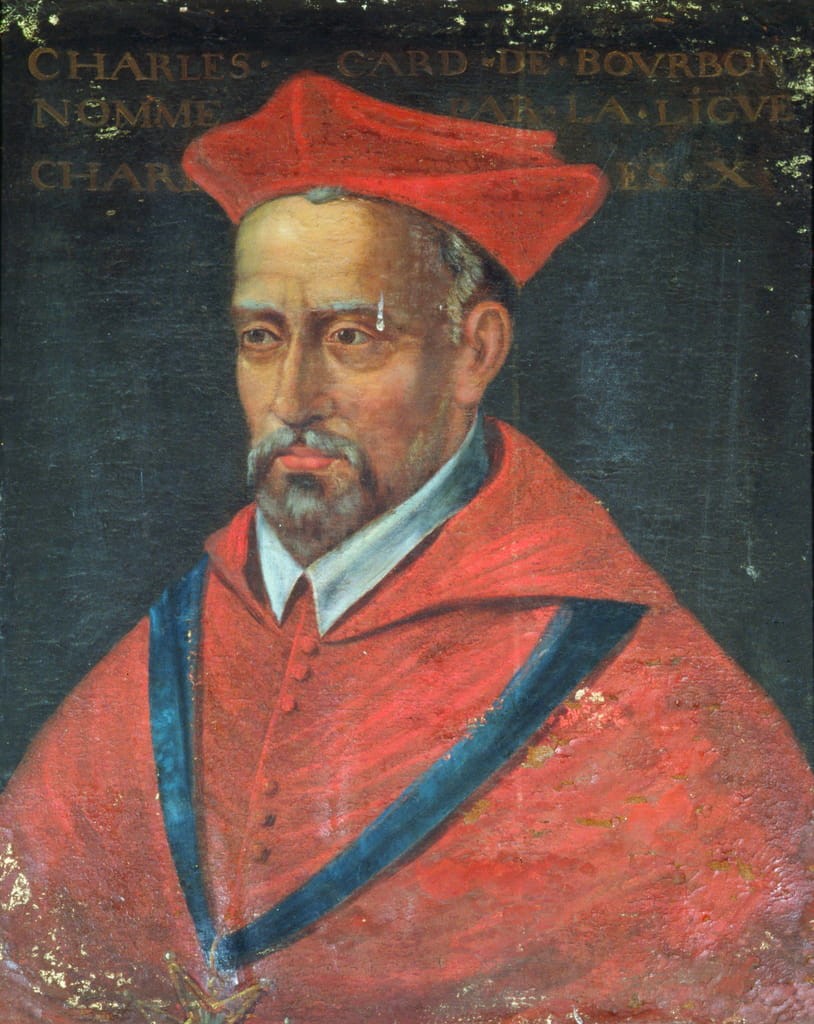
1550 - 1590 - Charles de Bourbon (All Facts)
Cardinal of Bourbon
He was a candidate of the Catholic League for the French throne in place of King Henry IV
The Catholic League of France declared him King of France as Charles X, refusing to recognize King Henry IV as King of France; but the namesake’s rule was never officially recognized
1531 - 1591 - Barnabe Brisson (All Facts)
French Politician and Jurist
He was the “president” of the Parliament of Paris
He was executed by the populist League of Sixteen because he was suspected of being unsympathetic
His execution was part of a region of terror initiated by the League of Sixteen
1530 - 1593 - Dominique de Gourgues (All Facts)
French Catholic Soldier and Nobleman
He avenged the Spanish massacre of the French Huguenots at Fort Caroline in Florida, having burned downed the Spanish San Mateo fort and having slaughtered hundreds of Spaniards
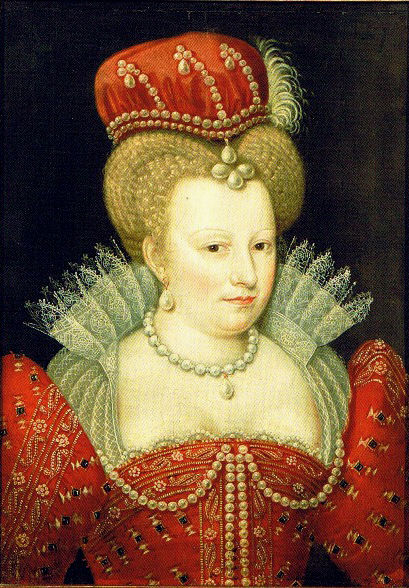
1572 - 1599 - Margaret of Valois (All Facts)
Catholic Queen of France
She was the daughter of Catherine de Medici
She was the sister of King Charles IX
Prior to her rule, as a Catholic, she married the Huguenot King Henry IV of Navarre and this was celebrated by many Huguenots in Paris before they were slaughtered in the St. Bartholomew’s Day Massacre
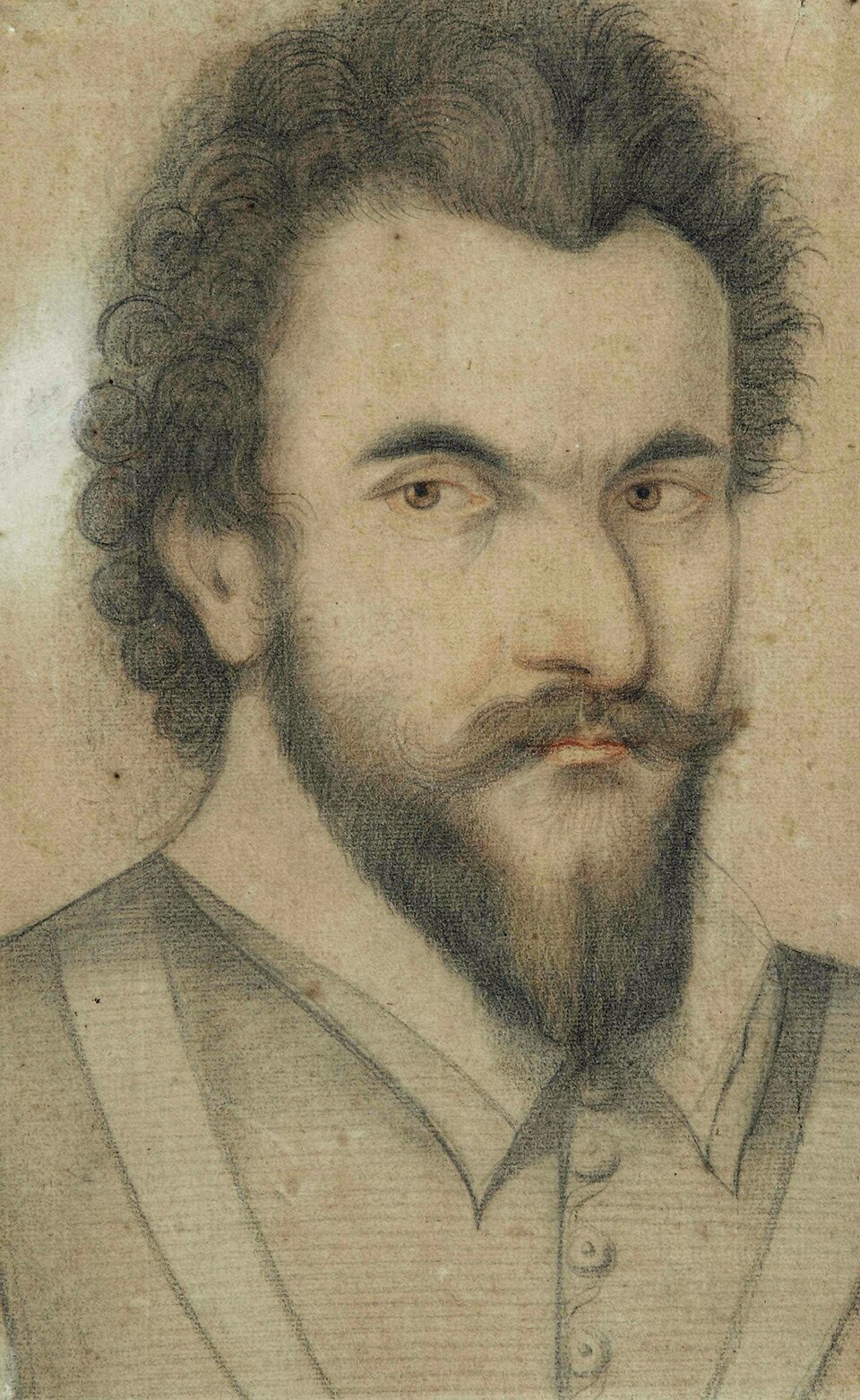
1562 - 1602 - Charles de Gontaut (All Facts)
(First) Duke of Biron
He was executed for conspiring with Spain and the Duchy of Savoy against King Henry IV (of France)
1536 - 1606 - Troilus de Mesqouez (All Facts)
He was the Marquis de la Roche
He was elected lieutenant-general of Canada (Viceroy of New France)
He founded a colony on Sable Island
He left France with 40 convicts to colonize Sable Island, off Nova Scotia
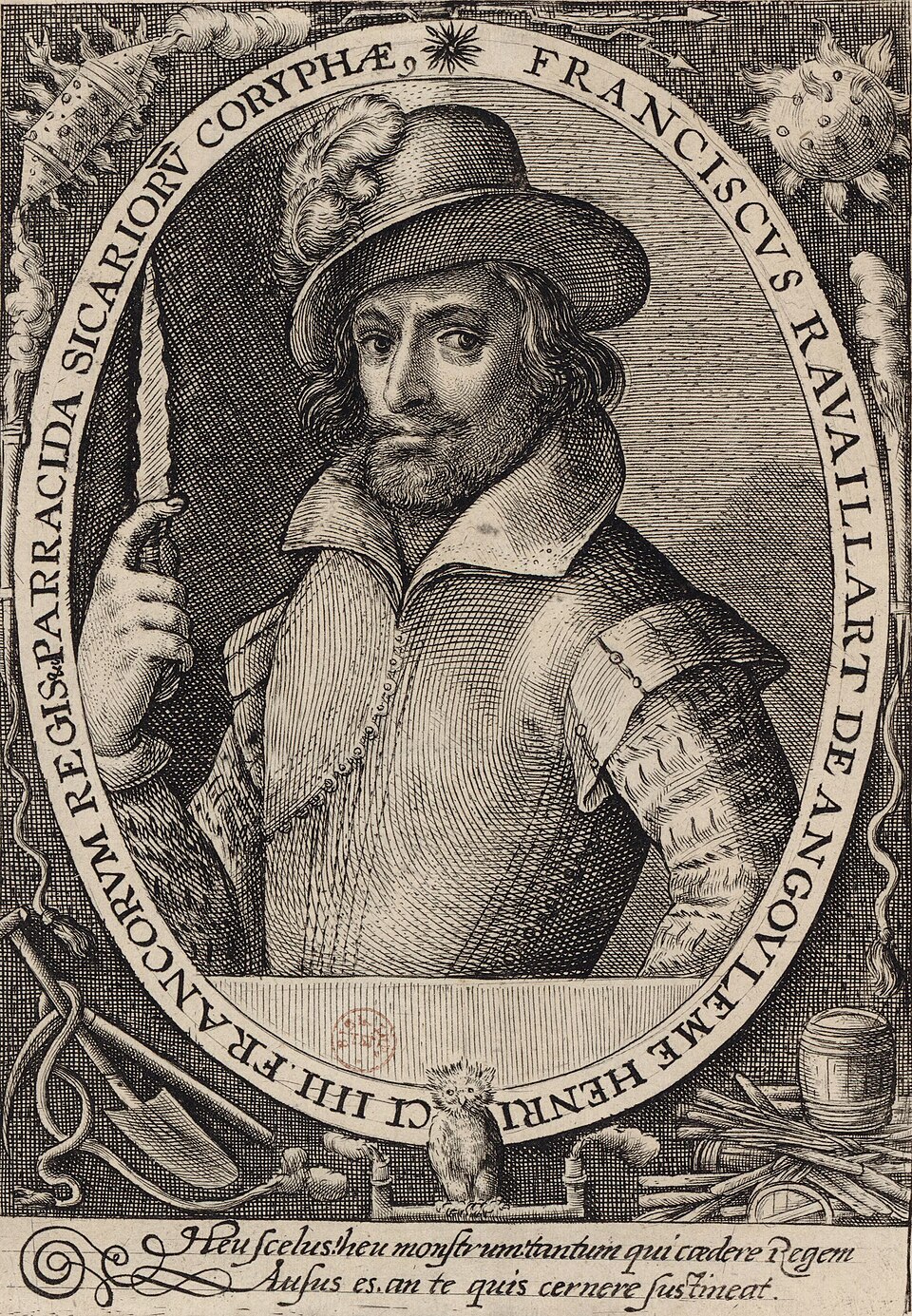
1578 - 1610 - Francois Ravaillac (All Facts)
Fanatical French Catholic (Monk) who stabbed King Henry IV to death
He was a tall, red-haired man
He believed in tyrannicide as a means of putting an end to policies which were against Catholic interests
He was believed to have acted against King Henry IV because of King Henry IV’s proposed war against Catholic Spain and Catholic Austria
He was examined after the assassination attempt to see if he belonged to a larger plot to overthrow King Henry IV
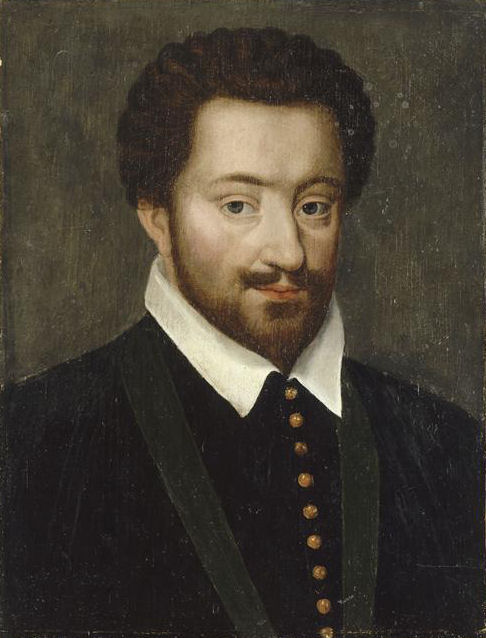
1554 - 1611 - Charles de Lorraine (All Facts)
Duke of Mayenne
He and his Catholic League forces were defeated by King Henry IV and his Huguenot forces in the Battle of Arques during the Eighth War of Religion / War of the Three Henrys
He and his Catholic League forces were defeated by King Henry IV and his Huguenot forces in the Battle of Ivry
He was a candidate of the Catholic League for the French throne in place of King Henry IV
He (and the Catholic League) eventually surrendered to King Henry IV and his forces
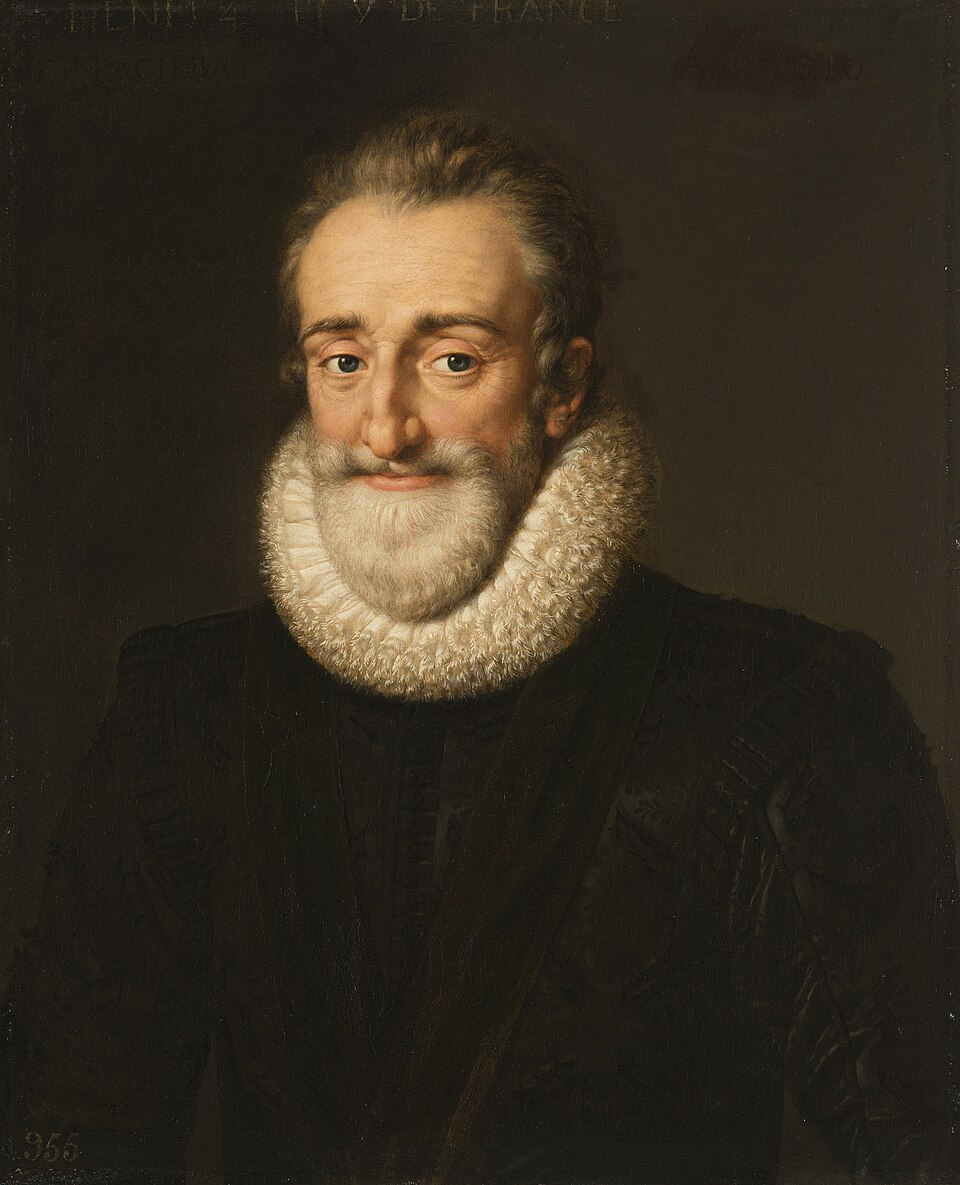
1589 - 1610 - Henry IV (Reign)
29th King of France and First King of the House of Bourbon
He was nicknamed the “Good King” because of
his wise rule
his (legendary) concern for the common people
He re-established France as a Catholic Kingdom with a Catholic King, officially converting from Protestantism to Catholicism; as he is famous for having said “Paris is worth a Mass” as he looked down on the city from the hill of Montmartre
After conquering most of France, with the exception of Paris, and consolidating his rule and authority, he abjured (rejected) Protestantism after being the main leader of the Huguenots up to that point
He did this to become the officially recognized King of France, as he would never become officially recognized if he remained Protestant
His conversion ceremony took place in the basilica of St. Denis and was witnessed by the Archbishop of Beaune at the time, where he
made his confession and heard Mass
swore allegiance to the Roman Catholic Church
reiterated his renunciation of Protestantism
received absolution
He left the basilica to the cheers of the Parisian crowd which saw in his transformation the promise to an end to the French Wars of Religion which had ravaged France for so long
He was eventually absolved of his prior excommunication by Pope Clement VIII
His acceptance of the Catholic faith after being the champion of Huguenot Protestantism for so long was a masterstroke of diplomacy that brought France to peace
His reign was marked by
the end of
the French Wars of Religion
the Franco-Spanish War
the secessionist revolt of Brittany
the collapse of the Catholic League of France
the political unification of Catholics and Huguenots
the complete conquest of France by the House of Bourbon, with the taking and controlling of Paris by the House of Bourbon as its city gates were opened to him by Governor Brissac
During his reign,
the Franco-Spanish War occurred in which he declared war on Spain
He did this because
Spain had attempted to enforce the claims of a Spanish pretender to the French throne
he wanted to
show Catholics that Spain was using religion as a cover for an attack on the French state
show Protestants that his conversion had not made him a puppet of Spain
reconquer large parts of northern France from the Franco-Spanish Catholic forces
He and his French forces defeated the Spanish forces and drove them out of Burgundy in the Battle of Fontaine-Francaise during the Franco-Spanish War
He forced Charles de Lorraine, the Duke of Mayenne, and the Catholic League to surrender to and submit to him
He and his French forces were defeated by the Spanish, who took control of the namesake city in the Siege of Calais during the Franco-Spanish War
He thus lost Calais to Spain
France fought against and defeated the Duchy of Savoy in the Franco-Savoyard War
He signed the Treaty of Lyons with the Duchy of Savoy, ending the Franco-Savoyard War
He suppressed the secessionist revolt in Brittany
He mediated a 12-year truce between Spain and the Netherlands (during the Eighty Years’ War)
He issued the
Edict of Nantes
This helped him win back the support of the Huguenots, whom he had betrayed when he famously declared that “Paris is worth a mass”
This alienated him slightly from the Catholics, but they were willing to accept it in return for peace given their weariness due to the past century of religious civil war
Edict of Paulette
This was named after the namesake’s financier Charles
He married Marie de Medici, the daughter of the grand duke of Tuscany and Archduchess of Joanna of Austria
He did this in order to ally with the Medici banking family, bringing a massive dowry to France that countered Spanish influence in Italy
He did this after divorcing his previous wife, Margaret of Valois, ridding the House of Bourbon of ties to the House of Valois
Under his reign,
France founded a fur-trading post at Tadoussac on the St. Lawrence River in “New France” (Canada)
France agreed to cooperate in the establishment of a new postal service with Germany (Holy Roman Empire)
France officially reopened work on the Pont Neuf (“New Bridge”) whose construction was previously interrupted during the French Wars of Religion
The first beaver-skins arrived in the port of La Rochelle in France from “New France” (Canada)
Port Royal was established in Acadia (Nova Scotia) as a colony
During his reign,
He authorized the Jesuits to resettle in his kingdom (of France)
He denied Pope Paul V practical support in his reconciliation with the Republic of Venice
His mistress, Gabrielle d’Estrees, bore him an illegitimate son, Cesar of Bourbon, who would become the duke of Vendome
He was stabbed to death by Francois Ravaillac, a fanatical Catholic monk
He was travelling by carriage from the Louvre to the Arsenal, having dismissed his bodyguard and accompanied by only a few gentleman when the carriage was halted in a traffic jam
The crazy assassin leapt onto a wheel and thrust his dagger twice into the namesake king’s chest
The namesake king cried out “I’ve been stabbed” and then collapsed with blood pouring from his mouth
The carriage was then driven to the Louvre and doctors summoned, but it was too late
The news of his death caused consternation in Paris
He died and was succeeded by his eight-year old son, who was ruled over by the namesake’s wife, Marie de Medici, as regent
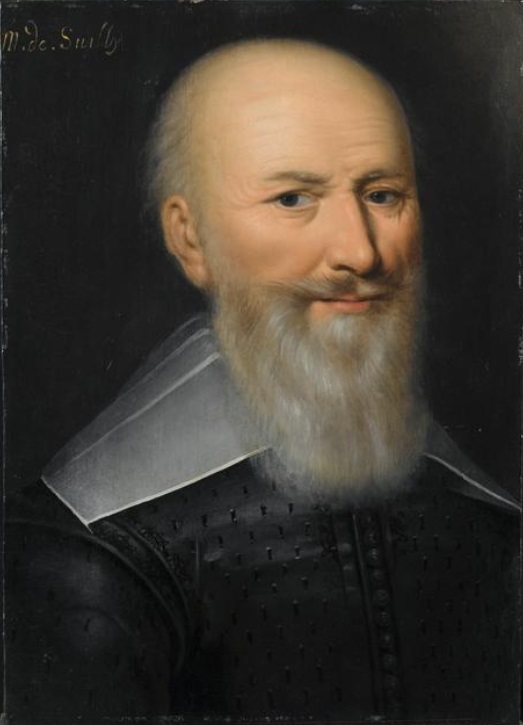
1600 - 1611 - Maximilien de Béthune (All Facts)
Duke of Sully, Chief Minister of France, and Superintendent of Finances of France
He resigned after disagreements with Marie de Medici, the regent of France during the reign of King Louis XIII
He was succeeded by Concino Concini
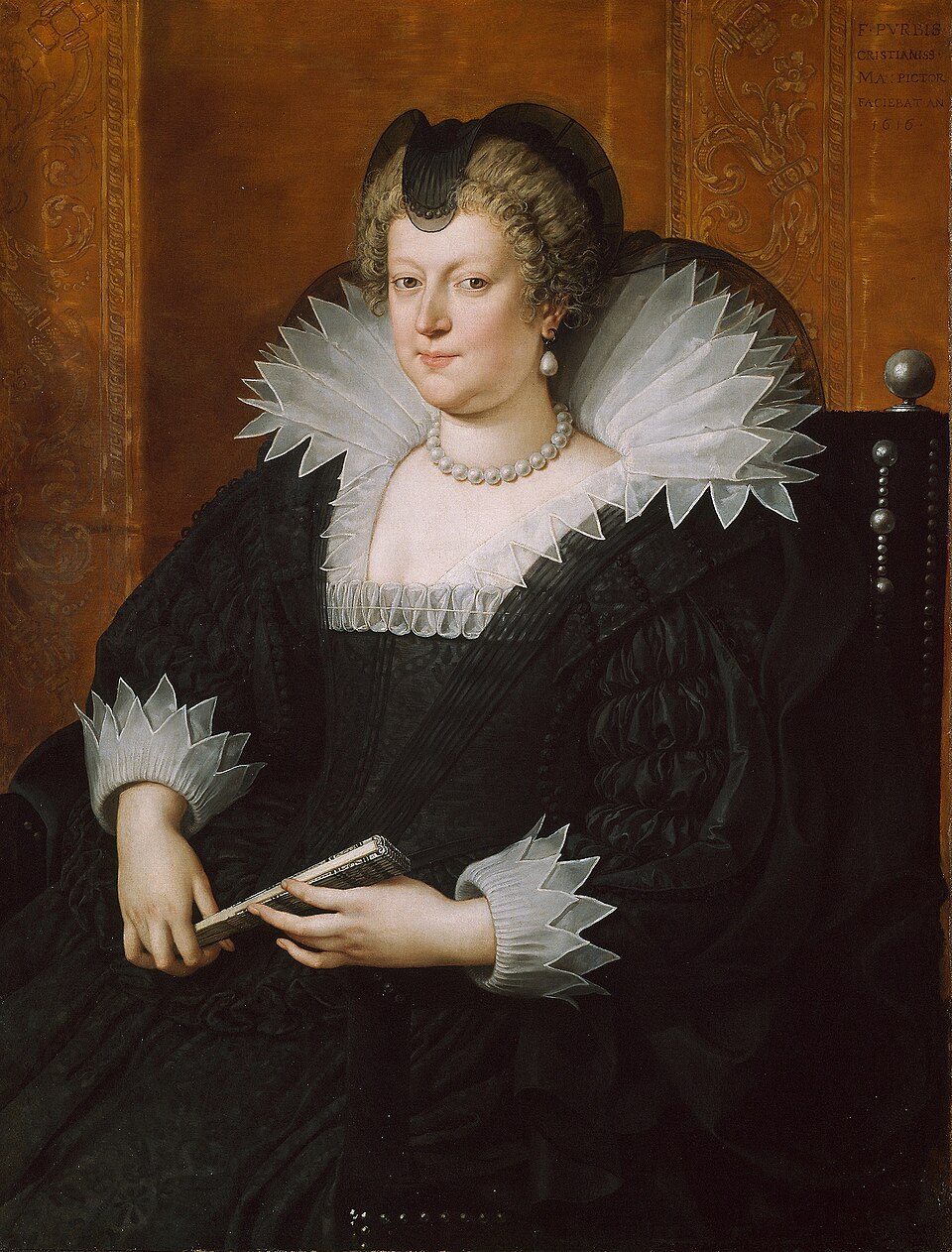
1600 - 1617 - Marie de Medici (All Facts)
Queen of France
She was married to King Henry IV
She ruled as regent of France during the reign of King Louis XIII when he was just eight years old
During her reign,
She signed a pact with Spain promising that France would not interfere in internal affairs in the empire of Spain, in a reversal of her namesake predecessor’s policy
To seal the pact, she had King Louis XIII betrothed to Anne of Austria, the Habsburg princess
She thus reversed her predecessor’s and late husband’s foreign policies in striking up such alliances with Spain and Austria
She signed the Treaty of St. Menehould to end the revolt by the Prince of Conde and other French aristocrats and nobles against her that occurred during her regency
She conceded honors and large pensions to the rebellious nobles in order to prevent another French Civil War
She appeared her nobles by granting them huge pensions
She also agreed to summon the Estates General
Under her reign,
a revolt against her regency occurred by the Prince of Conde and other French aristocrats and nobles
the Estates General met and was dissolved after it failed to gain any concessions on taxation from the monarchy
The French were expelled from St. Louis de Maragnan by the Portuguese, ending French efforts to establish a colony in the Amazon
Spain reinforced its alliance against France by signing a Treaty with the Duchy of Savoy
workers in a sandpit in the Dauphine discover the skeleton of what was alleged to be a 30-foot tall man, the remain, it was thought, of the giant Theotobocus, a legendary Gallic king who fought the Romans
She requested that Salomon de Brosse build the Luxembourg Palace, which, in accordance with the namesake’s wishes, was to be modelled on the Pitti Palace where the namesake was raised as a child
She was exiled to Blois on the orders of King Louis XIII
She was accompanied by Cardinal Richelieu
She emerged from exile in Blois to revolt against her son and heir, King Louis XIII
Her revolt campaign failed to win back the power she enjoyed as regent after the assassination of the king’s predecessor
She was forced to withdraw from the French court as her son and successor resolved to free himself of the namesake’s influence
She rebelled alongside Gaston d’Orleans against King Louis XIII and his reign, and she fled to the Low Countries as a result, beginning a war with her son King Louis XIII after refusing to be reconciled with Cardinal Richelieu
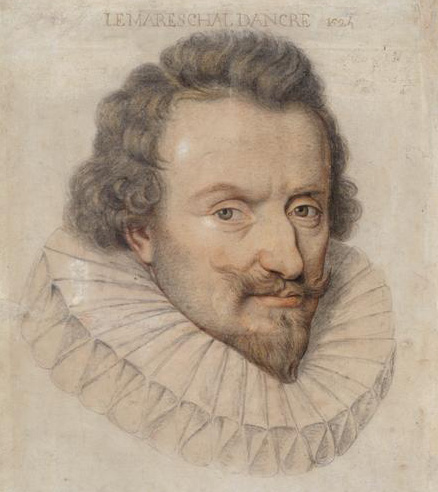
1610 - 1617 - Concino Concini (All Facts)
(Italian) Chief Minister of France for Marie de Medici, during the reign of King Louis XIII
He was a favorite of Marie de Medici’s
He was assassinated on the orders of King Louis XIII, who installed his own favorite in place of the namesake
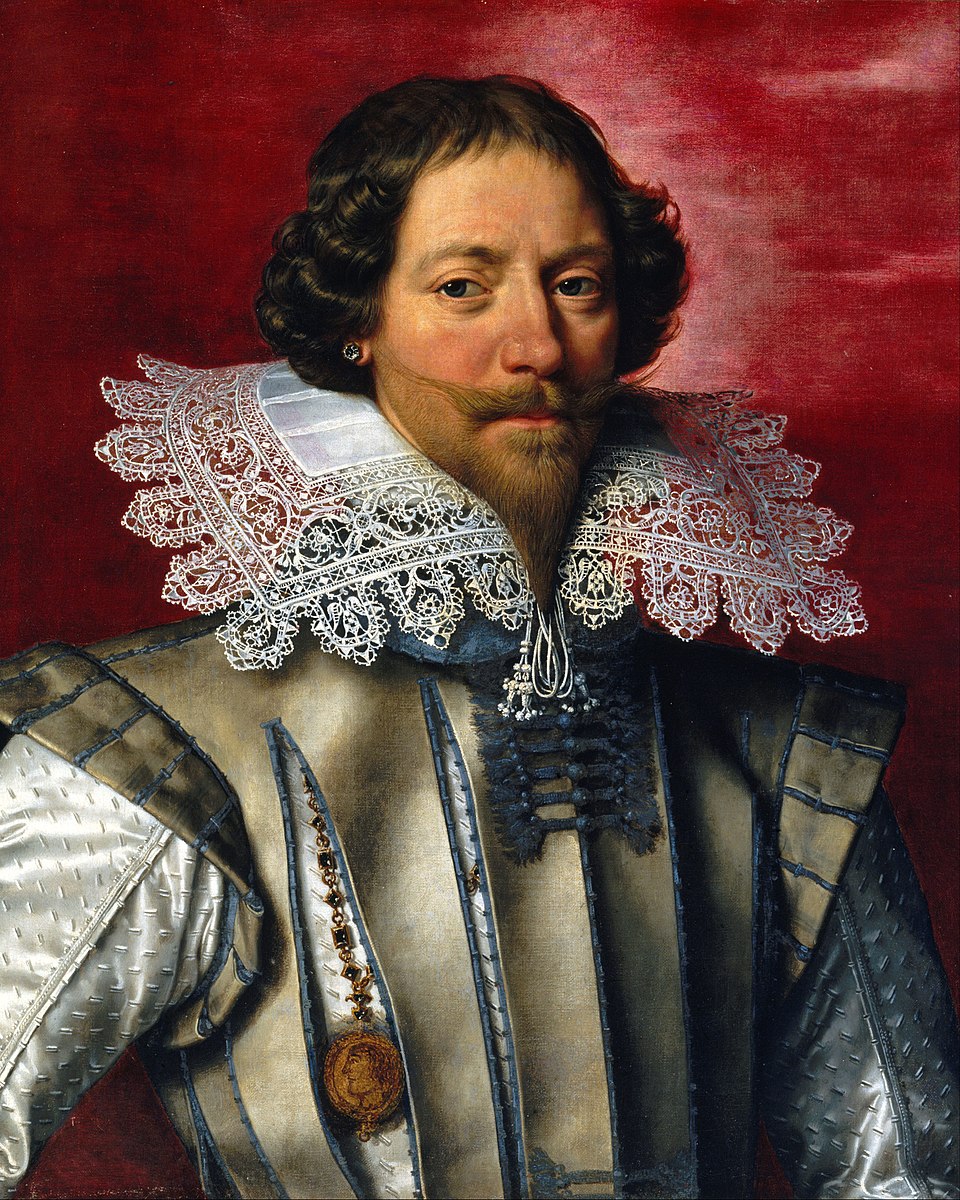
1617 - 1621 - Charles d’Albert (All Facts)
(First) Duke of Luyens
He replaced Concino Concini as Chief Minister of France, assuming the title of Grand Constable, during the reign of King Louis XIII
He was the commander-in-chief of the forces of King Louis XIII
He died in the Siege of Montauban in Provence
1599 - 1626 - Henri de Talleyrand-Périgord, comte de Chalais (All Facts)
He plotted against Cardinal Richelieu
He was spurred on to do so by his mistress, the Duchess of Chevreuse
He was executed
Cardinal Richelieu used this incident as an excuse / justification for his Edict of 1626, which prevented future revolts from nobility
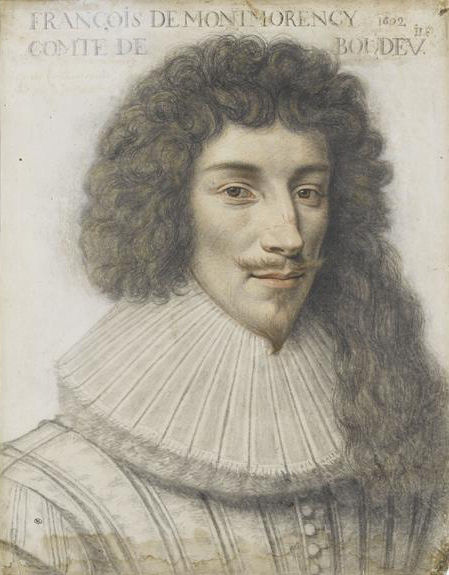
1600 - 1627 - François de Montmorency-Bouteville (All Facts)
French Nobleman who deliberately violated the Edict of 1626 by dueling and was beheaded for it
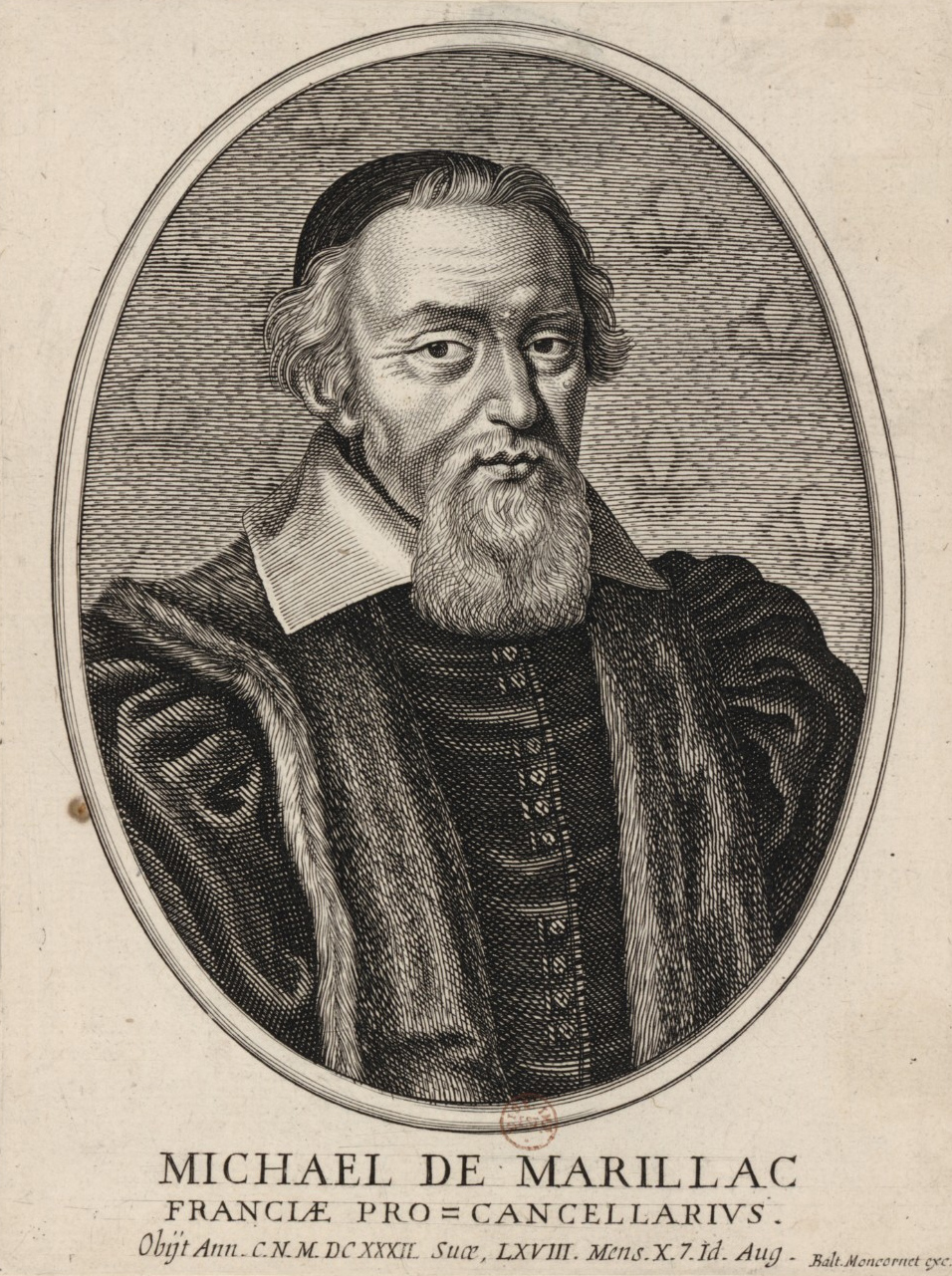
1563 - 1632 - Michel de Marillac (All Facts)
French Jurist and Counselor at the court of King Louis XIII
Chief Aid of Cardinal Richelieu during the reign of King Louis XIII
He drew up a series of internal reforms for France called the Michau Code
He had a rivalry with Cardinal Richelieu since he was more concerned with domestic rather than foreign policy and wished above all else to keep the people happy by keeping taxes low; whereas Richelieu was more concerned with foreign rather than domestic policy and wished above all else to keep taxes high as a result
At first, King Louis XIII gave in to the namesake and had him replace Richelieu as his Chief Minister
However, later in the day, King Louis XIII announced that he’d rather retain Richelieu
As a result, the namesake was arrested and Richelieu was left in political control to pursue his anti-Habsburg foreign policies
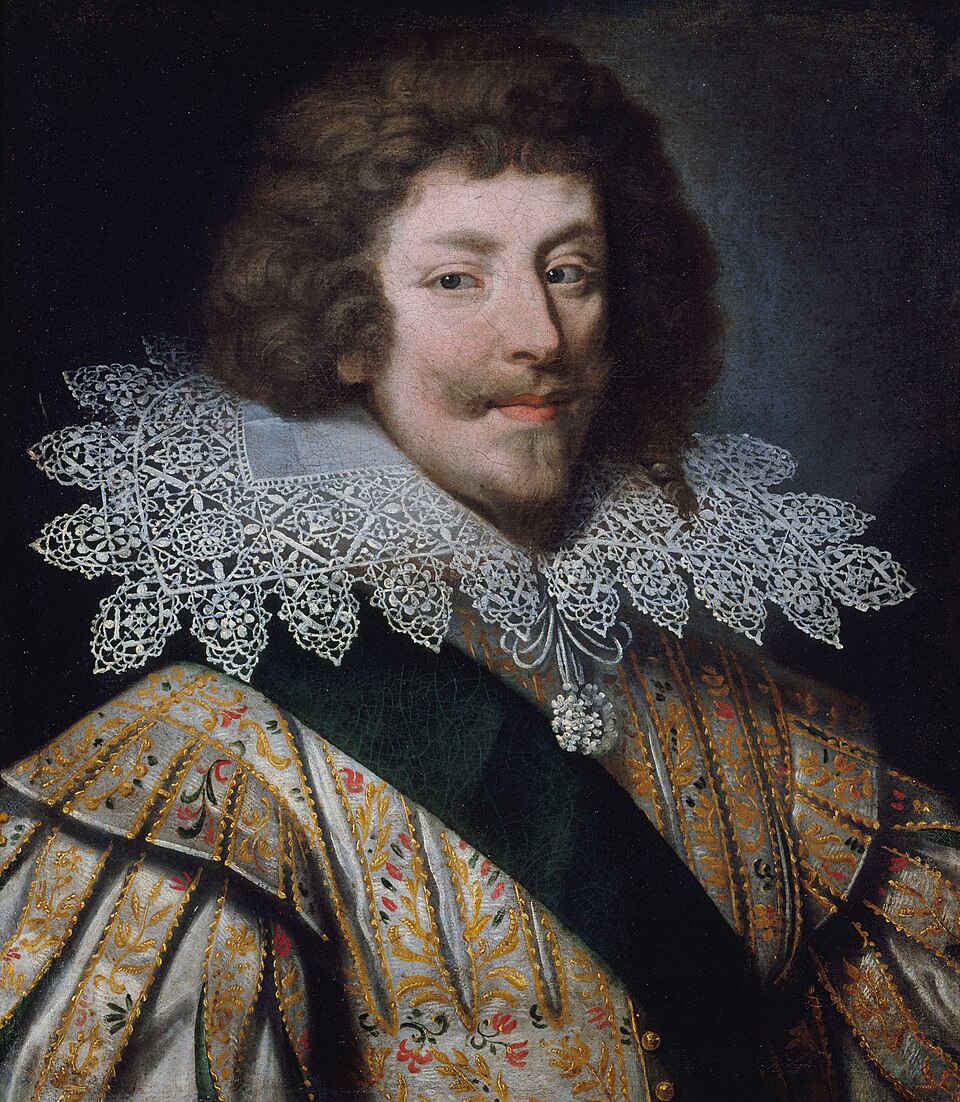
1595 - 1632 - Henri de Montmorency (All Facts)
He was the 4th Duke of Montmorency
He was the governor of Languedoc
He plotted a conspiracy to overthrow Cardinal Richelieu and King Louis XIII alongside Gaston d’Orleans and Marie de Medici
He was beheaded as a result
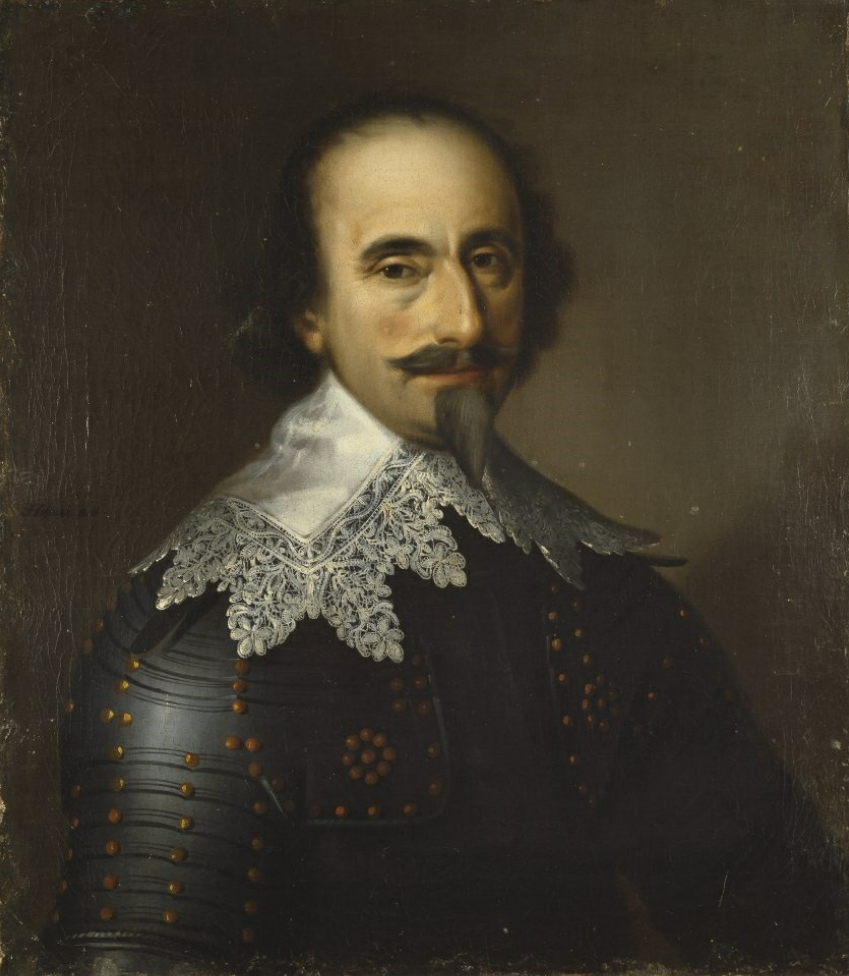
1579 - 1638 - Henri de Rohan (All Facts)
Huguenot Leader of the Huguenot Rebellions against the reign of King Louis XIII
He was forced by King Louis XIII to agree to a peace treaty which reaffirmed the Edict of Nantes but forbade political meetings and left the Huguenots with Montauban and La Rochelle as their only fortified strongholds
1620 - 1642 - Henri Coiffier de Ruzé, Marquis of Cinq-Mars (All Facts)
He led one of the last and most successful but still failed plot attempts to overthrow Cardinal Richelieu
He was beheaded for trying to overthrow Cardinal Richelieu and trying to make an illicit treaty with Spain
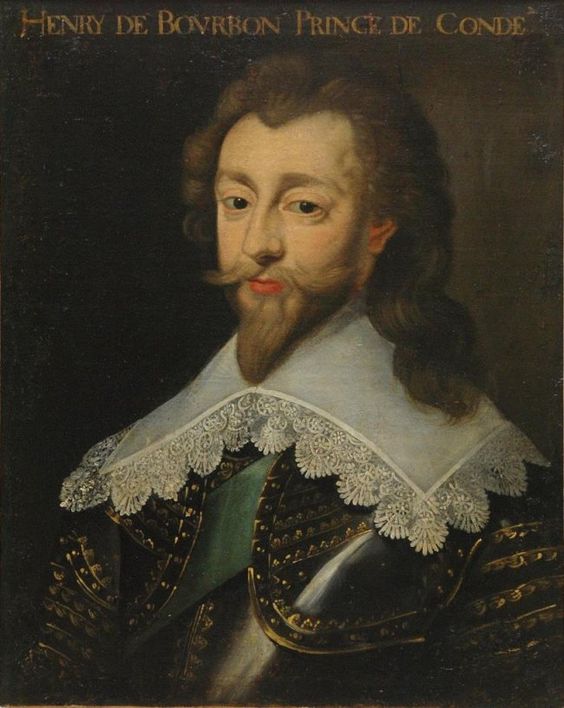
1588 - 1646 - Henri II de Bourbon-Conde (All Facts)
Prince of Conde during the regency of Marie de Medici and reign of King Louis XIII
He led an aristocratic revolt against Marie de Medici, which ended with the Treaty of St. Menehould
He joined the Royal Council during the regency of Marie de Medici and reign of King Louis XIII
He was entrusted with the government of Bourges
He was arrested following his conflict with Jules Mazarin, triggering the Second Fronde
1625 - 1649 - Henrietta Maria (All Facts)
French Queen of England for King Charles
She was the daughter of King Henry IV
She was married in Paris, with a French dyke acting as proxy for King Charles
Her marriage to King Charles was part of an agreement France had with England in which France received ships from England
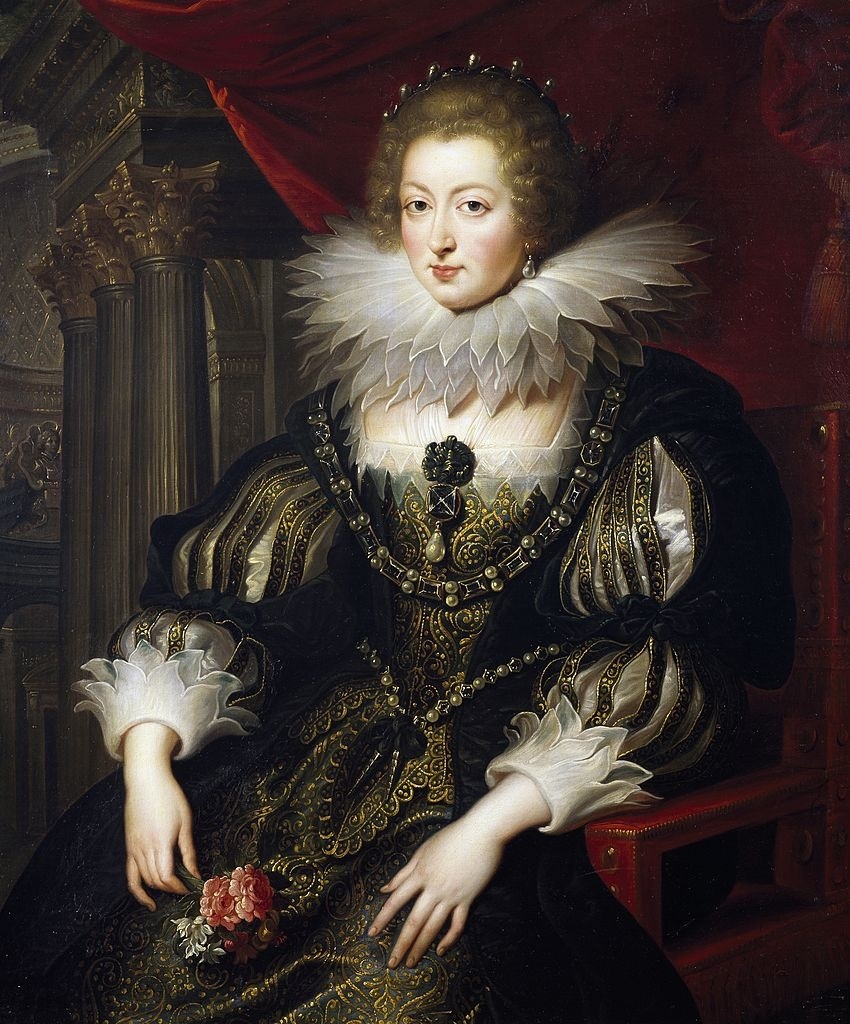
1615 - 1643 - Anne of Austria (All Facts)
(Austrian) Queen of France of King Louis XIII
She was the daughter of King Philip III of Spain
She took part in the plots against Cardinal Richelieu, accused of treason for having been in secret correspondence with her brother King Philip IV of Spain
She and Marie de Rohan once worked together to try (but fail) to assassinate Cardinal Richelieu and she was accused of treachery as a result
After enduring Cardinal Richelieu’s own schemes against her, she came to power as regent
After 23 years of marriage to King Louis XIII, she bore him their son and successor
Regent of France during the reign of King Louis XIV
She was granted sole and absolute power as regent by the Paris Parliament, upon the death of King Louis XIII, overriding the late King Louis XIII’s will
She helped lead France in the Thirty Years’ War
She helped Jules Mazarin suppress the First and Second Fronde
She was welcomed into Paris upon her return from exile during the First and Second Fronde
She was known to have a scandalous affair with George Villiers, the First Duke of Buckingham in England
She retired to Val de Grace and died there after King Louis XIV
1600 - 1679 - Marie de Rohan (All Facts)
She was the Duchess of Chevreuse
Despite her name, she was Catholic
French Courtier and Political Activist
She and Anne of Austria once worked together to try (but fail) to assassinate Cardinal Richelieu and she was exiled as a result
Even in exile, she continued to encourage her admirers to intrigue against Cardinal Richelieu
She later opposed Anne of Austria due to her closeness with Jules Mazarin, whom she worked to fight against as tirelessly as she had fought against Cardinal Richelieu
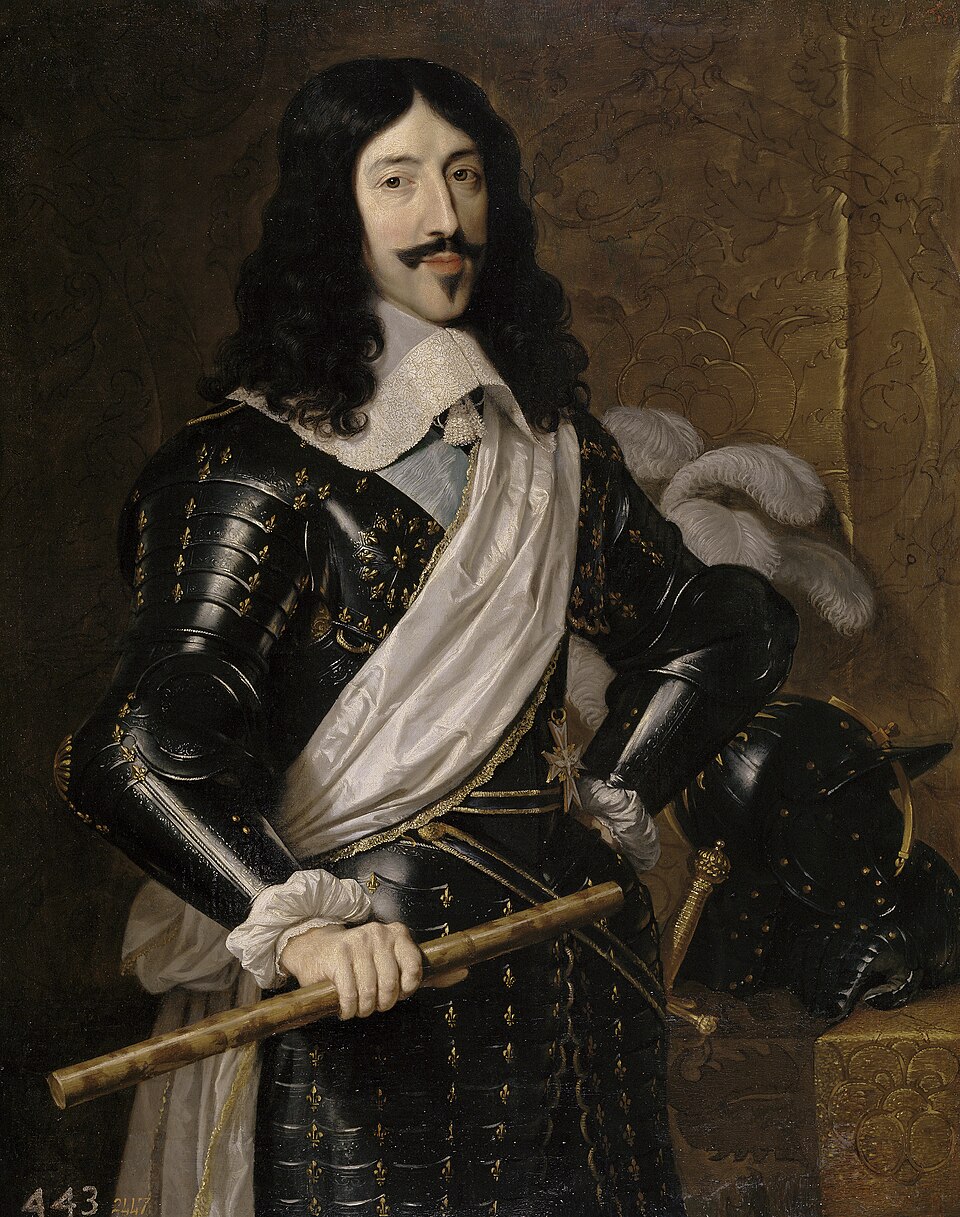
1610 - 1643 - Louis XIII (All Facts)
30th King of France and 2nd King of the House of Bourbon
Marie de Medici ruled as regent over him prior to his reign until he was declared of age as king
As per the pact signed with Spain by Marie de Medici (his mother), he married Anne of Austria, the Habsburg Princess
Anne of Austria, his wife and Queen, gave birth to an heir after 23 years of marriage and he was given the namesake name
He ordered Concino Concini to be assassinated and replaced him with Charles d’Albert
He ordered Marie de Medici into exile at Blois and Cardinal Richelieu into exile at Avignon (ordering the latter for conspiring with Marie de Medici)
When Marie de Medici rebelled against him, he forced her to be removed from the French court, having finally resolved to free himself of her motherly influence and consolidate his rule
He recalled Cardinal Richelieu from exile in Avignon to help defuse the rebellion against him by Marie de Medici
He led the French Catholic forces against the Huguenots during the Huguenot Rebellions in which he
And his forces were defeated by the Huguenots in the Siege of Montauban
And his forces defeated the Huguenots in the Siege of Montpellier
forced Henri de Rohan to agree to a peace treaty which reaffirmed the Edict of Nantes but forbade political meetings and left the Huguenots with Montauban and La Rochelle as their only fortified strongholds
He issued the
Edict of 1617
Michau Code
He signed the
Peace of Ales
During his reign,
He forbade the exportation of wheat in attempt to improve the food shortages occurring under his reign throughout northern France
He granted letters of patent to a new French Academy whose function was to give precise rules to the French language and compile a dictionary
He declared war on the Habsburgs in Spain, bringing France into the Thirty Years’ War throughout Europe
He authorized slave-trading
Under his reign,
The University of Strasbourg was founded
France withdrew from Valtellina
There were widespread food shortages throughout northern France, causing much unrest
The first French harbor with locks was built at Le Havre
France establishes a settlement at St. Louis in Senegal
France built a slave trading port at St. Louis on the mouth of the Senegal River in Senegal
France occupied Guadeloupe
France took Martinique from Spain
France took possession of the island of Reunion
The army and conquered territories of Bernard of Saxe-Weimar were taken over by France
Under his reign, many organizations were founded including the
Company of One Hundred Associates
Congregation of the Oratory
La Gazette de France
Order of the Daughters of Charity
French Academy
Company of the American Islands
His will provided for a regency council during the reign of his four-year-old son and successor consisting of
his widow, Anne of Austria
his brother, Gaston d’Orleans
his second Chief Minister, Jules Mazarin
the Prince of Conde, Henri II de Bourbon
He died at St. Germain
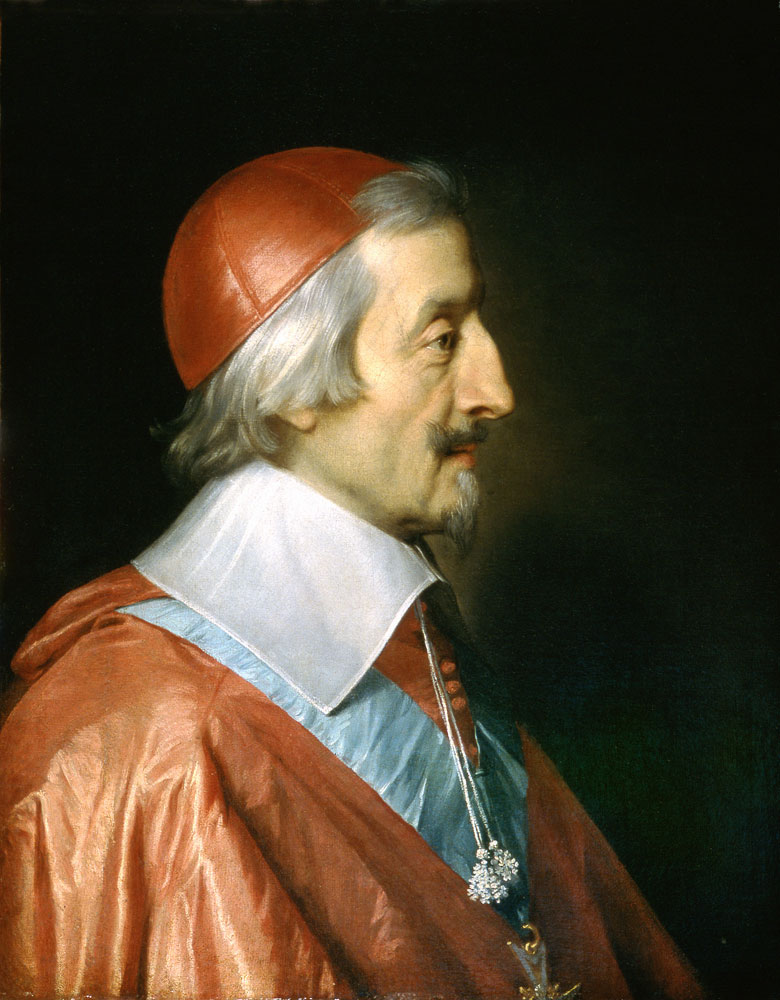
1616 - 1642 - Cardinal Richelieu, First Duke of Richelieu / Armand Jean du Plessis (All Facts)
Chief Minister, Cardinal, and French Statesman during the reign of King Louis XIII, he was
born into a minor aristocratic family and destined for the army
to enter into the church after he left his military career
initially the duke of Lucon, inheriting the family bishopric there
prepared for French politics after he had worked to convert the Huguenots of La Rochelle to Catholicism
made Secretary of State for War and Foreign Affairs
made a member of the Council of State
appointed chief minister of the Royal Council
He accompanied Marie de Medici in her exile to Blois ordered by King Louis XIII
He was ordered into exile at Avignon for conspiring with and cultivating Marie de Medici and her Italian favorite Concini
He was recalled by King Louis XIII in order to help defuse the rebellion against the King by Marie de Medici
He used his diplomatic tact to persuade Marie de Medici to agree a peace treaty with King Louis XIII
He went to Paris to begin his devious but logical acquisition of power
He worked his way back into royal favor by acting as a mediator between King Louis XIII and rebellious factions of nobles
He came to an agreement with King James of England in which they arranged to have the English lease ships and merchant vessels to France for King Louis XIII to use against the rebellious Huguenots of La Rochelle in exchange for the marriage of Henrietta Maria to King Charles of England
He offered a subsidy of a million livres to the Dutch in their Eighty Years’ War against Spain on condition that Dutch ships join the French Royalists in a blockade of the Huguenot fortress of La Rochelle and they accepted, angering their own Dutch Calvinist population
He issued the Edict of 1626, which consolidated royal power and prevented future uprisings by French nobles
He used Henry de Chalais’s plotting against him as an excuse / justification to issue the edict
He ordered the construction of the buildings of the Sorbonne (University of Paris)
He negotiated the Peace of Ales with the leaders of the Huguenot Rebellions / Rohan Wars
He had a rivalry with Michel de Marillac since his opponent was more concerned with domestic rather than foreign policy and wished above all else to keep the people happy by keeping taxes low; whereas the namesake was more concerned with foreign rather than domestic policy and wished above all else to keep taxes high as a result
At first, King Louis XIII gave in to Michel de Marillac and had him replace the namesake as his Chief Minister
However, later in the day, King Louis XIII announced that he’d rather retain the namesake
As a result, Michel de Marillac was arrested and the namesake was left in political control to pursue his anti-Habsburg foreign policies
He signed the Treaty of Barwalde with Gustavus Adolphus of Sweden in which France would help finance Sweden’s intervention into the Thirty Years’ War in exchange for their support and thus provided a financial subsidy
He declared war on the Habsburgs in Spain, bringing France into the Thirty Years’ War throughout Europe
He feared that the victory by the Emperor Ferdinand II over the Protestant princes in Germany at Nordlingen would lead to the revival of the late Holy Roman Emperor Charles V’s dream of universal domination for the Habsburgs, and such a fear involved France in considerable diplomatic activity for several years
During the Thirty Years’ War, he
succeeded in splitting the emperor’s armies by forcing Spain to evacuate a critical transit point for its “tercios” or crack troops
hired the services of Bernard of Saxe-Weimar, promising him the duchy of Alsace as a reward for his help against the Habsburgs
He had Jean du Vergier de Hauranne imprisoned at Vincennes
He supported King John IV of Portugal and the Portuguese Restoration War against Spain
He then formed an alliance with Portugal against Spain
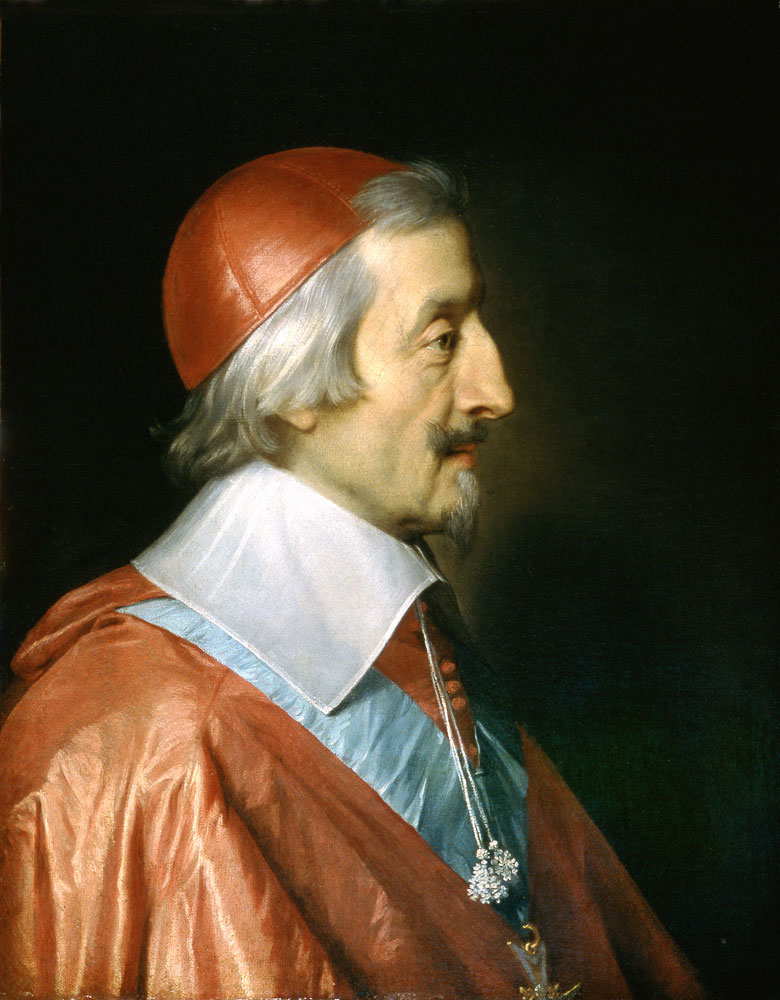
1616 - 1642 - Cardinal Richelieu, First Duke of Richelieu / Armand Jean du Plessis (Legacy)
It was said of him that he converted the absolutist theory of the French monarchy into reality
He displayed an iron will in carrying out his autocratic policies on behalf of King Louis XIII despite his frail health
In his memoirs he said that he promised King Louis XIII that he would “exalt his name among foreign nations”
He was largely unpopular
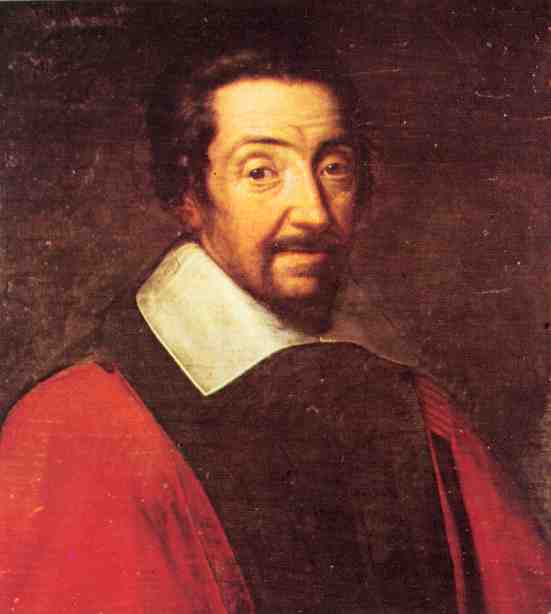
1575 - 1654 - Pierre Broussel (All Facts)
Councilor in the Parliament of Paris during the reigns of King Louis XIII and King Louis XIV
He was a popular politician, in part due to his opposition to tax plans proposed by Cardinal Mazarin and his support for other legal reforms that helped free Parisians
He was arrested, prompting the Parisians to rise up in protest against King Louis XIV and the Parliament of Paris in the “day of the barricades” that marked the beginning of the Fronde Uprising
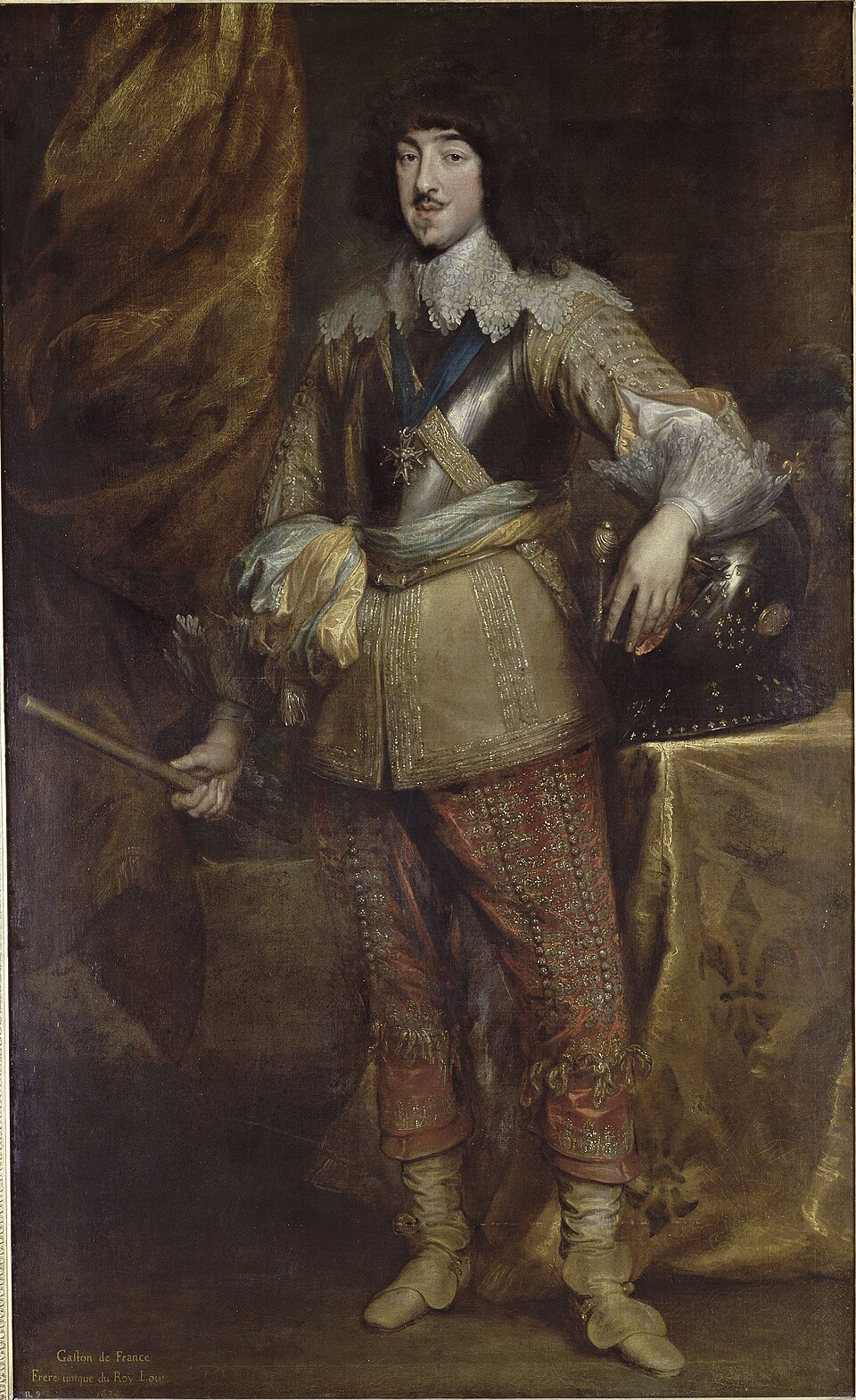
1606 - 1660 - Gaston d’Orleans (All Facts)
He was the brother of King Louis XIII
He and Marie de Medici rebelled against King Louis XIII, refusing to be reconciled with Cardinal Richelieu
He requested that Francois Mansart undertake the rebuilding of the Royal Chateau at Blois
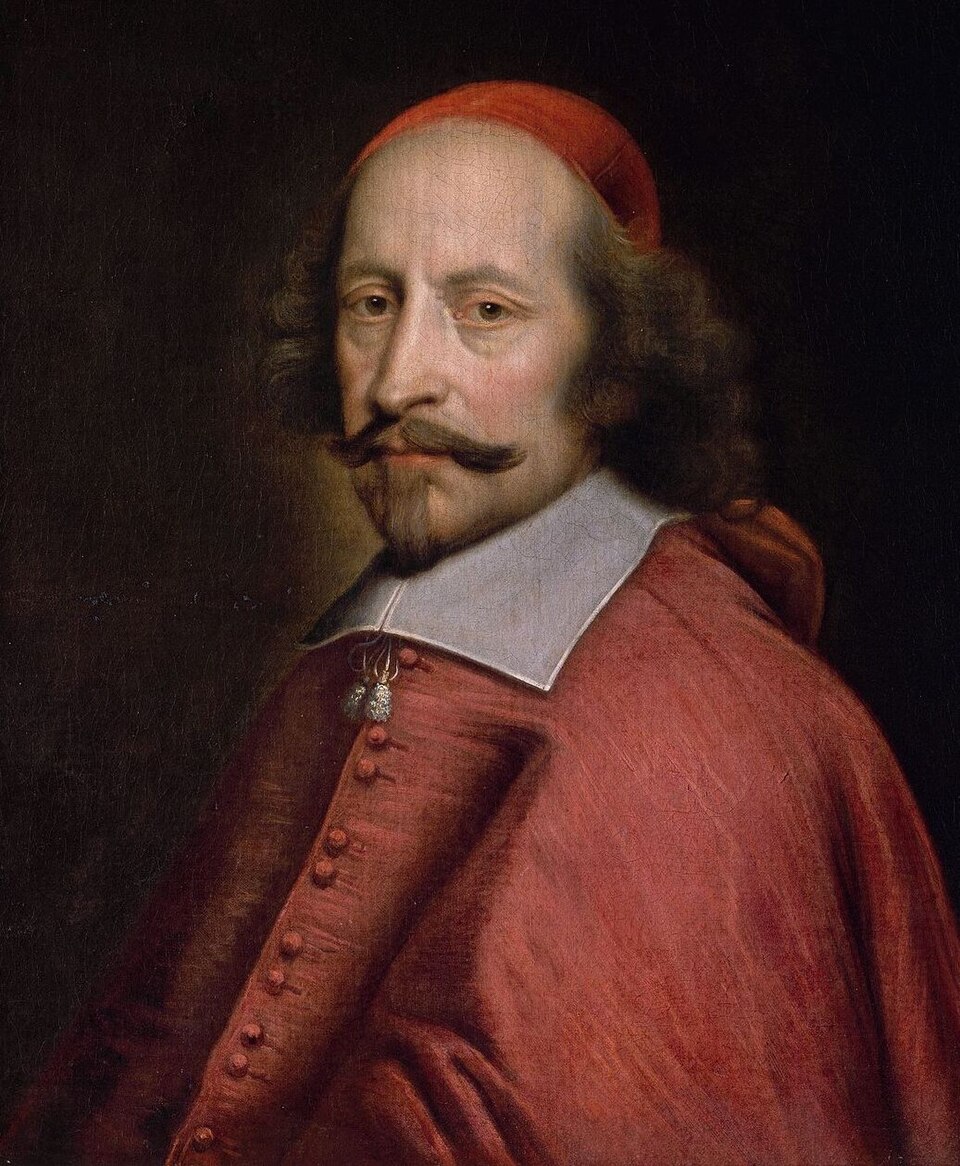
1642 - 1661 - Cardinal Jules Mazarin (All Facts)
(Italian) Chief Minister of France during the reigns of King Louis XIII and King Louis XIV
He replaced Cardinal Richelieu
He ruled France virtually as a monarch as regent of King Louis XIV
During the First Fronde,
he was declared a public enemy by the Paris Parlement after helping King Louis XIV and Anne of Austria escape out of Paris to escape the clutches of the rebellion
he was forced to give in to the demands of the Paris Parlement to limit the power of the French throne, but he never kept this promise
he arrested Henri II de Bourbon, triggering the Second Fronde
During the Second Fronde,
he was forced to flee from Paris after the Paris Parlement demanded his dismissal
he later returned to France with 7K German troops and worked to put down the new rebellion against him by Louis II de Bourbon and the French nobles
he later returned to Paris after fleeing two years prior due to the Fronde uprisings
He signed the Treaty of Paris with Puritan Protestant Oliver Cromwell of England in which
England agreed to help France in their war against Spain provided that France hand Dunkirk over to the English in order to prevent future attacks by Dunkirk’s privateers on England’s east coast sea trade, which had been plaguing England up to that point
Cromwell sent English forces to aid the French and defeat the Spanish in the Battle of Dunkirk / Battle of the Dunes during the Anglo-Spanish War
He had done so, despite Cromwell’s Protestantism, due to their shared dislike of France and due to his having been notably impressed with Cromwell’s army
He signed the Treaty of the Pyrenees with Luis Mendez de Haro of Spain which oversaw
the restoration of Roussillon and Perpignan to France from Spain after a century and a half of Spanish rule in those area, thus fixing the Franco-Spanish border at the Pyrenees Mountains
the dynastic marriage of King Louis XIV to Maria Theresa of Spain, with a dowry of 500K ecus, which was paid in full only after Maria Theresa renounced all claims to the Spanish throne
England’s taking of Dunkirk and Jamaica
France’s taking of a series of fortresses in Flanders and Artois
Spain’s Ally, the Duke of Lorraine, retaking the whole duchy (of Lorraine)
Amnesty for the Louis II de Bourbon, whom, out of pride, fought for Spain
He issued a decree which ordered all members of religious communities to sign a statement conforming to the papal condemnation of the five propositions outlined in Cornelius Jansen’s “Augustinus” in order to fight against Jansenism and its puritanical moral and doctrinal reforms
It is rumored that he married Queen Anne of Austria
He died at Vincennes and the kingdom of France was taken over by King Louis XIV
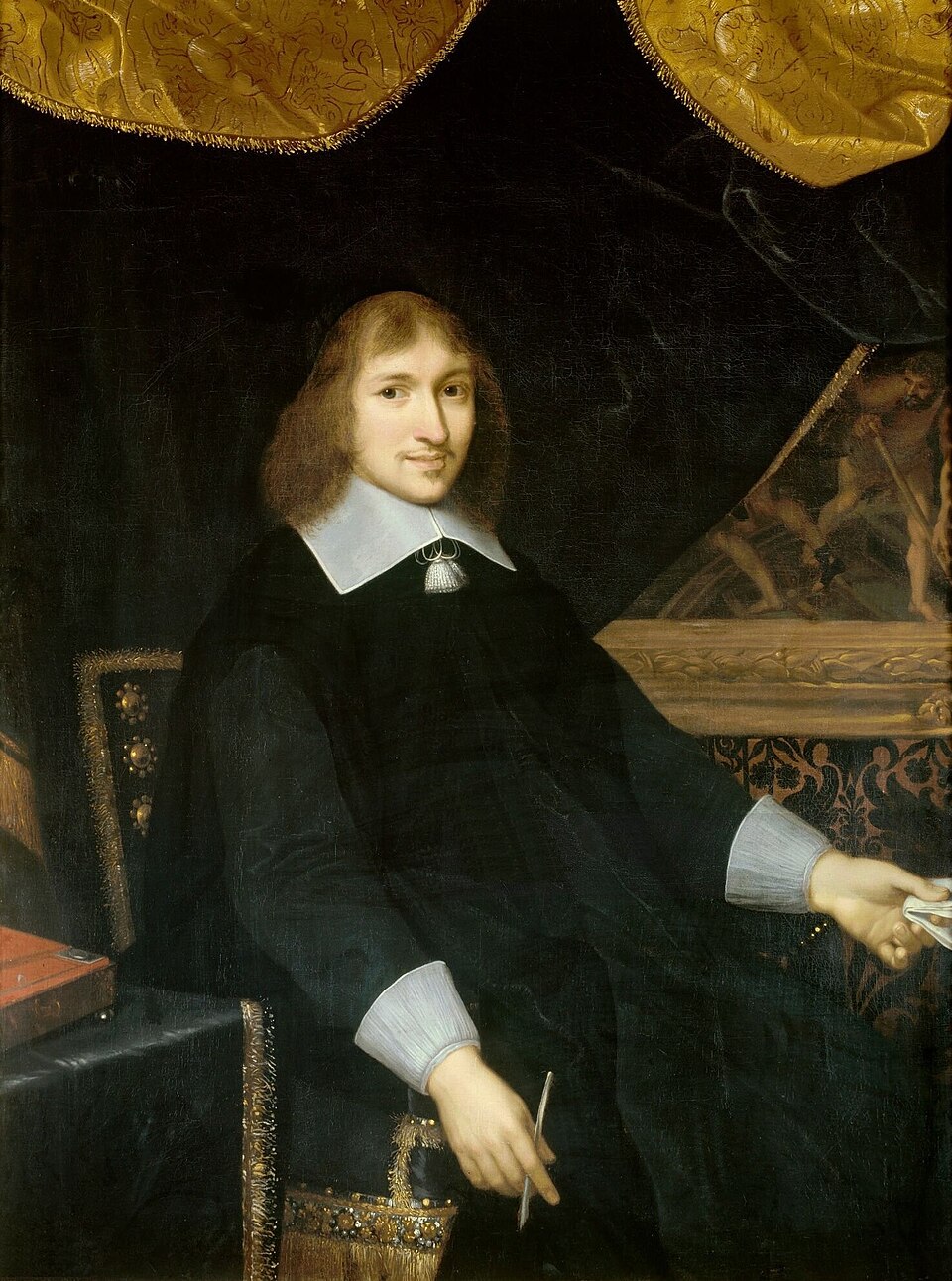
1653 - 1661 - Nicholas Fouquet (All Facts)
Superintendent of Finances under King Louis XIV during the regency of Cardinal Jules Mazarin
He was arrested in Nantes at the instigation of King Louis XIV, agitated by Jean-Baptiste Colbert, who soon replaced him
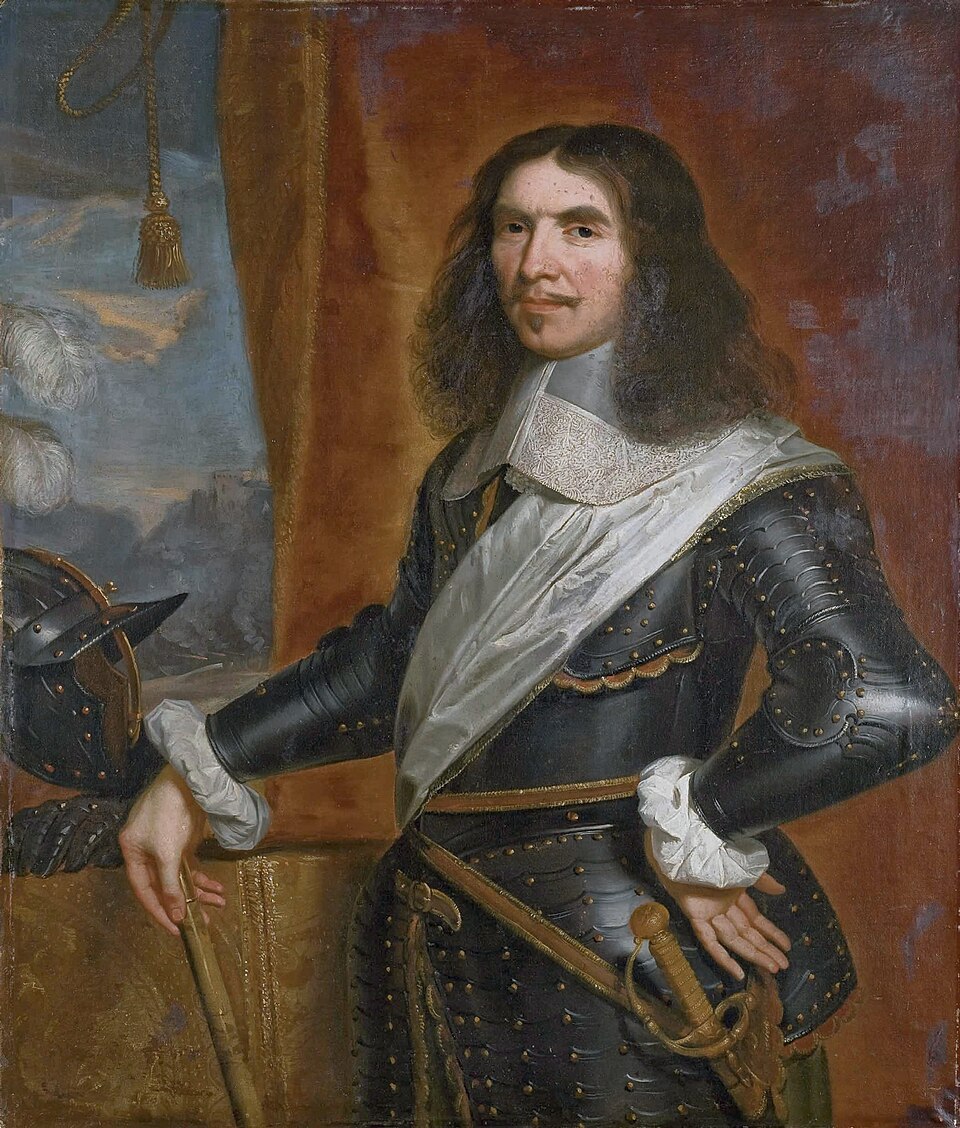
1611 - 1675 - Turenne / Henri de La Tour d'Auvergne, Viscount of Turenne (All Facts)
French General and Marshal General of France during the reigns of King Louis XIII and King Louis XIV
He and his French forces defeated the Holy Roman Empire and its forces in the Battle of Freiburg during the Thirty Years’ War
After the battle, he and his forces captured Mainz and Worms
He and his French forces defeated Spain and its forces in the Battle of Dunkirk / Battle of the Dunes during the Franco-Spanish War, with help from English troops
He and his French forces invaded and took the Spanish Netherlands and Flanders from Spain during King Louis XIV’s War of Devolution
He and his French forces defeated the Holy Roman Empire and its forces in the Battle of Turckheim during the Franco-Dutch War, having reconquered Alsace
He and his French forces fought against Raimondo Montecuccoli and the Holy Roman Empire until he was killed by a cannonball in the Battle of Salzbach during the Franco-Dutch War
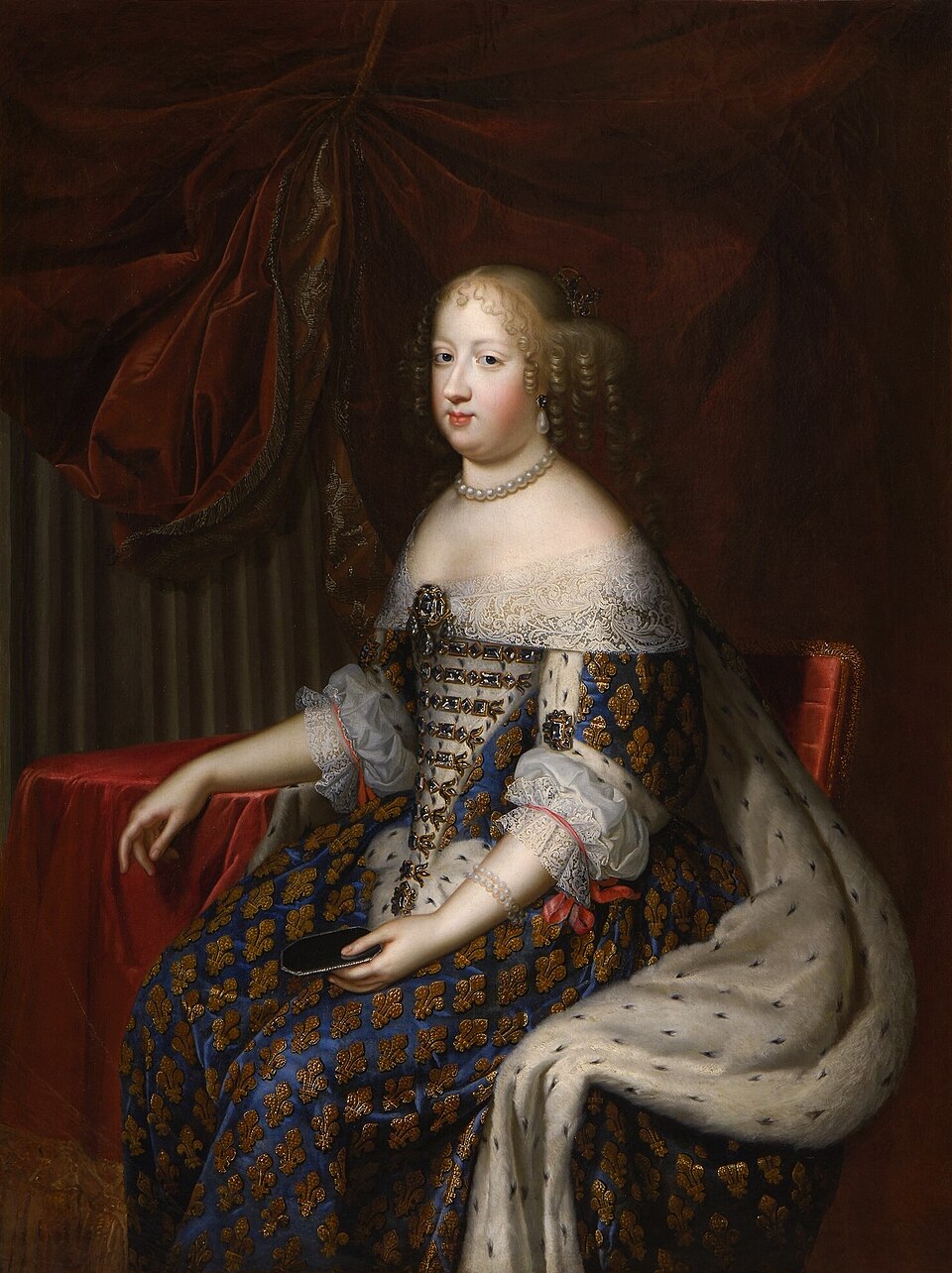
1660 - 1683 - Maria Theresa (All Facts)
(Spanish) Queen of France to King Louis XIV
She was the daughter of King Philip IV of Spain
She married King Louis XIV of France
as per the agreement of the Treaty of the Pyrenees
in order to stabilize political relations between France and Spain
When she died, King Louis XIV married his secret lover Madame de Maintenon in her place