Infection Control and Safety
 Call with Kai
 Learn
Learn Practice Test
 Spaced Repetition
 Match
Match Flashcards
 Knowt Play
1/48

There's no tags or description
Looks like no tags are added yet.
Name | Mastery | Learn | Test | Matching | Spaced | Call with Kai |
|---|
No study sessions yet.
49 Terms
Standard Precautions
Cleaning, hand washing, disinfecting
Universal Precautions
Working as though everyone is carrying a blood-borne pathogen or infectious disease
Clostridium difficile, AKA: C-diff
Contact precautions- highly contagious. can be spread by touching someone or contaminated surfaces such as linens, tables. most common symptom is diarrhea
Removal of PPE
1st contaminated gloves, gown, goggles, mask
Donning (putting on) PPE
gown, mask, goggles, gloves
When transferring a patient
assist them on their STRONGER side
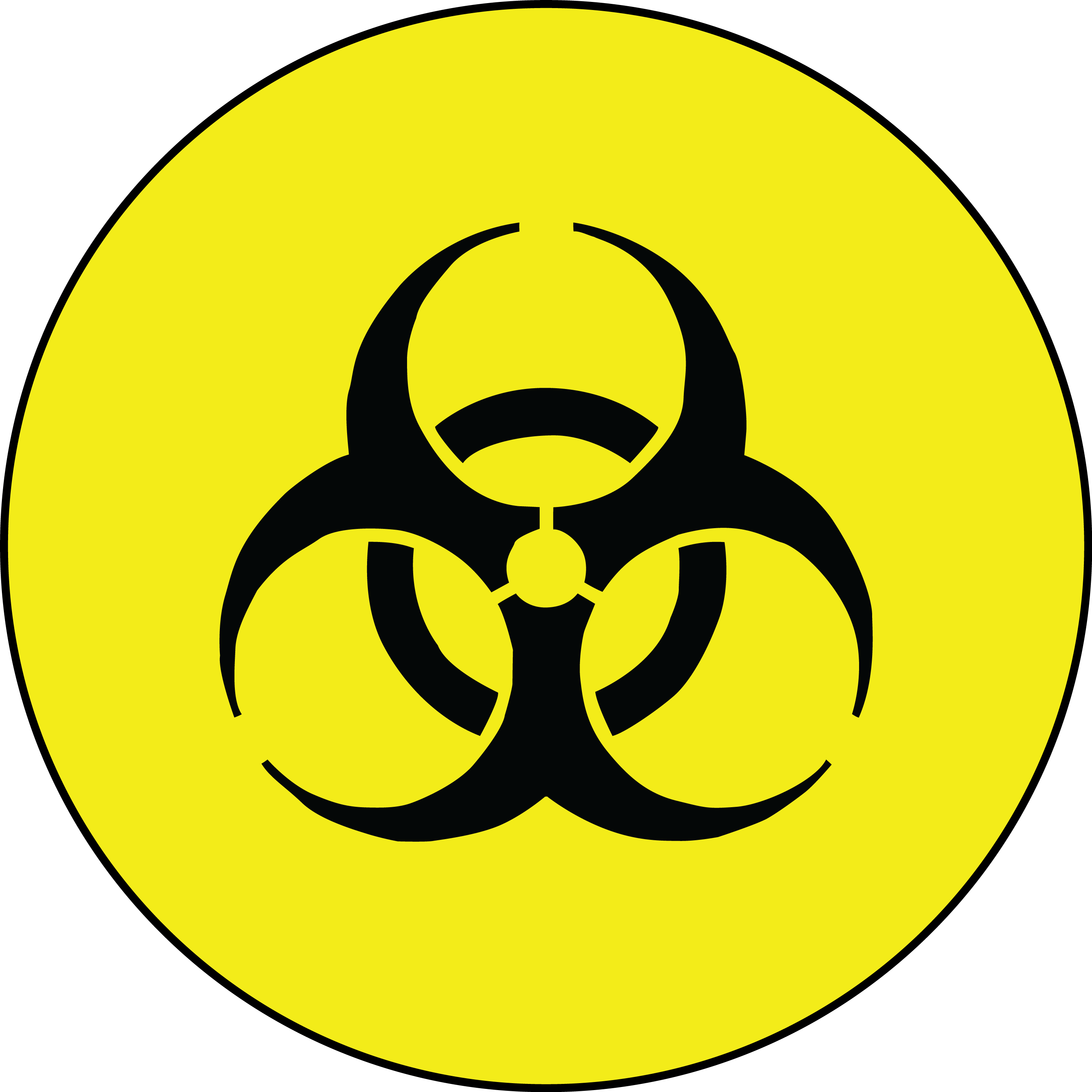
Biohazard Material
Chemical name for household bleach
sodium hypochlorite
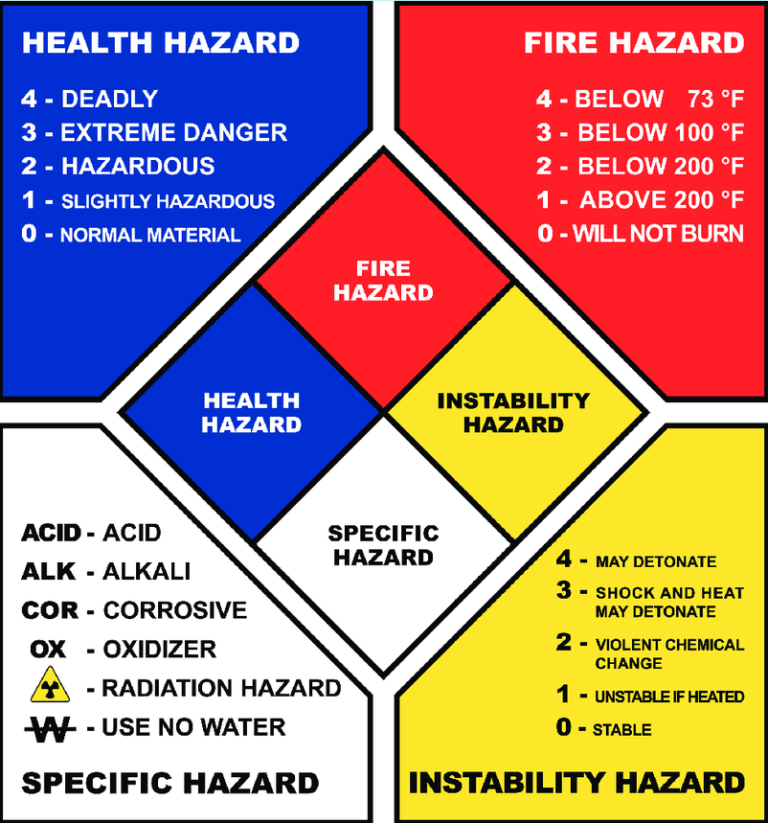
NFPA Hazard Label
Flow rate for oxygen
Liters per minute
Apply Cold or Warmth Immediately after Sprain
Cold to reduce swelling
Bark-like cough is due to
blockage of the LARYNX
Systemic reaction
coughing, wheezing, labored breathing
Localized Reaction
reaction at the injection site- swelling
First aid for nosebleed (epistaxis)
pressure on the affected nostril- you want the blood to clot
Seizure
Do not use a tongue blade to stop the tongue from occluding the throat. This is more dangerous than helpful.
Has pulse but not breathing
perform rescue breaths
Signs of anaphylaxis
Use epinephrine “epi pen”
Drug linked to Reye’s Syndrome
aspirin
Afebrile
without fever
Uticaria
hives
Nosocomial
hospital acquired
Best environment for sterilized equipment
Temperature controlled
Transfer forceps
used when something needs to be transferred into the sterile field
Exudate
fluid that oozes out of tissues during inflammation- spread through direct contact
R.A.C.E. -Fire Safety
Rescue, Alarm, Contain, Extinguish
Alopecia
Hair loss
Tuberculosis - TB
airborne precautions- inhaled bacteria
1st barrier of defense
intact skin
Needlestick incident
wash hands, then report to supervisor, file an incident report, patient should be tested for infectious diseases if agreeable, exposed worker tested
MRSA- Methicillin Resistant Staphyloccocus aureus
Contact precautions
Rubeola- Measles
Airborne precautions- rash, cough, mucus, fever
Mask for airborne precautions
N95
Airborne Precautions
TB, measles, chickenpox, herpes zoster (shingles)- you usually think of rash, but these infections also consist of coughing, sneezing
Blood-borne
Hepatitis, HIV, some staphylococcal infections
Diptheria
Rare- standard, airborne, droplet, and contact precautions
Droplet precautions
large droplets from a cough or sneeze that travel no more than 3 feet (RSV infection)
Entering a room with airborne precautions
PPE and N95
Bacterial Meningitis
high fever, stiff neck, blurry vision, petechial rash (pinpoint spots of bleeding), photophobia (sensitivity to light)
Sanitize
to reduce the number of microorganisms, to clean, wash, or remove debris/ tissues
Disinfect
to eliminate or destroy pathogens on surfaces and objects, usually through chemical means, but does not kill all bacteria as some bacteria have spores which as a protective shield
Sterilize
kill all living microorganismsincluding bacterial spores, often through methods such as heat, steam, or chemical agents.
Autoclave
uses steam, high levels of heat, and pressure to sterilize- reaches at least 270 degrees, with 15 pounds of pressure, for a general time of 15-30 minutes
Medical Aseptic
general hand washing, using PPE, disinfection
Surgical Aseptic
a sterile technique/ aseptic technique involving strict protocols to maintain a sterile environment.
General hand washing for medical asepsis
wash for 20 seconds up to the wrist- hands down to rinse
Surgical hand washing or “scrub”
thorough hand washing using scrub sponge with bristles and a detergent for an average of 2-6 minutes per manufacturer protocol up to the emails- hands up to rinse
Fomites
inanimate objects that can carry infectious agents- examples: doorknobs, medical equipment, clothing, countertops, light switches