Gen Med II: Exam 1 Patho Presentations
 Studied by 0 people
 Call Kai
 Learn
Learn Practice Test
 Spaced Repetition
 Match
Match Flashcards
 Knowt Play
1/23

There's no tags or description
Looks like no tags are added yet.
Name | Mastery | Learn | Test | Matching | Spaced |
|---|
No study sessions yet.
24 Terms
What is SIRS (systemic inflammatory response syndrome)?
A inflammatory state triggered by infection but can also result from trauma causing an exaggerated immune response
What is sepsis?
life-threatening organ dysfunction caused by a dysregulated host response to infection
-it involves uncontrolled systemic inflammation, mitochondrial injury, coagulation abnormalities, and tissue hypoperfusion leading to multi-organ dysfunction
What is septic shock?
severe subset of sepsis characterized by profound circulatory and metabolic abnormalities caused by a severe infection that triggers a widespread, dysregulated immune and inflammatory response.
PT implications for SIRS/sepsis/septic shock
-account for hemodynamic instability, vasopressor support, ventilation
-starting with passive or assisted mobility during the acute phase of these conditions
-as medical management stabilizes, and after fluids/antibiotics, are given, only then can the PT progress to strengthening, endurance, ADL retraining etc
What is graft vs host cell disease?
a complication that occurs after allogeneic hematopoietic stem cell transplant, where donated graft immune cells attack the recipient's host cells (primary affected system is integumentary)
PT implications for Graft vs host cell disease
-physical therapy recovery will be slower due to overall fatigue, progressive muscle weakness, and potential steroid myopathy
-Quality of life is significantly impaired by fatigue, dyspnea, GI symptoms, skin changes, and anxiety
-Consider medications: increased infection risk (consider PPE), osteoporosis, impaired healing of wounds, decreased endurance, muscle weakness, and steroid myopathy
-will benefit from ROM interventions, aerobic exercise, strength training, and overall functional mobility
What is Von Willebrand Disease?
-inherited blood disorder caused by defiency or dysfunction of von Willebrand factor (VWF) , a protein that helps platelets stick and form clots.
-difficulty blood clotting = increased bleeding
What is hemophilia?
a rare, inherited bleeding disorder where blood can not clot properly due to a dysfunction in clotting factors
-main causes are genetic mutation on the X chromosome which is a deficiency of clotting factor proteins
-even minor injuries can lead to prolonged bleeding, internal bleeding, or detrimental joint/organ damage.
-a rolled ankle can lead to hemarthrosis and long-term joint damage due to the uncontrolled bleeding in the joint
PT implications in Von Willebrand Disease and Hemophilia
-PT role in Hemophilia is large due to the joint protection and strengthening programs that can be given as well as continued education
-low impact while having the patient avoid high contact sports
-PT can help restore ROM and prevent any contractures in a safe way that will not cause any further damage
-role in VWB is less common but can be helpful in recovery after bleeding, education on activates that will be safe and not lead to any further injury
Safety Note: Low-load high repetition protocols preferred in early stages to avoid muscle fatigue that may lead to post-exercise bleeding
What is sickle cell disease?
a genetic disorder in which a person inherits modified hemoglobin gene variants from both parents. These altered genes lead the person's body to make faulty hemoglobin (hemoglobin S)
PT implications for sickle cell disease
-strenuous exercise is generally contraindicated as patients with SCD have decreased oxygen carrying capacity and will have decreased tolerance
-Strenuous exercise also puts the patient at risk of Vasoocclusive crisis
-To avoid the negative effects of intense exercise, patients can be treated with stretching, stabilization and strengthening exercises using minimum overload
-Pain flare ups during therapy should be communicated with other therapists and possibly their hematologist/PCP if tolerance notably declines throughout treatment.
What is anemia?
low red blood cell (RBC) count or low hemoglobin levels, leading to decreased ability to carry oxygen throughout the body
PT implications for anemia
-monitor vitals
-aerobic/endurance training
-strengthening large muscle groups
-progress carefully starting with low intensity, check RPE
-keep in mind nutrition prior to session
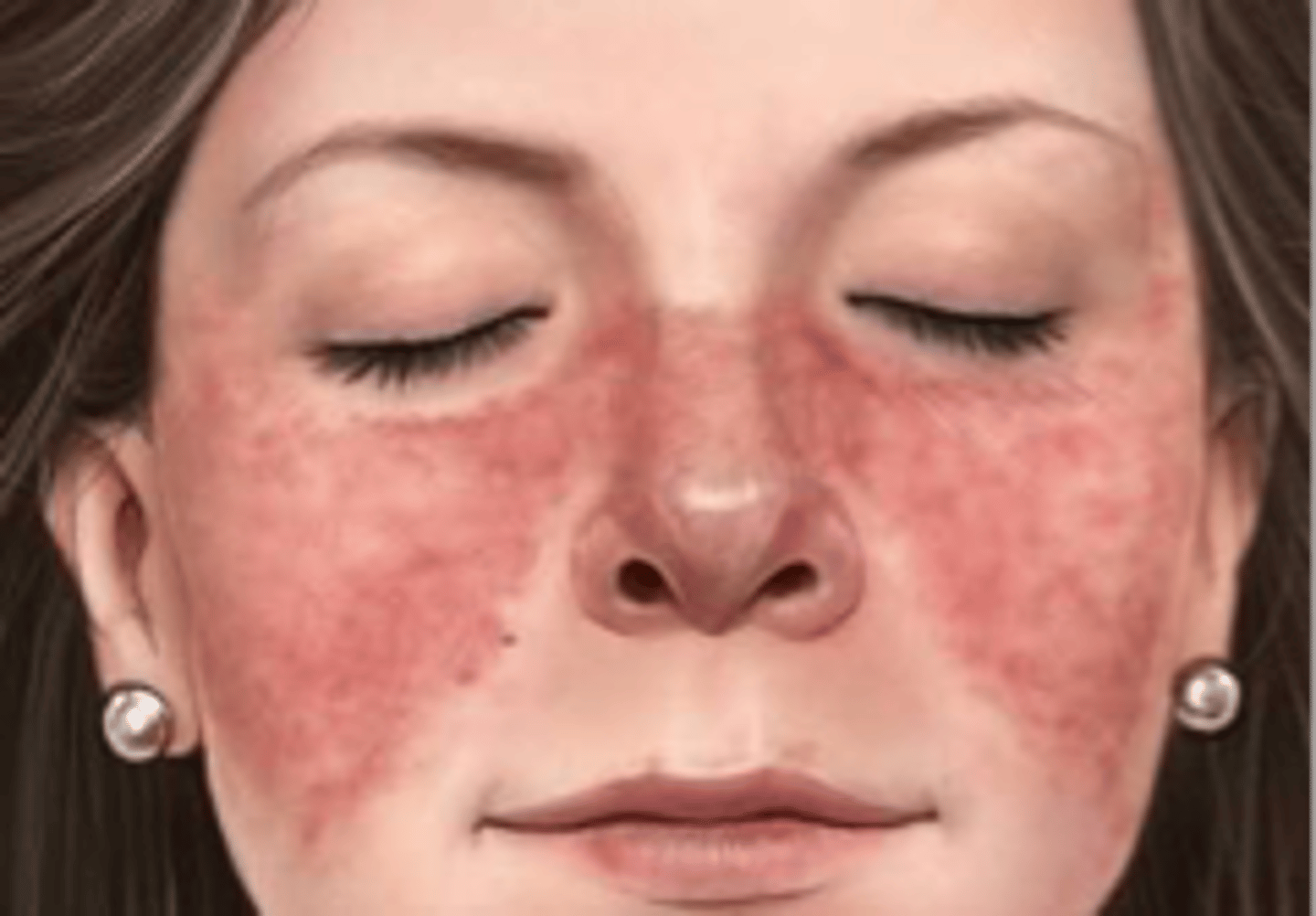
What is systemic lupus erthematosus (SLE)?
-chronic multisystemic autoimmune disease.
-can be classified as Discoid Lupus Erythematosus which affects only the skin or SLE which can affect any organ or tissue.
-as an autoimmune disorder, SLE is characterized by an individual's immune system producing antibodies against its own cells and antigens.
PT implications for systemic lupus erthematosus (SLE)
-PT has been found to have a minimal impact on disease activity = PT is generally safe
-significant effect on aerobic capacity and fatigue
-watch for signs of worsening CV Disease or Kidney Disease
-if experiencing an uptick in symptoms, refer to the appropriate provider. As SLE is a multisystem disorder, it will be up to the therapist to help determine the appropriate provider to refer the patient
What is HIV/aids?
-retrovirus that is part of the Lentivirus genus
-virus mainly targets CD4+ T lymphocyte helper cells
-ultimately leads to extreme immune suppression
-Untreated HIV will eventually progress to AIDS (Acquired Immunodeficiency Syndrome)
-With AIDS, the immune system cannot prevent infections, thus resulting in death due to opportunistic infections
PT implications of HIV/aids?
-patients may experience chronic fatigue and weakness
-peripheral neuropathy is a side effect of treatment medications
-help maintain strength, muscle mass, and cardiovascular conditioning with chronic HIV
What is gout? (causes, symptoms, and most common location)
buildup of uric acid crystals in a joint
-causes: high urate levels, family history, males>females, menopause, age, alcohol, unhealthy diet, obesity, chronic kidney disease, high blood pressure, using aspirin, diuretics, or niacin
-symptoms: pain, redness, swelling, and stiffness of a joint
-most common: big toe
What is pseudogout? (causes, symptoms, and most common location)
buildup of calcium pyrophosphate dihydrate in a joint
-causes: old age, joint trauma, genetics, mineral imbalance, underactive thyroid gland or overactive parathyroid gland
-symptoms: redness, swelling, pain, stiffness of the joint, 50% present with fever
-most common: knee
PT implications for gout
-During acute gout flares
Avoid aggressive joint mobilization, resisted strengthening, or weight-bearing exercise on inflamed joints
Gentle ROM and cryotherapy preferred
-Between flares
Progress to strengthening, aerobic conditioning, and functional training
Monitor for cardiovascular comorbidities
-General activity precautions
Encourage low impact exercise (walking, cycling, aquatic), over high impact/joint stressing activities
Screen footwear to avoid pressure on tophi or painful joints
What is osteoporosis?
A disease that weakens bones, causing a person with osteoporosis to have a decrease in bone mineral density and increase risk of fractures
PT implications for osteoporosis
-dynamic weight bearing exercise can slow the decline within the lumbar spine to decrease risk of fractures
-a combo of closed/open chain resistance/endurance training can slow the progression
-keep them moving and active
-DO NOT LOAD THE SPINE INTO FLEXION OR PERFORM FLEXION BASED EXERCISES (increases risk of compression fracture)
What is rheumatoid arthritis?
chronic autoimmune disease that triggers the immune system to attack the lining of joint tissues throughout the body; characterized by joint pain, joint destruction that progresses from proximal to distal
PT implications for rheumatoid arthritis
absolute contraindications:
-active inflammation or fever
-cervical spine instability
-vertebral factors
general precautions
-avoid high impact activity
-avoid extreme temperature activities
-high level therapy may not be tolerated during flare ups