ALL Organic Chemistry Flashcards (DAT)
 Call Kai
 Learn
Learn Practice Test
 Spaced Repetition
 Match
Match Flashcards
 Knowt Play
1/376

There's no tags or description
Looks like no tags are added yet.
Name | Mastery | Learn | Test | Matching | Spaced | Call with Kai | Chat |
|---|
No analytics yet
Send a link to your students to track their progress
377 Terms
Compounds with the same molecular formula but different connectivity of atoms
constitutional isomer
A single bond includes (# sigma/pi) bond(s)
one sigma
A double bond includes (# sigma/pi) bond(s)
one sigma and one pi
A triple bond includes (# sigma/pi) bond(s)
one sigma and two pi
Molecular geometry of NH3
trigonal pyramidal
Molecular geometry of C=C
trigonal planar
In nonpolar solvents, a ___ (shorter/longer) hydrocarbon is more soluble
longer
Acid base reactions favor the formation of ___ acids
weak
Weak acids have a ___ pKa
high
List the common functional groups in order of increasing acidity
amides, ester, ketone, aldehyde, carboxylic acid
EDG ___ (increase/decrease) the acidity of a molecule
decrease
EWG ___ (increase/decrease) the acidity of a molecule
increase
Acronym to remember acidity trends
CARDIO
___ (more/less) positive charge = strong acid
more
___ (large/small) atomic radius = strong acid
large
___ (high/low) electronegativity = strong acid
high
___ (more/less) resonance = strong acid
more
The ___ (more/less) electronegative atoms in a molecule, the more acidic
more
List the orbital hybridization in order of increasing acidity
sp3, sp2, sp
Equilibrium favors the ___ (keto/enol) form
keto
In IUPAC nomenclature, which has higher priority: amide or aldehyde
amide
In IUPAC nomenclature, which has higher priority: ester or ketone
ester
In IUPAC nomenclature, which has higher priority: ketone or aldehyde
aldehyde
In IUPAC nomenclature, which has higher priority: alcohol or ketone
ketone
In IUPAC nomenclature, which has higher priority: alkyne or alkene
alkene
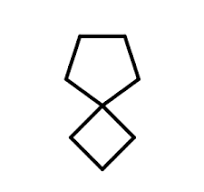
Name the following compound
spiro[3.4]octane
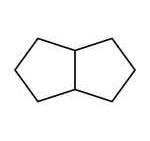
Name the following compound
bicyclo[3.3.0]octane
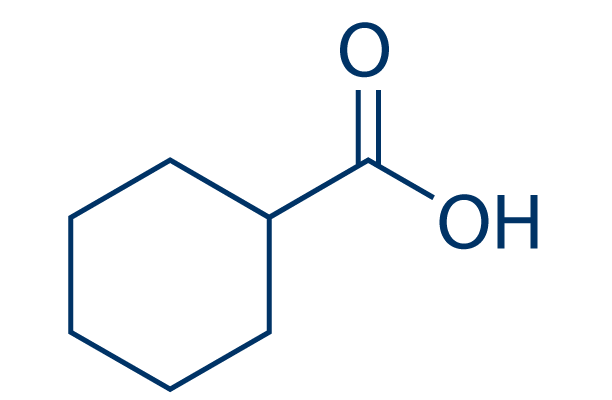
Name the following compound
cyclohexanecarboxylic acid
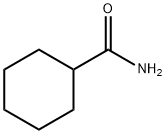
Name the following compound
cyclohexanecarboxamide
List the prefix and suffix for aldehydes
oxo, al
List the prefix and suffix for ketones
oxo, one
List the prefix and suffix for alcohols
hydroxy, ol
List the prefix and suffix for amines
amino, amine
List the prefix for ethers
alkoxy
List the prefix for NO2
nitro
List the suffix for carboxylic acids
oic acid
List the ending word for acid anhydrides
anhydride
List the suffix for esters
oate
List the suffix for acid halides
oyl hallide
List the suffix for amides
amide
List the suffix for nitriles
nitrile
List the prefix and suffix for SH
mercapto, thiol
List the suffix for SO3H
sulfonic acid
List the suffix for sulfides
alkylthio
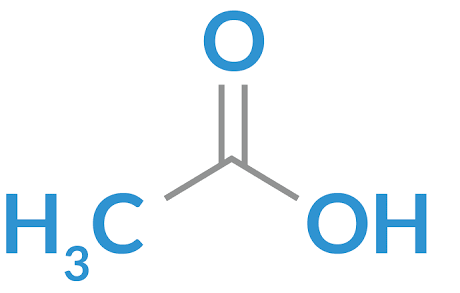
The common name for this compound
acetic acid
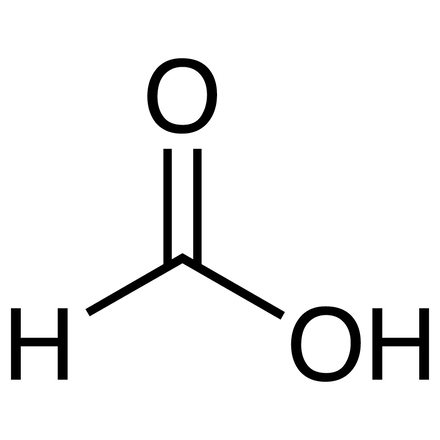
The common name for this compound
formic acid
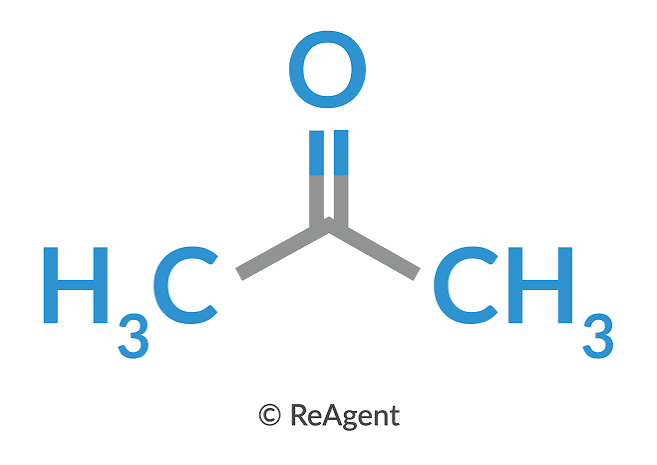
The common name for this compound
acetone
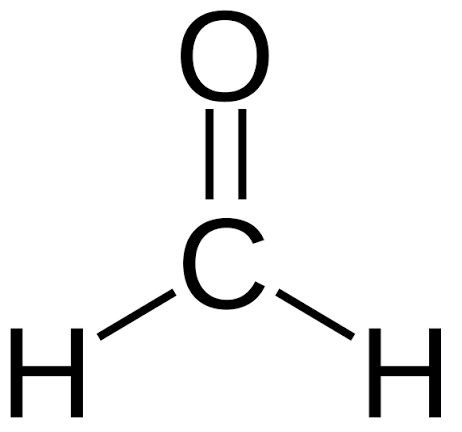
The common name for this compound
formaldehyde
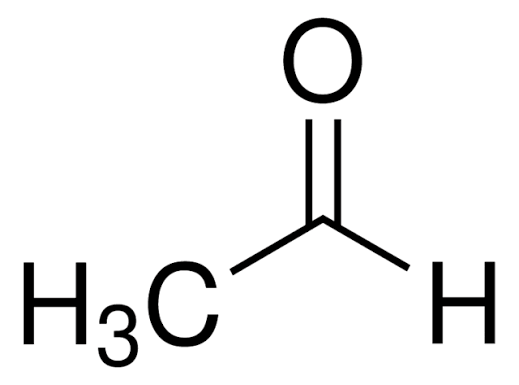
The common name for this compound
acetaldehyde
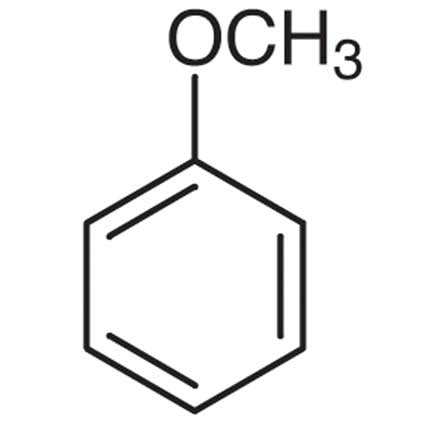
The common name for this compound
anisole
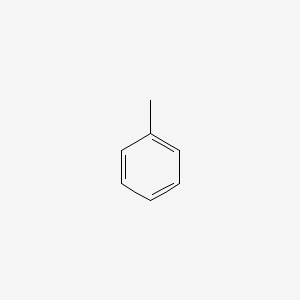
The common name for this compound
toluene
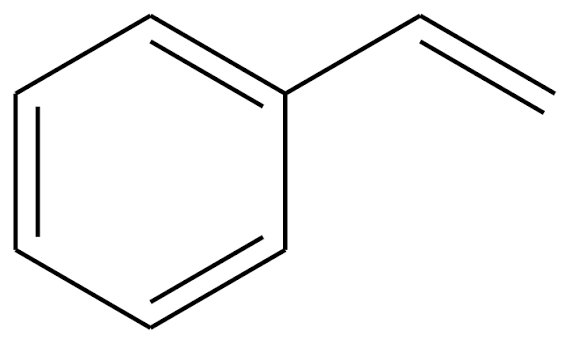
The common name for this compound
styrene
The ideal C-C-C bond is ___º
109.5
When a chair is flipped, all substituents pointing up ___ (stay up/become down)
stay up
When a chair is flipped, all axial substituents ___ (stay axial/become equatorial)
become equatorial
These compounds have an internal plane of symmetry
meso
Non-superimposable mirror images that have opposite configuration at all chiral centers
enantiomers
Stereoisomers that are not mirror images; have opposite configuration at some chiral centers
diastereomers
The maximum number of stereoisomers =
2^# chiral centers
Nucleophiles are electron-___
rich
Electrophiles are electron-___
poor
Nucleophiles ___ (accept/donate) electrons
donate
Electrophiles ___ (accept/donate) electrons
accept
Nucleophile strength ___ (increases/decreases) left to right across a row for both polar protic and polar aprotic solvents
decreases
I-, Cl-, Br-, HO-, HS-, and NC- are all examples of common
nucleophiles
H3C-CO-CH3, secondary LG, and tertiary carbocations are all examples of
electrophiles
___ ___ solvents form Hydrogen bonds
polar protic
___ ___ solvents cannot donate Hydrogen bonds
polar aprotic
For polar protic solvents, nucleophilicity increases ___ (up/down) a group
down
For polar aprotic solvents, nucleophilicity increases ___ (up/down) a group
up
Atoms that detach from the molecule, taking electrons
leaving groups
List three examples that are both nucleophiles and leaving groups
I-, Cl-, Br-
The best leaving groups are ___ ___
weak bases
The major, more substituted alkene product formed during an elimination reaction is called a ___ alkene
Zaitsev
You can produced the major, more substituted Zaitsev alkene through elimination with the following reagent(s)
H2SO4, heat
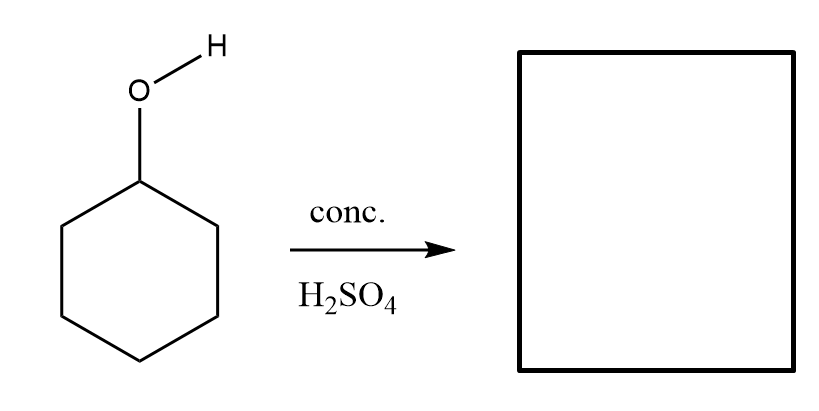
Draw the mechanism and name the product for the following reaction
but-2-ene
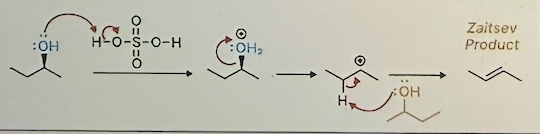
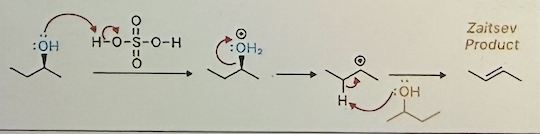
Is the following mechanism showing a dehydration or hydration reaction of an alcohol
dehydration
SN2 reactions are well known for their ___ ___
backside attack
SN2 reactions are ___ step(s)
one
In an SN2 reaction, stereochemistry ___ (is/is not) inverted
is
SN2 rate equation: rate =
k[nucleophile][substrate]
SN2 reactions are favored by ___ (strong/weak) nucleophiles
strong
SN2 reactions are favored by ___ (1/2/3) carbon substrate types
1
Common solvents for SN2 reactions include polar ___ solvents such as ___ and ___
aprotic
In SN___ and E___ reactions, the LG leaves once the nucleophile has attacked
2
SN1 reactions are ___ step(s)
two
SN1 reactions form a ___ mixture
racemic
SN1 reaction rate equation: rate =
k[substrate]
SN1 reactions are favored by ___ (strong/weak) nucleophiles
weak
SN1 reactions are favored by ___ (1/2/3) carbon substrate types
3
In SN___ and E___ reactions, the LG leaves on it’s own
1
In SN2, the rate determining step is the formation of the
carbocation
More stable carbocations allow SN1 reactions to happen ___ (faster/slower)
faster
Carbocation rearrangements only happen in what two reaction types
SN1 and E1
A hydride shift is the movement of a
hydrogen
E2 reactions are ___ step(s)
1
E2 reaction rate equation: rate =
k[base][substrate]
E2 reactions are favored by strong ___ ___
bulky bases
NaOEt and NaOMe are common bases for ___ reactions
E2
E2 reactions are favored by ___ (1/2/3) carbon substrate types
any