Classical Swine Fever (CSF) Study Guide
 Call Kai
 Learn
Learn Practice Test
 Spaced Repetition
 Match
Match Flashcards
 Knowt Play
1/13

Earn XP
Description and Tags
A collection of vocabulary flashcards covering the etiology, symptoms, diagnosis, and prevention of Classical swine fever.
Name | Mastery | Learn | Test | Matching | Spaced | Call with Kai | Chat |
|---|
No analytics yet
Send a link to your students to track their progress
14 Terms
Classical swine fever (CSF)
Also known as hog cholera, an infectious disease that specifically affects pigs only.
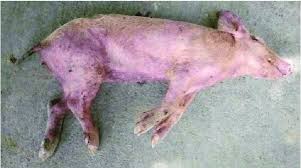
Acute CSF Mortality
A form of the disease characterized by approximately 100% morbidity and mortality.
Classical Swine Fever Etiology
An RNA Pestivirus belonging to the family Flaviviridae.
Fever in Acute CSF
A high fever defined as being greater than 105∘F (>41∘C).
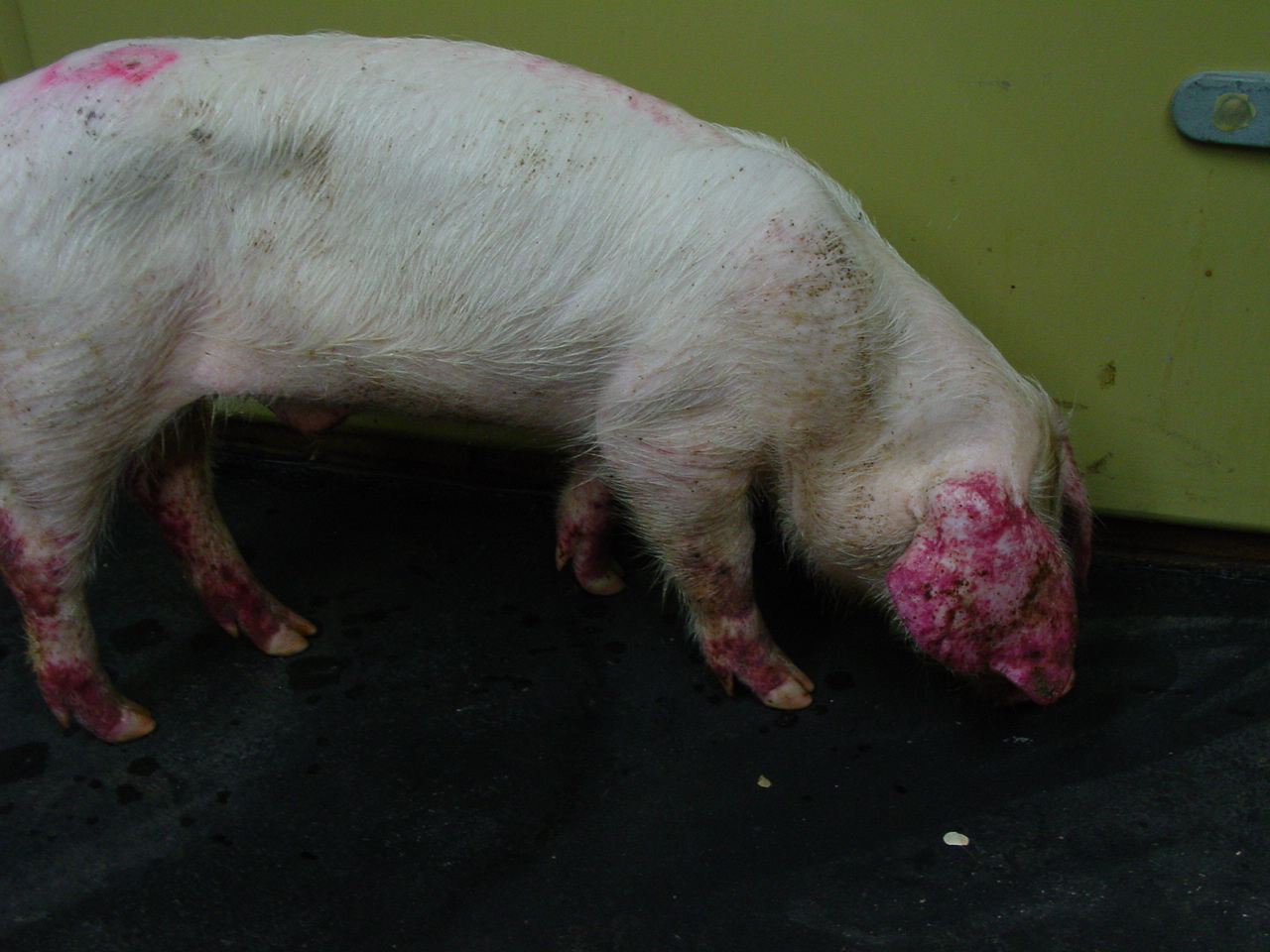
CSF Skin Manifestations
Symptoms include cyanosis, erythema, and skin hemorrhages.
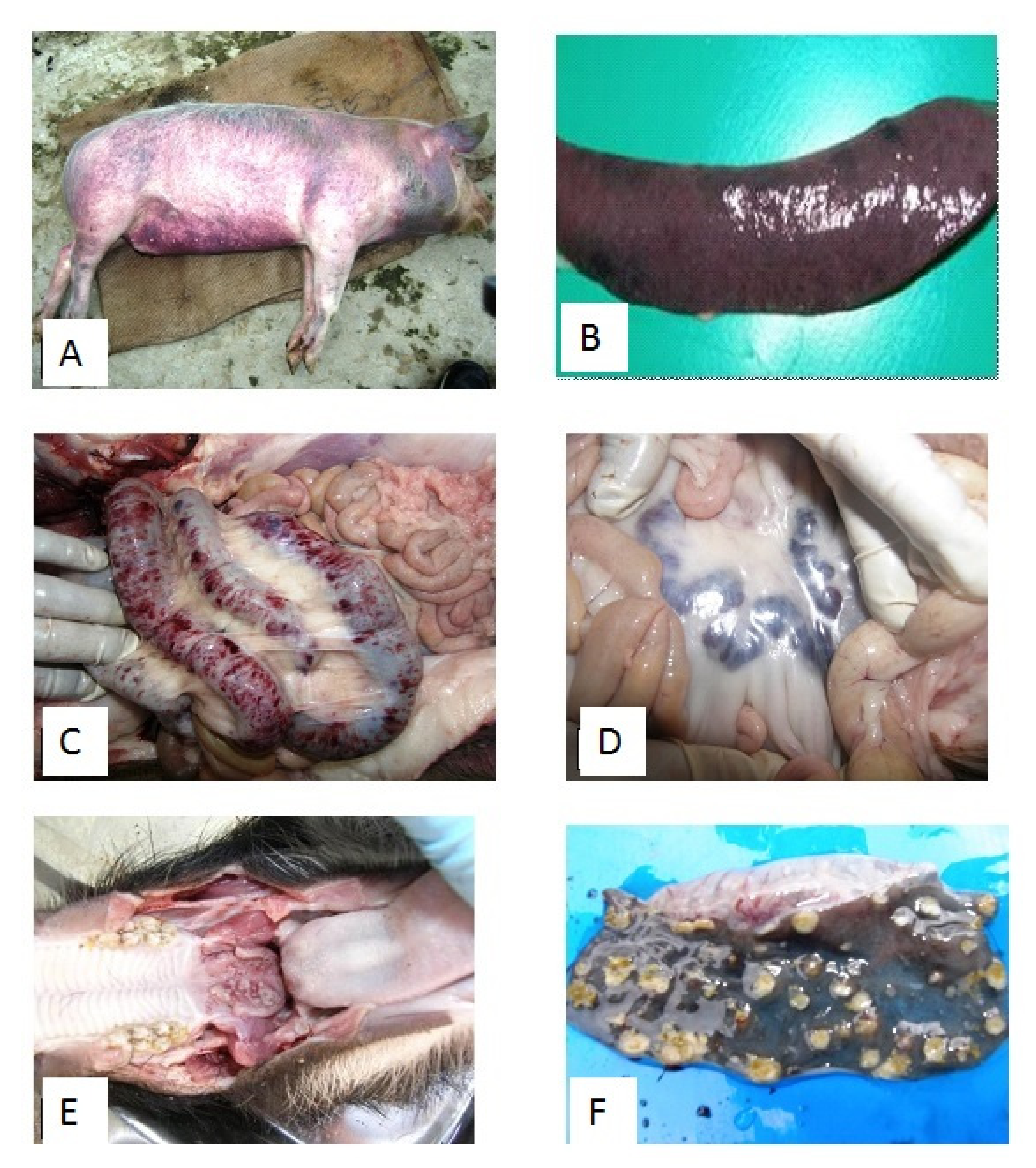
CSF Gastrointestinal Progression
Clinical signs begin with anorexia and constipation, followed by watery diarrhea.
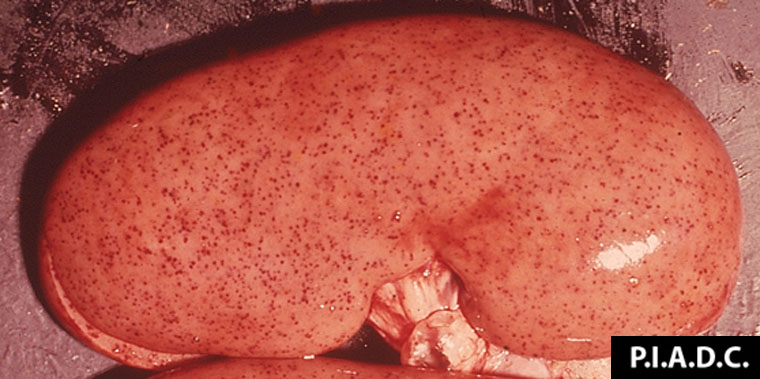
"Turkey-egg" Kidneys
A characteristic necropsy finding indicating pinpoint hemorrhages on the kidneys.
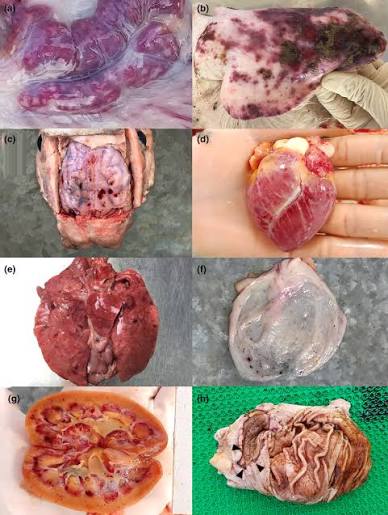
Necrotic Foci Locations
During necropsy, these lesions are typically found on the intestinal mucosa, larynx, and epiglottis.
RT-PCR
A diagnostic method commonly used in Classical swine fever surveillance.
CSF Reporting Status
The disease is REPORTABLE; veterinarians must notify Federal and State veterinarians and DO NOT treat positive pigs.
Swill / Undercooked Garbage
A primary source of infection that should never be fed to pigs to prevent CSF.
Quarantine Period for CSF
Newly purchased or returning animals should be isolated for a minimum of 30d.
African Swine Fever Comparison
A disease that is noted to be clinically indistinguishable from Classical swine fever.
Main Sources of CSF Infection
The primary origins of the virus are carrier pigs and the feeding of garbage.