Equine Neurological Diseases: Arboviral Encephalomyelitis and Differentials
 Call Kai
 Learn
Learn Practice Test
 Spaced Repetition
 Match
Match Flashcards
 Knowt Play
 Podcast
1/13

Earn XP
Description and Tags
This set of vocabulary flashcards covers equine arboviral encephalomyelitis viruses (WNV, EEE, WEE, VEE), their clinical signs, transmission cycles, and key differential diagnoses such as Rabies, EPM, and Neuroborreliosis.
Name | Mastery | Learn | Test | Matching | Spaced | Call with Kai | Chat |
|---|
No analytics yet
Send a link to your students to track their progress
14 Terms
Equine arboviral encephalomyelitis (Classic case)
A presentation characterized by
1- altered mentation
2- cranial nerve abnormalities
3- ataxia
4- paresis or paralysis.
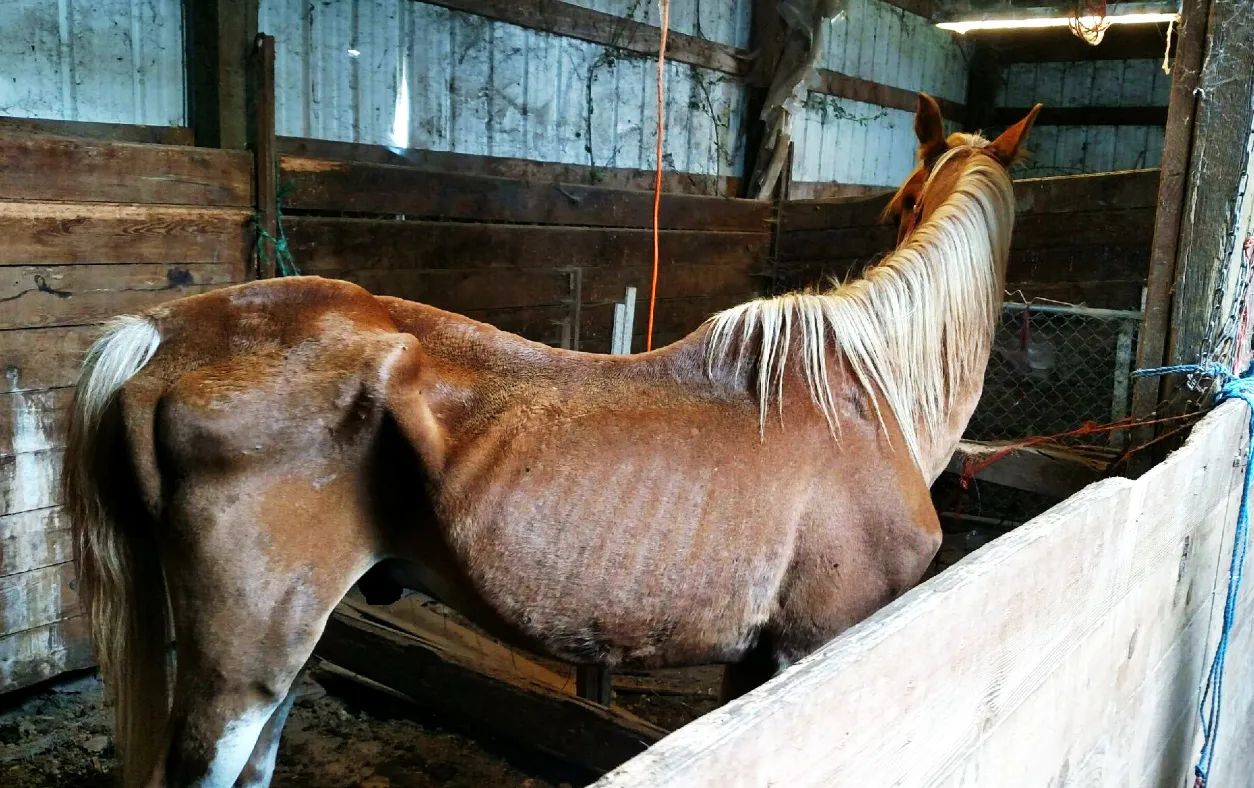
West Nile virus (WNV)
An arbovirus found throughout the US and Canada causing
1- fever
2- fasciculations of the face and neck
3- hyperesthesia
4- colic.
Eastern equine encephalomyelitis (EEE)
A highly pathogenic virus found east of the Mississippi river and eastern Canada with a mortality rate of 50−90%.
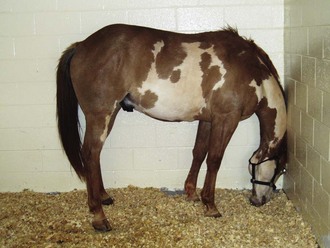
EEE forebrain signs
Specific clinical manifestations including
1- head pressing
2- circling
3- seizures.
Western equine encephalomyelitis (WEE)
An arbovirus found west of the Mississippi river and western Canada characterized by a head droop; it is currently less active and less pathogenic than other arboviruses.
Venezuelan equine encephalomyelitis (VEE)
A highly pathogenic virus with 50−90% mortality; unlike other arboviruses, horses are not dead end hosts because they are viremic.
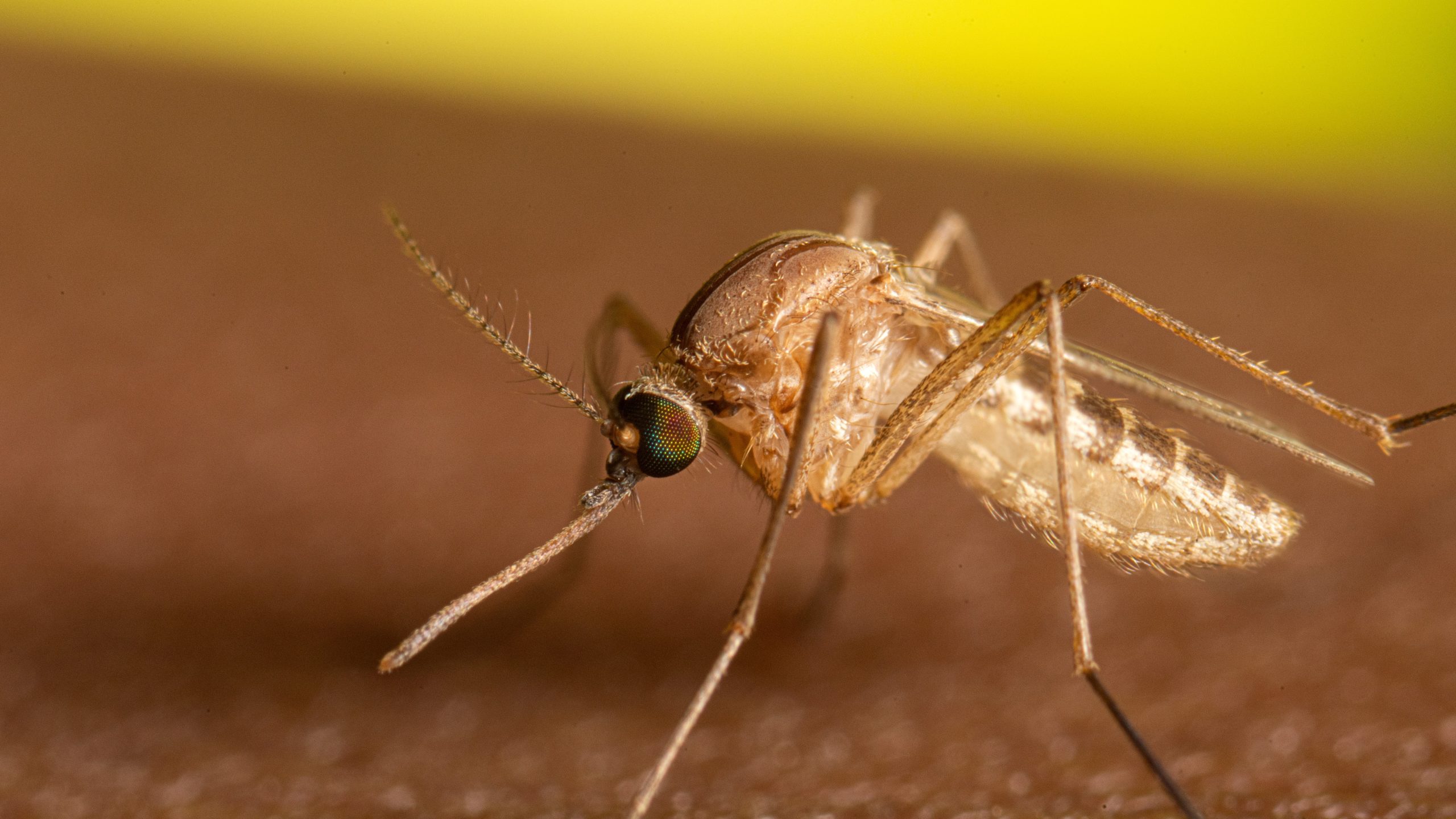
Culex mosquito
The main transmitter of West Nile virus that prefers feeding on crows and robins, which serve as the primary reservoir hosts.
Dead end hosts
The status of horses in WNV, EEE, and WEE transmission cycles, meaning they do not develop sufficient viremia to infect mosquitoes.
Equine Arbovirus Diagnosis
Achieved through cerebrospinal fluid analysis and IgM capture ELISA specifically for WNV.
Rabies (equine clinical signs)
Serious zoonosis presenting as
1- behavioral changes
2- progressive flaccid paralysis
3- distress
4- rolling (mistaken for colic)
5- self-inflicted wounds.
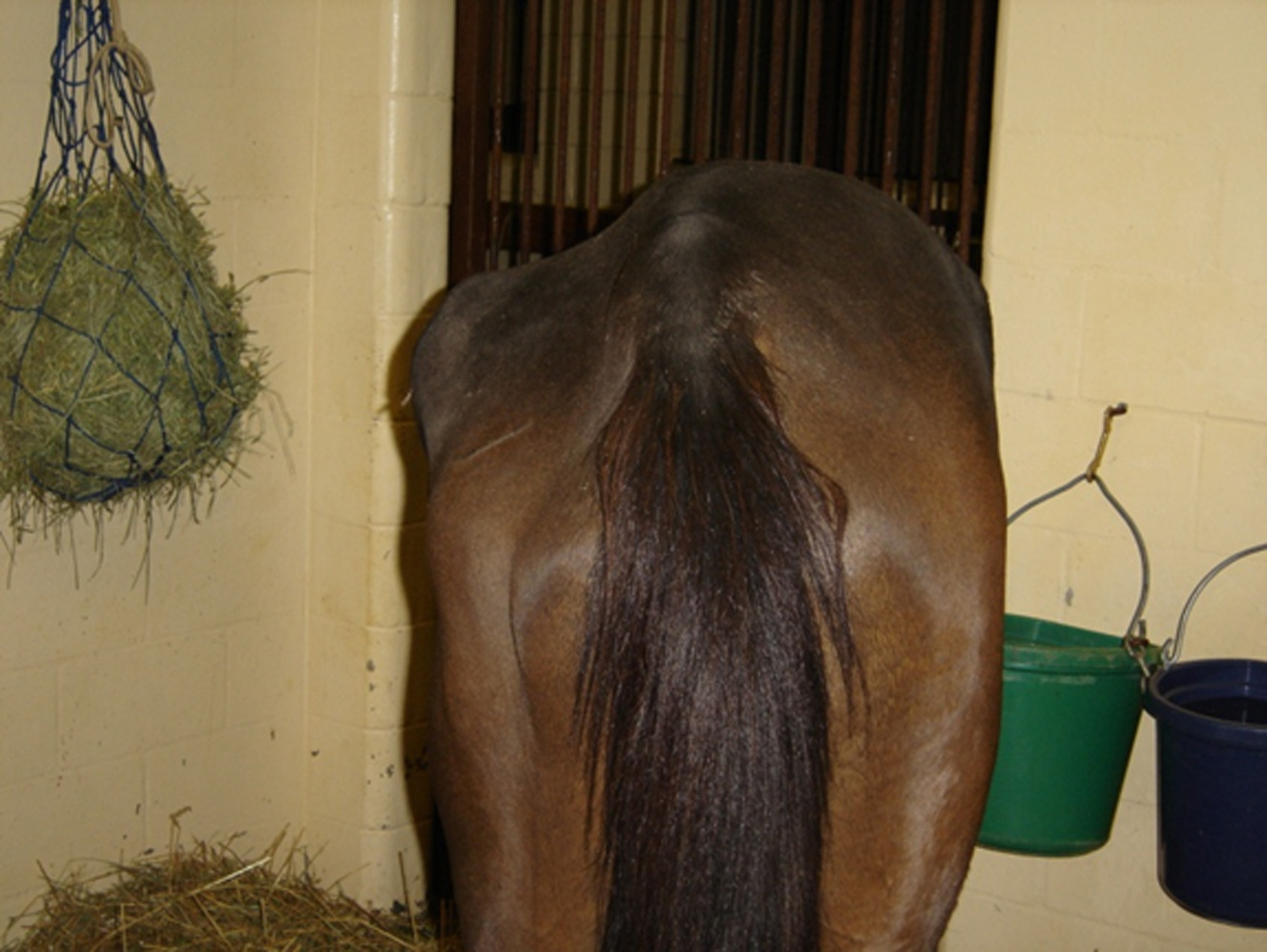
Equine protozoal myeloencephalitis (EPM)
A disease caused by Sarcocystis neurona resulting in
1- ataxia
2- cranial nerve deficits
3- asymmetric muscle atrophy, particularly in the gluteal muscles.
Opossum
The definitive host for Sarcocystis neurona; horses are infected orally via feed contaminated with its feces.
Neuroborreliosis
A condition caused by Borrelia burgdorferi from an infected tick, common in the Northeast and upper Midwest, presenting with
1- neck stiffness
2- ataxia
3- vestibular deficits.
Neuroborreliosis Treatment
The standard pharmacological intervention using Tetracyclines.