Postwar American and European Art Movements: Abstract Expressionism, Pop Art, and Modernism
 Studied by 0 people
 Call Kai
 Learn
Learn Practice Test
 Spaced Repetition
 Match
Match Flashcards
 Knowt Play
1/124

There's no tags or description
Looks like no tags are added yet.
Name | Mastery | Learn | Test | Matching | Spaced |
|---|
No study sessions yet.
125 Terms
Postwar
Refers to global art produced after World War II (starting c. 1945), marked by rapid stylistic innovation, the rise of the U.S. as an artistic center, and major political, social, and technological shifts.
Abstract Expressionism
A postwar American movement centered in New York emphasizing large scale, spontaneity, subjective expression, and abstraction.
Action Painting
A gestural form of Abstract Expressionism emphasizing the physical act of painting (e.g., Pollock).
Drip Painting
Technique in which paint is dripped or poured onto a surface; associated with Jackson Pollock.
Color Field Painting
Style emphasizing large, unbroken fields of color to create immersive emotional effects (e.g., Rothko, Newman).
Modernism vs. Postmodernism
Modernism values purity, originality, progress, and formal innovation; Postmodernism challenges these ideals through irony, hybridity, appropriation, and skepticism toward universals.
Clement Greenberg
Influential modernist critic who championed Abstract Expressionism and formal purity in painting.
Modernist Painting
Greenberg's term for painting that emphasizes flatness, medium-specificity, and opticality.
John Cage
Avant-garde composer whose ideas about chance and indeterminacy influenced Neo-Dada and performance art.
Assemblage
Art made by combining found or everyday objects into sculptural compositions.
Neo-Dada
1950s-60s art that embraced chance, play, and everyday materials (Rauschenberg, Johns), reacting against Abstract Expressionism.
Combine
Rauschenberg's hybrid works merging painting, sculpture, and found objects.
Found Objects
Everyday items repurposed as art materials, foregrounding context over craftsmanship.
Environments
Large-scale installations that immerse the viewer in a constructed artistic space.
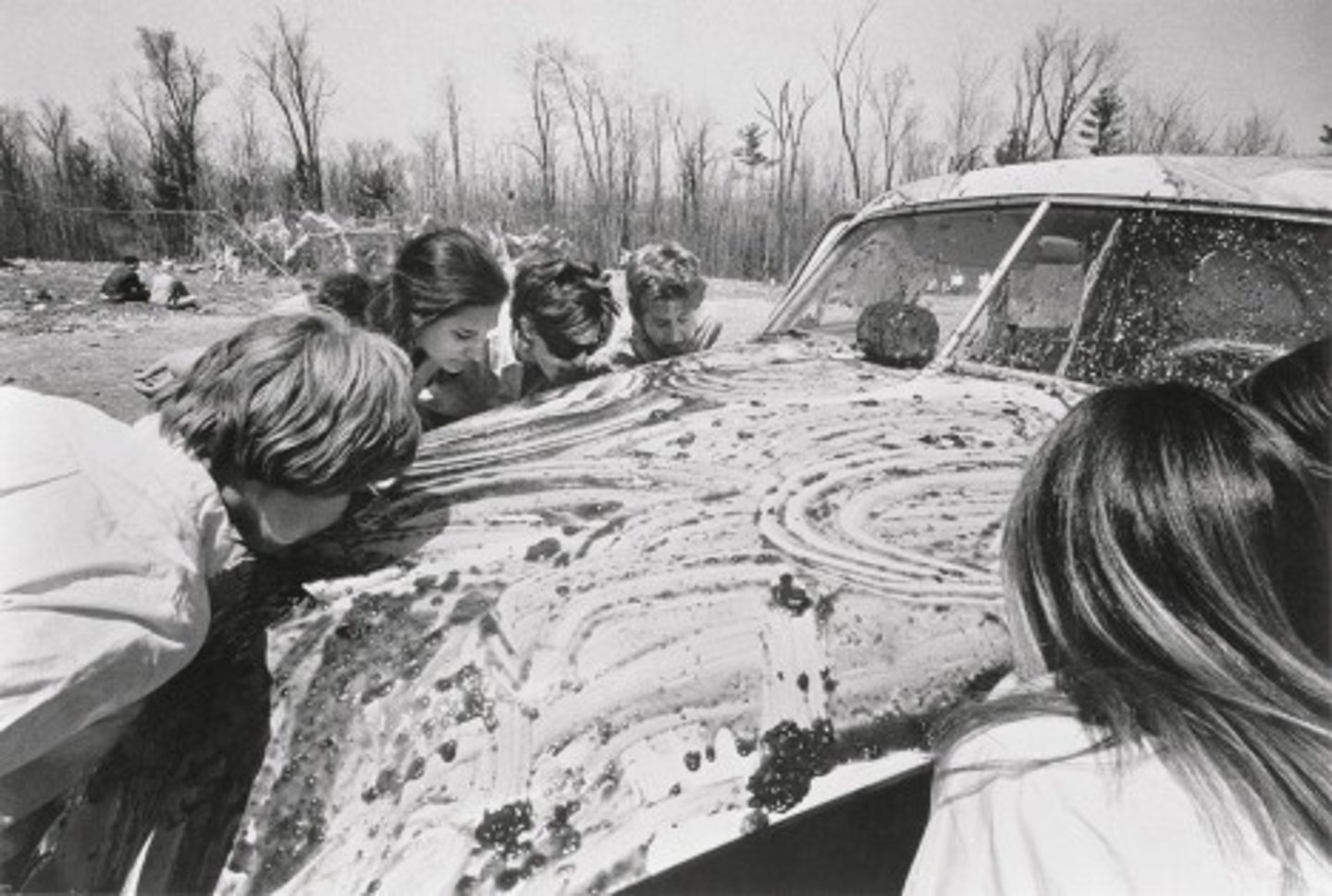
Happenings
Unscripted, interactive, often site-specific performance events (Kaprow).
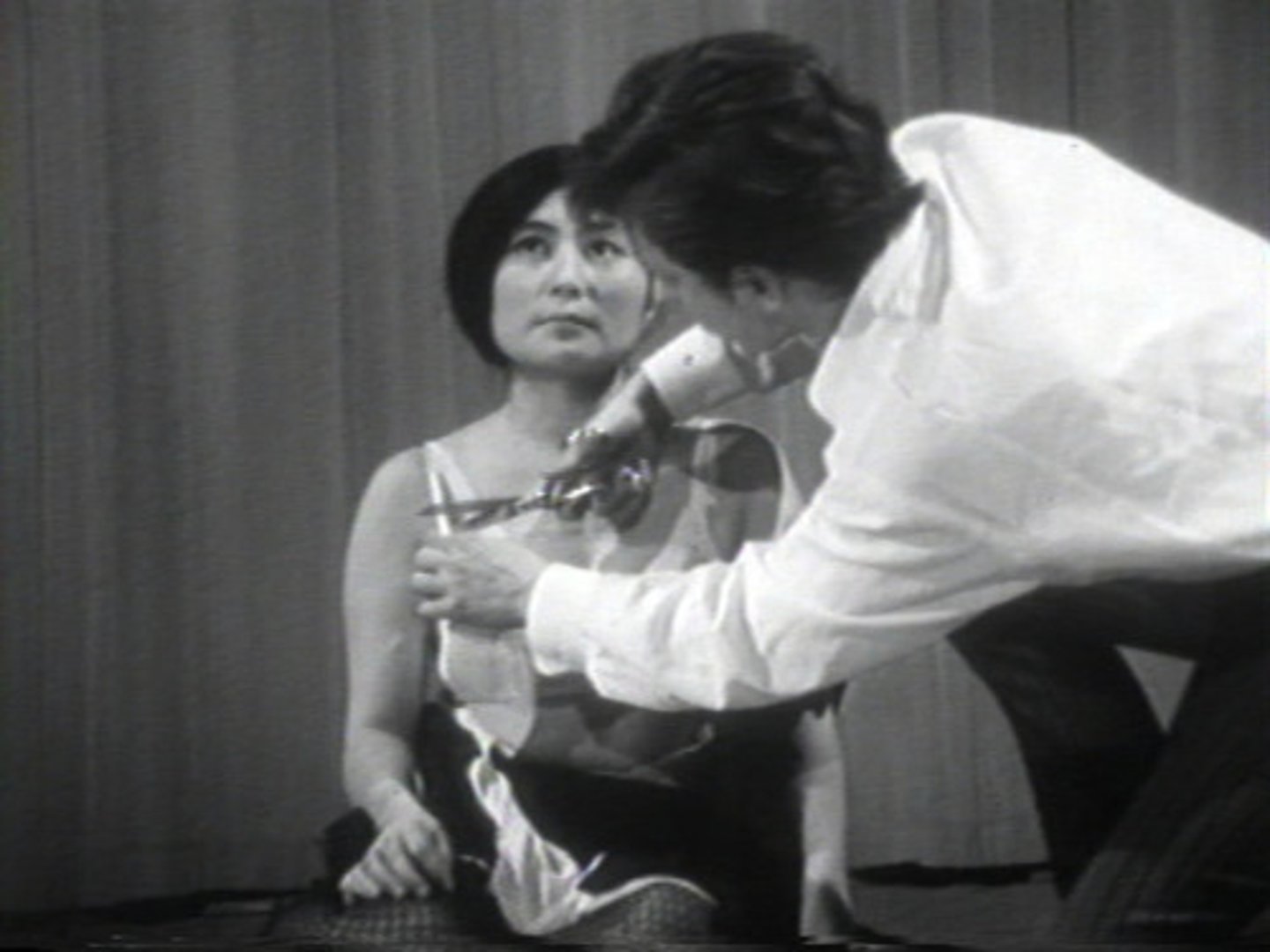
Performance Art
Art in which the artist's actions, body, or gestures constitute the work.
Fluxus
International avant-garde network emphasizing anti-art, humor, everyday actions, and open-ended scores.
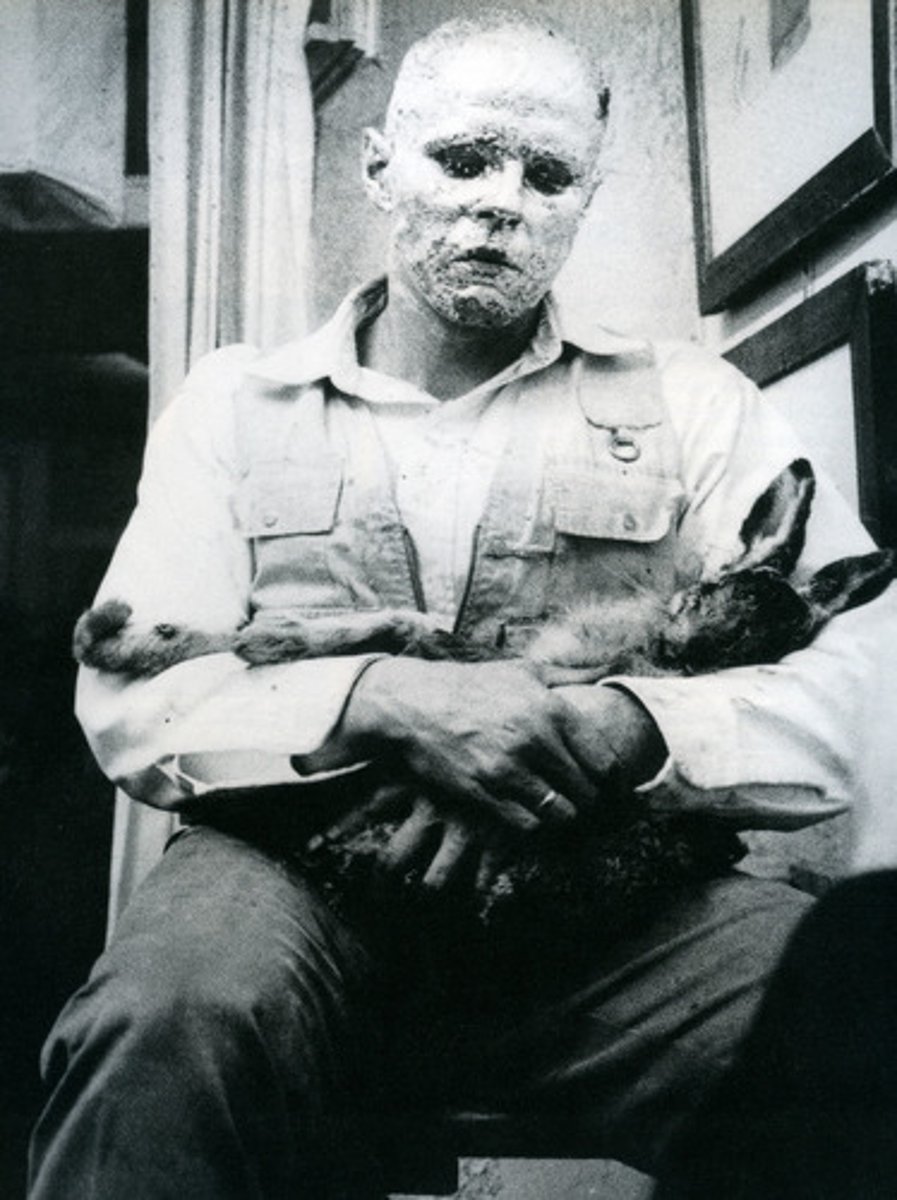
Shaman (in art)
Artist positioned as a spiritual intermediary or healer, often associated with 1960s-70s performance and ritual.
Snapshot Aesthetic
Casual, offhand photographic style mimicking everyday snapshots (e.g., Nan Goldin).
The New Realism (Nouveau Réalisme)
1960s European movement reclaiming reality through appropriation of real objects and mass culture.
Photorealism
Painting style that imitates the detail and finish of photography.
Vanitas
Symbolic imagery referencing mortality and the fleeting nature of life.
Kinetic Art
Art incorporating real movement (motors, light, viewer interaction).
Shooting Paintings
Works by Niki de Saint Phalle created by shooting bags of paint to explode color across surfaces.
Gutai
Japanese postwar art group emphasizing material experimentation, bodily action, and destruction/creation.
Popular Culture / Mass Art
Cultural products disseminated through mass media; key source material for Pop Art.
Commodity
An object produced for exchange; in art, refers to artworks as commercial goods or critiques of consumerism.
Pop Art
1950s-60s movement using images from mass media, advertising, and consumer culture.
Pop Art in Britain
Emerged with the Independent Group; focused on American consumer imagery and media critique.
The Independent Group
London-based artists, architects, and critics pioneering early Pop Art discussions (Hamilton, Paolozzi).
Pop Art in the U.S.
More direct celebration/critique of consumerism; Warhol, Lichtenstein, Oldenburg.
Silkscreen/Photo-Silkscreen
Printmaking technique used by Warhol to reproduce photographic images in painting.
California Pop / West Coast Pop
Regional variant blending Pop imagery with Beat culture, assemblage, and counterculture.
Commodity Art
1980s art addressing art-as-commodity and the economics of the art market (e.g., Jeff *****).
Post-Painterly Abstraction
Term by Greenberg for 1960s abstraction that is crisp, hard-edged, and impersonal.
Hard Edge Painting
Abstraction with sharp, clean color boundaries (e.g., Ellsworth Kelly).
Op Art
Optical abstraction using patterns and contrast to create visual effects of movement.
Minimalism
1960s art using industrial materials, repetition, and simple geometric forms to reduce subjective expression.
Specific Objects
Term coined by Donald Judd for works that are neither painting nor sculpture but autonomous spatial forms.
Light and Space Art
West Coast movement using light, perception, and architectural space (e.g., Turrell, Irwin).
The International Style
Modernist architectural style emphasizing functionalism, clean lines, glass, steel, and lack of ornament.
Steel-Frame Construction
Structural system enabling tall buildings and open floor plans; foundational to modernist architecture.
Prairie Style Architecture
Frank Lloyd Wright's horizontal, landscape-integrated designs emphasizing organic unity.
Expressionist Architecture
Early 20th-century architecture using dynamic form, emotion, and sculptural materials.
Mid-Century Modern Architecture in Latin America
Regionally adapted modernism blending international style design with climate, local materials, and nationalism (e.g., Brazil, Mexico).
Colonialism / Imperialism
Systems through which European powers dominated territories; deeply shaped artistic institutions, education, and aesthetics globally.
Modern Art in India
Post-independence art blending indigenous forms with international modernism.
The Progressive Artists' Group (India)
Group seeking a modern, anti-colonial Indian artistic language (Raza, Husain, Ara).
Négritude
Francophone Black intellectual movement celebrating African culture and identity; informed modern aesthetics.
Pan-Africanism
Movement promoting unity and solidarity among people of African descent; influenced African modern art.
Modern Art in Nigeria
Postcolonial innovations combining local traditions with modernism.
Zaria Art Society
Nigerian collective advocating 'Natural Synthesis' of indigenous and modern artistic languages.
Modern Art in Ethiopia
Modernist experimentation blended with Ethiopian Orthodox iconography and national identity.
Modern Art in South Africa
Artists navigating apartheid, resistance, and global modernist trends.
Apartheid
South African racial segregation system; shaped production, censorship, and themes of protest art.
Modern Art in Sudan
Postcolonial movement integrating Islamic motifs, African heritage, and modernism.
Modern Art in Egypt
Artists blending Pharaonic, Islamic, and modernist aesthetics.
The Group of Modern Art (Egypt)
Cairo-based collective advancing modernist painting and national cultural identity.
Modern Art in Iraq
Artists balancing Mesopotamian heritage with modernist formalism.
Hurufiyya
Movement using Arabic calligraphy as a basis for modern abstract art.
Post-Minimalism
Art breaking away from Minimalism through organic materials, process, or bodily references.
Process Art
Focus on the act of making, natural forces, and materials' behavior over finished form.
Conceptual Art
Art in which ideas take precedence over objects; often dematerialized.
Arte Povera
Italian movement using 'poor' materials to critique industrialization and consumerism.
Mono-ha
Japanese movement using natural and industrial materials arranged to reveal relationships among things.
Land Art
Art made directly in the landscape using earth, rock, and natural processes.
Earthworks
Monumental landscape interventions (e.g., Smithson's Spiral Jetty).
Site-Specific Art
Art designed for a specific location, inseparable from its site.
Body Art
Art using the artist's body as medium, site, or performance.
Political Postmodernism
Art addressing social and political critique through postmodern strategies like appropriation and deconstruction.
Feminist Art Movement
1960s-80s movement challenging patriarchy, reclaiming female experiences, and changing institutions.
The Black Art Movement
1960s-70s movement in the U.K. and U.S. highlighting Black identity, politics, and representation.
Afri-COBRA
African Commune of Bad Relevant Artists; Chicago collective promoting Black aesthetics, color, and empowerment.
The American Indian Movement
Civil rights movement influencing Native American artists asserting sovereignty and cultural identity.
The Chicano Art Movement
Mexican American cultural movement using murals, graphics, and identity politics.
Neo-Expressionism
Return to expressive, figurative, emotionally charged painting in the 1980s.
Graffiti Art
Street-based art incorporating spray paint, tagging, hip-hop culture; later moved into galleries.
Appropriation Art
Use of existing images to question authorship, originality, and cultural power (e.g., Sherrie Levine).
Public Art
Art placed in public spaces, often involving community, urban design, or civic identity.
The Culture Wars
1980s-90s political battles over multiculturalism, censorship, sexuality, and art funding.
The NEA (National Endowment for the Arts)
U.S. federal arts funding agency at the center of Culture Wars debates.
Postmodern Architecture
Rejects modernist purity; embraces ornament, historical references, humor, and hybridity.
Robert Venturi
Key postmodern architect advocating 'complexity and contradiction' in architecture.
Tropical Modernism
Modern architecture adapted to tropical climates through ventilation, shading, and regional materials.
High-Tech Architecture
Style emphasizing visible technology, structural systems, and industrial aesthetics (e.g., Foster, Rogers).
Deconstructivist Architecture
Fragmented, non-linear architectural forms inspired by philosophical deconstruction (e.g., Gehry).
Green Design
Sustainable architecture emphasizing ecology, energy efficiency, and environmental ethics.
Globalization
Increasing interconnectedness shaping contemporary art, mobility, multiculturalism, and transnational aesthetics.
Themes of the Global Contemporary: The Body
Contemporary art's focus on the body as a site of identity, politics, trauma, gender, performance, and technology.
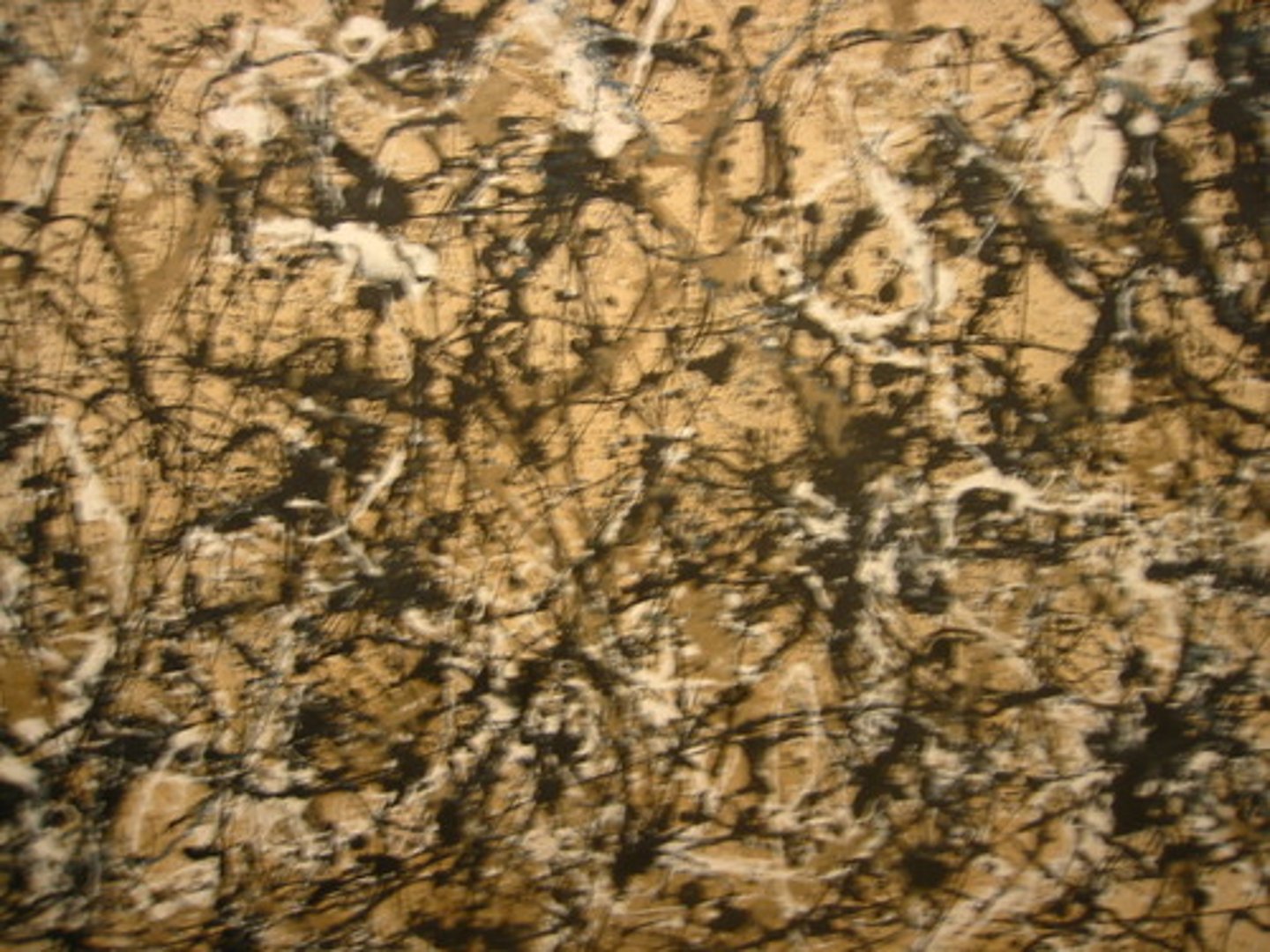
Jackson Pollock, Autumn Rhythm, Number 30, 1950.
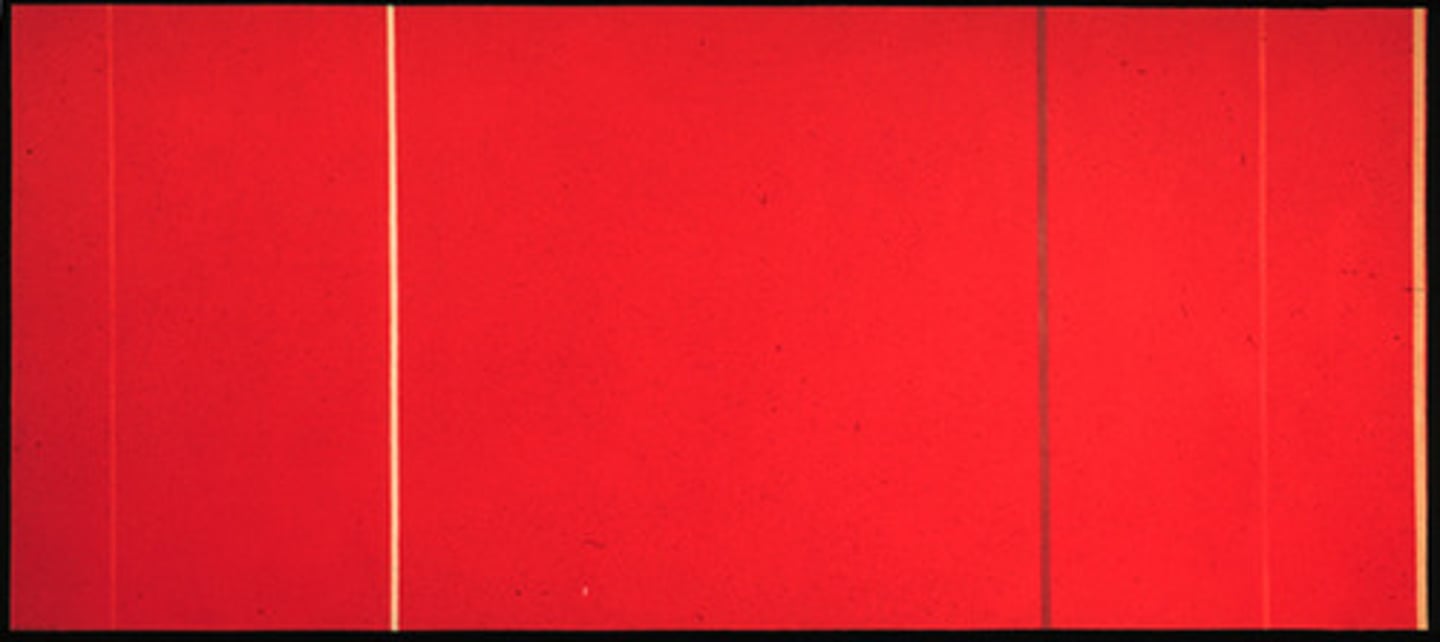
Barnett Newman, Vir Heroicus 1950-51
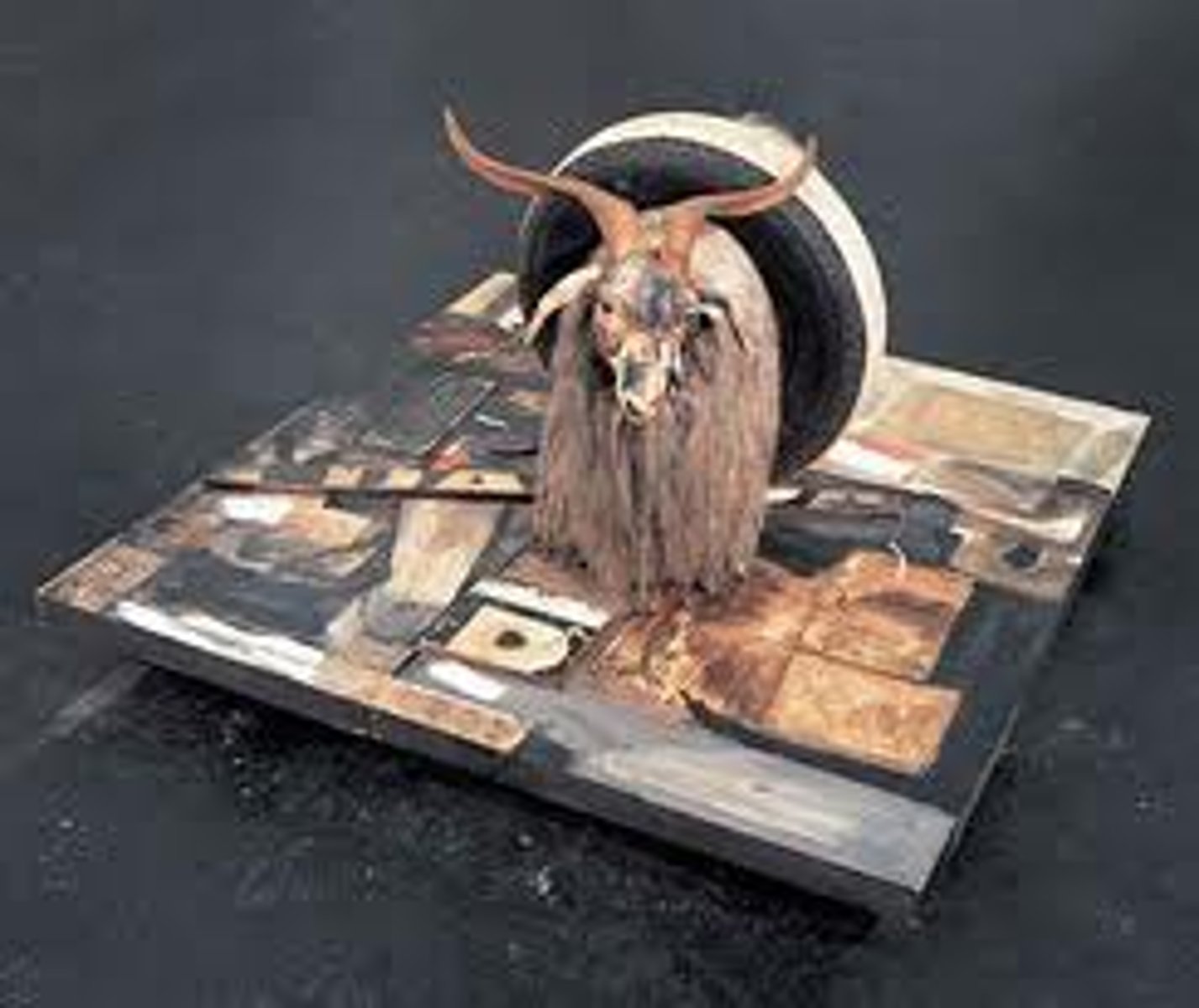
Robert Rauschenberg, Monogram, 1955-59
Oil on canvas, printed paper, textile,
paper, metal sign, wood, rubber shoe heel, tennis ball, taxidermied angora goat with paint and
painted rubber tire.
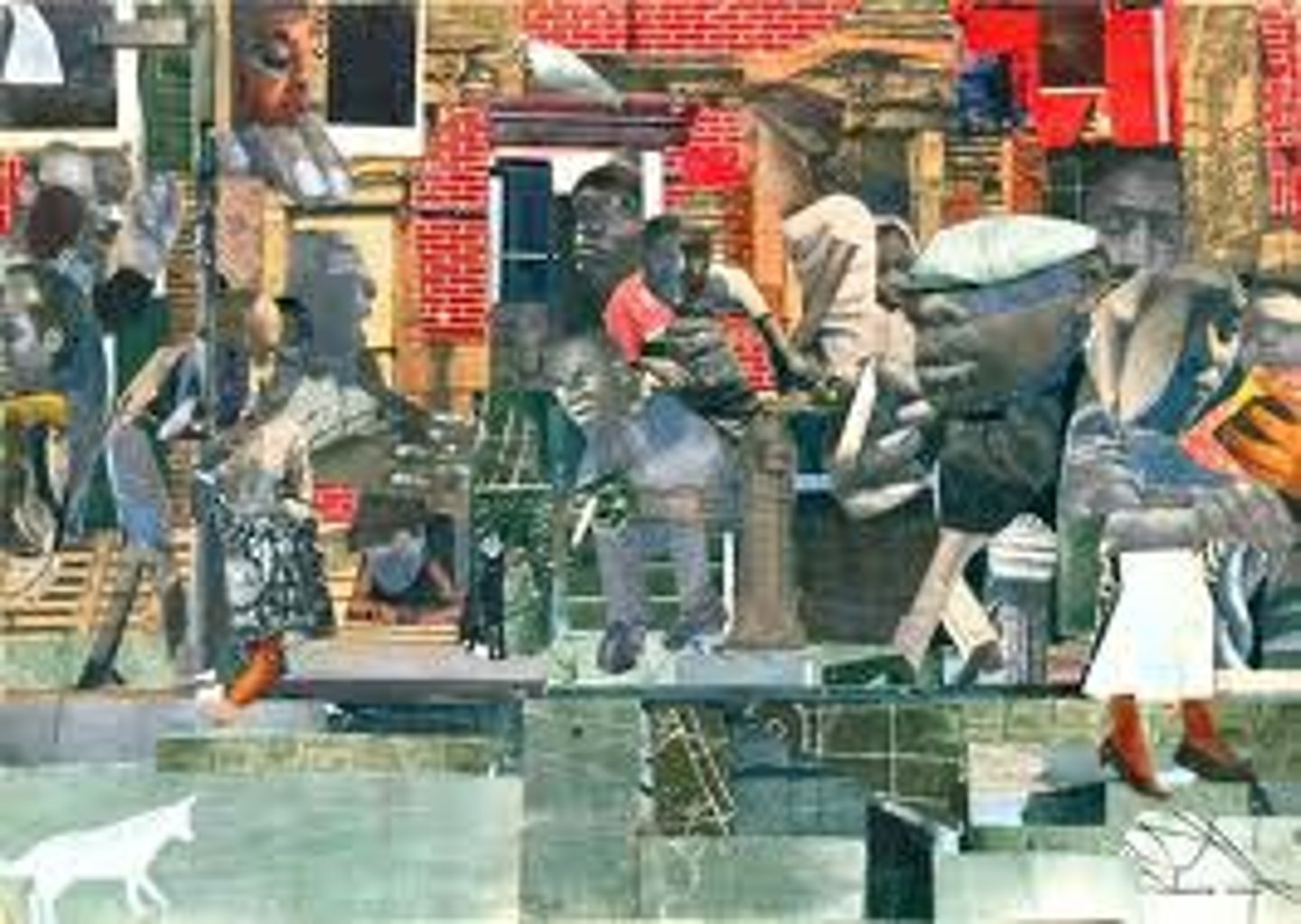
Romare Bearden, The Dove, 1964.
Cut-and-pasted printed paper, gouache, pencil, and colored pencil on board.
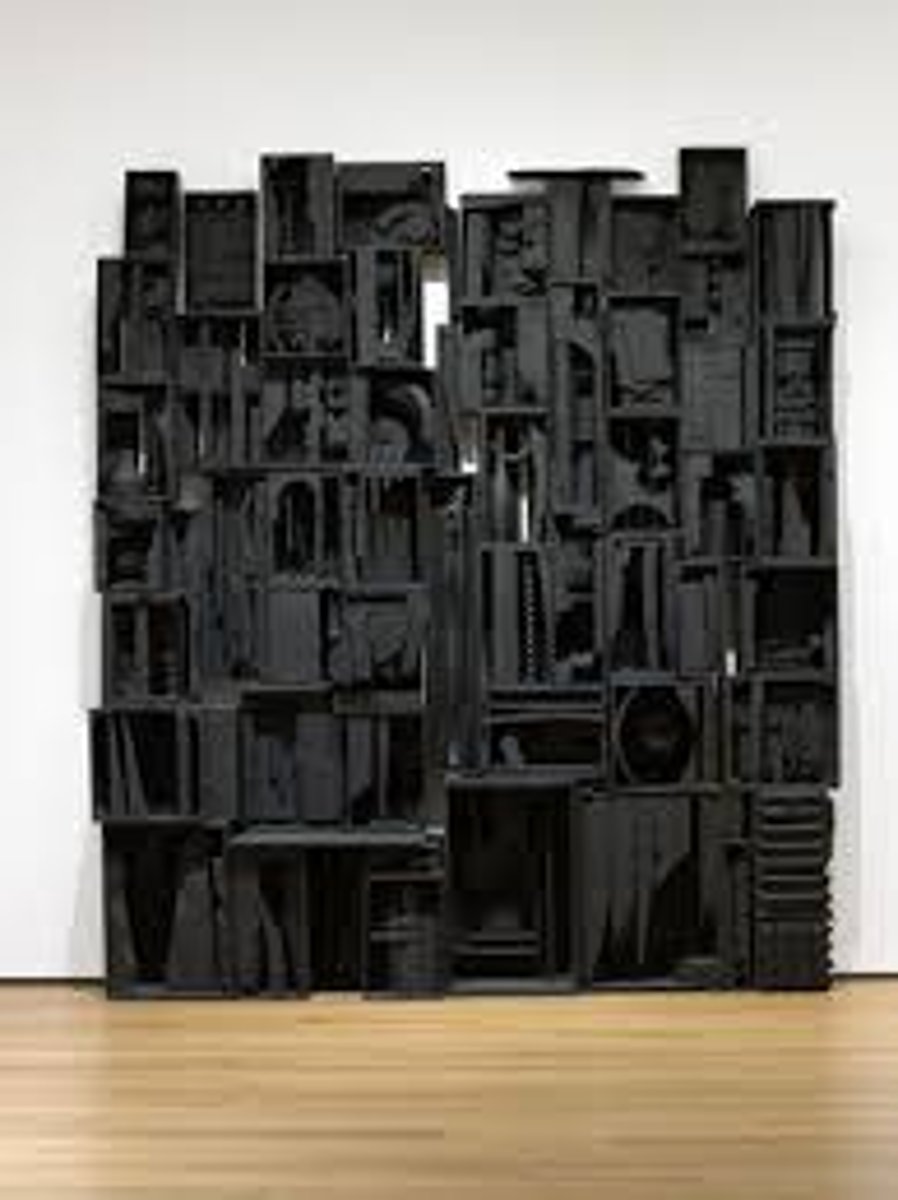
Louise Nevelson, Sky Cathedral, 1958.
Painted wood
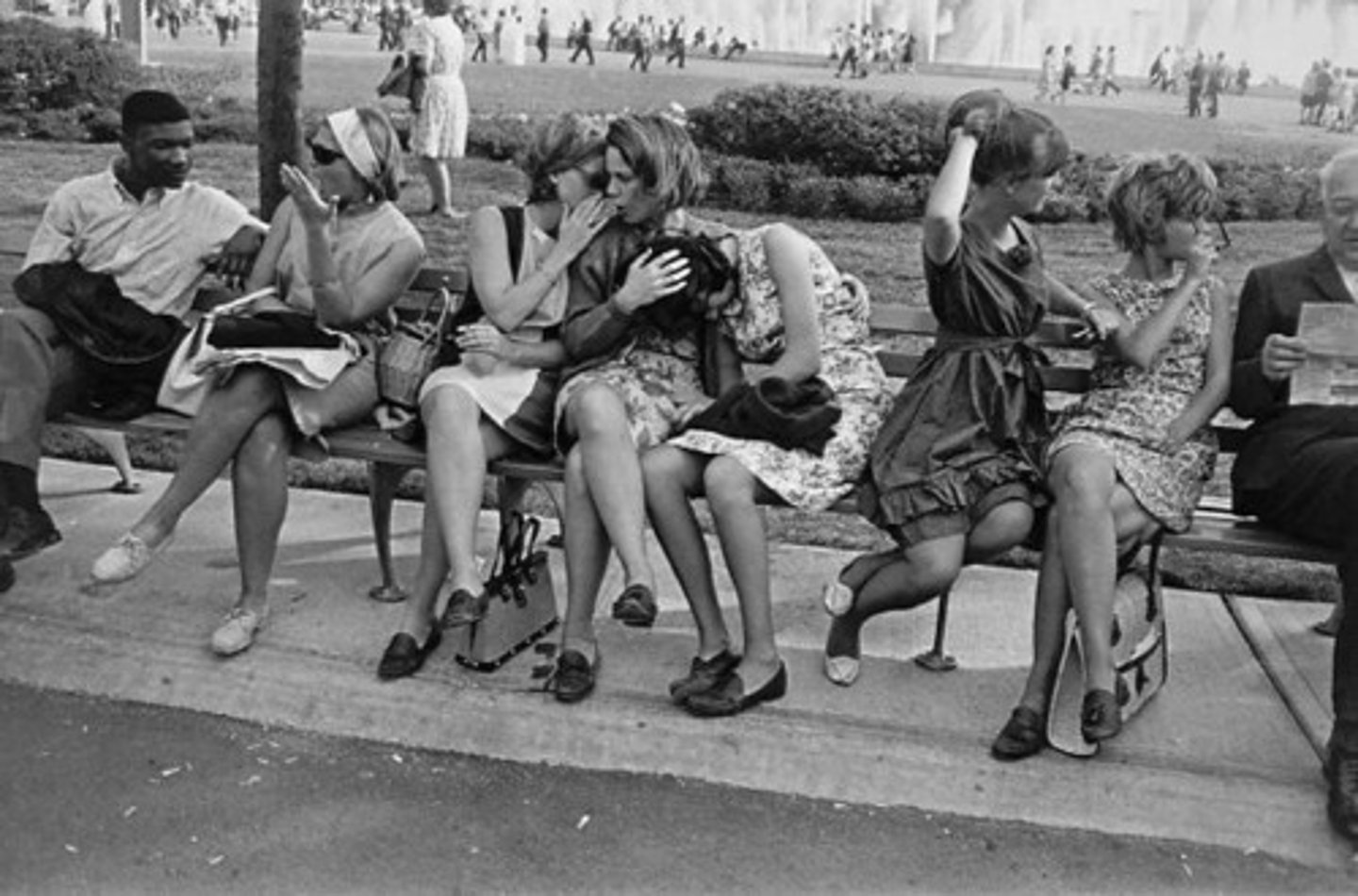
Garry Winogrand, World's Fair, New York City, 1964.
Gelatin silver print.
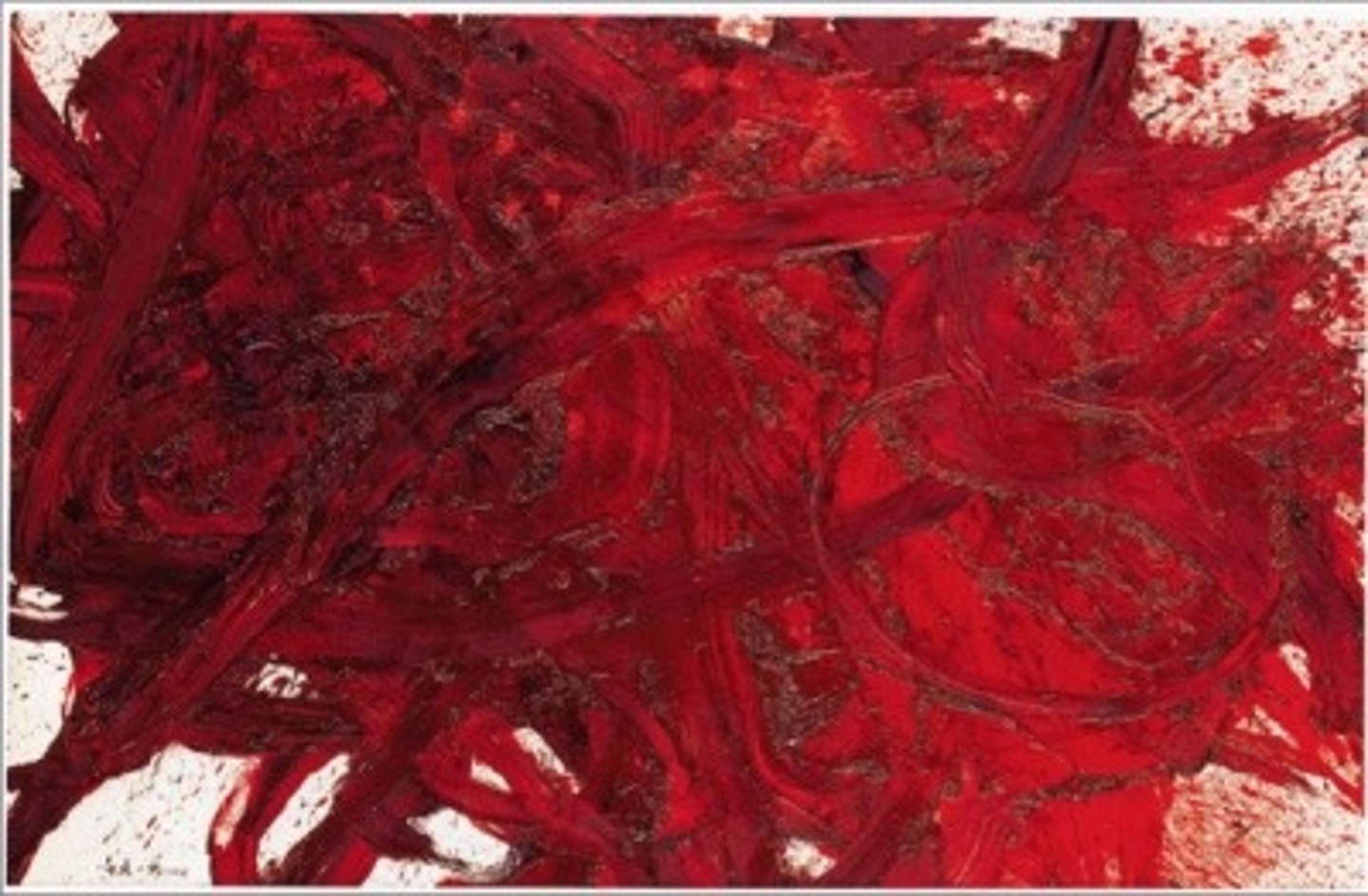
Shiraga Kazuo, Golden Wings Brushing the Clouds Incarnated from Earthly Wide
Star (Chikatsusei Maunkinshi)., 1960
Oil on canvas.
Allan Kaprow, Household, May 3, 1964.
Happening at the Ithaca City Dump, New
York.
Yoko Ono, Cut Piece, 1964.
Performed by Yoko Ono, Sōgetsu Art Center, Tokyo,
August 11, 1964.
Joseph Beuys, How to Explain Pictures to a Dead Hare, November 26, 1965.
Action at the Schelma Gallery, Düsseldorf.
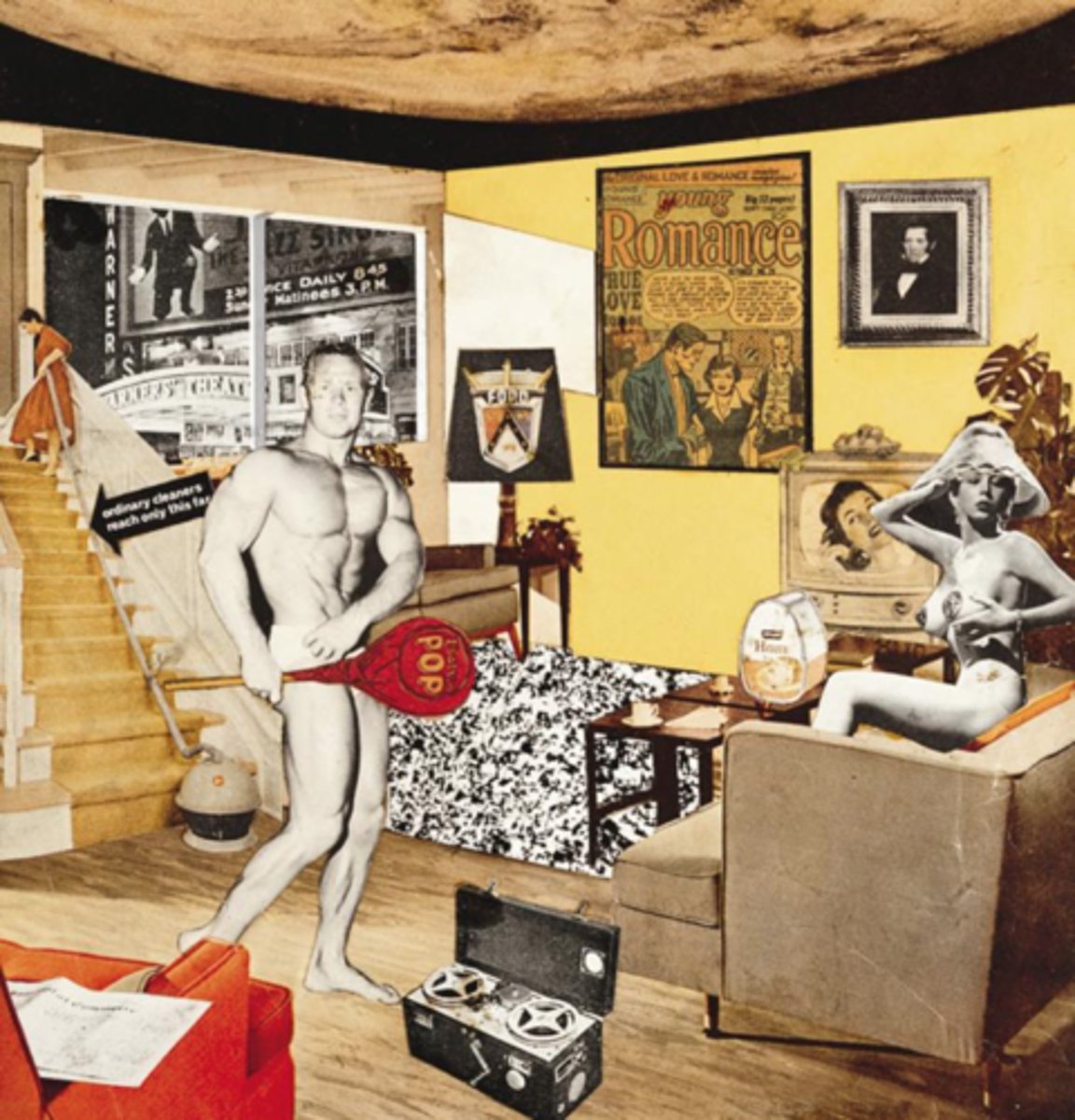
Richard Hamilton, Just What Is It That Makes Today's Homes So Different, So Appealing?
1956, Upgrade 2004. Piezo pigment inkjet print.