C2C Quiz 1 art
 Call Kai
 Learn
Learn Practice Test
 Spaced Repetition
 Match
Match Flashcards
 Knowt Play
1/32

There's no tags or description
Looks like no tags are added yet.
Name | Mastery | Learn | Test | Matching | Spaced | Call with Kai | Chat |
|---|
No analytics yet
Send a link to your students to track their progress
33 Terms

Chauvet, cave, France, c. 30,000 BCE
Bear in the “recess of the bears”
Charcoal and ochre
Significance: Able to capture the likeness and naturalistic shape of a bear

Bison, cave paintings
Altamira, Spain
c. 15,000-10,000 BCE
First cave painting discovered

Lascaux, France (c. 15,000 BCE; discovered in 1940)
Significance: Discovered in 1940, cave includes over 600 paintings and 1500 engravings
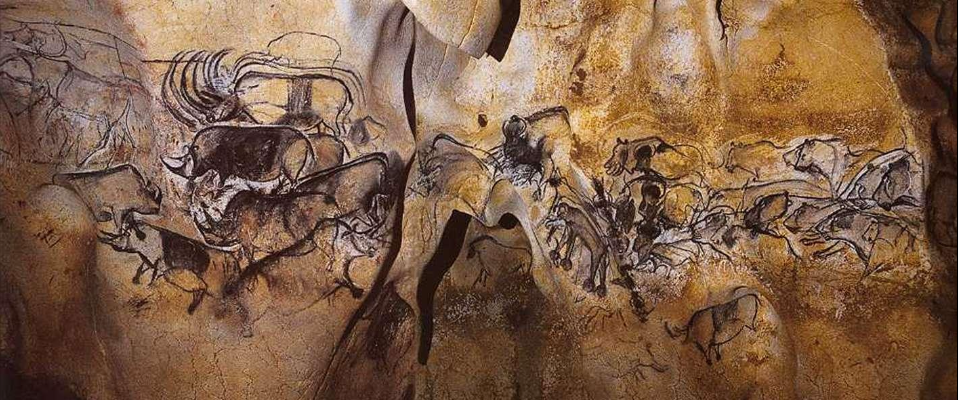
Chauvet, France
(c. 32,000-30,000
BCE; discovered in
1994)
Charcoal and ochre
Significance: Depicts horses, wooly rhinos, bison, horses, lions etc; shows biodiversity and fauna of prehistoric era
Possibly used for educational or ritualistic purposes? Teaching new hunters, showing seasonal patterns, good luck for hunt, commemorating a hunt, etc
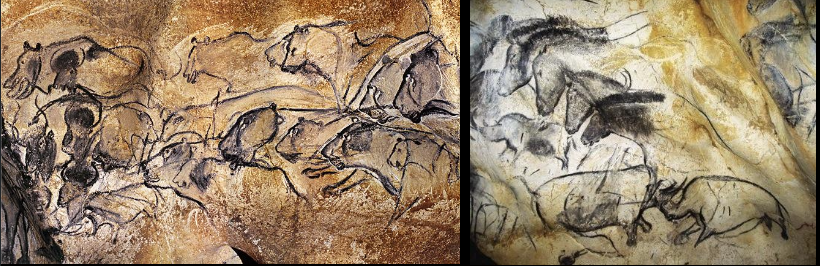
Chauvet Cave
horses, lions, mastodons,
woolly rhinoceros
c. 32,000-30,000 BCE
Significance: Earliest cave paintings ever discovered - shows far more animals than were hunted for food - meaning cave had a purpose further than one relating to hunts (possibly education or ritualistic purposes)

Pech-Merle Cave
Dordogne, France
Spotted horses,
c. 25,000-24,000 BCE;
Hands, c. 15,000 BCE
Medium: Charcoal, ochre, manganese dioxide
Significance: Horses not domesticated until 4,000, hunted for meat, show revistiation of humans to similar sites
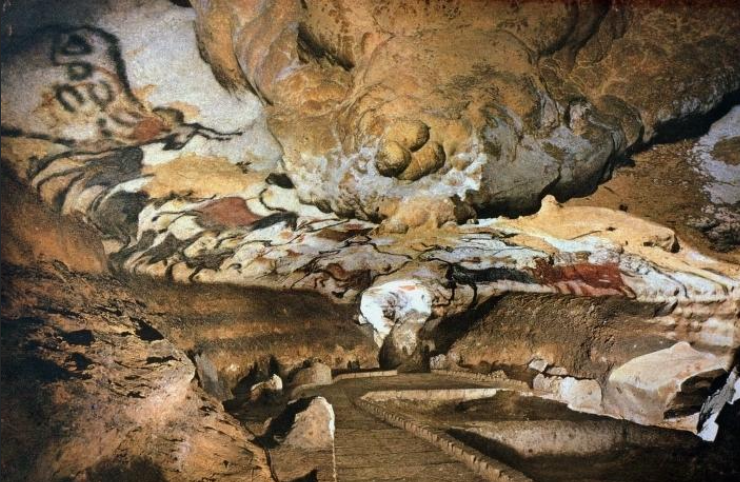
Lascaux Cave, Dordogne, France,
c. 15,000-13,000 BCE
Hall of the Bulls
Significance: one of the oldest but also largest depictions of prehistoric cave art ever found
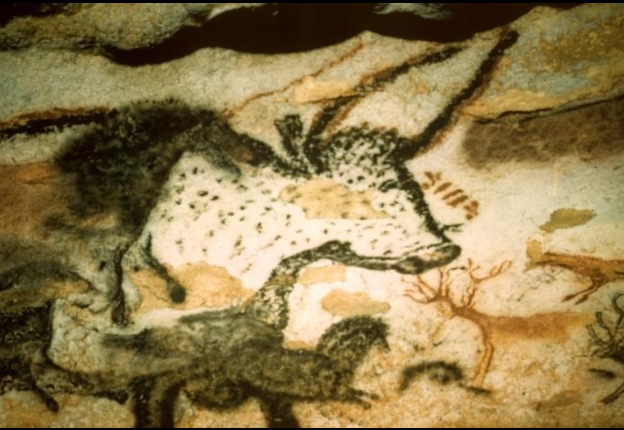
Lascaux Cave, Dordogne, France,
c. 15,000-13,000 BCE
Hall of the Bulls,
Significance: Details aurochs, bulls, deer
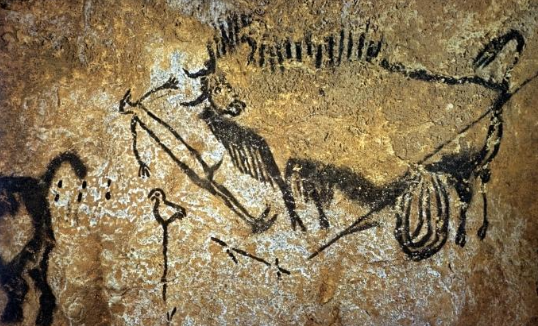
Lascaux Cave, Dordogne, France,
c. 15,000-13,000 BCE
shaman and disemboweled bull
Possible earliest depiction of shamanism in art
human is kept simple while bull is depicted in great detail - could suggest people believed that the art was trapping the animal on the wall
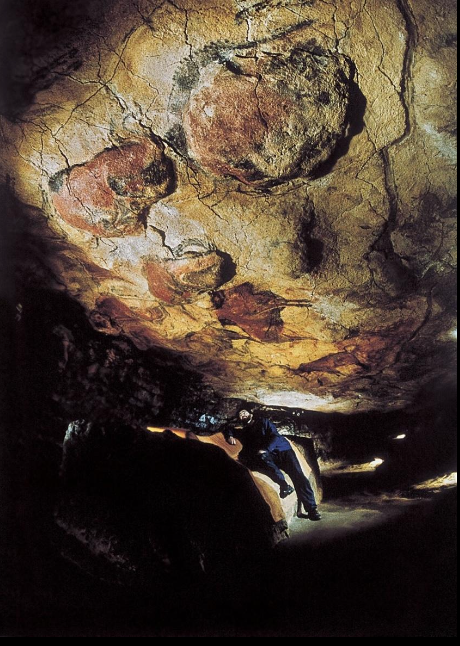
Altamira Cave, Spain
c. 15,000-c. 11,000 BCE
Detail of a herd of bison
Cave walls used to express 3d form - optical imagery

Le Tuc d’Audoubert Cave, Ariege, France
c. 13,000 BCE
Two bison modeled from clay
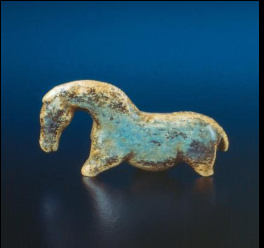
Horse from Vogelherd Cave, Germany, c. 28,000 BCE, mammoth ivory
Significance: Some kind of bead or worn ornament

Woman from Willendorf, Austria, c. 28,000-25,000 BCE, limestone
Significance: Idealization of form? “Venuses” around Mesopotamia show similar form, maybe a communicative signal between groups to show familiarity/common values? Not 100% what its use was
heavily associated with fertility!
one of the earliest examples of art - heavy abstracted

Woman from Brassempouy, France, c. 22,000 BCE, ivory
significance: one of the earliest depictions of a human face
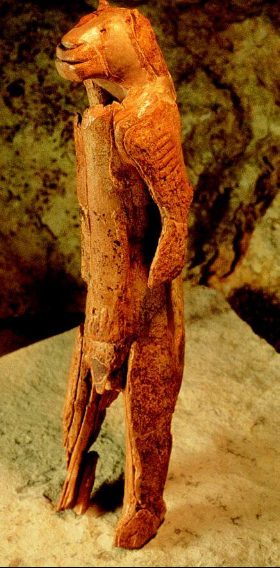
Hybrid figure (terianthrope) with human body and feline head,
Sometimes known as the Lion Man, from Hohenstein-Stadel, Germany,
c. 30,000 BCE, mammoth ivory
Significance: Connection between man/nature, reference to mythic entities

House made from mammoth
bones, Mezhirich,
Ukraine, c. 16,000-10,000 BCE
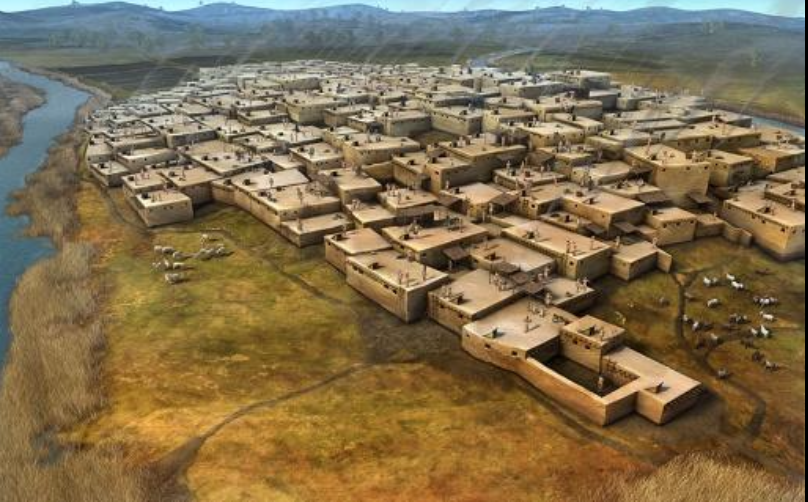
Çatal Hüjük, Anatolia (modern-
Turkey), c. 6,000 BCE
Medium: mud brick
Significance: Rise of urban settlements; no roads or doors, only entrance through windows

Newgrange, Ireland,
passage grave
c. 3,000-2,500 BCE
Significance: Includes spiral decorative elements – connection with hallucinogens?
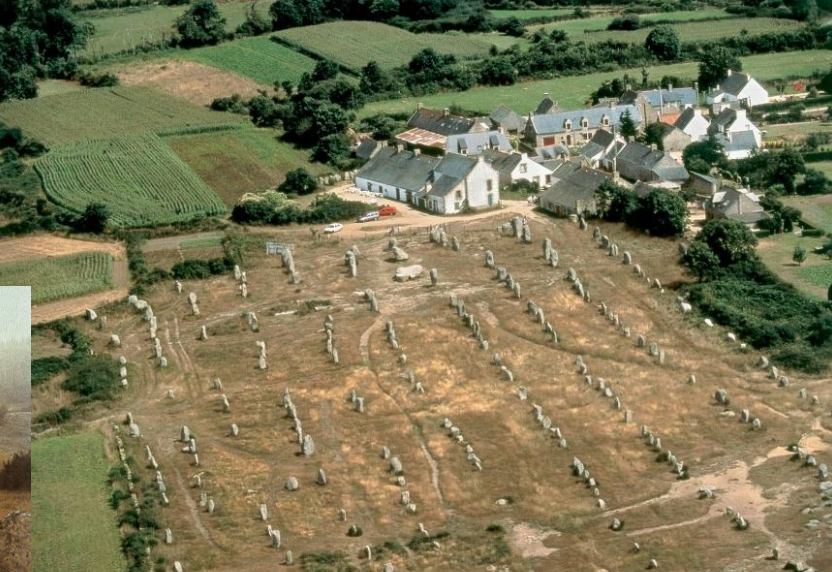
Carnac, Brittany, France, menhir alignments, c. 4,250-3,750 BCE
stone
Largest group of megalithic standing stones
Taller stones are placed at western end and gradually shrink to smaller stones towards the eastern end

Stonehenge, Wiltshire, England, c. 3,000-c. 2,100 BCE
bluestone
Significance: Made up of trilithon structures; bluestones carved from Wales; significant distance
Engineering marvel - stones were imported from far away, and meticulously placed atop one another - it is constructed in relation to the movement of astrological bodies and the solstices

Babylonian deed of sale
c. 1,750 BCE
British Museum, London

Anu Ziggurat & White Temple
Uruk (Warka), White Temple and ziggurat
3500–3000 BCE
Significance: Temple built to be above the rest of the city – bridging humans and the sky gods
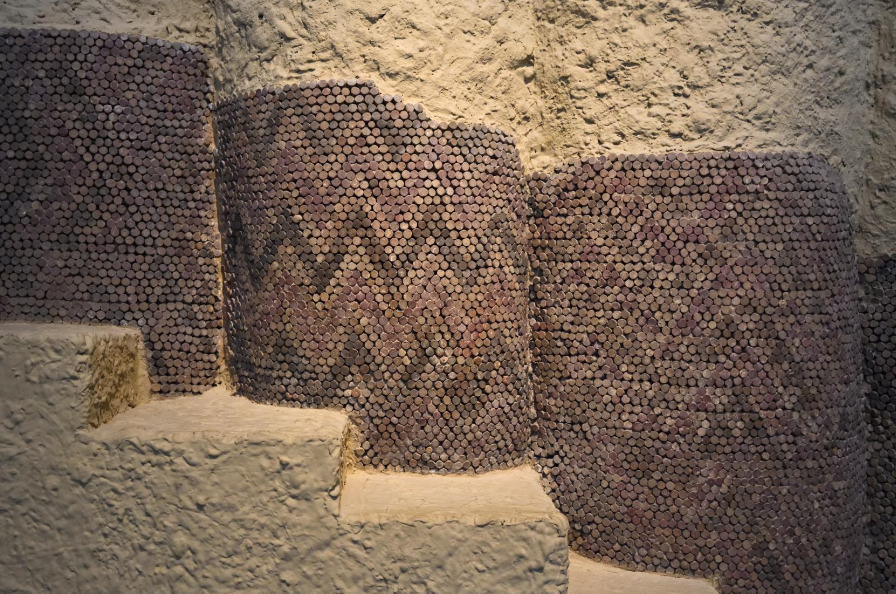
Mosaic Stone Temple
c. 3300 – 3000 BCE
Terracotta and limestone cones, plaster and mud-brick walls
Significance: Earliest wall mosaics
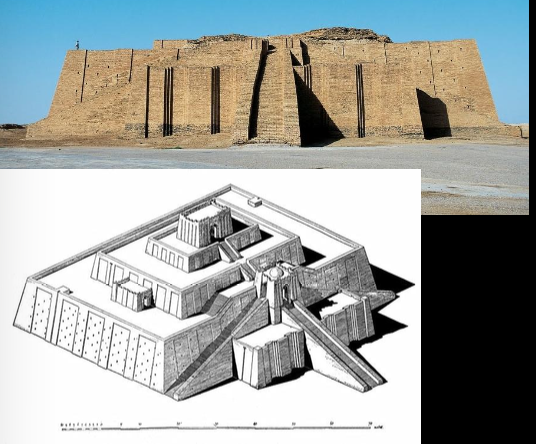
Ur (Muqaiyir), Great Ziggurat of King Urnammu
(initial height c. 30 m, length 64 m, width 46 m)
c. 2100 BCE;
mud brick
Significance: Showed megalithic form and political power (resources). Used innovative “window” structures to prevent moisture buildup in mud brick (not hollow)

Mesopotamian cylinder seals, invented c. 3,500 BCE
Significance: Negative design carved into cylinder, rolled across clay; used as a security seal or signature of sorts; personalized, not used by common people
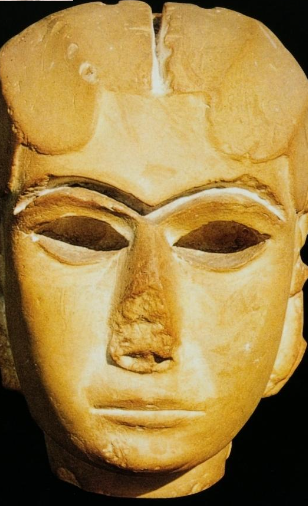
The Warka Head – the “Mona Lisa” of Mesopotamia
c. 3,200-3,000 BCE
Significance: “Mona Lisa” of Mesopotamia

Sculptures from the Square Temple,
Eshnunna
(Tell Asmar), found buried
underneath the shrine altar
limestone, alabaster, gypsum
height of tallest figure 2 ½ feet
c. 2,900-2,600 BCE
Significance: Likely standing in a hallway, guarding or figurative use
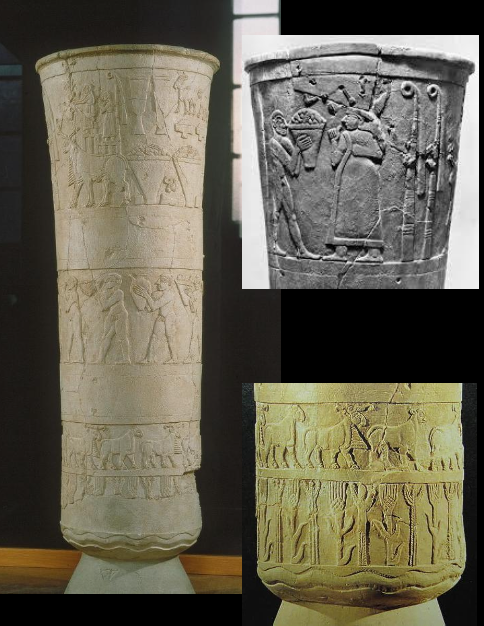
The Warka Vase / The Uruk Vase, c. 3,300-3,000 BCE
Significance: Early narrative art

Bull lyres of Ur, wood with gold, silver, lapis lazuli, bitumen, and shell
c. 2,550-2,400 BCE, UPenn Museum, Philadelphia
Significance: extravagant show of wealth - representative of power and influence needed to import rare materials used to create the lyre such as lapis sourced from Afghanistan

The ‘Royal Standard’ of Ur, c. 2,600 BCE
Significance: example of hieratic scale + centrality signifying importance (middle figure breaking through “border”)
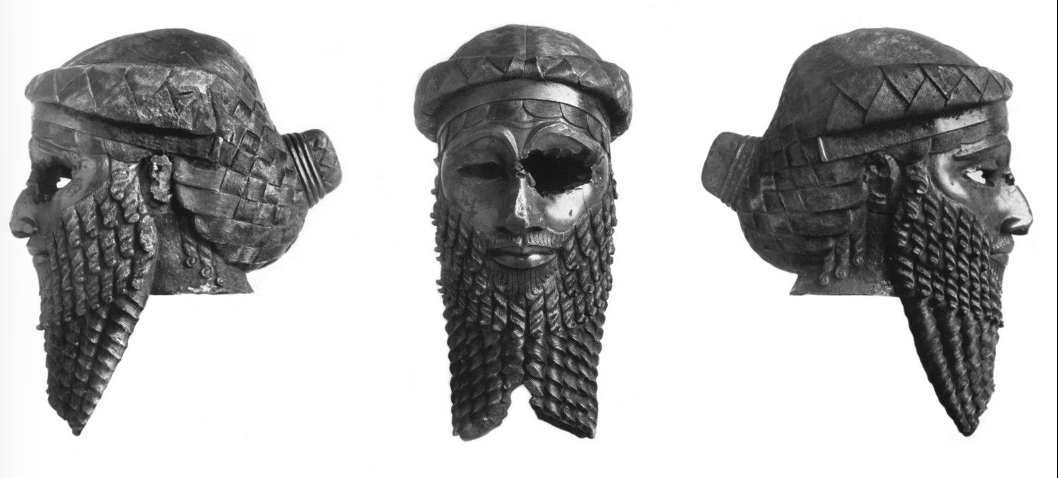
Head of an Akkadian ruler, from Nineveh (Kuyunjik)
perhaps representing Sargon or his grandson Naram-Sin, r. 2254-2218 BCE
c. 2,350 – 2,250 BCE, Iraq Museum, Baghdad
cast copper
Significance: The earliest work of hollow-cast copper (not bronze) sculpture known from the ancient Near East; defaced eyes, nose; images held power, symbolically ridding the king of his senses
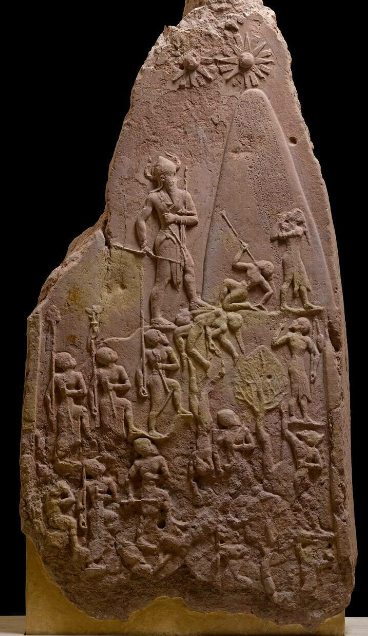
The Victory Stele of Naram-Sin, pink limestone,
H. 200cm, ca. 2254 – 2218 BCE, found at Susa.
Height 6 ½ feet
Musée du Louvre, Paris (Sb 4)
Significance: Divine imposition and aggrandizement of Naram-Sin