2.1.1.d. Cooking Methods, Kitchen Tools, and Equipment
 Call Kai
 Learn
Learn Practice Test
 Spaced Repetition
 Match
Match Flashcards
 Knowt Play
1/149

There's no tags or description
Looks like no tags are added yet.
Name | Mastery | Learn | Test | Matching | Spaced | Call with Kai | Chat |
|---|
No analytics yet
Send a link to your students to track their progress
150 Terms
Cooking
What process is defined as the application of heat and transfer of energy to food?
Temperature
What represents the amount of thermal energy available in a food or system?
Heat flow
What refers to the movement of thermal energy from one place to another?
Conduction
Which heat-transfer mechanism involves the transfer of thermal energy from one molecule to an adjacent molecule without a change in the relative positions of the molecules?
Convection
Which heat-transfer mechanism occurs in liquids and gases, where moving molecules mix hotter and colder portions?
Radiation
Which heat-transfer mechanism is electromagnetic, transferring energy through electromagnetic waves?
Infrared radiation
Which form of radiation transfers heat mainly to the surface of food, after which heat moves inward primarily by conduction?
Microwave cooking
Which cooking method uses electromagnetic radiation in the radiofrequency range, with energy absorbed particularly by materials containing water, oil/fat, or sugar?
Tempering
What thermal treatment raises frozen food from below -18°C to just below the melting point of ice (approximately -2°C) to facilitate further processing?
Induction
Which heating method generates heat within ferrous cookware through induced electrical currents, rather than directly heating the cooktop surface?
Moist and Dry Heat Cooking Method
What are 2 types of cooking methods?
Dry Heat Cooking
Which broad class of cooking methods uses dry heat with no water added?
Carry-over cooking
What phenomenon occurs when food continues to increase in internal temperature even after it has been removed from the heat source?
Grilling
Which dry-heat method places the heat source below the food?
Broiling
Which dry-heat method places the heat source above the food?
Barbecuing
Which grilling-related method commonly involves food placed on a skewer and repeatedly basted during cooking?
Pan-broiling
Which top-of-stove cooking method uses a heavy-bottom pan over intense heat with no added fat or oil, while rendered fat is poured off?
Roasting
Which dry-heat method traditionally involved cooking food on a turning spit over an open fire and is now commonly done in an oven or rotisserie?
Pit Roasting
Which ancient roasting technique involves placing food in a stone- or brick-lined hole in the ground with burning coal, then covering it for several hours?
Basting
What technique prevents lean meat from drying during roasting by periodically brushing marinade, sauce, or oil over the food?
Barding
What technique prevents meat from drying by wrapping it with thin sheets of back fat or bacon?
Larding
What technique involves inserting strips of fat into lean meat to reduce dryness during cooking?
Baking
Which cooking method uses a preheated oven and is commonly associated with breads, pastries, pies, and other flour mixtures?
Frying
Which dry-heat cooking method requires the use of oil in an open pan?
Deep-fat frying
Which frying method uses enough oil to completely submerge the food being cooked?
170 - 190°C (340 - 375°F)
What temperature range is given for deep-fat frying?
Sautéing
Which cooking method uses a small amount of fat, generally in a frying pan or griddle, and derives its name from the French word meaning “to jump”?
Tandoor
This is used for some traditional dishes such as the Indian barbecue called “tandoori” in which it is a barrel-shaped oven of fine clay that is traditionally bound with grain husks and animal hair.

Maria Orosa
Who is the pioneering Filipino food technologist that is being credited for using the common earthenware palayok as an oven, aptly called as the “palayok oven”.
Both statements are true
Statement A: The smaller the ratio of food to oil, the more efficient the frying is.
Statement B: The less fat will be absorbed by the food.
Stir-frying
Which cooking method uses thin slices or small pieces of food cooked rapidly in a wok at very high temperature, usually with only a small amount of oil?
Pan frying
Which frying method uses shallow oil, with more fat than sautéing or stir-frying but not enough to cover the food?
Dry frying (Griddle)
Which frying method uses very little or no added fat, with fat used only to grease the pan when necessary?
Moist Heat Cooking
Which broad class of cooking methods uses water, broth, milk, or another liquid, either as liquid or steam, as the heat-transfer medium?
Boiling
Which moist-heat method involves cooking food by immersion in boiling water or liquid?
100°C (212°F)
What is the boiling point of water at sea level?
Simmering
Which moist-heat method uses temperatures below boiling, usually 85-96°C?
Poaching
Which moist-heat method uses an even lower temperature of approximately 71 - 81°C (160 - 180°F) and is suitable for delicate foods such as fish and eggs?
Blanching
Which process involves brief cooking in boiling liquid followed by rapid cooling in cold water?
To inactivate enzymes that may cause enzymatic browning, while also helping expel intercellular gases and reduce microbial load.
What is the primary purpose of blanching in food preparation?
Parboiling
Which preliminary cooking method is often used interchangeably with blanching and may be applied to vegetables, meat, legumes, and rice?
Sangkutsa
What is the Tagalog term for parboiling?
En papillote
Which French cooking technique means “in parchment”, where food is loosely wrapped and cooked so that steam generated inside the packet cooks the food?
Sous vide
Which technique cooks food in a vacuum-sealed plastic pouch submerged in a precisely controlled heated-water bath?
Steaming
Which moist-heat method cooks food by placing it on a rack over vaporizing water?
Double boiler
What equipment consists of two pans, where the upper pan containing the food sits over a lower pan of boiling water?
Bain Marie
What is another equipment used for steaming or gentle indirect heating, similar to a double boiler?

Pan steaming (Shallow poaching)
Which method places food in a small amount of liquid, covers the pan, and uses the trapped steam to cook the portion not submerged?
Pressure Cooking
Which cooking method uses pressurized steam, allowing water to boil above its normal boiling point and reducing cooking time?
Braising
Which combination cooking method first browns food in a small amount of fat, then cooks it slowly in a small quantity of liquid in a covered pan?
Stewing
Which combination method is similar to braising but is generally applied to smaller, cut-up pieces of food?
Braising = larger pieces
Stewing = smaller, cut-up pieces
What is the key distinction between braising and stewing?
Ragout
What term is used for a dish prepared by stewing?
Sinigang
Which Filipino cooking method refers to a boiled sour dish using souring agents such as sampaloc, kamias, guava, or tomatoes?
Bulalo
Which Filipino dish consists of boiled beef leg bones with marrow and cartilage cooked until tender?
Inihaw
What Filipino term refers to grilled meat, poultry, fish, or shellfish, sometimes wrapped in banana leaves?
Roast whole pork
What does lechon, when unqualified, traditionally refer to?
Halabos
Which Filipino cooking method means cooking with steam, commonly used for fish, shrimp, and shellfish?
Ginataan
Which Filipino cooking method refers to dishes stewed in coconut milk?
Adobo
Which Filipino cooking method generally refers to pork or chicken braised in vinegar with garlic and peppercorn, with or without soy sauce?
Kilaw (Kinilaw)
Which Filipino preparation is a no-cook method commonly applied to vegetables, fruits, seaweeds, fish, and shellfish?
Copper
Which cookware metal is identified as the best conductor of heat?
Acidic ingredients can dissolve copper and potentially produce toxic substances.
Why is unlined copper cookware generally unsuitable for acidic foods?
Aluminum
Which cookware metal is lightweight, a good heat conductor, and resistant to rust, but can react with acidic ingredients?
Cast iron
Which cookware material is ideal for long, slow cooking methods such as braising and baking but requires seasoning to prevent rusting?
Coating the cookware with unsalted fat and heating it so fat enters the pores and helps prevent rusting.
What is seasoning of cast iron cookware?
Enameled cast iron
Which cookware consists of cast iron covered by a thin glass/enamel layer to prevent rusting and reaction with acids?
Which cookware material is the material of choice for professional cooking because it is non-reactive to acids and easy to sanitize, despite being a relatively poor heat conductor?
Stainless steel
Earthenware, ceramic, and glass
Which cookware materials are poor heat conductors but retain heat well once heated, making them suitable for long simmering and braising?
palayok and kalan
What are examples of Philippine earthenware cookware?
Liquid-in-glass Thermometer
Which thermometer is described as the simplest and most commonly used type, consisting of a bulb and sealed glass tube containing liquid?

Electrical resistance thermometer
Which electrical thermometer determines temperature through changes in electrical resistance of a platinum or nickel wire?
Thermistor
Which electrical resistance thermometer uses ceramic materials whose resistance increases as temperature increases?
Thermocouple
Which thermometer works because a metal reacts to temperature changes by altering the amount of electrical current flowing through it?
Radiometer
Which thermometer measures emitted radiation, usually infrared, without depending on direct physical contact?
Bimetallic thermometer
Which thermometer consists of two different metals, usually iron and brass, welded together, causing the strip to bend when temperature changes?

Dry measuring cups
This measuring utensil consists of graduated cups used to measure dry ingredients, commonly arranged as a nested or Mary Ann set.

Liquid measuring cup
This measuring utensil is specifically designed to measure the volume of liquid ingredients.

Measuring quart
This measuring utensil is a larger-capacity container used to measure approximately one quart of liquid.

Measuring spoons
This measuring utensil consists of small standardized spoons for measuring small quantities of ingredients.

Food Scale (Dietitic Scale)
This weighing equipment determines the weight of food or ingredients.

Candy Thermometer
This temperature-measuring utensil is specifically used for monitoring the high temperatures reached in sugar syrups and confectionery.

Cooking / All-purpose Thermometer
This temperature-measuring utensil is a general-purpose thermometer used to determine the temperature of foods during cooking.

Fat/Frying Thermometer
This temperature-measuring utensil is designed to measure the high temperature of oil during frying.

Refrigerator Thermometer
This temperature-measuring utensil monitors whether refrigerated food is being maintained at the proper cold-storage temperature.

Meat Thermometer
This temperature-measuring utensil is inserted into meat to determine its internal temperature and degree of doneness.
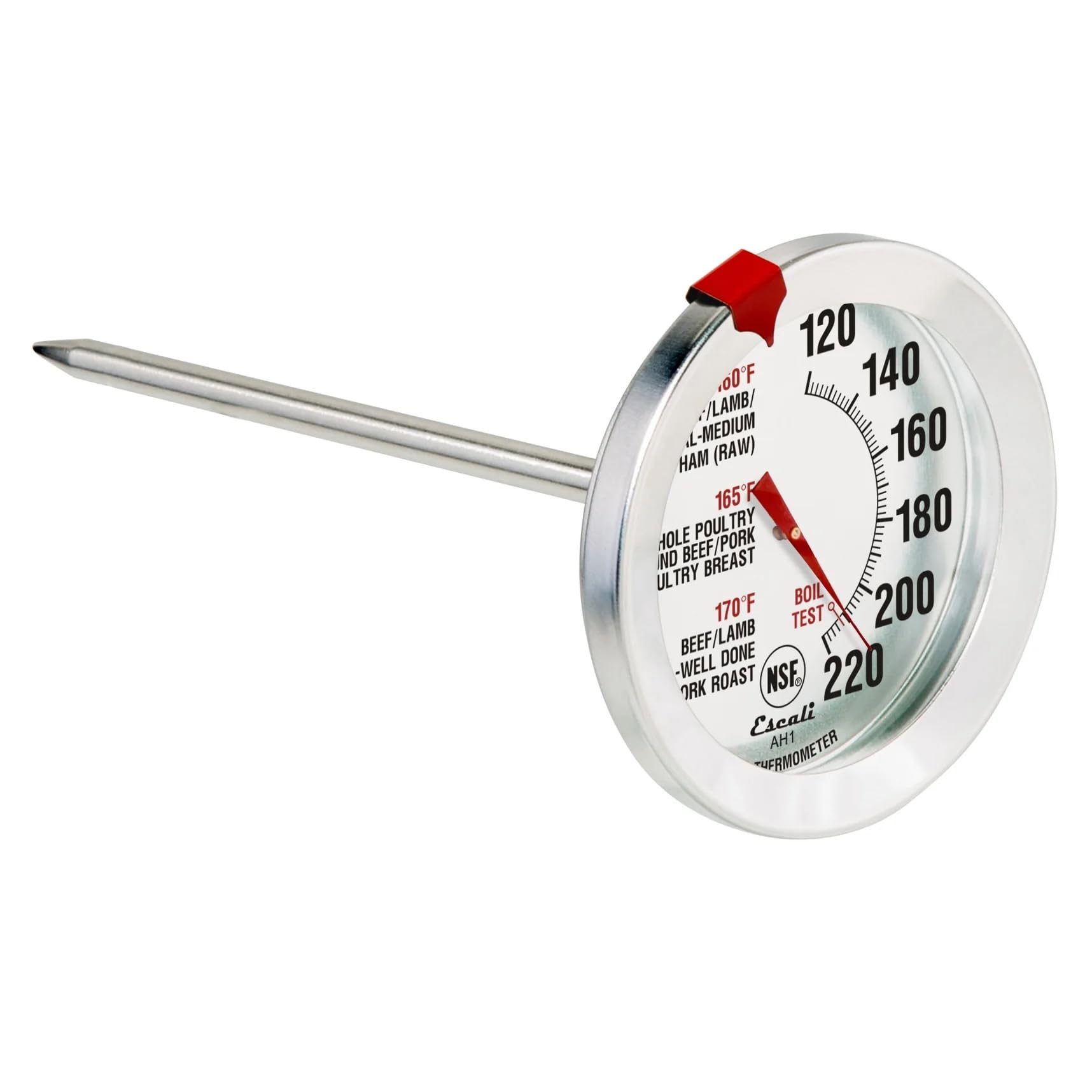
Oven Thermometer
This temperature-measuring utensil measures the actual temperature inside an oven.

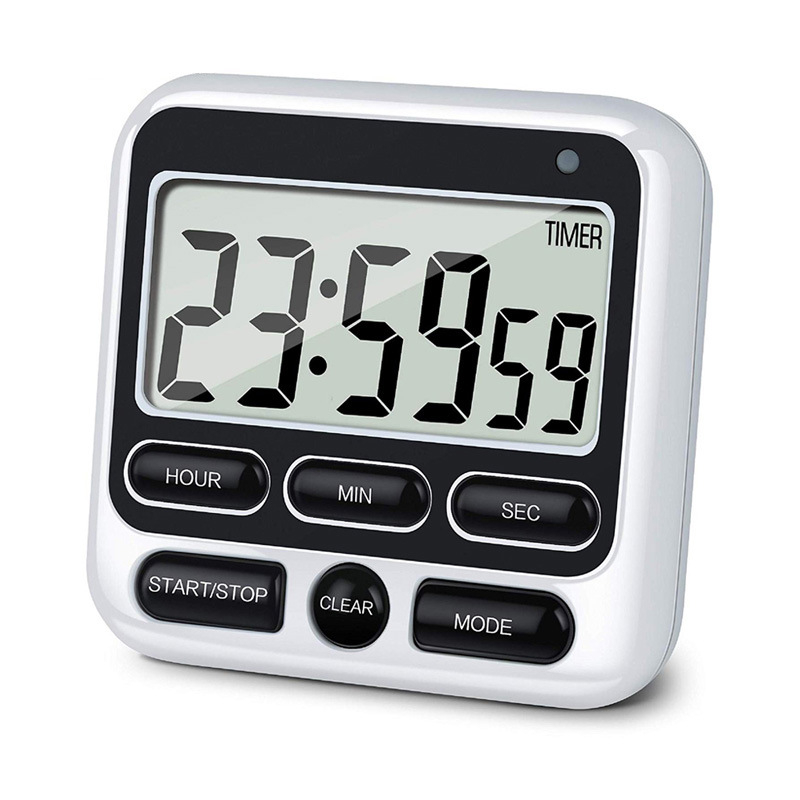
Timer (Kitchen Timer)
This measuring device is used to monitor the length of time required for cooking or food preparation.
Can Opener
This cutlery aid is used to remove the lid or top of a sealed can.

Cleaver
This cutlery is a large, heavy, broad-bladed knife used for forceful chopping, particularly meat and bones.

Corer
This cutlery aid removes the central core from fruits or vegetables.

Cutting Board
This cutlery aid provides a protective work surface for cutting, slicing, and chopping foods.

Food Mill
This food-preparation tool mechanically crushes or purées cooked or soft foods by forcing them through a perforated surface.

Food Processor
This food-preparation appliance performs several operations such as chopping, slicing, shredding, or puréeing food.

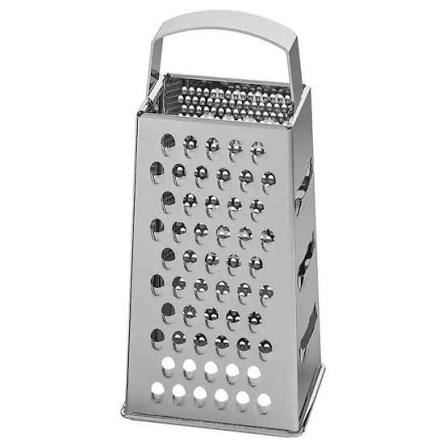
Grater and shredder
This cutting aid reduces foods such as cheese or vegetables into fine or coarse shreds.
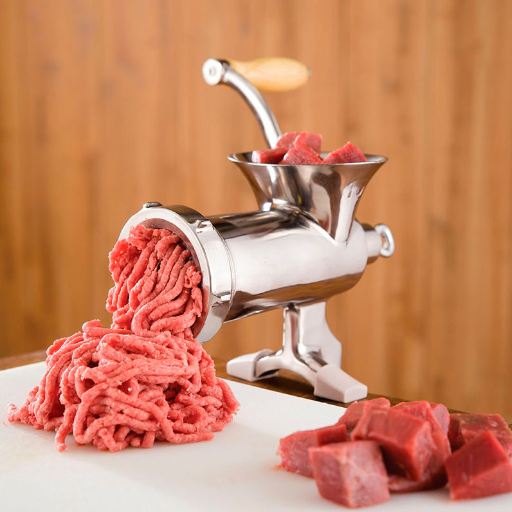
Grinder
This food-preparation tool reduces food into small particles through a grinding action.
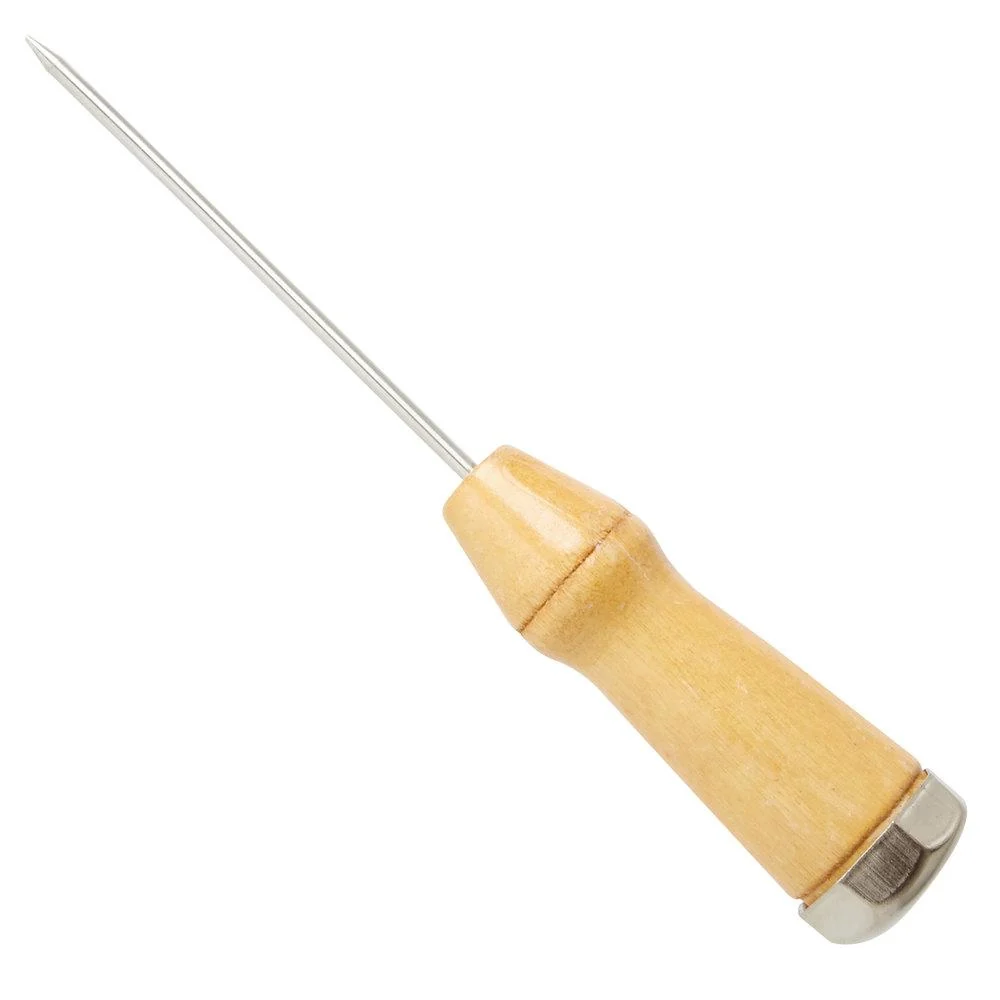
Ice Pick
This cutting tool has a sharp pointed end used for breaking or chipping blocks of ice.
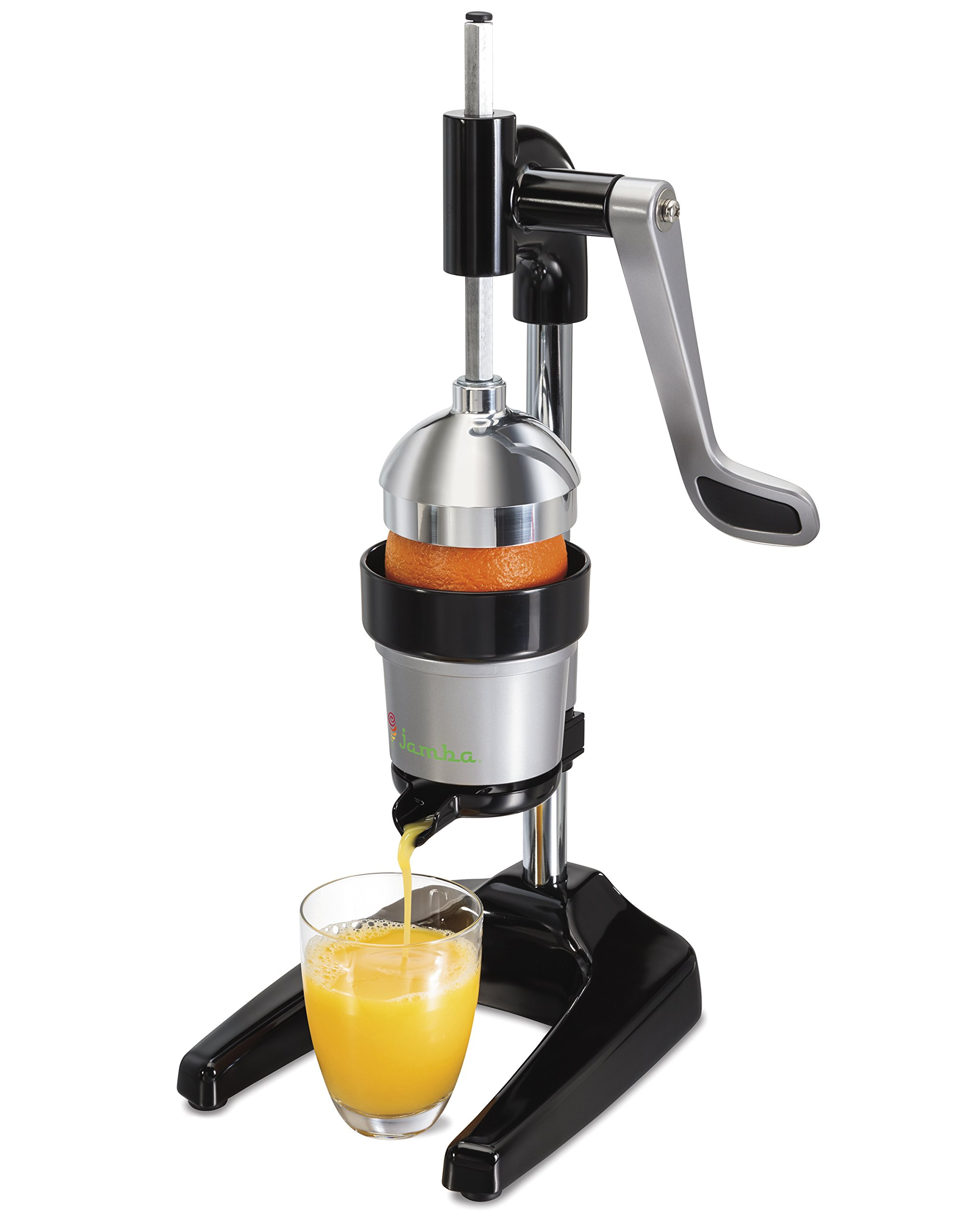
Juicer
This food-preparation tool extracts juice from fruits or vegetables.
Kitchen Knife
This cutlery is the general-purpose cutting implement used for slicing, chopping, and other kitchen preparation tasks.

Kitchen Sharpener
This cutlery aid restores or maintains the cutting edge of kitchen knives.
