CNA mod 4 prevention and maagement of catatrophe and unsual occurences
 Call Kai
 Learn
Learn Practice Test
 Spaced Repetition
 Match
Match Flashcards
 Knowt Play
1/7

There's no tags or description
Looks like no tags are added yet.
Name | Mastery | Learn | Test | Matching | Spaced | Call with Kai | Chat |
|---|
No analytics yet
Send a link to your students to track their progress
8 Terms
what are common causes of fires in healthcare settings (4)
smoking near oxygen sources or flammable materials
broken wires, overloaded electrical outlets
improper storage of chemicals and cleaning supplies
unattended cooking appliances
EXPLAIN RACE (fire emergency response)
R - Remove patients and staff from danger\
A - Activate the nearest fire alarm
C - Contain the fire by closing doors and windows
E - Extinguish the fire if its small and safe to do so
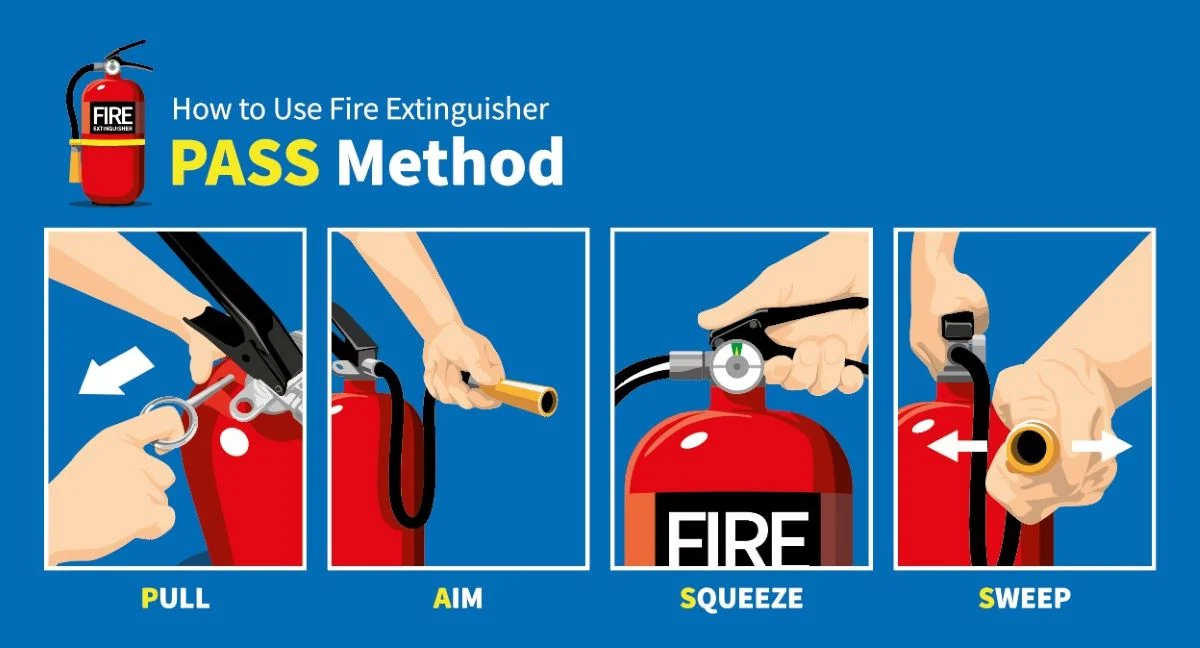
using a fire extinguisher using pass technique
P - Pull the safety pin
A - Aim the nozzle at the BASE of the fire
S - Squeeze the handle to release the extinguisher
S- Sweep the nozzle side to side to cover the fire area
how can u prevent falls?
keeps floor clear of clutter / dry
ensure patients wear non skid shoes/socks
lock wheelchairs and beds before transfers
answer call lights promply to assist patients with mobility
how to prevent burns?
always check bath water temperature (using ur wrist, then ask them, make sure its 105 F)
keep hot drinks away from patient areas
monitor patients using heating pads or O2 therapy
oxygen safety guidelines
post “No Smoking: O2 in Use” signs in patient areas
Ensure O2 tubing is free from kinks or obstructions
avoid PETROLEOUM-BASED lotions near O2 as they can ignite
keep electrical devices in good working condition
store O2 tanks uprights and secured in designated areas
when should restraints be used?
only when medically necessary and in compliance with facility policies . require a physican’s order
3 types of restraints
soft protective devices: padded, wearable items used to prevent injury or protect sensitive skin (think of self-harm autistic individuals)
jacket devices: secure patients in chair/beds safely (think of mental hospital)
wrist/ankle restraints: prevent self harm/removal of medical devices