Overview of the Nervous System and Its Functions
 Call Kai
 Learn
Learn Practice Test
 Spaced Repetition
 Match
Match Flashcards
 Knowt Play
1/104

There's no tags or description
Looks like no tags are added yet.
Name | Mastery | Learn | Test | Matching | Spaced | Call with Kai | Chat |
|---|
No analytics yet
Send a link to your students to track their progress
105 Terms
Central Nervous System (CNS)
Includes the brain and spinal cord.
Peripheral Nervous System (PNS)
Nerves connecting CNS to body organs.
Autonomic Nervous System
Controls internal organs and self-regulating functions.
Sensory Neurons
Afferent nerves bringing information to CNS.
Internuncial Neurons
Neurons located within the CNS.
Motor Neurons
Efferent nerves sending information away from CNS.
Membrane Excitability
Neurons activated by ion movement across membranes.
Action Potential
Brief positive charge inside neuron when activated.
Simple Reflex Actions
Quick responses without brain involvement, direct pathways.
Complex Reflex Actions
Involuntary responses needing integration in CNS.
Synapse
Space between axon and dendrite of neurons.
Neurotransmitters
Chemicals released at synapses affecting transmission speed.
Knee-Jerk Reflex
Example of a simple reflex action.
Withdrawal Reflex
Response to harmful stimuli, involves sensory and motor neurons.
Crossed Extensor Reflex
Involves multiple muscles for balance during withdrawal.
Blink Reflex
Rapid eye closure to protect from approaching objects.
Cranial Nerves
12 pairs of nerves originating from the brain.
Stimulants
Substances like cocaine that speed up reactions.
Depressants
Substances like alcohol that slow down reactions.
Neurotoxins
Toxins causing muscle contraction or paralysis.
Reflex Arc
Pathway of nerve impulses in reflex actions.
Cranial nerves
Connect brain to eyes, ears, tongue, nose, skin.
Spinal Nerves
31 pairs; motor and sensory functions.
Motor Nerves
Permit movement by transmitting signals.
Sensory Nerves
Perceive stimuli from the environment.
Autonomic Nervous System
Involuntary control of breathing, heartbeat, digestion.
Peripheral Nervous System
Includes autonomic and somatic nervous systems.
Sympathetic Division
Prepares body for 'fight or flight' response.
Parasympathetic Division
Promotes 'rest and digest' functions.
Vagus Nerve
Extends from brain to upper abdomen.
Pelvic Nerves
Branches to lower abdominal and pelvic organs.
Cerebrum
Controls sensory and motor activities; divided into lobes.
Frontal Lobe
Associated with emotions, personality, and intellect.
Occipital Lobe
Located at back; responsible for vision.
Parietal Lobe
Located at the top; processes sensory information.
Temporal Lobe
Involved in hearing and memory functions.
Cerebellum
Coordinates muscle movement and sensory impulses.
Medulla Oblongata
Controls heart, lungs, and stomach functions.
Pons
Regulates breathing, chewing, and saliva secretion.
Midbrain
Controls reflex movements and pupil dilation.
Thalamus
Relay station for sensory and motor impulses.
Hypothalamus
Regulates autonomic functions and homeostasis.
Meninges
Coverings of the brain and spinal cord.
Pia Mater
Inner layer containing nerve tissue of meninges.
Arachnoid
Middle layer of delicate, lacelike membranes.
Dura Mater
Outer layer protecting CNS from bony surfaces.
Ventricles
Cavities in the brain facilitating nerve travel.
Central Canal
Connects spinal cord to inferior brain ventricle.
Subarachnoid Space
Area between arachnoid and pia mater layers.
Cerebrospinal Fluid (CSF)
Watery cushion providing CNS protection and nutrient transport.
CSF Formation Rate
450 ml (15 oz) produced daily in ventricles.
Arteriography
Procedure using dye to detect vascular abnormalities.
Glasgow Coma Scale (GCS)
Tool assessing level of unconsciousness via responses.
Computerized Axial Tomography (CAT)
3D imaging technique using x-rays of the brain.
Electroencephalography (EEG)
Measures brain's electrical signals for abnormalities.
Electromyography (EMG)
Tests electrical activity in peripheral muscles.
Genetic Testing
Identifies genes linked to neurological disorders.
Lumbar Puncture
Procedure to extract CSF for diagnostic purposes.
Magnetic Resonance Imaging (MRI)
Uses magnets for detailed brain and spinal images.
Myelography
Imaging spinal cord using contrast and fluoroscopy.
Position Emission Tomography (PET) Scan
Records metabolic activity in the body using tracers.
Ultrasound Imaging
Uses sound waves for internal body imaging.
Neurosonography
Analyzes brain blood flow to diagnose conditions.
X-rays
Imaging technique for viewing bones and organs.
Alzheimer's Disease
Progressive brain disease causing memory and behavior loss.
Amyotrophic Lateral Sclerosis (ALS)
Fatal disease causing motor neuron degeneration.
Bell's Palsy
Facial nerve disorder causing temporary paralysis.
Cerebral Palsy
Nonprogressive brain injury occurs during fetal development, which affects brain and muscle development
Dementia
Cognitive decline affecting memory and daily functions.
Encephalitis
Severe brain inflammation causing nerve cell destruction.
symptoms of encephalitis
Sudden fever, headache, neck stiffness, vomiting.
Causes of Encephalitis
Viruses from mosquitoes, ticks, or infections like herpes.
Epilepsy
Seizure disorder affecting 3 million adults in the US.
Seizure Characteristics
Abnormal electrical impulses causing convulsions and loss of control.
Essential Tremor
Common movement disorder causing involuntary shaking.
Tremor Triggers
Worsens with movement; common in those over 40.
Guillain-Barré Syndrome
Autoimmune disorder attacking the nervous system.
GBS Symptoms
Nerve inflammation leading to muscle weakness and paralysis.
Headache Classification
Primary headaches from pain-sensitive structures; secondary from diseases.
Migraine Headache
Severe throbbing pain often with visual disturbances.
Migraine Triggers
Diet, sleep, activity, lights, and psychological factors.
Primary Headaches
Caused by lifestyle factors affecting pain-sensitive areas.
Secondary Headaches
Result from underlying diseases or conditions.
Age Factor in Essential Tremor
Commonly occurs in individuals aged 40 and older.
Meningitis
Inflammation of brain and spinal cord meninges.
Viral Meningitis
Most common, benign form of meningitis.
Bacterial Meningitis
Severe, untreated mortality rate 70-100%.
Fungal Meningitis
Rare, spreads from blood to spinal cord.
Multiple Sclerosis
Myelinating disease affecting young adults' CNS.
Neuralgia
Severe nerve pain along affected nerves.
Paralysis
Loss of voluntary function, temporary or permanent.
Spastic Paralysis
Caused by upper motor neuron damage.
Flaccid Paralysis
Caused by lower motor neuron damage.
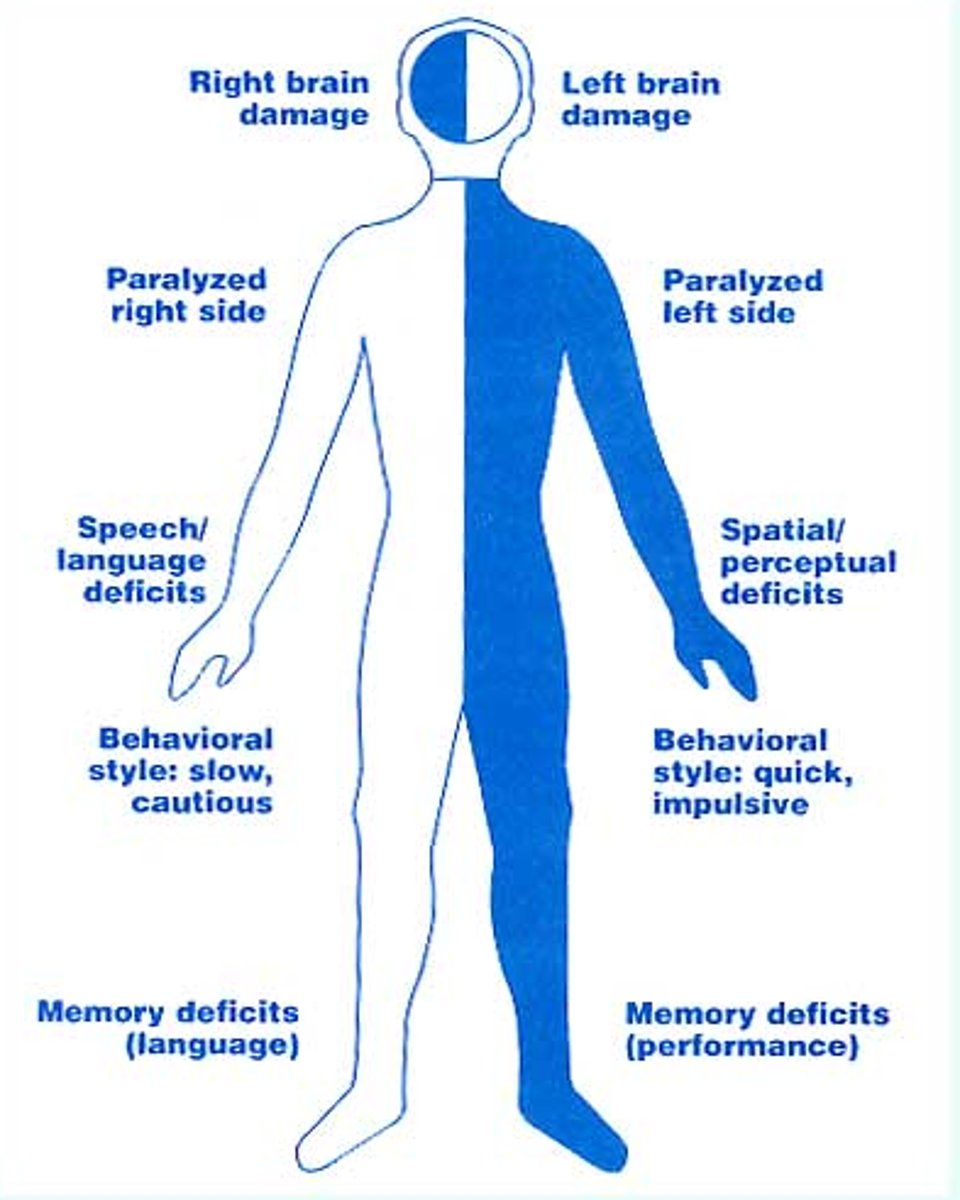
Hemiplegia
One-sided paralysis from brain damage.
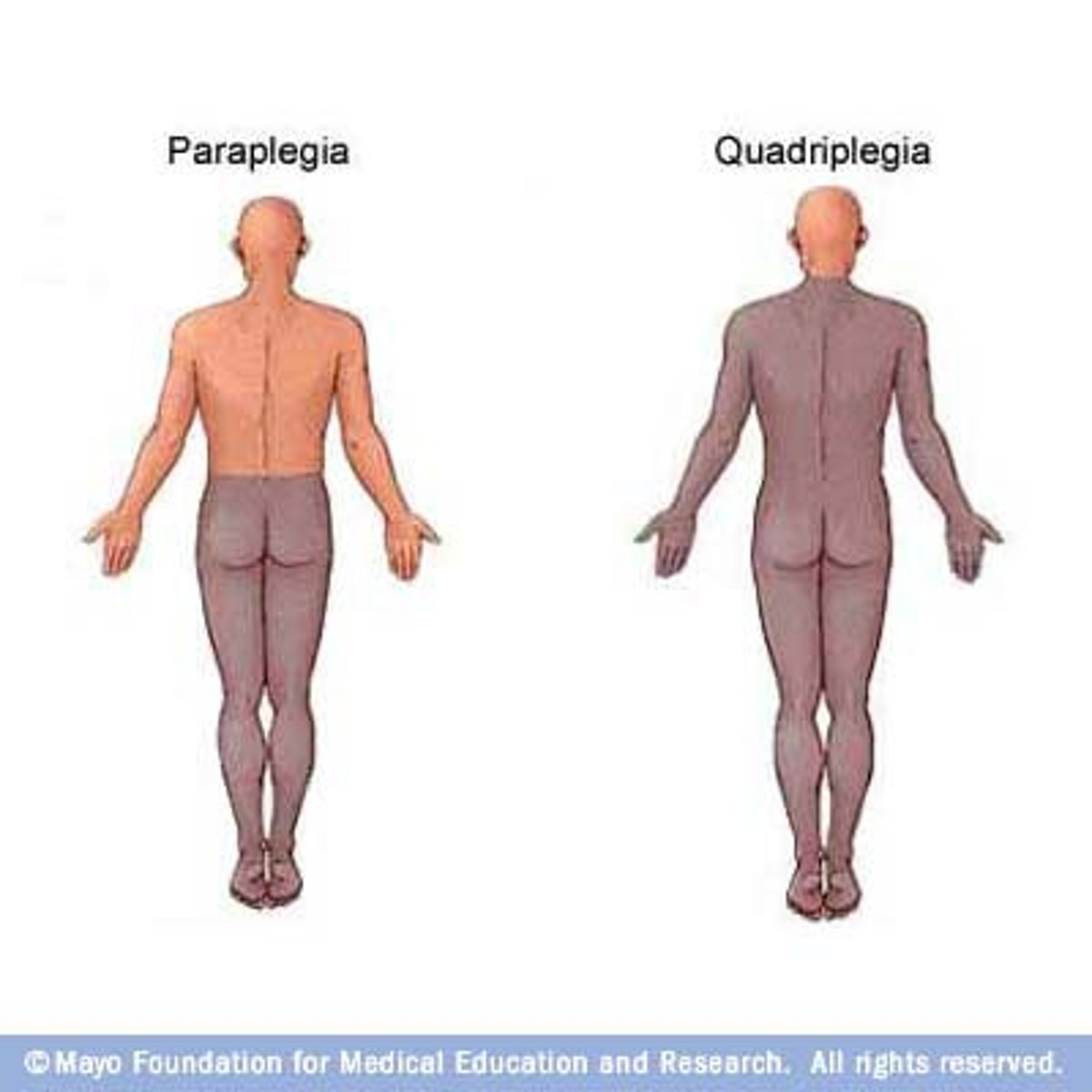
Paraplegia
Loss of function in lower extremities.
Quadriplegia
Permanent paralysis affecting all body systems.
Parkinson's Disease
Progressive disease is characterized by muscle rigidity and tremors. Symptoms include muscle rigidity, hand tremors, masklike facial expressions, peculiar gait, drooling, and a bowed head.
Reye's Syndrome
Acute childhood illness can lead to a buildup of fat in the liver and higher pressure in the brain.
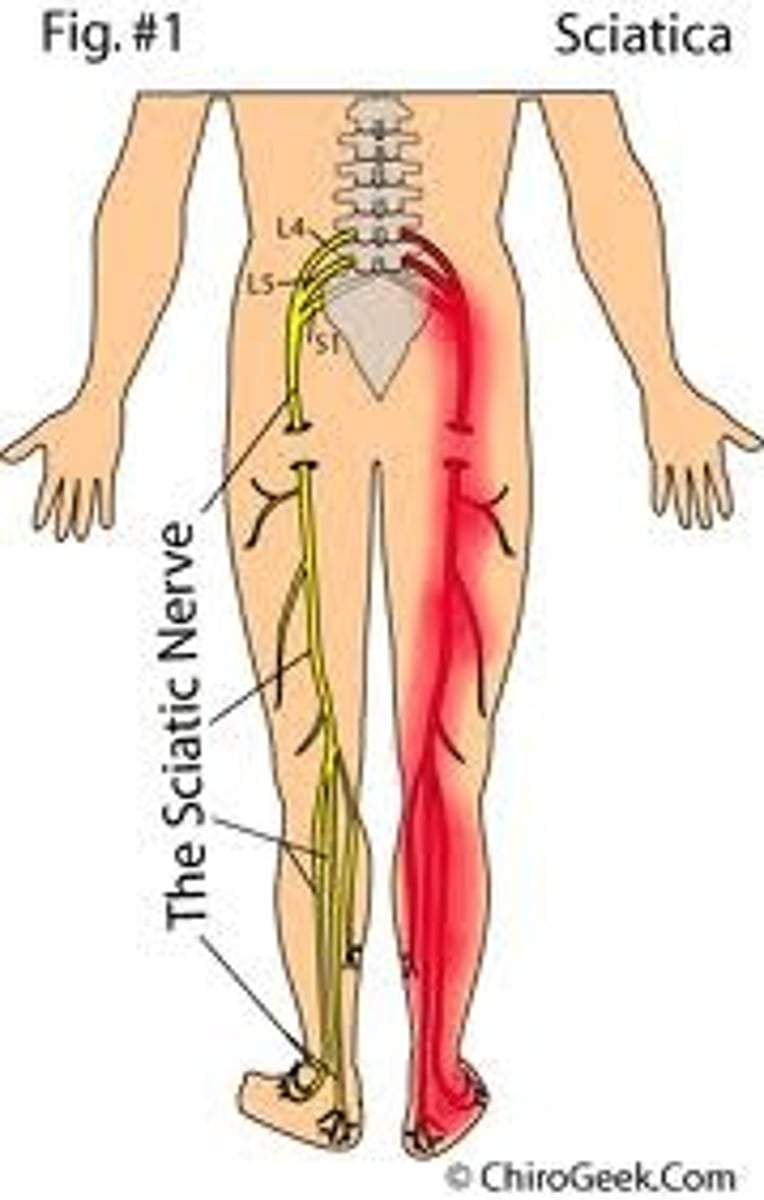
Sciatica
Inflammation of the sciatic nerve, unilateral pain.
Spina Bifida
Incomplete closure of vertebrae during development.