Cheat Sheet 1: Biomolecules and Macromolecules
 Call Kai
 Learn
Learn Practice Test
 Spaced Repetition
 Match
Match Flashcards
 Knowt Play
1/30

There's no tags or description
Looks like no tags are added yet.
Name | Mastery | Learn | Test | Matching | Spaced | Call with Kai | Chat |
|---|
No analytics yet
Send a link to your students to track their progress
31 Terms
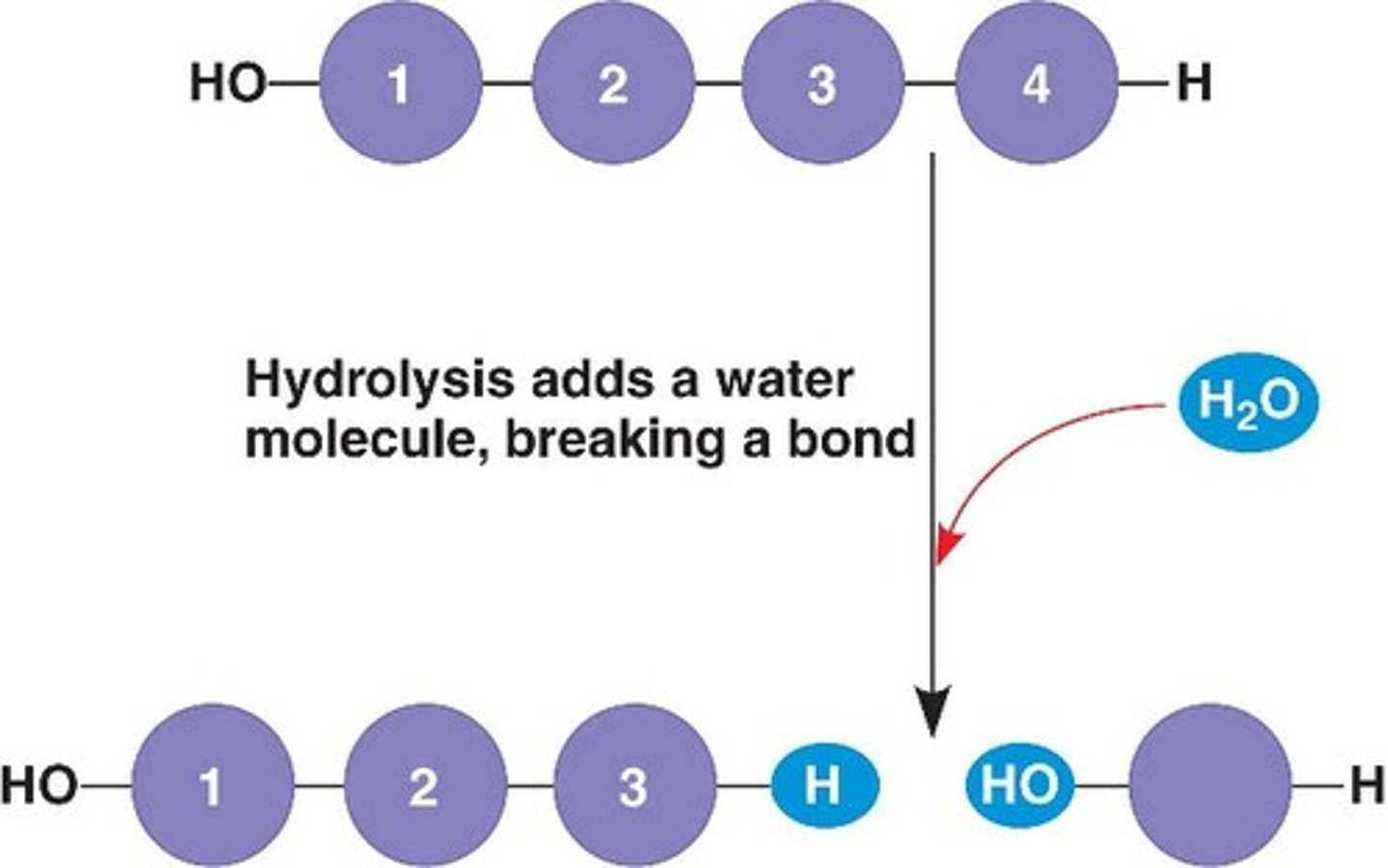
Hydrolysis
A chemical process that involves the breaking down of a compound by the addition of water, typically used to separate polymers into their monomer units.
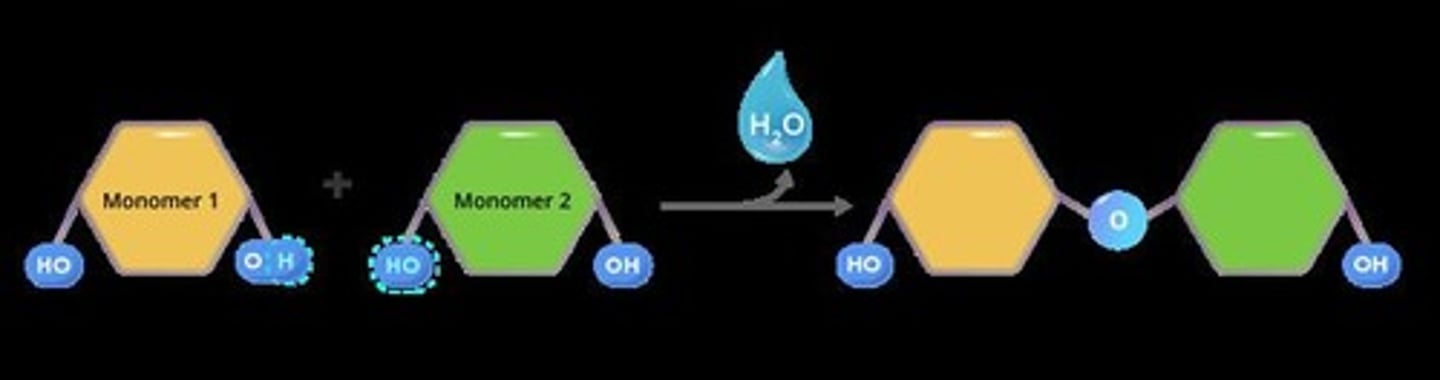
Dehydration Reaction
A chemical reaction that links monomers together to form polymers, resulting in the release of water.
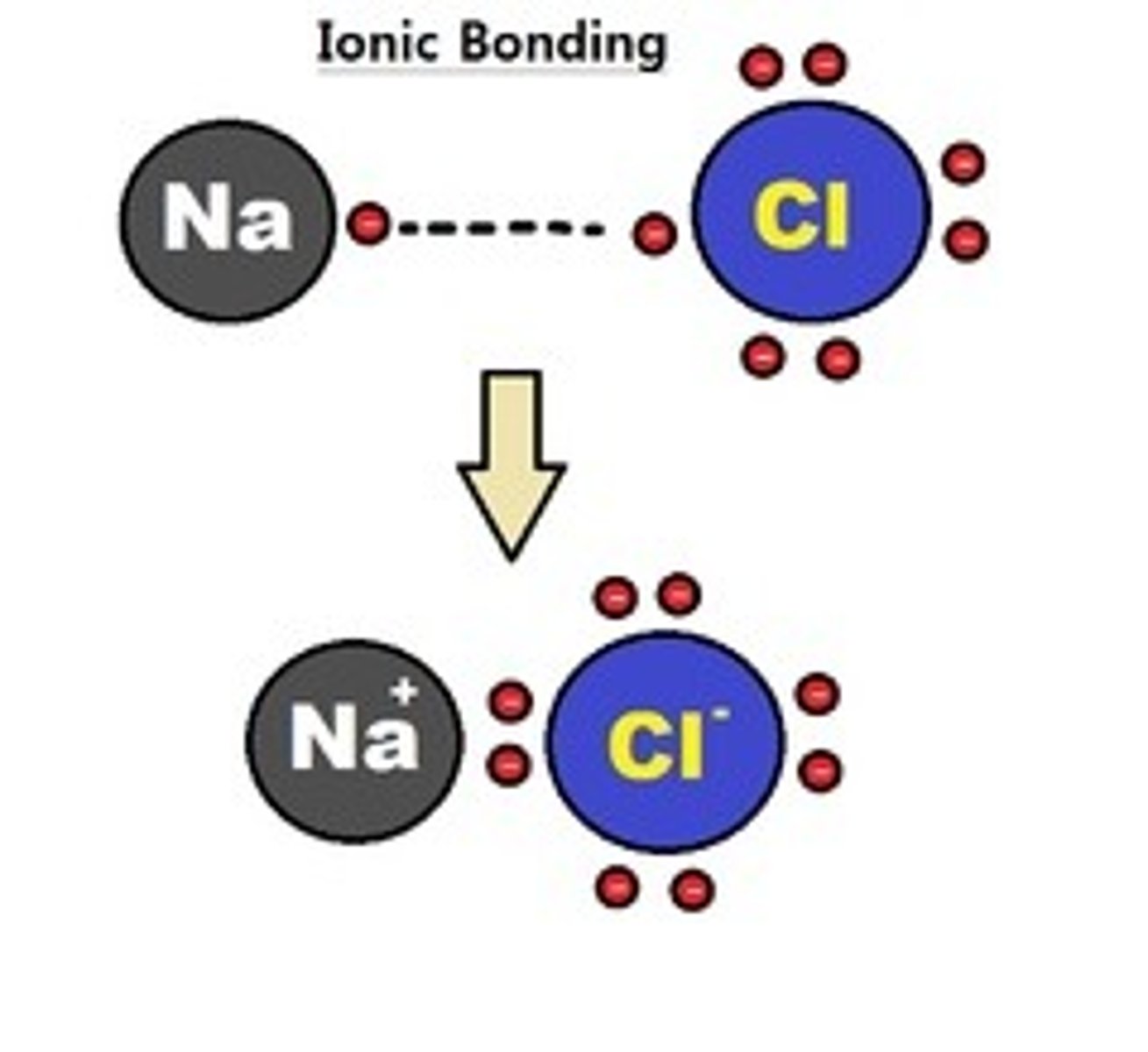
Ionic Bonds
Chemical bonds formed through the transfer of electrons between atoms with significantly different electronegativities.
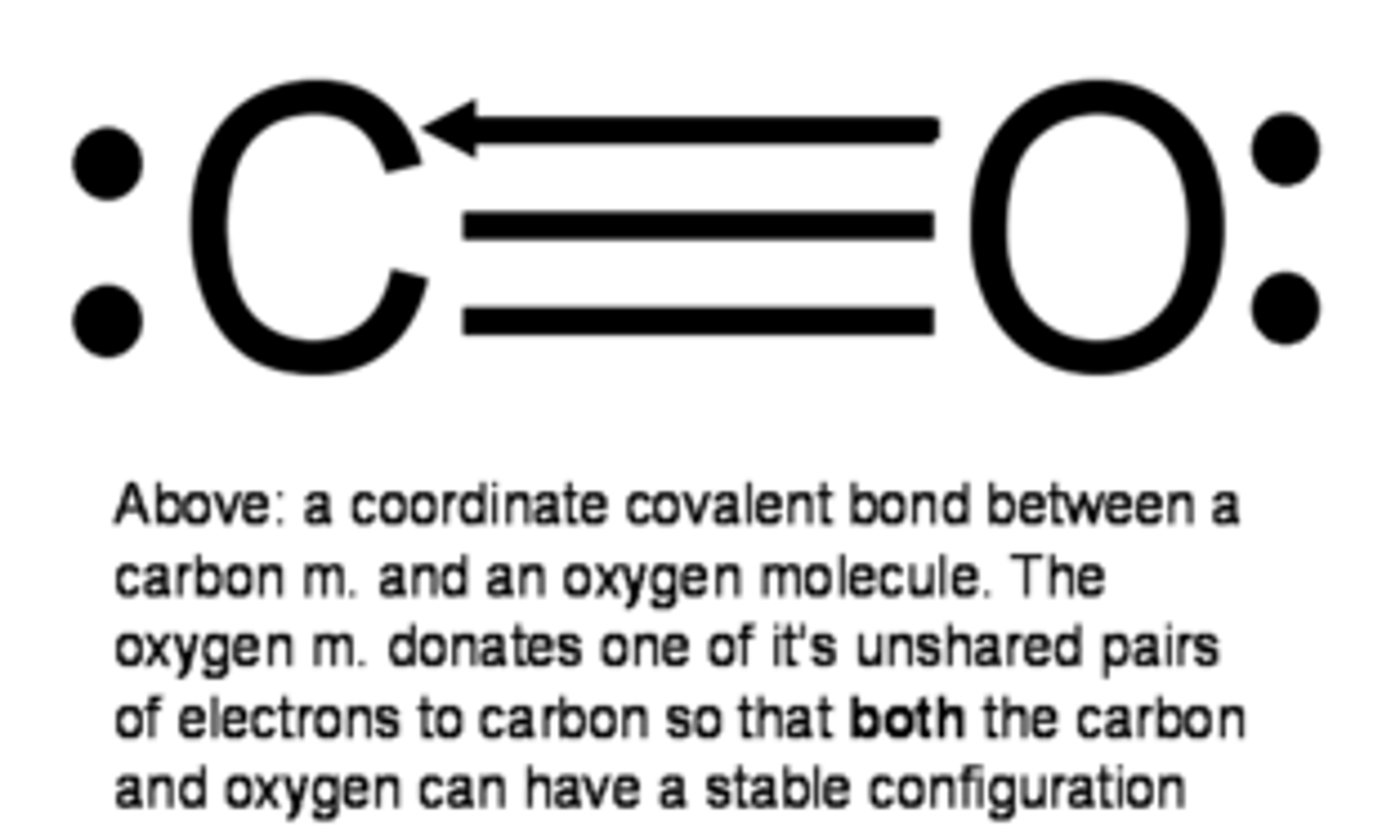
Covalent Bonds
Chemical bonds formed when two atoms share one or more pairs of electrons, typically between atoms with similar electronegativities.
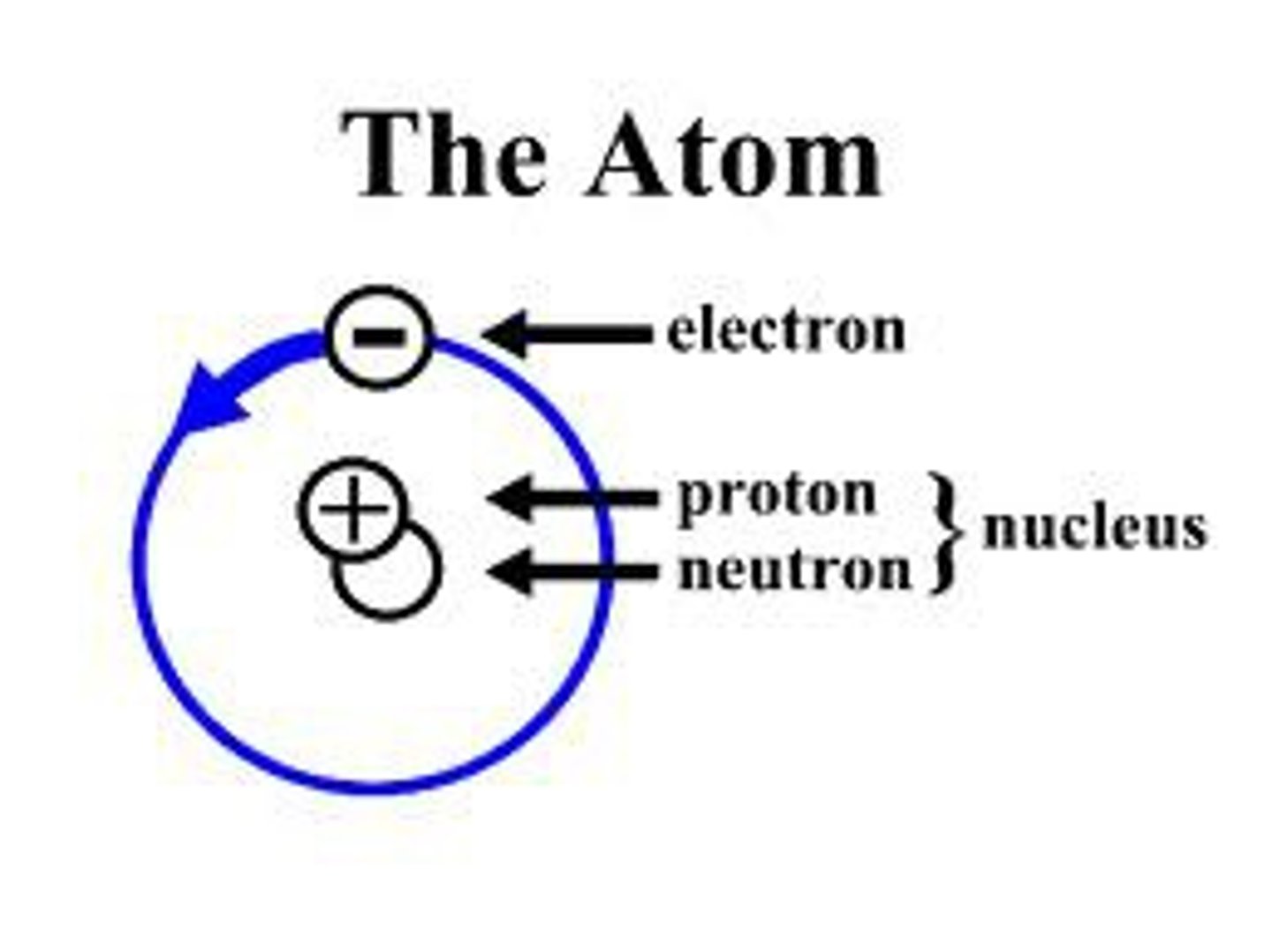
Atoms
The smallest unit of matter, consisting of protons, neutrons, and electrons.
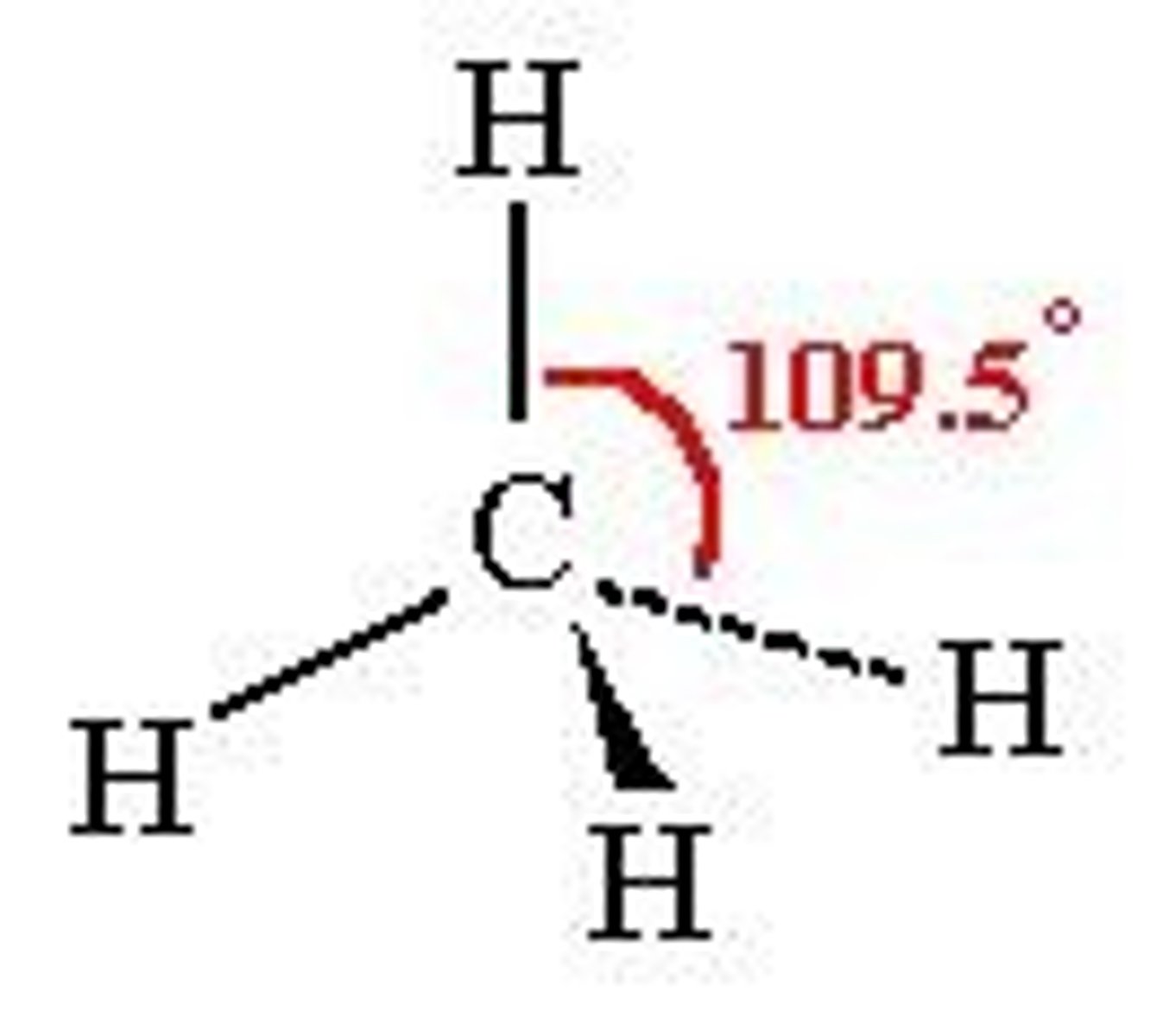
Molecule
A group of two or more atoms bonded together through chemical bonds.
Macromolecules
Large, complex molecules formed by the bonding of smaller units known as monomers.
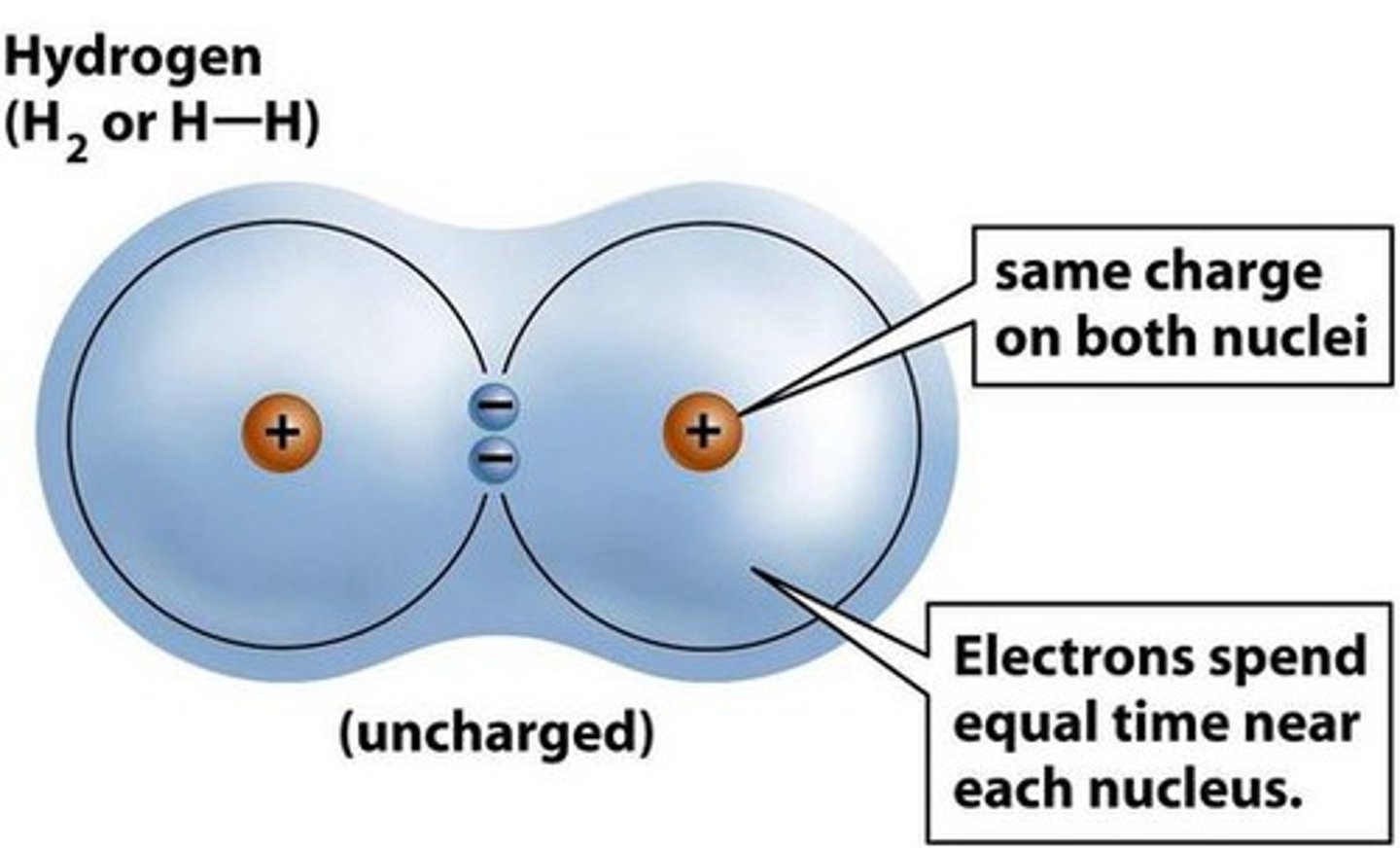
Nonpolar
Describes a molecule that has an equal sharing of electrons, resulting in no charge separation.
Polar
Describes a molecule that has an unequal sharing of electrons, resulting in a dipole moment.
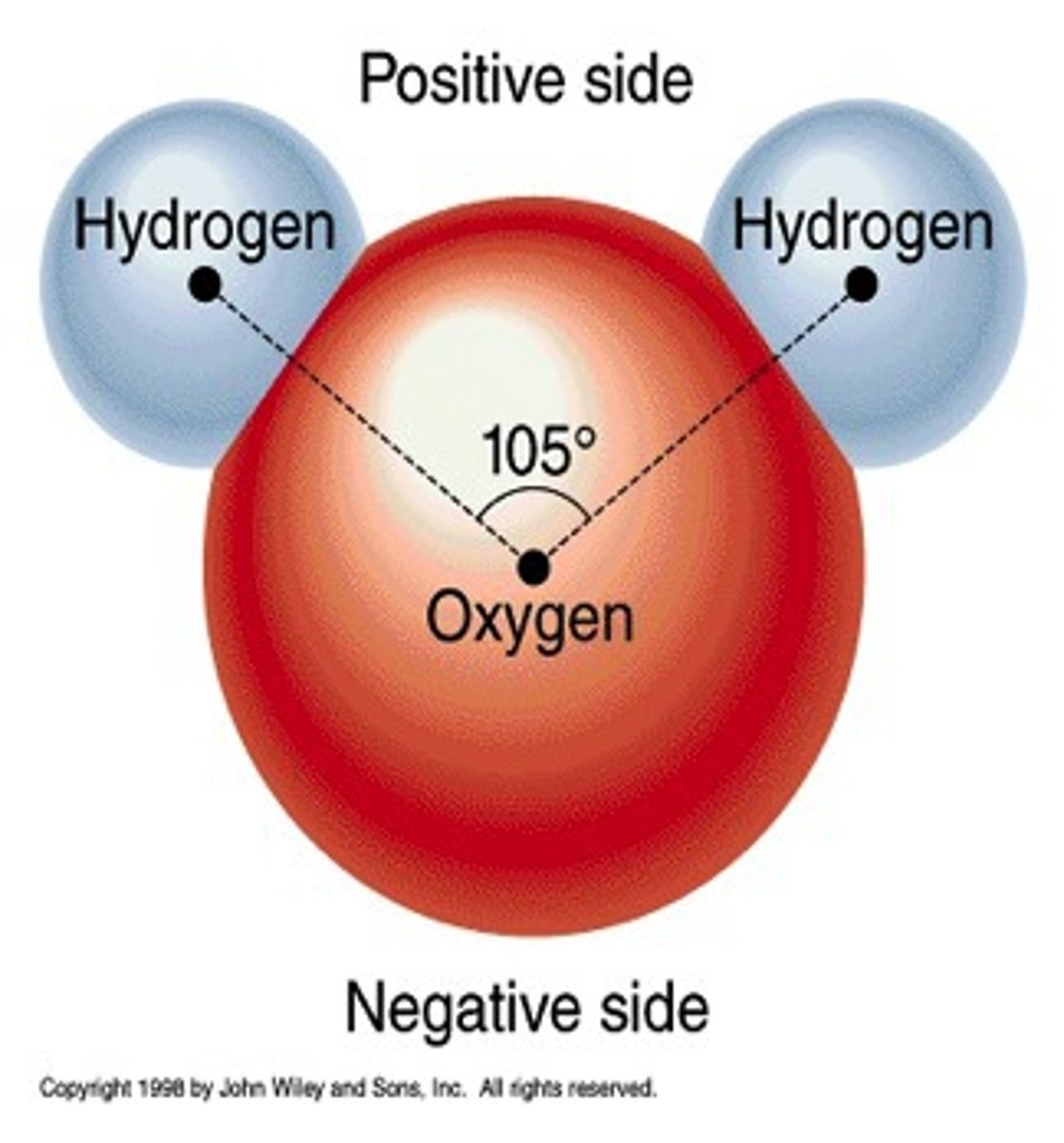
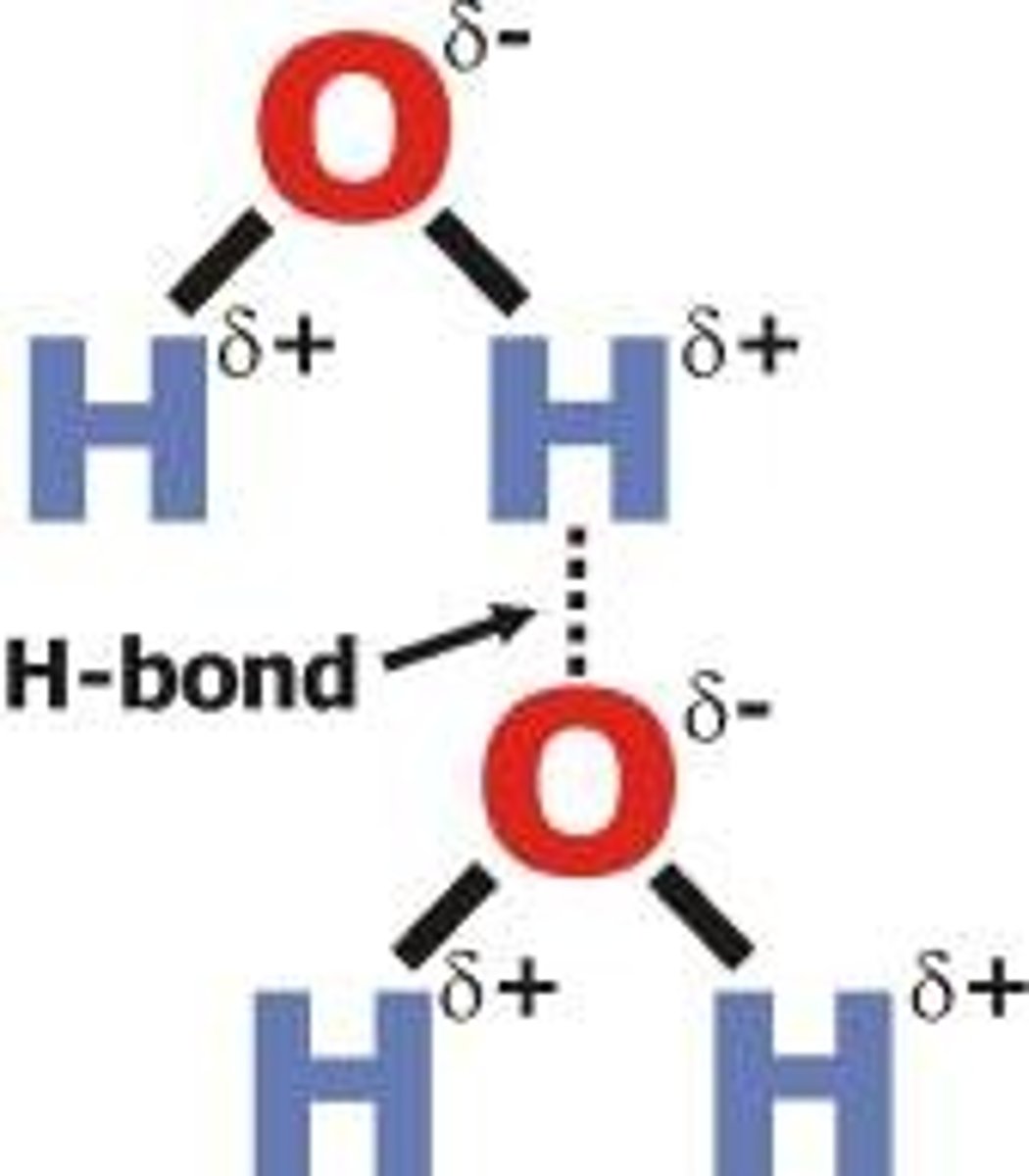
Hydrogen Bonds
Weak attractions between a hydrogen atom and an electronegative atom, such as oxygen or nitrogen. (N,O,F)
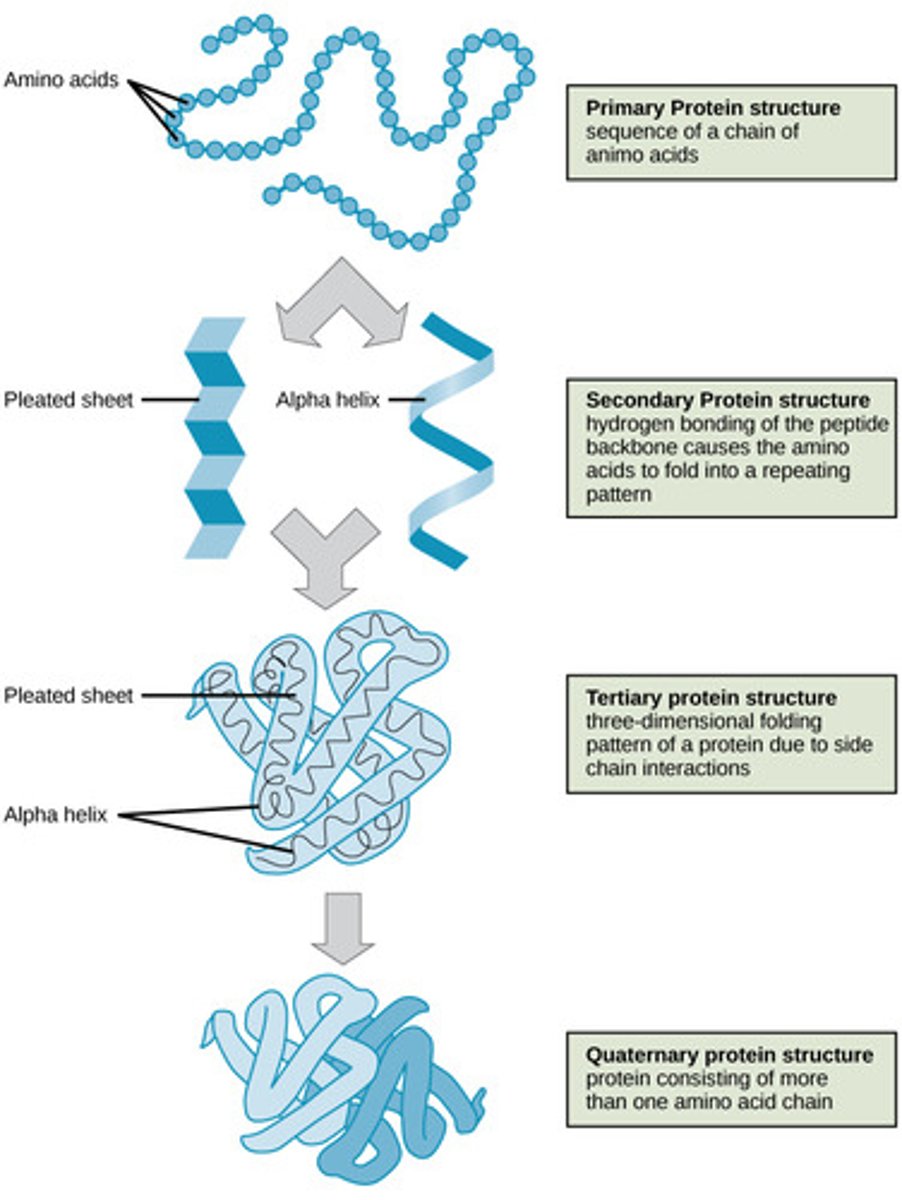
Proteins
Biomolecules composed of one or more long chains of amino acids, serving various functions including structure and catalysis.
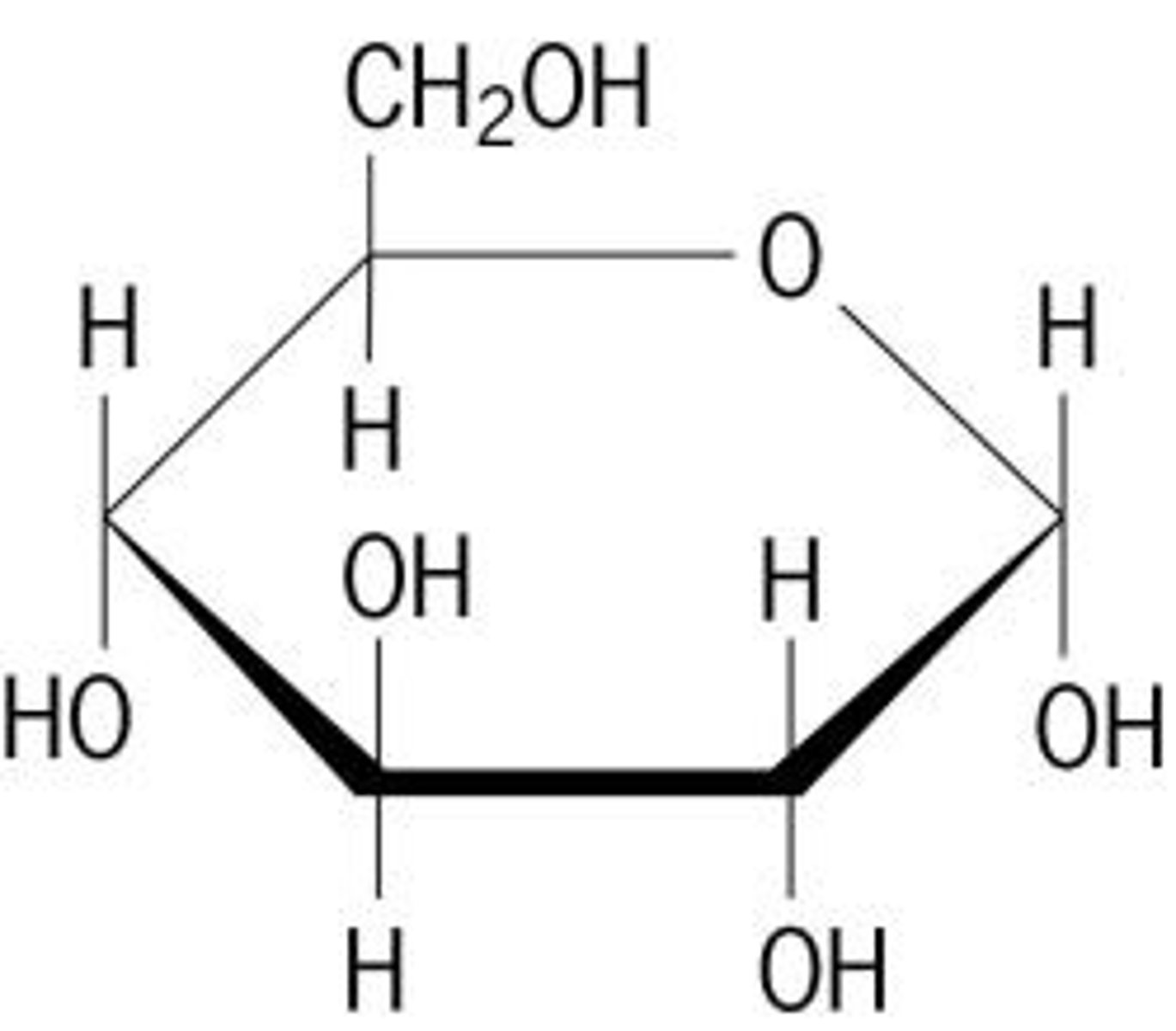
Carbohydrates
Organic compounds made up of carbon, hydrogen, and oxygen, typically serving as energy sources and structural components.
Lipids
Hydrophobic organic molecules that are insoluble in water, including fats, oils, and steroids, often serving as energy storage.
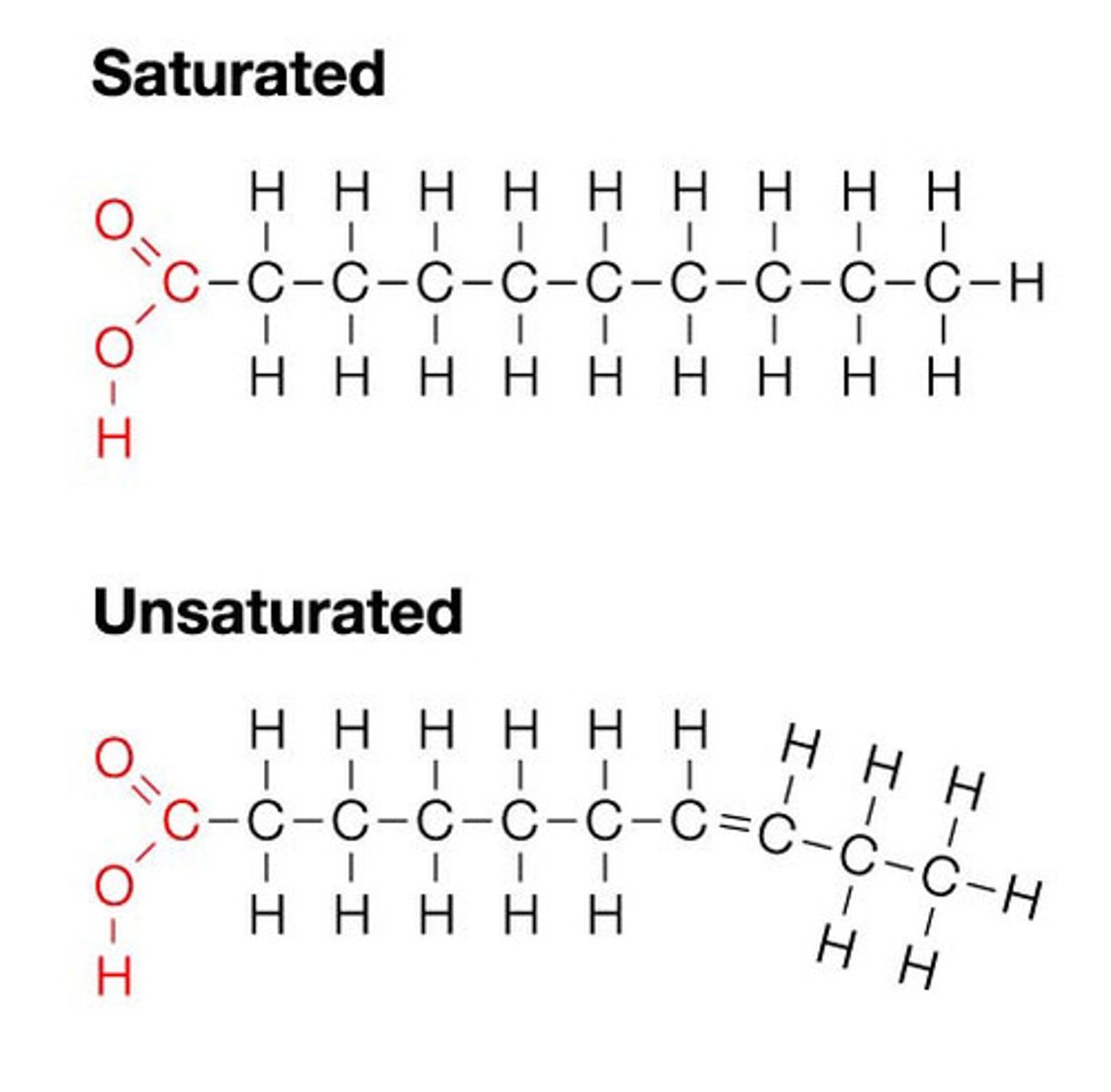
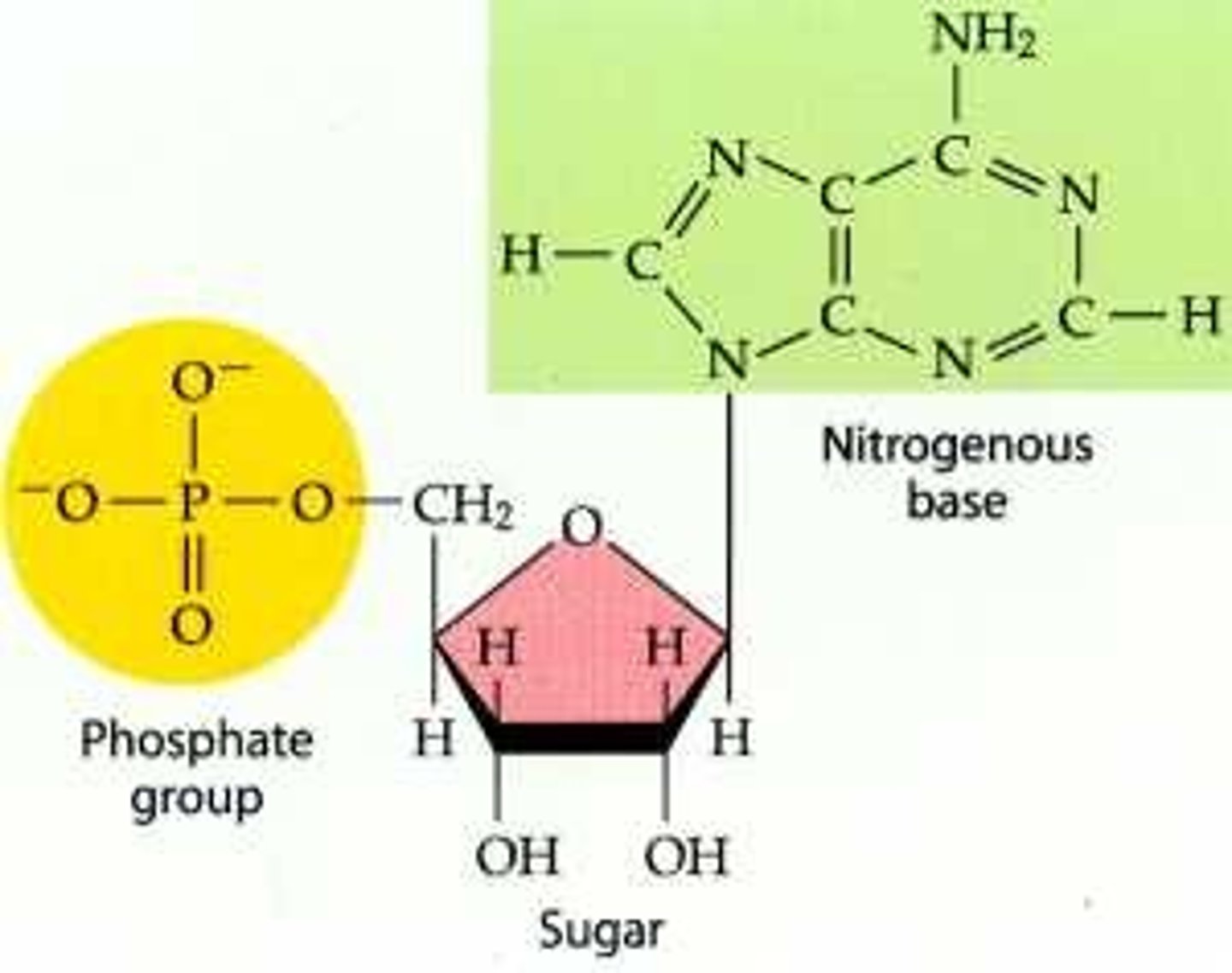
Nucleic Acids
Biomolecules that store and transmit genetic information, including DNA and RNA.
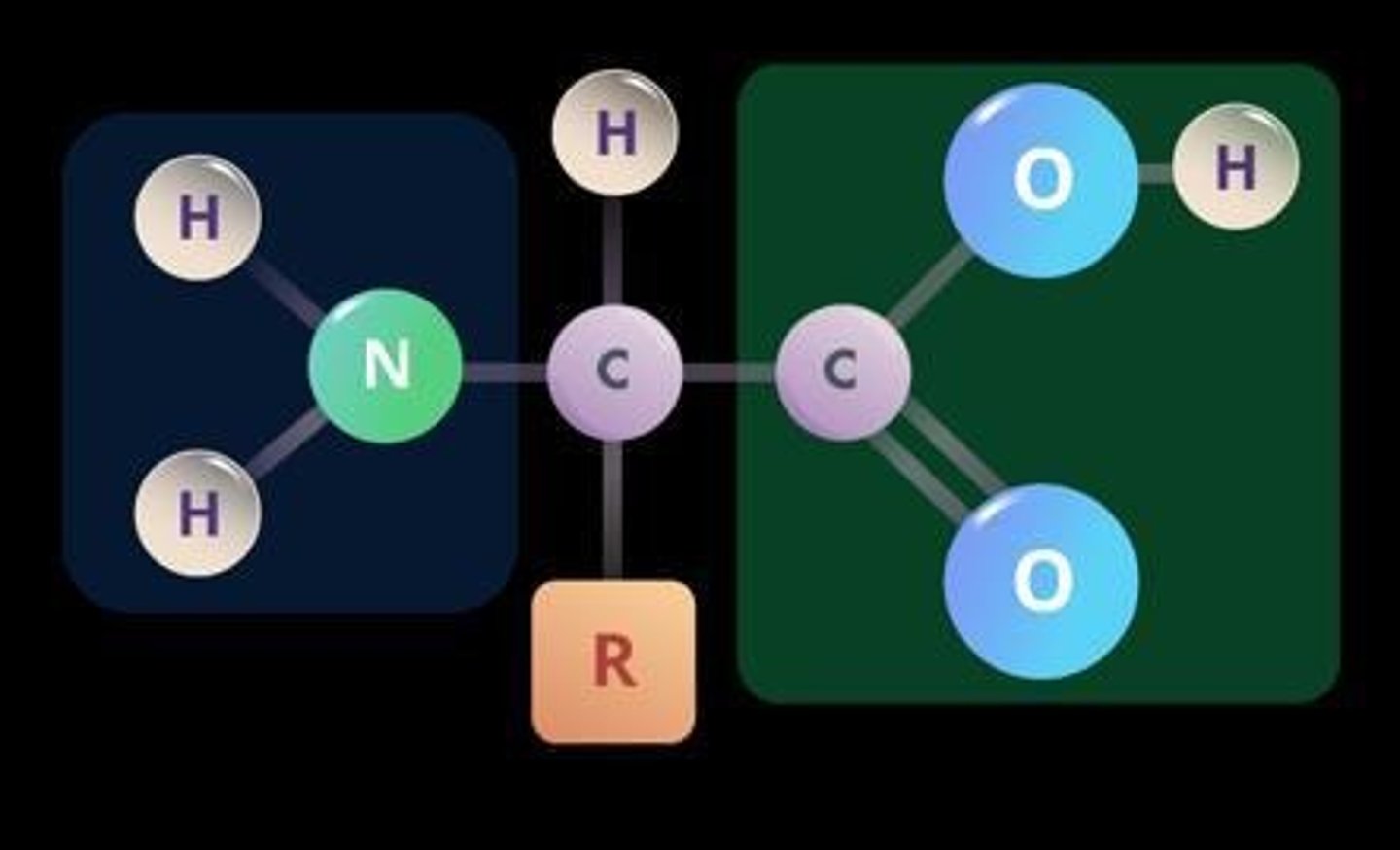
Amino Acids
The building blocks of proteins, consisting of a central carbon atom bonded to an amino group, a carboxyl group, and a variable R group.
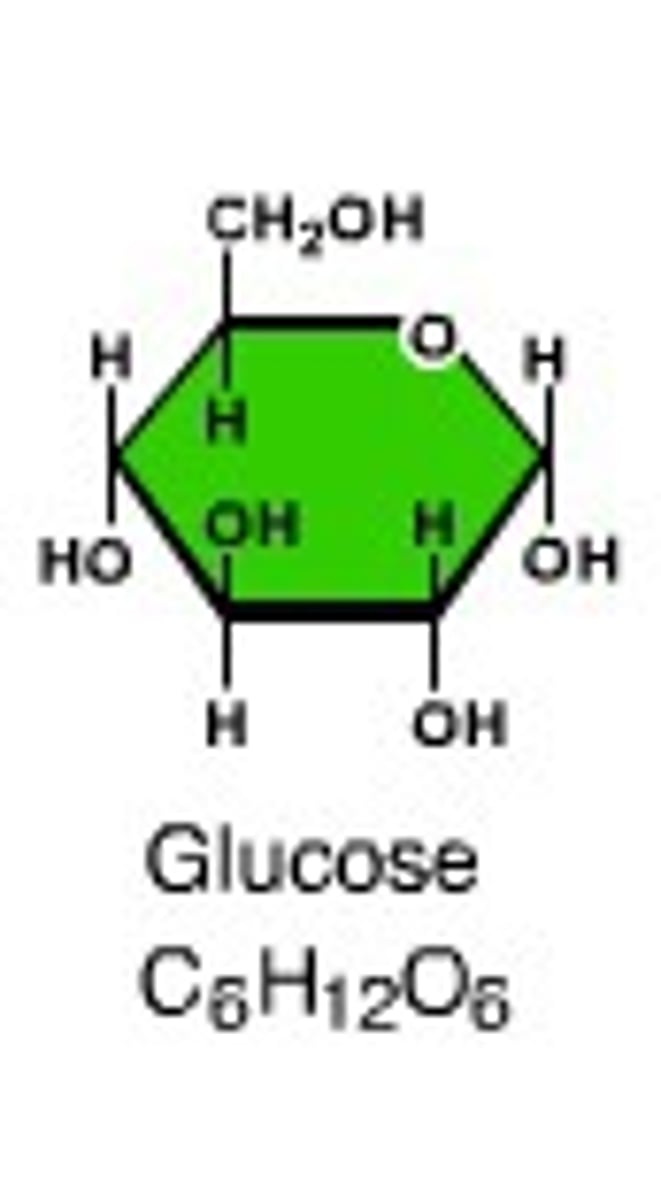
Monosaccharide
The simplest form of carbohydrates, consisting of a single sugar molecule, such as glucose.
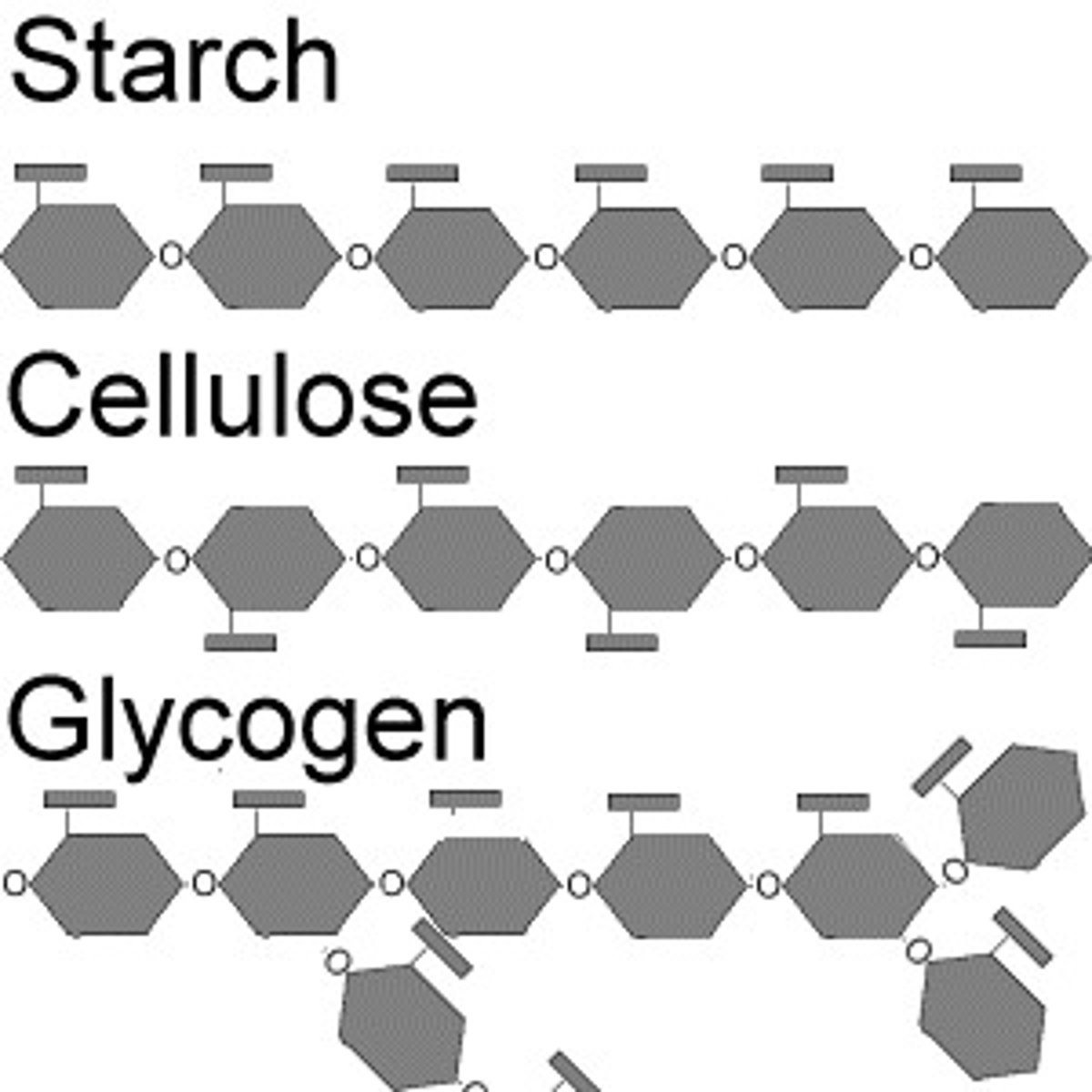
Polysaccharide
Carbohydrates that are made up of long chains of monosaccharide units, such as starch and cellulose.
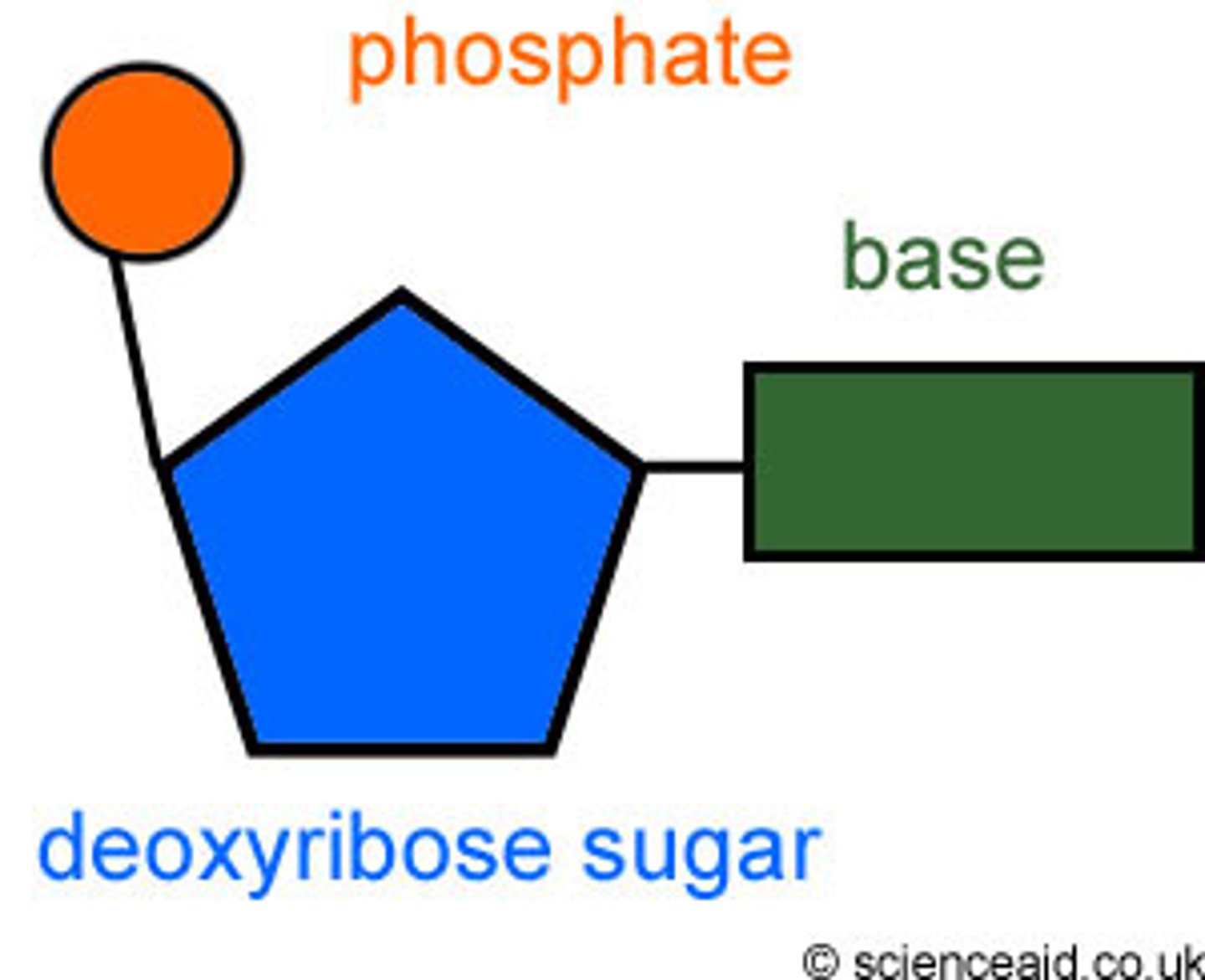
Nucleotide
The basic building block of nucleic acids, composed of a nitrogenous base, a five-carbon sugar, and a phosphate group.
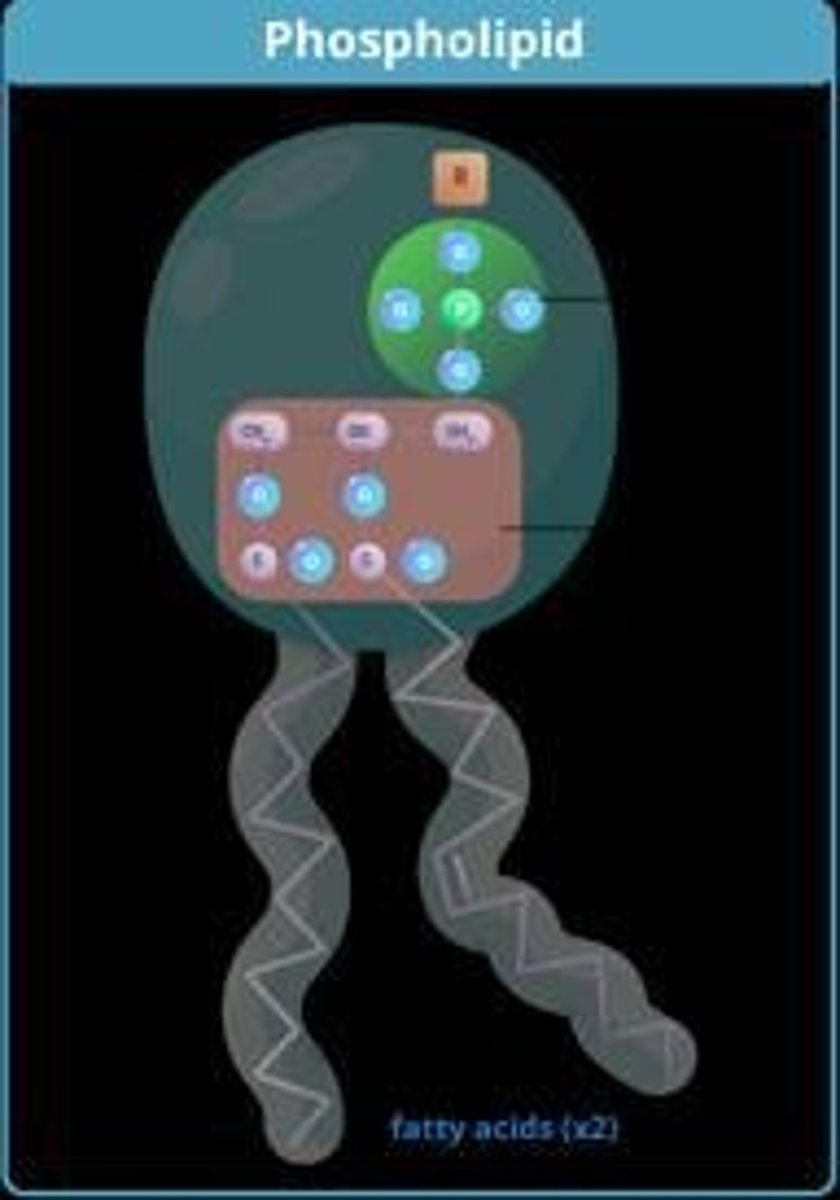
Phospholipids
Molecules that form the structural basis of cell membranes, consisting of two fatty acids and a phosphate group attached to a glycerol backbone.
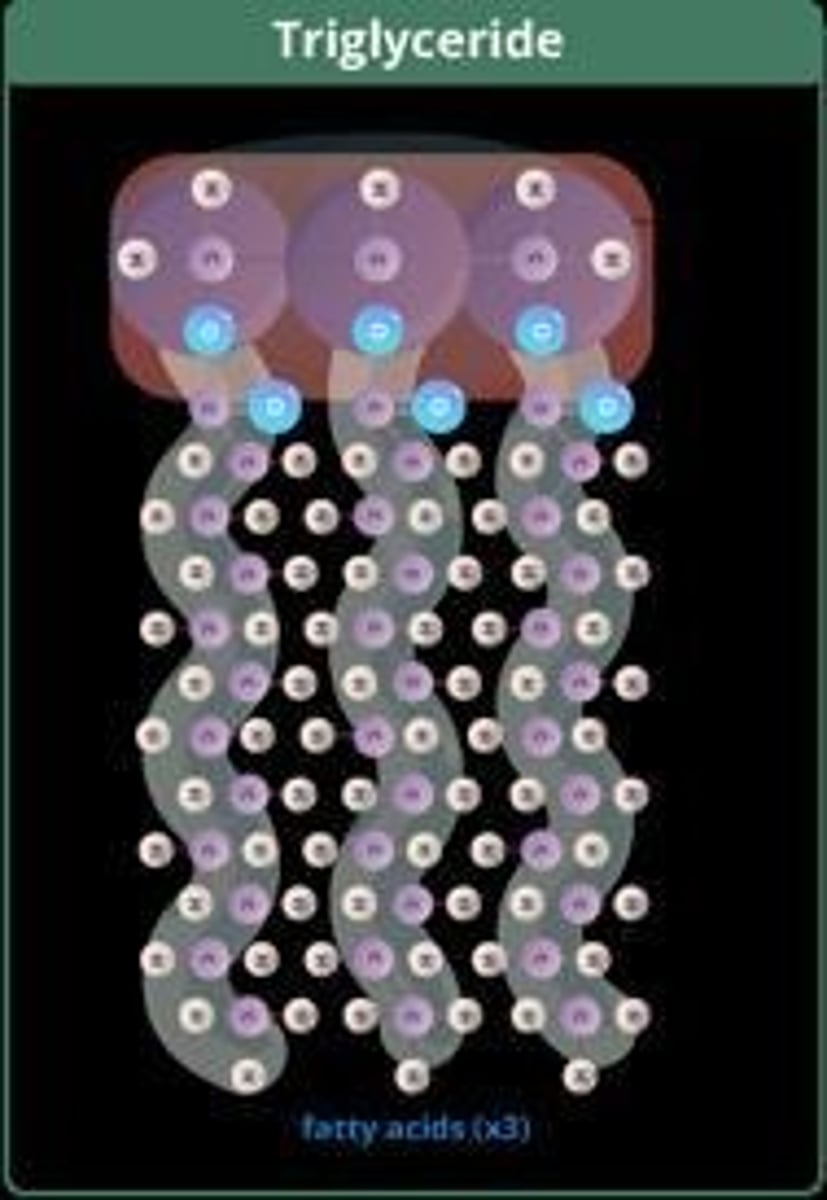
Triglycerides
A type of lipid formed from glycerol and three fatty acids, primarily used for energy storage.
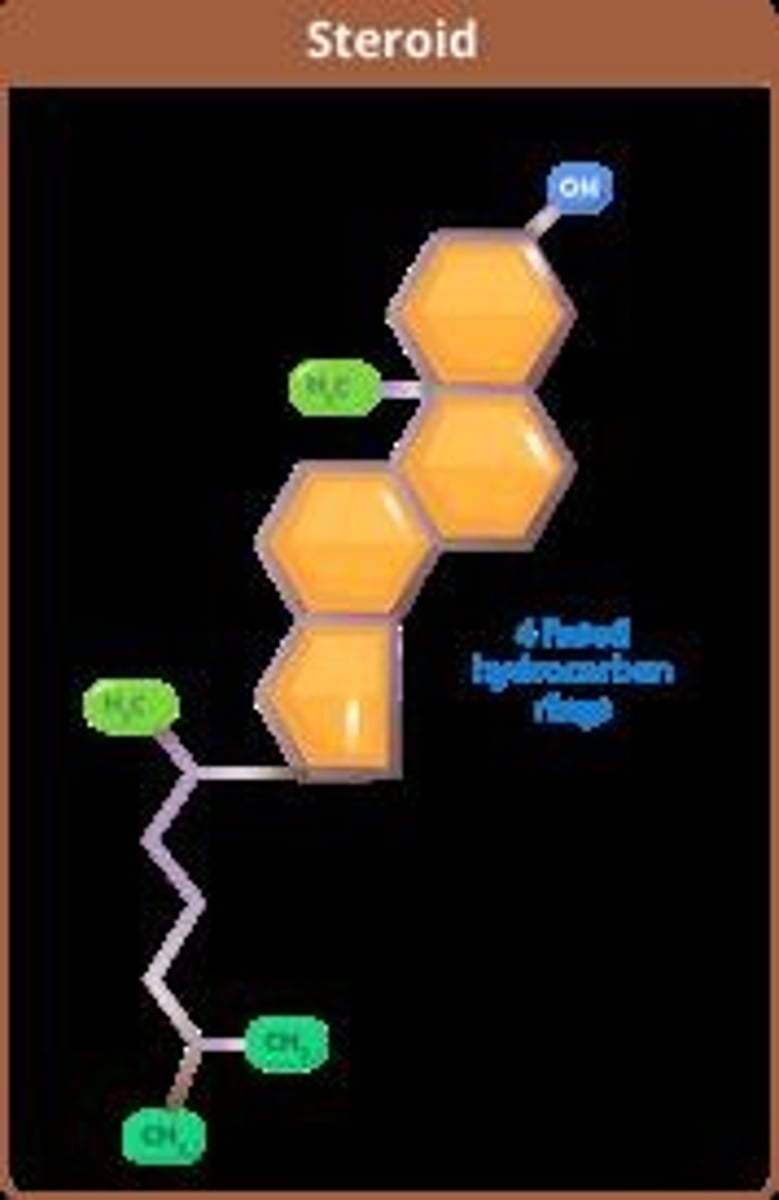
Steroids
A class of lipids characterized by a structure of four fused carbon rings, often functioning as hormones.
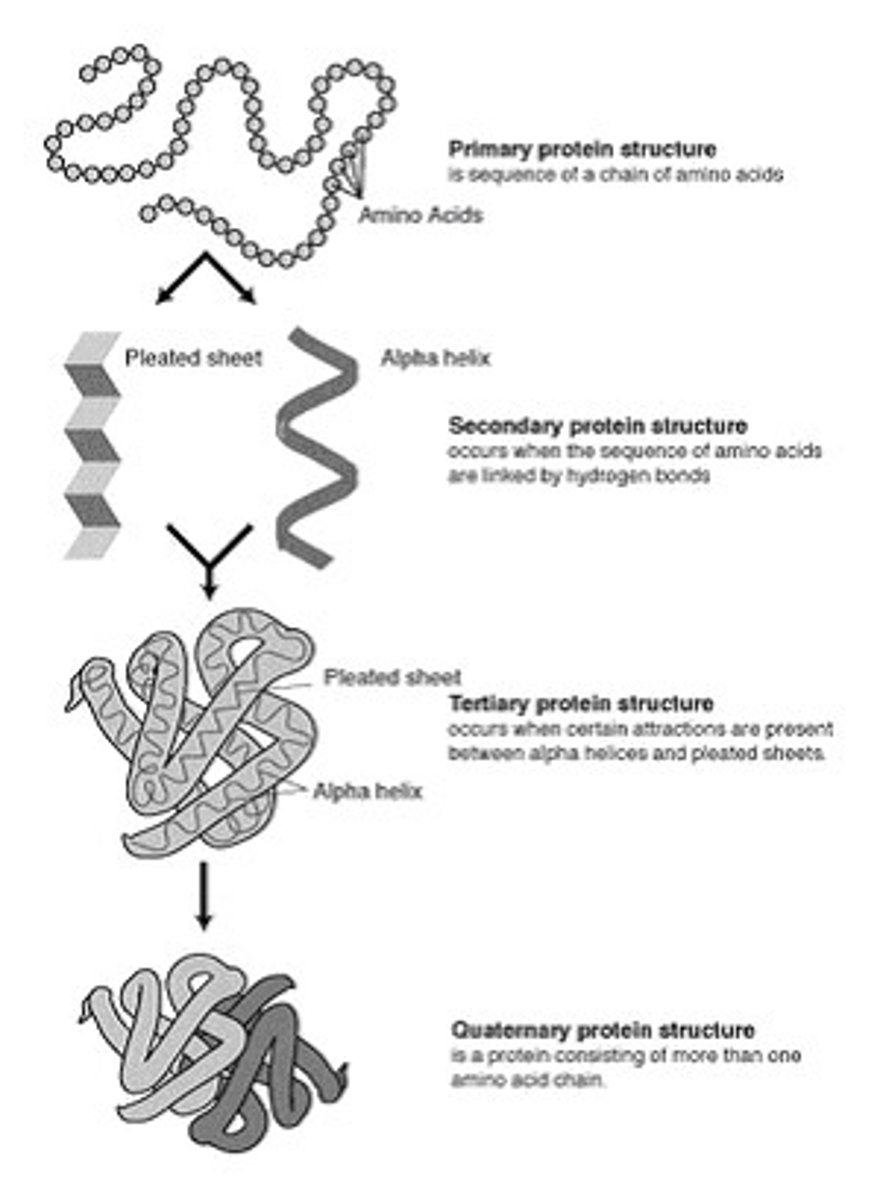
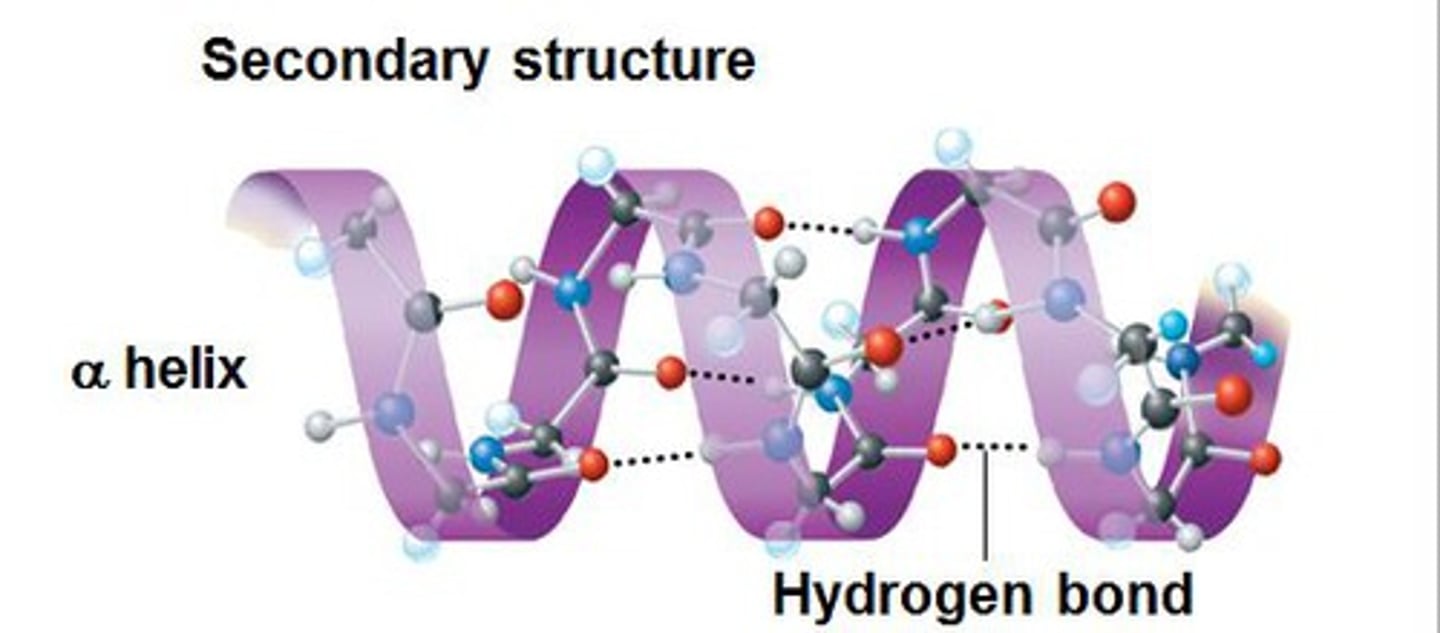
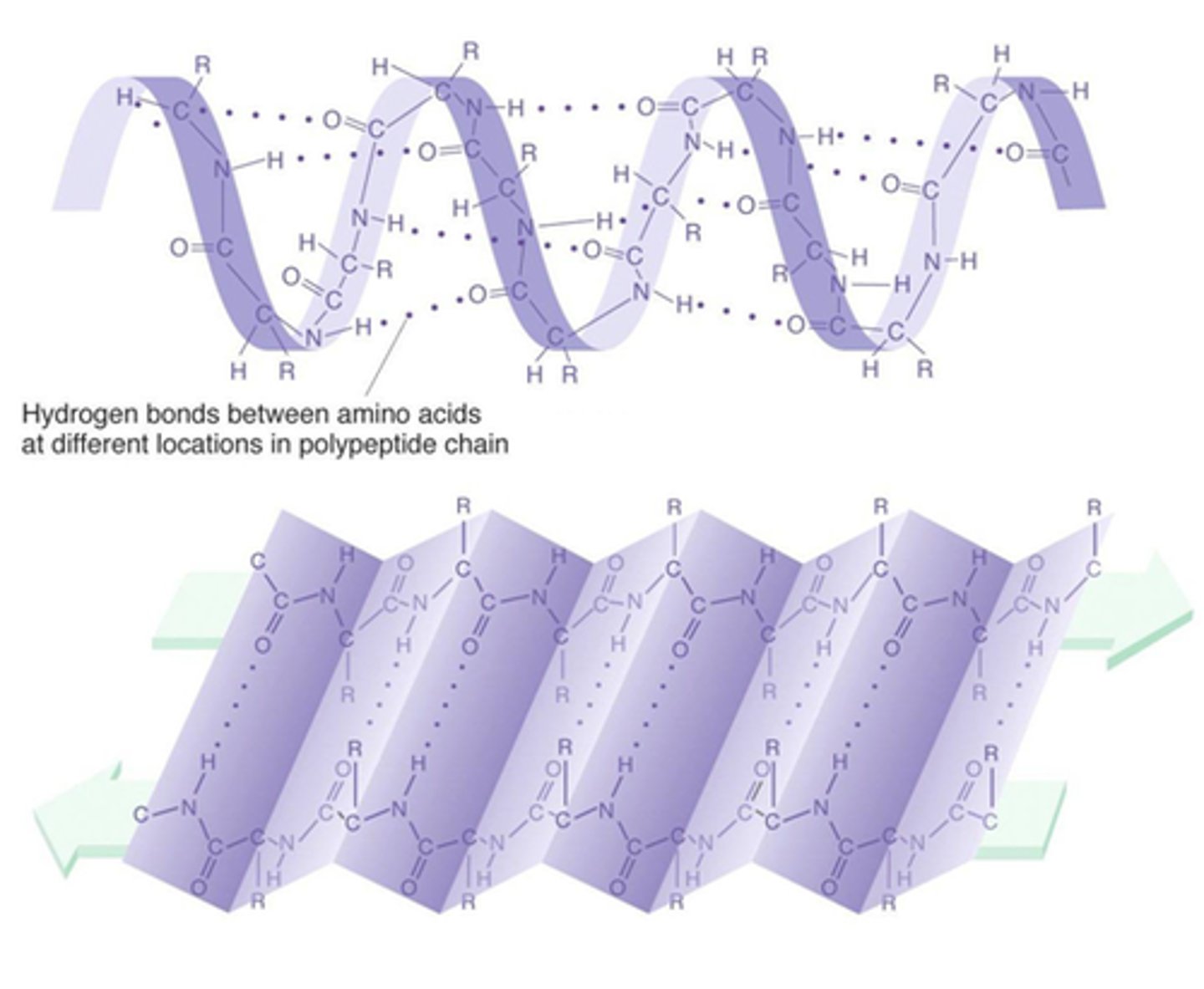
Alpha Helix
A common structural motif in proteins, characterized by a right-handed coil stabilized by hydrogen bonds.
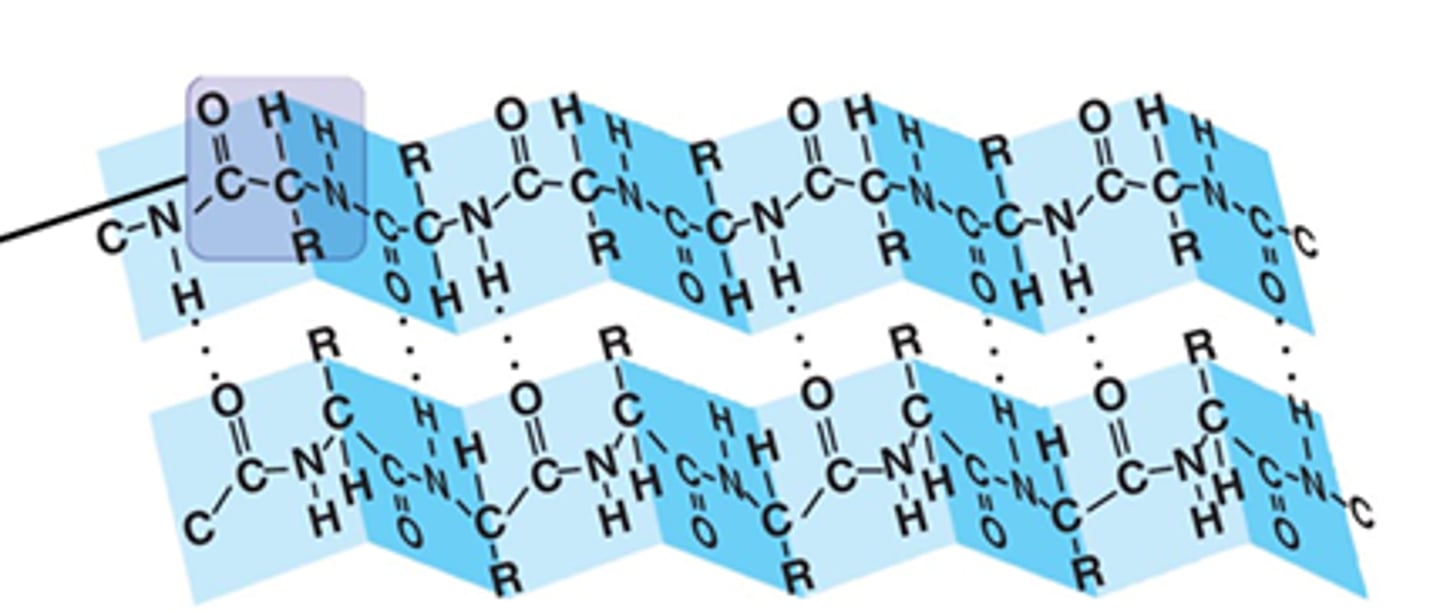
Beta Sheet
A secondary structure in proteins formed by hydrogen bonding between strands of amino acids, resulting in a pleated appearance.
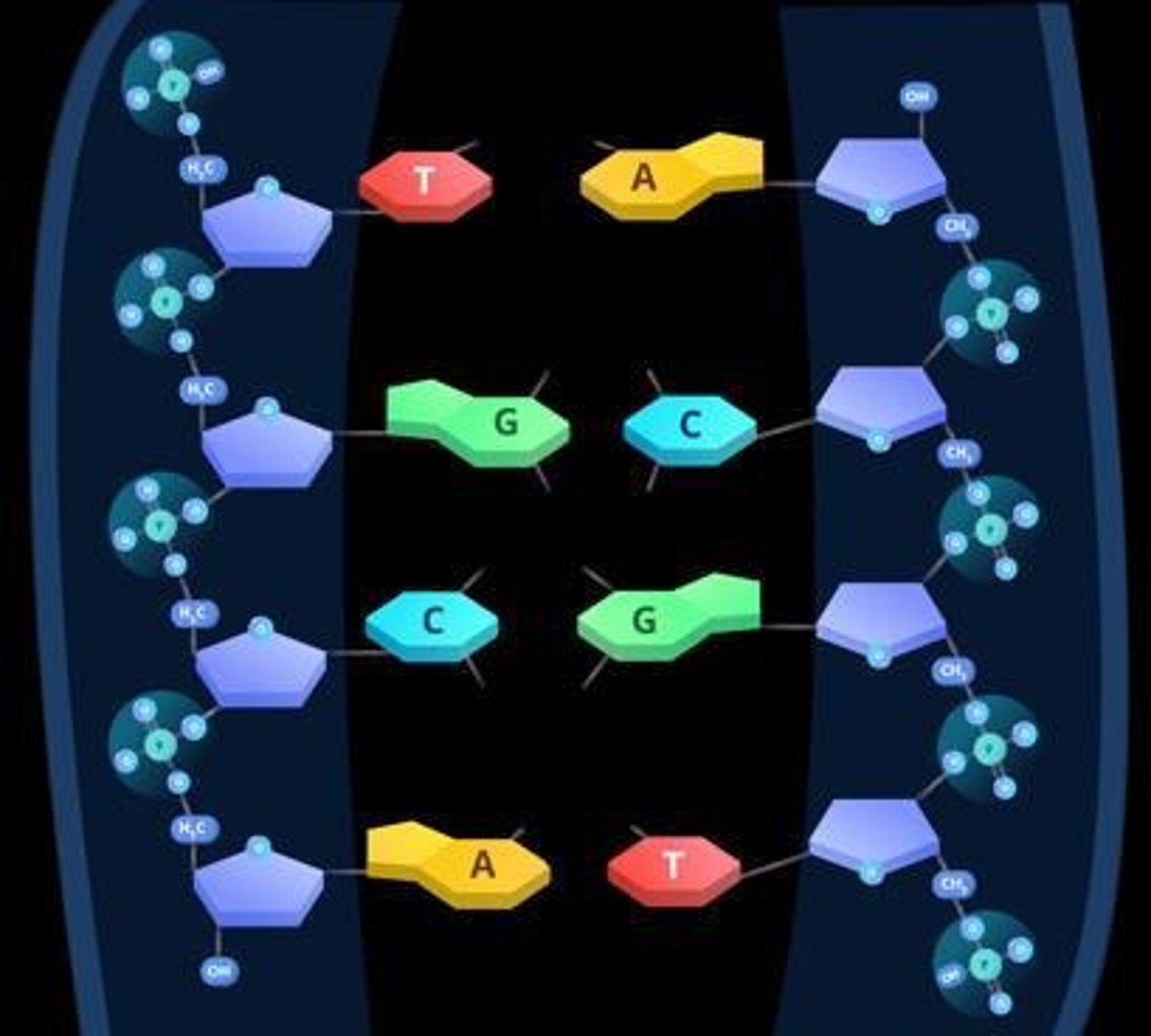
Chargaff's Rule
The principle stating that in a double-stranded DNA molecule, the amount of adenine equals thymine, and the amount of cytosine equals guanine.
GC Content
The proportion of guanine and cytosine bases in a DNA molecule, which influences the stability of the DNA structure.
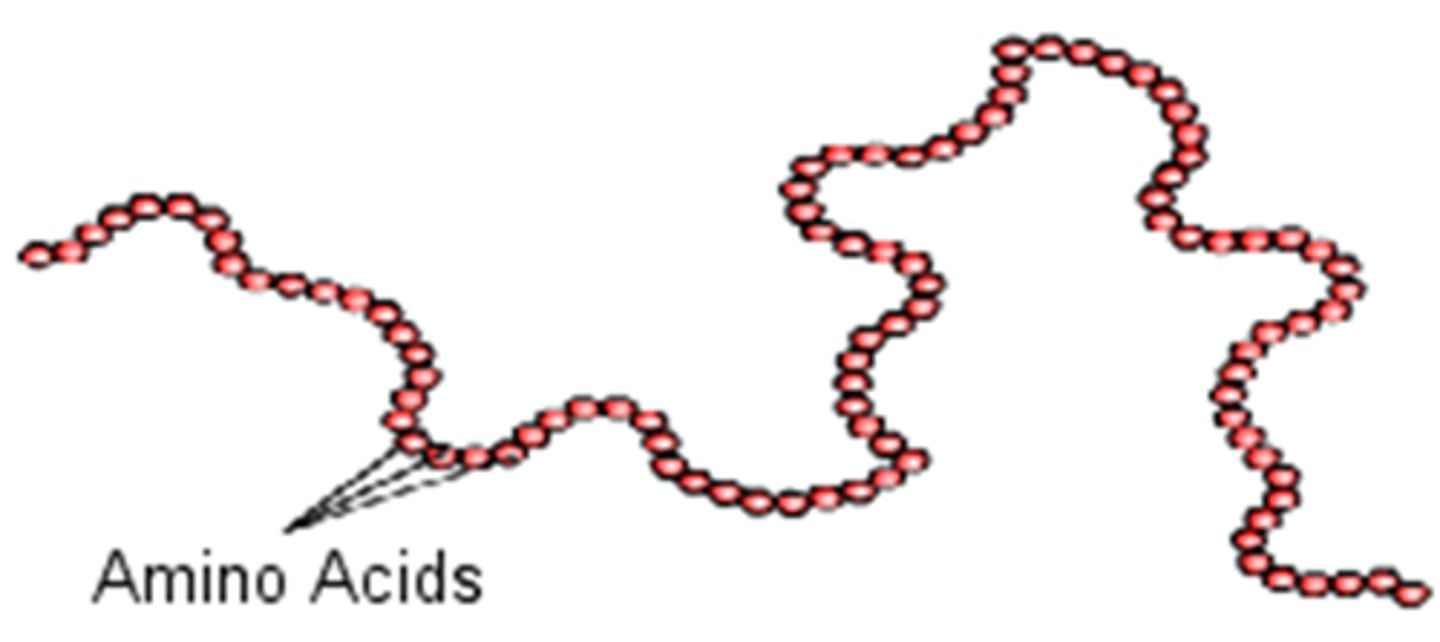
Primary Structure
The linear sequence of amino acids in a protein, determining its unique characteristics.
Secondary Structure
The local folding of a protein's polypeptide chain into structures such as alpha helices and beta sheets.
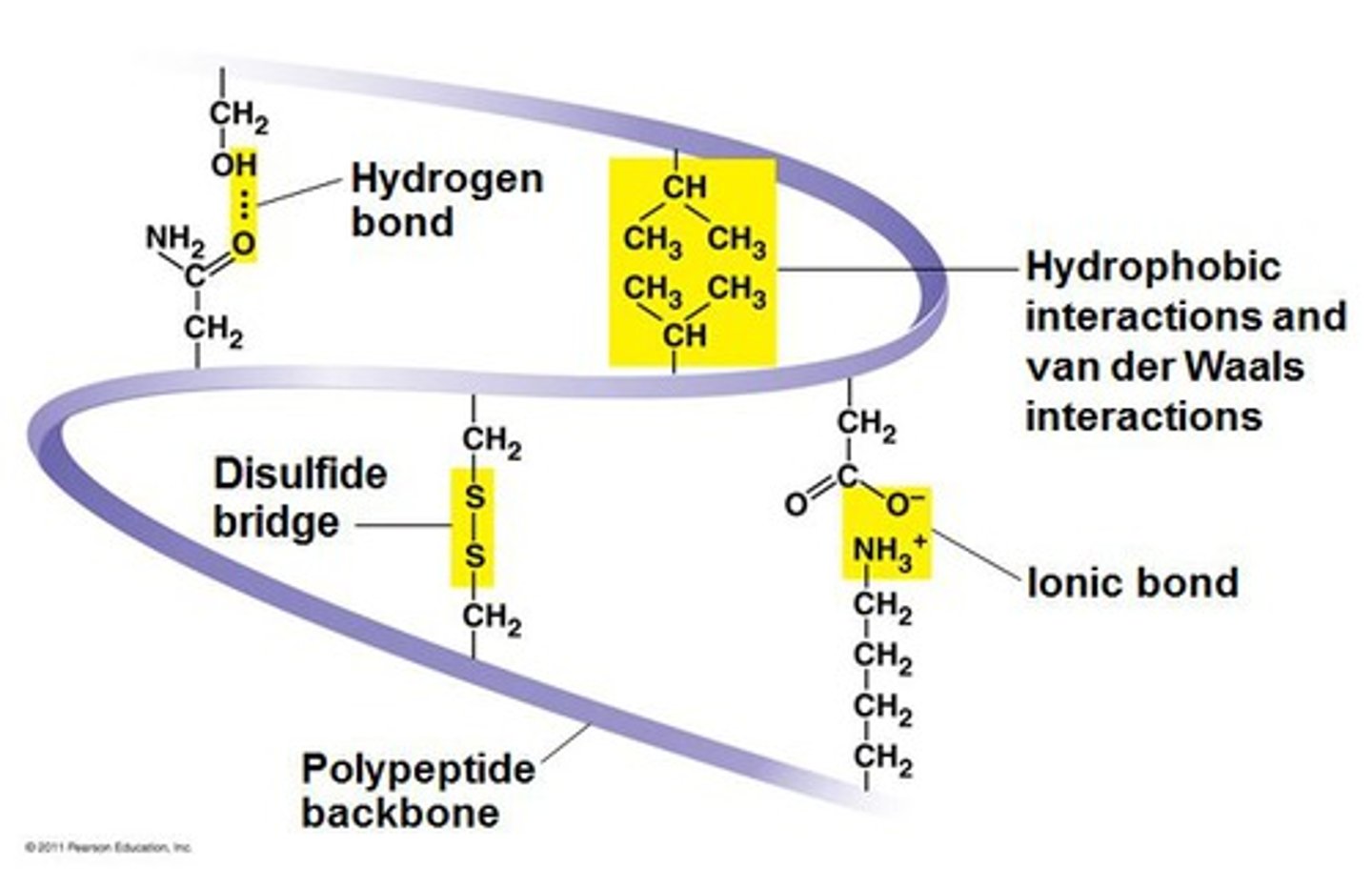
Tertiary Structure
The overall three-dimensional shape of a protein, determined by interactions among R groups of amino acids.
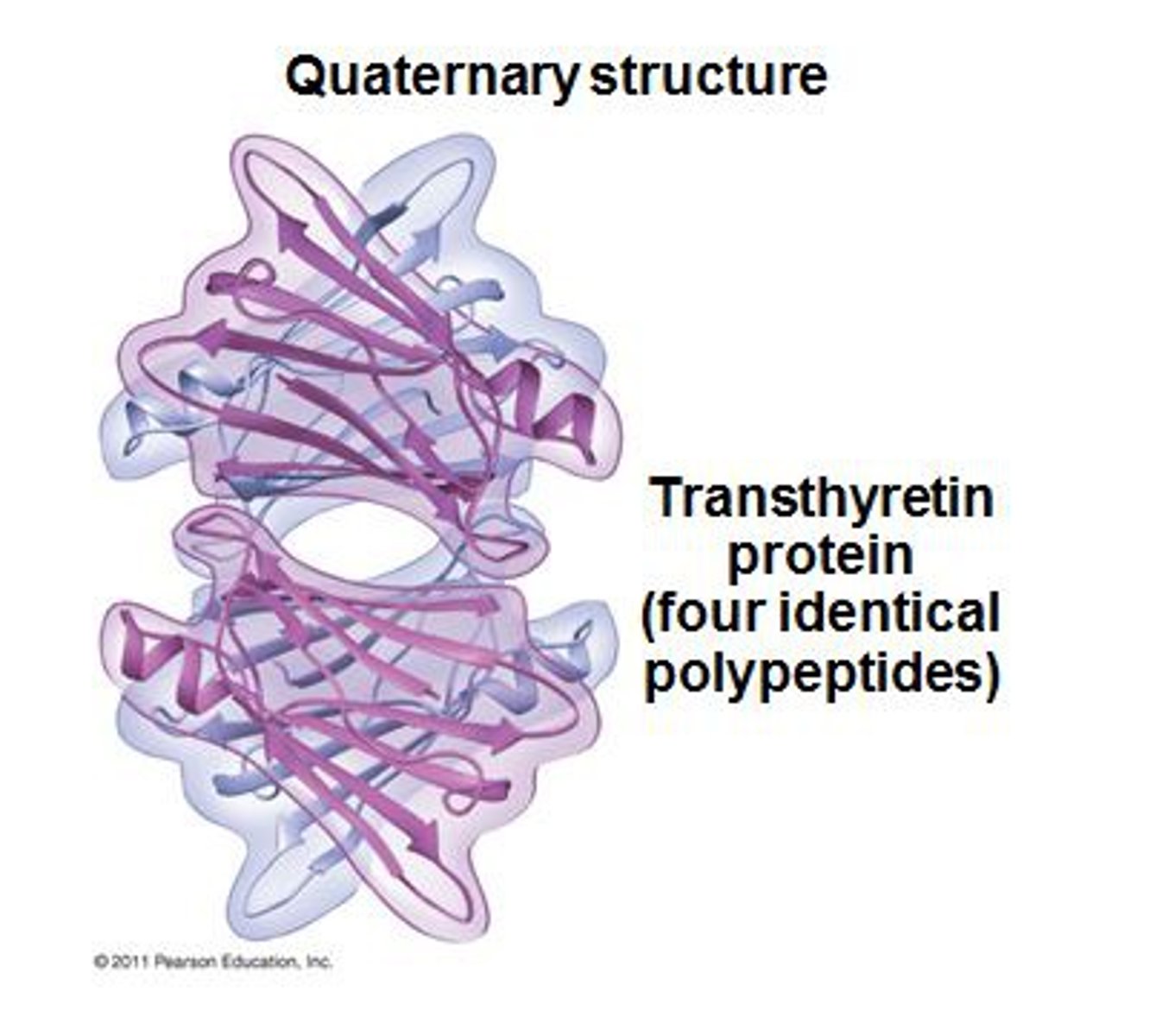
Quaternary Structure
The structure formed when two or more polypeptide chains assemble into a single functional protein.
RNA Base Pairs
A-U
C-G
DNA Base Pairs
A-T
G-C