Alaskan Fish
 Call Kai
 Learn
Learn Practice Test
 Spaced Repetition
 Match
Match Flashcards
 Knowt Play
1/14

There's no tags or description
Looks like no tags are added yet.
Name | Mastery | Learn | Test | Matching | Spaced | Call with Kai | Chat |
|---|
No analytics yet
Send a link to your students to track their progress
15 Terms
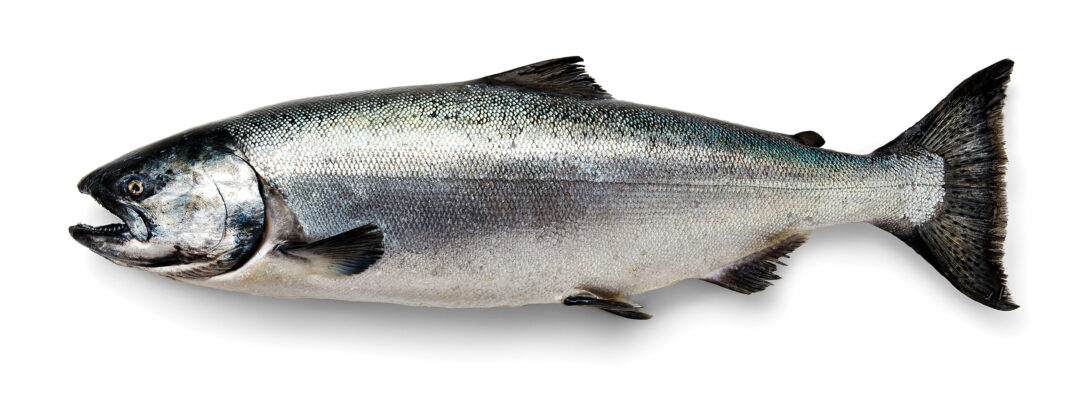
Chinook Salmon (King Salmon)
Black gums inside mouth
Black spots on tail
Fun fact: The Alaska state record was 97 pounds 4 oz in Kenai.
May through early July is the prime king salmon season around Juneau.
10–30 pound range, with fish in the teens and low 20s being very common. Truly big kings can reach 40–50+ pounds
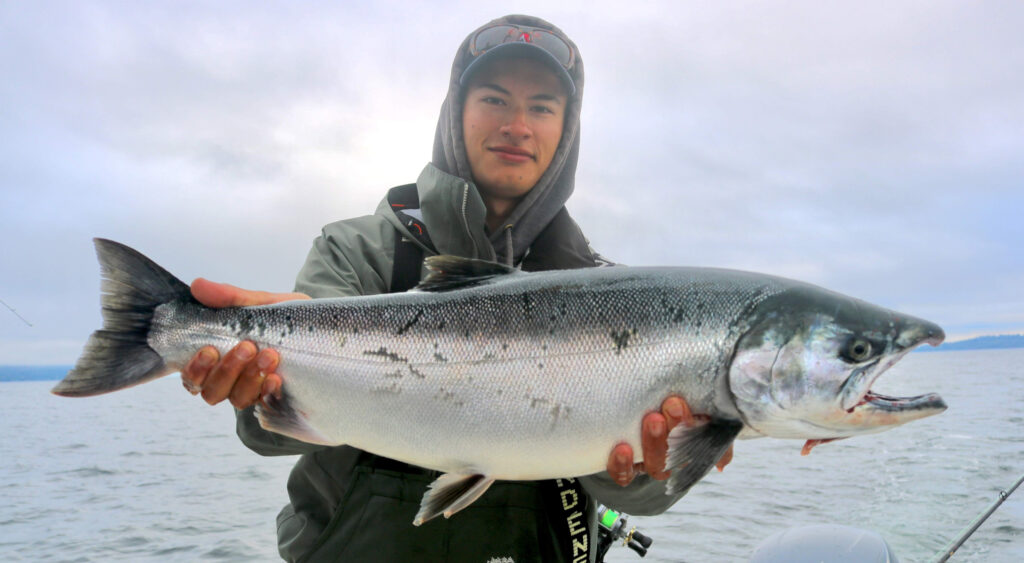
Coho Salmon (silver salmon)
White gums with black tounge
Late July through September
Average Size: 6–12 lbs
Nickname to Remember:
“The acrobat.”
Because compared to kings, silvers are much more likely to jump, thrash, and put on a show for the guests. 🎣
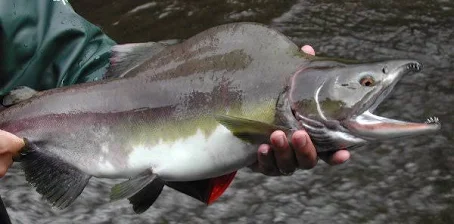
Pink Salmon “humpy”
Smallest common salmon
Large oval black spots on tail
Males develop huge hump while spawning
Peak season: July–August (especially odd-numbered years)
* 3–5 pounds
Nice fish:
* 5–7 pounds
Big pink:
* 8+ pounds
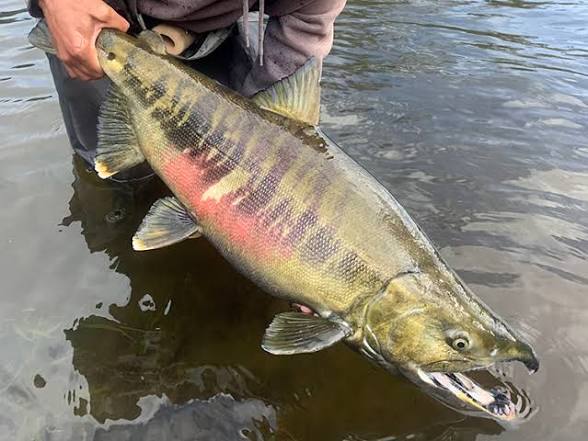
Chum or Dog Salmon
How to identify
Vertical tiger-like bars when spawning
Large teeth
No obvious spots
Peak season: July–September
Fun fact: Called “dog salmon” because early sled-dog teams were fed them.
Average Size
Typical Juneau chum:
* 8–15 pounds
Nice fish:
* 15–18 pounds
Big fish:
* 20+ pounds
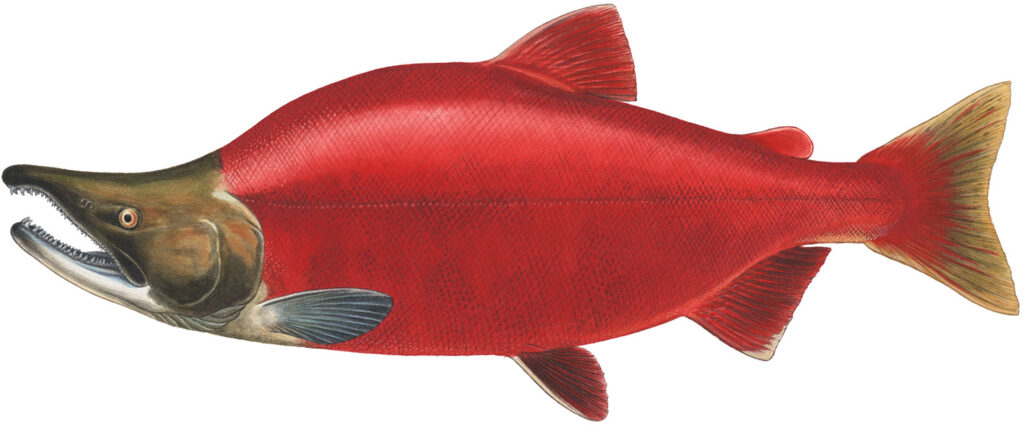
Sockeye Salmon
How to identify
* Little to no spots
* Bright red body and green head when spawning
Peak season: June–August
Fun fact: Sockeye flesh is naturally the deepest red of all salmon.
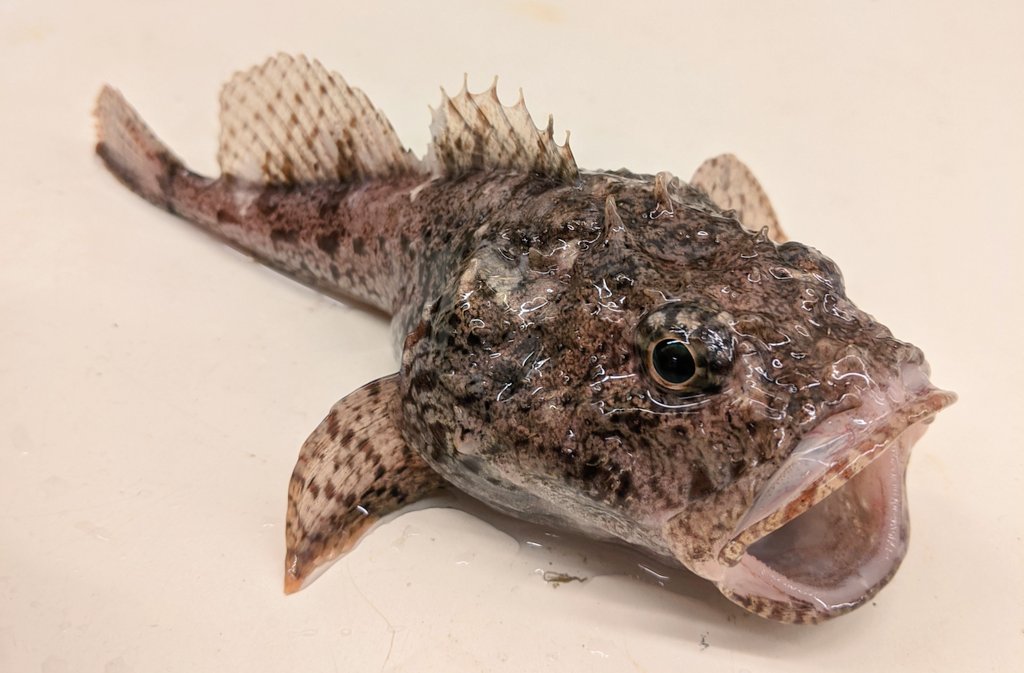
Sculpin “Double Ugly”
That thing may be ugly, but it’s a predator. It hides on the bottom and waits for something to swim by, then sucks it in like a vacuum cleaner
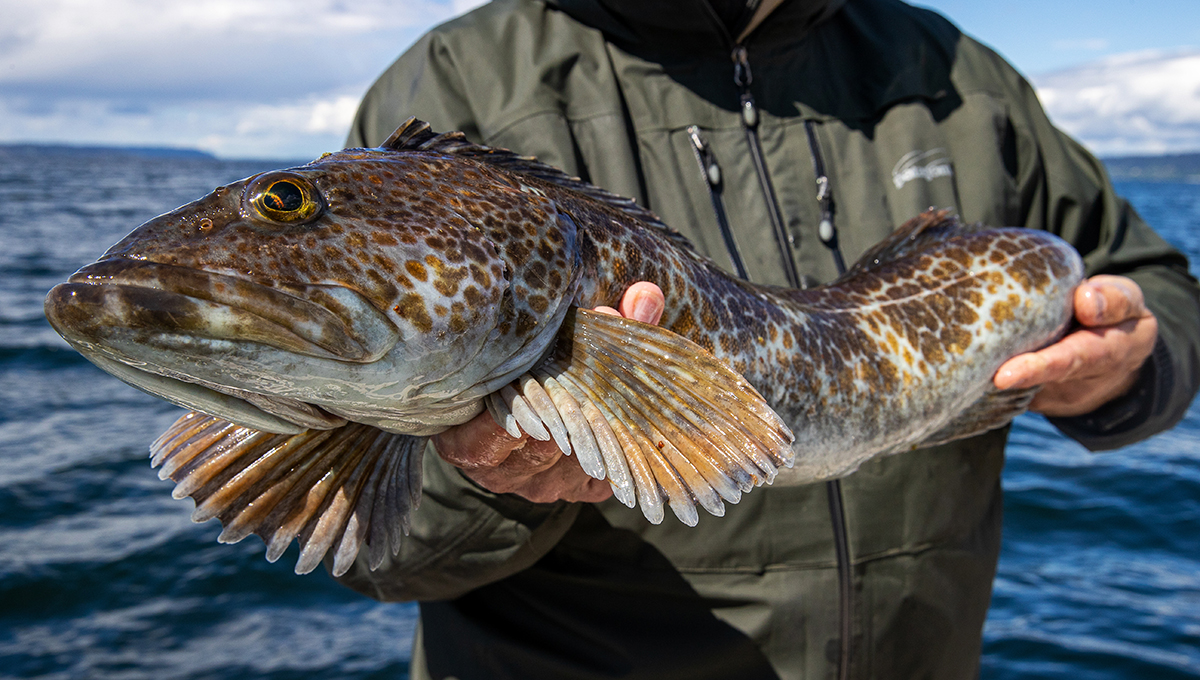
Ling Cod
Can grow over 4 feet long
Season Around Juneau
Most commonly caught from May through September
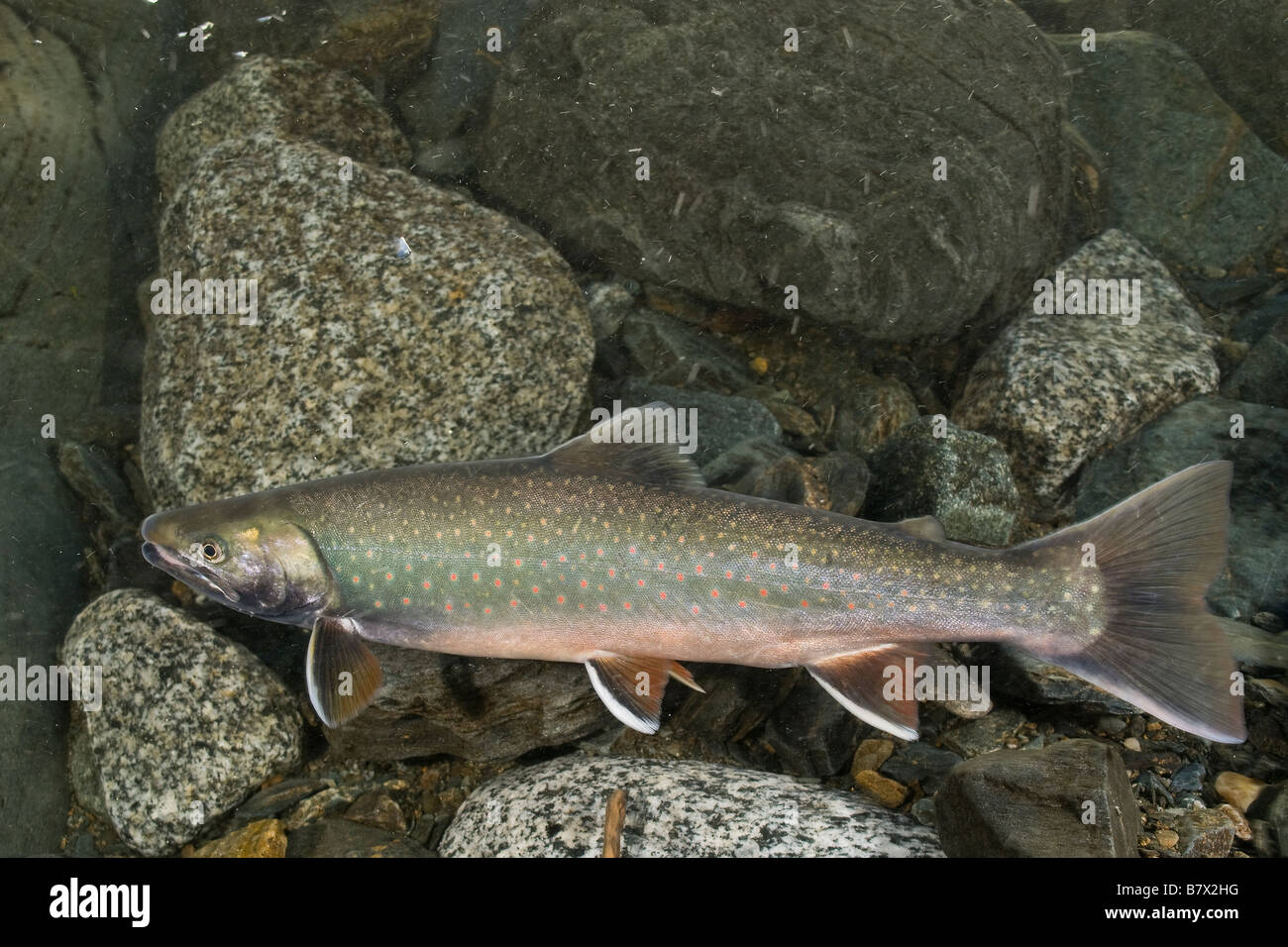
Dolly Varden
🎣 How to Identify
Trout-like body shape
Light pink, cream, or yellow spots on a darker body
No obvious black spots on the tail
Often has orange or pink coloring on the belly during spawning season
Easy guide trick:
“Light spots on a dark fish = probably a char, and in Juneau that’s often a Dolly Varden.”
😎 Fun Fact
Dolly Varden often follow spawning salmon around like seagulls following a fishing boat. They sit behind salmon and gobble up eggs that drift downstream.
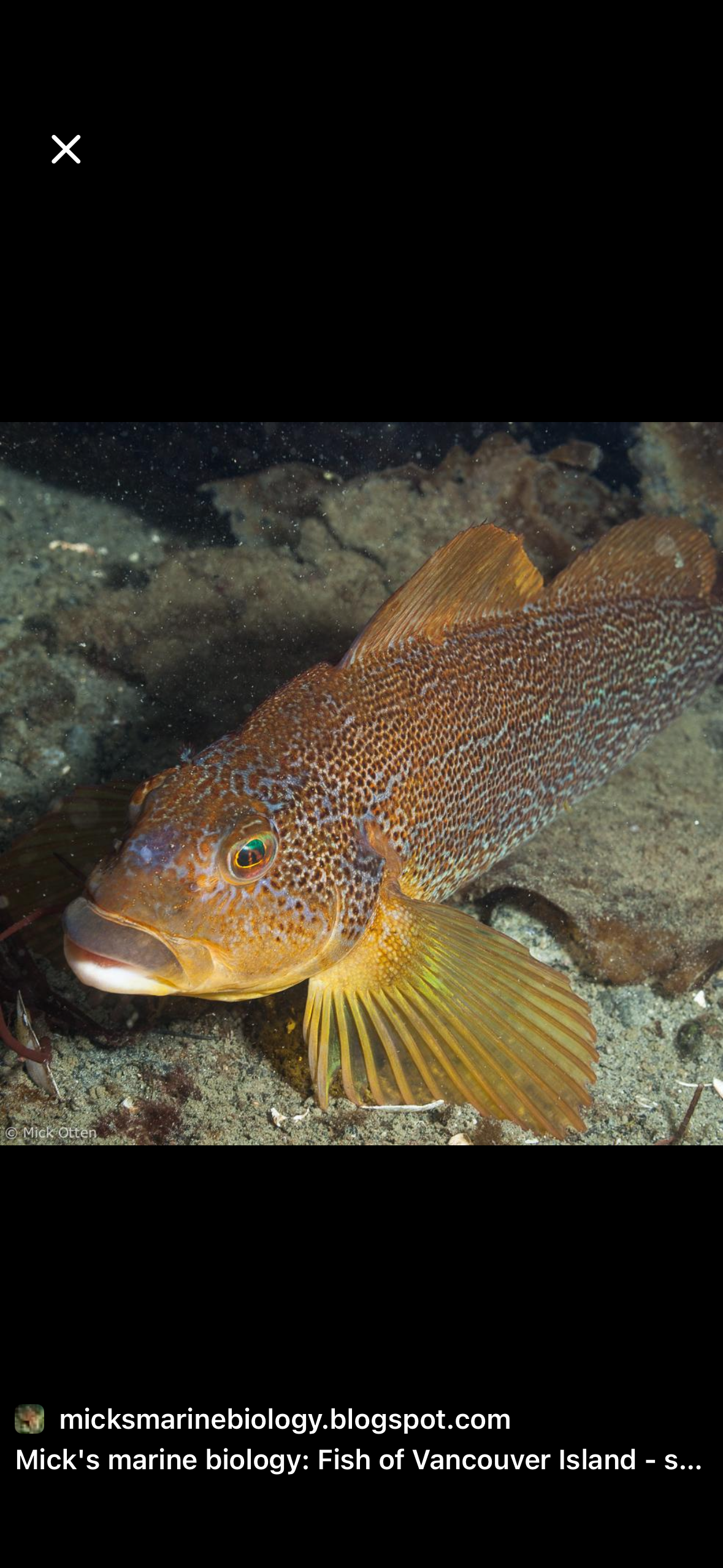
Greenling
Long, torpedo-shaped body
Large pectoral fins
Usually covered in bright blue spots
Often brown, olive, or reddish underneath the spots
One weird thing:
Males and females look very different.
Males are usually darker with more dramatic blue spotting.
Females are often lighter and more golden-brown.
Easy guide trick:
“If it looks like someone splattered blue paint all over a fish, it’s probably a kelp greenling.”
😎 Fun Fact
Kelp greenling can change color somewhat to blend into their surroundings, helping them hide among kelp-covered rocks.
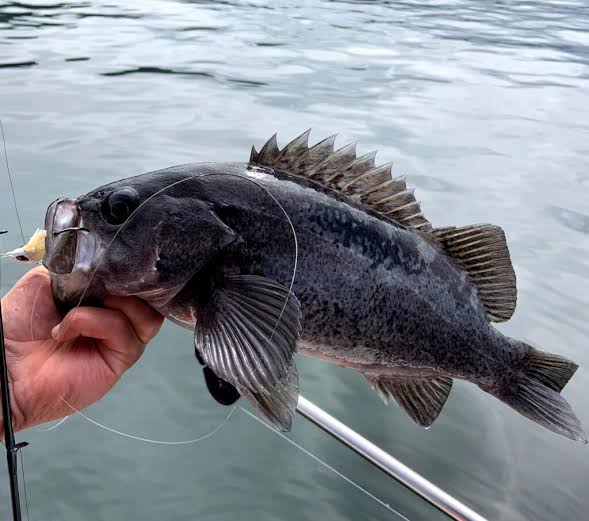
Black Rockfish
Black Rockfish
Dark gray to black
Common and relatively shallow
Often caught in schools
One fish often means more fish nearby
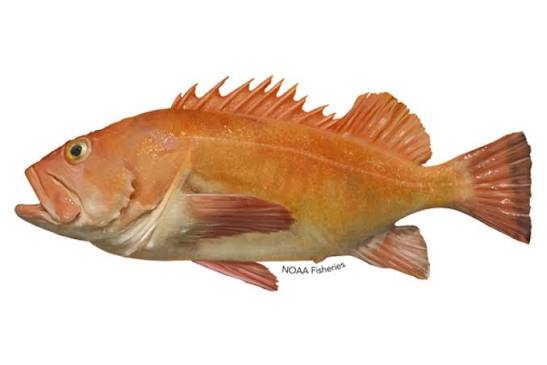
Yelloweye Rockfish
Yelloweye Rockfish
* Bright orange
* Yellow eyes
* The famous “100+ year old fish”