4.5. Biochemistry: Amino acids, proteins and glycoproteins
 Call Kai
 Learn
Learn Practice Test
 Spaced Repetition
 Match
Match Flashcards
 Knowt Play
1/57

There's no tags or description
Looks like no tags are added yet.
Name | Mastery | Learn | Test | Matching | Spaced | Call with Kai | Chat |
|---|
No analytics yet
Send a link to your students to track their progress
58 Terms
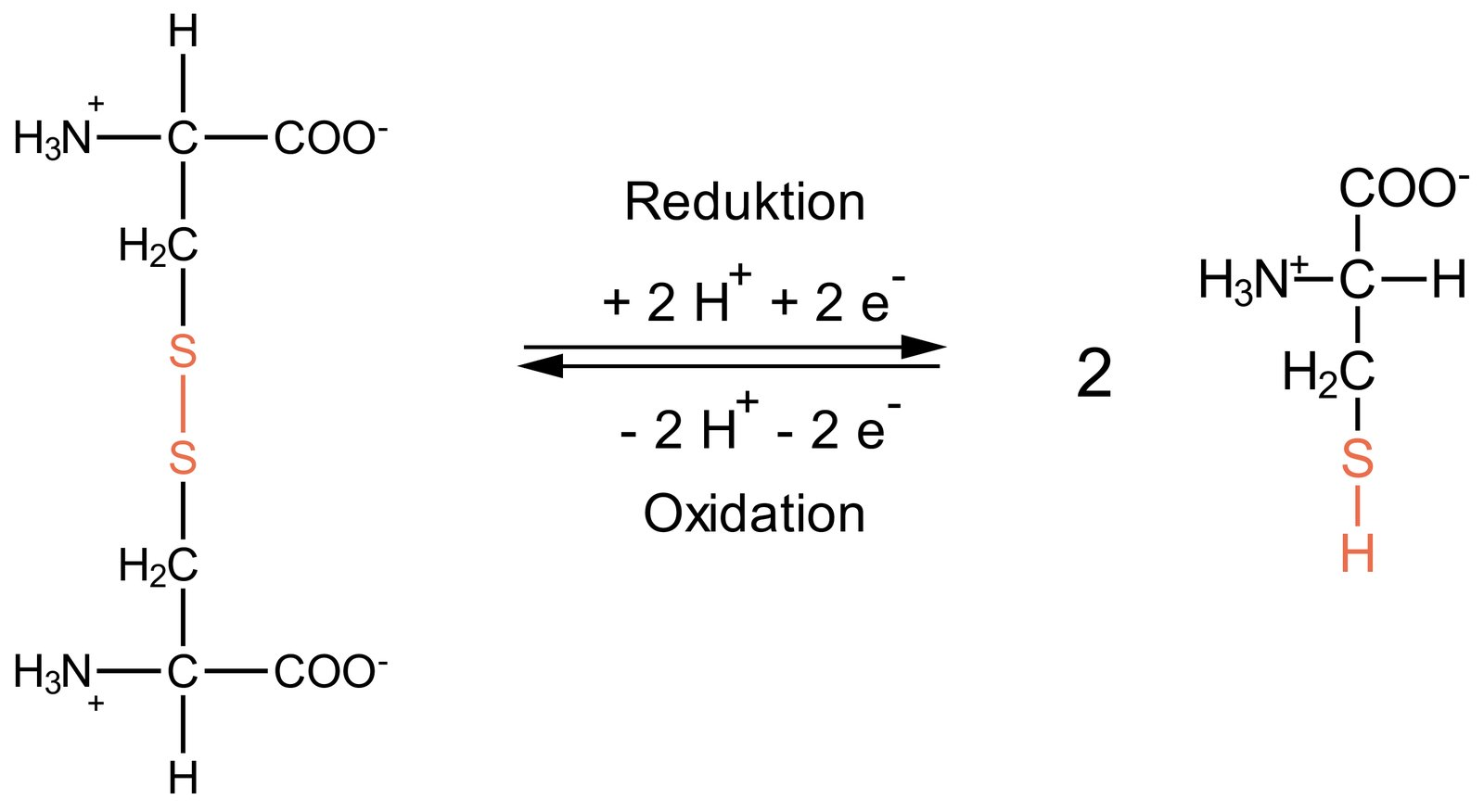
1. Disulfide in proteins are formed by the reaction of two cysteine side chains with each other.
What type of reaction, with respect to the sulfur atoms, does this process represent?
A. Dehydration
B. Oxidation
C. Reduction
D. Rearrangement
E. Esterification
B. Oxidation
2. During intense exertion, such as a 400-meter run, skeletal muscle cells release lactate into the blood, which can be taken up and metabolized by other tissues.
By which type of reaction is the lactate thus formed directly further metabolized?
A. Carboxylation
B. Decarboxylation
C. Oxidation
D. Phosphorylation
E. Transamination
C. Oxidation
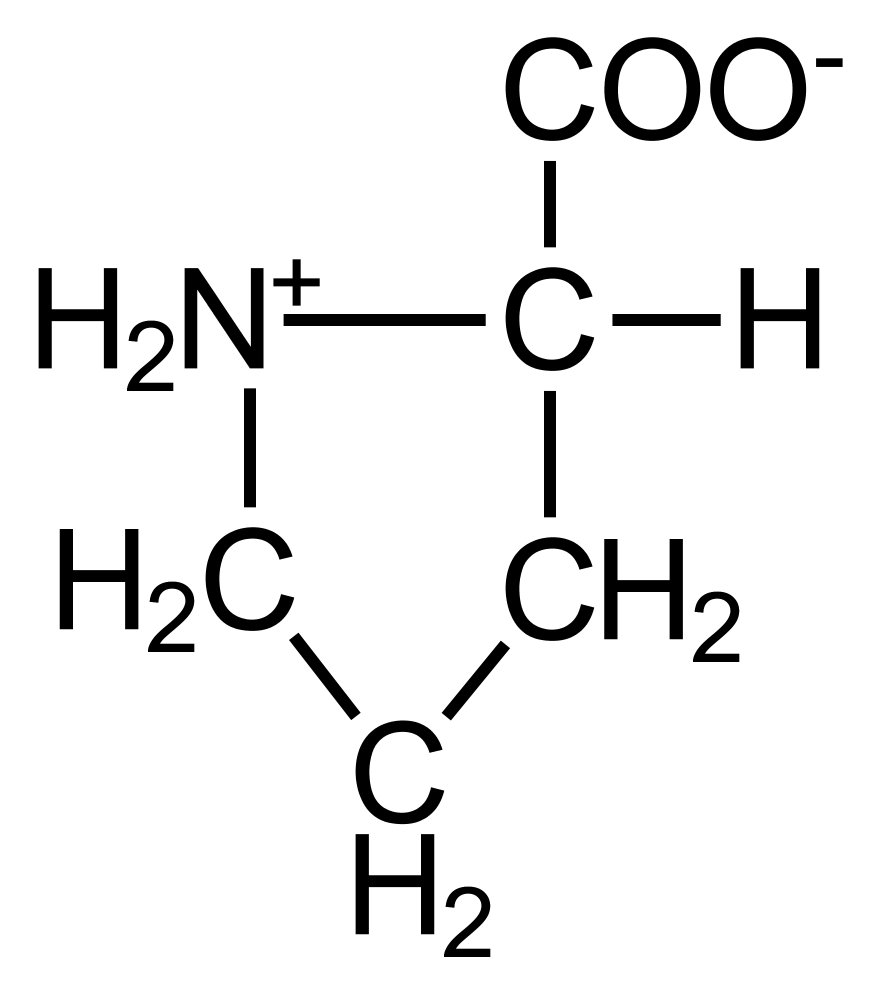
3. Hemoglobinopathies can have various causes. One cause is the formation of unstable hemoglobin due to folding defects. An example of such unstable hemoglobin arises from a mutation that replaces a leucine within an α-helical structure of β-globin.
Replacement of leucine with which of the following amino acids is most likely to introduce a kink in this α-helix?
A. Isoleucine
B. Phenylalanine
C. Proline
D. Tryptophan
E. Valine
C. Proline
4. Which of the following cofactors is required by succinate dehydrogenase?
A. Coenzyme A
B. Flavin adenine dinucleotide (FAD)
C. Nicotinamide adenine dinucleotide (NAD⁺)
D. Pyridoxal phosphate
E. Thiamine pyrophosphate
B. Flavin adenine dinucleotide (FAD)
5. Cholera toxin, diphtheria toxin, and pertussis toxin share the property of irreversibly modifying their specific target proteins through ADP-ribosylation.
Which compound serves as the substrate for these toxins?
A. ATP
B. Cyclic ADP-ribose
C. FAD
D. NAD⁺
E. NADPH
D. NAD⁺
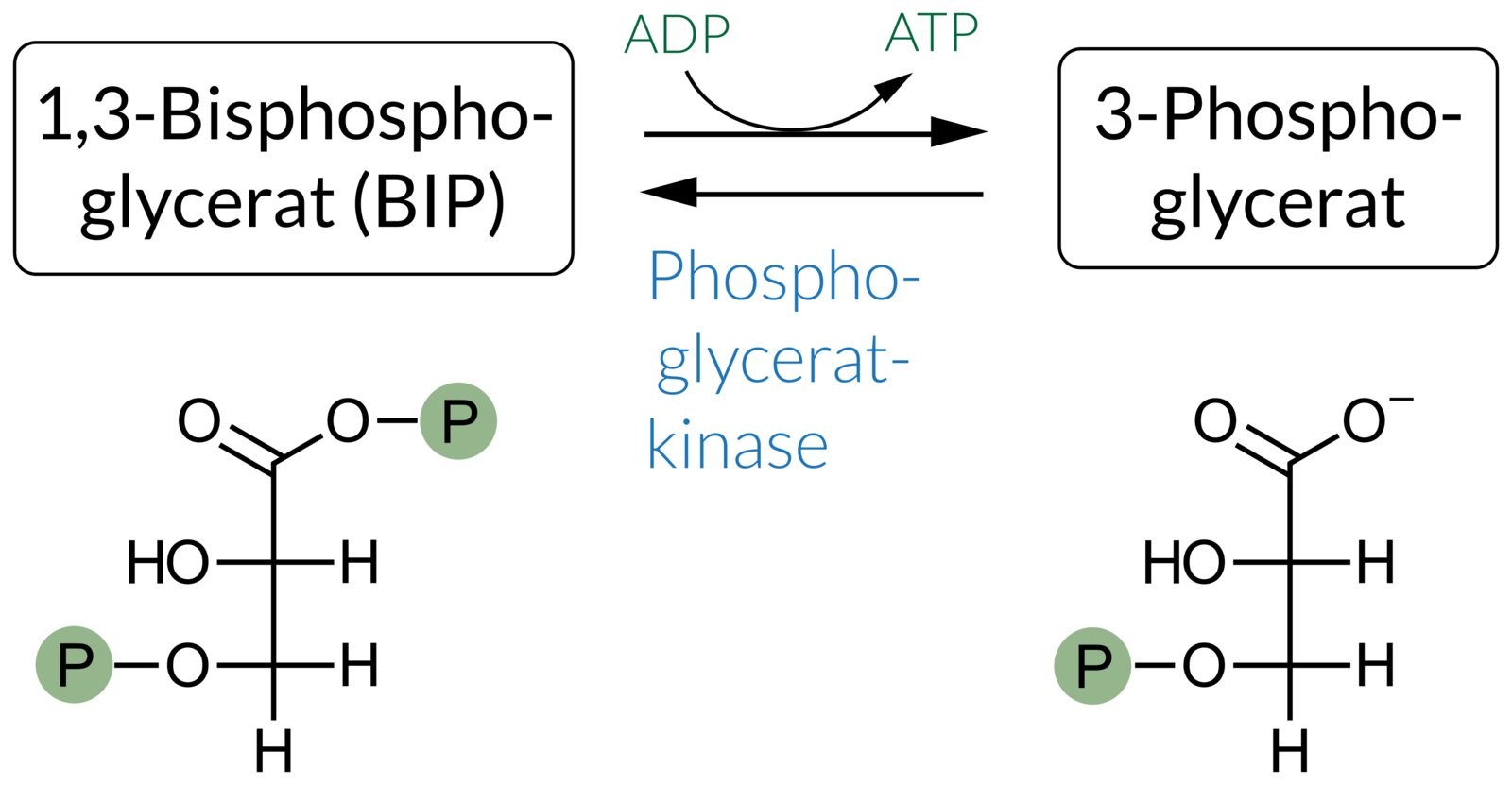
6. Which of the following substances can be used directly in metabolism for the synthesis of ATP by substrate-level phosphorylation?
A. Acetyl-CoA
B. 1,3-Bisphosphoglycerate
C. Carbamoyl phosphate
D. Fructose-2,6-bisphosphate
E. NADH
B. 1,3-Bisphosphoglycerate
7. Many laboratory measurements in clinical practice are based on so-called enzymatic-optical tests.
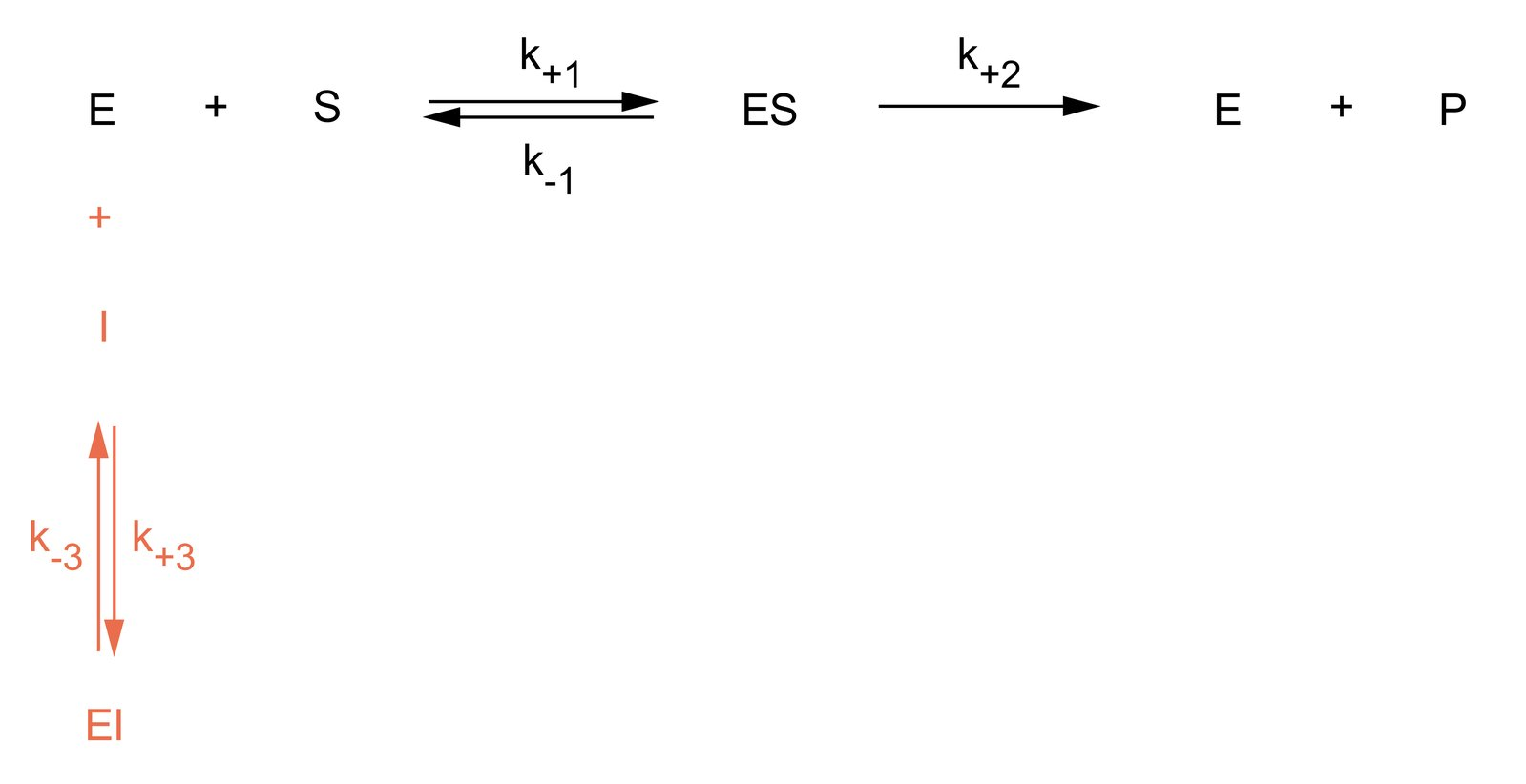
For the determination of an enzyme, a new test is to be developed. Under the chosen conditions, the enzyme shows a Michaelis-Menten constant (KM) of 0.01 mmol/L toward its substrate.
Calculate approximately how high the substrate concentration must be so that the (initial) reaction velocity (rate) is ≥ 99% of the maximum velocity.
A. 0.01 mmol/L
B. 0.02 mmol/L
C. 0.1 mmol/L
D. 0.2 mmol/L
E. 1 mmol/L
E. 1 mmol/L
8. Alcohol dehydrogenase (ADH) catalyzes the oxidation of alcohols to their corresponding aldehydes. In humans, ADH has the highest affinity for ethanol but can also metabolize other alcohols. In particular, the conversion of methanol to the toxic metabolite formaldehyde is of great medical relevance in cases of methanol poisoning.
On which principle is the administration of ethanol in methanol poisoning primarily based?
A. Ethanol displaces methanol from the active site and increases the apparent KM of ADH for methanol.
B. Ethanol acts as an allosteric effector of ADH that decreases the catalytic constant (kcat, turnover number) for methanol.
C. Ethanol acts as an irreversible inhibitor of ADH that reacts covalently within the enzyme’s active site.
D. Ethanol acts as a noncompetitive inhibitor of ADH that decreases the apparent KM of the enzyme for methanol.
E. Ethanol acts as a noncompetitive inhibitor of ADH that reduces the enzyme’s maximum reaction velocity with methanol.
A. Ethanol displaces methanol from the active site and increases the apparent KM of ADH for methanol.
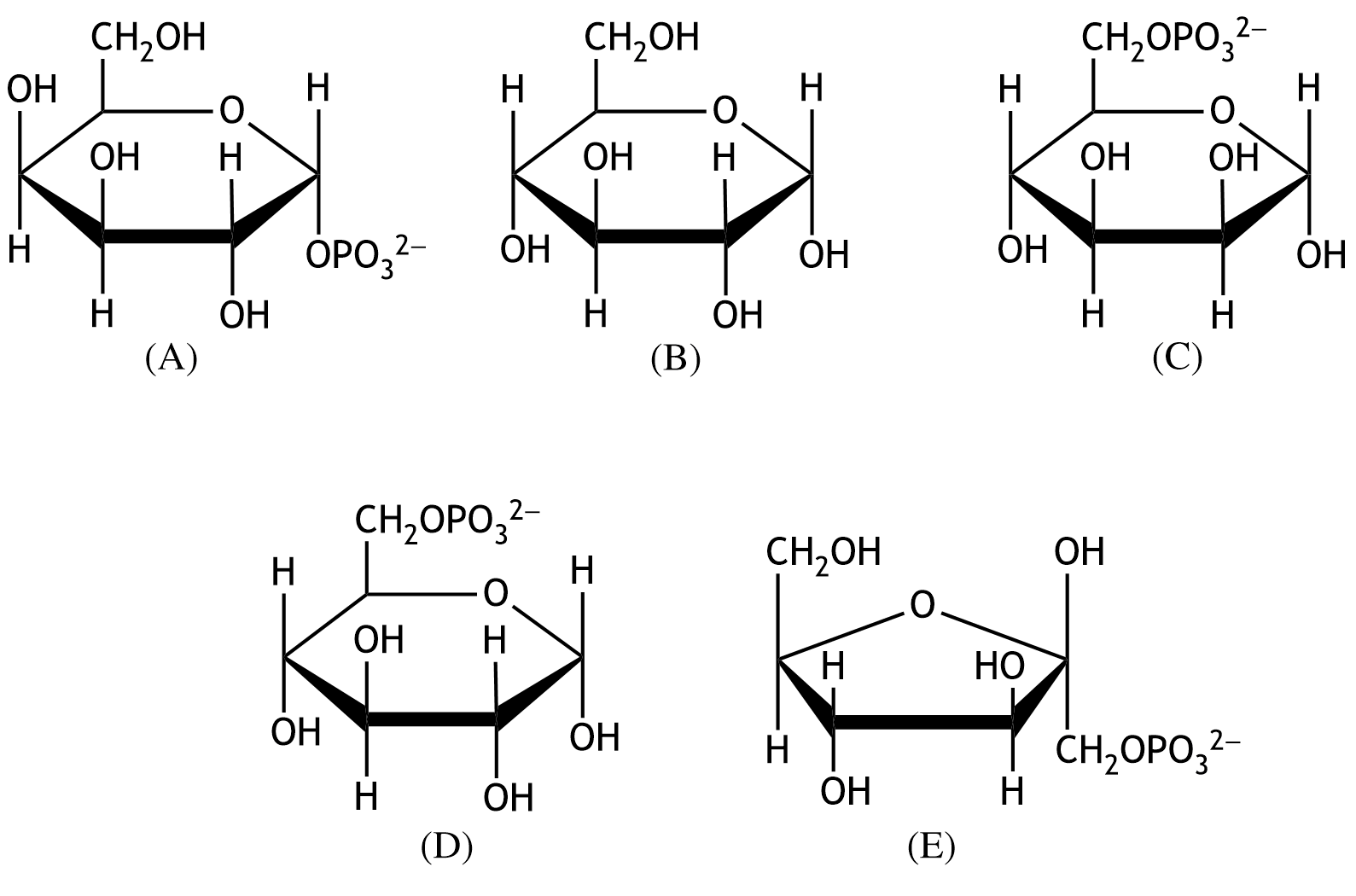
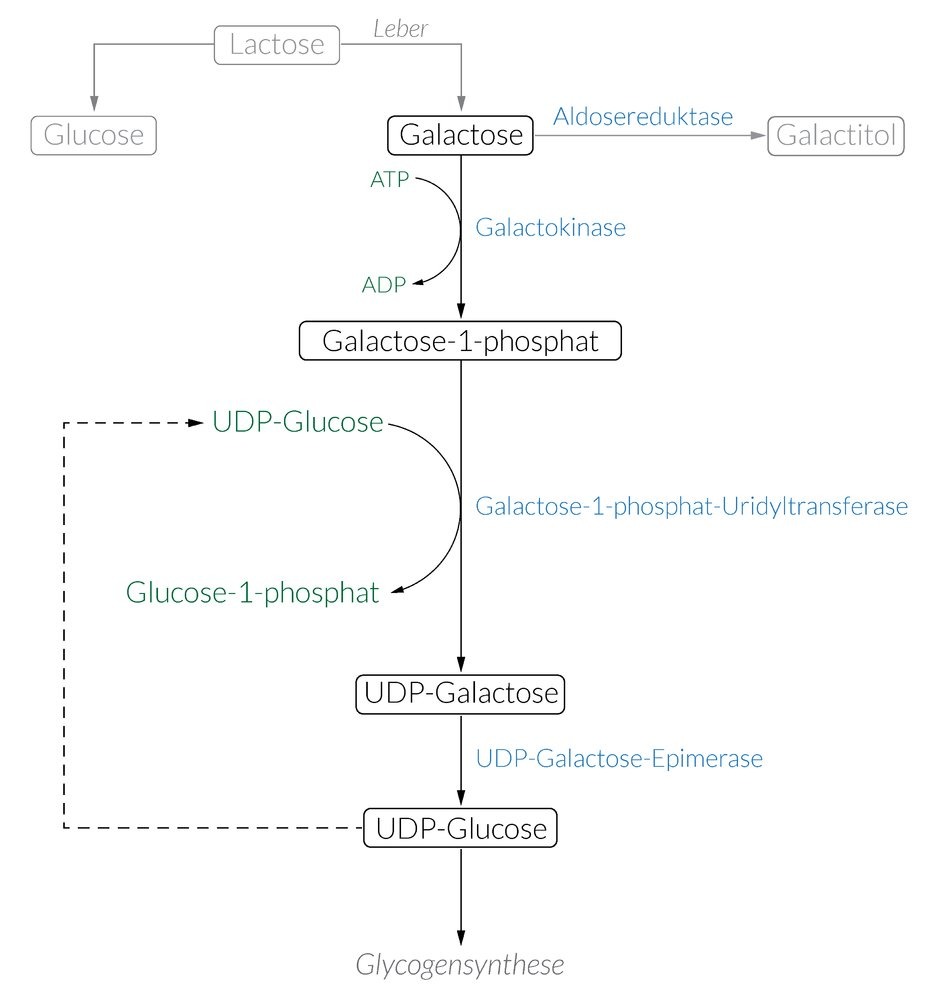
9. A newborn suffers from galactosemia caused by a mutation in the gene encoding galactose-1-phosphate uridyltransferase.
Which of the following molecules is a substrate of this enzyme and is therefore most likely to accumulate in the cells of the affected infant?
A. (A)
B. (B)
C. (C)
D. (D)
E. (E)
A. (A)
10. Glycogen is degraded by glycogen phosphorylase at the “nonreducing ends.”
At these sites, there is a
A. Aldehyde group containing the carbon atom C1
B. Carboxyl group
C. Glucose unit present as a hemiacetal
D. α(1→4)-glycosidically linked glucose unit
E. Phosphate group at carbon atom C6
D. α(1→4)-glycosidically linked glucose unit

11. In the eponymous first step of the citric acid cycle, citrate is formed.
The synthesis of citrate requires as substrates acetyl-CoA, water, and
A. An aldehyde
B. An alcohol
C. A dicarboxylic acid
D. An ester
E. An acid anhydride
C. A dicarboxylic acid
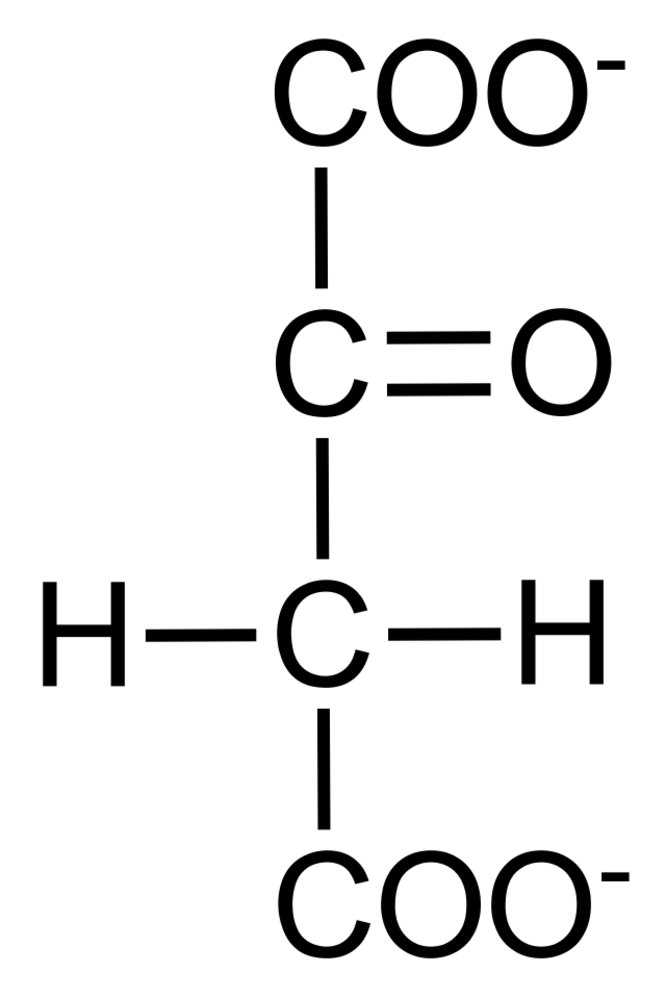
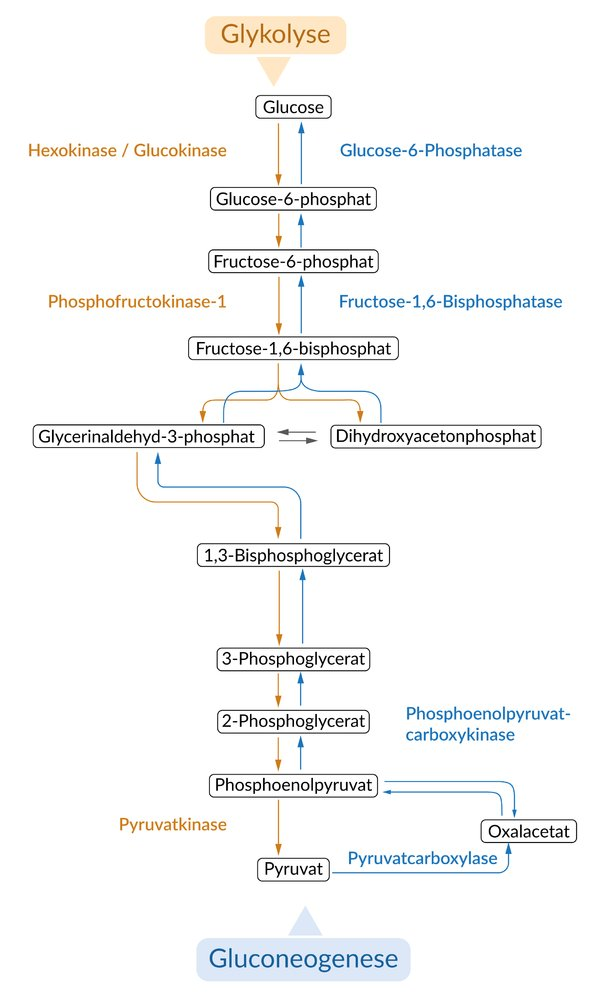
12. Which metabolite is directly decarboxylated in gluconeogenesis?
A. Aspartate
B. Lactate
C. Oxaloacetate
D. Phosphoenolpyruvate
E. Pyruvate
C. Oxaloacetate
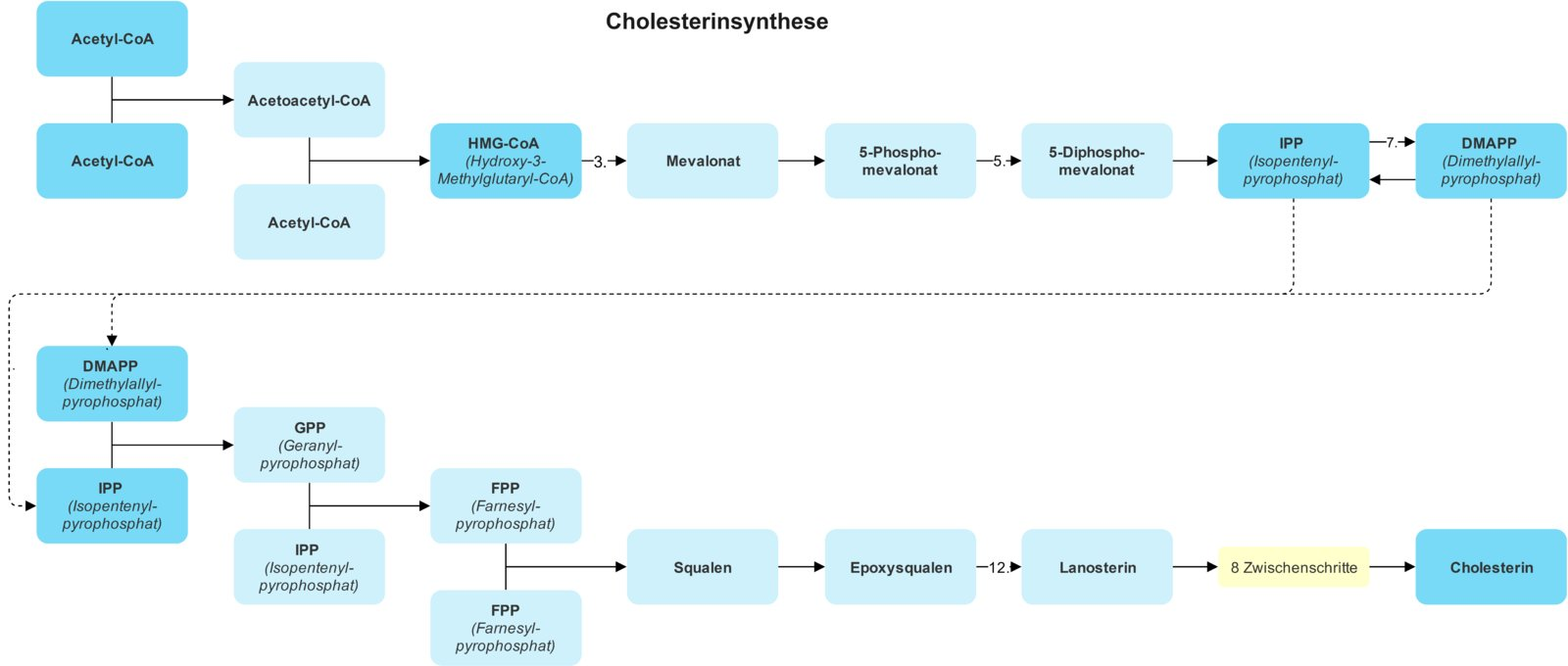
13. A 68-year-old patient is treated with a statin because of elevated LDL levels. Statins inhibit the enzyme that catalyzes the rate-limiting step in the biosynthesis of cholesterol.
Which enzyme is this?
A. Acyl-CoA acyltransferase
B. β-Hydroxy-β-methylglutaryl-CoA lyase
C. β-Hydroxy-β-methylglutaryl-CoA reductase
D. β-Hydroxy-β-methylglutaryl-CoA synthase
E. Lecithin–cholesterol acyltransferase
C. β-Hydroxy-β-methylglutaryl-CoA reductase
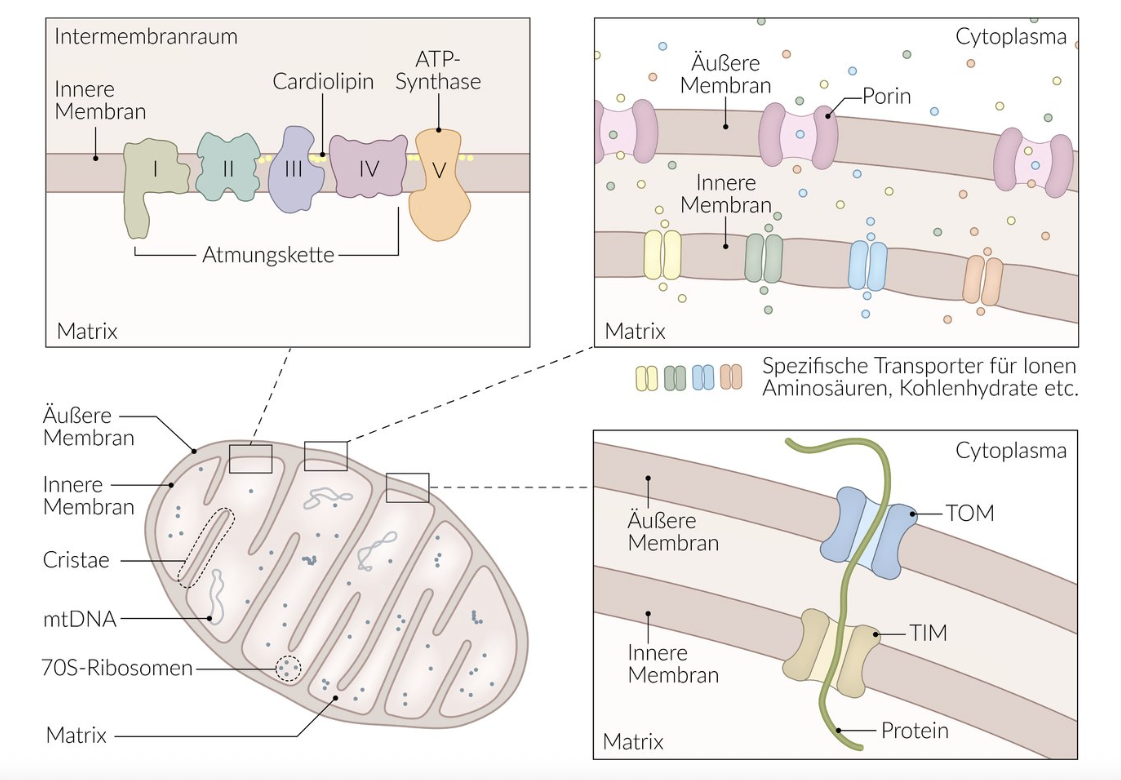
14. Cardiolipins are rich in polyunsaturated fatty acids and are therefore susceptible to oxidation, such as the formation of peroxides.
The function of which organelle is most likely impaired by oxidation of cardiolipins?
A. Endoplasmic reticulum
B. Golgi apparatus
C. Mitochondrion
D. Peroxisome
E. Nucleus
C. Mitochondrion
15. In a patient (with a form of amyotrophic lateral sclerosis), a mutated form of the nuclear localization signal is present in a protein.
Nuclear localization signals are typically recognized and bound by
A. Chaperones
B. Exportins
C. Filament proteins of the nuclear pores
D. The G-protein Ran
E. Importins
E. Importins
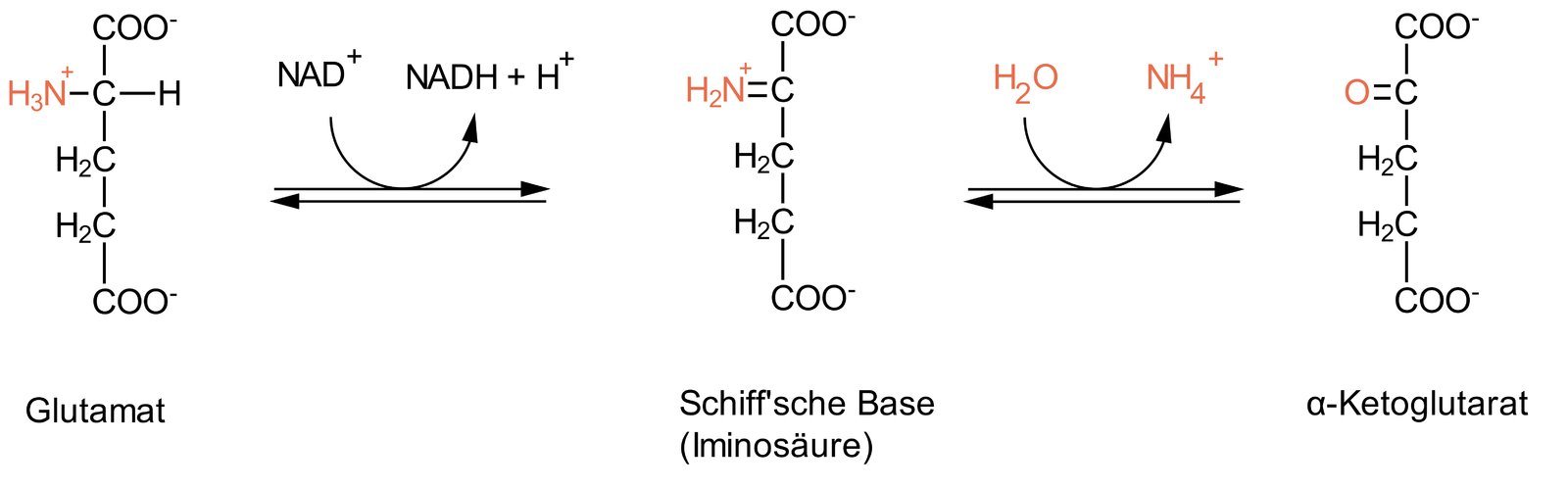
16. Which of the following enzymes can catalyze an anaplerotic reaction in the mitochondria, producing a product that is directly an intermediate of the citric acid cycle?
A. Arginase
B. Argininosuccinate lyase
C. Carbamoyl phosphate synthetase 2
D. Glutamate dehydrogenase
E. Pyruvate kinase
D. Glutamate dehydrogenase
17. Which metabolic pathway takes place in the mitochondria?
A. β-Oxidation
B. Fatty acid synthesis
C. Glycolysis
D. Glycogenolysis
E. Pentose phosphate pathway
A. β-Oxidation
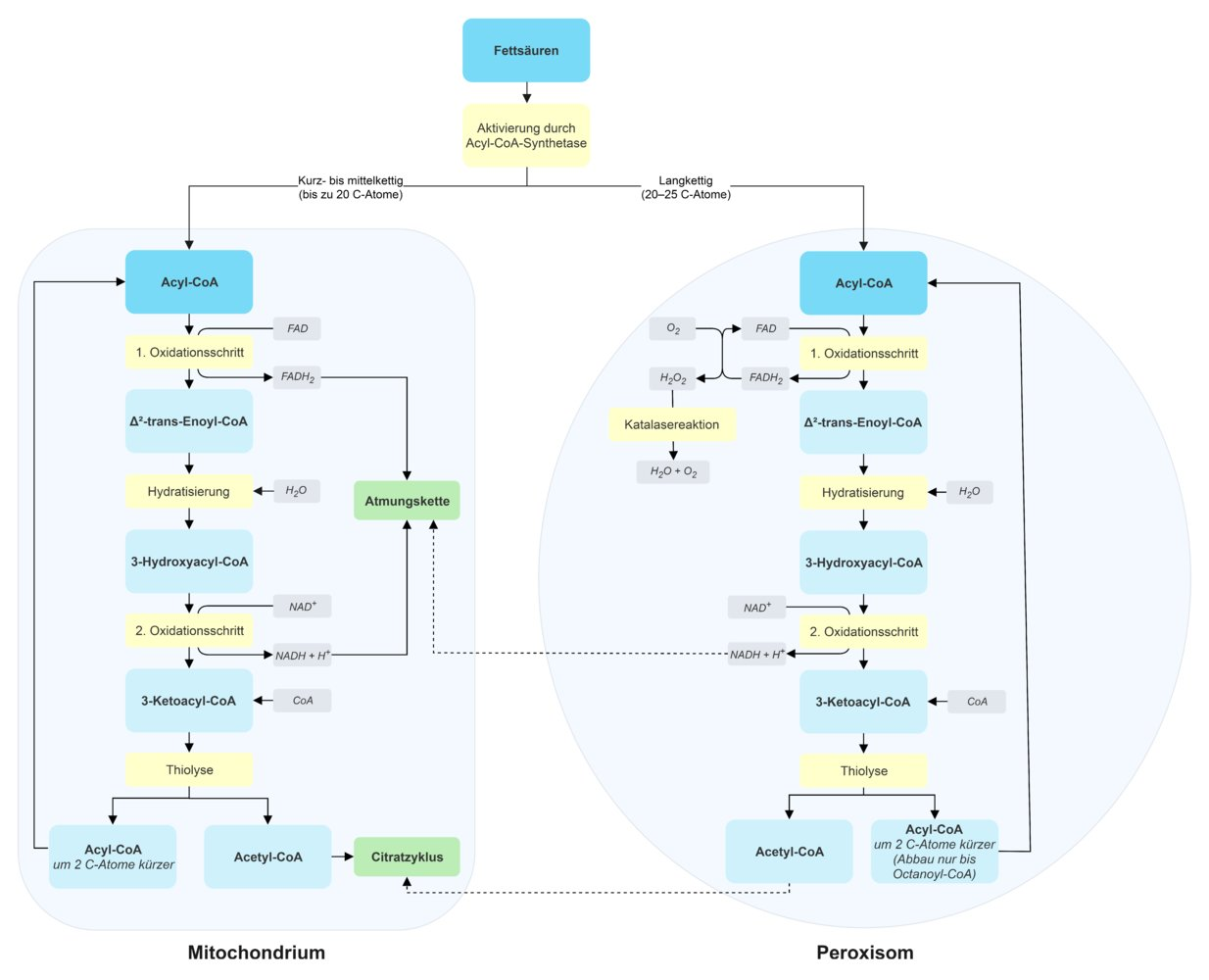
18. The antibiotic oligomycin, an inhibitor of mitochondrial ATP synthase (“complex V”), is often used to study reactions of oxidative phosphorylation.
How does the addition of oligomycin affect the metabolic activity of isolated intact mitochondria suspended in a nutrient solution containing all necessary substrates?
A. The magnitude of the electrical potential across the inner membrane decreases.
B. The oxygen consumption of the mitochondria increases.
C. The turnover of ADP increases.
D. The activity of respiratory chain complex I decreases.
E. NADH production in the citric acid cycle increases.
D. The activity of respiratory chain complex I decreases.
19. Elastin is a protein of the extracellular matrix that provides elasticity to structures such as blood vessels. It can stretch to several times its original length and then return to its original shape.
Which primary mechanism enables elastin to recoil back to its original form?
When the external force subsides,
A. Adjacent elastin molecules form intermolecular hydrogen bonds between hydroxyproline residues.
B. Positively and negatively charged amino acid side chains of different elastin molecules form intermolecular salt bridges.
C. Protein disulfide isomerase forms disulfide bonds between adjacent elastin molecules.
D. Regions of elastin molecules containing mainly glycine, hydroxyproline, and hydroxylysine assemble into a shortened triple helix.
E. Extended hydrophobic regions of an elastin molecule become more compact.
E. Extended hydrophobic regions of an elastin molecule become more compact.
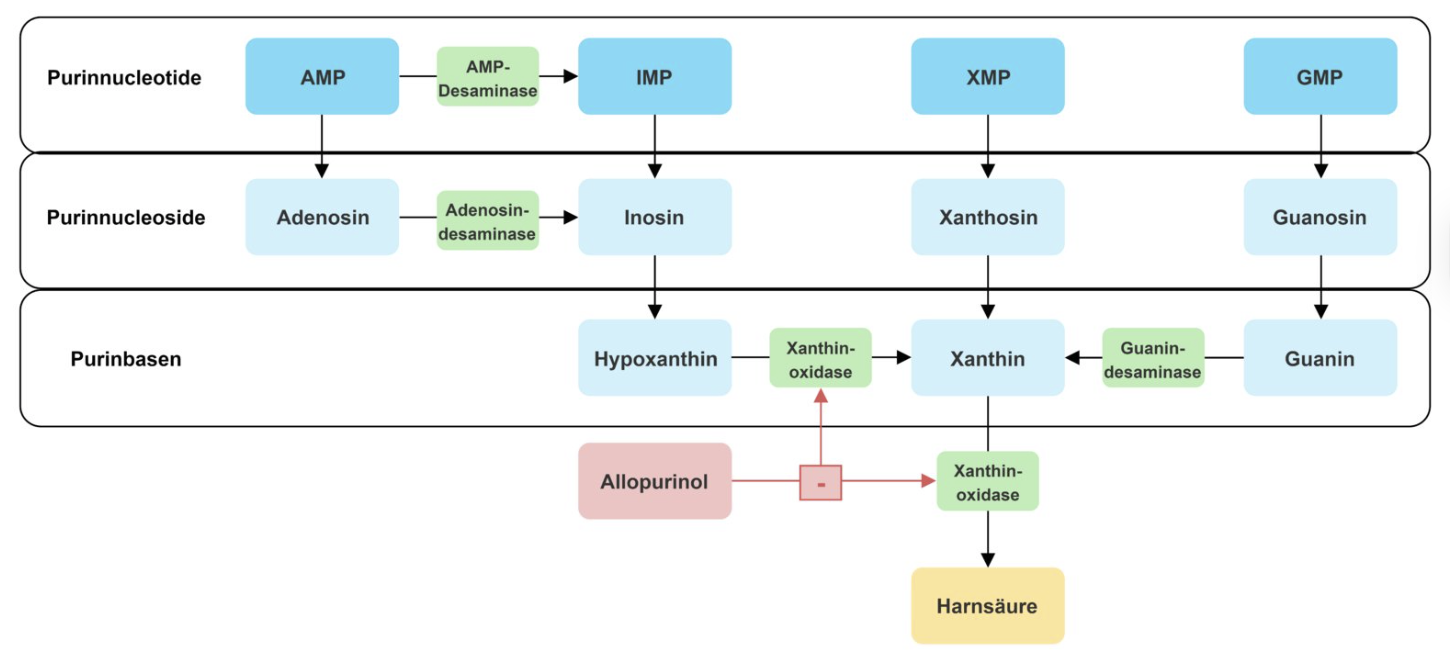
20. In a patient with gout symptoms, chronically elevated serum uric acid levels are detected. To normalize the elevated uric acid level in the serum, a drug is administered that inhibits the enzyme catalyzing uric acid formation.
Which enzyme is this?
A. Aromatase
B. Cyclooxygenase
C. Hypoxanthine-guanine phosphoribosyltransferase (HGPRT)
D. Ribonucleotide reductase
E. Xanthine oxidase / xanthine dehydrogenase
E. Xanthine oxidase / xanthine dehydrogenase
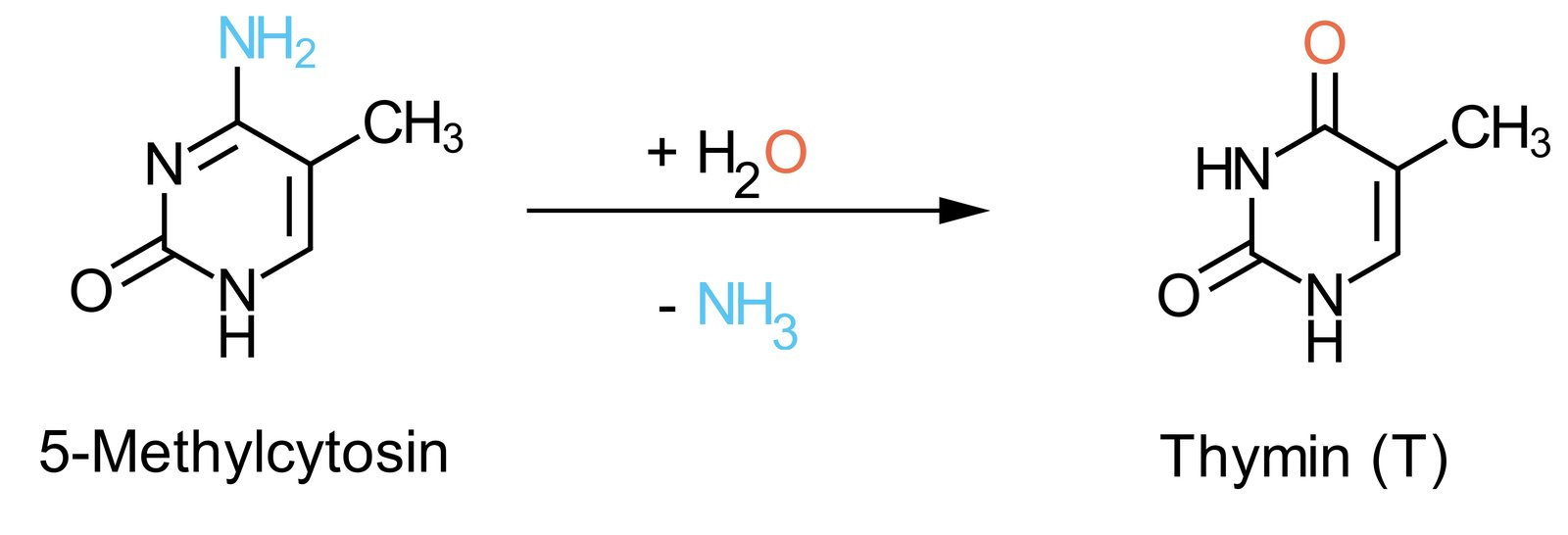
21. In DNA, cytosine bases can be enzymatically modified to 5-methylcytosine, which plays an important role in epigenetics.
However, if 5-methylcytosine spontaneously (hydrolytically) loses ammonia, it is converted to
A. Cytidine
B. Guanine
C. Pyridine
D. Thymine
E. Uracil
D. Thymine
22. In a newborn, the CCND2 gene, which encodes the protein cyclin D2, has a cytidine instead of an adenosine at position 838. This mutation causes a threonine-to-proline substitution at position 280 of the cyclin D2 protein and is likely responsible for the severe neurological deficits observed in the newborn.
This mutation in the newborn is a
A. Missense mutation
B. Nonsense mutation
C. Readthrough mutation
D. Silent mutation
E. Transition
A. Missense mutation
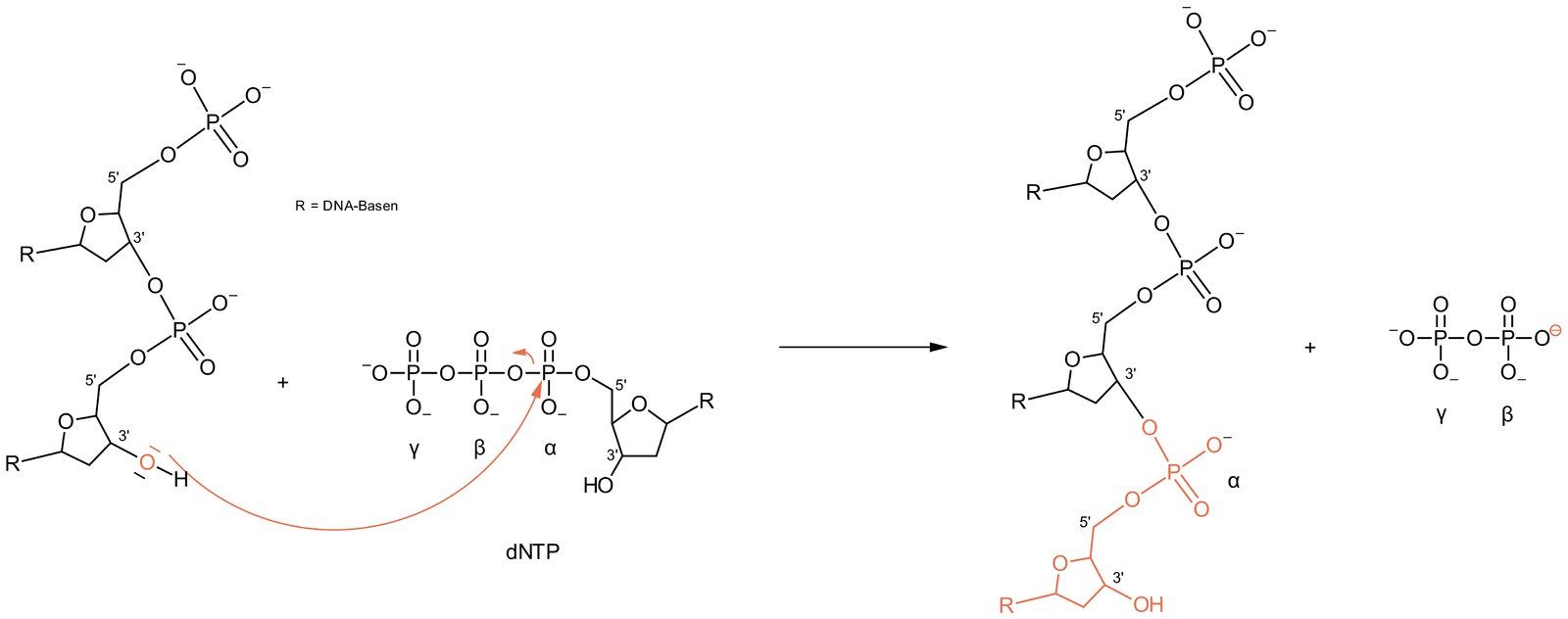
23. DNA sequencing is an important tool in medical diagnostics. In Sanger sequencing, a targeted termination of DNA polymerization is achieved through modified nucleotides. In these modified nucleotides, in addition to the OH group already missing in DNA (compared to ribose), another OH group is removed from the deoxyribose moiety so that polymerization stops immediately after incorporation of the modified nucleotide.
Which dideoxyribose structure is most suitable for such a modified nucleotide?
A. 2′,3′-Dideoxyribose
B. 2′,4′-Dideoxyribose
C. 2′,5′-Dideoxyribose
D. 3′,4′-Dideoxyribose
E. 3′,5′-Dideoxyribose
A. 2′,3′-Dideoxyribose
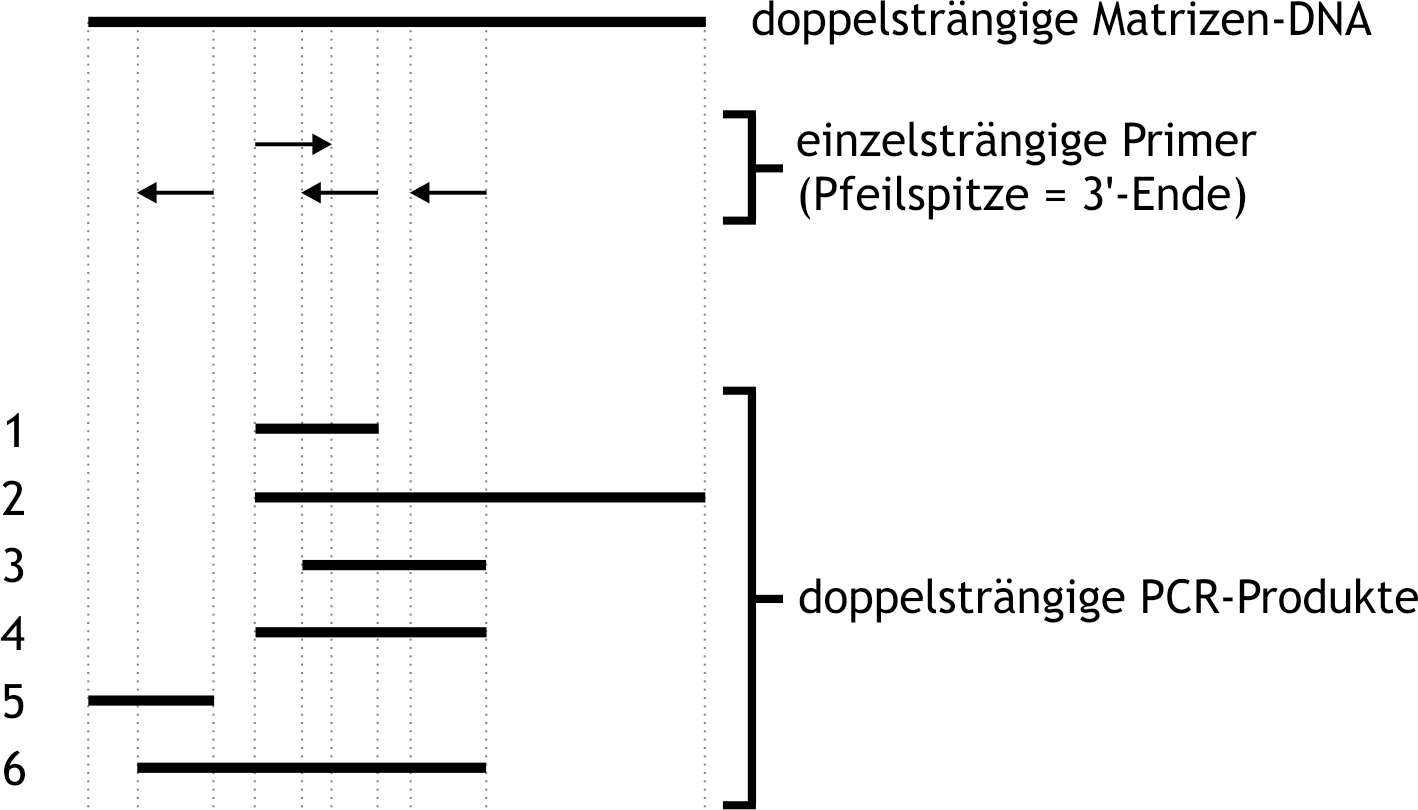
24. A PCR is performed using the sketched template DNA along with all four primers shown. DNA regions depicted on top of each other in the diagram share the same sequence.
Which DNA products are amplified exponentially?
A. No. 1 and No. 3
B. No. 1 and No. 4
C. No. 2 and No. 4
D. No. 2 and No. 5
E. No. 3 and No. 6
B. No. 1 and No. 4
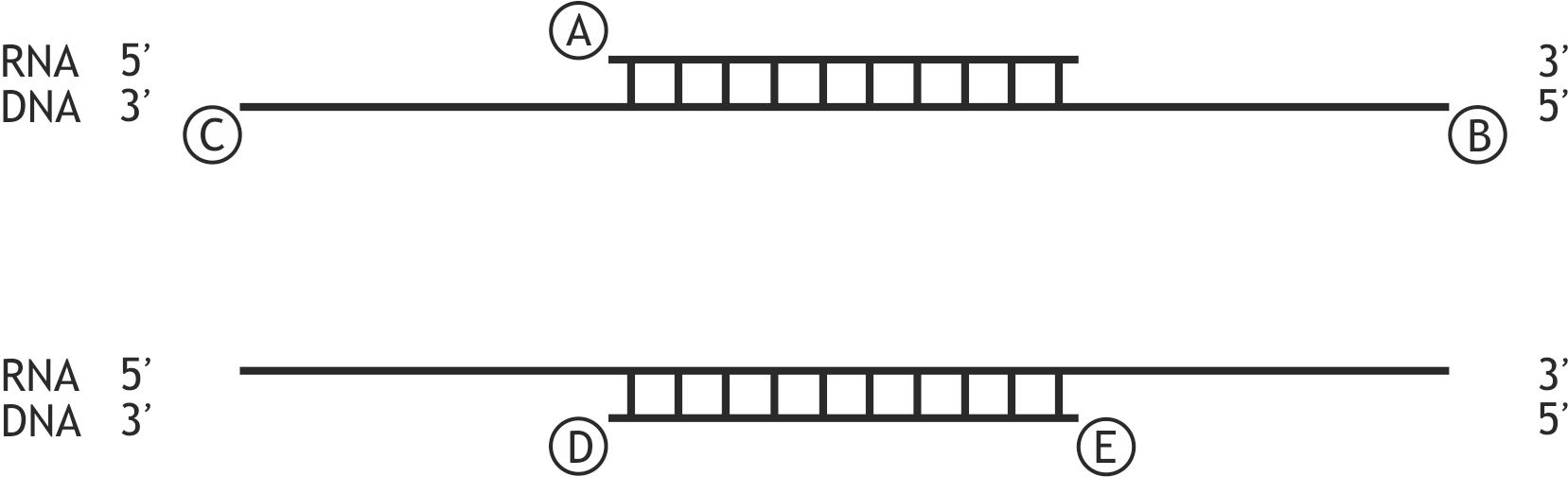
25. In retroviral particles, a polymerase is typically present.
At which of the sites A to E in the following DNA–RNA hybrids could this polymerase most likely add nucleotides by covalent linkage?
A. (A)
B. (B)
C. (C)
D. (D)
E. (E)
D. (D)
26. Vitamin A deficiency is of great medical relevance worldwide.
Which of the following vitamin A derivatives acts as a ligand of nuclear receptors and thereby as a transcriptional activator of genes involved in growth and differentiation?
A. all-trans-retinal
B. all-trans-retinol
C. 11-cis-retinal
D. Retinoic acid
E. Retinyl ester
D. Retinoic acid
27. The most common allele of the CFTR gene found in patients with cystic fibrosis shows a deletion of one nucleotide triplet in the coding region, while the reading frame remains intact.
What is the most likely effect of such a genetic alteration on the encoded protein?
A. From the mutation position onward, the protein has an altered amino acid sequence but the same total length.
B. From the mutation position onward, translation stops prematurely, shortening the protein.
C. At the mutation position, the ribosome pauses, resulting in significantly reduced protein synthesis.
D. The protein has a single amino acid substitution.
E. The protein is shortened by one amino acid.
E. The protein is shortened by one amino acid.
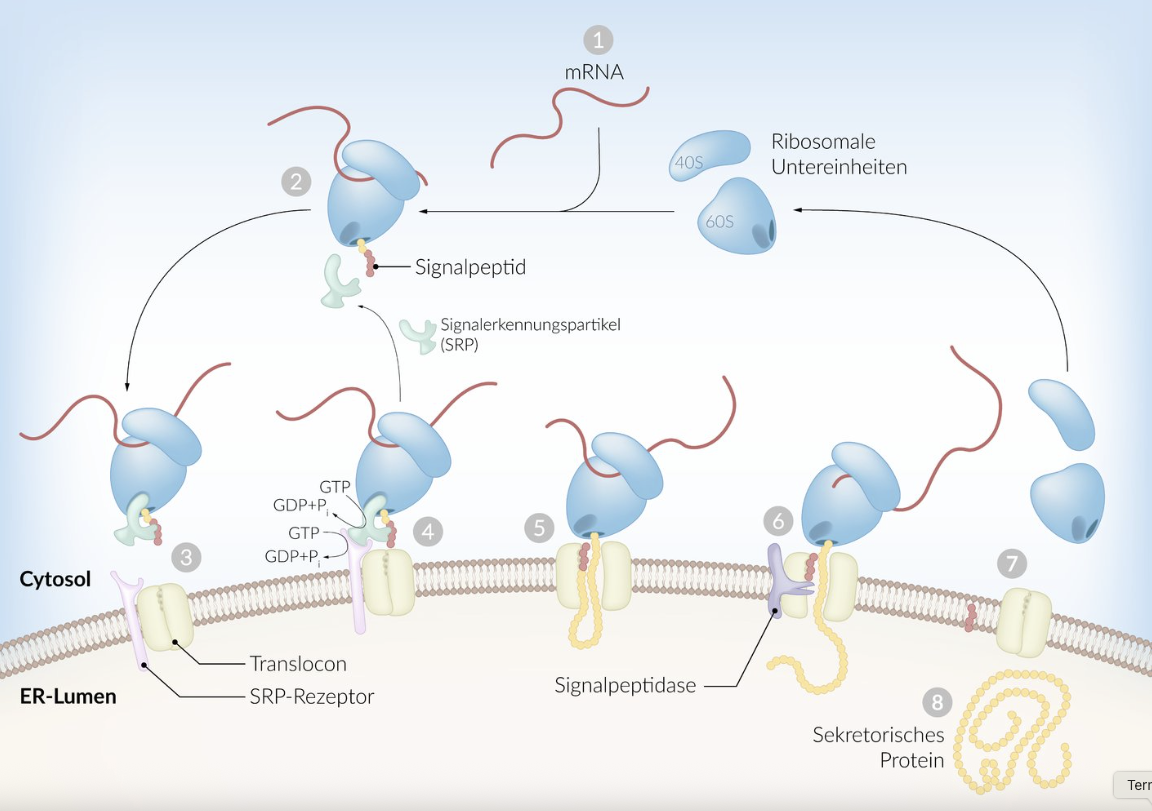
28. What is typically required for the cotranslational translocation of a protein into the lumen of the endoplasmic reticulum?
A. C-terminal KDEL sequence
B. Short internal sequence of basic amino acids
C. Mannose-6-phosphate glycosylation
D. N-terminal, partially hydrophobic signal sequence
E. Ubiquitination of lysine residues
D. N-terminal, partially hydrophobic signal sequence
29. SUMOylation of proteins is a
A. Attachment of a small protein to the ε-amino group of the side chain of a lysine
B. Complex formation between sulfur-containing amino acids and molybdenum ions
C. Modification with fatty acid residues for association with biomembranes
D. Modification with selenium-containing amino acids
E. Modification of specific serine and threonine residues with carbohydrate chains
A. Attachment of a small protein to the ε-amino group of the side chain of a lysine
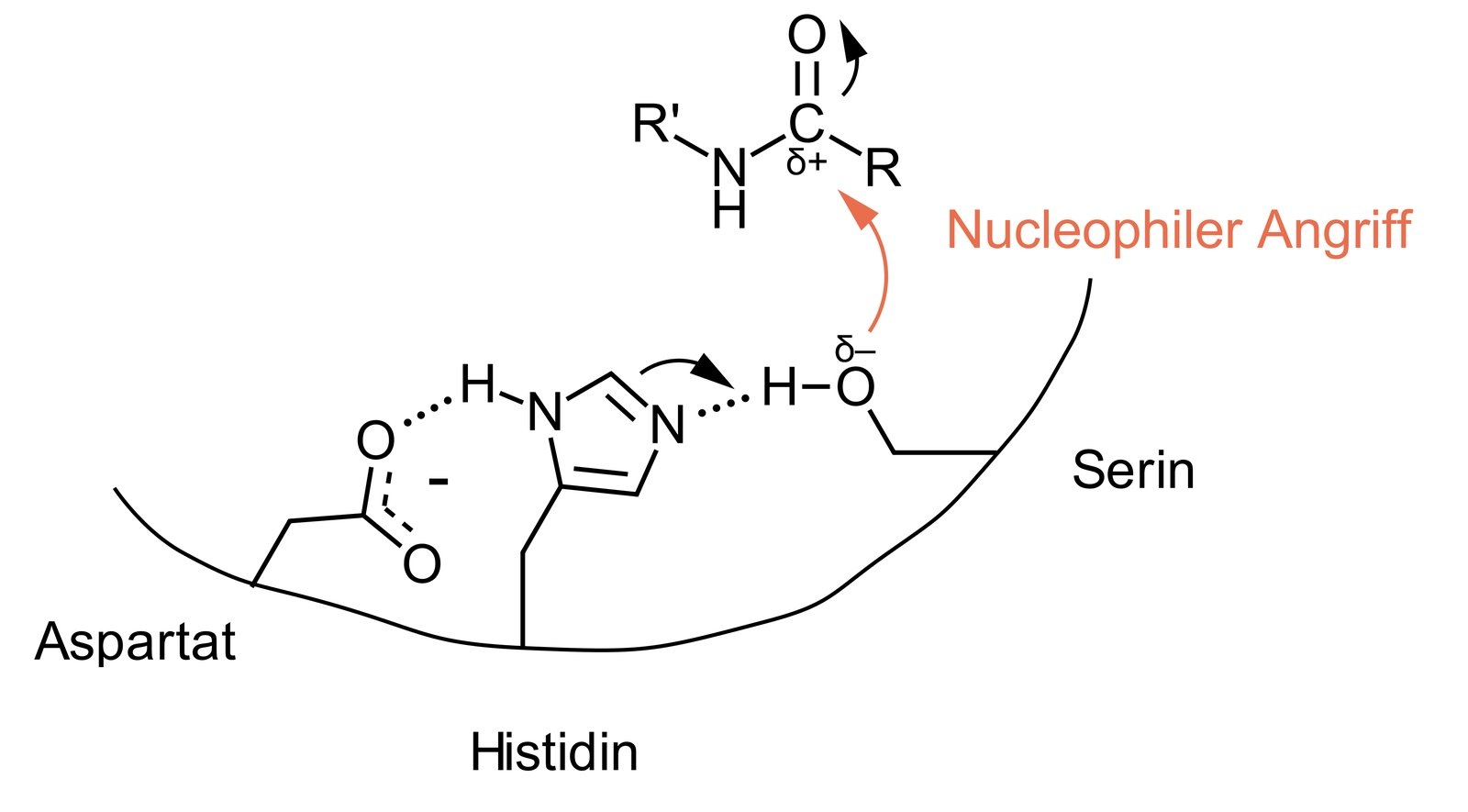
30. In the active site of serine proteases, a serine side chain plays a crucial role in cleaving the peptide bond.
With which atom does the oxygen atom of this side chain react in a nucleophilic attack?
A. Carbonyl carbon atom of the peptide bond
B. α-Carbon atom of the C-terminal amino acid
C. Oxygen atom of the peptide bond
D. Nitrogen atom of the peptide bond
E. Hydrogen atom of the peptide bond
A. Carbonyl carbon atom of the peptide bond
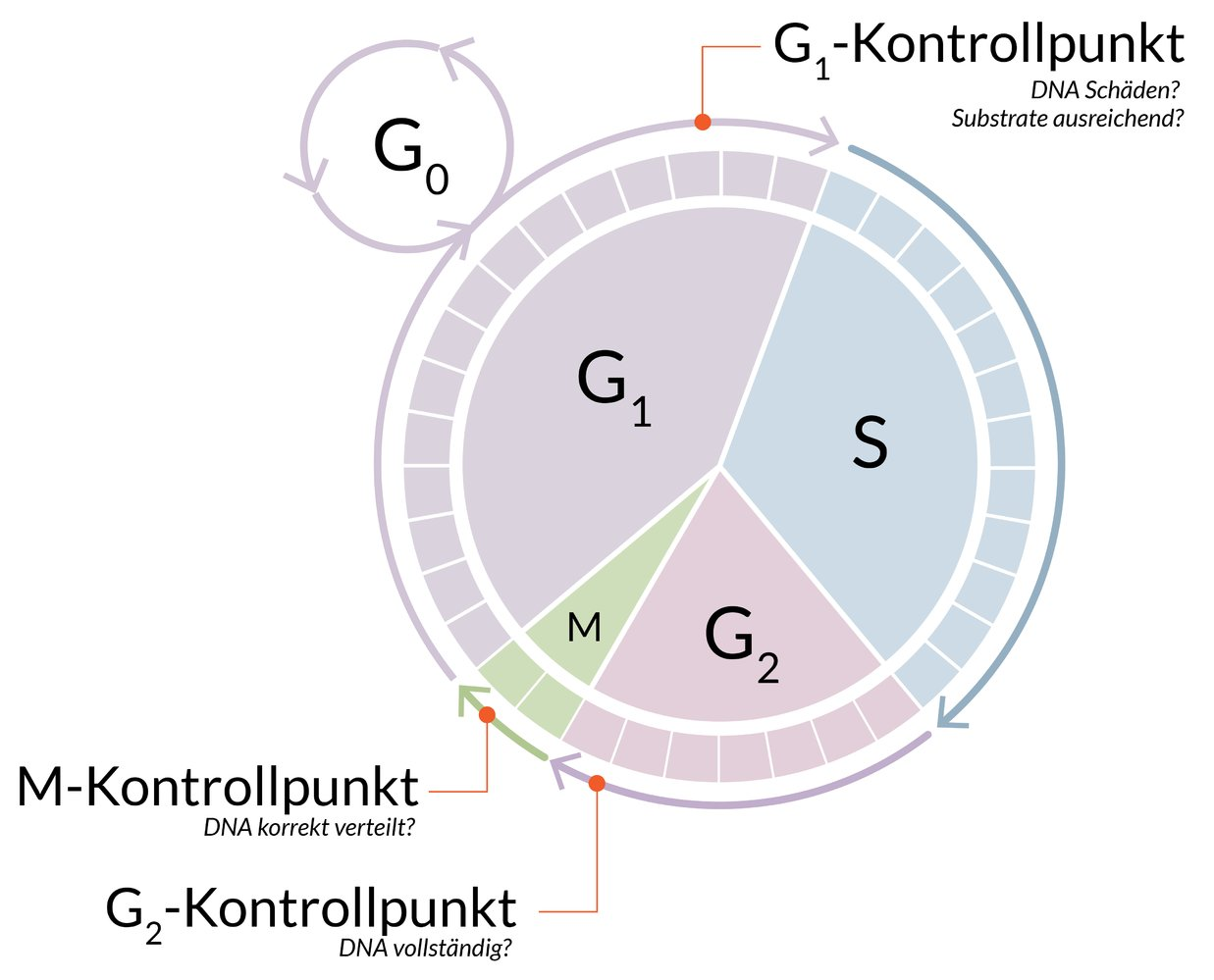
31. In which phase or state of a cell is the repair of a DNA double-strand break by homologous recombination most likely to occur?
A. Anaphase of mitosis
B. G₀ state
C. G₁ phase of the cell cycle
D. G₂ phase of the cell cycle
E. Telophase of mitosis
D. G₂ phase of the cell cycle
32. Mutations in the gene encoding the BRCA1 protein increase the risk of developing breast and ovarian cancer. Normal BRCA1 protein can function, among other roles, as an E3 ubiquitin ligase in conjunction with another protein.
What is the physiological function of E3 ubiquitin ligases?
A. They adenylate ubiquitin using ATP.
B. They degrade ubiquitin proteolytically.
C. They covalently attach ubiquitin to the proteasome.
D. They cleave ubiquitin from proteins being degraded in the proteasome.
E. They transfer ubiquitin to target proteins.
E. They transfer ubiquitin to target proteins.
33. In the majority of human tumors, the gene for the p53 protein is mutated or inactivated.
Which function of p53 contributes to tumor suppression?
Active p53
A. Forms an inactive complex with the transcription factor E2F
B. Inhibits caspases 3, 7, and 9
C. Inactivates cyclin-dependent kinases CDK4 and CDK6 by phosphorylation
D. Marks cyclin D for degradation by ubiquitination
E. Acts as a transcription factor, e.g., for the CDK inhibitor p21
E. Acts as a transcription factor, e.g., for the CDK inhibitor p21
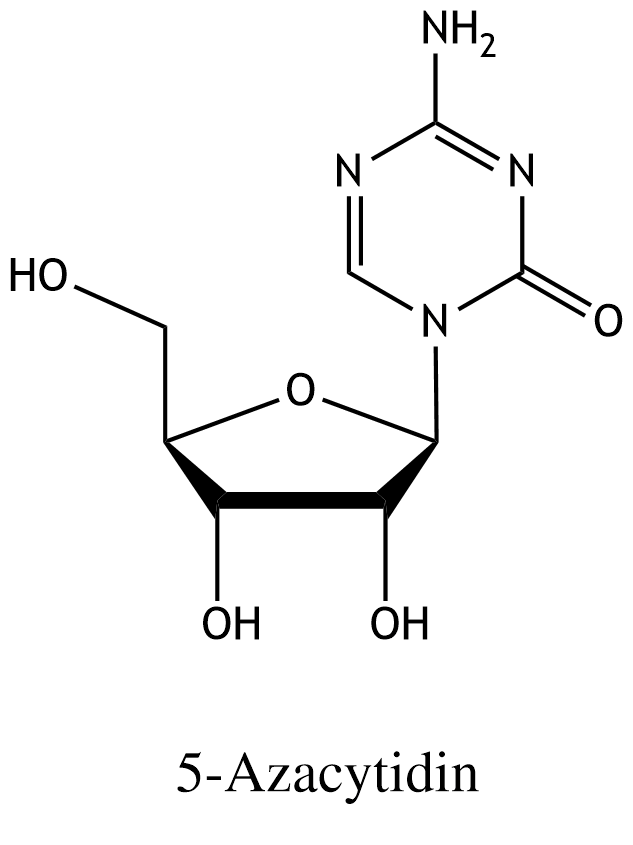
34. In cancer cells, tumor suppressors are often expressed at lower and thus insufficient levels. Inhibition of a specific enzyme by drugs such as 5-azacytidine (azacitidine) can lead to re-expression of tumor suppressors.
Which enzyme is most likely inhibited by 5-azacytidine, resulting in the re-expression of tumor suppressors?
A. DNA methyltransferase
B. Eukaryotic elongation factor 2 (eEF2)
C. Histone acetyltransferase
D. Histone methyltransferase
E. RNA polymerase II
A. DNA methyltransferase
35. A 44-year-old patient reports loss of appetite, fatigue, muscle weakness, and mild depressive symptoms. Physical examination shows a slightly enlarged liver, mild jaundice, and a faint smell of alcohol on the breath. The total number of erythrocytes and total hemoglobin concentration in the blood are markedly reduced; most erythrocytes are very large and contain increased hemoglobin (macrocytic, hyperchromic anemia). The suspected diagnosis of megaloblastic anemia is confirmed. Serum vitamin B₁₂ concentration is normal, and genetic defects are excluded.
A decrease in which of the following substances in the blood best fits the diagnosis of megaloblastic anemia?
A. Cysteine
B. Iron
C. Folic acid
D. Histidine
E. Thiamine
C. Folic acid
36. A 14-year-old boy of Mediterranean origin develops a sudden, life-threatening hemolytic crisis (massive destruction of red blood cells). His parents report that he had received high doses of a painkiller with oxidizing properties. A genetically determined deficiency of a specific enzyme is detected in the boy.
A deficiency of which of the following enzymes best fits this description?
A. Fructokinase
B. Glucokinase
C. Glucose-6-phosphate dehydrogenase
D. Pyruvate carboxylase
E. Pyruvate dehydrogenase
C. Glucose-6-phosphate dehydrogenase
37. Antagonists of the purinergic receptor P2Y₁₂ in the platelet membrane can be used pharmacologically to prevent thrombus formation.
Which purine compound is the most important natural ligand of this receptor during platelet activation and aggregation?
A. ADP
B. Free adenine
C. GTP
D. Hypoxanthine
E. IMP
A. ADP
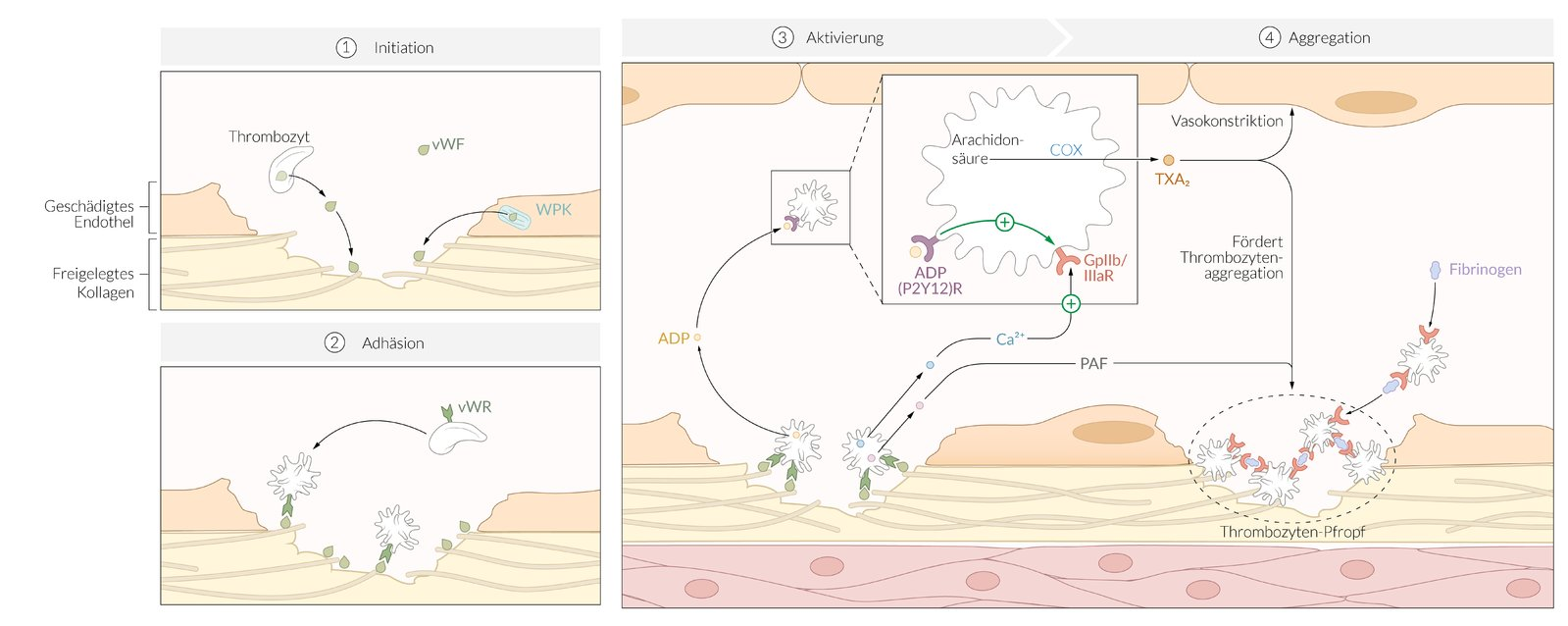
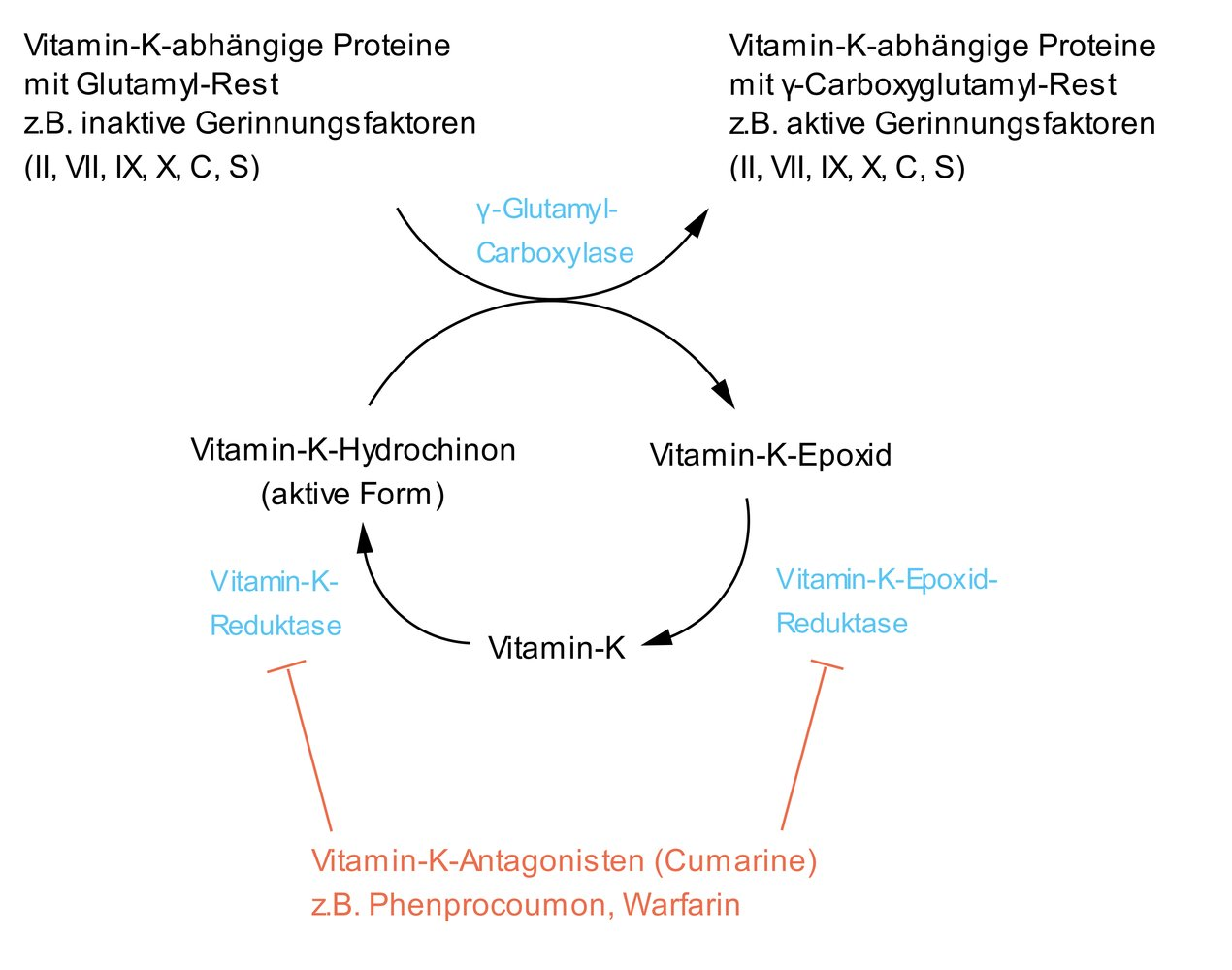
38. In certain diseases, vitamin K antagonists can be used to prevent thrombus formation.
What is the basis of this effect?
A. Activation of von Willebrand factor
B. Inactivation of antithrombin III in the liver
C. Inhibition of thromboplastin on the endothelium
D. Insufficient modification of coagulation factors
E. Stimulation of heparin in the subendothelial matrix
D. Insufficient modification of coagulation factors
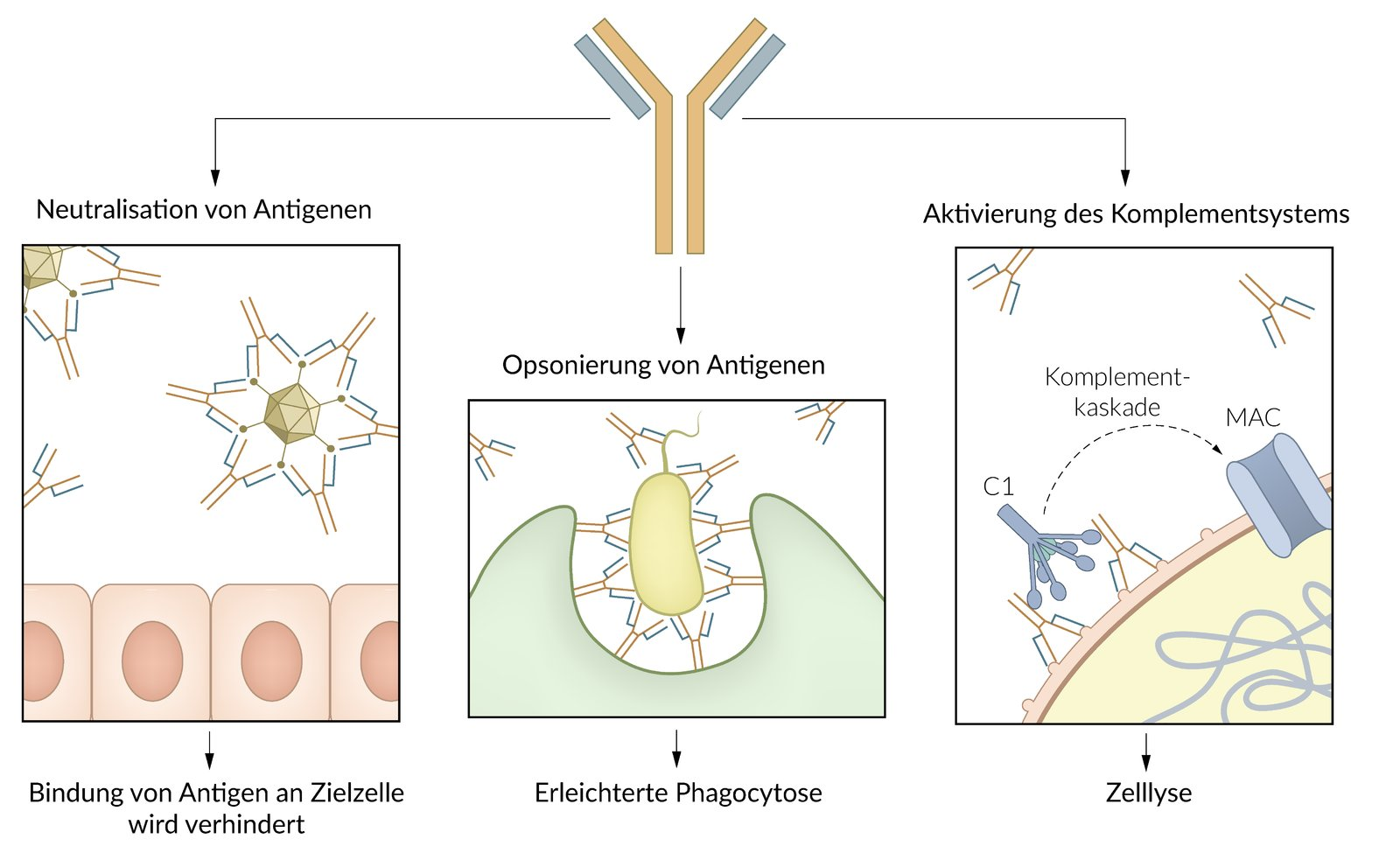
39. In acute inflammation, so-called acute-phase proteins are increasingly released into the blood; one of the most important is C-reactive protein (CRP).
What function does CRP serve in immune defense?
A. CRP activates TLR3 (toll-like receptor 3) in dendritic cells.
B. CRP forms part of a protein complex that creates pores in the membranes of pathogenic bacteria.
C. Binding of CRP to bacterial structures leads to activation of the complement system.
D. CRP acts as a cytokine to stimulate antibody production.
E. CRP is presented as a peptide fragment on the surface of macrophages, thereby activating cytotoxic T cells.
C. Binding of CRP to bacterial structures leads to activation of the complement system.
40. A 2-month-old girl is admitted to the pediatric clinic with pulmonary aspergillosis (infection with the mold Aspergillus). This infection is unusual for a child of that age. A defect in NADPH oxidase is detected.
Which of the following molecules is produced by NADPH oxidase in healthy individuals to fight infection?
A. Elastase
B. Reduced glutathione (GSH)
C. Nitric oxide (NO)
D. Superoxide anion (O₂•⁻)
E. Thyroxine (T₄)
D. Superoxide anion (O₂•⁻)
41. In patients with an immunoglobulin subclass deficiency, certain immunoglobulin subclasses are missing.
A deficiency of which immunoglobulin (sub)class is most likely responsible for recurrent respiratory tract infections (especially sinusitis and bronchitis) due to lack of antibodies on mucosal surfaces?
A. IgA
B. IgD
C. IgE
D. IgG4
E. IgM
A. IgA
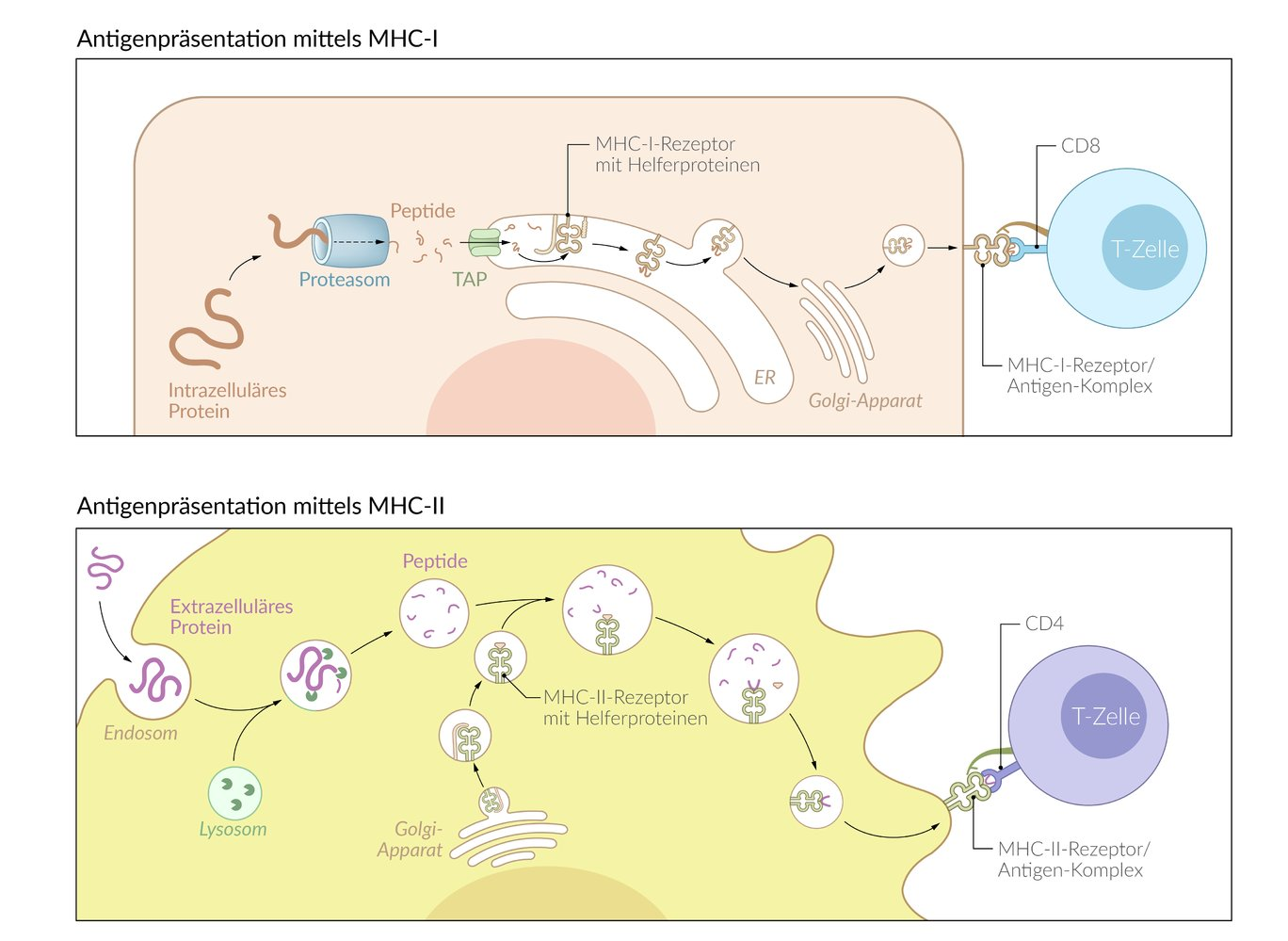
42. In certain forms of immunodeficiency, the peptide transporters in the membrane of the endoplasmic reticulum are defective.
Which process is primarily impaired in affected individuals?
A. Activation of CD4-positive T lymphocytes by dendritic cells
B. Loading of MHC class I molecules with antigenic peptides
C. Generation of antigenic peptides from extracellular protein antigens
D. Generation of antigenic peptides by proteasomes
E. Transcription of cytokines
B. Loading of MHC class I molecules with antigenic peptides
43. Infection with the human immunodeficiency virus (HIV) causes AIDS, characterized by severe immunodeficiency.
The immunosuppressive effect of HIV is primarily due to the infection and destruction of
A. B lymphocytes
B. CD4-positive T lymphocytes
C. Macrophages
D. Natural killer (NK) cells
E. Cytotoxic T cells
B. CD4-positive T lymphocytes
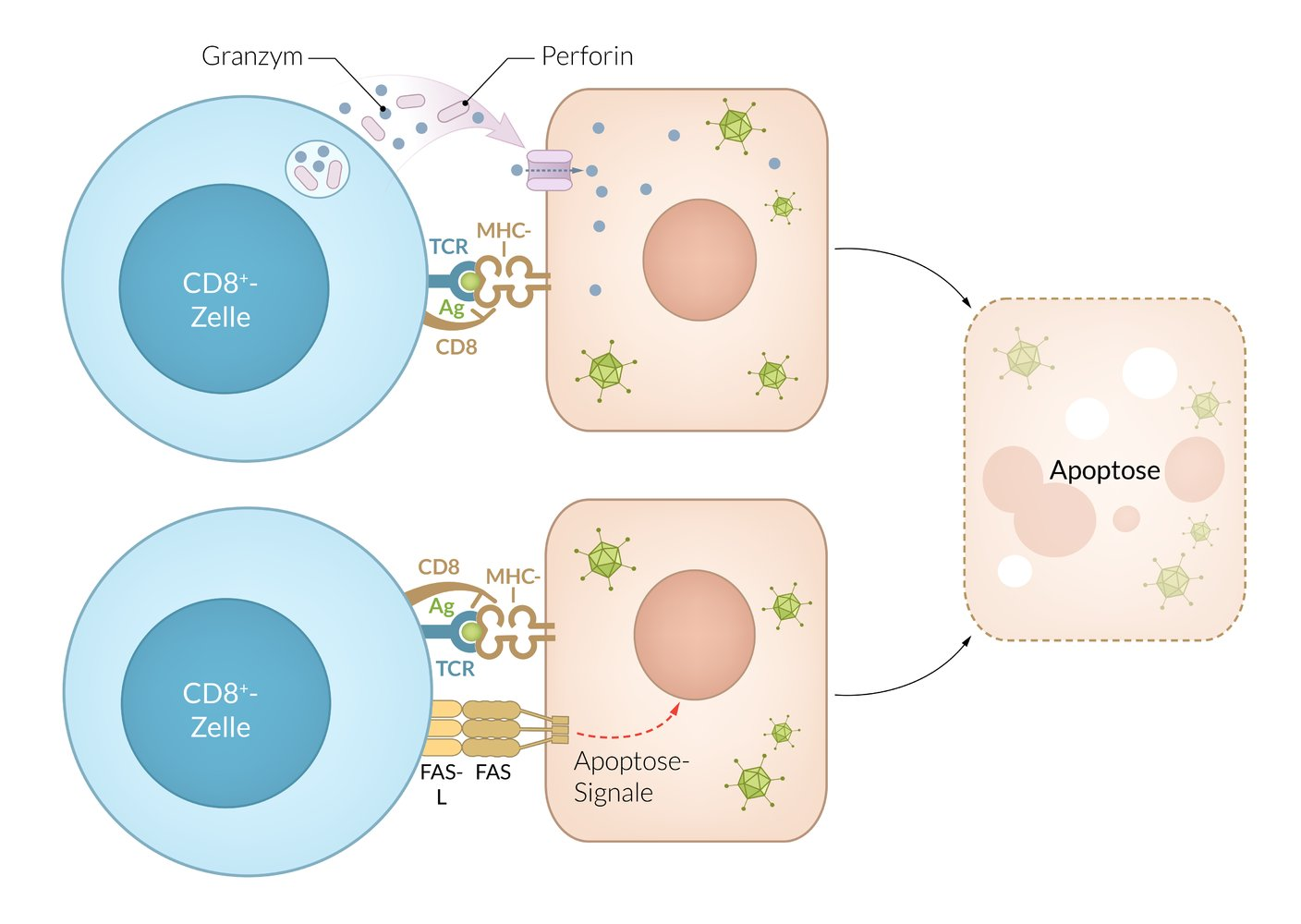
44. During a specific immune response to a viral infection, cytotoxic T lymphocytes (CTLs) can kill virus-infected body cells (vKZ).
Which of the following mechanisms is involved in this killing process?
A. Degradation of MHC class I molecules by initiator caspase 9
B. Activation of a death domain–containing receptor on the plasma membrane of the infected cell by the CTL
C. Induction of apoptosis in the infected cell after activation of p53 in the CTL
D. Binding of perforin released by the CTL to the FAS receptor on the infected cell
E. Insertion of caspases into the outer mitochondrial membrane
B. Activation of a death domain–containing receptor on the plasma membrane of the infected cell by the CTL
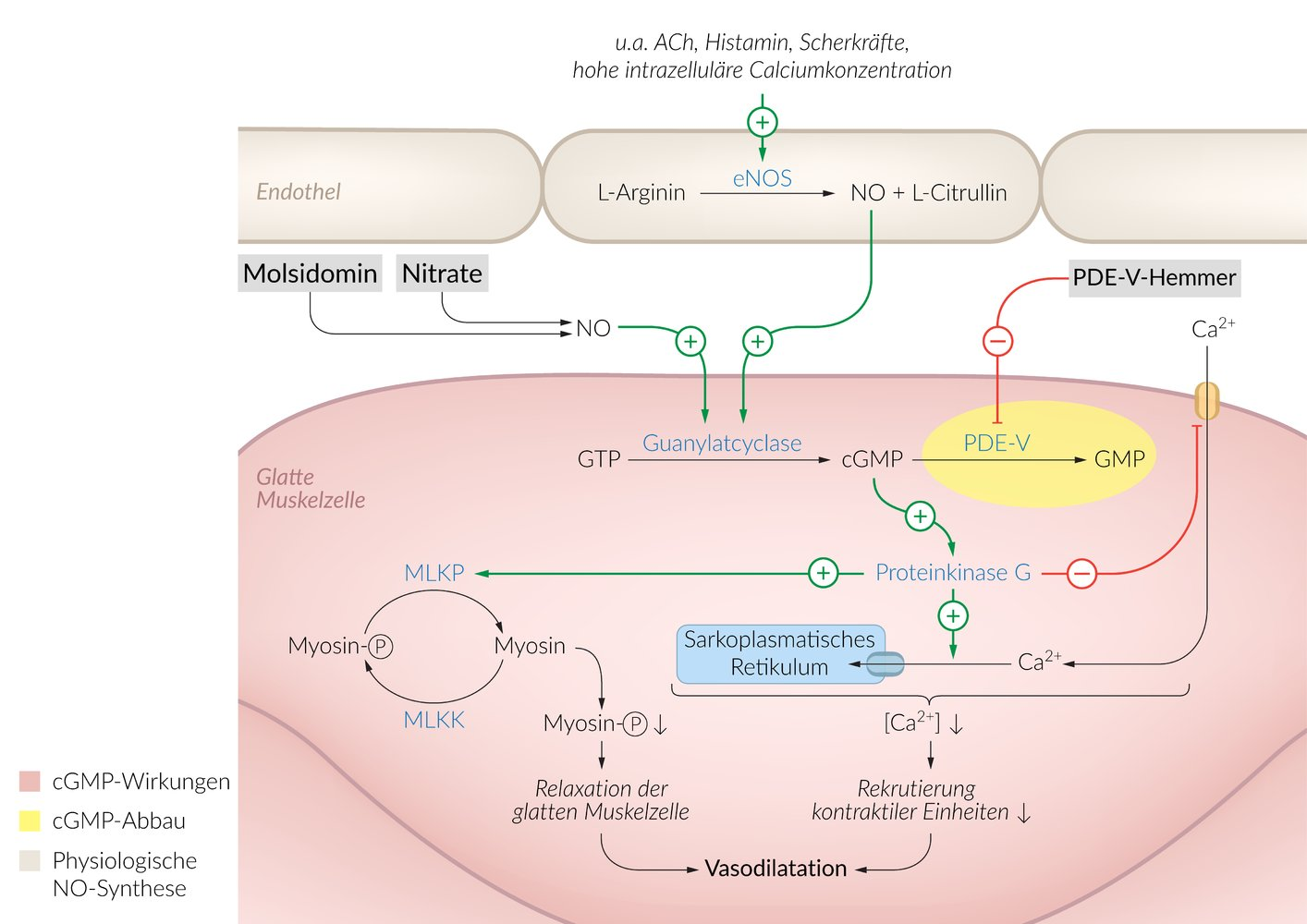
45. A 55-year-old man with retrosternal pain radiating to the left arm is to be treated acutely with nitrates (such as nitroglycerin) to dilate blood vessels via NO generated in the body. Concomitant treatment with certain inhibitors is contraindicated because it may cause fatal hypotension.
Inhibition of which of the following enzymes in vascular smooth muscle cells would most likely enhance NO-induced vasodilation?
A. Adenylate cyclase
B. cGMP-specific phosphodiesterase
C. Guanylate cyclase
D. Protein kinase G
E. Nitric oxide synthase
B. cGMP-specific phosphodiesterase
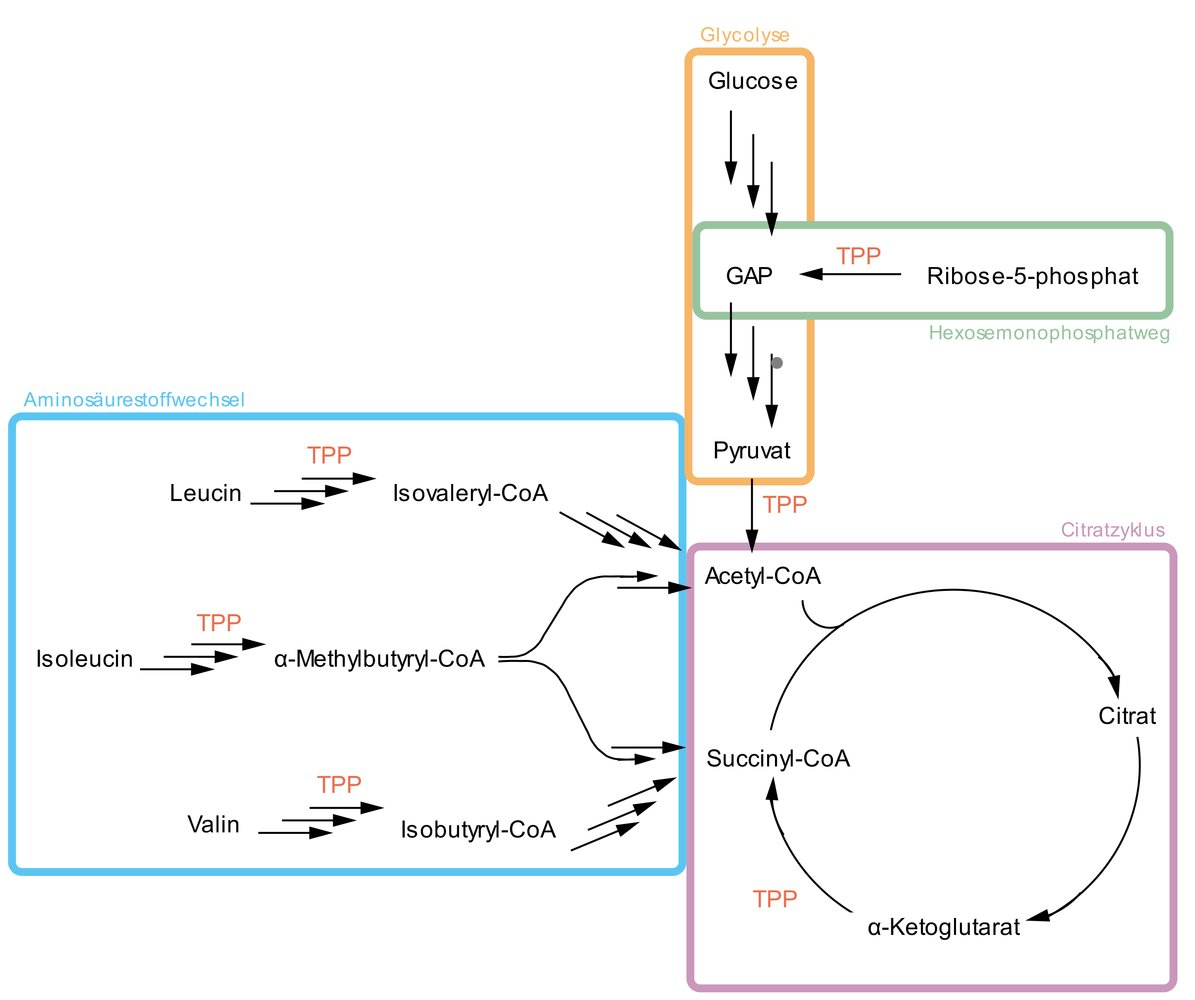
46. The degradation pathways of carbohydrates converge in glycolysis, where breakdown proceeds to pyruvate.
Which vitamin (derivative) is an essential enzymatic cofactor for the further degradation of pyruvate via the citric acid cycle?
A. all-trans-Retinal
B. Ascorbic acid
C. Pyridoxal phosphate
D. Thiamine pyrophosphate
E. α-Tocopherol
D. Thiamine pyrophosphate
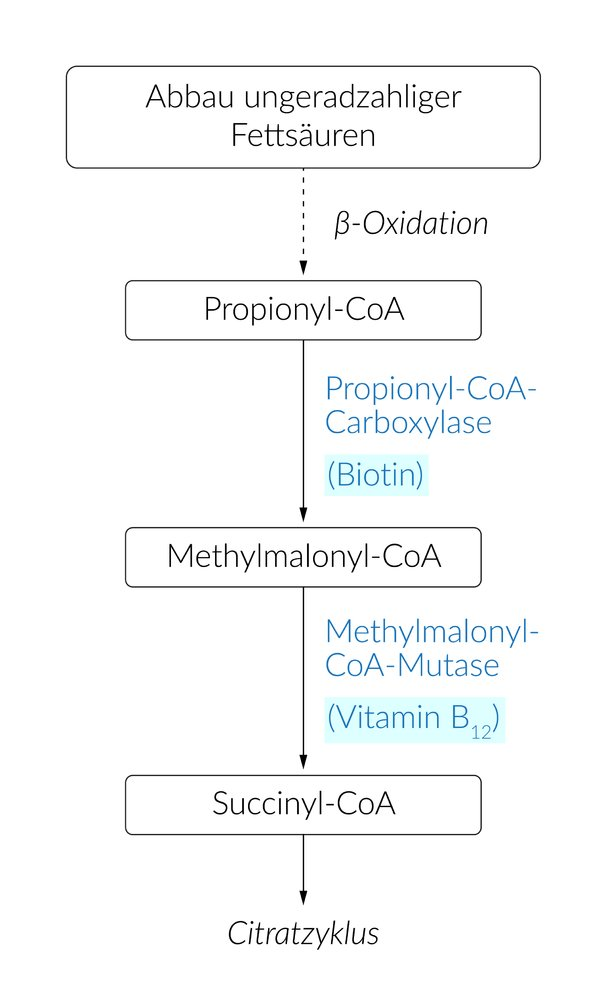
47. An increased methylmalonate concentration in blood plasma most likely indicates a deficiency of which vitamin?
A. Cobalamin
B. Folic acid
C. Phylloquinone
D. Riboflavin
E. Thiamine
A. Cobalamin
48. Certain drugs block, in the metabolism of susceptible bacteria, the synthesis of a vitamin that is a derivative of p-aminobenzoic acid.
Which vitamin is this?
A. Folic acid
B. Pantothenic acid
C. Phylloquinone
D. Pyridoxine
E. Riboflavin
A. Folic acid
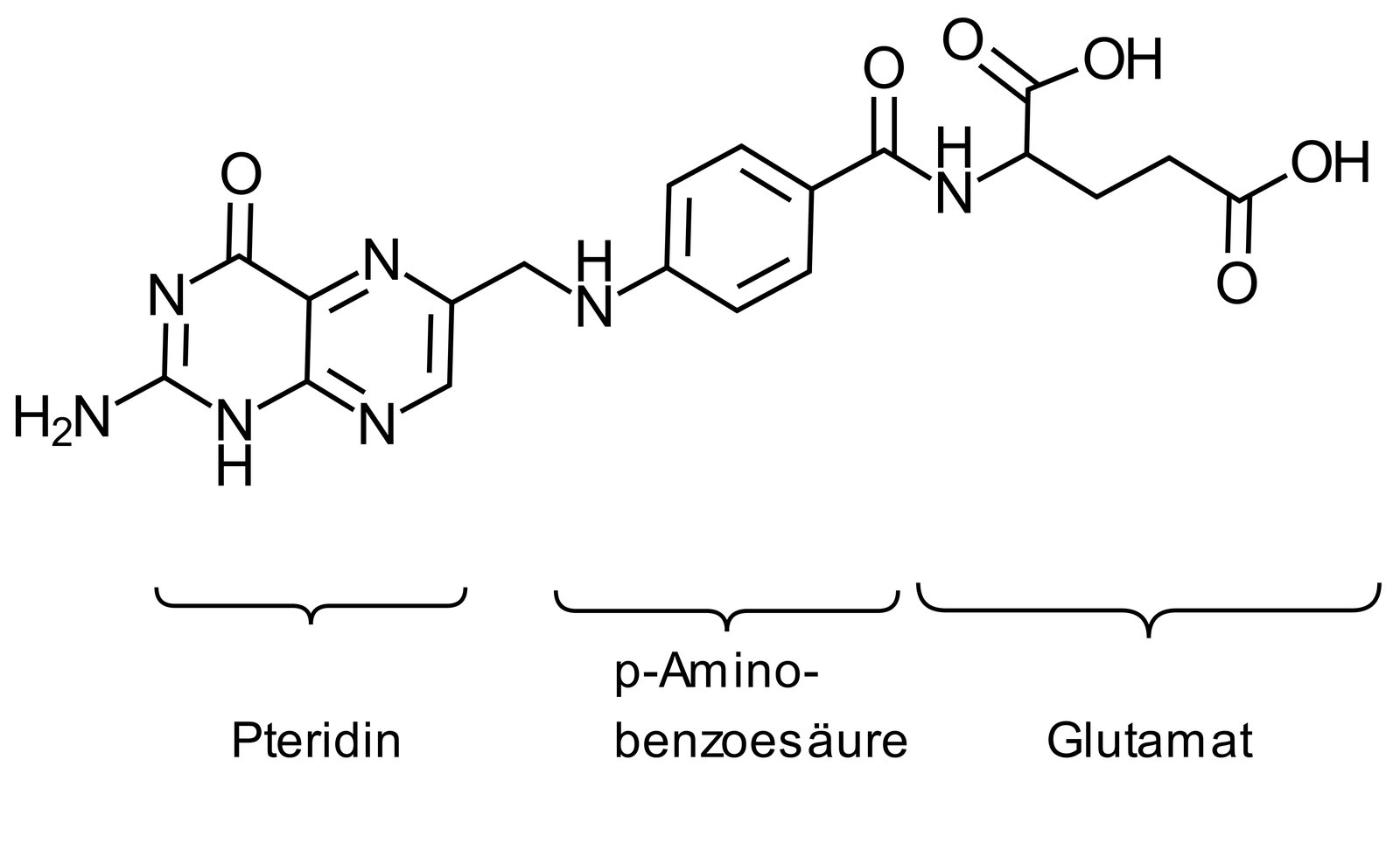
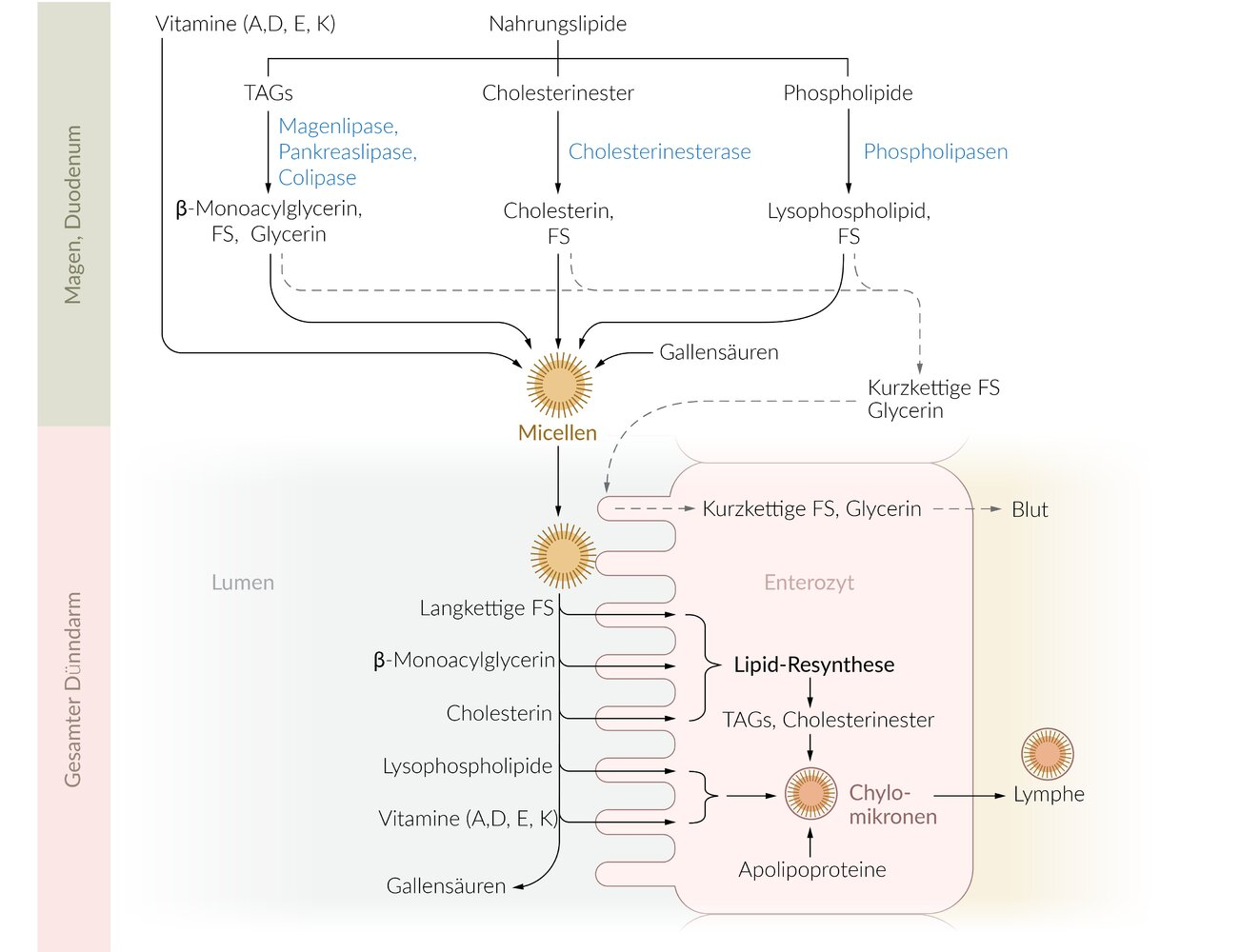
49. In a healthy adult, one blood sample is taken from a vein while fasting and another about two hours after a normal meal (no special diet). The plasma concentrations of glucagon, glucose, insulin, triacylglycerols (triglycerides), and unesterified fatty acids are compared between the two samples.
In the second blood sample, the concentration of
A. Glucagon is higher
B. Glucose is about ten times higher
C. Insulin is lower
D. Triacylglycerols are at least as high or higher
E. Unesterified long-chain fatty acids are higher
D. Triacylglycerols are at least as high or higher
50. Hepatic monooxygenases play an important role in drug metabolism.
Which type of reaction do monooxygenases typically catalyze during biotransformation?
A. Ester hydrolyses
B. Glucuronidations
C. Glutathione conjugations
D. Hydroxylations
E. Oxidative deaminations
D. Hydroxylations
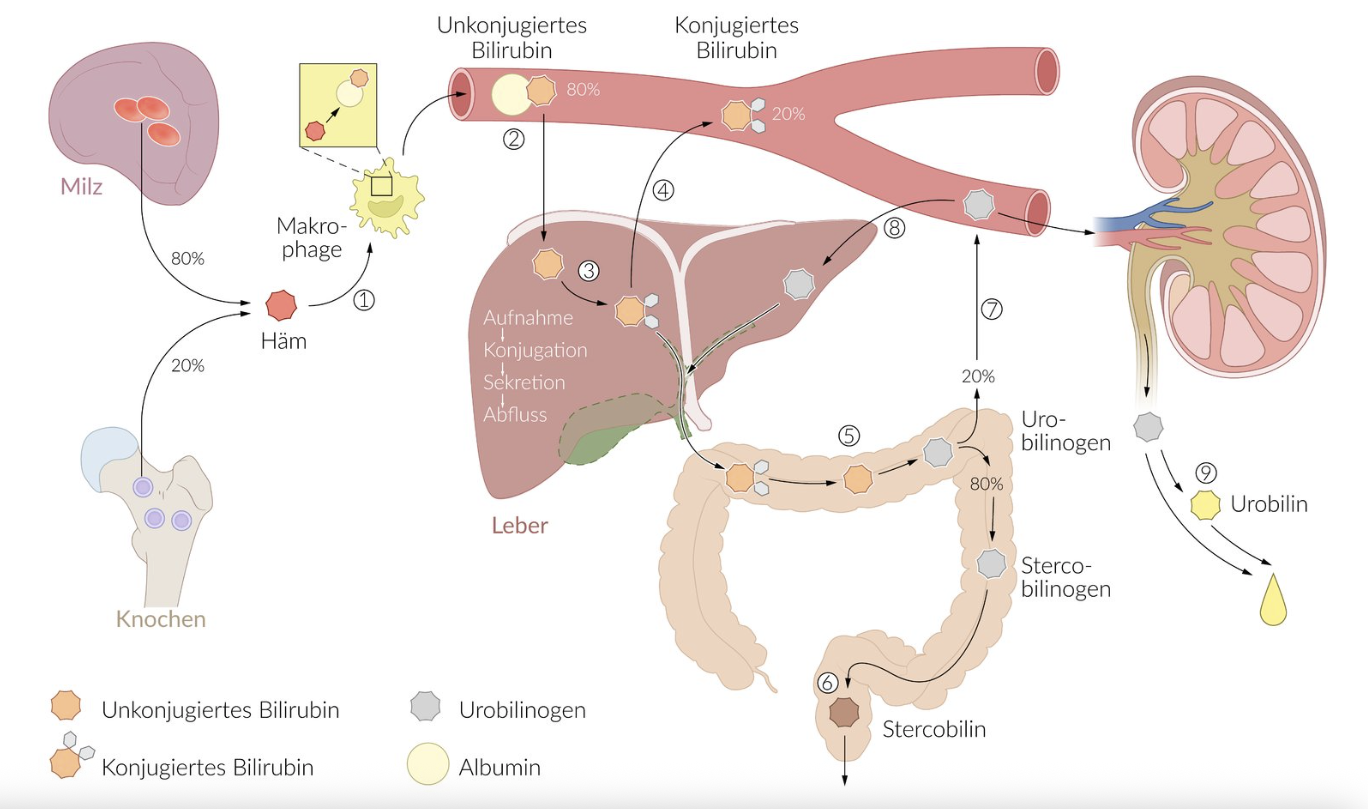
51. Why can severe liver damage lead to jaundice with an increased concentration of indirect bilirubin?
Because
A. Bilirubin in the damaged liver is not sufficiently converted into a more water-soluble form
B. Bilirubin in the damaged liver cannot be completely converted into heme
C. Bilirubin in the damaged liver is conjugated with glutathione only to a reduced extent
D. Direct bilirubin released by the damaged liver into the intestine is converted by intestinal flora into indirect bilirubin, which re-enters the blood via the enterohepatic circulation
E. The conjugation of bilirubin in liver damage is taken over by the skin and sclerae
A. Bilirubin in the damaged liver is not sufficiently converted into a more water-soluble form
52. The G protein Ras is an important component of intracellular signal transduction networks.
Which of the following statements about Ras is correct?
A. During signal transduction, Ras is associated with the cell membrane.
B. The activated Ras molecule carries a GDP molecule.
C. GTP-bound Ras inhibits the protein kinase Raf.
D. After activation, Ras dissociates from the β- and γ-subunits of heterotrimeric G proteins.
E. Ras is a cAMP-activated transcription factor.
A. During signal transduction, Ras is associated with the cell membrane.
53. A cold stimulus can induce thermogenesis in brown adipose tissue via norepinephrine signaling.
Which mechanism in brown adipocytes is typically responsible for this process?
A. Increased activation of α₁-adrenoceptors
B. Increased expression of the mitochondrial protein UCP1 (uncoupling protein 1)
C. Decreased uptake of fatty acids across the cell membrane
D. Decreased formation of cAMP
E. Decreased expression of β₃-adrenoceptors
B. Increased expression of the mitochondrial protein UCP1 (uncoupling protein 1)
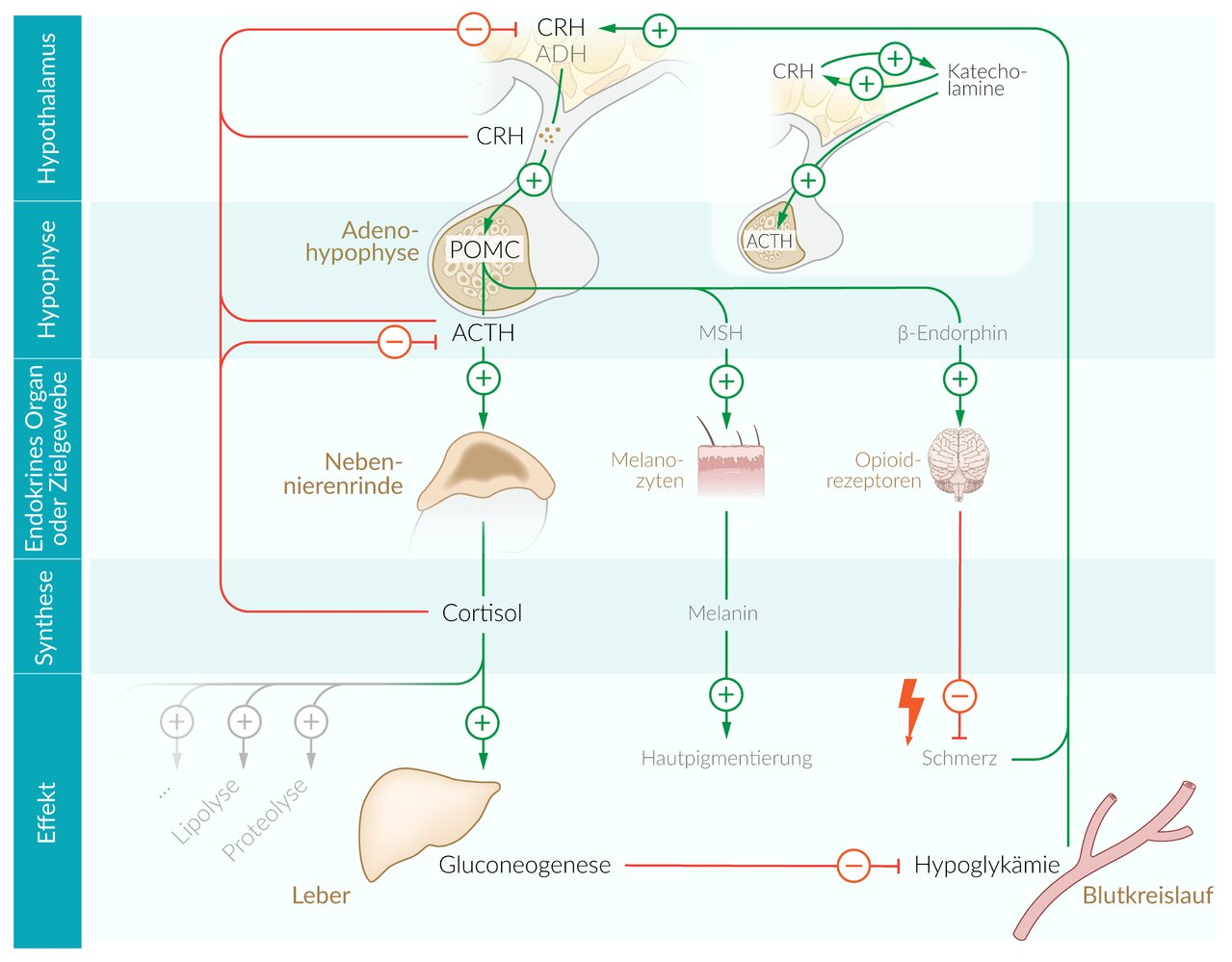
54. In certain hormone deficiency states, the absence of negative feedback in hormone regulation can lead, among other effects, to hyperpigmentation of the skin.
A deficiency of which of the following hormones is most likely to cause this?
A. Adrenaline
B. Cortisol
C. Estradiol
D. Insulin
E. Thyroxine (T4)
B. Cortisol
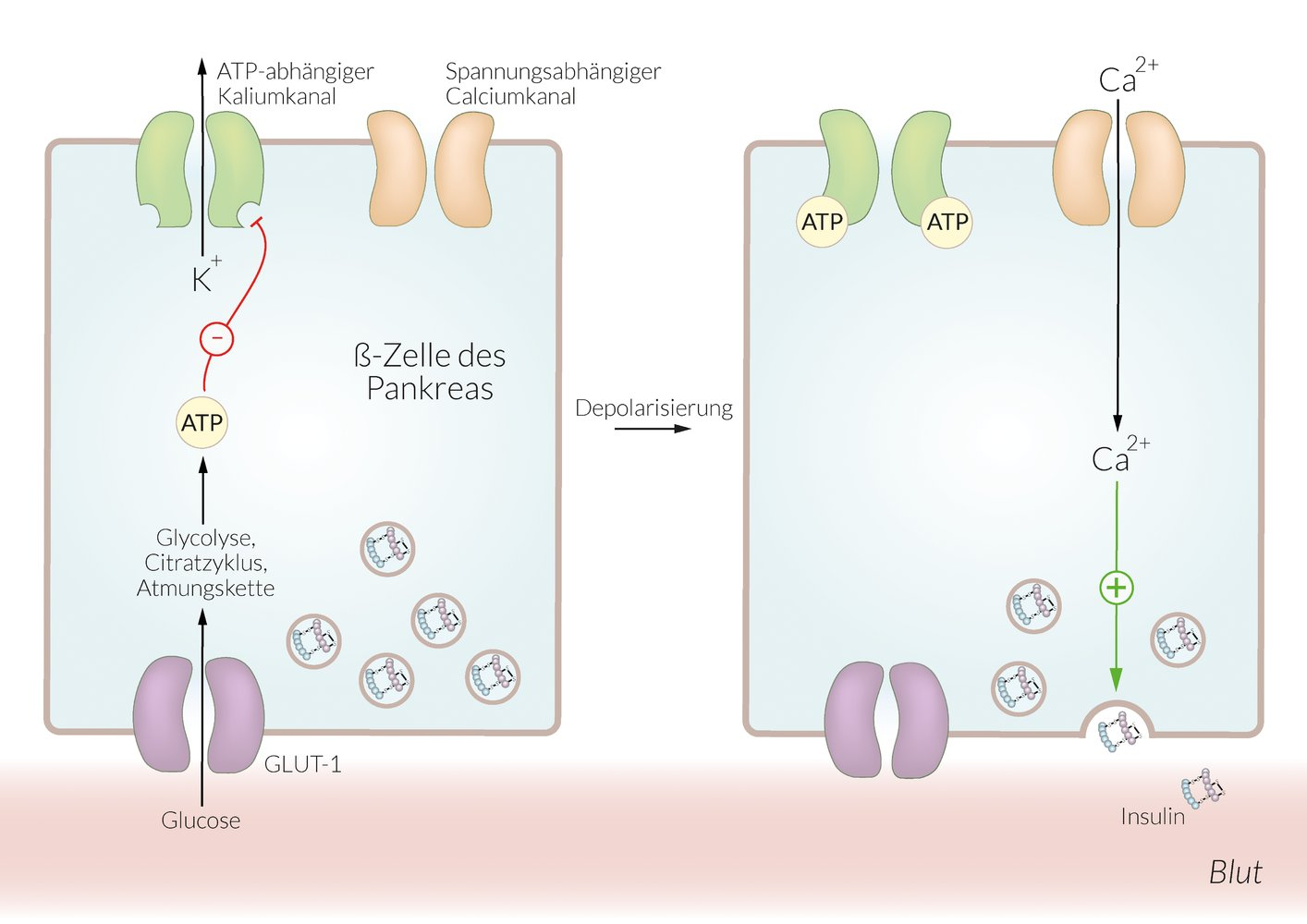
55. Oral antidiabetic drugs such as sulfonylureas are used in type 2 diabetes mellitus to increase insulin secretion independently of blood glucose concentration.
Which of the following substances has the same target molecule in pancreatic β-cells as sulfonylureas?
A. ATP
B. Ca²⁺
C. cAMP
D. Glucose
E. K⁺
A. ATP
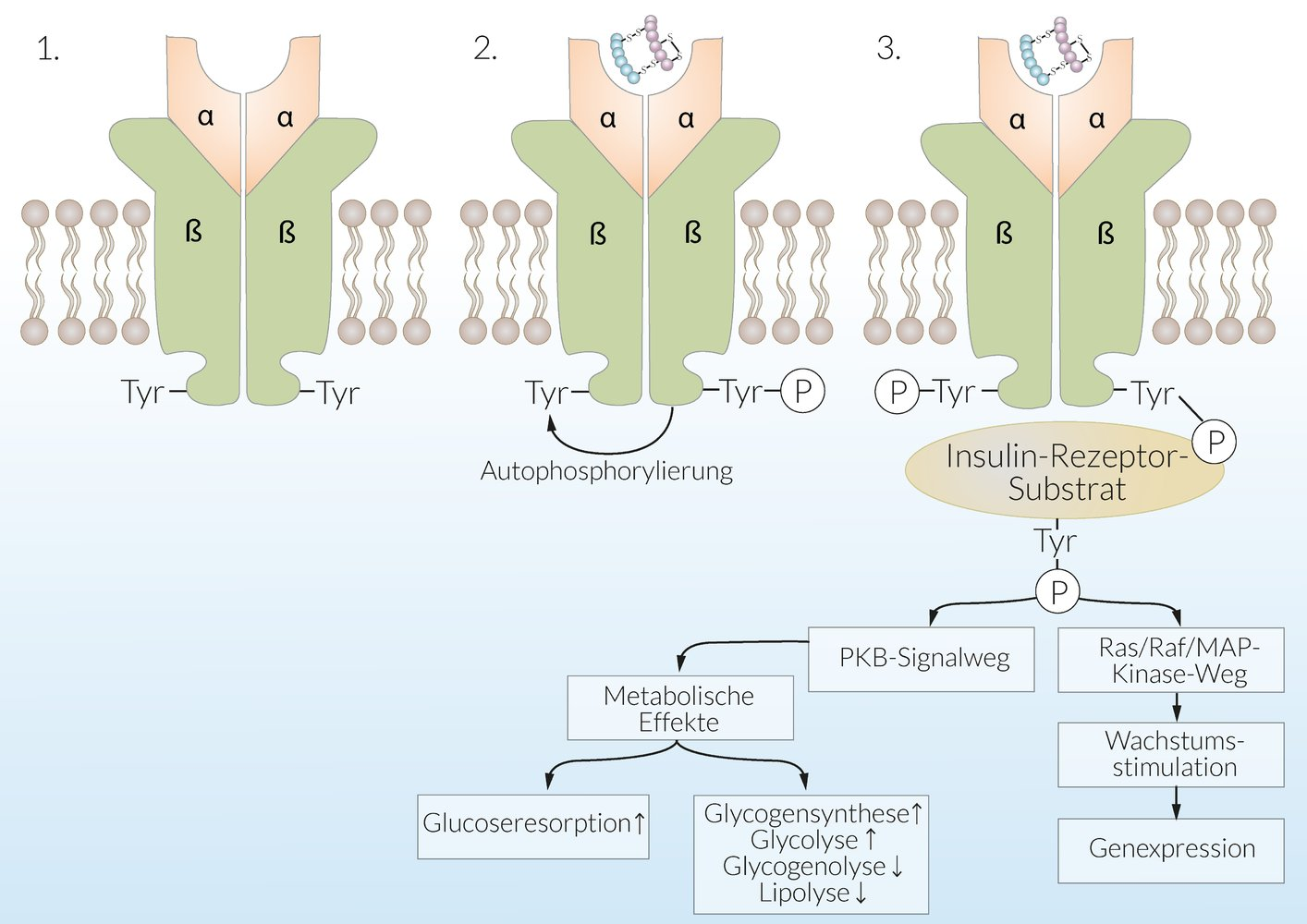
56. In experimental in vitro studies, the molecular mechanism of signal transduction by the insulin receptor is to be investigated.
Substitution of which amino acid in the primary sequence of the insulin receptor is most likely to inhibit signal transduction in this experimental setup?
A. Gln → Asn in the extracellular domain of the β-subunit
B. Glu → Asp in the α-subunit
C. Leu → Ile in the transmembrane domain of the β-subunit
D. Lys → Arg in the α-subunit
E. Tyr → Phe in the cytoplasmic domain of the β-subunit
E. Tyr → Phe in the cytoplasmic domain of the β-subunit
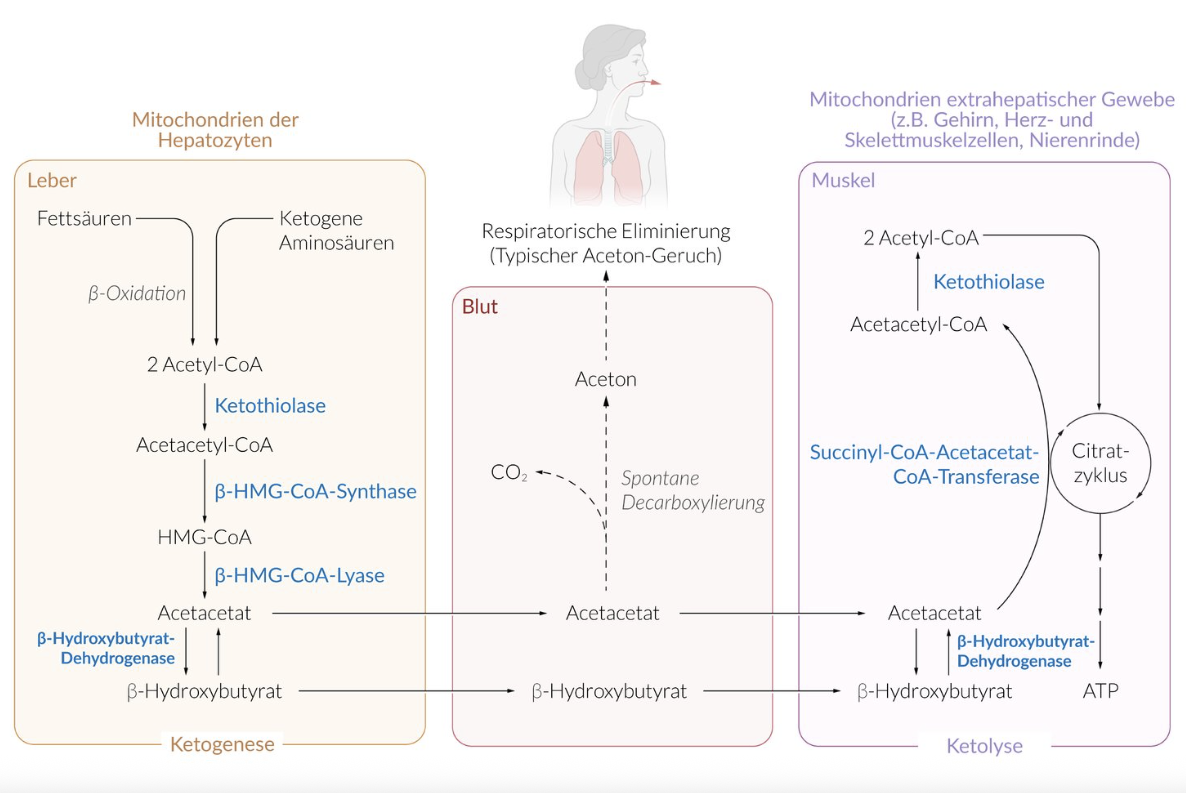
57. Excessive formation of ketone bodies in the liver, which are released into the blood, can lead to ketoacidosis — a dangerous complication of poorly controlled type 1 diabetes mellitus (insulin deficiency).
Under these conditions, the acetyl-CoA used for increased ketone body synthesis originates primarily from the breakdown of
A. Blood glucose, whose uptake into insulin-dependent cells is impaired
B. Fatty acids released from adipose tissue
C. Glucose released from liver glycogen
D. Glycerol produced during lipolysis of liver triacylglycerols
E. Plasma proteins that are increasingly degraded
B. Fatty acids released from adipose tissue
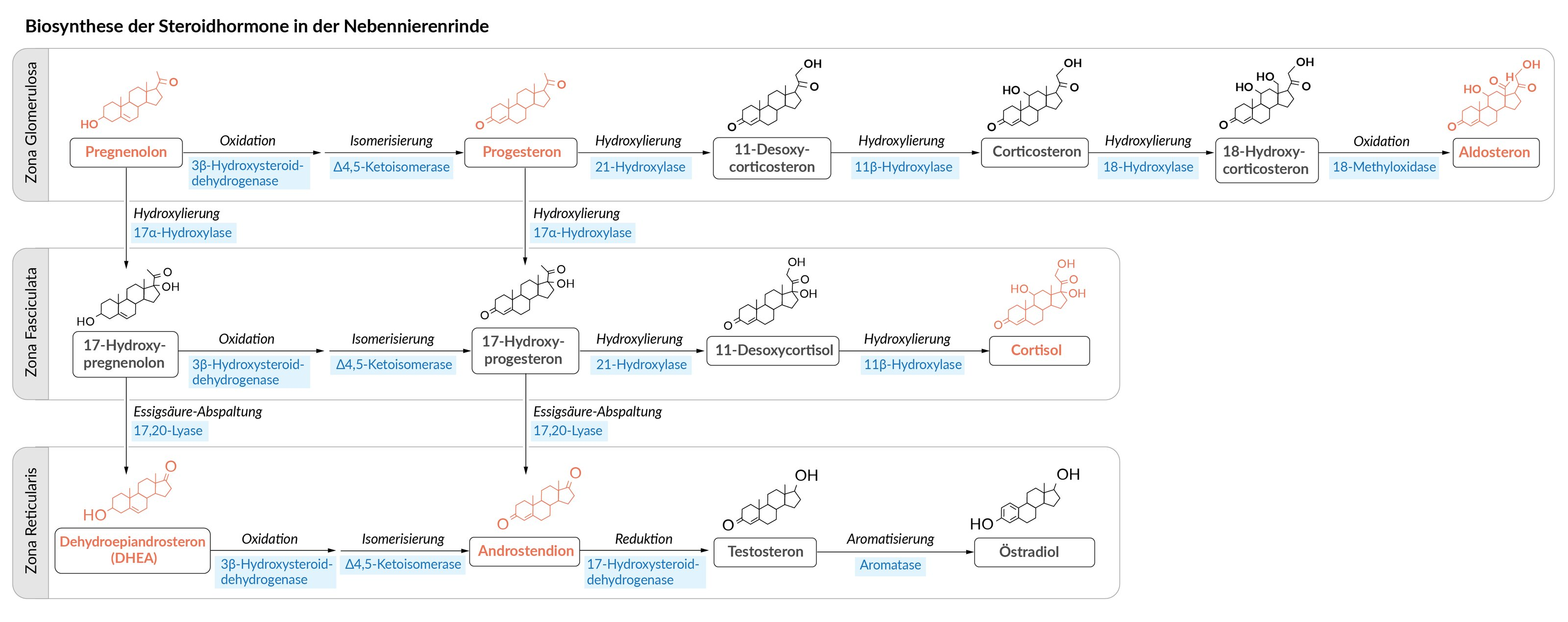
58. Among the major metabolites of steroid hormone metabolism are aldosterone, cortisol, estradiol, progesterone, and testosterone.
Starting from which of these metabolites can all the others be synthesized?
A. Aldosterone
B. Cortisol
C. Estradiol
D. Progesterone
E. Testosterone
D. Progesterone